Category: Research & News

  • Carbohydrate, lactose and histamine intolerances go hand in hand

    Carbohydrate, lactose and histamine intolerances go hand in hand

    Composition with vegetables and fruits in wicker basket isolated on white.

    You may have heard of the histamine bucket: the idea there’s only so much histamine we can put into the body before we spill over into symptoms. I favour the inflammation bucket model, where we work out what inflammation-causing foods and lifestyle issues (stress, lack of exercise, low histamine foods that cause inflammation) are making us spill over. New research appears to confirm this by revealing that those with histamine issues are often dealing with concurrent inflammatory issues. References always at the bottom of post. 

    The inflammation bucket model is not one I came up with but it’s certainly one I’ve come to accept is the best working theory to explain what’s going on for many of us. While the traditional approach to healing histamine intolerance (or at least getting through it) has focused on limiting histamine containing foods, my method has been to prevent the inflammation bucket from filling up by using antihistamine and anti-inflammatory foods (even nutrient dense ones appearing on high histamine lists: mushrooms, chickpeas, lentils, radishes for example more on that here), stress relief and meditation (both of which have been proven to lower inflammation levels).

    You can read more about the inflammation bucket here.

    HISTAMINE IS ALSO FOUND IN THE BODY

    All of this rests on the understanding that not only is histamine found in foods, but that it’s also found in mast cells in the body. Mast cells are an integral part of the immune system. These white blood cells are kind of an army barracks in which live inflammatory soldiers like histamine, prostaglandins, interleukins, leukotrienes and more. These are all healing agents in the fight against bacteria, viruses and more.

    Histamine is the first responder.

    It gets to the problem site, or somewhere we need healing, creating inflammation so the other inflammatory agents can penetrate and do their job.

    In my original post a few years ago on the subject I explain that I believe that for many of us the big inflammation bucket is made up of little ones contained within it.
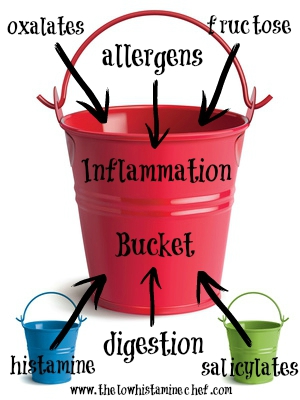
    Bucket set. Isolated. Illustration

    Rather than looking at this as separate issues, I had found that filling up just one of the little buckets contained within the big one was enough to make the whole thing spill over and cause symptoms.

    And now it seems researchers are finding the same.

    A study published in the Canadian Journal of Gastroenterology and Hepatology found significant overlap in the diagnosis of histamine intolerance, lactose, fructose and carbohydrate malabsorption in a sample of test subjects with unexplained gastrointestinal problems.
    Now, a couple of things here. Histamine’s role in digestion means that having an excess of it can compromise the intestinal barrier. Yes, that means leaky gut. So it’s not surprising that histamine intolerance goes hand in hand with gut issues. Thankfully the bioflavonoid quercetin (which is in pretty much every food in my diet) has been shown to heal leaky gut.ELIMINATION RARELY BRINGS RELIEF

    Not surprising at all to me given that I started out thinking I had a histamine intolerance, but when I eliminated those foods it suddenly seemed I was also reacting to salicylic acid foods. And once those were gone I was struggling with fructose foods and so on till I was down to a handful of foods.

    That’s why I advocate making your own list of safe foods regardless of lists, and also prioritising certain nutrient dense foods when re-introducing foods. Learn how to do both here.

    Research like this study really brings home that it’s important to look at the body as a whole and our food intolerance as more than just histamine related.

    Though I started out hardcore low histamine for years, which no doubt starved my body of the nutrients it needed, most of all omega 3 (I now eat salmon a few times a week and take a vegan EPA/DHA supplement), I eventually realised that the goal wasn’t no symptoms at all, but rather very manageable ones.

    For whatever reason my body is just highly sensitive and eating a well balanced diet rather than going gonzo with the elimination was instrumental to my healing.

    It took years to add things back, a little at a time. Sometimes literally just a drop of something.

    But addressing my stress, moving, walking away from a toxic relationship and reconnecting with meditation turned it all around. More on that here.

    You’ll find recipes full of foods with antihistamine and anti-inflammatory properties my books Anti-Recipes and The Anti-Cookbook

    CLICK HERE FOR A FOUR WEEK HISTAMINE RESET WITH MEAL PLANNERS, STRESS RELIEF STRATEGIES & MORE

    ——REFERENCES—–

    Enko, Dietmar, Andreas Meinitzer, Harald Mangge, Gernot Kriegshäuser, Gabriele Halwachs-Baumann, Eva Z. Reininghaus, Susanne A. Bengesser, and Wolfgang J. Schnedl. “Concomitant Prevalence of Low Serum Diamine Oxidase Activity and Carbohydrate Malabsorption.” Canadian Journal of Gastroenterology and Hepatology2016 (2016): 1-4. Web.

  • Triphala: Ayurvedic Antihistamine for Histamine Intolerance?

    Triphala: Ayurvedic Antihistamine for Histamine Intolerance?

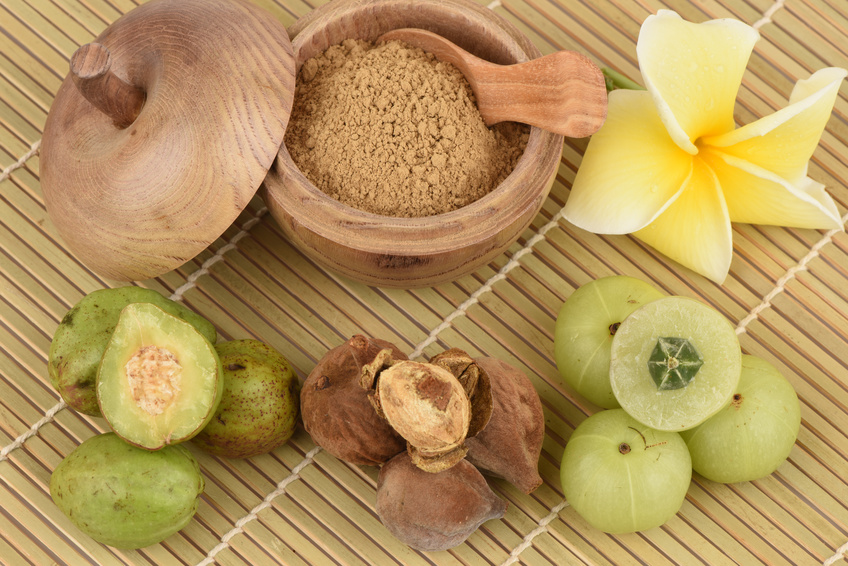
    triphala ingredients on a bamboo background

    For over two thousand years the Ayurvedic remedy Triphala has played a key role in the practice of Indian traditional medicine. There’s been considerable research validating a number of these remedies recently, including the news that Triphala, a combination of three medicinal fruits, is a powerful natural antihistamine that also stabilises mast cells and acts as an anti-inflammatory. Triphala may be useful for histamine intolerance. All references are at the bottom of the post.

    Triphala is a blend Indian fruits:

    Phyllanthus emblica (amla)

    This compound has also shown promise in preventing carrageenan induced inflammation, stabilising mast cells (thereby preventing the release of histamine and other inflammatory agents), and stopping histamine and mast cell induced asthma attacks (read more about histamine, mast cells and asthma here).

    Carrageenan is a food additive derived from natural sources, which is why you’ll even find it in the healthiest organic foods and products. Unfortunately it’s used in medical studies to cause inflammation.

    Terminalia chebula

    Animal studies have shown an extract of this fruit can prevent anaphylaxis and lower blood histamine levels.

    Terminalia bellirica

    Compounds from this fruit have shown anti-inflammatory and antioxidant activity in animal studies (more on how antioxidants in foods fight histamine inflammation here)

    But there’s more.

    Combine the three and you have a a supplement that (at least in animal studies) has been shown to prevent the growth of certain cancer tumours, protect our cells from radiation, is super high in antioxidants, and can help with symptoms of arthritis. Triphala also (obviously) possesses antihistamine properties and fights inflammation resulting from the release of prostaglandins from mast cells.

    I keep talking about how histamine is just one type of inflammatory agent we need to be paying attention to. That’s why I feel that a low histamine diet at the expense of an overall inflammatory diet high in nutrients and antioxidants isn’t the best approach (more here).

    Like all supplements, there’s risks (which is why I try to get all I need from food..

    So please always check with your doctor before adding anything new to the diet. According to the Sloane Kettering website, Triphala’s main side effects are gastrointestinal in nature, but few and far between. Triphala also inhibits the CYP3A4 and CYP2D6 enzymes.

    ——REFERENCES—–

    Bährle-Rapp, Marina. “Phyllanthus Emblica Extract.” Springer Lexikon Kosmetik und Körperpflege (2007): 426. Web.

    Shin, T.y, H.j Jeong, D.k Kim, S.h Kim, J.k Lee, D.k Kim, B.s Chae, J.h Kim, H.w Kang, C.m Lee, K.c Lee, S.t Park, E.j Lee, J.p Lim, H.m Kim, and Y.m Lee. “Inhibitory action of water soluble fraction of Terminalia chebula on systemic and local anaphylaxis.” Journal of Ethnopharmacology 74.2 (2001): 133-40. Web.

    Sireeratawong, S., K. Jaijoy, and N. Soonthornchareonnon. “Evaluation of anti-inflammatory and antinociceptive activity of Triphala recipe.” African Journal of Traditional, Complementary and Alternative Medicines 10.2 (2013): n. pag. Web.

    “Triphala.” Memorial Sloan Kettering. N.p., n.d. Web. 02 June 2017.

  • Histamine and smell

    Histamine and smell

    yellow laundry machines in laundrette

    A small study has just revealed that scented laundry washes contain carcinogens that may raise cancer risk if inhaled. This is unlikely to be a problem for people with histamine and mast cell disorders given that our heightened sense of smell and reactions to scents, prevent most of us from using them. The question is why do they bother us so?

    The study, published this August in Air Quality, Atmosphere and Health, found 25 “volatile” air pollutants released during the average washing cycle. Known carcinogens included acetaldehyde and benzene. The former causes nasal and throat cancer and the latter is linked to nasal and throat cancers, all of them in animal studies.

    I personally only recently started using lightly scented laundry detergent in the last year or so (maybe a bit longer, I’m pretty crap at dates), but I’ve certainly been exposed to my fair share while staying with friends and in hotels.

    While in recent years I’ve no longer experienced the old histamine/mast cell reactions to these smells (fainting, extreme anxiety, coughing, runny nose and watering eyes), I do remember how awful they used to be.

    Click here to create your own histamine balanced diet and healing plan.

    Thing is, while I’m glad I’ve desensitised myself to a certain degree, enough to be able to live a normal life while traveling, I’ve long believed these products to be carcinogenic and generally toxic and have avoided their use.

    My recent use of scented products stems from someone I was living with. Compromise is often necessary for a peaceful co-existence, and is responsible for many changes I made in the last two years that I’m not crazy about (but take full responsibility for) like adding a lot more animal protein and a ton of sugar to my diet. I’m now back on the straight and narrow!

    So what gives? Why do mast cell people react so much to scents?

    Part of the explanation according to mast cell expert Dr. Lawrence Afrin, is that we simply have a heightened sense of smell when mast cell (and therefore histamine) attacks come on.

    I’ve definitely experienced the acute sense of smell. It’s always been part and parcel of the general adrenalin response to histamine attacks in my body. I’d never linked them, but the tunnel vision, hound dog nose, and spring in my step (as if I were ready to flee at the slightest provocation) were all definitely adrenalin based for me. This was revealed to me, by of all things, a TV show where a cop talks about what happens to them when close to a suspect.

    I immediately scanned my memory for my reactions while covering conflicts in Iraq and Lebanon, yup, that was it. They’re all bodily reactions that help us stay alive in times of stress.

    So why was my body freaking out to food, scents and other such nonsense when there was no risk to me at all? Well, based on some of my exposures to food, and projectile vomiting as a result, I’m pretty convinced my immune system came to associate (at first) some foods, then most foods, as my symptoms became more acute, with danger. Sometimes the smell of food was enough to trigger that response. There’s a fascinating book called “Cure” by Jo Marchant which covers why open placebos, where someone knows they’re not getting real medicine) work. Seems that the immune system can be trained to trigger the same response to meds, in the absence of them. I believe that the reverse is also true, that the immune system can be conditioned to respond negatively to foods and scents.

    Read my post on the fear link and how mast cell markers can be raised through Pavlovian conditioning.

    Proponents of this view are Annie Hopper, who healed herself of Multiple Chemical Sensitivity, and Dr. Gupta, of the Gupta Program.

    It’s finally here! Man Food – a high nutrient antihistamine and anti-inflammatory ingredient filled book geared towards guys, women who love to work out, yoga like they mean it, or just load up on healing nutrients. Features my personal shopping list of antihistamine and anti-inflammatory foods.

    The Anti-cookbook and all liquid Anti-Detox Book, don’t treat any conditions, but feature a plethora of the high nutrient antihistamine and anti-inflammatory ingredients that have been instrumental in helping me feed myself on a limited diet. The Anti-cookbook features a four page list of antihistamine and anti-inflammatory foods and comes in regular and Paleo.

    The Low Oxalate Cookbook features antihistamine and anti-inflammatory rich recipes.

    Don’t miss the Low Histamine Beauty Survival Guide for non-toxic beauty tips, the skinny on histamine releasing (mast cell degranulating) beauty ingredients, antihistamine and anti-inflammatory beauty alternatives and the top brands natural brands I’ve found.

    Take a peek at my other low histamine and antihistamine cookbooks for more high nutrient recipes

    —-REFERENCES—-

    Afrin, Lawrence B. Presentation, diagnosis and management of mast cell activation syndrome.  2013.  Mast cells.

    Jaslow, Ryan. “Scented laundry products release carcinogens, study finds.” CBS News. CBS Interactive, 26 Aug. 2011. Web. 24 Mar. 2017.

  • Latest findings on the microbiome and gut health

    Latest findings on the microbiome and gut health

    Here’s a little round up of stories that have caught my interest recently, as well as older bits of information that have piqued interest: the gut bacteria of people with chronic fatigue is different to most people’s and obesity may be contagious thanks to sharing microbes with family members and friends. We’ll also get into the different gut bacteria strains found in humans and how we can go about changing them.

    In the last twelve months we’ve learned a lot about the human microbiome including that it can affect our moods and behaviours, that a lack of beneficial bacteria in the gut can contribute to or cause Parkinson’s, and that addressing microbiota issues with probiotics can largely be a shot in the dark.

    In my recent interview with dentist and author Dr. Steven Lin the topic of gut health and its link to oral cavities and gum disease generally, plus how they affect histamine and mast cells, was the focus of our conversation. That got me thinking about some of the most interesting recent developments:

    The gut bacteria of people with chronic fatigue (CFS) is very different to most other folks

    We’ve been told for years that chronic fatigue is psychosomatic; that people just need exercise or that they’re actually just downright depressed. Now researchers are finding that the gut bacteria of those with this debilitating illness is far less diverse than those of healthy people. The scientists also found that those with CFS had higher levels of inflammatory molecules called lipopolysaccharides. They believe this may indicate that bacteria is making its way through the gut barriers and into the bloodstream (where they’re obviously not mean tot be). Researchers in this particular study were able to successfully identify over eighty percent of the CFS patients on their blood work alone.

    I have no idea what caused my debilitating fatigue in the past, but I’m sure inflammation had something to do with it. I’d run around like speedy Gonzales for a couple of days or weeks and then be confined to my duvet for significantly longer. Eventually, thanks to my change in diet and dealing with my lifelong stress, I stabilised, neither speedy nor crashed out. I never sought medical treatment for it, knowing I would be laughed out of the doctor’s office. I instead initially loaded up on Diet Coke and Pepsi, put five tea bags in one cup of water when the soda (literally) make me sick, popped caffeine pills, and ultimately lived on Provigil, a medication used my pilots to stay awake. Little did I know back then that one of the ways that particular medication works is by boosting histamine levels in the brain.

    This and other crazy things I did to myself back in the day…

    Having learned from my mistakes, I now believe in eating a balanced diet. That means a few higher histamine (but nutrient dense) foods, a little bit of animal protein (mostly fish) and a ton of plant foods.

    Click here to learn how to create your own histamine balanced diet and healing plan.

    Obesity may be contagious (thanks to our gut bacteria)

    Researchers have been onto the fact that the use of certain antibiotics (Vancomycin for example) may be linked to obesity, through its effect on gut bacteria. Now they believe that it can spread from one person to another. Mice studies initially showed that mice can spread obesity to each other, but they eat each others droppings. It’s been known for a while that people who live together share similar gut bacteria profiles, they even share them with their dogs, which according to Dr. Michael Gregor of NutritionFacts.org, can act as a bridge, connecting one family member’s microbiota to another. More recent studies have shown that human gut flora affects the way we metabolise fat, so theoretically it’s possible to “catch” weight gain from an overweight family member.

    What’s your enterotype?

    Recent studies show that the human microbiota is made up of two main species of bacteria that live in the colon. These enterotypes (as they’re known as) are Bacteroides and Prevotella, and their presence is dictated by your diet. The former is associated with an animal protein rich diet and the latter with a plant based one. Bacteroides species are associated with an increased risk of prostate cancer, the second leading cause of cancer related deaths.  The great news is that we can “rapidly” change our microbiome through dietary changes. A study pitted two diets against each other: a vegetable, grain, fruit and legume based diet, and an animal protein rich one. Neither diet featured any refined sugars. A vegan in the study who was fed an animal diet had their microbiome shift from a prevotella based one to bacteroides (cancer linked) in just four days. Bacteroides are linked to a number of inflammatory issues that may contribute to cancer.

    There’s a few companies offering biome testing at home. I like uBiome – just use this link and you’ll get a 15% discount (and I’ll get one too!)

    It’s finally here! Man Food – a high nutrient antihistamine and anti-inflammatory ingredient filled book geared towards guys, women who love to work out, yoga like they mean it, or just load up on healing nutrients. Features my personal shopping list of antihistamine and anti-inflammatory foods.

    The Anti-cookbook and all liquid Anti-Detox Book, don’t treat any conditions, but feature a plethora of the high nutrient antihistamine and anti-inflammatory ingredients that have been instrumental in helping me feed myself on a limited diet. The Anti-cookbook features a four page list of antihistamine and anti-inflammatory foods and comes in regular and Paleo.

    The Low Oxalate Cookbook features antihistamine and anti-inflammatory rich recipes.

    Don’t miss the Low Histamine Beauty Survival Guide for non-toxic beauty tips, the skinny on histamine releasing (mast cell degranulating) beauty ingredients, antihistamine and anti-inflammatory beauty alternatives and the top brands natural brands I’ve found.

    Take a peek at my other low histamine and antihistamine cookbooks for more high nutrient recipes

    —-REFERENCES—-

    http://nutritionfacts.org/video/is-obesity-infectious/

    http://nutritionfacts.org/video/how-to-change-your-enterotype

  • Monk fruit: anti-inflammatory sugar free sweetener

    Monk fruit: anti-inflammatory sugar free sweetener

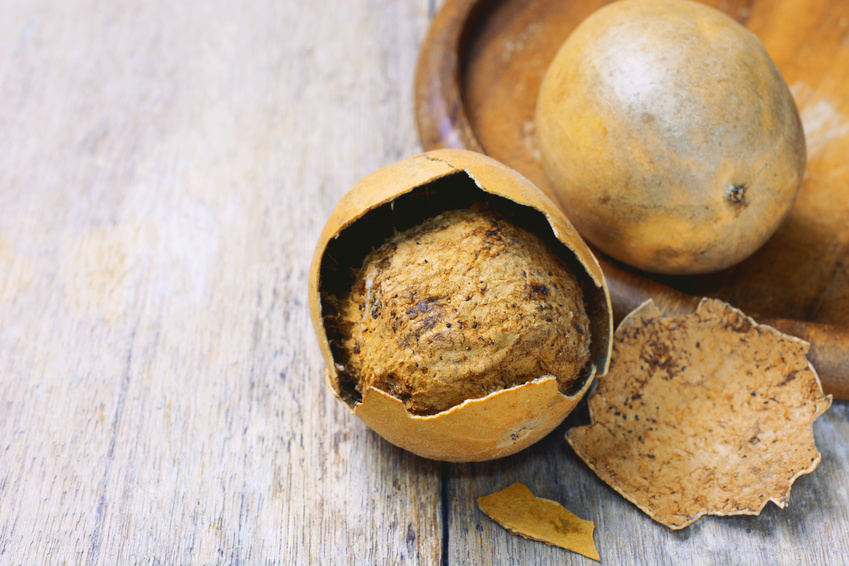
    luo han guo (monk fruit, fructus momordicae, momordica grosvenori, siraitia grosvenorii) on wooden background.

    Monk fruit (Siraitia grosvenorii) extract is reportedly 300-400 times sweeter than cane sugar but has no effect on blood sugar and has significant anti-inflammatory properties. Studies show this magical fruit can also fight fatigue and prevent cancer thanks to its significant anti-oxidant activity which prevents DNA damage.

    Several members of the curcubita family, which includes butternut squash and monk fruit, possess antihistamine properties. I haven’t found any studies on monk fruit and histamine as of yet, but I did find an animal study that found it to inhibit nose scratching via a “mast cell-dependent mechanism”. For those of you new to my website, histamine is not just found in foods, but also contained in white blood cells called mast cells, which are part of the white blood cell system. When triggered by allergens, food intolerance, junk food (nope, not making that up, read about it here) and stress, mast cells release histamine and other inflammatory agents to try and resolve the issue/trigger the healing process. Only sometimes they’re not needed, or the inflammation can become chronic.

    According to Dr. Axe, the sweetness of monk fruit is thanks to its powerful antioxidants rather than natural sugars. How amazing is that?

    With the anti-sugar hysteria reaching a peak this year (seemingly at least) I was grateful to discover that my new favourite sweetener has such a wonderful profile nutritionally. My challenge has been finding a good, pure source, that won’t bankrupt me! If you have one, please share. For now I’m trying out various organic brands mixed with erythritol, a sugar alcohol. Not really something I like the sound of…

    Why give up sugar?

    Well, other than (seemingly) everyone on the planet telling us it’s linked to cancer, diabetes (this we knew), alzheimer’s and dementia in general, I came to realise that cane sugar left me feeling really inflamed, exhausted and often quite dizzy. Not to mention that it used to leave a disgusting aftertaste on my tongue.

    I’m such a sugar freak that if offered the choice of an unlimited number of bags of potato chips (that will never make me gain weight!), or eating a bar of raw organic dairy free chocolate off the New York subway floor, I’d choose the latter so fast it’d make your head spin like it’s on a pinwheel (while totally grossing you out).

    Thankfully, with monk fruit, I haven’t had a bitter aftertaste or a feeling that I haven’t actually had something sweet.

    While I generally use whole foods like coconut sugar and date syrup or sugar (made from whole dates) in my dessert recipes, I’m grateful to have something new on the market that offers a guilt free alternative, that isn’t stevia or yacon, neither of which have really hit home for me.

    That it’s anti-inflammatory makes it all that little bit sweeter…

    Take a peek at my other low histamine and antihistamine cookbooks for more high nutrient recipes

    —— REFERENCES ——-

  • Can’t sleep? A natural antihistamine tea could help

    Can’t sleep? A natural antihistamine tea could help

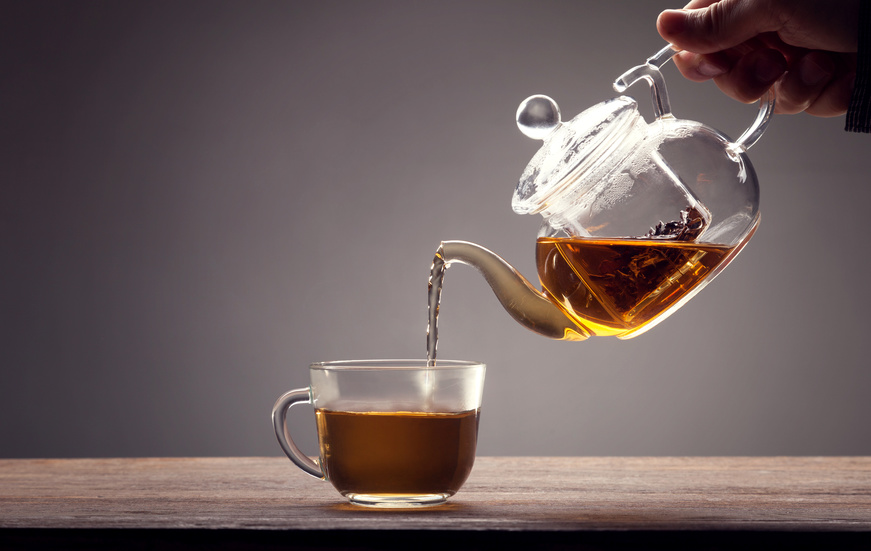
    glass tea pot pouring into a glass cup on a wood table

    There are many reasons that antihistamines make you sleepy. One reason is that histamine is involved in controlling the circadian rhythm/wakefulness cycle. And we can use that information to our advantage, even if we don’t use pharmaceuticals.

    Given that we know antihistamines can make us gain weight (I gained SO much) and a bunch of other stuff, it seems like a good idea to get a little support from the natural world where we can, especially when it’s not a supplement.Please remember, any tea, supplement, anything, even if it has antihistamine properties, can be problematic for us. So always check with a doctor before adding anything new to your diet.

    I find these a great substitute for my once ubiquitous glass(es) of nightly red wine…

    CHINESE SKULLCAP

    Not only an antihistamine and mast cell stabiliser, Chinese Skullcap is an anti-anaphylactic. It also blends nicely with…

    PASSIONFLOWER

    An antihistamine with strong anti inflammatory action. Passionflower has been proposed as an antidote to excessive steroid use. In our case more likely to be caused by obsessive nasal spraying rather than working out with ‘roids!

    “In this study, 40% ethanolic extract from Passiflora foetida leaves contained 0.84% vitamin which was reported to possess potent anti-inflammatory effect. In addition, other compounds i.e. Kaempferol, apigenin and luteolin in this plant were found to exert anti-histamine release. The present toxicity study revealed no harmful effect in the experimental animal. Therefore, the quality control of the above mentioned compounds in the extract could lead to anti-inflammatory and anti-allergic drug development for compensation of excessive steroidal drugs usage.”

    Click here for a round up of all the other great scientific information I’ve gathered over the years.

    VALERIAN

    This wonderful root also helps with other more female issues that you can read about here as well as being a sleepy time favourite of mine.

    It’s finally here! Man Food – a high nutrient antihistamine and anti-inflammatory ingredient filled book geared towards guys, women who love to work out, yoga like they mean it, or just load up on healing nutrients. Features my personal shopping list of antihistamine and anti-inflammatory foods.

    The Anti-cookbook and all liquid Anti-Detox Book, don’t treat any conditions, but feature a plethora of the high nutrient antihistamine and anti-inflammatory ingredients that have been instrumental in helping me feed myself on a limited diet. The Anti-cookbook features a four page list of antihistamine and anti-inflammatory foods and comes in regular and Paleo.

    The Low Oxalate Cookbook features antihistamine and anti-inflammatory rich recipes.

    Don’t miss the Low Histamine Beauty Survival Guide for non-toxic beauty tips, the skinny on histamine releasing (mast cell degranulating) beauty ingredients, antihistamine and anti-inflammatory beauty alternatives and the top brands natural brands I’ve found.

    Take a peek at my other low histamine and antihistamine cookbooks for more high nutrient recipes

    ————REFERENCES———–

    Choi, Yun Ho, Eui Hyeog Han, Ok Hee Chai, Yun Kyu Kim, Hyoung Tae Kim, and Chang Ho Song. “Scutellaria baicalensis Inhibits Mast Cell-Mediated Anaphylactic Reactions.” Korean Journal of Physical Anthropology 23.4 (2010): 217. Web.

    Sasikala, V., S. Saravanan, and T. Parimelazhagan. “Analgesic and anti–inflammatory activities of Passiflora foetida L.” Asian Pacific Journal of Tropical Medicine 4.8 (2011): 600-03. Web.

    “Valerian.” University of Maryland Medical Center. N.p., n.d. Web. 04 May 2017.

  • Chronic Fatigue, histamine & mast cells

    Chronic Fatigue, histamine & mast cells

    Dog Nova Scotia Duck Tolling Retriever, portrait dog on a studio color background, dog lying on a chair in the studio

    Chalk up another one to a dysfunctional immune system – Chronic Fatigue Syndrome (CFS). Researchers recently proved (for the first time), that the condition is not psychosomatic (yeah, thanks for calling us hypochondriacs all these years). This wasn’t news to some: according to NHS funded researcher Dr. Theoharides, CFS is one of many mast cell linked conditions that he has known to be linked for years. It wasn’t so long ago that narcolepsy was pegged to an imbalance of brain histamine levels.

    Scientists in Australia have found that immune cell receptor abnormalities are behind CFS debilitating symptoms. So basically a receptor defect, which is really a problem because there are many cells and so many receptors to mess with, can’t transfer calcium from the cell to the outside. The discovery of abnormal calcium cells coincides with where CFS pain usually happens, in the brain, spine, pancreas and stomach.

    To date there’s still no cure for CFS. Doctors and researchers have been telling folks it’s all in their head and that all they need is more exercise (yes, I’m referring to the PACE trial debacle). The researchers say they believe that it affects from 1%-2% of the population (presumably Australia they mean?).

    According to Dr. Theoharides, director of Immuno pharmacology and Drug Discovery at Tufts, CFS is a complex disease involving the nervous, hormonal and immune systems with symptoms that include fatigue, sleep disturbances, malaise, muscle aches, migraines, gastrointestinal complaints, and cognitive problems. Viruses and inflammatory cytokines (like those in mast cells which contain histamine) play a role. He says that the stress hormone CRH (corticotropin-releasing hormone) activates brain mast cells (which contain histamine and other inflammatory mediators), and that this causes blood-brain-barrier disruption. His research shows that there’s a relationship between the mitochondria, calcium and mast cell activation.

    As someone who has literally fallen asleep on a plate of food, I can attest to the narcolepsy-histamine link. It all depended on how long it would take me to eat. If I had a short meal, I might make it to the sofa before falling into my food coma, but a long one meant face-in-food for dessert. The weird thing was I wasn’t actually asleep.

    My eyes were forced closed, all movement would have to cease, and I’d be aware of the world around me, but incapable of interacting with it. The experience was more like something out of a nightmare where you’re paralysed but still able to be hurt. It’s apparently called syncope.

    I’d lie there in a weak panic, feeling my heart beat slowly ebb away, as I begged my thoughts to magically reconnect with my voice to tell people, hey, I’m actually awake! Don’t be fooled, I’m not asleep. But no matter how hard I tried to convey this to people, they were all convinced I was dreaming it all up.

    Symptoms like these were only manageable by eliminating scores of healthy food. Once I was stable however it took me a long time to work out how to add nutrition back – here’s how I did it.

    Whether it was a histamine-narcolepsy link, or a mast cell-CFS one, I ended up spending about a year mostly in or on bed, and desperately trying to make people understand that my inability to climb a flight of stairs at times isn’t a lack of cardio fitness (mine could always be better but it’s still good) but rather a result of my mast cells having a temporary bout of madness.

    Interestingly, Harvard neuroscientist Dr. Michael Van ElZakker has a hypothesis he’s working to prove, that an infection of the vagus nerve, which connects the brain to the stomach, can cause a prolonged “sickness response”. This human response to illness involves extreme fatigue, probably to force us to rest up and isolate us from other humans to not spread the virus. He believes that in some cases the vagus nerve, which is responsible for signaling the need for this response, remains on high alert, which keeps the body stuck in this more.

    You can read my interview with Dr. Van ElZakker here. 

     A review of fourteen separate dietary and supplement interventions were published in the Journal of Human Nutrition and Dietetics, but found that most studies showed no particular measurable benefit of them. Improvements in fatigue were found in response to NADH and Coenzyme Q10, probiotics and high polyphenol rich cacao.

    For me personally, because my fatigue was a result of my mast cell issues, stabilizing them with Dr. Theoharides’ quercetin Neuroprotek supplement and a great diet really helped. But we all have different root causes and severity of symptoms.
    Click here if you’d like to learn how I did it.

    It’s finally here! Man Food – a high nutrient antihistamine and anti-inflammatory ingredient filled book geared towards guys, women who love to work out, yoga like they mean it, or just load up on healing nutrients. Features my personal shopping list of antihistamine and anti-inflammatory foods.

    The Anti-cookbook and all liquid Anti-Detox Book, don’t treat any conditions, but feature a plethora of the high nutrient antihistamine and anti-inflammatory ingredients that have been instrumental in helping me feed myself on a limited diet. The Anti-cookbook features a four page list of antihistamine and anti-inflammatory foods and comes in regular and Paleo.

    The Low Oxalate Cookbook features antihistamine and anti-inflammatory rich recipes.

    Don’t miss the Low Histamine Beauty Survival Guide for non-toxic beauty tips, the skinny on histamine releasing (mast cell degranulating) beauty ingredients, antihistamine and anti-inflammatory beauty alternatives and the top brands natural brands I’ve found.

    Take a peek at my other low histamine and antihistamine cookbooks for more high nutrient recipes

    —–REFERENCES—-

    Theoharides, Theoharis C. “Brain mast cells and Chronic Fatigue Syndrome.” Grantome. NIH, 01 July 2012. Web. 24 Mar. 2017.

    Appold, Karen. “UCLA Researchers Find Clue to Narcolepsy’s Cause.” Sleep Review. N.p., n.d. Web. 24 Mar. 2017.

    Campagnolo, N., S. Johnston, A. Collatz, D. Staines, and S. Marshall-Gradisnik. “Dietary and nutrition interventions for the therapeutic treatment of chronic fatigue syndrome/myalgic encephalomyelitis: a systematic review.” Journal of Human Nutrition and Dietetics (2017): n. pag. Web.

    Cooper, Luke. “Queensland Scientists Make Chronic Fatigue Syndrome Research Breakthrough.” Huffington Post Australia. The Huffington Post, 21 Feb. 2017. Web. 24 Mar. 2017.

    Rehmeyer, Julie. “How bad science misled chronic fatigue syndrome patients.” STAT. STAT, 29 Dec. 2016. Web. 24 Mar. 2017.

  • Estrogen & Histamine

    Estrogen & Histamine

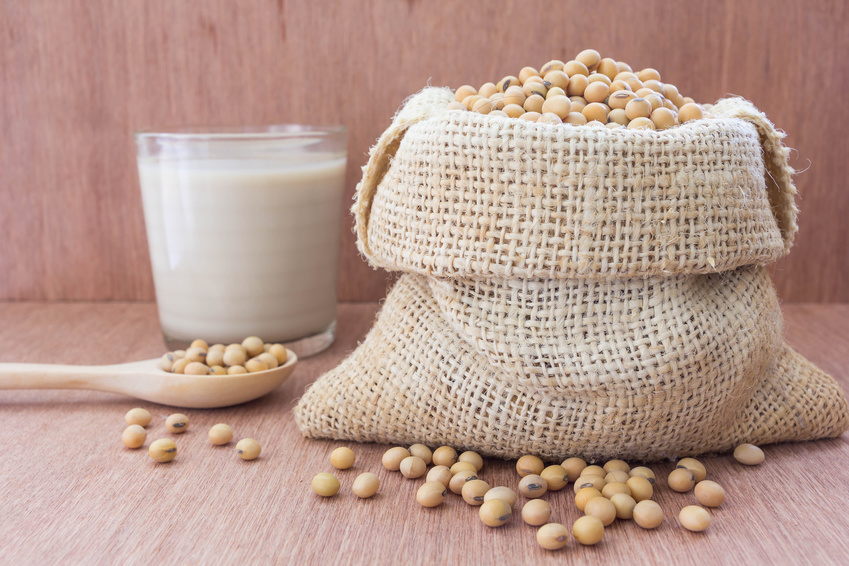
    Soybean in hemp sack bag with soymilk in glass setup on wooden table.

    Have you noticed that your annoying histamine intolerance and mast cell symptoms, particularly fogginess, bloating, headaches and tenderness, get worse just before your period? Yup, it’s your hormones, and the interaction between histamine and estrogen in particular.  And now researchers tell us that estrogen is the reason that women have longer anaphylactic episodes than men. 

    Estrogen surges generally occur…

    When ovulating

    • Right before menstruation
    • From exposure to too many xenoestrogens
    • From birth control pills
    • During menopause
    • When stressed

    It works like this: estrogen stimulates mast cells to make histamine, while also reducing the DAO enzyme. Histamine then stimulates the production of even more estrogen. This occurs by aiding the release of luteinising hormones which are needed for ovulation. The luteinising hormone causes a gradual increase in estrogen.

    And bam!

    The histamine increase is back.

    If you’ve read my post that mentions histamine-induced ovulation some of this may already make sense to you. (Spoiler alert: histamine-induced ovulation is bad).

    Like the mythical Ouroboros dragon eating its tail, the cycle of estrogen increasing histamine levels and histamine increasing estrogen levels, continues ad infinitum.

    Which is why histamine symptoms are usually worse at ovulation and just before periods…a time when estrogen is already high.

    Sensitivity increases when supplementing with estrogen, for example during hormone replacement therapy. In turn, women experience more allergies and histamine-related problems after hitting their teens, a time when they start producing more estrogen, but less progesterone. The same is true during menopause when estrogen is on the rise.

    Estrogen dominance during menopause occurs because progesterone is lower than estrogen. As we age women don’t make more estrogen, we make less, but progesterone goes down much faster than estrogen does, which leads to estrogen dominance. 

    There’s also a link between histamine and asthma, thanks to mast cells. According to at least one study, postmenopausal women on hormone replacement therapy had an increased risk of new-onset asthma (meaning for the first time).  Estrogen and progesterone have both been shown to cause mast cell maturation and degranulation (the process by which histamine and other inflammatory mediators are released into the bloodstream).

    And of course there’s the study by researchers at the National Institute of Allergy and Infectious Diseases findings that women have it worse than men when it comes to anaphylaxis, and estrogen is the culprit. We have longer lasting attacks thanks to our hormones…but reducing the level of estrogen leveled the playing field between the sexes.

    Xenoestrogens make everything worse.

    Each year we’re exposed to increasingly high amounts of xenoestrogens, or estrogens that are found in pollutants from water, food, and beauty products. So it’s not surprising to see that over the past 30 years allergen-related diseases are continuing to increase dramatically, in addition to affecting women disproportionately.

    Part of the solution in dealing with the estrogen-influenced increase of histamine is to remove excess estrogens in the body. This may also help women who are estrogen dominant dampen their PMS symptoms.

    I added cruciferous vegetables like Brussels sprouts and broccoli to my diet to help to remove these estrogens. I go over the benefits of these foods, in addition to other foods that heal in the 28 day histamine reset.

    Lowering stress is also important, as we’ve seen relatively acute stressful events immediately enhance serum estradiol (a form of estrogen), in the female rat. When dealing with stress, reach for your yoga mat, or try to meditate to prevent any further increase of estrogen.

    In terms of supplementing, B6, an essential cofactor of the histamine lowering DAO enzyme, helps with estrogen metabolism. The physiologically active form of vitamin B6, pyridoxal 5’-phosphate (PLP), acts as a hormone mediator, and reduces estrogen while increasing progesterone. Increasing progesterone may inhibit mast cell secretion.

    Yet again, here’s another reason for using natural beauty products…You may want to start removing non-natural products from your daily routine, before gradually adding more natural alternatives.

    And if you’re taking birth control, think about looking into alternatives such as tracking your menstrual cycle with Persona and Daysy machines, both of which I’ve used successfully over the last twelve years. Of course, talk to your gynecologist before making any transitions.

    -REFERENCES-

    Bonds, Rana S., and Terumi Midoro-Horiuti. “Estrogen effects in allergy and asthma.” Current Opinion in Allergy and Clinical Immunology 13.1 (2013): 92-99. Web.

    Natori, Yasuo, Tatsuzo Oka, and Masashi Kuwahata. “Modulation of Gene Expression by Vitamin B6.” Biochemistry and Molecular Biology of Vitamin B6 and PQQ-dependent Proteins (2000): 301-06. Web.

    Shors, Tracey J., Jane Pickett, Gwendolyn Wood, and Martin Paczynski. “Acute Stress Persistently Enhances Estrogen Levels in the Female Rat.” Stress 3.2 (1999): 163-71. Web.

    Vasiadi, M., D. Kempuraj, W. Boucher, D. Kalogeromitros, and T.c. Theoharides. “Progesterone Inhibits Mast Cell Secretion.” International Journal of Immunopathology and Pharmacology 19.4 (2006): 787-94. Web.

    Zaitsu, Masafumi, Shin-Ichiro Narita, K. Chad Lambert, James J. Grady, D. Mark Estes, Edward M. Curran, Edward G. Brooks, Cheryl S. Watson, Randall M. Goldblum, and Terumi Midoro-Horiuti. “Estradiol activates mast cells via a non-genomic estrogen receptor-α and calcium influx.” Molecular Immunology 44.8 (2007): 1977-985. Web.

    Zierau, Oliver, et al. “Role of female sex hormones, estradiol and progesterone, in mast cell behavior.” Frontiers in Immunology, vol. 3, 2012, doi:10.3389/fimmu.2012.00169.

    Hox, Valerie, et al. “Estrogen increases the severity of anaphylaxis in female mice through enhanced endothelial nitric oxide synthase expression and nitric oxide production.” Journal of Allergy and Clinical Immunology, vol. 135, no. 3, 2015, doi:10.1016/j.jaci.2014.11.003.

  • Histamine Migraine Fixes

    Histamine Migraine Fixes

    sick puppy - french bulldog with hot water bottle on head isolated on white background

    Histamine can cause the recurrence of a headache that’s been treated with meds (like NSAIDs or migraine meds for example), make a pre-existing headache worse, and trigger an immediate or delayed headache. Yet studies on antihistamines as treatments have largely failed, with a few exceptions. I can tell you from personal experience that histamine is a definite trigger, one that I did manage in the past with antihistamine medication initially, but now through diet and supplements. If the latter two didn’t work for me, you’d better believe I’d take an antihistamine to keep them at bay!

    Histamine has been conclusively linked to migraines for some time. In Spain, to prevent them, migraineures are frequently given a diamine oxidase (DAO) supplement to help break down histamine.

    The central histaminergic system plays an essential role in our sleep and wakefulness cycle. Histamine promotes excitability in the brain to wake us and help us focus our attention. Interestingly, though studies show that histamine levels drop later in the day, I have always had my worst symptoms in the evening, with the migraine developing as of about 2pm. Though I have woken with migraines in the morning, in particular the six month hell I endured in my teens where I had a migraine daily, it’s more common for me to feel increasingly agitated as the day progresses, culminating in a 2am-5am state of hyper-excitability and headache. The worst of the symptoms would then pass and as long as I got enough sleep, I’d wake up with the majority of my symptoms better.

    Researchers believe that while so far antihistamines (ones that block activity of the H1 and H2 receptors) have not been found to be effective in preventing and treating migraines, a few of them have shown some promise. Cinnarizine and cyproheptadine, for example, have been found to prevent migraine, but interestingly, their success in doing so is attributed to properties other than their antihistamine activity. Seems that their side effect profile (I’ve never heard of either being used at all) is significant, so that was considered a research bust, till scientists began looking at the H3 and H4 receptors.

    Yet another stream of related research is focusing on mast cells, which contain histamine and other inflammatory mediators. When activated, by stress, allergies, foods, chemicals and medications, mast cells release histamine and all the rest. Mast cells in particular are thought to activate the pain pathway in migraine headache.

    So, what can we do if suffering from migraines?

    Click here to learn how to create your own histamine balanced diet and healing plan (I share everything that helped me and give you the tools to do the same).

    Get organised

    If you’re suffering from daily or chronic migraine, and are finding it difficult to nail down what’s causing them, my recommendation would be to make a spreadsheet with MIGRAINE 1 – 10 across the top. On the days your migraine is the weakest, write down everything you’re eating and the same for days that it’s a 7 and above. This will help work out triggers. You can then decide if the food that’s triggering you is worth keeping on a longer rotation.

    Look into science backed supplements that may help

    Discuss with your doctor whether:

    Running a test for the histamine degrading DAO enzyme may help (more on diagnosis here). You can then supplement if needed

    Histamine lowering supplements could be indicated: vitamin C (as per mast cell specialist Dr. Lawrence Afrin), the bioflavonoids luteolin and quercetin (as per mast cell expert Dr. Theoharis Theoharides)

    Avoid fermented foods for a short time

    If you’re doing ok with your histamine level and have started adding higher histamine foods back to the diet, you may wish to experiment with giving these new things a break and seeing if they’re the problem. In particular probiotics and fermented foods generally.

    Look at tyramine foods

    A massive migraine trigger. I have polymorphisms of both the DAO and MAO gene, meaning my body may be producing less of the enzymes that degrade both tyramine and histamine. This double whammy means more susceptibility to migraines.

    Finally, if something works, don’t feel bad about doing it. If medication actually worked for my headaches I probably would have taken it. Nothing worked for me, not NSAIDs, Tylenol, DAO enzyme, migraine meds (Sumatripan), so I went with diet and supplements. We’re all different, so go with what works!

    It’s finally here! Man Food – a high nutrient antihistamine and anti-inflammatory ingredient filled book geared towards guys, women who love to work out, yoga like they mean it, or just load up on healing nutrients. Features my personal shopping list of antihistamine and anti-inflammatory foods.

    The Anti-cookbook and all liquid Anti-Detox Book, don’t treat any conditions, but feature a plethora of the high nutrient antihistamine and anti-inflammatory ingredients that have been instrumental in helping me feed myself on a limited diet. The Anti-cookbook features a four page list of antihistamine and anti-inflammatory foods and comes in regular and Paleo.

    The Low Oxalate Cookbook features antihistamine and anti-inflammatory rich recipes.

    Don’t miss the Low Histamine Beauty Survival Guide for non-toxic beauty tips, the skinny on histamine releasing (mast cell degranulating) beauty ingredients, antihistamine and anti-inflammatory beauty alternatives and the top brands natural brands I’ve found.

    Take a peek at my other low histamine and antihistamine cookbooks for more high nutrient recipes

    —–REFERENCES—-

    Alstadhaug, Karl B. “Histamine in Migraine and Brain.” Headache: The Journal of Head and Face Pain 54.2 (2014): 246-59. Web.

    Molderings, Gerhard J., Stefan Brettner, Jürgen Homann, and Lawrence B. Afrin. “Mast cell activation disease: a concise practical guide for diagnostic workup and therapeutic options.” Journal of Hematology & Oncology 4.1 (2011): 10. Web.

    Theoharides, Theoharis C., Jill Donelan, Kristiana Kandere-Grzybowska, and Aphrodite Konstantinidou. “The role of mast cells in migraine pathophysiology.” Brain Research Reviews 49.1 (2005): 65-76. Web.

    “Dr T C Theoharides, MD Ph.D., – Research.” Dr T C Theoharides, MD Ph.D., – Research. N.p., n.d. Web. 26 Mar. 2017.

  • How Histamine Affects Skin Pigmentation

    How Histamine Affects Skin Pigmentation

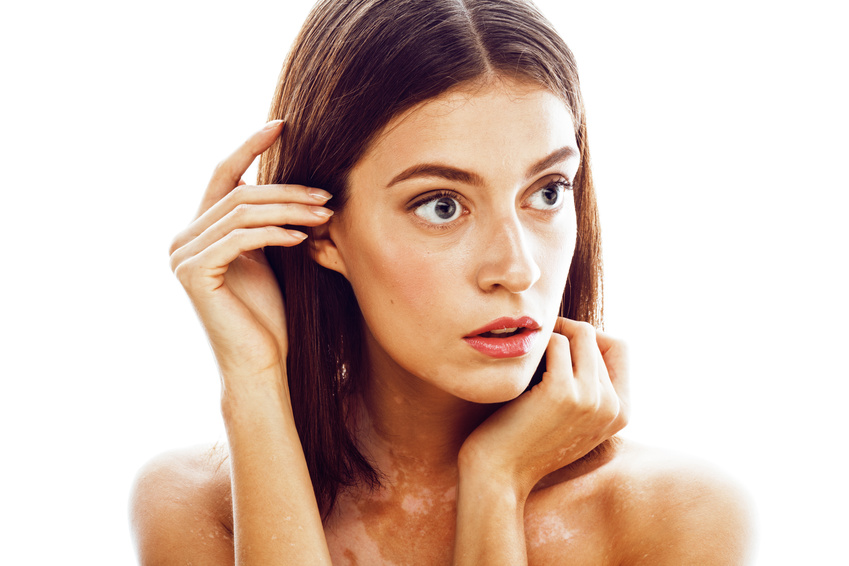
    beautiful young brunette woman with vitiligo disease close up isolated on white positive smiling, model problems concept, bad tan real problem

    Histamine affects skin pigmentation in a numbers of ways: my two old buddy’s melasma and vitiligo. You know those patches of dark skin on your face that are barely covered by make up, get worse when exposed to the sun, and are aggravated by pregnancy hormones? Yeah, we have histamine and mast cells to thank for those. On the flip side we have the autoimmune skin condition vitiligo, which causes white patches to develop all over. I don’t know about you, but my skin hyper-pigmentation has been a constant source of frustration, so I decided to take a closer look into both. 

    MELASMA

    Sadly I couldn’t find any rights-free photos of this, and I’m far too vain to share any make up free shots of myself, so I’ll just explain. Melasma looks kind of like you didn’t scrub your face right and dirt or bronzing powder got left behind.

    Fun right?

    A number of studies tell us that histamine is a major melasma trigger. It seems that the release of histamine by skin mast cells, as triggered by ultraviolet light, causes these brown patches on the skin.

    What about the hormone link? Yes, pregnancy hormones and birth control are involved, and I’ll be covering them in upcoming posts on the subject. Make sure to sign up to my mailing list so you don’t miss them. But other than the histamine-hormone interplay, other studies have found that histamine and prostaglandins (both released by mast cells) are the primary drivers of sunburn, which is why topical antihistamine cream has become a home care mainstay.

    I’ve personally always used a piece of fresh aloe vera plant. You pretty much can’t walk more than a few steps without seeing it where I grew up in Spain, so I’d just break off a piece to nurse my poor skin on the way home from the beach. In my defence we knew little about skin cancer back in those days…

    An animal study in the BMC Dermatology Journal found that silymarin cream (milk thistle) effectively treated melasma. The study authors believe that the milk thistle is reversing sunlight damage generally, not just the melasma pigmentation.

    Their before and after milk thistle treatment photos were so amazing that they’ve had me frantically rubbing Herb Pharm’s pure extract into my face nightly. I’m impressed so far…

    VITILIGO

    The Mayo Clinic website tells us that vitiligo is triggered when cells stop producing melanin, the stuff that pigments our skin, hair, and eyes. So far we know that an immune system response, exposure to stress or chemicals, and sunburn can cause it. Complications are sunburn and skin cancer, eye inflammation, hearing loss, and of course, stress.

    People with vitiligo are advised to wear sun protection of at least 30SPF and to get their hearing professionally tested. Possible treatments include topical steroid creams that may help re-pigment the skin, topical vitamin D, calcineurin inhibitors (which may trigger lymphoma and skin cancer), ultraviolet light therapy (also skin cancer risk), de-pigmentation of the rest of the skin and skin grafting.

    Read my post on vitamin D and histamine here.

    The histamine/mast cell link

    A 2013 study found that blood histamine level appears to play a significant role in a particular type of vitiligo that’s linked to de-pigmented patches with itching.

    My own vitiligo finally cleared up a few years ago. It was never very visible, just a de-pigmentation around my hands that was slowly creeping upwards. I have dealt more with melasma, and still do!

    Interestingly, for other types of vitiligo, histamine may be a treatment. A 2010 study found that histamine release in the body triggered by bee venom may be able to add pigment back to the skin.

    A few other options worth looking into

    Melanin, the skin pigment stuff, is created by melatonin. I wrote about melatonin recently and how supplementing it may help prevent mast cells from leaking histamine. Read the post here.

    A study with a small sample size found that patients with non-segmental vitiligo, which is what it’s called when the patches are symmetrical, melatonin was lower than the average. They point out that melatonin is one of the links in the body’s stress defence mechanism and that it also helps modulate immune system function. They concluded that further research was needed.

    The Mayo Clinic website also shares that some studies show that Gingko biloba may help return colour in people with slow spreading vitiligo and other studies that folic acid and vitamin B12 may help.

    It’s finally here! Man Food – a high nutrient antihistamine and anti-inflammatory ingredient filled book geared towards guys, women who love to work out, yoga like they mean it, or just load up on healing nutrients. Features my personal shopping list of antihistamine and anti-inflammatory foods.

    The Anti-cookbook and all liquid Anti-Detox Book, don’t treat any conditions, but feature a plethora of the high nutrient antihistamine and anti-inflammatory ingredients that have been instrumental in helping me feed myself on a limited diet. The Anti-cookbook features a four page list of antihistamine and anti-inflammatory foods and comes in regular and Paleo.

    The Low Oxalate Cookbook features antihistamine and anti-inflammatory rich recipes.

    Don’t miss the Low Histamine Beauty Survival Guide for non-toxic beauty tips, the skinny on histamine releasing (mast cell degranulating) beauty ingredients, antihistamine and anti-inflammatory beauty alternatives and the top brands natural brands I’ve found.

    Take a peek at my other low histamine and antihistamine cookbooks for more high nutrient recipes

    ——REFERENCES—–

    “Vitiligo Treatments and drugs.” Mayo Clinic. N.p., n.d. Web. 24 Mar. 2017.

    “What is segmental & non-segmental vitiligo?” Vitiligo Cover. N.p., 23 Jan. 2017. Web. 24 Mar. 2017

    Panja, Salilkumar, Biman Bhattacharya, and Siteshchandra Lahiri. “Role of histamine as a toxic mediator in the pathogenesis of vitiligo.” Indian Journal of Dermatology 58.6 (2013): 421. Web.

    Brenner, Michaela, and Vincent J. Hearing. “Modifying skin pigmentation – approaches through intrinsic biochemistry and exogenous agents.” Drug Discovery Today: Disease Mechanisms 5.2 (2008): n. pag. Web.

    Kwon, Soon-Hyo, Young-Ji Hwang, Soo-Keun Lee, and Kyoung-Chan Park. “Heterogeneous Pathology of Melasma and Its Clinical Implications.” International Journal of Molecular Sciences 17.6 (2016): 824. Web.

    Kim, Nan-Hyung, and Ai-Young Lee. “Histamine effect on melanocyte proliferation and vitiliginous keratinocyte survival.” Experimental Dermatology 19.12 (2010): 1073-079. Web.

    Gilchrest, Barbara A., Nicholas A. Soter, Jeffrey S. Stoff, and Martin C. Mihm. “The human sunburn reaction: Histologic and biochemical studies.” Journal of the American Academy of Dermatology 5.4 (1981): 411-22. Web.

    Hernández-Barrera, R., B. Torres-Alvarez, J. P. Castanedo-Cazares, C. Oros-Ovalle, and B. Moncada. “Solar elastosis and presence of mast cells as key features in the pathogenesis of melasma.” Clinical and Experimental Dermatology 33.3 (2008): 305-08. Web.

    Altaei, Tagreed. “The treatment of melasma by silymarin cream.” BMC Dermatology 12.1 (2012): n. pag. Web.

GET STARTED HEALING HISTAMINE

WHAT YOU NEED TO KNOW ABOUT HISTAMINE DELIVERED TO YOUR INBOX