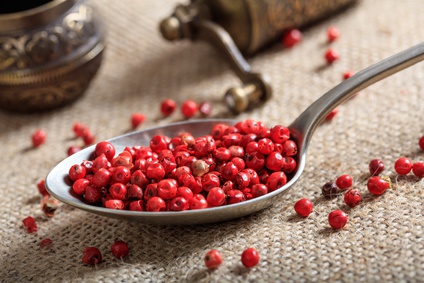
UPDATE: I made an error, though I know perfectly well these are pink rather than red, I somehow ended up goofing. I’m also moving further up in the post that this tree is a member of the cashew family so care must be taken if allergic to nuts.
It turns out that my favourite pepper, isn’t a pepper at all, but rather a berry with antihistamine properties. This Brazilian tree fruit with a lightly spicy flavour is dried and sold alongside with green and black peppercorns. As with tea, green, black and white peppercorns are actually the same thing, just processed differently.
I’ve always wondered why I do better with white pepper than black, but pink peppercorns better than any of them. Well, the antihistamine properties are a great explanation. A study published in the peer-reviewed journal International Pharmacology found that an extract of the Brazilian pepper tree significantly prevented mast cell degranulation induced histamine related swelling and allergic reaction.
*Mast cell degranulation is the process by which mast cells release histamine and other inflammation into the blood stream. Histamine intolerance is generally attributed to a lack of the histamine degrading DAO (diamine oxidase) enzyme, while mast cell activation can be triggered by a primary condition (i.e. infection, medical condition, chronic stress, mold exposure and many others) or to be one itself. Stress is a huge mast cell activation cause, as it was in my case.
Interestingly this tree is a member of the cashew family, which means it may not be appropriate if you have an allergy. You’ll have to check with your doctor. In a case like this, I won’t go out and consume a supplement of this every day, I’ll just combine it with other foods that have antihistamine and anti-inflammatory properties. The magic happens when all these amazing things come together.
As for the rest:
Green peppercorns are the raw product preserved in brine.
Black peppercorns are dried green peppercorns.
White peppercorns are just peeled black peppercorns.
My issue with black pepper (in massive quantity anyway) perplexed me for some time: it isn’t high histamine, it isn’t inflammatory. Then I learned about oxalic acid, a plant defence mechanism (to deter predator insects) that can also work as an irritant to humans, and it all came together. White pepper is lower oxalate than black (but I have no idea about red, sorry).
At the end of the day, there are very few foods I do not include in my diet. Some, which appear on more than one list, for example high histamine, high oxalate and high salicylate, have proven to be problematic and so I eat little of them, but they’re still in there. I’ll do this sometimes just on principle, because I don’t want to fall into the elimination mindset again that left me eating five foods only.
Learn how I got out of the elimination mindset and how you can use this information to create your own histamine balanced diet and healing plan here.
You’ll find recipes full of foods with antihistamine and anti-inflammatory properties my books Anti-Recipes and The Anti-Cookbook
Cavalher-Machado, Simone Campos, Elaine Cruz Rosas, Fabiola De Almeida Brito, Alan Patrick Heringe, Rodrigo Rodrigues De Oliveira, Maria Auxiliadora Coelho Kaplan, Maria Raquel Figueiredo, and Maria Das Graças Müller De Oliveira Henriques. “The anti-allergic activity of the acetate fraction of Schinus terebinthifolius leaves in IgE induced mice paw edema and pleurisy.” International Immunopharmacology8.11 (2008): 1552-560. Web.
Hill, Kathryn. “What’s The Deal With Green, Black, White, and Pink Peppercorns?” The Kitchn. N.p., 2009. Web. 30 Dec. 2016.
Columbia University Medical Center researchers recently found that gluten/wheat issues in non-coeliacs can be due to a weak intestinal barrier (leaky gut some may call it). A second study has now confirmed their findings that wheat is inflammatory, and that it triggers or worsens chronic health conditions like multiple sclerosis, asthma, and rheumatoid arthritis, even if you’re not coeliac. The troublesome wheat protein identified in the study also contributes to the development of non-coeliac gluten sensitivity.
Consuming the amylase-trypsin inhibitors in wheat (ATIs), which make up less than five percent of the total protein, can lead to inflammation not just in the gut but also the lymph nodes, kidneys, and brain. The researchers say that ATI driven inflammation differs to celiac, and is not related to gluten. ATIs rather activate immune cells in the gut and other tissues, which worsens pre-existing inflammation.
Histamine intolerance and mast cell activation are both inflammatory conditions and I have consistently found that eating wheat (and many other grain products) aggravated my histamine levels and caused massive inflammation. That’s why I cut them out fairly early on in the game even when every single histamine researcher and mast cell doctor I spoke with insisted it was fine as a part of our diet. The study authors went on to say they hope to be able to recommend an ATI-free diet to help treat immune disorders.
ATIs are now believed to encourage the development of non-coeliac gluten sensitivity. Sufferers experience severe intestinal distress which is relieved by not eating wheat and gluten containing products. The study authors however believe that a more appropriate term than gluten intolerance is needed since it’s not the only inflammation causing component in wheat. If you’re reacting to grains other than wheat/gluten containing ones, it might be worth remembering that the body can sometimes misidentify them as related to wheat. It may also be that you have an issue with oxalic acid found in plants and grains. You can read about that here.
You’ll find recipes full of foods with antihistamine and anti-inflammatory properties my books Anti-Recipes and The Anti-Cookbook
A review of the latest autism spectrum disorder (ASD) research by National Institutes of Health funded mast cell researcher and head of molecular immunopharmacology and drug discovery at Tufts, Dr. Theoharis Theoharides*, shows that mast cell activation may be the root cause of ASD in some children. Other recent studies have found a link between autism and maternal and childhood food allergies, asthma and eczema, all of which involve mast cells (and histamine). Autism is believed to affect as many as one in 45 children in the United States, but the lack of reliable biomarkers has made the development of treatments difficult. The annual cost of autism was recently estimated at over $250 billion in 2015.
*Dr. Theoharides is in the top five percent most quoted authors in scientific papers.
His review, published recently in the journal Translational Psychiatry, points out that mast cells are located in all tissues, including the thalamus and hypothalamus, which regulate emotions.
On a personal note not relating to the specifics of ASD behaviour but rather the regulation of emotions by mast cells generally, I have experienced what some have dubbed “masto-rage” or “mast cell rage”, and can I can tell you first hand that mast cell activation messes with your ability to think straight, interact with people you love in a rational way, and can cause violent (and often illogical) outbursts.
Again – I am not saying this is ASD behaviour, it’s just an explanation of my personal experiences of mast cell activated hypothalamic and thalamic processes.
Dr. Theoharides’ findings show that the expression of inflammatory molecules interleukin (IL-1B, IL-6, IL-17) and tutor necrosis factor (TNF) is increased in the brain, spinal fluid and blood of some autism patients, while others are released in times of stress. Some with elevated IL-6 and TNF may benefit from treatment with the bioflavonoid luteolin (which is something I take daily) which is a supplement that prevents mast cells from releasing histamine and other inflammation (like interleukins) from being released into the blood stream.
A study published in the journal Cellular Molecular Biology points out that histamine causes consistent blood-brain barrier “opening”/permeability. Didn’t know histamine is found in the brain? It’s found there, and we have histamine receptors in the heart, breasts, and pretty much everywhere else. That’s why it’s important if we lack the DAO and HNMT histamine degrading enzymes (which can be a genetic issue), or if we have activated mast cells (histamine is found in these immune system cells), then we might benefit eat an overall anti-inflammatory and low histamine or histamine-balanced diet.
According to Theoharides, the number of allergic, genetic, environmental, immune and infectious factors increase the risk or contribute to the development of autism spectrum disorders (ASD). He has suggested in the past that mast cell related inflammation could disrupt the blood brain barrier, causing a so-called “allergy of the brain” which could contribute to ASD.
Obesity during pregnancy has been strongly associated with a number of childhood issues, but it’s also considered an inflammatory state associated with mast cell activation. But there are many other factors linked to mast cells and so if this topic is of interest to you, I highly suggest reading the rest of his paper, a link to which is found below. It’s certainly something I’ve been interested in for a long time given that a large chunk of my histamine/mast cell activation friends have children on the spectrum.
Dr. Theoharides has been studying luteolin and other bioflavonoids like quercetin for their mast cell activation fighting properties and I know a number of my friends have used it also. You can find the supplement here but I encourage you to read up on it fully and ask your doctor about it before trying it.
We’re all different in what we can tolerate and what works for one might not for another. Natural compounds can be harmful too, so best to proceed with caution.
You’ll find recipes full of foods with antihistamine and anti-inflammatory properties my books Anti-Recipes and The Anti-Cookbook
Theoharides, T. C., Tsilioni, I., Patel, A. B., & Doyle, R. (2016). Atopic diseases and inflammation of the brain in the pathogenesis of autism spectrum disorders. Translational Psychiatry,6(6). doi:10.1038/tp.2016.77
Nag, S. (n.d.). Blood–Brain Barrier Permeability Using Tracers and Immunohistochemistry. Blood-Brain Barrier,, 133-144. doi:10.1385/1-59259-419-0:133
Scientists find that music therapy not only affects histamine, but also other immune system and stress markers. It’s also now proven that music may be better than prescription medications for some conditions.
A study looking into the benefits of Receptive Music Therapy found that “feel good music” suppressed histamine secretion by the salivary glands (but not blood histamine) in both allergic and non-allergic volunteers.
A large scale review of over 400 scientific papers on the neurochemistry of music turned up that music was better at prescription meds at reducing pre-operative stress. People who listened to music increased their levels of IgA, which is an antibody in the digestive tract, lungs and other mucosal areas in the body, which helps fight infections. Music listeners also had higher levels of natural killer cells that attack bacteria, infections and cancer. Listening to music also helped reduce the obesity promoting stress hormone cortisol.
You may not know this yet, but according to the mast cell doctors I’ve spoken with, for some people stress is the number one mast cell trigger. Histamine lives in mast cells. When these cells become unstable thanks to stress, foods, allergens etc, they release histamine and other inflammation into the body. So most things that stabilise mast cells, like stress reduction, can lead to a decrease in histamine production and an overall fall in inflammation.
One particular study found that music in what’s called “major” mode is more effective than “minor” mode music at stimulating a sense of wellbeing and happiness, and more importantly, lowering cortisol levels.
An example of major mode music is Mozart in C major. If you type that into iTunes, Spotify or Youtube and you’ll turn up a bunch of stuff and then can work through the related searches. Major notes are also found in jazz compositions, including one of my favourite songs “Ain’t Misbehaving” and a selection of Glenn Miller big band tunes. (Please forgive my limited understanding of music – it’s a subject I’m now planning on thoroughly educating myself on). There’s loads of pop music that’ll also work I’m sure. I guess you are the best indicator of whether a piece of music is working for you, rather than what a study tells you.
The right tune has the ability to send me into a trance of happiness and wellbeing. Lots of classical pieces, specifically waltzes like the Blue Danube and from Swan Lake and others. I’ve been obsessed with the drums for as long as I can remember, especially big band, jazz, native America n, Middle Eastern and even heavy metal. One of the questions raised for further study is if playing the instrument offers additional or different benefits. Reading all these studies inspired me to sign up for drumming lessons to find out for myself.
Here’s a few of my favourites feel good musical selections in major.
You’ll find recipes full of foods with antihistamine and anti-inflammatory properties my books Anti-Recipes and The Anti-Cookbook
Suda, M., Morimoto, K., Obata, A., Koizumi, H., & Maki, A. (2008). Emotional responses to music: Towards scientific perspectives on music therapy. NeuroReport,19(1), 75-78. doi:10.1097/wnr.0b013e3282f3476f
Kejr, A., C. Gigante, V. Hames, C. Krieg, J. Mages, N. König, J. Kalus, K. Schudmann, and F. Diel. “Receptive Music Therapy and Salivary Histamine Secretion.” Inflammation Research 59.S2 (2009): 217-18. Web
Weiss, Jonathan. “Scientific Literature Shows Music Can Boost Immune System And Reduce Pain.” Medical Daily. N.p., 2013. Web. 13 Nov. 2016.
Studies indicate that vitamin E commonly found in a number of healthy foods can lower histamine, prevent mast cells from leaking inflammation into the bloodstream unnecessarily, and prevent or treat allergic symptoms. Not all vitamin E supplements are created equal however, and some research shows that the high levels found in them may contribute to certain cancers. All references can be found at the end of the post.
Hyper reactivity of histamine containing mast cells has been linked to a number health conditions like rheumatoid arthritis, atherosclerosis, multiple sclerosis, asthma and allergic rhinitis (runny nose), as well as others. A study published in the periodical Vitamins and Hormones states the authors’ belief thatinterferingwith with mast cell activation, the process by which mast cells (a key component of the immune system) release histamine and other inflammation, may work as a preventative strategy in the management of these conditions.
Other recent animal studies show vitamin E inhibits prostaglandin formation and histamine release and that it reduced the incidence of allergic dermatitis. One study in particular found that the histamine lowering effect of vitamin E was significant in the lungs and skin, thereby preventing histamine induced inflammatory damage to the organs. The study notes that mast cell activity increases in diseases involving the swelling of these organs and that it may cause fibrotic and genetic changes relating to cancer.
A study published in The Lancet investigating IgE (standard allergic response marker) in animals found that higher concentrations of vitamin E were associated with lower levels of IgE. They concluded that their results are consistent with findings on the reported benefit of dietary vitamin E intake in asthma. A handful of human studies report that vitamin E may play a protective role in allergies and histamine release, particularly one published in the Journal of Central European Public Health.
As with all things, I say don’t run out and buy a bottle. I firmly believe that unless there’s a major deficiency, whole foods are a much better place to start. I make sure to get a good vitamin E intake from my diet and will supplement one day if I’m found to need it.
Dr. Joel Fuhrman (MD) does not include vitamin E in his supplements because an excess of it in supplemental form may contribute to cancer.
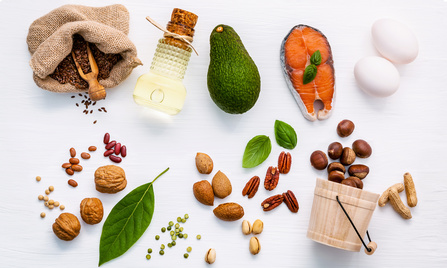
Histamine friendly food sources of vitamin E Please remember, any food can hurt us so always be safe and check with your doctor. A compound or food with antihistamine properties can still cause problems and allergies to low histamine foods is very possible.
Almonds
Pecans
hazelnuts
Sunflower seeds
Flax seeds
Chia seeds
Swiss chard
Turnip greens
Asparagus
Beet greens
Broccoli
Mango
Salmon (not considered high histamine if very fresh)
Eggs (uncooked egg white is considered a mast cell trigger and eggs are allergenic)
You’ll find recipes full of foods with antihistamine and anti-inflammatory properties my books Anti-Recipes and The Anti-Cookbook
Tsuduki, T., Kuriyama, K., Nakagawa, K., & Miyazawa, T. (2013). Tocotrienol (Unsaturated Vitamin E) Suppresses Degranulation of Mast Cells and Reduces Allergic Dermatitis in Mice. Journal of Oleo Science J. Oleo Sci.,62(10), 825-834. doi:10.5650/jos.62.825
Zingg, J. (2007). Vitamin E and Mast Cells. Vitamin E Vitamins & Hormones, 393-418. doi:10.1016/s0083-6729(07)76015-6
Fogarty, A., Lewis, S., Weiss, S., & Britton, J. (2000). Dietary vitamin E, IgE concentrations, and atopy. The Lancet,356(9241), 1573-1574. doi:10.1016/s0140-6736(00)03132-9
Holick, M. (n.d.). Evaluation of vitamin D intake and serum 25 hydroxyvitamin D concentration on calcium metabolism. Http://isrctn.com/. doi:10.1186/isrctn18397898
Willumsen, N., Holm, J., Christensen, L. H., Würtzen, P. A., & Lund, K. (2012). The complexity of allergic patients’ IgE repertoire correlates with serum concentration of allergen-specific IgE. Clinical & Experimental Allergy,42(8), 1227-1236. doi:10.1111/j.1365-2222.2012.04009.x
Picking the Right Multivitamin is Paramount As Most May Be Harmful to Your Health. (n.d.). Retrieved November 06, 2016, from https://www.drfuhrman.com/learn/library/articles/38/harmful-ingredients-in-supplements-picking-the-right-multivitamin-is-paramount-as-most-may-be-harmful-to-your-health
Sutro Tower telecommunication tower in San Francisco
Researchers find that low levels of electromagnetic frequencies (EMF) from electronic devices affect human and mice hormonal (endocrine) and immune systems. Mast cells are believed to play a role and women may be more prone to their effects than men. Mast cells contain histamine and triggering their activation releases histamine into the blood stream.
I’m on a roll this month taking on topics I know I’ll take some heat for. Just recently it was cannabinoids found in marijuana as a possible treatment for mast cell activation and the prevention of histamine release, and this week it’s the woo woo subject of EMF.
My mother instilled a fear of microwaves in me at an early age. Something re-inforced the day I innocently placed a foil wrapped tv dinner into one while away at college (the mini magnetic storm in the micro was quite something to behold), and blew the sucker up.
I still think there’s something fundamentally bizarre about nuking food (and do not use a micro to this day), yet I’m a firm believer in technology, sending people to Mars (and beyond) and more importantly, should a Star Trek worthy teleport someday exist, you better believe I’ll be on the early wait list for that ride.
Still, the trickle of scientific research regarding the effects of EMF on the immune system warrants looking in to, if only to potentially encourage serious tech junkies like myself to jack out once in a while. Or at least not fall asleep with the computer on, right by your head (as I have for much of my adult life), or actually with your laptop on your lap top. These studies are all quite small samples, so please do take everything with a pinch of salt.
A study published in the journal of Environmental Research found that four hours daily of “very low” EMF on rats was long enough to negatively impact their immune system and thyroid glands. Another study published around the same time found similar results.
Results of an investigation into the safety of using laptop computers actually perched on your lap published in the Archives of Environmental & Occupational Health turned up a number of potentially worrying hazards. Namely that magnetic currents from the laptop penetrated the body at a higher rate than recommended by certain government bodies. The authors conclude that in their view laptops should not be placed on the body.
Researchers studying the effects of EMF on museum workers, the results of which were shared in the International Journal of Immunopathology and Pharmacology, found that night shift workers exposed to EMF for 20 hours a week had lowered immune system function. They also revealed that women were more prone to the immune system disturbance. Immune system function returned to normal after a change in work site. We have plenty of data nowadays showing that nightshift work is likely to trigger immune system dysfunction by messing with melatonin production and generally disrupting the circadian rhythm, so it’s not much of a surprise that adding EMF exposure to the mix isn’t great. Unfortunately I’d guess that most night owls (as I used to be) spend their time on computers and other EMF generating devices, so this is a potentially valid concern. If you’re going to stay up all hours I definitely recommend using an orange screen filter like Flux. The blue light is what really messes with melatonin. But this won’t affect EMF output.
Another study in the the International Journal of Immunopathology and Pharmacology found a small sample of women living near tv/radio broadcasting stations had increased anxiety/stress levels and depressed immune system function. The authors hypothesise that the anxiety, potentially triggered by EMF (?), caused the immune system disruption. Those of us with mast cell activation may have already experienced how stress causes mast cells to freak out and dump histamine and other inflammation into the blood stream.
And finally, a study published in the journal Bioelectromagnetics investigated whether there was a biological component to claims made by a group of electro-hypersensitive (EHS) people. Those claiming to suffer EHS experience allergic-like responses including headache, pain, fatigue and more. They found that a small proportion of the EFS patients had liver and thyroid dysfunction and exhibited chronic inflammatory changes in their blood work.Their recommendation is that those with EHS be tested for these conditions. What they don’t say in the study is whether they believe that these issues are in fact triggered by EMF exposure.
So, am I read to toss my adorable 12 inch macbook in the trash? No way. Am I ready to commit to limiting my time on said devices? Yes, but not necessarily due to concerns over EMF. I’ve just found that the sooner I log off the net, the more ready I am to head off to sleepy town, and the better my sanity long term. Dealing with my life long stress habit is a continual struggle, one that I must beat. Anything I can do to lighten the load is a winning strategy and spending less late night time on the net is a great place to start.
Have you noticed that EMF exposure affects you in some way? Please leave a comment below.
You’ll find recipes full of foods with antihistamine and anti-inflammatory properties my books Anti-Recipes and The Anti-Cookbook
Rajkovic, Vesna, Milica Matavulj, and Olle Johansson. “The Effect of Extremely Low-frequency Electromagnetic Fields on Skin and Thyroid Amine- and Peptide-containing Cells in Rats: An Immunohistochemical and Morphometrical Study.” Environmental Research 99.3 (2005): 369-77. Web.
Bellieni, C. V., I. Pinto, A. Bogi, N. Zoppetti, D. Andreuccetti, and G. Buonocore. “Exposure to Electromagnetic Fields From Laptop Use of “Laptop” Computers.” Archives of Environmental & Occupational Health 67.1 (2012): 31-36. Web.
Boscolo, Paolo, Antonio Bergamaschi, Maria Bernadette Di Sciascio, Franco Benvenuti, Marcella Reale, Fabio Di Stefano, Pio Conti, and Mario Di Gioacchino. “Effects of Low Frequency Electromagnetic Fields on Expression of Lymphocyte Subsets and Production of Cytokines of Men and Women Employed in a Museum.” Science of The Total Environment 270.1-3 (2001): 13-20. Web.
Boscolo, P., M.b. Di Sciascio, S. D’ostilio, A. Del Signore, M. Reale, P. Conti, P. Bavazzano, R. Paganelli, and M. Di Gioacchino. “Effects of Electromagnetic Fields Produced by Radiotelevision Broadcasting Stations on the Immune System of Women.” Science of The Total Environment 273.1-3 (2001): 1-10. Web.
Dahmen, Norbert, David Ghezel-Ahmadi, and Alice Engel. “Blood Laboratory Findings in Patients Suffering from Self-perceived Electromagnetic Hypersensitivity (EHS).” Bioelectromagnetics 30.4 (2009): 299-306. Web.
West, K. E., M. R. Jablonski, B. Warfield, K. S. Cecil, M. James, M. A. Ayers, J. Maida, C. Bowen, D. H. Sliney, M. D. Rollag, J. P. Hanifin, and G. C. Brainard. “Blue Light from Light-emitting Diodes Elicits a Dose-dependent Suppression of Melatonin in Humans.” Journal of Applied Physiology 110.3 (2010): 619-26. Web.
“AAAS, “Why Late Nights Are Bad for Your Immune System”” N.p., n.d. Web. 22 Oct. 2016.
Research tells us that cannabidiol found in marijuana may help prevent mast cells from releasing histamine into the blood stream as well as generally preventing inflammation. Mast cells are a component of the white blood cell (immune) system. They contain histamine and other inflammatory agents. When stimulated by stress, allergens, bacteria, viruses and others, mast cells release histamine and other inflammation into the blood stream. When this is chronic we experience symptoms of excess histamine/inflammation, allergies, and other inflammatory disorders.
This post has been a long time coming. Not a day goes by that I don’t receive an email from someone telling me that marijuana has improved their mast cell/histamine intolerance symptoms. My own experiences with it had not been so favourable and I allowed it to colour my view on the topic despite all the wonderful (some anecdotal) news on it helping treat autoimmune disorders and cancer. Being in Los Angeles for the last two months where I’m surrounded by people working in the medical marijuana industry has prompted me to finally buckle down and see what’s the deal with all this.
To be clear, I’m not interested in using it for anything other than its anti-inflammatory properties. Therefore for the purposes of this article I’m covering studies using cannabidiol (CBD), a non-psychoactive compound derived from marijuana. Tetrahydrocannabidiol (THC) is the stuff that gets you high.
Here’s an interesting one for you. Our brain has receptors for cannabinoids, which are found in marijuana and other non-psychoactive plants. A study published in the Journal of Allergy and Immunology finds that stimulating the brain’s cannabinoid 1 receptor (CB1) may be useful in managing allergies and skin diseases (meaning rashes and eczema). CB1 receptor stimulation and inhibition were directly linked to mast cell activity.
A study appearing in the journal Pulmonary pharmacology & therapeutics found that cannabidiol (CBD) reduced airway obstruction caused by raw egg white (in guinea pigs). Ovalbumin, as uncooked egg white is referred to in these studies, is a known mast cell trigger and histamine liberator. It’s used to cause inflammation and histamine release so that they can study how to reverse it.
Authors of a study published in the journal Biochemistry found that cannabinoid stimulation of the CB1 receptor prevented mast cell degranulation, which is the process in which they release histamine inflammation into the blood stream.
Living in a country where cannabis is illegal? A study published in the Journal of Endocrinology tells us that unnecessary activation of mast cells is a bad thing that occurs regularly in inflammatory diseases like asthma, arthritis, inflammatory bowel disorders (IBS) and others. Many of us with histamine intolerance and mast cell activation commonly experience symptoms associated with these disorders and others, but rarely have positive test results for them. The study authors reviewed a number of cannabinoid-like compounds (meaning similar in structure but derived from other, presumably legal, sources) and found them to be possibly useful in the treatment of inflammatory disorders. Wikipedia tells us that cannabinoids are found in echinacea and other plants.
There’s always a downside though and that’s the allergenicity of marijuana. It’s a pollinating plant so please exercise caution and as always, always consult with your doctor, because I’m certainly not one!
As I’m not in it for the high, my personal preference is to eliminate the psychoactive THC and go with a pure CBD oil or vapouriser. I’ve done both of those and am suitably impressed with the results and will continue looking for a customised option that’s organic, not highly refined and suitable for my needs. I’ll be sharing the info as soon as I’ve located one.
In the meantime I’d love to hear your experiences.
You’ll find recipes full of foods with antihistamine and anti-inflammatory properties my books Anti-Recipes and The Anti-Cookbook
Dudášová, A., S.d. Keir, M.e. Parsons, A. Molleman, and C.p. Page. “The Effects of Cannabidiol on the Antigen-induced Contraction of Airways Smooth Muscle in the Guinea-pig.” Pulmonary Pharmacology & Therapeutics 26.3 (2013): 373-79. Web.
Small-Howard, Andrea L., Lori M. N. Shimoda, Chaker N. Adra, and Helen Turner. “Anti-inflammatory Potential of CB1-mediated CAMP Elevation in Mast Cells.” Biochem. J. Biochemical Journal 388.2 (2005): 465-73. Web.
Filippis, D. De, A. D’Amico, and T. Iuvone. “Cannabinomimetic Control of Mast Cell Mediator Release: New Perspective in Chronic Inflammation.” Journal of Neuroendocrinology 20.S1 (2008): 20-25. Web.
Filippis, D. De, A. D’Amico, and T. Iuvone. “Cannabinomimetic Control of Mast Cell Mediator Release: New Perspective in Chronic Inflammation.” Journal of Neuroendocrinology 20.S1 (2008): 20-25. Web.
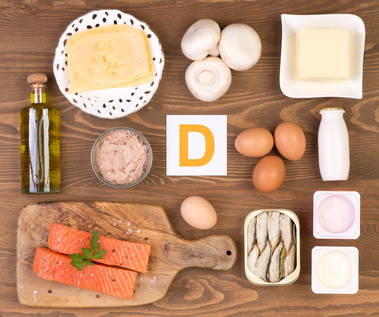
Vitamin D acts as a fat soluble hormone that facilitates intestinal absorption of calcium, iron, magnesium, and zinc. The latter two are essential components needed by the body to manufacture the histamine degrading enzyme diamine oxidase (DAO), so we definitely want to max out our ability to retain them. One of vitamin D’s most important roles however may be its regulation of the immune system, specifically histamine containing mast cells. In this capacity it has been shown to decrease production of histamine and leukotrienes.
Research tells us that immune cells have vitamin D receptors and that it plays an important role in protecting us from autoimmune disorders. Vitamin D specifically regulates the action of COX, an enzyme that produces prostaglandins, which are one of many inflammatory molecules released (along with histamine) by mast cells when they’re activated. Mast cells can be triggered into releasing these inflammatory elements into the blood stream by stress, high histamine foods, allergies, extremes in temperature and more.
I’ve experienced them all in spades and watched first hand as my mast cells spiralled out of control. Thankfully I learned to control my triggers and train my mast cells into not releasing too much histamine and other inflammation when not needed.
Vitamin D generally disrupts the release and production of inflammatory cytokines from mast cells, specifically interleukins and TNF. It can also promote the production of anti-inflammatory mediators that may help us heal. There’s also evidence that vitamin D may help regulate the allergic response and cause mast cells to die off. Lower than average levels of vitamin D have been found in those with autoimmune disorders like lupus, arthritis, multiple sclerosis, diabetes and others.
While we can manufacture our own vitamin D with adequate sunlight if our liver and kidney function is optimal, increased cancer risk doesn’t make this an unattractive option as a first line treatment for low levels.
Vitamin D was one of the first supplements I got into after initially shunning them all, mostly due to horrible reactions, but also because I wanted to see how far I could get with just letting the body heal itself. It was after trying it that I learned that oil based supplements agreed with me far better. I have a few ideas on why, primarily because oil, especially olive, has been shown to increase the production of the histamine lowering enzyme DAO (diamine oxidase). As a bonus it’s also highly anti-inflammatory and may help prevent osteoporosis.
These may be foods many of us aren’t eating so testing vitamin D levels and then perhaps supplementing might be necessary (with your doctor’s blessing).
Please don’t forget to always check with your doctor before adding supplements. Taking a vitamin or mineral with purported properties if you don’t have a lack of it is probably not beneficial.
Yip KH, et al. Mechanisms of vitamin D3 metabolite repression of IgE-dependent mast cell activation. Journal of Allergy and Clinical Immunology 2014: 13395), 1356-1364.e14
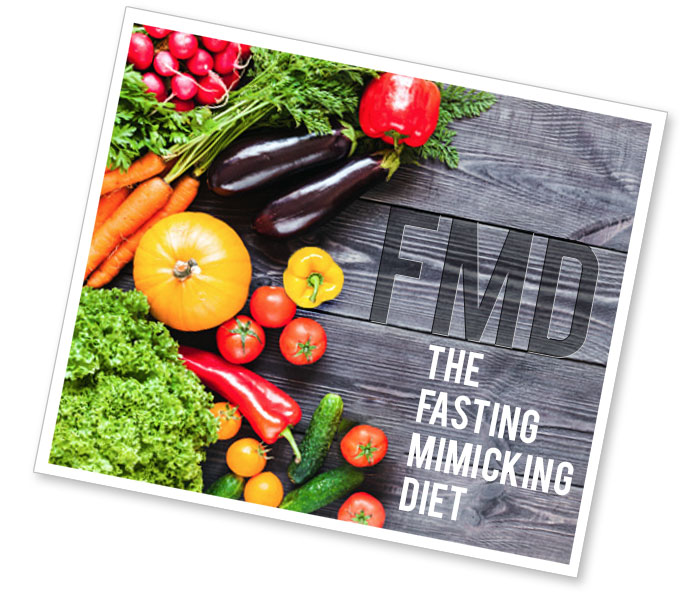
Interviewing Dr. Valter Longo, director of the University of Southern California’s Longevity Institute, has been one of the highlights of writing this blog. Read the full interview here. Our discussion centred on his findings that a diet that mimics the effects of water fasting, without the extreme mental anguish, muscle wastage, mega loss of nutrients, and intense discomfort of water fasting (take it from someone who has done quite a bit of it). But most importantly, how it regenerates up to forty percent of the immune system. As histamine containing mast cells are a a part of this system I was naturally intrigued to speak with him directly about it.
References always at the bottom of post.
This new fasting approach, dubbed the Fasting Mimicking Diet (FMD), was created by Dr. Longo. Research on this diet shows that it can increase the effectiveness of chemotherapy in cancer treatment, regenerate not only stem cells, but up to forty percent of immune system cells. This would include mast cells, which contain within them inflammatory agents like histamine, leukotrienes, prostaglandins, interleukins, and others involved in healing and allergy.
The idea that a fourty percent regeneration is possible excited me beyond measure. I remember a conversation with a mast cell specialist who told me that avoiding mast cell triggers is necessary so that faulty ones die off. But what if we can encourage nearly half of them, especially the faulty ones (because the body is pretty great at getting rid of stuff that serves little purpose) to regenerate in just a few days rather than by avoiding all that we love forever. How insanely exciting is that!
And I’m not the only one who thinks so. Dr. Longo’s research on the weight loss, insulin regulating, CRP lowering, stem cell regeneration, anti-ageing and anti-inflammatory effects of the fasting mimicking diet has been covered every step of the way by the Times, the Washington Post, Newsweek, Time, CNN, the BBC and 60 Minutes Australia, among others.
I’ve been following his research and other fasting news for some time now. It was interesting to read reports that fasting can prevent mast cell degranulation (the process that releases histamine into the blood stream from mast cells) in animal studies. Water fasting has certainly been a big help to me in the past. I used it when my system was totally overloaded and in distress. What I eventually came to realise is that this kind of fasting is very stressful on the body and mind. Vitamin B in particular is used up in times of stress and that’s something we can ill afford given that so many of us react to supplements.
So recreating the effects of water fasting while still eating, still being able to function well enough to drive, write, think, and even do moderate exercise was something I was definitely interested in.
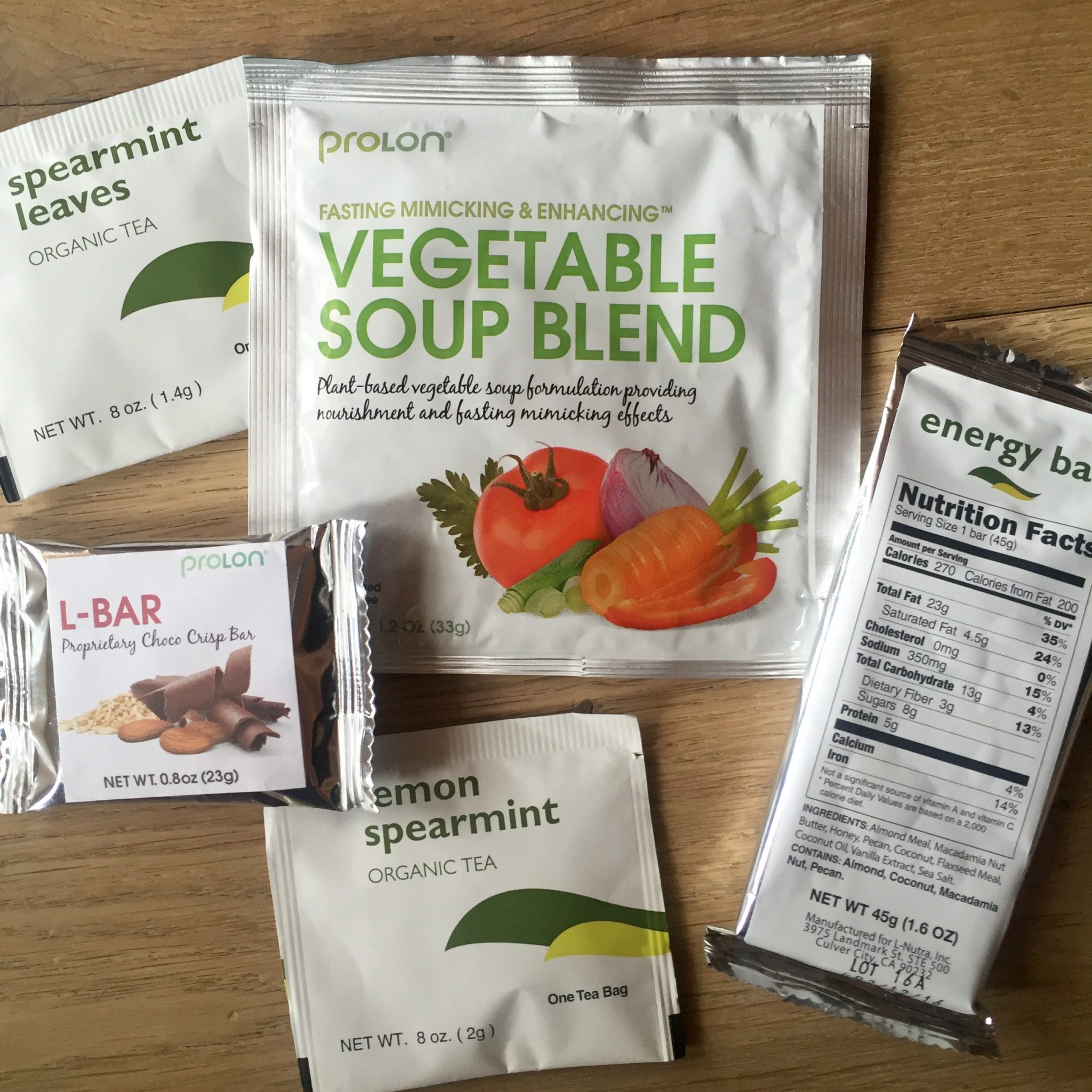
In a nutshell, the FMD is essentially one which recreates the anti-inflammatory, cardiac, cancer and neurodegenerative protective effects of water fasting in a less extreme way, by allowing the consumption of 750-1100 calories for a five day period. The effects of which last for months, even though subjects went back to eating a normal diet afterwards. USC created a projected called ProLon, the five day program (the one I’ve just used), to make all this easier. The research and development, pre-clinical and clinical trials were conduced at USC’s aforementioned Longevity Institute and the Diabetes and Obesity Research Institute, and sponsored by the National Cancer Institutes, National Institute on Aging, and the National Institute of Health (NIH). You can check find more info on all this on ProLon’s website.
A recent study by Dr. Longo and his team at USC revealed that the fasting mimicking diet may reduce symptoms of multiple sclerosis. According to Dr. Longo the release of cortisone during the FMD triggers the killing of autoimmune cells. Cortisone is of course a medication many of us with mast cell disorders have been treated with at some time or another (perhaps before we were diagnosed even). The study, published in the journal Cell Reports, included mice and human patients with multiple sclerosis.
Other recent research by Dr. Longo found that the fasting mimicking diet, when paired with cancer treatment, protects normal cells while weakening cancerous ones. Plus, that it can cut belly fat (more on that in a minute) and reduce ageing markers in mice and humans.
In the autoimmune study, mice with autoimmune disease were placed on a fasting mimicking diet. The FMD reduced symptoms in all the mice and “caused a complete recovery in 20 percent of the animals”. A reduction in inflammatory cytokines (like those that mast cells contain) was also found. The study found that the fasting mimicking diet also promoted regeneration of the myelin, the sheet of proteins and fats that “insulate nerve fibres in the spine and brain” whose destruction is one of the hallmarks of multiple sclerosis.
So, enough of the science for a moment. I know most are wondering how this works. So, this diet is really freaking complicated. It’s not easy to convince the body it’s not eating anything and the FMD is very different to ketogenic diets and even intermittent fasting. Neither have the same effect on the immune system. So Dr. Longo came up with a five day plan to package the right breakdown of macro and micronutrients needed to convince the body we’re starving. It’s called ProLon and it’s available for sale now through their website. You’ll need a doctor’s approval but, just in case your doctor scratches his head when you ask him to approve it, thankfully the company has promised to connect us with doctors who are schooled in the benefits of this type of fasting.
FYI – I paid for my own pack and this is not a sponsored post.
I think I’ve adequately explained why I was willing to submit to five days of eating not so much, even if some of the ingredients are higher histamine than I would normally indulge in. When discussing with a hista-sista why I would ingest said products, my argument was simple:
1. Even with all the nutritional information of the foods laid out in front of me, there’s no way I can recreate this on my own. Believe me I tried. Dr. Longo and his team have spent years fine tuning this program, so messing around with it is not something I feel is prudent.
2. I’m looking at this as medicine. The day may come where I have no choice but to take some really nasty medicine. So why not a few higher histamine foods now to try and stop that day from coming? It’s only five days after all.
3. The ingredients have been very carefully personally chosen by Dr. Longo – who is very concerned with nutrition (I would say a bit of a health food freak like us really). Everything in the packs has been sourced incredibly well. I’ve always been willing to consume higher histamine foods as long as the quality was excellent. Having spoken with Dr. Longo at length about this, I’m satisfied that he’s on the same page nutritionally and has the best of intentions to produce the highest quality product possible.
How did it turn out?
DAY ONE
I must say, this was the hardest day, which was surprising because it’s the one with the most food. There was just so very much of it that I had a hard time dealing with it all. So many teas, snacks, meals. Fine, they were small, lilliputian servings, but I’m not used to eating so frequently. I tend to eat two meals a day with a small snack. That doesn’t mean I under eat, just that I limit my meals in order not to trigger histamine release and inflammation throughout the day. But I’m sure ProLon’s approach makes sense in terms of preventing blood sugar crashes while fasting and this is of course a really good thing.
DAY TWO
What on earth possessed me to think I could hike for forty five minutes at steep incline? Ah, the copious energy I felt at around 2pm. So up we went. There was no dizziness, no blood sugar crashes, just a bit of struggling to find the right word at times. That may have been more to do with the sun beating down on me and the exercise though. I have so much energy that I don’t want to sleep. Not in a manic histamine overload kind of way but rather that I have more energy than usual and want to enjoy it. So I mellow out with a cup of hibiscus tea and read a book till falling asleep.
DAY THREE
I finally weigh myself. Living in the south of France and sitting on my butt for 16 hours a day writing a 45,000 page book “helped” me gain 10 lbs that I’ve been meaning to attend to. I’ve lost nearly three pounds. I’m delighted to note that nearly all the weight appears to have disappeared from my belly. While I no longer have a basketball tummy nowadays (the result of leaky gut/SIBO/oxalates/whatever) I do seem to have a genetic tendency (like my mom) to easily gain fat in that area.
Any weirdness that I felt after eating the foods on day one and two (tired/foggy) has now passed. My system is quiet, energised, and giving me a big thumbs up. I’ve been meditating a lot on the idea of the meals being medicine….
DAY FOUR
Yikes. Today was pretty tough. The problem is I have so much time on my hands! So much of my time is spent acquiring food and cooking it normally that I don’t quite know what to do with myself. I keep making the mistake of eating too little in the daytime and then leaving it all till evening. Eating late has always kept me up at night. I spend the saved time meditating. Feeling balanced, happy, but like the hike the other day might have used up too many calories and now I’m feeling it.
DAY FIVE
I’ve just realised that I’ve been absolutely taking for granted the fact that I have managed to stay with it enough throughout this time to continue writing, drawing and generally behaving like a human being with a brain these last few days. I go to the supermarket in preparation of breaking the fast and find myself not terribly excited by the foods there but certainly resisting the urge to wrestle a banana from a toddler’s chubby fist. Mmmmm, banana (yes, another technically high histamine food that I eat).
I didn’t stop taking my Neuroprotek mast cell stabilising supplement throughout this – I should have asked if that was ok. I really wanted to have blood tests before and after so I could share some concrete statistics with you. I will do it next time. I just couldn’t believe how much they wanted for them. Really astonishing. It’s so sad how so many of us have been bankrupted (myself included) just trying to stay alive.
What I can tell is that something profound has been happening in my body. I’ve noticed it before during water fasting, but that became too much of a stress and I know it robbed me of nutrients I desperately needed to heal. The ProLon fasting pack addresses both issues well, and I have no doubt that it’s a powerful healing tool, if you can deal with some of the ingredients you may not have eaten in a while.
I’m now five days post fast and I’m still bouncing around, super happy, incredibly productive, my skin looks better than ever. I’ve managed to keep off the five pound weight loss so far and I’m generally just excited with how my body and mind feel. At peace and running smoothly.REFERENCES
“Diet That Mimics Fasting May Also Reduce Multiple Sclerosis Symptoms.” USC News. N.p., n.d. Web. 23 Sept. 2016.
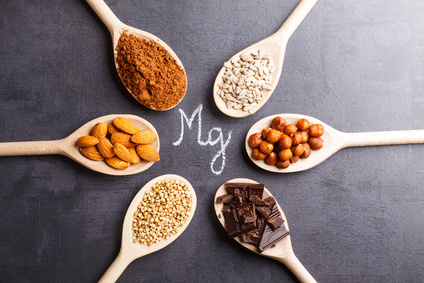
Did you know that something as simple as a vitamin or mineral deficiency can trigger histamine induced inflammation? While many deficiencies can be responsible for confusing symptoms when we’re doing everything else right, today I’m going to focus on one of the most likely contenders: magnesium.
A study published in the Drug-Nutrient Reactions journalfound that dietary restriction of magnesium in an animal study caused histamine levels to rise considerably after just four days of restriction, with histamine levels reaching a high after eight. But levels then quickly dropped after just two days of adding magnesium back to their diet.
Another study in the Journal of Nutritional Science and Vitaminology (yes, that’s a word apparently) tells us that magnesium deficiency has been linked to increased mast cells in the small intestine, kidney and bone marrow, and now in the liver.
In case you’re new to my website, mast cells are a part of the white blood cell system. They’re where histamine and other inflammatory molecules like prostaglandins, leukotrienes and interleukins live. Mast cells are triggered into dumping this inflammation into the blood stream when we need to fight an infection, or experience massive stress hormone release, general female hormone fluctuations, or are faced with an allergen. In some cases they’re just confused and keep firing even when there’s no reason for them to. The presence of mast cells generally indicates that inflammation is underway and I found even more studies showing that magnesium deficiency just generally contributes to inflammation. I don’t know about you, but I’d really rather not have inflammation in my liver (or anywhere else for that matter), so magnesium seems like something we should keep an eye on.
One of my core concerns with the extreme prolonged elimination “phases” I see people entering in to is the potential for vitamin/mineral deficiency and very real fear of starving the body.
A friend with histamine intolerance was recently hospitalised for this very issue. It took them several months of IV treatment with nutrients to recover from the extreme deprivation.
The University of Maryland website tells us that magnesium is needed by the heart, muscles, and kidneys. It activates enzymes – the boy requires magnesium to product the histamine degrading diamine oxidase (DAO) for example – and it regulates calcium, copper, zinc, potassium and vitamin D levels in the body.
A lack of magnesium manifests as: anxiety, problems sleeping, irritability, nausea/vomiting, heart palpitations, low blood pressure, confusion, cramps, insomnia, and more.
Studies show that inhaled magnesium can help treat asthma attacks, treat depression and diabetes 2, among others.
About 400mg of magnesium is recommended daily for adults. You can get it from food, supplements or transdermal application (sprays and bath salts).
Low histamine magnesium rich foods: oatmeal, beans, chard, flax seeds, almonds, salmon (fish isn’t high histamine if it’s very fresh), cilantro, agar agar seaweed, basil, fennel seed, and cumin.
Not necessarily low histamine but not high histamine: sesame, sunflower and pumpkin seeds.
Seeking Health makes a relatively clean product Optimal Magnesium – 100 Vegetarian Capsules with the added bonus of ascorbyl palmitate, a type of corn-free vitamin C that I have chosen to use these last few years. As with all supplements there are contraindications and side effects so please do some research before trying anything new.
I’ve used pure liquid magnesium in the bath as a histamine soother for years (though I didn’t tolerate it at the start). Please remember that heat is a major histamine trigger (as per mast cell experts Dr. Theoharides, Dr. Luis Escribano and others) so a lukewarm bath may be more appropriate (but we’re all different, so go with whatever works for you).
You’ll find recipes full of foods with antihistamine and anti-inflammatory properties my books Anti-Recipes and The Anti-Cookbook
Nishio A, Ishiguro S, Miyao N. “Specific change of histamine metabolism in acute magnesium-deficient young rats.” Journal of Nutritional Science and Vitaminology. 1987;5(2):89-96.
“Magnesium.” University of Maryland Medical Center. N.p., n.d. Web. 10 Sept. 2016.
Takemoto, Satoshi, Akane Yamamoto, Shozo Tomonaga, Masayuki Funaba, and Tohru Matsui. “Magnesium Deficiency Induces the Emergence of Mast Cells in the Liver of Rats.” J Nutr Sci Vitaminol JNSV Journal of Nutritional Science and Vitaminology 59.6 (2013): 560-63. Web.
Ishiguro, Shigeru, Akira Nisio, Noboru Miyao, Yoshio Morikawa, Kazu Takeno, and Iwao Yanagiya. “Studies on Histamine Containing Cells in the Spleen of the Magnesium-deficient Rats.” Folia Pharmacologica Japonica 90.3 (1987): 141-46. Web.
GET STARTED HEALING HISTAMINE
WHAT YOU NEED TO KNOW ABOUT HISTAMINE DELIVERED TO YOUR INBOX