A photo recently posted on Instgram of my mother in her forties generated a great deal of comments regarding histamine and ageing. Specifically that many of us look younger than we are. Significantly younger. Though I passed through a rough patch of about a decade when I was really sick, and therefore most certainly did not look my best, nor my youngest, I now absolutely do not believe I look my age (41 in August 2016). So based on the flimsiest of ideas, that those with histamine issues look younger than they are, I decided to see if there was any science to it.
A number of animal studies point to a link between histamine and collagen production, and turnover. In particular, keloid and hypertrophic scars (an aggressive type of scarring) are believed to be the result of an over production of histamine.
And that’s probably why antihistamines have been shown to prevent the synthesis of collagen. The dysregulation of prostaglandin E2, found in mast cells where histamine also lives, has also been shown to contribute to abnormal scar formation. One study I read concluded that human mast cells generally increase collagen synthesis.
Now, that’s all well and interesting, and there may in fact be a relationship between looking younger and having excess histamine, but what’s the effect of long term inflammation on the body?
It’s not great.
A recent study of Japanese people over 100 years old found that, contrary to what we’ve been told in recent years, the best predictor of a long and healthy life is not telomere length, but levels of inflammation in the body. Scientists running the study found that lower levels of inflammatory agents released by mast cells in the blood meant longer life. The more mast cell activated inflammation in the body, the more age related disease and and shorter life expectancy.
In terms of skin, inflammation can accelerate fine lines, wrinkles, as well as causing enlarged pores, puffiness, sagging, blotchiness and reddening of the skin.
One of the keys to fighting inflammation is avoiding unhealthy fats like partially hydrogenated ones found in processed foods, cottonseed, palm, soy and corn oils, which can now even be found in “healthy” foods found on organic supermarket shelves. Eating anti-inflammatory foods, particularly ones rich in omega 3 fatty acids meanwhile has a significant anti-ageing effect on the body and brain.
Exercise loads: but remember that the wrong kind of exercise can trigger histamine (read more here)
Moderate stress
Sounds like everything we’re already doing!
It’s finally here! Man Food – a high nutrient antihistamine and anti-inflammatory ingredient filled book geared towards guys, women who love to work out, yoga like they mean it, or just load up on healing nutrients. Features my personal shopping list of antihistamine and anti-inflammatory foods.
The Anti-cookbook and all liquid Anti-Detox Book, don’t treat any conditions, but feature a plethora of the high nutrient antihistamine and anti-inflammatory ingredients that have been instrumental in helping me feed myself on a limited diet. The Anti-cookbook features a four page list of antihistamine and anti-inflammatory foods and comes in regular and Paleo.
The Low Oxalate Cookbook features antihistamine and anti-inflammatory rich recipes.
Don’t miss the Low Histamine Beauty Survival Guide for non-toxic beauty tips, the skinny on histamine releasing (mast cell degranulating) beauty ingredients, antihistamine and anti-inflammatory beauty alternatives and the top brands natural brands I’ve found.
Khunger, Niti. “Chapter-18 Keloids, Hypertrophic and Bridging Scars.” Step by Step: Treatment of Acne Scars (2014): 218-24. Web.
Hatamochi, A., K. Fujiwara, and H. Ueki. “Effects of histamine on collagen synthesis by cultured fibroblasts derived from guinea pig skin.” Archives of Dermatological Research 277.1 (1984): 60-64. Web.
Garbuzenko, E., A. Nagler, D. Pickholtz, P. Gillery, R. Reich, F.-X. Maquart, and F. Levi-Schaffer. “Human mast cells stimulate fibroblast proliferation, collagen synthesis and lattice contraction: a direct role for mast cells in skin fibrosis.” Clinical Experimental Allergy 32.2 (2002): 237-46. Web.
Suzawa, Haruo, Shinji Kikuchi, Nobuhiko Arai, and Akihide Koda. “The Mechanism Involved in the Inhibitory Action of Tranilast on Collagen Biosynthesis of Keloid Fibroblasts.” The Japanese Journal of Pharmacology 60.2 (1992): 91-96. Web.
“Keloid.” Wikipedia. Wikimedia Foundation, 26 Mar. 2017. Web. 26 Mar. 2017.
“Hypertrophic Scar.” Wikipedia. Wikimedia Foundation, 26 Mar. 2017. Web. 26 Mar. 2017.
Research tells us that consuming antioxidant foods at every meal helps us stay out of “oxidative debt”. If you’ve been reading my blog and following a similar diet to mine, you’ll be doing this already (and it certainly explains why I can tolerate higher histamine foods). Here’s what we know about how free radicals are causing inflammation generally, and triggering histamine release from mast cells in the body.
All references always at the end of the post.
MAST CELL STABILISER IS AN ANTIOXIDANT?
It started with a study I tripped over while researching something else: sodium cromoglycate, a commonly prescribed mast cell stabiliser (prevents mast cells from releasing histamine and other inflammation) has antioxidant activity.
Which led me to wondering how histamine and mast cells are linked to antioxidants (the good stuff you find in foods like blueberries).
ANTIOXIDANTS & MAST CELLS
Free radicals (linked to cancer and aging) trigger mast cells into releasing histamine in the body
Anti-oxidant foods can prevent histamine related damage
Polyunsaturated fatty acids (PUFA) are found in walnuts and salmon which both have a good amount of inflammation fighting omega 3 fatty acids. PUFAs are also in sunflower and soybean oil, and meat (unless you go for grass fed and finished), which all have a higher omega 6 content. PUFAs can generate free radicals, which are linked to aging and cancer, and have been found to release histamine from mast cells. This histamine release however is prevented by antioxidant compounds. I’ve been fine with a number of higher histamine foods that have higher omega 3 ratio, this may be why.
STAYING OUT OF OXIDATIVE DEBT
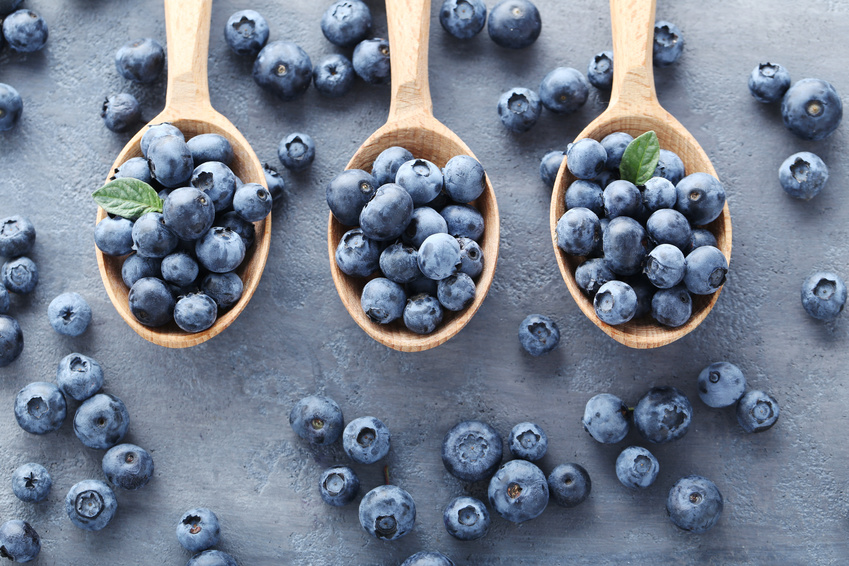
According to a recent video by Dr. Michael McGregor, the New York Times best selling author of How Not to Die, antioxidants that fight cancer and prevent age related disease and dementia, are required at every meal, not just once a day. His round up of the latest research really hit home for me since it’s what I’ve been doing for years, only with the intention of balancing out any histamine ingested in that meal. My main source of histamine inflammation preventing antioxidants are fruit and fresh green herbs. I make sure to have a really generous helping of both, every time I eat.
An example would be a few slices of avocado with an antihistamine cilantro, basil and shallot sauce and a generous helping of mixed anti-inflammatory mesclun greens, with a cup of blueberries or other berries/nuts.
People with a mast cell related condition called Mastocytosis are sometimes advised to stay away from morphine and other opiate based medications. I’ve always known it’s because they release histamine from mast cells, but it seems that these medications (and recreational drugs like cocaine) do this by triggering the release of free radicals.
I guess the lesson here is swap out your daily side order of cocaine for fresh basil sauce.
In other news, polyphenols with antioxidant activity were found to have mast cell stabilising properties, which is not news to my readers. It’s the reason I have been taking Dr. Theoharides’ Neuroprotek antioxidant supplement and eating a diet that balances inflammation. I only wish I’d done it sooner than a few years ago!
ANTIOXIDANT FOODS
Wild blueberries: 14,000 ORAC score.
Pecans: 17,000 ORAC score.
Artichoke: 9,400 ORAC score.
Elderberries: 14,000 ORAC score.
Kidney beans: 8,400 ORAC score.
Cranberries: 9,500 ORAC score.
Oregano, one of the rosmarinic herbs (which include thyme, rosemary and sage) ranks even higher in antioxidant activity than apples (over 40 times higher) and four times higher than blueberries. The Whole Foods website tells us that just one tablespoon of fresh oregano has the same antioxidant activity as an apple.
Publications, Harvard Health. “The truth about fats: the good, the bad, and the in-between.” Harvard Health. N.p., n.d. Web. 18 Mar. 2017.
Masini, Emanuela, Beatrice Palmerani, Francesco Gambassi, Alessandra Pistelli, Eliana Giannella, Brunella Occupati, Mario Ciuffi, Tatiana Bani Sacchi, and Pier Francesco Mannaioni. “Histamine release from rat mast cells induced by metabolic activation of polyunsaturated fatty acids into free radicals.” Biochemical Pharmacology 39.5 (1990): 879-89. Web.
“The Many Dangers Of Excess PUFA Consumption | Paleo Leap.” Paleo Leap | Paleo diet Recipes & Tips. N.p., 15 Feb. 2016. Web. 18 Mar. 2017.
Greger, M.D. Michael. “Antioxidant-Rich Foods with Every Meal.” NutritionFacts.org. N.p., n.d. Web. 18 Mar. 2017.
“These Foods, Herb, Spices & Oils are Absolutely Bursting with Antioxidants.” Dr. Axe. N.p., 24 Jan. 2017. Web. 18 Mar. 2017.
Bello, M. G. Di, E. Masini, C. Ioannides, J. F. Ndisang, S. Raspanti, T. Bani Sacchi, and P. F. Mannaioni. “Erratum to: Histamine release from rat mast cells induced by the metabolic activation of drugs of abuse into free radicals.” Inflammation Research 62.2 (2012): 247. Web.
It’s hardly news to us those of us with histamine intolerance and mast cell activation that inflammation can cause symptoms of anxiety. Now though, the research has finally caught up, with scientists identifying altered pro and anti-inflammatory profiles in patients with Generalised Anxiety Disorder (GAD). One of the inflammatory agents is monitored in the study can also be released by mast cells (which can also trigger histamine).
The study published in Brain, Behavior and Immunity provides the first evidence that Generalized Anxiety Disorder (GAD) is associated with an imbalance between interferon (IFN-y), interleukin (IL-10), and tumor necrosis factor (TNF-a), which is released by mast cells.
The authors found that patients with GAD had high levels of pro-inflammatory IFN-y and TNF-a, but low levels of the anti-inflammatory IL-10, compared to healthy control subjects. They believe that an impairment of the tryptophan degrading enzyme leads to degradation of serotonin in patients with GAD.
I’ve long researched the link between histamine, mast cells and anxiety and depression.
Her comment tickled me immensely given the number of times I was admonished for imagining my symptoms and that it was ridiculous to link what I ate, and how my body felt, to my state of mind.
It seems that us members of the “permanently inflamed tribe” have been vindicated in linking flushing, palpitations, anxiety, tunnel vision and (in my case) a sense of doom almost like an asteroid was on a collision course with my reality, to histamine and inflammation generally.
I was first diagnosed with anxiety at about fourteen years old, but really I’d been suffering from it since childhood. My brother once commented (ok, way more than once), that I was the most fearful and stressed child he’d known (he’s sixteen years older than me). While it’s true that I’ve had a very tumultuous life, growing up in a war zone, father dead at 40 or so, changing schools and moving country every six months at times, I don’t consider that I had a particularly traumatic life compared with many people. And yet I was shaking like a leaf most days, filled with a sense that something truly catastrophic was about to befall me or my loved ones. I would wake up in the morning with a sense of dread, wondering what awful thing was going to happen. It was almost a relief when something would happen, and hopefully I could go about the rest of my day just a smidge less fearful than I started it.
But things got out of hand at university. Within just a few short years I was diagnosed with GAD, bipolar and unipolar depression, borderline personality and was medicated with pretty much everything on the market, for years. Changing my diet allowed me to come off all psychiatric medications (including daily Xanax/benzodiazepines), within a matter of months, but I was still a mess histamine-wise, till I totally overhauled my life.
Nowadays it takes a major life event to properly phase me. What I’m still not great at is dealing with daily anxiety due to a situation beyond my control, like when my mother fell ill last year and I spent a year flying back and forth to a country on another continent.
But I do my best. The meditation and exercise are a huge help, as is knowing that I may be on edge simply because my histamine level might be elevated. And yes, it does still happen to me. Because like you, I’m human, and I’m constantly pushing the boundaries to see what I can get away with.
You’ll find recipes full of foods with antihistamine and anti-inflammatory properties my books Anti-Recipes and The Anti-Cookbook
The gut barrier is meant to keep bacteria from our food from crossing into our bloodstream. Histamine, an inflammatory mediator released by mast cells that make up part of the immune system, and also contained in foods, can compromise this barrier, causing intestinal permeability (also known as leaky gut). Foods and bacteria migrating from the stomach to the blood stream are believed to trigger allergies and intolerances, and according to some studies, may contribute to autoimmune symptoms. Probiotics and prebiotic fiber, as well as other mast cell related treatments may be helpful.
A properly working intestinal (gut) barrier protects the body as a whole from invasion by microganisms and toxins we ingest daily. But shut down that barrier too tightly and we may have problems absorbing nutrients and fluids essential to our survival. Overdosing on nutrients, medications and supplements can all affect this delicate balance, leading to inflammatory bowel, celiac, food allergy, as well as obesity and metabolic diseases (of which diabetes is one).
Intestinal permeability/leaky gut is linked to symptoms relating to:
Allergies
Asthma
Autism
Autoimmune disease
Eczema and psoriasis
Inflammatory bowel disease
Bloating
Gas
Heartburn
Acid reflux
In checking the UK National Health Service (NHS) website as I sometimes do for more information, I found the following statement:
“While it’s true that some conditions and medications can cause a “leaky” gut (what scientists call increased intestinal permeability), there is currently little evidence to support the theory that a porous bowel is the direct cause of any significant, widespread problems.”This directly contradicts the numerous studies out there.
How histamine and mast cells affect our intestinal barrier and trigger permeability/leaking
An animal study showed that histamine increased permeability of the intestines. Pre-Treatment with an H1 receptor antagonist (an antihistamine similar to Claritin and Zyrtec for example) didn’t stop this, but an H2 antagonist (a stomach medicine which is also an antihistamine like Zantac/Ranitidine) did prevent the intestinal permeability.
Researcher from another tells us that Interleukin-9 (released by mast cells) is involved in intestinal permeability/leaky gut, and that this process plays an important role in food allergy.
A small sample study on 21 patients with self-reported food allergy and intolerance on an allergen-free diet. Intestinal permeability was diagnosed by a standard test involving the ingestion of a sugar preparation (Lactulose/Mannitol) and their urinary excretion. They found that those with the most severe symptoms had a higher Intestinal Permeability Index.
Some interesting research on co-infections showed that malaria triggered gut “mastocytosis” (which is a mast cell related disorder) and histamine levels temporarily caused gut permeability and the movement of bacteria in an animal model. They were able to to prevent this by using antihistamines.
Serotonin and histamine act as pro-inflammatory mediators, causing enough permeability to allow the flow of needed nutrients, but not so much that the nasty stuff escapes.
Did you know that maintaining the gut barrier takes up around fourty percent of the body’s energy? That might be why relieving the body of the strain of digestion by fasting, or in my case, a fasting mimicking diet, has been really helpful in managing all my symptoms, but especially anything relating to my tummy. In my case I managed to heal my stomach just through diet and a few carefully chosen supplements (but not probiotics), but we are all different and will need a number of approaches to get the job done.
Probiotics have been found to be helpful, but it’s important to get the right strain.
I refer to my friends over at OptiBac Probitoics for an explanation on why the strain is so important:
“‘Bacteria’ or ‘Yeast’ is a kingdom of organisms, in the same way that humans belong to the ‘Animal’ kingdom. The bacteria can then be separated out into different groups based on similar characteristics, with increasing detail down through the phylum, class, order and family, until the genus level is reached e.g. lactobacillus. Within the genus level is the species level e.g. acidophilus (for humans the equivalent would be Homo sapiens).
For many people their knowledge of probiotics stops here, without realising that it gets more detailed, and this detail allows us to find out more about the bacteria. The next step down from the species is the strain level, and there are tens, if not hundreds, of strains within the species L. acidophilus (as there are within any bacterial species) e.g. NCFM®, Rosell-52 etc. The strain name usually consists of numbers and letters which indicate a microbiology institute e.g. NCFM = ‘North Carolina Food Microbiology’ research centre. It’s only at this level that a probiotic can really be judged on its worth, as the strain name points towards the research and the quality of the probiotic1.
Take the example of L. plantarum. In this species the strain CECT 7528 has been shown in scientific research to be especially good at binding onto dietary cholesterol so it cannot be absorbed by the body, whereas the strain CECT 7529 is particularly good at producing propionic acid (a type of short chain fatty acid which helps to decrease cholesterol levels)2. Both of these strains are in the species L. plantarum, but there are subtle, yet significant, differences between them.”
So here are some of the strains that my wonderful research scientist friend Katerina has found that are particularly beneficial for both histamine intolerance and leaky gut/intestinal permeability:
Lactobacillus rhamnosus 19070-2
L reuteri DSM 12246
bifidobacteria infantis (B. infantis) 35624
Additionally, quercetin has been shown to be a very effective gut barrier fixer thanks to it stopping mast cells found in the area from leaking histamine and other inflammatory agents.
—-REFERENCES—-
Bjarnason, Ingvar. “Faculty of 1000 evaluation for Intestinal permeability in patients with adverse reactions to food.” F1000 – Post-publication peer review of the biomedical literature (n.d.): n. pag. Web.
“7 Signs and Symptoms You Have Leaky Gut.” Dr. Axe. N.p., 24 Feb. 2017. Web. 24 Feb. 2017.
Potts, Rashaun A., Caitlin M. Tiffany, Nazzy Pakpour, Kristen L. Lokken, Connor R. Tiffany, Kong Cheung, Renée M. Tsolis, and Shirley Luckhart. “Mast cells and histamine alter intestinal permeability during malaria parasite infection.” Immunobiology 221.3 (2016): 468-74. Web.
Stevens, Richard L. “Faculty of 1000 evaluation for IL-9- and mast cell-mediated intestinal permeability predisposes to oral antigen hypersensitivity.” F1000 – Post-publication peer review of the biomedical literature (n.d.): n. pag. Web.
“Histamine and Histamine Antagonists.” Van Nostrand’s Scientific Encyclopedia (2006): n. pag. Web.
Mortillaro NA, Granger DN, Kvietys PR, Rutili G, Taylor AE. “Effects of Histamine and Histamine Antagonists on Intestinal Capillary Permeability.” American Journal or Physiology. 1981 May;240(5):G381-6.
Bischoff, Stephan C., Giovanni Barbara, Wim Buurman, Theo Ockhuizen, Jörg-Dieter Schulzke, Matteo Serino, Herbert Tilg, Alastair Watson, and Jerry M. Wells. “Intestinal permeability – a new target for disease prevention and therapy.” BMC Gastroenterology 14.1 (2014): n. pag. Web.
“Strain Myth.” OptiBac Probiotics. N.p., n.d. Web. 04 Mar. 2017.
Magistris, Laura De, Valeria Familiari, Antonio Pascotto, Anna Sapone, Alessandro Frolli, Patrizia Iardino, Maria Carteni, Mario De Rosa, Ruggiero Francavilla, Gabriele Riegler, Roberto Militerni, and Carmela Bravaccio. “Alterations of the Intestinal Barrier in Patients With Autism Spectrum Disorders and in Their First-degree Relatives.” Journal of Pediatric Gastroenterology and Nutrition 51.4 (2010): 418-24. Web.
D’eufemia, P., M. Celli, R. Finocchiaro, L. Pacifico, L. Viozzi, M. Zaccagnini, E. Cardi, and O. Giardini. “Abnormal intestinal permeability in children with autism.” Acta Paediatrica 85.9 (1996): 1076-079. Web.
A round up of the latest research reveals that the sleep hormone melatonin can prevent mast cells from activating, thereby preventing the release of histamine and other inflammatory agents into the bloodstream, when they’re not needed. As a bonus, melatonin is possibly beneficial in treating tinnitus, which is something many with histamine intolerance and mast cell activation appear to experience in spades.
Histamine is also found in mast cells, where it’s segregated from the blood stream, until triggered by stress, chemicals, allergens or viruses, and bacteria. In these cases the mast cells release other inflammatory agents, some of which, like prostaglandins, can intensify the effect of histamine on the body. This is why it’s important to get a diagnosis to work out what is actually behind your symptoms.
Melatonin produced by the pineal gland is involved in synchronising the circadian rhythm, blood pressure regulation, reproduction, and many others. It’s an antioxidant that plays a particular role in the protection of mitochondrial DNA. It has been shown to protect cancer patients from the side effects of radiation and chemotherapy as well as making them more effective.
One of the studies I found on melatonin notes that it’s found in mast cells already, which may account for why they have “daily rhythmic variations”. Having tracked my mast cell/histamine cycles for years, and helped others with their issues, here’s what I’ve found: 2-4am wake up time with really awful symptoms, then again at 6-8am and then tapering off by 10 or 11am. Many of us have struggled to maintain normal sleeping hours possibly thanks to this and also histamine’s effect on the brain in triggering wakefulness (though too much of it has been linked to narcolepsy).
The general opinion of a handful of the studies I read (referenced below as always) indicate that melatonin can inhibit mast cell activation, thereby exerting an anti-inflammatory effect on the body, as well as preventing histamine release.
Other research tells us that melatonin can also help in IgE allergic reactions, specifically relating to dermatitis, eczema and asthma.
Another interesting study found melatonin to be particularly effective at preventing mast cells from triggering in the skin (as is the case when mast cells cause or contribute to dermatitis or psoriasis) as a result of extreme stress, something I’ve really struggled with over the years.
Food sources of melatonin include cherries, bananas, grapes, rice, cereals, fresh herbs, olive oil and wine.
I eat these foods in spades.
Please remember not to add any supplements without consulting a doctor. What works for me might not for you and there’s no guarantee we won’t react to something even if it has mast cell stabilising or antihistamine properties.
It’s finally here! Man Food – a high nutrient antihistamine and anti-inflammatory ingredient filled book geared towards guys, women who love to work out, yoga like they mean it, or just load up on healing nutrients. Features my personal shopping list of antihistamine and anti-inflammatory foods.
The Anti-cookbook and all liquid Anti-Detox Book, don’t treat any conditions, but feature a plethora of the high nutrient antihistamine and anti-inflammatory ingredients that have been instrumental in helping me feed myself on a limited diet. The Anti-cookbook features a four page list of antihistamine and anti-inflammatory foods and comes in regular and Paleo.
The Low Oxalate Cookbook features antihistamine and anti-inflammatory rich recipes.
Don’t miss the Low Histamine Beauty Survival Guide for non-toxic beauty tips, the skinny on histamine releasing (mast cell degranulating) beauty ingredients, antihistamine and anti-inflammatory beauty alternatives and the top brands natural brands I’ve found.
Merrick L, Youssef D, Tanner M, Peiris AN (June 2014). “Does melatonin have therapeutic use in tinnitus?”. Southern Medical Journal. 107 (6): 362–6. doi:10.14423/01.smj.0000450714.38550.d4. PMID 24945170
Maldonado, M.d., H. Garcia-Moreno, and J.r. Calvo. “Melatonin protects mast cells against cytotoxicity mediated by chemical stimuli PMACI: Possible clinical use.” Journal of Neuroimmunology 262.1-2 (2013): 62-65. Web.
Theoharis C. Theoharides, Julia M. Stewart. “Genitourinary mast cells and survival.” Translational Andrology and Urology, Vol 4, No 5 (October 2015).
Çikler, Esra, Feriha Ercan, Şule Çetinel, Gazi Contuk, and Göksel Şener. “The protective effects of melatonin against water avoidance stress-induced mast cell degranulation in dermis.” Acta Histochemica106.6 (2005): 467-75. Web.
Tamura, Eduardo K., Claudia L. M. Silva, and Regina P. Markus. “Melatonin inhibits endothelial nitric oxide production in vitro.” Journal of Pineal Research 41.3 (2006): 267-74. Web.
Marseglia, Lucia, Gabriella D’angelo, Sara Manti, Carmelo Salpietro, Teresa Arrigo, Ignazio Barberi, Russel Reiter, and Eloisa Gitto. “Melatonin and Atopy: Role in Atopic Dermatitis and Asthma.” International Journal of Molecular Sciences 15.8 (2014): 13482-3493. Web.
When people tell me they’re still highly reactive no matter what dietary, stress busting, or lifestyle changes they make, I immediately suggest looking at bath and beauty products. My reactions to these were so very severe that they resulted in near immediate migraine, buzzing in my head, feet and fingers, hives and what looked like acne. Over the years my tolerance has improved greatly, to the point that I can once again use scented products (very natural scents) and use some chemicals. That might not seem like much, but just a few years ago I wasn’t able to use shampoo, body wash or deodorant. Though I can tolerate nasty stuff now, I don’t use it.
So here’s a list of my favourite histamine-friendly cleansing products.
Because people always ask me where they can buy things I talk about, I added the amazon links here. Please feel free to ignore them and find them on your own somewhere else.
Before we kick things off, may I please ask someone why on earth I’m paying for what’s NOT in my products and food? Yes, yes, quality, blah blah, but really, not everyone who buys organic foods and beauty products are millionaires devoted to a life of hedonism. I’m certainly not. I seem to spend almost every penny I earn on food and keeping myself clean…
If you have products you love and think should be on this list, please share below and I’ll add them here. I’ll then pin this list in the navigation for those who wish to refer to it. Please remember, I can’t predict what will work for you. Just because I’m ok with something there’s no guarantee everyone else will be, but these are products that I’ve trialled and researched and found to be the most likely to work for us.
And finally, a note on higher histamine ingredients than may appear on my list: while tomato extract may be in a 100 percent pure body wash, I’ll take it any day over decyl-sulfer-methu-chemical-name-gmo-bla-bla, any day.
So here’s what’s currently in my bathroom cupboard:
100 Percent Pure Mint Green Tea Cleanser and also the Cucumber cleanser
This brand has the most AMAZING products. I use their mascara, eyeshadows, shampoos, everything! I use the unscented cucumber cleanser daily and the Green Tea one every few days. They’re both really effective and gentle on the skin. I use mine with a face brush for extra exfoliation.
[AMAZONPRODUCTS asin=”B0042PE9YC”]
Andalou Naturals Willow Bark Toner
A recent find at my local health food store. This brand has the most incredible natural ingredients and plant stem cells (I have no clue if this is just sales hype but their products are really special). This toner is an absolute must for my oily skin. I keep a travel size of it in my handbag in case I need to refresh my foundation while away from home. It’s funny, I still vividly remember the days of scrubbing myself raw with a loofah, sea salt and water, and now here I am, using toner!
[AMAZONPRODUCTS asin=”B00B7V4DTU”]
Incognito (unscented) Activated Charcoal Soap
I came across this soap when I ran out of the small suitcase of dead sea bath soap I brought with me from London. It only has a handful of (natural) ingredients and is great for face and body. If this doesn’t take your fancy, check out the Kiss My Face Olive Oil soap. It’s pure olive oil, nothing else. Incognito are perhaps better known as a company for their natural citronella mosquito spray. I pack that with me when traveling anywhere warm.
[AMAZONPRODUCTS asin=”B01AVIQ9SC”]
Green People toothpaste
So my other suitcase from London was half full of this toothpaste. I struggled for years with a severely swollen throat that sent me to the ER a number of times. Turns out that toothpaste was a huge part of the problem. When I finally researched the ingredients online I realised why. My immune system is just more active and ready to fend off perceived invaders than most people’s, so I need to take extra care. While in the past this meant totally avoiding pretty much everything on the planet, now it’s a much more balanced approach consisting mostly of not using processed products and chemicals.
[AMAZONPRODUCTS asin=”B0013G3C28″]
Earth Paste
Now this stuff is available in the US. It’s also nearly twice as expensive. Please, please, please share some of your favourites so I don’t have to plan my toothpaste purchases a month in advance from another country.
[AMAZONPRODUCTS asin=”B00VQU2PCY”]
100 Percent Pure Honey & Coconut Shampoo and Conditioner
These are the products I broke my no-poo cherry with. After having tossed out my shampoo for a year (because of horrible itching, dermatitis and hair loss mind you), I gingerly diluted some of this stuff and quickly rinsed my scalp in it. Success! I was fine with it and so began my love affair with this brand. I now use their Yuzu shampoo, but it definitely has more scent. I wasn’t ok with it when I first tried it, but I persevered and now am totally into it.
[AMAZONPRODUCTS asin=”B00JH31B54″]
Nourish Organic Unscented Body Wash
I’m totally cool with light, natural scents (rather than natural perfume/parfum which is anything but), but I’ve added this here because it’s a good bridge product. Their other cleaners aren’t bad either if you’re looking for unscented.
[AMAZONPRODUCTS asin=”B008N1RYOS”]
Schmidt’s Unscented Deodorant
As my understanding of chemical names evolved over the years I realised the tricks cosmetic companies play in trying to cover up the nasty stuff. Things like aluminium and propylene glycol are just not meant to go under my arms. While this isn’t the strongest stuff on the planet, it sure beats the coconut oil I used to rub under there every 30 minutes.
[AMAZONPRODUCTS asin=”B018K3RMUY”]
Cleanwell Thyme Hand Sanitiser
I’m not a big believer in using these products but traveling demands it. I use this stuff on planes, trains and when riding in a car service. It has a couple of ingredients I’m not crazy about so I rinse it off my hands right after spraying. It is the best I’ve found out there, short of carrying a little pot of Manuka honey around (which I’ve done in the past!)
[AMAZONPRODUCTS asin=”B000IZ8LIK”]
It’s finally here! Man Food – a high nutrient antihistamine and anti-inflammatory ingredient filled book geared towards guys, women who love to work out, yoga like they mean it, or just load up on healing nutrients. Features my personal shopping list of antihistamine and anti-inflammatory foods.
The Anti-cookbook and all liquid Anti-Detox Book, don’t treat any conditions, but feature a plethora of the high nutrient antihistamine and anti-inflammatory ingredients that have been instrumental in helping me feed myself on a limited diet. The Anti-cookbook features a four page list of antihistamine and anti-inflammatory foods and comes in regular and Paleo.
The Low Oxalate Cookbook features antihistamine and anti-inflammatory rich recipes.
Don’t miss the Low Histamine Beauty Survival Guide for non-toxic beauty tips, the skinny on histamine releasing (mast cell degranulating) beauty ingredients, antihistamine and anti-inflammatory beauty alternatives and the top brands natural brands I’ve found.
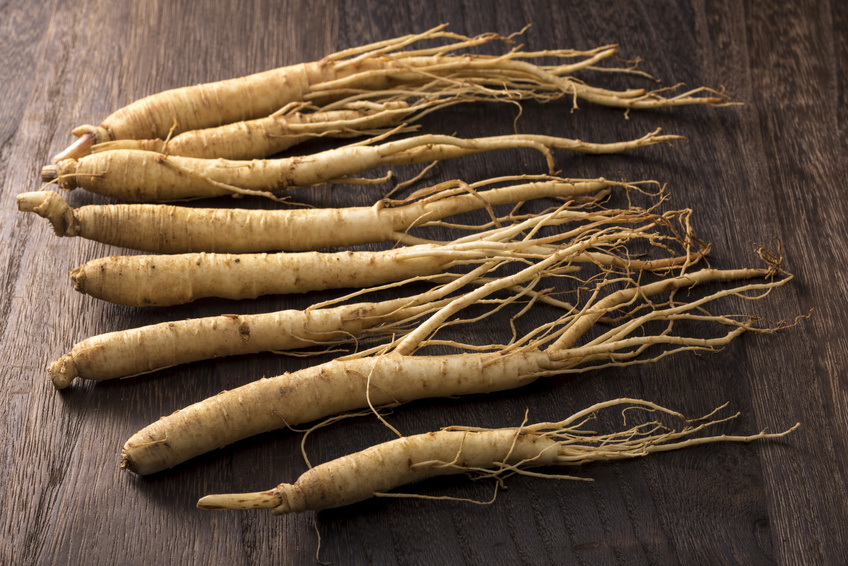
Researchers find that several varieties of ginseng can lower histamine levels and stabilise mast cells (a key component of the immune system), preventing them from releasing histamine and other inflammation into the blood stream. In certain animal studies it has been shown to be as effective at relieving histamine itching as Bendryl. Please remember, what works in animal studies or in test tubes (and for me) might not for you, and anything; any food, supplement, whether it has antihistamine properties or not, can still hurt us. So please make sure to check with a doctor and researching all contraindications before trying anything new.
There are three main types of ginseng:
American ginseng (Panax quinquefolius) and Asian ginseng (Panax ginseng), which according to the University of Maryland Medical Center Complementary and Alternative Medicine Guide, are pretty much made up of the same active constituents, and Siberian ginseng (Eleutherococcus senticosus), which is not actually a ginseng but it has similar active constituents.
American and Asian (or Korean red) ginseng
Red ginseng has been shown to block histamine-dependent itching at the peripheral sensory neuronal level. Meaning that it prevents us from feeling the itch, but might not be treating it.
Ginseng extract has also been shown to prevent human mast cells from releasing inflammatory agents into the blood stream. In another animal study it was shown to be as effective as Benadryl at alleviating itching. It also performed well at resolving atopic dermatitis. A third study tells that red ginseng is able to relieve histamine itching by inhibiting interleukin and TNF expression.
Animal test subjects in another study suffered memory impairment when stressed (who can blame them, and I certainly do). Ginsenoside derived from ginseng was able to reverse the memory impairment in the stressed animals. Yes, I could probably use this. I’m still dealing with residual stress from what was possibly the most difficult year of my life and it has definitely affected my memory.
I’m going to stop there, but there were a lot more studies, leading me to seriously question why I had never researched this commonly found compound before.
Siberian ginseng
This traditional eastern extract has been validated by modern research which reveals that in animal studies it’s able to inhibit the development of systematic and skin allergy. It does this by preventing mast cells from releasing histamine and other inflammatory mediators into the blood stream.
The University of Maryland website tell us that this ginseng is traditionally used to prevent colds and flu and is “widely” used in Russia as an adaptogen, a substance that’s supposed to help the body cope better with mental or physical stress. It has been shown to be effective in preventing viral outbreaks of genital herpes and improve mental performance (so key for those of us with mast cell issues),
My favourite go to brand by far (and no I don’t get any freebies for mentioning them) is Herb Pharm.
I was initially surprised to see that ginseng was contraindicated for breast cancer according to the University of Maryland website, especially given that the Mayo Clinic recommends Asian ginseng for breast cancer. It may be that the alcohol found in the preparations was the issue (the Herb Pharm liquid is alcohol-free) or because it is a phytoestrogen. Recent research revealed that though it does weakly bind to the estrogen receptor, it doesn’t do so strongly, but you must research this for yourself if you have any concerns. The other caveat is that it may not be suitable for people with autoimmune conditions.
Please remember, what works for me might not for you, and anything, any food, supplement, whether it has antihistamine properties or not, can still hurt us. So please make sure to check with a doctor before trying anything new. I’ve been taking a very tiny dose for a few weeks but I’m not quite sure that’s a big enough dose to make a difference. Time will tell!
I wasn’t living in a country where we could get any kind of oxalate testing so I just went ahead and did a modified low histamine diet combined with a low oxalate diet. You can read how I did it and find my food list for that particular adventure in my post The Low Oxalate Low Histamine Diet: The Missing Link?. Many of my more recent recipes like in the Man Food book are low oxalate and I have the Low Oxalate Cookbook which was my first foray into that world.The best resource to find more information on the Hashimoto’s oxalate link seems to be Dr. Wentz’s website (that I’m aware of).It’s finally here! Man Food – a high nutrient antihistamine and anti-inflammatory ingredient filled book geared towards guys, women who love to work out, yoga like they mean it, or just load up on healing nutrients. Features my personal shopping list of antihistamine and anti-inflammatory foods.
The Anti-cookbook and all liquid Anti-Detox Book, don’t treat any conditions, but feature a plethora of the high nutrient antihistamine and anti-inflammatory ingredients that have been instrumental in helping me feed myself on a limited diet. The Anti-cookbook features a four page list of antihistamine and anti-inflammatory foods and comes in regular and Paleo.
The Low Oxalate Cookbook features antihistamine and anti-inflammatory rich recipes.
Don’t miss the Low Histamine Beauty Survival Guide for non-toxic beauty tips, the skinny on histamine releasing (mast cell degranulating) beauty ingredients, antihistamine and anti-inflammatory beauty alternatives and the top brands natural brands I’ve found.
“The Many Health Benefits of Ginseng.” Mercola.com. N.p., n.d. Web. 09 Feb. 2017.
“Siberian Ginseng.” University of Maryland Medical Center. N.p., n.d. Web. 09 Feb. 2017.
Park, Eun-Kyung, Min-Kyung Choo, Myung Joo Han, and Dong-Hyun Kim. “Ginsenoside Rh1 Possesses Antiallergic and Anti-Inflammatory Activities.” International Archives of Allergy and Immunology 133.2 (2004): 113-20. Web.
Trinh, Hien-Trung, Yong-Wook Shin, Sang-Jun Han, Myung Han, and Dong-Hyun Kim. “Evaluation of Antipruritic Effects of Red Ginseng and Its Ingredients in Mice.” Planta Medica 74.3 (2008): 210-14. Web.
Samukawa, Keiichi, Yasukatsu Izumi, Masayuki Shiota, Takafumi Nakao, Mayuko Osada-Oka, Katsuyuki Miura, and Hiroshi Iwao. “Red Ginseng Inhibits Scratching Behavior Associated With Atopic Dermatitis in Experimental Animal Models.” Journal of Pharmacological Sciences 118.3 (2012): 391-400. Web.
Bae, Hye-Min, Ok-Sun Cho, Shin-Jung Kim, Byung-Ok Im, Soon-Hyun Cho, Se-Na Lee, Myung-Gyou Kim, Kyung-Tack Kim, Kang-Hyun Leem, and Sung-Kwon Ko. “Inhibitory Effects of Ginsenoside Re Isolated from Ginseng Berry on Histamine and Cytokine Release in Human Mast Cells and Human Alveolar Epithelial Cells.” Journal of Ginseng Research 36.4 (2012): 369-74. Web.
Jang, Yongwoo, Wook-Joo Lee, Gyu-Sang Hong, and Won-Sik Shim. “Red Ginseng Extract Blocks Histamine-dependent Itch by Inhibition of H1R/TRPV1 Pathway in Sensory Neurons.” Journal of Ginseng Research 39.3 (2015): 257-64. Web
Kezhu, Wang, Xu Pan, Lu Cong, Dong Liming, Zhang Beiyue, Lu Jingwei, Yang Yanyan, and Liu Xinmin. “Effects of Ginsenoside Rg1 on Learning and Memory in a Reward-directed Instrumental Conditioning Task in Chronic Restraint Stressed Rats.” Phytotherapy Research 31.1 (2016): 81-89. Web.
Jeong, H. J., H. N. Koo, N. I. Myung, M. K. Shin, J. W. Kim, D. K. Kim, K. S. Kim, H. M. Kim, and Y. M. Lee. “Inhibitory Effects Of Mast Cell-Mediated Allergic Reactions By Cell Cultured Siberian Ginseng.” Immunopharmacology and Immunotoxicology 23.1 (2001): 107-17. Web.
Kuk Shim, Myeong , and Young Joo Lee*. “Estrogen Receptor Is Activated by Korean Red Ginseng In Vitro but Not In Vivo.” Journal of ginseng research (2012 ): n. pag. Web.
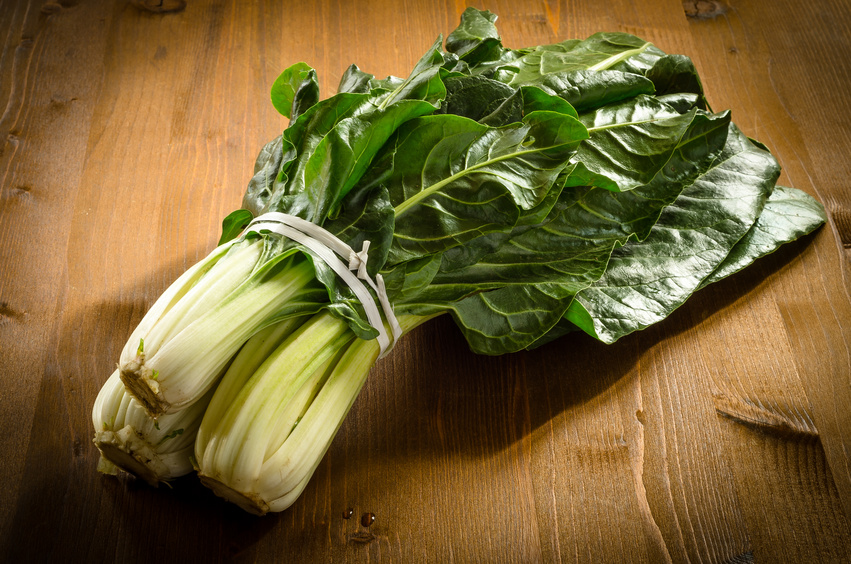
I’ve spoken quite a bit about my experiences dealing with and the link between oxalic acid (found in some of the planet’s healthiest foods) and histamine related inflammation. Today it’s time to examine how a build up of oxalic acid found in low histamine foods like almonds, chard, potatoes, brown rice, millet and others, can not only exacerbate histamine inflammation, but also cause or contribute to thyroid dysfunction and Hashimoto’s. Both conditions are a huge and unfortunately seemingly quite common issue in our histamine intolerance and mast cell activation community.
Today’s post comes to you via something that popped up in my Facebook feed from the Thyroid Pharmacist Dr. Izabella Wentz. She began looking into the link when she noticed a number of her thyroid patients experiencing oxalic acid symptoms.
I’ve posted a great deal about the effects of oxalic acid found in plant foods: burning urination (in my case feeling like I’m peeing razor blades), needing to pee a lot, general symptoms of interstitial cystitis, pain during intercourse, kidney stones (I didn’t have stones though) and other troubles, and a general increase in histamine type inflammation.
The easiest way to explain how it works inflammation-wise is to use the bucket analogy: our body is a giant bucket and there’s only so much we can put in it before we spill over into symptoms. For example, if we’re exposed to pet dander, stress, intense exercise, heat or high histamine foods one by one, we may not spill over. Do them all in a day, or a week, and you may experience some uncomfortable inflammation symptoms. But it gets more annoying – let’s say you have too many salicylate rich foods, or histamine foods all at once, you may temporarily experience an inflammatory response (which is nearly identical to, or may actually be histamine related), even if you wouldn’t normally react to salicylate rich or oxalic acid foods. You can read more about all this in my post the Inflammation Bucket and Reacting to Everything? This May Be Why.
Dr. Wentz shared a study that found nearly eighty percent of adults autopsied had oxalate crystals in their thyroid glands. The older they were when they passed, the more likely the find became. A link to Hashimoto’s was made when it was realised that those with this autoimmune condition had a lower incidence of oxalate crystals, especially in their inflamed thyroid gland areas. The study authors concluded that oxalates could play a role in the disorder by causing inflammation that triggers the autoimmune response, resulting in the destruction of both the oxalate crystals and thyroid tissue.
According to Dr. Wentz, oxalate sensitivity should be suspected if you have these symptoms and a thyroid condition like Hashimoto’s or Graves.
Joint pain
General body pain
Burning urination
Burning stools
Symptoms of intestinal permeability (leaky gut)
Depression
Kidney stones
Your doctor can order a test for oxalate build up here.
I wasn’t living in a country where we could get any kind of oxalate testing so I just went ahead and did a modified low histamine diet combined with a low oxalate diet. You can read how I did it and find my food list for that particular adventure in my post The Low Oxalate Low Histamine Diet: The Missing Link?. Many of my more recent recipes like in the Man Food book are low oxalate and I have the Low Oxalate Cookbook which was my first foray into that world.
The best resource to find more information on the Hashimoto’s oxalate link seems to be Dr. Wentz’s website (that I’m aware of).
It’s finally here! Man Food – a high nutrient antihistamine and anti-inflammatory ingredient filled book geared towards guys, women who love to work out, yoga like they mean it, or just load up on healing nutrients. Features my personal shopping list of antihistamine and anti-inflammatory foods.
The Anti-cookbook and all liquid Anti-Detox Book, don’t treat any conditions, but feature a plethora of the high nutrient antihistamine and anti-inflammatory ingredients that have been instrumental in helping me feed myself on a limited diet. The Anti-cookbook features a four page list of antihistamine and anti-inflammatory foods and comes in regular and Paleo.
The Low Oxalate Cookbook features antihistamine and anti-inflammatory rich recipes.
Don’t miss the Low Histamine Beauty Survival Guide for non-toxic beauty tips, the skinny on histamine releasing (mast cell degranulating) beauty ingredients, antihistamine and anti-inflammatory beauty alternatives and the top brands natural brands I’ve found.
While it’s true that the foods in this post are technically classified as being either low in histamine or not triggering the release of histamine already in our body, they still aren’t part of my diet. Read on to find out what they are and why you won’t find me chowing down on them soon (or at least not regularly – we all need a treat sometimes). Please don’t however misunderstand what I’m saying here – elimination of foods long term isn’t healing. I found myself reacting to more and more foods till I was down to just a few. Click here to learn the steps I took to now be able to eat a variety of foods and how to create your own histamine balanced diet and healing plan.
Wheat
Wheat was something I held onto for a long time, reassuring myself that it wasn’t contributing to the basket ball I appeared to be smuggling under my sweaters. I had myself tested for celiac quite early on in the game, before I’d even heard of histamine intolerance/mast cell activation, and was immensely relieved that the negative test meant I could continue scarfing down an entire delicious loaf of pizza dough bread. Oh the lovely yeastiness of it. Little did I know that, apart from wheat’s potential to cause an all out systemic inflammatory response in non-celiacs, (read my post It’s Not in Your Head, Gluten Hurts non-Celiacs Too here), and it’s ‘non-gluten based inflammation’ causing potential (read my post Wheat Triggers Inflammation Even if Yore Not Celiac here), the yeast in the wheat products was making my histamine go through the roof. I chased my tail for many years believing I had a candida problem, but it turned out to be something else that I’ll be covering in just a minute.
Most grains
Ye gods, the devastation of figuring out that it wasn’t JUST wheat causing my bloating, chronic and excruciatingly painful constipation, and inability to properly swallow (ever get that lump of food stuck in your throat and nearly pass out in agony and fear as it painstakingly inches its way down your oesophagus?), was actually caused by a number of grains. While we do already know that these grains share wheat characteristics that cause inflammation, oxalic acid is also a huge suspect. You can read all about it in my post Low Histamine Low Oxalate Diet: The Missing Link? here
This actually turned out not to be the worst thing in the world because I eventually learned how to use non-grain flours for delicious baking. Though I’ve written a number of nutrient dense cookbooks, I’m the type of person who wants to get in and out of the kitchen as quickly as possible, unless I’m cooking a several course meal for friends, or baking. I love my baking and am never happier than when I’m elbows deep in a mixing bowl inhaling the gorgeous vanilla and cacao scents. You can download my free nutrient dense, whole food, dairy gluten and nut free muffin book here.
Processed foods
When initially clinging to the low histamine food lists, I was reassured to find a number of my favourite foods on the allowed list. (Here’s a round up of histamine food lists for you.) Sadly this was because I was an incredibly unhealthy eater back then, believing that an organic pizza was a reasonable way to get my daily ‘five a day’ servings. My niece recently experienced some histamine symptoms while on holiday together. After a quick read of my blog she asked me to condense my advice into one easy (for a young graduate) to implement behaviour. I replied that she should give up processed foods. If only from a histamine perspective, something sitting on a shelf for months/years is no longer a fresh food. Bacteria = histamine. Not only that, but they’re usually jammed full of trans fats which create or contribute to inflammation. Trust me, if you have histamine induced inflammation, the very last thing you need is something else that triggers overall inflammation, even if it’s not directly causing a histamine increase. See my post on the Inflammation Bucket for more of an explanation.
Citric acid
Ok, so please, hands up if, like me, you once believed citric acid used as a food additive is made from citrus fruits? Ay, those were the days, before I stopped to question pretty much everything I put in my mouth. Turns out it’s actually usually made from mold that’s often grown on corn. Though they say the aspergillus is filtered out, it’s going nowhere near my diet. Except once every few months when I totally lose self control and buy that can of organic palm hearts for my salad. No getting away from that one. But this was one that threw me for the longest time. I kept reacting to foods and couldn’t work out why. It was on some lists as ok for us and other times I was told it wasn’t ok. It’s in pretty much every processed food nowadays and in some beauty products. Mold is of course a histamine and mast cell trigger. You can read more about the link in my post The Mold-Histamine link here.
Chicken
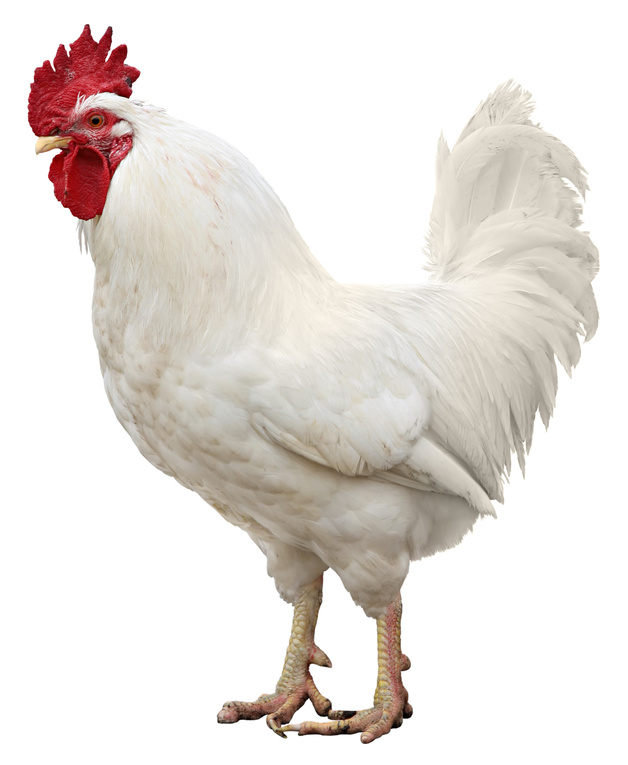
While there is nothing more comforting to me than a home made chicken noodle soup or a beautifully roasted chicken (my stomach rumbled as I said that), this food I keep on one of the longest rotations imaginable. Not only are the poor chickens kept in terrible inhuman conditions that must raise their stress levels (and are passed on to us hormonally?), they’re fed inflammatory grains. How the chicken is cooked is also a huge concern, I loved mine very crispy and roasted, which triggers the formation of advanced glycation endoproducts. AGE’s trigger gut inflammation (specifically leaky gut) and all kinds of nasty stuff like unwanted mast cell activation. And guess what, crispy chicken skin contains far more than any food. Interestingly roasting other foods can make them up to three times more allergenic too. You can read all about it here in my post Junk Food Triggers Allergies and Causes Leaky Gut. I have however managed to find flax seed fed chicken eggs that are super high in omega fatty acids at Whole Foods and a study on the anti-inflammatory effects of organically raised egg yolk.
Carrageenan
Is there a product in Whole Foods that does not contain this food additive? They get away with it because it’s derived from seaweed. Once it has been structurally messed with however it becomes so inflammatory that it’s used by scientists testing new antihistamines and anti-inflammatories. Go now and take a look in your food cupboard and beauty products. It’s literally everywhere. You can read more about it here.
Sugarcane derived sugar
This one is a very personal choice. For years I believed I had fructose malabsorption (yup that’s a thing) but it turned out that when inflamed, sugar of any kind is likely to trigger more of it. In my case I was eventually able to shake off the exhaustion it caused just by avoiding sugar cane. I later realised that any high glycemic index sugar (one that causes a high and then a crash of blood sugar) including honey and maple syrup (both touted as health foods) or any overly processed one like agave, had a really bad effect on me. Coconut sugar, while high in fructose, does not tire me or cause a GI response. It also works great in muffins, see above for a link to my free muffins ebook. But please remember, we’re all very different and what works for me might not for you.
It’s finally here! Man Food – a high nutrient antihistamine and anti-inflammatory ingredient filled book geared towards guys, women who love to work out, yoga like they mean it, or just load up on healing nutrients. Features my personal shopping list of antihistamine and anti-inflammatory foods.
The Anti-cookbook and all liquid Anti-Detox Book, don’t treat any conditions, but feature a plethora of the high nutrient antihistamine and anti-inflammatory ingredients that have been instrumental in helping me feed myself on a limited diet. The Anti-cookbook features a four page list of antihistamine and anti-inflammatory foods and comes in regular and Paleo.
The Low Oxalate Cookbook features antihistamine and anti-inflammatory rich recipes.
Don’t miss the Low Histamine Beauty Survival Guide for non-toxic beauty tips, the skinny on histamine releasing (mast cell degranulating) beauty ingredients, antihistamine and anti-inflammatory beauty alternatives and the top brands natural brands I’ve found.
Mahmoudi M1, Ebrahimzadeh MA, Pourmorad F, Rezaie N, Mahmoudi MA. “Anti-inflammatory and analgesic effects of egg yolk: a comparison between organic and machine made.” European Review of Medical Pharmacology Sciences 2013 Feb;17(4):472-6. Web.
When dental hygiene doesn’t prevent bleeding gums and cavities, it’s time to look to histamine, mast cells and the wondrous world of bacteria living in the mouth. Dentist and author Dr. Steven Lin shares the tell tale signs of mouth flora imbalance, and how histamine and mast cells may contribute to gingivitis, dental erosion, and bleeding gums.
You can listen to the interview using the player below, or read the transcript just underneath.
Yasmina :
Today, I’m interviewing Dr. Steven Lin, a dentist with a focus on nutrition. He’s been published on platforms such as TEDx, the Sydney Morning Herald, the British Dental Journal, the Huffington Post, and About.com. He’s currently writing his own publication, The Dental Diet, which will be released by Hay House in the United States, the UK, Australia, and Germany in January 2018. Dr. Lin’s CPD-accredited practitioner-training course, Nutrition and the Dental Practice, is educating a new wave of dentists to incorporate preventive dietary principles into oral health care. His own platform, DrStevenLin.com, has a rapidly growing audience of over 100,000 followers. In addition to being an amazing dentist, researcher, writer, just all-around human being, Steven is a friend of mine, and I’m really excited to have him here today and to talk about something that is of great interest to our growing community, which is our dental health.
Now, I was really excited to talk to Dr. Lin about this a few months ago, where I mentioned that one of my odd symptoms, back in the day when I was having really bad ones … In my heyday, I was having upwards of 55 of them. I mentioned that bleeding gums were a huge problem for me, something that really freaked me out at the time, and he said that there is actually a mast-cell/histamine link. That’s what we’re going to be focusing on today, dental health and histamine and mast cells. Dr. Lin, thank you very much for joining us here today.
Dr. Lin:
It’s great to be here, Yasmina. It’s been a while since we talked, but I’ve been thinking about this a lot. I’ve actually been doing a lot of reading and also working with some patients, talking about some of the links between gingivitis and mast cell over-reactivity in the body, so I’m really excited to talk to you about it today.
Yasmina :
What do bleeding gums have to do with mast cells and histamine generally in your experience and in your research? Because you are a fabulous researcher and there is a plethora of amazing information on your website.
When we start to think of the mouth as an immune bacteria interface, just like our gut, then we start to see that bleeding gums might be a way that our relationship with microbes is a little bit out of whack. When we start to think of our oral cavity and our mouth, really it’s the home of many, many bacteria, over 600 species, thousands and thousands and thousands of different types of bugs, then we really should be trying to harbor the overall health of this ecology of the mouth instead of just trying to remove harmful bugs. Because if we think of disease as just being the invasion or infection of harmful bacteria, that’s a really small part of the story. With many dental diseases, we actually see that the invasion of the bad bacteria is the last bit of the story. Bleeding gums is actually part of the steps on the road to when we form gum disease.
Just to go over gum disease, it’s a chronic inflammation process. It happens over many, many years, progresses at different paces in different people. That’s obviously because of many different factors, but what eventually happens is that your gums themselves erode, the bone that holds your teeth in jaw erodes because of the chronic infection, and your teeth get loose and they fall out. Now, I’ve seen patients where I’ve had to remove all of their teeth by their late thirties, early forties, so this is a big problem. What we’re really speaking to here is that in the mouth, we can really start to see potential imbalances that are occurring right through the body. The connection to histamine and inflammation is a really interesting one. That’s obviously the one that we started to talk about all those few months ago.
Yasmina:
I brush my teeth. What am I looking for? Is it a stream of blood? Do I notice blood on my toothbrush? Is it just a little bit of a tint when I spit into the basin, or is it when you’re eating something maybe a little hard, like an apple that rubs against the gums? What are the first signs of this?
Dr. Lin:
Probably you’ll find it on either your floss or the brush after you brush. It’ll be a little bit of red when you spit out into the basin. That’s usually first signs. Then, as things start to get a bit worse, we start to get a stream. Your gums become more and more inflamed, and the arterial flow of blood increases. That’s when you start to see streams of blood. Then, once you’re at the point where there’s streams of blood, your gingivitis is a long way along in the process. If you see a tint of blood when you’re brushing or on your toothbrush, that’s really the first sign. If you’re eating and you see blood, that’s pretty severe gingivitis. Any sign where you visibly see blood is a pretty sure signal that you’ve got at least mild to moderate gingivitis.
Yasmina :
This gingivitis, in your research and the current research of what we know, is there one particular cause? If you have a cause, is flossing and doing all these kind of things actually doing anything for you, or do you need to address the root cause?
Dr. Lin:
That’s the interesting thing. You probably saw The New York Times that came out earlier in 2016 where they actually went through the scientific research and they showed that flossing didn’t have a clinical or scientifically-backed benefit against gingivitis. That’s actually because there are many things happening in the mouth. While clinically, I see patients … Once we fix up their oral hygiene, it is a factor. It does help, yes, but is it the only factor? No. The real way that we can get control of our gingivitis is via understanding the oral microbiome. That’s where we see that the bugs that live inside your mouth actually perform beneficial procedures in the body. They’re actually managing your oral environment. Probiotic bacteria actually perform chemical and competitive behaviors that prevent bad bacteria from growing.
Gingivitis is where your immune system is detecting bad bacteria and it’s sending blood and immune cells to get rid of it. What happens is there’s too much inflammation. We have an over-reactive immune system, and that’s where we get this chronic…
Yasmina :
That’s where the histamine comes in.
Dr. Lin:
Exactly. In gingivitis, what they show, even in the first stages of bleeding gums, is that we have an increase in histamine. What they show is that histamine and mast cells participate in the gingivitis-to-gum-disease process the whole time, but they don’t know exactly what cause or whether they’re actually causing the progression to gum disease. Some gingivitis, for instance, won’t progress to gum disease. Now, they don’t know exactly where the mast cells are directly contributing to this, but what they do know is that in both situations, mast cells are present and active.
What some of the good research is showing is that gum disease is actually a loss of organization of the immune system in the mouth. When you have an organized immune system, our immune reaction is normal. It’s tolerant. It gets rid of pathogens efficiently. Once we have an imbalance, his is where mast cells come in, because mast cells are just releasing histamine quite blindly. That’s where things go wrong. When we have an intolerant, chaotic immune system, that’s where we get gum disease. That’s where we have this progression from bleeding gums, which is the first sign, onto gum disease.
Yasmina :
Just to explain to my readers a tiny bit, because some aren’t really familiar with the whole mast-cell thing, I’m just going to explain a bit. Basically, in our body, people are kind of familiar nowadays with the concept of histamine being in foods. If you have a problem with too much histamine, it might be because you’re told you have too little of the histamine-degrading enzymes like DAO. You might have a genetic polymorphism for HNMT, another histamine-degrading enzyme, so we’re told to avoid histamine-containing foods.
What is not often explained to people who are diagnosed on a nutritionist level is that histamine is also found in the body in mast cells, that’s M-A-S-T cells, which are a key component of the immune system. Basically, within these mast cells live histamine and dozens of other inflammatory agents like prostaglandin, interleukin, leukotrienes, and when mast cells are disturbed in some way, or released in response to allergies or to infection or whatever, they break open in a process called degranulation, and this releases histamine and other inflammation into the body.
Now, some people have mast cells that are unstable and are leaking when they’re not supposed to be. Other people, there is a cause, such as, for example, gingivitis, which I am quite sure that I had for many years. I was scared to go to the dentist because I knew I was reactive to anesthetics and I was just really scared to go. A lot of people with histamine issues have problems with anesthetics, but there are certain types that you can use. I was not going, and that’s when the whole bleeding-gum thing started.
As Dr. Lin is explaining, when the gingivitis occurs, the mast cells that are present in the body, and they’re all over the body, go to the area where the infection or any kind of bacteria imbalance is happening to try and help. Think of the mast cells in this case as an ambulance. They get to the scene of whatever’s going on, the infection, and they degranulate, and of these inflammatory elements that’s released, histamine is the first responder. It goes to the area, it creates the inflammation, and allows the other bits to get in there and begin the healing process.
It seems for some people that the mast cells can exacerbate the situation, because people with mast-cell issues, the inflammation just continues giving and giving and giving and giving either after the issue is resolved or, in the case of gingivitis, it might just be chronic. The issue itself is not resolving, so the mast cells just keep leaking and leaking and leaking and leaking, and it turns into a chronic, inflammatory condition. There was a link, isn’t there, between heart attacks and gingivitis?
Yeah. Gum disease, exactly. They’ve linked that people who have gingivitis have a much higher risk of heart disease. They’re really still trying to knot out exactly what causes that link, but the immune-system regulation really seems to play a part in that. What you described there, which you described really well, by the way, I see that a lot in patients, where we have these bleeding gums and there’s actually no real explanation for it. They brush well. They floss well. Their diet doesn’t terribly explain why their gums would bleed. It’s actually a sign that their mast cells and their histamine response is over-responsive. It’s interesting. For people who, for instance, react to foods that contain histamine, bleeding gums may be a sign that their immune system is also potentially a little bit too over-reactive, and perhaps that they’ve got some kind of immune and inflammation problem. A lot of people do now.
Yasmina :
Very interesting. How do we resolve gingivitis? Let’s say, what are the steps that we can take? My first question, actually … Well, this ties into that question, but is there such a thing as a probiotic that you just swish around your mouth, or is it more about diet?
Dr. Lin:
There’s actually a fair bit of research backing oral probiotics for gingivitis. Lactobacillus bug’s good for their bacterium, because what they do is they’re the defense factors. Your probiotic bacterium in the mouth will defend against and they’ll stop the harmful bacteria from building up that causes the inflammation in the first place.
An oral probiotic, I recommend that, especially if there are persistent bleeding gums and gingivitis, as a starting point. Dietary behavior in the long term really is the gold standard in terms of how are we going to get our mouth, but also our gut and that relationship between bacteria and the immune system, back working properly. The oral probiotic area really is quite interesting. You can have them sometimes in a yogurt, or in a powdered satchel, you can get probiotics in. Some are in a mouth rinse.
Yasmina :
Oh, a mouth rinse. Okay, that’s interesting. I suppose you could just make your own, really. Could you make your own? Could you mix it with a little bit of water, or into juice or something, and just swish it around? Would that work? Because I know a lot of my readers have sensitivities to commercially prepared liquids.
Dr. Lin:
Yeah, completely. This goes back to the long-term solution. The best probiotic is always going to be fermented foods. If they tolerate dairy, you get a lot of the Lactobacillus species from that. Otherwise, a coconut kefir would be quite good, cheeses, or kombucha, or sometimes even something like an apple-cider vinegar.
Yasmina :
Ooh, interesting. That’s a great one.
Dr. Lin:
Yeah. It’s simple as well. Always diluted down, because it is acidic, but it’s a by product of a fermentation process, so it’s got quite interesting benefits. There’s quite good research showing that it decreases even insulin insensitivity in Type II diabetics. It all starts in the mouth. The benefits are all over the body. Not just in the gut, but also the mouth.
Yasmina :
Absolutely. Let me just ask you quickly. Those little brushes that … I don’t know how to describe them. They’re like toothpicks, but they have a little brush on the end. Are those too much for people with sensitive bleeding gums? Should they wait, or is that more effective? Does it do anything?
Dr. Lin:
Generally, I find, yeah. I think you’re talking about the picks that look like little toilet brushes?
Yasmina :
Yes! Exactly.
Dr. Lin:
Yeah. Good way to put it, right? They work great, actually, because the big problem with flossing is that people find it hard to get in there, so if you get a small one, it’s not going to be too traumatic on your gums and you can actually get to the places where it’s inflamed. That can really help to help clear out … Because you get plaque build up. If it stays there, and this pathogenic plaque isn’t removed, then that can really take things onto gum disease. Yeah, that can really help. Oral hygiene does play a part in the whole factor. That’s right.
Yasmina :
What would be your top foods? Because my readers, most of them don’t do well with fermented foods. I know some of us can do them in small quantities, but are there any other types of foods that help build that great bacteria that we need that will then affect our oral health?
Dr. Lin:
Yeah. Really, what your oral and gut bacteria need is fiber. Plenty of vegetables, prebiotic, like …
Yasmina :
Chicory?
Dr. Lin:
Asparagus, leeks. Yeah! Chicory, exactly. Artichokes. That’s really going to feed the beneficial bacteria in the mouth. That’s what they require. I’d really think about cutting down on the simple sugars, any kind of white flour, any kind of added sugar, because that will feed the harmful guys.
Yasmina :
What about fruit sugar? Let’s say whole fruits?
Dr. Lin:
That comes with sugar. Look, as a dentist, this is my bugbear because I see so many problems with sugar, but whole fruit with the fiber included is beneficial. I usually try tell people to limit it, just because there is a high sugar quantity compared to other foods, but exactly, eating an apple a day, or banana’s got prebiotic fibers as well, so that’s great.
Yasmina :
Exactly. Inulin, right?
Dr. Lin:
Yeah. Inulin’s great.
Yasmina :
To put it all into a nutshell, you’re brushing your teeth, you notice there’s some blood. What steps should we be taking to address the matter? If you could give me your checklist of one, two, three, four, five, in order that they should be done and in order of importance.
Dr. Lin:
Sure. First of all, I would be checking your own oral-hygiene regimen, so brushing twice a day and flossing. That’s a good start. Most people, they don’t perform their oral hygiene properly. That’s always a good start, and sometimes that can get you back on track. Now, if your gums are bleeding, you should also go and see a dentist, get a diagnosis, because it can be a sign of more serious problems. Number two is to go to get a check from your dentist.
Yasmina :
Very important.
Dr. Lin:
Yeah, exactly, but number three really is start to think about how your gums are a sign of wider inflammation and potentially histamine-release from mast cells in your body. You really should start to be thinking about how to rebalance your oral environment. I would think about an oral probiotic as a way to perhaps get things rebalanced. Then from there, four and five really is to put more fiber into your diet. Plenty of fruits and vegetables, prebiotic fibers like the bananas, like the artichokes, leeks. Then, really, if you do tolerate them, I know some of your listeners won’t be able to, fermented foods in the long term, that’s the most diverse and richest probiotic-
Yasmina :
The Holy Grail of food.
Dr. Lin:
The Holy Grail! Yeah. The Holy Grail of our microbiome.
Yasmina :
Okay. That’s wonderful. Any other steps you would recommend?
Dr. Lin:
It’s really monitoring. Your mouth really is a sign of what’s happening in your body. If your gums are bleeding, try and think about what other systemic conditions that you might have that are indicating. Perhaps you’ve got something wrong in your gut. If you have food allergies, or you have skin rashes or asthma or irritable bowel syndrome, that’s your body telling you in two distinct places that things are off balance, so I would really be taking bleeding gums as a message that there’s too much inflammation in your body. I would take going through those steps really to try and calm everything down in the long term.
Yasmina :
Okay. Something that you had said to me: tooth decay is not an infection.
Dr. Lin:
Yeah, exactly.
Yasmina :
A lot of people will be surprised to hear that.
Dr. Lin:
Yeah. It’s the same thing. We’ve talked about how gum disease is a lack of or an imbalance in the wrong bacteria. Tooth decay is the same thing. It’s a different process, though. Bacteria in your mouth actually manage the minerals, so from your saliva, and they actually require the minerals themselves to build the plaque. They do this because they need to survive. The mouth’s a hard place to survive. What happens is that when we feed our oral bacteria with too many simple sugars, the bad guys grow, they release too much acid, and eventually they take minerals from the teeth, because a low pH strips the calcium from our saliva, and eventually the bacteria have no choice but to take minerals from our teeth. We force our oral bacteria into causing a hole in our teeth, which is pretty amazing.
Yasmina :
Absolutely. Wow. That’s amazing. I’m so glad we had this conversation a while back, because it was really something that was bothering me and I couldn’t work it out. Eventually, I got over my fear of anesthesia and the dentist, and I started going regularly again, and it just completely disappeared. Obviously, I was making other changes at the time, my diet, definitely started focusing on the prebiotic foods because I wasn’t able to tolerate the probiotics, but suddenly, it all came together and I stopped having the problem, but I had never really resolved it in my mind how they were linked. Yeah, it’s absolutely fascinating.
Thank you very much for speaking with me here today. Just to remind everybody, you have finished writing your book. You’ve finished writing a book that is going to be published by Hay House in the US, the UK, Australia, and Germany in January 2018. I am pre-ordering my copy as soon as that option becomes available. You can follow Dr. Steven Lin on Facebook, Instagram, Twitter, and LinkedIn, @DrSteven, that’s S-T-E-V-E-N L-I-N. Dr. Steven Lin. You’ll find his website here.
Dr. Lin:
Absolute pleasure, Yasmina. It was such great talking about this.

 STAYING OUT OF OXIDATIVE DEBT