Category: Research & News

  • Your Liver on Histamine

    Your Liver on Histamine

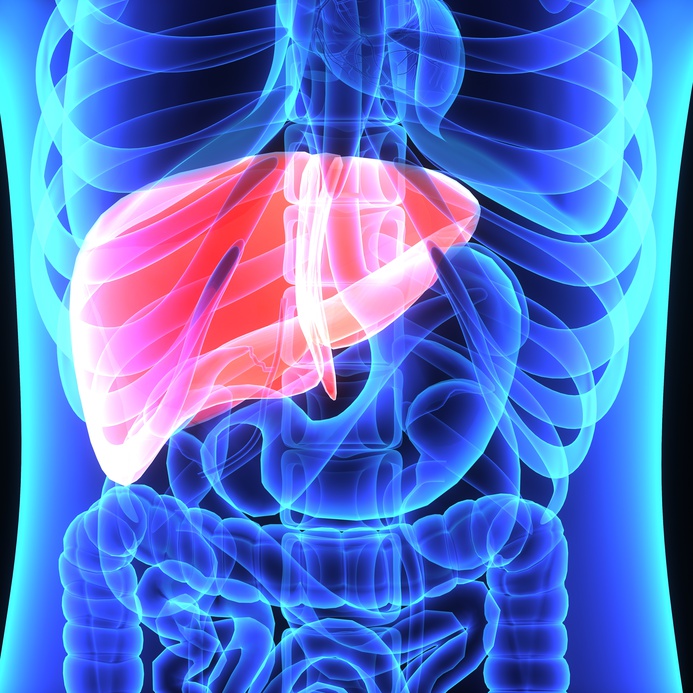
    x ray of human body showing the liver highlighted in red

    The liver plays an important role in breaking down histamine. Any damage or impairment of this organ may lead to excessive levels of histamine inflammation in the body, while too much histamine triggers elevated liver enzymes. This is your liver on histamine.

    WHAT DOES THE LIVER ACTUALLY DO?

    The liver’s job is to identify toxic substances and turn them into a harmless product that can be expelled from the body. Liver also contains a type of tissue that transports blood cells. The liver is in constant communication with the digestive system regarding the level of nutrients in the body, or perceived threats like medications, heavy metals and toxic substances.

    The liver also regulates our blood supply.

    It stores blood, helps us clot, and breaks down damaged cells so they can be flushed out.

    This organ is one of the first to get involved when we’re infected with something nasty.

    SYMPTOMS OF IMPAIRED LIVER FUNCTION

    Fatigue

    Weight loss

    Lack of appetite

    Nausea

    Pain the the upper right side of the belly

    Enlarged liver

    Elevated liver enzymes

    Dark pee

    Please contact your medical professional if you suspect liver impairment

    THE LIVER ON HISTAMINE

    Researchers found that patients with liver disease have chronically elevated histamine levels as a result of mast cell activation. Those in the study had itchy, rashy skin.

    And as with everything histamine related, it’s a case of chicken and egg, because excess blood histamine has been found to cause liver enzyme fluctuations (I know a lot of you write to me asking about this).

    Mast cells are found in normal livers, but in alcoholism they play a role in the development of liver disease.

    Mast cells are a part of the white blood cells that make up the immune system. They contain histamine and other inflammatory agents that they release to begin the healing process when we’re injured or sick.

    Histamine is the first responder. 

    In one study researchers found that in a group of mast cell patients (mast cells release histamine):

    75% had elevated cholesterol (patients were not overweight)

    Just under 50% had elevated liver enzymes.

    Alterations of the bile flow from liver was also found.

    A study on ageing found that mast cells could have either a positive or negative impact on how the liver fares in later years (perhaps depending on how many medications it needs to deal with?). The study concluded that mast cell numbers in the liver are an important marker of chronic liver inflammation.

    CLICK HERE FOR A FOUR WEEK HISTAMINE RESET WITH MEAL PLANNERS, STRESS RELIEF STRATEGIES & MORE

    HOW TO DETOX & PROTECT THE LIVER

    Milk thistle

    Dandelion

    Antioxidants

    Vitamin E

    Betaine

    SAMe

    Exercise: An animal study found that alcoholic rats (don’t ask, really) who ran, still had fattier livers than their teetotal colleagues. But the alcohol was no longer causing inflammation in the runners, thanks to their newly raised metabolism and mitochondrial boost.

    Sulfurophane: likely the strongest available detoxifier of the liver. High in gluthione and also a very strong cancer cell killer. This compound (research suggests whole broccoli sprouts grown for just 48 hours are most effective) has been found to reverse liver damage.

    FRUCTOSE & YOUR LIVER

    I myself was worried for some time about the effect of all fructose on the liver. You probably remember a bunch of wellness people telling us we’d made a mistake with agave and coconut sugar, in thinking that they’re any better for us than white sugar. While yes, it’s correct that fructose is bad for the liver, creating fatty tissue and elevated liver enzymes. According to a review of published research by Dr. Michael Greger, New York Times bestselling author of “How Not to Die”, that applies only to industrialised/processed fructose. Whole fruit, served with its fiber, did not have the same detrimental effect on the liver.

    It’s not clear to me if coconut sugar falls into this highly processed category, but for now it remains in my (rare) baked recipes. I’ve found that combining it with monk fruit sweetener cuts down on the total carbohydrates and sugars.

    MY EXPERIENCE

    I’ve never been diagnosed with elevated liver enzymes but I did suffer from a very bizarre, and debilitating, stabbing pain in the liver area. It went on for years, before lessening in intensity and then disappearing for good.

    During my months long grueling treatment for the rare breast cancer (which I believe is the result of chemical exposure while covering war zones as a journalist), that I’m now in remission from, I was told to expect some kind of liver impairment or lasting damage.

    I drank broccoli sprout juice as often as I could, loaded up on healing antioxidants found in spades in my Man Food cookbook and in my online workshop Beyond the Low Histamine Diet, and had no abnormal results throughout the aggressive treatment. While many factors are obviously at play, diet and exercise combined helped protect my liver, and judging by my test results, the rest of me too!

    CLICK HERE FOR A FOUR WEEK HISTAMINE RESET WITH MEAL PLANNERS, STRESS RELIEF STRATEGIES & MORE

    ——REFERENCES——
  • Eating Out with Histamine Intolerance (How To Get What You Want)

    Eating Out with Histamine Intolerance (How To Get What You Want)

    frustrated waiter on white background

    Eating out might seem like a total fantasy when you’re starting out with histamine intolerance, but there’s many ways to get exactly what you want, without you, your waiter, or dinner companions, going nuclear. Here’s how to deal with histamine intolerance in a restaurant setting.

    I eat out a lot. Like really a lot. I have no choice. Friends, family, business, it all revolves around food. I’ve done the hermit thing, I found that the stress of being alone all the time and missing out on valuable human contact was more counter productive than biting the bullet and taking a chance on eating out. As my confidence in my ability to get exactly what I needed in restaurants grew, the paralysing stress that prevented me from leaving the house for many lonely years ebbed away.

    Let’s kick things off by working on the assumption that no matter how bad things might be now, they will get better, because they do.

    I personally believe that eating out and socialising is part of the healing process.

    ASSESS THE LAY OF THE LAND

    The key to successfully eating out is in first doing your research.

    Checking out restaurants online is an absolute must.

    Make a list of your top choices and identify what you can eat on the menu.

    BEST BETS

    These are only suggestions please double check your order and make sure to ask your waiter for a full list of ingredients no matter what I say below…

    Soy free vegan restaurants: lots of nice rice dishes, rice noodles, veggies. They’re also used to dealing with fussy eaters.

    “From scratch” steak houses: in a pinch a baked potato with steak/chicken/grilled salmon, side order of broccoli/market vegetable.

    Mexican: corn tortilla, black beans, fajita veggies, rice.

    Lebanese: falafel, grape leaves (hit or miss), hummus served with chopped cucumber and carrots, kafta, lamb chops, mixed greens, rice. Avoid the shish tawook or skewered chicken, it’s usually left to marinate overnight.

    Thai (good quality): pad thai (ask if there’s preservatives in the tamarind sauce, hold the tamarind, peanuts and egg maybe), or just ask for plain rice noodles with veggies and no sauce (they’ll have sesame oil on them, make sure they’re not using soy oil).

    Italian: they usually have excellent side dishes of veggies and some will have gluten free pasta which I ask for with veggies. Also fresh fish or meats with veggies.

    TRY TO SWING THE VOTE

    It’s always easier if you manage to get people to the restaurant that you’ve already scoped out. Some of my friends know that when we meet up, we’re hanging out at the raw vegan place (not because I am one, just because it’s fresh and the desserts are great).

    FIND YOUR ALLIES

    Try to arrive before everyone else and find the host/manager to talk to.

    I used to go with something to the effect of: “So I have a stomach issue. My doctor asked me to stick with super fresh food for a little while. How about XXX on the menu, do you think that’ll work for me? Was it made from scratch today? Is there anything in this dish that’s not indicated in the menu description?”

    In particular I learned to ask them to please give me a run down of everything that’s in the dish that I’ve scoped out. You also learn that certain things are always paired with X, so try to learn on the fly, it’ll serve you well! (Pun intended).FRAME OF MIND

    There’s little point in going out to eat and socialise if all we psych ourselves out over it. I understand that it’s great having a sympathetic ear, but eventually people get fed up of hearing of how miserable life is (I know because I drove all my friends away doing it). While it might make us feel better to constantly unload on friends, let’s take a moment to consider that doing it isn’t just making them unhappy, it could be cementing our own thought process regarding the situation. There’s plenty of people out there who’ll take issue to this, but we’re not debating whether we’re sick, or that we should be allowed to share that we feel that way, it’s about trying to identify the good, what makes us happy, what makes life more bearable, and sharing that happiness with those around us. No one expects us to be “on” all the time, it’s not normal to be that happy! But training ourselves to see the good will increase quality of life.

    I speak from first hand experience.

    I spent years unloading my pain and fear regarding this condition on friends and family. Going out for dinner with them involved my ordering a glass of water or bowl of boiled rice after I deemed the restaurant to be “unclean” or “unhealthy” in some way.

    And then I’d complain I could smell the dishwashing liquid on the glass and chlorine in the water and proceed to lecture everyone on how chemicals are killing us.

    I wasn’t doing any of us a favour. Eventually I realised that the stress I brought to the table would affect my present state of mind, and how the food affected me. My unhappiness led to a very strained mood at the dinner, to the point that I was picking up on the stress and unhappiness of the others at dealing with me.

    While they certainly tried for years to break the spell, in the end I was the one who finally did it. I learned that the happiness I send out to them will come back in spades.

    TOOT YOUR OWN HORN

    It’s all very well to have a seemingly crazy diet that we expect those close to us to be ok with, but when they get the impression that we’re not feeling any better despite these changes, it’s pretty natural for them to think we’re losing it a little. I’ve found it easiest to deal with them by highlighting the benefits, like: increased energy, lost/gained weight, allergies are better, sleep is better. Even sharing the smallest wins, will have them more on side than continuing to list all the things that are wrong with us, and what we’re eating right then and there. By sharing these seemingly minute changes, I also programmed myself to look for the good. Your experience might be different, but I’m constantly looking for ways to re-wire my brain.

  • Hypoxia (Low Oxygen) Triggers Histamine & Mast Cell Inflammation

    Hypoxia (Low Oxygen) Triggers Histamine & Mast Cell Inflammation

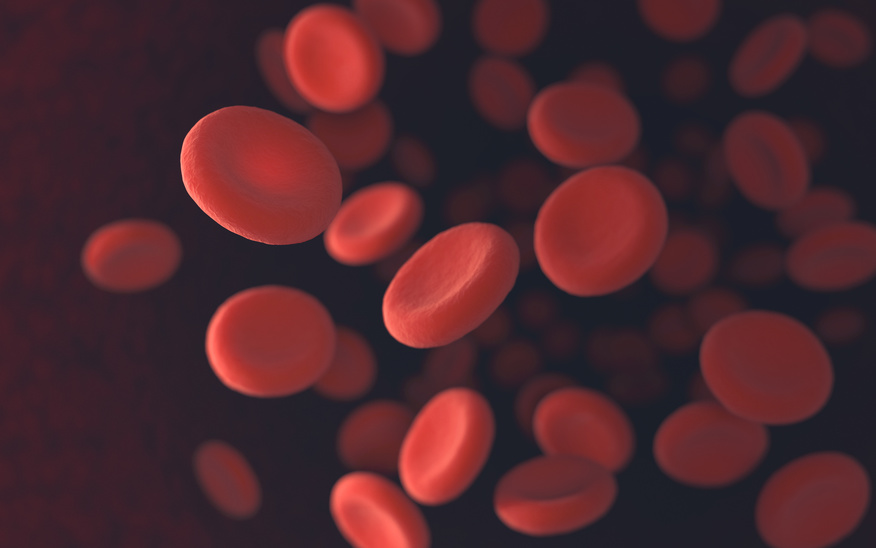
    Red blood cells moving in blood vessels with depth of field.

    Hypoxia, or a state of low oxygen in the body, causes histamine to be released from mast cells. If we’re already dealing with an excess of histamine due to low levels of the histamine degrading diamine oxidase (DAO) enzyme, exposure to high histamine foods, stress, chemical exposure, or illness and injury; avoiding this lack of oxygen to cells is paramount. Read on to learn more about hypoxia’s role in histamine intolerance and mast cell activation, and what steps we can take to reverse it naturally.

    All references at the bottom of post. 

    LOW OXYGEN

    Low blood oxygen has many causes, including lack of nutrients, stress, not breathing correctly (while awake or asleep), and inflammation.

    Symptoms include:

    Shortness of breath

    Rapid breathing

    Fast heart rate

    Low blood pressure

    Confusion

    According to Joe Cohen at Self Hacked, our mitochondria require oxygen, and hormones are affected by a lack of it. He tells us that low oxygen can be caused, at least in part, by inflammatory cytokines which prevent oxygen from reaching the tissues.

    There are four types of hypoxia

    Hypoxic: where there’s not enough oxygen available

    Hypoxemic: where cells in the body are unable to carry enough oxygen

    Histoxic: where cells are unable to carry enough oxygen because they’re impaired by alcohol or chemicals/drugs

    Stagnant: too little oxygen due to external forces (like being in a fighter jet)

    A voluminous amount of research tells us that hypoxia is a driving factor in many cancers, including triple negative breast cancer (the one I’m now in remission from). Cancer cells thrive in a low oxygen environment; though the tricky buggers can also proliferate in high oxygen states too.

    Interestingly, a study published in the journal Frontiers of Immunology found that the release of histamine in states of low oxygen actually prevents “uncontrolled degranulation” of mast cells (the process by which they release histamine). This stops the body from descending into a state of all out inflammation.

    But there are less extreme ways to address low oxygen.BOOSTING OXYGEN LEVELS

    Breathe

    Unsurprisingly perhaps, breathing properly helps. There are some wonderful YouTube videos explaining very easy breathing exercises. I manage quite well, until I don’t. Try setting an alarm every hour while you’re awake to remind you to stop what you’re doing and check in with your breath. This comes naturally to me now. I often find that I’m holding my breath tight while I’m writing or becoming increasingly irritated with my upstairs neighbour stomping around like a paratrooper on the hardwood floor.

    Iron

    This is a tricky one. On the one hand we certainly need a good supply of it, but it’s linked to increased inflammation. On the flip side, inflammation can prevent the body from absorbing and using iron efficiently. One of the symptoms of mast cell issues can be unexplained anemia. Mast cell researcher Dr. Theoharides has told me that I should stick to “organic” iron, meaning to find my sources from animals or plants. The curry plant is an excellent source of non-heme iron, but it’s high in oxalic acid. You could experiment with cooking in cast iron or ask your doctor about iron supplementation. Please note, an excess of iron is linked to many chronic diseases, including cancer. I never supplemented iron in my life, until a year before my cancer diagnosis. I am no longer taking any, but I do eat a small amount of grass fed beef liver once a week.

    B12

    This vitamin is a known histamine trigger, which may be because it’s often of bacterial origin, as many of the b vitamins are. Other issues can be the fillers and colouring, both of which are problematic for mast cells. That doesn’t mean we shouldn’t take it. I had a very strong reaction to B12 for many years before settling on a clean spray with no fillers. There’s many brands that make this available online. B12 is essential for proper oxygenation of the blood.

    Hyperbaric Oxygen Chamber

    It’s supposedly great for inflammation and has been shown to help us heal faster and prevent mast cell degranulation and histamine release. If you don’t have mast cell disorder that is. Pressure is a known mast cell trigger, so it’s unclear whether the anti-inflammatory benefits of the hyperbaric treatment would be the same for us.

    I may find the courage to try it out one day, but I know that pressure isn’t great for me.

    Though I will scuba dive again, but not so deep as I have in the past. I had some very unpleasant experiences at 30m that left me confused about what I should be doing and where I was going. At one point I felt like I just wanted to lie down and take a little nap. In the water!

    So overall not a good look when you’re in a very beautiful but ultimately hostile environment where not having your wits about you leads nowhere good.

    The bottom line is, hypoxia triggers inflammation. Speak with your doctor if you suspect it.

    ——–REFERENCES——-

    Uygur, Fatih, Nurettin Noyan, Celalettin Sever, and Tuna Gümüş. “The current analysis of the effect of hyperbaric oxygen therapy on the frostbitten tissue: Experimental study in rabbits.” SpringerLink. SP Versita, 11 Sept. 2008. Web. 26 July 2017.

  • Antihistamine Quercetin & Luteolin do not raise estrogen

    Antihistamine Quercetin & Luteolin do not raise estrogen

    red apples in a while bowl on a white background

    There’s a few studies floating around out there that, to the untrained eye, appear to implicate the antihistamine and mast cell stabilising bioflavonoids quercetin and luteolin, in excess estrogen. According to National Institutes of Health funded mast cell researcher Dr. Theoharis Theoharides, that’s totally false. Here’s why. 

    Let me start this off by addressing that Dr. Theoharides is linked to a company that sells a bioflavonoid supplement called Neuroprotek, and that I am taking it. The reason why he is, and I do, is simply because it’s a great help to many of us with histamine and mast cell issues.

    I’ve seen many people in online support groups quoting the study and spreading the idea that these bioflavonoids raise estrogen, so I reached out to Dr. Theoharides for a response.

    The long and the short of it is that a couple of studies have concluded that luteolin has estrogen boosting activity and that it stops progesterone from binding to its receptor, which has a “detrimental” effect on the hormonal system and may be linked to breast and endometrial cancer.

    Dr. Theoharides, who is in the top five percent of most cited study authors in medical studies, who has spent decades studying mast cells and hormones, points out that the study authors used cells in their research that do not adequately represent those typically used for this kind of research, and that studies other than this one, using the standard materials, say the opposite.

    It’s more likely that these bioflavonoids lower estrogen, which is a good thing when trying to avoid breast cancer. As you may have already read, we’re bombarded with synthetic estrogen from all sides, which is a contributing factor to rising breast cancer rates.

    The cancer I’m in remission from was estrogen negative, meaning that it played no role in the development of triple negative cancer – so name because it has no estrogen, progesterone or HER2 receptors.

    According to Dr. Theoharides it’s unlikely that these bioflavonoids will significantly raise or lower estrogen, because the consumption of luteolin and quercetin found in 200mg-400mg supplements would never reach the concentrations used in studies. That’s because, according to him, oral absorption of the bioflavonoids is less than ten percent. So these supplement amounts would be 10 to 100 times smaller than what was used in the aforementioned study.

    Dr. Theoharides says that if there’s any concern regarding bioflavonoid intake, we should avoid a total daily consumption of less than 2000mg of curcumin, pycnogenol, and concentrated berry extracts.

    At the end of the day, we must decide what’s worth any potential downfall. Quercetin and luteolin have been shown to prevent the formation of the brain plaque linked to Alzheimer’s, may help symptoms of autism, could potentially alleviate symptoms of histamine linked anxiety, prevent cancer, act as an antihistamine and mast cell stabiliser, and others.

    But if you have low estrogen, it might not be a good idea for you.

    In either case, as you may be tired of hearing me say by now, please always consult with a doctor before adding anything new to your diet. We can react to absolutely anything, even antihistamines. Just because they’re natural, doesn’t mean they can’t be harmful. 

    In my personal experience of having the COMT mutation (we’re “supposedly” not ok with quercetin) and cancer, the latter won out in terms of worrying about increasing dosage. I tripled my dose of Neuroprotek to get through my cancer treatment and deal with my nerves. Yes, though I am a fighter and had an amazingly different chemotherapy experience thanks to a fasting mimicking diet, I struggled to keep anxiety at bay. Because anxiety is linked to histamine and mast cells, sticking to my histamine balanced diet and taking a high dose of quercetin and luteolin managed to control it. And luteolin in particular has been shown to stop cancer from spreading beyond the initial tumour, and preventing cancer to begin with, which is the main reason I switched to a higher dose.

    But I was having regular blood tests and was under the care of a number of doctors.

    I’m now back to my normal dose.

    My take away from THIS…

    Be moderate in your intake of supplements

    If in doubt, regular blood tests when taking this, or any other supplement, is a good idea

    Worried about breast cancer? Consult an oncologist before taking this or any plant based supplement

    In particular, check for any fluctuations of…

    • Liver enzymes
    • Kidney function
    • Thyroid function
    • Estrogen/progesterone/testosterone

    Or eat a diet rich in quercetin and luteolin  instead

    • Red onions
    • Blueberries
    • Apples
    • Blackberries
    • Cherries
    • Chamomile
    • Broccoli
    • Celery
    • Asparagus
    • Thyme
    • Cabbage
    • Kale
    • Artichoke

    In other words, all the foods that are already a regular part of your diet if you’re reading and following my work!

    Raising Estrogen Naturally

    If low estrogen is a concern, low-medium histamine foods high in phytoestrogens might be worth looking into.

    • Yams
    • Rice
    • Flax seeds
    • Alfalfa
    • Mint
    • Sesame seeds
    • Mung beans
    • Ginseng
    • Apples
    • Pomegranates
    • Fennel
    • Oats
    • Anise
    • Red clover (not sure of the histamine status of this one)
    • Kudzu
    • Lentils

    Article References:
    Theoharides, Theoharis C., Pio Conti, and Marina Economu. “Brain Inflammation, Neuropsychiatric Disorders, and Immunoendocrine Effects of Luteolin.” Journal of Clinical Psychopharmacology 34.2 (2014): 187-89. Web.

  • Chill out your brain & fight histamine inflammation with tea blossom

    Chill out your brain & fight histamine inflammation with tea blossom

    Teapot and glass cups with tea against wooden background

    Antioxidants found in the Camellia Sinensis (tea) plant are powerful antihistamine allies in the fight against inflammation. Unfortunately, fermentation of the plant can be problematic for those with excess histamine. A recent discovery of mine could help remedy that. All references at the bottom of post. 

    Hands up if you’re tired of finding out that healing foods could mess with histamine levels.

    *I’m holding both up*

    Here’s the thing, there’s often a hack, or a way of figuring out how to add it back. Which is something I explain here.

    The bee in my bonnet these last few months was tea.

    For most of us dealing with histamine, anxiety may be a problem. Histamine was recently directly linked to anxiety in a study I cover in this post.  So my primary issue with tea was the caffeine.

    According to my 23 and Me genetic testing, I’m a slow metaboliser of caffeine, which means that I’m probably best off drinking it before bed so it kicks in by morning (only I’m not brave enough to try that!). It also means that it probably accumulates in my system, which is why I’ve found I can drink it for a few days only, before dissolving into a puddle of nerves.

    Starting my morning with two diet Pepsi’s when working for CNN obviously did me no favours.

    The second problem with tea for me was the fermentation issue and that it supposedly blocks the histamine degrading diamine oxidase (DAO) enzyme.

    That’s why I was absolutely tickled to find out about camellia blossom tea, which is made from just the tea plant flower.

    It’s low to no caffeine, and has all the antihistamine antioxidant benefits of tea…

    Wait, did I lose you here?

    Just because tea is believed to block DAO, and is fermented, doesn’t mean it’s high histamine. 

    Because it also contains a plethora of antihistamine compounds like epicatechin, catechin, epigallocatechin, epicatechin, and epicatechin 3-gallate, which are shown to now only prevent histamine release, but also stop mast cells from leaking other inflammation into the blood stream.

    This tastes great as iced tea…

    Just brew a cup and then cool. Add in a quarter of a cup of pomegranate juice and enjoy! Talk about an antioxidant boost!

    An interesting study I came across tells us that cancerous changes can trigger some cells that don’t normally create histamine into producing it, thereby creating more inflammation and speeding up the progression of cancer. This is true for melanoma, small cell lung cancer and some neuroendocrine cancers.

    What we need to do is keep in mind that foods can have opposing properties, which is important  when deciding which foods to eliminate. I explain that in my online workshop here.

    If you’re not a tea person, you can find the same antihistamine properties in the ingredients my diet is made up of:

    Blackberries

    Peaches

    Cherries

    Apples

    Pomegranates

    Pecans

    Pistachios

    Lentils

    Beans

    Green beans

    Peas

    While drinking tea has the added benefit of the amazing L-Theanine, an amino acid shown to boost GABA and dopamine in the brain. Both are wonderful at combatting anxiety and depression. Theanine in particular is found to “chill out” the nervous system and improve memory.

    So the Brits have it right after all.

    The logical first step in trying times might just be to brew yourself a cup of tea.

    It also fights cancer.

    Theanine has been shown to lower blood pressure, so please keep this in mine if you have POTS. Drinking tea versus taking it in high dose supplement form may make a difference.

    While I’m confident my diet is already high in many of the wonderful compounds found in tea, I definitely could do with a source of theanine.

    I try to get my healing compounds from foods were possible, rather than supplements, so I’ll be keeping this tea. I’ve been drinking it daily with no problem for the last few weeks.

    Out of curiosity, I opened up one of the bags to inspect the contents. I didn’t see or smell much/any fermentation. Tea has always bothered my bladder after a few days, but camellia blossom tea hasn’t had that effect in the slightest.

    You can find many types of this tea online.

    If you’re not keen on the tea option, check with your medical practitioner about L-Theanine as a supplement and try adding the antioxidant rich foods from the list above. If you’re struggling with adding foods back to the diet, check out my online workshop on food re-introduction here. There’ll be a live Q&A with me on August 1st where I’ll be answering all your questions. If you’re not sure which foods to eliminate or re-introduce, check out this online workshop to get started.

    ——-REFERENCES——–

    Fujimura, Y., H. Tachibana, M. Maeda-Yamamoto, T. Miyase, M. Sano, and K. Yamada. “Antiallergic tea catechin, (-)-epigallocatechin-3-O-(3-O-methyl)-gallate, suppresses FcepsilonRI expression in human basophilic KU812 cells.” Journal of agricultural and food chemistry.U.S. National Library of Medicine, 25 Sept. 2002. Web. 22 July 2017.

    Melgarejo, E., M. A. Medina, F. Sánchez-Jiménez, and J. L. Urdiales. “Targeting of histamine producing cells by EGCG: a green dart against inflammation?” Journal of physiology and biochemistry. U.S. National Library of Medicine, Sept. 2010. Web. 22 July 2017.

  • Food re-introduction workshop for histamine intolerance

    Food re-introduction workshop for histamine intolerance

    Food re-introduction workshop recording and bonus

    2 hour live Q&A at 3pm Pacific/12pm Eastern

    on August 1st 2017 

    (You can email questions in to me if you can’t make it live)

    The traditional low histamine diet is often a restrictive, soul destroying and not particularly effective healing approach. So why do we do it?

    Click here to view the food re-introduction workshop

    In my previous workshop Beyond the Low Histamine Diet we explored histamine intolerance, mast cell activation, diagnosis and supplements. We also learned about different types of supplements and how exercise and happiness affect histamine, and our lives in general. And in the Healing the Brain to Heal the Body we learned ways to fix negative beliefs and emotional baggage that could be causing stress related mast cell activation and histamine release.

    But I purposely left out my food re-introduction techniques.

    Why?

    Because there’s much work to do before we can begin thinking of re-introducing foods. It’s essential that we understand the role that the brain and stress play in the healing, and sickness process.

    The low histamine diet wasn’t mean to be a way of life. It was created as a four week elimination diet to help reset the system and figure out what’s bothering us, before re-introducing foods one by one at the end of it.

    The problem is that so few of us are able to go back to eating the way we did before, or are just unwilling to once we experience the relief these four weeks brings.

    (In my case by the way it took longer than a month.)

    So we keep on going, and going and going, till like me, you’re left with four or five foods that are tasteless and not particularly nourishing.

    Till anger and devastation destroy the soul.

    People not familiar with this condition, with the doggy in the window syndrome it triggers, think this is an exaggeration.

    I’d like to see how they’d feel if sentenced to spend the next five years eating the same bland foods day in day out while watching everyone around them indulging in all their favorite foods, seemingly with not a care in the world, while those they lean on for support tell them they’re out of their mind and nothing’s wrong with them.

    Thankfully I came up with an approach that’s worked for me, and thousands of others. There’s no guarantees but approaching this in a common sense way, with the collaboration of your doctor, is a good place to get inspiration.

    In the last few years I’ve not only worked my way up from the four or five foods I could eat, to eating pretty much what I want (in moderation and well timed), as long as it’s healthy.

    That’s included such notoriously high histamine foods as fish (only if not super fresh), shellfish, iodine and B12 supplements, pineapple, strawberries, cacao, and much more.

    We’ll lean on meditation, neural retraining techniques and plain old common sense (that’s so hard to maintain when malnourished and desperate).

    This workshop is for informational purposes only. You must share its contents with a medical practitioner if you plan to try any of the methods contained within. It’s not meant to be a “how to” but rather offer ideas to be explored under supervision.

    The workshop covers…

    • Why we eliminate
    • Safe elimination
    • Why long term elimination fails
    • The Elimination Treadmill
    • The basics of the Four Week Elimination Diet
    • When to re-introduce
    • What to re-introduce
    • Managing social situations
    • How not to lose your mind in the supermarket
    • Re-introduction strategies
    • VIEW THE WORKSHOP
    Bonus gifts

    2 hour live Q&A at 3pm Pacific/12pm Eastern on August 1st 2017

    I’ll be taking all your questions. Can’t make it live? Submit your questions via email and I’ll make sure to answer it. A recording will be available to you after the event.

    Dinner table meditation Mp3

    A 20 minute meditation audio that can be practiced at the dinner table. I used this mindfulness technique to reduce my mealtime related stress.

    Beach visualisation Mp3

    A 20 minute visualisation I’ve used for years to help chill out my inflammatory stress.

    • 32 page Food Re-Introduction PDF

    A quick reference guide for the food re-introduction techniques discussed in the workshop.

    Workshop transcript PDF

    Because sometimes you just want it in hard copy so you can go to town on it with a highlighter pen (am I the only one who does that?).

    CLICK HERE FOR THE WORKSHOP

    What I do not tell you…

    I do not dictate frequency of foods or amounts – no one can tell you this, if they say they can they’re lying! How you feel will guide this. Please note, you will have to consult with a doctor if you wish to try any of my techniques. I am not a doctor and this workshop is not suitable for anyone who has had mild to significant reactions to food.

     Please note, you will have to consult with a doctor if you wish to try any of my techniques. I am not a doctor and this workshop is not suitable for anyone who has had mild to significant reactions to food.

  • Histamine-dopamine interaction linked to addiction, compulsive behaviour

    Histamine-dopamine interaction linked to addiction, compulsive behaviour

    dice gambling on dark wooden background.

    Research tells us histamine is linked to a number of compulsive behaviours that depend on dopamine reward. That’s alcoholism, drug abuse, and although it’s not mentioned in the studies I’ve read, possibly gambling. References always at the bottom of post. 

    According to the UN world drug report, over 200 million people use illegal drugs yearly, and 200 thousand of them will die from it. An additional estimated 18 million suffer from alcohol addiction.

    Histamine is involved in a number of brain functions like arousal, sleep regulation, body temperature, pain perception and appetite. Histamine can contribute to, or cause symptoms of, depression, anxiety and schizophrenia.

    Histamine receptors are found in the brain, heart, stomach, breasts, and all over the body. Receptors allow histamine to “bind” to that area. It’s this binding that allows the body to maintain a number of needed functions, but it’s also what causes symptoms.

    There are four histamine receptors we know of. Activating the H3 receptor regulates the release of histamine (this is good) but it also inhibits the release of neurotransmitters including acetylcholine, glutamate, GABA (the chill out chemical), noradrenaline and dopamine.

    Researchers have long known that the abuse of drugs or alcohol can affect brain dopamine levels, and there’s now a growing understanding that histamine plays a role in addiction.

    A number of studies have shown that the brain histamine content of rats that liked to drink alcohol was higher compared to controls. Alcohol consumption of these rats was reduced by giving them a medication that blocks the H3 receptor.

    Studies also tell us that both cocaine and methamphetamines (MDMA is one of the latter) significantly raised brain histamine levels in animals, especially in the amygdala.

    Though I’ve long known of this link, I was surprised to read today that women have higher brain histamine levels, which is actually not that surprising given that one of histamine’s roles is to regulate the stress response.

    Other scientists have discovered that histamine is involved in appetite and food anticipation responses, as well as in how we consume food. Which would be why histamine can control appetite in times of stress, or adaptive anorexia as the researchers call it, which leads us to the finding that anorexia patients have also been found to have higher brain histamine levels.

    This doesn’t mean that high histamine levels make you crave alcohol and drugs. It’s not that clear cut despite all the latest findings.

    I’ve certainly noticed in the past that once I eat higher histamine for a few days I feel like I’m on a high of sorts and I wanted it to continue, by ingesting more histamine. That no longer happens thankfully. It was difficult putting myself back together physically and emotionally after a three week histamine bender.

    But it’s not just that. Before sorting out my diet, my appetite knew no bounds, and I put on an incredible amount of weight because I just couldn’t stop myself. The hunger was so awful that I would wake up a number of times and head to the fridge to gorge myself. I’ve even woken up to find food in bed with me (but that’s probably more to do with the Ambien I was prescribed for years before understanding the role of histamine in my psych misdiagnoses).

    Even worse is that while not an alcoholic, I did grow up in a resort town (think something like Cancun) where my friends and I began ingesting copious amounts of alcohol nightly for the three months of summer vacation and then every weekend till I became a journalist. Unfortunately covering war zones makes for heavy drinkers but I finally cut alcohol down to a reasonable amount once I left journalism and buckled down to get healthy.

    Once my moods stabilised thanks to the diet changes and presumably less histamine driving my compulsive reward seeking behaviour in alcohol, it seemed that the perpetual hangover was no longer worth it.

    So how do we get a boost from the feel good brain chemical dopamine without engaging in addictive behavious?

    Boosting dopamine naturally

    Eat protein rich foods. I would go for grass fed and finished proteins if possible to minimise inflammation

    DHA rich frozen at sea or fresh salmon or a good vegan DHA/EPA supplement

    Oregano

    Magnesium can help increase dopamine

    Folate rich foods (like greens) are needed to produce dopamine

    Blueberries

    Almonds

    Eggs: uncooked egg white is considered high histamine, some who can’t tolerate chicken eggs do well with duck (please check with your doctor)

    Lifestyle

    Meditation, exercise, massage and stress relief all work wonders

    Avoid

    Alcohol

    Caffeine

    Processed sugar

    —-REFERENCES—-

    Ellenbroek, B. A. “Histamine H3receptors, the complex interaction with dopamine and its implications for addiction.” British Journal of Pharmacology 170.1 (2013): 46-57. Web.

    “Histamine Affects Alcohol-related Behavior.” ScienceDaily. ScienceDaily, 29 June 2009. Web. 16 June 2017.

    White, T. “Histamine in the Brain.” Histamine and Anti-Histaminics (1966): 789-96. Web.

    Ito, Chihiro, Kenji Onodera, Eiko Sakurai, Mitsumoto Sato, and Takehiko Watanabe. “Effect of Cocaine on the Histaminergic Neuron System in the Rat Brain.” Journal of Neurochemistry 69.2 (2002): 875-78. Web.

    “Histamine and motivation (PDF Download Available).” N.p., n.d. Web. 16 June 2017.

    Jabr, Ferris. “How the Brain Gets Addicted to Gambling.” Scientific American. N.p., n.d. Web. 16 June 2017.

    “54 Natural Supplements, Agonists and Drugs to Increase Dopamine (and 12 things to AVOID).” Selfhacked. N.p., 31 May 2017. Web. 16 June 2017.

  • How to naturally boost production of the histamine degrading DAO enzyme

    How to naturally boost production of the histamine degrading DAO enzyme

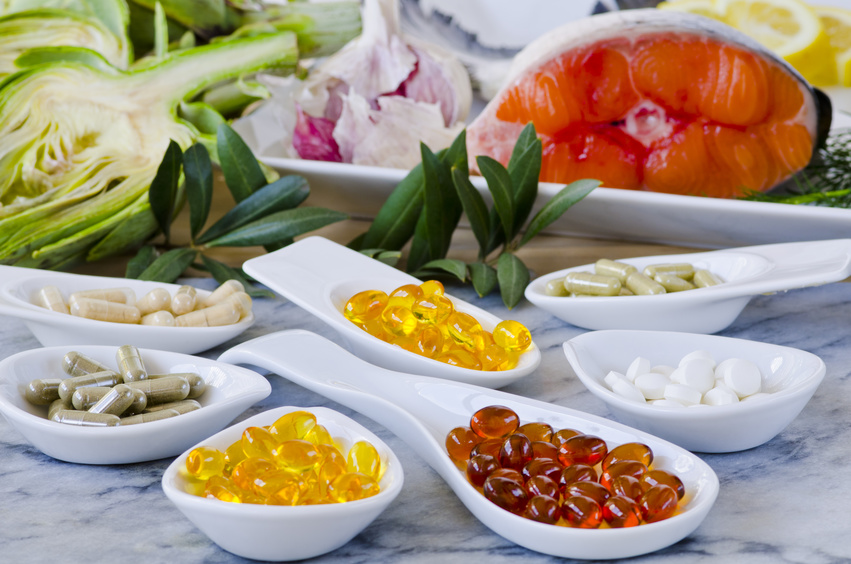
    Variety of dietary supplements, including capsules of Garlic, Evening Primrose Oil; Artichoke Leaf; Olive Leaf; Magnesium and Omega 3 Fish Oil. Selective focus. Taken in daylight.

    We’re told that diamine oxidase’s (DAO) job is to make sure histamine is broken down when it’s no longer needed for things like healing, digestion, and wakefulness. Studies show its activity varies more in women that men, possibly due in part to histamine’s role in causing uterine contractions and miscarriage. While DAO production does decline as we age (especially in women), there are nutrients proven to give it a boost. Read on to find out what they are and how we can get them from whole foods rather than supplements. 

    Research tells us that DAO is highest during the luteal phase that is right after ovulation and up to menstruation, which is why low serum DAO levels in post menopausal women “should be interpreted with caution”.

    While there remains some controversy as to how diamine oxidase is linked to excess histamine, for the purposes of this post I’m just looking at studies speaking of how we can boost this enzyme.

    A recent study confirmed what I’ve been writing about for the last few years regarding DAO and nutrients,

    and because I’m a fan of getting as many nutrients as possible as food rather than supplements, I created my nutrient and antioxidant dense histamine reset.

    DAO boosting nutrients

    Please bear in mind that some foods are only high histamine because of bacteria contamination or spoilage. Any kind of virus or bacteria will stimulate an inflammatory release of histamine. This is why fermented foods are so problematic for us. 

    Vitamin B12

    Liver (I also suggest grass fed – this appears as high histamine on some lists)

    Salmon (fresh gutted fish or flash frozen at sea is not considered high histamine)

    Grass fed beef (you can do regular beef but that would be inflammatory, the grass provides the animal with omega 3 fatty acid)

    Eggs (duck and chicken, but they can also be inflammatory. I buy flax seed or pastured chicken eggs only)

    Chicken (inflammatory so I don’t eat it, pastured may be less so)

    Phosphorus

    Sunflower seeds (some websites list these as high histamine)

    White beans

    Mung beans

    Grass fed beef

    Almonds

    Brown rice

    Broccoli

    Eggs (uncooked egg white is a histamine/mast cell trigger. Ask your doctor if duck eggs might be alright for you)

    Long chain/Omega fatty acids

    Olive oil is an excellent source of long chain fatty acids. It’s also higher in the monounsaturated fat than vegetable oils, which means it’s less prone to oxidation (we don’t want that which is why we eat antioxidant foods like blueberries).

    I eat about a pound of salmon a week for the omega 3 fatty acids. I prefer not to take supplements due to the oxidation of the oil. If you take them, make sure to add in an antioxidant or buy one that comes with it in the capsule.

    Calcium

    I’ve left out dairy because it’s highly inflammatory and casein is a mast cell trigger

    Sesame seeds (listed on some sites as high histamine)

    Collared greens

    Mustard greens

    Beet greens

    Broccoli

    Chard

    Salmon (wild caught is best if possible because farmers sometimes use antibiotics and food dye pellets to colour the salmon)

    Sardines (I eat them fresh only, and I mean really fresh because they are rarely gutted)

    Zinc

    Grass fed meats and poultry (if you can find it)

    White beans

    Chickpeas

    Lentils

    Oats

    Salmon

    White fish

    Pistachios

    Almonds

    Magnesium

    Read the histamine magnesium post here.

    Chard

    Pumpkin seeds

    Kefir (fermented foods are considered high histamine)

    Black beans

    Almonds

    Banana (high histamine, never had a problem with them myself but always be careful please)

    Cacao (not high histamine but can liberate histamine from mast cells)

    Take the hassle out of meal planning and healing histamine with this four week meal planner and stress relieving program. 

    —REFERENCES—

    Miyoshi, Makoto, Manami Ueno, Mari Matsuo, Yasuhiro Hamada, Michiko Takahashi, Masashi Yamamoto, Ikuko Yamamoto, Reiko Mikajiri, Satoko Tabuchi, Kumiko Wakida, Misa Yamanishi, Midori Hirai, and Makoto Usami. “Effect of dietary fatty acid and micronutrient intake/energy ratio on serum diamine oxidase activity in healthy women.” Nutrition 39-40 (2017): 67-70. Web.

    “Phosphorus Helps Your Body Detox & Strengthen.” Dr. Axe. N.p., 09 May 2016. Web. 20 June 2017.

    Publications, Harvard Health. “The A list of B12 foods.” Harvard Health. N.p., n.d. Web. 20 June 2017.

    Calcium. N.p., n.d. Web. 20 June 2017.

    “The histamine-(in)fertlity link | Healing Histamine.” Healing Histamine | Histamine Intolerance Diet Foods Recipes. N.p., 11 Dec. 2014. Web. 20 June 2017.

    Hamada, Yasuhiro, Yurika Shinohara, Miyuki Yano, Mari Yamamoto, Misa Yoshio, Kumiko Satake, Akiyo Toda, Midori Hirai, and Makoto Usami. “Effect of the menstrual cycle on serum diamine oxidase levels in healthy women.” Clinical Biochemistry 46.1-2 (2013): 99-102. Web.

    “Functional Foods Fact Sheet: Omega-3 Fatty Acids.” FoodInsight.org. N.p., n.d. Web. 20 June 2017.

  • Negative food experiences make future histamine reactions more likely 

    Negative food experiences make future histamine reactions more likely 

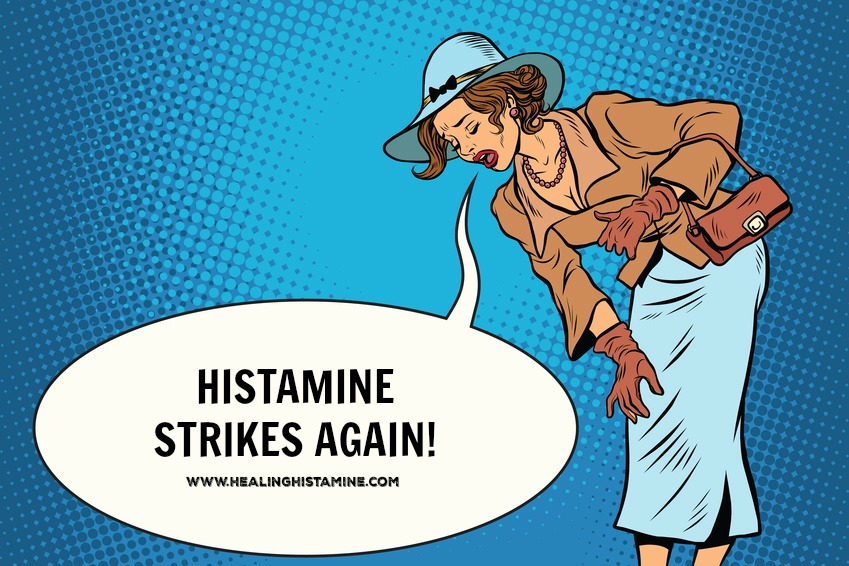
    retro cartoon woman bending over text bubble reads "histamine strikes again!"

    Conditioned taste aversion is a survival mechanism whereby animals learn to associate taste with a food that has made them sick; usually because it’s toxic or spoiled. In some cases the conditioned association between a food and sickness is so strong that the amygdala, the primitive part of the brain whose role it is to identify whether something is dangerous, can send the danger signal based on just the smell of a food alone. Sound familiar? Read on…references always at the bottom of post.

    Chemotherapy has taught us a lot about taste aversion. Patients undergoing treatment who experience extreme nausea or sickness during it may develop a long term aversion to foods eaten during those months.

    Granted, that’s an extreme example,  but some of us (myself included) have experienced years, if not decades of nausea (and worse) as a result of excess histamine or negative food reactions.

    Histamine, dopamine, acetylcholine and serotonin are involved in the control of nausea and vomiting.

    I stashed Motilium, a dopamine agonist that prevents nausea/vomiting in my handbag, by my bedside, and in my car for years. Really years. Took it pretty much every day.

    As a kid I projectile vomited regularly. As an adult too really. Most memorably it’s happened while walking down the street, behind a curtain at a black tie function (while sober), and many others.

    I think I may have, like chemotherapy patients, developed a conditioned taste aversion to foods (which triggered  major nausea every time I ate), or my inflammation bucket was so very full (read more about the bucket theory here) that it kept spilling over no matter what I ate.

    So how does behavioural conditioning like taste aversion actually work?

    Exciting research by scientists and those studying behaviour have shown that our beliefs affect the immune system. For example, they have found that placebos work (when they do) because people believe their doctor. They have faith that the medicine will heal them.

    But a more exciting discovery was made in the last few years: that the immune system can be conditioned to  respond in a certain way by association with a subconscious stimulus. In her fascinating book CURE, investigative reporter Jo Malone interviews doctors and researchers at the cutting edge of the field of psychoneuroimmunolgy. They believe, and have proven, that behavioural conditioning can reproduce the effect of certain medications on the immune system, regardless of whether the patient believes it will heal them.

    The scientists came up with variations on: giving an open placebo pill to patients (that’s there someone knows the pill is sugar/an inert substance), with a real medication, paired with a certain piece of music, and a liquid with an incongruous taste (ie a red drink that tastes like banana), at the same time in the same place. A few weeks and the medication would be reduced (or eliminated depending on the severity of the patient’s condition) but the rest would continue (music, drink, open placebo).
    They found that the immune system continued to behave as it did when given the full dose of the real medication.

    So despite the patient being fully aware that the medication was removed, their immune system had been conditioned to behave in a certain way.

    Researchers have proven this in particular with asthmatics and measuring histamine released when the patients were stressed by believing they were being exposed to an allergen.

    That’s how powerful conditioning can be.

    That’s also how negative conditioning could be tripping us up.

    If our immune system has been conditioned to respond to certain foods by releasing massive amounts of histamine, then this could keep going on even if the original issue has resolved.

    Let’s say you were going through a time of immense stress, or eating while stressed at your desk always, or struggling to keep your cool with kids at your hem while cooking and eating, or had unpleasant family meal times, or were sick for a time, whatever, and your immune system came to associate stress with food and sickness.

    That’s why when people ask me how I’ve managed to add so many foods back to my diet, including higher histamine ones, I attribute most of my gains to getting my diet right, but also fixing how my brain processes my body’s response to food and stress. I discuss my approach to healing this here and here.

    Don’t forget to check out my favourite book Anti-Recipes – a nutrient dense cookbook full of ingredients with antihistamine and anti-inflammatory ingredients. It’s dairy/nut/gluten free, with grain free options.

    The Anti-cookbook and all liquid Anti-Detox Book, don’t treat any conditions, but feature a plethora of the high nutrient antihistamine and anti-inflammatory ingredients that have been instrumental in helping me feed myself on a limited diet. The Anti-cookbook features a four page list of antihistamine and anti-inflammatory foods and comes in regular and Paleo.

    —-REFERENCES—

    “Conditioned taste aversion.” Wikipedia. Wikimedia Foundation, 21 May 2017. Web. 15 June 2017.

    “Classical Conditioning (Pavlovian Conditioning).” SpringerReference (n.d.): n. pag. Web

    Bernstein, Ilene L. “Conditioned food aversions as a consequence of cancer and its treatment.” PsycEXTRA Dataset (n.d.): n. pag. Web.

    Bernstein, Ilene L. “Conditioned food aversions as a consequence of cancer and its treatment.” PsycEXTRA Dataset (n.d.): n. pag. Web.

    “Domperidone.” Wikipedia. Wikimedia Foundation, 12 June 2017. Web. 15 June 2017.

    Dark, Kathleen, Harman V. S. Peeke, George Ellman, and Mary Salfi. “Behaviorally Conditioned Histamine Release. Prior Stress and Conditionability and Extinction of the Response.” Annals of the New York Academy of Sciences 496.1 Neuroimmune I (1987): 578-82. Web.

    “Chemoreceptor trigger zone.” Wikipedia. Wikimedia Foundation, 13 June 2017. Web. 15 June 2017.

    Wager, Tor D., and Lauren Y. Atlas. “The neuroscience of placebo effects: connecting context, learning and health.” Nature Reviews Neuroscience 16.7 (2015): 403-18. Web.

  • Fasting’s effect on diamine oxidase (DAO) & histamine intolerance

    Fasting’s effect on diamine oxidase (DAO) & histamine intolerance

    man's fingers holding tiny fork and eating from a tiny plate

    Two important questions regarding fasting for those with histamine intolerance are: does not eating affect the function of the histamine degrading diamine oxidase (DAO) enzyme, and is the stress of not eating so extreme as to negate the benefits of it? 

    All references at the bottom of post.

    Why a post on fasting? I’ve long used fasting as a tool for dealing with histamine related inflammation. A history of eating every few hours, even getting up from bed in the middle of the night to do so, had left my body in a constant state of excitability and chronic histamine release.

    The reasons for this is very simple: histamine is involved in the digestive process and eating triggers generalised inflammation, regardless of  whether you have histamine intolerance or mast cell activation.

    University of Southern California Longevity Institute director Dr. Valter Longo has created a fasting mimicking diet that has the benefits of water fasting while allowing about 800 calories a day. My interview with him revealed that up to 40 percent of the immune system can be regenerated in just five days. Longo told me that would include “faulty” mast cells that are leaking histamine indiscriminately. Read the post here.

    I’ve long experimented with and written about fasting for my histamine intolerance and mast cell activation because I discovered early on, even before I was diagnosed, that very short bursts of it made me feel better.

    PLEASE NOTE – there is a difference between fasting for health once in a while and anorexia. Don’t even think of trying it if you have ever had repeatedly negative thoughts of food, negative body image or any kind of eating disorder, no matter how long ago it was. Either way, a doctor needs to be involved. 

    But there’s still an unbelievable lack of research on fasting’s effect on the histamine degrading diamine oxidase (DAO) enzyme. Residing in the gut, where histamine is released every time we eat (or even think of food), DAO’s job is to break down histamine once it’s not needed anymore, or presumably when there’s just too much of it for us to handle. DAO relies on a number of nutrients to function normally – things like magnesium (a lack of this can cause major histamine release), copper, vitamin B6 and others. It’s at its peak during pregnancy where it helps prevent uterine contractions that could end in miscarriage (read more here).

    Histamine intolerance is considered to be an excess of histamine caused by or coupled with a lack of DAO. Genetic testing can reveal if we’ve inherited genes that predispose us to low DAO production, but a lack of it may simply be triggered in women as we age and hormones decline because we no longer need DAO’s help in preventing miscarriage.

    A study published in the journal Digestion found that levels of the histamine degrading DAO enzyme in starved rats did not decrease during fasting. (I can’t find any human studies).

    That’s a start.

    But what about the very valid concern regarding fasting increasing histamine levels?

    Well, that could depend on a number of factors.

    We know for sure that stress causes histamine release from mast cells. These white blood cells contain not only histamine but also a number of other inflammatory agents that you really don’t want to have dumped into the blood stream unless needed to fight infection or heal you from injury.

    It’s also known that fasting in animals has been shown to cause stress, which in turn causes histamine release.

    In my case, water fasting has been hugely stressful in the past. The fear I’m doing something stupid, the fact that it was done in a haphazard fashion when my histamine rose to intolerable levels, and basically being too weak to move or do anything other than lie around obsessively tracking every minute (or scary) symptom.

    Juice fasting/feasting was more successful because it took the stress away, but I still had the energy problem (and I was using too many fruits).

    My approach and mindset (ie my stress level) going in to the fast dictated how successful it would be. In other words, we’re not the animals in the studies. We choose to fast rather than being starved, we are not held in restraints or have scientists devising ways of freaking us out.

    That’s all good and well, but yes, we can be just as stressed as the animals, because let’s face it, dealing with these health issues can create a lot of anxiety.

    I came to realise a few things could made for a successful fast:

    (Please note, these are my observations and should not be a substitute for medical advice.)

    • – Liquids put less stress on the body and (according to Dr. Fuhrman) were less demanding of my stomach enzymes
    • – I stopped fasting when I was at my sickest. Planning fasts and being mentally prepared for them was essential
    • – Meditation is an essential component
    • – Reading materials or motivational documentaries and films should be planned in advance
    • – Getting in touch with nature is really helpful for lowering stress levels
    • – I didn’t need to starve myself. A cut of about 20-30 percent of my usual calories sufficed
    • – Focusing on nutrient dense foods with antihistamine and anti-inflammatory soups and low fruit juices regardless of calories was extremely healing to me
    • You’ll find most of the recipes I used in the Anti-Detox.

    My (non-medical but totally been there myself) advice is, if you’re experiencing a moderate to significant amount of stress, then fasting probably isn’t a great idea.

    There are exceptions of course, but really, there’s a good chance that getting the stress under control might reverse much/most of the histamine symptoms anyway and you might not need to fast!

    If you don’t have the patience or time for it, check out how to create your own personalised healing plan here.

    —-REFERENCES—-

    Irie, Masahiro, Shoji Nagata, and Yutaka Endo. “Effect of isolation on classical conditioned histamine release in guinea pigs.” Neuroscience Research 44.1 (2002): 31-35. Web.

    Irie, Masahiro, Shoji Nagata, and Yutaka Endo. “Fasting stress exacerbates classical conditioned histamine release in guinea pigs.” Life Sciences 72.6 (2002): 689-98. Web.

    Erdman, Steven H. “Effects of Starvation and Difluoromethylornithine (DFMO) on Diamine Oxidase Activity in Rat Ileum.” Digestion 46.2 (2009): 396-402. Web.

    “Digestion itself is a histamine trigger | Healing Histamine.” Healing Histamine | Histamine Intolerance Diet Foods Recipes. N.p., 04 Apr. 2014. Web. 13 June 2017.

GET STARTED HEALING HISTAMINE

WHAT YOU NEED TO KNOW ABOUT HISTAMINE DELIVERED TO YOUR INBOX