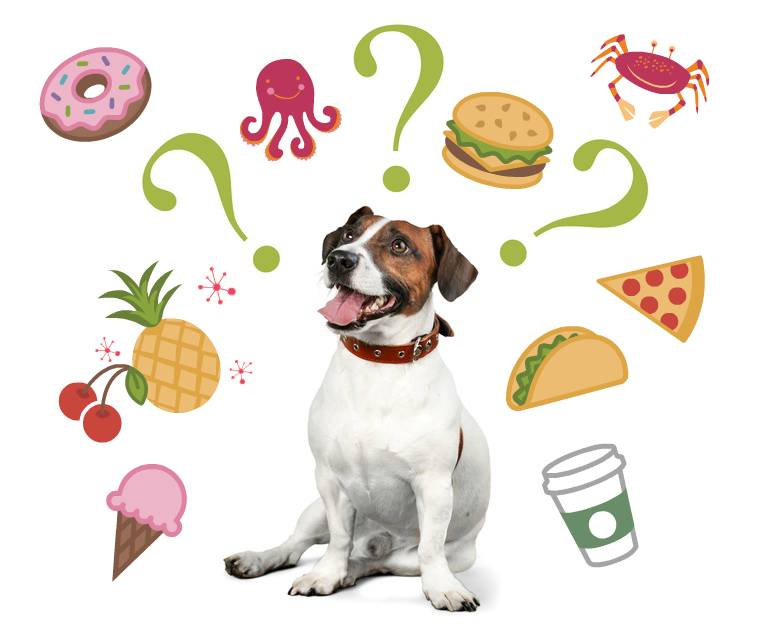
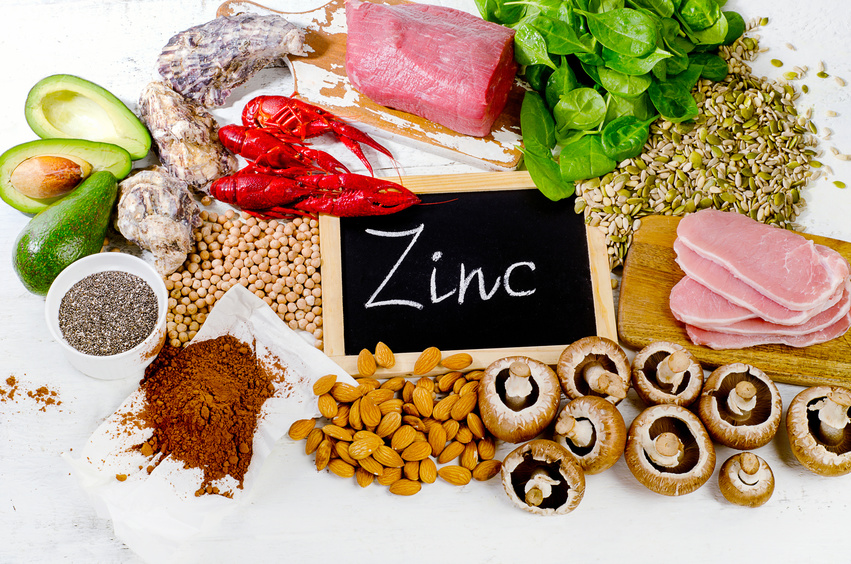
Zinc depletion is linked to histamine related itching, mast cells releasing more histamine into the bloodstream, and a whole host of other conditions. You’ll notice from the featured photo that many high zinc foods are high histamine. Below you’ll find a list of low/medium histamine foods. All references always at the bottom of the post.
I’ve spent the last few years writing about the importance of supporting the body overall, rather than simply eliminating sources of histamine in foods. The latter results in orthorexia, which is a type of eating disorder where foods are demonised, and also in malnutrition. I suffered both myself and personally have encountered hundreds of readers with both issues.
When I read studies like the one that inspired this post, on how researchers solved mystery itching that was plaguing dialysis patients, it spurs a renewed drive to really make sure we’re all on track. The short and long of it is that they found that zinc depleted patients had histamine release during treatment. Supplementing zinc resulted in the resolution of the itching during treatment.
Other researchers found that zinc was able to mediate histamine release caused by a chemical trigger, and prevent asthmatic symptoms.
Please remember to consult with someone before starting any kind of nutritional supplement. Copper deficiency is not uncommon when increasing zinc alone, and should be taken into account.
A key component to getting the body back on track is to optimise our intake of nutrients whose lack drives up histamine levels and inflammation as a whole. I took too many years to do this myself and ended up in a fine mess of being down to just a handful of foods (read my post “Once up on a time we all reacted to foods”).
Figuring out nutritional priorities overall
You could either shell out for testing yourself by finding a functional medicine doctor to order the tests, or just share with your GP that you’ve been eating a restricted diet and hopefully get them on a national health service or private insurance. When strapped for cash, I used a nutrient and calorie tracking app (Fitday) to track my intake over a month. There’s no use stressing daily intake, that’s just way too intense, just checking overall monthly intake is what I did.
Zinc deficiency symptoms
Brain fog
Immune system dysfunction
Allergies/food intolerance
Hair loss
Intestinal permeability/leaky gut
Rashes/acne
Factors affecting zinc absorption
Decrease bioavailability
Phytate in cereals, corn, rice, lentils (germination/sprouting reduces this)
Iron supplements (should not be taken at the same time as zinc)
Sanada, S, et al. “[Beneficial effect of zinc supplementation on pruritus in hemodialysis patients with special reference to changes in serum histamine levels].” Hinyokika kiyo. Acta urologica Japonica., U.S. National Library of Medicine, Dec. 1987, www.ncbi.nlm.nih.gov/pubmed/3448919. Accessed 9 Sept. 2017.
Boldt, Ethan. “7 Signs of Zinc Deficiency & the Best Foods to Cure It!” Dr. Axe, 21 July 2017, draxe.com/zinc-deficiency/. Accessed 9 Sept. 2017.
Hirota, K, et al. “Relaxant effect of magnesium and zinc on histamine-Induced bronchoconstriction in dogs.” Critical care medicine., U.S. National Library of Medicine, June 1999, www.ncbi.nlm.nih.gov/pubmed/10397222. Accessed 9 Sept. 2017.
“Office of Dietary Supplements – Zinc.” NIH Office of Dietary Supplements, U.S. Department of Health and Human Services, ods.od.nih.gov/factsheets/Zinc-HealthProfessional/. Accessed 9 Sept. 2017.
Lönnerdal, Bo. “Dietary Factors Influencing Zinc Absorption1.” The Journal of Nutrition, 1 May 2000, jn.nutrition.org/content/130/5/1378S.full. Accessed 9 Sept. 2017.
The nuances of the histamine intolerance diet are hard to grasp, at least in the beginning. Sometimes it’s that incorrect information is spread from place to place, and other times just that folks haven’t devoted the necessary years to researching the workarounds. Very simply, foods can have opposing properties: on the one hand they could raise histamine, but if savvy, you can harness the benefits without the downside. Here’s how to make a couple of higher histamine foods work for you.
CACAo/chocolate
I stopped chocolate for years. Finding out that even raw organic chocolate was off the menu was a major blow. I tried to console myself with carob, but at the time didn’t realise it was high in oxalic acid, which caused me just as much pain as cacao. Read more about oxalic acid inflammation here. Carob just tastes pretty nasty too.
Cacao has a number of benefits that led me to eventually re-introduce it: stimulation of the thymus gland which triggers an anti-inflammatory and weak antihistamine response, that it’s choc-a-bloc with healing anti-oxidants and magnesium.
Sadly, in keeping cacao/chocolate in our lives, we’ll have to deal with losing some of what makes it a nutrient powerhouse, but sometimes the best reason to keep something in the diet is simply because it makes you happy.
THE PROBLEM
Cacao is not actually high histamine as a food, but it is a (supposed) histamine liberator. The easy way to explain it is that some foods actually contain high levels of histamine. But histamine is also naturally present in the body already, where it lives in immune cells called “mast cells”. Normally histamine is kept locked up in these mast cells, until we’re injured or get sick. When that happens histamine is released so it can get to work healing us. (Histamine heals too, that’s why I changed the site name!).
Unfortunately, fermented foods trigger histamine, and cacao beans are fermented.
Reframing the issue
But what if we could somehow separate the fermented parts of the cacao bean?
Well, that’s exactly what cacao butter is! At most health food stores you can find large bags of white cacao butter chunks. Cacao butter is lower not only in histamine (because it’s free of fermentation) but also lower in oxalic acid. I’ve found that when a food is on more than one list as a “no” food, it increases the likelihood of reaction.
Great, so bring on the raw, organic, sugar cane free chocolate bars, right?
Sadly the US is sorely lacking. If you live in the UK there are a number of options like The Raw Chocolate Company Vanoffee Bar (cacao butter, coconut sugar, vanilla and lucuma), or the coconut milk chocolate Om Bar.
Otherwise, you can have a go at it yourself with a really basic choc recipe which is…
4oz/100g edible cacao butter
1 cup powdered coconut sugar (this will give it a caramel taste but won’t be white colour, which I’m fine with!) or experiment with anti-inflammatory sugar free monk fruit or erythritol
2 tbsp sweet white rice flour/coconut flour/cashew butter/macadamia nut butter
1/2 tsp raw powdered vanilla bean (you can buy this online, do not try to use the liquid!)FISH
Ah, I spent more time than most researching and stressing the fish issue. Fish is another that isn’t inherently high in histamine.
THE PROBLEM
Fish spoils quickly. I’ve seen a few studies that reckon the histamine in fish doubles every hour that it remains un-gutted. Some fish also seem to be more problematic than others. After reading for years, and as a result, being scared of it for just as long, tuna is now back in my diet.
The theory was that darker fleshed fish (salmon included) develop more histamine.
Reframing the issue
According to 20 year Alaskan fisherman Randy Hartnell (now of Vital Choice, flash frozen salmon and grass fed meats) in practice it’s more likely that tuna fish scromboid poisoning (basically histamine contamination) is in part due to cheap fishing and processing practices like keeping the fish on ice for a month before they come back to shore, then transport to the processing plant, and then ship to supermarkets.
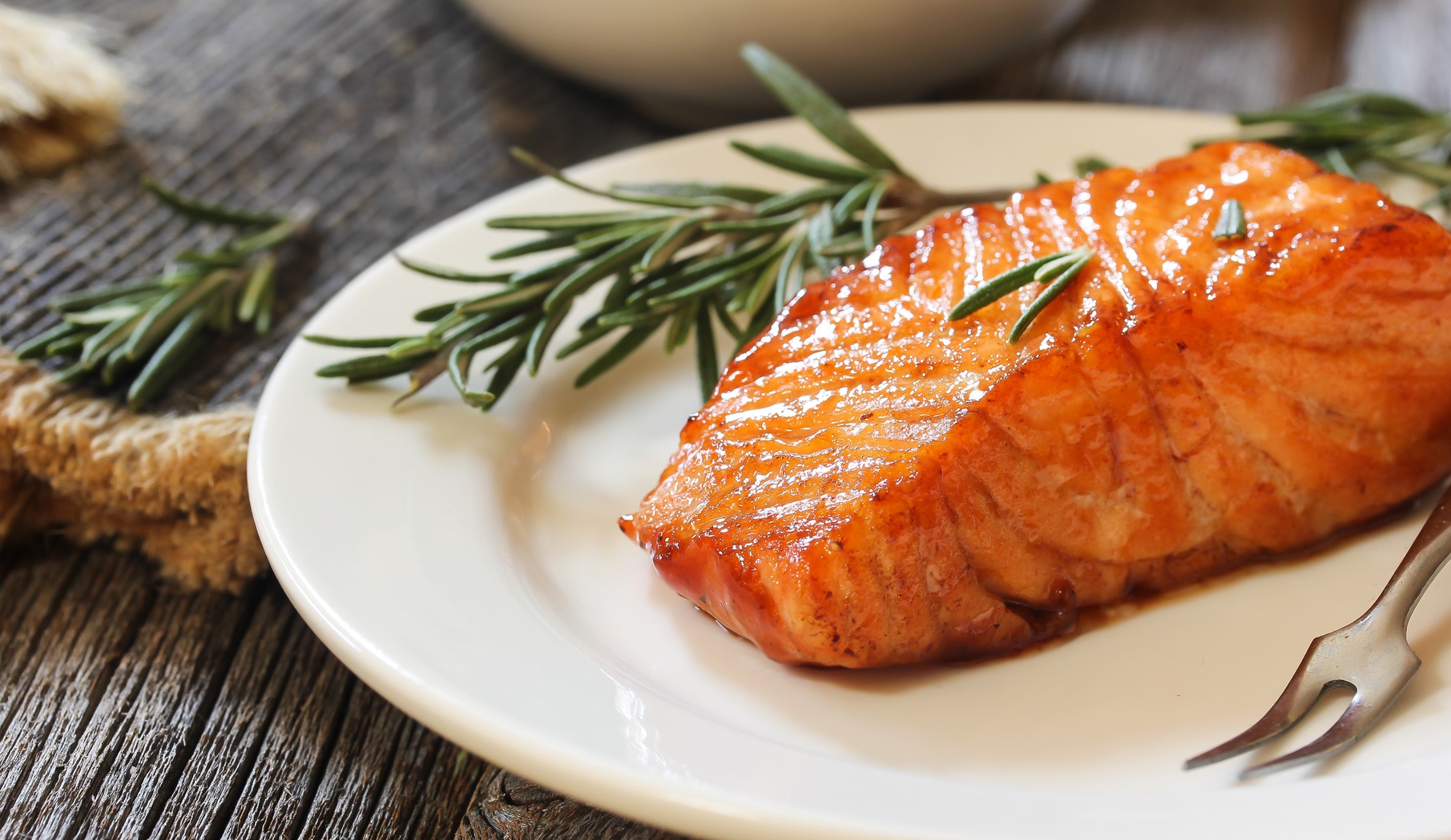
Salmon on the other hand is frozen quickly, and if you buy from someone like Vital Choice, you can be sure that you’re getting a quality item that’s not caused me any issues. See my post on it here.
I have a google alert set up for tuna histamine poisoning for the last few years and not once have I found a reputable company serving Whole Foods (for example) or Vital Choice being named.
I ate tuna freely and happily in the year I lived in Kenya, because the fishermen brought it straight to me at home (by the beach) within an hour of fishing. And tuna from Vital Choice hasn’t been an issue either.
Please do not buy tuna unless you’re certain it’s a quality item. And certainly do not buy canned. I’ve seen an incredible number of recalls on those.
In my view, the best way to eat fish is paired with antihistamine ingredients like a basil or cilantro sauce, some zucchini and asparagus. Certainly not with a glass or two of wine – because alcohol blocks the function of the histamine degrading diamine oxidase (DAO) enzyme.
TURMERIC
So here’s an interesting one. Turmeric is not high histamine, and yet I see it appear on high histamine lists. Turmeric is a potent antihistamine, anti-anaphylactic and anti-inflammatory.
THE PROBLEM
The issue as I see it is one of misinformation, but also possibly because it’s high salicylate and oxalate. They’re both compounds found in plants that function as defense mechanism to stop bugs from eating them, but can also cause problems for sensitive humans. Oxalic acid, like histamine, is already present in our body.
If you didn’t already know, some of the high histamine food lists on the internet are not based on testing of foods, but rather by polling a small sample of users to see what they react to. This is problematic on many levels.
Reframing the issue
Curcumin! A US based nutraceutical company by the name of Sabinsa comssioned a number of tests on curcumin, the active constituent found in turmeric spice, to highlight that the extract is low oxalate. Their findings confirmed that turmeric supplements are high oxalate, and curcumin low.
My bladder concurs with that finding. I’ve been using turmeric lightly in my recipes (which are otherwise low oxalate nowadays), but never the supplements. Since reading about the difference, I now use a supplement twice daily with no issue. I also break open capsules to use in my cooking instead of using turmeric.
ALCOHOL
Do we really need it in our lives? No, but, is it enjoyable once in a while? Yes. Socialising is really important in healing, and a small glass of something would be nice once in a while.
THE PROBLEM
Alcohol blocks the DAO enzyme and is high in histamine. The ingredients it’s made from, and additives, can cause additional histamine issues. Pairing alcohol with high histamine foods can induce a stronger histamine effect.
Reframing the issue
Combining a glass of wine with antihistamine foods is a great place to start. Do not eat fish, or other high hsitamine foods. Buying wines lower in histamine, sulfites, and free of man made yeast, additives and food colouring is also a much better idea. When in doubt, call the winery. I’ve found that most good quality French Beaujolais (very young wine) is always a hit for me. I also spied a new vodka called “Ving” that claims to be histamine free. But it’s made of corn, which is highly allergenic (and maybe GMO).
On days when having a drink, consider some antioxidant supplements or foods like blueberries, reservatrol, quercetin. According to studies antioxidants have an antihistamine effect, read the post on it here.
Explore a DAO supplement to make up for alcohol’s enzyme blocking properties.
When diagnosed, I was advised that the best alcohols for histamine intolerance are: rum (light), vodka, gin, whiskey, or better yet, none at all until we’re stable (and then consult with your doctor first).
TEA
Camellia sinensis leaves are FULL of antihistamine and mast cell stabilising antioxidants. These compounds are also powerful cancer preventatives.
THE PROBLEM
While not high histamine, the fermented leaves of the camellia sinensis plant block DAO in the gut. Black tea is also fairly high in oxalic acid. But, it’s also very high in mast cell stabilising and antihistamine properties.
Isn’t that crazy? It’s something that keeps coming up in my research. The opposing properties of foods. That’s why nothing is ever black or white in histamine inflammation.
Reframing the issue
The unfermented blossom of the tea plant contains all the benefits of the leaves, but without the caffeine. Being unfermented means no affect on DAO or histamine, and while I can’t find studies on oxalates in the blossom, my bladder is happy to share that it seems much lower oxalate than black, green or white tea. Read my post on blossom tea here.
You’ll find recipes full of foods with antihistamine and anti-inflammatory properties my books Anti-Recipes and The Anti-Cookbook
For most people, unless you have an IgE allergy, fresh fish is safe in the elimination phase of the histamine diet, and far beyond. That’s because fish is only considered a problem when it’s not fresh, when histamine levels rise as a result of bacteria as it spoils. The trick is getting the absolute freshest fish; and now I’ve found us a supplier whose product I believe in. You’ll find my interview with Randy Hartnell, who spent 20 years working as an Alaskan fisherman before joining Vital Choice, below. We discuss why their salmon is a safer option for us and why you definitely don’t want to buy it at the grocery store.
Randy and I met at a health conference. He’s a wonderful person, and I was delighted to learn that his company was providing all the fish. Pre-cooked fish served on a heated platter left sitting in the sun, is not something I would normally ever eat (because of the bacterial accumulation). But having spoken with Randy at some length about his years as a fisherman in Alaska, I felt certain that his product was fresh enough to withstand extra histamine accumulation.
So I dove in and ate fish at lunch and dinner for five days straight. With no problems whatsoever.
Salmon, and a few other fish chosen for their nutritional qualities, are the only animal protein left in my diet (as well as the odd serving of liver for my chronic borderline anemia, ew!).
Listen to my interview with former 20 year Alaskan fisherman Randy Hartnell at Vital Choice or read the transcript below.
Yasmina: Randy, thank you so much for joining us here today. I was really excited to meet you in San Diego at a conference a couple of weeks ago, and to eat all of your amazing products that were being served in buffets at the conference. It’s not often that I will just go ahead and eat fish somewhere, especially when it’s in a buffet-style thing where it might’ve been sitting out for a little while, but having met you on the first day of the conference, I had absolute conference in your product, so I went ahead and I ate your fish every time it was available, and I had no problems whatsoever. I thought it would be amazing to interview you because histamine levels in fish are a big concern to my readers, so welcome, and thank you.
Randy: Thank you. It was a real pleasure to meet you, Yasmina, and it’s always a joy to be able to share good seafood products with our customers and conference attendees, so I’m glad you enjoyed those.
Yasmina: Wonderful, so you spent 20 years as an Alaskan commercial fisherman before starting up Vital Choice 15 years ago, and so could you tell us how your experience as a fisherman has translated into the product that you offer?
Randy: Sure. Yeah. I started going to Alaska when I was in college, and totally fell in love with the lifestyle, and basically working on the water, working out in nature, and probably would still be doing that except farmed salmon, which is basically the feed bot version of salmon, and basically torpedoed our industry, all the markets defaulted to farmed salmon because very few people could distinguish between wild and farmed salmon. I found when I transitioned from catching fish into marketing fish, starting Vital Choice, that in all the relationships that I developed, and all the knowledge I had gained from fishing in Alaska over the years really served me well. It helped me understand where to go to find the very best fish, who I can trust to product and provide the very best fish, and gave us a real advantage over some of the other competitors out there. Most grocery stores, you go into the seafood case, and you want to buy fish, most of the time, the person behind the counter is going to have no idea where the fish came from, can tell you almost nothing about it. A lot of times the information they give you is not accurate, and so my sort of roots in the industry enabled me to provide a degree of information and authenticity that was lacking in the market. I think that has served us really well. There’s a lot of smoke and mirrors, if you will, or actually, to put it bluntly, there’s a lot of fraud when it comes to seafood.
You’ll have people who will buy cheap fish, and then relabel them as more expensive fish. The more common incidence of this is farm salmon. A lot of companies will buy, or retailers will buy farm salmon, and label it as wild salmon because they’ve got more and more customers coming in all the time who understand the difference, and they’re asking for wild salmon, and so the less scrupulous vendors will just put wild on the [inaudible 00:04:03].
Yasmina: That’s terrible. It is actually easy to spot, though? I find I can tell the difference by eyeballing the salmon. Farmed salmon looks a lot fattier. Sometimes it’s an odd color.
Randy: More people are getting savvier about being able to distinguish, but the thing is, there are five, six different kinds of wild salmon. The sockeye salmon, which is our signature product, is the most red. The flesh is the most red. It has the least amount of those white, fatty lines in it, so it’s pretty hard to do that, but when it comes to king salmon, especially, wild king salmon, it has a lot more fat in it, and so sometimes it won’t be quite as easy, and then there’s … Another thing about sockeye salmon is they can’t farm it. It’s the particular things about it that just won’t lend it to farming, but when it comes to king salmon, wild Pacific king salmon, wild Pacific silver salmon, they do farm those, so it can be pretty tricky to figure out the difference.
Yasmina: Okay, well, just for anybody out there listening to this who might be unaware as to why fish could be a problem for those with histamine intolerance or excess histamine inflammation is because of … There’s a common misconception that fish is inherently high histamine, which it’s not. It’s the bacteria. It’s fish that is not fresh that becomes a problem, and that’s why I’ve tried over the years to find good sources of salmon that I trust, and so could you explain to us a little bit about how what happens to the fish after it’s taken out of the water, and what the process is, and why we can be sure that your product is a safe bet for lower histamine levels through proper handling of fish?
Randy: Yeah. Sure. Every fish, every Alaskan salmon when it comes out of the water is a beautiful specimen, perfect, clean, but it’s what happens to it after that can be problematic. There are just all kinds of things that impact the quality of that fish by the time it gets to somebody’s dinner plate, from how many fish are being caught that particular day. If there’s a big pulse of fish coming in … Just recently in Bristol Bay, they had one of the biggest runs of all time just this last summer, over 50 million salmon, so on a given day, if two or three million fish come in and get caught, it takes a lot longer for those things to get unloaded, get processed in the plant. Maybe they don’t get chilled quite as well, and so what we do is we go to areas that have smaller runs, lower volume runs. We buy from fish that are generally caught during times when they’re not peak production, so the fish get processed, get brought onto boats that have chilled water, get to the plant, the processing plant as soon as possible, almost always within 12 to 24 hours, and then are frozen. We don’t sell any fresh fish. That’s where stores get into trouble. They feel like they have to sell so-called fresh fish. It may be a week between the time it came out of the water until the time it ends up on the grocery store, in the display case. During that time, as you mentioned, we use the analogy that a fish is like a melting ice cube. The moment you bring it out of the water, it’s perfect, but it goes downhill really fast. Part of the reason that seafood degrades so quickly are all of those poly and saturated fats. They’re so healthy and so good for us, those omega three fats. They are very unstable, and once they get exposed to the air, they start degrading quickly. Of course, there are the bacterial problems as well, but basically what we’re doing is we’re taking the fish, the very best fish that we can find based on the area that it’s caught, when it’s caught, who’s catching it, how they’re catching it, all those factors.
We understand those. We select the best fish, flash freeze it, and so basically when our customer thaws that fish out at home, it’s going to taste like it just came out of the water. It’s going to have a freshness, as though its flavor, appearance, odor, as though it just came out of the water. That’s really what has been responsible for our success, and we’ve grown every year for 15 years. We have thousands of satisfied customers, thousands of testimonials, and it really all boils down to just, we take really good care of the fish, and then we deliver it, and it’s close to perfect.
Randy: You mentioned, I know you’re focused on histamine so seriously, with good reason. I was at a seafood conference in Hawaii one time, and they wanted a … They planned to take us on a tour of the fish market early in the morning on Saturday, and so we went down there. They told us a story about how the regulators had come in and said that they were going to make them test all these fish for histamine content that came off the boat. It was going to cause a lot of expense, a lot of disruption to their process, and then they ultimately were able to show the regulators that they could smell the odor. They could detect the histamines with just the bare nose, just by smelling, and it was just as accurate as their equipment. I guess the message there is, your nose knows, and if something doesn’t smell … If something smells “fishy,” quote unquote, pay attention to it, and avoid it. Obviously we wouldn’t be in business if people didn’t like what they were getting, or if it smelled fishy, or tasted fishy.
Yasmina: No. Exactly. It’s interesting. This reminds me of a piece of research I found a couple of years ago which was … I think it was in southeast Asia that the local fishermen there would wrap the fish in garcinia mangostana leaves, in mango seed leaves, basically. They claimed that it stopped the fish from spoiling, and that was in fact proven to be absolutely accurate, so sometimes the old ways are best.
Randy: Uh-huh. They had figured it out. Yeah. One other quick story, Yasmina, and we had a customer … We’ve got customers all over the country, and I remember one year we got a letter from a woman who said that our fish had made her sick, and she had food poisoning, and that her doctors told her it was the fish, and that her family … Everybody pointed at the fish, and so we said, “Look, we’re gonna send you a box. We want you to put the leftover, the packages you haven’t used yet in a box, and we’re gonna send it directly to a lab, and we’re gonna test it.” We did all that, and the results came back, and the lab said that they almost never see that levels that low, bacteria levels that low. They were just a tiny fraction of what you would expect on a, the analogy they used was if you buy those baby carrots in the produce section, that the bacteria levels are dozens of times higher than they found on our fish.The thing is that it remains frozen. We ship it on dry ice, and what is it, almost 100 below zero. It’s a vacuum-sealed packaging, so there’s just not any opportunity for that kind of degradation to occur.
Yasmina: That sounds great, and as I said before, my experiences that I had, I normally don’t eat fish for every single meal, but I was having fish for lunch and dinner every day that I was away at our conference for about five days, I think it was, and I had no problems whatsoever. The fish had been sitting out in the sun in a big buffet tray, which I absolutely, normally don’t do.
Randy: That’s certainly not ideal for us, either, but …
Yasmina: No, and I know that wasn’t you. That was the hotel, but …
Randy: There’s only so much you can do when you’re working with institutional food preparation.
Yasmina: Exactly.
Randy: For hundreds of people, but anyway.
Yasmina: No, but still, there was no problem, and so what would be the best way for people to defrost this fish as quickly as possible given that we don’t want the histamine bacteria?
Randy: That’s a great question, and for a couple reasons, here’s what we do at our house, and what I recommend that other people do. You wait until it’s almost dinnertime, maybe a half hour, or hour before dinner time, or a meal time, whenever you want to prepare it, take it out of the freezer, and just submerge it in cool water. It will thaw, and I’m talking about like a six-ounce portion of some type of fish, and it will thaw out in 20 minutes or so, and then you remove it from the packaging, just pat it dry, or you can rinse it off if you want, pat it dry, and then prepare it. Some people say put it in the fridge the night before, but what I’ve found in these days, your plans can get interrupted, and before you know it, you had to leave, and now it’s been in there for two or three days, and you just want to avoid that. It’s so quick and easy to thaw as I’ve described that it’s kind of foolproof.
Yasmina: That’s wonderful. My favorite way to serve salmon is with some antihistamine ingredients. I normally either add some ginger and turmeric to it, and I pan roast it, or I will sometimes go a little bit extra. One of my favorite ways to make salmon is to make a pasta, a gluten-rice rice pasta, and I chop up the salmon, and I saute it. Then I simmer it briefly in a sauce that I make. It’s like a nut-free pesto, which is lots of garlic buzzed in the blender very briefly with basil, sorry, lots of basil, a little bit of garlic, lemon, olive oil. It takes about 15 minutes to make in all, this dish, and it’s one of my favorite go-to meals when I have fish or when I’m in a hurry, so that’s-
Randy: That sounds wonderful. Makes me want to run out to the kitchen and make it right now, so.
Yasmina: You don’t just do salmon. You do tuna fish, and actually maybe you’re the right person to ask about this. Tuna fish we see on many histamine lists is consider higher histamine than other fish. Is there a reason for that, and do you agree with that?
Randy: That was what they were targeting at this, the large tuna yellow fin that they, is what they were focusing on in Hawaii. In fact, in my earlier story, and a lot of times those boats will go out, and they will … I learned this when I was over there. They will go out, and catch these fish, and put them in the hold on ice, and they’ll be out for 20 or 30 days. They still call those fresh fish even though they’ve been in the hold on ice for 20 or 30 days, and then they take them out, and now I don’t know that that’s … I wouldn’t think that histamines would develop while they are buried in ice. Really it just comes down to what happens to them between the time they get off the boat and you receive them. I’m not sure why, other than just handling … Again, if they’re being sold fresh as opposed to frozen and vacuum-sealed, that whole time that they’re exposed to air, they’re subject to bacteria. I have a good friend who used to work at a meat and seafood store, managed a counter. He told me how much he just hated the seafood, because it’s so perishable, and it would go bad so fast. One point, they were trying to be proactive, and they got these little badges that they would put on the fish that would basically turn color with the rise of bacteria count. She said they turned color so fast that they threw them away, and even confessed that at one point, that they would soak these fish filets in milk, buttermilk, try to get a couple extra days out of them, but he hated the seafood because it goes bad so fast. There’s so much waste. You throw so much of it out, that … Is tuna different than anything else? It might have something to do with the fact that some of the tuna comes from warmer water. Our albacore is caught in North Pacific and frozen right on … Flash frozen at 40 below zero right on board, stays frozen, and then we bring it in, cut it, package it, so it never really has an opportunity to develop that problem.
Yasmina: Wonderful, because the thing is, I noticed I have a Google alert for a scombroid poisoning in fish, and I just get one after the other, it seems like every week in the United States, there’s another scombroid tuna issue. Yet, it has never been from whole foods, or from your company. The people who supply whole foods have never had a scombroid issue, and it just leads me to think it’s that cheaper, mass-produced, as you said, just taking too long to process it. That totally makes sense, and …
Randy: It’s sort of a takeaway message that people want to know is, okay, where do I find good fish? Like anything, it comes down to dealing with somebody who’s reputable, or that’s got experience. Whole Foods tends to … Also, here’s a big thing. People tend to be really price-sensitive. I’ve had friends who tried to sell to markets that are price-sensitive. In other words, while this guy will give it to me for five cents a pound cheaper, the other guy’s got to get five cents cheaper. It’s just a spiral to the bottom, and how do you get cheaper fish? You buy lower quality fish, and so our prices are on the high end because our quality’s on the high end and it’s directly related. When I was in a fishermen, for 20 years I’d catch these beautiful, sockeye salmon in Alaska, and there were other people buying … I had friends catching sockeye salmon in another part of Alaska, and they would always get a lot more than we did. They’d get 50% more, or 70. The grounds price, so maybe I’d get 75 cents a pound. They would get $1.50 for the same wild Alaskan sockeye salmon. Why was that? It was because that was a lower volume fishery. The fish were handled a lot better, and one of the key things was that those fish from that area had higher oil content. Those fish typically do not come into the United States now, expect for companies like us. I don’t know that there are many others out there like us, but we’re willing to pay twice as much for those fish because the quality is a lot better, flavor, but unfortunately, most people in this country are … We want our food as cheap as possible, and so we import all this unsustainable Asian shrimp, and catfish, and tilapia. It’s not as nutritious, it’s not as sustainable, but it’s cheap. It’s got that going for it, and so bottom line is, if you want really the best quality seafood or anything else for that matter, most of the things, you have to be willing to pay a little more for it.
Yasmina: Sure, so you don’t just do salmon and tuna fish. You have an amazing selection of things that I’ve been wanting to sample again for a long time, but I was … I would go into the local fishmongers, and I would kind of smell things, and I’m sure they were fine, but I was just always a little worried. You don’t just do salmon and tuna. You do, I’ve seen cod, and halibut, and you do meats. Could you tell us a little bit more about your offerings, and you also do supplements made from your own fish.
Randy: That’s our expertise, that’s our passion, and over the years we’ve added other … Really our specialty is Alaskan seafood, and there are a lot of reasons for that, but from that we’ve migrated other directions. I think everything under the umbrella of healthy, nutrient-dense food, so I think one of our first departures was we added a small line of organic, flash-frozen fruit, and that was basically because customers asked us for those kinds of things. We added, oh, just a variety of things, and we’ve kind of started tearing things back as organic vegetables and fruits have become more available in more supermarkets. We’ve kind of let those go and gone back to focusing primarily on seafood, but we have added some other protein options. It’s got to be really special to make the cut, so for example, we have a [Wagu 00:22:14] beef line, that all this beef comes from friends that are 35 miles away, and they’re basically organic grass farmers rather …
They describe themselves more as grass farmers, beef farmers, certified humane. It’s as good as it gets, and the same thing applies to the other things, the chicken, the pork, but really seafood is 90% of our business. We’ve added these things because people have asked us for them, and we found especially the kind of foods that we want to eat ourselves, feed our own families, and we’ve decided to add them to our product line. The supplements, interesting story there. My mom, several years ago, was buying fish oil from Costco, and I wanted to find out what kind of fish it was made from. It’s kind of a long story, but the ultimate conclusion of that was that they couldn’t tell me. I went all the way to the top of the company, and nobody could really tell me what kind of fish oil it was from, because it was from fish from all over the planet, farm salmon, sardines, anchovies, just kind of a blend, a generic fish oil.
In fact, they were telling me … I got this from several people [inaudible 00:23:25] was coming from farmed sardines, which is … There is no such thing as farmed sardines, but that was their story, so anyway, I thought, well, you know, we want to know what kind of fish our fish oils, where it originates, and so I imagine a lot of people do. We had access to wild sockeye, Alaskan sockeye salmon oil, this beautiful red oil, and so that was really our first foray into supplements, and we’ve expanded a little bit, but that’s really the foundation of our supplement program, the wild salmon oil.
Yasmina: You mentioned your friends who consider themselves to be grass farmers rather than beef. When I was living in the south of France just recently, I went into the butcher’s, and I said in French, “Which beef do you have that eats only grass throughout its entire life?” I was trying to figure out what the term was for grass-fed beef in France, and he just looked at me with an incredibly condescension and said to me, “But madam, what else should they eat?”
Randy: It’s a wonderful story, and in fact, if you go to our beef section, there’s a little video there where we interview the people. Same with the pork section.
Yasmina: Okay. Wonderful, and so what is the pitch for salmon in one or two sentences? Why should we be eating salmon?
Randy: Oh, boy. I could wax eloquent on that for quite a while, but in one or two sentences, I would say it’s probably the most natural, nutrient-dense food on the planet, sustainable, and probably the most natural, nutrient-dense and sustainable food on the planet. I could go into each one of those, and it tastes good, too, if you get it from the right place. These wild salmon are one of the last truly wild foods available to us. It’s something our body, I believe, recognizes on a molecular level as good, and people ask me all the time, “You must get tired of eating salmon,” and no, I don’t. I never get tired of it, and I’m not just saying that because I market it. I’m passionate about marketing it because I believe, and I’ve come to know a lot of food researchers, scientists, so now I personally understand on a molecular level why it’s so good for us. Those long chain marine omega three fats are, they’re literally vital. It’s part of where our name came from. They’re vital for our brain health, and our eyes, and our reproductive organs.
It would be hard to find another food that is so beneficial, and which has nutrients that so many people are deficient in. These healthy fats are just absent, all but absent from the Western diet, and there are just dozens and dozens of, as you know Yasmina, I’m sure, inflammation drives so much chronic disease, physical and mental as well, and that inflammation is in large part because we have this terrible imbalance of different types of fat, almost no omega-threes and lots of these omega-sixes that are pro-inflammatory, so.
Yasmina: I have a lot of omega six in my diet because I eat nuts, and seeds, and pulses, and all that stuff, but it’s 100% counterbalanced without needing an omega three supplement by the amount of salmon that I eat, which is the only animal protein that I eat. I will eat fish. That’s pretty much it, and liver once in a while if my RBC is tanking, but there’s a reason it’s the only thing I still eat, and that is because it delivers nutrients that I have a hard time getting anywhere else. I enjoy it. I feel terrible for the fish, and I love that there was an old Native American tradition, which was some tribes, after they would eat fish, and I don’t know if you’ve heard this before, but they would return the bones to whatever body of water they had fished the fish from in the hopes that it would replenish.
I think that’s a wonderful way of remaining tied to the land that we come from, and to have a great understanding that we’re not dealing with infinite resources, and I think it’s good to have that link, but it’s a little impractical.
Randy: I’m so glad you mentioned that, because that is one of the most special things about wild salmon, is these fish are only on the planet for two, depending on the species, for two to four years. All those 50 million sockeye salmon that came back to Bristol Bay this year, they’re on their way up the river to spawn, and die, and lay their eggs, replenish the cycle, and it starts all over again. They’ve been managing those fisheries up there for 50 years. They know that one particular river may need one million fish to replenish, one may need two million, whatever. They have biologists in charge of those fisheries to ensure that they get the fish they need. All those other ones that come back over that, what they need for their spawning, are surplus, and they’re going to die anyway, and they’re 100 … Last count, about 135 different species that all depend on these salmon throughout their life cycle, so they’re a keystone species. We’re just one of 135 more that partake, so it’s a pretty guilt-free type of food, unlike almost anything else you could think of.
They get to live their entire lives. 99% is nature, and then get to live on in us, and those who eat them. That not only includes a lot of the other animals but the forests, the forests along the rivers, the salmon river streams are nourished by the salmon, and it’s really a wonderful story. The more you know about it, the better it sounds.
Yasmina: Thank you so much for joining us here today, Randy. I know that the information that you share will be of benefit to a lot of my readers, and I personally will continue enjoying your products for a long time to come, and I am very certain that they will benefit my readers, too.
Randy: Thank you, Yasmina. I’d just like to invite anybody that’s interested to visit our site, and we have a really great email newsletter for email newsletters. It’s got lots of recipes, and eco-news, and just it’s … We get a lot of positive feedback from it, and so check that out. There’s a lot of recipes, and cooking videos, and whatnot on our site as well, so and …
Yasmina: Okay, so that’s vitalchoice.com, correct?
Randy: That’s right. That’s right, and I’m always happy to answer questions. You can get me at [email protected].
Yasmina: Wonderful. Thank you so much. I think you might’ve opened the floodgates there. Prepare to be getting a lot of emails!
Randy: It’s a vital choice. Really a joy speaking with you. Thank you, Yasmina, and hope to talk to you again sometime soon.
This might seem like a minor issue: not sounding crazy to people when explaining reasons for the diet. But in my world, before I started the blogging, and having a following for people to quantify/qualify whether I’m losing my marbles or not, the act of explaining the histamine intolerance diet to friends, family, and the strangers in whose hands my fate lay in (waiters, hotel owners, doctors), was fraught with stress and unhappiness.
I remember explaining my diet to a mast cell doctor I consulted with.
He looked at me like I had two heads and told me that if my symptoms were controlled through diet, then obviously there was nothing wrong with me.
I spent a good twenty minutes explaining the why’s and how’s, only to be completely brushed off.
I furiously strode out of his office and promptly stumbled right into a display case of medical leaflets. The one that caught my eye?
Diet for urticaria (hives).
Yup, you guessed it, the diet was a really unhealthy version of how I feed myself, what I call the SLHD (standard low histamine diet).
Turning around to confront him, I heard lots of justification as to why hives were not linked to mast cells (ex-queeze me?), so I just continued my storm out of the office.
I decided then and there not to waste my breath explaining myself to people who weren’t ready to listen to me.
That said, I live in the real world and sometimes it’s easier to blend in than call unwanted attention to myself.
ASSESS YOUR MOTIVES
It’s really important to ask yourself what response you’re looking to generate. And be honest, otherwise there’s no point.
Are we:
Looking to unload our pain?
Needing some sympathy?
Sharing why we’re not partaking in the food?
Excited to tell them about this amazing new thing we’ve found?
Wanting to share how life has changed, for the better or worse, since embarking on this journey?
Knowing what you’d like to get out of the conversation will help you assess the best people to share with and how receptive, or dismissive, they might be.
Hello, I’m having lunch/dinner here with some friends. I have this stomach thing so my doctor has advised me to eat the absolute freshest I possibly can for a while. I saw X on the menu when I checked online, was it made from scratch today? Is there something else you can recommend that might be better? Failing that, would you be so kind as to just see if it’s possible for me to have some plain veggies like XXX, just in a bit of olive oil, and a plain grilled X (whatever protein)?
This is more likely to generate a patient and helpful response than: I’m really sick and I don’t want to eat here but I’ve come anyway. I want to order X dish but I need to have it without X, and X, and X, and please make sure that X, and X.
Much easier to just make your own dish up from a few things you see on the menu. I often order a few side dishes and ask them to put it all one one plate.
To a doctor
I’ve been doing research and suspect I may have mast cell activation (few doctors will take histamine intolerance seriously) because I have X symptoms. I have ruled most other things out. I don’t expect you to know about this disorder, because not many doctors do, but according to Dr. Lawrence Afrin, one in six Americans is believed to have a mast cell disorder. I do not think I have mastocytosis, I know that is very rare, but mast cell activation is not as uncommon as some think. I would recommend looking at this research by NIH funded mast cell researcher Dr. Theoharides at Tufts for more on the tests that are ordered.
I don’t suggest talking about diet at this point and trying to educate them or sharing that you have no intention of taking medication. It will only alienate them.
To an open MINDED friend
Hey, so I was just diagnosed with/truly believe I’ve found the answer to what’s going on with me. I have too much histamine in my body. That means I have allergy-like reactions to most foods! It means that I’ll have to avoid those foods for a while, till the symptoms die down, and then I can start adding them back, slowly.
I know I may have said I’ve found the answer before, but histamine and mast cells are linked to pretty much most inflammatory conditions, so they mimic them, and cause dozens of symptoms.
There’s some great research by a doctor who’s funded by the National Institutes of Health. He’s at Tufts in Boston.
To a closed off friend or family member
It’s a condition that’s medically recognised by the NIH. It’s like really bad allergies. It’s so difficult to diagnose because it’s not main stream yet. But it will be. You know how diabetics have to eat a low sugar diet? People with this type of condition can benefit from eating a low histamine diet. I’m trying it out and hoping it’ll help.
To an open family member
Thank you for loving me and being understanding while I explore this latest thing. I’m hoping it’ll help, I think it takes time…it’s like allergies, but constant, and it’s hard to work out what triggers it.
HOW TO DEAL WITH SPOTTING SOMEONE’S HISTAMINE SYMPTOMS
I used to immediately jump in and explain why X symptom was going on.
Then I learned.
Nowadays I’ll just explain the symptoms I had and wait to see what they say.
Hope this helps!
It sucks that we have to figure out how to communicate this to people, but it can make life easier.
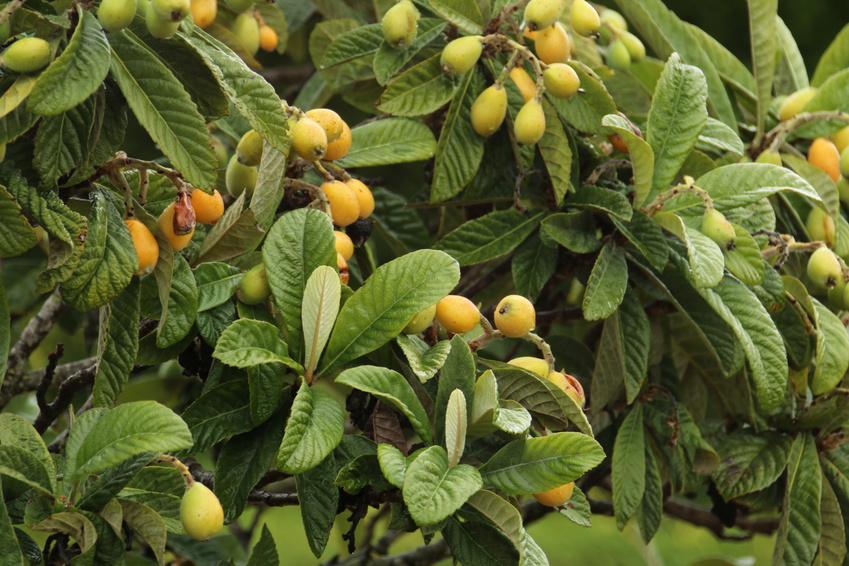
Loquat (Eriobotrya Japonica), also known as Japanese plum, or nispero, is a really tasty fruit whose leaves have significant antihistamine, mast cell stabilising, and anti-inflammatory properties. Here’s where to find it, and how you might make use of it. Please remember even antihistamine foods can cause problems…
LOQUAT AS AN ANTIHISTAMINE FOOD
I grew up plucking nisperos straight from the trees in Spain. They’re unlike any fruit I’ve ever tasted: sweet, with a bit of sour, a lovely texture, but enormous pips. What a treat to find that the leaves of one of my favourite fruits prevents white blood cells called mast cells from releasing inflammation into the blood stream. Loquat leaves inhibit TNf-a, IL-6 and IL-8, which are all involved in the inflammatory process. Remember, inflammation release, when needed because we’re sick with an infection, or healing from surgery, is a wonderful thing. Inflammation because mast cells are inappropriately triggered by allergies, histamine in foods, or stress, however, is not something we want. Because mast cells also contain histamine, we want to make sure they remain as stable as possible, so we’re not adding more histamine to the equation.
One way loquat works as an antihistamine is thanks to its abundant antioxidants. Read more about how antioxidants naturally found in foods act as antihistamines here. Loquat was also found to inhibit anaphylaxis in animal studies. Never, ever try this at home – I include this only as a clue to its antihistamine properties rather than as something to be tried. We’re all different and animal studies frequently don’t translate to humans.
LOQUAT RESEARCH
Improves liver function
Improves lung function
Protects the kidneys by increasing glutathione (an antioxidant found in broccoli)
May be beneficial in treating obesity and high blood sugar
Reduces memory impairment
HOW TO USE LOQUAT
My preference is always to go for the whole fruit, or in this case, the leaf. Loquats make an excellent jam or chutney. In the latter case they just need a little apple pectin and x2 tbsp coconut sugar or date syrup, or you could add a little apple cider vinegar and a bit of something sweet to make the chutney.
Please make sure to thoroughly check the side effects and interactions of loquat.
Just because it’s natural, doesn’t mean it’s safe.
WHERE TO FIND LOQUAT
There’s not much by way of organic loquat leaves/tea online, so I’ve ordered an organically raised tree. I plan to make tea from the leaves and eat the fruit.
“Glutathione.” Wikipedia, Wikimedia Foundation, 25 Aug. 2017, en.wikipedia.org/wiki/Glutathione. Accessed 26 Aug. 2017.
“Loquat.” Wikipedia, Wikimedia Foundation, 14 Aug. 2017, en.wikipedia.org/wiki/Loquat#Culinary_use. Accessed 26 Aug. 2017
Liu, Yilong, et al. “Biological Activities of Extracts from Loquat (Eriobotrya japonica Lindl.): A Review.” International Journal of Molecular Sciences, MDPI, Dec. 2016, www.ncbi.nlm.nih.gov/pmc/articles/PMC5187783/. Accessed 26 Aug. 2017.
Histamine plays an important role in the body. It can affect blood pressure and libido, protect us against seizures (though it triggered a few in my case), get the healing started when we’re injured, and as a neurotransmitter, it affects how (or whether) we sleep. Interestingly, how well we sleep also affects histamine levels. All references at the bottom of the post as always.
WHAT IS HISTAMINE?
Histamine is a compound released by mast cells (white blood cells that make up a good chunk of the immune system) when we’re injured, infected with something nasty, or as needed for the nearly twenty-five physiologic functions it’s required for.
Histamine is also found in foods. A genetic mutation of the histamine degrading Diamine Oxidase (DAO) and Histamine N-Methyltransferase (HMNT) enzymes leading to lower than normal activity can cause histamine to build up in the body and cause allergy-like symptoms. This is known as Histamine Intolerance. Instability of mast cells (which house histamine and other inflammatory agents like leukotrienes and prostaglandins) can cause them to dump inflammation into the bloodstream when it’s not needed. This is known as mast cell activation and it’s pretty unpleasant. I was diagnosed with both issues.
HISTAMINE AFFECTS MEMORY
It explains so much to me to read that histamine also controls the mechanisms relating to how memories and things we’ve learned are forgotten (the infamous brain fog). In my case, I’ve long felt this is directly related to my sleep. And the research is there to back this up: sleep is necessary for retaining newly learned skills.
So how does histamine affect sleep and vice versa?
HISTAMINE & SLEEP
Researchers have found that mast cells, which are white blood cells that contain histamine and other inflammatory agents, play a major role in running our internal clock.
The human body has histamine receptors all over the place: the heart, breasts, lungs, and brain, to name a few. Think of these receptors as satellite dishes. Without the dishes, we wouldn’t be able to get a TV signal. These receptors numbered H1-H4 allow histamine to do its job. Because histamine has some unpleasant roles, like causing allergy symptoms, pharmaceuticals to block its effect have been created. Medications like Claritin and Zantac are both antihistamines. They block the H1 and H2 receptors respectively.
Histamine receptors in the brain, where it acts as a neurotransmitter that affects serotonin, dopamine, and GABA, explain how histamine can mimic symptoms of anxiety and trigger depression and other psychiatric conditions.
Sleep-wise, the histaminergic system is located in the hypothalamus and exerts its effects on all the major regions of the central nervous system. Using antihistamines working on the H1 receptor promotes sleep, while medications that max out the histamine signal at the H1 receptor keeps us awake (or jacked up as I used to call it). Similarly manipulating the H3 receptor can either promote sleep or wakefulness.
Interestingly, a medication called Provigil/Modafinil, that is used to keep people like pilots awake, or just tech types working to tight deadlines, works in large part by stimulating brain histamine.
Histamine is at its highest in the very early morning (about 3 or 4 am in my experience). It’s believed this may be the reason that asthma attacks frequently occur at this time.
Histamine neurons stop keeping us awake and vigilant once we drift off into both non-REM and REM sleep (makes sense right?). Lack of the brain chemical GABA, which acts as a kind of dampener on central nervous system hyper-excitability, can trigger symptoms of mania and sleeplessness.
I can attest to this – my experiences with severe lack of sleep and excess histamine led to my being diagnosed as bipolar.
Mice lacking GABA slept just sixty-five percent the normal amount of non-REM sleep. Researchers noted that mice losing that much sleep would sleep longer the next time they were allowed to, but these mice kept up a hyperactive state for the next sixteen hours. They appeared to need no recovery sleep at all.
The story of my life.
Though chronic lack of sleep used to make me amazingly cranky, I had a legendary knack for staying awake for days at maximum energy before collapsing into a hysteric mess a few days/weeks later.
In addition to histamine intolerance and mast cell activation, I have pretty much every single mutation of the circadian rhythm genes, in addition to all the stress-related ones!
SLEEP HACKING- TWO TOP TIPS
GO DARK
I know you’ve heard this before, but switch off the blue light. I use a blue light filtering program on my laptop and the “Nightshift” setting on my iPhone (you can Google it or the Apple store can explain how to switch it on).
Get yourself an orange book light if you’d like to read, or better yet, play an audiobook instead. I’ve used the original Hitchhiker’s Guide to the Galaxy BBC radio scripts to fall asleep to for decades.
Though I have orange coloured light bulbs throughout my place, I still don’t switch on my house lights except if I really must (like in the kitchen).
Total light-blocking curtains are an absolute must for me. I struggled to sleep for the last few years because I lived with someone who likes to sleep with open curtains.
GO LEAN
I don’t drink water for a few hours before bed and don’t eat a lot of liquid containing foods.
Try not to make dinner your big meal. I’ve found that the quickest route to a bad night’s sleep is eating a lot, eating high histamine, or just eating something that requires a lot of digestion.
And obviously, maintain a threshold of histamine in food that doesn’t give you insomnia!
“Histamine.” Wikipedia. Wikimedia Foundation, 27 May 2017. Web. 04 June 2017.
Thakkar, Mahesh M. “Histamine in the regulation of wakefulness.” Sleep Medicine Reviews 15.1 (2011): 65-74. Web.
“GABA and Histamine Work Together to Control Wakefulness « Hypersomnia Foundation.” Hypersomnia Foundation. N.p., n.d. Web. 04 June 2017.
“Gamma-Aminobutyric acid.” Wikipedia. Wikimedia Foundation, 29 May 2017. Web. 04 June 2017.
O’connor, Anahad. “Teasing Apart Chemicals, Scientists Unlock One More of Sleep’s Secrets.” The New York Times. The New York Times, 14 June 2004. Web. 04 June 2017.
Gerrard, Paul, and Robert Malcolm. “Mechanisms of modafinil: A review of current research.” Neuropsychiatric Disease and Treatment. Dove Medical Press, June 2007. Web. 04 June 2017.
“New treatment for schizophrenia?” ScienceDaily. ScienceDaily, 01 July 2013. Web. 09 June 2017.
Nakamura, Yuki, et al. “Regulation of plasma histamine levels by the mast cell clock and its modulation by stress.” Scientific Reports, Nature Publishing Group, 2017, www.ncbi.nlm.nih.gov/pmc/articles/PMC5225447/. Accessed 23 Aug. 2017.
Researchers in France have linked electrohypersensitivity (EHS) and multiple chemical sensitivity (MCS) to histamine and other inflammatory markers. They say both these conditions are easily diagnosed if you know which markers to check.
ELECTRO HYPERSENSITIVITY
This is a sensitivity to electromagnetic fields created by power lines, electronic home appliances, WiFi, and cell phones. While a number of studies have been unable to get get consistent results when testing those who claim to be sensitive to it, a growing body of research is finding that those who believe they suffer from it share certain inflammatory markers in their blood tests.
EHS (SOME COMMON) SYMPTOMS
Headaches
Fatigue
Stress
Sleep disturbance
Burning sensations
Rashes
Pain and aches
MULTIPLE CHEMICAL SENSITIVITY
MCS is a sensitivity to low levels of chemicals in our modern environment. It’s commonly reported by those who have mast cell activation and histamine intolerance. Common triggers are pesticides, household cleaners, perfume, dry cleaning chemicals, smoke, air fresheners.
Over activation of the limbic system is often linked to MCS. I used meditation and some basic DIY neural retraining (which I cover here) to get over mine.
The limbic system disruption that I dealt with was so bad that my mast cells were triggering to smells of foods that weren’t even high in histamine or chemical in nature.MCS has been reported all over the world, but in the US up to 33% of households surveyed in a study reported some chemical sensitivity.
MCS (SOME COMMON) SYMPTOMS
Fatigue
Nausea
Stuffy nose
Change in heart rate
Irritability
Dizziness
Headache
THE EHS, MCS & HISTAMINE LINK
A group of French researchers studying the link between environment and cancer published a study they say outlines an easy way to diagnose these sensitivities and validate their existence.
A study involving just over seven hundred participants that spanned six years, found a number of inflammatory markers that tested positive in the majority of (self reported) sufferers of these conditions.
Because they suspected inflammation was the driving factor in both these conditions, they decided to use histamine, a major driver of inflammation, as a marker.
THE STUDY BREAKDOWN
40% of patients had elevated histamine levels
20% had elevated nitrotyrosin (a blood brain barrier marker)
15% had increased protein S100B (a blood brain barrier marker)
23% had increased antibodies that attack the myelin sheath (a fatty material that protects the nerves)
Other marker abnormalities included: high C reactive protein (another inflammatory marker), a major decrease in vitamin D in both groups, an elevation in IgE (an allergy marker), a lack of melatonin,
Based on these markers, 72% were diagnosed with EHS, 7% with MCS, and 21% with both EHS and MCS.
The average patient age was 47.
The study authors confirmed that the limbic system is involved.
DEALING WITH SENSITIVITIES
In my experience there is no magic bullet. A combination of stress relief, avoidance of some (reasonable) triggers, and lowering inflammation overall, has had an amazing impact on me and many of my readers. I’ve gone from nearly fainting at a sniff of perfume, to having zero reaction to any inhaled chemicals. But really, I kind of think that people who don’t react to these things are maybe the abnormal ones, not us! The point is to keep things to a minimum reaction wise so that we can have a somewhat normal life. So I let go of my indignation at having my system exposed to what I couldn’t control. It was an uphill battle but many of us get there in the end. You’ll find the recipes that helped me in Anti-Recipes and The Anti-Cookbook
Feeling tired and dizzy after eating, as well as having low blood sugar symptoms between meals, is all too common in histamine intolerance and mast cell activation. Histamine inflammation is a key player in all these, and yet there’s more to it than meets the eye.
histamine and blood sugar
Histamine and blood sugar are very strongly linked. Blood sugar fluctuations can affect histamine levels, and histamine can contribute to the development of diabetes.
Medical studies show that:
Diabetic animals were found to consistently have lower levels of the histamine degrading diamine oxidase (DAO) enzyme
In animal studies, blocking the histamine 3 receptor (H3) reduced glucose levels in diabetic subjects
Diabetics have been found to have increased histamine levels and mast cells
Mast cell stabilisers and antihistamines have been shown to decrease diabetic complications
TOXIC HUNGER
New York Times bestselling author Dr. Fuhrman, M.D., believes that “food addicts and unhealthy eaters feel the detoxification symptoms (as fatigue) after digestion is finished, so they look to eat again for energy (which halts the detoxification, so they feel better) even though they don’t need the calories. This inevitably leads to being overweight and unhealthy.”
This tripped me up for years!
I suspected blood sugar problems for the longest time and while living in Cairo, Egypt, I’d keep running to the pharmacy next door every time I felt a blood sugar episode coming on, only to be disappointed with totally normal results. I came to realise only years later that what was actually happening was a blood pressure crash, combined with the junk that I had eaten being worked on by my immune system.
Now I’ve also come to believe that the symptoms I felt after eating were actually the result of histamine being released and making its way around.
Testing blood sugar
Ask your doctor for a Fasting Blood Sugar (FBS) test
Purchase a hand held insulin testing device. My functional medicine doctor at Cedars Sinai (Dr. Stephen Meeneghan) advised me to test in the morning, after eating each meal and after eating some sugar on its own, and then sugar with food.
Fixing blood sugar
Metformin: I know many of us don’t like to take meds but hey, this could be causing a ton of problems so this could be a temporary fix
Herbs: a recent review of the medical literature found promise in natural treatments but cautioned further study was needed, so please be sure to work with a doctor if you’d like to explore the following.
BLOOD SUGAR REGULATING HERBS
Bitter melon
Fenugreek
Berberine
Nopales cactus (which is also highly anti-inflammatory and antihistamine)
Remember that sugar is sugar, but it’s easier on the body and blood sugar if you get it from whole fruits. I skip the carbs and go for the whole fruit. Offer me a bar of chocolate or a piece of fruit and I’ll go for the latter happily every time.
Making sure to eat some fat and protein with carbohydrates is a quick home fix to prevent blood sugar spikes
Eliminate junk/unhealthy foods: according to Dr. Michael Greger, the oxidating effects of these foods cause systemic dysregulation of the immune system that triggers in the space of just four hours (read Dr. Fuhrman’s quote below that backs this statement).
Adding minimally processed, antioxidant rich foods, was found to mitigate this inflammatory and blood sugar response, even if you combined the amazing foods with crappy ones! Apparently just smearing white wonder bread with a bit of almond butter was enough to have a significant positive impact.
Fasting Mimicking Diet: I know “people” say you shouldn’t fast if you have blood sugar issues, but all evidence to the contrary. Dr. Valter Longo, head of the University of Southern California Longevity Institute, recently published studies showing that his fasting mimicking diet (FMD) is able to reverse the symptoms of diabetes and insulin resistance in just five days a month.
How Eating causes sleepiness
If eating leaves you in a food coma, there’s good reason to believe histamine inflammation is involved. Any time we eat, no matter what we consume, histamine is released to kickstart the digestive process. If you are already suffering from excess histamine, either because you lack the histamine degrading diamine oxidase (DAO) enzyme, or your mast cells are unstable and releasing too many inflammatory agents (histamine among them), if no other cause can be found, then following a histamine balanced or low histamine diet (more on the difference here), could be helpful
Too many glucose triggering complex carbohydrates (grains, sugars) will suppress the wakefulness promoting peptide orexin
Ingesting foods that cause inflammation generally (corn, dairy, sugar, junk food) will also suppress orexin
Histamine released by digestion, with or without eating high histamine foods, can trigger a powerful sleep-like state caused by a blood pressure crash called syncope
Excess histamine is linked to narcolepsy, so a massive release of histamine after eating could trigger intense sleepiness
Excess histamine is involved in dysautonomia related episodes after eating
There was a time where it was absolutely normal for me to pass out at the dinner table. My head would just suddenly make a bee-line for the table top and I’d kind of lie there, asleep but not, pretty much immobilised. It was terrifying. I could frequently hear what was happening around me but be powerless to move or say anything.
The only way to really address was to slowly lower inflammation, eat a very healthy diet high in healing nutrients and to be patient and let go of the stress surrounding it.
It’s very unpleasant if it happens when driving. When this happened to me in the past, I would just find a safe place to pull over (get off the freeway or whatever) and just find a calm street to park on. These episodes never took me by surprise, they’d take about 30 minutes to fully come on, giving me time to get somewhere safe. I’d roll up a jacket under my head and “snooze” for about another 30-40 minutes and then it would totally pass.
What I learned is that fighting this extreme exhaustion only made me feel much worse; pretty irritable, confused and sometimes incoherent. I’ve even been known to get into a bathroom stall and take a few minutes resting my head on the wall if there was absolutely nowhere to lie down.
—- REFERENCES —–
“Dr. Fuhrman Answers the Top Questions He Is Asked Most.” DrFuhrman.com. N.p., n.d. Web. 26 July 2017.
There’s many posts I’ve written about low histamine foods that aren’t worth being included in our diet, so it’s time to discuss which high histamine foods are really counter productive and why. Please note, there’s no dogma on this website. If you’re fine with these foods, or any others, and they’re healthy, let that dictate whether they’re a part of your diet.
This is a tough one to avoid if you’re not already an amazingly healthy eater. That’s because it’s found in everything from breads, to beer, and even the skins of fruits. Mold generally is found on corn, mushrooms, coffee beans, and even in blueberries and other fruits sold in containers. Unfortunately I’ve realised that one of my favourite money saving tips, buying frozen organic fruit, is a complete waste of time because growers seem to toss in nearly rotted fruit that’s frequently moldy into the bags (even at Whole Foods).
In baking, bicarbonate of soda and sometimes calcium carbonate, are great substitutes. I’ve found that natural fermentation is also preferable to man made yeast (which is not natural at all) that’s added in baking. There’s some debate as to whether yeast baked at very high temperature is still a problem for us.
I have no information on whether nutritional yeast is alright from a histamine perspective.
Of note is that vitamin B12 is made from bacterial process, which may account for why many struggle with it, while many vitamin B supplements generally are made from, or grown with, yeast.
This absolutely does not mean we shouldn’t take them, but rather an explanation as to why they may have bothered you in the past.
DAIRY
Aside from being generally inflammatory to human beings, especially if you have allergies or a lactose intolerance, casein found in dairy is an acknowledged mast cell trigger. Mast cells are white blood cells in the body that contain histamine, among other inflammatory agents. You really don’t want them to be triggered into releasing histamine inflammation into the body. If you require additional calcium please speak with your doctor about supplementation and vitamin K, which recent literature tells us is possibly more important than calcium for building bones.
AVOIDING DAIRY
Because I’ve never liked dairy, it’s been an absolute joy to replace in my diet. Olive oil for butter, coconut or nuts for dairy free milks, and soaked cashews or coconut for ice cream and cake. Things get more complicated if you’re nut free, but seeds, oats and rice are all workable alternatives. To make dairy free “mylk” just toss a handful of whatever you’re using (preferably soaked first for at least an hour) into a cup of water and blend. Adjust liquid according to desired thickness.ALCOHOL
This is a tough one. On the one hand alcohol blocks the histamine degrading diamine oxidase (DAO) enzyme, which isn’t great, plus it’s high histamine, and an oxidant to our system to boot.
Alcohol consumption is linked to heart attacks and also to cancer.
And yet, alcohol is a social lubricant and its use, in even more than just moderation, has been shown time and again to potentially have a positive impact on health. This may be due to the antioxidant nature of the fruit, or just because alcohol gets us out and can make us happier than sitting at home alone.
Nearly every Blue Zone – regions with the longest living people – has moderate daily alcohol consumption as part of its culture. The wine they drink though is made with truly natural, unadulterated ingredients. I was shocked to learn that wine has food dye in it nowadays.
I stopped drinking for a few years and then started again, in moderation. I now only have a glass or two of red wine here and there, but never alone at home.
Avoiding alcohol
Alcohol is found in everything from kombucha, to mouthwash and herbal tinctures, but avoiding it is quite easy.
Whether the downside outweighs the potential social interaction is another story.
WHEAT
I’ve written extensively about how wheat gluten and just generally wheat proteins, can cause an all out systemic inflammatory response even if you’re not coeliac or gluten intolerant. Hear me now, it’s just not worth it.
If you’re one of the few unaffected, just try removing it for a few weeks and seeing how you feel. It’s the only way to know for sure. But if you do, please remember to add something of equal nutrition to take its place.
avoiding wheat
Check your shampoo, pretty much all beauty products, grains, and sweets. Wheat is used as a syrup in them.
There’s many great gluten free grains, some of which may still mimic gluten so please make sure to double check.
Sweet rice flour mixed with two other GF ones is great for baking.
I use a lot of flours that aren’t grain based: lentil flour makes an excellent flatbread.
Chickpea flour is excellent in baked desserts, chestnut and water chestnut flours are wonderful in desserts and flatbreads, respectively.
BEAUTY PRODUCTS
So this post is about foods, but honestly you could probably lower your inflammation bucket significantly enough by cleaning out all the toxic immune system disrupting, mast cell and histamine triggering cosmetics in your bathroom. That’s perfume (try Hiram Green natural instead), hair dye (try medical grade henna instead), nail polish (go for water based instead), sun protection (check out Badger naturals), and everything else. When in doubt, head to Whole Foods and check out what’s on offer there. Their products aren’t perfect, but they’re a great place to start
REFERENCES
“Alcohol: Balancing Risks and Benefits.” The Nutrition Source, 12 Apr. 2016, www.hsph.harvard.edu/nutritionsource/alcohol-full-story/#possible_health_benefits. Accessed 16 Aug. 2017.
Pearson, D A. “Bone health and osteoporosis: the role of vitamin K and potential antagonism by anticoagulants.” Nutrition in clinical practice : official publication of the American Society for Parenteral and Enteral Nutrition., U.S. National Library of Medicine, Oct. 2007, www.ncbi.nlm.nih.gov/pubmed/17906277. Accessed 16 Aug. 2017.
Bordoni, A, et al. “Dairy products and inflammation: A review of the clinical evidence.” Critical reviews in food science and nutrition., U.S. National Library of Medicine, 13 Aug. 2017, www.ncbi.nlm.nih.gov/pubmed/26287637. Accessed 16 Aug. 2017.
MD, Amy Myers. “10 Signs You Have Small Intestinal Bacterial Overgrowth (SIBO).” Amy Myers MD, 31 July 2017, www.amymyersmd.com/2013/09/10-signs-you-have-small-intestinal-bacterial-overgrowth-sibo/. Accessed 16 Aug. 2017.
A new study reveals that a sweet tooth during pregnancy significantly raises the child’s risk of allergies, allergic asthma, eczema and total IgE (the stuff involved in allergies). Since histamine and mast cells are both linked to all of these conditions, it’s possible that our mother’s diet played a role in the development of histamine intolerance or mast cell activation.
A number of theories for the dramatic rise in allergies and asthma in the last few decades have been proposed, with particular focus on a decline in antioxidant rich foods. Read more about how antioxidants act as antihistamines here. The over use of antibiotics has also been explored, and linked.
Now the tide is shifting to ask whether it’s actually what we’ve added to the diet that’s causing the problem.
Between 1970 and 2000 there was a twenty five percent increase in US consumption of refined sugar. We have known for some time of a link between overdoing it with sugary drinks and fruit juice and asthma, as revealed most recently by a Danish study which found a link between soft drinks and allergic rhinitis (runny, stuffy nose!).
Now, using data from nearly nine thousand mother-child pairs, the London-based researchers of this latest sugar study found that there was a general correlation between refined sugar and allergies.
Children born to women with the highest intake of sugar during their pregnancy had a nearly 40% higher risk of allergies.
Kids born to these mothers had more than a 70% increased risk of reacting to two or more allergens. Kids with moms in the highest sugar consumption segment were twice as likely to develop allergic asthma.
My mother is a sugar junky, so I wasn’t surprised to see this study.
I’m a sugar junky too (but in recovery). I’d like to think I’d have the strength to stay away from it if pregnant, if only because it really exhausts me. But my mother didn’t have this information when she was pregnant.
There’s no quicker way to completely suck the life out of me than by sneaking some sugar onto my plate.
In my experience it’s more of a gentle withdrawal than a sudden yanking of a cornerstone of our modern (unhealthy) diet. The first to go is obviously the highly refined white sugar in processed foods.
Try using some brown sugar instead, or better yet, coconut sugar. Though high in fructose, this sugar is actually a sap from the coconut tree. It has a lower glycemic index (GI), which technically means it has less of an effect on blood sugar, though many would argue against its use because of fructose’s effect on the liver. Read more about the liver, histamine and sugar here.
Agave is so highly processed that I really regret ever having believed it was a healthier alternative. When I need a liquid sweetener I go for raw date syrup nowadays. You can make it at home by soaking dates in water for a few hours, pitting them and then blending with some water or coconut oil. It’s not low GI by any means, but it is a healthier alternative to syrups that have no fiber.
If you’re ready for something a little more hardcore, try using only whole fruits in your baking. There’s some wonderful recipes out there on the internet and I’ll be sharing some in the coming months as I go this route myself.
Interestingly, according to studies, one easy hack to fight insulin spikes may be to eliminate meat (or processed, not grass fed meats). Although there’s plenty of debate surrounding that, I do know that when undergoing treatment for the breast cancer I’m now in remission from, I was advised to stay clear of animal protein for its duration at the very least.
NATURAL SWEETENERS, my take on them (but if you’re fine with something, go with it!)
Erythritol/xylitol: make sure they’re not made from corn (highly allergenic). I’m not fond of these zero calorie sweeteners. I worry we’ll find out a few years from now that they have the same detrimental effects as unnatural sweeteners. They taste pretty good though.
Agave: highly processed and super high fructose. I can’t find any nutritional value here at all. Lovely taste though.
Maple syrup: I like that it’s tree sap but the high glycemic index of this one has always been a problem for me.
Date sugar: this is a great and easy to work with whole fruit sugar. It’s not as sweet as real sugar, but works well for baked goods that require more shape.
Banana: yes, it’s supposedly high histamine, but so are a few naughty things I’m sure you work in here and there! This fruit makes an excellent baking sugar and also egg substitute.
Apple: I often use mashed apple in my baked goods to replace sugar, fat and eggs.
Coconut sugar: lower GI than most sugars, but high fructose. Has a lovely caramel flavour.
Monk fruit: hundreds of times sweeter than sugar and tastes pretty good too. Highly anti-inflammatory. Read about it here.
Stevia: way too bitter for my taste but highly anti-inflammatory. It appears to be high in oxalic acid though. Read about oxalates here.
——-REFERENCES——- Scutti, Susan. “Sugar during pregnancy may be linked to child’s allergies.” CNN. Cable News Network, 06 July 2017. Web. 25 July 2017.
Bédard, Annabelle, Kate Northstone, A. John Henderson, and Seif O. Shaheen. “Maternal intake of sugar during pregnancy and childhood respiratory and atopic outcomes.” European Respiratory Journal. European Respiratory Society, 01 July 2017. Web. 25 July 2017.
GET STARTED HEALING HISTAMINE
WHAT YOU NEED TO KNOW ABOUT HISTAMINE DELIVERED TO YOUR INBOX
 Zinc deficiency symptoms