There’s many posts I’ve written about low histamine foods that aren’t worth being included in our diet, so it’s time to discuss which high histamine foods are really counter productive and why. Please note, there’s no dogma on this website. If you’re fine with these foods, or any others, and they’re healthy, let that dictate whether they’re a part of your diet.
I personally don’t have to watch my intake of histamine like I used to, or even at all if I stick to healthy foods. Click here to learn exactly how I got there and here to learn how to re-introduce foods.
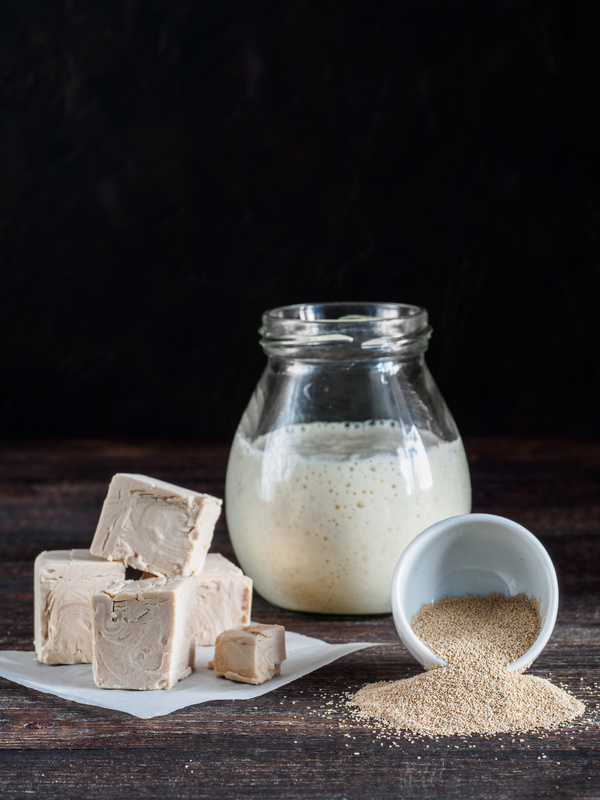
YEAST
This is a tough one to avoid if you’re not already an amazingly healthy eater. That’s because it’s found in everything from breads, to beer, and even the skins of fruits. Mold generally is found on corn, mushrooms, coffee beans, and even in blueberries and other fruits sold in containers. Unfortunately I’ve realised that one of my favourite money saving tips, buying frozen organic fruit, is a complete waste of time because growers seem to toss in nearly rotted fruit that’s frequently moldy into the bags (even at Whole Foods).
Those struggling with candida (here’s how histamine makes yeast infections even nastier) or small intestinal bacterial overgrowth (SIBO) will obviously want to avoid it.
Avoiding yeast
In baking, bicarbonate of soda and sometimes calcium carbonate, are great substitutes. I’ve found that natural fermentation is also preferable to man made yeast (which is not natural at all) that’s added in baking. There’s some debate as to whether yeast baked at very high temperature is still a problem for us.
I have no information on whether nutritional yeast is alright from a histamine perspective.
Of note is that vitamin B12 is made from bacterial process, which may account for why many struggle with it, while many vitamin B supplements generally are made from, or grown with, yeast.
This absolutely does not mean we shouldn’t take them, but rather an explanation as to why they may have bothered you in the past.
DAIRY
Aside from being generally inflammatory to human beings, especially if you have allergies or a lactose intolerance, casein found in dairy is an acknowledged mast cell trigger. Mast cells are white blood cells in the body that contain histamine, among other inflammatory agents. You really don’t want them to be triggered into releasing histamine inflammation into the body. If you require additional calcium please speak with your doctor about supplementation and vitamin K, which recent literature tells us is possibly more important than calcium for building bones.
AVOIDING DAIRY
Because I’ve never liked dairy, it’s been an absolute joy to replace in my diet. Olive oil for butter, coconut or nuts for dairy free milks, and soaked cashews or coconut for ice cream and cake. Things get more complicated if you’re nut free, but seeds, oats and rice are all workable alternatives. To make dairy free “mylk” just toss a handful of whatever you’re using (preferably soaked first for at least an hour) into a cup of water and blend. Adjust liquid according to desired thickness.ALCOHOL
This is a tough one. On the one hand alcohol blocks the histamine degrading diamine oxidase (DAO) enzyme, which isn’t great, plus it’s high histamine, and an oxidant to our system to boot.
Alcohol consumption is linked to heart attacks and also to cancer.
And yet, alcohol is a social lubricant and its use, in even more than just moderation, has been shown time and again to potentially have a positive impact on health. This may be due to the antioxidant nature of the fruit, or just because alcohol gets us out and can make us happier than sitting at home alone.
Nearly every Blue Zone – regions with the longest living people – has moderate daily alcohol consumption as part of its culture. The wine they drink though is made with truly natural, unadulterated ingredients. I was shocked to learn that wine has food dye in it nowadays.
I stopped drinking for a few years and then started again, in moderation. I now only have a glass or two of red wine here and there, but never alone at home.
Avoiding alcohol
Alcohol is found in everything from kombucha, to mouthwash and herbal tinctures, but avoiding it is quite easy.
Whether the downside outweighs the potential social interaction is another story.
WHEAT
I’ve written extensively about how wheat gluten and just generally wheat proteins, can cause an all out systemic inflammatory response even if you’re not coeliac or gluten intolerant. Hear me now, it’s just not worth it.
If you’re one of the few unaffected, just try removing it for a few weeks and seeing how you feel. It’s the only way to know for sure. But if you do, please remember to add something of equal nutrition to take its place.
avoiding wheat
Check your shampoo, pretty much all beauty products, grains, and sweets. Wheat is used as a syrup in them.
There’s many great gluten free grains, some of which may still mimic gluten so please make sure to double check.
Sweet rice flour mixed with two other GF ones is great for baking.
I use a lot of flours that aren’t grain based: lentil flour makes an excellent flatbread.
Chickpea flour is excellent in baked desserts, chestnut and water chestnut flours are wonderful in desserts and flatbreads, respectively.
BEAUTY PRODUCTS
So this post is about foods, but honestly you could probably lower your inflammation bucket significantly enough by cleaning out all the toxic immune system disrupting, mast cell and histamine triggering cosmetics in your bathroom. That’s perfume (try Hiram Green natural instead), hair dye (try medical grade henna instead), nail polish (go for water based instead), sun protection (check out Badger naturals), and everything else. When in doubt, head to Whole Foods and check out what’s on offer there. Their products aren’t perfect, but they’re a great place to start
REFERENCES
“Alcohol: Balancing Risks and Benefits.” The Nutrition Source, 12 Apr. 2016, www.hsph.harvard.edu/nutritionsource/alcohol-full-story/#possible_health_benefits. Accessed 16 Aug. 2017.
Pearson, D A. “Bone health and osteoporosis: the role of vitamin K and potential antagonism by anticoagulants.” Nutrition in clinical practice : official publication of the American Society for Parenteral and Enteral Nutrition., U.S. National Library of Medicine, Oct. 2007, www.ncbi.nlm.nih.gov/pubmed/17906277. Accessed 16 Aug. 2017.
Bordoni, A, et al. “Dairy products and inflammation: A review of the clinical evidence.” Critical reviews in food science and nutrition., U.S. National Library of Medicine, 13 Aug. 2017, www.ncbi.nlm.nih.gov/pubmed/26287637. Accessed 16 Aug. 2017.
MD, Amy Myers. “10 Signs You Have Small Intestinal Bacterial Overgrowth (SIBO).” Amy Myers MD, 31 July 2017, www.amymyersmd.com/2013/09/10-signs-you-have-small-intestinal-bacterial-overgrowth-sibo/. Accessed 16 Aug. 2017.






Leave a Reply