
Category: Research & News

  • Histamine & Methylation

    Histamine & Methylation

    Epigenetics as a Science Study Field of Genetics
    Epigenetics as a Science Study Field of Genetics

    The term methylation has been forefront in the nutrition and functional medicine arenas in the last few years. Methylation is not only an important component of cell repair and detoxification, it can also majorly affect histamine levels. How does that work? Well, this normal process helps determine how well the body is able to break down substances produced internally or taken in from food or the environment. If methylation isn’t working well due to certain genetics (MTHFR mutation, for example), we don’t have enough methyl groups to bind to a receptor site on a substance like histamine. As a result, we tend to build up “stuff” –including histamine– which causes an overload. Cue: Histamine Intolerance. Read on to learn some food and lifestyle ideas for supporting methylation.

    A BRIEF (AND BASIC) OVERVIEW ON METHYLATION

    Methylation is the process of adding a methyl group (1 carbon + 3 hydrogens) to a compound in your body, resulting in a specific action. Genetic variants, otherwise known as Single Nucleotide Polymorphisms, or SNPs (pronounced “snips”) can cause the MTHFR (methyltetrahydrofolate reductase) gene, the one that is responsible for methylation, to not work as well. This can cause a person to not be able to detoxify as well or to not repair as well. It also makes a person have a hard time breaking down folate from foods and converting it to the active (useful) form. FYI: Low folate levels can raise homocysteine levels and your risk for chronic health issues like cardiovascular disease and cancer.

    It can work (or not work) the same way for histamine. Methyl groups are supposed to bind to a receptor site on a substance like histamine. That causes it to rapidly break down and be taken out of the body. Without enough methyl groups, histamine doesn’t get broken down very well. As we now know, histamine is a natural substance in our bodies which is a part of our immune response as well as a neurotransmitter for our brains. We do actually need it. It only becomes a problem when it doesn’t get broken down, and high levels accumulate in the body. That’s when the bucket overflows and we get symptoms.

    FOODS TO SUPPORT METHYLATION

    There are certain (low histamine) foods that are able to help support and balance methylation in the body. Dr. Michael Stone, out of Oregon, calls them “methylation adaptogens.” Many of those methylation adaptogens just happen to show up in large amounts in a nutrient-dense antihistamine diet: Curcumin (from turmeric), quercetin (red onions), sulforaphane (broccoli), luteolin (chamomile), lutein (kale) and rosmarinic acid (rosemary).

    Green leafy vegetables are especially important to include, as they help get your daily intake of naturally-occurring folate –rather than folic acid, which you’re going to have difficulty breaking down if you have the MTHFR mutation. Folate from greens helps to keep your homocysteine levels low — decreasing your risk for cardiovascular disease. Try low oxalate, low histamine greens like bok choy, lettuce, green/white cabbage, napa cabbage, turnip greens, arugula, lacinato (“dinosaur”) kale, kohlrabi leaves, and watercress.

    LIFESTYLE TO SUPPORT METHYLATION

    Studies have shown that chronic or traumatic stress may cause negative changes in a person’s methylation ability. So, in general, a low-stress lifestyle that supports detoxification is going to go a long way in promoting balanced methylation and lower levels of histamine. Some of my favorite ways to lower stress include meditation, visualization, and yoga (pranayama). Gratitude also lowers stress levels. Try starting a daily gratitude journal and find things to be happy and grateful for. You’ll be amazed at how your stress and worries melt away.

    Some strategies for helping the body detoxify more effectively include the use of a sauna (I like Sunlighten Infrared Sauna), dry skin brushing, aerobic exercise, Epsom salt baths, and juicing. Check out my cookbook, The Anti-Detox, which is full of liquid recipes incorporating plenty of leafy greens (there are lower oxalate subs as well) which help support detoxification with plenty of easy-to-digest plant foods. And of course pay a visit to Dr. Ben Lynch at MTHFR.net. 

    SUPPORT METHYLATION WITH A COMPLETE RESET

    If you’ve found your have some methylation SNPs or feel like your body isn’t responding to food or toxins like it should, check out my 28 Day Histamine Reset. Plenty of methylation-supporting nutrients are found throughout the Reset recipes. These nutrients, along with a balanced and healthy lifestyle, will help you get your body on track toward optimal health and energy.

    ——— REFERENCES ———

    1. Matosin, N., Cruceanu, C., & Binder, E. B. (2017). Preclinical and Clinical Evidence of DNA Methylation Changes in Response to Trauma and Chronic Stress. Chronic Stress (Thousand Oaks, Calif.), 1, 10.1177/2470547017710764. http://doi.org/10.1177/2470547017710764
    2. Reilly, R., McNulty, H, Pentieva, K, Strain, J. J., Ward, M. (2014). MTHFR 677TT genotype and disease risk: is there a modulating role for B-vitamins? The Proceedings of The Nutrition Society. 73(1):47-56. doi: 10.1017/S0029665113003613. Epub 2013 Oct 17.
    3. Zhang, D., Wen, X., Wu, W., Guo, Y., & Cui, W. (2015). Elevated Homocysteine Level and Folate Deficiency Associated with Increased Overall Risk of Carcinogenesis: Meta-Analysis of 83 Case-Control Studies Involving 35,758 Individuals. PLoS ONE, 10(5), e0123423. http://doi.org/10.1371/journal.pone.0123423
    4. Websites:
    5. https://www.jillcarnahan.com/2013/05/12/mthfr-gene-mutation-whats-the-big-deal-about-methylation/
    6. https://www.jillcarnahan.com/2014/02/23/health-tips-for-anyone-with-a-mthfr-gene-mutation/
    7. https://kresserinstitute.com/treating-methylation-supplementing/
    8. https://www.health.harvard.edu/healthbeat/giving-thanks-can-make-you-happier
  • Getting Protein on a Low Histamine Diet

    Getting Protein on a Low Histamine Diet

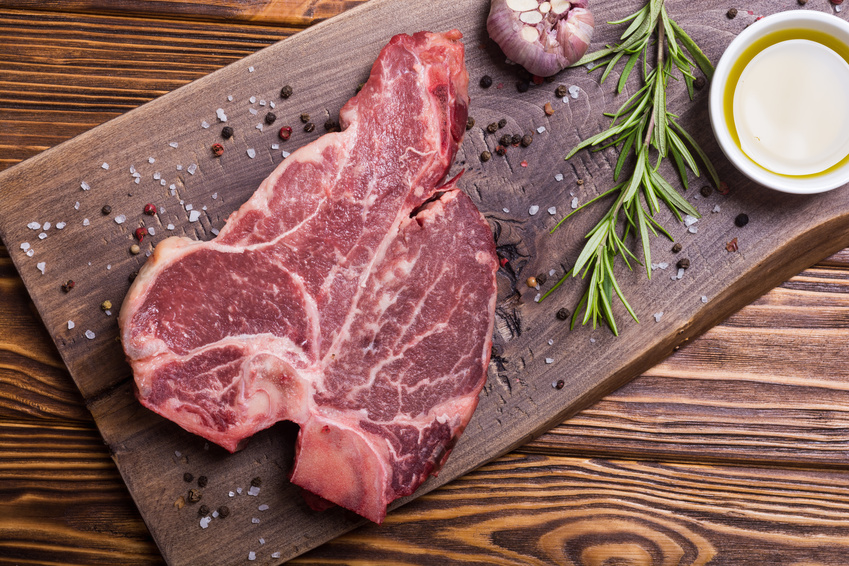
    Raw beef steak T bone with ingredient . Porterhouse on cutting board .

    Getting enough protein can be challenging in general, but even more so when you’re dealing with histamine intolerance. After all, we’ve got to be careful about our intake of biogenic amines from meat, aged and cured meats are out, and leftovers will just accumulate histamine. And then there’s the fact that meats can be inflammatory when we’re really trying to lower our inflammation levels. A nutrient-dense, plant-based diet can be really healing for us, but then protein may get neglected. Here are some ideas for getting your protein in while keeping histamine low.

    HIGH PROTEIN LEGUMES

    As I mentioned in my Beanz Meanz Antihistamines post, legumes, while categorized as high histamine on some lists, have been found to contain a histamine-inhibiting compound called sandosaponin. They also have fiber and anti-inflammatory properties which make me want to keep them in my diet, at least occasionally.

    Beans also just happen to be a great source of plant-based protein, with some of the best sources including soybeans, chickpeas, and lentils. Black soybeans are a great option, as they are rich in color, indicating the presence of important phytonutrients. Chickpeas and lentils are not only high protein, they’re also high in histamine-degrading diamine oxidase (DAO). For the most DAO, sprout the chickpeas and lentils before using. If you want a delicious way to get in some protein and increase your DAO to fight histamine, check out my Chickpea Blondies recipe. Or for a more savory snack, try these gluten-free lentil pita chips.

    SPIRULINA

    Spirulina is a type of blue-green microalgae that has been a staple in the diet of the Aztec and Mayan people for thousands of years. That may be in part due to the fact that spirulina is one of the richest sources of plant proteins available. It’s 60-70% protein. Not only is spirulina a good source of plant-based protein, it’s also been found to prevent mast cells from releasing histamine. How cool is that? A plant-based protein that is also an antihistamine. It’s also rich in antioxidants,  anti-inflammatory compounds, vitamins and minerals, and important fatty acids. Studies on spirulina indicate that a pigment called phycocyanin may be the ingredient that provides the antihistamine effect. Read about phycocyanin here. Spirulina is easy to add to a juice or smoothie. Try my Green Apple Ginger smoothie with Spirulina.

    HEMP PROTEIN (OR SEEDS)

    It seems like hemp is being used for more purposes all the time. You can make fabric out of it, build with it, use it for fuel, eat the whole seeds, drink hemp milk, and the list goes on. There’s also hemp protein, which is made from grinding up the hemp seeds into a powder. A typical ¼ cup serving tends to contain about 15 grams of protein, which may vary slightly by brand. For those of us with compromised digestive systems, it’s good to know that hemp protein is highly digestible –at a rate of 91–98%. However, that changes with heat processing, which reduces the digestibility to only 10%. For that reason, it’s important to make sure your hemp protein powder comes from cold-pressed seeds. Add hemp protein to your favorite low histamine smoothie, or start using the seeds in other recipes. The hemp seeds (or hearts, as they are also called) are a great topping to a salad.

    FRESH & CLEAN MEATS AND FISH

    Of course, good old animal protein or fish is always an option, provided that it is fresh and cooked properly. After all, biogenic and other amines accumulate during food storage or decay. Learn about histamine, food storage, and packaging here. Otherwise, try to just buy fresh, and buy what you can eat — or freeze the rest. And don’t overeat protein. Studies show undigested protein in the gut can raise histamine levels, so it’s important not to eat more than the requirements for your size, age, and physical activity you can digest well.

    WONDERING HOW TO PREPARE THESE FOODS?

    No worries. I’ve put together a complete histamine reset for you. It’s got antihistamine, anti-inflammatory recipes that use healthy proteins and plenty of fresh produce. I also included some lifestyle strategies to help lower the stress, balance out histamine, and get your body on the path to healing. Check out my 28-Day Histamine Reset.

    ——- REFERENCES ——-

    House, J. D., Neufeld, J., Leson, G. (2010). Evaluating the quality of protein from hemp seed (Cannabis sativa L.) products through the use of the protein digestibility-corrected amino acid score method. Journal of Agriculture and Food Chemistry. 58(22), 11801-7. doi: 10.1021/jf102636b. Epub 2010 Oct 26.

    Masini, E., et al. (2007). “Pea seedling histaminase as a novel therapeutic approach to anaphylactic and inflammatory disorders.” The Scientific World Journal, 7, 888-902. Retrieved from: https://www.hindawi.com/journals/tswj/2007/408423/abs/

    Skypala, I. J., Williams, M., Reeves, L., Meyer, R., & Venter, C. (2015). Sensitivity to food additives, vaso-active amines and salicylates: a review of the evidence. Clinical and Translational Allergy, 5, 34. http://doi.org/10.1186/s13601-015-0078-3

    Windey, K., De Preter, V., Verbeke, K. (2012). Relevance of protein fermentation to gut health. Molecular Nutrition & Food Research, 56(1):184-96. doi: 10.1002/mnfr.201100542. Epub 2011 Nov 25.

    https://www.ncbi.nlm.nih.gov/pubmed/22121108

    WEBSITES:

    https://www.bobsredmill.com/hemp-protein-powder.html

  • Light Intermittent Fasting Benefits for Histamine Intolerance

    Light Intermittent Fasting Benefits for Histamine Intolerance

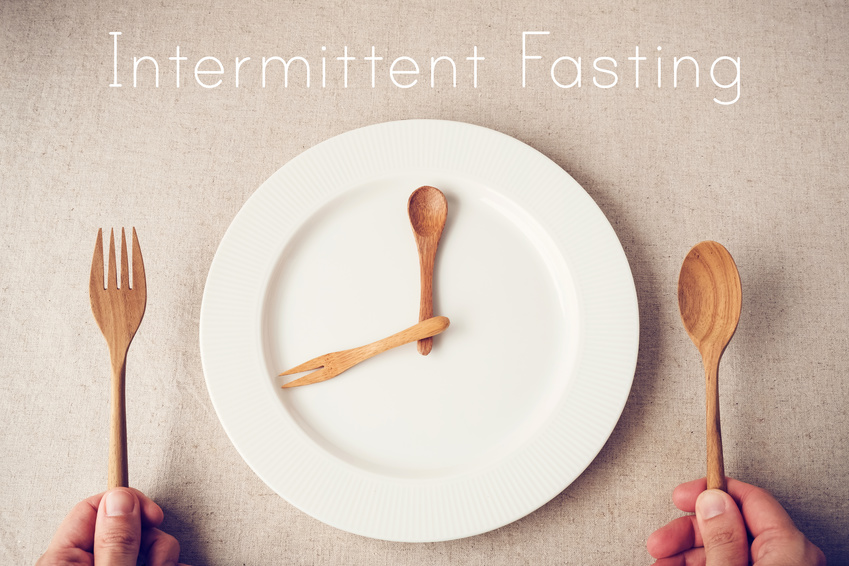
    white plate with spoon and fork, Intermittent fasting concept, ketogenic diet, weight loss


    Warmer weather in the summer often makes us think about eating a little lighter, perhaps incorporating some juicing, doing some detox protocols, and even fasting. Of course, living on water only for days at a time, while highly anti-inflammatory and antihistamine, isn’t for everyone. But even if strict, no-food fasting isn’t on your radar, you can still benefit from partial, or intermittent, fasting. It isn’t that difficult, and you may be loosely doing it already.

    OVERVIEW OF INTERMITTENT FASTING

    You already fast daily. That’s why your first meal is called break-fast. People typically already fast for 12 hours a day, between 6 pm and 6 am or 8 pm and 8 am, for example. However, when we talk about intermittent fasting (IF) — going in and out of fasting periods and eating periods — we’re generally referring to lengthening that fasting period past the 12 hours to perhaps 16 or 18. You’re basically just restricting your daily eating times to within a 10- or 8- or 6-hour window. No big deal. Totally doable.

    BENEFITS OF FASTING FOR HISTAMINE INTOLERANCE

    Fasting, in general, has been shown to have a number of benefits for histamine intolerance:

    • Animal studies indicate fasting prevents histamine release from mast cells and thereby improves symptoms.
    • Fasting may improve digestive symptoms (common for us), including abdominal pain, diarrhea, and nausea.
    • Fasting lowers proinflammatory cytokines in the body and lowers systemic inflammation (also very common for us — see the inflammation bucket).
    • Dr. Valter Longo’s fasting-mimicking diet has been shown to eliminate up to 40% of faulty immune cells. This includes damaged or hypersensitive mast cells. You can listen to my interview with Dr. Longo on his Fasting-Mimicking Diet (FMD) here.  
    • A published case study found that fasting alleviated chronic hives.

    WHY INTERMITTENT FASTING IN PARTICULAR?

    Chronic fasting isn’t a long-term solution, for a few reasons. One of them is that longer-term fasting is actually a stressor on the body. Those of us with crazy stressed out mast cells already don’t necessarily want to put more stress on our bodies. We have to remember that technically our body goes into “starvation mode” when we’re on a complete water fast. Starvation? Yeah, no wonder that body freaks out a bit.

    Also, we do eat for a particular purpose, after all — to gain valuable nutrients that our body needs to function properly. If we keep restricting nutrients, our body is going to start shutting down due to lack of basic building blocks. That’s why there are “essential” amino acids and “essential” fatty acids. We have to get them in through our diet and they are critical for all kinds of basic functions in the body, particularly in the building of proteins, including enzymes.

    Now, one enzyme we’re really familiar with is diamine oxidase (DAO), the enzyme that helps break down histamine. Well, in order for DAO to properly function, we require certain vitamins and minerals like B6, magnesium, copper, and a number of others. Constant fasting isn’t going to help us keep these levels up. And of course, that’s just one example. Read more about fasting and DAO here.

    So, chronic full-out fasting may not be an option, but daily intermittent fasting totally is.

    HOW TO INTERMITTENT FAST

    It’s pretty simple — just start by adding an hour to your usual overnight fast. Start by stopping eating earlier. Most health professionals are doing to suggest not eating within 3 hours of bedtime. So, if you’re “lights out” at 10 pm, you’d ideally stop eating by 7 pm and not eat breakfast until 7 am or after. If that’s the case already, try ending your meal by 6 pm so that you have an 11 hour fast until breakfast at 7 am.

    WHEN YOU’RE NOT FASTING…

    Intermittent fasting is just one component of a healthy, histamine-lowering, dietary and lifestyle plan. If you’re kind of wondering what you should eat when you do eat, I’ve got you covered. When you’re not fasting, it’s important to put plenty of healing foods in, so that your body has the nutrients it needs to do the repair when you are fasting. Getting those foods in, plus stress relief, meditation, and other balancing lifestyle strategies are the key to restoring your health and your body’s relationship with foods. That’s what my 28-day program, the Histamine Reset, is all about.

    ——- REFERENCES ——-

    Aly, S. M. (2014). Role of Intermittent Fasting on Improving Health and Reducing Diseases. International Journal of Health Sciences, 8(3), V–VI.

    Kanazawa M. & Fukudo, S. (2006). Effects of fasting therapy on irritable bowel syndrome. International Journal of Behavioral Medicine, 13(3), 214-20. Retrieved from: https://www.ncbi.nlm.nih.gov/pubmed/17078771

    Marinac, C. R., Sears, D. D., Natarajan, L., Gallo, L. C., Breen, C. I., & Patterson, R. E. (2015). Frequency and Circadian Timing of Eating May Influence Biomarkers of Inflammation and Insulin Resistance Associated with Breast Cancer Risk. PLoS ONE, 10(8), e0136240. http://doi.org/10.1371/journal.pone.0136240

    Nakamura, S, et al. “Fasting mitigates immediate hypersensitivity: a pivotal role of endogenous D-beta-hydroxybutyrate.” Nutrition & metabolism., U.S. National Library of Medicine, 28 Aug. 2014, www.ncbi.nlm.nih.gov/pubmed/25302070.

    Okamoto, O., Murakami, I. Itami, S., & Takayasu, S. (1992). Fasting diet therapy for chronic urticaria: report of a case. Journal of Dermatology, 19(7):428-31. Retrieved from: https://www.ncbi.nlm.nih.gov/pubmed/1401501

  • Getting The Family on Board With Healthy Eating

    Getting The Family on Board With Healthy Eating

    healthy family eating lifestyle. mom and daughter preparing vegetable salad.

    It’s one thing for us histamine warriors to overcome barriers and make the decision to pursue healthy eating. Our symptoms of histamine intolerance definitely keep us motivated. However, getting the family on board can be another challenge entirely. Children, in particular, may resist healthy changes — but a healthy diet doesn’t have to consist of plain lentils and raw broccoli. Need some ideas for selling your family on healthy eating? I’ve gotcha covered…

    HEALTHIFY OLD FAVORITES

    When you’re trying to switch your family over to healthier options, sometimes it’s best to start with what they already know and just tweak it a bit. For instance, if rice is a staple in your family’s favourite meals, try just switching to cauliflower rice with the same or similar seasonings. If pasta dishes are their thing, try zucchini noodles. There’s a healthy substitute for almost any favourite out there. Used to lots of baked goods? No problem — you just need to switch out a few ingredients. I’ve got a blueberry muffin recipe that the whole family will love. And here’s a recipe for gluten-free paleo pancakes with coconut cream. Need ideas for your regular pasta dinner? Try some Creamy Artichoke & Zucchini Pasta or Zucchini Pasta with Creamy Vegan Sauce.

    You can even just start with one healthier meal per day or one new healthy recipe per day. Get feedback from the fam, and the ones that get high ratings can get added to the recipe file. There are endless possibilities out there on the net, and paleo type cookbooks are often a good place to begin. I even have a few recipe books to choose from to get you started.

    COOK TOGETHER

    This is a great way to get kids on board. Bring them into the kitchen, put an oversized apron on them, and teach them about food. Somehow, when you’re personally invested in the meal prep you’re more likely to be interested in the final product. This goes for all ages, too, so get your man (or woman) in the kitchen and put them to work. In an age of so much technology, this is a great time to put down the phones and tablets and have fun together in the kitchen. You have to cook and eat anyway, right? You might as well make it an opportunity to spend time with those you love.

    START A GARDEN (EVEN A PLANTER)

    Healthy cooking becomes even more fun when you are eating foods you grew yourself. You don’t have to jump into an acre-sized garden. You can start by just growing some fresh herbs in pots on your patio or balcony. Maybe you start with just basil, rosemary, and parsley (all great for histamine intolerance). From there, add a planter or two, or a raised bed with fresh greens. It’s not an all or nothing deal — start small and literally GROW from there. This is also a great way to teach kids where food comes from, and maybe give them the added responsibility of watering the plants.

    ADD COLOUR & TEXTURE — COOKING’S AN ART

    It’s called the Culinary Arts for a reason — It’s a time to be creative and try different combinations of colours, flavors, and textures, just like anything in the creative arts. Fresh produce makes for beautiful meals. Try richly coloured low histamine produce like kale, purple cabbage, peaches, blueberries, pomegranate, black rice, purple or orange sweet potatoes… the list goes on. You can also use different cooking tools to create different shapes and textures. You can use a spiraliser, you can use cookie cutters (for more than cookies), you can rice the cauliflower, you can make coins, sticks, cubes, whatever you can think of. Then it’s time to plate the meal and arrange it beautifully. You can even take pictures on your smartphone and post them online to inspire others.  

    HAVE FUN AND GET STARTED

    Whatever you do, have fun with healthy cooking. Don’t make it a chore — it’s doesn’t have to be one at all. Put some fun music on when you’re in the kitchen. Have your family join you in the preparation. Host some dinner parties to share with friends and neighbors — Kids will be proud to show off their new knowledge of food and cooking skills. If you’re wanting to get started, but not sure where to begin, check out my Histamine Reset course. There, I give you family-friendly weekly recipes, plus wellness & supplement recommendations and stress-relief exercises. It’s easy to get started. Eat, drink, and be healthy.  

  • 10 Signs You Have Histamine Intolerance

    10 Signs You Have Histamine Intolerance

    Do you have a really odd mix of symptoms? Wondering whether you might have histamine intolerance or a mast cell disorder? While it’s certainly true that histamine issues manifest differently from person to person, there are certain signs of histamine issues that show up time and time again. Here are 10 signs to watch for.

    #1 SKIN PROBLEMS

    Skin issues are probably one of the most common ways people discover they have histamine issues. Hives after eating too many strawberries or other high histamine foods are a quick indicator that histamine levels are high. Flushing is another common symptom — say, after a glass of wine. A histamine response can be either acute or chronic. Dealing with chronic itching, skin lesions or sores (mastocytosis), overreaction to insect bites, and slow healing can be some chronic skin-related histamine symptoms.

    #2 INFLAMMATION

    Any type of inflammation can potentially have a histamine connection. This can show up in the form of redness and swelling (with or without pain) and may show up as an enlarged liver or spleen, or liver/spleen/bladder/kidney pain that just doesn’t seem to go away.  The 5 classical signs of inflammation are pain, heat, redness, swelling, and loss of function. When these occur together, you can be pretty sure you’re dealing with inflammation.

    #3 CARDIOVASCULAR SYMPTOMS

    Histamine intolerance can also cause weird and random cardiovascular symptoms. You could have tachycardia (racing heart), arrhythmia (irregular heartbeat), palpitations, sudden drops in blood pressure, and even chest pain. You may also find you have unexplained bruises on your body and bleed easily. Learn more about how histamine affects your heart here.

    #4 DIFFICULTY REGULATING BODY TEMP

    Histamine can also make it difficult for your body to self-regulate and stay in a state of homeostasis. This can lead to episodes of low body temperature, overheating with severe sweating, and an overall sensitivity to heat and cold. Read more about how histamine affects body temperature on this post.

    #5 CHRONIC PAIN & MIGRAINES

    Thanks to the chronic inflammation that goes with histamine intolerance, you may also deal with chronic pain. This could come in the form of bone or joint pain, general all-over body pain, specific tissue pain, headaches, and migraines. Here are some histamine migraine fixes and here’s a recipe for a painkiller in a glass.

    #6 FOOD & ENVIRONMENTAL SENSITIVITIES

    Do you deal with gluten intolerance? Are you sensitive to scented candles, perfume, gasoline? Those of us with histamine intolerance don’t do well with a lot of foods or scents/odors. It’s as though anything that stimulates our senses puts us over the top. You can have sensitivities that impact any or all of the five senses: sensitivity to sunlight (eyes), scents (nose), sounds (ears), foods or medications (mouth), and even overreaction to touch. You might swell up like crazy in reaction to an insect bite/sting, and even go into anaphylaxis. You may have an intolerance to medications and even have weird, unexplained reactions to pharmaceutical drugs. You can find a selection of histamine lists here.

    #7 DIGESTIVE PROBLEMS

    This is a big one. The ways histamine can affect your digestive system are seemingly endless: gastrointestinal pain, bloating, persistent diarrhea, chronic constipation, GERD/acid reflux, nausea, vomiting, mouth sores/canker sores, IBS, leaky gut, Inflammatory Bowel Disease, malabsorption contributing to vitamin and mineral deficiencies (for example, iron deficiency or B12 deficiency — anemia), and more. Here are 4 Top Gut Histamine Digestion Tips.

    #8 FATIGUE

    Complete exhaustion. Persistent fatigue, unexplained weakness, shortness of breath, fainting… All these can accompany histamine intolerance and can make it difficult to exercise or even just walk up one flight of stairs. Brain fatigue can also go along with histamine issues causing a general feeling of cognitive impairment/brain fog.

    #9 NERVE ISSUES

    Some of the weirdest symptoms of histamine intolerance have a nerve connection. You could have numbness or tingling in your face, hands, or feet. Your skin may feel like it’s literally on fire. You could have neuropathic pain without being a diabetic. You might have unexplained anxiety… or all these other symptoms could cause you anxiety!

    #10 HORMONE ISSUES & IMBALANCES

    Histamine can really mess with your hormones. Thyroid issues are common. Read this post to find out about the oxalic acid connection. Estrogen dominance plays a huge role in histamine issues. Women may have difficult periods with lots of pain and bleeding. Menopause may even bring on histamine intolerance.

    AND MORE….

    You could have immune system problems, enlarged lymph nodes, recurrent infections, vertigo, tinnitus or hearing problems, eye problems, hair loss…  The list behind this post comes from Mastocytosis Canada’s website. You can also check out www.mastcellmaster.com for more information.

    SICK OF THESE SYMPTOMS AND READY TO HEAL?

    Then check out my Histamine Reset program. There’s seriously no need to keep suffering. I’ve put together a 4-week course that helps you track symptoms and then address them with valuable tips and strategies for overcoming histamine intolerance. I make it super user-friendly by including weekly recipes, wellness & supplement recommendations, and stress-relief exercises. It’s easy to get started and help your body get back on track for healing.

  • Allergies, Menopause, & Histamine

    Allergies, Menopause, & Histamine

    Many women go their entire lives without seasonal allergies and then all of a sudden develop them during menopause. What gives? It turns out, there’s a strong hormone connection with histamine, and the onset of menopause can set off histamine intolerance and related symptoms and conditions. This has become an epidemic, and the UK’s Daily Mail reports that by the year 2030 over 30 million British citizens may suffer from allergies. Can anything be done? Absolutely.

    DAILY MAIL REPORTS MENOPAUSE ALLERGIES ARE INCREASING

    A story published in a July 2018 edition of the Daily Mail reported that in just 12 years, the UK’s number of allergy sufferers will go up by 12 million — from 8 million today to 30 million in 2030. The reason? It’s partly the aging population. There seems be a correlation between the onset of menopause and the onset of allergy-related symptoms. While studies on this connection at this point in time are few and far between, there are enough anecdotal examples to warrant further research. Even the Daily Mail story mentions specific women who developed hay fever, asthma, food allergies, and reactions to penicillin when they hit menopause.

    THE ESTROGEN CONNECTION

    There’s a good reason why women overall tend to suffer more from histamine related issues: Estrogen. Estrogen can actually stimulate mast cells to make histamine, while at the same time reducing diamine oxidase (DAO), the enzyme that helps break down histamine. The presence of histamine then promotes the release of luteinising hormones. And the luteinising hormone causes a gradual increase in estrogen. This vicious cycle can go on and on, leading to endless symptoms and diagnoses.

    Allergies and other sensitivities can obviously also increase when supplementing with estrogen, for example, during hormone replacement therapy (HRT). This can be another contributing factor in women having more allergies and histamine-related problems after hitting menopause. A situation of estrogen dominance can occur during menopause because progesterone is lower than estrogen. As we age, women don’t make more estrogen, we make less, but progesterone goes down much faster than estrogen does, which leads to estrogen dominance.

    There’s also a link between histamine and asthma, thanks to mast cells. According to at least one study, postmenopausal women on hormone replacement therapy had an increased risk of new-onset asthma (meaning for the first time). Estrogen (particularly the more aggressive form, estradiol) and progesterone have both been shown to cause mast cell maturation and degranulation (the process by which histamine and other inflammatory mediators are released into the bloodstream). So, of course, the tricky part is balancing your hormones to prevent excess histamine and inflammation.

    NUTRITION CAN HELP AS YOU MOVE INTO MENOPAUSE

    A nutrient-dense, anti-histamine and anti-inflammatory diet can go a long way in preventing things from getting out of hand. And don’t wait until menopause to start. However, if you’re already in the midst of it, know that diet and lifestyle changes can certainly help. Some low- or anti-histamine foods can help with hormone balance. Some key foods include cruciferous vegetables like broccoli, kale, cabbage, and cauliflower. These foods are rich in a compound called indole-3-carbinol, which supports hormone balance and healthy estrogen metabolism. They’re also high in vitamin C, which helps balance histamine.

    Chickpeas are not only able to help balance estrogen levels by providing beneficial phytoestrogens (promoting protective estrogens rather than aggressive estrogens) but are also a great source of plant-based diamine oxidase (DAO), the histamine degrading enzyme. In fact, research has found that DAO from pea seedlings shows higher activity than the more commonly supplemented porcine kidney diamine oxidase (PKAO).  

    Pomegranate is another hormone balancing food that also happens to be a mast cell-stabiliser. As far as hormones go, pomegranate is a natural aromatase inhibitor and has therefore been shown to prevent the conversion of androgen hormones to the aggressive form of estrogen, estradiol.

    Fennel has been shown to help reduce the physical symptoms of menopause while also acting as an anti-inflammatory, antihistamine, analgesic and antioxidant food. I use it as part of my juice recipes, mentioned on this post.

    NEED HELP NAVIGATING THE FOOD JUNGLE?

    “A goal without a plan is just a wish,” says Antoine de Saint-Exupéry. If you want to avoid a lot of the histamine menopause misery, it’s good to make a plan for healthier living. And so much of healthier living has to do with what we put into our mouths every day. The trouble is, sometimes with histamine problems we react to “healthy foods.” It can be really frustrating if you don’t have a plan to follow. That’s why I’ve put together a step-by-step healing histamine plan with a quick start guide. Check it out here.

    ———REFERENCES———

    Bonds, R. S., & Midoro-Horiuti, T. (2013). Estrogen effects in allergy and asthma. Current Opinion in Allergy and Clinical Immunology, 13(1), 92-99. http://www.ncbi.nlm.nih.gov/pmc/articles/PMC3537328/

    Golzareh, P., Rahimi, R., Rahimikian, F., Bekhradi, R., Mehran, A. (2017). The effect of fennel oral capsules on physical symptoms caused by menopause in women. The Iranian Journal of Obstetrics, Gynecology and Infertility, 20(9), 41-48. doi: 10.22038/ijogi.2017.9954

    Ma, H., Wang, J., Qi, H., Gao, Y., Pang, L., Yang, Y., … Aisa, H. A. (2013). Assessment of the estrogenic activities of chickpea (Cicer arietinum L) sprout isoflavone extract in ovariectomized rats. Acta Pharmacologica Sinica, 34(3), 380–386. http://doi.org/10.1038/aps.2012.160

    Rasheed, Z., et al (2009). “Polyphenol-rich pomegranate fruit extract (POMx) suppresses PMACI-induced expression of pro-inflammatory cytokines by inhibiting the activation of MAP Kinases and NF-B in human KU812 cells.” Journal on Inflammation,  6:1. Retrieved from: http://www.biomedcentral.com/content/pdf/1476-9255-6-1.pdf

    Wu, W. H., Liu, L.Y., Chung, C. J., Jou, H.J., Wang, T. A. (2005). Estrogenic effect of yam ingestion in healthy postmenopausal women. Journal of the American College of Nutrition. 24(4):235-43. Retrieved from: https://www.ncbi.nlm.nih.gov/pubmed/16093400

    Zierau, O., Zenclussen, A. C., & Jensen, F. (2012). Role of sex hormones, estradiol and progesterone, in mast cell behavior. Frontiers in Immunology, 3(169). http://www.ncbi.nlm.nih.gov/pmc/articles/PMC3377947/

    http://www.dailymail.co.uk/femail/article-5992159/Experts-report-rise-women-developing-hay-feve-asthma-food-intolerance-middle-age.html

  • Heat is a Histamine Trigger, Stay Cool

    Heat is a Histamine Trigger, Stay Cool

    Whether you’re in the midst of the summer season, living closer to the Equator, or traveling to warm tropical places, you may notice that when the temperature spikes, so do your symptoms. For the histamine intolerant, heat can act as a trigger, setting off symptoms. And if you get too much sun or overdo certain foods, you may find yourself in trouble. One of the best things you can do in especially warm environments is to stay cool. Here some ideas –including some quite unconventional– for “taking the heat” and staying cool this summer.

    COOL BATHS OR SHOWERS

    A cool bath or shower will bring your temperature down fast. And it’s pretty inexpensive and effective fix –with side benefits. Ever heard of the “Ice Man” (the living one), Wim Hof? He swears by daily cold showers and science is now being to uncover the many benefits of cold water and cryotherapy for health. What’s especially helpful for histamine sufferers? Cool showers and other forms of cryotherapy (cold therapy) have been shown to bring down inflammation. Not only that, but cryotherapy has also been shown to raise your body’s levels of antioxidants (especially glutathione), helping you to fight damaging (and aging) free radicals. Why not try it? Cool baths or showers are a great way to address histamine inflammation and stay calm, cool, and collected this summer.

    A WRIST WATCH THAT COOLS YOU DOWN

    Say what? Yes, believe it or not, there is now a wristwatch you can wear to not only LOOK cool but to KEEP cool. Embr Labs, founded by MIT students, has come up with a wristwatch that works like an AC thermostat (or heater) for your body. The way it works is somewhat the way holding an ice-cold beverage in your hands makes you feel cool all over. It turns out, your wrist, in particular, has a bunch of heat-sensitive nerve endings. So a wristwatch sits in just the right place to have maximum impact. You can control the temp to your sense of comfort by using the temperature control bar on the watch. Then it works with those nerves endings in your wrist to trigger your body’s natural default to homeostasis, so that it cools the whole rest of your body. Pretty cool…

    AC IS ALSO A TRIGGER — TRY A DYSON FAN INSTEAD

    A lot of people deal with the rising temperatures by turning on the Air Conditioner. However, AC can also be a trigger for us, increasing symptoms rather than simply cooling us down. That’s because the AC can just circulate all kinds of allergens like pollen, animal dander, dust mites, and the like. Contaminants just build up in the HVAC system, particularly if there’s a lot of humidity, and then they just get spewed into your indoor air. Fans are of course an option, but having them turned up is so noisy that it can be a sound trigger and aggravate us in a different way.

    So what’s another alternative? I came across Dyson fans and was instantly intrigued. Not only are these fans super quiet, but they are also sleek and compact, and they are artistic in design. Most importantly, they can also act as air purifiers, capturing 99.97% of all allergens and pollutants — even as small as 0.3 microns, which would even cover mold and mold spores. So rather than building up contaminants and recirculating them, they actually filter them out and improve your air quality. They’re a bit of an investment, but well worth it, in my book.

    JUST A COOL SPLASH

    Of course, if you need a quick cool-down, nothing beats a cool splash of water on your face. Somehow that simple action just cools me down instantly and makes me feel refreshed. A quick step into the loo or a stop by a drinking fountain does the trick. You can even just keep some distilled water in a little spritzer to carry along. If you tolerate it, you can even add a drop or two of lavender essential oil for some extra calm.

    KEEP COOLING THE HISTAMINE INFLAMMATION

    If just keeping your body cool isn’t cutting it and you’re still suffering a myriad of wacky symptoms, you’ll likely need to do more. As you know, there are more contributors to histamine flares than just fluctuations in temperatures. Cooling inflammation and getting the body into healing mode is the most important change you can make. I know firsthand that it’s not easy. That’s why I’ve put together a guide to help get you there: the 28-Day Histamine Reset. Stay cool and get started healing histamine.

    ———REFERENCES———

    Gagnon DD, Gagnon SS, Rintamäki H, Törmäkangas T, Puukka K, et al. (2014) The Effects of Cold Exposure on Leukocytes, Hormones and Cytokines during Acute Exercise in Humans. PLOS ONE 9(10): e110774. https://doi.org/10.1371/journal.pone.0110774

    Malanga, G. A., Yan, N. & Stark, J. (2015) Mechanisms and efficacy of heat and cold therapies for musculoskeletal injury, Postgraduate Medicine, 127:1, 57-65, DOI: 10.1080/00325481.2015.992719

  • Low Histamine Refreshing Sugar Free & Anti-inflammatory Cooling Beverages

    Low Histamine Refreshing Sugar Free & Anti-inflammatory Cooling Beverages

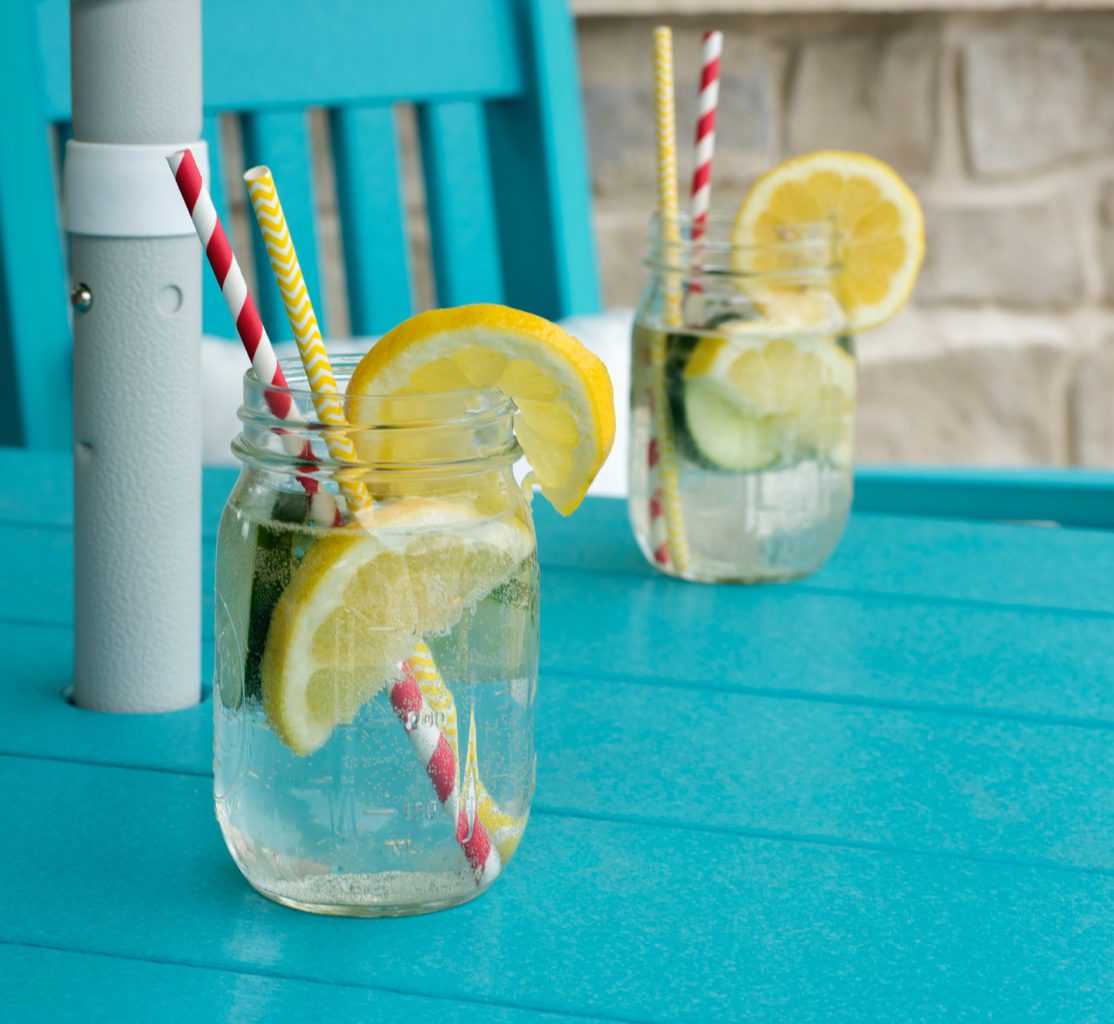
    The heat of summer calls for a refreshing drink in hand. When dealing with histamine issues, the heat can completely zap us. At that point, something cold and refreshing –and more interesting than water– is definitely called for. And hey, extra points for anti-inflammatory, antihistamine ingredients. Need some inspiration? Here are 5 refreshing drink ideas for easy livin’ in the summertime.

    HIBISCUS ICED TEA

    Hibiscus is a fun tea for summer, as it is a wonderful pink color. It’s also anti-inflammatory, rich in quercetin, and helps stabilise mast cells. You can even add it to smoothies like I did in this post.

    Ingredients:

    • 6 cups of water
    • 3 Tbsp Hibiscus flowers (loose leaf, or 9 tea bags)
    • Sweetener to taste
    • Lemon slices to garnish

    Instructions

    1. Bring water to a boil, then remove from heat.
    2. Add the hibiscus flowers. Cover and steep for 20 minutes.
    3. Strain tea into a large jar or desired container, add sweetener to taste, and chill.
    4. Serve over ice and garnish each glass with a lemon slice.

    Makes 6 to 8 servings.

    BLUEBERRY LEMONADE

    Strawberry lemonade might be out, but blueberry lemonade is equally amazing. Blueberries are rich in antioxidants, which can be really helpful for lowering histamine inflammation.

    Ingredients:

    • 2 cups fresh blueberries
    • 4 cups cold water, divided
    • Sweetener of your choice to taste
    • 2/3 cup freshly squeezed lemon juice
    • Lemon slices and blueberries to garnish, if desired

    Instructions:

    1. Place the blueberries, 1 cup of the water, and sweetener to taste in a blender.
    2. Blend until the blueberries are completely pureed.
    3. Taste and adjust sweetener if necessary.
    4. Strain the puree through a fine mesh sieve.
    5. Combine the blueberry puree with lemon juice and the remaining 3 cups of water. Stir and taste.
    6. Stir in more water, if desired.
    7. Refrigerate until chilled. Serve over ice and garnish with lemon slices and more fresh blueberries.

    Makes 4 servings.

    MANGO ARUGULA LIMEADE PUREE (SLUSHIE)

    Mango has both antihistamine and anti-inflammatory properties. Arugula is another antihistamine ingredient which comes from the cruciferous family of vegetables. It is anti-inflammatory and has loads of vitamins and minerals.

    Ingredients:

    • 3 ripe mangoes
    • A handful of fresh arugula
    • 1 1/2 cups freshly squeezed lime juice
    • 3 cups water
    • Garnish: lime wedges

    Instructions:

    1. Peel mangoes and shop flesh in pieces.
    2. In a blender, add mango pieces, arugula, lime juice, water, and sweetener and blend until smooth.
    3. Garnish with lime wedges, and enjoy this antihistamine green slushie.

    Makes 4 to 5 servings.

    ICED HOLY BASIL ICED TEA (OR ICE CUBES)

    As you know from some of my other posts, holy basil is an effective herb for lowering histamine levels. Holy basil iced tea is a great way to cool down while bringing histamine down. You can also just make it into ice cubes to add an antihistamine component to other drinks.

    Ingredients:

    • 6 cups of water
    • 3 Tbsp holy basil tea (loose leaf, or 9 tea bags)

    Instructions:

    1. Bring water to a boil, then remove from heat.
    2. Add the holy basil. Cover and steep for 20 minutes.
    3. Strain tea into a large jar or desired container and chill.
    4. Serve over ice or make into ice cubes.

    Makes 6 to 8 servings.

    TURMERIC LEMONADE WITH FRESH MINT LEAVES

    Turmeric spice is rich in curcumin, an antihistamine, and anti-inflammatory compound. This turmeric lemonade is as refreshing as it is anti-inflammatory. Even the mint garnish inhibits the release of histamine from mast cells.

    Ingredients:

    • 4-5 cups water
    • 1 1/2 tsp turmeric powder
    • 1 1/2 tsp powdered ginger or 1 Tbsp fresh ginger root
    • Juice of 1-2 lemons
    • 2-4 Tbsp tolerated sweetener (adjust to desired sweetness)
    • Optional stevia to sweeten more if desired
    • Fresh mint leaves

    Instructions:

    1. Bring water just to a boil on the stove.
    2. Add spices and return to boil for 1 minute, then reduce and simmer for 10 minutes.
    3. Remove from heat and allow to cool a bit. Then strain.
    4. Pour the rest of the liquid into a pitcher along with lemon juice and sweetener of choice. Stir.
    5. Garnish with fresh mint leaves and allow to chill before enjoying.

    CONTINUING THE ANTI-INFLAMMATORY RECIPE KICK?

    If you’re wanting to go beyond beverages and are looking for more fun, anti-inflammatory, antihistamine recipes to add to your radar, I’ve got a solution for you. I’ve put together a complete histamine reset plan with recipes and lifestyle strategies to balance histamine levels and get your body on the path to healing: 28-Day Histamine Reset.

  • Best Outdoor Finger Foods

    Best Outdoor Finger Foods

    There’s nothing like light-hearted summer get-togethers in the backyard or out on the deck fueled by delightful and delicious finger foods. For the histamine intolerant guest, chips and salsa are unfortunately a “no go” and just reading the ingredients lists on the various packaged snacks can make mast cells go bonkers. But who needs traditional chips and mini hotdogs when you can have cajun plantain chips and gourmet kebabs? I mean, seriously. If you’re stuck in a rut with raw cauliflower and a plain burger with salt, read on for some “foodie” summer inspiration.

    PLANTAIN CHIPS WITH (or without) “CAJUN” RUB

    Prep Time: 5 min | Cook Time: 10-20 min | Makes: many

    Plantains have always been one of my safe foods, but might not be for others. You could also try using thinly sliced butternut, yucca (cassava), or sweet potato. You have two kinds of plantains: the green, unripe ones, and the blackened, spoiled-looking ones. Though they appear to be spoiled, the blackened ones are usually quite fine on the inside. They’re a lot chewier and therefore my favourite. You can leave out any of the ingredients, the important ones are the salt, coconut sugar, and the herbs. These make an excellent snack– people love them at my get-togethers.

    INGREDIENTS

    Plantains

    Cajun rub, equal parts…

    Cayenne pepper Salt Coconut sugar Powdered turmeric Sumac or paprika

    With…

    1/2 cup chopped coriander 1/2 cup chopped chives

    PREPARATION

    Chop the plantains into any shape you like. I usually just chop them like bananas, into rounds. You then have a choice: either fry them in your favourite oil, or toss them in your best oil, then into the mix, and then bake at about 180C/350F for 10-20 minutes, depending on oven. You’ll need to flip them over once, halfway through.

    BENEFITS

    Antihistamine: turmeric, chives, coriander. Anti-inflammatory: turmeric, chives, coriander, coconut, sumac, paprika.

    MINT SAUCE BRAISED MINI LAMB KEBABS

    Prep Time: 10 min | Cook Time: 15-20 min | Makes: 8-12 skewers

    Not into lamb? This works well with any meat, or any vegetables for that matter. Try chunks of butternut, sweet potato, zucchini – you’re limited only by your imagination.

    INGREDIENTS

    2 cups cubed lamb steak

    16 shallots, cut into chunks

    2 bunches mint

    8 tbsp apple cider vinegar/tamarind (or omit)

    2 tbsp coconut sugar/nectar

    mini BBQ skewers

    PREPARATION You can either marinate the lamb in the sauce for a little while, then splash some into the pan while cooking the lamb chunks, or serve it on the side as a dip. Skewer alternating bites of lamb and shallot. Meanwhile, heat a little oil in a pan, or use a grill pan. Cook the lamb for about 10 minutes on each side, or till juices run dry when the flesh is pierced.

    BENEFITS Antihistamine: mint, shallots. Anti-inflammatory: mint, shallots, tamarind, coconut.

    LENTIL CRACKERS

    Prep Time: 10 min | Cook Time: 20 min

    These crackers are excellent on their own or with any kind of dip. They’re super nutritious to boot. My non-histamine friends really dig these – I bring them over for movies nights with the gals.

    INGREDIENTS

    2 cups lentil flour water (about 1/4 – 1/2 cup, depending on desired thickness)

    1/2 onion

    1 clove garlic

    4 tbsp olive oil

    6 tbsp thyme leaves (or to taste)

    handful finely chopped basil

    handful finely chopped coriander

    PREPARATION

    Pre-heat oven to 180C/250F. Add the flour, onion, garlic, olive oil, thyme, basil and coriander into a food processor, drizzle in some water and then work lightly till a ball of dough forms. If you have oxalate issues, pre-soak the lentil flour in the water for at least a few hours. This has been shown to lower oxalate levels.

    Spoon onto a pre-oiled baking tray and use a knife to score into triangles. If your mixture is too liquidy, don’t panic, just bake for at least 10 minutes, then score with a knife and return to the oven. Bake for about  15-20 minutes (depending on thickness) and then flip over for another 15-20. Remove from oven, break apart and serve with your choice of dip.

    BENEFITS Antihistamine: onion, garlic, thyme, basil, coriander. Anti-inflammatory: onion, garlic, thyme, basil, coriander, olive oil.

    SALMON BALLS W/SWEET CHILI SAUCE

    Prep Time: 10 min | Cook Time: 15-20 min | Makes: 8-12 balls depending on size

    This sauce contains vinegar, which I know many don’t tolerate or are scared to try. I now eat many kinds of vinegar with no problem. Alternatives tamarind paste, Indian sour mango powder (amchur), and of course lemon.

    INGREDIENTS

    Balls…

    1 lb salmon

    1/4 cup rice breadcrumbs/flakes

    1/2 cup finely chopped shallots

    1 egg

    lemon, squeezed

    1 clove garlic

    dill

    Sauce…

    4 garlic cloves

    1 red chili pepper (or to taste)

    1/4 cup apple cider vinegar/tamarind

    1/2 cup coconut sugar

    1/2 cup water

    1-2 tbsp kuzu starch (or your choice of starch)

    salt

    PREPARATION

    Add the salmon, eggs, shallots, dill, one clove of garlic and rice crumbs/lakes into a food processor. Don’t over process. Form into balls and bake on a lightly oiled tray for approximately 20 minutes at 350F/180C, depending on your oven. Meanwhile, blend the chili, 3 garlic cloves, vinegar (or your choice of acid), coconut sugar and water. Pour into a small saucepan, bring to the boil and then lower to a simmer. Add in the kuzu or your choice of starch to thicken the sauce. Serve with salmon balls.

    BENEFITS

    Antihistamine: shallots, garlic, dill, kuzu. Anti-inflammatory: shallots, garlic, dill, salmon, kuzu.

    NEED MORE FUN RECIPES?

    There’s a whole world of fun and nutritious recipes out there to try, but it can be a challenge finding ones that fit into a low histamine lifestyle. That’s why I put together a complete 28-Day Histamine Reset with gourmet low histamine recipes as well as histamine-lowering lifestyle strategies to get you on the path to healing.

  • Best Histamine Intolerance BBQ Foods

    Best Histamine Intolerance BBQ Foods

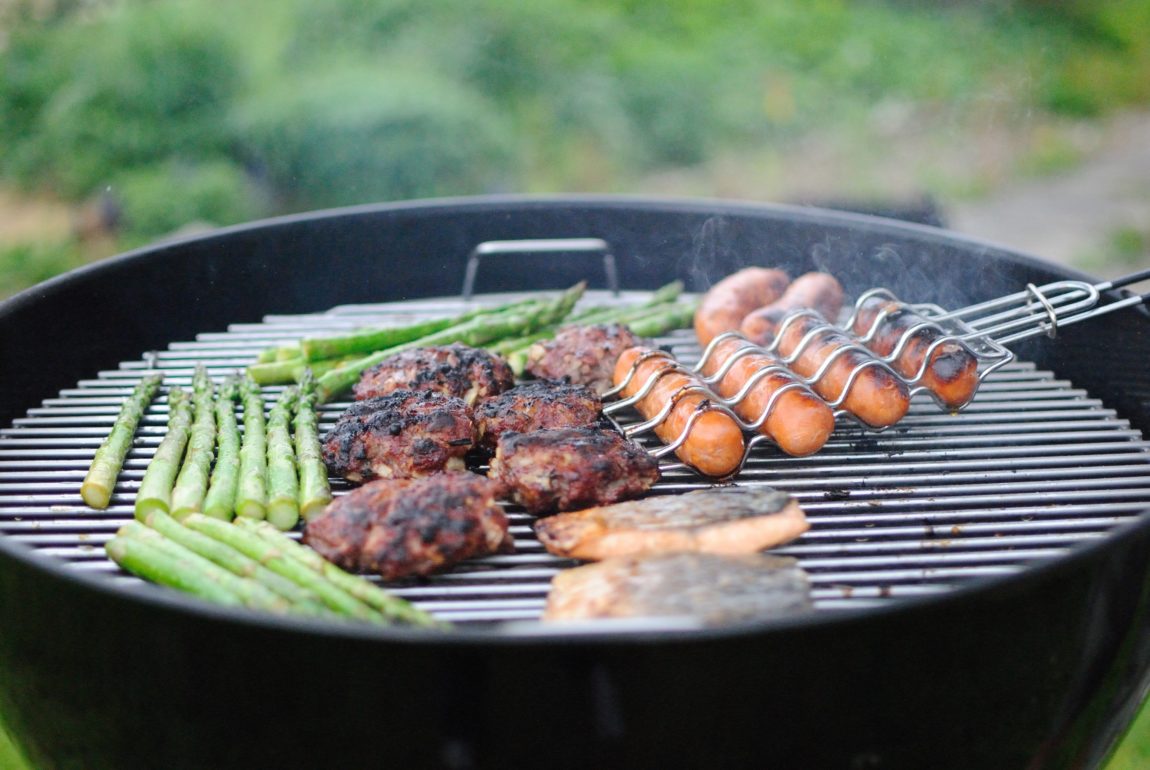
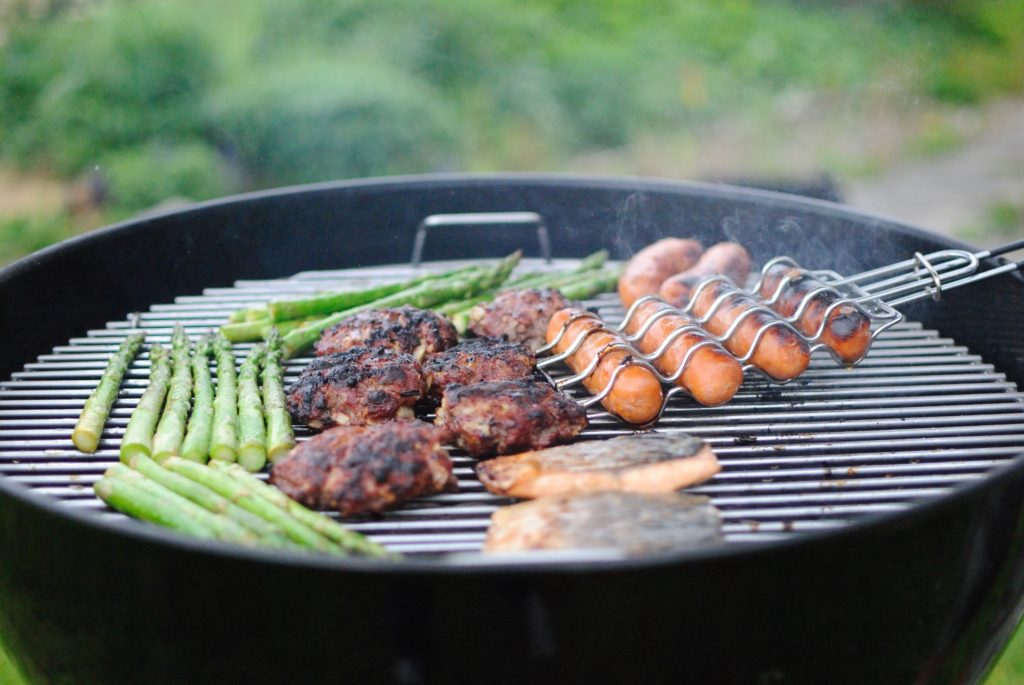
    Summertime is BBQ time. There’s nothing like the smell of hot food fresh from the grill and an al fresco meal with friends or family to wrap up a hot summer day. But “BBQ” conjures up images of tomato-based sauces that might make a histamine sufferer sigh. Not to worry. There are plenty of healthy, low histamine grill options to make your mouth water and your eyes sparkle. BBQ is off the menu no longer…

    HISTAMINE-FRIENDLY BARBEQUE COOKING

    Part of the issue with histamine issues and grilling is the chance of bacterial or other contamination from the grill. Again, no worries. You can easily BBQ without ever touching the grill. You can use things like parchment, foil, or a stainless steel basket to keep your food free of undesired critters and seasonings.

    And if you don’t tolerate the smells from either a charcoal or gas-fired grill, there are plenty of BBQ-inspired dishes that can be made from the comfort of your kitchen.

    LAMB IN PARCHMENT

    This is actually a popular way of preparing lamb in Greece. You can do this on the grill (additionally wrapped with aluminum foil) or in the oven. Get a leg of lamb or lamb shanks and rinse in cool water. Cut a piece of parchment to suit and grease with olive oil. Then add lamb, drizzled with additional olive oil and a squeeze of lemon, plenty of fresh or dried herbs (oregano, thyme, rosemary), sea salt to taste, and surrounded by tolerated vegetables — perhaps a few carrots, purple potatoes, and (quercetin-rich) onions. Fold up sides and secure with butcher’s twine. Bake in preheated oven at 350 degrees F for about 2 to 2 ½ hours, depending on the size and cut of the lamb. Then take out, open package, and put back in for another 15-20 minutes to brown. Or put on the grill on low heat for 2-3 hours. To find a more specific recipe, you can search for Lamb Kleftiko.

    SALMON IN FOIL

    Wild caught salmon is a wonderful summer BBQ meal that is easy to do on the grill or in the oven. My favorite trusted source is Vital Choice, which I happily get delivered right to my door — no grocery trip required. Drizzle some olive oil on a piece of aluminum foil, add the salmon, plus more oil. There are lots of directions you can take this. You can do an Asian version with antihistamine ginger, you can add basil or parsley pesto (chimichurri), you can do a cilantro pesto. Bake it for 15 minutes at 425 degrees F. Serve with some steamed vegetables and/or a fresh green salad.

    SAUCES

    Although on lists as high histamine, a good, clean mustard with only four ingredients (like Louis Malle Dijon that can be found at Whole Foods and online) has always been fine with me. It might be ok for you too on special occasions (always check with your doctor), and I love making a BBQ sauce from just a tablespoon of it mixed with some coconut sugar. It tastes so much like Teriyaki I promise!

    You’ll also find a recipe for my green tomato low histamine home made ketchup (though it  should really be called “lower histamine”) here. Go easy on the ginger otherwise it might get too spicy for you.

    SWEET POTATO TABLE MASH

    Sweet potatoes are an easy addition to any summer barbeque. Just steam them on the stovetop or grill them like baked potatoes (wrapped individually in foil and grilled for 40-60 minutes). Then just mash them with olive oil or coconut oil, adding a pinch or two of salt as desired. Easy peasy.

    PULLED LAMB

    Lamb is a selenium-rich alternative to traditional pulled pork. (Selenium can help inhibit histamine release).

    Preheat oven to 325 degrees F. Place a red onion in a roasting dish and set a leg of lamb on top. Make a pomegranate glaze: mix together ¼ cup pomegranate molasses, ⅛ cup olive oil, and the juice of one lemon. Pour the glaze over the lamb and then pour a cup of water around the lamb. Cover and place in the oven to roast for 3 1/2 hours. Remove the cover and continue cooking the lamb for an additional 30 minutes or until the meat is almost falling off the bone.

    Red onions are full of polyphenols and antihistamine quercetin, and pomegranate has been shown to be a mast cell stabiliser. Eat up.

    VEGGIE KEBABS

    Kebabs are wonderfully versatile. You can stick with vegetables or add meat if you like. Great low- or antihistamine vegetables to try include cauliflower, zucchini, garlic, mushrooms, a small amount of carrots or parsnips. Be sure to soak wood skewers ahead of time. Then thread the vegetables and meat, if using, on the skewers. Brush a mixture of olive oil, herbs, and salt and grill over medium heat – or roast in the oven (10-12 minutes at 400 degrees F). Great snack or side dish.  

    THE JUICE

    Lemonade is my absolute favourite, and I have it with no problem, but I know that’s not the case for most. If you have a soda stream or something similar you an experiment with cherry juice, mango passion fruit with basil. Even if you don’t, just take a look at the frozen fruit section at your supermarket and let your imagination run wild.

    STEWED FRUIT

    Stewed fruit is super easy and is a nice light finish to a summer meal. Some great low histamine fruits for stewing include apples, cherries (on some lists), peaches, and pears. Wash the fruit and peel it if you wish. Then simply slice or chop it into chunks, place in a saucepan with a bit of water, and cook on low to medium heat until tender. You can add just a little sweetener if you wish, and enjoy.

    BEYOND THE BBQ

    If your appetite is whet with these fun BBQ ideas, and you’re looking for more, check out my complete histamine reset with recipes and lifestyle strategies to balance histamine levels and get your body on the path to healing: 28-Day Histamine Reset.

    ———REFERENCES———

    Rasheed, Zafar, et al. (2009). Polyphenol-rich pomegranate fruit extract (POMx) suppresses PMACI-induced expression of pro-inflammatory cytokines by inhibiting the activation of MAP Kinases and NF-B in human KU812 cells. Journal of Inflammation, 6(1). doi:10.1186/1476-9255-6-1

    Safaralizadeh, R., Nourizadeh, M., Zare, A., Kardar, G.A., Pourpak, Z. (2013). Influence of selenium on mast cell mediator release. Biological Trace Element Research, 154(2): 299-303. doi: 10.1007/s12011-013-9712-x. Epub 2013 Jun 20.

GET STARTED HEALING HISTAMINE

WHAT YOU NEED TO KNOW ABOUT HISTAMINE DELIVERED TO YOUR INBOX