Category: Research & News

  • Essential Oils for Histamine Intolerance? These Are Your Best Bet

    Essential Oils for Histamine Intolerance? These Are Your Best Bet

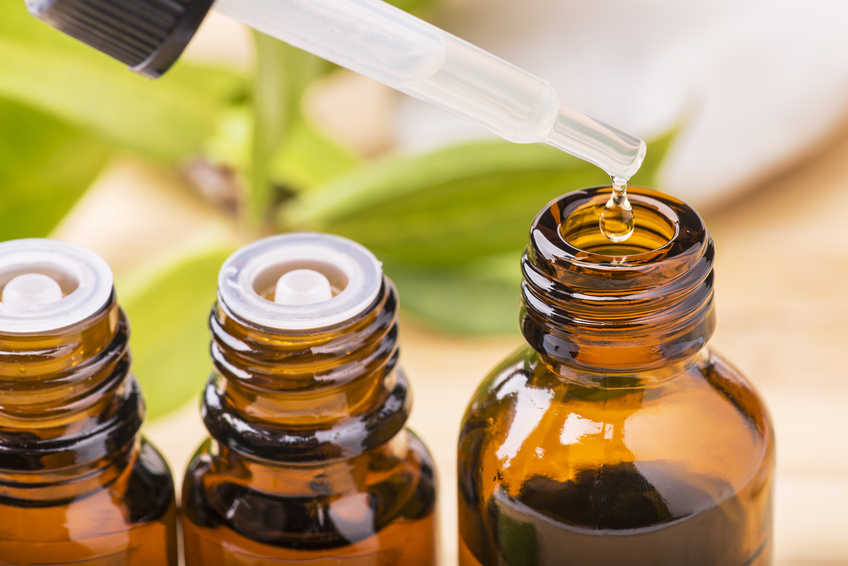
    There are so many great antihistamine herbs out there, and I’m always recommending incorporating them into your daily meals and snacks. But what about the essential oils from these herbs? Sure. You can pretty much use the essential oil of an antihistamine herb and derive those same benefits. However, please be careful. Essential oils are super concentrated forms of the herbs and have high levels of their constituents as well… which could possibly be irritating or inflammatory to some people. Check out some of these antihistamine essential oils and proceed cautiously if you should choose to use them.

    Please remember those of us with histamine intolerance and mast cell activation can react strongly to pungent smells. 

    BEFORE YOU START

    The nice thing about essential oils is that you can put this antihistamine source into the air by diffusing. Again, be careful before you fill the room with scent. Open a bottle you think you might tolerate and just take a quick sniff (perhaps at a distance) before recapping, to see how you do.

    For using topically, be sure to dilute with a carrier oil according to directions or according to your own sensitivity. You can try jojoba oil, olive oil, coconut oil, or add to one of the other collagen boosting oils I mention in this post.

    Be really careful if you decide to use these internally. First, make sure you have a quality, pure oil. Second, if the oil has antimicrobial properties (Thyme, for example), keep in mind that you don’t want to be taking full capsules of it and risk killing beneficial bacteria in your gut. This is potent stuff –which means there also may be drug interactions. Do your research.

    HOLY BASIL ESSENTIAL OIL

    Holy Basil (tulsi) is probably one of my top recommended antihistamine herbs. While regular sweet basil (ocimum basilicum) has some anti-inflammatory effects, the go-to for histamine is definitely Holy basil (Ocimum sanctum). Tulsi essential oil is a little harder to find than regular basil, but it is worth the effort. You can diffuse it (it has a licorice-mint type scent) or use it topically, diluted in your choice of carrier oil. This is a pretty safe essential oil, but it is high in the constituent eugenol, which could be irritating in some people.

    LAVENDER ESSENTIAL OIL

    Lavender (Lavandula angustifolia). Lavender oil has some antihistamine properties when used topically. An animal study showed lavender inhibits histamine and inflammatory protein release from mast cells. However, some people don’t do well with lavender on their skin. Lavender absolute (an extract using a solvent) tends to be more irritating than lavender essential oil, but it’s probably best to dilute with a carrier oil if you tend to have sensitivities.

    THYME ESSENTIAL OIL

    Want anti-aging effects? The Egyptians used thyme for embalming. Thyme (Thymus vulgaris) is also a mast cell stabiliser and super delicious. If you choose to consume this one, just use a toothpick inserted into the bottle to get some oil, and swirl the thyme oil into some olive oil to make a dressing. That way you’re getting only a fraction of a drop. Be careful about inhaling thyme. It’s been known to irritate the nasal passageways if inhaled directly from the bottle or the diffuser. This one is probably best used highly diluted. Maybe best applied on the bottoms of your feet.

    TARRAGON ESSENTIAL OIL

    Tarragon (Artemisia dracunculus) is another mast cell stabilising herb. While you can eat the herb, it’s best not to take this one internally as it’s another highly antimicrobial oil. Diffused (if tolerated), it can lift the mood while providing its services to your mast cells — at least those in your lungs and brain. Tarragon oil can be used topically, but it’s essential to dilute with a carrier oil.

    CHAMOMILE ESSENTIAL OIL

    Chamomile (Matricaria recutita), as in the tea, dose-dependently inhibits histamine release. Chamomile essential oil is one to really be careful with. Depending on your source, it can be (and often is) adulterated with chemicals. So, you may be fine with chamomile itself, but you could react to the chemical additives mixed in. Quality matters. If you find a good source of it, chamomile oil can be diffused, consumed, or applied topically (diluted as needed).

    GINGER ESSENTIAL OIL

    Ginger (Zingiber officinale) is a wonderful way to get antioxidants, digestive support, and mast cell stabilising properties all at once. Ginger essential oil should be diluted to use topically. If you are fresh out of ginger… or out of fresh ginger, you can use a couple drops of ginger oil in your soup or stir-fry. A 2006 study found that consuming ginger oil dose-dependently lessened allergic reactions. *Be careful taking it internally if you’re on Warfarin as ginger also acts as a blood thinner.

    SWEET FENNEL ESSENTIAL OIL

    Fennel (Foeniculum vulgare) is anti-inflammatory, antihistamine, and antioxidant. Fennel oil, in general, is not expensive, and yet it another one that is often adulterated. This oil could have chemicals and synthetics added which could make the oil toxic if you have more allergic tendencies (histamine intolerance). Again, quality matters. Fennel oil can be diffused, applied topically (diluted if needed), or consumed. *Avoid if you have any tendencies toward seizures.

    OR JUST EAT THE HERB

    If you’d rather not risk the concentrated version of herbs, but still get antihistamine benefits, just add plenty of these herbs to your cooking. Looking for ideas and recipes? I can help. Check out my 28-Day Histamine Reset, where I’ll give you all kinds of delicious recipes, tips, and resources.

    ————REFERENCES—————

    Chandrashekhar, V. M., et al. (2011). “Anti-allergic activity of German chamomile (Matricaria recutita L.) in mast cell mediated allergy model.” Journal of Ethnopharmacology, 137(1), 336-340.

    Chen, Bing-Hung, et al. (2009). “Antiallergic potential on RBL-2H3 cells of some phenolic constituents of Zingiber Officinale (Ginger).” Journal of Natural Products, 72(5), 950-953.

    Kath, R., & Gupta, R. (2012). Comparison Of Efficacy Of Ocimum Sanctum Against Gastric And Duodenal Ulcers In Animals. The Internet Journal of Gastroenterology. 11(1).

    Khair-ul-Bariyah, S & Ahmed, Dildar & Aujla, Muhammad. (2012). Ocimum Basilicum: A Review on Phytochemical and Pharmacological Studies. Pakistan Journal of Chemistry. 2. 78-85. 10.15228/2012.v02.i02.p05.

    Kim, H. M. & Cho, S. H. (1999). Lavender oil inhibits immediate-type allergic reaction in mice and rats. The Journal of Pharmacy and Pharmacology, 51(2), 221-226. Retrieved from: https://www.ncbi.nlm.nih.gov/pubmed/10217323

    Sridevi, G., Gopkumar, P., Ashok, S., & Shastry, C. (2008). Pharmacological Basis For Antianaphylactic, Antihistaminic And Mast Cell Stabilization Activity Of Ocimum Sanctum. The Internet Journal of Pharmacology, 7(1).

    Tisserand, R. (2013). Essential Oil Safety. London, UK: Churchill Livingstone.

    Watanabe, Jun, Hiroshi Shinmoto, and Tojiro Tsushida. (2005). “Coumarin and flavone derivatives from estragon and thyme as inhibitors of chemical mediator release from RBL-2H3 cells.” Bioscience, biotechnology, and biochemistry, 69(1), 1-6. Retrieved from: http://www.tandfonline.com/doi/abs/10.1271/bbb.69.1#.VfJc6WSqqko

    Zhou HL1, Deng YM, Xie QM. (2006). The modulatory effects of the volatile oil of ginger on the cellular immune response in vitro and in vivo in mice. Journal of Ethnopharmacology. 105(1-2), 301-5. Epub 2005 Dec 9. Retrieved from: https://www.ncbi.nlm.nih.gov/pubmed/16338110


  • Top 7 Histamine Intolerance Symptoms Explained

    Top 7 Histamine Intolerance Symptoms Explained

    Very much sick dog laying in bed

    There are certain symptoms of histamine intolerance that come up time and time again. People want to know, “Is this related to histamine?” And “Why does histamine do that?” Well, here are some of the top symptoms of histamine intolerance, some potential reasons behind the symptoms, and a few basic fixes. 

    BRAIN FOG

    According to a paper by Dr. Theoharides at Tufts University, brain fog is a constellation of symptoms that include reduced cognition, inability to concentrate and multitask, as well as a loss of short and long term memory. Dr. Theoharides believes that brain fog may be due to inflammatory molecules (called cytokines) and histamine released from mast cells, causing brain inflammation.

    Fixes:

    • Luteolin: A powerful mast cell inhibitor flavonoid which prevents histamine release.
    • Quercetin: Another flavonoid that inhibits mast cells and prevents histamine release.
    • Quercetin and luteolin rich foods include broccoli, parsley, artichoke, butternut squash, and all the foods in my Histamine Reset program.
    • Brain exercise: Scientists suggest learning a new language, take a different route to work, brush your teeth with the non-dominant hand, anything to take the brain out of autopilot.

    DIZZINESS

    According to histamine expert, Janice Joneja, histamine can cause swelling of the small semicircular canals in the ear, which may also affect nearby nerves and impact the brain, causing dizziness.  

    Fixes:

    • Follow a low histamine diet.
    • Identify the triggers (food, environmental, emotional, and cut them out).

    BLOATING

    Histamine is also released during the digestive process, and can contribute to inflammation and bloating. A high nutrient, histamine-balanced quercetin, luteolin and rutin diet, quercetin supplement, positivity, and meditation all came together joyously (with a little whittling down of the very high oxalate foods) to bring back a flat stomach.

    Oxalate and FODMAPs sensitivity should also be ruled out. 

    Fixes:

    • Holy basil (Tulsi) tea to lower histamine.
    • Nigella sativa to help with digestion and lower histamine.
    • Intermittent Fasting — to give your digestive histamine a break, and because fasting lowers histamine.

    ITCHING

    Histamine is released from mast cells when triggered by allergens or histamine rich foods and behaviours, which then causes itching. But researchers have found it’s more complicated than that: pain generally will prevent itchiness, which has in recent years pointed to more than just histamine as the culprit.

    Fixes: 

    According to a study on itching, it can be relieved by mild cold. Perhaps a cool shower or lukewarm bath (I’ve always found a cool bath or dip in water totally relieves all my symptoms instantly. The study says to definitely stay away from heat of any kind.

    Menthol has been shown to help itchiness, but essential oils can be a histamine trigger. Perhaps fresh peppermint leaves?

    DEPRESSION & ANXIETY

    It’s been observed in a number of studies that people treated with medications that trigger inflammation (interferon for example), also develop depression during treatment. And that patients with arthritis treated with anti-inflammatories experience a remission in depression. Scientists are now planning to start medical trials on antidepressant non-responders, to try and alleviate their depression.

    It’s hardly news to us those of us with histamine intolerance and mast cell activation that inflammation can cause symptoms of anxiety. Now though, the research has finally caught up, with scientists identifying altered pro and anti-inflammatory profiles in patients with Generalised Anxiety Disorder (GAD). One of the inflammatory agents is monitored in the study can also be released by mast cells (which can also trigger histamine).

    This study provides the first evidence that Generalized Anxiety Disorder (GAD) is associated with an imbalance between interferon (IFN-y), interleukin (IL-10), and tumor necrosis factor (TNF-a), which is released by mast cells. The authors found that patients with GAD had high levels of pro-inflammatory IFN-y and TNF-a, but low levels of the anti-inflammatory IL-10, compared to healthy control subjects. 

    Fixes:

    A UK study recently came to the conclusion that for a possible third of depressed patients, an anti-inflammatory might be a more effective treatment. In my experience of a lifetime of horrific anxiety that culminated in agoraphobia (the fear of being outdoors), an anti-inflammatory diet helps. In particular I’ve found what really works are fruits like cherries (read how they’re as good as aspirin here) as well as inflammation fighting cucumber, and even butternut squash which actually has documented anti-depressant effects.

    • Identify the triggers (food, environmental, emotional, and cut them out).
    • Meditation and stress relief techniques have also been invaluable.

    Need help navigating the Histamine Jungle? I teach you how to do all this and more in the 28 day reset.

    SLEEPINESS/INSOMNIA

    Researchers have found that mast cells play a major role in running our internal clock. There are histamine receptors in the brain that allow histamine to act as a neurotransmitter and interact with serotonin (precursor to melatonin) and GABA. The histaminergic system is located in the hypothalamus and exerts its effects on all the major regions of the central nervous system. Using antihistamines working on the H1 receptor promotes sleep, while medications that max out the histamine signal at the H1 receptor keeps us awake (or jacked up as I used to call it). Similarly manipulating the H3 receptor can either promote sleep or wakefulness.

    Histamine neurons stop keeping us awake and vigilant once we drift off into both non-REM and REM sleep (makes sense right?). Lack of the brain chemical GABA, which acts as a kind of dampener on central nervous system hyperexcitability, can trigger symptoms of mania and sleeplessness.

    Mice lacking GABA slept just sixty-five percent the normal amount of non-REM sleep. Researchers noted that mice losing that much sleep would sleep longer the next time they were allowed to, but these mice kept up a hyperactive state for the next sixteen hours. They appeared to need no recovery sleep at all.

    Fixes:

    • Go amber: Switch off your regular blue/white lights at night. Switch to amber bulbs and install F.lux on your computer. Because of staying in the chronic stress/inflammatory state, your HPA axis and circadian rhythm may be more sensitive to light stimulation. It’s an easy fix.
    • King – Prince – Pauper. Ever heard of this concept? Eat like a king at breakfast, a prince at lunch, and a pauper/beggar at dinner. Don’t go to bed super hungry, but try to avoid eating after 7 pm. This will also help with the acid reflux tendency.
    • Embrace natural antihistamines: Whether you’re currently taking pharmaceutical antihistamines or not, adding some natural antihistamines and anti-inflammatories could help. I often make myself an emergency antihistamine juice for dinner.

    GERD/ACID REFLUX

    Histamine release by cells in the mucous lining of the stomach promotes the production of stomach acid by binding with histamine H2 receptors. That’s why H2 antagonists, like Proton Pump Inhibitors (PPIs) work to block stomach acid production. It’s possible that the increased histamine is causing increased stomach acid, but the inflammation and oxidative stress may also be making tissue inside the more susceptible to injury. Research has shown that increasing your antioxidant intake helps.

    Fixes:

    • Higher antioxidant intake:  whole foods like blueberries,  pomegranate, kale, red cabbage, sweet potatoes, etc.
    • Slippery Elm Powder: Try 1 Tbsp in water
    • Marshmallow root tea: Enjoy after meals
    • Curcumin: Try 2 grams per day of the extract or enjoy golden milk tea (with turmeric) when symptoms arise

    *Curcumin may affect diamine oxidase (DAO) the histamine degrading enzyme

    • Nigella sativa to lower histamine and improve digestion. You can read more about Nigella here

    ———-REFERENCES———

    http://journal.frontiersin.org/article/10.3389/fnins.2015.00225/full

    “Depression, a disease of the mind? Actually our immune system could be the culprit.” Spectator Health, 19 May 2017, health.spectator.co.uk/depression-a-disease-of-the-mind-actually-our-immune-system-could-be-the-culprit/. Accessed 14 Sept. 2017.

    “GABA and Histamine Work Together to Control Wakefulness « Hypersomnia Foundation.” Hypersomnia Foundation. N.p., n.d. Web. 04 June 2017.

    Hou, R., Garner, M., Holmes, C., Osmond, C., Teeling, J., Lau, L., & Baldwin, D. S. (2017). Peripheral inflammatory cytokines and immune balance in Generalised Anxiety Disorder: case-controlled study. Brain, Behavior, and Immunity, 62, 212–218. http://doi.org/10.1016/j.bbi.2017.01.021

    Shim, W.-S., & Oh, U. (2008). Histamine-induced itch and its relationship with pain. Molecular Pain, 4, 29. http://doi.org/10.1186/1744-8069-4-29

    Theoharides, T. C. (2009). Luteolin as a therapeutic option for multiple sclerosis. Journal of Neuroinflammation, 6, 29. http://doi.org/10.1186/1742-2094-6-29

  • 8 Super Tasty Low Histamine Snacks

    8 Super Tasty Low Histamine Snacks

    Sometimes we just need a snack. But with histamine intolerance and chronic inflammation, a lot of the usual go-to snacks out there aren’t a good idea. Packaged and processed foods add to the inflammation load and “healthy snacks” like yogurt cups, pickles, beef jerky, and dark chocolate are likely going to cause our histamine levels to skyrocket. What’s a person trying to heal histamine to do? Well, here are some great (and gourmet) low histamine snack ideas to get you started.

    ROASTED BUTTERNUT SQUASH SKINS WITH ROSEMARY

    Butternut squash suppresses IgE antibody production, thereby exerting antihistamine qualities. Also possesses anti-ulcer, anti-inflammatory, and antidepressant action.

    Cut a washed and de-seeded butternut squash into ½” long slices with the skin. Toss in a large bowl with a couple tablespoons of olive oil and 1 Tbsp chopped fresh rosemary (1 tsp dried). Place on a lined baking sheet and add salt to taste. Then place in a 400 F (200 C) oven. Bake for 15 minutes. Take out and turn the slices over, and then put them back in the oven for an additional 15 minutes.

    PLANTAIN CHIPS

    These you can often find packaged, but I always make mine fresh. The ingredients should just be plantains, palm oil, and salt. Plantains are a good source of fiber and are considered a “safe starch” (lacking significant anti-nutrients) by researcher and MIT- and Berkley-educated astrophysicist, Paul Jaminet. I make them at home, cooked in olive oil. Just very thinly slice a couple of green/unripe plantains, toss them with some oil and salt, and place them, single-layered, on a parchment-lined baking sheet. Bake at 375 F (190 C) for 20-25 minutes, cool, and enjoy.

    ROASTED CHICKPEAS WITH HERBS

    Chickpeas are a good source of plant-based protein. If you sprout them, they’re also a good plant source of diamine oxidase (DAO), which is the enzyme that helps break down histamine. They are also a good source of anti-inflammatory compounds.

    And did you know there are other colors of chickpeas besides beige? It’s true. Chickpeas can also be found in green, red, rust-colored, yellow, cream, brown, gray, and black. Researchers found that the richly-colored varieties of chickpeas have up to 13 times more polyphenols, 11 times more flavonoids, and 31 times the antioxidants compared to the traditional cream or beige colored chickpeas. 

    Roasting chickpeas is easy. Just toss a can of chickpeas (drained and dried as well as you can) with a couple tablespoons of olive oil, sea salt or garlic salt (if tolerated), and your choice of low histamine fresh or dried herbs. Chopped fresh rosemary is great, or try dried oregano. Bake at 350 F (176 C) for 45-50 minutes.

    Save the chickpea water. It’s called aquafaba, and it can be used as an egg substitute for those with egg allergies, vegans, the frugal, and the unprepared (not an egg in the house). You just use 3 Tbsp chickpea water per egg needed and blend it up using a hand mixer. Voila, an egg. You can also try it in my healthy marshmallow cream recipe, found here.

    LENTIL CHIPS

    If you don’t mind a little kitchen time (which turns out to be essential if you have histamine intolerance), these pita-style chips are well worth the effort. As with all my recipes, these chips are not only low histamine approved, they are packed with all kinds of healing ingredients. There’s antihistaminic quercetin in the onion, garlic, coriander, thyme, and basil and additional anti-inflammatory compounds in the onion, garlic, coriander, thyme, basil, and olive oil. These lentil chips are a great accompaniment to an antihistamine soup or salad. Find the recipe on this post.

    SWEET POTATO SHOESTRING FRIES

    Sweet potato is high not only in the antihistamine flavonoid, quercetin, but also in histamine-lowering rutin, and it has been shown to be protective against ulcers. You can find sweet potatoes in the traditional orange or Okinawan purple potatoes. This recipe would be fun with a mix of both so that you get purple and orange shoestrings.

    Sweet potatoes can either be spiralised, if you have a spiraliser, or simply julienned (hand sliced in really thin strips or using a julienne kitchen tool). Allow one large sweet potato per person. When the sweet potatoes are in strings, toss them with olive oil, season with thyme, just salt, or your choice of herb, and bake in a 350 (190 C) or 400 F (200 C) oven (hotter if thicker slices) for 15 minutes in a single layer. Take out, toss them/move around a bit, and bake for another 15 minutes until done but not burned. Let cool a few minutes and enjoy.

    ANTIOXIDANT RICH POPCORN

    Nope, not a typo, I said popcorn. Unless you have an allergy, or a cross reaction with another food group, blue or purple antioxidant rich popcorn made at home in an air popper could absolutely work for you. I do not include corn in my diet, with this one exception, and only maybe once every few months.

    I use an air popper, then I lightly spray the popcorn with a little olive oil so the Himalayan salt and a little onion powder (I don’t use this in cooking, just on my popcorn) will stick to it. I brown bag this stuff to the movies! My friends think it’s hilarious thankfully, and there’s always a few stray hands dipping into my bag, so I must be doing something right.

    Can’t emphasise enough that this is a treat, and I did not do it in the first few years of being on the diet. But it was my choice to be super duper strict, and I don’t know that I’d chose that path again.

    You can order blue and purple popcorn online, I get mine delivered from an Amish farm in California.

    COCONUT CREAM WITH BLUEBERRIES

    Ingredients:

    2 young Thai coconuts, meat scraped out and water separated

    OR 2 cans of coconut cream/milk turned over and chilled overnight and 1/4 – 1/2 cup young Thai coconut water

    optional

    pinch salt (brings out the sweetness)

    pinch raw vanilla powder (is fermented but a pinch was always fine for me)

    Fresh blueberries as a garnish and extra quercetin boost

    1/4 cup coconut nectar or your choice of liquid sweetener

    Directions:

    Place the young Thai coconut meat in a blender with the water, pinch of salt, and vanilla and process for about five minutes till smooth. You can also do this in a food processor.

    If using canned milk, remove cans from the fridge and flip over. Open the can and scrape out the hard coconut cream and place in a blender with the rest of the ingredients.

    Top with a few fresh blueberries and enjoy.

    CAULIFLOWER FLORETS IN PESTO

    Toss cauliflower florets in the following pesto sauce and roast at 400 F (200 C) for 15 minutes. Then take out, stir, and bake for another 10 to 15 minutes. Let cool a few minutes and enjoy.

    Antihistamine Pesto Sauce

    Ingredients:

    1 cup basil leaves

    1/4 cup olive oil (or other tolerated oil)

    1-2 cloves garlic

    1/4 cup pine nuts or almonds

    salt and pepper

    Directions:

    Grab your blender’s spice mill attachment if you have one; otherwise, use your food processor. Add the washed basil leaves, olive oil, garlic, and nuts. I was told pine nuts are alright histamine-wise, but I would advise trying a couple first unless you have had anaphylactic episodes – in which case, be safe and go nut free! Pulse the mixture until it’s still a little coarse.

    Because I’m most interested in food’s healing properties, I’ll often use holy basil instead of sweet/European varieties. Read all about holy basil here.

    ———————- REFERENCES ————————

    http://lib.bioinfo.pl/pmid:8031259

    http://www.ncbi.nlm.nih.gov/pubmed/16390172

    http://www.functionalfoodscenter.net/files/50426782.pdf

  • Fight Histamine Inflammation in 6 Quick Steps

    Fight Histamine Inflammation in 6 Quick Steps

    Sometimes we’re inflamed or have a histamine reaction and we just don’t know why. We haven’t been eating sauerkraut or drinking wine, we haven’t been using any chemicals, we’re trying to address the stress… and yet the histamine inflammation remains. Here are some reasons and remedies to help.

    REMOVE THE WRONG SUPPLEMENTS

    Everyone is different. What causes me issues may be fine for you. And vice versa. This is where the art and science of “biohacking” comes in. You have to figure out the right supplements for YOU. How do you know if you’re taking something that’s not working? A few clues you’re taking something wrong are… brain fog, tiredness followed by insomnia a few days later, heart racing, and instantly needing to evacuate bowels. Your body is telling you that whatever you’re taking is currently causing you more harm than good. Try giving yourself a break from all supplements (use caution and check with your health practitioner) and then add them back, one at a time — kind of like a food elimination diet and follow up challenge. When you add back a supplement and find it gives you symptoms, give it a break for a month or two, and then try it again. You may find that you can now tolerate it, or not.

    TRY SODIUM BICARBONATE (CAREFULLY)

    Now I hesitated to include this one because I personally haven’t had great experience with it, but a study just came out confirming the anti-inflammatory effects of this digestive remedy (and baking addition). Apparently sodium bicarb encourages the spleen to promote an anti-inflammatory environment and tells the body that there’s no need to launch a full on protective immune response.

    I have often compared my immune system to Arnold Schwarzenegger blasting away with a bazooka at anything that enters my stomach…

    According to study author Dr. Paul O’Connor at August University, the sodium bicarb basically tells the body that what the immune system is seeing is most likely a hamburger, not a bacterial infection.

    That’s a pretty useful distinction in my book.

    Dr. Janice Joneja (read this excellent interview with her here) has long championed a mixture of sodium and potassium bicarbonate for a reaction (but not daily use).

    GO LIQUID

    While it’s great to eat a lot of fruits and vegetables, sometimes the fiber in plant foods can put us over the top. Fiber certainly does provide more work for the digestive system, which is mostly a good thing as it feeds all those beneficial bacteria, but sometimes that extra work is just more than we can handle when we’re already inflamed. And in fact, an inflamed gut has a lot more trouble extracting nutrients from foods. The solution? Go liquid. It’s easier on the gut, and can even be easier in the kitchen. Try a diet of smoothies, juices, and teas for a little while (even a day or half a day) to give your gut a break and easily get some anti-inflammatory nutrition into your cells with little effort.

    You can pick up some great antihistamine, anti-inflammatory smoothie ideas here, or some tea ideas here. Or if you want a plan with two juices/smoothies/juicies per day, in addition to very high nutrient antihistamine and anti-inflammatory ingredients, check out my ebook, The Anti-Detox. Even though it’s called the Anti-Detox, it’s not really a cleanse program. You can easily just work these recipes into your existing diet.

    DON’T EAT LEFTOVERS

    Histamine is produced by bacteria. Do you know what’s on your leftover food in the fridge? A great source of histamine! If you find that you’re eating an anti-inflammatory diet that’s high in antihistamine foods but you’re still having issues, leftovers may be to blame. You can read more about that in this post.

    Don’t want to throw out good food? Freeze it. Freezing inhibits the growth of bacteria. Not everything freezes well, but enough does. You can freeze most soups, stir-fries, and vegetable dishes and even smoothies. And otherwise, you can compost it and start your own garden or planters.  

    AVOID SENSORY OVERLOAD  

    Our histamine or inflammation bucket can only handle so much stimulation. When you already have chronic inflammation going and you’ve recently put additional stress on your system via the wrong food or supplement, work or family stress, excess sunshine, etc., the bucket can overflow –causing a myriad of symptoms. At that point, the brain begins to say, “no more.” You may notice that you become more sensitive to any kind of extra stimulation, like noise, light, movement within your peripheral vision, and smells.

    To avoid sensory overload, there are a number of easy solutions. Noise canceling headphones are an absolute necessity. You don’t even have to play anything; you can just switch them on and shut out the world. Opt for the ones that go over the ear –they seem to work best and are also usually the least expensive. Then if someone is slamming doors, chewing loudly, or tapping their foot, you are completely oblivious. You’re in your own little silent, peaceful world.

    While you might look a little odd, sunglasses, even indoors, are great for managing sensory overload. If you have red or orange ones to block out blue light at night, you can even just use those. You can alternatively wear a baseball cap, hoodie, or another hat to lessen the light streaming in and create a comforting cocoon effect.

    ADD MEDITATION

    Meditation is great for getting your brain out of inflammation and the “fight-or-flight” state, and it can be done anytime, anyplace –especially if you have those noise-canceling headphones. There are many ways you can practice meditation or visualisation. To get started, I suggest the headspace app as a great overall introduction or Jon Kabat Zinn’s iTunes meditation album. To learn about how meditation works as a mast cell stabiliser and antihistamine, check out my posts, Meditation: Nature’s Antihistamine and Histamine Reaction Busting Meditation.  

    ————- REFERENCES ————

    “Drinking Baking Soda Could Be an Inexpensive, Safe Way to Combat Autoimmune Disease.” ScienceDaily, ScienceDaily, 25 Apr. 2018, www.sciencedaily.com/releases/2018/04/180425093745.htm.

  • Histamine Intolerance GERD Solutions

    Histamine Intolerance GERD Solutions

    GERD (Gastroesophageal Reflux Disease) or “acid reflux” is a common complaint among those with mast cell or histamine disorders. Many people think the only answer is a pharmaceutical drug –usually a histamine H2 blocker or a Proton Pump Inhibitor (PPI). While this approach may be necessary for some, I like to look at natural solutions first.

    WHAT IS GERD?

    Gastroesophageal Reflux Disease–GERD for short–is a condition in which stomach acid backs up into the esophagus, causing a wide range of symptoms. Some of the ways that GERD can show up include heartburn, a chronic cough and/or laryngitis, bad breath, and even erosion of the teeth.

    One cause of GERD may be issues with the sphincter that separates the stomach from the esophagus. If this Lower esophageal sphincter (LES) has lower resting pressure, so it doesn’t close all the way when it should, or a tendency to randomly relax, that can cause stomach contents (including acid) to leak through this valve –back into the esophagus. This can be caused by a hiatal hernia and other factors.

    Another cause is the poor movement of food through the digestive tract, including the stomach, increasing the likelihood of partially digested food ending up back in the esophagus or causing distention of the stomach and opening up the LES valve.

    A key cause for histamine sufferers is oxidative stress and food intolerances. We already know chronic inflammation is part of our challenge with histamine intolerance and clearly, some foods are also aggravating. Gluten is one of the main intolerances/allergies that has come up in studies as being significantly associated with GERD symptoms. So if you’re still eating gluten, here’s your sign that it’s time to say “Sayonara.”  

    WHAT’S THE CONNECTION WITH HISTAMINE?

    Histamine release by cells in the mucous lining of the stomach promotes the production of stomach acid by binding with histamine H2 receptors. That’s why H2 antagonists, like Proton Pump Inhibitors (PPIs) work to block stomach acid production. It’s possible that the increased histamine is causing increased stomach acid, but the inflammation and oxidative stress may also be making tissue inside the more susceptible to injury. Research has shown that increasing your antioxidant intake helps.

    WHAT TO AVOID IF YOU HAVE ISSUES WITH GERD

    There are certain foods and substances that can possibly be aggravating if you have issues with GERD. A lot of these we are already avoiding due to high histamine levels, but they are generally said to be alcohol, tomatoes, citrus, chocolate, caffeine, fatty foods (including nuts and seeds) and spices. However, Norman Robillard, a microbiologist who wrote the book, Fast Tract Digestion, has written that these foods as GERD provokers has largely been debunked in studies. He suggests that it is actually fermentable carbohydrates that are the problem, as the gas produced by their fermentation causes the LES to remain open. And in fact, research has shown that a low carb diet helps relieve GERD.

    SOME HISTAMINE FRIENDLY SOLUTIONS

    Slippery Elm

    There are some natural herbs that have been found to help lessen the heartburn associated with GERD episodes. These are known as demulcents. Demulcents can provide heartburn relief within minutes. They are great to take after meals or just before bed. One of these herbs is Slippery Elm. Slippery Elm is soothing to the tissues and is a good source of antioxidants to help address the oxidative stress/chronic inflammation. Add a tablespoon of Slippery Elm bark powder to water or a cup of tea. The powder has been shown to be more effective for GERD than the capsules or lozenges.

    Marshmallow root

    Another one is marshmallow root. The root –not those white fluffy things you toast over campfires. Marshmallow root was shown in a 2015 animal study to be able to prevent histamine release, providing protection against stomach ulcers. Try marshmallow root tea to address GERD while at the same time preventing your body from releasing histamine. Now that’s a definite win-win.Curcumin

    Curcumin may be another solution. In a 2010 study of 14 people on proton-pump inhibitors (PPIs) or H2 receptor antagonists, 2 grams per day of curcumin was given. After 2 weeks, everyone came off their medication. Two months later, 11 out of 14 were completely without symptoms and no longer needed medication. The 3 who did not respond to the curcumin treatment needed a lower dose of PPI than before. Enjoy some turmeric/golden milk tea before bed, and see how you feel. 

    Curcumin may affect the diamine oxidase (DAO) histamine degrading enzyme. 

    Nigella Sativa 

    Nigella has been used for digestive issues, including GERD, traditionally throughout Asia. Multiple studies back its effectiveness as an H2 receptor antagonist (antihistamine). You can read more about nigella here.

    LIFESTYLE SUGGESTIONS FOR GERD

    Practice Mindful Eating

    Be deliberate about how and when you eat. Slow down when you eat and focus on chewing well –Digestion begins in the mouth. Let your saliva coat and start breaking down food, and don’t dilute your stomach acid by consuming fluids with meals. Stop eating when you are 80% full rather than to the point of feeling stuffed. Being overfull isn’t great for your LES, which is trying to keep the stomach contents in the stomach.

    Don’t Eat Close to Bedtime

    It’s also not good to lie down close after eating, so don’t eat close to bedtime. Instead, try some relaxing tea. Chamomile just happens to be a great relaxing herb, an antihistamine, and a soothing, healing herb for acid-damaged tissue in the esophagus.

    And as you get in bed, here’s another tip: studies have found that the side you sleep on matters. Sleep on your right side after eating a meal, and you’ll have worse GERD symptoms. Sleep on your left and your symptoms may improve. 

    ————REFERENCES—————

    Hawrelak JA. 2010. Gastro-oesophageal Reflux Disease. In: Sarris J. Wardle J. Clinical Naturopathy: An Evidence-based Guide to Practice. Churchill Livingstone. Sydney.  

    Pointer, S. D., Rickstrew, J. , Slaughter, J. C., Vaezi, M. F. and Silver, H. J. (2016), Dietary carbohydrate intake, insulin resistance and gastro‐oesophageal reflux disease: a pilot study in European‐ and African‐American obese women. Aliment Pharmacol Ther, 44: 976-988. doi:10.1111/apt.13784

    Ramsay, D. B., Stephen, S., Borum, M., Voltaggio, L., & Doman, D. B. (2010). Mast Cells in Gastrointestinal Disease. Gastroenterology & Hepatology, 6(12), 772–777.

    Robillard, N. (2014, September 18). GERD diet that works without drugs. Retrieved from: https://digestivehealthinstitute.org/2014/09/18/gerd-diet/

    Yarnell E. & Abascal, K. (2010). Herbs for Gastroesophageal Reflux Disease

    Alternative and Complementary Therapies, 16(6), 344-346.

    Zaghlool, S. S., Shehata, B. A., Abo-Seif, A. A., & Abd El-Latif, H. A. (2015). Protective effects of ginger and marshmallow extracts on indomethacin-induced peptic ulcer in rats. Journal of Natural Science, Biology, and Medicine, 6(2), 421–428. http://doi.org/10.4103/0976-9668.160026

  • 4 Top Gut Histamine Digestion Tips

    4 Top Gut Histamine Digestion Tips

    Histamine intolerance can bring with it plenty of digestive issues and diagnoses. Histamine can contribute to leaky gut as well as GERD, IBS, and Inflammatory Bowel Disease. While a change in diet is paramount, there are some other simple changes you can make to make eating enjoyable again. Here are a few tips for better digestion.

    DON’T EAT WHEN STRESSED

    This is probably one of the most important things you can do for histamine intolerance besides changing your diet and eliminating stress. The autonomic nervous system (ANS) is the body’s “automatic” side of the nervous system, as opposed to the somatic nervous system (SNS), which is what is activated when you consciously move your arms, legs, head, etc. There are two main states that your autonomic nervous system can be in: the sympathetic state and the parasympathetic state. The sympathetic state is known as the “fight or flight” mode and the parasympathetic state is known as the “Rest & Digest” mode.

    When you are in “fight or flight” your body is in the stress state. This is not a good time to be eating and digesting foods, as your body is focused on producing stress hormones and not focused on digestion and repair. When the body is stressed, stomach acid secretion goes down, movement of food through the digestive system slows, the lining is more vulnerable (leaky gut), and there’s less blood flow to the gut. All of these changes lead to poor digestion of food and increased risk of health problems, like IBS, opportunistic infections, malabsorption, GERD, food intolerances, and autoimmune disease.

    Mast cells are some of the main actors in the stress-gut connection. They respond to stress signals by calling for the release of all kinds of neurotransmitters and proinflammatory cytokines. This inflammatory response can actually injure the digestive system and cause all kinds of downstream effects.

    INCLUDE ANTIHISTAMINE PREBIOTICS & COLONIC FOODS

    There are a number of low histamine or antihistamine foods that have also been shown to help balance the microbiome/gut bacteria, promoting healthy digestion. Some of these foods include apple pectin, pomegranate husks, and green tea.

    Apple pectin is not only antihistamine; it is also a colonic food — utilized by bacteroides, bifidobacteria, eubacteria, and clostridia.

    Pomegranate husks — Increases bifidobacteria in the gut. Also decreases inflammation in the colon as well as throughout the entire body.

    Green tea catechins. 300 mg green tea catechins or the equivalent of 5-6 cups of green tea per day increased lactobacilli and bifidobacteria, decreased numbers of bacteroides, clostridia, and enterobacteria, decreased fecal pH, decreased ammonia, and increased the production of short chain fatty acids, which nourish the brain.

    SAVE CARBS FOR LATER

    All carbs aren’t evil. Antioxidant-delivering, anti-inflammatory polyphenols and carotenoids are found in higher carbohydrate foods. Berries and black rice, squashes and sweet potatoes are all full of colorful nutrients that are extremely beneficial for the histamine intolerant person.

    However, when a body is in an unstable condition, overreacting to harmless foods, scents, and other stimuli, there’s also a tendency for blood sugar to be unstable. That’s where carbs could be a problem. The up and down roller coaster of blood sugar imbalance can be both inflammatory and exhausting. Fortunately, there’s a simple solution: Save the carbs for later in the day. Eat your carbs with dinner, and instead of experiencing the ups and downs of blood sugar imbalance all day, you can just cause that spike once per day at dinnertime.

    DON’T EAT AFTER 6/7 PM

    Eating is a “Zeitgeber” — a time-giver– to the body. Your body adheres to a daily Circadian rhythm and there are certain daily activities that indicate to your body what time of the day it is. For instance, when your eyes are exposed to the blue/white light of the daytime hours (the sun), that is a zeitgeber that tells your body it’s daytime and it’s time to be active. Eating is another indicator that tells your body it’s time to be active. If you are planning to follow the daily rhythm of sleeping at night, eating is not a good thing to be doing as your body is supposed to be winding down. Eating is stimulating to the body, and stimulants are the last thing you want to reach for late in the evening.

    Digestion also requires all kinds of energy and resources that tend to dwindle in the evening, allowing the body to rest. If you eat late in the evening, you are putting food in your body when your digestive capacity is at its lowest, and food doesn’t digest as it should. Additionally, studies have linked late night eating to diabetes, heart disease, GERD, and memory problems. Since inflammatory conditions, brain fog, and GERD are already issues for those with histamine intolerance, eating at night could just make things worse.

    Stop eating by 6:00 or 7:00 pm, and you’ll improve both your digestion and your sleep.

    ——- REFERENCES ——-

    EFSA ANS Panel (EFSA Panel on Food Additives and Nutrient Sources added to Food), Younes M, Aggett P, Aguilar F, Crebelli R, Dusemund B, Filipič M, Frutos MJ, Galtier P, Gott D, Gundert‐Remy U, Lambré C, Leblanc J‐C, Lillegaard IT, Moldeus P, Mortensen A, Oskarsson A, Stankovic I, Waalkens‐Berendsen I, Woutersen RA, Andrade RJ, Fortes C, Mosesso P, Restani P, Arcella D, Pizzo F, Smeraldi C and Wright M, 2018. Scientific Opinion on the safety of green tea catechins. EFSA Journal 2018;16(4):5239, 89 pp. https://doi.org/10.2903/j.efsa.2018.5239

    Goto K, Kanaya S, Nishikawa T. The influence of tea catechins on faecal flora of elderly residents in long-term care facilities. Annals of Long-Term Care: Clinical Care and Aging. 1998;6:43–48.

    Howell, A. B., & D’Souza, D. H. (2013). The Pomegranate: Effects on Bacteria and Viruses That Influence Human Health. Evidence-Based Complementary and Alternative Medicine : eCAM, 2013, 606212. http://doi.org/10.1155/2013/606212

    Jiang, T., Gao, X., Wu, C., Tian, F., Lei, Q., Bi, J., … Wang, X. (2016). Apple-Derived Pectin Modulates Gut Microbiota, Improves Gut Barrier Function, and Attenuates Metabolic Endotoxemia in Rats with Diet-Induced Obesity. Nutrients, 8(3), 126. http://doi.org/10.3390/nu8030126

    Konturek, P.C. Brzozowski,T., Konturek, S. J. (2011). Stress and the gut: pathophysiology, clinical consequences, diagnostic approach, and treatment options. Journal of Physiology and Pharmacology, 62(6), 591-599. Retrieved from: http://www.jpp.krakow.pl/journal/archive/12_11/pdf/591_12_11_article.pdf

    Navigatore-Fonzo, L. S., Golini, R. L., Ponce, I. T., Delgado, S. M., Plateo, G., Gimenez, M. S., & Anzulovich, A. C. (2013). Retinoic acid receptors move in time to the clock in the hippocampus. Effect of a vitamin A-deficient diet. The Journal of Nutritional Biochemistry, 24(5), 859–867. http://doi.org/10.1016/j.jnutbio.2012.05.006

    Taylor, P. W., Hamilton-Miller, J. M. T., & Stapleton, P. D. (2005). Antimicrobial properties of green tea catechins. Food Science and Technology Bulletin, 2, 71–81.

    The Telegraph. (2017). Why you shouldn’t eat late at night, according to science. Retrieved from https://www.telegraph.co.uk/health-fitness/body/shouldnt-eat-late-night-according-science/

  • Histamine Intolerance Must Have: Broccoli Oil

    Histamine Intolerance Must Have: Broccoli Oil

    Oil derived from sprouted broccoli seeds is rich in sulforaphane, a compound known to be highly protective of the skin, but also a natural anti-inflammatory agent that may be helpful for those of us who are healing histamine intolerance and accompanying signs and symptoms like inflammation and sunlight sensitivity.

    BROCCOLI FOR HISTAMINE

    I already loved whole broccoli for its high Vitamin C content, antioxidants, hormone-balancing capabilities (via the compound indole-3-carbinol), fiber, and versatility in cooking. When I learned more about the compound, sulforaphane, present in broccoli and other cruciferous vegetables (and highest in broccoli sprouts) I loved it even more.

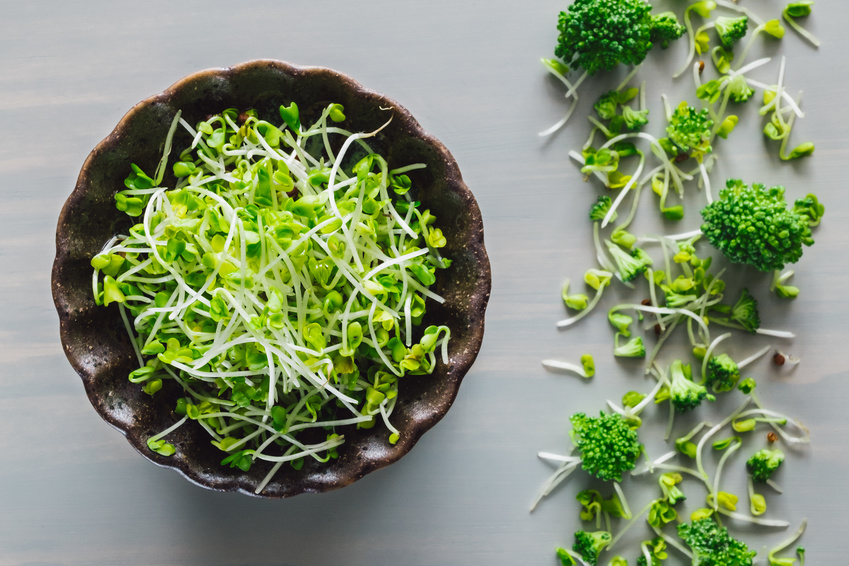
    The Vitamin C in broccoli already makes it a great antihistamine vegetable to include in your healing histamine diet. But the sulforaphane takes it up to the next level. Not only does sulforaphane act as an antihistamine, but it also has evidence of helping with neurodegenerative diseases, cancer, cardiovascular diseases, inflammatory conditions, and more. It is a powerful compound to include on a regular basis. And if you want to get the most bang for your buck, broccoli sprouts are the way to go. After all, each sprouted seed has all the nutrients and information needed for the growth of an entire broccoli plant. You’d have to eat a lot of broccoli to keep up with the sulforaphane you’d get from just a small handful of sprouts.

    And an oil from the sprouted broccoli seeds makes sulforaphane even easier to include on a regular basis.

    A SULFORAPHANE-RICH OIL

    Broccoli seed oil has been found to be rich in sulforaphane. We already know this compound is highly beneficial to the body — but how do we get it in? The nice thing about having a sulforaphane-rich oil rather than just the whole broccoli or broccoli sprouts is that the oil can be applied topically, as well as ingested. Studies have shown that sulforaphane does indeed enter the body transdermally — right through the skin cells and into the bloodstream. And not only can we get it into our bloodstream via the skin — It actually protects the skin.

    Broccoli oil has been shown to protect the skin from damaging UV rays –not by acting as a sunblock or sunscreen, but by increasing protective enzymes in the skin, helping the skin cells protect themselves. This means it doesn’t matter if it washes off. The effects last for several days, rather than a few hours. And the protection remains even after the broccoli oil is no longer on the skin.

    Additionally, its high linoleic acid content helps promote the production of ceramides in the skin. Translation: this oil is also anti-ageing.

    OTHER BENEFITS OF BROCCOLI OIL

    Broccoli oil has long been my go-to hair styling product. Usually, someone with very curly hair, as I have, would rely on silicone based hair styling oils to tame the frizz. While silicones aren’t particularly hazardous to health, they are kind of like putting plastic wrap on your hair and skin. –They don’t let you “breathe.” They can also tend to trap bacteria and oils in when you probably don’t want them there. And since silicones aren’t biodegradable, the cumulative use of these products isn’t great for the environment, either. I had read years ago that this oil mimics silicone when applied to hair, and yup, it totally works on frizz and does it better than the silicone products it replaces.

    So, it’s an anti-ageing skin oil, a hair taming oil, and a topical source of sulforaphane for antihistamine, anti-inflammatory effects. What more could a girl want?

    HOW TO USE BROCCOLI SEED OIL

    I’ve already talked about a few great uses for broccoli oil, but here are some specifics. Definitely keep it in by your bathroom mirror so it’s handy for hairstyling in the morning and to add to your moisturising skin routine at night. You can include the broccoli oil along with one or two of these other great antihistamine & anti-ageing oils.

    If you want beautiful, silky smooth hair without any extra effort, you can add a few drops of broccoli seed oil to your favorite conditioner. Then leave the conditioner in your hair a few minutes while in the shower, and you’ll have a shine-enhancing, deep conditioning treatment that rivals a high-end salon or spa.

    If you want to easily add some sulforaphane to your diet, add a few drops to your morning juice or smoothie. You can also easily add a couple drops to your histamine-fighting olive oil-based salad dressing. You can even just add the drops on an entire bottle of extra virgin olive oil so that without thinking about it you automatically have sulforaphane-infused oil for your salads.

    PRECAUTIONS

    Keep in mind that if you have allergic or other reactions to broccoli or thiols, you may also react to broccoli seed oil.

    ——-REFERENCES——

    Akhlaghi, M. & Bandy, B. (2010). Dietary broccoli sprouts protect against myocardial oxidative damage and cell death during ischemia-reperfusion. Plant Foods for Human Nutrition, 65(3):193-9. doi: 10.1007/s11130-010-0182-4.

    Bahadoran, Z., Mirmiran, P., & Azizi, F. (2013). Potential efficacy of broccoli sprouts as a unique supplement for management of type 2 diabetes and its complications. Journal of Medicinal Food, 16(5), 375-82. doi: 10.1089/jmf.2012.2559. Epub 2013 Apr 30.

    Johns Hopkins Medical Institutions. (2007, October 23). Broccoli Sprout-derived Extract Protects Against Ultraviolet Radiation. ScienceDaily. Retrieved May 20, 2018 from www.sciencedaily.com/releases/2007/10/071022171929.htm

    Price, Annie. “Broccoli Seed Oil: The Next ‘It’ Oil for Anti-Aging?” Dr. Axe, 5 Sept. 2017, draxe.com/broccoli-seed-oil/. Accessed 20 May 2018.

    Royston, K. J., & Tollefsbol, T. O. (2015). The Epigenetic Impact of Cruciferous Vegetables on Cancer Prevention. Current Pharmacology Reports, 1(1), 46–51. http://doi.org/10.1007/s40495-014-0003-9

    Sikdar, S., Papadopoulou, M., & Dubois, J. (2016). What do we know about sulforaphane protection against photoaging? Journal of cosmetic dermatology, 15 1, 72-7.

    Tarozzi, A., Angeloni, C., Malaguti, M., Morroni, F., Hrelia, S., & Hrelia, P. (2013). Sulforaphane as a Potential Protective Phytochemical against Neurodegenerative Diseases. Oxidative Medicine and Cellular Longevity, 2013, 415078. http://doi.org/10.1155/2013/415078

  • 2 More Ayurvedic Antihistamine Herbs

    2 More Ayurvedic Antihistamine Herbs

    It seems like Ayurvedic Medicine has an abundance of antihistamine herbs to choose from. Holy Basil is one of my favorites for histamine intolerance. But have you heard of Vasaka or Pippli? Both these herbs have mast cell stabilising properties, which can help prevent histamine release. 

    AYURVEDIC MEDICINE

    Ayurvedic Medicine is the traditional medicine of India. Its approach to health involves preventing unnecessary suffering and promoting living a long and healthy life. Foods and herbs have a large part in Ayurvedic treatment and prevention. In fact, Ayurvedic Medicine is almost a precursor to the modern-day concept of Functional Medicine, as it focuses on finding the root cause of illness and dysfunction and emphasizes restoring and maintaining balance in the body through the use of medicinal herbs. The word “Ayurveda” is Sanskrit for “The Science of Life” and refers to the balance Ayurvedic Medicine seeks to bring to all aspects of a person’s life: body, mind, & spirit.

    There are about 15,000 medicinal herbs in India, and about half of them have been used for curing different illnesses. Ayurvedic herbs can be prescribed and used either solo or as a part of a blend or “polyherbal formulation.” These blends often combine herbs known to work synergistically to get the desired effect. Some of the more commonly used Ayurvedic herbs include Ashwagandha, Bacopa, Chicory, and the more recently popular ingredient, tiger nuts. However, there are many, many more. Just a couple of the less well known Ayurvedic herbs which also just happen to be healing for histamine sufferers include Vasaka and Pippli.

    VASAKA

    Vasaka (Adhatoda vasica) is a common shrub in India that is also known as Malabar nut, adulsa, adhatoda, vasa, and many others. Studies on the leaf of this plant have shown it to be highly anti-inflammatory, anti-oxidative, anti-allergic, cough suppressing, anti-asthmatic, and generally good for the lungs. Since many of those things go along with either chronic histamine intolerance or an acute histamine reaction, it may be one to discuss with your doctor or practitioner. Vasaka is particularly rich in luteolin, which is related to quercetin, and is present in most of the foods I eat daily. 

    Vasaka was used as a part of an Ayurvedic herbal formulation along with Curcumin (Curcuma longa), Bharangi root (Clerodendrum serratum), Kantakari (Solanum xanthocarpum), and Pippli (Piper longum), discussed below. This formulation is used to treat bronchial asthma and allergic (read histamine) disorders. In an animal study, this formulation was effective for significantly reducing the death of rats from anaphylactic reactions after exposure to a trigger. This herbal blend protected mast cells and suppressed the production of IgE antibodies which would otherwise cause mast cell degranulation. The researchers concluded that this formulation showed “significant anaphylactic activity”. Please remember, these are rats, not humans. I’ve personally found that remedies that can be cooked with are the best I’ve tolerated. Vasaka is available as a powdered leaf, which you can just consume in a little water (fast, as it’s bitter).

    PIPPLI / PIPPALI

    Pippli (Piper longum) or “long pepper” is a tropical climbing plant that grows throughout India. It is related to the good old black pepper that sits on your dining room table. Pippli is used for conditions like coughs and bronchitis, asthma, and other types of inflammation. In fact, in an animal study that compared the oral intake of the Pippli essential oil to Ibuprofen, the Pippli oil had a stronger anti-inflammatory effect than the Ibuprofen. Since Ibuprofen has a negative effect on the gastrointestinal system (altering your microbiome), I’d rather take the Pippli.

    An extract from Pippli was shown to reduce histamine in a study of guinea pig cells and in mice with seizures. It is also found in a few different Ayurvedic formulations that are used for allergies and/or inflammation. If the regular black pepper isn’t spicy enough for you (or causes reactions), check out Pippli/long pepper as an alternative seasoning. You’re most likely to find it at an Indian supermarket. You may find it called Pippali instead. Pippli or Pippali is the main spice used in traditional recipes for the Pakistani dish, Nihari, which is a stew made from slow-cooked meat shank and marrow. Other spices in this dish may be turmeric, coriander, ginger, and garlic, but there are many variations. If you eat meat, you may want to check out a Nihari recipe with plenty of antihistamine spices.

    You can season your food and lower histamine, too.

    ————REFERENCES—————

    Gohil, P. V. & Mehta, A. A. (2011). “Evaluation of Mast Cell Stabilizing and Anti-Anaphylactic Activity of Polyherbal Formulation.” Advances in Biological Research, 5(6), 304-308.

    Kaushik, D., Rani, R., Kaushik, P., Sacher, D., & Yadav, J. (2012). “In vivo and in vitro antiasthmatic studies of plant Piper longum linn.” International Journal of Pharmacology, 8(3), 192-197. http://dx.doi.org/10.3923/ijp.2012.192.197

    Kumar, A., Panghal, S., Mallapur, S. S., Kumar, M., Ram, V., & Singh, B. K. (2009). Anti Inflammatory Activity of Piper longum Fruit Oil. Indian Journal of Pharmaceutical Sciences, 71(4), 454–456. http://doi.org/10.4103/0250-474X.57300

    Parasuraman, S., Thing, G. S., & Dhanaraj, S. A. (2014). Polyherbal formulation: Concept of Ayurveda. Pharmacognosy Reviews, 8(16), 73–80. http://doi.org/10.4103/0973-7847.134229

    Rogers, M. A. M., & Aronoff, D. M. (2016). The Influence of Nonsteroidal Anti-Inflammatory Drugs on the Gut Microbiome. Clinical Microbiology and Infection : The Official Publication of the European Society of Clinical Microbiology and Infectious Diseases, 22(2), 178.e1–178.e9. http://doi.org/10.1016/j.cmi.2015.10.003

    Sayin, I., Cingi, C., Oghan, F., Baykal, B., & Ulusoy, S. (2013). Complementary Therapies in Allergic Rhinitis. ISRN Allergy, 2013, 938751. http://doi.org/10.1155/2013/938751

  • De-stress, Lower Histamine Naturally

    De-stress, Lower Histamine Naturally

    Numerous studies have documented the role of stress hormones on mast cell activation and histamine release. Fighting that stress has been my number one priority for years now, and it should be yours too. Here’s a few fun ideas to turn a day at home into a mini spa experience to chill out your immune system and hopefully prevent those stress hormones from filling up your inflammation bucket. So, sit back, relax, and learn about some of the best histamine-lowering ways to bring the spa experience to your home.

    ENJOY SOME DETOX WATER

    Most spas offer fruit and/or herb-infused ice water. You can bring that idea home by making up a pitcher or water cooler filled with filtered or spring water and adding some antihistamine fruits and herbs. Remember that extreme temperatures, like the cold, are histamine triggers, so you may wish to avoid ice cubes or very cold water. 

    Here are some of my favourite combinations:

    • Blueberries + Peaches
    • Cucumber + Lemon + Mint
    • Green Apple + Lemon + Mint
    • Cucumber + Basil
    • Pomegranate + Tarragon

    MAGNESIUM FOOT SOAK

    Not giving the body magnesium for just four days significantly triggers histamine inflammation.  Aside from being soothing, pure magnesium chloride bath salts are an option for boosting those levels, especially if you’re sensitive to magnesium supplementation (like me! never been able to tolerate any supplement I’ve tried, but I use the transdermal oil nightly).

    Prepare the water by bringing 1 quart to a rapid boil. When the water has boiled, remove from heat, add the fresh herbs (if using, and let stand, covered, for 10 minutes to steep. Strain into a 1 quart container and discard (compost) herbs. Then rinse your cooking pot or kettle and bring 3 quarts of water up to bathwater temperature (104°F/40°C). Pour the herb-infused water and the warm water into a foot basin (or turkey roasting pan). Place on a towel in front of a comfortable chair. Test the water to make sure it’s tolerable (warmer is better as it helps promote circulation and open up your pores). Add ½ cup of magnesium salt if desired. Soak feet for 15 to 30 minutes, adding more warm water as needed.

    Antihistamine Foot Soak Combinations:

    • A handful of mint leaves + 4 rosemary sprigs.
    • Lavender flowers
    • Chamomile flowers
    • Peppermint + Soda + Salt (4 peppermint tea bags, 1 cup baking soda, 1/2 cup of Epsom salt).

    If you’d like to find some histamine-friendly commercial beauty & personal care products, read that post here.

    RELAX WITH A MASK

    • Ayurvedic Herbs: Mix ½ tsp neem leaf powder and ½ tsp Triphala powder with enough organic cucumber hydrosol (or another hydrosol) to make a paste. Apply to face and allow to set for 5 minutes before washing off with warm water and then a tolerated cleanser. Follow up with a hydrating oil (like jojoba) if you like.

    Both neem and Triphala have antihistamine properties. Read more about the benefits of the herbal blend, Triphala, here.

    • Nigella sativa: Mix ½ teaspoon of Nigella sativa oil into 1 tablespoon carrier oil, such as jojoba. Leave on for 45 minutes and then wash face with a tolerated cleanser.

    Read more about the benefits of Nigella sativa for histamine intolerance here.

    • Activated Charcoal:  Mix together the contents of 2 pills of charcoal, 2 drops of moringa oil, 1 teaspoon of cucumber hydrosol in a ceramic bowl. Apply to your face with your fingers. Leave it on for about 15 minutes, until dry. Wash face with a tolerated cleanser.

    Activated charcoal is a great detoxifying agent that may be helpful for lowering allergy-induced inflammation. The moringa oil is both antihistamine and anti-inflammatory.

    And of course, don’t forget the cucumber slices for your eyes.

    MOISTURIZE WITH ANTIHISTAMINE OILS

    I’ve found that pure oils are a great way to moisturize without needing to worry about the long lists of ingredients on most “natural” creams. Not only do these oils have antihistamine properties, but they also have antiageing and skin beautifying benefits. These oils are a great way to wrap up a spa experience — moisturizing your face after a mask or your feet after a foot soak.

    Check out my post, 5 Antihistamine & Anti-Ageing Collagen Boosting Oils to learn about pomegranate and other oils that could help you stay youthful.

    EAT SPA-INSPIRED FOOD

    Spas are all about eating light, nutrient-dense, organic whole food meals and snacks designed to support the body’s natural detoxification pathways. Try antihistamine smoothies, raw fruits and vegetables, soups, steamed or sauteed vegetables (like in a stir fry), and salads.

    For some antihistamine smoothie ideas, check out this post or you could grab a copy of my Anti-Detox cookbook.

    A plate of fresh fruit could include apple slices (cut horizontally to make rounds with stars in the middle), blueberries, pomegranate arils, mangoes, peaches, honeydew, cantaloupe, watermelon, or Bartlett pears. Or make a colorful fruit salad with fresh mint or basil ribbons.

    Big green salads are always a good way to go. Add plenty of DAO-boosting olive oil and fresh antihistamine herbs like parsley or cilantro. Some wild caught salmon, if tolerated, is a great source of protein paired with anti-inflammatory omega-3 fatty acids. But add whatever protein you like.——————————— Sources ———————————-

    Vadas P, Perelman B. (2003). Activated charcoal forms non-IgE binding complexes with peanut proteins. Journal of Allergy and Clinical Immunology. 112(1), 175-179. [Activated charcoal is often used in emergency management of poisoning to prevent toxins from being absorbed through the stomach into the bloodstream.  We demonstrate that activated charcoal also forms inactive complexes with peanut protein, preventing peanut bound to activating charcoal from triggering allergic reactions]. Retrieved from: https://www.ncbi.nlm.nih.gov/pubmed/12847495

  • New Antihistamine Confirms Vertigo-Histamine Link

    New Antihistamine Confirms Vertigo-Histamine Link

    Dizzy? Have tinnitus? A biotech company in the South of France has finally cracked one of the most annoying and debilitating symptom combinations – and histamine may be to blame. Here’s the latest scoop on the medication they’ve created to resolve the issue, and options for lowering your levels naturally to help clear the fog and dizzies. 

    NEWS FLASh: vertigo is now treatable

    A French company that specializes in inner ear diseases, including severe vertigo and tinnitus, has developed a histamine H4 receptor blocker to treat vertigo. This new drug, called Seliforant, has been shown to alter the function of cells in the inner ear and can be taken by mouth or by injections.

    It’s now (May 2018) in a Phase 2 clinical trial, conducted in the USA, Europe, and South Korea. The biotech company that developed Seliforant, called Sensorion, is working to create drugs for treating and preventing hearing loss as well as the often associated vertigo and tinnitus.

    The fact that an antihistamine is being used to treat vertigo is extremely interesting. It confirms that an antihistamine can also be anti-vertigo, and that histamine is behind vertigo for some people. You’ll notice that both vertigo and tinnitus are on the list of “Common Symptoms of Histamine Related Disorders” here, as well as on my list of symptoms immediately following. 

    HISTAMINE HAS A COMPLICATED RELATIONSHIP WITH VERTIGO

    Histamine has an impact on a person’s sense of balance due to the fact that there are histamine-affected neurons in the posterior hypothalamus of the brain. And the hypothalamus is an important regulator of all kinds of functions related to homeostasis and balance. Histamine can negatively impact one’s sense of balance causing dizziness/vertigo. However, in animal studies, when there is a vestibular neurectomy surgery to remove the balance nerve in the ear, histamine levels rise temporarily to help regain a sense of balance.

    Ménière’s disease causes many severe vertigo episodes which are often accompanied by tinnitus (“ringing in the ears”). This can be so severe that it’s debilitating and prevents the person from functioning at work or participating in social activities. One or both ears may be involved. The go-to drug treatment for Ménière’s is Betahistine, a drug that is similar to histamine. It works by inhibiting Histamine H3 receptors and at the same time weakly stimulating Histamine H1 receptors. In acute situations, other antihistamines like Meclizine or Diazepam may also be used. Studies also show that inflammation may be a contributing factor in Ménière’s.

    If antihistamines are useful for treating Ménière’s and inflammation is a contributing factor, then it’s certainly worth checking out an antihistamine, anti-inflammatory diet, and lifestyle.

    HISTAMINE MAY CAUSE TINNITUS

    Because of these histamine receptors in the brain and ears, it’s possible (and likely) that histamine also contributes to tinnitus (Read more in this post). The company mentioned above is not only developing drugs for vertigo; they have also found that targeting particular cells in the inner ear could be helpful for treating tinnitus.

    Drugs are great to have when necessary, but I prefer a natural approach whenever possible. Lowering your histamine levels by changing some foods and habits may just make the difference.

    DIET COULD HELP

    Readers have reported improvements in both vertigo and tinnitus after changing their diet. The recommended diet here is of course whole food, nutrient-dense, anti-inflammatory, low histamine diet. Including plenty of naturally antihistamine foods, beverages, herbs & spices help even more. The beauty of it all is that this is a delicious, satisfying diet with plenty of color and variety.

    Start by changing just one meal a day — say, breakfast. Make a big, anti-inflammatory fruit smoothie or vegetable juice to start the day. You may feel some effect by lunch, as you have fasted since dinner and then have added fresh, inflammation-fighting foods to start your day. There are plenty of options. For some ideas on smoothies see my post, 5 Smoothies for Histamine Intolerance.
    This of course unless you have salicylate intolerance which would make you sensitive to fruits and vegetables. 

    OTHER CULPRITS FOR VERTIGO & TINNITUS

    If you’re following a low histamine, anti-inflammatory diet and you find vertigo and/or tinnitus persists, there may be other culprits to blame. A common one is oxalates. For starters, oxalates can raise histamine levels, so you may be consuming some hidden histamine promoters.

    Besides that, oxalic acid can contribute to vertigo and tinnitus directly by the build-up of oxalate crystals in the blood vessels of the Central Nervous System. Then the cranial nerves are affected, leading to those and other neurological symptoms.

    Being aware of these food-related contributing factors is half the battle. While there are certainly other potential causes of both vertigo and tinnitus (for example, a head injury), if you know you’re histamine intolerant, figuring out your histamine triggers is a good place to start.

    ADD SOME SPECIFIC EXERCISES

    If you’ve already implemented the antihistamine diet and lifestyle to the best of your ability, and are still gung-ho to try something that might help, check out Vestibular Rehabilitation Therapy or Cawthorne Exercises. There are particular eye exercises, such as gaze stability, that you can do to help improve your balance and reduce symptoms of vertigo.

    —— REFERENCES ——-

    Hough LB. Histamine Actions in the Central Nervous System. In: Siegel GJ, Agranoff BW, Albers RW, et al., editors. Basic Neurochemistry: Molecular, Cellular and Medical Aspects. 6th edition. Philadelphia: Lippincott-Raven; 1999. Available from: https://www.ncbi.nlm.nih.gov/books/NBK28245/

    Lacour, M., van de Heyning, P. H., Novotny, M., & Tighilet, B. (2007). Betahistine in the treatment of Ménière’s disease. Neuropsychiatric Disease and Treatment, 3(4), 429–440.

    Lechan RM, Toni R. Functional Anatomy of the Hypothalamus and Pituitary. [Updated 2016 Nov 28]. In: De Groot LJ, Chrousos G, Dungan K, et al., editors. Endotext [Internet]. South Dartmouth (MA): MDText.com, Inc.; 2000-. Available from: https://www.ncbi.nlm.nih.gov/books/NBK279126/

    Li, B., Zhu, J.-N., & Wang, J.-J. (2014). Histaminergic afferent system in the cerebellum: structure and function. Cerebellum & Ataxias, 1, 5. http://doi.org/10.1186/2053-8871-1-5

    Samarneh, M. M., Shtaynberg, N., Goldman, M., Epstein, E., Kleiner, M., & El-Sayegh, S. (2012). Severe Oxalosis With Systemic Manifestations. Journal of Clinical Medicine Research, 4(1), 56–60. http://doi.org/10.4021/jocmr525w

GET STARTED HEALING HISTAMINE

WHAT YOU NEED TO KNOW ABOUT HISTAMINE DELIVERED TO YOUR INBOX