Category: Research & News

  • The Hay Fever-Histamine Connection

    The Hay Fever-Histamine Connection

    Hay Fever, otherwise known as allergic rhinitis (nasal allergies), or what most people refer to simply as “allergies” has an association with histamine intolerance and mast cell disorders. Have you ever noticed your histamine symptoms get worse in the spring? Why is that? What is it about pollen time that seems to make everything worse? Some people also claim that pollen from various flowers and trees cross-reacts with foods. Is that true? Find out…  

    HISTAMINE & HAY FEVER

    The designation, “hay fever,” comes from an idea that seasonal allergy symptoms result from smelling hay. John Bostock, a medical doctor living in London in the 1800s, originally set out to figure out his own symptoms, as he dealt with occasional blocked sinuses and fatigue each June. He found others with the same symptoms and wrote an article about what he then called “summer catarrh” (Catarrh is a build up of mucus in the nose or throat). After his paper got passed around the medical establishment at the time, people got the idea that the symptoms came about from the smell of new hay in June — Hence, “hay fever.”

    Dr. Bostock didn’t agree –He thought it was some kind of recurring disease that was made worse by summer heat. For him, an escape to the cool seaside town of Ramsgate, in Kent, was helpful, and soon others also headed to the seaside to take in some fresh, sea air. Of course, the seaside also happened to be away from the high concentration of grass pollen, which is especially high in the month of June — at least in England.

    Histamine, as we know, is released by mast cells and then binds to one of four histamine receptors: H1, H2, H3, or H4. The histamine one (H1) receptor is the one that is activated with allergic rhinitis and produces symptoms like itchy, watery eyes, sneezing, and nasal congestion or a runny nose. It is also the one activated with hives and asthma. Benadryl, Zyrtec, Claritin, and Allegra are all H1 blockers, so they are often prescribed for allergies of this kind.

    TYPES OF HAY FEVER

    There are two types of hay fever: seasonal allergies and perennial allergies. Seasonal allergies coincide with the pollination of certain plants and so occur seasonally, either spring or fall. Pollen from trees, grasses, and certain weeds are known to be the most common triggers. The springtime brings tree and grass pollination while fall is the time for ragweed pollination. Molds that are higher during these times of year and release spores into the air may also be to blame.

    Perennial allergies are those which last all year long. This type of allergic rhinitis is generally caused by indoor triggers such as dust mites, pet hair or dander, cockroaches, or mold. Some people may deal with both perennial and seasonal allergies and notice that their ongoing symptoms worsen in the spring and/or fall.

    WHAT CAN WE DO TO LESSEN EXPOSURE?

    The American College of Allergy, Asthma, & Immunology (ACAAI) recommends the following for managing histamine levels and symptoms:

    • Monitor pollen and mold counts via newspaper, radio, or television reports and keep windows and doors shut during peak times. Mid-morning and early evening are high points during the day.
    • Wear glasses or sunglasses when you’re outside to avoid eye exposure to pollen.
    • Get a pollen mask (NIOSH-rated 95 filter) and wear when doing outdoor activities like mowing the lawn, raking, or gardening.
    • Don’t hang clothing, towels, or sheets outside to dry as the pollen may cling to the fabric and be brought inside.
    • Take a shower and put on fresh clothes after spending time outside.
    • Keep your home free of dust and dust mites and wash your bedding frequently.

    DOES POLLEN CROSS-REACT WITH FOOD?

    According to research, there is a high co-occurrence of hay fever and food allergies. Some of the cross-reactive plants include birch and apples, cypress and peaches, and ragweed with melon and banana. So even if a particular food is low histamine (apples), you may find yourself reacting if that food cross-reacts with a respiratory allergy you have.

    And it’s not just plants (or things with pollen) that can cause issues. Animal allergens and foods can also cross-react. Examples include dust mites and shrimp, cat dander and pork, and birds and eggs. So while fresh pork is not a high histamine food, if you have cat allergies you’ll want to be cautious about your pork intake and monitor symptoms.

    Of course, foods can also contain pollen and cause reactions — the most obvious being honey, royal jelly, and other bee-related foods and supplements.

    WHERE TO START…?

    It’s always best to start by lowering your overall levels of inflammation so that you are not always at the tipping point. It all goes back to the inflammation bucket I talked about in this post. Thankfully I haven’t suffered any hay fever in years since changing my diet. How can you get your inflammation in check? Diet and lifestyle. I know it can be overwhelming and difficult to know where to begin, so I decided to lay everything out in an easy-to-follow guide: The Histamine Reset. It takes you through 28 days of antihistamine delicious meals, recommended supplements, yoga videos, and more. Healing histamine doesn’t happen overnight; it’s a gradual process. This reset is the guide I wish I’d had years ago. Wishing you health and happiness.

    ———REFERENCES———

    American College of Allergy, Asthma & Immunology (2014). Allergic Rhinitis.

    https://acaai.org/allergies/types/hay-fever-rhinitis.

    American College of Allergy, Asthma & Immunology (2014). Seasonal Allergies.

    https://acaai.org/allergies/seasonal-allergies.

    Howarth, P. H., Salagean, M., & Dokic, D. (2000). Allergic rhinitis: not purely a histamine-related disease. Allergy, 55(64), 7-16.

    Retrieved from: https://www.ncbi.nlm.nih.gov/pubmed/11291780

    Naclerio, R. M. (1990). The role of histamine in allergic rhinitis.

    Journal of Allergy & Clinical Immunology, 86(4 Pt 2), 628-32. Retrieved from: https://www.ncbi.nlm.nih.gov/pubmed/1977783

    Parkinson, J. (2014, July 1). John Bostock: The man who ‘discovered’ hay fever. BBC News Magazine. Retrieved from: https://www.bbc.com/news/magazine-28038630

    Popescu, F.-D. (2015). Cross-reactivity between aeroallergens and food allergens. World Journal of Methodology, 5(2), 31–50. http://doi.org/10.5662/wjm.v5.i2.31

    Wang, D. Y. (2002). Treatment of allergic rhinitis: H1-antihistamines and intranasal steroids. Current Drug Targets: Inflammation & Allergy, 1(3), 215-220.

    Retrieved from: https://www.ncbi.nlm.nih.gov/pubmed/14561186

  • Histamine & The Pool or Beach

    Histamine & The Pool or Beach

    When it’s hot and sticky in the summertime, there’s nothing like a dip in the pool or a trip to the beach to cool you down. And since histamine intolerance often causes heat intolerance, a plunge in some cool water is especially inviting. However, what lies beneath those sparkling blue waters may cause us to hesitate. Human contaminants (pee, poop) and chemical additives like chlorine may set off a variety of symptoms or result in illness. The general term for this, as used by the Centers for Disease Control (CDC) in the United States, is Recreational Water Illness. Here’s what you need to know.

    HUMAN WASTE IN THE WATER

    Most of us know that babies and children have a tendency to pee or defecate in the water, but adults do it, too. And even if that’s not the case, water can easily just rinse the germs from someone’s backside, putting it into the surrounding water. You can see how this easily happens with babies and children who are in diapers.

    While we don’t like to think about these things when going for a carefree afternoon at the pool or beach, it’s important to take into consideration when you’re already in an over-reactive state. These human contaminants are full of bacteria and toxins that can definitely cause histamine reactions. Germs can be spread simply by having contaminated water touch your skin, in addition to swallowing the water, or breathing in the vapor.

    Infections that occur as a result of exposure can cause digestive symptoms, itchy skin, rashes, breathing difficulties, even hives — all symptoms that happen to have histamine associations. The germs behind these infections can be anything from Cryptosporidium to giardia, Shigella, norovirus, or even E. coli. Yuck.

    CHLORINE

    Chlorine is like any other chemical that can aggravate histamine intolerance. Studies have shown that exposure to chlorine can increase allergic inflammation, making your reactions worse. However, it’s interesting to note that another study found that while chlorine did worsen allergies (allergic rhinitis), it was not by way of mast cell activation but by some other pathway. Still, a “chlorine allergy” is a relatively common thing, with symptoms

    It’s also interesting that the addition of a chemical used in tap water chlorination, dichlorophenol (and found in urine), is associated with an increased risk of food allergies. So this chemical is definitely making us more sensitive to the environment in one way or another. And dichlorophenol is found in all kinds of personal care products, including Colgate toothpaste, so you could be sensitising yourself every day.

    TO SWIM OR NOT TO SWIM? WHAT CAN BE DONE?

    Depending on your sensitivity, it may still be fine to swim. Just be sure not to swallow the water and practice good swimmer hygiene, such as showering with soap before and after your time in the water. Pay attention to your histamine/inflammation “bucket.” How are your stress levels? What did you eat in the last few days? How are your symptoms on this particular day that you’d like to head to the beach or pool? If stress seems to be under control, food choices are good, and you don’t have other histamine-aggravating factors going on, don’t worry so much about spending time in the water. It’s all about balance, and so long as you don’t throw yourself out of balance by other poor choices (food, work, busy-ness, exposure to chemicals), you may be able to handle the small exposure to chlorine or potential bacteria.

    BE AWARE THAT SALT WATER POOLS MAY BE CHLORINATED

    Double check with the owner. There are systems that allow people to sanitise without chlorine, but never assume.

    THE BEACH

    Definitely some downsides: the unrelenting heat, sunburn, overcrowding. I tend to go to the beach at 4 or 5pm when people start thinning out and the sun is less challenging. In California I go to the beach as late as 6pm (but I don’t swim there – too cold for me!). There’s nothing on this planet that soothes my mast cells and mind like floating in salty water, letting the waves caress my stress away.

    Suggestions:

    Take an umbrella and a really thick large towel so you don’t feel the heat from the sand.

    Fill an empty spray bottle and spritz yourself regularly.

    If you don’t tolerate sun protection, check out UV filtering hats and clothing. Make sure to wear really large sunglasses and a large floppy hat under the umbrella.

    Bring plenty of water and a cooler if possible.

    If going swimming, take a really long time to acclimate to the water. My mast cells personally don’t care for sudden temperature changes.

    HISTAMINE BUCKET FULL?

    When you’re reacting to everything and can’t enjoy the things you used to love… can’t swim, can’t go in the sun, can’t eat anything… it’s time to start getting your histamine levels under control. Here’s an exact blueprint and four-week histamine reset to take the stress out of healing histamine.

    ———REFERENCES———

    Kim, S.-H., Park, D.-E., Lee, H.-S., Kang, H.-R., & Cho, S.-H. (2014). Chronic Low Dose Chlorine Exposure Aggravates Allergic Inflammation and Airway Hyperresponsiveness and Activates Inflammasome Pathway. PLoS ONE, 9(9), e106861. http://doi.org/10.1371/journal.pone.0106861

    Shusterman, D., Balmes, J., Avila, P. C., Murphy, M. A., & Matovinovic, E. (2003).

    Chlorine inhalation produces nasal congestion in allergic rhinitics without mast cell degranulation. European Respiratory Journal, 21(4) 652-657; DOI: 10.1183/09031936.03.00049102

    http://www.spectralightuv.com/salt-water-pools

  • This Parasite Triggers Histamine Intolerance

    This Parasite Triggers Histamine Intolerance

    Could parasites be causing or contributing to your chronically high histamine levels? We know that imbalances in the gut microbiome can cause histamine problems, but how about intestinal parasites? It’s interesting that just as histamine intolerance seems to be increasing, so does the prevalence of a particular parasitic infection: Blastocystis hominis. And “blasto” seems to increase histamine by several routes of action. Let’s just say it knows how to push our buttons.

    “BLASTO” OVERVIEW

    Blastocystis hominis is a common intestinal inhabitant and it’s actually controversial whether it’s a problem or not, because it occurs at a rate of 10% of the population in developed countries and 60% of the population in developing countries. Additionally, many people can have it for years without any symptoms. However, for many people (especially those with a compromised immune response), it causes a myriad of symptoms and needs to be treated. Some of these symptoms may include diarrhea, nausea, abdominal pain, excessive gas and bloating, loss of appetite, fatigue, and hives (red flag for high histamine). Other skin problems and IBS are also associated with a Blastocystis hominis infection.

    BLASTOCYSTIS DISABLES NITRIC OXIDE

    Blastocystis hominis protects itself by disabling our nitric oxide production. It does this by producing an enzyme called arginase, which helps break down the amino acid, arginine. Arginine is required for the synthesis of nitric oxide, so without arginine, the body becomes deficient in nitric oxide (NO). A lack of NO has be proven to increase gut permeability and increase histamine levels. In fact, nitric oxide is actually a mast cell stabiliser. You can read more about nitric oxide and ways to increase it naturally on this post.

    BLASTOCYSTIS LOWERS MAGNESIUM

    Magnesium levels were tested in 52 patients infected with Blastocystis hominis and compared to 60 healthy controls. The blasto-positive patients had “clearly decreased” magnesium levels compared to those who did not have the parasite infection. It’s interesting that a magnesium deficiency can cause histamine to go up. Low magnesium levels are also associated with increased mast cells in several organs of the body. A magnesium deficiency causes lowered diamine oxidase production, too. And DAO, as we know, is very important for breaking down histamine. Read more about magnesium deficiency and how it triggers histamine inflammation here.

    BLASTOCYSTIS IS INCREASED BY STRESS

    In animal studies, exposure to stress was found to suppress the immune system of the host (particularly IgA) and to allow Blastocystis hominis to spread. Because both stress and “blasto” suppress the immune system, it’s easier for this parasite to take over and make a permanent home in your body (until you eradicate it). In the same study, it was also shown to mess up your oxidant-antioxidant systems causing oxidative stress and aging. Not great news.

    DIAGNOSING BLASTOCYSTIS HOMINIS

    • Stool (fecal) exam. This test looks for parasites or their eggs (ova).
    • Endoscopy. If the fecal exam turns up inconclusive, your doctor may order this test.
    • Blood tests. A blood test that can detect blastocystis is now available.

    HOW TO GET RID OF BLASTOCYSTIS HOMINIS

    Antibiotics are usually used for “blasto” infections. The most commonly used is metronidazole, which has a success rate of 80%, according to research. When that doesn’t work, another antibiotic, Trimethoprim/sulfamethoxazole (TMP-SMX), is used. The TMP-SMX is really effective in adults, but not very effective at all in children. Nitazoxanide is effective for infections in children.

    However, if you’re wanting to avoid antibiotics, a couple of Chinese herbs have also been shown to be fairly effective: Brucea javanica (common names: Macassar kernels, java brucea, and kosam) and Coptis chinensis (Chinese goldthread). Use of these herbs alongside a lactose-free and high fiber diet can be helpful in creating an environment that is unfriendly to this parasite. However, it’s not known how you’ll do on these herbs with histamine intolerance, and of course please consult with a doctor.

    The probiotic strain, Saccharomyces boulardii (250 mg twice daily for 10 days) may also be helpful in the eradication of Blastocystis hominis. In a study of children with the infection, Saccharomyces boulardii was comparable to the antibiotic Metronidazole and had a parasitical cure rate of 94.4% at the end of the treatment (versus 93.3% cure rate in the antibiotic group).

    HIT THE RESET BUTTON

    Step one in fighting Blastocystis hominis may be to just focus on your nutrient-dense, low histamine, anti-inflammatory diet and restore your body’s ability to fight for itself. Check out my complete histamine reset with recipes and lifestyle strategies to balance histamine levels and get your body on the path to healing: 28-Day Histamine Reset.

    ———REFERENCES———

    Chandramathi, S., Suresh, K., Sivanandam, S., & Kuppusamy, U. R. (2014). Stress Exacerbates Infectivity and Pathogenicity of Blastocystis hominis: In Vitro and In Vivo Evidences. PLoS ONE, 9(5), e94567. http://doi.org/10.1371/journal.pone.0094567

    Dinleyici, E. C., Eren, M., Dogan, N., Reyhanioglu, S., Yargic, Z. A., & Vandenplas Y. (2011). Clinical efficacy of Saccharomyces boulardii or metronidazole in symptomatic children with Blastocystis hominis infection. Parasitology Research, 108(3), 541-5. doi: 10.1007/s00436-010-2095-4. Epub 2010 Oct 5.

    Kilic, E. Yazar, S., & Saraymen, R. (2004). Serum zinc and magnesium levels in patients with blastocystosis. Biological Trace Element Research. 98(1), 21-26. Retrieved from: https://www.ncbi.nlm.nih.gov/pubmed/15051897

    Mirza, H., Wu, Z., Kidwai, F., & Tan, K. S. W. (2011). A Metronidazole-Resistant Isolate of Blastocystis spp. Is Susceptible to Nitric Oxide and Downregulates Intestinal Epithelial Inducible Nitric Oxide Synthase by a Novel Parasite Survival Mechanism . Infection and Immunity, 79(12), 5019–5026. http://doi.org/10.1128/IAI.05632-11

    Nishio, A., Ishiguro, S., & Miyao, N. (1987). Specific change of histamine metabolism in acute magnesium-deficient young rats. Drug-Nutrient Interactions, 5(2), 89-96. Retrieved from: https://www.ncbi.nlm.nih.gov/pubmed/3111814

    Sekar, U., & Shanthi, M. (2013). Blastocystis: Consensus of treatment and controversies. Tropical Parasitology, 3(1), 35–39. http://doi.org/10.4103/2229-5070.113901

  • 6 Summer Histamine Challenges and Solutions

    6 Summer Histamine Challenges and Solutions

    Summertime is a wonderful time of being outside, taking in the sunshine, mowing the lawn, and enjoying cookouts with friends and family. However, for those of us dealing with histamine intolerance, summer has its share of additional histamine triggers to watch out for. Heat, sunburn, and bug bites can put us over the top. But just like almost everything nowadays, there’s a hack for that.

    SUN EXPOSURE

    Of course, we need the sunshine to replenish our vitamin D stores, but a little bit goes a long way. Overexposure to the sun causing inflammation (sunburn) leads to elevated histamine levels and conversely, higher histamine levels may make you more sensitive to the sun.

    HACKS: Umbrella, hat, and a beach cover-up are helpful for keeping your sun exposure to tolerable levels. For sunscreen, check out the brand 100% PURE. The best suggestion is to increase your intake of richly pigmented fruits and vegetables. Polyphenols can help to lower your overall inflammation levels and additionally protect your skin from the damaging effects of UVA and UVB rays. You can even try broccoli seed oil. If you’re not overly sensitive to smells, I’ve found dousing my clothing with bug spray a few hours before wearing them was effective (not to be tried in malaria zones please). 

    NOT ENOUGH WATER (DEHYDRATION)

    With the extra sweating that accompanies summer heat, it’s easy to get dehydrated if we’re not conscientious about our water intake. And dehydration is yet another stressor on the body which has been shown to raise histamine levels –particularly in the brain.

    HACKS: Always make sure you have a water bottle with you — particularly if you’ve noticed that bottled water triggers you in some way or that you don’t tolerate conventional city or well water. Listen carefully to your body and drink according to thirst.

    INSECT BITES

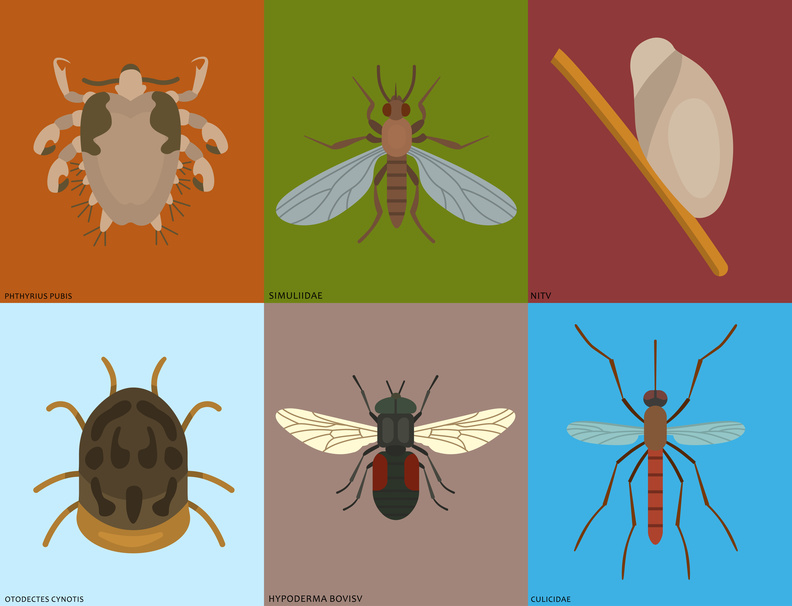
    Mosquitoes, gnats, deer flies, horse flies, ticks… Summer is full of them, and when you have elevated histamine, you may react more severely than the average person. I’ve found that mosquito bites can be a nightmare. 

    HACKS: I’ve found a great bug spray called “Incognito” at my favourite beauty store on earth. This stuff is basically citronella (and a few other essential oil-derived ingredients). You can just spray it on clothes or beach wear to get those bugs to bugger off. Did you know that Nigella sativa is not only an antihistamine but can work as a bug repellent? Not only that, but it is protective against the sun and anti-ageing. It’s a great all-around oil for the skin. (Again, please not in serious big zones). 

    MOWING THE LAWN/WEED WACKING (VIBRATION)

    When you’re mowing the lawn and tackling weeds with a weed wacker the handle tends to vibrate, sending that sensation into your hands and causing symptoms. Some people have even had their fingers swell up like sausages and turn red after mowing, and then begin to itch. The reason for this is that vibration causes mast cells to degranulate, releasing histamine into the body. I can attest to the vibration thing in particular. I had a free session on one of those vibra-exercise plate things. The experience wasn’t great. I could actually feel the histamine fizzing in my brain.

    HACKS: Be aware of your histamine bucket. Are you mowing in the heat? In the sun? Maybe keep some iced tulsi tea nearby. Some people may not tolerate the vibration from mowing at all, while others can handle it in short bouts. Take turns with a friend or family member, or volunteer for another task.

    SEASONAL (AND COMMON PARTY) FOODS

    Strawberries can be a histamine releaser.

    Hack: Opt for blueberries

    Lemonade can be a histamine releaser.

    Hack: Opt for iced tulsi tea (or water)

    Garden-fresh tomatoes are high histamine.

    Hack: Yellow tomatoes are lower histamine

    Pickles are high in histamine.

    Hack: Opt for fresh vegetable sticks

    Fresh spinach is high oxalate and high histamine

    Hack: Opt for fresh lettuce for salads

    Peanuts can be a histamine releaser.

    Hack: Opt for another nut, if tolerated

    Beer, wine, and other alcohol are pretty high histamine.

    Hack: Opt for pomegranate juice added to sparkling water and sweetened to taste — essentially a “Shirley Temple” cocktail)

    EXERCISE

    In the summer, our exercise tends to be outside in the heat. Not a good combination for keeping your histamine levels in check. Rollerblading (biking, skateboarding, etc) on black asphalt in the sun can be short-lived. Check out my post here to learn how exercise causes mast cell degranulation/histamine release. However, over the long term, exercise is anti-inflammatory and good for you, so don’t entirely forgo your summer exercise.

    HACKS: Try yoga on the beach rather than something that is high intensity, or do any tolerated cardio in an air-conditioned fitness center.

    HIT THE “RESET” BUTTON THIS SUMMER

    Summertime is the perfect time to do a whole body histamine detox. I’ve put together a four-week food plan, 7-day vegan meal plan, and a whole lot of other great histamine tools all in a 28-day program. It even comes with a 25-minute meditation audio you can take to the beach. Summer is a great time to take in all those extra fruits and vegetables –right from your garden or farmer’s market. Check out the program right here.

    ———REFERENCES———

    Bulugahapitiya, V. P. & Kirinde Arachchige, P. T. (2007). Mosquito Repellent Compounds from the Seeds of Nigella sativa L (Black cumin). Department of Chemistry, Faculty of Science, University of Ruhuna, Matara, Sri Lanka. Retrieved from: http://www.ruh.ac.lk/research/academic_sessions/2007_mergepdf/151-158.PDF

    Haas, H. L., Sergeeva, O. A., & Selbach, O. (2008). Histamine in the Nervous System. Physiological Reviews, 88:3, 1183-1241 Retrieved from https://www.physiology.org/action/showCitFormats?doi=10.1152%2Fphysrev.00043.2007

    Saric, S., & Sivamani, R. K. (2016). Polyphenols and Sunburn. International Journal of Molecular Sciences, 17(9), 1521. http://doi.org/10.3390/ijms17091521

    Sudhir SP, Deshmukh VO and Verma HN: Nigella Sativa Seed, a Novel Beauty Care Ingredient: A Review. Int J Pharm Sci Res 2016; 7(8): 3185-96.doi: 10.13040/IJPSR.0975-8232.7(8).3185-96.

  • Boost Good Gut Bacteria Without Supplements

    Boost Good Gut Bacteria Without Supplements

    Most of us know that our gut plays an important role in our immune response. The levels of different species and strains of bacteria in the gut, and especially which bugs predominate, impacts our body’s responses to internal and external stressors and pathogens. As those of us with mast cell disorders and histamine intolerance know, keeping a balanced immune response is critical — and yet also challenging. So, how can we boost the good guys in our gut (especially when we’re avoiding a lot of bacteria)? There are ways… Read on.

    EXERCISE

    Did you know exercise can help balance your microbiome? Research in both animals and humans indicates it can. In the human study conducted at the University of Illinois at Urbana-Champaign, 32 previously sedentary men and women (18 lean, 14 obese) were given a 6-week exercise program followed by 6 weeks of no exercise. Samples were taken from their poo before the exercise program, immediately after the exercise program, and then again after the 6-week “washout period” of continued sedentary behavior. The samples were then evaluated to see how the gut bacteria changed from before exercise, after exercise, and after 6 weeks of returning to sedentary behavior.

    While the changes in the gut bacteria over this time period were different for each individual, there were some patterns. The main point of interest is that the exercise increased the numbers of (beneficial) microbes that produce short-chain fatty acids (SCFA). This is a big deal because SCFAs have been found to lower inflammation in the gut AND in the rest of the body.

    You’ve gotta stick with it, though. The beneficial changes in the gut microbiome reversed after the people returned to couch potato status. (Exercise is a mixed bag when it comes to histamine intolerance. See this post to learn how to make it work for you).

    PREBIOTICS

    Prebiotics are food ingredients that preferentially feed the beneficial bacteria in the gut, such as bifidobacteria and lactobacilli. There are a number of low- or antihistamine foods that are high in prebiotics such as inulin or Fructooligosaccharides (FOS) or Galactooligosaccharides (GOS). Some low histamine prebiotic foods include:

    Artichokes (FOS)

    Asparagus (FOS)

    Cauliflower (GOS)

    Chickpeas (GOS)

    Jerusalem artichoke (FOS)

    Jicama (FOS)

    Lentils (GOS)

    Red onion (FOS — also high in antihistamine quercetin and polyphenols)

    You can also take prebiotic powders and add them to low histamine smoothies. Recommended ones include Bimuno GOS powder and partially hydrolyzed guar gum (technically a colonic food, rather than prebiotic). FOS/inulin is another option, but GOS is tolerated better in those with digestive issues.POLYPHENOLS

    Polyphenols are colorful plant compounds that are known for their anti-inflammatory and antioxidant effects. Studies show they may also help protect the gut microbiome by inhibiting the growth of bad bugs and encouraging the growth of good bugs like firmicutes. Good sources of polyphenols include:

    Almonds (high oxalate)

    Black rice bran (histamine inhibitor)

    Blueberries

    Broccoli

    Ginger (mast cell stabiliser)

    Green tea (histamine inhibitor)

    Pomegranate (mast cell stabiliser)

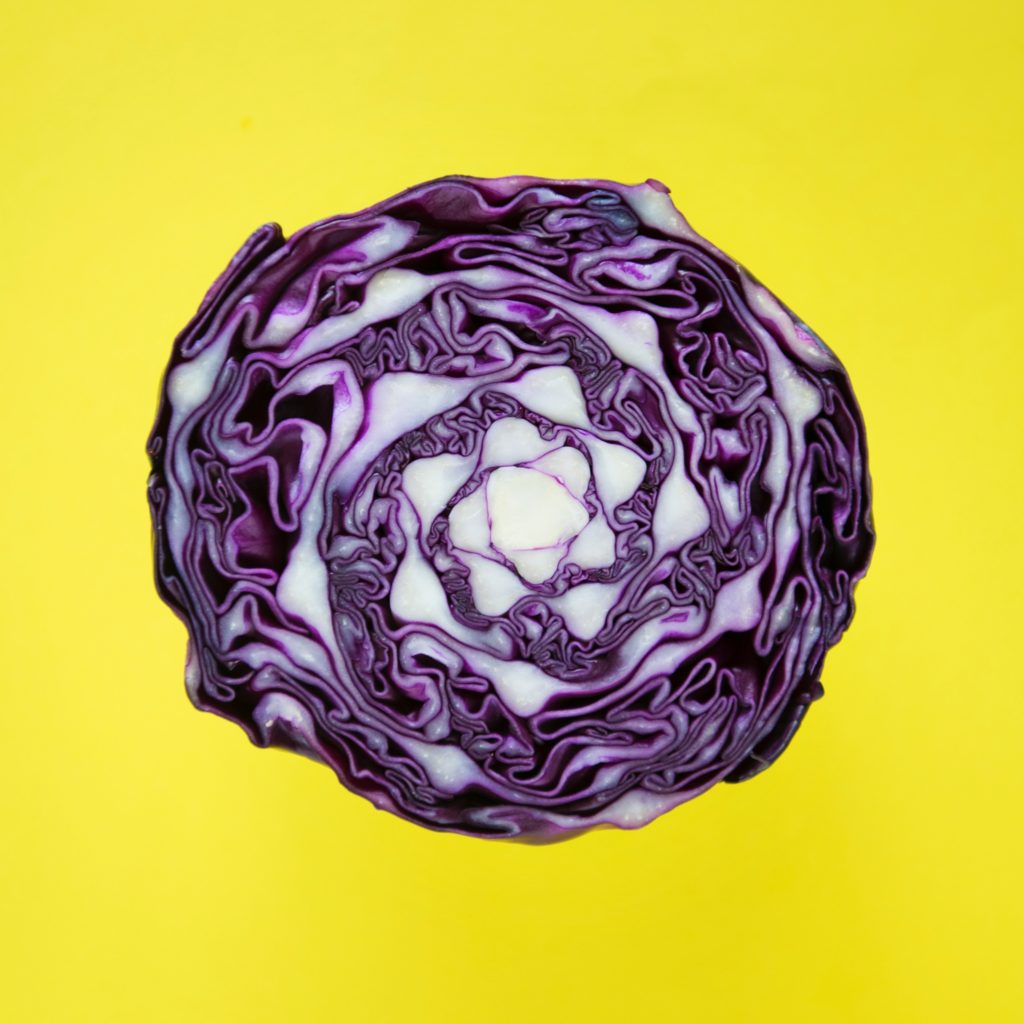
    Red cabbage

    Red onions (also high in antihistamine quercetin)

    Sweet potatoes (high in histamine-lowering quercetin and rutin)

    Turmeric

    One interesting side note is that you might want to hang on to the husk when you peel your pomegranate. Pomegranate husk works as an antimicrobial against bad bugs, parasites, and candida while also promoting the growth of the beneficial species, bifidobacteria.

    DON’T TAKE THESE

    Avoid yogurt, kefir, kombucha, sauerkraut, kimchi, or other ferments recommended online or by misinformed practitioners. These ferments tend to be high in histamine and will just set off symptoms. However, there may be a way to do histamine safe ferments. Check out this post to find out. You may even want to look into rice-based kefir for low histamine, probiotic benefits. You can learn more about probiotic strains for histamine intolerance here.

    I should add that probiotic supplements and fermented foods are literally just passing through. Unfortunately, you cannot recolonise the gut with probiotics if you have completely wiped out whole species with antibiotics. This is a popular misconception. The only way to recolonise annihilated gut bacteria is through a fecal transplant. Otherwise, if you have just reduced certain species to really low levels, you can bring them back to higher levels with the use of prebiotics. Prebiotics can be really powerful in bringing balance back to your gut microbiome.

    You can learn which bugs you have left and which ones are high or low through a test like uBiome or Viome.

    NEED SOME FUN IDEAS FOR FOOD + FITNESS?

    Check out my complete histamine reset with recipes and lifestyle strategies to balance histamine levels and get your body on the path to healing: 28-Day Histamine Reset.

    ———REFERENCES———

    Allen, J. M., Mailing, L. J., Niemiro, G. M., Moore, R., Cook, M. D., White, B. A., … Woods, J. A. (2018). Exercise Alters Gut Microbiota Composition and Function in Lean and Obese Humans. Medicine and Science in Sports and Exercise,

    50(4), 747-757. doi: 10.1249/MSS.0000000000001495.

    Bialonska D, Ramnani P, Kasimsetty SG, Muntha KR, Gibson GR, Ferreira D. (2010). The influence of pomegranate by-product and punicalagins on selected groups of human intestinal microbiota. International Journal of Food Microbiology. 2010;140(2-3):175–182.

    Duda-Chodak, A., Tarko, T., Satora, P., & Sroka, P. (2015). Interaction of dietary compounds, especially polyphenols, with the intestinal microbiota: a review. European Journal of Nutrition, 54(3), 325–341. http://doi.org/10.1007/s00394-015-0852-y

    Kristensen, N. B., Bryrup, T., Allin, K. H., Nielsen, T., Hansen, T. H., & Pedersen, O. (2016). Alterations in fecal microbiota composition by probiotic supplementation in healthy adults: a systematic review of randomized controlled trials. Genome Medicine, 8:52, https://doi.org/10.1186/s13073-016-0300-5

    Neyrinck A.M., Van Hée V.F., Bindels L.B., De Backer F., Cani P.D., Delzenne N.M. Polyphenol-rich extract of pomegranate peel alleviates tissue inflammation and hypercholesterolaemia in high-fat diet-induced obese mice: Potential implication of the gut microbiota. Br. J. Nutr. 2013;109:802–809. doi: 10.1017/S0007114512002206.

    Pandey, K. B., & Rizvi, S. I. (2009). Plant polyphenols as dietary antioxidants in human health and disease. Oxidative Medicine and Cellular Longevity, 2(5), 270–278.

  • Exercising with Histamine Intolerance

    Exercising with Histamine Intolerance

    We all know exercise is recommended for a healthy body in the long run. However, with histamine intolerance, you’re probably finding that exercise can make you sick. Unfortunately, exercise over the short term does tend to fill the histamine/inflammation bucket. However, over the long term, it’s highly anti-inflammatory, so don’t give up just yet. Here’s how to get exercise without the flare in symptoms.

    1) CHOOSE YOUR EXERCISE WISELY

    It’s important to choose an exercise based on your current fitness level. Any type of exercise could be strenuous for one person but relatively easy for another. If the exercise isn’t overly strenuous for you, it may take you a little while to tire, which can impact the amount of histamine depleted and released. Pick a way of exercising that doesn’t completely destroy you, but still gets you a good workout. I practice a style of ashtanga yoga – very strenuous, but it incorporates meditation (*Important –see below) and is naturally a type of interval training. Do the amount of exercise you can handle and gradually increase duration and intensity.

    2) GO WITH NON-DYNAMIC EXERCISE

    Studies show aerobic exercise, like running, cycling, or kickboxing can significantly raise histamine levels in the body. It’s only cardio that seems to do it, though – resistance training, like lifting weights (don’t overdo it), doesn’t appear to have that effect. At least in animals/people who don’t have a histamine intolerance or mast cell disorder. So, if you’re suffering from histamine intolerance, explore “non-dynamic” exercise options like weight training, pilates, or yoga.

    Speaking of which, did you know that one of the many studies on yoga showed that females who practiced yoga regularly had 41% lower stress markers than non-yogis? And significantly lower inflammation. That’s huge for us with histamine intolerance. Incorporate yoga if you can.

    Keep in mind that while cardio exercise releases histamine and other inflammation, the effect is only temporary (up to 72 hours). That also would be a reason to not over schedule yourself in the days that follow a good workout. But after the three days or so, exercise actually has an anti-inflammatory effect on the body, which is why it’s still included as a part of my healing histamine reset program.

    3) TAKE ENVIRONMENT INTO ACCOUNT

    Your environment can make a huge impact on your stress levels and your histamine. Pay particular attention to the environment in which you are exercising – is the studio too hot, is the teacher too shouty, the music too loud? Are there bright lights? Smells of rubber mats (gym) or incense (yoga studio)? All these things can fill up your histamine/inflammation bucket before you even begin exercising.

    If you can’t change the environment or mitigate the effects on you (sunglasses, earplugs, personal air purifier), it might be best to do your workouts on your own turf. You can buy a couple of weights invest in a yoga mat and an $18 subscription to Yogaglo online classes. I promise you won’t regret it.

    4) ADD QUERCETIN

    I take quercetin for its histamine-lowering effects, but it may also help us incorporate exercise more easily. An 8-week study on men’s badminton players found that this 1000 mg of this bioflavonoid (found in nearly all the foods on my 28-day histamine reset) delayed muscle exhaustion. So hey, it might be a good idea to include a quercetin supplement on a regular basis as well as including plenty of quercetin-rich foods in your diet.

    5) TRACK WITH AN APP

    Exercise can drive up our histamine levels pretty fast and we can overdo it before we know it. So sometimes it helps to be able to track how much stress the body is under before we take it too far. I invested $10 in the SweetBeat HRV app which measures your resting heart rate and then charts it for you, based on a composite of many measures. In the Financial Times article where I learned about the app, the creator is quoted as saying that the HRV number is “associated with the tone of the vagus nerve”. Apparently, research shows that the numbers are decreased by hard workouts and are affected by emotional stress.

    So basically, you test yourself in the morning and when the HRV number plummets, you know it’s time to chill your exercise routine because your body is a little stressed out.

    6) FOLLOW EXERCISE WITH MEDITATION

    Meditation is a natural DIY antihistamine, so it’s a great way to follow any type of workout. Beyond lowering histamine, it’s interesting that meditation can even help you recover faster. Researchers in a study published in the British Journal of Sports Medicine were able to lower blood lactate levels by employing post-exercise meditation. Lactate is the stuff that causes the burning sensation in your muscles and can be a big issue for runners — or even power walkers.

    7) DON’T FORGET ABOUT DIET

    How you eat before and after you exercise can make a big impact on how your body responds to exercise. And not just on gym day. Keeping your inflammation and histamine levels lower with an anti-inflammatory and antihistamine rich diet will help keep some room in your inflammation bucket so you can get the exercise you need. Go for clean proteins, polyphenol- and flavonoid-rich plant foods, and filtered water as needed.

    8) STAY POSITIVE

    Remember to stay positive and focus on what’s going well. Don’t give any attention to what you can’t do, how little you can lift, or your lack of stamina. This keeps you in a more inflammatory and stressed state and isn’t good for your histamine levels. Instead, focus on every little improvement you make; every stride; everything that is moving you toward your goals and toward healing.

    Need more guidance? Here’s an exact blueprint and four-week histamine reset to take the stress out of healing histamine.

    ——— REFERENCES ——–

    Barrett‐O’Keefe, Z. , Kaplon, R. E. and Halliwill, J. R. (2013), Sustained postexercise vasodilatation and histamine receptor activation following small muscle‐mass exercise in humans. Experimental Physiology, 98: 268-277. doi:10.1113/expphysiol.2012.066605

    Daneshvar, Pooya, et al. “Effect of Eight Weeks of Quercetin Supplementation on Exercise Performance, Muscle Damage and Body Muscle in Male Badminton Players.” International Journal of Preventive Medicine, Medknow Publications & Media Pvt Ltd, Apr. 2013, www.ncbi.nlm.nih.gov/pmc/articles/PMC3665027/.

    Solberg EE, Ingjer F, Holen A, et al. Stress reactivity to and recovery from a standardised exercise bout: a study of 31 runners practising relaxation techniques. British Journal of Sports Medicine 2000; 34:268-272.

    http://bjsm.bmj.com/content/34/4/268.short

    http://www.ft.com/cms/s/0/c6797ec4-682d-11e5-a57f-21b88f7d973f.html#axzz3nmikop7z

  • Toxic Nail Polishes Trigger Histamine So Try These Instead

    Toxic Nail Polishes Trigger Histamine So Try These Instead

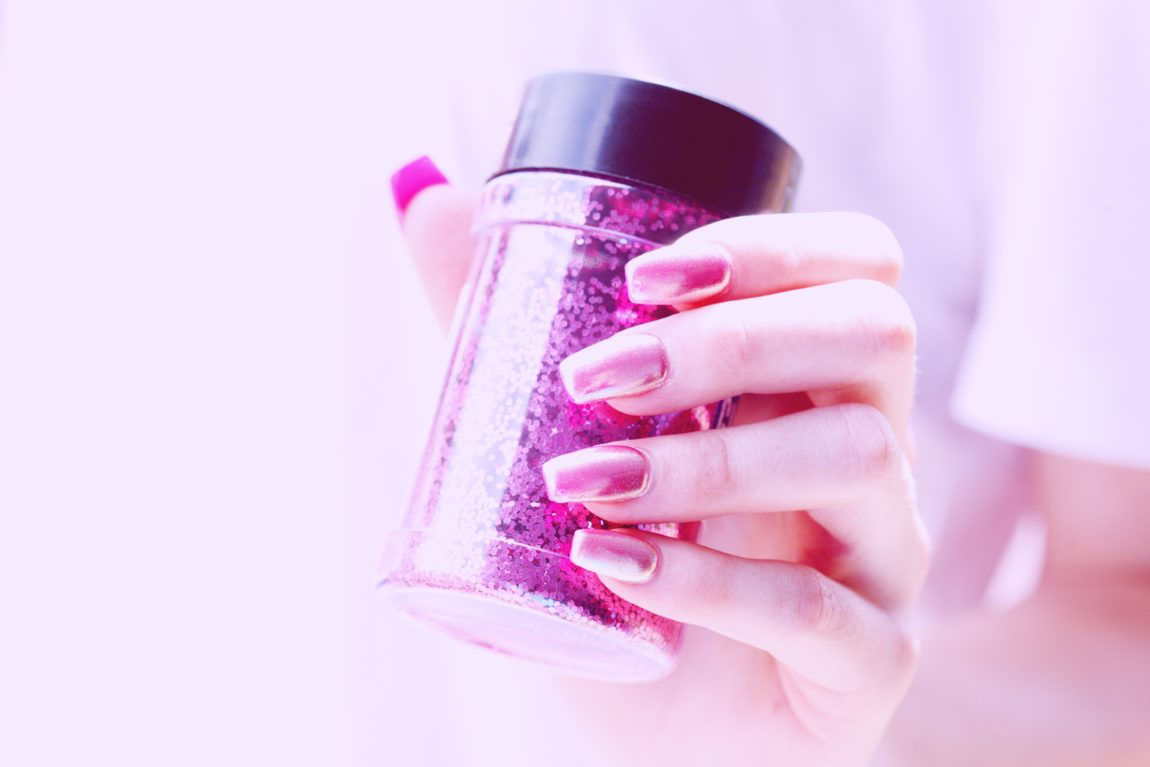
    Summer is that time of year when everyone in the northern states and countries breaks out the flip-flops and sandals after a long winter of boots and shoes and seeks out some fun new nail polish. But do you know what’s in nail polish? There’s a reason why the smell is so potent it can almost knock you out as you step into a salon. It is absolutely toxic and can totally set off symptoms in those with histamine intolerance and mast cell disorders. But — don’t worry; here are some less toxic options you can try, and one that’s totally non-toxic and histamine-friendly. 

    WHAT’S WRONG WITH CONVENTIONAL NAIL POLISH?

    Chemicals. So many chemicals. Some of the worst are called the “Big 3” or the “Toxic Trio” and include dibutyl phthalate (DBP), formaldehyde, and toluene. You’ll also see polishes noted as “Big 5 free” or “Big 6” or “7” or “8” — up to “10 free” as there are so many questionable ingredients in conventional nail polish. Here’s just an overview of the “Big 3.” You can look up the dangers of the others on the Environmental Working Group (EWG)’s Cosmetics Database.

    DBP is a plasticizer, solvent, and fragrance ingredient that is extremely toxic and gets an EWG rating of 10 (out of 10). It’s banned in cosmetics and personal care products in the European Union. DBP is a known hormone disruptor and in animal studies has been shown to cause infertility and problems with sperm development. In humans, it has been associated with changes in the reproductive anatomy of baby boys. In men, it lowers sperm quality, causes negative hormone effects, and leads to infertility. And that’s just a start. This is bad stuff.

    Formaldehyde is also used in nail polish as a hardener. Formaldehyde is a known carcinogen that is especially associated with leukemia. It’s also damaging to your respiratory system and can cause allergic dermatitis. It also gets an Environmental Working Group (EWG) rating of 10 for most toxic.

    Toluene is a petrochemical solvent and paint thinner. Its vapors are highly toxic, with exposures during pregnancy being associated with birth defects, mental retardation, and even spontaneous abortion. This chemical is also toxic to the immune system and is potentially linked to blood cancers like malignant melanoma. It, too, gets an Environmental Working Group (EWG) rating of 10 for most toxic.

    Other toxic chemicals included in nail products include camphor, TPHP, parabens, xylene, ethyl tosylamide, lead, and acetone — plus more listed below.

    4 BETTER OPTIONS

    Acquarella Water-Based Nail Polish

    Acquarella is based in Tucson, Arizona.  Polish does NOT contain: Formaldehyde or Formaldehyde like derivatives, toluene, ketones or any petrochemical solvents, DBP or other phthalates, TPHP, polyurethanes or polyurethane film-formers, parabens or camphor, mercury, lead, FD&C colors or coal tar (Lake) products in their colorants, gluten or wheat by-products, or any aromatic hydrocarbons.

    Acquarella Water Color Girly got an EWG ranking of 1 –their least toxic (BEST) rating. Their polish remover also gets a ranking of 1, which is great.

    RMS Beauty Polish

    Rose Marie Swift (RMS Beauty) is my hero! A trailblazing makeup artist to the world’s supermodels (including Gisele Bundchen) who suffer from chemical sensitivity. RMS Beauty Polish is free of petrochemicals, parabens, DBP, TPHP, toluene, camphor, xylene, formaldehyde, formaldehyde resin, and animal products.

    RMS Beauty Polish has apparently not been ranked by the EWG as of this writing.

    Zoya Nail Polish

    By “Art of Beauty” out of Ohio. Zoya is the name of one of the owners, a cosmetologist by trade who was previously a classical pianist in Russia. She emigrated to the United States with her husband Michael, a chemist who developed the products. Zoya is a “10 Free” formula, without DBP, formaldehyde, formaldehyde resin, toluene, camphor, TPHP, parabens, xylene, ethyl tosylamide, or lead.

    The new products from Zoya have apparently not been ranked by the EWG as of this writing

    Honeybee Gardens, WaterColours, Water-Based Nail Enamel

    Honeybee Gardens is based in Pennsylvania and was started by a 27-year-old herbalist back in 1995. Honeybee Gardens nail polish is water-based rather than solvent based. It does not contain FD&C colors, toluene, DBP, xylene, or formaldehyde, camphor, or benzophenone-1.

    Honeybee Gardens nail polish has apparently not been ranked by the EWG as of this writing.A HELPFUL TIP FOR POLISH COLORS

    Get some clear polish from your favorite non-toxic brand. Take your mineral makeup and tip some out onto a paper. Then just dip your clear nail polish into the mineral powder and spread it on your nails. That way you can get any color you like. You can also use the “100% Pure” brand of makeup.

    NEED MORE BEAUTY TIPS?

    Don’t miss the Low Histamine Beauty Survival Guide for non-toxic beauty tips, the skinny on histamine releasing (mast cell degranulating) beauty ingredients, antihistamine and anti-inflammatory beauty alternatives and the top brands natural brands I’ve found.

    ——REFERENCES/RESOURCES——

    http://honeybeegardens.com/watercolors-nail-enamel/

  • 5 Great Salads For Histamine Intolerance

    5 Great Salads For Histamine Intolerance

    Summer is here, gardens are flourishing, and it’s the perfect time to enjoy a wide variety of salads. With the right energy-dense, low histamine foods, salads can even be the main event. After all, sometimes it’s just “too hot to cook.” While some may be thinking, rabbit food? Is she serious? After all the fun foods I had to take out, now she’s pushing salad on me. 

    You’re absolutely right, I am.

    Having antioxidants at every meal is really important for preventing histamine inflammation, and along with juicing, is largely responsible for my being able to add so many foods back to my diet.

    ANTI-INFLAMMATORY SALAD

    Yasmina’s Notes: If you don’t tolerate lemon juice, use your “sour” of choice. Add your favorite protein to make this salad a stand-alone entree.

    INGREDIENTS

    • Mixed mesclun leaves
    • 1 1/2 cup fresh blueberries

    Turmeric Dressing

    • 1/3 cup extra-virgin olive oil
    • 2 Tablespoons apple cider vinegar
    • 1 Tablespoons lemon juice
    • 1 teaspoon turmeric
    • 1 clove garlic, grated
    • 1 teaspoons fresh grated ginger
    • 1/2 sea salt
    • 1/4 teaspoons freshly ground black pepper

    DIRECTIONS:

    Mix or shake together dressing ingredients. You can also blend them together if you want a smooth dressing. Serve or drizzle with dressing. Enjoy!

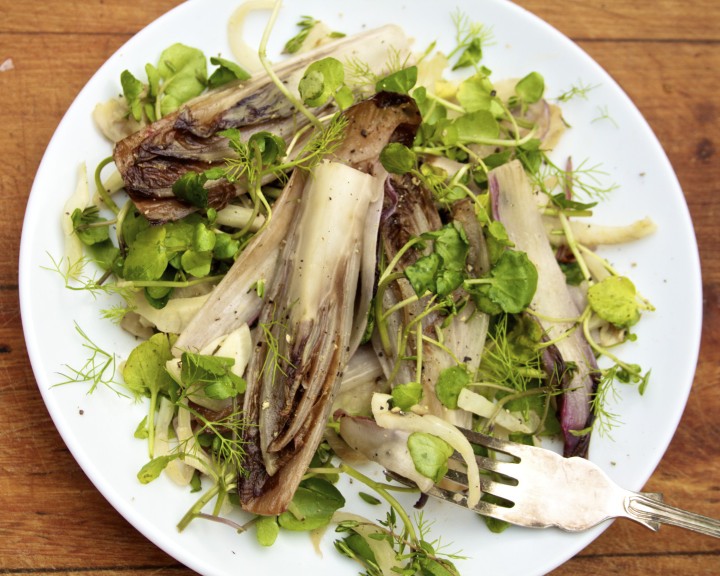
    BRAISED RED CHICORY & FENNEL SALAD W/WATERCRESS

    INGREDIENTS:

    1. 2 red chicory, cut into quarters
    2. 2 fennel bulbs, halved and sliced
    3. 1/2 cup watercress
    4. 1-2 cloves garlic
    5. olive oil
    6. lemon (or lemon thyme), squeeze

    PREP: In a pan, heat a little olive oil. Sauté the garlic till fragrant, add in the chicory and fennel. Squeeze in a little lemon (or some lemon thyme leaves).

    PEACHES, BASIL, AND RED ONION

    Yasmina’s Notes: If you don’t tolerate lemon juice, use your “sour” of choice. Serve this over mixed greens along with grilled chicken to make a full meal.

    INGREDIENTS:

    • 3 peaches, sliced 1/2 inch thick
    • 1/4 red onion, very thinly sliced
    • 1/3 cup fresh basil (leaves torn if large)
    • Juice of 1/2 lemon
    • 1/2 teaspoon coarse salt
    • Freshly ground pepper
    • 1 Tablespoon extra-virgin olive oil

    DIRECTIONS:

    Toss peaches with red onion, basil, lemon juice, salt, and some pepper. Drizzle with olive oil.

    FENNEL SALAD WITH MINT VINAIGRETTE

    Yasmina’s Notes: Sub the sugar with your favorite tolerated sweetener. If you don’t tolerate lemon juice, use your “sour” of choice.

    INGREDIENTS

    • 1 large fennel bulb (or 2 medium bulbs)
    • 1 1/2 teaspoons sugar
    • 2 Tablespoons lemon juice
    • 1/4 cup olive oil
    • 1/2 teaspoon organic De Louis Dijon mustard (optional – higher histamine ingredient)
    • 1/2 teaspoon salt
    • 1 Tablespoons chopped fresh mint
    • 2 teaspoons minced shallot or onion

    DIRECTIONS:

    1. In a blender combine lemon juice, shallot, mustard, salt, sugar, and mint. Pulse to combine.
    2. While the blender is running, drizzle in the olive oil until emulsified.
    3. Using a mandoline or knife, shave the fennel into 1/8 inch slices starting from the bottom of the bulb. Chop a few fennel fronds and toss with the salad.
    4. Pour the marinade over the fennel and toss.

    GINGER CILANTRO SWEET POTATO SALAD

    Yasmina’s Notes: If you don’t tolerate lime juice, use your “sour” of choice.

    INGREDIENTS

    • 3 pounds sweet potatoes, peeled and cut into 1-inch cubes
    • ¼ cup extra-virgin olive oil
    • 3 Tablespoons lime juice 
    • 2 teaspoons grated fresh ginger
    • ¾ teaspoon salt or more to taste
    • ½ cup sliced scallions
    • ½ cup chopped cilantro

    DIRECTIONS:

    1. Bring 2 inches of water to a boil in a pot fitted with a steamer basket attachment. Add sweet potato and steam until tender when tested with a fork, 15 to 20 minutes. Remove steamer basket and spread the potatoes out on a baking sheet to cool quickly about 15 minutes.
    2. Whisk oil, lime, ginger, and salt in a large bowl. Add the potatoes, scallions, and cilantro and toss to coat. Refrigerate to cool completely, about 1 hour 20 minutes.

    A FEW ADDED SALAD TIPS

    • Use mixed greens/salad as a base to lay pasta on.
    • Don’t forget about red lettuce. It has added polyphenols due to the rich color.
    • Serve in individual bowls for European style.
    • Run romaine hearts through the food processor for a French chopped salad style.

    WE CANNOT LIVE BY SALAD ALONE

    Well, we could, but variety is the spice of life. If you’d like to go beyond salads and get other recipe ideas, check out my complete histamine reset with recipes and lifestyle strategies to balance histamine levels and get your body on the path to healing: 28-Day Histamine Reset.

  • 5 Ways to Make Your Doctor Listen to You (About Histamine Intolerance)

    5 Ways to Make Your Doctor Listen to You (About Histamine Intolerance)

    While histamine intolerance is starting to be recognized within the realm of natural, naturopathic, and functional medicine, most mainstream medical doctors have never heard of it. Your local MD may not take you seriously and question whether such a condition exists, so it’s worth checking in with reputable functional medicine doctors – like mine – Dr. Stephen Meeneghan, head of functional medicine at Cedars Sinai. 

    So, how do you defend your case? Here are a few tips for making your doctor listen to you.

    PRINT MEDICAL STUDIES

    It’s difficult to argue with clear evidence in front of you in peer-reviewed medical journals. Print studies that have clear titles and are to the point. For example, print the PDF of this one, entitled “Histamine and histamine intolerance” and published in the American Journal of Clinical Nutrition or this review article, “Histamine intolerance in clinical practice,” originally published in a German medical journal (in German).

    For mast cell activation, you could print this one, published in the Journal of Allergy and Clinical Immunology: “Mast cell activation syndrome: proposed diagnostic criteria.” Or there’s this one from Journal of Hematology & Oncology: “Mast cell activation disease: a concise practical guide for diagnostic workup and therapeutic options.”

    Maybe even highlight or circle some key points that seem to relate to your signs and symptoms. Doctors don’t have a lot of time to read, so pointing out some of the main concepts may make them more likely to pay attention.  

    BRING PHOTOGRAPHIC EVIDENCE

    Now that so many people have smartphones this is pretty easy, but you can obviously use a regular camera. When visible symptoms flare up (rashes, extreme beach ball bloating, looking like a lobster), snap a quick photo, or have a family member or friend do it for you. Bring this along as evidence of symptoms to show your doctor. After all, he or she may think you’re exaggerating when you say you look 7 months pregnant after certain foods or stressors. A picture is worth a thousand words.

    Additionally, if you can bring a food diary or symptoms diary to go along with your photographic evidence (indicating possible triggers of your signs & symptoms), all the better.

    INCLUDE OUTSIDE TEST RESULTS

    If you’re consulting with another practitioner and have gotten other testing done (food sensitivity screening, genetic testing, etc), bring along the test results to share with your doctor. A genetic test can show susceptibilities to histamine issues, and food sensitivity (or allergy) testing can show that you are definitely reacting to foods more than you should. These outside tests along with the scientific studies can help reinforce your case that something is going on.

    COME PREPARED

    Plan ahead. Know what you’re going to say, and in which order you’re going to introduce your studies, evidence, and other tests. And please read the studies you’re bringing. This is really important. You may even want to practice with a friend or family member and have them pose some potential questions or objections from your doctor. If you seem to have things together, well researched and organized, and you are confident in what you’re saying, you’re going to have a lot better impact.

    You may even want to prepare your body. Before your appointment, make sure your body is in a balanced state and not in stress mode. Try some yoga, meditation, calming music, or herbal tea (chamomile or lavender are great). Getting your body and brain in a balanced state will help you to think more clearly, express yourself more effectively, and react with better judgment.  

    KEEP CALM AND CARRY ON

    Remember to remain calm. It doesn’t help anything to show anger or frustration. Getting emotional as you’re trying to convince your doctor to do some further investigations into histamine is just going to reinforce any thinking that “it’s all in your head.” So stay calm and patient, but stand your ground. You’re always going to have to be your own advocate when it comes to your health but there are more and more tools out there to help you do so.

    WANT TO START BEFORE THE APPOINTMENT?

    You don’t have to wait until you get your doctor on board before you start eating a healing diet. Here’s a complete reset with recipes and lifestyle strategies to balance histamine levels and get your body on the path to healing, I highly recommend my comprehensive 28-Day Histamine Reset.

    ————REFERENCES—————

    Akin, C., Valent, P., & Metcalfe, D. D. (2010). Mast Cell Activation Syndrome: Proposed Diagnostic Criteria: Towards a global classification for mast cell disorders. The Journal of Allergy and Clinical Immunology, 126(6), 1099–104.e4. http://doi.org/10.1016/j.jaci.2010.08.035

    Maintz, L. & Novak, N. (2007). Histamine and histamine intolerance, The American Journal of Clinical Nutrition, 85(5), 1185–1196, https://doi.org/10.1093/ajcn/85.5.1185

    Maintz, L. Bieber, T.,  & Novak, N. (2006). Histamine intolerance in clinical practice. Deutsches Ärzteblatt, 103(51-52), A3477-3883. Retrieved from: https://www.aerzteblatt.de/pdf/103/51/a3477e.pdf

    Molderings, G. J., Brettner, S., Homann, J., & Afrin, L. B. (2011). Mast cell activation disease: a concise practical guide for diagnostic workup and therapeutic options. Journal of Hematology & Oncology, 4, 10. http://doi.org/10.1186/1756-8722-4-10

  • Best Probiotics for Histamine Intolerance

    Best Probiotics for Histamine Intolerance

    Probiotics can be a touchy subject when it comes to histamine intolerance and mast cell disorders. After all, bacteria are the problem, right? Well, it depends what type we’re talking about. Certain strains of probiotics can actually be really helpful in healing histamine intolerance, but you have to know your source, your substrate, and your actual strain, not just species. Read on to learn what to look for.

    STRAIN SPECIFICITY (DO YOU KNOW YOUR BUG?)

    First of all, it’s important to know the difference between strain and species when it comes to probiotics. A lot of people use the word “strain” when they actually mean “species” and this is causing a lot of confusion.

    As an example, Lactobacillus rhamnosus. “Lactobacillus” is the genus. “Rhamnosus” is the species. The strain is unknown (not listed). You can find Lactobacillus rhamnosus GR-1, Lactobacillus rhamnosus (or L. rhamnosus) LRB, L. rhamnosus GG, and more. It’s these letters and numbers that come after that species that designate the strain. And they don’t all have the same effects.

    In fact, different strains of the same species of bacteria can have opposite effects. You never know when one strain could promote histamine while the other lowers it. So, it’s important to know your strain. This concept is known as “strain specificity” and you can read more about how strains are named in this post.

    I absolutely do not recommend adding in a probiotic during the elimination diet phase, nor when things are generally unstable. It can be like pouring gasoline on a fire. Everything will be amazing for the first few days/week, and then it’ll hit. 

    SUBSTRATE

    It’s also important to know what the probiotic was grown on, for example, dairy. If dairy is an issue for you, you’re going to want to make sure you’ve got a dairy-free probiotic.

    SOURCE/BRAND

    The brand of probiotic can make a huge difference for those of us who tend to have overactive immune systems. If you find a probiotic that is made up of just one strain, L. rhamnosus GG, but this particular brand likes to add fillers and colors, you might be in big trouble — even if you do tolerate the strain. You could be dealing with dairy- or corn-based fillers, titanium dioxide, and a whole lot more. Always check the label for other ingredients, just to be on the safe side.

    BIFIDOBACTERIUM LONGUM BB536 + BIFIDOBACTERIUM INFANTIS 35624

    Bifidobacterium longum BB536 was studied alongside Bifidobacterium infantis 35624 to investigate its ability to block histamine. This probiotic mixture, called Lac-B, was found to significantly suppress allergic type symptoms and decrease histamine levels. It also suppressed the expression of the genes for histamine 1 receptors and histidine decarboxylase, which would otherwise form histamine from the amino acid, histidine. In another study, Bifidobacterium infantis 35624 also had a strong anti-inflammatory effect throughout the body.

    LACTOBACILLUS REUTERI MM53

    Reuteri MM53 (otherwise known as DSM 17938, ATCC 55730, and SD 2112) is an H2 histamine blocker and helps with symptoms of GERD/acid reflux. Lactobacillus reuteri causes histidine to convert to histamine, but this particular histamine raises cAMP (a good thing), and kills inflammation This study finally backs up the assertion that not all histamine is bad and as such should not be entirely eliminated from the diet.

    This all goes hand in hand with what I’ve been saying for years: the focus should be on health as a whole, rather than lowering or avoiding histamine. We need to support the immune system, lower inflammation, and heal the gut.

    LACTOBACILLUS SAKEI PROBIO 65

    Sakei Probio 65 is the probiotic found in the Korean fermented cabbage condiment/side dish, kimchi. L. Sakei Probio 65 can inhibit IgE (the stuff involved in allergies) and interleukins (involved in mast cell disorders and inflammation generally), and it shows promise in treating atopic dermatitis caused by IgE mediated histamine release. You can get this in a bulk powder online.

    LACTOBACILLUS RHAMNOSUS GG

    L. rhamnosus GG is one of the most researched strains out there, and it’s a strong mast cell stabiliser. You’re probably seen the commercial probiotic, Culturelle, which features this strain. L. rhamnosus is often used in Inflammatory Bowel Disease (IBD) and allergic diseases, including atopic eczema.

    This probiotic (and a few others) down-regulates the IgE and Histamine 4 receptor while also up-regulating anti-inflammatory agents like (IL)-8. So it basically turns down the dial on two important allergy/mast cell histamine receptors, while enhancing the activity of anti-inflammatory agents.

    I read a study published in the Journal of Allergy and Clinical Immunology which discussed the importance of the microbiota (gut bacteria) in ongoing “immune homeostasis.” The authors found that activation of the H2 histamine receptor is “associated with potent immunoregulatory effects”. The study authors found that the anti-inflammatory effects of the histamine-secreting L. Rhamnosus were down to its stimulation of the aforementioned receptor.  

    LACTOBACILLUS CASEI SHIROTA

    Casei Shirota is a strain discovered in Japan. It’s another mast cell stabiliser and it’s been shown to lower inflammation caused by seasonal allergies. There are actually over 200 human studies using this particular strain. You can find this strain in a little yogurt beverage called Yakult, but it’s dairy-based.

    RESTORE

    While not actually a probiotic, this combination of trace minerals has been proven in studies to tighten the T junctions of the stomach barrier that keeps food particles and bacteria contained.

    SEEKING HEALTH

    Many of the probiotics from Seeking Health by Dr. Ben Lynch, especially the new Probiota X, are histamine friendly. With the latter specifically developed with us in mind.

    I have yet to find a supplement that doesn’t bother me after a few days, so I boost my good bacteria by eating fiber prebiotic foods like the ones I use in my 28 Day Histamine Reset.

    ——REFERENCES——

    Dev, S., et al. (2008). Suppression of histamine signaling by probiotic Lac-B: a possible mechanism of its anti-allergic effect. Journal of Pharmacological Sciences,107(2), 159-66. Epub 2008 Jun 5. https://www.ncbi.nlm.nih.gov/pubmed/18544899

    Ferstl R et al. (2014). Histamine receptor 2 is a key influence in immune responses to intestinal histamine-secreting microbes. The Journal of Allergy Clinical Immunology.134(3), 744-746.e3. doi: 10.1016/j.jaci.2014.04.034. Epub 2014 Jun 20.

    Groeger, D., O’Mahony, L., Murphy, E. F., Bourke, J. F., Dinan, T. G., Kiely, B., … Quigley, E. M. M. (2013). Bifidobacterium infantis 35624 modulates host inflammatory processes beyond the gut. Gut Microbes, 4(4), 325–339. http://doi.org/10.4161/gmic.25487

    Hemarajata, P., Spinler, J., Balderas, M., & Versalovic, J. (2014). Identification of a Proton-Chloride Antiporter (EriC) by Himar1 Transposon Mutagenesis in Lactobacillus reuteri and Its Role in Histamine Production. Antonie van Leeuwenhoek, 105(3), 579–592. http://doi.org/10.1007/s10482-014-0113-8

    Indrio, F. et al. (2011). Lactobacillus reuteri accelerates gastric emptying and improves regurgitation in infants. European Journal of Clinical Investigation. 41(4), 417-22. doi: 10.1111/j.1365-2362.2010.02425.x. Epub 2010 Nov 26. https://www.ncbi.nlm.nih.gov/pubmed/21114493

    Ivory, K., Chambers, S. J., Pin, C., Prieto, E., Arqués, J. L., & Nicoletti, C. (2008). Oral delivery of Lactobacillus casei Shirota modifies allergen-induced immune responses in allergic rhinitis. Clinical and Experimental Allergy, 38(8), 1282-9. doi: 10.1111/j.1365-2222.2008.03025.x. Epub 2008 May 28.

    Meijerink, M. et al. (2012). Immunomodulatory effects of potential probiotics in a mouse peanut sensitization model. FEMS Immunology and Medical Microbiology, 65(3), 488-96. doi: 10.1111/j.1574-695X.2012.00981.x. Epub 2012 May 24.

    Oksaharju, A., Kankainen, M., Kekkonen, R. A., Lindstedt, K. A., Kovanen, P. T., Korpela, R., Miettinen, M. (2011). Probiotic Lactobacillus rhamnosus downregulates FCER1 and HRH4 expression in human mast cells. World Journal of Gastroenterology, 17(6):750-9.

    Shida, K.; Takahashi, E.; Iwadate, E.; Takamizawa, K.; Yasui, H.; Sato, T.; Habu, S.; Hachimura, S.; Kaminogawa, S. (2002). Lactobacillus casei strain Shirota suppresses serum immunoglobulin E and immunoglobulin G1 responses and systemic anaphylaxis in a food allergy model. Clinical and Experimental Allergy 32, 563–570.

    Spiller, R. (2008), Review article: probiotics and prebiotics in irritable bowel syndrome. Alimentary Pharmacology & Therapeutics, 28: 385-396. doi:10.1111/j.1365-2036.2008.03750.x

GET STARTED HEALING HISTAMINE

WHAT YOU NEED TO KNOW ABOUT HISTAMINE DELIVERED TO YOUR INBOX