Category: Research & News

  • Bed Bug Poop Triggers Histamine

    Bed Bug Poop Triggers Histamine

    There may be a simple (but icky reason) for your uptick in symptoms while at home, especially while cleaning.

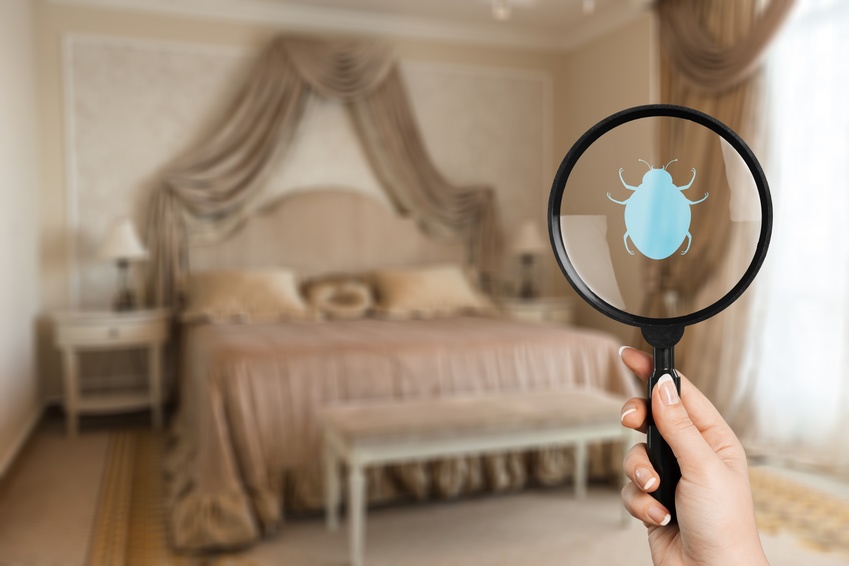
    One in five Americans has experienced a bed bug infestation, or knows someone who has, and that’s bad news for people with histamine intolerance according to a recent study on the pests and their histamine triggering poop. The researchers also found that their presence in your home may determine how allergic you are to household dust, and could explain those watery eyes and itchy throat during household cleaning. 

    TOXIC INDOOR AIR

    Did you know the air in your house or place of work is generally more toxic than outdoor air? A 2015 assessment of the Global Burden of Disease risk put indoor air pollution as the 9th largest risk for disease worldwide. Indoor air quality is affected not only by the products you decide to use, but volatile organic chemicals (VOCs) from furniture and paint, microbes of various sorts (bacteria, viruses, fungi), and “particulate matter” that is suspended in the air. This includes smoke and soot, pollen, moisture (water droplets), and dust — which is made up of all kinds of things, including excrements, fur/hair, and skin from insects and rodents. 

    A report published in the American Chemical Society’s (ACS) journal, Environmental Science & Technology, found that household dust is largely made up of our dead skin, fibers from carpets and upholstered furniture, dirt from shoes, and airborne particles. Over 60 percent of the dust originates outside. And sometimes living things that are supposed to stay outside invite themselves in. Ants, flies, mice, and bed bugs living in your home contribute to the household dust and your histamine load.

    DON’T LET THE BED BUGS MOVE IN

    In a 2018 study, histamine was found to be an unexpected contaminant in the home. The delivery method? Bed bug poop. Yup. Histamine is actually a large component of bed bug poop as a part of their aggregation pheromone, a chemical that helps bed bugs find each other. How cozy. The study was conducted to find out whether histamine accumulated in the dust of bedbug-infested homes, and whether eradication through heat would lower histamine over time. The researchers compared histamine levels of bed bug infested homes to homes not infested with bedbugs and found histamine levels were much higher in homes with bed bugs.

    WHAT TO DO

    First, if you have bed bugs, get rid of them, pronto. Admittedly, it’s not easy. Bed bugs are very resilient creatures and are very resistant to insecticides. Besides, that, if you have histamine issues, you’re not going to want to add more chemicals to your home –and particularly not near or in your bed. High temperatures in the form of “heat treatments” can be an effective, non-toxic way to eradicate bed bugs; however, it can be prohibitively expensive.

    Since the resurgence of bed bug infestations since the early 2000s, a number of “green” alternatives to bed bug-eradicating pesticides have popped up. The active ingredients listed have mostly been essential oils; however, there have been no studies to back up their usage. And in practice, the natural remedies out there don’t seem to compare with the chemical insecticides as far as effectiveness. In a study of 18 essential oils, 3 silicone oils, and paraffin oil in their toxicity against bed bugs, there was one that was noteworthy: blood orange essential oil. Runners-up included Chinese Cedarwood, Virginian Cedarwood, and then Thyme and Oregano. All of the essential oils studied showed insecticidal activity; however, none of the essential oils were as effective as the silicone oils or the paraffin.  

    To keep dust at bay, clean regularly with non-toxic, fragrance-free cleaning products — or maybe thyme oil in water. If thyme deters bed bugs, it may be a good idea to include in your cleaning regimen. Thyme also has antihistamine properties, which could make it a very good addition to your cleaning even after bed bug eradication. The study of bed bugs and histamine found that heat-based eradication of bed bugs failed to lower histamine levels in the home –even after 3 months had passed. Thyme may be able to help with that.

    Check out my post, Thyme: A Triple Wonder Herb to learn about its antihistamine properties and other benefits. If you can’t handle fragrance of any kind, just use a damp rag. Removing the dust regularly is key. Be sure to wash bedding and towels on a regular basis to avoid the build-up of dust. Get some fresh air in your home. Maybe get an air purifier. 

    A CAVEAT

    I drove myself and my partner completely insane boiling sheets, throwing out clothes and calling pest control for nearly six months till realising that we did not in fact have bedbugs. The culprit of my intense itching? I was on a diet that allowed for an after dinner fruit based frozen dessert. I was blending pineapple, kiwi, strawberries, all the wonderful high histamine fruits. Not only that, but the toxic toothpaste I was using was making my throat swell up and contributed to the itchiness. The confusing part was the itching wouldn’t happen right after exposure, but would take a few hours to build, usually when I was ready to go to bed.

    —— REFERENCES ——

    Air Pollution Particulate Matter. (2005, August 15). Retrieved from: https://www.greenfacts.org/en/particulate-matter-pm/index.htm

    DeVries ZC, Santangelo RG, Barbarin AM, Schal C (2018) Histamine as an emergent indoor contaminant: Accumulation and persistence in bed bug infested homes. PLoS ONE 13(2): e0192462. https://doi.org/10.1371/journal.pone.0192462

    Gries, R., Britton, R., Holmes, M., Zhai, H., Draper, J., & Gries, G. Bed bug aggregation pheromone finally identified. Angewandte Chemie (International Edition in English). 2015 Jan 19;54(4):1135-8. doi: 10.1002/anie.201409890. Retrieved from: https://www.ncbi.nlm.nih.gov/pubmed/25529634

    Kumar P., Skouloudis, A. N., Bell, M., Viana, M., Carotta, M. C., Biskos, G., & Morawska, L. (2016). Real-time sensors for indoor air monitoring and challenges ahead in deploying them to urban buildings. The Science of the Total Environment, 560-561:150-9. Retrieved from:

    Layton, D. W. & Beamer, P. I. (2009). Migration of Contaminated Soil and Airborne Particulates to Indoor Dust. Environmental Science & Technology, 43(21), 8199-8205. Retrieved from: https://www.ncbi.nlm.nih.gov/pubmed/19924944

    Zha, C. Wang, G. & Li, A. (2018). Toxicities of Selected Essential Oils, Silicone Oils, and Paraffin Oil against the Common Bed Bug (Hemiptera: Cimicidae). Journal of Economic Entomology, 111(1), 170–177. https://doi.org/10.1093/jee/tox285

  • Healing Histamine on a Budget

    Healing Histamine on a Budget

    Addressing histamine intolerance and mast cell disorders doesn’t have to cost an arm and a leg. Much can be accomplished simply by eating anti-inflammatory, antihistamine whole foods. You have to eat, anyway. And there are plenty of lifestyle choices that can help lower your histamine levels and promote healing. Here are some simple, lost-cost ways to get you on the right path to healing.

    SHOP WISELY

    Buy in bulk– especially for the freezer. You can buy frozen kale, collard greens,  broccoli, cauliflower, asparagus, green beans, sweet potatoes… all kinds of produce… in the freezer section. Frozen vegetables are generally picked and frozen at peak ripeness, so they may even be better tasting than what you can get fresh. They can also be less expensive. Watch for sales and stock up.

    Fresh herbs can be added to olive oil in an ice cube tray, then frozen, and added to a Ziploc bag in the freezer. You can even make your own dairy-free basil pesto and freeze it. Then you have an easy, antihistamine addition to soups and sautees.

    Some inexpensive histamine-lowering superstars include Holy Basil/Tulsi tea, red onions, apples, ginger, and parsley.   

    ALWAYS GO IN WITH A PLAN

    The biggest mistake I made for years was going into the supermarket without a shopping list. With no plan I’d wander the aisles aimlessly wondering if maybe this time X food would actually work for me and I wouldn’t end up eating two bites and then tossing it in the trash. If you’re trying to re-introduce foods, then buying something, having a bit and then freezing the rest (till you’re ready for it), is a good money saving strategy.

    OR, SHOP ONLINE

    Online shopping has been an absolute blessing. More so when I lived in London and we didn’t have to tip the grocery delivery people.

    But Amazon’s recent acquisition of Whole Foods has brought affordable online shopping to the US finally. I have my shopping list and just re-purchase everything I bought last time. No stress, tons of time and money saved.

    CHOOSE A MOSTLY PLANT-BASED DIET

    For plenty of inflammation-lowering compounds, antihistamine flavonoids like quercetin, and plenty of healing antioxidants, your best bet is a diet that is rich in certain plant foods. As long as you are buying whole plant foods and not prepared or processed foods your food budget will go a lot farther than one based on animal protein.

    Make green salads a major part of your diet. Almost everyone agrees that more green leafy vegetables in the diet is a good thing. With plenty of DAO-inducing olive oil and complex foods like rice or lentils or a few nuts, you’ll be replete with anti-inflammatory foods that keep hunger at bay.

    Some inexpensive, satiating, anti-inflammatory and/or low histamine foods include boiled red lentils, chickpeas, winter squash (Kabocha and spaghetti squash are lower carb), and white rice.

    LEARN TO LOVE YOUR KITCHEN

    Buying prepared foods, whether at a restaurant or at a deli, adds up quickly. The best thing you can do for your budget, as well as your health, is to learn to love your kitchen. To do that, make sure it’s well stocked with antihistamine herbs and spices, condiments, canned goods, frozen produce, and of course, basic cooking utensils.

    Keep up with dishes and putting things away so that it is an orderly, inviting place to spend time. Some fresh herbs in pots (basil, parsley, cilantro, rosemary, thyme) beautify your kitchen and provide access to taste- and antioxidant- enhancing ingredients to add to your dishes.

    ELIMINATE WASTE

    If you make a big batch of soup, freeze it in individual servings so that you don’t have leftovers for the fridge… which just accumulate histamine-raising bacteria over the span of a day or two. And then you have to throw it out. Label your freezer containers with contents and dates so that you know what to use first.

    The same thing goes for cooking up red lentils or low histamine grains in bulk. Don’t spend long hours in the kitchen day after day; instead, pick a day or two a week to do some “batch cooking.” Then freeze in single servings, and you’ll have just the right amount with no leftovers to worry about. Who actually likes leftovers, anyway?

    EMBRACE FREE, HISTAMINE-LOWERING LIFESTYLE CHANGES

    While food is a major component in the pursuit of health and vitality, it’s not everything. Lifestyle choices can make or break an otherwise healthy diet. If you’re eating a perfect diet, but are under a lot of stress and exposing yourself to toxic chemicals, it’s going to be difficult to keep your histamine levels in check.

    While formal classes and massage appointments are great, there are other ways to keep your histamine bucket from overflowing. Technology has given us access to so many free resources it’s mind-boggling. You can go on YouTube and find guided meditations, restorative yoga sessions, calming Classical or spa music, and even something called Emotional Freedom Technique (EFT). All of these things can help bring down stress levels which helps you get inflammation and histamine levels in check.

    If you want to “unplug” to heal histamine, all the better. Go for a walk out in nature. Listen to the birds. Go sit on the beach and listen to the waves come in. Sit by a waterfall. Just take in some sunshine and fresh air — however you can. Take a nap. Take a break. Do something that you love — something that brings you happiness. Anything that raises those “feel good” chemicals in your body is going to help in the healing process. Do what you love and the healing with follow. Cheers.

  • Finding the joy in histamine intolerance

    Finding the joy in histamine intolerance

    It’s easy to get stuck in a rut with histamine intolerance. The diet, the lifestyle, and the isolation can wreak havoc on the psyche, so it’s all that much more important to dig deep and find the motivation to try and break free of the chains of histamine and find a little happiness; if only for a few moments. Here are some of the activities that kept me sane over the years. 

    LAUGHTER YOGA

    Ever heard of laughter yoga? It’s not exactly yoga in the traditional sense. However, it may be just as (or even more) healing to the body. Developed by a medical doctor from India, Dr. Madan Kataria, it’s based on the scientifically proven fact that the body cannot tell the difference between fake laughter and real laughter. Either way, you can get the same physiological and psychological health benefits — lowering inflammation, balancing the immune system, and lowering stress hormones.

    Laughter yoga guides you into laughter through specific techniques rather than humor, so that you can start laughing whether you feel like it or not. Once you get going, it tends to become real laughter. If you haven’t felt like laughing for a long time, this is a great way to remind your brain and body what joy and laughter feel like.

    Mirthful laughter has been shown to not only increase the feel-good chemicals called endorphins in our bodies but as a result, also stimulates the release of nitric oxide (NO). As I outlined in another post, those of us with histamine intolerance and mast cell disorders tend to have lower nitric oxide levels. Nitric oxide just so happens to be a mast cell stabiliser and inhibits histamine release.

    So, laughter could help lower histamine.

    Check out a laughter yoga class near you, or find a session on YouTube to watch, or you can even find live groups on Skype with people from around the world. The world definitely needs more laughter, and hey, what a fun way to lower histamine and help your body heal itself.

    TEA WITH A FRIEND

    Make a plan to meet up with a good friend for some antihistamine or anti-inflammatory tea. Green tea or chamomile are almost always options at a coffee shop, but other good ones include Tulsi/Holy Basil, ginger, peppermint, or white tea. I usually travel with my own stash of teas. 

    Have your friend describe a trip or really positive memory in detail, and really try to picture yourself there — getting excited and feeling all the good feelings as though you were there yourself. This visualization and flooding your body with positive feelings is wonderful for getting your brain out of chronic “fight-or-flight” and rewiring it for positive emotions and anti-inflammatory, antihistamine compounds.

    ENJOY INDIAN FOOD

    Indian food and traditional medicine (Ayurveda) is replete with low histamine and antihistamine foods, herbs, and spices. Depending on your current health and energy levels, you might find it fun to host a small dinner party. Otherwise, there’s nothing wrong with finding some fun traditional Indian music online and enjoying dinner solo or with a significant other.

    Ginger, cardamom, coriander, cumin, asafoetida, turmeric, saffron…these spices common in Indian foods are full of anti-inflammatory and/or antihistamine compounds that support you on your path toward healing. (Please be sure to check with your doctor if these are acceptable) Low histamine vegetables to include are zucchini, broccoli, cabbage, carrot, garlic, onion (high in antihistamine quercetin), asparagus, mushrooms, and bell pepper if tolerated (nightshade).

    Try my recipe for Lentil Dal with Water Chestnut Flatbread.

    CHECK OUT LEBANESE FOOD

    My home country’s cooking is pretty low histamine naturally. Everything is usually made from scratch daily, and most meals begin with a large bowl of antihistamine and anti-inflammatory foods, and ends with a bowl of fruit.

    When on the road traveling, Lebanese restaurants have historically been my safe haven. DANCING

    In my interview with Dr. David Hamilton, he mentions a few ways to distract yourself from pain and other symptoms. One effective way to divert your attention from signs of illness (and ultimately, when done repeatedly, rewire your brain) is to do a sort of “victory dance” that is ridiculous enough to make you crack a smile and maybe even burst out laughing. This is a great way to get away from the seriousness of focusing on food lists, symptoms, and strategies for healing.

    This could actually be a more effective strategy for healing. So, put on some fun, upbeat music, and dance away. Even better if you watch yourself in the mirror just to see how ridiculous you look. It just fuels more laughter and endorphins and histamine-lowering nitric oxide.

    I’m a huge, HUGE fan of this. A great tip is also to check out some salsa dancing or belly dancing DVDs and learn something new.

    GET SILLY WITH THE GIRLS

    Did you know there are low histamine beauty products? YES. It is still possible to enhance your beauty with low histamine makeup. Invite a few friends over and introduce them to some pure and natural moisturizers and makeup. You can use shea butter as an all over moisturizer, pomegranate oil for your face, and some of my favorite cosmetics to smooth out your complexion and enhance your features. Who knows? Maybe your friends will switch over to non-toxic beauty, too.

    You can view my beauty makeover video here for some guidance on using these natural products. For more specifics, including a list of anti-inflammatory beauty products to help you defy aging while helping the body repair at the cellular level, I’ve put together The Low Histamine Beauty Survival Guide.

    Healing histamine may be challenging at times, but there are certainly ways to make it not only tolerable but enjoyable, as you move your body out of the fight-or-flight response and into healing and repair.

    ————REFERENCES—————

    Miller, M., & Fry, W. F. (2009). The Effect of Mirthful Laughter on the Human Cardiovascular System. Medical Hypotheses, 73(5), 636. http://doi.org/10.1016/j.mehy.2009.02.044

  • Ayurvedic Guduchi: Histamine Stabiliser

    Ayurvedic Guduchi: Histamine Stabiliser

    I’m always searching for new herbs and foods that have anti-histamine and mast cell-stabilising properties. This tropical plant, native to India, Myanmar, and Sri Lanka is used in Ayurvedic medicine and has been shown to be a mast-cell stabiliser.

    WHAT IS GUDUCHI?

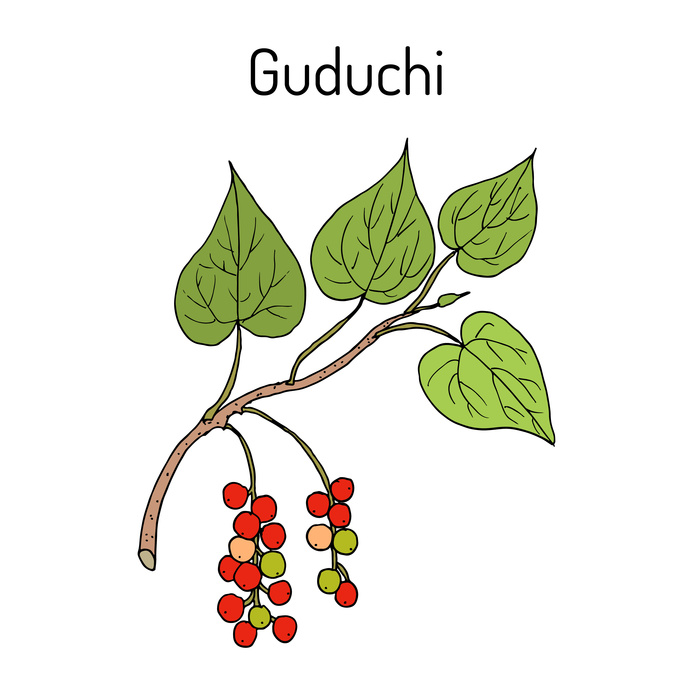
    Guduchi (Tinospora Cordifolia) or Heart-Shaped Moonseed (or Giloy), is an herbaceous vine with greenish yellow flowers native to the tropical regions in and around India. It has been used in Ayurvedic Medicine for centuries. Guduchi is the Sanskrit name and means, “one which protects the entire body.” The Hindi word for it is Giloe, a word that comes from Hindu mythology and refers to a heavenly elixir that was taken by the gods to keep them eternally young. So… Hey, you never know.

    The whole plant can be used medicinally –leaf, stem, and even the root. Traditional use in Ayurvedic Medicine has included treatment of fever, dysentery, and diarrhea, eye disorders, bone fractures, skin diseases, pain, and poisonous insect and snake bites.

    Some of its more recent reported uses and benefits include support for diabetes, spasms, inflammatory conditions, arthritis, osteoporosis, allergies (histamine), stress, leprosy, malaria, liver issues, immune imbalance, and cancer. Between its uses for leprosy and malaria and for poisonous insect and snake bites, it’s a great herb to have around if you’re exploring the jungle.

    But if you’re just trying to navigate the jungle of life with histamine intolerance, this herb may also be helpful. Its anti-inflammatory, anti-stress, anti-histamine, and immune balancing properties make it a great match for chronic inflammation and high chronically high histamine levels.

    WHAT DOES GUDUCHI DO FOR HISTAMINE INTOLERANCE?

    We know that those of us with histamine intolerance and mast cell disorders have chronic inflammation underlying our condition. Guduchi has anti-inflammatory properties, which make it a great addition to an already anti-inflammatory, nutrient-dense diet.

    Additionally, a clinical study of allergic rhinitis (allergies/hay fever/inflammation of the nose), Guduchi significantly decreased all symptoms, including stuffiness, sneezing, and itching. In animal studies, Guduchi decreased histamine-induced bronchospasms (tightening of airways and difficulty breathing) and helped stabilise mast cells.

    Not only that, but Guduchi shows great antioxidant activity. It helps reduce free radicals and keeps the super antioxidant, glutathione, from being broken down so that it can exert its effects for a longer period of time. It’s always good to keep antioxidants working for you longer.

    According to Ayurveda, Guduchi has rasayana (rejuvenating), balya (tonic), vayah-sthapana (anti-aging), aayushyaprada (increases lifespan), vrishya (aphrodisiac), and chakshusya (useful for eye disorders) properties. Sounds good to me.

    WHO NEEDS COFFEE WHEN YOU HAVE GUDUCHI?

    Guduchi may also help you function when sleep deprived. A study of rats found that taking an extract of the herb for 15 days prior to an “all-nighter” offset the cognitive dysfunction, anxiety, and delayed reaction time associated with lack of sleep. In fact, taking the extract of Guduchi prevented much of the brain inflammation associated with sleep deprivation and improved learning and memory. This extract was taken before sleep deprivation occurred, meaning that it is preventative rather than something you’d take after the fact (like coffee).

    HOW CAN IT BE CONSUMED?

    You can purchase Guduchi herbal tea, either by itself or in a blend with ginger or tulsi for enhanced antihistamine effects. It’s available with other spices as well, but watch out for high histamine spices like cinnamon. Brew up a cup with just a touch of your favourite sweetener, a squeeze of lemon, if tolerated, and relax.

    Other preparations include juice from the root (giloy ras), stem “sugar” (giloy satva), stem powder (giloy churna), tablets, or syrup. Some of these preparations are combined with other Ayurvedic herbs such as amla or neem. Amla is another antihistamine Ayurvedic herb. You can read about the antihistamine properties of the Ayurvedic herb combination called Triphala here.  

    AYURVEDA IS FULL OF ANTIHISTAMINES

    To read about other Ayurvedic antihistamine herbs I’ve written about, check out these posts:

    Asafoetida: Low FODMAPS Antihistamine Onion Substitute Kills Parasites

    Ashwagandha: Ashwagandha’s Withaferin A For Histamine Inflammation

    Bacopa monnieri: Science Backs Ayurvedic Herb’s Antihistamine Properties

    Chicory: Chicory Root, An Antihistamine Food For Histamine Intolerance?

    Coleus Forskohlii: Ayurvedic Remedy Helps Fight Flab, Fix Your Thyroid And Lower Histamine Levels!

    Solanum xanthocarpum: Got Allergies? You Need This Natural Antihistamine In Your Medicine Cabinet

    Tiger Nuts: Gluten And Dairy Free Tigernut Flour Pancakes

    ————REFERENCES—————

    Mishra, R., Manchanda, S., Gupta, M., Kaur, T., Saini, V., Sharma, A., & Kaur, G. (2016). Tinospora cordifolia ameliorates anxiety-like behavior and improves cognitive functions in acute sleep deprived rats. Scientific Reports, 6, 25564. http://doi.org/10.1038/srep25564

    Saha, S., & Ghosh, S. (2012). Tinospora cordifolia: One plant, many roles. Ancient Science of Life, 31(4), 151–159. http://doi.org/10.4103/0257-7941.107344

    Upadhyay, A. K., Kumar, K., Kumar, A., & Mishra, H. S. (2010). Tinospora cordifolia (Willd.) Hook. f. and Thoms. (Guduchi) – validation of the Ayurvedic pharmacology through experimental and clinical studies. International Journal of Ayurveda Research, 1(2), 112–121. http://doi.org/10.4103/0974-7788.64405

  • Histamine Friendly Vitamin C Supplements

    Histamine Friendly Vitamin C Supplements

    Vitamin C is a powerful antihistamine and antioxidant vitamin that’s great for histamine intolerance. It’s so important that when Vitamin C levels decrease, histamine levels increase alarmingly quickly. However, source matters. Here’s what to look for when shopping for Vitamin C.

    VITAMIN C FOR HISTAMINE INTOLERANCE

    Vitamin C is vital to the production of the histamine degrading diamine oxidase (DAO) enzyme. Without adequate amounts of Vitamin C, DAO is impaired and histamine levels rise.

    Vitamin C is an excellent antihistamine mentioned in a number of mast cell studies, in addition to being a powerful antioxidant and anti-inflammatory with applications far beyond just histamine. Remember how we keep talking about how boring life is if you’re always trying to keep your histamine bucket empty by not eating (or having any kind of fun?) well things like Vitamin C could help empty out inflammation bucket.

    NON-CORN BASED

    Vitamin C in the form of ascorbic acid is often derived from corn. Corn is a common allergen and as such, may be problematic if you suffer from a mast cell disorder or histamine intolerance. In addition, corn and other grains tend to harbour mold — a potent mast cell and histamine trigger. Some Vitamin C is actually made from fermented corn (gross!).

    NATURAL SOURCES OF C

    Camu Camu (Myrciaria dubia) is a berry with amazing anti-inflammatory and antioxidant properties. You can buy Camu camu powder which makes it easy to add to your daily smoothie. At least one mast cell specialist that I know of has been recommending camu camu to patients for their Vitamin C supplementation.

    While acerola cherry is another great natural source of Vitamin C, please be careful. A case published in the Journal of Allergy and Clinical Immunology reported an anaphylactic reaction to acerola due to a cross-reactivity to latex. The man who had the reaction had a latex allergy which was triggered by the acerola added to apple juice.

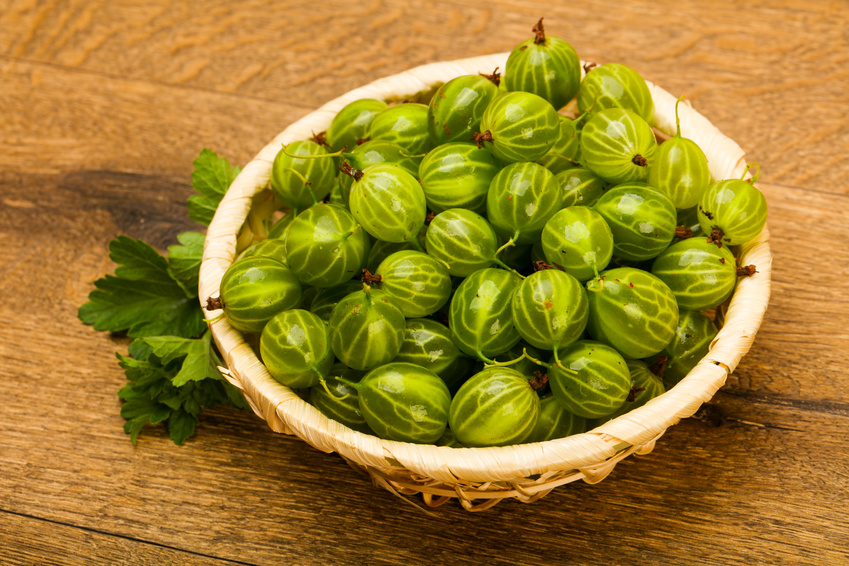
    Amla berries (Phyllanthus emblica) are another rich source of Vitamin C. The amla berry (or Indian gooseberry) is one of the three fruits in the powerfully antihistaminic Ayurvedic preparation, Triphala. This compound has also shown promise in preventing carrageenan-induced inflammation, stabilising mast cells (thereby preventing the release of histamine and other inflammatory agents), and stopping histamine and mast cell-induced asthma attacks (read more about histamine, mast cells, and asthma here).

    A little-known Vitamin C-rich superfood, at least here in the USA, is the kakadu plum (Terminalia ferdinandiana), otherwise known as gubinge, out of Australia. It’s so concentrated with Vitamin C that just 15 grams will provide 2 grams of Vitamin C. The amount of Vitamin C per gram of fruit is more than 900 times higher than blueberries. It has also been shown to be an extremely good source of antioxidants, including anthocyanins. You can purchase it in powder form and add it to a smoothie to really boost your Vitamin C intake.

    One caveat: kakadu plum may contain high levels of oxalic acid/oxalates, which could be problematic for some people.

    WHAT TO LOOK FOR IN A SUPPLEMENT

    When selecting a histamine-safe Vitamin C you want to make sure it is not made by any type of fermentation. Ascorbyl palmitate is a good thing to look for on the label. In this form, the Vitamin C isn’t made from corn or dextrose fermentation of any kind.

    Look for liposomal Vitamin C. Taking Vitamin C orally is typically less effective than taking it through an IV, partly because Vitamin C doesn’t easily enter into blood circulation and so doesn’t have the desired effect. However, when in the form of a liposome (surrounded by phospholipids), Vitamin C was shown to be better absorbed than Vitamin C that was not in liposomal form.

    HOW TO TAKE VITAMIN C SUPPLEMENTS

    Studies on using Vitamin C use for mast cell activation and inflammation, have found one to three grams of Vitamin C to be ideal for most people.

    Please note however that Vitamin C in large doses has been found to cause mast cell-mediated stomach issues like loose stools, so it’s important not to use too high a dose.

    Because Vitamin C is flushed out of the body quite quickly, it’s a good idea to take it in divided doses –a few times a day– when using it. Please consult your doctor for the optimal dose and frequency for you.

    VITAMIN C RICH LOW- AND ANTIHISTAMINE FOODS

    While the typical go-to foods for Vitamin C, like oranges and other citrus foods, are off the menu for those with histamine intolerance, there are plenty of other Vitamin C rich whole foods to include in your diet. These include:

    • Basil
    • Bell peppers (nightshade family)

    —— REFERENCES ——-

    Anogeianaki, A., Castellani, M. L., Tripodi, D., Toniato, E., De, M. A., Conti, F., … Shaik-Dasthagirisaheb, Y. B. (n.d.). Vitamins and mast cells. Retrieved February 03, 2018, from https://www.ncbi.nlm.nih.gov/pubmed/21244748

    Davis, J. L., Paris, H. L., Beals, J. W., Binns, S. E., Giordano, G. R., Scalzo, R. L., … Bell, C. (2016). Liposomal-encapsulated Ascorbic Acid: Influence on Vitamin C Bioavailability and Capacity to Protect Against Ischemia–Reperfusion Injury. Nutrition and Metabolic Insights, 9, 25–30. http://doi.org/10.4137/NMI.S39764

    Jarish, R. et al. (2014). Impact of oral vitamin C on histamine levels and seasickness. Journal of Vestibular Research, 24(4), 281-288. Retrieved from: https://www.ncbi.nlm.nih.gov/pubmed/25095772

    Mohanty, S., & Cock, I. E. (2012). The chemotherapeutic potential of Terminalia ferdinandiana: Phytochemistry and bioactivity. Pharmacognosy Reviews, 6(11), 29–36. http://doi.org/10.4103/0973-7847.95855

    Raulf-Heimsoth, M. et al. (2002). Anaphylactic reaction to apple juice containing acerola: Cross-reactivity to latex due to prohevein

    Journal of Allergy and Clinical Immunology, 109(4), 715-716

    Retrieved from: http://www.jacionline.org/article/S0091-6749(02)70195-4/fulltext

    Sireeratawong, S., Jaijoy, K., & Soonthornchareonnon, N. (2013). Evaluation of Anti-Inflammatory and Antinociceptive Activity of Triphala Recipe. African Journal of Traditional, Complementary, and Alternative Medicines, 10(2), 246–250. Retrieved from: https://www.ncbi.nlm.nih.gov/pmc/articles/PMC3746571/

  • Surviving Social Situations With Histamine Intolerance

    Surviving Social Situations With Histamine Intolerance

    As the weather gets nicer, many of us will be traveling to visit friends and relatives, attending graduation parties, weddings, family reunions, and other events. How to we navigate the buffet or the potluck without setting off a histamine reaction, or without standing out as the “person who isn’t eating”? Here are a few helpful tips for enjoying parties and events, blending in, and remaining symptom-free.

    EAT BEFORE

    Since you won’t know for sure if there’s something you can eat at the party, simply plan to eat beforehand. Have a good, anti-inflammatory, low histamine meal with plenty of healthy fat (olive oil is great), and you won’t have to worry if there’s only a handful of options when you get there. Having a full stomach lessens the likelihood you will compromise on your diet and provoke your body beyond what it can handle. Then if you find some raw cauliflower or pistachios, you won’t overdo it on them, either.

    FILL UP ON THE VEGETABLE TRAY

    There’s almost always a vegetable tray. The nice thing about raw vegetables, as opposed to cooked, is that you know there’s nothing on them. No strange oils or seasonings to worry about. Grab some carrot sticks, red bell peppers, cucumbers slices, broccoli or cauliflower, a radish or two, and if there’s olive oil on the table, drizzle some over and enjoy. If there’s parsley for garnish, all the better. The olive oil and parsley will help combat histamine and lower inflammation.

    You could even sneak a little pot of home made hummus in to eat them with.

    ORDER A DRINK

    Order a drink that looks like a vodka soda, and you’ll blend right in. You can simply order seltzer or club soda and ask for a wedge of lemon or lime. No one will ever know whether it has alcohol or not, and you can socialize with drink in hand.

    If you do decide to indulge, vodka and gin are low histamine alcohol options. However, keep in mind that alcohol does not exactly have an overall health-promoting effect on the body.

    BBQs

    This one stumped me for a while because of the leftover meats stuck to the grill. But then I realised how easy it was to bring my own food and wrap it in foil and just stick it in there. While I don’t normally eat potatoes, I will make an exception at a BBQ and salmon with veggies in foil paper in the coal is mighty tasty. You can of course use any protein you like.

    BRING A SNACK

    Bring a snack in your bag. Some ideas include dried mangos, Japanese rice crackers, homemade apple chips or sweet potato chips, or an unsweetened plain applesauce cup with a spoon. With these, you don’t have to worry about refrigeration or inconveniencing the host about storage.

    BRING A DISH TO SHARE

    Depending on the event, consider bringing a dish to share. Then you know you’ll have something that you can eat. I used to make sure to make a beeline for the food as soon as it appeared and pretty much stand guard at my dish till I’d had my fill. 

    KEEP “EMERGENCY” FOOD IN THE CAR

    Keep a backup of food in your car. That way, if you run out of the food you brought with you, you won’t be as tempted to eat things that are going to cause you problems. Just knowing that you have “safe” food in the car outside can remove some of the anxiety around whether you’ll still be hungry later on in the evening.

    LOOK FOR FRUIT

    Look for fruit. More often than not, celebratory smorgasbords will include some type of fruit salad. Even if you have to take the full scoop, you can later pick out the fruit that you can eat, and leave what you can’t. Look for apples, blueberries, cherries, honeydew melon, watermelon, cantaloupe, peaches, mangos, and bartlett pears. Mangos and peaches even have some anti-histamine properties.

    SIMPLY EXPLAIN WHY NOT EATING

    If someone notices you aren’t filling up your plate, or not eating at all, simply explain. Stay positive about your restrictions and try not to drag out the conversation on the topic of health. Tell about your new culinary discoveries and invite the person to try the dish you brought if that is the case. They might learn to enjoy a new healthy food or recipe.

    Failing that, if I really can’t be bothered to get into it, I’ll just say I’m having s stomach issue and leave it to their imagination!

    To start addressing the problem at its root, try my Histamine Reset Program. The planning has been done for you: a complete reset with recipes and lifestyle strategies to balance histamine levels and get your body on the path to healing.

  • Beat Histamine Brain Fog

    Beat Histamine Brain Fog

    Even daily functioning can be difficult with histamine-induced brain fog and memory difficulties. While all that should improve as you heal and balance your body, here are some strategies for beating brain fog while working on it. 

    MNEMONICS

    Other mnemonics (memory devices) include attaching an image in your mind to a name. Picture someone named Bob bobbing for apples, someone named Susan holding a black-eyed-susan flower, someone named Jim at the gym, someone named Yasmina holding Jasmine flowers. I used this for years while working as a journalist and it never failed me.

    Another idea may be the use of a song. For the name John… the kids’ song, “John Jacob Jingleheimer Schmidt” or for Betsy, “Sweet Betsy from Pike.” Melodies tend to help us remember words, so this is a really great one. And hey, it’s kind of fun.

    MY BRAIN IS FLUORESCENT 

    This might seem super obvious but my home is wallpapered with all shapes and sizes of post its. Though my brain fog only manifests once in a while, I do seem to have attention problems (also known as trying to do a million things at once), so these are a lifesaver.

    I put them on my bathroom mirror, refrigerator, and the cute little ones go on my laptop. I love getting the task done and crumpling them up — it’s super satisfying.

    When in a long distance relationship, I adore leaving little post its all over the house to be discovered. I leave nutrition tips, little quotes, jokes and other such cuteness.

    DUDE WHERE’S MY CAR?

    If you have difficulty remembering where you parked your car when you go into a store, try this: take a photo with your smartphone. Take a picture of a unique stationary object nearby your car so that you’ll know what to look for when you come back out. You can even include the level and row of the parking ramp so you know which elevator to take.

    Or, if there are a few things you need to remember to do or take when leaving the house, take a picture of the space heater or coffee maker or iron — the first moment you think of it. That extra step will make you more likely to remember in the first place, and otherwise, you can check your phone to see what else was left to do.

    WATCH THE WATCH

    I’ve relied on placing my watch on the opposite hand for years. Unfortunately, I’ve also often wished I had left a post it somewhere reminding me what on earth it was supposed to remind me to do.THE ELECTRONIC DICTATOR

    The alarm/alert function on smartphones is a really easy and handy way to remind yourself of anything. You may have supplements you take on a regular schedule; try scheduling it on your phone and setting up alerts.

    Or perhaps you have to pick up a child at school or a client at the airport. Set up a reminder that gives you plenty of time to wrap up what you’re doing and head out the door.

    There’s also a great app on the iPhone called “Reminders” which allows you to create to do lists but also add locations so that you’re notified when it might be convenient to do the drug store run while you’re on your way somewhere else.

    NOTES ON SMARTPHONE

    Another way you can keep track of your daily tasks is the “Notes” function on your smartphone. Generally, you’re going to have your smartphone with you, wherever you go. Now you can make sure your list follows you around as well. You can add to it at any time and check it anytime you need to.

    If you don’t have a smartphone, buy a little paper notebook and carry it with you. Add to it throughout the day, and even make notes for tomorrow. It can be quite small and fit in your pocket.

    This also works well for meeting people. You can jot down a few notes about someone new you want to remember on your smartphone notepad or paper notebook. Later, read through it again. This will help strengthen those new connections in your brain.

    Thankfully as a journalist I always had a reason to be doing this, and even better, a cameraman recording answers so I didn’t have to remember them. I have no shame now at whipping out my phone or notepad to write something down. It’s more important to me to remember stuff than care what people think.

    ADDRESS the source

    Start working on lowering your inflammatory load. Adopt a low histamine diet and include plenty of antihistamine foods and teas. Removing triggering foods for a while is really important to get started. Then add in some lifestyle changes to help your brain stay calm and relaxed (and not so inflamed). 

    Some supplements that may work include mangosteen, ashwagandha, bacopa, Neuroprotek (quercetin, rutin and luteolin).

    To learn about some of the most cutting-edge brain retraining programs out there that can really start to clear the fog, check out my Healing the Brain to Heal the Body online workshop. Some of the topics included are: Does stress affect mast cells/histamine? How is the vagus nerve involved? The role of the amygdala. How I retrained my brain. A rundown of the most popular, evidence-based neural retraining systems. And… Brain training on a budget. There’s also 45 minutes of brain training using visualisation included, so you can practice right away.

    Or, to start emptying your inflammation bucket, and address brain fog at its source, try my 28-day complete reset with recipes and lifestyle strategies to balance histamine levels and get your body on the path to healing.

  • Phycocyanin for Histamine Intolerance

    Phycocyanin for Histamine Intolerance

    Supplements for histamine intolerance are always hit or miss. Just because a food or supplement shows certain properties in medical studies, does not mean they will translate to humans, and we can absolutely be allergic or reactive to them. But when they work, they’re amazing, and so I’ll keep sharing the latest studies on emerging or repurposed compounds.

    SPIRULINA

    Spirulina is a type of blue-green microalgae. It has been the center of more and more research as it is being considered for use in the pharmaceutical industry — it has that much potential. It is already being used as a dietary supplement and was a mainstay in the diet of the Aztec and Mayan people for thousands of years. It is one of the richest sources of plant proteins on the planet, as it contains 60-70% protein.

    Studies on spirulina have already found this superfood to be anti-cancer, anti-inflammatory, anti-diabetic, and to balance high blood pressure. It has also been found to be protective of the DNA and the liver and to help stimulate the immune system. Some of these properties are due to its high levels of antioxidants and anti-inflammatory molecules (including beta-carotene), vitamins and minerals, important fatty acids and other plant compounds.

    As I’ve mentioned before, spirulina has also been found to inhibit histamine release from mast cells, with one such study finding that its consumption “significantly” improved symptoms of allergic runny nose (allergic rhinitis) when compared to a placebo.  Further studies should be performed in order to clarify the mechanism of this effect. One of the main components of spirulina, phycocyanin, may be the secret ingredient that makes spirulina such a powerful superfood.

    And for those of us whose “aha” moment came with using curcumin rather and turmeric  I definitely felt a lightbulb go off with an extraction of spirulina.

    PHYCOCYANIN

    Phycocyanin is a pigment used for this algae to perform photosynthesis — using the energy from the sun to convert carbon dioxide and water into food.

    In an animal study of inflammation, rats that were already sensitive/allergic to egg white protein were given phycocyanin one hour before they were injected with a dose of egg white protein. (Think: 1 hour before meals). When the researchers checked the inflammatory and histamine response, it was clear that the phycocyanin reduced both inflammation and histamine release triggered by the allergenic food. In other studies, the results were the same, indicating that phycocyanin, a derivative of spirulina, is both anti-inflammatory and antihistamine.

    HOW TO CONSUME MORE SPIRULINA

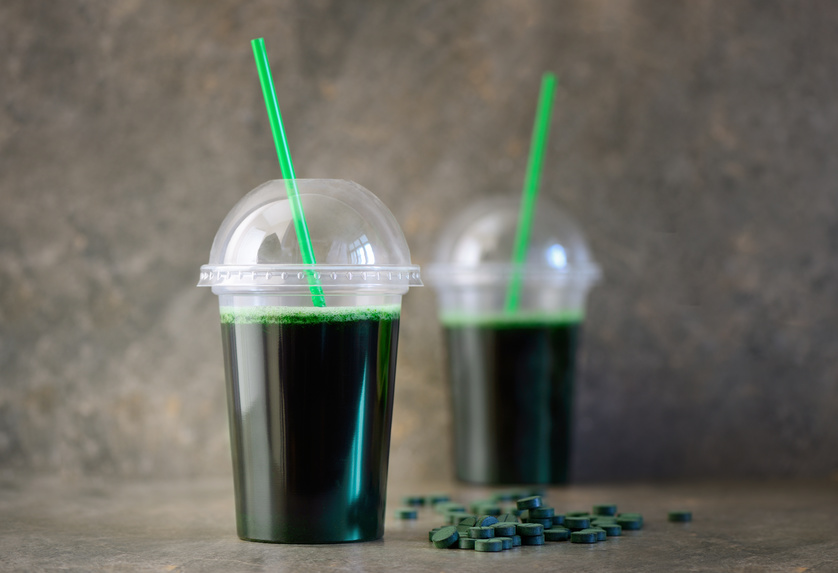
    Spirulina does have a mild, slightly seaweed-y taste to it. For that reason, it’s great to add to a fruit smoothie with plenty of anti-histamine sweet fruits. Mangoes and peaches work really well, as do blueberries. Want a recipe to start including spirulina? Try my low oxalate Big Greenie jui-cie (juice/smoothie fusion) on this post.

    Spirulina also works wonderfully well as a coloring agent, if you are the creative chef type. If you are using coconut butter as a spread, add a little spirulina for color (it doesn’t take much). Spirulina lattes are another option. (All the cool kids are doing it). Mix ½ tsp of organic spirulina powder with a cup of your favorite low histamine, dairy-free milk, sweeten to taste and blend away.

    You can also add spirulina to your homemade salad dressings. Olive oil has antihistamine properties already. Add a squeeze of lemon, apple cider vinegar, or other “sour” of choice, add ¼ tsp spirulina (or to taste), season, and blend. Sure, it’s green, but it looks a bit herb infused. Speaking of herbs.. You could even sneak it in a homemade pesto of sorts, combining the antihistamine properties of olive oil, basil, spirulina, and your choice of nuts or seeds.

    So, if you tolerate it, go find or make a dairy-free Spirulina Blue Latte to chase your histamine blues away…

    ————REFERENCES—————

    Hyung-Min, Kim., Eun-Hee, Lee., Hye-Hyoung, Cho., Young-Hoe, Moon. (1998).

    Inhibitory Effect of Mast Cell-Mediated Immediate-Type Allergic Reactions in Rats by Spirulina. Biochemical Pharmacology, 55(7), 1071-1076. Retrieved from:

    http://www.sciencedirect.com/science/article/pii/S0006295297006783

    Remirez, D., Ledón, N., & González, R. (2002). Role of histamine in the inhibitory effects of phycocyanin in experimental models of allergic inflammatory response. Mediators of Inflammation, 11(2), 81–85. http://doi.org/10.1080/09629350220131926

  • What Your Doctor Needs To Know About Histamine

    What Your Doctor Needs To Know About Histamine

    One of the most frustrating things for a histamine intolerance sufferer is the lack of knowledge and understanding amongst medical doctors. Here’s a helpful list of histamine facts and concepts to share so that you and your doctor can work together to get you on the road to healing.

    WHAT IS HISTAMINE?

    Wikipedia has a good summary of histamine:

    Histamine is an organic nitrogenous compound involved in local immune responses, as well as regulating physiological function in the gut and acting as a neurotransmitter for the brain, spinal cord, and uterus. Histamine is involved in the inflammatory response and has a central role as a mediator of itching. As part of an immune response to foreign pathogens, histamine is produced by basophils and by mast cells found in nearby connective tissues. Histamine increases the permeability of the capillaries to white blood cells and some proteins, to allow them to engage pathogens in the infected tissues.

    It’s important to note a few things, here: the connection between histamine and the immune system (and therefore, inflammatory response), the connection between histamine and gut function, and the role histamine plays in the brain, as a neurotransmitter.

    WHAT DOES HISTAMINE DO?

    Histamine has many roles in the body, which range from stimulating the production of stomach acid, to helping with learning and memory, to appetite control, the sleep-wake cycle, and immune function. It’s when histamine levels are out of control and/or it isn’t being broken down normally, that it’s a problem.

    That’s when it becomes inflammatory and wreaks havoc on the body, causing a myriad of symptoms. A few of these symptoms mentioned in the American Journal of Clinical Nutrition article mentioned below include diarrhea, headache, asthma, low blood pressure, arrhythmia, hives, itching, and flushing. However, there are many more. You’ll find connections made between histamine and a number of other conditions right here on this blog.

    Here’s a post that highlights some of the other symptoms that may accompany histamine intolerance.

    ARE THERE ANY STUDIES TO BACK UP HISTAMINE INTOLERANCE AS A REAL CONDITION?

    A 2007 article on “Histamine and Histamine Intolerance” in the American Journal of Clinical Nutrition explains that

    “Because of the multifaceted symptoms, the existence of histamine intolerance is frequently underestimated, or its symptoms are misinterpreted. Clinical symptoms and their provocation by certain foods and beverages appear similar in different diseases, such as food allergy and intolerance of sulfites, histamine, or other biogenic amines (eg, tyramine).”

    A couple of the top researchers in the area of histamine intolerance and mast cell disorders include:

    Theoharis Theoharides, MD, Ph.D. Dr. Theoharides is Professor of Pharmacology and Internal Medicine in the Department of Integrative Physiology & Pathobiology at Tufts University School of Medicine and Sackler School of Graduate Biomedical Sciences & Director of Molecular Immunopharmacology and Drug Discovery at Tufts University School of Medicine, Boston, MA. He has published 376 papers and 3 textbooks with 23,637 citations and is in the top 5% of authors most cited in pharmacological and immunological journals. He is continuously funded by the National Institutes of Health and a mast cell expert. His Neuroprotek supplement was created to help mast cell activation patients.

    Janice Joneja, Ph.D., RD. Dr. Joneja is owner and operator of Vickerstaff Health Services in British Columbia, Canada. She is a researcher, author, and expert in histamine intolerance. Her Ph.D. is in medical microbiology and immunology and she has over thirty years of experience in the area of biochemical and immune reactions to foods. She is the author of seven books on the immunology behind food allergies and intolerances. Three of these are peer-reviewed textbooks. Her work has been published in peer-reviewed scientific and medical journals, as well as in popular magazines. She is also a registered dietitian (RD).

    (Check out my incredibly comprehensive “everything you’ve ever wanted to know about” histamine intolerance interview with her here.)

    And here’s Dr. Janice Joneja Histamine Intolerance Interview Pt2.

    Check the referenced studies at the end of this post for more resources and evidence of histamine intolerance.

    HOW DO YOU TEST FOR HISTAMINE INTOLERANCE?

    I’ve been told by a number of doctors that it takes, on average, a decade to diagnose someone with a mast cell disorder. It took me almost 30 years and 68 doctors to get to histamine intolerance, and then another three years and two doctors to get to mast cell activation disorder.

    However, now that histamine intolerance is starting to be recognized by functional medicine doctors, nutritionists, and a few informed medical doctors, your road will likely be shorter than mine. Some of these informed medical professionals are now routinely offering tests for histamine intolerance and mast cell disorders. Allergists and immunologists tend to be less aware of histamine intolerance as a separate condition from outright allergies. Some means for diagnosis include the following:

    Histamine Plasma Test

    What it is: The current level of histamine in your blood.

    Why measure it: Histamine intolerance is thought to be due to too much histamine in the body.

    Reliability: Not reliable. This test is only a snapshot of where you are at that very moment. Given that histamine is used by the body for a wide variety of purposes (to wake us up, control appetite and metabolism, as a neurotransmitter, and much more), it fluctuates wildly throughout each day. This test will not give an accurate idea of your average histamine levels.

    DAO (diamine oxidase) Test

    What it is: DAO is an enzyme found in the gut. It’s responsible for degrading histamine there.

    Why measure it: the theory is that low DAO makes it hard/impossible to clear histamine from the body, leading to histamine intolerance/symptoms of high histamine.

    Reliability: DAO is one of two histamine-degrading enzymes we know of (HNMT being the other), therefore just relying on DAO as a measure isn’t likely to give us the full picture. DAO also fluctuates wildly, and we don’t know where else, other than the gut, DAO might live. For that reason, it’s uncertain whether we’re even measuring it in the right spot!

    Elimination Diet

    What it is: A four-week elimination of all foods on the high histamine lists.

    Why try it: The theory is that no matter the test results, if eliminating these foods makes you feel better, you have your answer.

    Reliability: Let’s start with the fact that all high histamine food lists contradict each other, that many high histamine foods are also junk/bad for you generally, so cutting them out would make most people feel better anyway, and that restricting foods is rarely healthy.

    Histamine Prick Test

    A study on the prick test method to print for your doctor.

    What it is: Austrian docs figured out that injecting patients with histamine causes a significant reaction (when compared to controls) and as such is a reliable way to diagnose patients with histamine intolerance.

    Why try it: my allergy scratch tests came back negative for years, but docs always commented on my unusually severe response to the control (pure histamine!). I would be very careful if you have ever had major reactions and good luck convincing a doc to do it for you!

    Reliability: I can’t really speak to this one as I don’t have enough information on it yet.

    There’s no easy answer for diagnosing histamine intolerance. Histamine is released from mast cells, a type of white blood cells which are an important part of our immune system. While histamine is an inflammatory agent that may lead to all kind of aggravating symptoms, it’s not the only inflammatory agent to suspect. And the above tests just check for histamine and histamine-reducing substances.

    Avoiding high histamine foods and including plenty of antihistamine foods can help, but the real issue is inflammation in general. And that’s what needs to be addressed for healing to occur.

    HOW IS HISTAMINE INTOLERANCE TREATED?

    The things that have helped me most in my recovery from histamine intolerance include not only avoiding high histamine foods and histamine-releasing foods but also adding in particular foods and lifestyle interventions that lower my inflammatory load.

    Most practitioners are going to suggest a histamine-free or low histamine diet.

    To start, check out this post for an idea of what foods to avoid all. Then read this interview to learn how lifestyle changes can help histamine intolerance. And check out other posts on this blog to learn about some great antihistamine foods and herbs to add in.

    A lot of the histamine puzzle has to do with addressing the chronic stress that is fueling chronic inflammation. 

    WANT TO GET SOME RESOURCES IN YOUR HANDS IMMEDIATELY?

    For delicious recipes including these and other foods with antihistamine and anti-inflammatory properties, check out my cookbooks: Anti-Recipes and The Anti-Cookbook. Or, if you want the Paleo version, there’s The Anti-Cookbook (Paleo).

    Or even better, to do a complete reset with recipes and lifestyle strategies to balance histamine levels and get your body on the path to healing, I highly recommend my comprehensive 28-Day Histamine Reset.

    ———REFERENCES———

    Maintz, L., and Novak, N. (2007). Histamine and histamine intolerance.

    American Journal of Clinical Nutrition, 85(5), 1185-1196.

    Retrieved from: https://www.ncbi.nlm.nih.gov/pubmed/17490952

    Panula, P., Chazot, P. L., Cowart, M., Gutzmer, R., Leurs, R., Liu, W. L. S., … Haas, H. L. (2015). International Union of Basic and Clinical Pharmacology. XCVIII. Histamine Receptors. Pharmacological Reviews, 67(3), 601–655. http://doi.org/10.1124/pr.114.010249

    Pino-Ángeles, A., Reyes-Palomares, A., Melgarejo, E., & Sánchez-Jiménez, F. (2012). Histamine: an undercover agent in multiple rare diseases? Journal of Cellular and Molecular Medicine, 16(9), 1947–1960. http://doi.org/10.1111/j.1582-4934.2012.01566.x

    Wikipedia

    https://en.wikipedia.org/wiki/Histamine
  • 4 Things You Should Do Every Morning (When You Have Histamine Intolerance)

    4 Things You Should Do Every Morning (When You Have Histamine Intolerance)

    People often ask how to get started addressing their histamine intolerance. How you begin each day can make a huge difference in how you’ll feel the rest of the day. Start your day off right by following the suggestions below.

    DON’T RUSH TO BREAKFAST

    Unless you have a pre-existing condition or hypoglycemia, light fasting might be an excellent approach to fighting histamine inflammation. Research shows that up to forty percent of faulty white blood cells (including mast cells, where histamine lives in the body) can be regenerated in just five days of calorie restriction.

    Intermittent fasting has gained huge popularity in recent years. There are a number of variations, but prolonging the time between dinner and the next morning’s breakfast (break-fast) is a great way to incorporate fasting daily.

    There are many differing views on the ideal eating window, but don’t get extreme. Stress releases histamine after all…

    For example, you finish eating dinner by 8 pm and don’t eat breakfast until 8am (a nice gentle 12 hour fast).

    Or you could try extending the window one hour at a time till reaching your ideal window. 

    Of course, you can also stop eating earlier in the evening (by 6 pm, for example), and then eat earlier in the day (10 am or noon).

    To learn more about fasting’s effects on histamine, check out the following posts:

    START WITH AN ANTIHISTAMINE TEA

    Since you’re fasting in the morning and not taking in any calories, why not start with a therapeutic (and delicious) tea with antihistamine properties? Tea is a wonderfully relaxing way to start the day. In fact, studies have shown that just holding a warm mug in your hands tends to make you see the world in a more positive light.

    Holy Basil or “Tulsi” tea is a great one to start with. It is highly antihistamine and can be found in quite a number of different blends and flavours. Just be sure the herbs it’s blended with aren’t a problem for you (e.g. cinnamon and nutmeg in a tulsi chai).

    While black and green teas might be problematic for some people, white tea, made from the same plant (plus, lower in caffeine and not fermented), may be a good option. Or try the blossom of the tea plant. Read the post here.

    For some other ideas on antihistamine teas and tisanes (and a few recipes), read these posts:

    BRUSH YOUR TEETH

    This might seem a little obvious, but there’s been an interesting amount of research finding that people think it’s ok to brush just once a day. There’s a reason why dental infections have been linked to heart disease: Inflammation. And you know chronic inflammation is an issue when it comes to histamine intolerance. Oral infections lead to more histamine release, and that’s not good for us at all.

    Gingivitis, or inflammation of the gums, has been directly linked to mast cell activation and histamine release. So, brush your teeth; floss your teeth. Make sure you take good care of your oral microbiome by eating whole foods and avoiding sugar.

    Learn more about the connection between your oral health and histamine by checking out my interview with Dr. Steven Lin, bestselling author of the Dental Diet. 

    GET STRESS OUT OF THE WAY EARLY

    Don’t wait until the stresses of the day add up and cause symptoms or reactions to act. Remember the inflammation bucket concept. You want to start with an empty bucket at the beginning of the day so that as daily stressors, triggers, and exposures accumulate, you have plenty of leeway for into the evening.

    Don’t let your inflammation bucket fill up by noon. Instead, start your morning with yoga or some type of breathing, meditation or relaxation practice so that you lower your inflammation and histamine response right at the beginning of the day. You could even keep a daily gratitude journal that you write in while sipping your tea. This is a great way to keep your brain focused on positivity rather than in fear/stress mode.

    ———REFERENCES———

    Marinac, C. R., Sears, D. D., Natarajan, L., Gallo, L. C., Breen, C. I., & Patterson, R. E. (2015). Frequency and Circadian Timing of Eating May Influence Biomarkers of Inflammation and Insulin Resistance Associated with Breast Cancer Risk. PLoS ONE, 10(8), e0136240. http://doi.org/10.1371/journal.pone.0136240

    Williams, L. E., & Bargh, J. A. (2008). Experiencing Physical Warmth Promotes Interpersonal Warmth. Science (New York, N.Y.), 322(5901), 606–607. http://doi.org/10.1126/science.1162548

GET STARTED HEALING HISTAMINE

WHAT YOU NEED TO KNOW ABOUT HISTAMINE DELIVERED TO YOUR INBOX