Category: Research & News

  • The Genetics of Histamine Intolerance

    The Genetics of Histamine Intolerance

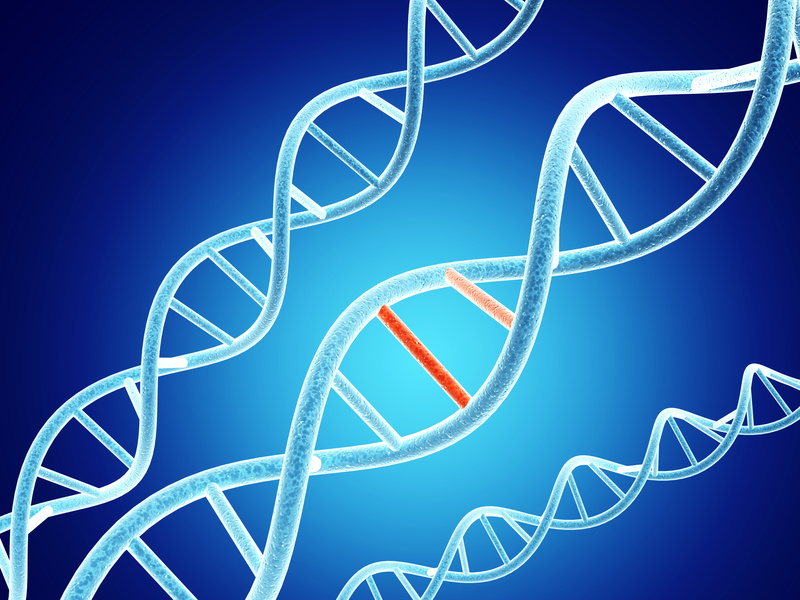
    Digital models of DNA structure with problem element on abstract blue background. 3d render genetics of histamine intolerance

    Are genetics involved in histamine intolerance? The research says, “yes.” However, genes aren’t the be all and end all when it comes to this state or condition. There are many things we can do to turn off the effects of genes and live with good health and vitality. This post will be most useful to those who have done genetic testing through 23 and Me or another service. Be sure to postmark this information otherwise. 

    GENETIC MUTATIONS (SNPs) & HISTAMINE INTOLERANCE

    There are certain variations of DNA building blocks that can set you up for histamine issues. These Single Nucleotide Polymorphisms, or SNPs (pronounced “snips”), have been the subject of much research in recent years as we try to understand what makes one person react to particular drug, environmental exposure, food, et cetera, and another not to react. It’s what makes us all unique, biologically.

    Histamine is a regular part of our immune response as well as our nervous systems –acting as a neurotransmitter. It becomes a problem when it doesn’t get broken down, and high levels accumulate in the body. There are two enzymes that control the breakdown of histamine in the body: HNMT (histamine N-methyltransferase) and DAO (diamine oxidase).

    If there are genetic mutations (SNPs) in these genes, histamine may not be broken down properly, leading to a build-up and the resulting unpleasant symptoms.

    SNPs IN THE HNMT GENE

    Histamine levels are regulated in part by the enzyme, Histamine N-methyltransferase (HNMT). The HNMT activity is encoded in the gene called C939T. Having the variation AA causes increased histamine levels in the body.

    SNPs IN AOC1 (DIAMINE OXIDASE) GENE

    Diamine Oxidase (DAO), as I have spoken of before, is the enzyme that helps break down histamine. An allele is an alternative form of a gene that comes from a mutation. Each “T” allele that you have within the AOC1 gene indicates reduced DAO activity.

    Even if you find out you’re TT for AOC1 and have severely reduced DAO enzymes, you can boost it to an extent, with food. I learned through my research that there are certain foods that naturally boost DAO levels, and so I created recipes around those foods which you’ll find in my 28 Histamine Reset and cookbooks. 

    SNPs IN THE HDC GENE

    The HDC gene encodes for the enzyme, histidine decarboxylase (also HDC), which produces histamine from the amino acid, histidine. SNPs in this gene could change how easily histamine in produced from histidine. In two separate studies, allergic rhinitis was more common in individuals with a SNP in this gene.

    SNPs IN THE MAO GENE

    Monoamine Oxidase (MAO) is an enzyme that breaks down N-methylhistamine to N-methylimidazole acetic acid. SNPs in the gene that encodes for this enzyme can cause histamine levels to stay high rather than be degraded.

    SNPs IN THE MTHFR GENE

    This widely discussed gene is vital for regulating methylation, an important process in the body which is involved in detoxification, the immune response, inflammation, brain chemistry, energy production, and repair. The MTHFR gene encodes an enzyme by the same name, Methylenetetrahydrofolate reductase (MTHFR). This enzyme is also needed to reduce histamine in the body.

    The A1298 mutation in the MTHFR enzyme lessens the conversion of BH2 to BH4.  Less BH4 lowers nitric oxide (NO) formation, which may result in increased mast cell degranulation and histamine flares.

    GENES AREN’T EVERYTHING

    Keep in mind, though, that while there are certain genetic SNPs that can predispose you to histamine intolerance or any number of other diseases, illnesses, syndromes, or intolerances, there are other factors involved.

    While genes may load the gun, environmental factors pull the trigger. Epigenetics has been a major subject of interest in recent years. Epigenetics is the study of how external factors affect the ways genes function –turning them on or off. Nutrigenomics refers specifically to the effect of food on our genes. There are a lot of things that we can do about our environmental (diet and lifestyle) factors that can help to offset our genetic susceptibilities.

    Chances are, you’ve removed toxic personal care and cleaning products from your life already. Discovering which foods are helpful or harmful is the next step. Reducing histamine producing foods and adding in those that are anti-inflammatory or raise your levels of DAO can go a long way toward swinging your environment more in the direction of healing.

    For a comprehensive and step-by-step guide on how to use your dietary and lifestyle choices to offset your genes and heal from histamine intolerance, including supplement recommendations, check out my 28-Day Histamine Reset.

    For an excellent overview of genetics I highly recommend Dr. Ben Lynch’s ‘Dirty Genes’ book now for sale on Amazon.

    ———- REFERENCES ————

    Haenisch, B., Nöthen, M. M., & Molderings, G. J. (2012). Systemic mast cell activation disease: the role of molecular genetic alterations in pathogenesis, heritability and diagnostics. Immunology, 137(3), 197–205. http://doi.org/10.1111/j.1365-2567.2012.03627.x

    Maintz, L. et al. (2011). Association of single nucleotide polymorphisms in the diamine oxidase gene with diamine oxidase serum activities. Allergy, 66(7), 893-902. Retrieved from: https://www.ncbi.nlm.nih.gov/pubmed/21488903

    Smolinska, S. Jutel M, Crameri R, O’Mahony L. Histamine and gut mucosal immune regulation. Allergy 2014; 69: 273–281. Retrieved from: http://onlinelibrary.wiley.com/doi/10.1111/all.12330/full

    Smuda, C., & Bryce, P. J. (2011). New Developments in the Use of Histamine and Histamine Receptors. Current Allergy and Asthma Reports, 11(2), 94–100. http://doi.org/10.1007/s11882-010-0163-6
  • Best & Worst Diets For Histamine Intolerance

    Best & Worst Diets For Histamine Intolerance

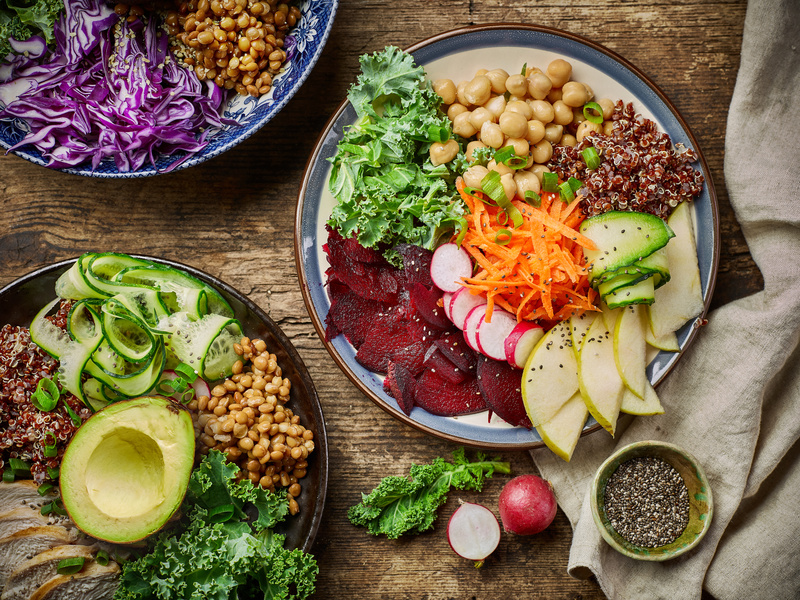
    histamine diet Breakfast power bowls for healthy eating on wooden kitchen table, top view

    When searching for an ideal healing diet, those with histamine issues may have difficulties with a lot of the popular gut- and immune- supporting diets out there. I spent years barking up the wrong fad diets (frutarian, raw vegan, low carb, ketogenic, paleo, macrobiotic, candida, SIBO, and those below), only to come out the other side completely battered and far worse off than before. Here are the pitfalls and upsides of popular nutritional approaches in terms of histamine. 

    GAPS

    This diet, the Gut And Psychology Syndrome (GAPS) diet by Dr. Natasha Campbell-McBride, is a spin off of the Specific Carbohydrate Diet (SCD), originally developed by Dr. Sidney Valentine Haas in the 1920s, and then expanded upon by Elaine Gottschall in the 1980s. It eliminates specific carbohydrate groups, including certain fruits and vegetables, all grains, and all sugars except for honey. While the SCD might have been an “okay” dietary approach for those with histamine intolerance, the GAPS diet is completely disastrous. It emphasizes adding plenty of fermented foods and bone broths to the diet — both of which are high in histamine.

    The “PROs” of the GAPS diet for those with histamine intolerance would simply be the emphasis on a whole foods diet, elimination of all sugar, and cooking at home.

    The “CONs” are that it will put histamine sufferers into a full blown flare with all of those fermented vegetables, 24 hour yogurt, bone broth, kefir, and kombucha. A histamine nightmare. Another CON is the amount of nuts and nut flours that may be relied upon in this diet. If you have been reading my blog for a while, you know that nuts, particularly almonds, are high oxalate. And oxalates have been shown to increase histamine. Other foods that are allowed on a GAPS diet may also be high in salicylates or be higher histamine or histamine-producing, themselves, such as cheeses, tomatoes, and citrus fruits.

    The Bottom Line: The GAPS diet is the WORST diet for those with histamine intolerance!

    AUTOIMMUNE PALEO

    The Autoimmune Paleo (AIP) protocol is a food elimination diet that goes beyond the traditional Paleo diet and removes most potentially allergenic or inflammatory foods, including grains and legumes, dairy and eggs, nuts and seeds, nightshades, coffee, and chocolate.

    The “PROs” of the Autoimmune Paleo diet for those with histamine intolerance include the removal of a great number of high histamine and high oxalate foods. It is also overall a very anti-inflammatory diet that is based on a whole foods approach and also includes a high amount of fresh organic produce.

    The “CONs” are that it is not inherently low histamine. Additional restrictions will have to be added to an already restricted diet, including the avoidance of foods like avocado, citrus, canned sardines, beef jerky, etc. It may also be too high in natural sugars, ultimately leading to inflammation and symptoms.

    The Bottom Line: The Autoimmune Paleo diet may be a beneficial diet for those with histamine intolerance.

    LOW FODMAP FOR HISTAMINE INTOLERANCE

    The Low FODMAP diet was developed for the treatment of Irritable Bowel Syndrome (IBS). FODMAP is an acronym for Fermentable Oligosaccharides, Disaccharides, Monosaccharides And Polyols.

    The “PROs” of the Low FODMAP diet for those with histamine intolerance is that it may eliminate some uncomfortable digestive symptoms, including bloating. Additionally, researchers have found that a low FODMAP diet significantly lowers histamine.

    The “CONs” is that combining a Low FODMAP diet with a low histamine diet may just be too extreme to follow. Read more about it in my post, Low FODMAPs Diet May Help Histamine Intolerance And IBS.

    The Bottom Line: The Low FODMAP diet when moderately followed alongside a low histamine diet may be helpful for those with histamine intolerance.

    KETOGENIC DIET

    The “PROs” of the Keto diet for those with histamine intolerance are that it tends to shut down the hunger response, making it easier to follow a restricted, histamine-sensitive diet. It is also an anti-inflammatory diet, leading to an overall lower level of inflammation throughout the entire body. This alone can help lessen symptoms by enlarging the histamine bucket.

    The “CONs” are that a ketogenic diet is not necessarily low histamine. Aged cheeses, heavy cream, high oxalate nuts, avocados, and coconut milk are all common ingredients for a ketogenic diet; however, most of those are going to be problematic for histamine sufferers, depending on their individual sensitivities. 

    The Bottom Line: The ketogenic diet may be a beneficial diet for those with histamine intolerance. Getting enough calories when dairy free may be difficult, and nearly impossible while on a plant based diet. The long term effects of a ketogenic diet are unknown. 

    FASTING

    The “PROs” of fasting diet for those with histamine intolerance include the fact that fasting in and of itself is good for lowering the histamine response. You can read more about Fasting’s Antihistamine Properties here.

    The “CONs” are that histamine sufferers are also putting stress on their bodies by restricting intake of food. For some, that may potentially cause some fatigue and increased symptoms, just due to the added stress on the body. However, for most people, with a doctor’s approval, fasting may help with histamine flares. 

    The Bottom Line: Fasting may be a useful adjunct to healing histamine, but long term or frequent fasting may contribute to underlying nutritional deficiencies or eating disorders. 

    WHERE TO START?

    After failing diet after diet and starving myself nutritionally and emotionally, I finally tossed out the rule book and embraced a less dogmatic view. I encourage you not to box yourself in with labels you may quickly outgrow. Eat what works for you no matter what list it’s on, and engage in activities like meditation, stress relief and light exercise.

    The 28 program the Histamine Reset features:

    A four week meal planner with animal protein

    A four week totally plant based meal planner

    A 7 day quick start ultra low histamine vegan meal planner

    A 7 day quick start ultra low histamine and salicylate planner

    The week long planners are perfect for the occasional reset and/or to make a switch to a histamine-friendly, healing diet. It’s all about keeping the inflammation bucket under control and making sure we put enough healing foods in there, combined with stress relief, meditation, and meal planning, to prevent it from spilling over. The Histamine Reset was created with with a whole lifestyle approach in mind.

    ———- REFERENCES ————

    McIntosh K, et al. (2016). Low FODMAP diet may significantly improve IBS symptoms. Gut, doi:10.1136/gutjnl-2015-311339.

  • Plant Powered Supercharge

    Plant Powered Supercharge

    There are two things that immediately spring to mind when I’m asked for the fastest, cheapest, and easiest way of fighting histamine inflammation:

    1. Remove junk and processed food from your diet
    2. Go plant based, for at least a time

    I’m not saying we need to buy into the vegan ideology and start wearing pleather, but rather that a short burst of plant power can help kickstart the inflammation healing process. Going plant based for about a year made a huge difference to my health, and I’m once again favouring a mostly green diet nowadays.

    For this reason, and because of the staggering number of emails I’ve received since launching the histamine reset, I’ve created a plant only version of my four week program. The new 28 day plant based histamine reset features amazing foods with antihistamine and anti-inflammatory properties found in your local supermarket.

    There’s also a dose of meditation, stress relief, and happiness strategies. I’ve often referred to happiness as the best antihistamine.

    If you’re not interested in embracing plants long term, you’ll also have access to the regular version of the plan, plus the 7 day vegan meal planner, and the 7 day low histamine and low salicylate planner. I created these so that you have a quick guide to dive into any time you need a reset.

    If you’ve already purchased the original program, please don’t worry, you’ve just been given access to the plant based meal planners. You’ll now find an icon to click in weeks 1-4. 

    PLANTS CONTAIN NATURAL ANTIHISTAMINE BIOFLAVONOIDS

    Quercetin, rutin, and luteolin are bioflavonoids with antihistamine and anti-inflammatory properties. While we can take them in supplement form, tens of thousands of readers just like you have found that a diet rich in these compounds significantly beneficial.

    Studies have shown that quercetin is more effective than the most commonly prescribed mast cell stabiliser at preventing  the release if histamine and other inflammatory agents like prostaglandins in the body.

    In case you’ve missed it: histamine is found in foods but also in the body, where it lives in white blood cells called “mast cells”. When mast cells are triggered (by stress, allergies, foods with histamine, chemicals, medications, and others), they release histamine and other inflammatory molecules into the bloodstream. This is a quick overview of what I cover in detail in the Histamine Reset. 

    PLANTS ARE FULL OF ANTIOXIDANTS

    Polyunsaturated fatty acids (PUFAs) found in foods with high omega 6 content (like soy beans, sunflower oil, animal meats) generate

    free radicals. Not only are these linked to cancer and age related disease, but they also trigger mast cells into releasing histamine.

    Antioxidant foods can help prevent this damage. Research tells us that consuming antioxidant foods at every meal helps us stay out of “oxidative debt”.

    Dr. Michael McGregor, New York Times bestselling author of How Not to Die, tells us that antioxidants are required at every meal, not just once a day. This is why every meal in my planner, and in my personal life, features antioxidant rich foods to help battle inflammation.

    A 28 DAY PROGRAM FULL OF FOODS WITH ANTIHISTAMINE & ANTI-INFLAMMATORY PROPERTIES

    In addition to everything below you’ll get:
    • A 7 day ultra low histamine vegan meal planner
    • A 7 day ultra low histamine low histamine and low salicylate meal planner
    • The 28 day plant based histamine reset program with plant based meals
    • The 28 day regular histamine reset program with animal protein
    • Yasmina’s Shopping List
    • Tips & Techniques For Relaxation & Stress Reduction
    • This Histamine Detective Worksheet
    • Weekly Inspirational Videos
    • Weekly Video Tutorials
    • Weekly Workbook
    • Weekly Recipes
    • Monthly surprise additions to the program.

    Plus all of this…

  • Deuterium in Histamine Intolerance

    Deuterium in Histamine Intolerance

    deuterium histamine

    Deuterium found in our water supply and plant foods can be toxic to the immune system and cause the release of histamine and other inflammatory mediator mast cells. Here’s what it is, how to avoid it, and an interesting possible way to prevent mast cells from triggering histamine.

    WHAT IS DEUTERIUM?

    Heavy water (D₂O rather than H₂O) is water that contains a larger percentage of deuterium (heavy hydrogen) than normally occurs. It is toxic to plants and animals but is friendly to bacteria. It’s not as toxic to humans due to the high water content of the human body. However, once it reaches a certain level, it can contribute to the development of chronic and degenerative diseases.

    As a side note, heavy water, when made into ice, sinks, rather than floats. 

    Light water, or Deuterium-Depleted Water (DDW), then, is water that contains a smaller percentage of deuterium than normal. DDW has been used as a therapy for cancers (breast, lung, and melanoma), for metabolic syndrome, for chronic fatigue syndrome, and for its anti-aging effects, as it has been shown to slow the rapid growth and deterioration of cells.

    HOW DOES DEUTERIUM AFFECT HISTAMINE?

    According to animal studies, deuterium causes increased histamine release from mast cells.

    We want to deplete deuterium in the body, and take in foods and water that are already deuterium-depleted.

    It is actually possible to have your deuterium levels tested, and they should be under 130.

    HOW DEUTERIUM ENTERS THE FOOD SUPPLY CHAIN

    The way deuterium enters the food supply is through photosynthesis, as plants produce energy from carbon dioxide and water. As we know from grade school science class, animals then eat the plants, and we eat the animals (or plants), and that is how deuterium gets passed on to us through food.

    The deuterium concentration in water varies. While ocean water is especially high at 156 ppm, the water from rivers, lakes, and streams is also deuterium-rich. Polar oceans have a much lower concentration of deuterium.

    FOODS HIGHEST IN DEUTERIUM 

    Potatoes & Other Starchy Tubers– The highest deuterium food is potatoes. Plants get rid of their deuterium by storing it as sugar or starch. Therefore, high carbohydrate foods like fruits, root vegetables, and grains are high in deuterium.

    Grains & Legumes – Including corn and peanuts.

    Fruits – High in deuterium. Eat seasonally in moderation, rather than year round.

    Meats from grain-fed animals, as grain is high in deuterium.

    Processed Food – Especially if GMO

    Older food – As plants and animals age and grow, they become less able to deplete deuterium. Eat younger plants (new growth) and younger animals (rather than the old hen) when you can.

    Sugar – High-sugar diets interfere with mitochondrial health and the depleting action of deuterium in cells, leading to DNA instability, unlimited cell growth, hydrogen bond breaks, and abnormal numbers of chromosomes in cancer cells.

    Take the hassle out of meal planning and healing histamine with this four week meal planner and stress relieving program. 

    FOODS LOWEST IN DEUTERIUM / DEUTERIUM-DEPLETED

    • Lard – The lowest deuterium food is pork fat (lard), but it’s inflammatory. We need to pick our battles…

    Animal Fats from Grass-Fed Sources – Fat, whether from plants (olives, avocado, coconut) or from grass-fed animals is the most deuterium depleted source of calories. 

    Healthy Plant-Based Fats – Avocado (high histamine), coconut, olive, nut oils.

    Green Leafy Vegetables – Green plants deplete deuterium, and green leafy vegetables and other low carbohydrate vegetables are deuterium depleted.

    Nuts – Nuts are full of fat and protein, rather than sugar and starches. Most nuts are deuterium depleted.  

    Deuterium-depleted water – Commercially available as Preventa or Qlarivia. 

    FASTING & KETOGENIC DIET FOR DEPLETING DEUTERIUM

    A ketogenic diet (Low carb, high fat, moderate protein) forces the body to burn fats, instead of carbohydrates, and produce ketones, instead of simply glucose.

    It turns out that ketones are a deuterium-depleted source of energy for mitochondria, which are the energy powerhouses of our cells.

    The tricarboxylic acid cycle, otherwise known as the Krebs Cycle, is enhanced by following a ketogenic diet. Aside from helping to produce ATP, the energy currency of the cell, the Krebs Cycle helps to produce water molecules that didn’t come from water intake. This cycle makes water that is naturally deuterium-depleted and delivers it to the tissues of the body.

    It’s interesting to note that because the body produces 1.1 kilograms of (deuterium-depleted) water from every kilogram of fat consumed, eating a high fat will result in less thirst.

    IN CONCLUSION

    Alongside an overall healthy lifestyle with good sleep and moderate exercise, (also conducive to depleting dangerous deuterium levels), the above strategies can help you to lower deuterium, potentially improving histamine-related symptoms, and maybe with some anti-aging side benefits. 

    CLICK HERE FOR A FOUR WEEK HISTAMINE RESET WITH MEAL PLANNERS, STRESS RELIEF STRATEGIES & MORE

    ———- REFERENCES ————

    Artsybasheva, O., Barysheva, E., Shashkov, D., Vlasov, R., & Tekutskaya, E. (2014). Changes of oxidation during use the food diet with deuterium depleted water in laboratory animals with purulent inflammation. Russian Open Medical Journal, 3:0201. Retrieved from: http://www.romj.org/2014-0201

    Basov, A. A., Bykov, I. M., Baryshev, M. G., Dzhimak, S. S., & Bykov, M.I. (2014). [Determination of deuterium concentration in foods and influence of water with modified isotopic composition on oxidation parameters and heavy hydrogen isotopes content in experimental animals]. Voprosy pitaniia,

    83(5), 43-50. Retrieved from: https://www.ncbi.nlm.nih.gov/pubmed/25816625

    [Article in Russian]

    Boros, L. G., D’Agostino, D. P., Katz, H. E., Roth, J. P., Meuillet, E. J., & Somlyai, G. (2016). Submolecular regulation of cell transformation by deuterium depleting water exchange reactions in the tricarboxylic acid substrate cycle. Medical Hypotheses, 87, 69–74. http://doi.org/10.1016/j.mehy.2015.11.016

    Gillespie, E., Levine, R. J. & Malawista, S. E. (1968). Histamine release from rat peritoneal mast cells: inhibition by colchicine and potentiation by deuterium oxide. Journal of Pharmacology and Experimental Therapeutics, 164(1), 158-165. Retrieved from: http://jpet.aspetjournals.org/content/164/1/158.short

    Gillespie, E., & Lichtenstein, L. M. (1972). Histamine release from human leukocytes: studies with deuterium oxide, colchicine, and cytochalasin B. Journal of Clinical Investigation, 51(11), 2941–2947. Retrieved from: https://www.ncbi.nlm.nih.gov/pmc/articles/PMC292444/

    Gyöngyi, Z., Budán, F., Szabó, I., Ember, I., Kiss, I., Krempels, K., … Somlyai, G. (2013). Deuterium Depleted Water Effects on Survival of Lung Cancer Patients and Expression of Kras, Bcl2, and Myc Genes in Mouse Lung. Nutrition and Cancer, 65(2), 240–246. http://doi.org/10.1080/01635581.2013.756533

  • Histamine’s Effect on Memory (Goldfish Brain)

    Histamine’s Effect on Memory (Goldfish Brain)

    Goldfish in a fishbowl isolated on white background histamine memory goldfish brain

    Difficulty remembering things? Starting to think Alzheimer’s is setting in? Don’t worry just yet. It may have nothing to do with the number of candles on your birthday cake. Those with mast cell disorders and histamine intolerance often report a lack of mental clarity and focus, as well as varying levels of forgetfulness.

    This is all likely due to a combination of chronic inflammation, oxidative stress/free radicals, and the body being kept in a chronic state of stress. Studies show histamine levels have a direct effect on the formation of memories. Something I frequently refer to as “goldfish brain”.

    While a certain level of histamine is necessary for brain function (and even critical), including learning and memory, too much is detrimental. Out of control histamine levels are a recipe for cognitive catastrophe. And that’s where those of us with mast cell disorders live…

    In animal studies, disturbances in the brain’s histamine system causes an inability to retrieve memories. In some studies, histamine itself was shown to decrease memory retention, while blocking the histamine receptors was shown to increase memory retention. However, other studies demonstrate the opposite — with histamine increasing memory.

    It’s probably better to focus on other factors, like oxidative stress, inflammation, and the chronic fight-or-flight stress response.

    HISTAMINE AFFECTS INFORMATION STORAGE

    Oxidative Stress

    Histamine can cause a number of issues with cognitive function due, in part, to the oxidative stress (free radicals) it produces. One of the main free radicals produced by mast cells is superoxide, which is deployed by the immune system as a defense against threats — particularly harmful microorganisms. While superoxide is there for our benefit– to protect us– it also is toxic to the body and damages our tissues, including brain tissue. Oxidative stress in the hippocampus in the brain leads to memory issues.

    Inflammatory Cytokines

    The inflammatory cytokines which are increased in the presence of high histamine have also been shown to break down the hippocampus, the memory center of the brain.

    A study published in the journal, Neuroscience and Biobehavioral Reviews, found that the cytokines produced by mast cells, IL-1beta, IL-6, and TNF-alpha, play a role in the brain’s ability to make new connections and grow new brain cells. This has huge implications for learning and memory.

    TNF-alpha is especially bad for memory because it suppresses orexin, a neurotransmitter in the brain that is important for the acquisition and consolidation of new memories, as well as for long-term memory storage.

    It’s interesting to note that TNF-alpha levels are high in Traumatic Brain Injury (TBI) patients as well as in post-chemotherapy brains — Hence “Chemo Brain.”

    IL-1beta, which tends to accompany TNF-alpha, has many similar functions, including the tendency to induce IL-6. TNF-alpha and IL-1 also induce each other, keeping the inflammatory cycle going.

    Since IL-1beta suppresses the brain’s production of Brain-Derived Neurotrophic Factor (BDNF), another chemical critical for memory, the brain receives yet another hit in the memory department.

    IL-6 is another cytokine that decreases BDNF and has been associated with cognitive decline in human studies.

    Chronic state of Stress

    The limbic system is the emotional area of the brain, which deals with stressors, and the hippocampus is within its jurisdiction. The hippocampus is critical for long term memory storage. When it is impaired with inflammation and degeneration, memory may be compromised; this is seen in extreme form with the diagnosis of dementia.

    OFFSETTING HISTAMINE’S NEGATIVE EFFECTS ON MEMORY

    Luteolin-rich Foods

    According to Dr. Theoharides at Tufts University, brain fog (often resulting in memory loss) may be due to inflammatory molecules and histamine released from mast cells, causing brain inflammation. AND naturally occurring flavonoids, like luteolin (and quercetin to an extent), can help. Quercetin and luteolin rich foods include: broccoli, parsley, artichoke, butternut squash, and all the foods in my Histamine Reset program.

    • Neuroprotek

    This luteolin, quercetin, and rutin supplement combines the flavonoids with oil, thereby apparently increasing absorption. It changed my life in so many ways but the most meaningful has been throwing off the shackles of my repressed brain function.

    Curcumin

    Curcumin is powerful against both oxidative stress and inflammation. It specifically inhibits the release of cytokines IL-1beta, IL-6, TNF-alpha mentioned earlier that are behind chronic inflammation, suppression of orexin, and memory problems.

    Increase Orexin

    Strategies to boost orexin include using red light therapy (I use the Joovv light), getting outside for some sunshine, interval training, takeing it easy on sugars, and lightly restricting calories.

    You’ll find recipes full of foods with antihistamine and anti-inflammatory properties my booksAnti-Recipes and The Anti-Cookbook.

    Use it or lose it

    Let’s not overlook that our brain needs exercise too: scientists suggest learning a new language, take a different route to work, brush your teeth with the non-dominant hand, anything to take the brain out of auto pilot.

    ———- REFERENCES ————

    Cristiano André Köhler, Weber Cláudio da Silva, Fernando Benetti, and Juliana Sartori Bonini, “Histaminergic Mechanisms for Modulation of Memory Systems,” Neural Plasticity, vol. 2011, Article ID 328602, 16 pages, 2011. doi:10.1155/2011/328602

    Clark, I. A., & Vissel, B. (2014). Inflammation-sleep interface in brain disease: TNF, insulin, orexin. Journal of Neuroinflammation, 11, 51. http://doi.org/10.1186/1742-2094-11-51

    Eidi, M., Zarrindast, M. R., Eidi, A., Oryan, S., and Parivar, K. (2003). Effects of histamine and cholinergic systems on memory retention of passive avoidance learning in rats. European Journal of Pharmacology, 465(1-2), 91-96.

    https://www.ncbi.nlm.nih.gov/pubmed/12650837

    Henderson, W. R. and Kaliner, M. (1978). Immunologic and nonimmunologic generation of superoxide from mast cells and basophils.

    Journal of Clinical Investigation, 61(1), 187-196. doi:10.1172/JCI108917.

    Klein, B., Mrowetz, H., Thalhamer, J., Scheiblhofer, S., Weiss, R., and Aigner, L. (2016). Allergy enhances neurogenesis and modulates microglial activation in the hippocampus. Frontiers in Cellular Neuroscience, 10(169), n. p.  https://doi.org/10.3389/fncel.2016.00169

    McAfoose, J. and Baune, B. T. (2009). Evidence for a cytokine model of cognitive function.Neuroscience Biobehavioral Review, 33(3), 355-66. Retrieved from: https://www.ncbi.nlm.nih.gov/pubmed/18996146

    Rada, B., Boudreau, H. E., Park, J. J., & Leto, T. L. (2014). Histamine Stimulates Hydrogen Peroxide Production by Bronchial Epithelial Cells via Histamine H1 Receptor and Dual Oxidase. American Journal of Respiratory Cell and Molecular Biology, 50(1), 125–134. http://doi.org/10.1165/rcmb.2013-0254OC

    Rajmohan, V., & Mohandas, E. (2007). The limbic system. Indian Journal of Psychiatry, 49(2), 132–139. http://doi.org/10.4103/0019-5545.33264

    Silva, R. H. et. al. (2004). Role of hippocampal oxidative stress in memory deficits induced by sleep deprivation in mice. Neuropharmacology. 46(6): 895-903. https://www.ncbi.nlm.nih.gov/pubmed/15033349

    Sikora, E., Bielak-Zmijewska, A., Mosieniak, G., Piwocka, K. (2010). The promise of slow down ageing may come from curcumin. Current Pharmaceutical Design, 16(7), 884-92. Retrieved from: https://www.ncbi.nlm.nih.gov/pubmed/20388102

    Singh-Manoux, A., Dugravot, A., Brunner, E., Kumari, M., Shipley, M., Elbaz, A., & Kivimaki, M. (2014). Interleukin-6 and C-reactive protein as predictors of cognitive decline in late midlife. Neurology, 83(6), 486–493. http://doi.org/10.1212/WNL.0000000000000665

    Theoharides,T.C., Conti,P. and Economu, M., 2014. Brain inflammation, neuropsychiatric disorders, and immunoendocrine effects of luteolin. J Clin Psychopharmacol 34, 187-189.

    Theoharides, T. C., Alysandratos, K.-D., Angelidou, A., Delivanis, D.-A., Sismanopoulos, N., Zhang, B., … Kalogeromitros, D. (2012). Mast cells and inflammation. Biochimica et Biophysica Acta, 1822(1), 21–33. http://doi.org/10.1016/j.bbadis.2010.12.014

    Tong, L., Balazs, R., Soiampornkul, R., Thangnipon, W., & Cotman, C. W. (2008). Interleukin-1β impairs brain derived neurotrophic factor-induced signal transduction. Neurobiology of Aging, 29(9), 1380–1393. http://doi.org/10.1016/j.neurobiolaging.2007.02.027

  • 30 Percent Calorie Restriction Fights Stress

    30 Percent Calorie Restriction Fights Stress

    Alarm clock inside a plate regarding histamine and fasting

    While it might seem like we’re off the histamine topic here, please remember that stress hormones trigger histamine release. That means that lowering stress is an important strategy in fighting histamine.

    Many studies in the last few years have highlighted how stress hormones trigger mast cells (white blood cells found in the body) into releasing histamine. This is bad. If we’re already having trouble with histamine inflammation, the last thing we need is stress.

    You can read about the CRF1-histamine link here.

    Writing about stress and how to resolve it has become a mission in the last few years. It has become very apparent in my own case and it those of thousands of my readers, stress is the reason some of us fail to resolve inflammation.

    WHY WORRY ABOUT STRESS

    Stress triggers histamine release

    Stress causes mast cells to release inflammation when it’s not needed

    Stress is linked to atrophy of the hippocampus

    Stress is involved in age related cognitive decline and increased Alzheimer’s risk

    CALORIE RESTRICTION FIGHTS STRESS

    A study published in the journal of Psychoneuroendicrinology, which is the study of how our mental state affects the brain and hormone system, had some interesting findings on fasting. Research on primates revealed that restricting calories by thirty percent reduced psychological stress reactivity.

    They also found that calorie restriction:

    Reduced stress without affecting activity or attention.

    Prevented stress related loss in volume and tissue density in brain areas related to cognitive decline and Alzheimer’s

    The overall take away was that a thirty percent reduction in calories prevented cortisol mediated damage to the brain.

    Take the stress out of meal planning and healing histamine with this four week meal planner and stress relieving program. 

    WATER FASTING TRIGGERS STRESS (AND HISTAMINE)

    I’ve written in the past about how complete fasting, the total absence of calories as in water fasting, can trigger stress hormone mediated histamine release. It’s simple: not eating a thing can be very stressful to the body and mind.

    Numerous animal studies find that extreme calorie restriction triggers a stress hormone cascade that has a significant effect on mast cells and histamine. On the flip side we find that short term water fasting can interrupt the anaphylaxis process. I don’t however recommend trying this at home.

    Without getting overly technical, here’s how water fasting triggers stress:

    • Our body and brain need fuel: interrupt that process and we become stressed
    • Wondering if we’re doing the right thing: fears of fainting, blood sugar
    • Boredom: being too weak to do much, coupled with having way too much time to do it in, can be stressful

    HOW DO WE SAFELY RESTRICT CALORIES?

    There is a good chance that due to overly restrictive elimination diets many reading this post are already too low in calories and aren’t feeling the stress relief benefits. In this case I would suggest speaking with your doctor or a nutritionist about raising your calories and practicing some stress relief techniques. Stress is a huge part of the histamine puzzle, which is why I incorporate it into my daily routine. Thousands of readers are experiencing the incredible change themselves in my 28 day histamine reset. We cover daily stress relief, some light exercise to fight inflammation, and of course outline what a healthy anti-inflammatory diet looks like.

    For the rest of us, safely restricting calories is best done by working with a nutritionist. Then we will be sure to have the right amount of micro and macro nutrients made available to the body without further causing deficiencies so commonly found in restrictive diets.

    At least once a month I restrict my calories by about fifty percent for five days. Some months I practice standard calorie restriction of about thirty percent. But I make sure to have months were I have a higher calorie intake.

    Restricting calories is tricky to get right. The goal is not to starve ourselves, but to lightly restrict intake for either a few days or longer, to enjoy the anti-inflammatory benefits of calorie restriction and fasting mimicking.

    • ——— REFERENCES ——
    • Calorie restriction reduces psychological stress reactivity and its association with brain volume and microstructure in aged rhesus monkeys. (2011, November 25). Retrieved January 26, 2018, from https://www.sciencedirect.com/science/article/pii/S0306453011003106
  • Are You Pro or Anti-Inflammatory?

    Are You Pro or Anti-Inflammatory?

    resolvins histamine inflammation flax seeds and oil on blue napkin

    With all the conflicting information out there about which foods are pro- or anti- histamine, pro- or anti- inflammatory, it can be difficult to navigate the supermarket. Some anti-inflammatory foods can be high histamine (avocado, walnuts), and high histamine levels lead to inflammation. How do we know what to eat to resolve our chronic inflammation and promote health and wellbeing?
    As I’ve discussed before, certain healthy foods, while causing some level of inflammation due to one or two constituents (histamine, oxalates, salicylates, etc) may have enough beneficial effects for the body to make them worth incorporating (perhaps in small amounts) into an overall low histamine, anti-inflammatory, nutrient-dense diet plan. At the very least on a longer rotation (but please always rule out allergies and check with a doctor before adding anything new).
    Since histamine intolerance and mast cell activation are conditions of chronic inflammation, it’s really more important to focus on promoting the resolution of inflammation than agonizing over whether a phytonutrient-rich, higher histamine or salicylate food is completely on or off the diet.

    INFLAMMATION HEALS

    The most important thing to understand is that inflammation is not just something to be avoided. Inflammation is part of the body’s natural process of problem-solving and healing. In fact, just as there are pro-inflammatory agents that induce inflammation and anti-inflammatory agents that inhibit inflammation, so also there are a family of chemicals in the body that promote the resolution of the inflammatory state, encouraging the repair of tissues and helping the body return to a state of homeostasis.These chemicals are called specialized pro-resolving mediators (SPMs), and they are produced when white blood cells called neutrophils arrive at the site of injury.
    These problem-solving SPMs are produced from omega 3 fatty acids (particularly DHA and EPA), so it’s easy to see how much of a role our dietary choices play in resolving chronic inflammation. It’s actually much more important to promote the production of these SPMs through diet than it is to try to prevent inflammation from occurring. After all, anti- damage isn’t the same as pro- healing.

    WHAT DIETARY STRATEGIES RESOLVE INFLAMMATION?

    How can we help the body produce more of its natural inflammation-resolvers? Of the 4 varieties of SPMs produced by the body, 3 of them (resolvins, protectins, and maresins) come from the omega 3 fatty acids EPA and DHA and 1 of them (lipoxins) is derived from the omega 6 fatty acid, arachidonic acid (AA).
    Since these are essential fatty acids, meaning they must be taken in through foods because the body cannot manufacture them, then it’s a good idea to make sure we get enough EPA and DHA in our diets. Omnivores, of course, can get them in through consumption of wild caught fatty fish like salmon and sardines. Vegans will have to supplement with an algal based oil, such as Dr. Fuhrman’s DHA+EPA Purity.
    Beyond the omega 3s for SPM production, it is a good idea to incorporate as many nutrient-dense, anti-inflammatory foods as possible, even if some of them promote a small amount of inflammation. Just use your own judgment and consume according to tolerance. The combination of inhibiting inflammation to some extent while also promoting its resolution may be the best strategy for not only reducing levels of chronic inflammation in the body, but also for healing and returning to a balanced state.

    —- REFERENCES —-
    Buckley, C. D., Gilroy, D. W., & Serhan, C. N. (2014). Pro-Resolving lipid mediators and Mechanisms in the resolution of acute inflammation. Immunity, 40(3), 315-327. http://doi.org/10.1016/j.immuni.2014.02.009

  • Healing Salicylate Sensitivity

    Healing Salicylate Sensitivity

    healing salicylates histamine chopping cucumber on a wooden board

    As I discussed in my post, Histamine & Salicylic Acid (Salicylate) Intolerance, those with mast cell disorders and histamine intolerance may also have reactions after being exposed to salicylates in foods and other substances.

    WHAT ARE SALICYLATES?

    Salicylates are a type of phenol, a group of naturally-occurring chemicals made up of a benzene ring with one or more hydroxyl (OH) groups attached. Phenols are rich in plant foods and have both benefits and drawbacks at certain amounts (high levels may be toxic) or for certain people.

    SYMPTOMS OF SALICYLATE SENSITIVITY

    • Itchy skin, hives, rash
    • Stomach pain
    • Asthma, chronic cough
    • Headaches
    • Swelling
    • Fatigue
    • Stuffy nose
    • Tinnitus

    SALICYLATE INTOLERANCE IS INVOLVED IN

    Salicylate intolerance is believed to play a role in gastrointestinal disorders like IBS, colitis and Crohn’s.

    It’s linked to asthma, and maybe attention deficit disorders, but certainly to inflammation as a whole.

    Children with autism tend to have higher occurrences of salicylate intolerance. Dr. Rosemary Waring, a researcher at the Birmingham University in the UK, found that children with autism tend to have a deficiency of the phenol – sulfotransferase-P (PST) enzyme (the enzyme that breaks down the phenols like salicylates and also amines) and/or a lowered ability to break down sulfur compounds and convert them to sulfates. As a result, the children also had a deficiency in sulfates, which are needed by the PST enzyme to break down phenols and amines –salicylates and histamine.

    In another study by Dr. Waring, people with chronic illness (fibromyalgia/CFS, IBS, migraines, arthritis, MCS, and depression) tended to have an abnormal cysteine to sulfate ratio — usually high cysteine levels to low sulfate levels. The above diagnoses are often found alongside a mast cell disorder/histamine intolerance diagnosis.

    SALICYLATES AND SULFATES

    The takeaway here is that those with histamine issues may also have difficulty breaking down salicylates due to lowered levels of sulfates.

    Those with histamine issues tend to have chronic inflammation –and therefore high levels of pro-inflammatory cytokines. As a result, prostaglandins are produced. Prostaglandins are a group of lipids that our bodies produce at sites of injury, like damaged or infected tissues. They are a part of the body’s immune and inflammatory response.

    SALICYALTES AND PROSTAGLANDINS

    Prostaglandin D2 (PGD2) is the main prostaglandin that is released by mast cells along with histamine. It can have either inflammatory or anti-inflammatory effects, depending on the context. In fact, PGD2 can either increase or decrease inflammation in allergies. However, high levels of prostaglandin D2 are associated with a worse reaction to salicylic acid in medications, as were low levels of anti-inflammatory prostaglandin E2 (PGE2).

    PGD2 is derived from arachidonic acid, which is an omega 6 fatty acid. Omega 6 fatty acids, when they are consumed too much in excess of omega 3s, creates inflammation — including such pro-inflammatory messengers as PGD2.

    WHAT FOODS & NUTRIENTS CAN HELP LOWER SALICYLATE SENSITIVITIES?

    Omega-3 Rich Foods

    Omega-3 fatty acids have been shown to increase the conversion of COX enzymes to prostaglandin E3, which in turn prevents the conversion of arachidonic acid (Omega 6) to PGE2 and PGD2 and triggering an inflammatory response in the body.

    One small study of only three patients with severe salicylate sensitivity (presenting as hives, anaphylactic reactions, and asthma require steroid therapy) found that supplementation with 10 grams of fish oil per day resolved their symptoms. When the dose of fish oil was lowered, symptoms relapsed.

    Peppers! (Capsaicin)

    Capsaicin is the compound that gives chiles their heat. According to both animal and human studies, regular consumption of capsaicin reduces the bioavailability of salicylates in the bloodstream, allowing a higher amount to be consumed without adverse effects.

    Most peppers contain some level of capsaicin; however bell peppers, pimentos, and sweet banana peppers have none. Habanero, Thai, Tabasco, and Cayenne are some of the highest capsaicin-containing peppers out there. An informal “study” run by an Australian group documents the consumption of up to 1 gram of chili powder before high salicylate meals to avoid symptoms. I DON’T RECOMMEND THIS. A little

    Nigella sativa

    Histamine 2 antagonists (H2 antagonists or H2 blockers), like Zantac, have been shown to protect the stomach lining against aspirin (salicylic acid). So it’s possible that lowering histamine will decrease reactions to salicylates. Nigella sativa is a good natural H2 blocker, but it may be high in salicylates.

    Take the stress out of meal planning and healing histamine with this four week meal planner and stress relieving program, now with bonus one week low salicylate plan. 

    LIFESTYLE STRATEGIES TO LOWER SALICYLATE SENSITIVITY

    Get some sun!

    UVB radiation from the sun (best from 10am to 3pm during the summer) has been shown to increase levels of anti-inflammatory PGE2, which has been shown to improve tolerance of (pharmaceutically derived) salicylates.

    Epsom Baths

    Epsom salts supply sulfur in the sulfate form directly through your skin. Normalizing your sulfate levels, as mentioned above, may help improve salicylate tolerance.

    Desensitization

    In a clinical setting, desensitization treatment is based on the administration of increasing quantities of acetylsalicylic acid (Aspirin). The first dose is usually 5 mg. The single doses are then increased up to 100 to 300 mg, which must then be taken once daily on a long-term basis.

    CLICK HERE FOR A FOUR WEEK HISTAMINE RESET WITH MEAL PLANNERS, STRESS RELIEF STRATEGIES & MORE

    ———- REFERENCES ————

    Baenkler, H.-W. (2008). Salicylate Intolerance: Pathophysiology, Clinical Spectrum, Diagnosis and Treatment. Deutsches Ärzteblatt International, 105(8), 137–142. http://doi.org/10.3238/arztebl.2008.0137

    Buckman, SY, Gresham, A, Hale, P, Hruza, G, Anast, J, Masferrer, J, Pentland, AP. (1998). COX-2 expression is induced by UVB exposure in human skin: Implications for the development of skin cancer, Carcinogenesis, 19(5), 723-729.

    Cavanagh, R. L.l Buyniski, J. P., & Schwartz, S. E. (1987). Prevention of aspirin-induced gastric mucosal injury by histamine H2 receptor antagonists: a crossover endoscopic and intragastric pH study in the dog. Journal of Pharmacology and Experimental Therapeutics, 243(3), 1179-1184.

    Healy, E., Newell, L., Howarth, P. and Friedmann, P.S. (2008), Control of salicylate intolerance with fish oils. British Journal of Dermatology, 159: 1368–1369. doi:10.1111/j.1365-2133.2008.08830.x https://www.ncbi.nlm.nih.gov/pubmed/18795922

    Joo, M., & Sadikot, R. T. (2012). PGD Synthase and PGD2 in Immune Response. Mediators of Inflammation, 2012, 503128. http://doi.org/10.1155/2012/503128

    Maroon, J. C., Bost, J. W., & Maroon, A. (2010). Natural anti-inflammatory agents for pain relief. Surgical Neurology International, 1, 80. http://doi.org/10.4103/2152-7806.73804

    Moss, M. and Waring, R. H. (2003). The Plasma Cysteine/Sulphate Ratio: A Possible Clinical Biomarker. Journal of Nutritional & Environmental Medicine, (13)4, 215-229.

    O’Reilly, B.A. and Waring, R. H. (1993). Enzyme and Sulphur Oxidation Deficiencies in Autistic Children with Known Food/Chemical Intolerances. Journal of Orthomolecular Medicine, 8(4), 198-200.http://www.orthomolecular.org/library/jom/1993/pdf/1993-v08n04-p198.pdf

    Yeoh KG, Kang JY, Yap I, Guan R, Tan CC, Wee A, Teng CH. Chilli protects against aspirin-induced gastroduodenal mucosal injury in humans. Dig Dis Sci. 1995;40(3):580-3.

  • Histamine Depletion During Exercise (Does it Work?)

    Histamine Depletion During Exercise (Does it Work?)

    coloured barbells in a gym linking histamine to exercise

    Histamine is released in the body to prevent exhaustion during times of extreme physical exertion. While depleting histamine might seem like a good thing, the rebound histamine release from mast cells could cause short or long term problems in those with pre-existing inflammation.

    HISTAMINE RELEASED DURING EXERCISE

    • Keeps us going, preventing exhaustion
    • Causes stress, helping us process dangerous situations and flee
    • Triggers soreness, but only during certain exercises

    WHAT IS HISTAMINE?

    Histamine is an inflammatory agent found in the body and in foods. In the body histamine is produced by white blood cells called mast cells, which are only supposed to release histamine and other inflammation as needed for healing.

    HISTAMINE IN EXERCISE

    • Histamine triggers exercise related soreness during aerobic exercise: like dancing, running, cardio, high intensity training.
    • Cardio exercise has been shown to drive up histamine levels and aggravate allergies in animal studies.
    • Most exercise causes some muscle damage. A study in the Journal of Strength and Conditioning confirmed that exercise causes a temporary increase in inflammation as the muscles break down during intensive work out sessions. The muscles then need to repair themselves. While antihistamines can prevent the soreness, the study found that using them interferes with the building of muscle. 
    • Delayed onset muscle soreness (DOMS) caused by strenuous exercise and triggered by histamine, is related to temporary damage to muscles, with pain peaking 24-48 hours after exercise.
    • Exercise styles that use your own body weight (yoga, pilates) or not too heavy gym weights, are less likely to trigger histamine depletion and subsequent inflammation.
    • Despite all this, exercise has significant anti-inflammatory and histamine intolerance inflammation resolving properties.

    HISTAMINE IS TRIGGERED BY

    • Stress
    • Food allergies
    • Environmental allergens
    • Chemicals
    • Pressure
    • Strenuous exercise

    WE DON’T STAY HISTAMINE DEPLETED FOR LONG

    Histamine is involved in regulating our sleep, acts as a neurotransmitter, gets digestion going, affects our collagen production, helps us heal, and so much more.

    So you can see why the body needs to keep a steady supply.

    A rebound release of histamine, whether due to exercising too vigorously or by eliminating most histamine from the diet, has always been a concern of mine. Because of this, I’ve always advocated a gentle elimination of crappy high histamine foods, while adding foods with antihistamine and anti-inflammatory properties to empty out the histamine/inflammation bucket. Here’s an exact blueprint and four week histamine reset to take the stress out of healing histamine.

    HOW TO EXERCISE SAFELY WITH HISTAMINE INTOLERANCE

    Keep in mind that exercise induced inflammation takes up to three days to resolve, so don’t over schedule yourself.

    Choose your exercise wisely: your current fitness level is important. If  the exercise isn’t strenuous to you, but might be to someone else, that may affect how quickly you tire, and the amount of histamine depleted and released. Pick a way of exercising that doesn’t completely destroy you, but still gets you a good workout. I practice style of ashtanga yoga – very strenuous, but incorporates meditation and is naturally a type of interval training.

    Stress triggers histamine, so avoid it. Pay particular attention to environment – is the studio too hot, is the teacher too shouty, the music too loud?

    Quercetin: a study on men’s badminton players found that this bioflavonoid (found in nearly all the foods on my 28 day histamine reset) delayed muscle exhaustion.

    Always check with your doctor before starting a new exercise plan or adding any new foods.

    CLICK HERE FOR A FOUR WEEK HISTAMINE RESET WITH MEAL PLANNERS, STRESS RELIEF STRATEGIES & MORE

    ——— REFERENCES ——–

  • Boosting Brain Histamine Controls Appetite

    Boosting Brain Histamine Controls Appetite

    One of histamine’s dark sides is its ability to suppress appetite, to the extreme of mimicking anorexia. Researchers have for years attempted to harness this effect by using the opposite of an antihistamine, called a histamine agonist, to boost brain histamine levels and make people lose their appetite. I think we know how that could end up affecting people. Here’s the complex relationship between histamine, appetite and metabolic syndrome.

    For those of you new to this blog, histamine is a biogenic amine found in foods, or can be created in foods as they spoil. Too much histamine, or an inability to degrade it (lacking the DAO enzyme for example), can cause diverse symptoms. 

    Histamine is also found in the body, in white blood cells called mast cells. Mast cells release histamine, and other inflammatory agents as needed in times of healing, or if triggered by stress.

    If we’re already struggling with histamine, adding medication that triggers more, can create a worse problem. One that can hopefully be reversed by stopping it.

    HOW HISTAMINE AFFECTS YOUR EATING HABITS

    Brain histamine not only affects our appetite and how much we ingest, but also regulates the hours at which we choose to eat.

    Histamine is released in the brain in response to thinking of getting, or seeking food.

    By affecting the circadian rhythm, histamine may caused us to stay up later and eat later, which also contributes to obesity.

    GLOBESITY

    Is a term coined by the World Health Organisation to define what they call the global obesity epidemic. Obesity is now linked to diabetes, heart disease, strokem hypertension, and certain cancers. And the pharmaceutical industry’s most response is to try and harness brain histamine, boosting it, to reverse this obesity trend.

    Excess brain histamine is associated with depression, anxiety and schizophrenia, so we’ll see how that pans out.

    YOUR BRAIN ON HISTAMINE

    Signs that histamine drived neurotransmitters activity is kicking off may include:

    Brain warming

    Tingling brain

    Migraine

    Severe neck tension

    Appetite loss

    Mania/manic thoughts

    FIRST CONTACT WITH A HISTAMINE AGONIST CAUSES NEAR BREAKDOWN

    It’s not always clear which medications trigger brain histamine. There’s a partial list in my interview with Harvard trained psychiatrist Dr. Georgia Ede.

    Working as a journalist in war zones requires extended waking hours punctuated by snatched fitful cat naps. This requires a lot of caffeine, unless like me, you’re a slow metaboliser of it, and turn into a raving stress monster in its grip. Plan B was a new medication used by fighter pilots who turned into trigger happy video game jockeys when fed amphetamines (go figure).

    I do often wonder if this is the medication that finally did me in. Having struggled with histamine symptoms for much of my life, I was quite used to them at that point. They had only been very severe once in my life to that point, when I took multiple courses of antibiotics in a bid to save a modeling career (but more importantly work in the US!). I have since found out those antibiotics also trigger histamine.

    Provigil/Modafinil is an amazing medication to help keep people awake. It works well for narcolepsy (which interestingly has a histamine component to it also). If you already have histamine intolerance, it’s the last thing you need.

    I was thin and awake, but manic and a proper kamikazee newswoman.

    WHAT TO DO IF HISTAMINE IS AFFECTING YOUR brain OR APPETITE

    The most important step is to rebalance.

    Meditation: can help rewire the brain and restore proper neurotransmitter balance

    Exercise: please don’t run out and try to incorporate an insane amount of activity because exercise can trigger histamine

    Eat a balanced diet that is lower in histamine, but high in nutrients (my Histamine Reset program has four weeks of meal plans, exercise, stress relief and more)

    ——— REFENCES———

GET STARTED HEALING HISTAMINE

WHAT YOU NEED TO KNOW ABOUT HISTAMINE DELIVERED TO YOUR INBOX