Category: Research & News

  • Science backs Ayurvedic herb’s antihistamine properties

    Science backs Ayurvedic herb’s antihistamine properties

    [vc_row][vc_column][vc_column_text]Singing bowl on prayer shawl
    Research confirms the traditional memory enhancing, antihistamine and anti-inflammatory activity of bacopa monnieri, known as Brahmi in Ayurveda. Studies find it’s as effective as sodium cromolyn, the most commonly prescribed pharmaceutical mast cell stabiliser, which stops mast cells from leaking histamine and other inflammation into the blood stream.. Bacopa also prevents the breakdown of the neurotransmitter acetylcholine which carries messages between the vagus nerve, brain and stomach. It’s also an anti-oxidant that offers significant neuroprotection and may be useful for those suffering from alzheimer’s and other cognitive impairment. 

    Bacopa’s other benefits include the prevention of ulcers (histamine plays a role in these), protecting the heart, potentially helping with anxiety (by affecting GABA), and may help with pain, mental fatigue, asthma, and treat diarrhoea. It also shows promise in treating certain cancers (in test tube studies, not on humans).

    I’ve written quite a bit about the role of mast cell/histamine driven inflammation causing wear and tear on the brain, which may explain why so many of us with histamine intolerance and mast cell activation suffer from the dreaded brain fog (or wet blanket around brain syndrome as I’ve called it). You can read more about that here.

    And I’ve also recently shared research showing the ageing affect of inflammation on the brain (dubbed inflammaging). A recent study of Japanese people over 100 years old found that, contrary to what we’ve been told in recent years, the best predictor of a long and healthy life is not telomere length, but levels of inflammation in the body. Scientists running the study found that lower levels of inflammatory agents released by mast cells in the blood meant longer life. The more mast cell activated inflammation in the body, the more age related disease and and shorter life expectancy.

    You’ll find recipes full of foods with antihistamine and anti-inflammatory properties my books Anti-Recipes and The Anti-Cookbook

    CLICK HERE TO CREATE YOUR OWN PERSONALISED HEALING HISTAMINE PLAN. 

    I can speak from personal experience in relation to inflammaging: just a few years ago I looked at least five years older than I do now (you’ll hear that number vary depending on how I’m feeling about my looks on any given day…). Changing my diet to a nutrient dense anti-inflammatory one (more on that here) and also adopting a healthier lifestyle overall with regular yoga and meditation, have really wound back the clock, at least from what I can see externally.

    I’m sure you’ve noticed it – how do you look the morning after a histamine binge? Puffy faced maybe? Dark circles under the eyes? Some broken red veins? General ruddiness all over? Unable to zip up your jeans? I went through all of those…

    So I’m always searching for natural ways to help my immune system control the histamine release from mast cells. And bacopa is my latest addition.

    Most of the literature tells us this herb needs to be taken with food otherwise we risk a stomach upset, but animal studies (none human so far) tell us there’s little fear of toxicity even at massive doses. But as with all supplements it’s imperative to find a trustworthy source and to acknowledge that just like medications, they can have a significant impact on health, potentially causing side effects and interactions with medications and supplements.

    I recently picked up a bottle at Whole Foods in Los Angeles and found a large sticker affixed to the side warning me that the product contains lead! God bless California. Warning labels regularly convey the danger lurking in pretty much everything I see in the store nowadays. Needless to say, I did not add it to my shopping  basket.

    Web MD tells us that bacopa is possibly safe for adults when taken short term for up to twelve weeks and that common side effects include increased bowel movements, stomach cramps, nausea, dry mouth, fatigue and it may cause an increase in thyroid hormones.

    Bottom line – do not take any supplements without checking with a doctor and be sure to have regular blood tests to make sure everything is where it should be. All foods and supplements whether antihistamine or mast cell stabilising, have the potential to cause allergy or serious adverse effects. 

    You’ll find recipes full of foods with antihistamine and anti-inflammatory properties my books Anti-Recipes and The Anti-Cookbook

    CLICK HERE TO CREATE YOUR OWN PERSONALISED HEALING HISTAMINE PLAN. 

    —- REFERENCES —–

    https://www.researchgate.net/publication/291293593_Evaluation_of_anti-inflammatory_activity_and_total_tannin_content_from_the_leaves_of_Bacopa_monnieri_Linn

    https://www.researchgate.net/publication/239732903_Neuropharmacological_Review_of_the_Nootropic_Herb_Bacopa_monnieri

    http://gut.bmj.com/content/26/11/1159.full.pdf

    http://www.ncbi.nlm.nih.gov/pmc/articles/PMC3306740/

    http://www.ncbi.nlm.nih.gov/pubmed/11295306[/vc_column_text][/vc_column][/vc_row]

  • Fight histamine inflammation: live longer and younger

    Fight histamine inflammation: live longer and younger

    arid land with buildings in the distance
    arid land with buildings in the distance

    Inflammaging is the ageing effect of inflammation on the body and brain. We have modern medicine to thank for life span increases, but scientists believe part of the reason inflammation takes such a toll on us is because the immune system must nowadays stay active for longer than ever. This very long activity may lead to chronic inflammation that begins damaging internal organs. As a key component of the immune system, excess histamine is also implicated in ageing and damage to internal organs. Below you’ll find a list of natural anti-inflammatory foods and anti-ageing (all low histamine) oils for topical application.

    Alzheimer’s, diabetes and cancer all have an inflammatory component, but science tells us that genetics plays an important role in their development. Those with genes linked to inflammatory changes are “related to unsuccessful ageing”.

    Inflammatory responses are believed to be the driving force behind tissue damage associated with age related diseases, which is why the term “inflammaging” was coined.

    Chronic inflammation is considered to be involved in all age-related diseases.

    Cancer rates spike dramatically in those 65 and over. Researchers are finding that previous infections in youth, which have triggered inflammation when fought, is a key measure of later inflammaging and cancer rates.

    Lower rates of alzheimer’s disease in those with a history of long term use of NSAIDs like aspirin and ibuprofen, is another indicator of just how strongly inflammation impacts the ageing process.

    A recent study of Japanese people over 100 years old found that, contrary to what we’ve been told in recent years, the best predictor of a long and healthy life is not telomere length, but levels of inflammation in the body. Scientists running the study found that lower levels of inflammatory agents released by mast cells in the blood meant longer life. The more mast cell activated inflammation in the body, the more age related disease and and shorter life expectancy.

    In terms of skin, inflammation can accelerate fine lines, wrinkles, as well as causing enlarged pores, puffiness, sagging, blotchiness and reddening of the skin.

    One of the keys to fighting inflammation is avoiding unhealthy fats like partially hydrogenated ones found in processed foods, cottonseed, palm, soy and corn oils, which can now even be found in “healthy” foods found on organic supermarket shelves. Eating anti-inflammatory foods, particularly ones rich in omega 3 fatty acids meanwhile has a significant anti-ageing effect on the body and brain.

    One of the most terrifying symptoms of histamine/mast cell activated inflammation has to be its effect on the brain, otherwise known as brain fog. In my case this manifested in the inability to understand or remember what was being said in classrooms. I relied heavily on my notes, when I wasn’t too exhausted or disinterested to write them (motivation takes a plunge into the toilet bowl when you’re too tired to walk to class), but even a hint of stress would send said information scurrying into the furthest recess of my memory. A leftover from those years, which has sadly persisted to this day, is that I may question something I know – something I have read or studied, simply because accessing memories formed in those troubled years is like trying to scoop up a catfish from a slimy green pond using freshly vaseline-d hands. The harder I try to extract said nugget of information from that murky green pond, the more it writhes and wriggles free, till I lose it, unsure it was ever there.

    Thank goodness for iphones, wikipedia and google.

    Luckily, memories formed in recent years have proven far easier to access (now that my brain fog has resolved) and so today I’m sharing some of the causes of brain fog in histamine disorders and the research on how to alleviate it. There is of course far more than just one cause and more than one approach to treating it.

    According to a paper by Dr. Theoharides at Tufts, published in Neuropharmacology, a section of the journal Frontiers in Neuroscience, brain fog is a constellation of symptoms that include reduced cognition, inability to concentrate and multitask, as well as a loss of short and long term memory. The paper goes on to share that brain fog is common to those with celiac, chronic fatigue, autism spectrum disorders, fibromyalgia, mastocytosis, postural tachycardia syndrome, as well as in early clinical presentations of alzheimer’s. Dr. Theoharides believes that brain fog may be due to inflammatory molecules and histamine released from mast cells, causing brain inflammation.

    The paper sums up the findings I spoke about earlier regarding histamine’s opposing roles in memory: “It appears that some histamine is necessary for alertness, learning and motivation, but too much histamine shuts the system down, in mast cells and histaminergic neurons, by activating H3 auto inhibitory receptors leading to brain “fog”.

    The paper concludes with a review of recent research, including that of Dr. Theoharides, showing that flavonoids occurring in nature, like luteolin (though quercetin is also one), can prevent and treat neuropsychiatric and neurodegenerative diseases (including alzheimer’s). In a similar vein, researchers at the University of Illinois recently published research on how luteolin could help alleviate or prevent symptoms of alzheimer’s and multiple sclerosis, based on its brain protecting activity.

    Now while we’re told that eating our medicine is unlikely to be enough for us, I still believe that eating a diet solely comprised of said healing foods is still an awesome healing approach, whether or not we choose to use supplements. I actually only came up with my diet after doing some hardcore research into mast cell stablising and histamine lowering nutrients available in the supermarket.

    You’ll find recipes full of foods with antihistamine and anti-inflammatory properties my books Anti-Recipes and The Anti-Cookbook

    CLICK HERE TO CREATE YOUR OWN PERSONALISED HEALING HISTAMINE PLAN. 

    Common inflammation triggers

    Excess histamine

    Allergies

    Stress

    Trauma/injury

    Inflammatory diet (high histamine diet, a diet low in omega 3 fatty acids, a diet high in processed foods)

    Why take NSAIDs for inflammation when you can eat your medicine?

    Studies show that NSAIDs delay muscle regeneration (like after you exercise), reduce cartilage healing, and others find that they work no better than placebos in reducing pain and soft-tissue swelling. This class of medications is also known to cause kidney damage and heart attack in older patients.

    Please do not add any supplements to your diet without consulting your doctor. Some of these supplements may be very high in salicylic acid and are not suitable for those with salicylate intolerance.

    Fish/omega 3 oils

    Now recommended by the American Heart Association, fish oil is an important component of an anti-inflammatory diet. From a histamine perspective, it’s not so clear. The best choice would be an unfermented fish oil. Studies have found that DHA, a type of vegan omega 3 rich oil, is particularly effective at preventing histamine release from cells in animals.

    I use Dr. Fuhrman’s DHA+EPA Purity oil with no problem.

    White willow bark

    One of the oldest inflammation remedies known to man, this tree bark is high in salicylic acid, the stuff aspirin is made of. It blocks the COX enzymes and prostaglandins. Studies show it can be as effective as NSAIDs and aspirin, with fewer side effects.

    Curcumin

    The active constituent of turmeric has been shown to be a potent anti-inflammatory with potential to treat colitis, neurodegenerative diseases, arthritis and cancer. It is also an antihistamine and mast cell stabiliser. It can however negatively impact the histamine-degrading enzyme DAO in some. I use turmeric daily in cooking.

    Green tea

    Anti-inflammatory, antihistamine and mast cell stabilising. As with all teas however, it may negatively impact the DAO enzyme. I drink green tea infrequently because of the caffeine.

    Pycnogenol

    Another bark product, this extract is comparable in efficacy to sodium cromolyn, the most commonly prescribed pharmaceutical for preventing histamine release from mast cells. It’s considered useful in promoting wound and ulcer healing in particular but also for other inflammatory conditions.
    Anti-inflammatory and antihistamine beauty/ageing prevention (to be applied topically)

    Pomegranate seed oil

    Baobab oil

    Moringa oil

    Oat masks

    Coconut oil

    You’ll find recipes full of foods with antihistamine and anti-inflammatory properties my books Anti-Recipes and The Anti-Cookbook

    CLICK HERE TO CREATE YOUR OWN PERSONALISED HEALING HISTAMINE PLAN. 

    ——REFERENCES——

    Bost, Jeffreyw, Adara Maroon, and Josephc Maroon. “Natural Anti-inflammatory Agents for Pain Relief.” Surgical Neurology International Surg Neurol Int 1.1 (2010): 80. Web.

    Yamada, Koji, Mitsuo Mori, Noritaka Matsuo, Kentaro Shoji, Takashi Ueyama, and Michihiro Sugano. “Effects of Fatty Acids on Accumulation and Secretion of Histamine in RBL-2H3 Cells and Leukotriene Release from Peritoneal Exudate Cells Isolated from Wistar Rats.” Journal of Nutritional Science and Vitaminology, J Nutr Sci Vitaminol Journal of Nutritional Science and Vitaminology 42.4 (1996): 301-11. Web.

    Franceschi, C., and J. Campisi. “Chronic Inflammation (Inflammaging) and Its Potential Contribution to Age-Associated Diseases.” The Journals of Gerontology Series A: Biological Sciences and Medical Sciences 69.Suppl 1 (2014): n. pag. Web.

    “Brain Fog – the Histamine Connection and beyond.” THE LOW HISTAMINE CHEF. N.p., 2015. Web. 06 Aug. 2016.

  • Research &  News It’s not in your head: gluten hurts non-celiacs too

    Research & News It’s not in your head: gluten hurts non-celiacs too

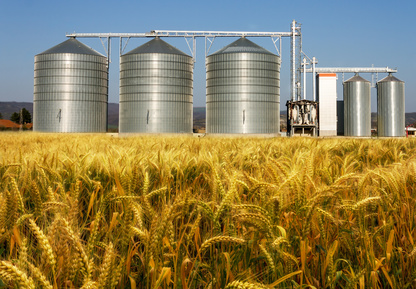
    wheat silos

    The next time that annoying friend (or family member) snarkily comments on how your “gluten intolerance” isn’t a thing, go ahead and point them to a new study released by the Colombia University Medical Centre. Researchers there discovered that people with non-celiac wheat sensitivity have a weak intestinal barrier (I know, d’oh) and that eating gluten containing wheats and related cereals triggers a “body-wide inflammatory response”.  

    The Science Daily website quotes study authors Peter H. Green, MD, the Phyllis and Ivan Seidenberg as saying: “Our study shows that the symptoms reported by individuals with this condition are not imagined, as some people have suggested. It demonstrates that there is a biological basis for these symptoms in a significant number of these patients.”

    Right now there’s no blood test protocol to diagnose this, so it’s hard to estimate how many suffer from non-celiac gluten or wheat sensitivity (NCWS), but it’s believed to affect about one percent of the population. Those suffering from NCWS have celiac-like gastrointestinal symptoms and also fatigue, cognitive issues like brain fog or memory loss, and mood disturbances.

    You’ll find recipes full of foods with antihistamine and anti-inflammatory properties my books Anti-Recipes and The Anti-Cookbook

    CLICK HERE TO CREATE YOUR OWN PERSONALISED HEALING HISTAMINE PLAN. 

    I say this: not too long ago doctors believed mast cell activation (whereby too much inflammatory histamine is released by white blood cells) was very rare. Now specialists like Dr. Afrin tell us it’s closer to one in six Americans.

    Authors of the aforementioned study found elevated markers of acute systemic immune activation, which they believe is caused by microbes and food components leaked from the gut into general circulation in the body.

    The researchers found that NCWS patients on a wheat and gluten cereals free diet for six months “were able to normalise their levels of immune activation and intestinal cell damage markers.”

    This all goes a long way to explaining why simply eliminating gluten containing grains made such a big difference to my recovery. I really only fully embraced the gluten free thing a couple of years ago. Interestingly I was really confused initially because I continued to have grain reactions. Rather than eliminating all grains at the time, I did some more digging and found all about oxalic acid.

    If grains are bothering you, please check out my posts on oxalic acid in foods.

    But I’m not an extremist anymore. While I do believe that modern baked products contain far too much gluten for some of us, and that grains are inflammatory, I will eat a few pieces of beautifully crusty bread while in France.

    I try to live by the 10% rule. That as long as 90% of my diet is amazingly nutrient dense and full of healing antihistamine and anti-inflammatory foods like those my cookbooks are made up of, then I can go nuts with the rest. Sometimes that means a creamy raw chocolate avocado cake, or a plate of wild mushrooms with garlic and herbed olive oil mopped up with a chunk of perfectly baked baguette. It’s more often a few avocados, tomatoes, spoons of mustard or cacao a week.

    But it’s most definitely never, ever, a KFC or Mc Donald’s.

    You’ll find recipes full of foods with antihistamine and anti-inflammatory properties my books Anti-Recipes and The Anti-Cookbook

    CLICK HERE TO CREATE YOUR OWN PERSONALISED HEALING HISTAMINE PLAN. 

    ——- REFERENCES ——-

    “Biological Explanation for Wheat Sensitivity Found.” ScienceDaily. ScienceDaily, n.d. Web. 31 July 2016.

    Afrin, Lawrence B. M.D., Kendra Neilsen Myles, Carol Schaengold, Kristi Posival, and Ingram Spark. Never Bet against Occam: Mast Cell Activation Disease and the Modern Epidemics of Chronic Illness and Medical Complexity. Bethesda, MD: Sisters Media , LLC, 2016. Print.

    Armin Alaedini et al. Intestinal cell damage and systemic immune activation in individuals reporting sensitivity to wheat in the absence of coeliac disease. Gut, July 2016 DOI: 10.1136/gutjnl-2016-311964

  • Parasites trigger mast cell histamine release

    Parasites trigger mast cell histamine release

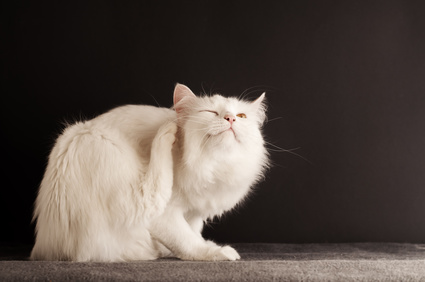
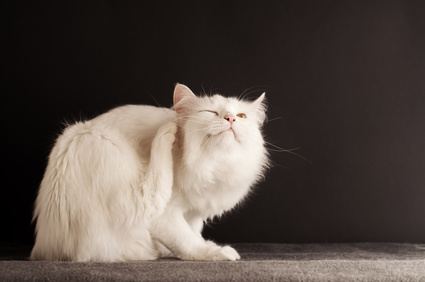
    Cat scratching itself

    Mast cells are a key player in the immune system response. They release histamine and other inflammatory agents into the bloodstream to fight viruses and bacteria, parasites, and promote wound healing. Pretty much any invader can cause this mast cell activation, or a perceived intrusion, by food and beauty products for example, when the immune system is on a rampage. There’ll be a root cause for many dealing with mast cell/histamine related symptoms and inflammation, and resolving it will hopefully lead to recovery once the immune system is able to rest easy knowing its work is done. All references are found at the end of the post. 

    Parasites.

    Nowadays nothing sets off my quack-ometer more violently than parasite “zapping”.

    Well, that biofeedback machine where you hold the copper balls in your hands to diagnose/treat allergies and a few other choice pseudoscientific delights with a real potential to kill, or at least totally fleece people, maybe. In the years before become a (somewhat) sceptical journalist for CNN and the BBC I flushed a tremendous amount of money down the loo submitting to many of these questionable treatments. Nowadays I write about healing naturally, but using scientifically backed research, much of it conducted on poor little animals or in test tubes; but we work with what we have.

    Sadly, parasites are a real thing, and medical diagnosis and treatment is possible, if only more practitioners were open to the idea, rather than driving us desperate folk into the arms of quacks.

    Mast cells are a kind of army barracks that house histamine and other inflammatory soldiers till they’re called into battle for our survival. These cells release inflammation like histamine into the bloodstream as a first line of defence against parasites. Mast cells can control parasites in a number of ways, one of which is by regulating gut permeability (causing or fixing what some may know as leaky gut).

    Histamine released by mast cells can also happen via IgE immune system response (like in allergies). There are many causes of a high overall IgE level, but parasite infection is definitely one of them. Interestingly, you may have heard in the last few years that people have been trying to cure allergies by knowingly infecting themselves with helminths. I know a number of cases where this has backfired, so please be very careful if you choose to investigate this.

    Signs and symptoms

    Abdominal pain, diarrhea, nausea or vomiting, gas or bloating, rash or itching of the posterior, stomach pain or tenderness, tiredness, weight loss.

    Testing

    According to the Centers for Disease Control (CDC) your doctor should consider:

    A fecal (stool) test/ova and parasite test (O&P)

    The CDC recommends that three or more stool samples be collected on separate days to find parasite eggs. They must be refrigerated but not frozen.

    Endoscopy

    This test is recommended when parasite infection is suspected but not found using stool samples. It’s a fairly unpleasant procedure that allows the doc to examine the intestine to look for the little buggers or evidence they’ve been there.

    Blood tests

    Serology

    This looks for antibodies produced by the immune system in response to the parasite.

    Blood smear (not a live blood analysis)

    This helps doctors spot any blood borne parasites.

    X-ray/MRI/CAT 

    These are used to spot any lesions caused by some types of parasite infections.

    The University of Maryland Medical Center (UMMD) details something called the “Scotch Tape Test” that is so stomach charmingly gross that I can’t quite bring myself to repeat it. Do ask your doc about it though because it seems an inexpensive, pain-free, if insanely embarrassing, approach. That said, women regularly undergo some undeniably barbaric and humiliating procedures, so what’s one more, right?

    Dietary approaches 

    Last week I shared a wonderful Indian spice that easily replaces onions and garlic in flavour, which is handy for those allergic to the allium family or low FODMAPs. It also happens to kill some types of parasites. Read the post here.

    May stop parasites from growing…

    Avoiding sugars.

    Eating raw garlic, pumpkin seeds, pomegranates, beets and carrots (all low histamine), which have been traditionally used to kill parasites.

    Eating more fiber to poop them out.

    Zinc to support the immune system .  

    You’ll find recipes full of foods with antihistamine and anti-inflammatory properties my books Anti-Recipes and The Anti-Cookbook

    CLICK HERE TO CREATE YOUR OWN PERSONALISED HEALING HISTAMINE PLAN. 

    The UMMD offers a nice round up of potential natural remedies

    Garlic

    Barberry

    Goldenseal

    Curled mint

    Please always consult a doctor before adding new foods or supplements.

    ——– REFERENCES ——–

    “Total IgE.” Lab Tests Online. Lab Tests Online, n.d. Web. 16 July 2016.

    Saluja, R., M. Metz, and Marcus Maurer. “Role and Relevance of Mast Cells in Fungal Infections.” Front. Immun. Frontiers in Immunology 3 (2012): n. pag. Web.

    “Intestinal Parasites.” University of Maryland Medical Center. N.p., n.d. Web. 16 July 2016.

  • Low FODMAPS antihistamine onion substitute kills parasites

    Low FODMAPS antihistamine onion substitute kills parasites

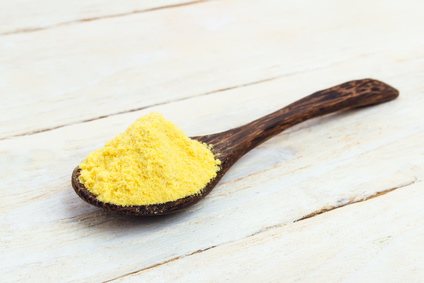
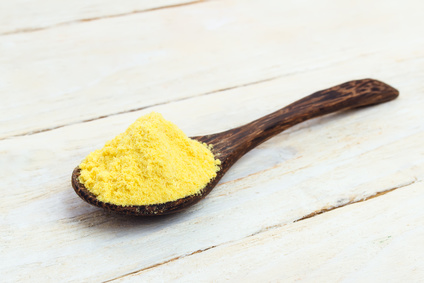
    Asafoetida powder in wooden spoon on a white table

    The Indian herb Asafoetida (Ferula Asafoetida) possesses anti-inflammatory and antihistamine activity, in addition to fighting viruses and intestinal parasites. For those unable to tolerate garlic and onion, or those eating a low FODMAPs diet, this member of the carrot family makes a pleasing substitute when added to cooking. References for every statement in this post are found at the bottom of the page. 

    I realised years ago that the traditional low histamine diet was hurting me. This approach eliminates as many higher histamine foods as possible, with little regard for their nutritional status. Changing my focus to eating foods with antihistamine properties, while including nutrient dense higher histamine foods with beneficial properties, made an incredible difference. You can read more about that here or check out the recording of my online workshop on getting started with my approach here.

    This epiphany led to an honest re-appraisal of my health state, giving me the courage to once again experiment with foods.

    I was no longer going into anaphylaxis by this point – please do not ever add new foods without the involvement of your doctor if you have a history of moderate to severe reactions please. And remember that foods with antihistamine and anti-inflammatory properties can still hurt us. Most studies are conducted on animals, not humans, or in test tubes. 

    You’ll find recipes full of foods with antihistamine and anti-inflammatory properties my books Anti-Recipes and The Anti-Cookbook

    CLICK HERE TO CREATE YOUR OWN PERSONALISED HEALING HISTAMINE PLAN. 

    One of my first “gains” was ferula asafoetida. This Indian spice has a really pungent smell, so much so that I was terrified of using it when recommended by an Ayurvedic practitioner. I eventually worked up the courage once it was revealed to be a member of the carrot family – because in those days I practiced my personal nutrition in a highly irrational way, full of superstition and guesswork – and was pleasantly surprised by its affect on my body and taste buds.

    You may choose not to use asafoetida once you open the packet. This would be a mistake, because once sautéed in a little oil to release the flavour, and then added to veggies or meats, it smells and tastes pretty much like garlic or onions, only less aggressive.

    Kind of like leeks…

    More importantly than possibly resolving an issue for FODMAPs allium deprived folks, and those sensitive to foods in this family, asafoetida has been shown to relax histamine induced contractions of the intestines (in animal studies). It has been used traditionally in this way in the West and in India, and scientists are finding new properties, including fighting Avian Flu and lowering viral loads in Herpes Simlex 1 infections.

    Researchers testing the anti-parasitic properties of asafoetida extracts on earthworms (because they resemble intestinal roundworm in humans) have found it to be as effective as the pharmaceutical Piperizine.

    Please note: the extracts used in studies will be far stronger than the spice and it is not my intention to give you a “how to” with any of my research. I believe that self medicating, be it in supplement or medication, is unwise. This is why I do not include dosages used in studies. I’m not a doctor, so please don’t ask me to play one! 

    And though thankfully this is no longer a concern in my world, researchers have found evidence to back its traditional use as an anti-flatulent. Or toot-inhibitor as I like to call those…nigella is also one – read the post on the amazing seed with antihistamine and anti-inflammatory properties.

    More importantly, to those dealing with mast cell activated inflammation and histamine release, is that compounds isolated from asafoetida have activity against the COX-1 enzyme, which plays a role in creating inflammation from mast cells (relating specifically to prostaglandin). So, this means may mean that if we can get COX-1 to play ball with us, we may experience less mast cell related inflammation.

    Meditation has also been shown to inhibit COX-1 – read the post here.

    Explainer: histamine is found in foods, but also in the body, where it is contained within mast cells – which are a component of the white blood cell system. When mast cells are triggered, by a virus/bacteria, stress, allergens, chemicals, altitude, vibration etc, they release inflammatory agents like histamine, prostaglandin, leukotrienes and others into the bloodstream, where they cause inflammation. If this inflammation is not needed, or is not eliminated when no longer needed, we experience inflammatory symptoms (like those of excess histamine). This is why I believe it’s important to eat a diet that’s anti-inflammatory overall, rather than just low histamine. Because histamine is only a piece of the puzzle.

    Unsure how to use asafoetida? Try adding it to your cooking: by shrinking onto sweet potatoes or minced beef, adding it to lamb before roasting it, or using a pinch in a soup. I particularly love using it to spice up my lentil dahl (basically Indian lentil stew) and also a add a touch to my olive oil before cooking eggs in it.

    You can find asafoetida online on Amazon or Indian food suppliers, and also in all Indian stores.

    You’ll find recipes full of foods with antihistamine and anti-inflammatory properties my books Anti-Recipes and The Anti-Cookbook

    CLICK HERE TO CREATE YOUR OWN PERSONALISED HEALING HISTAMINE PLAN. 

    ——- REFERENCES ——–

     “Ferula.” Wikipedia. Wikimedia Foundation, n.d. Web. 08 July 2016.

    “Asafoetida.” Wikipedia. Wikimedia Foundation, n.d. Web. 08 July 2016.

    Ghannadi, Alireza, and Khadijeh Fattahian. “Anti-Viral Evaluation of Sesquiterpene Coumarins from …” Iranian Journal of Pharmacological Research, n.d. Web. 8 July 2016.

    Mahendra, Poonam, and Shradha Bisht. “Ferula Asafoetida : Traditional Uses and Pharmacological Activity.” Pharmacognosy Reviews Phcog Rev 6.12 (2012): 141. Web.

    Recent Updates in the Treatment of Neurodegenerative Disorders Using Natural Compounds

    Rasool, Mahmood, Arif Malik, Muhammad Saeed Qureshi, Abdul Manan, Peter Natesan Pushparaj, Muhammad Asif, Mahmood Husain Qazi, Aamer Mahmood Qazi, Mohammad Amjad Kamal, Siew Hua Gan, and Ishfaq Ahmed Sheikh. “Recent Updates in the Treatment of Neurodegenerative Disorders Using Natural Compounds.” Evidence-Based Complementary and Alternative Medicine 2014 (2014): 1-7. Web.

    Kumar, Pradeep, and D.k. Singh. “Molluscicidal Activity of Ferula Asafoetida, Syzygium Aromaticum and Carum Carvi and Their Active Components against the Snail Lymnaea Acuminata.” Chemosphere 63.9 (2006): 1568-574. Web.

  • Junk food triggers allergies and causes leaky gut

    Junk food triggers allergies and causes leaky gut

     man on a crossroad trying to decide what to eat for the best lifestyle choice.

    Studies reveal modern food processing techniques and additives cause food to become more allergenic and create or contribute to intestinal permeability (“leaky gut”) and generalised inflammation involving histamine, mast cells and more. In particular, the browning of foods (or caramelisation) can cause mast cell activation. Intestinal permeability/leaky gut is believed to cause allergies, weight problems and heart issues. Citations for all statements at the end of the post. 

    Having to rehash my diet does and don’ts to people I go out for dinner with has become easy enough (I’ll eat anything that’s fresh), but I’ve had my family with me for a week and explaining it all to them has been interesting.

    It all boiled down to one statement:

    “I don’t eat processed foods.”

    This could mean different things depending on who you ask. To me, it’s saying no to food that’s been messed with in a structural way by machine processing, and any foods treated with additives of any kind, including so called “natural” flavours, additives and colours, because in my mind, those are still foods not in their original state.

    A number of my scientifically minded (generally sceptic) friends chastise me, saying there’s no research to back this up. I’ve never specifically looked for any because I likes what I likes and it’s nothing to do with the science. But a few studies caught my attention when working on another post that happen to explain why processed foods are a poor choice if dealing with, or trying to prevent, inflammation.

    And at the end of the day, histamine and mast cells = inflammation.

    So moderating our intake of high histamine foods and mast cell triggering chemicals and cosmetics is great, but I’ve found that fighting inflammation overall, rather than just focusing on histamine, has yielded the best results.

    It might account for why I am once again able to eat most high histamine foods.

    You’ll find recipes full of foods with antihistamine and anti-inflammatory properties my books Anti-Recipes and The Anti-Cookbook

    The first study I came across proposes a link between intestinal permeability (leaky gut) and food processing, specifically due to lipid glycation – which is what happens when sugars are cooked with proteins or fats. Glycation is that really lovely brown crust you get when barbecuing meat or roasting vegetables with a nice honey marinade. Tasty through they turn out to be, advanced glycation and glycation endoproducts (AGEs) can contribute to the formation of acrylamide, a potential carcinogen. It’s now believed that glycation is a strong contributor to inflammation. Food manufacturers regularly add AGEs to foods as flavour and colour enhancers. Alzheimer’s, cardiovascular disease, cancer, peripheral neuropathy, and age related deafness are all linked to AGEs.

    That’s not the worst of it, according to the study authors, strongly roasting peanuts “typically increases” their allergenicity because glycation increases white blood cell reactions to food allergens. And this is where it gets crazy – “When compared with raw food antigens, IgE antibodies were elevated four-fold against processed food antigens in 30% of humans.”

    But more specifically, AGEs induce mast cell activated inflammation specifically, which in turn causes an increase in AGE formation, which then activates more mast cells. Exposure of intestinal cells to glycation products increases interleukin 6 and 8 formation (from mast cells).

    The next that caught my attention found that food emulsifiers, the stuff manufacturers add to make things creamier by properly mixing oil and water based ingredients together, leads to a “dramatic increase in a gut marker of inflammation”. Mice treated with emulsifiers, a class of food additive that includes carrageenan, xanthan gum and lecithin (all of which are found in “natural” products), not only developed gut inflammation, they also showed signs of metabolic syndrome (obesity, high blood sugar and insulin resistance). The study showed that these food additives affect gut bacteria in animal studies, with an earlier study revealed that emulsifiers promote the development of inflammatory bowel disease in genetically predisposed mice. Human testing is planned next.

    The study authors advise that though emulsifiers are listed on food labels, the additives have varying names, and the best way to avoid eating them is to not eat processed food.

    Food additives are also believed to trigger ADHD-like behaviour in children lacking the histamine-degrading HNMT enzyme. You can read my post on that here.

    And have been shown to trigger histamine induced hives in other studies. You can read that post here.

    Key points in protecting the intestinal barrier from glycation

    High fat meals have the highest AGE content.

    Broil and frying generate more glycation than roasting, but boiling is best (I don’t know about you but a boiled steak doesn’t much appeal to me though!).

    Cooking your meal at low temperatures may help with post-meal leptin concentrations (the stuff that makes you feel full and interacts with insulin).

    Soda and soy sauce (the latter is high histamine anyway) have high AGE content.

    Tea and coffee are high in AGEs (I’ll be making my holy basil tea with cooler water from now on).

    Potentially beneficial supplements

    Please remember, supplements have side effects and you must check with a doctor before adding anything new, even if it’s supposed to be good for mast cells/histamine. 

    Quercetin: has been shown to prevent glycation formation in the body.

    Curcumin: the active constituent of turmeric may prevent the intestinal damage from processed foods.

    Glutamine: has long been touted as a treatment for “leaky gut”. I advise caution with all amines for those who are histamine sensitive…

    Pre-biotics: a small study found that a ten gram pre-biotic inulin/oligofructose supplement may reduce intestinal permeability.

    Interestingly my niece has been experiencing some inflammation and lip tingling after eating certain foods. When asked how she should resolve it, I wracked my brain trying to come up with an easy to implement solution a 21 year old would stick to.

    And it was: “Stop eating junk foods.”

    She did, and just two days later the symptoms disappeared and didn’t come back, till she ate some really crappy food. The junk foods had nothing in common on the surface, but I didn’t dig too deep. I truly believe that in some cases it’s enough to simply eliminate processed foods to deal with excess inflammation.

    My approach

    Avoid 

    Processed foods (packaged)

    Inflammatory foods (wheat, sugar, soy, major allergens)

    Stress

    High histamine foods of little nutritional value

    Include

    Foods with anti-inflammatory and antihistamine foods (six page list in the Anti-Cookbook)

    Yoga and meditation to fight inflammation

    Higher histamine foods with healing properties (avocado, mushrooms, tomatoes and others)

    You can purchase a recording of my two hour online workshop that covers everything you need to know to get started with an antihistamine and anti-inflammatory diet just below.

    Check out the workshop.

    You’ll find recipes full of foods with antihistamine and anti-inflammatory properties my books Anti-Recipes and The Anti-Cookbook

    CLICK HERE TO CREATE YOUR OWN PERSONALISED HEALING HISTAMINE PLAN. 

    ——REFERENCES——

    Rapin, Jean Robert, and Nicolas Wiernsperger. “Possible Links between Intestinal Permeablity and Food Processing: A Potential Therapeutic Niche for Glutamine.” Clinics 65.6 (2010): 635-43. Web.

    “Glycation.” Wikipedia. Wikimedia Foundation, n.d. Web. 01 July 2016.

    Sick, E., S. Brehin, P. André, G. Coupin, Y. Landry, K. Takeda, and Jp Gies. “Advanced Glycation End Products (AGEs) Activate Mast Cells.” British Journal of Pharmacology 161.2 (2010): 442-55. Web.

    Kellow, Nicole J., Melinda T. Coughlan, Gayle S. Savige, and Christopher M. Reid. “Effect of Dietary Prebiotic Supplementation on Advanced Glycation, Insulin Resistance and Inflammatory Biomarkers in Adults with Pre-diabetes: A Study Protocol for a Double-blind Placebo-controlled Randomised Crossover Clinical Trial.” BMC Endocrine Disorders BMC Endocr Disord 14.1 (2014): 55. Web.

    “Why Processed Foods May Promote Gut Inflammation.” LiveScience. TechMedia Network, n.d. Web. 05 July 2016.

  • Kitchen hacking: save time, money, sanity

    Kitchen hacking: save time, money, sanity

    housewife multi tasking

    Bacteria cause histamine release in the body, so it makes sense to cook from scratch daily.

    Doesn’t it?

    Does eating fresh food devoid of leftover bacteria free up some of my histamine allowance for something more fun, like a raw cacao brownie?

    Hells ya.

    Read more about spending your histamine allowance here.

    But do I have time to slave at the stove three times a day?

    I can’t bring myself to actually use an emoticon in a blog post so please do me a favour and visualise an angry yellow frownie face simultaneously crying and stabbing a pot roast with a pitchfork.

    Now we’ve established that most of us have neither time nor energy to make food our life, here’s some kitchen hacks I recently shared in my two hour online workshop: beyond the low histamine diet.

    Time saving kitchen tips:

    Make soup in bulk

    For nine months of the year I live on soup. I don’t bother making stock, the veggies are the stock. Just bung them all into the pot, cover with water, add in onion and garlic and boil. You can get fancy, or just make some simple ones like the green soup in the Anti-Cookbook or the Anti-Detox. It’s a pretty amazing soup which has14 antihistamine and anti-inflammatory ingredients.

    I usually make two soups a week and freeze them into individual tupperware or ziplock bags. I’ll stick the soup in hot water to quickly defrost it.

    Bulking beans

    I use the same technique for beans. Cook in quantity and then freeze into individual servings. When needed take them out of wrapping and then pop in boiling water for a minute and then add to salads or roast/whatever.

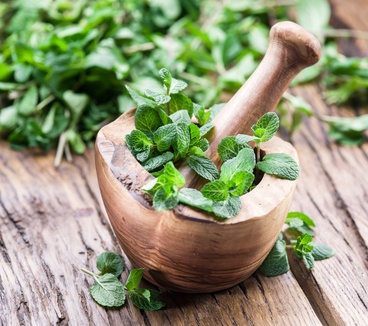
    Fresh mint, wooden mortar and pestle on the old table.

    Herb cubes

    As you may have heard, I’m big on herbs. They’re full of lovely ingredients like chlorophyll (great for helping produce red blood cells), as well as the bioflavonoids quercetin and luteolin, which possess antihistamine and anti-inflammatory properties.

    So I pop some garlic, onion, herbs and olive oil into a blender and then pulse till getting a pesto-like texture. Pour them into ice cube trays, freeze and presto – the hard stuff is done. Just add a couple of cubes to soups, stir fry, or anything really.

    I don’t know of anything that doesn’t benefit from a little (or a lot in my case) greenery, even fruit (but you might want to omit the alliums in this case).

    Baked goods

    Two ways to go here. One is to pour the batter into the moulds if making something like muffins or brownies in bulk and then pop the tray, unbaked, in the freezer and then cook from frozen later.

    The other is to bake, then place in foil and freeze into individual portions. When you’re hankering for a treat, keep the baked good in the foil and place in a pre-heated oven till cooked through again. As an example, one of the muffins from the free ebook the Little Book of Muffins would normally take 10-15 mins to bake.

    Freeze pancakes and flatbreads

    You’ll find a recipe for one of my favourite gluten and grain free flatbreads here and pancakes here. Basically all you have to do is make in bulk and then freeze. Just add some baking paper between each one (you can recycle this paper from batch to batch). For the both I don’t recommend cooking them all the way through before freezing. You may want to dampen the flatbread with a little bit of water before placing it in the oven.

    If you make the pancakes about the circumference of a mug you can then cover them in foil and pop in the toaster. I learned the hard way that foil upsets the microwave, basically by blowing up the one in my college dorm, so please don’t replicate my stupidity.

    Freeze vegetables

    Roasted veggies freeze really well. Just place them in foil before doing so. I serve these with a side of protein or use them to top off a salad. Add a herb cube to the roasting process of course!

    Defrosting meat

    I place it in a large pot, still in its packaging and then cover the packet with lukewarm  water.

    Leftover strategies

    Freeze immediately into ziplock bag or foil, depending on consistency. To defrost: use lukewarm water on the former and loosen the foil on the latter and then place in the oven. (Or remove from foil and place on a baking tray).

    Other time saving strategies:

    Please don’t attempt these if suffering from brain fog or generally forgetful. If in doubt, as your partner or kids if you are!

    1. After cooking I fill up the sink with water and pile in all the dishes to soak while I go live my life till the next meal. Next time I’m in the kitchen to cook, I’ll chop everything up, get all the pots and pans ready and toss in everything to be sautéed. While the veggies are cooking (on low heat of course) I’ll turn around and start washing the dishes or putting them in the dishwasher. Once finished cooking, the cycle begins again with a new sink o’ suds. I don’t wash everything, just a few things and then attend to the cooking and then back to the dishes. I also clean up and wash up as much as I can of whatever I’m using to make that meal.

    It sounds hectic but you get into the rhythm of it…

    2. I pre-heat the oven before I do anything else, and then, because I know exactly how long my food takes to cook and because I have a timer that switches off the oven, I’ll go take a shower or do some work at the kitchen counter while waiting.

    For safety reasons I absolutely do not recommend doing this – I’m just sharing what I do at home. If brain fog is an issue in the slightest, or if you’re not 100% sure of proper cooking times, then this is obviously a terrible idea. 

    3. Chop veggies and herbs in a blender/food processor. Most kitchen machine thingies have a pulse option for chopping. This is a HUGE time saver. You can pick up something like this for as little as $20.

    4. When I’m seriously time poor I’ll make a week’s worth of juice and then freeze it into sports bottles. I’ll take one out on the road with me without defrosting and let nature take its course, but you can absolutely use a warm water bath to speed up the process. Yes, I know, most people are totally anti-juices that aren’t just freshly squeezed. I do what I have to and trust that there’s nutrients in there. I do not however drink the juice cold…

    5. Shop online. This is such an incredible time saver as well as an option that really helps with will power. It’s hard to buy what you don’t see and some stores give you the option of saving a shopping list to buy weekly. A new online market called Thrive has pretty wonderful prices compared to buying organic in most other places and you should definitely consider joining a local co-op.

    6. Buy from farmers directly. If you’re lucky enough to live in an area with farms, go ahead and reach out to them to see if you can cut out the middle man. If you have nice neighbours see if they’re interested in splitting a side of beef with you. You’d be surprised…

    7. Buy in bulk. If you see a deal, go for it. You can chop fruit, vegetables and herbs up and freeze them.

    8. Buy frozen. Some studies show that freezing preserves the nutrients which might otherwise die out when the product is in transit or sitting in your fridge. Organic fruit and veggies are much cheaper frozen.

    And finally, if on a budget, consider buying the foods most affected by pesticides, the so-called “dirty dozen”, organic instead and everything else conventional.

    Please share your favourite kitchen and money saving hacks below.

    Lotus also contains quercetin and rutin, two of the mast cell stabilising bioflavonoids found in the supplement I take daily. Stabilising mast cells may stop them releasing inflammatory molecules like histamine, prostaglandins and others, which is useful to those with inflammatory conditions like histamine intolerance, mast cell activation and others.

    You’ll find recipes full of foods with antihistamine and anti-inflammatory properties my books Anti-Recipes and The Anti-Cookbook

    CLICK HERE TO CREATE YOUR OWN PERSONALISED HEALING HISTAMINE PLAN. 

  • Antihistamine properties of lotus

    Antihistamine properties of lotus

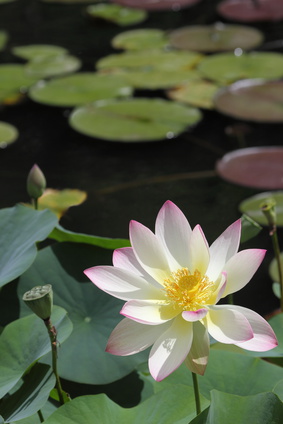
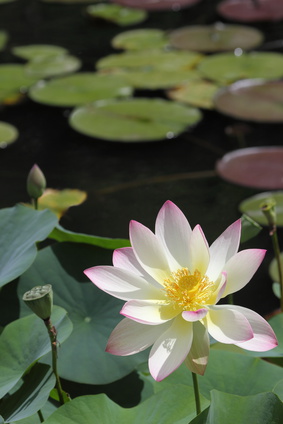
    lotus flower in water

    More than just a beautiful adornment, Asia’s revered lotus flower offers up several compounds with antihistamine, mast cell stabilising and anti-inflammatory properties. Best of all, the lotus is highly edible, tasty and fairly easy to find frozen or as a tea. References and links to lotus suppliers at the end of the post.

    The lotus flower, Nelumbo Nucifera, has long been used in traditional medicine from Egypt to Asia. In recent years numerous studies are finding the leaves and root may be useful in treating or preventing various inflammatory and allergy/histamine related conditions.

    Please remember, most studies using natural compounds are conducted on animals or in test tubes, not humans, using highly concentrated extractions. Always consult a doctor before adding anything new to your diet. 

    Authors of a study on animals published in the Evidence-Based Complementary and Alternative Medicine journal find that a lotus leaf extract improved IgE level (this is a marker of allergy reactions), reduced scratching and prevented mast cells from degranulating – the process by which immune cells release histamine and other inflammation. They conclude that lotus leaf extract may treat atopic dermatitis.

    A study in Life Sciences found that lotus extract suppressed the progression of activated inflammatory cell production of interleukins 2, 4 and 10. Interleukin is one of a number of inflammatory cytokines either contained within mast cells or created when they rupture, usually in response to a need for healing.

    Research published in the Journal of Microbiology and Biotechnology finds kaempferol in lotus prevents histamine release from mast cells, and another in the Journal of Food and Science Technology backs this with results showing lotus extracts can inhibit allergic reactivity.

    You’ll find recipes full of foods with antihistamine and anti-inflammatory properties my books Anti-Recipes and The Anti-Cookbook

    CLICK HERE TO CREATE YOUR OWN PERSONALISED HEALING HISTAMINE PLAN. 

    Kaempferol is a bioflavonoid in plant foods with anti-viral properties. It has been shown to prevent cancer, diabetes and heart disease. Foods high in this bioflavonoid include apples, grapes, green tea, onions, broccoli, brussels sprouts, squash, cucumbers, rosemary, lettuce, green beans, peaches, blackberries, raspberries and other higher histamine foods. Aloe vera and moringa oleifera also contain it.

    Other tidbits of interest are a study in the Planta Medica journal study confirming the use of lotus to burn fat and induce weight loss, as it’s used in Traditional Chinese Medicine.

    A study in the Journal of Traditional Chinese Medicine shows lotus seeds preventing inflammation induced pancreatic toxicity relating to diabetes (in animal studies).

    You’ll find links to lotus suppliers below….

    “You can’t work your way up to a therapeutic dose by eating your medicine.”

    I’ve heard variations of this for years. While indeed, it would be difficult/impossible to reach the saturation of active constituents – scientific studies use extracts in fairly high doses much of the time – eating a diet comprised entirely of these highly antihistamine and anti-inflammatory foods has made an incredible difference in my life. In fact, I’ve known about the properties of lotus for years – you’ll find a tasty recipe in the Anti-Cookbook.

    What helped me heal (in order of importance – in my view):

    1. Retraining my brain for healing – check out my recent workshop for more on this.
    2. Eating a diet made up almost entirely of foods containing antihistamine and anti-inflammatory properties.
    3. Anti-Inflammatory exercise like yoga, practiced several times a week (read more about histamine and exercise in this post).
    4. Carefully selected (few) supplements.
    5. Doing my utmost to be at peace with whatever I can manage, even if it’s as simple as being able to get out of bed that day. It’s amazing when I stopped attaching importance to accomplishments that I was suddenly able to do more than I had in years.

    You’ll find frozen lotus root for cooking and Eden Foods organic lotus tea here.

    Lotus also contains quercetin and rutin, two of the mast cell stabilising bioflavonoids found in the supplement I take daily. Stabilising mast cells may stop them releasing inflammatory molecules like histamine, prostaglandins and others, which is useful to those with inflammatory conditions like histamine intolerance, mast cell activation and others.

    You’ll find recipes full of foods with antihistamine and anti-inflammatory properties my books Anti-Recipes and The Anti-Cookbook

    CLICK HERE TO CREATE YOUR OWN PERSONALISED HEALING HISTAMINE PLAN. 

    CITATIONS

    Karki, Rajendra, Myung-A Jung, Keuk-Jun Kim, and Dong-Wook Kim. “Inhibitory Effect OfNelumbo Nucifera(Gaertn.) on the Development of Atopic Dermatitis-Like Skin Lesions in NC/Nga Mice.” Evidence-Based Complementary and Alternative Medicine 2012 (2012): 1-7. Web.

    Sharma, Bhesh Raj, Min Suk Kim, and Dong Young Rhyu. “Nelumbo Nucifera Leaf Extract Attenuated Pancreatic ß-cells Toxicity Induced by Interleukin-1ß and Interferon-γ, and Increased Insulin Secrection of Pancreatic ß-cells in Streptozotocin-induced Diabetic Rats.” Journal of Traditional Chinese Medicine 36.1 (2016): 71-77. Web.

    Byun, Dae-Seok. “Kaempferol Isolated from Nelumbo Nucifera Stamens Negatively Regulates FcεRI Expression in Human Basophilic KU812F Cells.” J.Microbiol.Biotechnol Journal of Microbiology and Biotechnology 19.2 (2009): 155-60. Web.

    Byun, Dae-Seok. “Kaempferol Isolated from Nelumbo Nucifera Stamens Negatively Regulates FcεRI Expression in Human Basophilic KU812F Cells.” J.Microbiol.Biotechnol Journal of Microbiology and Biotechnology 19.2 (2009): 155-60. Web.

    “Kaempferol.” Wikipedia. Wikimedia Foundation, n.d. Web. 09 June 2016.

    Ohkoshi, Emika, Hiromi Miyazaki, Kazutoshi Shindo, Hiroyuki Watanabe, Aruto Yoshida, and Hiroaki Yajima. “Constituents from the Leaves of Nelumbo Nucifera Stimulate Lipolysis in the White Adipose Tissue of Mice.” Planta Med Planta Medica 73.12 (2007): 1255-259. Web.

  • Does negative brain conditioning fuel inflammation?

    Does negative brain conditioning fuel inflammation?

    Training neuroscience development concept as a group of cog wheels and gears shaped as human heads with information transfer as a technology brain symbol or psychology exchange success.

    Did you know that the amygdala is responsible, through processing taste, for “learning taste aversion”. Put simply, it learns through trial and error that certain foods make us sick. Knowing that, it’s going to want to warn us before the food goes into the mouth (i.e. by reacting to a scent beforehand), which may be why so many with mast cell and histamine issues react to even the smell of a food.

    So, let’s have a hypothetical: you eat something, anything, or many things, one day when you’re not feeling too well. You’re already feeling sick, and so adding food to the equation really just totally turns your stomach. Your amygdala now deems this/these food/s to be dangerous.

    Thankfully the science is catching up. A study published in Explore : the journal of science and healing, found that in those with chronic fatigue and fibromyalgia, amygdala retraining can help restore the body to its natural (non-reactive) state through de-conditioning (unlearning) the amygdala driven fear response.

    Don’t get me wrong: we’re dealing with very real symptoms and sickness, but in my case turning the brain into my ally in the fight against histamine induced inflammation was a turning point.

    On my first meditation retreat I ate pretty much everything in the organic vegan buffet, savouring flavours I’d so desperately missed for years, but never dared hope I would again. Don’t get me wrong – I wasn’t eating junk – but rather healthy whole foods with significant anti-inflammatory benefits. Though a little tofu did somehow sneak its way onto my plate.

    But, in my case, stress was one of my biggest triggers.

    After that retreat I was more convinced then ever that retraining my brain was the key.

    Though people had tried to convince me of it for years, I clung to the warrior female version of myself where working as a journalist in war zones didn’t destroy me mentally and physically. In later years, when debilitating mast cell activated inflammation took hold of me, I was once again dismissive of stress.

    I mean, wouldn’t you be stressed if you couldn’t get out of bed to go to work?

    Or eat like a “normal” person?

    Or live a life free of hives, dizziness, anxiety regarding your health.

    How would YOU feel, I’d tell people, if you had to spend every waking moment on the internet researching symptoms and self-diagnosing because every single person in your life thinks you’re just a hypochondriac?

    But once I actually took it on board and found the science behind it – stress hormones activate mast cells, prompting them to dump histamine and other inflammation into the blood stream – I realised I needed to get it under control, because I was unwilling to continue pretending I was actually living when really I felt like I was dying inside.

    But when I was finally ready to listen to my intuition on the role of stress in my disease, the research wasn’t quite there to support it. Thankfully it is now.

    Stress hormones cause histamine release by triggering mast cells into breaking open and spilling it, as well as other inflammatory molecules like prostaglandins and interleukins, into the blood stream. In some, stress accompanies very real threats to the health – a car accident, a surgery, a viral or bacterial infection, but in some like myself, that stress response is permanently activated, spewing out inflammation when it’s not needed, overwhelming the body which just can’t get rid of it fast enough, or lacks the resources to do so.

    Dr. Milner, a mast cell specialist, in a speech at a Dystonaumia Society conference in 2015, discussed how many of his patients came down with their initial symptoms after a life-altering trauma. Many, if not all, the histamine intolerant/mast cell activation folks I’ve spoken with have experienced something similar.  A car crash or loss of a beloved or family member for example.

    But beyond the initial trauma or chronic stress/anxiety response, I found that previous negative experiences with food had left me with scars that continued to affect how my body reacted to it.

    While I was surely far healthier than ever before and many symptoms had resolved, I was fearful of food and how it would affect me. It had a huge psychological impact on me not knowing if a banana was going to make me too dizzy to drive to the airport that day, or if that piece of raw organic cacao was going to keep me up all night before an important meeting, or if half a cup of gluten free flour was going to bloat me so severely I wouldn’t be able to wear any of my jeans that day.

    Finally I understood, thanks to an increasing number of studies on brain conditioning, that just as a positive response to a placebo medicine can be elicited through conditioning the immune system to behave in a certain way, the reverse is also true.

    If, when the body is truly in a woeful state, and the mind isn’t helping, we react negatively to foods, medications or supplements, eventually the immune system may learn this is the norm. I realised that my beliefs regarding a medication and what horrible things it would do to me where actually affecting me, and I was quoted in a news article about the subject on US World News and Report regarding my experience.

    Training my brain for health and happiness turned out to be the best thing I’ve ever done.

    Understanding that meditation switches off genes specifically linked to mast cell activation really drove me to give the practice my all – but I had to wade through a lot of programs to find what worked.

    Cognitive hypnosis was amazing, but once again, I wasted so much money and hope on many that didn’t do a thing for me.

    Visualisation was my greatest tool in convincing my body to accept bath and beauty products and to calm tinnitus so loud that I couldn’t hear myself think over it – but, I tried so many systems that didn’t work.

    We are all different it’s true – which is why I put together a workshop that brings together the best systems I’ve tried, as well as sharing the strategies I used, for free, at home, so that you can decide what works best for you.

    “Fearful of Food? The Brain Is to Blame (but Is Also the Cure).” THE LOW HISTAMINE CHEF. 2014. Web. 19 May 2016.

    Toussaint, Loren L., Mary O. Whipple, Lana L. Abboud, Ann Vincent, and Dietlind L. Wahner-Roedler. “A Mind-Body Technique for Symptoms Related to Fibromyalgia and Chronic Fatigue.” EXPLORE: The Journal of Science and Healing8.2 (2012): 92-98. Web.

    Bermúdez-Rattoni, Federico. Neural Plasticity and Memory: From Genes to Brain Imaging. Boca Raton: CRC, 2007. Print.

    The Amygdala – A Discrete Multitasking Manager. InTech, 2012. Print.

    Marchant, Jo. Cure: A Journey into the Science of Mind over Body. Print.

    Colino, Stacey. “The Nocebo Effect: Are Your Thoughts Making You Sick?” US News. U.S.News & World Report. Web. 19 May 2016.

    Dr. Milner presentation https://vimeo.com/142039306

    “Meditation: Antihistamine, Mast Cell Stabiliser, Epigenetic Superstar.” THE LOW HISTAMINE CHEF. 2014. Web. 06 June 2016.

  • Prickly pear stops histamine inflammation, stabilises mast cells

    Prickly pear stops histamine inflammation, stabilises mast cells

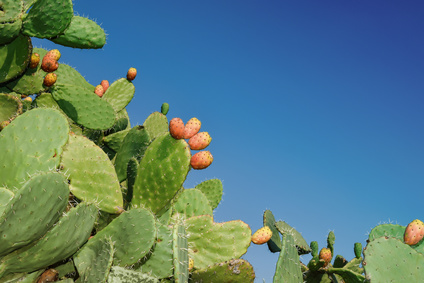
    prickly pear cactus with blue sky background

    Citations always at the bottom of post

    Researchers find that the prickly pear fruit, and the whole plant generally, prevent histamine release/allergic response by inhibiting mast cell degranulation (the process by which white blood cells leak histamine and other inflammation into the blood stream).

    Opuntia is a genus in the cactus family. When speaking of the prickly pear, people usually mean O. Ficus-indica, which is also known in the states as nopales. Native Americans have been using prickly pear traditionally for their pain killing, anti-inflammatory, anti-cancer, anti-diabetic, anti-ulcer activity and now we have studies to back some of these uses.

    You’ll find recipes full of foods with antihistamine and anti-inflammatory properties my books Anti-Recipes and The Anti-Cookbook

    CLICK HERE TO CREATE YOUR OWN PERSONALISED HEALING HISTAMINE PLAN. 

    An animal study published in the journal Cellular Immunology finds that a prickly pear extract inhibits the release of not only histamine, but also several other inflammatory/allergy mast cell mediators.

    Research appearing in the Journal of Pharmacy and Bioallied Sciences also found that prickly pear stopped mast cell degranulation, more effectively than sodium cromoglycate, which is the most commonly prescribed pharmaceutical to treat mast cell activation. In this case animals had their mast cells provoked using an uncooked egg white solution (a common mast cell/histamine trigger), which then releases histamine and other inflammation.

    Researchers have also found that prickly pear inhibits the MAO-B enzyme, but not MAO-A. I have the MAO-B gene variant and I still do inhibitors, in moderation. I would in this case happily eat the prickly pear, but might not take it as a supplement. Interestingly, doctors treating Parkinson’s now use MAO-B inhibitors as a first line of treatment for the condition. If you haven’t had genetic testing yet, you may find it useful – I had mine done by 23 and Me.

    Betacyanin, an active principle compound in prickly pear, is believed to be responsible for the mast cell stabilisation, and therefore histamine release. Betacyanins include reddish to violet pigments and are found in rainbow chard and other brightly coloured fruits and vegetables.

    These are just a few of the numerous studies in this vein, but please don’t forget – these were conducted on animals and the compounds used may be highly concentrated and filtered.

    As someone previously diagnosed with histamine intolerance and now mast cell activation, I like to eat my medicine, and I do love prickly pears when in season. For a more controlled approach to mast cell issues, I use Neuroprotek, a bioflavonoid supplement created by Dr. Theoharides, one of the world’s foremost experts in mast cell issues.

    I do not benefit in any way from sales of this product other than an Amazon commission if you order here in which case I thank you for supporting all the work that goes into researching, writing and self-funding this website. 

    I work my prickly pear fruit into salads and make it into an added-sugar free jam. In the states I frequently chop up some nopales (the green part) into salads or saute them with quercetin rich antihistamine red onions, antihistamine garlic and other vegetables, served alongside some anti-inflammatory vitamin K rich cauliflower or real rice.

    But, diet alone wasn’t the answer. Retraining my brain helped me calm the body to allow it to accept food as a partner in healing rather than something to be feared. cognitive hypnotherapy and other methods I’ll share tasters of in my upcoming Healing the Brain to Heal the Body two hour online workshop on June 11th – book your spot here. Don’t worry if you can’t make it live, there’ll be a recording of the workshop available to you for viewing as many times as you like, as often as you like.

    My books are full of ingredients like these – exclusively – there’s no garbage foods. Everything in my cook books is there for a reason. My current favourite, Man Food, reflects my diet as it is nowadays. The Anti-Cookbook features six pages of antihistamine and anti-inflammatory foods. The On the Go and DAO book are for people still transitioning to a healthier diet.

    You’ll find recipes full of foods with antihistamine and anti-inflammatory properties my books Anti-Recipes and The Anti-Cookbook

    CLICK HERE TO CREATE YOUR OWN PERSONALISED HEALING HISTAMINE PLAN. 

    REFERENCES

    Lim, Kye-Taek. “Inhibitory Effect of Glycoprotein Isolated from Opuntia Ficus-indica Var. Saboten MAKINO on Activities of Allergy-mediators in Compound 48/80-stimulated Mast Cells.” Cellular Immunology 264.1 (2010): 78-85. Web.

    P.5.022 Neuroprotective Effects of the Flavonoids Isolated from Opuntia Ficus-indica Var. Saboten.” European Neuropsychopharmacology 15 (2005). Web.

    Chauhan, Sanjayp, Nr Sheth, and Bn Suhagia. “Effect of Fruits of Opuntia Elatior Mill on Mast Cell Degranulation.” Journal of Pharmacy and Bioallied Sciences J Pharm Bioall Sci 7.2 (2015): 156. Web.

    Löhle, Matthias, and Heinz Reichmann. “Controversies in Neurology: Why Monoamine Oxidase B Inhibitors Could Be a Good Choice for the Initial Treatment of Parkinson’s Disease.” BMC Neurology BMC Neurol 11.1 (2011): 112. Web.

    “Betalain.” Wikipedia. Wikimedia Foundation. Web. 04 June 2016.

GET STARTED HEALING HISTAMINE

WHAT YOU NEED TO KNOW ABOUT HISTAMINE DELIVERED TO YOUR INBOX