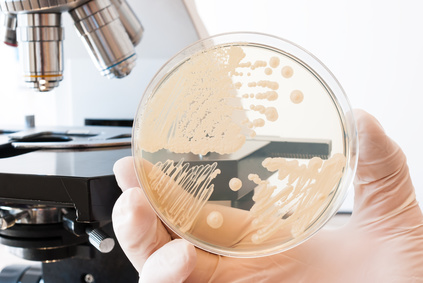
According to Dr. Ritchie Shoemaker, a leading biotoxin researcher with a medical degree from Duke University, Chronic Inflammatory Response Syndrome (CIRS), is the result of chronic inflammation produced by exposure to biotoxins (toxins produced from living organisms) that come from mold (mycotoxins), tick-borne infections like Babesia, dinoflagellates, blue-green algae, some reef fish, and the brown recluse spider. The most common trigger of CIRS is usually the combination of mycotoxins, bacteria, VOCs, chemicals, and other damaging pathogens found within water damaged buildings [1].
Dr. Theoharides at Tufts, who has published nearly 400 peer reviewed papers and is in the top 5% of most quoted authors in pharmacological and immunological journals, has long spoken of the link between mold exposure and mast cell activation [2]. Activation of mast cells would release histamine, along with other inflammatory molecules into the blood stream.
Today I’m interviewing Dana Howell, a patient who has healed herself from mold exposure and subsequent mast cell activation, through her research and with the help of Joe Cohen at Self Hacked. Joe is the person I called on to read my 23 and Me results. I wanted an unbiased view of what was going on and he certainly delivered.
Yasmina:
Dana, please tell us a bit about CIRS.
Dana:
24% of the population is genetically susceptible to getting very sick from biotoxins. This can be determined by a very simple HLA-DR blood test. Dr. Shoemaker, leading expert in CIRS, explains that for these genetically susceptible individuals, biotoxins can’t be “tagged” by the body, and so the body then responds the only way it can: with fierce inflammation. But animals have also become very sick in water damaged buildings, so it’s not 100% necessarily, that the genetically susceptible that are at risk; though they are much more prone to developing chronic issues.
You’ll find recipes full of foods with antihistamine and anti-inflammatory properties my books Anti-Recipes and The Anti-Cookbook
Yasmina:
Please tell us a bit about the symptoms and your personal experience with mold exposure.
Dana:
The average CIRS patient will have about 22 symptoms. The risk of these patients sounding like hypochondriacs is compounded when all traditional lab work returns ‘normal.’
I was one of the lucky genetically predisposed who became sick almost overnight in a very moldy home in Vietnam. It started with drowsiness and itchy skin. From there things went downhill fast. I was standing up talking one morning when I suddenly fainted. I came to with my Vietnamese host mother hovering above me in panic, rubbing tea tree oil on my face. I immediately removed myself from the mold home in Vietnam, but symptoms became more severe as the already absorbed biotoxins continued to recirculate throughout my bloodstream. I thought I was getting better when I suddenly began to get panic attacks (I was never an anxious individual, it was more of a “poison attack”), leading to sunlight sensitivity, extreme sound sensitivity, visual snow, loss of feeling of my left leg, confusion, brain fog, breathing problems, stabbing migraines, GERD, neuropathy, POTS symptoms, seeing make believe images in my peripheral, dizziness, and the worst…a case of 24/7 Depersonalization/Derealization (hallucinations, feeling as if you are on some kind of drug: patterns moving, seeing trails etc.).
It’s no wonder LSD came from the grain fungus ergot, eventually triggering the Salem witch trials! All these years later mold is still creating problems, and patients are still being demonized and told it’s all in their head.
Yasmina:I’m sorry but I have to butt in quickly: one of my really bizarre symptoms was LSD-like trippiness after eating certain foods. Cashews, vanilla, mushrooms picked freshly from a field in Beirut when I was covering the war spring to mind. Carpet patterns would literally start moving around. My bedroom in Spain growing up was in the basement. It was covered in mold. I still remember the smell. My mother was also a huge advocate of leaving food in the fridge for weeks and totally ignoring the sell-by dates. I still remember her scraping green mold off bread before handing it to me, saying: “Don’t be silly! Where do you think penicillin comes from?!”.
Dana:
My early lab work was normal. At the time I was in Vietnam, I exchanged a bar of chocolate and $20 for an MRI (apparently a huge win for them, a steal for me!). Everything again..normal. I ended up seeing doctors all over the US, but only left with diagnosis of “possible MS,” shoulder shrugs, or scripts for SSRIs.
Finally I was able to get the right testing, including a NeuroQuant of my MRI, a computer program used to scan properly run MRIs for brain injury, typically used for early detection of brain atrophy in dementia and Alzheimer’s Disease. My results showed swollen cortical gray matter, an exceptionally swollen forebrain (needed for organization, making plans, controlling emotions), and a shrunken caudate (the dopamine-rich part of the brain). My TGF Beta-1 and C4a levels were exceptionally high, indicating severe chronic inflammation. This inflammation activated mast cells and increased blood histamine levels, making my brain even foggier and symptoms that much worse.
Thankfully, I was able to gain a lot of my health back through my own research, and through the work of very knowledgeable mold, lyme and out of the box practitioners and thinkers like Dr. Shoemaker and Dr. Marinkovich. Joe Cohen really helped tip things over the edge for me, and made me that much better. I am so beyond grateful!
Yasmina:
So, let’s say someone suspects they’ve been exposed to mold, what are their next steps?
Dana:
If someone has list of about 20-30 symptoms, they really should get their mold biomarker tests, at least including the VCS test (visual contrast sensitivity-most all people with mold issues can’t distinguish certain shades of gray due to lack of oxygen and blood flow to the optic nerves), VIP levels, and inflammatory markers TGF Beta-1, MMP-9, C4a, C3a. Inflammatory markers like MMP-9 are important because they can test if a person is having a lack of ability to regulate inflammation in face of persistent stimulation, but with lack of finding certain antibodies. Dr. Shoemaker found that it’s a great marker for showing a whole series of cytokines instead of testing for certain individual cytokines like TNF-alpha, which only tests the TNF-alpha circulating in the blood, not what’s being bound in the cell or the cell next to it (in other words..the real results could be much higher!!). If you can later, through your treatment (as some of these tests can be expensive), you should test your MSH, HLA-DR genes, ADH/Osmolality, ACLA IgA/IgG/IgM, AGA IgA/IgG (this one’s not completely necessary in my opinion), VEGF, ACTH/Cortisol and Leptin. There is a lot of current research in progress related to mold illness in general, and in addition to the Shoemaker protocol. You must work through a pyramid of steps to resolve the inflammatory cascade.
Yasmina:
Beyond testing, what can we do?
Dana:
The first step is removing yourself from your mold exposure and creating a safe environment to heal. Testing your home to make sure it has a safe HERTSMI-2 or ERMI scoring is recommended. The next step includes taking binders like Cholestyramine (CSM). Dr. Shoemaker discovered the effectiveness of this this cholesterol lowering drug for CIRS by chance, realizing it worked for binding a wide range of different negatively-charged molecules and toxins due to its positively charged molecules. This helps to bind biotoxins, halting their recirculation and helping to lower inflammatory markers. Some of the next steps focus on increasing MSH, correcting chronic hypoxia and lack of blood flow, and increasing VIP (vasoactive intestinal polypeptide) in order to regulate cytokine and inflammatory response from re-exposure. This protocol alone has an extremely effective track record. In my experience, this protocol has been very helpful, in addition to adding other diet and lifestyle changes (and a few other therapies) to further the healing process that much more.
I’ll never forget my first hospital visit, looking down through the window at the cars below, swirling in circles like little ants. My brain didn’t comprehend any of it. I struggled to remember my brother’s name, to make sense of the chronic hallucinations. Absolute madness. I’m happy to say though, for anyone who is questioning if they will get better, there is a method to the madness. CIRS is a real documented illness, and there’s a way out. I’m so happy to be helping others find it.
Yasmina:
Dana, thanks so much for taking the time to share your story with us.
You’ll find recipes full of foods with antihistamine and anti-inflammatory properties my books Anti-Recipes and The Anti-Cookbook
For some time excess histamine in the heart has been known to play a role in heart failure and other less severe presentations like palpitations and arrhythmia (irregular heartbeat). In particular, histamine binding to the H2 receptors found in the heart may contribute to hypotension (low blood pressure) and flushing. Histamine is naturally found in high concentrations in the heart. A few small studies find that H2 receptor blockers (meds that fight stomach acid), proton pump inhibitors (also for digestive issues and mast cell disorders) and the most commonly prescribed mast cell stabiliser sodium cromolyn, may be effective in helping prevent heart failure [1].
The histamine receptors seem created to balance each other out in the heart, with the H1 receptor causing vasoconstriction and the H2 receptor causing an increase in heart rate and vasodilation. This may explain why some of [1a] us suffer from low blood pressure and others of high pressure, or those (like me) who have swung back and forth.
Vasodilation of the heart caused by histamine binding to the H2 receptor may have been behind symptoms of anxiety I suffered since the age of 11 or so. As immunologist and histamine researcher Dr. Janice Joneja shared in my interview with her on the basics of histamine intolerance:
“Histamine has many functions in the body. One of the functions it performs is that it is a vasodilator, which means it widens blood vessels. With the widening of the blood vessel, what happens then is that there is less resistance to the heart pumping blood through the body – it’s like widening a hose and you get less resistance to the water as it’s pumped through, so the heart speeds up in order to get the same volume of blood through these widened channels. So you get a tachycardia, but first of all you get a drop in blood pressure, so that’s first in the histamine response, a drop in blood pressure, increase in heart rate, and then as the blood courses through the body, you get flushing and a rise in body heat and so on and so forth, reddening, and, of course, this triggers that panic attack feeling in a person and I’ve had people go to the emergency room thinking they are having an anaphylactic reaction, thinking they’re having a heart attack – all sorts of things. And actually, it’s excess histamine because of the widening of the blood vessels and the increase in the heart rate – and on a low histamine diet, the panic attacks have gone away,” she said.
Given that we know histamine is found in the heart, and H2 receptor blockers may help prevent heart failure, it was interesting to find some more research on second generation H1 receptor antihistamines causing a potentially fatal ventricular arrhythmia. The antihistamines terfenadine and astemizole, in patients taking other medications concurrently that impaired the liver in some way, or in an overdose scenario, caused the potentially fatal adverse effect, whereas other second generation antihistamines including loratadine, fexofenadine, cetririzine and azelastine have not been found to [2], except in an isolated suspected case published in the Medical Journal of Australia where a 43 year old woman was found to suffer a cardiac episode following a single loratadine pill [3].
All this research helps me understand why my anxiety, life long palpitations and low/high blood pressure (often swinging back and forth within minutes) cleared up within months of changing my diet. I’m not saying that a change of histamine levels in your diet is going to heal or prevent heart failure, but rather that making nutritional changes that feed the body the best fuel for preventing ill health generally, combined with an antihistamine and anti-inflammatory approach overall, may give us a leg up on excellent health.
My diet generally, as you can tell from the recipes in this blog, is naturally high in H1 and H2 histamine blockers. In any given recipe I’ll combine up to 10 antihistamine foods working on both receptors. Though much of the information we find nowadays is from studies conducted on animals (as it is in medical studies for pharmaceuticals also), I’ve definitely found that my bioflavonoid rich diet has eradicated nearly every symptom I suffered from. Sure, I still get a headache here and there, sometimes tinnitus kicks off, and other times my hour and a half of daily yoga five days weekly leaves me pretty pooped. But I’m 40! I’m choosing not to focus on the negative and just live a life not focused on the remaining things that may be a little annoying.
Instead I spend that saved time on researching more foods to add my books and diet. Great examples of what I do are in the Man Food and Anti-Cookbook, both of which are almost exclusively made up of antihistamine and anti-inflammatory ingredients.
Natural H2 blockers: holy basil and ginger, both of which are as effective as ranitidine/zantac
Natural mast cell stabilisers: quercetin and luteolin, found in most of the foods in my books (cilantro, basil, thyme, ginger, onion, mangosteen, apple, broccoli)
You’ll find recipes full of foods with antihistamine and anti-inflammatory properties my books Anti-Recipes and The Anti-Cookbook
[1] Francis, G., & Tang, W. (2006). Histamine, Mast Cells, and Heart Failure. Journal of the American College of Cardiology, 48(7), 1385-1386.
[1a] Felix, S. B., Baumann, G., Helmus, S., Sattelberger, U. (1988) Basic Research in Cardiology, 83(5), 531-539
[2] DuBuske, L. (1999). Second-generation antihistamines: The risk of ventricular arrhythmias. Clinical Therapeutics, 21(2), 281-295.
[3] Kuchar, D.L., Walker, B.D., Thorburn, C.W., Ventricular tachycardia following ingestion of a commonly used antihistamine. Med J Aust 2002; 176 (9): 429-430.
Fermented foods may block diamine oxidase (DAO) one of the histamine degrading enzymes. That’s why a while back I wrote a post with some tips on how to create histamine friendlier home ferments to try and help heal the gut. This week I have some more exciting news: another study on rice based kefir (rather than the traditional dairy) showing promise inhibiting histamine release in the gut [1]. That said, it may release or raise histamine generally (depending on many variables).
The animal study, conducted to determine if kefir could help prevent liver damage caused by a high cholesterol diet (it may), found that the amount of kefir at a lower dose did not increase serum histamine (meaning amount of histamine in the blood) but there was a small increase in higher dosing. They did find that kefiran showed a clear negative correlation with the concentration of histamine in the cecal content and feces.
As reported in the aforementioned post, I previously found a study which appeared in the peer-reviewed Biological and Pharmaceutical Bulletin of Japan, showing that rice kefiran (in test tube studies with mast cells) was able to inhibit mast cells exposed to an antigen (examples of which may be an allergen, bacteria or virus) from releasing TNF and other inflammatory cytokines that may be problematic for those dealing with histamine intolerance or mast cell disorders [2]. The general idea is that if there’s existing inflammation in the body, any bit extra is likely to cause a major response. You can read more about that here in my posts the inflammation bucket and wondering why you react to everything you eat?
Another animal based study published in the Archives of Pharmacal Research in 2008 found that milk kefir administered to the stomach substantially inhibited uncooked egg white inflammation of the lungs and . This response involves interleukins, eosinophils and others. Study authors concluded that kefiran may be useful for the treatment of inflammation of lung tissue and airway hyper-responsiveness in a murine model (mice and such) and may have therapeutic potential for the treatment of allergic bronchial asthma [3].
Right now I’m unable to find information on where to buy a rice based kefir starter, but I did find a probiotic supplement that contains them, but also has a number of probiotic strains Lane Labs Kefiran Nutrient+50 60 VCAP. If anyone has the time to look, please post the info below and I will add it to the post.
You’ll find many online recipes for making non-dairy kefir. I’ve read on a few blogs that less than 50% of the lactose remains in kefir grains but have not double checked that information.
Though this information seems promising, please remember the research was not conducted on humans and even if they were, individual physiology is very different for each of us and so please proceed with caution. Even a little bit of histamine released before the anti-inflammatory effects kick in may be too much for many people. Trying fermented foods before your health is stable may be inadvisable, please always consult a doctor before adding foods or supplements to your diet. Some general advice when starting something new is to start with minute amounts and not take it daily.
Researchers at the University of Leuven (KU Leuven) in Belgium have published a new study in the journal Gastroenterology on their findings that antihistamines may be the answer for those suffering from Irritable Bowel Syndrome [1].
As I shared in the Low Histamine 101 Guide, while it has long been known that IBS sufferers have higher than average levels of histamine in the bowels, till now the exact cause of the extreme sensitivity of the bowels was unknown.
Now a KU Leuven gastroenterology team have shown that histamine in the gut affects the TRPV1 pain receptor, causing increased perception of pain. The researchers found that histamine interferes with the histamine 1 receptor, which is located on nerves that contain TRVP1. The researchers used the treatment on a relatively small sample group and found that using the second generation antihistamine ebastine blocked the H1 receptor on the nerves, meaning less TRPV1 sensitivity and therefore less pain. They are planning a larger scale follow up to confirm their findings [2].
Scroll down to the bottom of the post for my favourite antihistamine foods that block the histamine 1 receptor (but please remember, most food studies are conducted in test tubes or on animals and may not apply to us humans).
IBS is a crippling disorder for many, affecting up to 15 percent of the US population (over 23 percent world wide), with about two in three sufferers being female [3].
You’ll find recipes full of foods with antihistamine and anti-inflammatory properties my books Anti-Recipes and The Anti-Cookbook
The National Health Service in the UK advises that symptoms include:
abdominal pain and cramping which may be relieved by passing stools
changes in bowel habits (swinging from loose to constipated)
bloating and swelling of the stomach
flatulence
urgently needing the toilet
mucous in stools
backache
bladder problems
pain during sex
incontinence
They note that the symptoms of IBS can significantly impact lives and have a deep psychological impact resulting in anxiety and depression.
Enhanced signalling/perception has been on my mind since my recent interview with Harvard and Tufts neuroscientist Dr. Michael Van ElZakker. We discussed his hypothesis that in chronic fatigue (CFS) an infection in the vagus nerve, which is responsible for telling the body how ill it actually is, causes an exaggerated sickness response. While it’s now accepted that chronic fatigue may be caused by a viral infection, Dr. Van ElZakker believes the location is the key.
I have often felt that when my body was on high alert, anything that went into my stomach caused a reaction, pretty much regardless of what it was, and I speculated that the nerves in my stomach were somehow feeling “raw” , activated, or somehow amplifying the effects what should be the harmless process of digestion. It gave me courage to persist in eating healthy foods despite experiencing some reaction and I experienced great results by eating a diet almost entirely made up of foods with antihistamine and anti-inflammatory properties.
I never, ever, ignored moderate to strong reactions and please understand that this is not medical advice nor do I recommend that you do as I did because we are starting from different places and may be dealing with different issues.
As for the IBS. Who here reading this blog hasn’t suffered all the aforementioned symptoms of irritable bowel? Certainly I have, and I’m surprised to see quite a few there that I had not remembered were linked. A long term change in diet, full of antihistamine and anti-inflammatory foods took care of nearly all the symptoms and what was left was alleviated by a lower oxalate diet (which I cover in my low oxalate cookbook).
Beet: reduces histamine induced inflammation and help clear up arthritic inflammation as well as a commonly prescribed medication. Acts as an antihistamine/H1 receptor antagonist (like Claritin for example) thereby exhibiting anti-asthmatic properties [4].
Onion: is one of the richest sources of histamine lowering quercetin [5].
Nigella sativa seed: antihistamine that repairs gastric damage (and as such is potentially an H2 receptor antagonist like Zantac), exhibits H1 receptor antagonism [6].
Ginger: works on the H1 receptor to treat and prevent motion sickness [7].
Please remember high FODMAPS foods may be an issue for some.
You’ll find recipes full of foods with antihistamine and anti-inflammatory properties my books Anti-Recipes and The Anti-Cookbook
In our interview Dr. Diana Driscoll of POTScare shares how she and her family overcome Postural Orthostatic Tachycardia Syndrome (POTS), Ehlers-Danlos Syndrome (EDS) and mast cell activation (MCAS/D) thanks to her groundbreaking research into the vagus nerve. Don’t miss the end of our chat where Dr. Driscoll shares information on a supplement she has created just for us as well as details on her new project: a practice offering comprehensive diagnostic testing.
Diana Driscoll is the owner of Vagus Nerve Support supplement company and intellectual property.
Yasmina:
Joining me here today is Dr. Diana Driscoll, optometrist and author of The Driscoll Theory, the first publication to link Ehlers-Danlos Syndrome and Postural Orthostatic Tachycardia Syndrome with abnormal intracranial pressure, suspected MCAS, vagus nerve problems, and vascular disorders. Dr. Driscoll is the president of Genetic Disease Investigators, LLC, which was set up to formally study these conditions, some peer reviewed results of which can be found on POTSCare.com. She is also a patient herself and mom to children also affected by, but now mostly recovered from these disorders and has now returned to work full time at POTS Care to help others. Dr. Diana Driscoll, thank you so much for joining me here today.
Dr. Driscoll:
Thank you Yasmina. It is wonderful to be here and thank you for having me.
Yasmina:
Dr. Driscoll is here today to share her ground-breaking findings on POTS, mast-cell activation, and the vagus nerve connection, something that I know is exciting a lot of us out there. Dr. Driscoll, would you please outline briefly for us the symptoms of POTS and when and how it affected your life and that of your children’s.
Dr. Driscoll:
Certainly. Yasmina, this has been over a decade long journey for me, as you likely know, and over time I’ve come to view POTS in two ways. First, by the definition, that is orthostatic intolerance. Patients have a rise in heart rate of over 30 beats per minute, or 40 beats per minute for kids, when going from a supine position to standing when measured over 10 minutes. Symptoms include lightheadedness, dizziness, weakness, shaking and trembling, nausea, tunnel vision, difficulty speaking, et cetera. Secondly, I view this as a syndrome. It’s a cluster of symptoms, if you will, that reaches far beyond orthostatic intolerance and includes such things as headaches, gastroparesis, constipation and IBS, extreme and chronic fatigue, difficulty breathing, hyperadrenergic tendencies, depression, sensitivities to sounds, stress, light, and movement, among other symptoms.
When I had POTS, I assumed all of these symptoms would be viewed as part of my autonomic dysfunction, but when I passed all of the autonomic testing except for the tilt table test, I came to realize that my specialist viewed these additional symptoms as basically being unrelated. That was my first hint that we were dealing with an illness that had no answers at the time. As far as my kids and I, I was completely disabled by hyperadrenergic POTS. My son, however, was a fainter and became so ill he was too sick to even be tutored, much less attend school, and my daughter had a low level of POTS that could have been easily missed by others if they weren’t looking for it. We were an interesting combination of different forms of POTS, yet we were all in the same family.
Yasmina:
Did you ever get to the root cause? Do you believe there’s more than one root cause?
Dr. Driscoll:
The root cause of POTS is tricky because there are many causes to POTS, as you know, and yet we need to locate underlying cause or causes in order to be treated effectively, but also frustrating is that over time the condition can change in presentation. One issue can lead to another, which can lead to another, and so on. We need to peel back the layers carefully to figure out what’s happening. Having said that, I strongly believe we can begin to separate folks with POTS into clusters, which helps immensely in trying to treat them. We should never try to treat all POTS patients the same way.
POTS and/or autonomic dysfunction can mimic or be the result of autoimmune, neurological, and metastatic conditions, like cancer for example. Most autonomic doctors are able to recognize and treat those conditions and this should likely begin first, but for those of us who do not fall into these categories, I call them “Idiopathic POTS”, there’s currently little help beyond symptomatic treatment that for many of us, including my kids and I, isn’t effective, at best. We need to dig deeper for Idiopathic POTS patients and that’s been my focus over the last decade. For Idiopathic POTS, I believe there are many root causes that have been missed in the past that are just starting to come to light and I’ve been on a mission to expose them.
You’ll find recipes full of foods with antihistamine and anti-inflammatory properties my books Anti-Recipes and The Anti-Cookbook
When I initially released The Driscoll Theory, I presented the overlooked aspects of abnormal intracranial pressure, vagus nerve problems, inflammation, including but not limited to MCAS and vascular anomalies, for example. I strongly believe that we can help these Idiopathic POTS folks by considering some of these previously ignored aspects and we need to look at everything in every patient, including abnormal inflammation, chronic infection, hypermobility or connective tissue problems, vascular inflammation and anomalies, abnormalities in the immune system, and abnormal intracranial pressure. I believe that these are the most important pieces that have been missing for patients with Idiopathic POTS and are likely the root causes.
Yasmina:
I find all of this really fascinating and I wonder if I had had better doctors and if I had known what I was looking for and if I hadn’t found mast-cell activation first if I would have actually been diagnosed with POTS because when I finally looked at the symptoms after being diagnosed with MCAS, with Mast-Cell Activation Syndrome, I was really shocked to find that my symptoms corresponded almost exactly to the POTS symptoms. Things that were not really correlating to mast-cell disorder. I did still have the mast-cell activation symptoms running concurrently and I wonder what is the link between these conditions, because you have found a link and it does seem that many of us have this trifecta of conditions: the Mast-Cell Activation Syndrome, the POTS, and the EDS.
Dr. Driscoll:
Mm-hmm (affirmative), right. I don’t think you’re alone and I don’t think our doctors were being bad doctors. I think a lot of this is new to them. They really did not know. If I look back, although it makes more sense to us now, I don’t think this was common knowledge but that’s how I found answers. I have a huge advantage over most researchers in this area because I’m a patient and my kids were patients. This condition was incredibly disabling for me, as it is others, and yet most traditional testing doesn’t even hint at how affected we are. I remember telling my husband that when the doctors figure this out they will be surprised we can even survive, which hints at how very sick I was.
When so much testing comes out negative, it can be easy for some doctors to jump to anxiety or other psychosomatic diagnoses, which I believe is a tragic mistake. Instead, I had the advantage of knowing my condition wasn’t psychosomatic and I was in what I deemed to be a perfect position to try to find answers. It was a mixed blessing, but being a patient who was highly motivated to find answers was a necessary step in actually located the answers. These were answers not only for my condition and that of my kids, but for others as well. You cannot be deeply involved with patients and researchers without becoming a decent diagnostician for similar conditions, I believe.
You had asked how I found links between some of these conditions and what a great and long story. At this point you might want to sit back and relax and get a cup of tea but I’ll try to hit some of the highlights for you at least because it is a good story and I think a lot of people can relate …
Yasmina:
Share the whole story. All of it! I want to hear it all.
Dr. Driscoll:
We may need a weekend for that. There were a lot of layers that were revealed over many years that kind of hinted at what’s going on. The first thing that I noticed in my kids and I was that we had high intracranial pressure and being an eye doctor, I know the symptoms, which is headache, neck ache, nausea, tremor, light and sound sensitivity, and others, but they were getting lost in that mix of a gazillion other symptoms. Even more frustrating, the symptoms would sometimes come and go, but when I took Florinef to see if it would increase my blood volume, as many of us do with POTS, some of the symptoms just went through the roof and I was able to tell immediately that my intracranial pressure was too high. It resolved rather immediately with treatment.
Then another layer was figuring out that my kids and I were hypermobile and we were diagnosed with likely Ehlers-Danlos Syndrome. We don’t always know the gene involved so we can’t say with certainty that it’s a genetic defect, but we were told that likely the cause of our POTS was from a gradual laxity of the vessels over time because we had EDS. That didn’t sound quite right to me because there was nothing gradual about my condition, nor that of my son. Both of us developed symptoms almost overnight after viruses. I couldn’t help but notice that many others were also hypermobile, yet for most doctors were not able to find a gene [inaudible 00:10:45]for hypermobility. Until we located a gene responsible, I knew we needed to keep all possibilities open, including acquired hypermobility. Perhaps something was making our joints and even our vessels more lax and if we looked at that perhaps we could stop the decline.
Another big reveal I’ll touch on occurred with one of our first official studies. We saw 30 patients with POTS, and most had EDS or hypermobility, and 30 aged-matched normal. We took very detailed pictures of the fundus of their eyes, the back of their eyes. You see, the eye is the only place in the body we can look directly at blood vessels. We do not need to look through tissue, for example. We can magnify the image so much we can even see individual blood cells go by. We can also look directly at the optic nerve when we look into the eye. The optic nerve is often inspected when our intracranial pressure is high. I was noticing that many of us had problems with our blood vessels, everything from aneurysms, spider veins, to strokes and other clotting problems, and most of us had some neurological symptoms. I thought the eye would be a great place to start looking for answers.
I was the blinded doctor in the study, meaning I didn’t know who was a patient and who was not, but I was presented with 60 fundus images and I had to try to figure out who was a patient and who was an aged-matched normal just by looking at pictures of the back of their eye. At first, I didn’t know what to look at so I considered everything. Eventually a pattern started to emerge and I was correct in figuring out who was a patient 90% of the time and I was shocked. I saw some mild blurring around the parts of the optic nerve for some people. Some venous fibrosis or scarring in some. The vessel sizes were off in many patients. I found that often times the veins were too large and the arterials were too small, what we call an abnormal AV ratio, artery to vein ratio. Although we were calling the results normal in these exams, clearly we were missing too much and I suspected some sort of inflammatory component affecting the vessels for many patients. Then we spent a few years studying inflammation.
Another big reveal came when I realized that most of us had signs and symptoms of abnormal vagus nerve functioning. I think that any time the heart and the gut is affected at the same time, we need to consider the vagus nerve but nobody was really considering it at the time. The current thinking at the time was that an autoimmune condition was likely the cause of most problems with nerves involved in Idiopathic POTS. It was assumed that the receptor for the nerves was affected by these autoimmune conditions and researchers were looking hard for pure autoimmune conditions.
What helped me figure out that this wasn’t the case for me and many others was discovered by necessity. I had horrible gastroparesis that sent me to the emergency room. I hadn’t had a bowel movement in 11 days. They tried everything, as did I, to encourage a bowel movement, but nothing was working. At the time, I suspected my vagus nerve was somehow involved. When this happened, I also had pain in my lower right hand abdominal area. We ruled out most everything causing the pain and the doctors discovered that my gall bladder ejection fraction was low. I was told to have my gall bladder removed. I chose not to and here was my thinking, Yasmina. I asked the doctor if the gall bladder was filled with stones. Nope, no stones. All right, was the opening of the duct blocked or something not working? Nope, that worked fine. Was the organ inflamed or enlarged or fibrotic? Nope, it looked okay. This was sounding neurological to me and I didn’t want to remove a healthy organ if I could figure this out.
I declined gall bladder surgery and instead I found myself at the urologist’s office to rule out kidney stones because of the pain. He performed a scan where I ingested a dye and there were no stones. He was at a loss for the gastroparesis and the pain and I suspected that my ileocecal valve, the valve between the small and large intestines, was perhaps stuck in the closed position. That could be a source of that pain. He agreed at the time that that was possible and he sent me to a thoracic surgeon. He told me that not only did he not want to perform surgery, he told me that if I suspected my vagus nerve was involved never to have abdominal surgery unless it was life-threatening because surgery can cause gastroparesis because — they just cut right through the vagus nerve during surgery. Yikes.
I went home with no help, no answers, no effective medication, and no bowel movement. What we as patients are stuck in a position like that where no one is able to help us, what are we supposed to do? It was miserable. I had exhausted all the avenues I knew of to get help but that was the position I found myself in. I was miserable and the only thing I could do was to assume I was right. I remember thinking, “Okay, I’m on my own here so let’s just assume I’m right. My vagus nerve’s affected, so what can I do?”
I remembered from optometry school, like a gazillion years ago, about our lecture on autonomic nerves, that the vagus nerve has 2 components: the preganglionic portion of the nerve that goes from the brain down the neck to the organ be it the heart and lungs, GI tract, or whatever, and then there’s a little gap, what we call a synapse, then there’s the postganglionic portion of the nerve, which is very, very tiny. It’s almost a part of the organ itself. I wondered if my preganglionic nerve was defunct for any reason. I was considering compression at the time. Could I possibly stimulate the postganglionic portion of that nerve and have a bowel movement? As far as I knew, my postganglionic nerve should be okay. I’ve never had surgery on that area. It should be okay. The preganglionic vagus nerve stimulates the postganglionic portion by sending a neurotransmitter, acetylcholine, across that little gap which then stimulates the organ to respond. We can’t use acetylcholine as a drug inside the body because the body immediately breaks it down. Instead, we have to use an imitator, what we call an agonist.
The vagus nerve is also special. It is a nicotinic acetylcholine nerve and a good agonist for this nerve is nicotine. I called my husband and asked him to bring home a nicotine patch. I placed the patch on the lower right hand area of my abdomen, near the ileocecal valve just kind of hoping, and about an hour later things started moving, the ileocecal valve opened and amazingly I had a normal bowel movement. Shocking, right? I couldn’t continue using a nicotine patch because nicotine activates histamine producing cells. I was on fire. It looked and felt like I was being attacked by a swarm of fire ants inside my body. It was horrible, but my response taught me two things and they’re important. First, my receptors were working fine. I did not have some rare autoimmune problem causing my gastroparesis. I did not have a receptor problem. I had a neurotransmitter problem or a problem with the preganglionic portion to my vagus nerve.
We could then stop focusing on autoimmune conditions and instead we turned to studing acetylcholine. If many of us had problems with acetylcholine, was it because we weren’t making enough, or was it breaking down somehow, or both? That’s where research went.
Another huge breakthrough came when I studied the symptom checklist that hundreds of patients with these conditions, EDS, POTS, chronic fatigue syndrome, chronic Lyme disease, and fibromyalgia sent to me through prettyill.com and many of us had some strange visual symptoms, I noticed. For example, some were bothered by viewing textured surfaces. Others had hallucinations, or where they saw insects or spiders in their visual field. [crosstalk 00:19:56] …
Yasmina:
Spiders. My God, spiders. Me.
Dr. Driscoll:
You can relate to that?
Yasmina:
Oh yes, spiders and rats from the corner of my eye and sometimes men standing in the corner.
Dr. Driscoll:
Fascinating. I hear this over and over, I’ve got to tell you, Yasmina. First, I had no idea what people were talking about until they started mentioning having snowy vision and that’s when it hit me. By studying the checklists further I saw that most patients with these chronic individual illnesses were suffering with the majority of symptoms of acute Anticholinergic Syndrome — or poisoning — and those symptoms checklists that we collected proved it. Many of us were so deficient in acetylcholine it was as if we had been poisoned by an anticholinergic drug. The symptoms would ebb and flow, however, unlike actually being poisoned. We didn’t progress to coma, seizures, and death, for example. We had such a huge number of symptoms that our physicians just weren’t recognizing this.
Likely, the reason why I was able to piece this together, looking back, was one, I was a patient experiencing some of the symptoms, right? I knew they were real. Two, I’m an eye doctor and eye doctors are very aware of these symptoms because we prescribe anticholenergics every day. The drops that your eye doctor puts in your eyes to dilate your pupils, those are anticholenergics. We learn the pharmacology, we know the presentation, so it came together for me. I think very low acetylcholine levels is a huge stumbling block for the majority of patients suffering with extreme and chronic fatigue and for many folks with idiopathic gastroparesis, too. The good thing is we can treat this fairly easily. Effective treatment was a necessary step for my own recovery and for the recovery of my children.
(This is not in the interview but I have checked the Anticholinergic Syndrome symptoms and see that I had ALL of them in the early days – Yasmina)
Yasmina:
Wow, that’s pretty amazing how you put that altogether. It’s incredible.
Dr. Driscoll:
It was a long journey.
Yasmina:
My goodness. So much of what you said just absolutely rings true for me. What I keep coming back to and what I learned from you actually was after I had gotten my mast-cell activation diagnosis, I thought, “Well, this is the end of it. You know, I’ve figured it out. It’s over.” Then I read your book and I thought, “Well, okay, interesting.” For most people Mast-Cell Activation is secondary to something else and I just thought, “Oh my goodness. Here we go again.” It was at that point I said, “You know what? I have to make my peace with things,” and just focus on just keeping my head down and doing the mediation, the yoga, the diet, and whatever. How does this all link to mast cells in your view? Could you elaborate a little bit on the mast cell activation as a secondary issue?
Dr. Driscoll:
Absolutely, because mast cells, of course, are inflammatory. The vagus nerve is the anti-inflammatory cholinergic pathway, so clearly there’s a link there. The vagus nerve also affects your immune system, which appears to be affected in many of us, if you’ve noticed. In the book, as you’d mentioned (The Driscoll Theory), I initially presented that perhaps high intracranial pressure could be related to mast cells because mast cells can be found in the choroid plexus, the part of the brain that makes cerebrospinal fluid, but since then I’ve come to view inflammation in general, I think as you have, as a possible cause of both the increased production of cerebrospinal fluid and as a potential reason for slowing its drainage, both of which could cause intracranial pressure. Since then also I’ve stepped away from viewing mast cells in isolation. The inflammatory cascade is very complex.
One component of inflammation increases other components. If mast cells are getting activated, other components of inflammation are also getting activated and we can’t ignore those. If we focus solely on treating mast cells, we risk leaving the patient with continuing inflammation and illness. We need to expand our scope to other histamine producing cells, certainly, and to the other cytokines and chemokines that they in turn activate. Unless tryptase is elevated, we can’t know that our illness is only a mast cell condition, or even primarily amast cell condition. We must keep our minds open and consider the entire inflammatory cascade to get answers.
Yasmina:
My tryptase has always been normal. Actually, better than normal.
Dr. Driscoll:
Fascinating. You’re not alone. When I first wrote the book and I was first going through this journey, similar to you, every layer I figured out I would think, “That’s it. We got it. We’re done. Corrected it.” Then another layer would kind of reveal itself. When I first corrected intracranial pressure and then noticed antihistamines were helpful, then saw vagus nerve problems, I thought I was never going to get to the end of the story. It was incredibly frustrating and I really feel for others going through that journey.
Yasmina:
You just mentioned about treating mast cells alone. Did you think we need to re-examine treatment options for POTS, mast cells, and EDS. My approach isn’t for everybody but … In fact, please,do not ever stop taking any medication you have been prescribed, but I felt that my body started healing in earnest when I came off my medications. I was on so many different medications. For all of those symptoms of the anticholinergic issue, all of those symptoms somewhat resolved on various psychiatric medications and then others made it worse. The Xanax for a decade certainly couldn’t have helped because that’s an anticholinergic.
Dr. Driscoll:
Right. Not only should we re-examine these conditions, we are re-examining them and treating accordingly. In addition to idiopathic cases of MCAS and EDS, I’d add chronic fatigue syndrome, chronic Lyme disease, presumed mitochondrial disorders where there’s no confirmation of that diagnosis with biopsies or genetic data, and even many cases of fibromyalgia, because many of these patients are suffering from similar, if not identical illnesses. For many of us, it is not the triggers that are to blame, but it’s our body’s abnormal response to these triggers that’s making us chronically ill. When we great that properly, we’re seeing dramatic improvements, even full recoveries in many patients.
You mentioned Xanax. I can tell you that it’s a Hyperandrogenic POTS patient’s godsend. I depended upon Xanax for survival yet I was able to go off it, basically cold turkey after reducing my intracranial pressure and then restoring acetylcholine. Clearly, my parasympathetic nervous system, the calming system of the body that allows us to what they call “rest and digest”, wase not working and yet the doctors instead saw my condition as an overactive sympathetic nervous system response and they were trying drugs to calm the sympathetic nervous system, which could help but it did not make me well. Looking back, it made so much more sense to me now that rather than having an overactive sympathetic, I had an underactive parasympathetic. You see how that balance is important?
Yasmina:
Mm-hmm (affirmative)
Dr. Driscoll:
Hitting the cause allowed the balance to recur. I have no doubt. There are answers for these chronic, invisible illnesses. My kids and I are living proof of that. Too often we’re not looking in the right places and too often doctors resort to psychosomatic illnesses and diagnoses in treatment, which can marginally help us. When we stay with the science, though, we can find the answers. There is so much hope for all of us and I really want to make sure people know that there’s definitely hope.
Yasmina:
That brings us to a really exciting part of the interview, which is you are going to share with us something that some of us may benefit from that you have created, a couple of new supplements that you have and that you have rather unconventionally decided not to profit from. Could you tell us a little bit about those, please?
Dr. Driscoll:
Sure, absolutely, and you mentioned not wanting to profit from them. I decided early on not to take a profit from their sale really because I didn’t want to be biased. I don’t want to even subconsciously assume that everyone needs the same thing and stop thinking deeply and critically about each and every patient presentation. We’re not done thinking about these conditions. We can’t stop now. Honestly, I don’t want to be in supplement sales and all that entails. I really want to remain in the science and the research. I want to see patients and help take us across the finish line. That’s where I want to spend my time.
As far as the supplements go, when I was trying to work through this vagus nerve problem, I tried to consider every possible reason for poor vagus nerve function, including damage to the nerve, for example from surgery or trauma, even whiplash I thought could be a cause, desensitization of the nerve for any reason, compression for example, and low functioning of the nerve for any reason, for example infection or inflammation of the nerve or from low availability of acetylcholine for any reason. I thought if we could correct any of these problems with the same thing, not matter what the cause, how powerful would that be? That was my goal.
The result was our first supplement, that’s now patented, called Parasym Plus™, the most important one of the three that we created. Parasym Plus™ boosts acetylcholine in a way that stimulates the vagus nerve while also boosting acetylcholine in our brain. When putting all of this together I had some goals for us. One, it had to cross the blood-brain barrier to help with cognition, both our brain fog and mental fatigue, which was horrible for me. Second, it had to come together very quickly in the body and be sufficient to stimulate the postganglionic portion of the vagus nerve. Third, it couldn’t ignite histamine producing cells, clearly, like nicotine can do.
Yasmina:
Thank you.
Dr. Driscoll:
Yes, right? Four, I also wanted it to work whether there was a defect in the pathway for production of acetylcholine or not and it wanted it to work no matter what the genetic defect was. I didn’t want patients to have to know their genetics, certainly. Finally, the ingredients had to fall within what the FDA already regarded as safe. I know it’s asking for a lot, but that was our goal. I had to dig deep into my old organic chemistry knowledge to put some of this together. We ran two in-house trials to check patient responses, which were dramatically positive, as it was for my kids and I. It was rather overwhelming actually. We’re calling Parasym Plus™ because it effectively stimulates the parasympathetic nervous system, the system we use for resting and digesting, plus it boosts acetylcholine levels for our brain. It was a necessary step for my kids and I to recover and to absorb nutrients normally again.
I know you talk a lot about high nutrient density in foods, which is so important. If we’re going to try to absorb those properly we have to have enough acetylcholine. We have to have proper vagus nerve function and what researchers are assuming are high level of sympathetic nervous system overload as the cause of some of the hyperandrogenic tendencies we sometime experience aren’t, but I think for many of us, that is from low functioning parasympathetic nervous system causing imbalance. The good thing about figuring that out is that we can easily treat it with Parasym Plus™.
Secondly, we added Vagus Nerve Support Soothing Digestive Aid. It contains acetic acid, apple cider vinegar, because with low vagus nerve function or any time we’re on Zantac or other medications that decrease stomach acid, we need some help in that area. It’s formulated with our sensitivities in mind. I prefer capsules over liquid in our population because I’m concerned about the inflammatory response in the esophagus to consistent exposure to drinking acetic apple cider vinegar. I do worry about that. We’ve also added ginger to it because it is so soothing to the digestive tract and we already know the science. Ginger helps increase motility in the GI tract, which is critical for many of us.
I should mention to you, too, that … I see this so often. Histamine in the GI tract can cause diarrhea and that can mask gastroparesis. I remember that I was glad I had diarrhea as a reaction because it would relieve the constipation. What a horrible way to live. I often see people start on Zantac, for example, and say, “It worked too well.” In other words, they ended up with constipation and gastroparesis. For many of these folks, the activation of histamine cells in the GI tract is merely masking the gastroparesis that is secondary to low acetylcholine and we need Parasym Plus™ for that. We can figure out all of that if we analyse that really carefully.
Then finally we added Vagus Nerve Support, Digestive Enzymes, which is helpful when you’re first getting Parasym Plus™ in place. It takes a couple of weeks to get the GI tract in top condition again, including the gall bladder and pancreas, and it supports pancreatic functioning during that time. [inaudible 00:34:45]. With inflammation we’re very sensitive to most everything, right?
Yasmina:
Mm-hmm (affirmative)
Dr. Driscoll:
This is formulated with that in mind. If you got too much protease, for example, it inflames the stomach lining. Not good for us. A pet peeve of mine is digestive enzymes where they throw in everything they can think of. In our case, less is often more. For example, many of those digestive enzymes will contain cellulase, to break down cellulose …
Yasmina:
Sorry, amylase. I didn’t quite hear that. They contain amylase? Is that what you said?
Dr. Driscoll:
No, cellulase.
Yasmina:
Cellulase.
Dr. Driscoll:
Cellulase breaks down cellulose and it sounds good, but our bodies don’t produce cellulase. Cows produce cellulase but they need a separate stomach for that. We do not want to break down cellulose because it’s a big source of fiber, which keeps our stools soft, keeps them moving along. There is more information on the site, but we tried to consider everything that our patient population needs because we’re kind of special already. That’s it in a nutshell.
You’ll find recipes full of foods with antihistamine and anti-inflammatory properties my books Anti-Recipes and The Anti-Cookbook
Diana, I’m really excited to hear all of this. I have been taking the Parasym Plus. ™All I can report for now is that I’m not having any adverse effects, which in my world is pretty amazing!
Dr. Driscoll:
Well that’s good. That’s right. We’ll talk because if you are not terribly deficient in acetylcholine, the changes can be subtle at first and some people noticed the changes when they go off of it, over half. The best way to take it is to take 2-3 capsules first thing in the morning on an empty stomach. The body absorbs it quickly and it comes together to stimulate the vagus nerve, usually producing a bowel movement within an hour or so. In our studies, we mixed it in smoothies and it did not result in a bowel movement. So, absorption time is important.
Yasmina:
Interesting. Okay. Yes, that’s very interesting. Yes, I had that experience with NeuroProtek. I thought, “Oh, I’m just going to come off this,” and everything’s great and then I thought, “Wow, there’s a reason I take this.”
Dr. Driscoll:
Right. Sometimes that’s a decent way to figure out what’s working. We have to go through some crazy tests on our own body because we don’t necessarily have objective markers. For example, acetylcholine, we can’t measure that in the body. There is no blood test for it. Well, there is one that some researchers will try to do but acetylcholine breaks down so quickly it’s nearly impossible to do it, so we can’t rely on that. With something like anticholinergic poisoning, doctors have to recognize it by presentation because there is not a blood test. We do sometimes have to judge some of these conditions by our presentation and by our response to treatment. That’s usually effective and that’s what we have to do with some these “invisible illnesses.”
Yasmina:
We’re wrapping things up here at the moment, but before you go I would love to hear a little bit about POTS Care because it sounds like a really exciting project. People are always writing to me and asking me, “Where can I go? Where can I go for a diagnosis?” and now there is somewhere.
Dr. Driscoll:
Yes, we are so excited about this, Yasmina. This really is a dream come true. I was disabled for over 10 years and I certainly never anticipated being functional again and certainly not seeing patients full-time and helping them with POTS, but it’s very, very rewarding to be able to go through the entire journey and then help others. This is a week-long treatment approach and it doesn’t stop there though. We see patients for a solid week for a couple of reasons. It’s really the next best thing to living with the patients. I remember thinking, “If my doctors could only live with me, they would see some of the things that I’m experiencing.” Right?
Yasmina:
Indeed.
Dr. Driscoll:
I would show up at the doctor’s office and they wouldn’t necessarily see me crash afterwards or have horrible symptoms afterwards. I could pull myself together long enough for an appointment, but that was about it. We see patients for a week so we usually can catch most of their symptoms and signs. We like to see them when they’re not doing well. Also, we have a fair number of tests we want to run and we go through their medical records exhaustively from the beginning to the end. We don’t assume any diagnosis is correct. We just start at the beginning and look at everything from as many viewpoints as we can to try to get answers. We look at a lot of the reasons I discussed that we believe are getting overlooked and approach it from that way.
After they leave, we wait for all the blood work to come in. We’re in touch with them about their response to treatment and then eventually we can get a final plan for them and approach it that way. It has just been tremendous. We only see 1 or 2 patients a week. I think if we were very, very good we may be able to sometimes see 3 but I’m not counting on it because it’s very hands-on and I think that’s necessary for us. No two patients have been the exactly the same. There’s some components that are overlapping and there are some commonalities among us, but no two have been the same so I think a high level of detail and hands-on is going to be necessary. It’s been incredibly rewarding to see people respond, see people get back to their life. Some have had complete recoveries, which is awesome. Some we continue to work with to help them down that road. There are answers for these conditions. We have to look hard to find them and somebody needs to be looking. Somebody. I couldn’t find anybody to look for me so that’s what’s we’re doing here at POTS Care.
Yasmina:
That’s great to hear. I’m going to link to the POTS Care website in this post and put all your contact details. I’m really excited that you’re out there doing this work and there’s somewhere for people to come and see you. I just wanted to say thanks so much for joining me here today, Dr. Driscoll. You can find Dr. Driscoll’s genetic papers under the research section of the POTSCare.com website or find her at prettyill.com. I’m going to link to all of the supplements also in this post.
Dr. Driscoll:
Thank you so much Yasmina. I appreciate it all so much.
You can find Dr. Driscoll’s genetic papers under the research section of the POTScare.comwebsite, or find her at prettyill.com
The supplements we discussed in this interview can be found…
Those with hair loss combined with allergy like symptoms who do not test positive for allergies (via IgE) may have high levels of inflammatory mediators like histamine, prostaglandins and/or interleukins. These inflammatory molecules are found in mast cells in the human body and are usually released as needed, but those with chronic allergies, high overall IgE level, histamine intolerance, mast cell activation, mastocytosis and other inflammatory medical conditions may have disturbances in mast cell function, thereby causing excess inflammation and hair loss. There’s a number of ways to tackle this, including some exciting news about a natural oil that’s more effective than minoxidil at promoting hair growth.
All references further down in the post.
There’s many different kinds of hair loss so it’s best to get to a doctor, but here are a few types that are specifically linked to inflammation:
Prostaglandin D2 specifically has been implicated in male pattern hair loss (and hair loss generally) [1]. Interleukins and high IgE levels have been linked to alopecia areata, which is characterised by “either patchy hair loss or more generalized alopecia that results in complete loss of scalp hair” [2,3,4] and also with telogen effluvium, a diffuse hair loss that may not manifest until two to three months after exposure of the scalp to an allergen, or after a sudden shock/trauma, or sudden decrease in caloric intake [5]. Interestingly a study published in the American Journal of Pathology in 2003 found that stress caused telogen effluvium hair loss in mice via mast cell activation specifically [6]. A study in China found that alopecia areata progression can be predicted according to the mast cell activity in scalp biopsy [7].
It’s always exciting when I find that something that I’ve been writing about for a while is effective for more than I’ve been using. In this study published in 2013 in the Journal of Cosmetics, Dermatological Sciences and Applications, found that nigella sativa, a key component of many of my nutrient dense antihistamine and anti-inflammatory ingredient rich recipes has been shown to be effective in treating telogen effluvium when applied topically [8]. It’s a small sample of patients, 20 in total. The 10 treated with antihistamine nigella sativa applied the lotion for three months. The results showed a significant improvement in seven of the patients treated with the nigella.
Apples meanwhile, another mainstay of my diet, not only are rich in antihistamine quercetin, but also in procyanidin B-2, which researchers in a study published in the British Journal of Dermatology in 2002 found promotes hair growth [9].
A number of studies have also shown green tea to promote hair growth [10] but most excitingly, peppermint oil rubbed into the scalp has been shown to be more effective than minoxidil at promoting hair growth [11]. Peppermint oil has a number of contraindications and is thought to lower testosterone levels so many not be appropriate for males. Please visit the University of Maryland website to read up on it.
It’s not my intention for this post to provide a complete round up of everything that can cause hair loss. I do recommend getting a comprehensive vitamin and mineral, autoimmune and thyroid panels to rule out the obvious deficiencies and potential causes which have been covered on other blogs.
Most specifically, something threw me recently while researching why my own normally lustrous mane was looking a little anemic (if you’ll forgive the coming pun). It seems that what is considered a “normal” serum ferritin level, is considered by trichologists (hair doctors) to be woefully inadequate and a frequent cause of hair loss (see below for attribution). A number of studies agree with them: finding that low iron stores (serum ferritin) are associated with hair loss [12, 13, 14].
As I am always trying to go vegan again (for love of the animals), I had again completely cut a source of vitamin B12 and iron without considerably upping my intake of non-heme iron or adding in a B12 supplement. Both were still in normal (but low) range. I began a vegan B12 spray just because that’s what smart vegans are supposed to do and though not actually vegan I eat so little animal protein that it seemed worth the effort to get my body to accept it again. It took a couple of months but my body and B12 supps are now simpatico.
I neglected the iron however and while my hair suddenly sprouted in thickness, that hair reached about half an inch before suddenly shedding again.
Interestingly I also found a study linking high serum ferritin with inflammation [15]. It seems that high levels are indicative of various inflammatory conditions including chronic kidney disease and is often seen together with elevated interleukin and c-reactive protein.
Then I came across the Philip Kingsley (hair doctor) website for the first time in years since my frantic research on the issue in 2010. Back then going low histamine, binning the shampoo and taking mangosteen supplements to stabilise mast cells and lower prostaglandin D2 levels was enough. The Kingsley site informed me that while a general practitioner would consider a serum ferritin level of 14-170 micrograms per litre normal, research at the Philip Kingsely practice has found that anything under 80 ug/L (micrograms per litre) in women could cause or contribute to hair loss [16]. My mother went to the clinic in the 1970s after giving birth to me so I imagine they have quite a bit of research on this that has been conducted in the last 40 years or so…
I began taking spatone iron water daily and at two weeks I noticed my hair had not only sprouted but continued to grow. Oh happy day. The mystery of the thinning hair has once more been resolved, but hey, there’s all kinds of fun to be had with age related hormonal fluctuations one day to look forward to.
But iron supplementation isn’t on the cards for me long term. Dr. Fuhrman and others tell us that iron is an oxidant and feeds cancer cells [17].
A few iron rich foods I am upping my intake of (via nutritondata nutrient search tool):
(% RDA)
1 cup chickpeas 26%
1 tbsp spirulina 11%
1 tbsp tahini 17%
28g agar 33%
28g chives 31%
1 cup pistachio 29%
100g cacao 81% (Hmmm, I’d like to think this is why I’m always craving it, but realistically, not!)
And if you’re eating meats: 100g calf liver 36%
I do speculate however that the cause of my hair loss back in 2010 may have been caused by the sudden restriction in calories that many of us on the histamine elimination diet undertake.
It’s finally here! Man Food – a high nutrient antihistamine and anti-inflammatory ingredient filled book geared towards guys, women who love to work out, yoga like they mean it, or just load up on healing nutrients. Features my personal shopping list of antihistamine and anti-inflammatory foods.
The Anti-cookbook and all liquid Anti-Detox Book, don’t treat any conditions, but feature a plethora of the high nutrient antihistamine and anti-inflammatory ingredients that have been instrumental in helping me feed myself on a limited diet. The Anti-cookbook features a six page list of antihistamine and anti-inflammatory foods and comes in regular and Paleo.
The Low Oxalate Cookbook features antihistamine and anti-inflammatory rich recipes.
Don’t miss the Low Histamine Beauty Survival Guide for non-toxic beauty tips, the skinny on histamine releasing (mast cell degranulating) beauty ingredients, antihistamine and anti-inflammatory beauty alternatives and the top brands natural brands I’ve found.
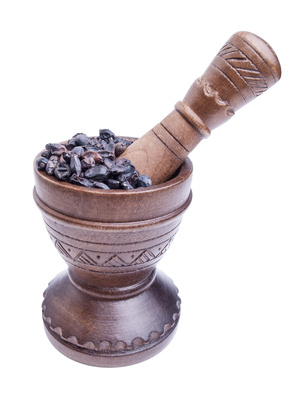
According to the University of Maryland Medical Center website barberry has been used for over 2500 years to treat gastrointestinal complaints and lower fever. In Iran it’s now being used medicinally for gallbladder disease and heartburn. The active component is berberine, which is found in barberry and goldenseal. In test tube studies (meaning not tested on live humans or animals) berberine has yielded antimicrobial activity against parasites and bacteria, anti-inflammatory and blood pressure lowering properties, in addition to sedative and anti-convulsive benefits. Berberine/barberry has quite a few contraindications, especially for pregnant women and the UMD website tells us it shouldn’t be taken for more than a week without the supervision of a doctor [1].
A 2009 study published in Fitoterapia, the Journal for the Study of Medicinal Plants, found that extracts of berberine could reduce epithelial gut permeability in vitro using human cells [2].
A number of other studies have come to similar conclusions based on test tube (in vitro) studies, including one published in the European Journal of Pharmaceutical Sciences in 2010 [3].
Authors of an interesting but scary sounding 2014 study in the Journal of Marine Drugs used a nano carrier based on chitosan and fucoidan to deliver berberine locally to restore barrier function compromised by bacteria-derived lipopolysaccharides (LPS) which play a role in IBS and other inflammatory bowel conditions [4].
The studies I’ve read explain that berberine works by strengthening/protecting the intestinal epithelial tight junctions which prevents bacteria and others from coming into contact with the immune system.
A comparative study of berberine on colitis in rats rounds up quite a bit of information pointing to its benefits in treating inflammatory bowel changes [5]. In this vein moringa oleifera [6], caraway [7] and rosemary oil [8] have also been found to be beneficial.
You’ll find recipes full of foods with antihistamine and anti-inflammatory properties my books Anti-Recipes and The Anti-Cookbook
I didn’t come across too many studies on barberry/berberine as an antihistamine, just one of interest from 1999 published in the Journal of Ethnopharmacology [9]. The University of Maryland website says that barberry may increase the effects of antihistamines so please do take that into account when speaking with your doctor.
I’m in love with medicinal foods. At this point in my life I’ve finally managed to let go of the reigns and just enjoy the fact there are studies out there showing that X food has X beneficial property rather than spend hundreds of dollars monthly compromising my liver/kidneys as they struggle to clear massive amounts of exotic supplements.
I believe that part of my success with healing comes down to eliminating the stress of finding, paying for and testing new supplements in favour of a more “organic” approach. Like sticking the barberries into a gluten free cake, but if you’re still in the early stages of trying to heal your gut, baked/sweet goods probably shouldn’t be on the menu right now.
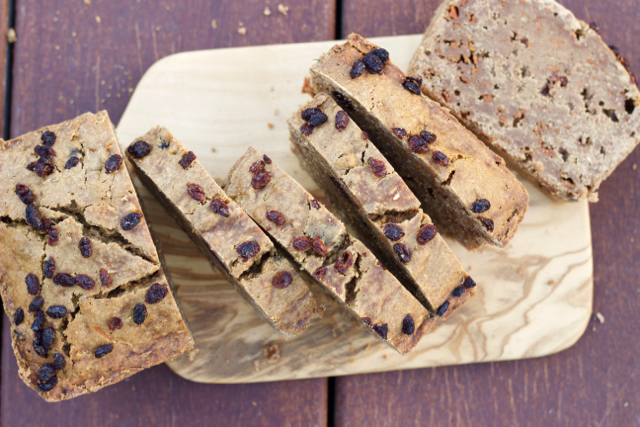
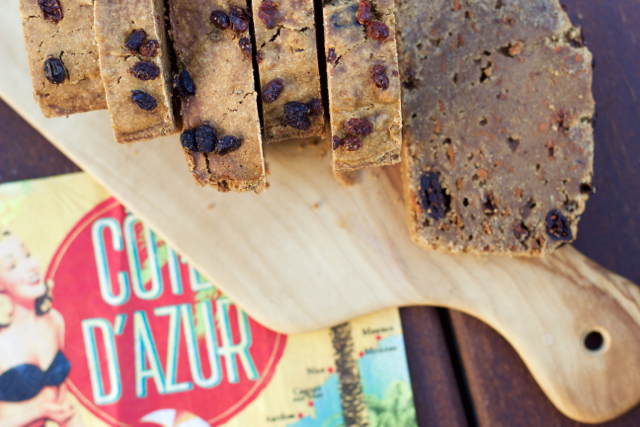
My muffin recipe was used as a base and then added in half a cup of barberries to make this fruit cake. I also enjoy a cup of barberry tea brewed with a tablespoon of dried barberries!
You’ll find recipes full of foods with antihistamine and anti-inflammatory properties my books Anti-Recipes and The Anti-Cookbook
Research shows that Candida triggers histamine release, but did you know you can be allergic to candida, causing repeated, longer lasting or more intense infections? Or that those with chronic candida are 70% more likely to have a history of family allergies and allergic rhinitis? There’s really exciting news though – Tufts researchers have made a discovery that will rock our world!
While I personally believe candida to be a catch all diagnosis that is often incorrect, especially when self diagnosed, it is something that comes up frequently when I meet people.
Are candida and histamine a related issue?
Yes.
Will treating Candida help resolve histamine intolerance/excess histamine/mast cell activation?
Possibly.
Are there natural treatments available?
Yes! A recent study by researchers at Tufts has found that a coconut oil rich diet reduces the amount of Candida albicans in the gut by more than 90% in mice [1].
More on that below.
Before proceeding, I’m just adding a quick update on a new review published in the European Journal of Pharmacology which discusses the findings that curcumin, extracted from turmeric, may be an appropriate treatment for invasive fungal infections like candida in cancer patients [1a].
We’ll have to wait for convulsive results but I thought it worthy of a mention given the study I read in Critical Reviews in Microbiology which shared something new to me: not only does candida take advantage of the immunocompromised by increasing the risk of carcinogenesis and metastasis in those undergoing chemotherapy, but that new research indicates candida may cause cancer progression by triggering inflammation [1b].
You’ll find recipes full of foods with antihistamine and anti-inflammatory properties my books Anti-Recipes and The Anti-Cookbook
Most, if not all, bacterial, viral and fungal infections cause an immune system response which comprises the release of histamine and many other inflammatory molecules [2].
A number of studies, including one published this year (2015) in the Nature Journal show that candida infection triggers mast cells to release inflammatory mediators to try and kill off the fungus [3].
As you’ll remember, histamine is found outside of the body in foods but it’s also present in our body, where it lives in mast cells, which are a key component of our immune system. When mast cells freak out for no reason (like in mast cell activation disorder/syndrome) or need to get in there and fight a pathogen, they do their degranulation boogaloo, shaking loose a ton of inflammatory cytokines to get the healing process going.
In 2012 authors of a study published in Frontiers in Immunology concluded that mast cells could be involved in the defence against Candida albicans by releasing histamine [4].
But let’s get something straight: candida is a member of the “normal” human biome. In most people, it is a life long, harmless commensal. That’s doctor/fancy speak for saying that it is a part of our inner ecology where it lives without causing us any harm. So it is normal for testing to reveal that candida is in the body. A paper published in the journal Virulence in 2013 tells us that Candida albicans is present in the oral cavity of up to 75% of the population [5]. The problems begin when the immune system takes a hit, and the host becomes immunocompromised, like in HIV infection, and candida growth is no longer kept in check [6].
Dr. Mark Hyman reckons that medical doctors under diagnose candida while nutritionists over diagnose it [7]. He says that many of the tests used are not definitive or foolproof: blood antibody levels for yeasts, stool tests and organic acid urine tests for yeast metabolites can be helpful if they come up positive but don’t rule out yeast if they’re negative [8].
Also not so easy to measure or determine, depending on whether you went to see a nutritionist or an immunologist, is whether the immune system is functioning normally enough to prevent the candida from running rampant.
Dr. Fuhrman was kind enough to oblige me with a quote for this post. Never one to mince words, he shared that in his view, “Candida is a real issue in HIV patients and with cancers, and immune system disorders. Other than vaginal yeast infections in women, candida in the oral cavity, throat and digestive tract is not an issue, and especially not in people who eat properly. There is no candida fighting approach necessary, because it is a fabricated issue and not something of diagnostic importance.”
I’m not denying that candida isn’t a valid diagnosis for some with compromised immune systems, but urge caution in finding an appropriate medical professional (emphasis on medical), to diagnose you before submitting to treatment or a crazy strict elimination diet.
I do not consider NAET, muscle testing, that thing where you get a crystal to swing back and forth to indicate a response, iridology, or any kind of biofeedback machine (whatever they’re calling it nowadays in an effort to evade the fact that no studies have shown it to be effective) that uses any kind of metal prod touching your body to measure something, to be conclusive for a diagnosis or treatment of any kind. Yes, I know it works for some people but an improvement in symptoms doesn’t mean that you have successfully identified and treated something, it could be a total co-incidence, or the placebo effect. I had many instances where I got better for a bit and then got worse. So many false hopes pinned on these treatments and until I see proper studies backing up their use I have no use for them.
And let’s talk about diet for a moment: ever notice that the anti-candida diet is very similar to the histamine intolerance diet [9]? This confused the heck out of me for years because the candida diet made me feel better for a little bit, thereby adding credence to the idea that’s what I was dealing with. I’ll get to my personal experiences at the bottom of the post.
As I dug a little deeper an interesting correlation between candida, allergies and asthma emerged:
A 2000 study published the Journal of Investigative Allergology and Clinical Immunology posits that women can be allergic to candida albicans and that hypersensitivity to the yeast can be a factor in long lasting infections. They found that two years (!) of immunotherapy significantly reduced infection recurrence and the intensity of episodes [10].
Another study in the Annals of Allergy and Asthma Immunology two years earlier also found a significant link between candida and allergic rhinitis. Of 95 patients with recurrent vaginal candidiasis that did not respond to all other treatments: 71% also had allergic rhinitis, 50% had positive skin tests to inhalant allergens, 55% to candica albicans, and 73% had a family history of allergies [11].
Authors of a 2004 study published Journal of Allergy and Clinical Immunology study also found a link between Candida albicans and asthma [12].
If you have been diagnosed with Candida albicans your doctor may treat you with:
Vancomycin, miconazole or fluconazole. Please be aware that the first two have been found to provoke histamine release in animal tests [13]. This doesn’t mean flucanozole doesn’t, just that I haven’t found any studies saying it does. It also doesn’t mean you shouldn’t take them if they are prescribed. Always consult with your doctor before taking any meds – even over the counter ones. I ended up self medicating with flucanozole for a couple of decades. By this point I was sick and tired of hearing that I had a chronic yeast infection and being poked and prodded even deeper. I don’t recommend doing what I did.
As for natural treatments: Tufts researchers have found that a coconut oil rich diet reduced Candida levels in mice by over 90%. I’m super excited and I haven’t even had an infection since around 2011. Seems like I’ll be keeping them at bay thanks to the young Thai coconut flesh and coconut oil that’s in my diet.
The study authors say that as the majority of adult Americans are at high risk for heart disease, coconut oil should not be considered a short term prophylactic approach to preventing fungal infections, but rather that the study is a first step in helping researchers find new treatments.
My experience:
Candida broke my world apart. I’m still not sure I actually had it, but a chronic candida “infection” diagnosed in Spain prompted my doctor to tell me I had possibly contracted HIV from a tattoo I acquired earlier that year (aged about 17 or 18). In those days it took months to get the test and waiting was agony. It was negative but candida’s stranglehold on my life continued for another 20 years.
I continued on a “prophylactic” dose of Diflucan for years, coupled with homeopathy, general holistic and biofeedback treatment, herbal tinctures, iridology and all the rest of it.
In 2008 after being hospitalised with suspect pelvic inflammatory disease (of unknown aetiology) coupled with intense stabbing upper and lower back and kidney pain and itching, I had had enough. The candida diet had failed me, the holistic treatments and traditional medicine also. A year on the low histamine diet turned my life around but a low – medium oxalate changed my life forever. In my case I believe that oxalate driven inflammation caused so much inflammation of the gut and sexual organs (with chronic cervicitis and high neutrophil counts found in most pap smear for years) and just general histamine overload being excreted through the urinary tract was causing contact dermatitis that mimicked a candida infection. I’m sure there were some chronic Candida infections thrown in, but the symptoms persisted after I quite taking meds and suddenly resolved on their own after a few years of diet changes.
You’ll find recipes full of foods with antihistamine and anti-inflammatory properties my books Anti-Recipes and The Anti-Cookbook
Acupuncture – a good choice for histamine intolerance and mast cell activation?
A mounting body of research tells us that acupuncture may help alleviate symptoms of histamine intolerance, mast cell activation and related issues like eczema. I share my own experiences and thoughts towards the end of the post.
A study published in 2008 in the European Journal of Integrative Medicine (by Elsevier) found acupuncture to be significantly effective at reducing allergen induced itch in patients with atopic eczema, but only when needles were applied to real acupuncture points as practiced in Traditional Chinese Medicine (TCM). Those in the “sham” acupuncture group, who had needles placed on random points and the no intervention group experienced less relief [1].
In other findings that appeared in the European Journal of Allergy and Clinical Immunology in 2012, researchers from Harvard Medical school conducted a really thorough study pitting acupuncture against H1 receptor antagonist cetirizine/Zyrtec as treatments for atopic dermatitis [2].
Itching intensity, wheal size and how people did on a D2 attention test which is a “neuropsychological measure of selective and sustained attention and visual scanning speed” were their measures [3].
I hear ya on that last one. As I’ve explained to my nearest and dearest: if you see me a-scratchin’ don’t bother askin’ me to remember, or do, anything at all; because there’s nothing on my mind but looking for a way to rip off my skin to furnish the fire ants with an exit strategy.
You’ll find recipes full of foods with antihistamine and anti-inflammatory properties my books Anti-Recipes and The Anti-Cookbook
Real acupuncture before and after itching was induced
Placebo/sham acupuncture before and after itching was induced
H1 receptor antagonist cetirizine/Zyrtec
Placebo cetirizine/Zyrtec (giving people a sugar pill that looked like it)
No intervention
They found that:
Real acupuncture after exposure lowered average itch intensity significantly compared to all other groups (including the antihistamine), even compared to acupuncture administered before exposure
There was no difference in results between real acupuncture before exposure and the antihistamine
NOTE: the study authors suggest that acupuncture after the exposure was more effective than before because of distraction (something I employed back in the itchy days) and counterirritation.
An article published in the journal of Evidence-Based Complementary and Alternative Medicine in 2015 combed 2530 articles from journal databases (up to June 2014), looking for randomised controlled studies comparing real and sham acupuncture and no intervention for the treatment of itch [4].
Their conclusion: “we cautiously suggest that acupuncture therapy could improve the clinical efficacy of itch. However this conclusion needs more studies on various ethnic samples to confirm our final conclusion.”
I came across two more interesting studies – both of which were conducted on very small sample sizes of between 10 and 16 subjects.
A 2006 study published in the Swedish dermatology journal Acta dermato-venereologica found that electrical acupuncture significantly reduced or completely inhibited visible effects of histamine injected into 16 subjects’ arms [5].
Another study in the Journal of Allergy and Clinical Immunology in 2005 showed a significant reduction of histamine induced itch and wheal formation after real acupuncture in comparison to sham acupuncture and no intervention. The authors say that there’s not much research yet into how the acupuncture works but some data indicate that acupuncture might influcend itch-associated mediator effects (including mast cell ones) caused by: opioids, serotonin, prostaglandins, TNF-a, IgE and various interleukins [6]. The first mention of mast cell mediators that I came across.
For those new to this: mast cells are a part of the white blood cell system. They house or create inflammatory meditators like histamine, interleukins, prostaglandins and leukotrines (to name a few). Some people have unstable/leaky mast cells, or just too many of them. Stress is a big trigger that causes mast cells to freak out which is what really threw me a curve ball in the early years. I had addressed diet, but it caused me so much stress, in add-on to stress being sick and just generally being s high stress person, that my body was just being continually flooded with histamine.
On the flip side I also found some bad news.
A 2008 study in Explore: the journal of science and healing, published by Elsevier, researchers attempted to figure out how their manipulation of the zusanli acupuncture point yielded an analgesic/painkilling effect on rats. Tissue slices revealed that the density of mast cells and the degree of degranulation was higher at the real acupuncture point than the sham one [7].
A final tidbit. I found an interesting article published on an alternative health website by a doctor of oriental medicine and acupuncturist who has been on staff at UCLA’s Center for East-West Medicine. Donald Kendall, O.M.D., L.Ac. CV says he has been on the boards of several state and national professional organisations for acupuncture and oriental medicine.
This article is excerpted from his paper A Scientific Model for Acupuncture, published in 1989 in the American Journal of Acupuncture. There’s no online access for this article so I can’t check his sources, but the study is referenced in studies published in the Journal of Evidence Based Complementary Medicine [9]. In my world that isn’t enough to count as a source but I’m hoping Donald will find my post at some point and offer a copy of it. (No answer to my email, but in the era of spam folders it’s not unusual).
The article states that human and animal research studies show acupuncture points contain a significantly higher concentration of mast cells, fine lymphatics, blood capillaries and nerves. This makes them very reactive to the tiny damage caused by the acupuncture needles. He goes on to say that histamine, prostaglandins, serotonin and leukotrienes are important initial mediators of the acupuncture effect, with plasma prostaglandin E increasing when “excellent acupuncture analgesia” is achieved for surgery, with histamine, cAMP and others, showing a corresponding decrease. In cases of poorly administered acupuncture, plasma levels of histamine, cAMP and others increase.
A number of other studies have found mast cells in abundance at acupuncture sites and that their degranulation is responsible for symptom relief of various conditions. How this translates to us remains to be seen. My totally unscientific opinion would be mast cell degranulation stimulated by acupuncture or real needs of the body (digestion, healing) causes different physiological outcomes than those we deal with when suffering reactions caused by just generally faulty/leaky mast cells or those triggered by stress hormones [10].
What now?
I would definitely get a doctor to sign off on this before committing to a session and look for someone very highly trained, preferably affiliated with a well-respected institution (like UCLA). A few tips: make it clear to your acupuncturist, before coming in, that you are not interested in any herbs or incense acupuncture, at least not without your doctor’s approval. Mast cell/histamine folks are very sensitive and can be triggered by supplements.
My own experience
I have only tried acupuncture a few times:
Once in Egypt with a practitioner who came highly recommended. Sadly she decided to focus on sticking everything in my head, which I took to mean that she believed I was dealing with something psychosomatic. That, coupled with the herbal remedy she insisted I buy, resulted in a couple of horrible weeks and I never went back.
The second time was in Bangkok where I literally jumped off the table because I suddenly thought – “Am I really gonna let this non-English speaking random dude pincushion me? I’m in a spa for Chrissakes!!”
The third time was promising: a doctor from Beijing University whom my boyfriend swore was healing him. I had the most amazing string of sessions over a few months till I had a very weird experience. I’ve described my anaphylactic episodes as a wormhole suddenly appearing in my feet and my life force is being sucked out through them as I’m pulled into it. Then all that great stuff like loss of consciousness and vision. Well, I was lying on the table looking like a Hellraiser extra and suddenly felt something open up at my feet and soon I was softly being pulled into it. I felt like I was losing consciousness but kept pulling back by using meditation to keep me in my body and my body fixed to the table. I kept breathing into it trying to work out if I was really in trouble or just having a weird stress incident.
But I never went back.
I’ve thought long and hard about that session and what might have happened. In a weird way I think my body was releasing some kind of memory I had locked deep into my cells for fear of facing it. I certainly don’t feel, now, that I was in trouble, and I would definitely go back once I’m back somewhere I can find a an excellent practitioner.
Why no herbs? If you can show me the medical studies and get me an MD who is an acupuncturist, I will consider it. But like with ayurveda, though I have seen medical studies backing the use of certain traditional herbs, I need to know the person I’m working with has an understanding of modern physiology rather than telling me that my pitta/vatta nature or the flow of my meridians indicates this remedy will cure me.
You’ll find recipes full of foods with antihistamine and anti-inflammatory properties my books Anti-Recipes and The Anti-Cookbook
I was recently interviewed by the wonderful Stacey Colino for an article she wrote for US News and World Report on the placebo effect’s evil twin, the nocebo effect. So here’s the deal: the placebo effect, once seen by the medical industry as a negative, because people being given sugar pills instead of real stuff in medical trials often experience an improvement in symptoms, for no good reason. Well, no good reason other than the power of the mind healing them.
The problem is that the reverse is also true. Believing that something will harm you is likely to increase the odds of it happening (sources in the US News article above and below). I’ve struggled with this for a long time. At some point over the years I became terrified of doctors and medication. Not surprising given the mis-prescribed endless years of medication, really strong stuff including anti-psychotics and painkillers, as well as misdiagnoses. Here’s a fun one: I was naive and a doctor told me that a chronic “yeast” infection (which I now know was not yeast but rather chronic low level inflammation of the cervix due to oxalic acid in plants) was most likely due to HIV and insisted I get tested because of a tattoo I had just acquired in San Francisco. This was in the days when results took eight weeks. I was 18 and spent the net two months in hell. After intensive research, I developed night sweats, bowel issues and a low grade fever, all symptoms associated with the possible diagnosis. The negative result came at a huge price to my health: by the time it arrived I was a complete stress ball and the memory haunted me for years.
You’ll find recipes full of foods with antihistamine and anti-inflammatory properties my books Anti-Recipes and The Anti-Cookbook
That would be an example of the nocebo effect. This incident set a dangerous precedent. I lost my faith in doctors and so began a few decades of tumultuous relationships and an inability to accept their diagnoses and medical scripts. I took all of them of course, because I was a pill junky, but they did little for me. I could now argue that the nocebo effect was to blame, but there was also a healthy dose of them really just not knowing anything about mast cell activation or histamine intolerance. This all worries me greatly because I developed a tendency to attribute everything to mast cell disorder, heck it’s hard not to when we know there’s over 50 symptoms.
And there, in a nutshell is the most interesting piece of news I’ve read in years. Worrying that stress is bad for you can actually kill you. But not believing that stress can kill you means it doesn’t affect you as badly.
Welcome to nocebo world.
This is what I believe is the number 1 impediment to healing in our world: the belief that food hurts us. It’s hard to argue with that belief because hey, foods do often hurt! They also have the power to heal but most of us spend very little time focusing on reframing the problem so that we use the power of the brain to intensify the healing power of the food rather than the flip side. I’ve experienced first hand how expecting to react is a self-fulfilling prophecy.
And now we have some more science to back it up.
I reported a while back that scientists have been able to use pavlovian conditioning to induce a nasal tryptase increase (one of the mast cell mediators involved in allergic response and anaphylaxis) in people whose subconscious was triggered into believing they were being exposed to an allergen. You can read the full “Fearful of food? The brain is to blame but also the cure.” post here.
But I also highly recommend listening to this inspiring TED talk “How to make stress your friend.” by Dr. Kelly McGonical in which she mentions a study showing that those who believe stress is bad for them will suffer negative health effects from it, while those who don’t, don’t.
You can also check out David Hamilton’s post on how he realised that increasing his knowledge of nutrition led to weight loss, but also to an increase in negative reactions to it.
It’s finally here! Man Food – a high nutrient antihistamine and anti-inflammatory ingredient filled book geared towards guys, women who love to work out, yoga like they mean it, or just load up on healing nutrients. Features my personal shopping list of antihistamine and anti-inflammatory foods.
You’ll find recipes full of foods with antihistamine and anti-inflammatory properties my books Anti-Recipes and The Anti-Cookbook