

Category: Research & News

  • Benadryl is cocaine to your brain?

    Benadryl is cocaine to your brain?

    Pasted Graphic

    Please note, I’m not anti-medication and I absolutely believe there’s a time and a place for histamine/mast cell medications in order for us to stabilise. Please do not discontinue any medications. I recently had an operation to retrieve my eggs during fertility treatment and allowed them to use Benadryl. Please read this post for more on my stance on medications.

    Updated…

    My body on antihistamines

    It was an animal study entitled “Cocaine-like neurochemical effects of antihistaminic medications” that really caught my eye.

    Having spent the previous months convincing myself to come off the antihistamines that I felt were the only thing between me and a lifetime of living in a bubble, terrified that the Hista-meanies were out to get me, I decided to go all out and truly freak myself out to the point of no return.

    Please, read no further if you’re currently on antihistamines and are unable to do without them. It’s not my intention to sway you away from meds, cause you to question your doctor’s judgement in prescribing them to you, thereby leaving you in harm’s way.

    See, the person who diagnosed me was frank: “Antihistamines will make you worse. You need to stop taking them.”

    I looked at him, incredulous.

    The mere thought sent a chill through my brain.

    But I was used to that. Because, in addition to suffering severe memory loss and an inability to make new memories most of the time (except in life or death situations), the alternately fiery and ice cold migraine-y grip on my poor noggin (thank you histamine as a neurotransmitter), was a mainstay of my life.

    The only way to convince myself was research.

    The Cocaine-like neurochemical effects of antihistaminic medications [1]

    According to animal studies, some H1 receptor antagonists (antihistamines) activate the pleasure/reward chemical, dopamine in the brain.

    This is a good thing right? Not so fast…

    Drugs like cocaine, methamphetamine (and nicotine) also increase the level of dopamine in the brain. Sadly though, the increase in dopamine causes a desensitisation, and it soon takes more and more to achieve that same effect, causing you to take more and more.

    “The most addictive drugs, such as cocaine in the form of “crack”, raise dopamine levels in the brain, within seconds of consumption.” – Wikipedia

    Am I comparing Benadryl to crack cocaine?

    Not me, but this study says: “Intravenous diphendramamine (benadryl) and chlorpheniramine…elicited a cocaine-like pattern of stimulation.” [1]

    They go on to say that this effect is potentially caused by stimulation of serotonin and that “might underlie the occasional misuse of these medications”.

    I’ve only taken it a handful of times so I really wouldn’t know. What I can say is that I reached some kind of tolerance/desensitisation with every antihistamine I have taken. I’d end up taking multiple tabs (as sanctioned by my allergist – who never found I had ANY allergies) and still feel like poop. Sure, I could eat more, but I felt horrible.

    Hung over.

    Lethargic.

    Dizzy.

    Emotional.

    And more.

    In the Anti-Cookbooks (regular and paleo), I talk about the many other scary antihistamine side-effects:

    “H1 receptor antagonists have been shown to exert estrogenic action, to the point of affecting penile development (this has not yet been shown in humans), weakening of the immune system and much more…

    Meanwhile, H2 receptor antagonists and proton pump inhibitors (examples of which are zantac and omeprazole) can create new food allergies (you heard that right), leave the young and elderly vulnerable to pneumonia and life threatening infections like clostridium difficile, create vitamin B12 deficiency or cause stomach cancer.”

    Then there’s the fact that some researchers are coming to the conclusion that antihistamines may in fact make allergies worse!

    In these studies a team of researchers found that bee venom injected mice who were fed antihistamines just before and after exposure reacted more violently to their next exposure.

    The theory, according to the lead researcher Pal Johansen, is that the antihistamines were doing more than disrupting the immune reaction to the first dosage, that they were in fact preventing the immune system from getting used to it. [2]

    I don’t know about you, but I certainly found that my reactions began spiraling out of control after antihistamines (which I initially took for sinus issues), thereby requiring more antihistamines. A coincidence? Totally possible. A coincidence that I felt so much better just months after giving them up? I can’t rule it out. What I can say is there’s no way I’d take them again.

    So what’s the alternative? Come off them and leave ourselves open to anaphylaxis? Though I have experienced it over the years, my recent brush with it in Kenya last year, showed me that either my body has been healed to the point where I am no longer in danger, even during anaphylaxis, or meditation really is that powerful. (For those of you who missed it, I managed to work my way through an episode of shock by using a meditation technique I had trained myself in. No, I’m not talking crazy. I based my conclusions on the power of meditation on my conversations on the role of stress in anaphylaxis and mast cell/histamine triggering with Drs Escribano and Matito of the Virgen del Valle hospital in Toledo – a team that have seen more mastocytosis/mast cell patients of any in the world.

    Has my body healed to the point that I don’t need to worry? I’m not entirely sure – thanks to my diet, I’m definitely in the best health of my life. But whether I am or not, I just can’t ignore the research that tells me that antihistamines could make things worse in the long run. I was very thankful that Dr Janice Joneja, in my interview with her, confirmed to me that antihistamines cause a rebound effect. She does however believe that they can be used as needed, rather than prophylactically.

    As the researchers in the bee venom studies conclude, the immune system needs to get used to stuff. Once I became sensitised to a seemingly never-ending list of foods and beauty products, once I eliminated all the crappy ones, I had to ask myself why I would continue to avoid the ones that were healthy.

    So what are the alternatives?

    In 2010 I came to a similar realisation as the researchers in the bee venom study – I was going to have to re-acquaint my immune system with food (and other things).

    That’s exactly what I did.

    I’ll go into more detail about how I did it in my upcoming Low Histamine Lifestyle webinar. Given that it’s my first one, I’ll be keeping it small, on a first come first served basis, so you may want to sign up to my mailing list to make sure you don’t miss out.

    Before that though, I desperately needed to stabilise, without the pharmaceuticals that made me so horribly ill. I recently blogged about the supplements I take. Some are antihistamine (binding to the histamine receptors), while others are mast cell stabilisers (thereby preventing histamine and other inflammatory elements from being released in the first place). I’ve definitely found that lowering my intake of histamine rich foods, without going totally crazy eliminating stuff, increasing my intake of antihistamine and anti-inflammatory foods, and meditating every chance I get, has made an incredible difference in my life.

    Please do not attempt to stop any meds without consulting with your doctor. I neither encourage you to do so, nor can I be held responsible for the fall out of failing to seek the counsel of a medical health practitioner.

    You’ll find a collection of all liquid high nutrient antihistamine and anti-inflammatory rich recipes for days when my histamine bucket overflowed in the new Anti-Detox book. 

    The Anti-cookbook, while it doesn’t treat any conditions, due to its high nutrient, antihistamine and anti-inflammatory ingredients, has been instrumental in helping me feed myself on a limited diet. It features a six page list of antihistamine and anti-inflammatory foods. It comes in regular and Paleo. 

    The Low Oxalate Cookbook features antihistamine and anti-inflammatory rich recipes. 

    Take a peek at my low histamine and antihistamine cookbooks for more high nutrient recipes. If you’ve found this information useful I’d appreciate your support (at no extra cost to you!) – please check out my online store for your health foods, supplements, kitchen items and beauty product purchases. Affiliate sales through my online store go towards maintaining the website, funding travel to interviews and purchasing all the lovely foods for my free online recipes.

    You’ll find these items in the “Shop with us” drop down menu on my homepage.  

    Please don’t forget antihistamine, pain killing foods can still hurt us, so please always check with your doctor before adding new foods to your diet. 

    ———————REFERENCES————————

    [1] http://www.ncbi.nlm.nih.gov/pubmed/18363822

    [2] http://www.nature.com/news/2008/080111/full/news.2008.436.html

    Anti-Cookbook sources:

    http://onlinelibrary.wiley.com/doi/10.1111/j.1398-9995.2010.02511.x/abstract

    http://www.ncbi.nlm.nih.gov/pubmed/20102991

    http://www.ncbi.nlm.nih.gov/pubmed/20458086

    http://www.greenmedinfo.com/article/ranitidine-inhibits-secretion-gastric-intrinsic-factor-and-absorption-vitamin-b-12

    http://www.greenmedinfo.com/article/long-acting-inhibitors-gastric-acid-secretion-may-result-endocrine-cell

    http://www.sciencedirect.com/science/article/pii/S0022534705001886

    http://www.ncbi.nlm.nih.gov/pubmed/18363822

    http://www.nature.com/news/2008/080111/full/news.2008.436.html

     

  • Fearful of food? The brain is to blame (but is also the cure)

    Fearful of food? The brain is to blame (but is also the cure)

    airplane taking off at sunrise

    I’m a logical person. I’ve seen and experienced things in life that colour my perception of the world around me for sure, but not to the extent of what happened to me on the Heathrow – JFK leg of my US trip.

    You know how there are some French cheeses so stanky that they make your eyes water? Multiply the worst cheese smell you’ve ever experienced, multiply it by the product of Newton’s third law by way of the trajectory of a Higgs Boson through a wormhole in the fifth dimension (yeah I’m not a science person), and you’re approaching how intense that same smell is to me.

    Not only am I a hyper smeller, I am a hater of putrid foods that no sane person would touch in the wild. Cheese is just one of those things that you know our ancestors would have approached with the same gusto as rotting human flesh.

    I was almost asleep on my eight hour trans Atlantic Delta flight when suddenly a smell so very unimaginably vile assaulted my senses, that I could only assume someone had stapled the anus of a lactose intolerant Shitsu, fed nothing but hostess twinkies for as long as it takes an infinite number of monkeys to bash out a draft of Hamlet, to my nose. But no, lo, the couple sitting next to me on the flight, with total disregard for the years of evolutionary sanity in not eating anything that tastes like the seventh stomach of a holy cow, unleashed a bag o’ nasty, no doubt blue worm infested, crumbly and gooey treats from their recent jaunt to France. I spent the next three hours almost passing out from a smell so horrific that I spent most of that time agonising over whether to abandon the extra legroom, extra cost, exit seat, I had paid through the nose for, in the hope of avoiding emptying the contents of my stomach onto their vile plane snack.

    The infinite monkey theorem states that a monkey hitting keys at random on a typewriter keyboard for an infinite amount of time will almost surely type a given text, such as the complete works of William Shakespeare. – Wikipedia

    As I pondered my next move, having failed to persuade the couple to dispose of their ass bag contents, I spied out of the corner of my eye, a most unusual sight. The kind you live in fear of really: a burly flight attendant of about 300lbs shuffling down the aisle, with a military garbed man clutching a military backpack, leaning into him, with another man dressed in a tactical special forces top leaning into that guy. All moving together, very slowly, chain gang-like. Agonisingly slow. Military guy number 1 was wearing a handkerchief over his face. I, naturally, being the ex-journalist type, called out to burly flight attendant, asking if everything was ok. As he slowly turned to look at me, I noticed the beads of sweat trickling down from his temples, and his immovable, impossibly dead expression as he turned his face away from me, question unanswered.

    It was then that my blood ran cold and every possible permutation of the scenario played out: hijacking, bomb, bio terrorism. I picked up my phone, fought the urge to call my beloved, assessed where the other attendants were, tried to think what could be used as weapons, whether it would be best to attempt to co-operate, who around me might be up for a fight should it come to that, all in just a few moments. And then I decided to end the madness.

    Jumping out of my seat, I made my way hurriedly towards the front of the plane, thinking that the hijackers would be there if anywhere. I made it almost to the cockpit without running into any flight attendants (very unusual), before finally jumping on the lovely lady I found there, who explained to me hurriedly that a soldier with PTSD on his way back from Afghanistan had freaked out on the plane and had to be subdued. I almost vomited in relief. He was being frogmarched, handcuffed, to the back of the plane. Burly attendant was sweaty from tackling the poor guy.

    Well that made two of us with PTSD, I joked to the very apologetic lady.

    Having fled the olfactory nightmare in my row, I began to ponder what had triggered me to the point of having an adrenalin rush the equivalent of seeing the street I was on bombed during the Lebanese-Israeli War of 2006, and far more intense than the time I was almost shot down in an Apache.

    As cartoon-like tendrils of stanky cheese tracked me down all the way to where I had recently decamped at the back of the plane, I realised it was the dammed smell wot done it. I went back to what I believed I knew to be the origin of my hatred of cheese: my parents discussing divorce in the south of France, a trolley of the nastiest cheeses brought out, ending in my vomiting everywhere. Since that event, I have been unable to even tolerate the smell of plastic cheese (what I call the toasted cheese sandwich slices). I have been challenged on many occasions, most notably when my big brother tried to cure me of my fear of it, by stuffing camembert in my mouth and holding my jaw shut. He soon opened up when I began spewing! That was the last experiment. Bless him for trying, I understand where he was coming from – I was a very odd child with even weirder eating habits.

    So, in addition to cheese, I generally have hyper smell issues. I smell pretty much all food before eating and incense used to make me barf, big time.

    Those of you who know a bit about multiple chemical sensitivity may be familiar with recent research showing that they’re now thinking MCS is basically the amygdala in the brain responding to smells, mainly because MCS people they’ve tested have a very strong sense of smell. In this case, amygdala retraining has proved successful in helping a number of people:

    “Amygdala retraining serves to restore a more normal state of homeostasis through deconditioning the amygdala-mediated fear response to distressing internal sensations and thoughts. This is accomplished through several mind–body techniques that promote relaxation and attempt to reorient attention away from the distressing symptoms of the viscera or catastrophizing thoughts.” [1]

    Interestingly, I also found a number of studies showing that a pavlovian response can be responsible for tryptase increase in humans. Ie people were led to believe they were being exposed to an allergen and so their tryptase level (an indicator of mast cell conditions) went up, thereby causing a reaction [2].

    In these studies, people were made to associate a certain taste (a drink) with exposure to an allergen. Interestingly, the amygdala is responsible, through processing taste, for “learning taste aversion”

    “A crucial role in food selection processes is the ability to learn taste aversions. This is particularly relevant for omnivorous species. The discrimination process between edible and harmful, or even potentially deadly, substances starts from the gustatory sensory information. This information stimulates a biological mechanism of precaution against new flavours, which facilitates the evaluation of the consequences of the ingestion of novel substances and subsequently promotes the acquisition of conditioned taste aversions or preferences. The initial response of caution is accompanied by a lower consumption of the novel substances. This phenomenon is called neophobia. If the sensory characteristics of the novel substance are associated with negative visceral consequences (such as poisoning), the animal will then acquire an aversion to that particular taste. If the intake is associated with a positive visceral consequence (as in the case of an energetic food), or non-aversive, the new flavour will be recognized as being safe.”  [4]

    So, let’s have a hypothetical: you eat something, anything, or many things, one day when you’re not feeling too well. You’re already feeling sick, and so adding food to the equation really just totally turns your stomach. Your amygdala now deems this/these food/s to be dangerous. Put your hands up if you feel this may have happened to you.

    My body, once so sick, has healed. It took my brain some time to catch up. At times, when I am exposed to smells that remind me of bad experiences, my stress level goes through the roof. Conversely, being exposed to stress then makes me have a bad food experience.

    Both these explain why I freaked out on the plane, and why I spent the next 24 hours since deplaning puking my guts out on arrival in New York.

    TMI I know. But it’s important we discuss this.

    So let’s say we now accept that previous bad experiences with our health, irrespective of what we eat, can make us sick (meaning our brain can decide that a harmless food makes us ill), or assume that at some point our body may heal faster than our brain, and that stress can make eating difficult, can we then rule whether it’s more important to fret what condition we may have, or focus on trying to fix our heads?

    I can’t. But having tried both, I highly recommend doing them both.

    You could check out any number of neural retraining programs found online, though I found the one I tried to be convoluted, impractical, long-winded and not very useful beyond confirming the conclusions I had come to. But, we’re all different and it might work for you!

    Check out my brain re-wiring workshop here. 

    You’ll find a great interview with The Last Best Cure author Donna Jackson Nakazawa, an amazing lady who healed her body through her approach to illness, here.

    My interview with bestselling author Dr David Hamilton shares how our mind can heal our body, with a little visualization I used to kill the histamine itch (back in the day when I had it regularly) here.

    Work on your diet while you work on your brain. Lowering my overall inflammation and histamine gave my nervous system a break. Why? Because excess histamine can mimic symptoms of anxiety disorder [5].

    You’ll find recipes full of foods with antihistamine and anti-inflammatory properties my books Anti-Recipes and The Anti-Cookbook

    CLICK HERE TO CREATE YOUR OWN PERSONALISED HEALING HISTAMINE PLAN. 

    Please don’t forget antihistamine, pain killing foods can still hurt us, so please always check with your doctor before adding new foods to your diet. 

    ———REFERENCES———-

    [1] http://www.ncbi.nlm.nih.gov/pubmed/22385563

    [2] http://books.google.com/books?id=y9wLQYdKKrUC&pg=PA308&lpg=PA308&dq=Pavlovian+conditioning+of+nasal+tryptase+release+in+human+subjects+with+allergic+rhinitis.&source=bl&ots=LfDYpO9fL0&sig=kdd27gHXLe47uVOYsP3X2gpfH2E&hl=en&sa=X&ei=QdZAU-5qw6KwBLWygMAN&ved=0CDgQ6AEwAw#v=onepage&q=Pavlovian%20conditioning%20of%20nasal%20tryptase%20release%20in%20human%20subjects%20with%20allergic%20rhinitis.&f=false

    [3] http://www.intechopen.com/books/the-amygdala-a-discrete-multitasking-manager/amygdala-and-taste-learning

    [4] http://www.intechopen.com/books/the-amygdala-a-discrete-multitasking-manager/amygdala-and-taste-learning

    [5] http://www.thelowhistaminechef.com/how-histamine-causes-anxiety-symptoms-or-gad/


  • Wondering why you react to EVERYTHING you eat?

    Wondering why you react to EVERYTHING you eat?

    Did you know that the act of digestion itself causes histamine release [1]? No, not many people do. I get so many emails from people who are convinced they have multiple amine, food intolerance or allergy issues because they react to everything they ingest. They explore salicylate, amine, oxalate, yeast and other issues obsessively, convinced that once they hit upon the right combination, food will magically be tolerable again.

    While some may be right, the simple fact is that if you have a histamine disorder (histamine intolerance, histaminosis, mast cell activation, mastocytosis), the very act of digestion requires histamine. So, the chain is: food in, histamine release, gastric acid rushed to the stomach to begin digestion. Then histamine release again from the food. If you’re on antihistamines, some of it will be blocked from attaching to the H1 or H2 receptor, so you’ll be having less respiratory or gastric symptoms. I’m always surprised that people seem to think that antihistamines somehow magically flush the histamine out from your body – that’s simply not the case. They just stop the histamine from binding to those receptors only, leaving it free to run around in your body causing inflammation and damage to your internal organs [2].

    You’ll find recipes full of foods with antihistamine and anti-inflammatory properties my books Anti-Recipes and The Anti-Cookbook

    CLICK HERE TO CREATE YOUR OWN PERSONALISED HEALING HISTAMINE PLAN. 

    Unfortunately, the receptors commonly not addressed with meds, H3 and H4, are the ones responsible for (among other things) modulating pain [3] and our mast cells/immune system [4], respectively, which explains why many people with histamine issues and mastocytosis still suffer from debilitating bone pain, depression, immune system dysfunction and others, in part (in my opinion) because they are not lowering their overall histamine burden – they’re relying on antihistamines to do the job for them. But of course antihistamines open the appetite [5], leading to more histamine roaming the body causing damage, except a little less damage to the H1 and H2 receptor areas. So you feel less respiratory and gastric issues (maybe) and are encouraged to eat “normally”, use cosmetic products like nail polish that are mast cell degranulation/histamine triggers [6], but continuing with life as you know it, learning to live with the fall out of flooding your H3 and H4 receptor controlled areas (pain and immune system), which then leads to more dysfunction and pain!

    Ok, I’m off the soapbox. Here’s the truly shocking bit.

    Just THINKING of food is enough to trigger histamine release!

    It was a complete surprise to me that for some reason that part never occurred to me: that digestion begins with the nerve impulses in the brain [7], which sometimes has a hard time distinguishing between fantasy and reality. I don’t mean that in a psychotic way, just that to the brain, intention is sometimes the same as action. That’s why visualization techniques are now being used to preserve motor skills in paraplegics [8].

    How to make this information work for you.

    The greatest relief I’ve experienced this last year is by making my peace with the fact that pretty much every food I put into my body will cause a reaction (thanks to the digestive process itself). By accepting this, I have taken the fear out of mealtime and allowed myself to focus on getting nutrition back into my body, rather than continuing to deprive my body of the nutrients needed for proper histamine metabolism, and creating an environment of fear at mealtime.

    I use food prep as an opportunity to practice a little mindfulness meditation. I observe my  food fears and then let them go. I experience the textures, the colours, and imagine the good they’re going to do for me. I visualise my enjoying sitting down to the meal, how it’s not going to bother me, and how this is all helping heal me. I imagine the food going down my oesophagus, into the stomach. I notice my mast cells not being disturbed by this process. And then I sit down to eat.

    And now for some practical advice!

    Rule out salicylate intolerance, mast cell activation disorder, and clean up your diet.

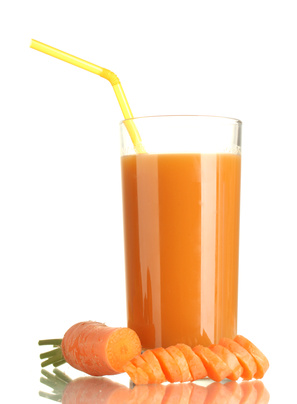
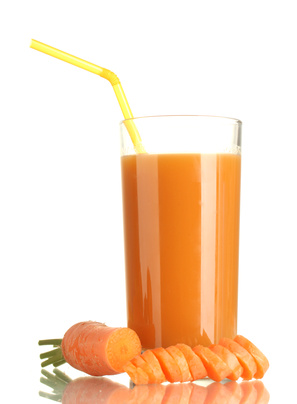
    The great Dr. Fuhrman passed on the most incredible advice to me via his forum. Juicing, smoothie’ing and souping it means you’ll need less enzymes to digest [9]. That should mean less need for gastric juices and histamine. Make the meals/juices low histamine and you’re on a roll.

    My personal approach is simply to include as many antihistamine and anti-inflammatory foods as I can!

    You’ll find recipes full of foods with antihistamine and anti-inflammatory properties my books Anti-Recipes and The Anti-Cookbook

    CLICK HERE TO CREATE YOUR OWN PERSONALISED HEALING HISTAMINE PLAN. 

    Please don’t forget antihistamine, pain killing foods can still hurt us, so please always check with your doctor before adding new foods to your diet. 

    ——— REFERENCES ———-

    [1] www.physiol.med.uu.nl/…/ipweb/misc/…/digestive/secretion.doc

    [2] http://www.ncbi.nlm.nih.gov/pubmed/14530789

    [3] http://www.ncbi.nlm.nih.gov/pmc/articles/PMC3014298/

    [4] http://en.wikipedia.org/wiki/Histamine_H4_receptor

    [5] https://dev.healinghistamine.com/is-your-anti-histamine-making-you-fat/

    [6] https://dev.healinghistamine.com/my-top-10-histamine-non-food-triggers-and-how-i-deal-with-them/

    [7] www.physiol.med.uu.nl/…/ipweb/misc/…/digestive/secretion.doc

    [8] http://www.psychologytoday.com/blog/flourish/200912/seeing-is-believing-the-power-visualization

    [9] http://www.drfuhrman.com/faq/question.aspx?sid=16&qindex=4


  • Beanz meanz antihistamines!

    Beanz meanz antihistamines!

    antihistamine beans

    Updated post, originally published in March 2013.

    A research scientist friend, whose findings on the anti-cancer benefits of spirulina were recently published (see end of post for link), messaged me yesterday, asking if I was aware that yet another food on the “high histamine” or “Histamine NO” lists, actually has antihistamine properties.

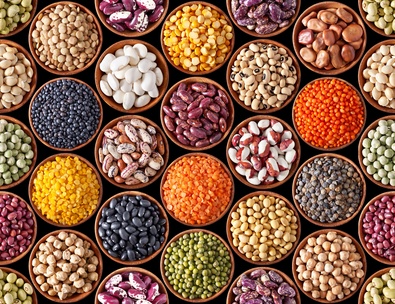
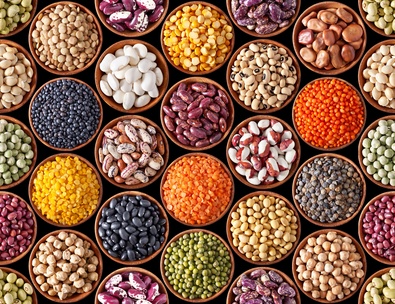
    Indeed I am, having written this post on not only the cancer fighting, cancer preventing [1], anti-inflammatory and antihistamine properties of beans, specifically kidney beans [2], quite some time ago. A number of studies I’ve read now have found that sandosaponins from kidney, generic beans and soybeans all inhibited histamine, with kidney beans being the most potent. Aside from beans having proven anti cancer properties, the good news is that cooking beans eliminates biogenic amines like tyramine and others, as long as you throw out the water [3].

    That said, I have always used the bean water in my cooking (and continue to do so) because, as Dr Fuhrman says, now that the beans have released their vitamins into the water, it’s highly nutritious.Remember though, beans still contain lectins, which though often neutralised through thorough soaking and cooking, may still prove problematic for some. Please keep in mind that though they possess antihistamine properties, you can still be allergic to or react to them so please always proceed with caution.

    Maybe this wasn’t taken into account, and that’s why we may sometimes find beans on the NO lists. More than that, if a food possess both the ability to raise and lower histamine, it might just be that your present state of health determines which wins out. I personally believe that emptying the inflammation bucket allows us to eat far more high histamine foods, hopefully others will use this newly found super power for good rather than bad (put down that cupcake!, otherwise the bucket might not stay empty for long.

    As I said in my post on the inflammation bucket (why I can now eat shrimp), eliminating foods, focusing on eating only low histamine foods, did not heal me. It didn’t even prevent my symptoms. In fact, it seemed to make me worse. I now know that this condition is inflammatory in nature, and therefore eliminating some foods that are high histamine, but leaving in a bunch of others that may be low histamine but not anti-inflammatory (ie corn, rye, spelt, potatoes, milk, beef, chicken), isn’t resolving anything. For more on how I healed myself by lowering my inflammation bucket please read this post.

    I know this is all shocking (lol, to me anyway!), yet another food on those food lists that so many follow, without any explanation as to how they were created, possess antihistamine properties. Check out the anti-cookbook for a six page list of antihistamine and anti-inflammatory foods, as well as recipes made only with these ingredients.

    I’ve rung a few labs in Europe to ask them to help me out with some food testing, to my surprise they all told me it’s impossible to accurately test histamine levels in non animal flesh foods, because the levels are almost undetectable. If anyone has a lead on a lab for me that can, or can tell me which labs have been used by those who have compiled these lists, I’d much appreciate it. One would think though, that a big problem is that no matter what the histamine level of the foods, our individual body make up, what we have eaten the foods with, our level of inflammation that day, our stress level, any food contamination and the variety of food will all effect the outcome of consuming said foods.

    Not only that, but to assume that because today we react to histamine foods, doesn’t mean we will in the future.

    What about this mind scramble though, what if reducing dietary histamine, needed by the body for so many functions, we only encourage the body to produce more? That would certainly explain a lot…(thanks K for putting this intriguing thought in my head!). It’s what happens when we take antihistamines [4]. 

    Having watched yet another Discovery Science program (yes, I’m a science/tech geek) on the pitiful amount of data our eyes are picking up from the world that surrounds us, and how, in an effort to sort out the world around us, the brain then fills in what it believes we’ve seen (more on this in Stephen Hawking’s brilliant book The Theory of Everything), I can now understand how my brain messed with me. So desperate was I to see any kind of patterns, to help me heal, that I drove myself insane figuring out what food was doing what.

    And the histamine lists explained everything. I now know that when there’s overall inflammation, we’re likely to experience reactions to ALL foods, so no wonder I got confused by all that was happening with me. I even believed I had fructose malabsorption, salicylate intolerance and more.

    But now I see that labelling things leads to unhappiness and more illness. Food affected me. So I found a healthier way to eat. When my diet was excellent, I turned my attention to my stress, and once that was sorted (through meditation), my next target was my past.

    Be happy, be serene. Be good to your body. Feed it high nutrient foods that don’t cause inflammation.

    It’s smart enough to do the rest.

    And now  back to beans! I leave you with possibly the greatest bean scene of all time – from Blazing Saddles. 

    Join my mailing list for more recipes and to be the first to know when registration for my low histamine webinar opens!

    The Anti-cookbook, while it doesn’t treat any conditions, due to its high nutrient, antihistamine and anti-inflammatory ingredients, has been instrumental in helping me feed myself on a limited diet. It features a six page list of antihistamine and anti-inflammatory foods.

    Take a peek at my low histamine and antihistamine cookbooks for more high nutrient recipes.

    If you’ve found this information useful I’d appreciate your support (at no extra cost to you!) – please check out my online store for your health foods, supplements, kitchen items and beauty product purchases. Affiliate sales through my online store go towards maintaining the website, funding travel to interviews and purchasing all the lovely foods for my free online recipes. You’ll find these items in the “Shop with us” drop down menu on my homepage.

     Please don’t forget antihistamine, pain killing foods can still hurt us, so please always check with your doctor before adding new foods to your diet. 

    ———–REFERENCES———-

    Katerina’s spirulina study http://www.ncbi.nlm.nih.gov/pubmed/24552870

    1. http://www.ncbi.nlm.nih.gov/pubmed/9178523

    2. http://www.ncbi.nlm.nih.gov/pubmed/9178523

    3.  http://www.ncbi.nlm.nih.gov/pmc/articles/PMC2995314/

    4. https://dev.healinghistamine.com/dr-janice-joneja-histamine-intolerance-interview-transcript/

  • Eczema: a mast cell/histamine related condition

    Eczema: a mast cell/histamine related condition

    eczema

    It’s official: though we’ve long suspected it, we can now add eczema/atopic dermatitis to the list of histamine/mast cell related conditions.

    A new study [1] recently proved, for the first time in humans, that mast cells (the pesky little buggers that house histamine in the body) are a key culprit in causing eczema (also known as atopic dermatitis). The researchers also revealed that a protein known as STAT5, plays an important role in the equation by triggering major mast cell increases in some.

    They now think the key to prevent or better treat eczema lies in blocking STAT5, which along with histamine, lives in our mast cells.

    Lost?

    Ok, so, mast cells are kind of the army barracks where histamine and others live. When our body’s in trouble, mast cells open their doors, allowing histamine and other inflammatory elements to be released in order to get to the site of an injury or infection, to get the healing process started. In addition to histamine, a number of other inflammatory molecules are synthesised, among them are interleukin and prostaglandins. These are all great things to have at our disposal, when they’re released, as needed, in order to help us heal.

    CLICK HERE TO LEARN HOW TO CREATE YOUR OWN HISTAMINE BALANCED DIET AND HEALING PLAN. 

    The problem arises when some of us (hands up if you’re a mast cell mamma!), have too many of these mast cells, or unstable ones (you mean working in war zones affected my mast cells? Who knew?!), or just have too much histamine in the body because of a lack of histamine-lowering enzymes like DAO and HNMT. This leads to massive inflammation throughout the body, pain and misery, and undoubtedly years of misdiagnosis as doctors scramble to keep up with a never ending list of complaints.

    Why are mast cell disorders so hard to diagnose? Mast cells are found in every organ system in the body – so yeah, we get a helluva lotta symptoms, usually rotating every couple of months (just to throw a monkey wrench in the works ya know?), and most docs have no clue what it’s all about.

    It’s ok, give them a break. They try real hard, they’re not god, and HMO’s give them what, like 15 minutes per patient?

    I had to be my own doctor in the end. Good thing too because I learnt how to heal myself without mast cell meds (of which there are quite a few); sadly only after being mis-prescribed almost every med on the planet (that’s what it felt like anyway).

    Lucky for me, I was able to throw in the towel on my day job, thanks to all of you lovely people who support my work by ordering one of my books that share how I recovered from mast cell activation/histamine intolerance, and spend time researching food instead!

    While it seems like there’s not much research out there on the effects of various foods on suppressing STAT5 yet, I did find that cucumber inhibits STAT3 [2], as does mangosteen skin extract [3] which is definitely a promising start. Given these two also inhibit prostaglandin d2 synthesis (research babble – means that it’s anti-inflammatory!), I’d hazard a guess that many of the generally anti-inflammatory foods will also exert some action against the STATS.

    You’ll find a great six page list of prostaglandin, histamine and mast cell degranulation inhibiting foods in the Anti-Cookbook. Don’t miss it! 

    A question that often comes up is whether they should use a steroid cream prescribed by their doctors. I am not a doctor and cannot answer this question. What I do tell people is that there’s a study, published in the Journal of the European Academy of Dermatology and Venereology, showing that nigella sativa ointment (might) be as effective as one of the most commonly prescribed corticosteroid topical creams (Betamethasone) [4]. The study found it was over time, not sure why. Given the side effect profile of Betamethasone [5], it might be worthwhile asking your doctor about it. Also, I’d love to see a study where the nigella is also ingested, either in whole form or as the oil, because I obviously believe that we should begin treating from the inside.

    The other good news is that according to mast cell researcher Dr. Theoharides, the mast cell stabilising bioflavonoid quercetin, which prevents histamine release and is beneficial in the treatment of skin conditions, may also work for atopic dermatitis/eczema [6].

    Doctors were so clueless as to what was going on with me that they misdiagnosed a lipstick induced rash/dermatitis as herpes. I was only 18 and thought my life was over. Simply changing lipstick shades totally cleared it up just a few weeks later! Never to come back…more on that in the low histamine beauty survival guide, as well as a list of high histamine, antihistamine and anti-inflammatory beauty products and clean make-up brands. 

    I’m so glad to finally have an answer for all the people who email me asking whether a low histamine diet can help their eczema: this study highlights the importance of lowering inflammation in the body, so a high nutrient anti-inflammatory diet, rich in antihistamine foods, would likely help. I know that Dr Fuhrman, who I study nutrition under, has had tons of success treating psoriasis and eczema through a high nutrient anti-inflammatory diet. My approach goes just one step further. But please, always remember to check with your doctor first and remember, my cookbooks are not a treatment, but rather inspiration for those wanting to transition to a high nutrient antihistamine and anti-inflammatory diet.

    Join my mailing list for more recipes and to be the first to know when registration for my low histamine webinar opens!

    Take a peek at my low histamine and antihistamine cookbooks for more high nutrient recipes.

    If you’ve found this information useful I’d appreciate your support (at no extra cost to you!) – please check out my online store for your health foods, supplements, kitchen items and beauty product purchases. Affiliate sales through my online store go towards maintaining the website, funding travel to interviews and purchasing all the lovely foods for my free online recipes. You’ll find these items in the “Shop with us” drop down menu on my homepage.

     Please don’t forget antihistamine, pain killing foods can still hurt us, so please always check with your doctor before adding new foods to your diet. 

    ——–REFERENCES——–

    [1] http://www.sciencedaily.com/releases/2014/01/140109132140.htm

    [2] http://www.merckmillipore.co.uk/life-science-research/signal-transducers-and-activators-of-transcription/c_6eib.s1OjbEAAAEiHqBNlRjr?PortalCatalogID=merck4biosciences&CountryName=United+Kingdom

    [3] http://www.ncbi.nlm.nih.gov/pubmed/24295217

    [4] http://www.ncbi.nlm.nih.gov/pubmed/23198836

    [5] https://en.wikipedia.org/wiki/Betamethasone

    [6] http://www.ncbi.nlm.nih.gov/pmc/articles/PMC3314669/

  • Histamine food lists confusing you?

    Histamine food lists confusing you?

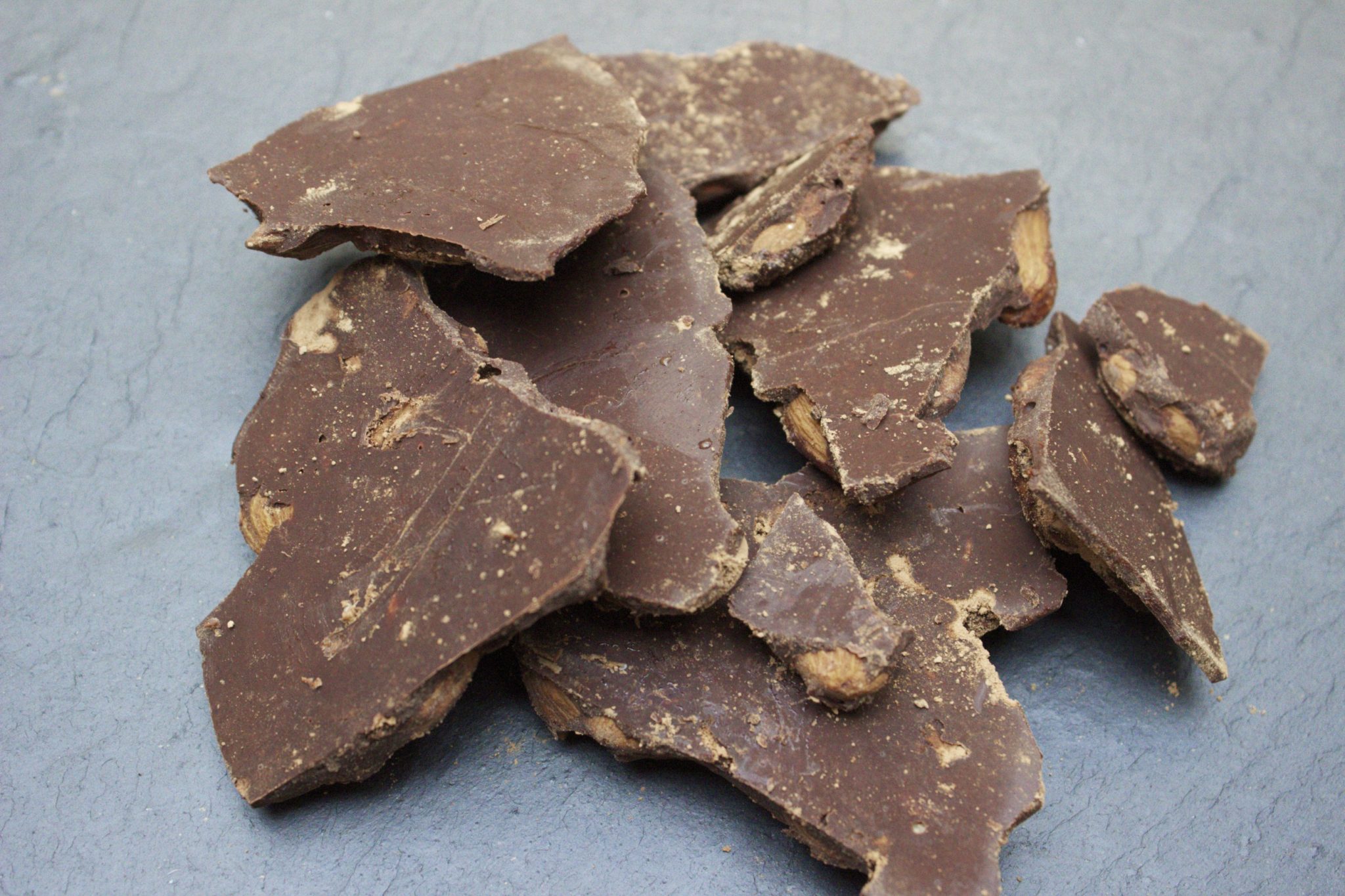
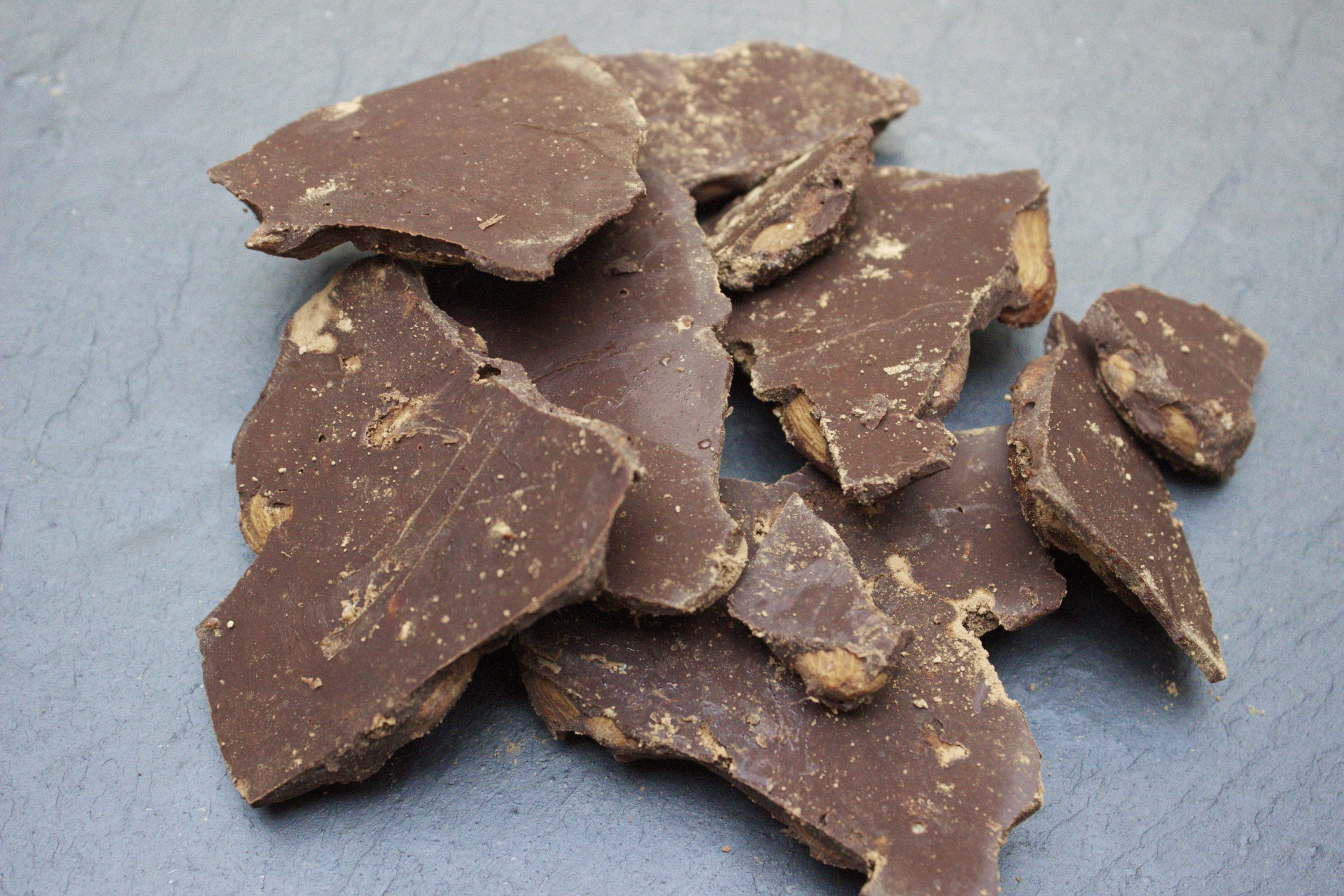
    anti-inflammatory raw cacao covered almonds


    I nearly ran myself into the ground looking for the magic histamine food list that would cure me. After restricting myself to no more than five “safe” foods, I finally understood that salvation lay in creating my very own list – more on that in my Low Histamine Lifestyle 101 Guide.

    Luckily, one of the bonuses of being an ex-CNN/BBC news journalist is the dedication to pursuing interviews with those you most admire. Or maybe it’s just that not many out there (yet) are approaching this topic from a scientific/journalistic angle! In either case, the great news is that I’ll be in a position to clear up a lot of the histamine list confusion in my interview with author, immunologist Dr Janice Joneja. We’ll be going pretty deep into a number of topics of vital importance to our histamine intolerance/food allergy/food intolerance/mast cell activation/mastocytosis community. Sign up to my mailing list to be the first to know when the interview goes live.

    In the meantime, till I get some clarification on how some foods with antihistamine and anti-inflammatory properties end up on high histamine food lists – stuff like cacao (when used to make a healthy chocolate like the picture above), I’ll still continue to enjoy the odd bit of cacao. I do it healthily, very infrequently, with just a touch of coconut sugar. Given that I rarely eat without purpose (healing!) the reason I still eat cacao is because of studies I found not only pointing to cacao’s properties as an anti-inflammatory agent, but also its potential for enhancing thymic function, which could be a good thing for those of us with histamine issues. Please don’t forget that anyone can react to any food, no matter which list it’s on. Cacao is on many lists as being high histamine. I choose to eat it for its other many health benefits.

    For more on foods with antihistamine and anti-inflammatory properties check out the new Anti-Cookbook. 

    Do you tolerate cacao? If so, don’t forget to sign up to my mailing list for the recipe that goes with the picture above!

    I’ll also be sending out a link to my interview with Dr Brian Clements of the Hippocrates Institute (who would not approve of the coconut sugar!), conducted at a wonderful seminar run by the Fresh Network here in London. The Fresh Network brought together a number of great raw food companies for the event, so I walked away with way more than I could carry. You can order online from them here if you’re in the UK.

  • High histamine, can’t sleep?

    High histamine, can’t sleep?

    sleepy morning

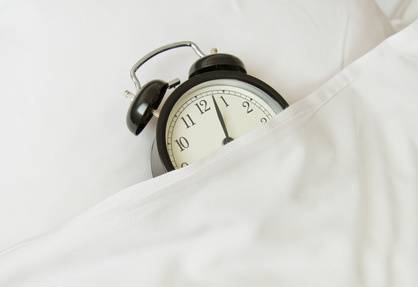
    Have allergies (or histamine intolerance, mast cell activation, mastocytosis) and can’t sleep? It’s not just you – a new study reveals that in narcolepsy, a condition that causes excess sleep, extra histamine is produced.

    While we’re on the topic of sleep…

    CLICK HERE TO CREATE YOUR OWN PERSONALISED HEALING HISTAMINE PLAN. 

    Here are my top 5 tips for getting a good night’s sleep

    1. Try to eat dinner as early as possible. 

    I’ve found that it takes two to four hours for my body to get the histamine reaction properly going, and around six to eight hours for it to die down again. (And that’s the secret, most reactions will pass if you remain calm and let them wash over you). Having dinner around six to eight pm means that I’m over the worst of it by midnight…

    2. Go liquid

    As Dr Fuhrman points out in his teachings, liquids are easier to digest, requiring less enzymes, and are easier on the digestive process. I wonder if this means we need less of the enzymes responsible for breaking down histamine (like diamine oxidase), or if less stress on the digestive system means that we need less histamine to get it going? Read all about how digestion itself causes histamine release.

    3. Embrace natural antihistamines

    Whether you’re currently taking pharmaceutical antihistamines or not, adding some natural antihistamines and anti-inflammatories could help. I often combine points 1, 2 and 3 by making myself an emergency antihistamine juice for dinner.

    4. Switch off the electronics

    We’ve known for some years that exposure to light impairs the production of the sleep inducing hormone melatonin, but now researchers think that blue light from computer screens and iPads in particular not only disrupts melatonin production, but that it also causes an increase in alertness! So switching off that device not only means more melatonin, it means you’ll be less mentally alert, thereby hopefully heading off any midnight obsessing over issues that need resolving the next day.

    5. My top tip – go low histamine, all the time! 

    Was that high histamine smorgasbord of the last few days really worth a week of insomnia? How about losing all the gains you’ve made these last few months? Eventually my answer was no, and that’s when I healed. Check out the high nutrient low histamine, antihistamine and anti-inflammatory recipes that help me stay meds free.

  • Beelieve it or not – some pollens are antihistamines!

    Beelieve it or not – some pollens are antihistamines!

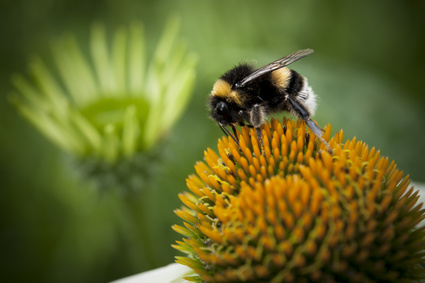
    antihistamine bee pollen

    Scared of pollen? Judging by the seasonal media scaremongering (“allergy season spells misery for millions” etc), you’re not the only one. But as with so many aspects of histamine, pollen has been demonised. It’s time to explore the upside of bee pollen.

    In animal studies bee pollen extract containing the flavinoid myricetin has been shown to inhibit IgE and IgG mediated allergic responses to egg white sensitised mice. It also exhibited anti-anaphylactic properties.

    For those of us with mast cell activation disorders, the good news is that another study showed that “Daily oral administration of BP to mice significantly reduced the cutaneous mast cell activation elicited by IgE and specific antigens,” in addition to inhibiting mast cell degranulation.

    Interestingly, and this is a favourite topic of mine, administering the active ingredient (genistein) on its own, did not have the same effect on allergic reactions and mast cell degranulation. I do always stress the importance of consuming the entire food rather than just the active ingredient. My friend Katerina recently referred me to studies on spirulina’s anti cancer effects also only manifesting in the use of the whole food rather than the isolated compound. If you’re in the Czech republic you should definitely read her incredible blog. Being a scientist, she has an amazing take on many issues relating to mast cell activation and histamine intolerance. I’ll be posting some of her articles in the coming weeks.

    Back to pollen…an interesting study shows that Brazillian propolis “clearly demonstrated that propolis may be effective in the relief of symptoms of allergic rhinitis through inhibition of histamine release.” Clearly more research is needed on this front – I’ll be doing more digging and updating this story as information becomes available.

    And finally, incredibly, in animal studies bee pollen has been shown to prevent pesticide toxicity in rats.

    “Oxidative stress markers (MDA, CAT, SOD, GSH-Px) and some other biochemical parameters (total protein, albumin, glucose, cholesterol, triglyceride, BUN, creatinine, uric acid, magnesium, sodium, potassium, chloride, total bilirubin, GGT, LDH, AST, ALT, and ALP) were analyzed. According to the data obtained, propoxur was determined to lead to negative changes in most of the biochemical parameters investigated and the administration of bee pollen was determined to alleviate these effects.”

    I can’t remember the last time I tried bee pollen. The last time I was stung by a wasp wasn’t much fun, so I’m still working up the courage to dip into the bottle sitting here in front of me. There’s also a number of scary reports online pointing out (as I always do) that even though it has antihistaminic properties, it can still cause anaphylaxis in susceptible individuals.

    Coming up next week: an interview with the Hay House bestselling author of ‘How Your Mind Can Heal Your Body‘, Dr. David Hamilton and an exclusive web sneak peak of the allergy management technique in his book. After finishing his PhD in chemistry (biological and medicinal), David spent four years working in the pharmaceutical industry developing drugs for cardiovascular disease and cancer. He now writes books and lectures on the power of the placebo effect and how you can beat disease and chronic illness through visualisation and meditation. Read all about how I killed the histamine itch thanks to David’s great book. Don’t forget to sign up for my mailing list for this and other histamine related news.

    Please do remember that any supplement, even one with antihistamine properties, can cause an unpleasant or fatal reaction. 

  • Thyme: triple A wonder herb!

    Thyme: triple A wonder herb!

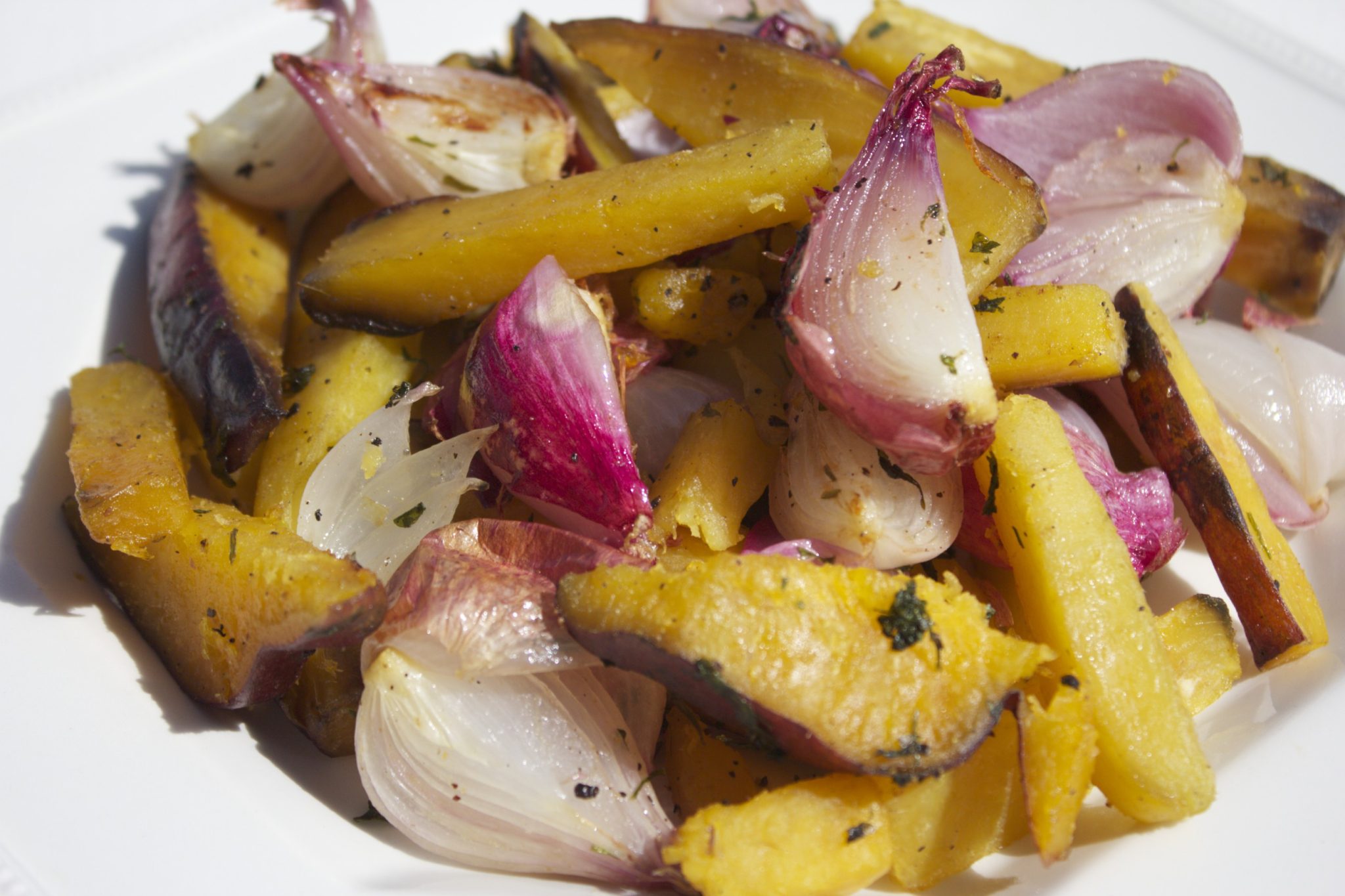
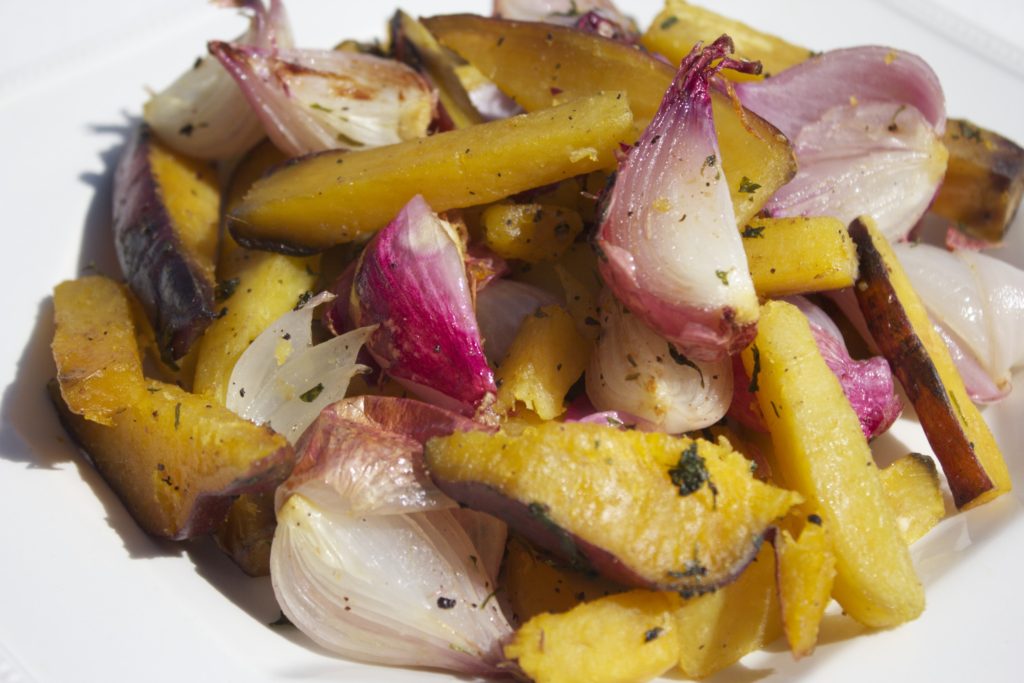
    rutin rich low histamine sweet potato with thyme

    Need an anti bacterial, anti inflammatory, antihistamine and anti anaphylactic pick me up that’s commonly used in the pharmaceutical industry? Well, even if you don’t, it still tastes incredible on everything from zucchini to pasta to eggs. Today I’m speaking of Thyme.

    Not only is thyme amazing on foods, but thanks to its bacterial action, I’ve also been experimenting with it as a deodorant. All you need is a pestle and mortar, a little coconut oil and a big old handful of thyme!

    Thyme’s antibacterial activity is so strong that it can be used to reduce bacterial resistance to penicillin and other drugs. That raised an interesting point for me. Though I had a lifetime of them prior to diagnosis, I took a seven year break from antibiotics (I needed them post surgically after freezing my eggs in 2017). Might not seem like long but I was on them monthly for most of my life for sinusitis, fever, acne, urinary tract infections. The problem? I didn’t actually have any of them. Mast cell disorders (including histamine intolerance) mimic many illnesses. So nowadays I insist on a swab and a culture before even entertaining the notion of taking anything. So far I haven’t needed to.

    CLICK HERE TO LEARN HOW TO CREATE YOUR OWN HISTAMINE BALANCED DIET AND HEALING PLAN. 

    And there’s a bonus, thymol (the active ingredient in thyme) is a fungicide, particularly against the candida that most of our histamine disorder community seems to have chronic issues with. Throw in a little anti tumor activity and you’ve got me hooked! And that I certainly am. I put thyme and oregano (which also has the same active ingredients) on almost everything.

    You want some even better news? Thymol “significantly” increases the percentage of healthy omega 3 fats in the body, particularly in the brain, kidney and heart cell membranes.

    I found all of this info in one Wikipedia entry! Amazing what you can turn up when you’re in the market to heal yourself. Those with benzoate sensitivity may react to thyme though.  

    Now adding rutin, luteolin and quercetin rich herbs like thyme and oregano doesn’t have to be a painstaking process requiring tons of research and kitchen hours. I’ve done the research for you, now just get into the kitchen and whip up the quickest healthiest tasty dish you can. I pretty much guarantee that a bunch of fresh thyme is sure to enhance it.

    Here’s just one example: I threw together this roast in about five minutes and then left it to cook for 20 minutes while I went off to start this post.

    Nutritional breakdown:

    Thyme: histamine lowering/mast cell stabilising quercetin, luteolin and rutin.

    Sweet potato: also packed with histamine lowering rutin and quercetin. Also possesses significant anti inflammatory and anti ulcerogenic  properties.

    Red onion: stupidly high in histamine lowering quercetin. Those of you in the states might also want to check out white savannah onions – they’re the highest in quercetin, with all varieties of red onion coming in a little lower.

    Olive oil (just a quick spray from a diffuser): the key ingredient to the anti inflammatory Mediterranean diet, virgin olive oil is rich in oleocanthal – a compound that possess anti inflammatory properties similar to ibuprofen.

    Please don’t forget antihistamine, pain killing foods can still hurt us, so please always check with your doctor before adding new foods to your diet

    The Anti-cookbook and all liquid Anti-Detox Book, don’t treat any conditions, but are high in the high nutrient antihistamine and anti-inflammatory ingredients that have been instrumental in helping me feed myself on a limited diet. The Anti-cookbook features a six page list of antihistamine and anti-inflammatory foods and comes in regular and Paleo. 

    The Low Oxalate Cookbook features antihistamine and anti-inflammatory rich recipes. 

    Don’t miss the Low Histamine Beauty Survival Guide for non-toxic beauty tips, the skinny on histamine releasing (mast cell degranulating) beauty ingredients, antihistamine and anti-inflammatory beauty alternatives and the top brands natural brands I’ve found.

    Take a peek at my other low histamine and antihistamine cookbooks for more high nutrient recipes and sign up to my mailing list for freebies. 

  • Coming soon: the low histamine Paleo cookbook

    Coming soon: the low histamine Paleo cookbook

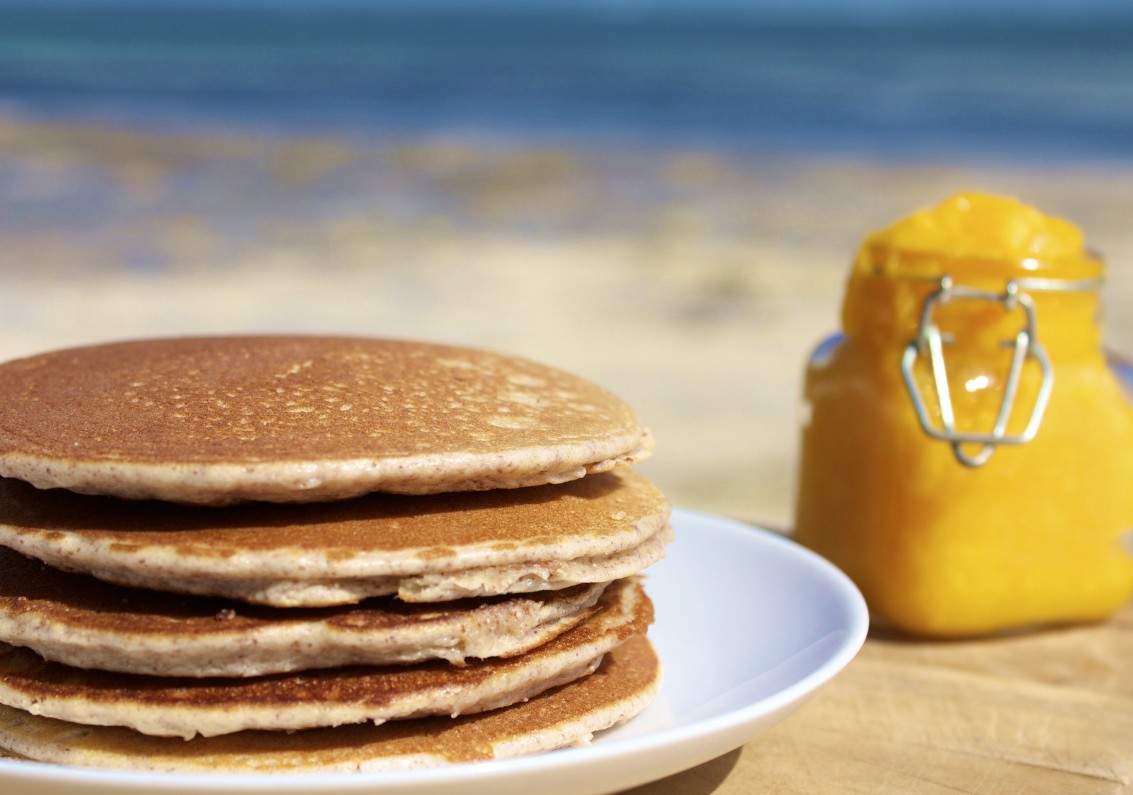
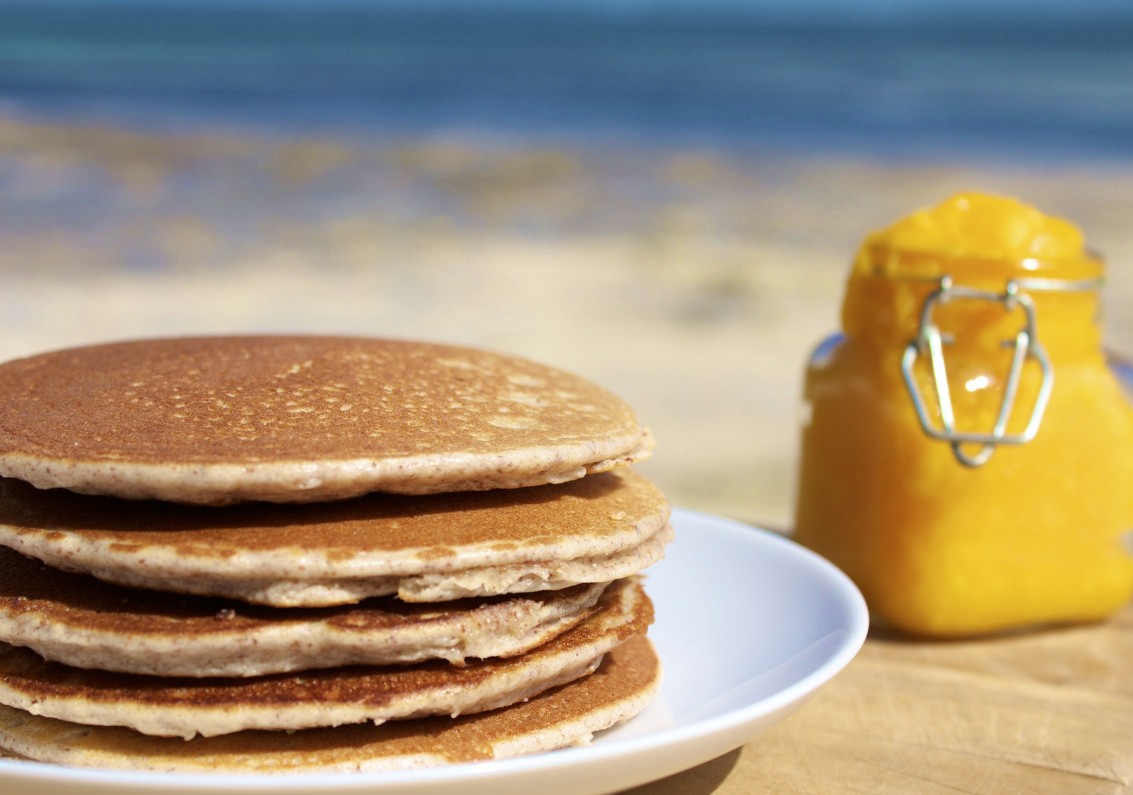
    anti inflammatory low histamine paleo pancakes

    I’ve been giving this whole low histamine Paleo diet/eating thing a lot of thought these last few months. The idea of giving up grains entirely is certainly attractive, but when considering the idea of going Paleo, a few things sprung to mind:

    1. Why label myself concretely as one thing or the other? Unless it’s for marketing purposes?

    2. It’s high in animal flesh – something that my nutritional hero Dr. Furhman doesn’t consider healthy. It’s also hard to do when you’re restricting your histamine intake. (Animal flesh begins accumulating histamine raising bacteria the moment it’s slaughtered).

    3. I think beans should be consumed once in a while (if you can tolerate the lectins), mainly for their vitamin B content, protein and their role in treating/preventing various cancers.

    While we’re on the subject – lectins are something I hear a lot about. People write to me asking why I include beans, or telling me the reason they went ahead with the Paleo thing is because they can’t eat them. And so I ask: do you eat carrots or lettuce? Because they have lectins too. Yes, it’s an interesting point that I don’t see many people making.

    “Most edible plants contain some lectins and some have substantial amounts.” –  A. Pusztai, Plant Lectins. Pg. 108. (Find the book online here.)

    So, the lectin thing didn’t seem like a good reason to me. What always seems like a good idea is to take on board the scientifically sound points that any nutritional philosophy/trend highlights. And so I finally realised that my desire to cut back on grains just happens to agree with the prevailing Paleo movement, rather than being a good reason to jump in whole hog. But, having taken to heart the many positives of the healthy Paleo diet movement, I’ve decided that my next book – featuring ONLY antihistamine and anti inflammatory ingredients – will be released in two editions: low histamine or low histamine Paleo.

    The only downside (apart from more work!), is that there’s a lot of nuts. Nuts nuts nuts everywhere on Paleo. That raises the question – is a recipe still low histamine if it has two cups of almond flour? Especially given the bizarre habit of calling for blanched almond flour, thereby removing the polyphenol rich almond skins. Why on earth would you do that? To make it look pretty naturally! But as those of you who follow my blog have seen, nutrition trumps beauty every time. That’s not to say I’m into ugly food…as you can see by the photo of my (still in progress) low histamine Paleo pancake recipe. I’m trying to figure out how to fit in as many antihistamine and anti inflammatory ingredients as possible!

    I won’t be breaking too much new ground Paleo-wise, but the recipes will be unique in that they’re packed full of the healthy nutrients needed for proper histamine metabolism.

    Don’t forget to sign up to my newsletter for free recipes, a 10% discount on books and tons of histamine related research.

GET STARTED HEALING HISTAMINE

WHAT YOU NEED TO KNOW ABOUT HISTAMINE DELIVERED TO YOUR INBOX