And we’re back baby. My designer has been taking so long to redevelop the site that I finally caved and put it back up for the meantime. It’s been tough not sharing all that I’ve found these last few weeks – but rest assured I have a BUMPER crop of information that’s going to rock your world.
I’m going to space it out a little, so let’s start with my most exciting positive discovery of my Kenya trip (believe me, there have been many!):
Amaranth greens are tasty, packed with anti inflammatory vitamin k AND they posses such strong antihistamine action that they’ve been shown to prevent anaphylactic shock. Now this doesn’t mean that you won’t be allergic to them, so please (as always) proceed with caution.
Before I get into my first amaranth greens experience, I’d just like to add a little note about histamine. I talk over and over again about the importance of diet in managing histamine conditions like histamine intolerance, mast cell activation and mastocytosis, but I haven’t yet shared my treasure trove of information on all the conditions that are affected/caused or aggravated by histamine. It’s coming; I’m just organising it all. A lot of this info is out there in the public domain; I’m not creating new research, just gathering it all. And you would be shocked by what I’ve found. I’m wondering how many thousands of people out there aren’t aware that histamine disorders either mimic or aggravate various conditions. Sign up to my mailing list to make sure you don’t miss this bombshell…
Anyway, that’s coming up soon. But in the meantime…ta dah! I present my amaranth greens experience.
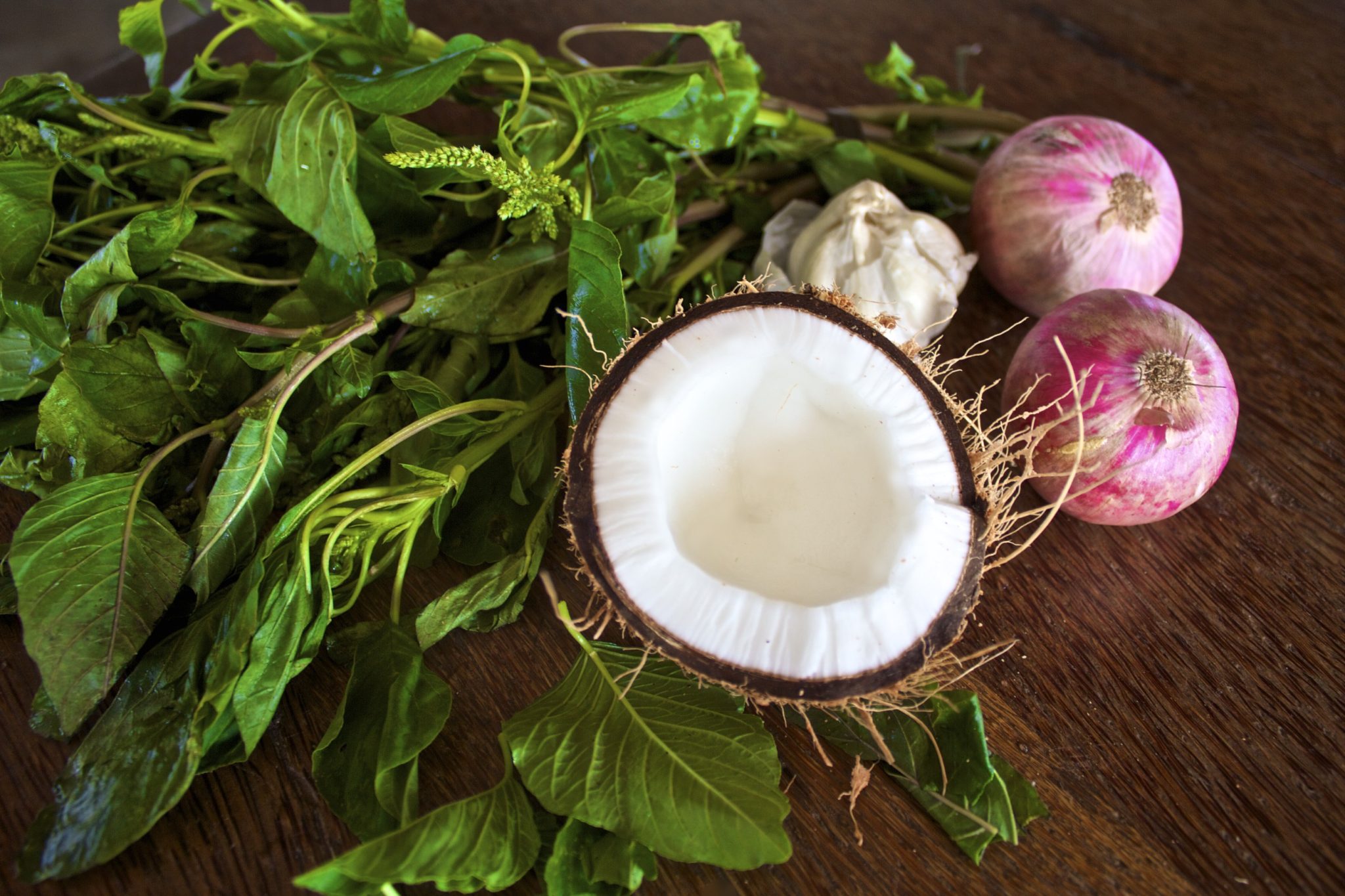
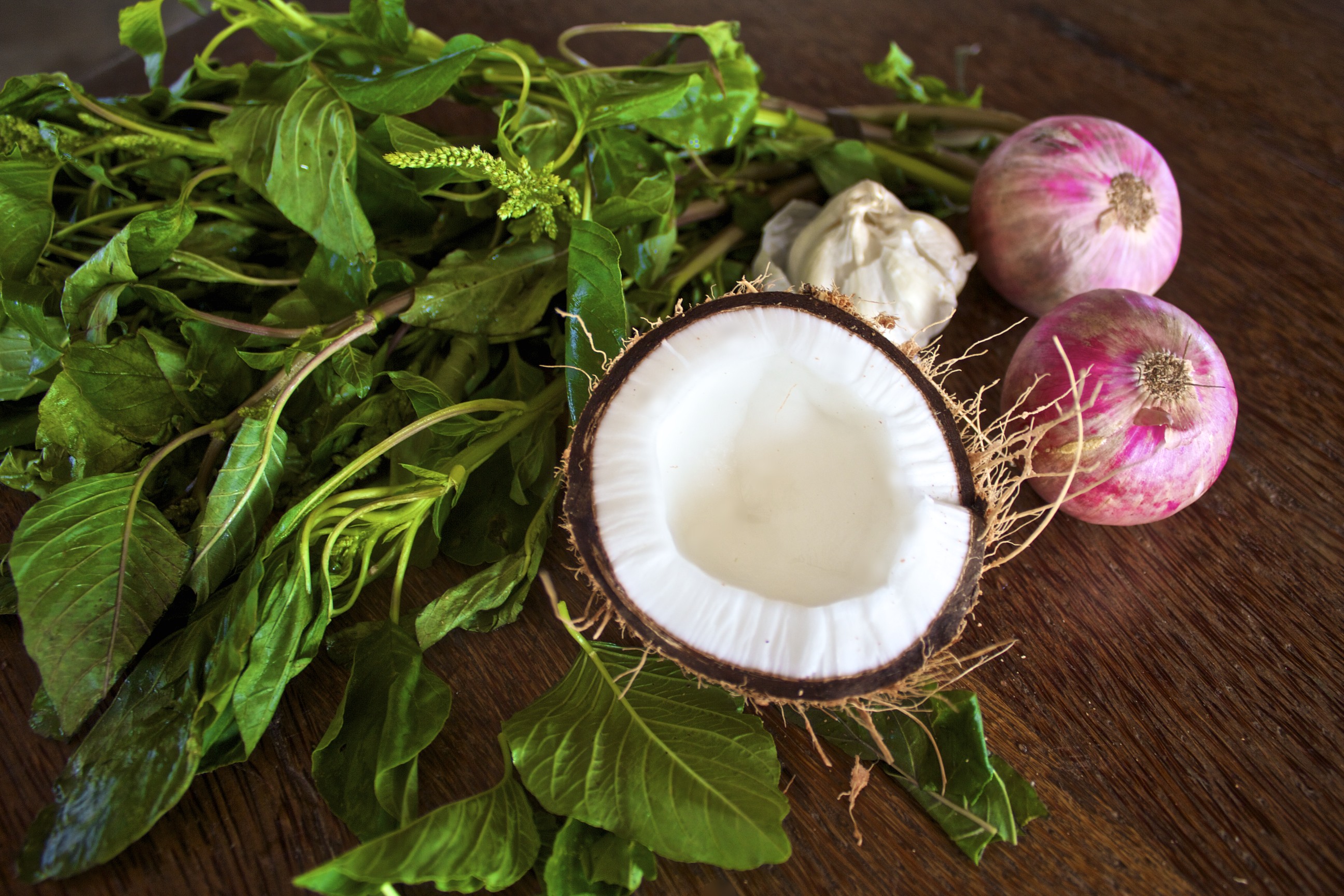
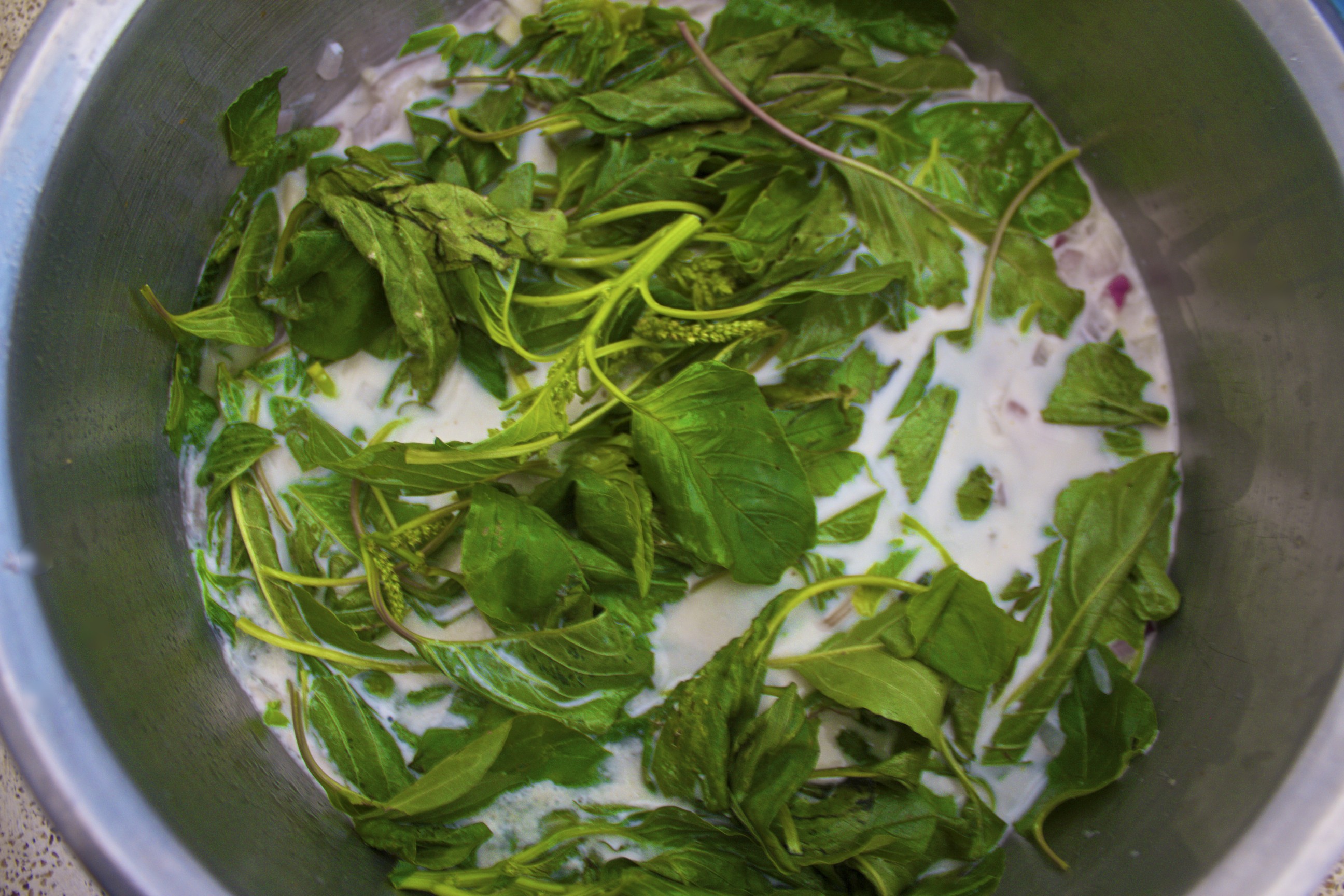
Yesterday the lovely Rehema, our friend’s housekeeper at the stunning beachfront villa we’re staying at here in Kenya, knowing that I have a fixation with all things veggie, presented me with armfuls of greenery. Having furnished me with the local name (managu/mchicha), Google came back with a name that truly excited me: amaranth greens. Having searched for them in vain all over London (probably just out of season), I pretty much bolted back to the kitchen in search of what I could throw together to make a palatable meal. The problem? My man was hungry too – and as sweet and as understanding as he is of my bizarro feeding habits, I needed to feed him something substantial rather than my usual “food is medicine” approach. And so into a large pot went some antihistamine quercetin rich red onions, immune system supporting garlic, anti anaphylactic/mast cell stabilising amaranth greens and anti inflammatory freshly made coconut milk for its fat content.
For my man I debated adding a little actual curry (you’ll notice this curry is oddly curry free!), but we didn’t have any fresh leaves on hand. I cooked up a bowl of wheat polenta for him, and waited for the taste verdict – i.e. did it need enhancing with the powdered curry we did have. But it was deemed to be delicious as is. I waited for a few hours with baited breath, wondering (as always) what this would actually do for me. Either the placebo effect was in full swing, or the amaranth greens did the job, and my slightly swollen tummy and face suddenly deflated. I slept like a baby and woke up as bouncy as a newborn pup. But hey, did I mention the placebo effect? I’m a big believer in it, and I’d totally hyped up the greens these last few months.
Either way, it was a tasty, nutritionally balanced, antihistamine lunch!
IBS getting on your nerves? If the studies I’m reading are anything to go by, step one appears to be calming those nerves! I’ve spent a great deal of time reporting on the role of stress on mast cell activation, histamine release, allergies and general inflammation. Stress can cause mast cells to release histamine, thereby causing/worsening allergic symptoms, that’s according to National Institutes of Health funded mast cell expert Dr Theoharides. Stress can also cause an increase in symptoms for those with mast cell related conditions such as autism, cancer, chronic fatigue syndrome, interstitial cystitis, migraine headaches, psoriasis and multiple sclerosis.
The good news is that in my experience, a low histamine, anti-inflammatory diet can help. (Check out my books for more on that.) It doesn’t hurt to throw in a good dose of daily meditation while you’re at it.
Other than that, the potentially great news is that the L. paracasei probiotic can reverse the gut permeability (leaky gut anyone?) and internal hypersensitivity. Sounds good right? There’s more.
Seems that stress can also cause bacteria to cling to the gastrointestinal tract, but this bacteria was prevented from sticking to the mesenteric lymph nodes (in this study) by a mixture of L. rhamnosus and Lactobacillus helveticus
More brilliant news…
CLICK HERE TO LEARN HOW TO CREATE YOUR OWN CUTOMISED HISTAMINE BALANCE DIET AND HEALING PLAN.
The probiotic Lactobacillus rhamnosus (and a few others) down-regulate the IgE and Histamine 4 receptor while also up-regulating anti-inflammatory agents like (IL)-8. In English (to quote a group friend): the probiotic turns down the dial on two important allergy/mast cell cell/histamine receptors, while enhancing the activity of anti-inflammatory agents.
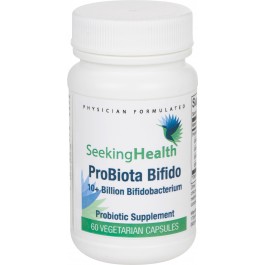
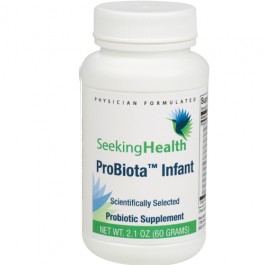
Seeking Health‘s Probiota Bifido supplement contains some of the beneficial probiotics in my post on histamine lowering probiotics. They’re offering free shipping on orders over $50 to the states.
While fermented foods are usually way off the menu for those of us with allergies, histamine intolerance, mast cell activation or mastocytosis, probiotics are necessary for healing the gut and preventing any further allergies from developing . You’ll find a list of histamine healthy probiotics here – and you’ll find most of the beneficial ones in this supplement below. I just recently discovered this brand in the US – thanks to my readers! Click on the image on the right for free shipping if you live in the states. If you’re in the UK I suggest checking out Optibac Probiotics.
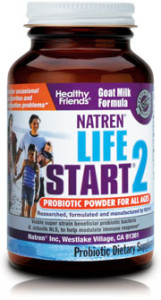
Natren Pro
Bifidobacterium infantis super strain. I haven’t tried this one myself – it’s derived from goat milk.
ORIGINAL POST
I’ve been exploring the catch-22 of probiotic supplementation for some time now. The dilemma? Probiotics are necessary for proper intestinal function – the histamine lowering enzymes diamine oxidase and monoamine oxidase live there, so fixing up our poop tube seems like a good idea right?
Gut health is so important to our condition that I continue running periodic searches on probiotics. What I’ve found so far is that I’m looking for a a probiotic supplement containing Bifidobacterium infants and Bifidobacterium longum. Today I found that Lactobacillus reuteri is something I definitely want in there. Rather excitingly to me, this new study proves something I’ve been talking about for ages – that not all histamine is bad for us. Lactobacillus reuteri causes histidine to convert to histamine, but this particular histamine raises cAMP (this is good!), and kills inflammation! This study finally backs up the assertion that not all histamine is bad and as such should not be entirely eliminated from the diet.
This all goes hand in hand with what I’ve been saying for years: the focus should be on health as a whole, rather than lowering or avoiding histamine. We need to support the immune system, lower inflammation and heal the gut.
Can cure your histamine intolerance/histaminosis/mastocytosis with a histamine-lowering probiotic? Doubtful. Could it be helpful? Possibly. Why the cautious optimism? Because I have experienced a variety of reactions to supplements over the years. But if you’re going to try probitic supplementation, this might be a good place to start.
Probiotic supplements are fermented (a no go for histamine intolerance/histamine related disorders) and some strains actually raise histamine and tyramine in the body. The good news is that strains commonly found in babies can actually lower histamine, helping us fight allergies and lower our overall histamine burden.
Lactobacillus casei (TISTR 389) andLactobacillus delbrueckii subsp. bulgaricus (TISTR 895) were found to produce BA (biogenic amines). The highest levels of histamine (1820.9 ± 3.5 mg L−1) and tyramine (5486.99 ± 47.6 mg L−1) formation were observed for the TISTR 389 strain, while TISTR 895 produced only histamine (459.1 ± 0.63 mg L−1) in the decarboxylase broth. Biogenic amine potential was not observed for the Lactobacillus acidophilus,Lactobacillus lactis subsp. lactis, Lactococcus lactis subsp. lactis, and Lactobacillus plantarum strains studied. This study confirmed that BA formation is strain dependent and not related to the species. Read the full study here.
English translation…
So I’m looking for a probiotic supplement with inflammation lowering…
(read the article below to understand the logic)
Bifidobacterium infants
Bifidobacterium longum
Bifidiobacterium breve
Lactobacillus reuteri (raises histamine in the short term but elevates anti inflammatory cAMP levels)
Saccharomyces-Boulardii: I found a number of studies on its effectiveness in treating gastroenteritis, which some researchers have linked to high histamine/mast cell issues.
Histamine neutral strains…
Lactobacillus acidophilus, Lactobacillus Lactis, Lactococcus Lactis, and Lactobacillus plantarum which do not have any effect on biogenic amines like histamine and tyramine.
But not…
Lactobacillus casei (produces histamine and tyramine)
For now I’ve decided to avoid Lactobacillus casei and Lactobacillus Bulgaricus, until I find studies showing that their histamine raising qualities are in fact something we want, because it raises cAMP levels/fights inflammation.
I would not recommend starting this, or any supplement, without consulting your doctor. If you do try, please go slowly. If you prefer to go the nutritional route, a diet low in histamine is a good place to start – check out my post on pre-bioitic foods here.
If you’ve found this information useful I’d appreciate your support (at no extra cost to you!) – please check out my online store for your health foods, supplements, kitchen items and beauty product purchases. Affiliate sales through my online store go towards maintaining the website, funding travel to interviews and purchasing all the lovely foods for my free online recipes. You’ll find these items in the “FABULOUS THINGS” drop down menu on my homepage – there’s now a UK and US store.
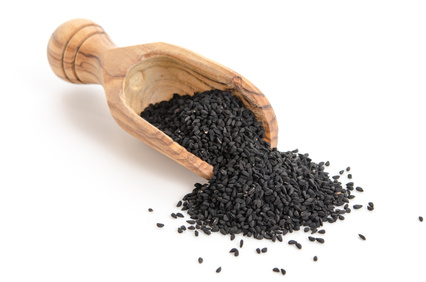
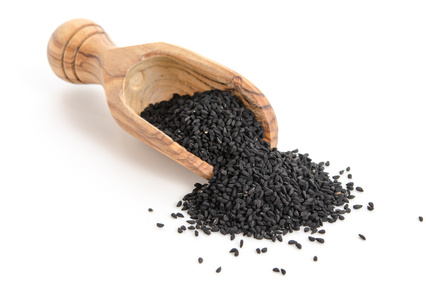
The main constituent of nigella sativa seeds has been shown to be more effective than a commonly prescribed corticosteroid nasal spray at alleviating lung inflammation [1].
The annoying thing about all these studies is that, unlike pharmaceuticals, the medical studies for natural constituents, is usually on animals. Now, ok, if it’s good enough for mr mouse/rat/pig, it’s generally ok for us, it’s still annoying to see over and over.
Here’s another good one one: nigella sativa and its active constituent thymoquinone were shown to protect the stomach from alcohol induced injury – meaning it’s likely to be an H2 blocker (like zantac/ranitidine) [2].
Interestingly, the same study found that nigealla sativa, as a whole seed, was more powerful than just its active constituent alone.
This interested me greatly as Dr Fuhrman’s teachings (I’m studying nutrition with him) always hammer in the idea that the plant/food as a whole is more beneficial than an isolated element. That the synergistic attributes of the plant are important.
Wondering how to work nigella sativa’s antihistamine properties into your repertoire? I LOVE them with Mexican food, especially black bean dishes, and also pretty much in anything Indian.
Please remember we are all different and that we can still be allergic to an antihistamine food.
The Anti-cookbook and all liquid Anti-Detox Book, don’t treat any conditions, but feature a plethora of the high nutrient antihistamine and anti-inflammatory ingredients that have been instrumental in helping me feed myself on a limited diet. The Anti-cookbook features a six page list of antihistamine and anti-inflammatory foods and comes in regular and Paleo.
The Low Oxalate Cookbook features antihistamine and anti-inflammatory rich recipes.
I reported a while back that yoga lowers inflammation in the body (see below), specifically C-reactive protein. Now here’s another reason to channel your inner yogi: pranayama lowers histamine levels.
I found a number of studies showing that yoga breathing (pranayama) considerably decreases histamine induced asthma symptoms (compared to placebo groups). The yogic breathing groups were able to cut back on their steroid inhalers [1] and also required a higher dose of histamine to induce an attack [2].
While you’re here…check out the other reason to try yoga!
Adding anti-inflammatory foods to your fight against histamine-induced inflammation? Why stop at food? The Huffington Post also talks about yoga’s role in reducing inflammation.
“The researchers found that the caregivers who participated in the yoga practice experienced a change in the response of 68 genes, leading to the decrease in inflammation. Inflammation has been linked with health problems like heart disease, depression, rheumatoid arthritis and diabetes, Scientific American reported [3].”
Here’s another study that I posted a while back:
Importantly, even though novices and experts did not differ on key dimensions, including age, abdominal adiposity, and cardiorespiratory fitness, novices’ serum interleukin (IL)-6 levels were 41% higher than those of experts across sessions, and the odds of a novice having detectable C-reactive protein (CRP) were 4.75 times as high as that of an expert. Differences in stress responses between experts and novices provided one plausible mechanism for their divergent serum IL-6 data; experts produced less lipopolysaccharide-stimulated IL-6 in response to the stressor than novices, and IL-6 promotes CRP production. The ability to minimize inflammatory responses to stressful encounters influences the burden that stressors place on an individual. If yoga dampens or limits stress-related changes, then regular practice could have substantial health benefits [4].What this means for people dealing with mast cell/histamine disorders
Interleukins are one of the many inflammatory molecules released during mast cell degranulation. Histamine is another. So you can get histamine and other inflammation released from mast cells (and basophils and a few others) in addition to histamine we get from foods. My research and conversations with specialists tells me that I need a supply of dietary histamine in order to help the body function (histamine is needed for wakefulness, as a neurotransmitter and much more). So I still eat higher nutrient higher histamine foods, while practicing meditation (also shown to switch off a number of the genes involved in mast cell disorders) and yoga daily, to balance things out.
CRP is something we want low, no matter whether we have a mast cell disorder or not…
I try to do at least seven hours of yoga weekly – vinyasa flow and anusara are the styles I practise. You don’t have to do this many hours at all. I just love to exercise now that I finally can again!
You’ll find some excellent pranayama videos online.
Please don’t forget antihistamine, pain killing foods can still hurt us, so please always check with your doctor before adding new foods to your diet.
The question I’m asked most often is simply: “what’s your secret?”
I’d be in deep doodoo without my high nutrient low histamine diet for sure, but a positive attitude is by far what gets me through the day. Take my trip to Kenya. I’m now without a kitchen. This was (stupidly) my first trip without my magic bullet travel blender. I was traveling to a house with a kitchen I could use, so I didn’t see the point. Last year this would have sent me into a despair spiral for at least a few days. Then I would have felt totally justified in pigging out on high histamine foods, which would have led to an even longer period of despair as I struggled to quash my symptoms for the rest of the trip. What did I do yesterday?
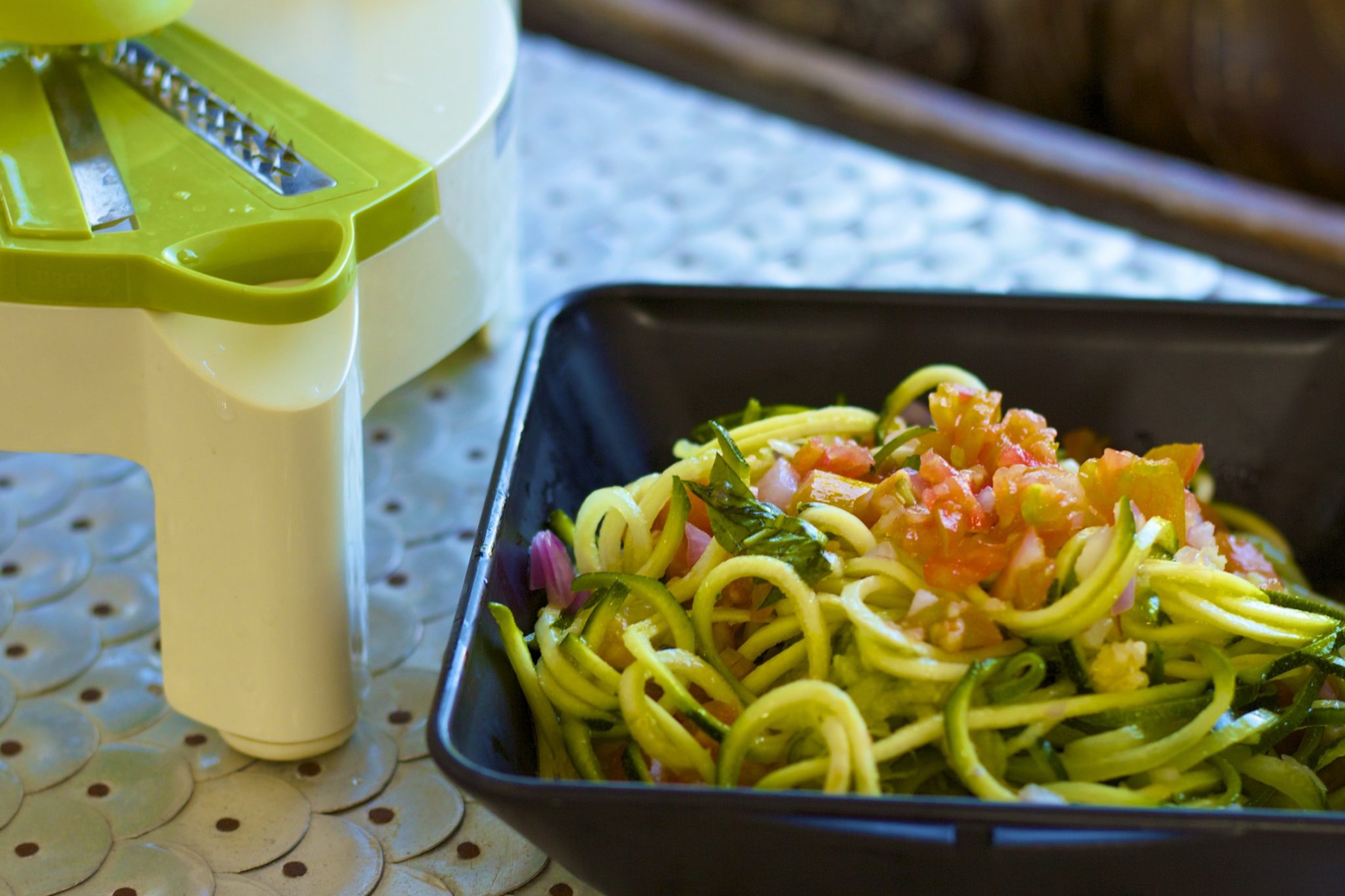
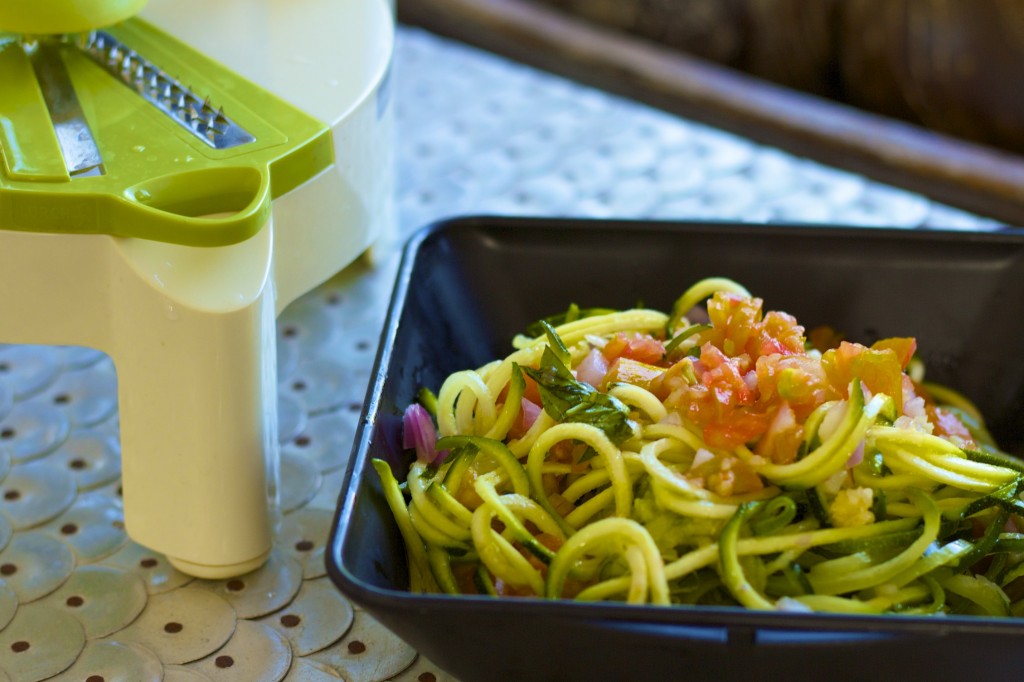
I took it on the chin, jumped into a tuctuc and bought myself a little juicer and some veggies. I whipped out the yoga mat, the knife and cutting board I treated myself to, and made glorious green juice. Lots of it. Today I woke up peckish. Had a handful of almonds and sunflower seeds and then decided I was going to go whole hog. I’m now on a high raw kick for the next few days. Easy! Luckily I did bring my beloved spiraliser. Check out this raw “pasta” I made on the terrace outside my room. I scraped the detritus into a plastic bag that I handed off to be thrown out, stored the remaining veggies in the room fridge and rinsed off the implements in the bathroom sink. Easy!
At first people here thought I was mad. Upon explaining that I’m doing it because of a medical condition, they’re now totally interested and supportive. I’ve received a number of compliments on my dedication and perseverance.
More on positivity….I’ve mentioned numerous times, that not focusing on my symptoms, distraction, and other classics I learned when misdiagnosed with anxiety disorder, work well. When I experience a bad reaction I simply stop what I’m doing, go somewhere quiet and meditate. If it’s not so severe, I just get out of my head. I observe the reaction, I honour its right to be, and then let it go. Mindfulness meditation.
Yesterday, like manna from heaven, a study to specifically back up the statements I make:
In this study, two groups were subjected to electrical stimulation and histamine application. One group was told to expect itching and pain, while the others weren’t. Those who expected it reported more itching and pain. More than that, the itch results were far more pronounced than the pain result. In round two, after histamine and electrical treatment, the placebo group who were not told to expect pain or itch, reported far less itching, but still reported pain! (Read the full study)
How about that? Expecting to itch, anticipating it, auto suggestion (in our case) is far more powerful than expecting pain. In online groups and forums I repeat, time and time again the importance of expecting a positive outcome, or simply not attaching too much importance to histamine/mast cell degranulation triggers exposure. I’m not saying ignoring reactions is a good thing – that would be dangerous. But, a little positivity goes a long way. Since lowering my overall histamine level, I no longer have anaphylactic reactions. I’m therefore fairly certain most of the time, especially with foods I eat fairly often, that most reactions will pass if I do not fuel the fire.
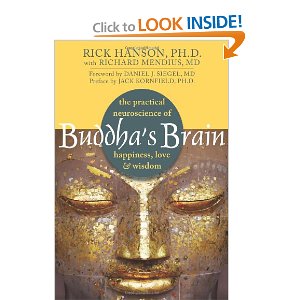
Here’s a great book I’m reading at the moment. It’s all about building positive neural connections. It really works! I’m also using the meditation cds by the same author.
Suffering from breast lumps? Histamine plays an important role in Fibrocystic Breast Disease.
One of my many health scares, before my histaminosis/histamine intolerance diagnosis, was breast cancer, finally ruled out by lumpectomy. I had another cancer scare a few years later – doctors insisted on another lumpectomy, which I refused. It took me another seven years of persistent cancer fears to find the answer in a number of studies. One of the tell tale signs (that my docs should have paid attention to) was that the lumps were small, there were quite a few of them and they would completely disappear at times.
“Two mechanisms are proposed which could lead to mast cell degranulation in breast tissue. First, low progesterone levels lead to decreased intracellular cAMP levels in mast cells which enhance mast cell degranulation. Second, low progesterone levels lead to increased solubilization of breast collagen during tissue turnover. Susceptible individuals may undergo an allergic reaction to soluble collagen resulting in further mast cell degranulation. The degranulation products histamine and heparin may stimulate increased stromal proliferation and vascularization respectively. We provide evidence for the occurrence of histamine release by demonstrating an increased incidence of allergic symptoms in white women with fibrocystic breast changes.” Read the full study here.
I find it a little amusing that one of my most accurate histamine level barometers is my chest. Though I’m sure to lose your respect at this point (I promise to work hard to regain it), I must quote Lindsay Lohan’s masterpiece, ‘Mean Girls’:
Karen: Well… I’m kinda psychic. I have a fifth sense. Cady: What do you mean? Karen: It’s like I have ESPN or something. My breasts can always tell when it’s going to rain. Cady: Really? That’s amazing. Karen: Well… they can tell when it’s raining.
As soon as I feel those little lumps I know I’ve seriously fallen off the wagon and it’s high time I clamber back on up.
This doesn’t give you a get out clause from monthly self exams. I know it’s boring, so why not ask your better half to do it for you?
Karen: There’s a 30 percent chance it’s already raining.
Ever wonder why your allergies, histamine intolerance or mast cell condition are worse around the beginning of your cycle? Most of us put down the uptick in our symptoms to plain old PMS (or at least are told that’s what it is). I definitely noticed it. And I was right – it seems we have another important mast cell degranulation/histamine release trigger to add to the list…
According to this study: “Mast cells commonly degranulate around the onset of menstruation, releasing tryptase, chymase and several other molecules.”
For those of you not yet familiar with why I keep talking about mast cell degranulation – there’s already plenty of histamine in our bodies naturally. Histamine is released through mast cell degranulation (and sometimes basophils). So without even adding the histamine that we eat or drink, there’s plenty to go around. That’s because histamine is needed to run most of our bodily functions.
So why the incessant focus on potential histamine triggers?
I’ve been exploring the catch-22 of probiotic supplementation for some time now. The dilemma? Probiotics are necessary for proper intestinal function – the histamine lowering enzymes diamine oxidase and monoamine oxidase live there, so fixing up our poop tube seems like a good idea right?
Not so simple.
Probiotic supplements are fermented (a no go for histamine intolerance/histamine related disorders) and some strains actually raise histamine and tyramine in the body. The good news is that strains commonly found in babies can actually lower histamine, helping us fight allergies and lower our overall histamine burden.
Lactobacillus casei (TISTR 389) andLactobacillus delbrueckii subsp. bulgaricus (TISTR 895) were found to produce BA (biogenic amines). The highest levels of histamine (1820.9 ± 3.5 mg L−1) and tyramine (5486.99 ± 47.6 mg L−1) formation were observed for the TISTR 389 strain, while TISTR 895 produced only histamine (459.1 ± 0.63 mg L−1) in the decarboxylase broth. Biogenic amine potential was not observed for the Lactobacillus acidophilus,Lactobacillus lactis subsp. lactis, Lactococcus lactis subsp. lactis, and Lactobacillus plantarum strains studied. This study confirmed that BA formation is strain dependent and not related to the species. Read the full study here.
English translation…
The BAD
Lactobacillus casei was shown to produce histamine and tyramine, while Lactobacillus Bulgaricus increased histamine alone.
The NEUTRAL
Lactobacillus acidophilus, Lactobacillus Lactis, Lactococcus Lactis, and Lactobacillus plant arum did not have any effect on biogenic amines like histamine and tyramine.
And now for…The GOOD
One of the perks of being the member of a highly educated online community who are incredibly proactive in their own healthcare, is that they often help fill in the missing links. Today I was reminded of studies I found last year which talked about the histamine-lowering effects of two strains of probiotic bacteria, Bifidobacterium infants, Bifidobacterium longum, commonly found in infant intestines. The studies also noted that the longum species had significant IgE mediation action. This means it could prove helpful to those with allergies. Read the full study here.
Does this mean you can cure your histamine intolerance/histaminosis/mastocytosis with a histamine-lowering probiotic? Doubtful. Could it be helpful? Possibly. Why the cautious optimism? Because I have experienced a variety of reactions to supplements over the years. But if you’re going to try probitic supplementation, this might be a good place to start.
I would not recommend starting this, or any supplement, without consulting your doctor. If you do try, please go slowly. If you prefer to go the nutritional route, a diet low in histamine is a good place to start – check out my post on pre-bioitic foods here.
A study published in the Annals of Allergy, Asthma and Immunology reports that dichlorophenol, a chemical used tap water chlorination, is associated with an increased risk of food allergies. But fear not, scientists claim that we’re much more likely to have been absorbing it from pesticides on our fruit and vegetables, or in the cosmetics we’ve been dousing ourselves in. Phew, dodged a bullet there.
“Excessive use of dichlorophenols may contribute to the increasing incidence of food allergies in westernized societies.”
Results of the study, which measured dichlorophenol levels in the urine of over 2000 Americans, was reported on by the Daily Mail in the UK and the Huffington Post in the US.
The odd part is that I can’t even say that the study was conducted today, yesterday, or even this decade. Upon checking the original study I found that the survey dates all the way back to 2005! I would love to know why a study that could have stopped thousands (at least) of people from being exposed to said ingredient (dichlorophenol), which is also found in shampoo, Dial deodorant, Colgate toothpaste, Old Spice aftershave, Neutrogena body wash, Clearasil, Revlon lipsticks, and even so called natural brands like Ahava and Avene, was not released/reported on sooner? (Click here for the full triclosan product list). I know journals have a backlog, but almost seven years? That’s the average age of my friends’ children. Kids who have spent their entire lifetime being exposed to this chemical.
Most alarmingly (to me!) triclosan is found in my (former) favourite NARS Kalahari eyeshadow.
Wondering if your shampoo/lipstick or bath product is likely to increase allergies? Check out the excellent product safety databases of the Environmental Working Group and the Good Guide. There are dozens of ingredients that rate just as high as triclosan and they’re found in pretty much everything. This is why I stick to ingredients whose name I recognise, with brands I have personally researched and know to be using only raw, natural products.
As you may know, histamine disorders (roll call: histamine intolerance, histaminosis, chronic allergies, mast cell activation and mastocytosis) have more than one trigger. And by that I’m not counting individual foods, just a whole mess of stuff that can cause histamine to be released into the blood stream. I’m successfully managing a number of them – so it’s time to share! I’ll be using The Mastocytosis Society Canada’s non-immunologial trigger list as reference (check out the full list at the end of the post). There’s a bunch of surprises on it!
No air conditioning at the Masai Mara duty free shop in Kenya (or on our three day safari with Masai warriors!)
I’m not doing too great on this one. I travel, a lot. And for some reason I do it almost exclusively to incredibly hot climates. This last year alone I spent almost three months in Africa/North Africa. I don’t mean indoors in the AC – I’m talking old school villages with no internet connection, camping with Masai warriors and draping myself (passing out) across my man on the most beautiful islands known to man. Oh, I forgot the two hour camel rides under the scorching sun across treacherous terrain high on a mountainside in search of the ultimate beach. It was pretty funny, I spent my first hour there comparing symptoms with the bedouin woman who offered us dinner and grass (her words not mine!), in our first five minute there. Seems her entire family may suffer from a histamine disorder.
My hottest tips for dealing with the heat is to have AC or a cool body of water to immerse yourself into at the end of the day. I literally feel all my swelling and inflammation go down after 10 minutes. The key is to keep calm and also make sure you have access to a car with AC – wish I could follow my own advice on that one. I spent a month trapped in microwaves (taxis) in Morocco in July this year. Ouch. I have a histamine/inflammation detection unit in my mouth – well I had a tooth extracted when a dentist convinced me it was causing my symptoms – duh. I’ve been too freaked out to get an implant (antibiotics, injections, anesthetic, oh MY) so nowadays when my gum swells to the point that I no longer feel the gap, I know I’m in big trouble. That happened, a lot in the taxis.