Category: Research & News

  • Histamine in fish safety margin not high enough says the WHO

    Histamine in fish safety margin not high enough says the WHO

    fish histamine levels

    A joint report from the Food and Agriculture Organisation of the United Nations and the World Health Organisation Food Standards Programme Codex Committee on Fish and Fishery Products [1] really shocked me.

    They’re the people responsible for making sure that fish histamine levels remain below a certain threshold, one that prevents a really nasty kind of food poisoning called scombroid. Their report uses some fairly technical science-speak but here’s a translation:

    The current “no observed adverse effect level” (NOAEL), which is the acceptable histamine level at which fish consumers will suffer no ill effects, including scromboid, needs to have a higher “uncertainty factor” (UF) added on – meaning that there needs to be a wider safety margin between acceptable levels and poisoning/histamine reactions.

    The current NOAEL in fish stands at about half the dose that would cause a reaction in “healthy” people. Two studies they conducted showed that histamine administered in beverages (like wine they say) caused adverse symptoms occurring at doses lower than the fish ones. This means that even for some healthy people, combing wine and fish may be a no-no.

    They say in the report:

     “It is important to bear in mind that, while the NOAEL is an appropriate hazard threshold value to use for exposures in healthy subjects, this may not be the case for those members of certain segments of the population who may have an increased sensitivity (e.g. metabolic differences, physiological conditions, drug therapies). In these instances a lower hazard level may need to be considered (e.g. the use of an uncertainty factor or other specific risk management options such as fish consumption advisories should be considered. [2]”

    There’s a link to the report in the references section below. 

    So the good news is they’re finally aware that fish histamine levels may be too high for people with pre-existing health conditions, like histamine intolerance and mast cell activation I would think, and even for those who are “healthy”. The report goes on to advise ways in which histamine levels could be kept lower, mostly through changing storage temperatures rather than the addition of preservatives.

    I only stopped eating fish for a few years because I decided to go vegan, not so much for health reasons but because I felt bad eating animals. Once my diet became severely restricted it seemed totally crazy to eliminate foods I rarely reacted to, including fish, which weirdly enough (with a couple of exceptions) had always been one of my safe foods.

    That said, I rarely order fish when eating out, unless I personally know the owner. I’ve not batted an eyelid buying fish laying out on ice at Whole Foods, my local fishmonger, but have definitely interrogated bewildered employees at other supermarket chains. I don’t believe WH to really be any more honest or superior in terms of quality, it’s just a psychological thing I guess because I feel employees actually cared more about me as a human being when I would explain what was up.

    This report however and a tragic news story of a mother and daughter’s deaths in Bali from scromboid poisoning have made me really stop to re-think my love of fish. Noelene Bischoff and her 14 year old daughter Yvana traveled to Bali for their “dream vacation” which turned into their family’s worst nightmare when they died after eating spoiled fish for dinner [3]. The story was widely reported in the UK media. Forensic pathologists in their home country Australia said that scombroid poisoning combined with their pre-existing asthma caused the deaths. One of the photos released in the case showed a copious amount of antihistamines, anti-asthma meds and also migraine medication the mother and daughter had in their hotel room. You’ll find the full news story below.

    Now I have definitely felt strange when eating fish in restaurants. Even in Thailand, where I literally watched them scoop the fish out of a tank for me, just before I left the restaurant and saw them dumping detergent into the tanks to clean the glass. Those poor, poor soapy fish, and my poor, poor internally soap filled body after ingesting that toxic mess.

    Unlike my “Bed Bound and Down” years, in the last phase of what I’ve dubbed “The Reaction Years” the fish fun varied from instant dizziness to loss of blood pressure, near fainting and wildly racing heart rate. In each case I had managed to employ my meditation and visualisation training to counter the adrenal response – perhaps the result of fear, or the body’s response to excessive histamine release.

    Please understand – I am not suggesting you try this, just relating my own experiences. All food reactions have the possibility of turning deadly and meditation is not an appropriate treatment. Seek medical treatment immediately if you suspect you have eaten spoiled food or suffer any of the aforementioned symptoms. 

    Never heard of the adrenaline connection? One of my craziest symptoms was very heightened awareness, not so much anxiety but rather enhanced smell perception, increased “volume”, crystal clear tunnel vision and a weird feeling that time was slowing down. I had no clue what was up till I watched a program where a cop explains how her body responds when she’s facing a criminal – she explained exactly my symptoms, which she attributed to the surge of adrenaline.

    And I realised, Eureka! That’s what it is…a massive dose of adrenaline being released to lower histamine levels [4]. There’s tons of research on this out there but a great one from the 70s explains it succinctly and plainly: adrenaline is the body’s antihistamine, deployed to prevent histamine’s activity on the heart.

    Fun fact: did you know the heart has H1 and H2 receptors [5]? I’m working on a post about histamine’s effect on the heart. I was pretty shocked by what I learned. 

    While I personally feel theat fear and stress played a huge role in my reactions, and I walked away with no lasting adverse reactions from those fish meals, I’m now going to have a long hard think about whether it’s worth rolling the dice knowing that the histamine-safety margin is so narrow.

    When I was initially diagnosed with histamine intolerance, before my eventual mast cell activation diagnosis, I was asked if I had ever suffered food poisoning. I have had innumerable instances throughout my life where it seemed I had experienced it, but given that it’s also often caused by elevated histamine levels in foods, the symptoms would be identical to my “regular” histamine symptoms of nausea, projectile vomiting, diarrhea and migraine.

    The person who made the diagnosis, now sadly deceased, believed a case of scromboid or lesser food poisoning could set a histamine intolerance into motion.

    My last major histamine event, caused in my opinion by a terrifying plane incident that looked like a hostage situation was unfolding on my way to New York, left me with a terrible migraine, fever and projectile vomiting for 24 hours upon arriving at my aunt’s place (so sorry Hala!). You can read all about it here and why I know that my brain rather than food, caused that reaction. 

    My take away from this report, published in 2014, so maybe something has already changed for the better, is:

    I will take care to balance future fish consumption in the same way I do the rest of my diet – by including lots of antihistamine and anti-inflammatory foods on days when I have high histamine meals and also just generally.

    Continued vigilance – I will definitely only be eating at restaurants where I am sure of their fish handling practices.

    My feeling of safety when eating fish by the sea, as I experienced while in Bali myself, is misplaced, and if anything, one should question the local understanding of proper fish handling, storage and possible electricity outages.

    For now, as I continue to whittle away at the animal protein in my diet, I am not giving up on fish, but I’m certainly no longer fooling myself that it’s safe for me given that I no longer suffer as I used to.

    It’s finally here! Man Food – a high nutrient antihistamine and anti-inflammatory ingredient filled book geared towards guys, women who love to work out, yoga like they mean it, or just load up on healing nutrients. Features my personal shopping list of antihistamine and anti-inflammatory foods. 

    The Anti-cookbook and all liquid Anti-Detox Book, don’t treat any conditions, but feature a plethora of the high nutrient antihistamine and anti-inflammatory ingredients that have been instrumental in helping me feed myself on a limited diet. The Anti-cookbook features a six page list of antihistamine and anti-inflammatory foods and comes in regular and Paleo. 

    The Low Oxalate Cookbook features antihistamine and anti-inflammatory rich recipes. 

    Don’t miss the Low Histamine Beauty Survival Guide for non-toxic beauty tips, the skinny on histamine releasing (mast cell degranulating) beauty ingredients, antihistamine and anti-inflammatory beauty alternatives and the top brands natural brands I’ve found.

    Take a peek at my other low histamine and antihistamine cookbooks for more high nutrient recipes and sign up to my mailing list for freebies. 

    ——————— REFERENCES ———————

    [1] ftp://ftp.fao.org/codex/reports/reports_2014/REP14_FFPe_rev.pdf

    [2] ftp://ftp.fao.org/codex/meetings/ccffp/ccffp33/fp33_12e.pdf

    [3] http://www.dailymail.co.uk/news/article-2551853/Australian-mother-daughter-died-Bali-hotel-room-victims-RARE-fish-poison-combined-asthma.html

    [4] http://link.springer.com/article/10.1007%2FBF00499043

    [5] http://link.springer.com/article/10.1007%2FBF01906682#page-1

     

  • Misdiagnosis: antibiotics as anti-inflammatories

    Misdiagnosis: antibiotics as anti-inflammatories

    antibiotics anti-inflammatory

    For many the diagnosis of histamine intolerance or mast cell activation will come after decades of mis-diagnosis. Some of us will have been told it’s psychosomatic and prescribed antidepressants, benzodiazepines and sleeping pills, while others may have been told their severe gastrointestinal issues are caused by stomach bacteria, or chronic stuffed nose and frequent flu-like events caused by sinus/staph infection, or that their urinary burning and frequency is caused by a UTI and prescribed interminable courses of  antibiotics.

    I was told I had all of these and prescribed antibiotics, even when bacterial cultures came back negative.

    What I wasn’t told is that many antibiotics exert an anti-inflammatory effect on the body, independently of their activity as an antibiotic [1].

    As an example: let’s break down how this information could have prevented my being prescribed a daily dose of the antibiotic Macrobid (Nitrofurantoin), for a chronic, but non-existent urinary tract infection that I now know was most likely caused by excess mast cells in my bladder [2] or a sensitivity to oxalic acid [3].

    I was never diagnosed with the latter, but moderating my intake of high oxalate foods like almonds, kale, cacao and sweet potato totally cleared up my life-long UTI-like issues in a matter of months, without any medication. I first discovered the link thanks to a wonderful gynaecologist in Cairo, Egypt, who treated me for persistent lady part inflammation and UTI. Unlike US doctors, he refused to prescribe the antibiotics without a positive culture. In Egypt. Go figure. I’m not saying the Middle East is more advanced than the states, just that I lucked out that day. 

    A number of studies [4] in the last decade have shown that several classes of antibiotics, including macrolides, tetracyclines and beta-lactams may change the inflammatory response, by changing inflammatory cell metabolism, altering cytokines and other chemicals that stimulate and help maintain inflammation, and just generally exerting an anti-inflammatory effect independent of their activity as antibacterials.

    Macrolides include Azithromycin and Erythromycin, both of which I have been prescribed repeatedly throughout my life for chronic (misdiagnosed) “sinus” infections, bronchitis and skin complaints (which turned out to be histamine-related also).

    You can find a full list of antibiotic families in the references section below. 

    You’ll find recipes full of foods with antihistamine and anti-inflammatory properties my books Anti-Recipes and The Anti-Cookbook

    CLICK HERE TO CREATE YOUR OWN PERSONALISED HEALING HISTAMINE PLAN. 

    Though the University of Maryland medical website (my go to for most things) and others tell us that though most chronic sinus infections are caused by viruses that don’t respond to antibiotics, some more serious bacterial infections may require antibiotics. They go on to say that a positive culture is the golden standard for diagnosis before prescribing them [5].

    Here’s the thing: you go to the doctor with what looks like a sinus infection. Most docs operate on a 15 minute appointment basis. I’m not criticising here, just an observation of common practice. Swabbing you and sending the sample to be cultured in a lab is more time consuming and costly than just grabbing the prescription pad.

    But I’m not blameless in this transaction. Forearmed with previous diagnoses of chronic sinus infection, I would just tell docs that previous docs had prescribed what and demand antibiotics so I could get back to work.

    The confusing thing for myself and the doctors was that my symptoms would resolve for the duration of the treatment, with things kicking off the moment I came off them.

    Given that ALL of my symptoms turned out to be related to an inflammatory medical condition, or two, of histamine intolerance and may cell activation, it now makes perfect sense to me.

    The antibiotics, despite having no actual bacteria to fight, were acting as anti-inflammatories, which was at times (temporarily) lowering my inflammation to the point that I would feel better. After the treatment period, as the inflammation would rise again, I’d feel worse and go back for either more of the same, or a new class of antibiotics. The fact I had experienced some remission of symptoms was seen as proof that it was indeed the right approach and that we just needed to fine tune the treatment.

    In the case of the non-existent UTI, the first round of antibiotics cleared it up, only for it to return a month later. Culture came back negative, but I was prescribed another round just in case some bacteria lingered. Felt better for a few weeks, came back next month with same complaint. Was put on a different antibiotic and felt relief. Back next month, same story, till the doctor decided the best approach was to keep me on a “maintenance” dose of antibiotics long term. This meant a few years. I believe that my actual issue was something else (mast cells/oxalates) and that the antibiotics acted as anti-inflamamtories while in treatment. Eventually though the maintenance dose was no longer enough and I was in agony for years again till I realised that my bladder would always hurt about five to 10 days after a long bout of stomach bloating. If the bloating lasted less than five days, no bladder pain. I then surmised that whatever was bloating my stomach was then causing inflammation to spread from there to my urinary tract system.

    I was right.

    I spent so long barking up the wrong tree and taking antibiotics that block the histamine-lowering DAO enzyme (you’ll find a link to a full list in the references below) that I truly broke my body even more than it was.

    It was only in 2003 (aged 28), after decades of chronic antibiotic prescription and repeated candida infections thanks to them, a doctor proposed to me that it was an allergic reaction of some type. I was given zyrtek, a steroid nasal spray and pseudo ephedrine rather than antibiotics.

    I’m forever grateful to that doctor at London’s Portland Hospital for pointing me in the right direction, because it was the very first time since my mother believed she had worked out ketchup caused my hives (despite repeated yearly negative IgE results), that I had any inkling that histamine might be involved.

    I then spent the next few years on a combination of antihistamines, pseudo ephedrines, nasal sprays, in addition to antibiotics for other ailments. But it was a step in the right direction.

    Links to a few of the studies detailing how antibiotics exert an anti-inflammatory effect are in the references section below in case you want to print them off for your doctor.

    Please understand, I am not suggesting we shouldn’t take antibiotics, I am simply highlighting something your doctor might not be aware of. Like my doctors and myself yours may believe your positive response to antibiotic treatment means they’re on the right track, or they may be ruling out histamine intolerance or mast cell disorder based on it.

    You’ll find recipes full of foods with antihistamine and anti-inflammatory properties my books Anti-Recipes and The Anti-Cookbook

    CLICK HERE TO CREATE YOUR OWN PERSONALISED HEALING HISTAMINE PLAN. 

    ———————— REFERENCES ———————

    [1] http://www.livestrong.com/article/537182-why-do-antibiotics-help-with-inflammation/

    [2] https://dev.healinghistamine.com/histamines-role-in-chronic-urinary-tract-infections-or-intersitial-cystitis/

    [3] https://dev.healinghistamine.com/low-oxalate-low-histamine-diet-the-missing-link/

    [4]

    http://www.ncbi.nlm.nih.gov/pmc/articles/PMC2801304/http://www.ncbi.nlm.nih.gov/pubmed/12054075

    [5] https://umm.edu/health/medical/reports/articles/sinusitis

    Antibiotic families

    DAO blocking and histamine releasing meditations

    http://www.histaminintoleranz.ch/en/therapy_medicaments.html

  • Scientists test implantable vagus stimulator to fight inflammation

    Scientists test implantable vagus stimulator to fight inflammation

    diagnosing histamine intolerance

    In my recent post on the vagus nerve connection I shared some research on how faulty wiring in this heart, brain and stomach connection can cause us to overeat, affect our heart rate and state of mind, and that it may be involved in postural orthostatic tachycardia syndrome (POTS), Alzheimer’s and epilepsy.

    The vagus nerve is particularly important to us because it can prevent inflammatory cytokines involved in mast cell disorders from being synthesised/released specifically in the stomach, one of our most common flare spots (all references in original post). Sadly for many of us, the vagus nerve’s neurotransmitter, how it communicates with the body, is acetylcholine, which is inhibited by various meds regularly prescribed to many of us, including: Benadryl, Xanax and various other psych and stomach meds (Google acetylcholine inhibitors for a full list).

    In the original post I talked about how vagus stimulation can reduce histamine-induced itching, regulate intestinal mast cells, fight mast cell inflammation and prevent or treat depression and other neuropsychiatric conditions, as well as outlining how we can naturally stimulate the vagus at home.

    But now scientists at Purdue University, in collaboration with the Defense Advanced Research Projects Agency (DARPA) are developing a wireless implantable device for “treating conditions resulting from the body’s inflammatory response”. Upon reading the news I guessed that DARPA involvement centres on the need for an effective post traumatic stress disorder treatment for the scores of soldiers being let down by the current system.

    According to the website, their “bionode” will stimulate the vagus in the neck, thereby regulating the production of inflammatory cytokines. The program is planning to create a complete system that can be tested in human clinical trials geared for conditions like chronic pain, inflammatory diseases and, sure enough, as I thought, PTSD.

    Rather strangely, though I’m not sure I would have wanted to embrace the cyborg look to treat my post-war PTSD, I’m really quite excited to at least entertain the notion to fight inflammation. What do you think? Will you go for it when this hits the market?

    Don’t forget to check out the list of vagus stimulating methods available to us at home, right now.

    You’ll find recipes full of foods with antihistamine and anti-inflammatory properties my books Anti-Recipes and The Anti-Cookbook

    CLICK HERE TO CREATE YOUR OWN PERSONALISED HEALING HISTAMINE PLAN. 

    Please remember, even antihistamine and anti-inflammatory foods can hurt us, please always exercise caution and consult a medical practitioner before adding new foods. 

  • Herbs treat SIBO as effectively as antibiotics

    Herbs treat SIBO as effectively as antibiotics

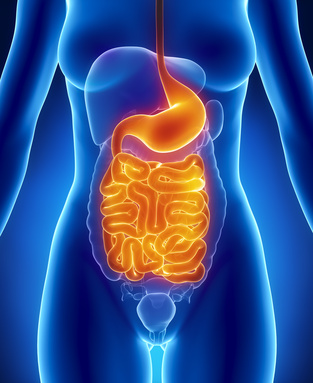
    Female GUTS and STOMACH anatomy anterior x-ray view

    Small intestinal bacterial overgrowth (SIBO) is a pesky issue which means that there’s abnormal numbers of normal bacteria in the gastrointestinal tract. SIBO may cause intestinal symptoms ranging from diarrhoea and weight loss to anaemia and malabsorption. It’s believed to cause/aggravate symptoms of irritable bowel syndrome (IBS) [1] and some, like Chris Kresser, say it’s closely related to histamine intolerance, so dealing with SIBO may “alleviate” the former [2].

    SIBO is diagnosed via lactulose breath testing (LBT), which is fancy speak for drinking a little sugar and then breathing into a tube.

    As an aside, an interesting study published in Gut, the official journal of the British Society of Gastroenterology, raised the point that people administering this test may not properly trained in its execution nor its interpretation [3].

    Many view SIBO eradication as the Holy Grail of histamine intolerance treatment. Kill the overgrowth, heal the gut, return to a normal diet. Sadly, spending months or years on antibiotics and or sugar free diets seems to be the norm.

    I was lucky. I tested positive, started drinking olive leaf tea, cut most processed sugar out of my diet, but kept fruit in there. Six months later I was tested again and boom, it was gone.

    Till now I haven’t really had a great reply to folks asking me how I managed to get rid of it. I never really thought much of it at the time because I didn’t really notice that much change in my symptoms afterwards. Or none that I attributed to the SIBO clearing up. Thing is though, and this is one of the biggest “mistakes” I made in my healing: I made too many changes at once, so it was hard to tell what had done what.

    In this case, around the time I nixed the most commonly prescribed medical treatment; an antibiotic called Rifaximin and made the SIBO diet changes, I also started eating a diet very, very, very high in herbs. People’s eyes would bug out when they saw the volume of greenery going into my soups.

    You’ll find recipes full of foods with antihistamine and anti-inflammatory properties my books Anti-Recipes and The Anti-Cookbook

    WONDERING HERE TO START? HERE’S A FOUR WEEK COURSE & MEAL PLAN TO TAKE THE STRESS OUT OF HEALING HISTAMINE

    Turns out my instincts were right on, because herbs, some common culinary ones and others you might have to make a trip to your local Whole Foods supplement shelf for (under medical supervision of course!), have been found to treat SIBO as well as a 10-14 day course of the antibiotic Rifaximin, with significantly fewer side effects; like causing further bacterial imbalance in the body and the very scary super bug Clostridium difficile.

    I encourage you to print out the study (thanks Adele for bringing it to my attention!) found here for your doctor, specifically TABLE 5 (you’ll have to click on that separately) which shows all the effective herbal remedies.

    A few highlights from the remedies, which I’m totally biased in choosing because I eat or take these regularly, including them in my books. They’re the cornerstone of my healing process…

    Thyme

    Olive leaf

    Oregano

    Sage

    Skullcap

    Ginger

    Berberine (the topic of an upcoming recipe)

    Check out the aforementioned table for the full list.

    Talk about eating your medicine…

    You’ll find recipes full of foods with antihistamine and anti-inflammatory properties my books Anti-Recipes and The Anti-Cookbook

    WONDERING HERE TO START? HERE’S A FOUR WEEK COURSE & MEAL PLAN TO TAKE THE STRESS OUT OF HEALING HISTAMINE

    Please remember, even antihistamine and anti-inflammatory foods can hurt us, please always exercise caution and consult a medical practitioner before adding new foods. 

    ———REFERENCES  ————

    [1] http://www.ncbi.nlm.nih.gov/pmc/articles/PMC1856094/

    [2] http://www.ncbi.nlm.nih.gov/pmc/articles/PMC1856094/

    [3] http://chriskresser.com/headaches-hives-and-heartburn-could-histamine-be-the-cause/

  • The vagus nerve inflammation connection

    The vagus nerve inflammation connection

    diagnosing histamine intolerance

    What’s the vagus nerve and why should you care about it? Research on the vagus nerve, which runs from the brain to the stomach, has been coming fast and furious in the last few years since I’ve been reading up on it. The nerve, hereafter referred to as the VG “interfaces” (I quote wikipedia here) with parasympathetic control of the heart and digestive tract.

    In short, it’s pretty freaking important because it joins the heart, brain and stomach, which really explains just so much I’ve been trying to work out over the years. I’ve been holding off on sharing all this with you guys because researchers are churning out studies at an alarming rate, each day bringing a slew of new ideas into my inbox. Basically the vagus nerve affects how our brain signals the stomach: research now shows that faulty vagal messaging to the stomach can prevent us from experiencing satiety, thereby causing us to overeat; it affects the rate at which our heart beats, it plays a role in psychiatric disorders, it may be involved in POTS (Postural Orthostatic Tachycardia Syndrome), it’s helping Alzheimer’s patients, reversing rheumatoid arthritis, and researchers definitely believe that it’s a mega player in epilepsy.

    Click here to learn how to create your own histamine balanced diet. 

    Very importantly to us, the VG can prevent inflammatory cytokines involved in mast cell disorders from being synthesised/released, specifically, in the stomach, one of our most common trouble areas. VG stimulation has been shown to reduce histamine-induced itching and a Tufts neuroscientist may have the explanation for why some of us have mast cell/histamine issues to begin with.

    (You’ll find all references for this paragraph in the individual points below).

    Most importantly, to me, this emerging body of research on the VG goes a long way towards explaining, finally, how the brain talks to the stomach and heart, and why it’s so important to control the messages sent back and forth.

    Acetylcholine is the vagus nerve’s neurotransmitter, basically how it communicates with the rest of the body. This isn’t great news for many of us who have been taking Benadryl, Xanax, and various psych and stomach meds (more on that further down in the post) which all inhibit acetylcholine to some degree [1]. But forewarned is forearmed, and there are plenty of alternatives that don’t block this crucial neurotransmitter – your doctor will have more information on those, please do not stop taking any meds in the meantime as it’s dangerous and is waiting a week longer really going to make such a big difference?

    Research thus far has focused on stimulating the VG using electrical devices which will go to market in coming years, once they’re approved. Right now there’s one such device in beta testing, but it’s only available if you’re epileptic (I’m sorry I can’t find the email they sent me).

    But don’t worry – in a moment I’ll share how we can stimulate vagal function without any space age technology to zap ourselves silly with.

    First, the research….

    A neuroscientist at Tufts, Michael Van Elzakker, proposes the Vagus Nerve Infection Hypothesis (VNIH), stating that an infection of the vagus nerve, even a minor one (like herpes), triggers a “difficult to detect” immune system response which produces the fatigue in chronic fatigue. Now, maybe I’m reaching here, but by now many of us are aware that histamine/mast cell activation can be secondary to an infection/virus (if not I suggest buying Dr. Diana Driscoll’s book for an explanation), so this theory could conceivably explain the mast cell issues some of us have, especially those of us who struggle with fatigue (as I did for decades). Read more here.

    Vagus nerve stimulation can reduce histamine-induced itching [2]

    A study in the Journal of the American Academy of Neurology tells us that VG stimulation can reduce histamine-induced itching.

    Vagus nerve stimulation regulates intestinal mast cells [3]

    An interesting study in the American Journal of Physiology showed that certain fats can stimulate the VG into regulating the activation of mast cells in the gut.

    Stimulation of the vagus nerve fights mast cell induced inflammation [4] 

    The Feinstein Institute recently published the exciting news that single low magnitude electric pulses to vagus nerve fight inflammation. They found that stimulating the vagus nerve for as little as half a millisecond is enough to inhibit tumour necrosis factor (TNF). TNF is a inflammatory signalling molecule produced by mast cells and others, thereby regulating other immune cells. The Feinstein Institute recently completed a clinical trial on using VG stimulation to treat RA and it currently exploring a similar treatment for Crohn’s.

    Vagus nerve stimulation fights or helps prevent depression and other neuropsychiatric conditions [5]

    A study in Brain Behaviour and Immunology tells us that vagus stimulation blocks IL-6 dependent hyper excitability induced by stress, which means that VG activation may help prevent or treat neuropsychiatric disease. This ties in with Dr. Theoharides of Tufts research on the mast cell-psych link (read more about that here). This study (and others) suggest “a potential new avenue in the treatment of a large class of hyper excitable neuropsychiatric conditions, including epilepsy, schizophrenic psychoses, anxiety disorders, autism spectrum and depression.”

    Vagal stimulation prevents the release of multiple mast cell inflammatory cytokines [6]

    Another study published in the journal Nature shares that vagus nerve stimulation can help us fight potentially deadly inflammation that results from our system fighting bacterial infection. The study authors point out that we achieve homeostasis by balancing the activities or pro-inflammatory and anti-inflammatory pathways. Endotoxins, produced by all gram-negative bacteria, activates the immune system, causing them to release inflammation. Acetylcholine, the principal vagal neurotransmitter, significantly prevented the release of TNF, interleukins (IL)-1, (IL)-6 (and others), all key players in mast cell disorders.

    Acetylcholine is the primary vagus nerve neurotransmitter. Older generation antihistamines like Benadryl and others including anti-anxiety meds, antidepressants, and others prescribed for gastrointestinal complaints, inhibit this neurotransmitter to some degree. You can ask your doctor for a list and for further advice.

    The Journal of Affective Disorders tells us there’s evidence that increased levels of Interleukin 1 and TNF is known to play an important role in Encephalomyelitis/Chronic Fatigue Syndrome (ME/CFS), because activation of inflammatory pathways is known to induce fatigue and somatic symptoms [5]. 

    Vagus nerve stimulation and Alzheimer’s [7]

    A small study had patients experiencing an improvement of symptoms through VG stimulation. Alzheimer’s and Parkinson’s have been linked to mast cell activation – see Dr. Theoharides site for more information. 

    Stimulating the vagus nerve is giving rheumatoid arthritis patients their life back [8] 

    It’s believed that in contrast to medications for RA, electrical vagus nerve stimulation restores the body’s natural immune function rather than disabling it. The body can then respond normally to infection rather than being more prone to it.

    Great – so this all sounds exciting, but how do we apply it without getting cyborg-like implants?

    Here are some ideas for you (in no particular order):

    1. ACUPUNCTURE

    A study in the Journal of Alternative and Complementary medicine showed that traditional acupuncture points may offer vagus nerve stimulation [9].

    A study published in the Evidence Based Complementary and Alternative Medicine journal proposes that acupuncture to the ear stimulates the vagus nerve [10].

    2. MEDITATION

    In a Time Magazine article “The Biology of Kindness” author Maia Szalavitz shared the results of a study published in Psychological Science showing that links being kind and compassionate with enhanced vagus nerve function. Study participants embarked on a six-week course focusing on loving kindness meditations [11].

    3. CHANTING

    Yes, I mean like OMMMMmmmmmmm. A study by the Department of Psychiatry and the Advanced Center for Yoga and National Institute of Mental Health and Neurosciences in India published in The International Journal of Yoga, found that chanting OM (many youtube videos on this) led to an increase in vagal activation. In short, it was also great for the heart! Ujaii breath, used in yoga practice (again on youtube), offered similar results, but it’s unknown if it was due to vagal stimulation. The long and short of it, whether through vagal stimulation or not, the study showed the same positive outcome to the body as if the vagus nerve was stimulated [12 + 13].

    4. PRANAYAMA (yoga breath)

    This study in the Journal of Alternative Medicine shared that as “Vagal cardiac and pulmonary mechanisms are linked, and improvement in one vagal limb might spill over into the other. Baroreceptor sensitivity can be enhanced significantly by slow breathing (supported by a small reduction in the heart rate observed during slow breathing and by reduction in both systolic and diastolic pressure). Slow pace bhastrika pranayama (respiratory rate 6/min) exercise thus shows a strong tendency to improving the autonomic nervous system through enhanced activation of the parasympathetic system.” [14] There are many great books and youtube videos on this amazing practice.

    5. EAT HEALTHY

    Eating a diet that supports proper vagus nerve function…

    a. Vitamins B6, B12 and folic acid are needed [15]. I eat a lot of duck eggs, salmon and now am able to take a B12 supplement for the first time in years.

    b. Dopamine is needed. Meditate, do yoga, be happy, eat (super duper fresh) fish if you are able to [16].

    Finally…

    I also asked Joseph Cohen over at SelfHacked for any research he has come across on VG stimulation. He’s heavily invested in researching his genetics and offers paid consultations to read your genetic test results. I’m planning a whole separate post on this but Joseph’s reading of my results led to a complete re-think of my approach to the mast cell (and brain fog) issues I had been dealing with. Basically, stress is my biggest issue and I needed to learn how to control that. You can contact Joseph here.

    Joseph’s DIY vagus nerve stimulation tips

    •  ICES/PEMF (R, R2) – use on your gut and brain…I notice my gut flow increases and inflammation is reduced everywhere when I put this on my gut and brain.  I believe this is from vagal nerve stimulation, given that we know the vagus nerve is stimulated by magnets. The referenced studies show that as well.
    • Breathing out as hard as possible or holding your breath for a few seconds (R),
    • Dipping your face in cold water(R)
    • Gargling,
    • Singing loudly,
    • Tongue depressors – to stimulate the gag reflex….use gently…These are like push-ups for your vagus nerve…
    • Coughing or tensing the stomach muscles that you’d use to go number 2 (that’s my rewording of this one!.  (R)

    You’ll find recipes full of foods with antihistamine and anti-inflammatory properties my books Anti-Recipes and The Anti-Cookbook

    CLICK HERE TO CREATE YOUR OWN PERSONALISED HEALING HISTAMINE PLAN. 

    Please remember, even antihistamine and anti-inflammatory foods can hurt us, please always exercise caution and consult a medical practitioner before adding new foods. 

    —————-REFERENCES—————-

    [1] https://dev.healinghistamine.com/antihistamines-increase-alzheimers-risk/

    [2] http://www.ncbi.nlm.nih.gov/pubmed/12105316

    [3] http://www.ncbi.nlm.nih.gov/pubmed/23812038#

     [4] http://www.eurekalert.org/pub_releases/2015-05/nsij-sle051215.php

     [5] http://www.nature.com/nature/journal/v405/n6785/full/405458a0.html

    [6] http://www.ncbi.nlm.nih.gov/pubmed/21975140#

    [7] http://www.researchgate.net/publication/11023722_Cognition-enhancing_effect_of_vagus_nerve_stimulation_in_patients_with_Alzheimer’s_disease_a_pilot_study

     [8] http://www.huffingtonpost.com/2015/05/29/hacking-the-nervous-syste_n_7469526.html

    [9] http://www.ncbi.nlm.nih.gov/pubmed/24359451

    [10] http://www.hindawi.com/journals/ecam/2012/786839/

    [11] http://healthland.time.com/2013/05/09/why-kindness-can-make-us-happier-healthier/?iid=hl-main-lead

     [12] http://www.ncbi.nlm.nih.gov/pmc/articles/PMC3099099/

    [13] http://www.hindawi.com/journals/ecam/2013/743504/

    [14] http://www.ncbi.nlm.nih.gov/pubmed/19249921

    [15] http://www.ncbi.nlm.nih.gov/pubmed/19892133

    [16] https://en.wikipedia.org/wiki/Dopamine


  • Histamine intolerance and exercise

    Histamine intolerance and exercise

    IMG_5278-e1436471186457-1024x1024

    A lot of you have been telling me that any kind of exercise, for as little as five minutes, has you feeling dizzy, sick, or just generally hisamine-y. There’s a couple of reasons for that, which I’ll cover just below. In my case, when trying to get back into shape in 2008, my trainer refused to continue working with me because of my significant heart rate increase which was scaring him. Not just that, but I would break out in a head to toe rash at every session, in retrospect most likely caused by the daily pineapple (entire pineapple!) I was eating while on the totally nutso 80/10/10 fruit diet. Plus, there was that time I passed out on the treadmill…it was the weirdest thing, I would get light headed, my hands would go totally numb or tingly, and my libido would shoot through the roof all of a sudden (something I now know is linked to excess histamine) and then I’d start to black out. Since then I’ve tried getting into shape by playing tennis (horrible rosacea like breakouts all over my body), kickboxing (great but made my anxiety and aggression levels shoot up immensely), and then yoga (wonderful but I would tremble too hard and come crashing down to the floor in my chaturanga/plank pose). Tracy Anderson was a total write off – way too stress inducing. I kept starting up and stopping for over a decade. I became convinced I’d never be able to exercise and get back what I feel is “my” body – the one I rocked in my late teens/early 20s when I was a gym bunny and kung fu addict. Now I’m doing two – three hour power yoga sessions in 42C/108F heat (not by choice – it’s just crazy hot here) with no problem (but my regular schedule is 1.5 hrs ashtanga/power vinyasa five – six times weekly).

    Below you’ll find the information that helped me make informed decisions on how to exercise, an idea of how I worked my way up to my current exercise regime, and a little more on the upcoming yoga course. I recommend printing out the studies for your medical practitioner or getting some kind of professional input before embarking on an exercise program. Any of you lucky enough to have Dr. Mariana Castells treating you for a mast cell issue should ask for her views on it – she believes that people with mast cell disorders should exercise regularly, which contradicts many of the histamine/mast cell docs out there, who only point out that it can cause anaphylaxis. Check out my interview with Dr. Castells here – we cover her views on how lifestyle changes can help in mast cell disorders. Please remember, I’m neither a doctor nor a scientist. The following is based on a layman’s interpretation of studies, information that I used to develop my own strategy for getting back into physical shape. It’s been an uphill battle for sure, and I’m certainly not there yet, but I’m working on it. Exercise is serious business for mast cell/histamine intolerance folks and shouldn’t be jumped into willy nilly.

    Cardiovascular exercise has been shown to drive up histamine levels and aggravate allergies in some animal studies [1]

    It’s only cardio that seems to do it though – resistance training, like lifting weights, doesn’t appear to have that effect. At least in animals/people who don’t have a histamine intolerance/mast cell disorder.

    What this means for us: 

    After exploring many, many different exercise styles, I settled on power yoga. It’s kind of resistance exercise, if you count using your body as a weight, which some people do. Yoga has many anti-inflammatory benefits, in particular a recent study showed it lowers inflammation in cancer patients [2]. You may also find that either weight lifting, something like the TRX trainer (uses your own body weight), or pilates may work better than cardio.

    Stress can cause mast cells to dump unnecessary inflammation into the body [3]

    If you haven’t exercised in years, this can stress the body. Likewise if you’re stressed about the exercising itself, because you’re worried about its negative impact on you, or you’re worried about anaphylaxis, that’s likely to cause mast cells to freak out. I’m not saying the fear isn’t justified, I’m saying that there should be a difference between a justified concern and causing a total meltdown because you’re unable to control your brain’s anxiety response to the thoughts.

    Something that significantly drove up my stress levels was the insanely annoying ear drum smashingly heart palpitation inducing dance music they play in exercise classes. Raises my heart rate just thinking about it, which is of course the point for those who don’t have to deal with all this mast cell/histamine intolerance and exercise stuff.

    What this means for us: 

    Practicing mindfulness meditation and addressing fears through cognitive hypnotherapy (read about my hypnotherapy experiences here) may be beneficial, as it was for me. I found that practicing my pranayama breathing techniques while playing intense games of squash was very calming and helped prevent the usual exercise induced dizziness I was now used to.

    If the music is an issue; earplugs work great.

    Exercise can damage muscles, prompting inflammation release to help heal them [4]

    Most exercise causes some muscle damage. A recent study in the Journal of Strength and Conditioning outlined the process: exercise causes a temporary increase in inflammation because the muscles break down during intensive sessions and then need to repair themselves. Inflammation’s job in the body is to heal. It can take a few days for this to happen. In my case it’s a maximum of two – three days, at least judging by my muscle soreness, which correlates to what studies tell us – that it takes up to 72 hours for inflammation markers to return to normal.

    The journal study also found that participants also experienced an increase in neutrophils. These appeared within three hours and were gone within a day. An article on this body building website seemed to think this might indicate that is a good window to get a massage to help keep blood flow high to help move along the neutrophils. The study showed another inflammatory event of interest – a temporary jump in lymphocyte count lasting up to 72 hours.

    What this means for us: 

    In order to allow the inflammation time to resolve, according to these studies, leaving up to three days between exercise sessions may be beneficial, at least in the beginning. I personally learned the hard way that in my case, it was definitely best to exercise once every three days. I also really wish I had known about the neutrophils and lymphocytes because doctors really freaked me out over my very high counts back when I decided to suddenly hit the gym after years of sickness and immobility. Exercise was never mentioned as a possible cause.

    Histamine is created and released during prolonged exercise to prevent fatigue and increase endurance, but is not stored in the body afterwards [5] 

    Histamine is found in the body in mast cells (and others), outside the body in foods, and can also be formed “via the induction of histidine decarboxylase (HDC) in response to an appropriate stimulus”. In this study mice were forced to walked on a treadmill/cylindrical cage until their bodies began producing histamine, in order to protect against exercise induced fatigue or exhaustion. I would also think that the poor little clueless mice were also quite stressed by being made to run till exhaustion for no apparent reason.

    What this means for us: 

    Well, let’s hope that what’s true for mice is also true for us histamine folks. Aside from the obvious differences in physiology – like, um, they’re mice for example, there’s no guarantee that histamine isn’t going to linger in the bodies of folks with impaired histamine-degrading enzyme function (DAO and HNMT for example). In my case it was certainly obvious that the longer I exercised, the more aggravated I became. Short bursts seemed ok, but after a while of that, say 20 minutes, even the spurts seemed to really bother me.

    The good news

    No matter the temporary inflammation, exercise in the long term is highly anti-inflammatory. Many studies show this but just for the citation I’ll point you to one that outlines how interleukin antagonists released by exercise fight low grade inflammation [6]. As mentioned before, yoga in particular exerts and anti-inflammatory action, potentially without causing any histamine release in the process. This might not be the case, we just might not have those particular studies. I can however tell you from experience, that if yoga is done in the right conditions, for me and many others I’ve spoken with online, seem to do great with it. There are however a few caveats…

    IMG_5301

    Lessons learned on my get fit odyssey

    1. Go slow – Rome wasn’t built in a day and neither was any body worth having

    Sit down with an excel spreadsheet, or in a pinch, a paper tablecloth and a box of crayons, and put together a schedule. Even if back in the day you were a spinning class fiend, a decathlon superstar rivalling the newly minted Caitlyn Jenner’s former self, or a vegan sausage fuelled ashtangi determined to execute the perfect secondary series in 60 minutes flat, believe me, starting slow and steady is the way forward when your mast cells have gone on a bender. I found yogaglo.com to be great for finding short videos, but I still started with just 5 minutes for the first week, then increasing to 10 minutes and so on. When starting so very painfully slowly, I realised I no longer needed to wait days in between “sessions”, but it was also incredibly frustrating.

    I worked my way up to 30 minutes at home, all the way up to an hour and a half, till I was able to make it without significant trembling or anxiety symptoms. Once that was achieved, I went to a yoga class.

    2. Control your environment for as long as you can

    And this is the toughie. Not being able to control my environment was really hard for me, but it turned out to be a good thing in the long run. It brought me face to face with the realisation that I am just a total control freak and it used to really upset me to have to submit to the will of others (which was how I saw it). I felt that the teacher should immediately snuff out the offensive incense and fling open all the windows after the hot yoga class, though my class mates preferred the heat. Once, when I couldn’t get my usual spot right by the window, which I could crack open happily till someone complained, I huffily picked up my yoga mat and headed out the window and onto the roof to do my class out there. Totally nuts I know, but at the time I was heat crazed and couldn’t find my words. I could have just reasoned with the lady beside me, but I was already so stressed at being in a non-Yasmina-controlled space that I just lost the plot. Naturally I couldn’t hear a thing from outside and had to slink back through, yoga mat and tail between my legs, to what I imaged was a sea of snickering yoginis.

    The moral here is that staying at home and using either yogaglo or gaiam.com for general exercise videos online, is a great idea till you’re on a more even keel (you can get some of those stretchy rubber bands to exercise with also). Mast cells generally wreak havoc on our emotions (read more about mast cells and mood here) and so throw overheating, exercise and feeling judged if you can’t keep up with the class into the mix, and you’re heading for a very un-zen meltdown.

    3. Be realistic and honest with your goals

    I kept telling myself that all I wanted was for my body to reflect the general wonderful state of health I was suddenly in possession of. But I was lying to myself. As I became more and more obsessed with exercise, kickboxing to the absolute limits of my nervous system (my body could take it but my mind was buckling from the stress), I realised that my brain was up to old tricks. I wanted to be the best. Suddenly I was talking about working towards competing and buying more exercise gear than I could afford. I went to class 5 days a week for an hour and a half at a time and then scheduled an extra private session a week.

    I’m now ok with that, but there was a lot of conflict within myself as I pretended to myself and those around me that wasn’t why I was into it. Now, I’m frank with myself. I spent decades rocking a basketball stomach thanks to an insane amount of inflammation. I spent far too long overweight because of multiple medications like antihistamines and psych meds for misdiagnosed bipolar, unipolar and borderline personality disorders. I want the body that sickness robbed me of. Maybe I’m nuts to think it’s possible. Hell, let’s call a spade a spade, I’m 40 in just over a month, but I’m convinced that I can have THE best body I’ve had since that golden era of my late teens/early 20s, one that’ll send 30 year old women running to renew their Equinox memberships, and I’m not ashamed to admit it. Now, in this new era of my life, I’ve understood that starvation is not the key to feeling sexy. Feeling strong, powerful and chiselled is.

    I recall Dr. Castells telling me that mast cells need to be trained, just like our muscles do. I agree. I should also add that just like our mast cells and our muscles, the brain needs it too. I’ve spent far too many years scared of exercise, scared that controlling my calories means I’m falling down the rabbit hole of orthorexia again. This time around, thanks to hypnotherapy, a more balanced but determined me, a wonderful nurturing relationship with someone who takes great care of his (chiselled) physique, mind and soul, I’m now finally ready to step into the new me.

    xo


    ———-REFERENCES———–

    [1] http://onlinelibrary.wiley.com/doi/10.1113/expphysiol.2012.066605/abstract

    [2] http://news.nationalgeographic.com/news/2014/02/140207-yoga-cancer-inflammation-stress/

    [3] http://www.ncbi.nlm.nih.gov/pubmed/16110169

    [4] http://journals.lww.com/nsca-jscr/Abstract/publishahead/Exercise_intensity_and_recovery___Biomarkers_of.97784.aspx

    [5] http://www.ncbi.nlm.nih.gov/pubmed/22223343

    [6] http://www.ncbi.nlm.nih.gov/pubmed/22390642

  • Can hypnosis prevent histamine reactions?

    Can hypnosis prevent histamine reactions?

    Indian snake charmer

    Did this image of an Indian dude charming a snake pop into your head like it did mine when I first considered the idea of hypnosis? Hypnosis has come a long way since the early days of freaky Sigmund Freud-like men waving a pendulum across the gaze of a googly-eyed female being treated for hysteria, or some such nonsense. Or even the days when it was administered to me by a faith healer who claimed I needed to enter another dimension, through hypnotic trance, in order to heal my ethereal body, to then heal my body on this physical plane. I was a very different person back then (obviously), in my pre-journalist days. Every wacky healing system, usually incredibly expensive, was fair game as I tried to heal myself. Many worked, for a short time, before bleeding me dry, and leaving me washed up on the shores of despair. Nowadays I require a little more evidence of efficacy before taking the plunge, but never totally rule out some of the nuttier stuff.

    When hypnosis entered my mind again for the first time in decades, I decided to see if there was any scientific basis for its use treating the symptoms of histamine intolerance or mast cell activation disorders. I found it, in spades, but most of the studies used a small sample size (meaning not very many study participants). That said, there’s quite a few of them out there, but here’s a breakdown of the studies that convinced me to take the plunge again.

    I’ll share my recent experiences with how the hypnosis treatment is going just after these bullet points:

    Hypnosis shows that sadness intensifies histamine reactions [1]

    European Journal of Allergy and Clinical Immunology in 20o1 hypnotised 15 highly hypnotically susceptible subjects to be happy, angry or sad, and then injected them with histamine. Subjects who were happy or angry had slower reaction times to the histamine, but there was no effect on wheal size. They conculded that mood was a very good predictor of cutaneous (skin) immediate type reactions. I think it goes far beyond this – I know in my own experience that expectations of outcome relating to histamine reactions has decreased the intensity of my anaphylactic episodes (which I no longer experience). I struggle to convey the importance of attitude to sickness in my writings (it seems so anyway, due to the volume of emails I still get asking what my secret to healing is). I literally woke up one day and decided I was no longer sick, not because I had any evidence to back this up, but rather because I had decided that my sadness, my depression, were making me sick, not the other way around. I have experienced first hand the histamine-intensifying effects of sadness on my symptoms. Most interesting about the study though was that its findings confirm the conclusions of others in relation to hypnotic susceptibility and increased reactivity to an allergen. This is something that came up in many of the studies I read. I have always known that I am highly susceptible to trance-like states. Apparently scientists believe that it makes me more reactive to allergens generally

    Hypnosis can decrease the size of skin histamine reactions [2]

    Researchers at the Institute of Psychology in Denmark found that highly susceptible hypnotised subjects were able to reduce the size of wheals induced by histamine prick tests, but the reaction itself did not respond. I found the wording of the study a alittle confusing but I took it to mean that the reaction/wheal didn’t completely resolve. Subjects were unable to increase the size of the wheal nor the intensity of the reaction however. The authors share that their study “objectively supports numerous uncontrolled (meaning not using subjects who were not hypnotised as a “control” something scientists don’t consider valid in most cases) case reports of modulation of immunoreactivity in allergic diseases involving both type 1 and type 4 skin reactions following hypnotic suggestions.”

    Hypnotherapy for migraine lowers tryptase and histamine levels [3]

    I wasn’t entirely surprised to find a study on guided imagery and hypnosis to lower histamine levels used on children with chronic migraine in a book called Hypnosis and Hypnotherapy with Children by Daniel P. Cohen and Karen Olness. Migraine, as I’ve mentioned in other posts, is a mast cell/histamine issue, at least according to the research of Dr. Theoharides [4] which shows that mast cell products are “known to be increased in adult migraneurs” also. Dr. Theoharides study, quoted in the book, randomised 30 children with migraine to learn self-hypnosis or not (the control group). Tryptase and histamine levels decreased in urine, corresponding to those who experienced a drop in migraine frequency, “suggesting that the mechanism of reduced migraine episodes was due to stablisaton of mast cells.”

    Hypnosis and visualisation can prevent mast cell degranulation [5]

    The same book quotes a study by Castes, Hagel, Palenque et al., 1999, that taught relaxation, focusing on mental images to suppress mast cell degranulation and open airways. Meaning that people specifically visualised themselves stablising their mast cells, something I practiced for many months a few years ago till I no longer needed to. They were followed for six months, during which time they showed decreased IgE responses to allergens in comparison to 16 control subjects. They also had fewer asthma episodes and increased lung function.

    For those who are not familiar with mast cells: they’re a part of the white blood cell/immune system. Histamine, along with other inflammatory mediators like tryptase, prostaglandins and interleukins (to name just a few) live in mast cells (and other white blood cells like basophils), happily protected from our system, until there’s some kind of a crisis like injury, bacterial or viral infection, at which point mast cells break open, in a process called degranulation, and dump the inflammatory mediators into the blood stream to start attacking the problem. In some people though, like those with mast cell activation disorders, or perhaps even what’s known as histamine intolerance by some practitioners, the mast cells are dumping inflammation into the body when it’s not needed, either because they’re triggered by allergies, stress, digestion or other unknown factors. I long ago understood that the key to controlling my histamine issues was to stabilise my mast cells and that eating a diet low in histamine wasn’t the answer – eating a high nutrient anti-inflammatory diet generally, while including really nutritious higher histamine foods, was going to heal me. How did I get there initially? As I say, attitude, stress relief, meditation and an excellent diet helps. 

    Hypnosis can mediate the perception of histamine reactions [6]

    A study published in Germany’s highly respected Archives for Dermatological Research had researchers hypnotise ten highly susceptible subjects, injecting their arms with histamine. Subjects were then given hypnotic pain relief suggestions for one arm but not the other. Subjects experienced an average reduction in felt pain of 71% and “a significant difference was measured in the histamine flare area between the pre-hypnotic and the hypnotic analgesic condition…” This to me, though a small sample, was really exciting. They conclude that (in English) the brain (higher cortical processes) can mediate not only the perception of histamine-induced pain, but also seem to say the wheal size itself. This has also been my experience and the answer to how I was able to re-introduce so many amazing foods into my life by changing my thought processes. But there’s only so much I’ve been able to achieve alone, and that’s how I arrived on cognitive hypnotherapist Hazel Gale’s doorstep.

    My appointment with Hazel was a happy coincidence. Having convinced myself to spend the money on what’s still considered an “alternative” treatment in certain circles, I reached out to London’s top guy – only to be told he was fully booked but luckily the practitioner he himself goes to for treatment had a last minute opening for me. I immediately dove into her website and was really excited to see that she had healed herself from M.E.! Wonderful news as I have seen an emerging body of research pointing to M.E./Chronic Fatigue Syndrome being mast cell related. She’s a driven lady – a sportswoman, who competes on a national amateur boxing level. We totally click the moment I walk into her practice and I suddenly know this is going to be a life-changing event. We dive into my past, trying to identify moments in my life where I developed beliefs relating to illness. I know most of them:

    1. Being exposed to the smell of cheese and throwing up when my parents were discussing divorce.

    2. Feeling that the only way my mother would pay attention to me was if I was sick. I remember many trips to various countries so my mother could diagnose my “allergies”.

    3. Faking ear aches and allergies to stay home with my big brother who I dearly loved but was rarely with us.

    4. Not liking the clown style make up being put on kids at a birthday party I attended and insisting they needed to use a very elegant Christian Dior blue make up compact I had taken from my mom’s bag instead. I told them I had allergies (false).

    5. Being at the end of my rope with my weight gain and asking the universe to do something to make me stop over eating.

    That’s just a couple.

    With Hazel, the process of working with those learned behaviours, that became beliefs, that turned into my reality, is pretty simple. But it’s going to take time. I was pretty surprised that she doesn’t work with deep trances, the kind I’ve experienced before, but because I’m so susceptible, it doesn’t seem to be a problem. In the weeks since starting my treatment with her, I’ve become aware (again) of the negative self talk that leads my body to continue to believe it is sick, when it most obviously is not. All evidence points to my being healed, I just keep slipping into negativity quite easily it seems, though I honestly believed I had dealt with all that.

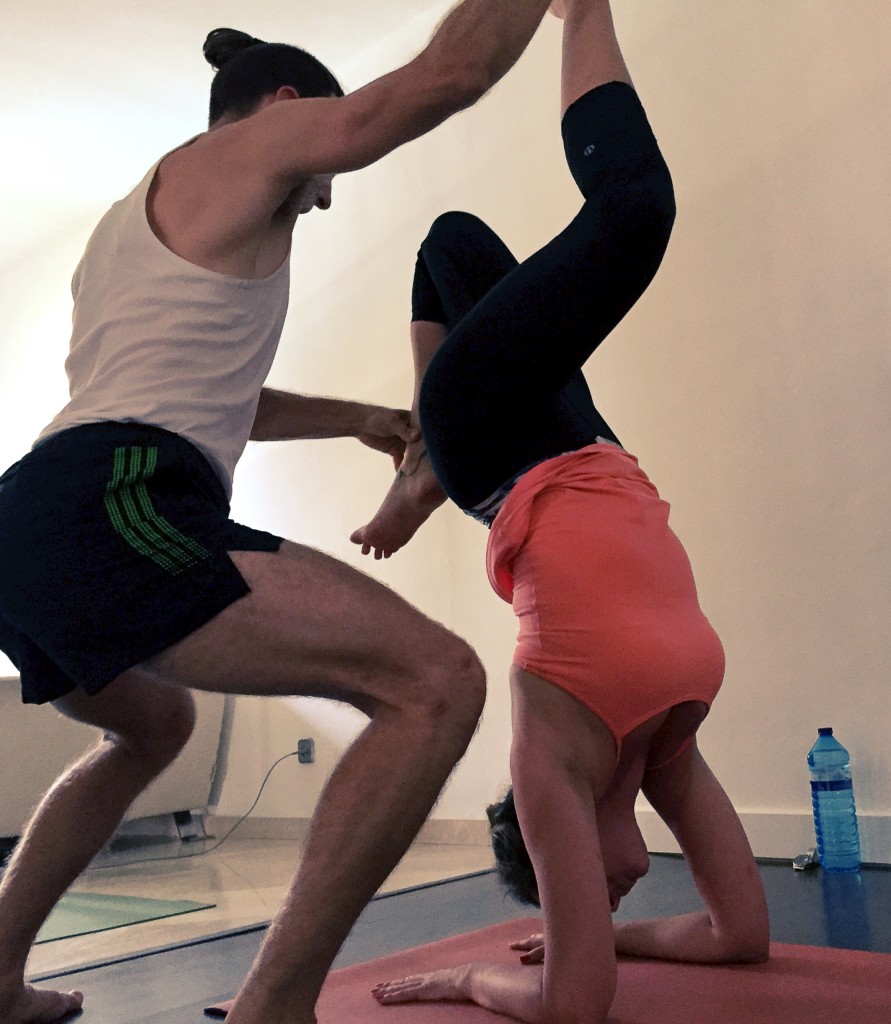
    Hazel taught me a technique for dealing with negative thoughts (desaturate the picture and push it away from you – your technique would vary – this is based on how I process information) and then identified the last time I felt totally in control (doing a yoga handstand). This is an image I know work with when I feel I’m losing control of my emotions.

    So far I can report that I am feeling pretty incredible. No anxiety, clearer thought. Happier. Adding back supplements (something that have historically been an issue for me) at record speed. This whole eating anything I want means I’m going to really have to watch what I eat!

    Whoops, did I really just say that? That’s how easy it is to develop new negative thoughts that affect our present reality. Cogito ergo sum (I think therefore I am) is all well and fine, but in my case, what I think affects how I can eat.

    Please remember, even antihistamine and anti-inflammatory foods can hurt us, please always exercise caution and consult a medical practitioner before adding new foods. 

    —————- REFERENCES ———————

    [1] http://onlinelibrary.wiley.com/doi/10.1034/j.1398-9995.2001.056008734.x/abstract

    [2] http://www.ncbi.nlm.nih.gov/pubmed/2610329

    [3] https://books.google.es/books/about/Hypnosis_and_Hypnotherapy_with_Children.html?id=HK_BQgAACAAJ&hl=en page 391

    [4] http://www.mastcellmaster.com

    [5] https://books.google.es/books/about/Hypnosis_and_Hypnotherapy_with_Children.html?id=HK_BQgAACAAJ&hl=en page 391

    [6] http://www.ncbi.nlm.nih.gov/pubmed/2082837

  • The rosacea-histamine-mast cell connection

    The rosacea-histamine-mast cell connection

    女性 にきび

    It wasn’t so long ago that a post I wrote on eczema being a mast cell/histamine intolerance related issue went pretty viral. A recent re-post on my Facebook page generated an impressive number of requests for me to look into whether rosacea is also one.

    Well, guess what folks – it sure is!

    Sadly it seems that word isn’t spreading as fast as we might like, at least not fast enough to the doctors who might help us. So here’s all the research you’ll need to take to your dermatologist in order to make him aware of the link, or get your family doctor to write you that mast cell specialist/immunologist referral you may have already suspected you need.

    WHAT IS ROSACEA?

    Wikipedia calls rosacea a chronic inflammatory “skin disease” characterised by facial redness, small and superficial dilated blood vessels, papules, pustules and swelling. Celebrities dealing with it include former US president Bill Clinton, Mariah Carey, burlesque star Dita Von Teese, actress Diane Kruger [1] and according to some online sources/websites, Cameron Diaz and Prince William [2], something I haven’t independently verified.

    A study in the Journal of Investigative Dermatology, funded by a research grant from the National Rosacea Society, revealed that mast cell numbers are increased in the skin of rosacea patients [3]. The study found that the mast cell proteases recruit other immune cells, thereby amplifying the inflammatory response.

    Demodex skin mites have also been shown to play a role in rosacea [4], by triggering the inflammatory response or blocking hair follicles.

    And that’s a great point I should elaborate on. The presence of these mites could be the actual mast cell trigger. Having rosacea therefore doesn’t necessarily mean that you have an actual mast cell disorder.

    Come again?

    This is something I had to wrap my head around just last year. That some of us with histamine/mast cell symptoms, are experiencing them as a result of a primary issue, like mites on our skin, a bacterial or viral infection, rather than us having an actual mast cell disorder that is causing the rosacea symptoms.

    How to tell the difference? Dr. Diana Driscoll has spoken about this quite a bit [5]. Seems many of us are still pretty much in the dark as to which came first – the mast cell disorder or mast cell disorder symptoms caused by a virus or something. In my case, I believe that my mast cell activation, the symptoms of which have disappeared of late, was secondary to a stress disorder. As Joseph Cohen over at Self Hacked told me during a genetic consultation I did with him: “You’re wired for stress!”. I’ll go into more detail about this in an upcoming post. I have to, because I continue to be shocked by how my symptoms evaporated as I dealt with my lifelong, debilitating stress.

    Back to the matter at hand.

    The list of common rosacea triggers featured on the National Rosacea Society’s website looks suspiciously familiar, with patients self reporting spinach, avocado, yeast, vinegar, alcohol, eggplant, tomatoes, citrus fruits, spicy foods and “foods high in histamine” as problematic [6]. As well as beauty products and stress/anxiety.

    Given that this all does look and sound very familiar…here are some possible tips on dealing with rosacea, from a histamine intolerance/mast cell perspective, and that of someone who struggled with decades of the most hideous skin “acne” that didn’t respond to any antibiotics prescribed, retin A or accutane, or topical creams that thinned out and almost killed my skin, but cleared up 100% after six months on a low histamine diet. I wonder now if it was mild rosacea?

    You’ll find recipes full of foods with antihistamine and anti-inflammatory properties my books Anti-Recipes and The Anti-Cookbook

    Tips for dealing with rosacea

    Given the incredible similarity between histamine intolerance/mast cell activation and rosacea triggers, and the fact that we are now told there’s definitely a rosacea/mast cell link, what I have been doing to heal my own mast cell disorder/histamine intolerance could apply.

    As always though, please check with your healthcare provider before making any changes as I am neither a doctor nor a nutritionist. All I am doing is sharing research and what has worked for me. Please remember, what works for me might not for you. 

    1. Meditation and yoga

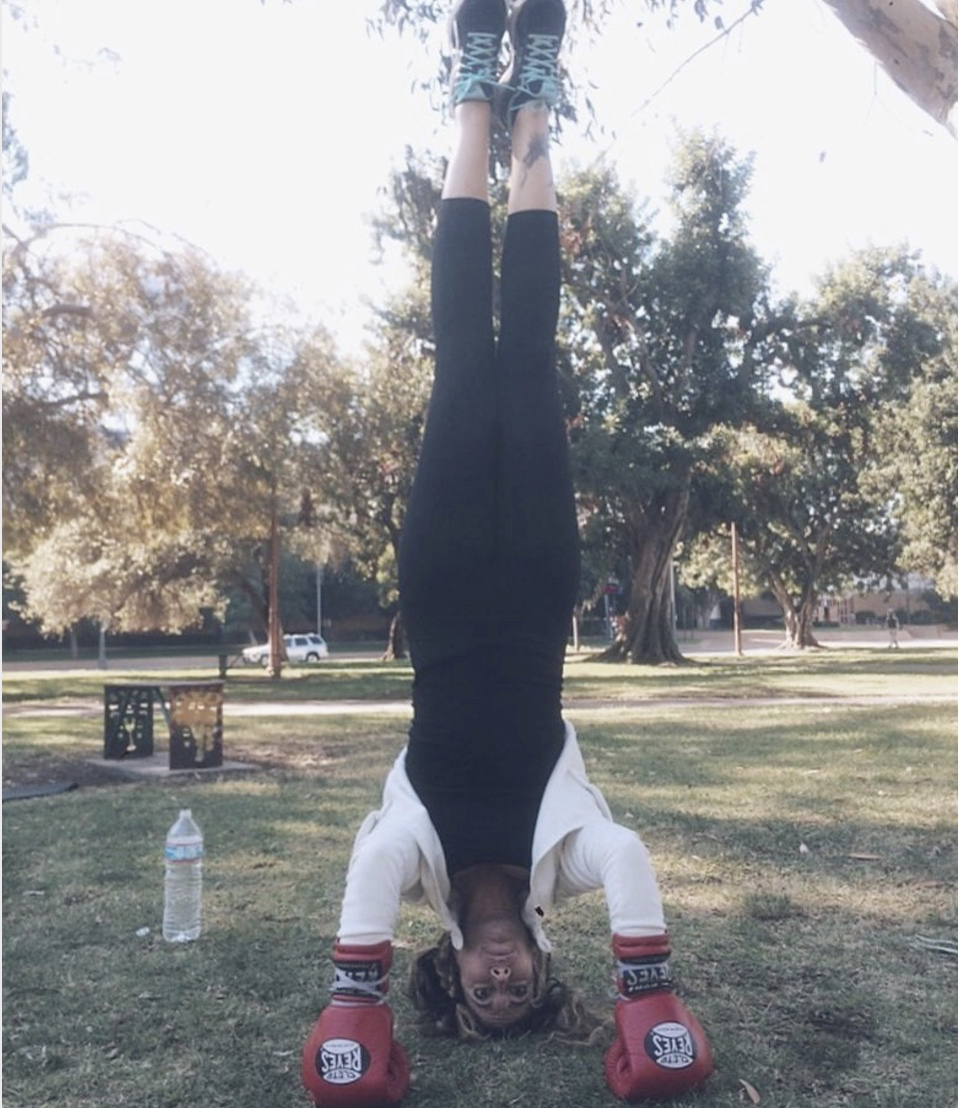
    Several rosacea societies share that patients self-report stress as being a mega-trigger. This makes sense given the acknowledged role of stress as a mast cell trigger [7]. Meditation and yoga have both been shown to switch off/dampen genes related to mast cell/histamine disorders, as well as inflammation generally [8]. I gave up kickboxing a few weeks ago to focus on yoga. I now practice between five and nine hours weekly, in addition to walking. One of the greatest moments of recent years has been finally achieving a headstand, on my own, without needing a wall to lean my feet onto. I know, it’s the small things sometimes!!

    2. Medication

    There are numerous rosacea treatments that your dermatologist will be aware of, but I found an online patent application from a team at the University of California that really piqued my interest. Their proposed treatment patent outlines a role for mast cell stabilisers and vitamin D [9]. Many people begin conversations with me thus: “I know you’re totally anti-medication” or “I know you don’t believe in taking medication.” Neither of these statements is correct. I do not advise people to come off meds and I do not believe that taking meds is a bad thing. I choose not to take them myself any longer, mostly because I have been overmedicated since birth. I have been on some kind of medication, or many types, every month of my life, till just a few years ago. It’s a personal choice, but you better believe me, if I needed meds, I would take them. Never feel guilty for doing so, never allow anyone to make you feel bad for being so “weak” as to need them. There’s no weakness in accepting help, be it from a doctor or a medicine. Get well, be strong, then you’re in a position to decide if you want to continue taking them. I often ask people why they would stop something that’s making them feel better? In my case, the point is, I was on the wrong meds and wasn’t getting better.

    3. Supplements

    Bioflavonoids

    Given that mast cell stabilisers may be of use for rosacea, bioflavonoids like quercetin and luteolin, shown to be as effective as the commonly prescribed mast cell stabiliser sodium cromolyn [10], could be useful. I take Dr. Theoharides’ Neuroprotek (I do not benefit financially in any from mentioning this supplement but he is a friend!). You can of course also find bioflavonoids in most brightly coloured plant foods, the kind that make up the bulk of my diet (check out my Anti-Detox book for some great all liquid recipes).

    Vitamin D

    Usually a good bet for those with immune system conditions, including rosacea it seems. Another study funded by the NRS focused on the role of vitamin D enhancing the production of human antimicrobial peptides cathelicidins (LL-37). These beneficial peptides, which normally help prevent inflammation, are “abnormally processed” in rosacea folks [11].

    4. Diet

    Given that the bioflavonoids quercetin and luteolin are found in plant foods, why not eat the plants, whether or not you’re taking supplements or medication? That’s the question I asked myself just a few years ago. In my case I decided that nothing goes in my mouth unless it treats me. I’m human of course, but when you set yourself a goal like that, even “cheating” by spending 10% of your histamine allowance on still healthy foods (raw cacao, dates, almond flour coconut sugar homemade cookies), you’re still golden!

    5. Examine your beauty routine

    It might surprise you to learn that many common beauty ingredients are mast cell/histamine triggers. They’re too numerous to mention here, but I’ve found that almost all commercially available brands have these ingredients, as well as those that disrupt the endocrine system (more on that on the EWG website). The great news is that newer, truly natural brands like 100% Pure and RMS Beauty offer very stylish alternatives. To sum it up – if you can buy it at a generic store, it’s likely to cause problems. The aforementioned brands contain more natural ingredients, some of which actually possess antihistamine and anti-inflammatory ingredients like (real) moringa and coconut oil. You’ll find a full list of healing cosmetic products in the low histamine beauty book.

    You’ll find recipes full of foods with antihistamine and anti-inflammatory properties my books Anti-Recipes and The Anti-Cookbook

    CLICK HERE FOR A FOUR WEEK HISTAMINE RESET WITH MEAL PLANNERS, STRESS RELIEF STRATEGIES & MORE

    ——REFERENCES—

    [1] http://en.wikipedia.org/wiki/Rosacea#Notable_cases

    [2] http://www.everydayhealth.com/rosacea-pictures/famous-faces-with-rosacea.aspx

    [3] http://www.nature.com/jid/journal/v134/n11/abs/jid2014222a.html

    [4] http://rosacea.org/rr/2014/fall/article_4.php.]

    [5] www.prettyill.com

    [6] http://rosacea.org/patients/materials/triggers.php

    [7] http://www.mastcellmaster.com

    [8] https://dev.healinghistamine.com/how-i-learned-to-stop-worrying-and-love-yoga-again/

    [9] http://www.google.com/patents/WO2014159771A1?cl=en

    [10] http://www.mastcellmaster.com

    [11] http://rosacea-support.org/cathelicidins-regulated-by-vitamin-d3.html

  • Handheld histamine measuring device invented

    микросхемы

    Incredible news! I’ve been sitting on a piece of the juiciest information I have come up with in years, because I’ve been waiting to hear back from a research scientist who is on leave – but I just can’t wait anymore…

    Scientists at Flinders University in Australia have invented a “revolutionary” method for testing food poisoning in fish that has exciting possibilities for personal use! [1].

    Scromboid poisoning is a well-known event that can occur when healthy individuals are exposed to excessive amounts of histamine that have accumulated in fish as a result of spoilage. Scromboid is the only reason I will generally not eat fish in a restaurant whose owners and methods I’m not very well acquainted with. I have done it, but honestly, the mind scrambling amygdala hyper activation (read more about that here) that comes with my freaking out over whether the fish was mishandled in transit, really isn’t worth it.

    But now, that will soon be a thing of the past.

    This credit card-like device, is fitted with electrodes that detect histamine levels as the sample passes through a tiny pipe in the plastic microfluidic chipped device.

    One of the developers, Flinders associate professor Claire Leneham said:

    “We can tell what compounds are histamine, and how much histamine is contained in the sample, based on the rate at which the compounds pass through the device,”.

    This ground-breaking device is the first that will do away with a complicated testing procedure that involves pulverising samples and treating them with chemicals (lordy, that’s all we need, to spill toxic chemicals on our skin or food!).

    The exciting part is that Lenehan actually says in the university news release that the device could also be marketed to consumers “who have a histamine sensitivity because they can use the device to test a food before they consume it.”

    I told you it was excitiiiiiiiiiiiing! She even knows people with histamine disorders like histamine intolerance, mast cell activation and mastocytosis actually exist, and she’s planning to market the device to us.

    Rest assured that I have already contacted the Flinders team and asked all the relevant questions. I will report back the very moment I hear from them. I’m very much looking forward to taking this device for a spin. Might get some funny looks in restaurants, but so does handing the chef a list of 101 “don’t eats” or ordering boiled rice with a side of sweet potato.

    Please don’t forget antihistamine, pain killing foods can still hurt us, so please always check with your doctor before adding new foods to your diet

    The Anti-cookbook and all liquid Anti-Detox Book, don’t treat any conditions, but are high in the high nutrient antihistamine and anti-inflammatory ingredients that have been instrumental in helping me feed myself on a limited diet. The Anti-cookbook features a six page list of antihistamine and anti-inflammatory foods and comes in regular and Paleo. 

    The Low Oxalate Cookbook features antihistamine and anti-inflammatory rich recipes. 

    Don’t miss the Low Histamine Beauty Survival Guide for non-toxic beauty tips, the skinny on histamine releasing (mast cell degranulating) beauty ingredients, antihistamine and anti-inflammatory beauty alternatives and the top brands natural brands I’ve found.

    Take a peek at my other low histamine and antihistamine cookbooks for more high nutrient recipes and sign up to my mailing list for freebies. 

    ———————— REFERENCES ———————-

    [1] http://blogs.flinders.edu.au/flinders-news/tag/microfluidic-chip/


  • Leaky gut: the mast cell (histamine), Crohn’s disease connection

    Leaky gut: the mast cell (histamine), Crohn’s disease connection

    leaky gut mast cells histamine


    You know how people with mast cell issues have, erm, less than stellar memories? Well, I came across a piece of research last year that confirmed something I already believed, but had no proof to back up; and then promptly forgot to share it with all you lovely people.

    In my defence, I spend several hours a day reading research, and what doesn’t surprise me generally doesn’t make it to print (so to speak).

    So, for those of you who have been living on another planet for the last few years (or are new to the whole “google is my doctor” cult), leaky gut, or intestinal permeability as it’s referred to by people who worry calling something “leaky” will delegitimise it in the eyes of the scientific community, is a nasty piece of work. It’s basically an inflammation induced breach of the intestinal barrier that’s meant to keep food particles out of the blood stream.

    Signs you have a leaky gut [1]

    Digestive issues (gas, bloating/IBS)

    Seasonal allergies/asthma

    Diagnosis of autoimmune disease: RA, Hashimotos’s, lupus, psoriasis, celiac

    Mood disturbances: depression, anxiety, ADD/ADHD

    Skin issues; acne, rosacea, eczema

    Food allergies/intolerances

    Hmmmm, where else have I seen all of these symptoms on one list?

    Oh wait, histamine/mast cell disorders!

    CLICK HERE FOR A FOUR WEEK HISTAMINE RESET WITH MEAL PLANNERS, STRESS RELIEF STRATEGIES & MORE

    Cartoon Basketball with Stop Sign

    Since finding (and forgetting about) the research, a couple of great posts have been written on it. In particular, Chris Kresser, Dr Mark Hyman and others are all talking about quercetin as a highly effective treatment for leaky gut [2,3]. This would be, because as studies now show, intestinal permeability is caused by increased mast cell activity in the gut [4].

    Dr Hyman goes so far as to say: “We also use herbs like quercetin and turmeric to reduce inflammation and heal a leaky gut.”

    You’ll find recipes full of foods with antihistamine and anti-inflammatory properties my books Anti-Recipes and The Anti-Cookbook

    Note: some people with the COMT or MAO genetic mutations may react negatively to quercetin and turmeric [5]. I myself have both mutations and reacted to both of them initially, but am now fine with them. The beauty of epigenetics…I truly believe we can influence the genetic blueprint we’re born with, it’s the cornerstone of my dietary philosophy.  

    And get this, people write to me all the time asking if Crohn’s is related to mast cells. Well, I’ve seen some studies…but interestingly, as far back as the 80s, researchers at UCLA proposed that “increased intestinal permeability could contribute to the cascade of events that culminate in active Crohn’s disease.” [6].

    Oh my.

    I suffered from insanely horrific intestinal issues for most of my life. Basketball stomach doesn’t even begin to cover it. My poor (not so) little tummy has been busting at the seams for most of my life. Though I wasn’t a chubby kid, my stomach really announced itself. My big brother enforced sit ups from a young age; nothing doing. That stomach just wouldn’t deflate. How could it though? My intestinal woes swung from constipation to its counterpoint at the drop of a hat.

    Bloating?

    Man, you haven’t experienced severe bloating till your mom’s had to carry you screaming from a concert (no mean feat given that I was 11 at this point) and then use scissors to cut your jeans waistband, now so embedded into triple basketball stomach that it has disappeared into it, in order for you to breathe again.

    CLICK HERE TO LEARN EXACTLY HOW I HEALED MY GUT AND HOW TO CREATE YOUR OWN HISTAMINE BALANCED DIET. 

    Given that I’m no longer worried about embarrassing the hell out of a boyfriend by sharing even more than I usually do, I’ve decided, that as it’s #throwbacktuesday or thursday or whatever (oops I missed my post date – this’ll have to do), I’ll share with you a photo taken the last time I went off diet. It’s a funny story see, doctors wouldn’t believe me, saying that if I managed to control my symptoms through diet, then I obviously didn’t have a mast cell disorder…

    I’ve decided that most doctors are inherently illogical beings when it comes to diet.

    photo

     My basketball tummy, taken against a black background. Quintuplets maybe? 

    And then one day, I noticed that my stomach wasn’t going all alien on me. Then there was another day, and another, and suddenly the norm was a flat stomach. 

    Thing is, I never set out to heal leaky gut.

    Because by that point, I had decided to focus on the now. To let go of the reigns, to stop second guessing myself, to give myself a little space to be, to heal, to live life. L-glutamine, bone broth, nasty ass bovine collagen oatmeal – all kicked to the curb.

    photo

    I’m not holding it in I promise! What my stomach now looks like 99.9% of the time – photo taken summer 2014 (I think!). 

    A high nutrient, histamine-balanced quercetin, luteolin and rutin diet, quercetin supplement, positivity and meditation all came together joyously (with a little whittling down of the very high oxalate foods) to give me, while certainly not a washboard stomach, sadly being “pregnant” or “with basketball” since the age of five has taken its toll on my stomach muscles and skin tone, it’s still freaking awesome.

    Something else I have noticed is that working out the stomach (something I have avoided like the plague for most of my life for some reason) keeps any hints of bloating in check. I wonder if it has something to do with localised anti-inflammatory activity from the exercise. I have found yoga particularly effective. While yoga does not traditionally work the tummy, the rocket yoga I do (ashtanga yoga’s fun bits all rolled into one and a lot faster) puts an emphasis on building the core so that we can gain strength and balance for our inversions. Here’s me below in August 2015 (I was feeling ropey but still doing the yoga) after a rocket session.

    me standing in front of a mirror to show my belly

    You better believe that I give thanks to the universe, my dietary philosophy, the years of research and faith I finally put in my being the best judge of what will heal me, krishna, the almighty, you name it, I’ll kiss its feet, for my finally not having to plan my wardrobe, social and sex life around the inflated tyrant that ruled much of my life.

    Yes stomach, there’s no better way to put it, you’re now my b*%&@!

    Now, you better believe I’m getting back to my sit ups and quercetin rich juicies (more on that in the Anti-Detox and Anti-Cookbooks)

    photo

    You’ll find recipes full of foods with antihistamine and anti-inflammatory properties my books Anti-Recipes and The Anti-Cookbook

    ———–REFERENCES———-

    [1] http://www.mindbodygreen.com/0-10908/9-signs-you-have-a-leaky-gut.html

    [2,3]

    http://drhyman.com/blog/2013/09/17/cure-irritable-bowel-syndrome-days/

    Can Quercetin Help Heal a Leaky Gut?

    [4] http://jem.rupress.org/content/205/4/897.long

    [5] http://drbradstreet.org/2011/03/08/dual-role-of-quercitin-as-antidepressant-and-antioxidant-a-double-edged-sword/

    [6] http://link.springer.com/article/10.1007%2Fs10620-013-2721-y

GET STARTED HEALING HISTAMINE

WHAT YOU NEED TO KNOW ABOUT HISTAMINE DELIVERED TO YOUR INBOX