This time last year I was still unable to tolerate shampoo on my skin.
How did I know?
Hair loss, dermatitis of the scalp, dandruff, extreme exhaustion and brain fog after showering, migraine, rash on my neck, jawline, back and upper arms, and more!
Once I realised shampoo was messing with my health I decided to brave something all the cool vegan-ish kids were in to: no-poo.
Yup, it is exactly what it sounds like.
And it is pretty gross, unless you know how to manage it.
One of my many coping strategies was to dry shampoo. Sadly though, all commercially available options had a ton of crap.
Now call me crazy – I prefer to eat my histamine allowance rather than spend it on my skin!
And so I came up with my own recipe, adding it, along with others and tons of info on histamine-raising cosmetics, to the Low Histamine Beauty Survival Guide.
Never one to bow to a challenge, I went out and researched but more importantly on antihistamine and anti-inflammatory beauty products that actually heal!
Luckily I put them all to paper, before realising that I was once again able to tolerate it. Woohoo!
I consider going no-poo to have been instrumental in my “recovery” from mast cell issues. I needed to know what was doing what in order to heal.
Being one big ball of histamine/inflammation, unable to tell whether it’s my nail polish or kiwis making me dizzy, make for one hell of a confusing time. I honestly believe that had I not eliminated all the nasties from my routine, It’d have taken a lot longer to achieve the current level of incredible health I’m experiencing (more on that here).
If you haven’t yet considered the impact of cosmetics on the healing process, I very much recommend using any number of websites like EWG and the Good Product Guide, to look up what nastiness lurks in your beauty routine.
I’m not just taking histamine raising, inflammation causing, mast cell degranulating, allergy inducing, ingredients here. We’re talking the big C.
While minerals really aren’t my favourite (see my book for more on that), I do accept that it’s a matter of going for the lesser of evils.
And that’s why you should feel free to go ahead and use anything you like instead of it. As a brunette I’ve been known to go for cacao!
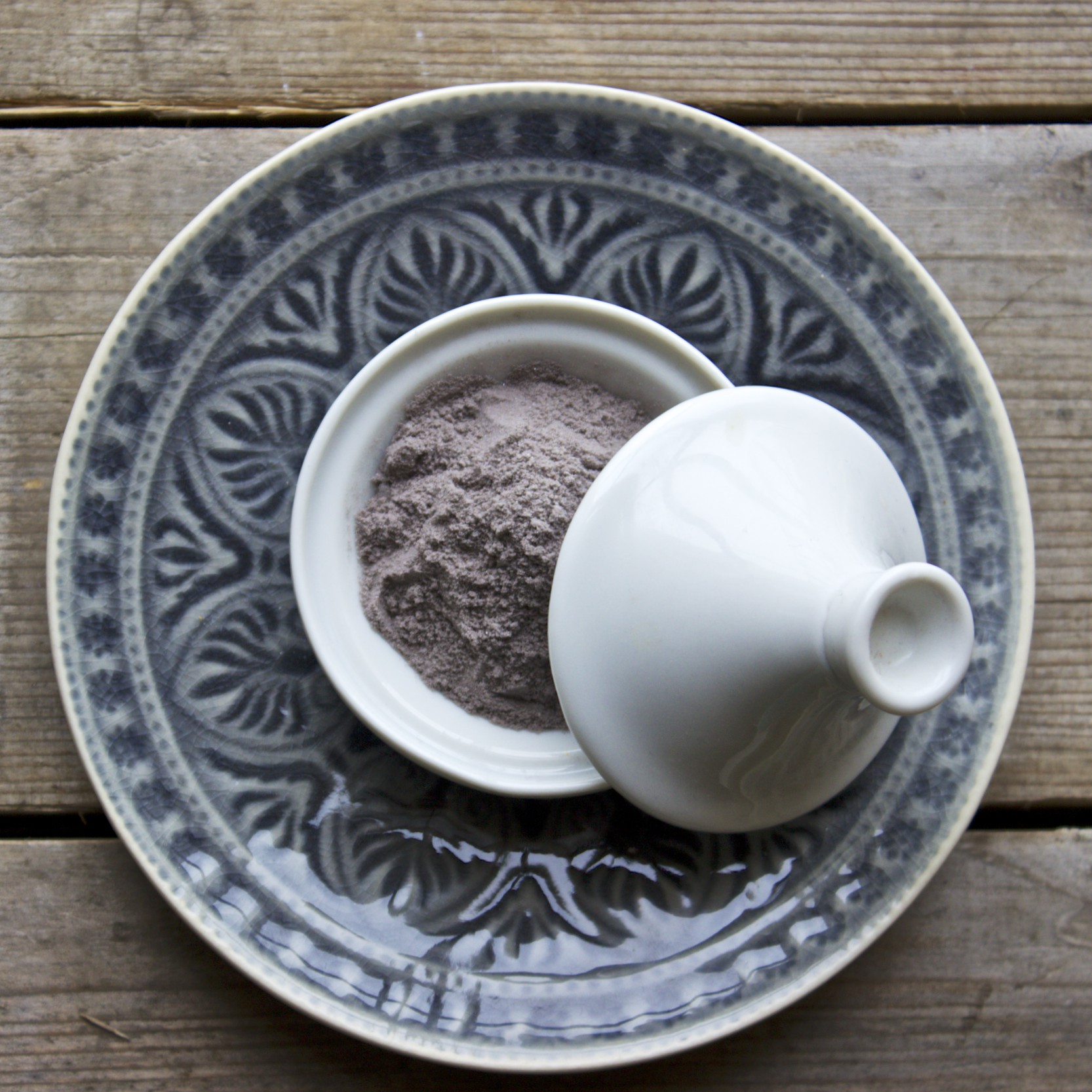
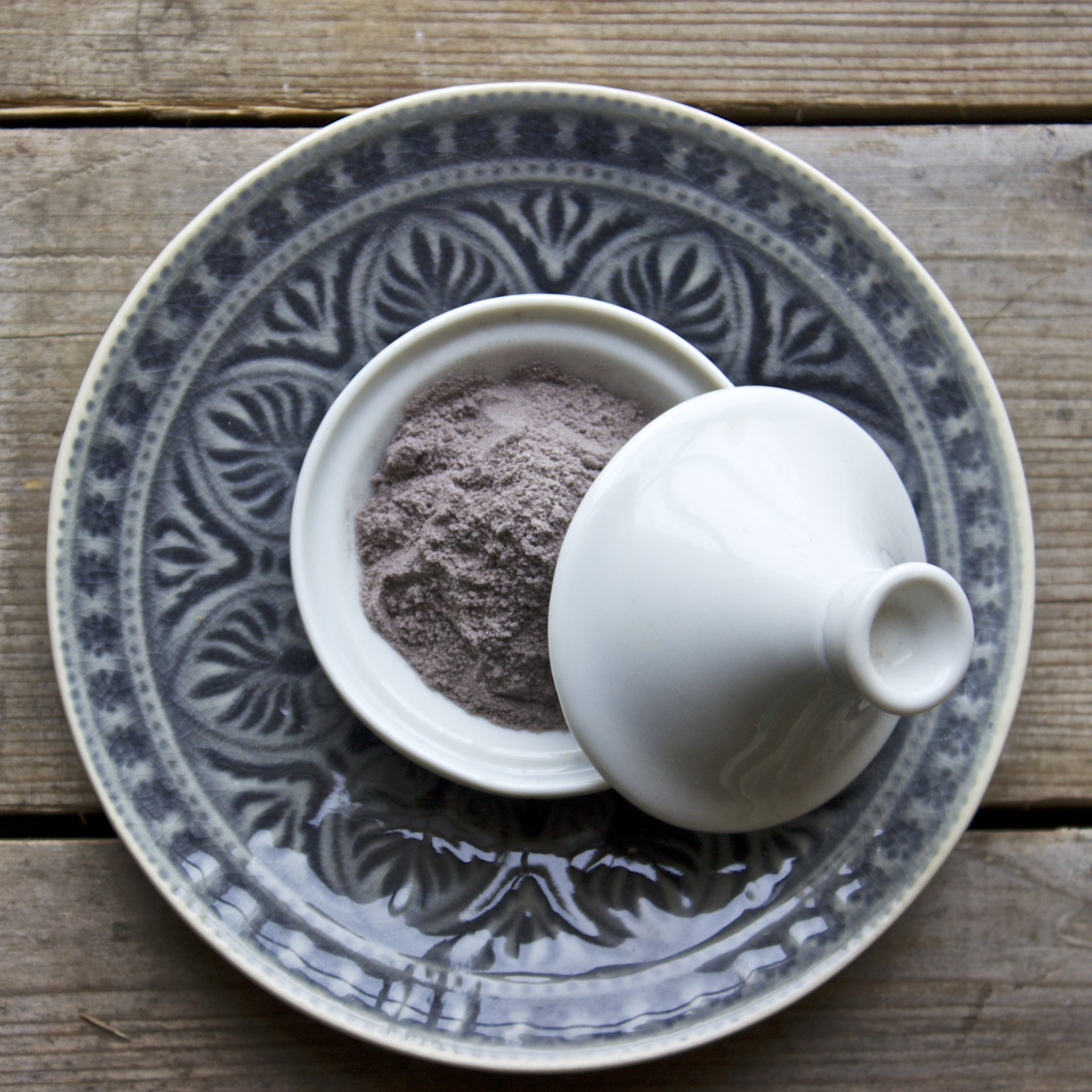
JASMIN INF– — — USED DRY SHAMPOO
Ingredients:
1/4 cup tapioca starch/flour 1/4 cup rice flour 2-4 drops Jasmin essential oil (optional) 2-4 tbsp pure mineral pigment in your hair colour plastic salt shaker plastic bag
Directions:
Twist the plastic bag and cut a piece off. Your goal is to make an icing/piping bag.
Open it up on the table and smear the inside with the essential oil.
Add in the flours and enough pigment to colour.
Gather the bag together into a cake piping bag shape.
Position over the unscrewed salt shaker and then use a pair of scissors to snip off the end, allowing the powder to fill the shaker.
Do up the cap, sprinkle on your roots and allow to sit for a few minutes.
Toss your head upside down, and brush.
Join my mailing list for more recipes, to be the first to know when registration for my low histamine webinar opens, and for a 10% discount on my books!
If you’ve found this information useful I’d appreciate your support (at no extra cost to you!) – please check out my online store for your health foods, supplements, kitchen items and beauty product purchases. Affiliate sales through my online store go towards maintaining the website, funding travel to interviews and purchasing all the lovely foods for my free online recipes. You’ll find these items in the “Shop with us” drop down menu on my homepage.
Please don’t forget antihistamine, pain killing foods can still hurt us, so please always check with your doctor before adding new foods to your diet.
For those of you who tolerate essential oils, I don’t see why these would’t be a lovely gift to yourself…
A little pat on the back for all the good work you’ve done.
And a lovely smelling back it’s sure to be…
Though your non-histamine/mast cell challenged friends may be able to use any old crap on their bodies, encouraging them to explore the world of non-carcinogenic natural beauty may be the best gift of all.
And for histamine friends – understanding which beauty products raise histamine and which may lower it, in addition to providing significant anti-inflammatory benefits (in addition to dealing with wrinkles and whatnot!) is something I highly encourage.
Jasmin and Neroli are a magnificent duo, purportedly favoured by Egyptian queens and goddesses.
Hey, if it’s good enough for them…
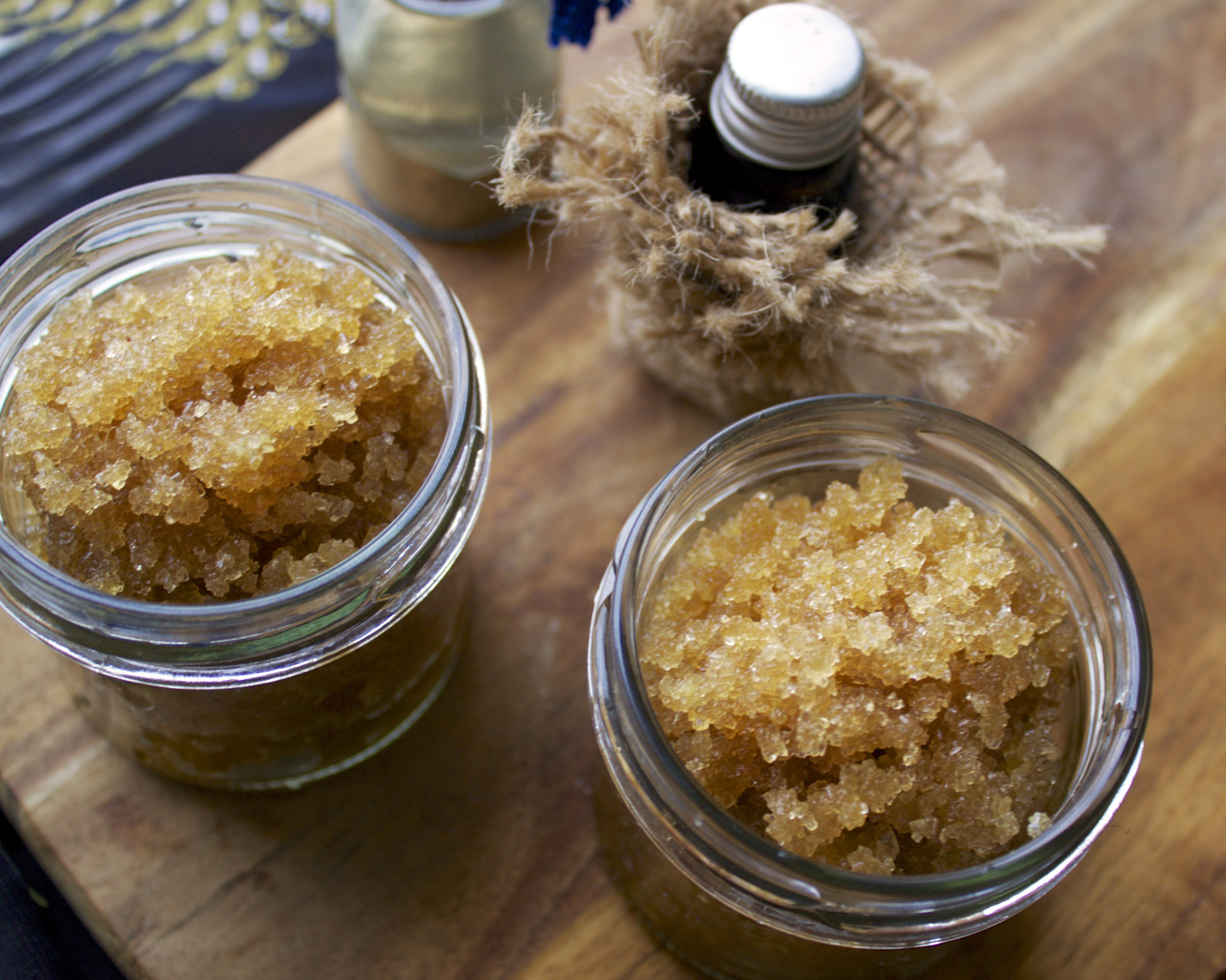
You can make this scrub as simple or as fancy (expensive) as you wish:
Sub the essential oils for others.
Use odorless coconut oil rather than argan.
Here’s the breakdown of all that’s good for you in this body scrub…
Remember, what we put on our skin is absorbed into our body.
Or in the words of natural skin care guru Dr Alkaitis: “If you can’t eat it, don’t put it on your skin!”
I like the ethos, but I’m a practical kinda girl – I like to smell nice!
Jasmin: natural pain killer and anti-inflammatory [1].
Neroli, bitter orange plant: the peel in particular exhibits antihistaminic properties [2].
Ginger: as powerful an antihistamine as commonly prescribed pharmaceuticals [3].
Argan oil: painkiller and anti-inflammatory [4].
Flax seed oil: potent anti-inflammatory [5]
Pomegranate seed oil [6]: anti-inflammatory, boosts hyaluronic acid, smoothing out wrinkles! Many cosmetic fillers out there are made from pure hyaluronic acid [6].
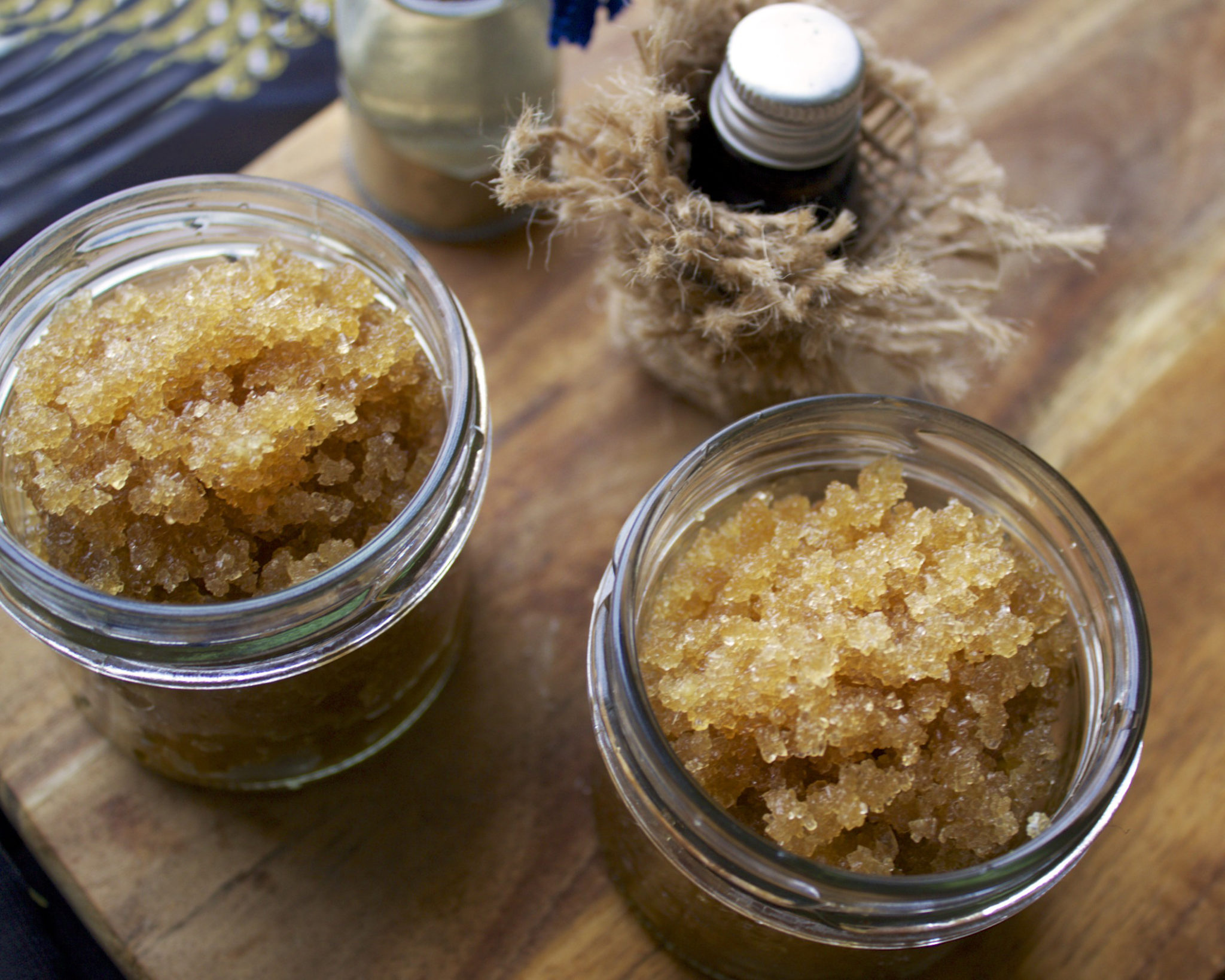
HEALING JASMIN & NEROLI BODY SCRUB
Please bear in mind that as this scrub doesn’t contain any preservatives, it must be used quickly…you can extend its life by adding some fresh rosemary or thyme.
Ingredients: 1 cup demerara sugar or course himalaya salt 1/4 cup argan oil 1/4 cup flax seed oil 2-4 tbsp pomegranate seed oil (optional) 2 drops Jasmin oil 2 drops Neroli oil grated ginger (as much as you like till reaching a pleasing bouquet)
In a bowl, mix everything up.
Adjust the essential oils and ginger to your taste!
Don’t tolerate essential oils? Muddle some mint, fruit peel and ginger!
Join my mailing listfor more recipes, to be the first to know when registration for my low histamine webinar opens, and for a 10% discount on my books!
If you’ve found this information useful I’d appreciate your support (at no extra cost to you!) – please check out my online store for your health foods, supplements, kitchen items and beauty product purchases. Affiliate sales through my online store go towards maintaining the website, funding travel to interviews and purchasing all the lovely foods for my free online recipes. You’ll find these items in the “Shop with us” drop down menu on my homepage.
Please don’t forget antihistamine, pain killing foods can still hurt us, so please always check with your doctor before adding new foods to your diet.
In my defence, there are better starts to the day than smashing your foot into a cement wall.
And yet I stumbled out onto the blistering cold London streets, somehow convinced this was a better plan than kicking back at home for the day.
Maybe I’d had enough of kicking?
It took me about five steps to realise my poor little pinky toe was irrevocably broken, but by then I was on the bus, and so committed to my journey.
By the time I reached Notting Hill I was quite convinced I’d made a monumental mistake and needed to get some meds asap.
In other words, painkillers were needed, post haste.
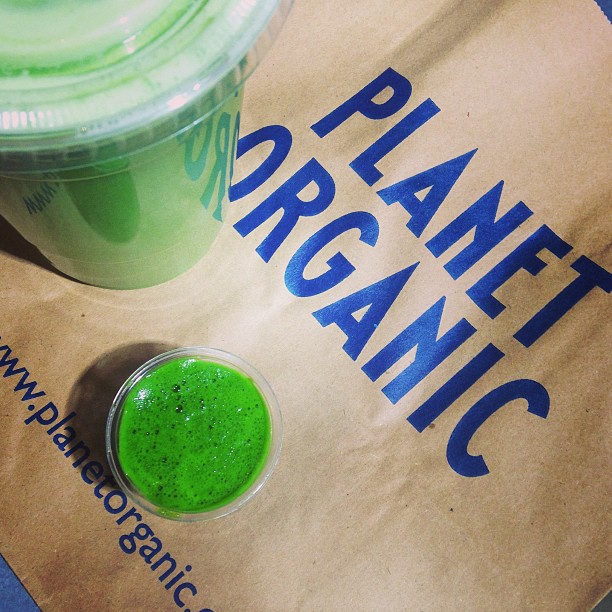
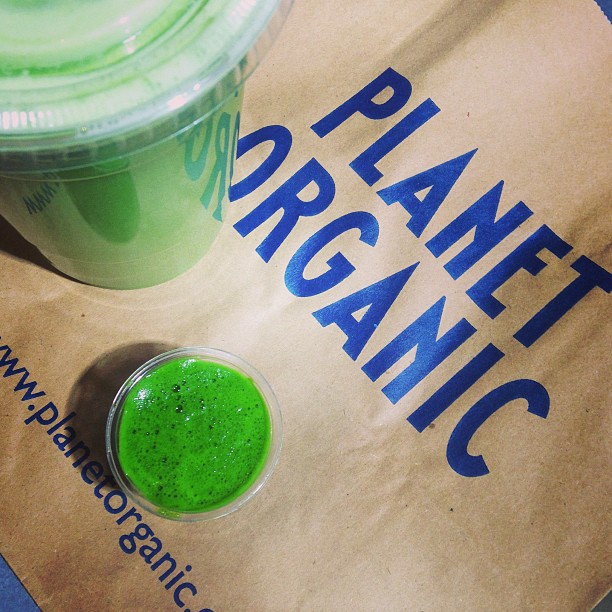
Returning home wasn’t an option and so I hobbled towards my salvation – Planet Organic on Westbourne Grove.
The lady who served me was sympathetic to the lost “American” –
“You need a pain killer? Get yourself to Boots (a UK pharmacy).”
I looked at her uncomprehendingly – she was new to the store, and therefore unaware that it’s my home away from home and as such, we weren’t on the same page here:
“Uh, no, I need pain killing, pimped out, salicylate rich, inflammation busting vitamin K fennel, apple, cucumber, kale and broccoli juice.”
“Four of ’em please!”
Suddenly smiling, she hooked me up with four enormous painkillers in a glass.
I’d like to say I had time to sit and luxuriate in my newfound juiciness – but truth be told, I was in so much pain that I would have shotgunned them down if I could. One after the other they went.
Fennel has been found to be as powerful a menstrual painkiller as common NSAIDs (pharmaceutical painkillers) [1].
Cucumber is a powerful natural painkiller [2].
Kale is high in inflammation busting vitamin K [3].
Broccoli is such a powerful anti-inflammatory that it has now been proven to prevent osteoarthritis, something that could begin with a simple broken toe [4].
Having been fed a diet rich in pain killers and fever reducers (shown to cause asthma in children), antibiotics, antihistamines, and so very many other meds that broke my body, I’m in no hurry to submit to them again.
Don’t forget to sign up to my newsletter to be the first to know when registration opens up for webinars, histamine wellness retreats and workshops in Europe and the United States, to get great freebies like antihistamine and anti-inflammatory recipes and lifestyle tips.
The Anti-cookbook, while it doesn’t treat any conditions, due to its high nutrient, antihistamine and anti-inflammatory ingredients, has been instrumental in helping me feed myself on a limited diet. It features a six page list of antihistamine and anti-inflammatory foods. It comes in regular and Paleo.
The Low Oxalate Cookbookfeatures antihistamine and anti-inflammatory rich recipes.
Don’t miss the Low Histamine Beauty Survival Guide for non-toxic beauty tips, the skinny on histamine releasing (mast cell degranulating) beauty ingredients, antihistamine and anti-inflammatory beauty alternatives and the top brands natural brands I’ve found.
If you’ve found this information useful I’d appreciate your support (at no extra cost to you!) – please check out my online store for your health foods, supplements, kitchen items and beauty product purchases. Affiliate sales through my online store go towards maintaining the website, funding travel to interviews and purchasing all the lovely foods for my free online recipes. You’ll find these items in the “Shop with us” drop down menu on my homepage.
Please don’t forget antihistamine, pain killing foods can still hurt us, so please always check with your doctor before adding new foods to your diet.
“My obsession with Indian food turned up a water chestnut flatbread that I just couldn’t turn down. So far I’ve used it to batter sprats (very small English fish similar to sardines), make cake, flatbread, pancakes and even waffles (tricky this one).
It’s also so glutinous that eggs aren’t needed.
As I’m personally not paleo, I chose to serve this paleo flatbread with lentils!”
“Traditionally served during Hindu fasting periods, it has a bit of a bitter taste that some might initially take issue with. A little fresh apple juice countered the bitterness, but I personally LOVE it. A little thyme, garlic, whatever pleases you, can go into this gluten free flatbread.”
Water chestnut flour is low oxalate [1], low histamine (its seeds are even antihistamine!) [2], anti-inflammatory [3] and paleo! Wow.
As outlined in the Anti-Cookbook: nigella, ginger, turmeric, coriander, thyme, garlic and onion all possess antihistamine and anti-inflammatory properties.
Thyme’s benzoate’s may be problematic for some. Water chestnut is also rich in mast cell stabilizing luteolin [4].
Why do the same supplements work for all the aforementioned conditions?
For the answer we need to ask ourselves what histamine intolerance, mast cell disorders (mast cell activation, mastocytosis) and allergies have in common.
You might say histamine, and you’d be right, but let’s go a little deeper.
Histamine triggers inflammation in the body. Great in small amounts, as needed, for healing, but not so much when there’s too much of it.
Too much histamine = rampant inflammation.
Not ideal given that we now know that chronic inflammation causes/is involved in:
Cancer [1]
Artherosclerosis (plaque build up in the heart, leading to heart attack and stroke) [2]
Thing is, where does this excess histamine come from? Is most of it coming from the food we eat? Not according to any doctor I have ever spoken with, interviewed, or consulted.
Mast cells.
Histamine, as well as other pro-inflammatory compounds, live in mast cells.
Thing is though, it’s not just histamine being released from mast cells. There’s a ton of other inflammatory stuff (great in small amounts) either being released at the same time, or being synthesised once the mast cells break open.
And that’s why I keep talking about the importance of an anti-inflammatory diet.
The great news though is that food and supplements can also address the other inflammatory compounds.
Here are a few examples that I recently found:
Please remember that natural supplements still have side effects and should not in any case be considered a substitute for treatment. Do not begin any supplements without consulting your doctor.
Leukotrienes
Pharmaceutical: Singulair/Montelukast
Natural: Nigella Sativa seeds/oil, butterbur (has been found to cause liver damage) [8], omega 3 fatty acids [9],
Pharmaceutical: aspirin therapy (salicylic acid, as per a conversation with Dr Castells)
Natural: plant based high salicylate diet, mangosteen supplements, pomegranate peel [11]
Now, please enjoy the video above for all the great info I promised you!
Don’t forget to…
Join my mailing list for more recipes, to be the first to know when registration for my low histamine webinar opens, and for a 10% discount on my books!
If you’ve found this information useful I’d appreciate your support (at no extra cost to you!) – please check out my online store for your health foods, supplements, kitchen items and beauty product purchases. Affiliate sales through my online store go towards maintaining the website, funding travel to interviews and purchasing all the lovely foods for my free online recipes. You’ll find these items in the “Shop with us” drop down menu on my homepage.
4-8 cups scrubbed or peeled jerusalem artichokes, chopped
4 medium shallots or 2 onions, chopped
thyme, to taste
basil, to taste
garlic, to taste
olive oil
Preparation
Parboil the chokes.
Meanwhile, sauté the shallots or onions, thyme, garlic and basil.
Toss in the jerusalem artichokes and sauté for a few more minutes.
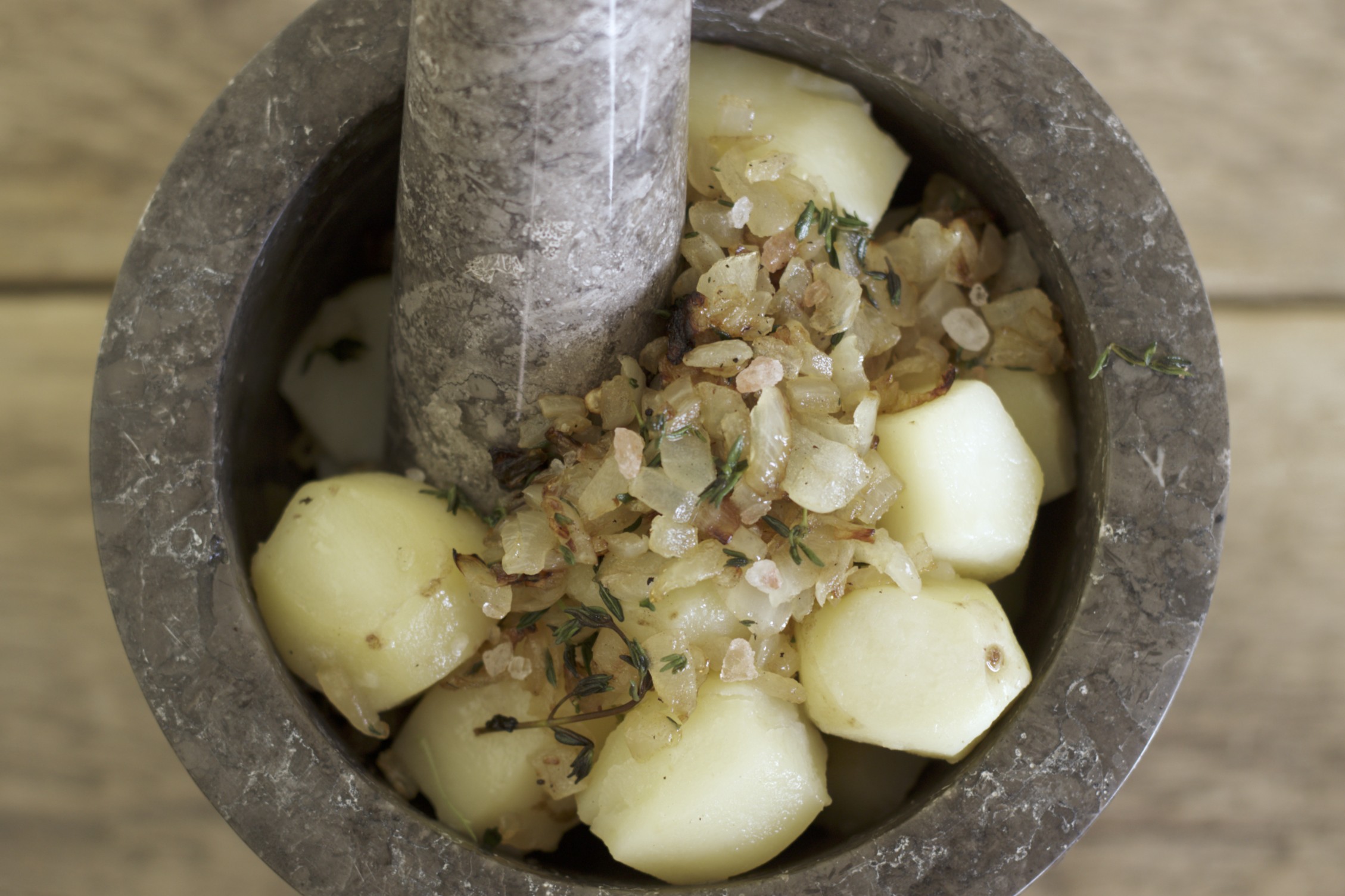
Withdraw from the heat and use either a potato masher or a pestle and mortar (as I did) to lightly smash the potatoes.
Butternut Squash Pie
I was never a baking aficionado. By the time I got stuck into cooking (I used to pride myself on barely knowing how to boil an egg), I was already on the low grain bandwagon, before committing to pretty much going almost totally grain free (and certainly totally gluten free). So for something as precious as the crust of your Thanksgiving pie, I’m sending you to an expert – Gluten Free Girl. Her 3, 2, 1 pastry method is pretty fool proof – with a few caveats!
Or you could make your own paleo crust…
My instinct is always to make raw pies. They’re healthy and delicious – requiring no eggs. Problem is, they’re an acquired taste, and it’s unlikely that families will greet them with anything but suspicion on Thanksgiving.
My second personal preference is to go flour-free, but I recognise that most people are still eating it, and if going flour-free, the pie would best be left to firm up overnight in the fridge. Though I’m always talking about not eating leftovers, I will eat pretty much most things that were cooked that day. For me 18 hours is where it gets a little dicey…
I really recommend trying this recipe a few days in advance (maybe put together a mini pie, or freeze it for a later date), as you don’t want to ruin your Thanksgiving if something goes wrong.
The ingredients of this pie are antihistamine, anti-inflammatory, low oxalate and paleo.
Creamy coconut is easy to make at home. Crack open a mature coconut. Chop it up into smaller bits and then toss into a powerful blender (I use a Vitamix) with about a cup of water. Buzz and then strain in a nut milk bag.
Pour into a bowl and allow to settle somewhere cool. In about an hour (less if it’s cold), you’ll see that the really creamy stuff has risen to the top. Scoop up as much as you can. The layer that forms again once you’ve scooped it all up is also great, but more watery.
For the sugar I chose to use my favourite new find – Coconom. This great stuff has added organic juiced ginger, tamarind and turmeric.
LOVE it!
If you can’t find it in your area, I would try a little freshly (finely) grated ginger and turmeric. Again, please try this recipe ahead of time…
Ingredients
1 medium butternut squash, peeled/seeded and oven roasted till soft
1/4 cup (creamy) coconut milk
2 eggs (I used duck eggs but you can use what you like)
1/2 cup sorghum flour (paleo, medium oxalate)
1/2 cup coconut sugar (I used Coconom Turmeric & Tamarind)
fresh raw vanilla, to taste (as tolerated)
Preparation
In a medium bowl mix the roasted butternut squash, creamy coconut, eggs, flour, sugar and vanilla.
Pour into your pie shell and bake at 360F/180C till firm, but cooked through. Should take between 45mins and an hour, depending on your oven.
Hope you enjoy the recipes!
Don’t forget to…
Please make your Amazon purchases though my site – this costs you nothing extra, but allows me to continue providing countless hours of research and monthly recipes to you for free! You’ll find everything I talk about on this site or in my books in the “SHOP WITH US” drop down menu.
Join my mailing list for more recipes, to be the first to know when registration for my low histamine webinar opens, and for a 10% discount on my books!
[trx_video url=”https://www.youtube.com/watch?v=iiYJQ_Z-iNA” show_image=”yes” autoplay=”yes”] Part two – natural antihistamine and mast cell stabilizing supplements for histamine intolerance, mast cell disorders, and allergies.
Yes dear friends, it seems as though I’m winning the battle against my histamine intolerance/mast cell activation/whatchamacallit!
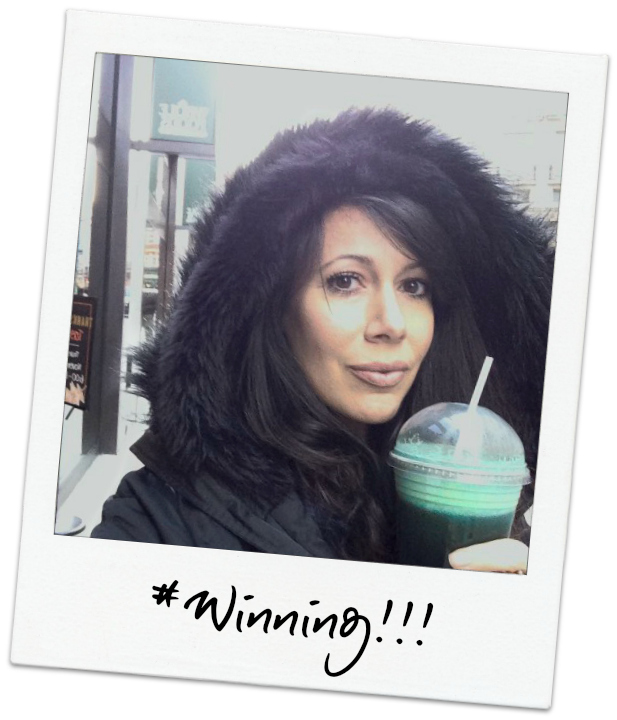
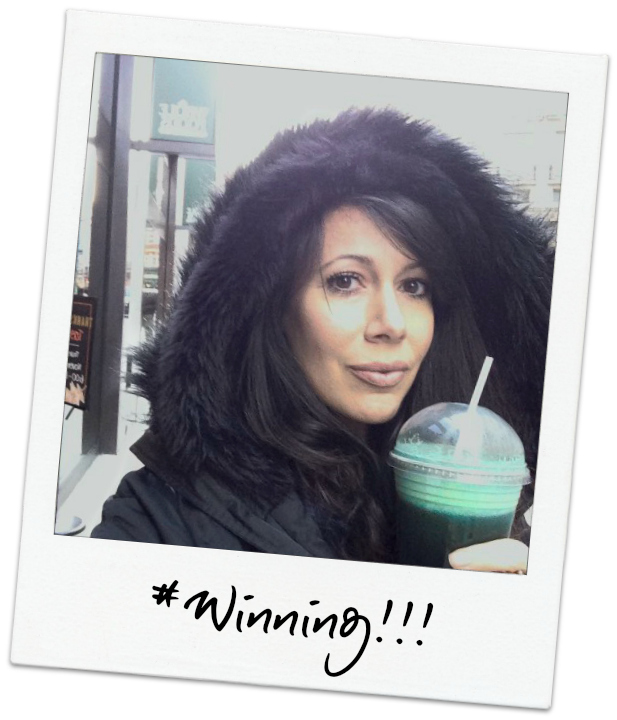
So I had to park myself outside Whole Foods in London for a juicy celebratory selfie. You’ll notice I’m mugging it up with my top ally in the battle against chronic illness – Mr Green.
Ok, now let’s rewind to earlier that day:
“The best medicine is zero medicine.”
Pearls of wisdom, from one of Europe’s most respected mast cell/mastocytosis specialists.
Thing is, it certainly wasn’t what I was expecting.
Having gone over my symptoms on file, Dr X asks what my main complaints are nowadays.
As they come out of my mouth, I realise they no longer sound impressive. I sense I’m losing him.
Wait, I tell you, I have symptoms! I gently plead, reeling off a sizable, scary list of former symptoms. Ones I struggled with as recently as July of last year.
I find myself feeling the need to justify that I do in fact have good reason to be sitting here in his office, taking up oxygen and precious time he’d undoubtedly prefer to be allotting to “real” patients – those with proven mastocytosis (rather than the still, in the UK, dubious histamine intolerance or mast cell activation).
But then, a doctor I had believed to be a bit of a stick in the mud, one so entrenched in procedure that he was almost famed for his reticence in diagnosing what’s still regarded with a gallon-sized dollop of scepticism as a non-diagnosis in most of the world, dropped the bomb.
My tests results show that I’m in even better health than last March, when I declared “I’m in the best health of my life” and that, ok, fine, my symptoms were horrific years ago, and that’s why I landed on his doorstep, but I’m flipping well healthy now, so keep doing what I’m doing!
Not only that, but hell yeah, I’ve managed to “cure” my soy allergy!!! YEAH!!!
And…my B12, D, calcium, liver & kidney profiles, WBC and RBC are excellent! Wooooo!
Once I finish my impromptu victory dance, we go on to discuss diet – yes can help, but a low allergenic one. The diet sheet he gives me looks like a SERIOUSLY unhealthy version of the Failsafe diet – NO fruit whatsoever, no fish or fresh herbs.
I asked if my recent (this year’s) efforts to manage my stress had anything to do with my incredible turnaround – yup, some of his colleagues propose that stress may in fact be the primary trigger of mast cell degranulation or cause of mast cell activation. Dr X points out that every human being experiences mast cell degranulation, and that some people just might be more sensitive to it, and thereby stressed out by the changes that occur in the body during it.
We go over how histamine shouldn’t be the entire focus (don’t I keep saying that?) – after all, inflammatory agent heparin is in mast cells too, and we mustn’t forget the prostaglandins and leukotrines which are synthesized once mast cells dump their load in the bloodstream.
I share that I already take mast cell stabilising mangosteen to address the prostaglandin issue – as I reported in a previous post, elevated prostaglandin D2 has been identified as a root cause of hair loss. I’m quite sure the mangosteen has played a HUGE part in helping resolve my catastrophic, soul destroying, hair loss.
He’s not familiar with the use of, or research on, mangosteen, quercetin or nigella(or he doesn’t let on he does). No surprise – docs know THEIR meds – what they prescribe on a daily basis.
As for the leukotrines – I was told they’re behind much of the respiratory symptoms. Leukotrines would be why some are prescribed Montelukast/Singulair.
Though I no longer suffer from respiratory symptoms, for my lovely readers, I shall do some digging to see what foods/supplements target these receptors specifically.
Although…as I’m typing this, something has occurred to me.
BRB.
Oh m’gosh.
It’s funny how after a while you develop an intuituon for these kind of things…seems that one of my favourites, H1 and H2 receptor antagonising nigella sativa oil is also a leukotrine inhibitor!
I’ll come up with some more and report back.
Despite the title of this post – I honestly believe that this isn’t a battle against mast cells or histamine. It’s a fight against my tendency to believe the worst about my health (thanks to decades of misdiagnosis and the disbelief of friends, family and doctors), against my need to control every single thing in my environment (which so easily expresses in terms of my illness), and my struggle with complacency in diet and lifestyle.
Believe me, none of this came naturally to me. My body had to literally break down for me to create this new lifestyle!
Dr X ended our appointment with: “Go out and live your life. Just keep doing what you’re doing, because it’s obviously working for you.”
Drs Joneja and Castells both said something similar (though I have only interviewed rather than consulted with them). You think I’d know that by now right? Thing is, this is my health we’re talking about here, and I’m constantly questioning whether I’m doing the right thing…
Whether others who may choose to do as I do will also experience this amazing abundance of health (at least in comparison to what we used to go through!) or end up hurting themselves.
If I’m doing my body any long term damage by not taking meds.
And more importantly, am I finally in good enough health to allow myself to believe that I am truly healthy? Or will life once again disappoint me?
I’ve found the nature of these disorders to be cyclical. My symptoms have waxed and waned over the years. But I’ve made myself a promise, as of today, rather than indulging in yet another round of obsessive self checking, picking apart every nerve impulse, contraction, blemish, I’m going to do my very best to go ahead and let go of the safety rail and reach out to grab life with both hands.
Don’t forget to sign up to my newsletterto be the first to know when registration opens up for webinars, histamine wellness retreats and workshops in Europe and the United States, to get great freebies like antihistamine and anti-inflammatory recipes and lifestyle tips.
The Anti-cookbook, while it doesn’t treat any conditions, due to its high nutrient, antihistamine and anti-inflammatory ingredients, has been instrumental in helping me feed myself on a limited diet. It features a six page list of antihistamine and anti-inflammatory foods. It comes in regular and Paleo.
The Low Oxalate Cookbookfeatures antihistamine and anti-inflammatory rich recipes.
Don’t miss the Low Histamine Beauty Survival Guidefor non-toxic beauty tips, the skinny on histamine releasing (mast cell degranulating) beauty ingredients, antihistamine and anti-inflammatory beauty alternatives and the top brands natural brands I’ve found.
If you’ve found this information useful I’d appreciate your support (at no extra cost to you!) – please check out my online store for your health foods, supplements, kitchen items and beauty product purchases. Affiliate sales through my online store go towards maintaining the website, funding travel to interviews and purchasing all the lovely foods for my free online recipes. You’ll find these items in the “Shop with us” drop down menu on my homepage.
Please don’t forget antihistamine, pain killing foods can still hurt us, so please always check with your doctor before adding new foods to your diet.
As those of you who checked out my histamine intolerance supplements video will know, I sound American, but not so much so that you can’t tell I’m not actually from the states.
It has definitely confused people over the years.
My phonetically accurate pronunciation of Arkansas (Ar-Kan-Zas) caught my supervising editor at CNN’s political unit in DC by surprise. I had been successfully blending in till that point – my accent was that strong.
I am however not American, in the slightest. My background is European/Mid Eastern and I grew up in Spain.
But some of my happiest family meals took place in Washington DC with my very favourite third cousin/auntie/surrogate mom, HM, who taught me to love Thanksgiving. A wonderful cook, homemaker, mother and yoga enthusiast (who took me to my first ever ashtanga class), HM’s Thanksgivings can’t be topped – but I certainly had fun trying!
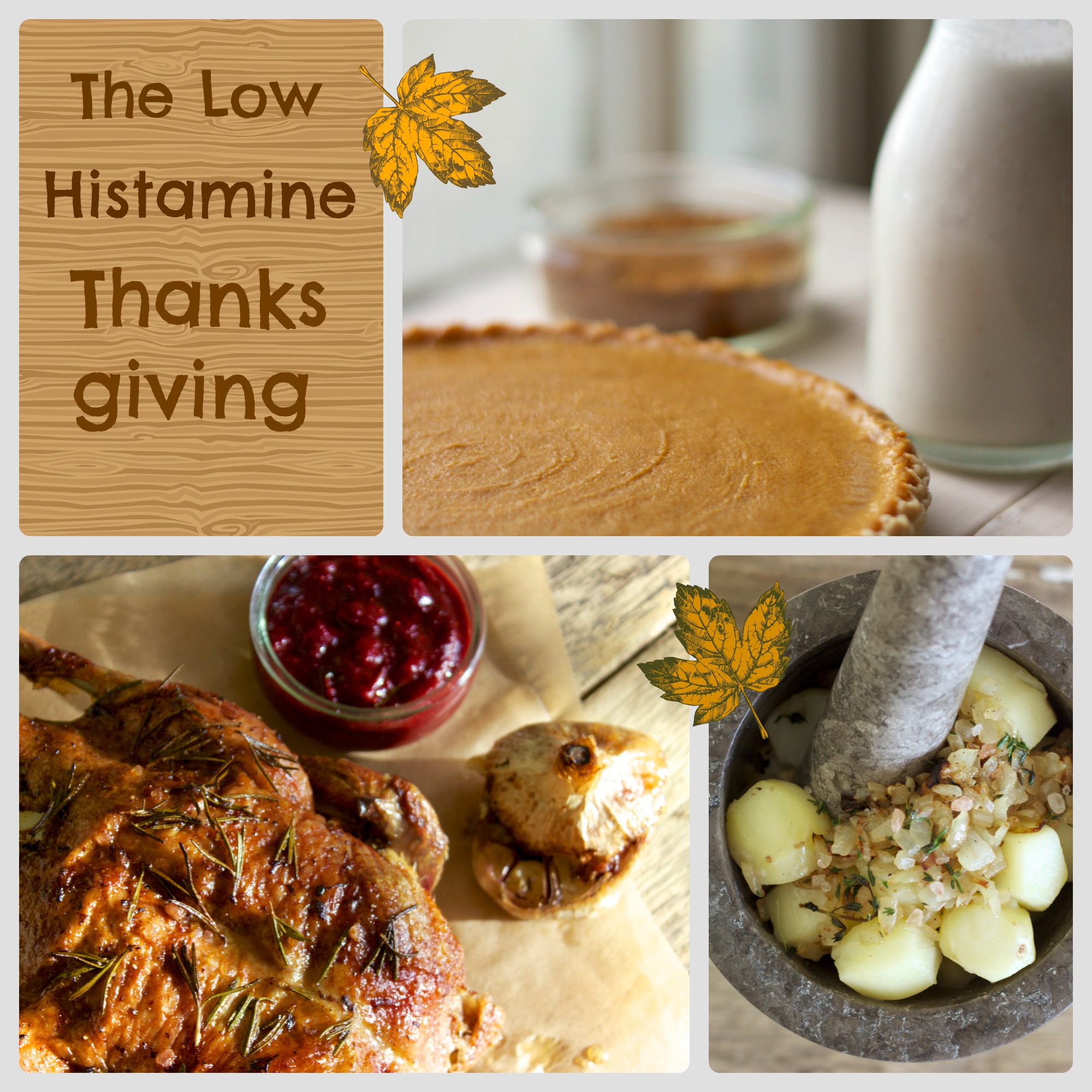
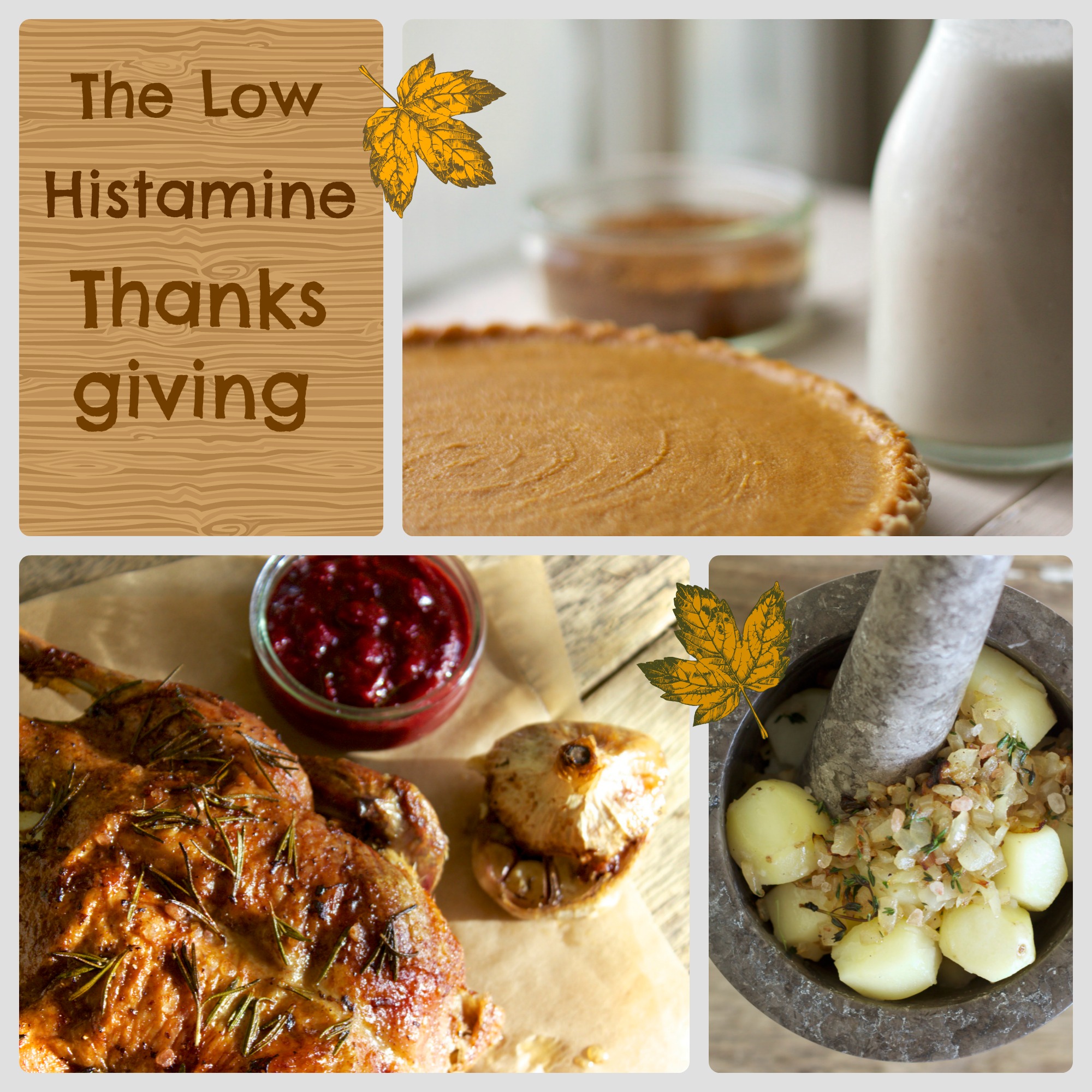
Sadly, having spent three hours cooking – the alternately overcast and blindingly sunny weather foiled my efforts to photograph what was a really lovely lunch…
Juicy Stuffing (from the upcoming Get Juicy Cookbook)
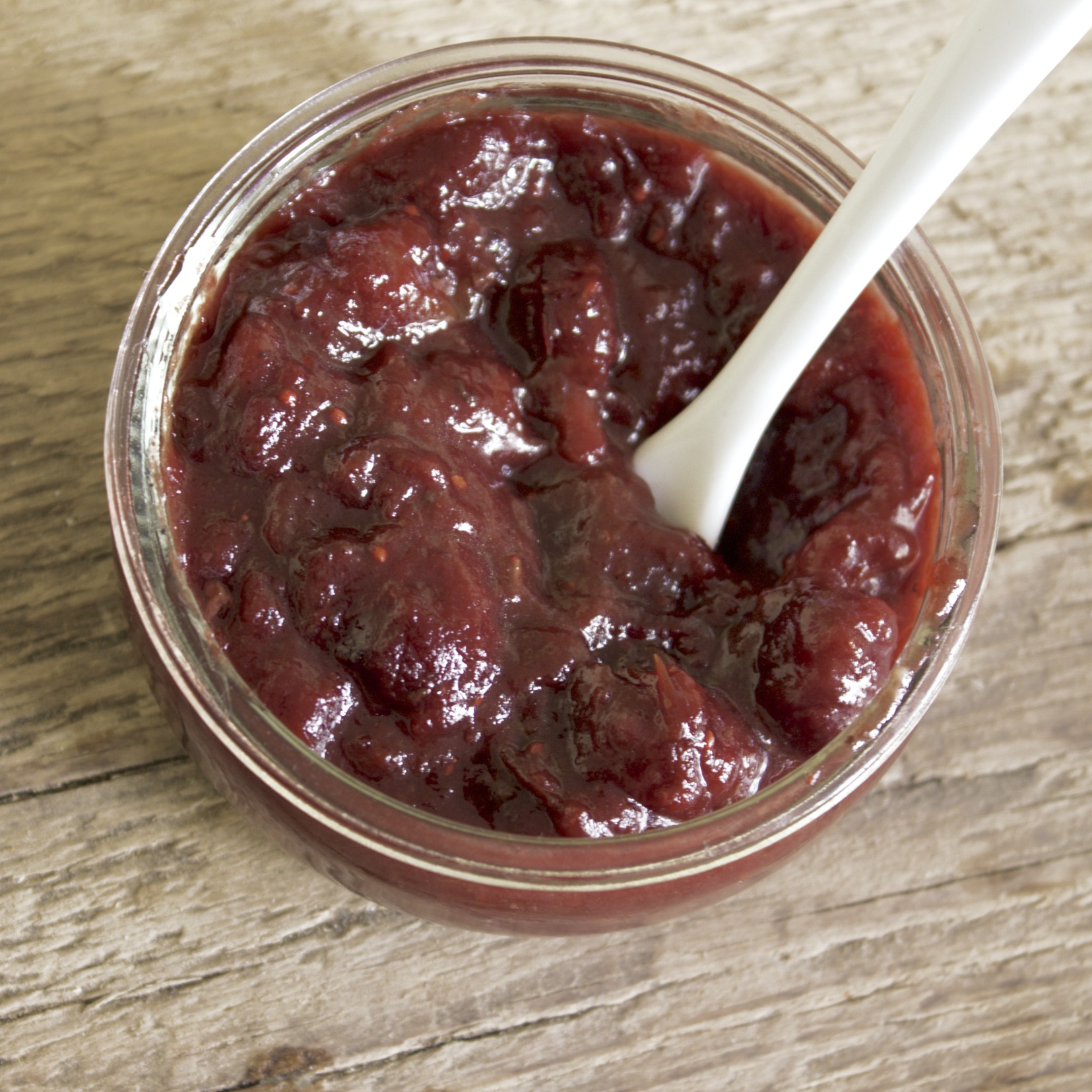
Secret Cranberry Sauce
Smashed Jerusalem Artichokes w/Healing Herbs
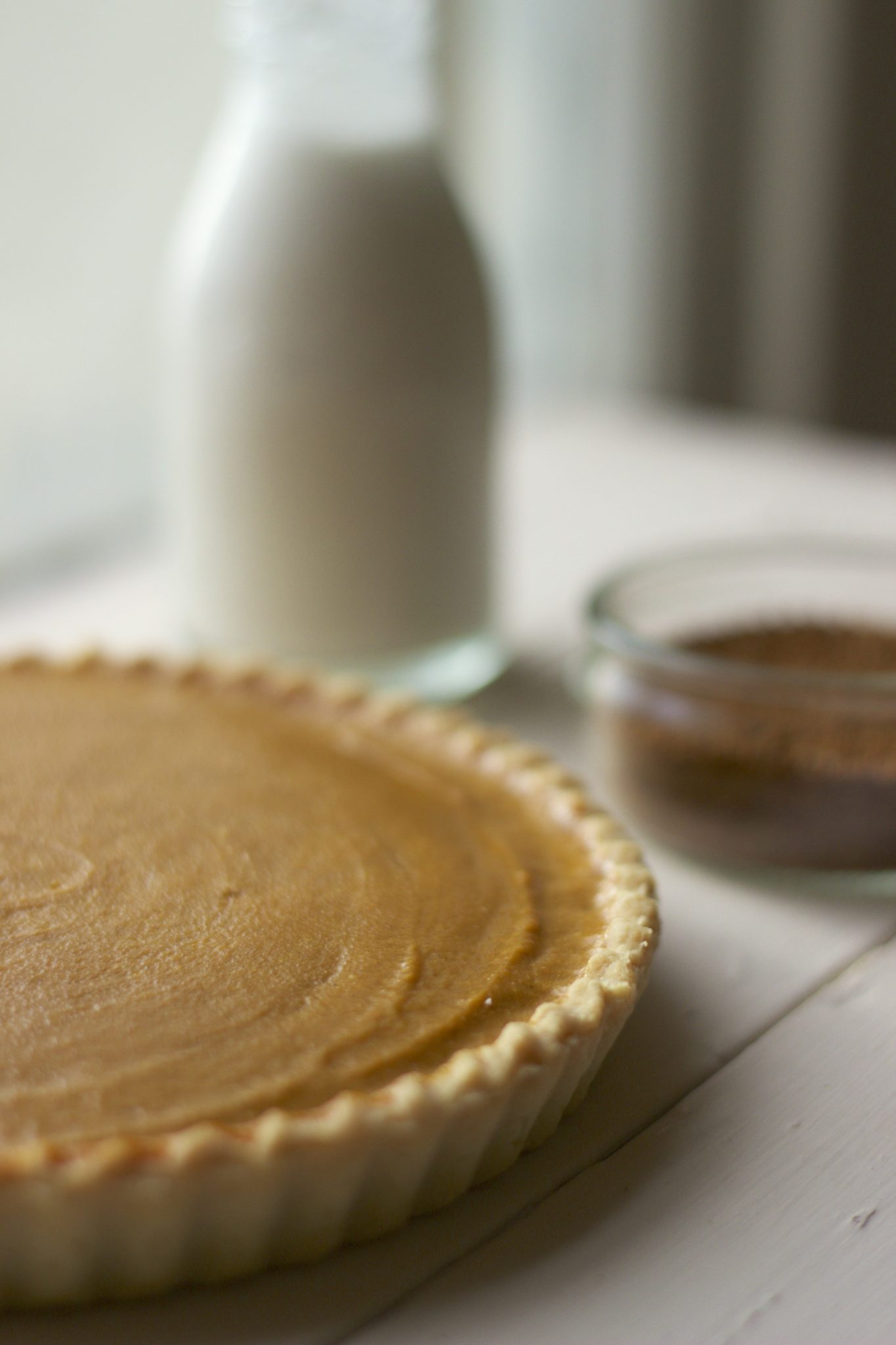
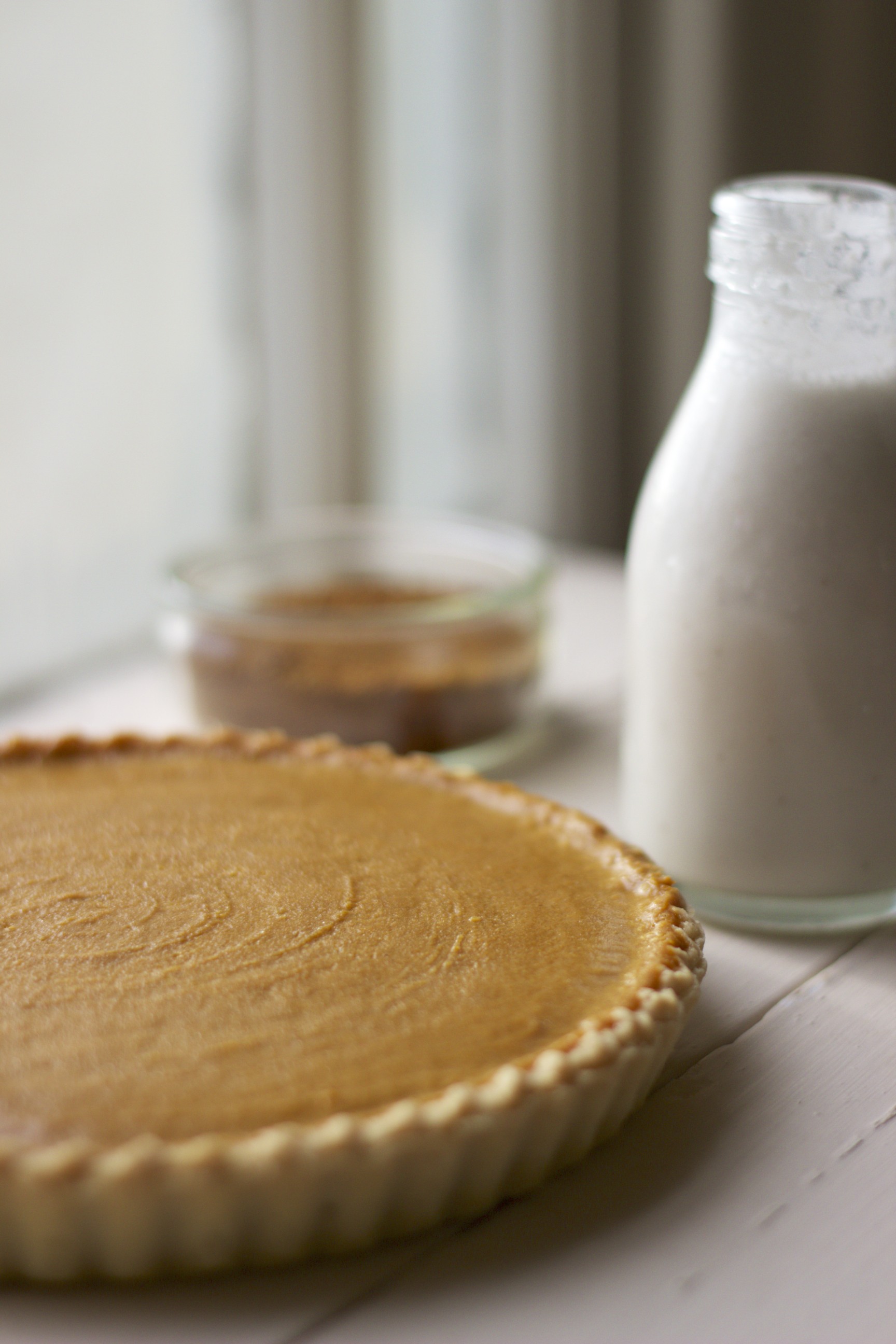
Gluten free Antihistamine & Anti-inflammatory Butternut Squash Pie (Dairy Free)
It’s quite a mouthful, so I’ve decided to split the recipe into two to make it more manageable! Part two will be out in just a few days, in plenty of time to head to the supermarket for Thanksgiving!
Why duck?
Well, I cooked Thanksgiving lunch in early November, somewhat on the spur of the moment, and I live with a vegetarian.
A butterball turkey for one person seemed inadvisable. Aside from that, I’m a big duck fan!
I chose Jerusalem artichokes for their pre-biotic and anti-inflammatory properties [1] (as well as flavour of course!) and butternut squash for dessert because pumpkin appears on some lists as high histamine, while butternut squash is not only low histamine, but also possesses antihistamine and anti-inflammatory properties [2]. I chose to stick with traditional cranberry because I’ve never had a problem with it and it doesn’t appear on most lists. You could easily go for blueberry or apple for this recipe – both would be delicious. Cranberries possess many anti-inflammatory properties [3].
I went a little crazy with a new ingredient – Coconom ginger coconut sugar and Coconom tamarind turmeric coconut sugar. WOW. They’re basically raw coconut sugar with freshly squeezed organic juices of ginger, tamarind and turmeric!
There’s an incredible antihistamine and anti-inflammatory ice-cream coming up soon made with these – absolutely blew me away!! Drooling again thinking about it…don’t forget to sign up to my mailing list to make sure you don’t miss it!
But, as always, I’m getting ahead of myself.
Down to business…
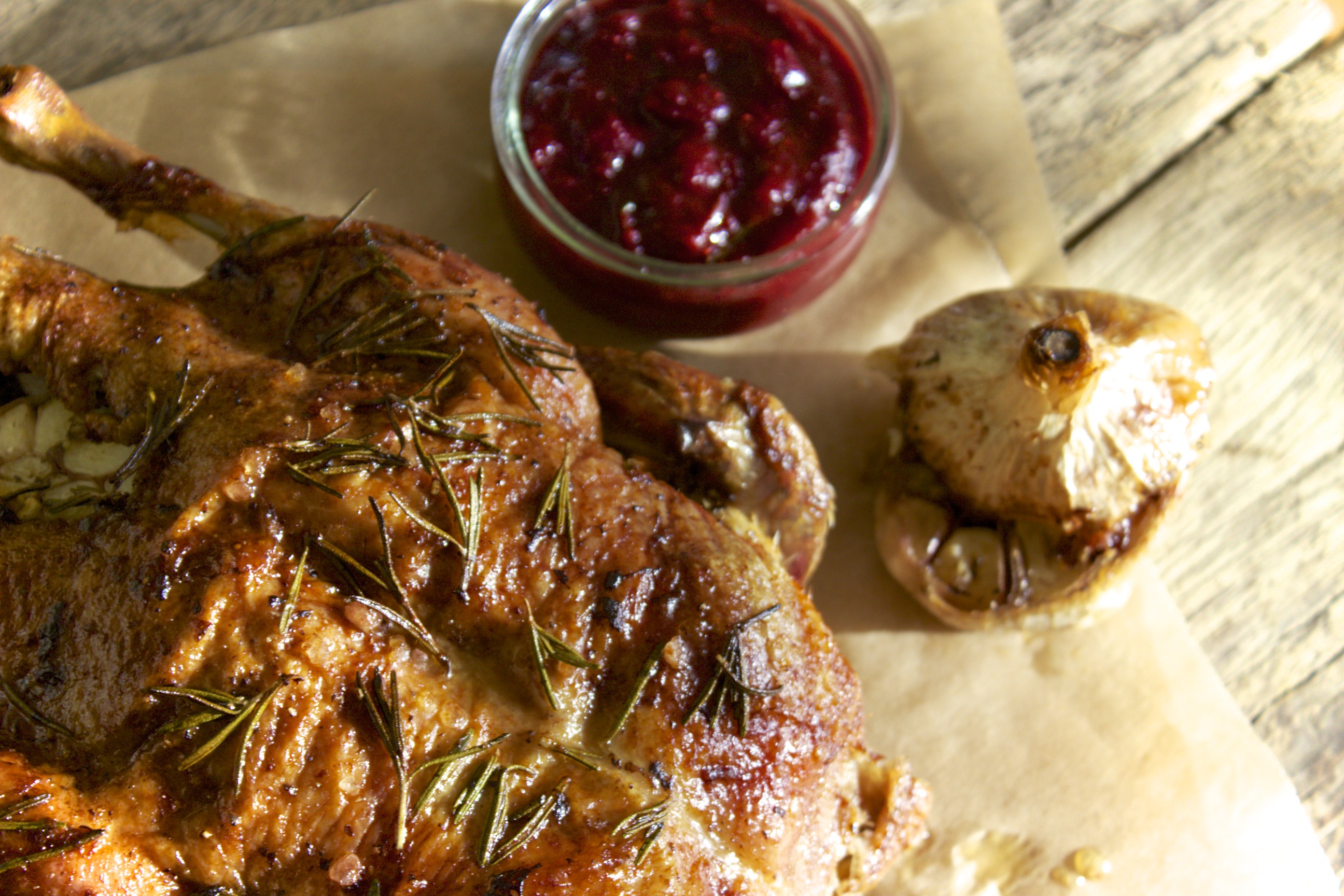
Roast Duck w/Rosemary Garlic Jus and Juicy Stuffing
Pat the duck dry. Remove the giblets if still inside. Pierce the back legs a few times with a fork, on each side.
Place the duck on a baking tray. Spoon on the coconut nectar (if using) followed by a drizzle of olive oil.
Add the garlic to the tray, then sprinkle everything with rosemary, pepper and salt.
Bake for 45 minutes, basting along the way.
I then turned mine around and baked for another 45 minutes. You’ll have to check your cooking time according to the weight of your duck. There’s more info and a great tutorial here. You’ll know the duck is ready if, when pierced, the juices run clear.
Remove from the oven and allow to sit for 10 – 20 minutes.
Juicy Stuffing
Serves 2
This recipe is from the upcoming Get Juicy book – a collection of antihistamine and anti-inflammatory juicing leftover recipes. Please use your judgement in adjusting this recipe – in the book I use it as a salad crouton recipe – but I loved it as stuffing!
Ingredients
1 head Broccoli
2 zucchini
1 cup arugula/rocket
2 carrots (omit if very low oxalate)
1 onion or large shallot, chopped
1 clove garlic
thyme
basil
rosemary
nigella sativa seeds
1/2 cup Flour (I use rice or chickpea – try sorghum for low oxalate and paleo)
2 eggs (or one duck egg – many with egg allergies can tolerate them but please check with your doctor)
4 tbsp olive oil
Preparation
Juice together…
Broccoli
Zucchini
Arugula/rocket
Carrot (use cucumber if low oxalate)
Then…
Collect the roughage from the broccoli, arugula, carrot and zucchini juice.
Saute the onion/shallot, garlic, thyme, basil and nigella till fragrant. Add in the juice roughage.
Tip into a baking dish, add in the eggs, flour and oil. Mix. Drizzle with a bit of duck fat/jus and bake at 180C/380F for about 30 minutes.
Cranberry Sauce
Serves 2
Ingredients
1 cup fresh or frozen cranberries
1/4 cup ginger coconut sugar (I used Coconom – you can use coconut sugar and a little fresh grated ginger)
Place the cranberries in a small pot with the water. Bring to the boil.
Lower to a simmer and add in the coconut sugar (and grated ginger if using), stir till dissolved. (I recommend using the ginger – gives it extra zing!)
Squeeze in the lemon. The mixture should start firming up now.
Optional – stir in a little duck fat/jus from your roasting duck (I highly recommend this!)
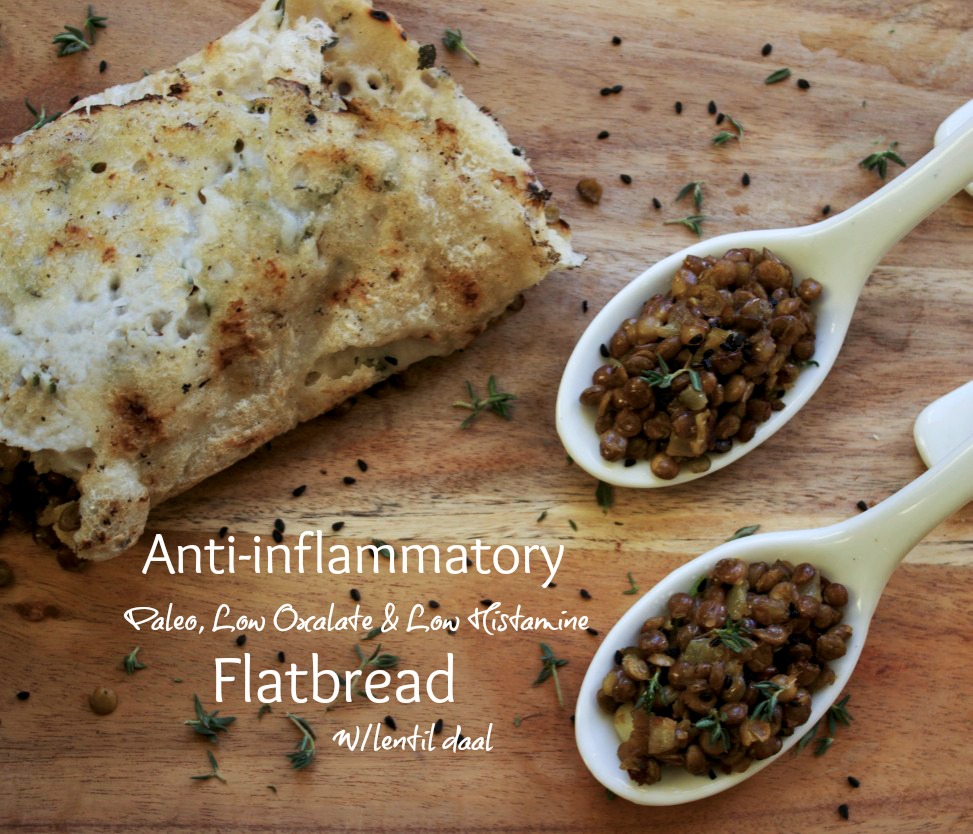
My obsession with Indian food turned up a water chestnut flatbread that I just couldn’t turn down. Water chestnut isn’t a nut at all, but rather a grass-like sedge native to Asia. According to Wikipedia they’re high in riboflavin, vitamin B6 and copper, both of which help us make the histamine-lowering DAO enzyme.
So far I’ve used it to batter sprats (very small English fish similar to sardines), make cake, flatbread, pancakes and even waffles (tricky this one).
It’s also so glutinous that eggs aren’t needed.
As I’m personally not paleo, so I chose to serve this paleo flatbread with lentils!
Traditionally served during Hindu fasting periods, it has a bit of a bitter taste that some might initially take issue with. A little fresh apple juice countered the bitterness, but I personally LOVE it. A little thyme, garlic, whatever pleases you, can go into this gluten free flatbread.
Water chestnut flour is low oxalate [1], low histamine (its seeds are even antihistamine!) [2], anti-inflammatory [3] and paleo! Wow.
As outlined in the Anti-Cookbook: nigella, ginger, turmeric, coriander, thyme, garlic and onion all possess antihistamine and anti-inflammatory properties.Thyme’s benzoate’s may be problematic for some.
Water chestnut is also rich in mast cell stabilising luteolin [4].
I talk about the benefits of luteolin and other mast cell stabilisers and how they lower histamine here.
Enjoy!
Here’s a little video I put together on how to make this great flatbread, but you’ll find the full recipe below!
Daal 1 cup lentils, soaked and boiled medium onion, finely chopped fresh ginger, 2 tbsp grated fresh turmeric, 1 tbsp grated coriander lemon, to taste (or omit) 1-2 cloves garlic 1-2 tbsp ghee (optional, can use olive oil instead)
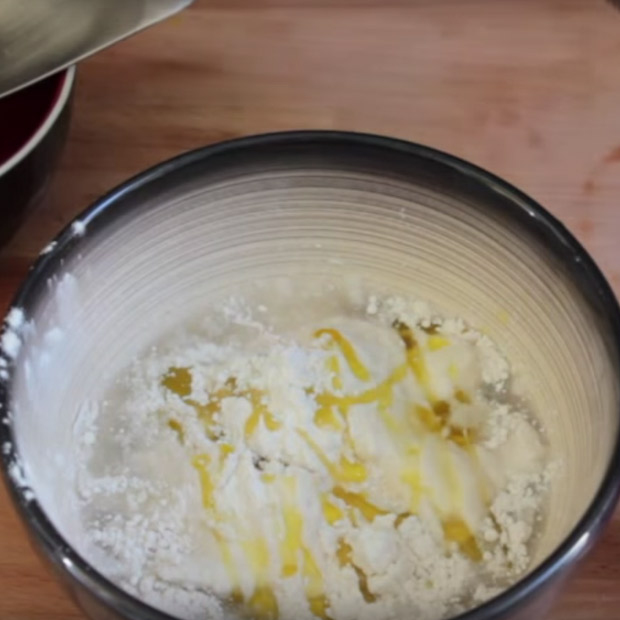
Flatbread 1 cup water chestnut flour 1/2 – 1 cup water (depending on desired consistency) 1-2 tbsp olive oil thyme (makes it more bitter though) garlic nigella seeds
In a pan sautee the onions, turmeric, ginger and garlic in a little ghee or olive oil.
Once soft and fragrant, add in the lentils.
Pour in a little water and cover.
Simmer for 2-5 minutes.
Serve with flatbread.
Flatbread
Blend the chestnut flour, water, olive oil and garlic. Toss in the nigella, thyme.
Heat a little oil in a pan.
Pour the batter into a largish pan, the kind suitable for crepes, quickly rotating the pan to coat its entirety. This can be a bit tricky as the batter begins hardening almost immediately.
Cook until flatbread is firm. This will take a while…
You’ll start seeing a powdery residue on the uncooked side. Carefully flip over and cook till nice and toasty looking.
If it took too long to cook, or isn’t firm enough, just use less water.
Please don’t forget antihistamine, pain killing foods can still hurt us, so please always check with your doctor before adding new foods to your diet.