

Author: healing

  • Best oxalate lowering cooking methods

    Best oxalate lowering cooking methods

    Elephant, festival ,Jaipur, Royal Rajasthan, India, Asia

    It hasn’t been too long since my initial oxalate post but my oh my word, low oxalate has rocked my world.

    Basketball stomach is now a thing of the past, as is razor blade in urethra fun time and, most importantly, cry in pain sexy time. You may want to look into oxalates if you have one of these conditions: Autism, asthma, cystic fibrosis, kidney stones and vulvodynia (to name just a few) or if you’re suffering from urinary tract problems, pain during intercourse, migraines and dizziness [1].

    To be honest though, I’m not fanatical about being low oxalate. I’ve found that rotating my foods and how I prepare them means that I don’t need to get obsessive about it. I think that in my case the problem was that I was juicing most of my high oxalate foods (kale, chard, fennel). Having now had time to do some more research I’ve come across a number of studies by Indian researchers that offer some insight into how best to prepare higher oxalate foods.

    I’ve been hoping to interview Susan Owens on the subject – it was through her that I first became aware of cooking as a method of lowering oxalates.

    How  to have your kale and eat it too…

    Here are my top tips for lowering oxalic acid (and for all you paleo’s out there – phytic acid) in foods, according to the studies I found. These have all worked for me…I’m now able to enjoy more of the high nutrient medium/high oxalate foods I just had to find a way to keep in my diet!
    Jet de vapeur

    #1 oxalic and phytic acid lowering cooking method for greens

    Blanch baby blanch!

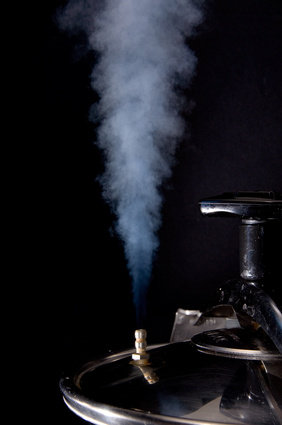
    Blanching for 10 minutes at 95Cs/200F lowered oxalic acid by 40-115% across various green vegetables [2]. That pushes many veggies back into the low oxalate/safe zone!

    Pressure cooking for 15 minutes was a close second.

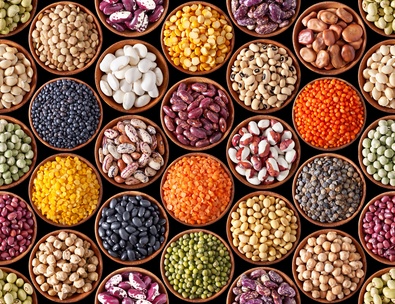
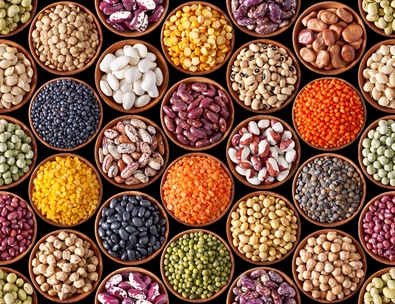
    #1 oxalic and phytic acid lowering cooking method for pulses

    This study showed an average 25% drop in oxalic and phytic acid in pulses that were soaked overnight and sprouted for 48 hours before being boiled [3]. I had a lovely idea of making my own chickpea flour from soaked and sprouted pulses, but sadly it seems that drying the pulses again raises oxalic acid content once more [4] – so watch out!

    Here’s a list of low/medium oxalate and low histamine foods that I compiled using various lists on the internet. It’s the list I’m working from, please do not take it as gospel, it’s just there because I was so overwhelmed at first and I thought others might appreciate a little inspiration to get started. Please see Susan Owens’ site for a full list of low oxalate foods.

    PLEASE NOTE: various low oxalate sites warn that you shouldn’t jump into an extremely low oxalate diet as it can kick the body into a sudden detox, causing it to suddenly dump its oxalate stores which can cause an intensification of symptoms.

    LOW HISTAMINE & LOW TO MEDIUM OXALATE FOODS

    FRUITS

    Very low – low oxalate foods

    CRANBERRY (low histamine on some lists)

    CHERRY (low histamine on some lists)

    APPLE FUJI

    APPLE GALA

    APPLE GOLDEN

    APPLE BRAMLEYS

    APPLE GRANNY SMITH

    APPLE RED

    BLUEBERRIES

    CRANBERRIES DRIED

    DATES MEDJOOL

    LEMON

    MANGO

    CASABA

    HONEYDEW

    WATERMELON

    PASSION FRUIT

    PEACH

    PEAR BARTLETT

     Medium oxalate foods

    APPLE BRAEBURN

    APPLE MACINTOSH

    BANANA

    DRIED CHERRIES

    BLACKCURRANTS

    DATES MEDJOOL

    LIME

    CANTALOUPE

    VEGETABLES

    V. low – low oxalate foods

    CORN

    BOK CHOY

    BROCCOLI RAW AND BOILED

    CABBAGE GREEN RAW

    NAPA CABBAGE

    CABBAGE PURPLE

    CARROTS BOILED

    CAULIFLOWER BOILED/STEAMED/RAW

    CUCUMBERS

    GARLIC

    TURNIP GREENS

    ARUGULA

    RAAB BROCCOLI

    KALE  (not curly!)

    KHOLRABI

    KOHLRABI LEAVES

    MOST LETTUCE IS VERY LOW

    MUSHROOMS (I still eat some)

    ONION, WHITE

    ONION, YELLOW

    RED PEPPER

    RADISH, DAIKON

    RADISH, RED

    RADISH, WHITE

    RUTABAGA

    SEAWEED, HIJIKI

    SEAWEED, KOMBU

    SEAWEED, NORI

    SEAWEED, WAKAME

    SHALLOTS

    SPROUTS, ALFALFA

    SQUASH, ACORN

    SQUASH, BUTTERNUT

    SQUASH, KABOCHA

    SQUASH, SPAGHETTI

    SQUASH, YELLOW

    SQUASH, ZUCCHINI

    TURNIP

    WATERCRESS

    Medium oxalate foods

    ARTICHOKE

    ASPARAGUS

    GREEN BEANS

    BRUSSEL SPROUTS

    BROCCOLI STEAMED

    CARROTS RAW

    CELERY

    ENDIVE

    FENNEL

    GRAPE LEAVES

    RAAB BROCCOLI STEAMES

    COLLARED BOILED

    LEEKS RAW

    JICAMA

    RED ONION

    PARSNIPS

    BELL PEPPER, YELLOW

    BELL PEPPER, GREEN

    SEAWEED, DULSE

    HERBS/SPICES/CONDIMENTS

    Low oxalate foods

    BASIL

    CIDER VINEGAR (the lowest histamine of all the vinegars)

    CHILI

    CHIVES

    CORIANDER

    CRESS

    GINGER

    LEMON BALM

    MUSTARD

    WHITE PEPPER GROUND

    PEPPERMINT

    ROSEMARY

    SAVORY

    CAYENNE PEPPERS

    HABANERO PEPPERS

    Medium oxalate foods

    DILL

    PARSLEY

    BLACK PEPPER GROUND

    TAHINI DRY ROASTED

    LEGMES/NUTS/SEEDS

    Low oxalate foods

    CANNED CHICKPEAS (but dry/boiled are medium!)

    LIMA

    MUNG

    RED LENTILS BOILED

    BROWN LENTILS

    GREEN PEAS

    SPLIT GREEN PEAS

    SPLIT YELLOW PEAS

    SUNFLOWER BUTTER (small amount)

    Medium oxalate foods

    CHICKPEAS BOILED

    PISTACHIOS

    ALFALFA SEEDS

    BROC SEEDS

    MUNG BEAN

    MEAT/POULTRY/FISH

    Low oxalate foods

    ANCHOVIES (fresh)

    FLOUNDER

    HADDOCK

    PLAICE

    SALMON

    FRESH TUNA

    BEEF

    LAMB

    LIVER

    EGGS

    OTHER

    Low oxalate foods

    WHITE CHOCOLATE (I can eat homemade raw white chocolate – you might not be able to)

    GRAINS/FLOURS

    Low/Medium oxalate foods

    WHITE RICE

    WILD RICE

    CORN

    COCONUT FLOUR

    BLACK EYED PEA FLOUR

    FLAX SEED FLOUR

    CELLOPHANE NOODLES

    BROWN RICE PASTA COOKED

    WHITE RICE

    THAI JASMIN RICE

    Soaking rice and grains for 12 hours lowers oxalates.

    Medium oxalate foods

    CHICKPEA FLOUR

    BROWN RICE FLOUR

    SORGHUM

    MILLET

    ROLLED OATS COOKED

    RICE NOODLES

    BROWN RICE

    JASMIN RICE

    UNCLE BENS WHITE RICE

    WILD RICE

    FATS/OILS

    Low oxalate foods

    CANOLA

    COCONUT

    OLIVE

    SESAME SEED

    SWEETENERS

    V.low/low oxalate foods

    AGAVE

    RAW COCONUT NECTAR

    —————-REFERENCES———–

    [1] http://lowoxalate.info/research.html

    [2, 3, 4, ] http://www.ajofai.info/Abstract/Effect%20of%20cooking%20and%20processing%20methods%20on%20oxalate%20content%20of%20green%20leafy%20vegetables%20and%20pulses.pdf

    Also http://www.ncbi.nlm.nih.gov/pubmed/12102364
  • HISTAMINE INTOLERANCE/MAST CELL ACTIVATION SUPPLEMENTS YASMINA TOOK PART 1

    HISTAMINE INTOLERANCE/MAST CELL ACTIVATION SUPPLEMENTS YASMINA TOOK PART 1

    [trx_video url=”https://www.youtube.com/watch?v=_6gQJgduCU8″ show_image=”yes” autoplay=”yes”]
    One of the questions Yasmina was asked the most was regarding which histamine lowering/mast cell stabilizing supplements she used. Please consult with your doctor before trying any supplements.

  • High Nutrient (antihistamine rich) Lamb Spring Rolls

    High Nutrient (antihistamine rich) Lamb Spring Rolls

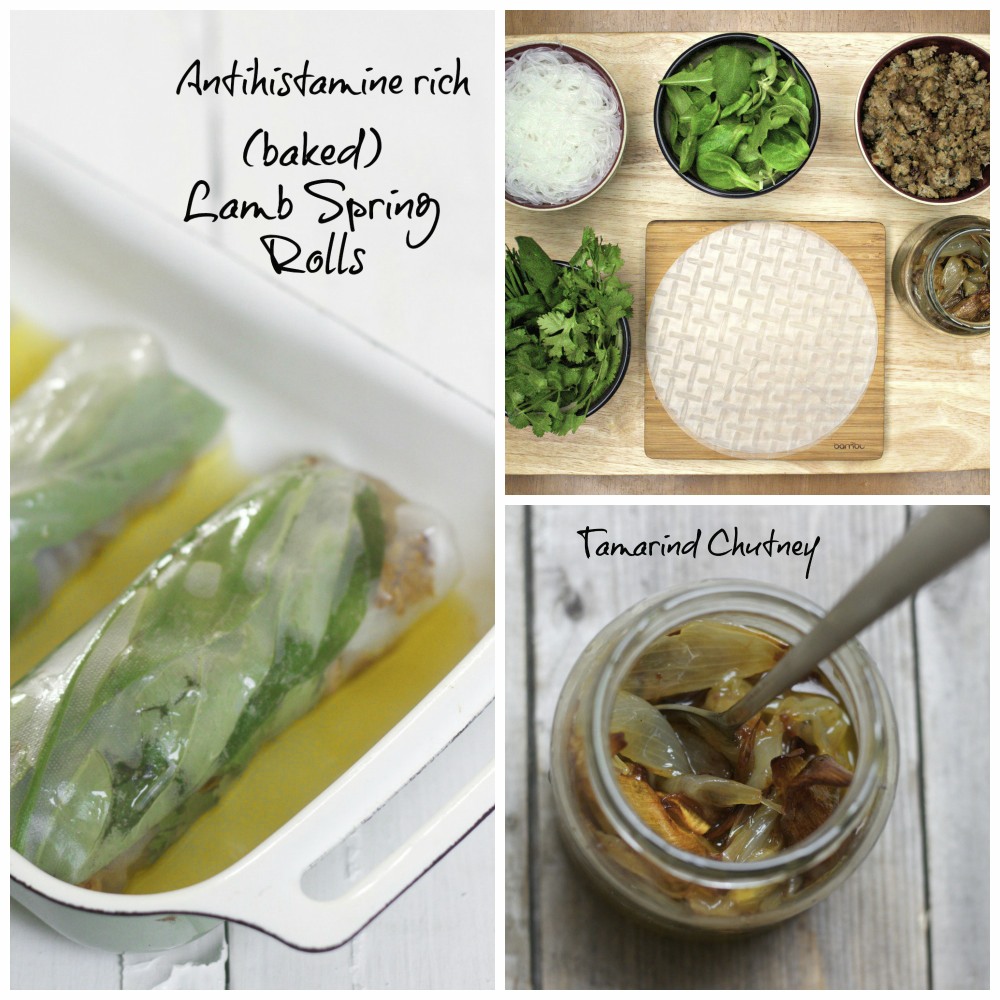
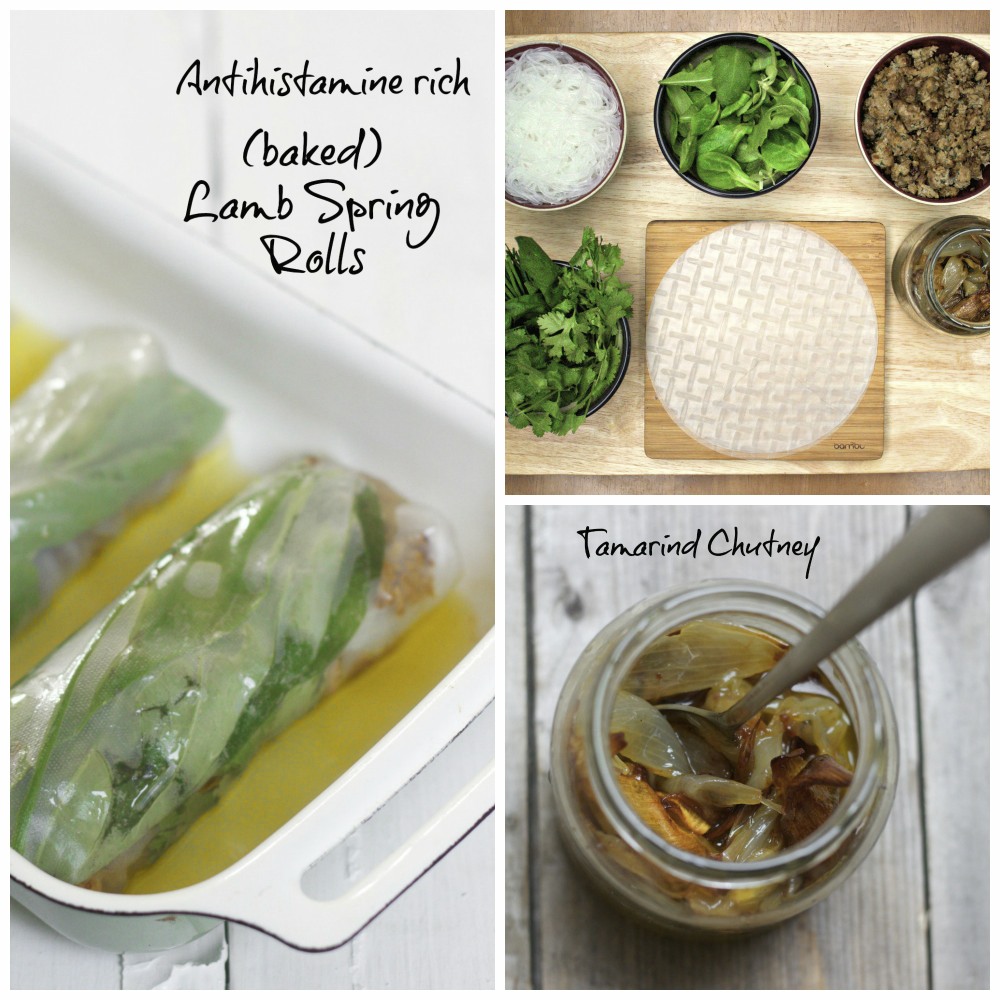
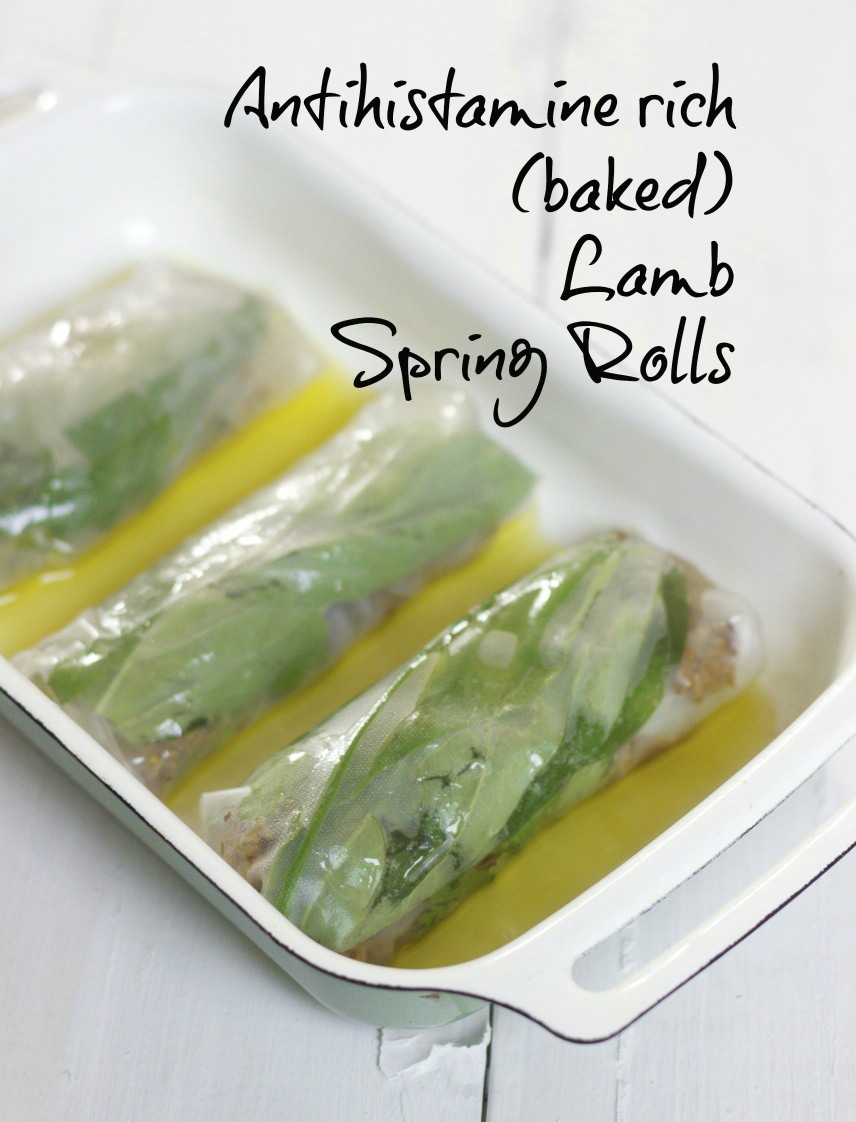
    High nutrient antihistamine rich lamb spring rolls

    I miss Vietnamese food so much. I used to eat it practically every weekend before my histamine intolerance diagnosis, even, amusingly, when I was living in Bangkok. Thai food was just way to spicy for me, and I suspect the MSG was wreaking havoc on my insides.

    Though I do love the lightness of Vietnamese summer rolls (ie un-fried spring rolls), I was really in the mood for something a little naughty. It had just been one of those weeks you know? So I had a go at re-imagining my favourite Vietnamese pork spring rolls. Except without mushrooms (histamine), fish sauce (histamine, common sense) and a bunch of other stuff that makes me drool.

    My usual high nutrient spin sent me down the Indian path rather than Vietnamese. I really wasn’t sure these would work out.

    Guess what? Having had these little fingers of messy joy, I’m now drooling over making them again. Am I allowed to say that about something I made myself?? It seems wrong somehow.

    The tamarind and curry leaves (the chutney still tastes great without either!) gave the shallots an incredibly rich depth of flavour, the mung bean noodles gave the lamb mince a lovely moistness and it was all topped off with the satisfaction of crunching into a healthily baked crust.

    Make these a little smaller and they’re a perfect party finger food that no guest will guess is a (low histamine, antihistamine, anti-inflammatory) health food.

    They’ll also taste great stuffed with any lovely veggies of your choosing.

    Though already low oxalate (if you don’t have a lot of other oxalates that day), you can go lower by omitting the noodles. I’m watching my oxalates and I was totally fine with this.

    CLICK HERE TO CREATE YOUR OWN PERSONALISED HEALING HISTAMINE PLAN. 

    Here’s the high nutrient, antihistamine and anti-inflammatory breakdown (see the Anti-cookbook for a six page list of antihistamine and anti-inflammatory foods):

    Shallots are high in histamine lowering quercetin and as such are an antihistamine food [1]. They also possess significant cancer fighting and anti-inflammatory properties [2].

    Curry leaves are as effective at reducing histamine induced inflammation as Diclofenac (one of the world’s most commonly prescribed anti-inflammatories) [3] and have been shown to inhibit mast cell degranulation [4].

    Fenugreek has been shown to be effective in reducing histamine and serotonin induced inflammation [5].

    Tamarind leaves possess mast cell stabilising properties, but the fruit is fermented, which may be problematic for some [6].

    Nigella sativa is a potent H1 and H2 receptor antagonist (like claritin and zantac for example) [7].

    Basil (all varieties) has been shown to exhibit H1 and H2 receptor antagonism and is highly anti-inflammatory [8].

    Please do remember that even antihistaminic foods can cause serious reactions, including anaphylaxis. Please consult with your doctor or medical practitioner before adding new foods to your diet.

    Untitled

    Antihistamine Rich (baked) Lamb Spring Rolls w/Tamarind Chutney

    Prep Time: 10mins| Cook Time: 20mins | Servings: 2-4 | Difficulty: Easy

    You’ll find more recipes like this in my books Anti-Recipes and The Anti-Cookbook

    Ingredients:

    Chutney

    4 shallots, peeled and quartered

    1 clove garlic, finely chopped

    Fresh red chili, to taste

    Fenugreek seeds, to taste

    1/2 tsp nigella sativa seeds (or to taste)

    1 tbsp tamarind paste

    4 curry leaves (optional)

    Oil (I use olive)

    Spring rolls

    2 cups cubed lamb

    1 large shallot/medium onion

    1/2 medium fennel

    1 clove garlic

    Arugula

    Basil

    Coriander

    1/2 cup mung bean, green bean, rice or your choice of noodles, boiled and drained

    Spring roll rice paper

    Directions:

    Chutney

    Pre-heat your oven to 160C/320F.

    Dilute the tamarind paste in a spoon of water. Combine with the rest of the ingredients in a small to medium baking dish and drizzle with some oil.

    Bake for 20-30 minutes till soft. Remove the curry leaves and serve with spring rolls.

    Spring rolls

    Pre-heat oven to 180C/360F.

    Toss all the spring roll ingredients but the rice paper into a food processor. Power till everything mixes up into a ball.

    Heat a little oil in a pan and sauté the spring roll mix till almost cooked through.

    In a kettle heat up some water till almost boiled. Pour into a shallow plate and then once cool enough (but not cold!) place a rice paper in it till soaked through but not mushy. Carefully withdraw from the water and flip over. This might take a little practice…

    Remove and place on a dry surface. In the middle of the roll lay down some arugula/rocket, a couple of pieces of basil and coriander, and some noodles. Top with some lamb and then finish off with a not too generous spoon of chutney.

    Fold the upper and lower parts of the roll over, then roll horizontally to seal up.

    Brush with a little shallot oil, and bake for 20 minutes.

    Serve with the rest of the chutney.

    Don’t forget to sign up to my newsletter for more antihistamine and anti-inflammatory recipes. 

    The Anti-cookbook, while it doesn’t treat any conditions, due to its high nutrient, antihistamine and anti-inflammatory ingredients, has been instrumental in helping me feed myself on a limited diet. It features a six page list of antihistamine and anti-inflammatory foods. It comes in regular and Paleo. 

    The Low Oxalate Cookbook features antihistamine and anti-inflammatory rich recipes. 

    Don’t miss the Low Histamine Beauty Survival Guide for non-toxic beauty tips, the skinny on histamine releasing (mast cell degranulating) beauty ingredients, antihistamine and anti-inflammatory beauty alternatives and the top brands natural brands I’ve found.

    Take a peek at my other low histamine and antihistamine cookbooks for more high nutrient recipes.

    If you’ve found this information useful I’d appreciate your support (at no extra cost to you!) – please check out my online store for your health foods, supplements, kitchen items and beauty product purchases. Affiliate sales through my online store go towards maintaining the website, funding travel to interviews and purchasing all the lovely foods for my free online recipes. You’ll find these items in the “Shop with us” drop down menu on my homepage.  

    Please don’t forget antihistamine, pain killing foods can still hurt us, so please always check with your doctor before adding new foods to your diet. 

    —————————- REFERENCES ————————-

    [1] http://www.researchgate.net/publication/5427392_Quercetin_from_shallots_(Allium_cepa_L._var._aggregatum)_is_more_bioavailable_than_its_glucoside

    [2]  http://www.ncbi.nlm.nih.gov/pmc/articles/PMC3258679/

    [3] http://www.jcimjournal.com/articles/publishArticles/pdf/201181127102.pdf 

    [4] http://jcpronline.com/final/09782.pdf

    [5] http://www.ptfarm.pl/pub/File/Acta_Poloniae/2008/4/473.pdf

    [6] http://www.ncbi.nlm.nih.gov/pmc/articles/PMC3210002/

    [7] https://dev.healinghistamine.com/plant-seeds-treat-nasal-allergies-better-than-steroid-spray/

    [8] https://dev.healinghistamine.com/holy-basil-101-uses-for-this-incredible-antihistamine-plant/

  • DR CASTELLS INTERVIEW: LIFESTYLE CHANGES DO WORK FOR MAST CELL/HISTAMINE DISORDERS

    Many of you will read the title of this post and think “D’oh! Of course lifestyle changes work for mast cell/histamine disorders!”

    But would you believe that out of eight world renowned mast cell experts at the European Mastocytosis Conference patient Q & A session in London last week, none of them appeared to acknowledge that lifestyle and diet play a part in either the progression, regression or management of mast cell activation, mastocytosis, systemic mastocytosis and by extension (I would think), histamine intolerance (if indeed they believed it exists). (Click through to my FAQ to learn how mast cells, histamine intolerance and allergies are related). 

    And that dear friends is why I believe I seriously lucked out in first being diagnosed with histamine intolerance rather than mast cell activation. Why? Because it was impressed upon me that diet was the key to controlling symptoms. I was however eventually also told it wasn’t all about food – something I chose to ignore till my symptoms didn’t really resolve on the standard low histamine diet. (They got better at first but soon with each food I eliminated from my diet I grew sicker and sicker.)

    But that’s old news.

    Coming up with the recipes for my high nutrient antihistamine and anti-inflammatory booksgave me my life back, and as regular readers know, I’m now actually in the best health of my life!

    The new news is that one of the world’s most respected mast cell experts, Dr Mariana Castells, was kind enough to grant me an interview. The even better news is that she believes, (wholeheartedly I might add), that lifestyle changes – exercise, diet and stress relief can cause a remission of mast cell symptoms. She told me a wonderful story (not unlike my own) in which a patient with systemic mastocytosis who wasn’t seeing the improvement she wanted from meds, chucked it all in: changed her life, diet, started exercising and traveling. She came back years later to relate to Castells that her symptoms were in remission and that she no longer took any meds for her systemic mastocytosis. This is not an isolated case. I’ll soon begin featuring recovery stories sent in by readers of this blog and also those of friends.

    For those of you who don’t know, English is not Dr Castells’ mother tongue – she’s Spanish.

    “In terms of systemic mastocytosis, and some with cutaneous mastocytosis, the most important things is to think about changing the lifestyle and the two most important pieces of the lifestyle are the exercise and the diet – interchangeably I mean, not one over the other,” Dr Castells.

    She went on to cover something very close to my heart: that nutrition, rather any particular one type of diet is the critical component.

    “The diet is critical and there is no single diet, so there are diets that will be good for a patient or not so good, grains, fruits, vegetables, any of that with antioxidants are tremendously good for patients – fats are not so good, said Dr Castells. 

    Surprised to hear me agree with her? While I credit diet with helping me heal, it wasn’t the low histamine diet that did so, but rather the very high nutrient diet I adopted just over a year ago. I believe that a diet rich in natural antihistamines helped me reach where I am now, though I concede that simply replacing the low nutrient foods with nutritionally excellent foods, be they antihistamine foods or not, has upped my intake of hundreds of phytonutrients that support my body as a whole. Throw in the placebo effect, because I’ve convinced myself it’s why I’m healing, and we’re cooking.

    It’s so important to remember, as I say over and over, histamine is only ONE of many inflammatory elements released by mast cells (I’m shocked that some people don’t even know that histamine is already stored in our bodies!) and as such we’re better off eating any kind of diet does not cause inflammation in our bodies, regardless of what it is.

    I didn’t have time to ask a follow up on the fats point – but I’m not really surprised she said that. And please, let’s be honest with ourselves. You may think you do ok with Chocolate Chunk Cookie Dough ice cream for breakfast, lunch and dinner, but we know better right?

    And couch potatoes, time to get those sneaks on!

    Dr Castells says that it’s important to “maintain a healthy lifestyle, which is at least 30-45 minutes of exercise per day like brisk walking, not running but jogging, swimming, and even dancing. I actually have patients who dance Zumba, it’s pretty heavy duty in decreasing calories, so those are the lifestyle changes that a patient with systemic mastocytosis needs to make in order to improve the quality of their life.”

    But I’m too exhausted all the time? Can’t you just give me more meds instead?

    “Fatigue doesn’t respond well to all the medications we use, even the more sophisticated ones – fatigue only responds to changes you make to your tissues through exercising or changes you make to your intestinal absorption by changing what you eat,” says Dr Castells.

    I know many of us are scared to exercise. I know I was. This doesn’t mean you should run out and take a one hour aerobics class but rather that incremental steps may help train mast cells, giving more energy to build up to a routine that will in turn generate more energy.

    Castells’ 20 years of seeing mastocytosis patients has shown her that if a patient comes to her with symptoms, and a digestive tract loaded with mast cells, it may well be time to completely change their approach to diet and exercise – because a clean break and a change in perspective could just be what the doctor ordered (sorry, couldn’t resist).

    Interestingly the analogy Dr Castells used is one I often do myself – cancer induced inflammation, saying that genetic markers/similarities exist: “There is a tremendous inflammatory component. In cancer it’s harder to get that inflammatory component in check, but in mastocytosis, just by educating the mast cells to a certain level of activity, tremendously reduces that inflammatory component,” she said.

    Yoga is an excellent inflammation busting exercise, there’s even a few studies on yogic pranayama breathing shown to lower histamine in particular.

    Dr Castells recipe for health?

    “My recipe, not as a physician, but as someone who has followed patients with mastocytosis over about 20 something years, and seeing it’s kind of evidence based, not published, but evidence based, the patients in which I have been most successful in treating are patients who make changes in exercise and diet, and need a few medications here and there. They’ll need protection with an epi pen, in case of anaphylactic events, they may still have days in which things are different, but the need for medications is lowered, the quality of life is dramatically increased and overall the disease in the great majority of patients is very stable,” she said. 

    Don’t miss part two of this interview where we cover:

    1. The role of stress in mast cell disorders

    2. How mast cell disorders can be misdiagnosed as psychiatric

    3. The importance of managing your environment

    4. How a positive attitude impacts prognosis

    5. Why medication won’t help fatigue (and what you can do about it)

    You’ll also find out the best kinds of exercise for histamine intolerance in my post here. 

    You’ll find a collection of all liquid high nutrient antihistamine and anti-inflammatory rich recipes for days when my histamine bucket overflowed in the new Anti-Detox book. 

    The Anti-cookbook, while it doesn’t treat any conditions, due to its high nutrient, antihistamine and anti-inflammatory ingredients, has been instrumental in helping me feed myself on a limited diet. It features a six page list of antihistamine and anti-inflammatory foods. It comes in regular and Paleo. 

    The Low Oxalate Cookbook features antihistamine and anti-inflammatory rich recipes. 

    Don’t miss the Low Histamine Beauty Survival Guide for non-toxic beauty tips, the skinny on histamine releasing (mast cell degranulating) beauty ingredients, antihistamine and anti-inflammatory beauty alternatives and the top brands natural brands I’ve found.

    Take a peek at my other low histamine and antihistamine cookbooks for more high nutrient recipes.

    If you’ve found this information useful I’d appreciate your support (at no extra cost to you!) – please check out my online store for your health foods, supplements, kitchen items and beauty product purchases. Affiliate sales through my online store go towards maintaining the website, funding travel to interviews and purchasing all the lovely foods for my free online recipes. You’ll find these items in the “Shop with us” drop down menu on my homepage.  

    Please don’t forget antihistamine, pain killing foods can still hurt us, so please always check with your doctor before adding new foods to your diet.

  • Dr Castells interview: lifestyle changes DO work for mast cell/histamine disorders

    Dr Castells interview: lifestyle changes DO work for mast cell/histamine disorders

    Young sports woman with barbell.

    Many of you will read the title of this post and think “D’oh! Of course lifestyle changes work for mast cell/histamine disorders!”

    But would you believe that out of eight world renowned mast cell experts at the European Mastocytosis Conference patient Q & A session in London last week, none of them appeared to acknowledge that lifestyle and diet play a part in either the progression, regression or management of mast cell activation, mastocytosis, systemic mastocytosis and by extension (I would think), histamine intolerance (if indeed they believed it exists). (Click through to my FAQ to learn how mast cells, histamine intolerance and allergies are related). 

    And that dear friends is why I believe I seriously lucked out in first being diagnosed with histamine intolerance rather than mast cell activation. Why? Because it was impressed upon me that diet was the key to controlling symptoms. I was however eventually also told it wasn’t all about food – something I chose to ignore till my symptoms didn’t really resolve on the standard low histamine diet. (They got better at first but soon with each food I eliminated from my diet I grew sicker and sicker.)

    But that’s old news.

    Coming up with the recipes for my high nutrient antihistamine and anti-inflammatory books gave me my life back, and as regular readers know, I’m now actually in the best health of my life!

    The new news is that one of the world’s most respected mast cell experts, Dr Mariana Castells, was kind enough to grant me an interview. The even better news is that she believes, (wholeheartedly I might add), that lifestyle changes – exercise, diet and stress relief can cause a remission of mast cell symptoms. She told me a wonderful story (not unlike my own) in which a patient with systemic mastocytosis who wasn’t seeing the improvement she wanted from meds, chucked it all in: changed her life, diet, started exercising and traveling. She came back years later to relate to Castells that her symptoms were in remission and that she no longer took any meds for her systemic mastocytosis. This is not an isolated case. I’ll soon begin featuring recovery stories sent in by readers of this blog and also those of friends.

    For those of you who don’t know, English is not Dr Castells’ mother tongue – she’s Spanish.

    “In terms of systemic mastocytosis, and some with cutaneous mastocytosis, the most important things is to think about changing the lifestyle and the two most important pieces of the lifestyle are the exercise and the diet – interchangeably I mean, not one over the other,” Dr Castells.

    She went on to cover something very close to my heart: that nutrition, rather any particular one type of diet is the critical component.

    “The diet is critical and there is no single diet, so there are diets that will be good for a patient or not so good, grains, fruits, vegetables, any of that with antioxidants are tremendously good for patients – fats are not so good, said Dr Castells. 

    Surprised to hear me agree with her? While I credit diet with helping me heal, it wasn’t the low histamine diet that did so, but rather the very high nutrient diet I adopted just over a year ago. I believe that a diet rich in natural antihistamines helped me reach where I am now, though I concede that simply replacing the low nutrient foods with nutritionally excellent foods, be they antihistamine foods or not, has upped my intake of hundreds of phytonutrients that support my body as a whole. Throw in the placebo effect, because I’ve convinced myself it’s why I’m healing, and we’re cooking.

    It’s so important to remember, as I say over and over, histamine is only ONE of many inflammatory elements released by mast cells (I’m shocked that some people don’t even know that histamine is already stored in our bodies!) and as such we’re better off eating any kind of diet does not cause inflammation in our bodies, regardless of what it is.

    I didn’t have time to ask a follow up on the fats point – but I’m not really surprised she said that. And please, let’s be honest with ourselves. You may think you do ok with Chocolate Chunk Cookie Dough ice cream for breakfast, lunch and dinner, but we know better right?

    And couch potatoes, time to get those sneaks on!

    Dr Castells says that it’s important to “maintain a healthy lifestyle, which is at least 30-45 minutes of exercise per day like brisk walking, not running but jogging, swimming, and even dancing. I actually have patients who dance Zumba, it’s pretty heavy duty in decreasing calories, so those are the lifestyle changes that a patient with systemic mastocytosis needs to make in order to improve the quality of their life.”

    But I’m too exhausted all the time? Can’t you just give me more meds instead?

    “Fatigue doesn’t respond well to all the medications we use, even the more sophisticated ones – fatigue only responds to changes you make to your tissues through exercising or changes you make to your intestinal absorption by changing what you eat,” says Dr Castells.

    I know many of us are scared to exercise. I know I was. This doesn’t mean you should run out and take a one hour aerobics class but rather that incremental steps may help train mast cells, giving more energy to build up to a routine that will in turn generate more energy.

    Castells’ 20 years of seeing mastocytosis patients has shown her that if a patient comes to her with symptoms, and a digestive tract loaded with mast cells, it may well be time to completely change their approach to diet and exercise – because a clean break and a change in perspective could just be what the doctor ordered (sorry, couldn’t resist).

    Interestingly the analogy Dr Castells used is one I often do myself – cancer induced inflammation, saying that genetic markers/similarities exist: “There is a tremendous inflammatory component. In cancer it’s harder to get that inflammatory component in check, but in mastocytosis, just by educating the mast cells to a certain level of activity, tremendously reduces that inflammatory component,” she said.

    Yoga is an excellent inflammation busting exercise, there’s even a few studies on yogic pranayama breathing shown to lower histamine in particular.

    Dr Castells recipe for health?

    “My recipe, not as a physician, but as someone who has followed patients with mastocytosis over about 20 something years, and seeing it’s kind of evidence based, not published, but evidence based, the patients in which I have been most successful in treating are patients who make changes in exercise and diet, and need a few medications here and there. They’ll need protection with an epi pen, in case of anaphylactic events, they may still have days in which things are different, but the need for medications is lowered, the quality of life is dramatically increased and overall the disease in the great majority of patients is very stable,” she said. 

    Don’t miss part two of this interview where we cover:

    1. The role of stress in mast cell disorders

    2. How mast cell disorders can be misdiagnosed as psychiatric

    3. The importance of managing your environment

    4. How a positive attitude impacts prognosis

    5. Why medication won’t help fatigue (and what you can do about it)

    You’ll also find out the best kinds of exercise for histamine intolerance in my post here. 

    Please don’t forget antihistamine, pain killing foods can still hurt us, so please always check with your doctor before adding new foods to your diet. 


  • Histamine reaction busting meditation

    Histamine reaction busting meditation

    Buddha

    My Silva post a few weeks ago led to quite a few people asking for more details on how I used meditation to get me over the worst of my histamine reactions. Well, guess what? Last night was fairly unpleasant, well a little scary really, but I thought it would be a good time to finally show you what I’m talking about.

    I was finding it difficult to breathe and was panicking because my throat seemed to be closing up (very rare for me) so the audio is a little uneven and I ramble a bit. My guess on how long the meditation lasted was totally off too – a good indication of how you lose sense of space and time when you’re in a deeply meditative state. My first guess was 5 minutes! But the meditation (the taped part anyway) was over 11 minutes! You just don’t notice time pass…it’s wonderful.

    So here you go, my personal meditation, based around the Silva Method and others, to help me neutralise a bad histamine intolerance reaction/mast cell activation episode.

    I was told stress can cause anaphylaxis, so calming down is a top priority. Please do not hesitate to call emergency or your doctor if you have a histamine reaction. I am not advocating the use of meditation over medication. Always be safe.

    You can meditate while waiting for emergency services, while you administer an epi, while waiting for the doctor to arrive, while being treated with IV antihistamines. It’s not an either or situation. 

    Also please remember that my reactions subside quite quickly nowadays thanks to a year of intensive high nutrient antihistamine and anti-inflammatory foods and as such may be less intense than yours. Mine were horrific back in the day…

    I’ll be sending out an MP3 version to my mailing list – please sign up here if you’d like a copy.

  • HISTAMINE REACTION MEDITATION

    HISTAMINE REACTION MEDITATION

    Yasmina’s personal meditation, based around the Silva Method and others, to help her neutralize a bad histamine intolerance reaction/mast cell activation episode. She was told stress can cause anaphylaxis, so calming down was a top priority. Please do not hesitate to call 911 or your doctor if you have a histamine reaction. We’re not advocating the use of meditation over medication. Always be safe. Please.

  • Antihistamine Dessert Bake

    Antihistamine Dessert Bake

    antihistamine dessert bake

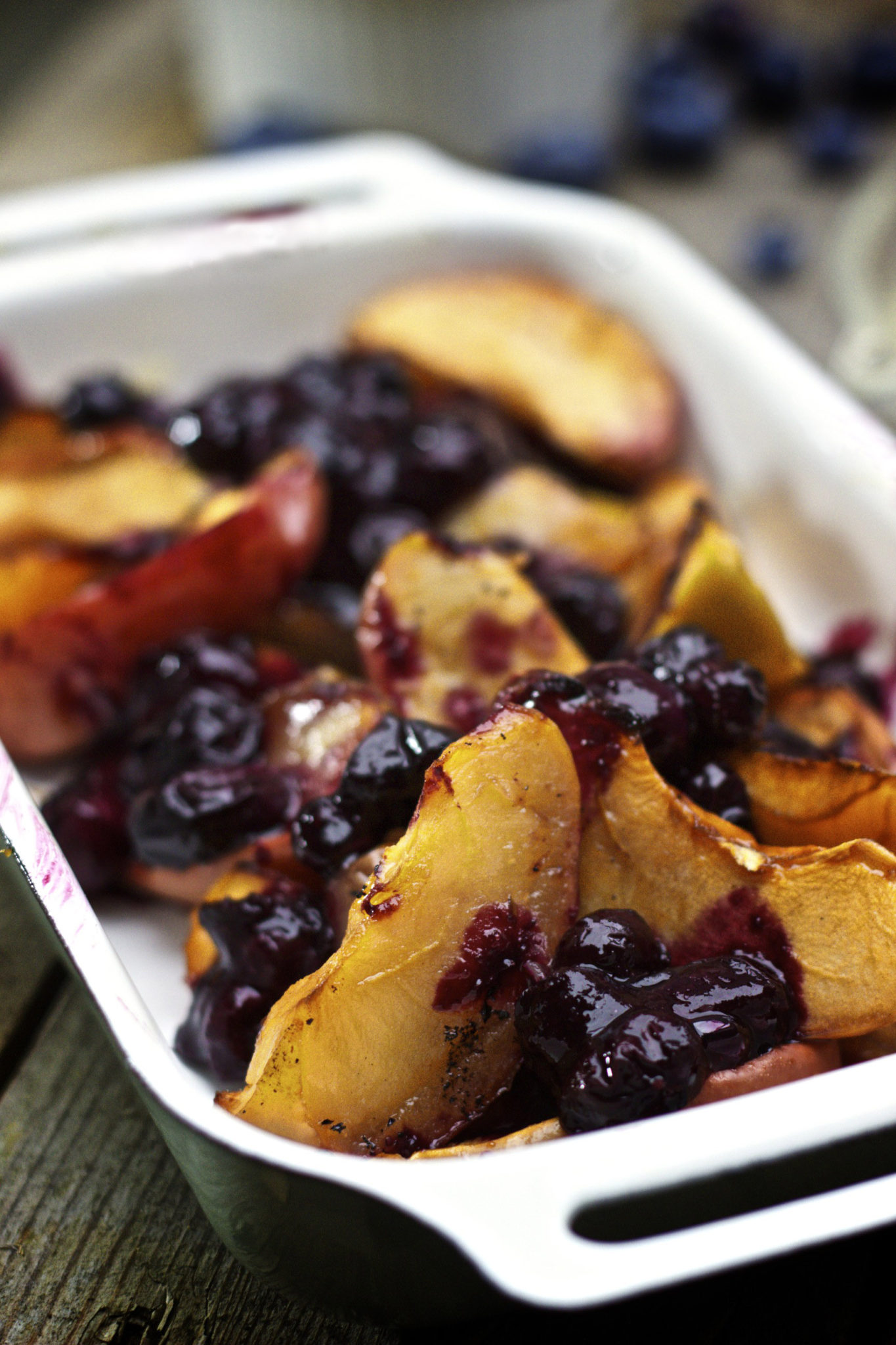
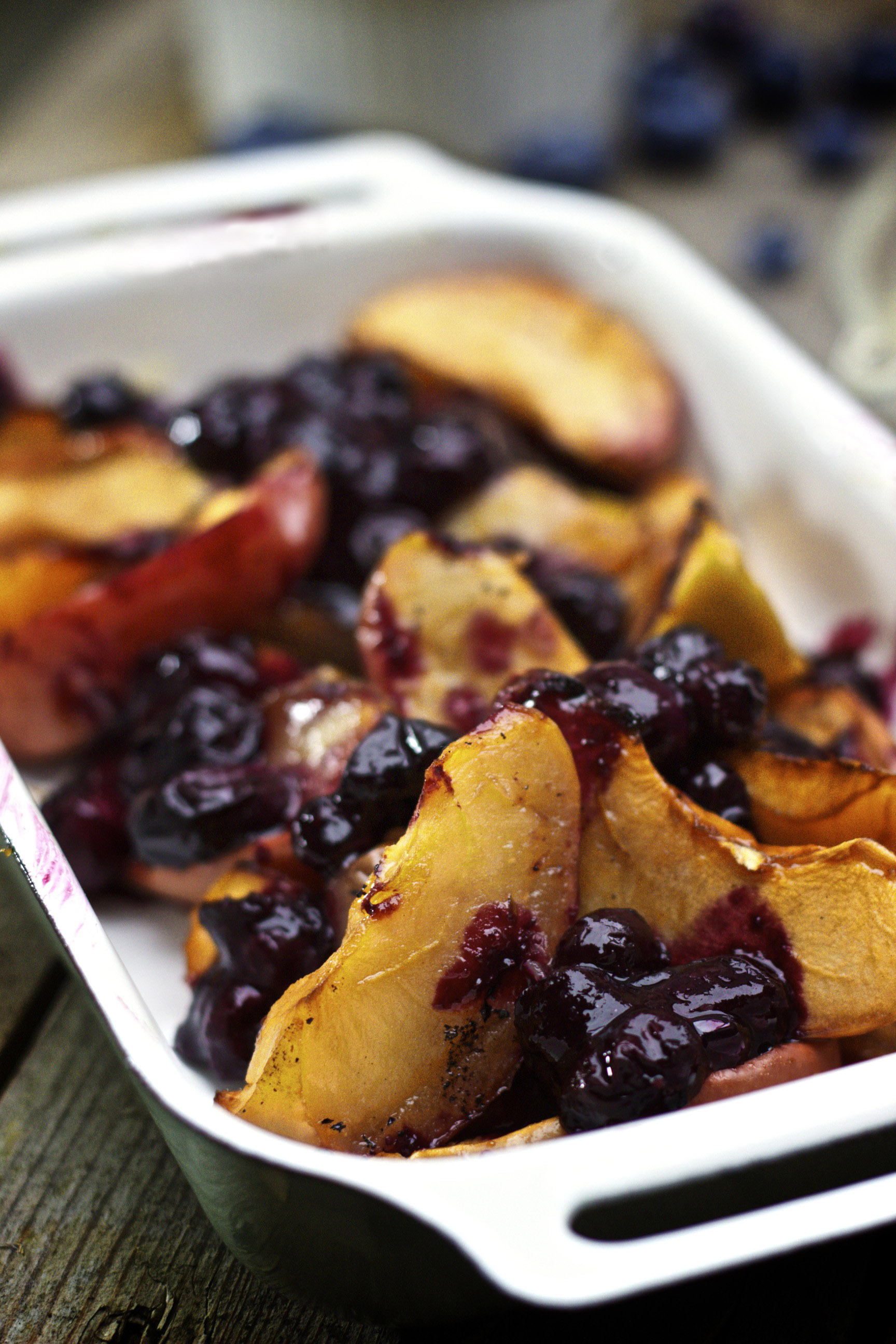
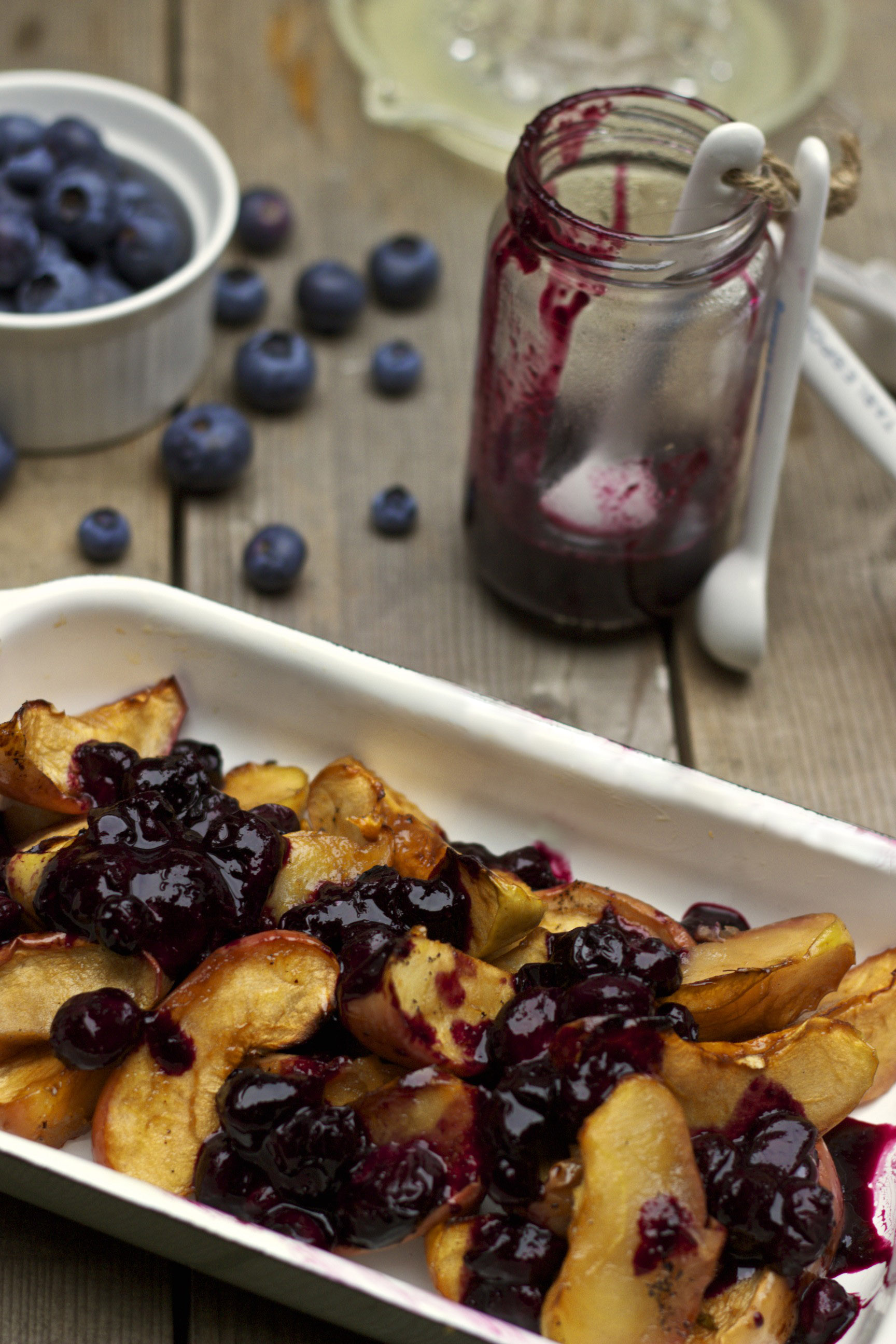
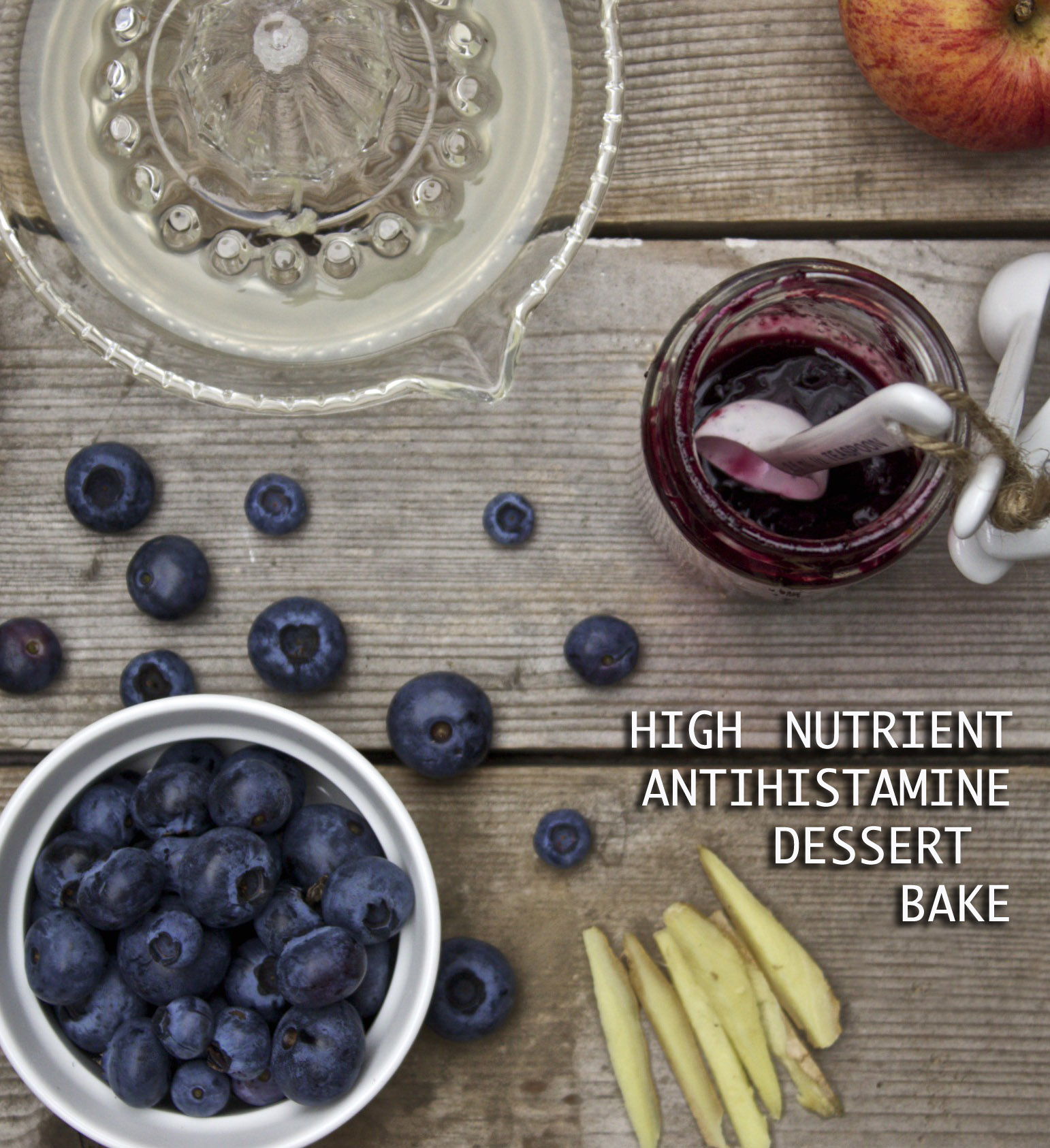
    Antihistamine dessert bake with quercetin rich apples, blueberries and ginger. You may use any fruit you tolerate. 

    Today was odd. I found myself doing something I hadn’t in a long time: having a nervous breakdown in the supermarket.

    Only this time it wasn’t over my dietary predicament, but that of my readers. What to share with you this week? Will the paleo folk be disappointed with this, will lectins upset and just how low oxalate does a recipe have to be??

    After picking up and putting back a dozen items I finally brainstormed something that made me a very happy bunny indeed…a dessert that reminded me the tastiest treats are ones that improve our health.

    antihistamine quercetin bake

    So what makes this antihistamine? It’s the quercetin. Much of my dietary philosophy revolves around the concept of eating antihistamine and anti-inflammatory foods. You’re thinking: but you’re the low histamine chef. Well yes. The foods are all low histamine too!

    Why anti-inflammatory? When my hardcore research into histamine began three years ago the phrase “histamine induced inflammation” kept coming up over and over. And so I thought, well why am I just eating low histamine rather than anti-inflammatory? See because here’s what few naturopath’s tell you: in addition to faulty diamine oxidase or HNMT production, genetic pathway yadda yadda (undermethylation etc), mast cell dysfunction is behind much of the histamine release in the body.

    Thing is that mast cells, in addition to housing histamine, also shelter a number of other inflammatory molecules that in small amounts help us heal, but when flooded into the body in excess, can cause unbridled inflammation [1].

    Once I understood this I couldn’t go on putting anything in my body that wasn’t going to help deal with that histamine induced inflammation. I simply analysed the commonly sold natural antihistamine supplements on the market – finding that quercetin, rutin and luteolin appeared time and again.

    Why? Because they are very powerful mast cell stabilsers, as strong as the most commonly prescribed pharmaceutical (Nalcrom) – meaning that they prevent mast cells from freaking out and releasing histamine into the body to cause inflammation [2]. Sadly my (frequent) conversations with practitioners in the field reveals that the majority absolutely do not believe that diet plays any role in mast cell activation and mastocytosis (they definitely don’t believe that histamine intolerance even exists). It’s so bizarre given that we know inflammation plays a role in so many other illnesses like cancer [3], heart disease [4], Parkinson’s [5]. And we know an anti-inflammatory diet helps in those cases. So why not with histamine intolerance/mast cell activation and mastocytosis? It’s my personal belief that much of what goes on with us is caused by a crappy diet. I know, sacrilegious right? And yet we’re fobbed off with handfuls of antihistamines, mast cell stabilsers and told that we can carry on eating pizza and pasta.

    I KNOW that an antihistamine diet rich in bioflavonoids like quercetin, rutin and luteolin has given me my life back and it is also the experience of dozens of people who write to me, many thanking me for putting this idea out there (tho I’m not the first!) and others telling me they’ve been onto it for years. They’ve all improved, lessened or reversed symptoms we were told we need meds for.

    While I do understand that we’d have to eat quite a bit of antihistamine foods to have an effect and there’s the blood/brain barrier and all that, what about this revolutionary concept: eat only anthistamine and anti-inflammatory foods; that way nothing you put into your body is going to exacerbate the existing condition by causing more inflammation or histamine to rise (even a little bit)?

    Hmmmm? What do you think of that? If you’re on board (but even if you’re not), check out the tasty antihistamine & anti-inflammatory dessert recipe below.

    antihistamine dessert bake composite

    Here’s the nutritional breakdown I know you love as much as I do!

    Benefits:

    Blueberries and apples are an excellent source of histamine lowering quercetin [6].

    Ginger is as potent an H2 receptor antagonist as Zantac/ranitidine (commonly prescribed for heartburn too) [7].

    Coconut possesses strong anti-inflamatory and analgesic properties [8].

     For more recipes and a six page list of antihistamine and anti-inflammatory foods please check out the Anti-cookbook: High Nutrient Antihistamine & Anti-inflammatory Recipes for Health – now also in a paleo version. 

    Antihistamine Dessert Bake

    Prep Time: 10 | Cook Time: 20 | Servings: 2 | Difficulty: Easy

    Ingredients:

    3 apples, cut into eighths
    1.5 cups blueberries
    1 tbsp fresh grated ginger
    squidge of fresh lemon (or rind – omit it sensitive)
    pinch of salt

    Optional
    2 tbsp coconut nectar or powdered coconut sugar/your choice of sweetener

    Directions:

    Pre-heat oven at 200C/390F.

    Toss the apples in the coconut nectar (if using) and add a pinch of salt (to bring out the sweetness).

    Place on a non-stick or lightly oiled baking tray and place in the oven.

    Bake for 20-30 minutes, turning once half way through.

    Meanwhile add the blueberries, ginger, the squidge of lemon and a splash of water to a small pot. Simmer till the blueberries break down, about 3-5 minutes.

    Place the apples in a serving bowl and add a few dollops of the blueberry compote. You might also want to try drizzling  with a little coconut cream.

    Enjoy your health!

    Please don’t forget antihistamine, pain killing foods can still hurt us, so please always check with your doctor before adding new foods to your diet

    The Anti-cookbook and all liquid Anti-Detox Book, don’t treat any conditions, but are high in the high nutrient antihistamine and anti-inflammatory ingredients that have been instrumental in helping me feed myself on a limited diet. The Anti-cookbook features a six page list of antihistamine and anti-inflammatory foods and comes in regular and Paleo. 

    The Low Oxalate Cookbook features antihistamine and anti-inflammatory rich recipes. 

    Don’t miss the Low Histamine Beauty Survival Guide for non-toxic beauty tips, the skinny on histamine releasing (mast cell degranulating) beauty ingredients, antihistamine and anti-inflammatory beauty alternatives and the top brands natural brands I’ve found.

    Take a peek at my other low histamine and antihistamine cookbooks for more high nutrient recipes and sign up to my mailing list for freebies. 

    ——— REFERENCES ——-

    [1] http://en.wikipedia.org/wiki/Mast_cell

    [2] http://www.mastcellmaster.com/research.php

    [3] http://www.ncbi.nlm.nih.gov/pmc/articles/PMC1994795/

    [4] http://www.medicalnewstoday.com/articles/265378.php

    [5] http://circ.ahajournals.org/content/99/2/237.short

    [6] http://umm.edu/health/medical/altmed/supplement/quercetin

    [7] http://journals.tums.ac.ir/upload_files/pdf/_/2382.pdf

    [8] http://www.ncbi.nlm.nih.gov/pubmed/19429325

  • Lectins: friend or foe?

    Lectins: friend or foe?

    lectins release histamine

    Lectins: they help fight cancer but can cause mast cells to release histamine. The good news is that how you cook them makes a world of difference. 

    You know how I said a few weeks ago that I stuck my head in the sand over the whole oxalate causing pain down there issue? Well the good news is, no major harm done, a few weeks on a moderately low oxalate diet has pretty much taken care of that. If only I could get those 30 or so years of pain rolled back; but hey, it is what it is.

    Most recently some research crossed my virtual desk that I’ve also spent the last few years trying to ignore. There’s only so much a girl can do at once you know?

    CLICK HERE TO CREATE YOUR OWN PERSONALISED HEALING HISTAMINE PLAN. 

    But at the end of the day I’m not a girl any more and as such when a couple of juicy tidbits like this smack me in the face there’s no option but to pull my head out of the sand (or my butt) and get with the program. After all, I’ve come this far, made all this progress, why not go the whole nine yards?

    So here we go.

    Lectins.

    One word that could explain mast cell/histamine reactions to potato, rice, lentils and other lectin rich legumes.

    Lectins are not something I’ve worried too much about because other than having eliminated (without realising) the highest lectin, non-nutritious foods from my diet, I always try to weigh up the good and the bad. And I really really love my vitamin B, copper and fiber rich lentils! My recent lectin, gluten and dairy free Paleo cookbook (The Anti-Cookbook: High Nutrient Antihistamine and Anti-inflammatory Recipes for Health) was mostly in response to the number of requests I was getting asking for it!

    Yes, the Paleo community and many others have spoken out quite a bit about the damage they can cause so I’m not going to go over it again – I’m dealing solely with the histamine angle. 

    In a nutshell, lectins can cause  mast cells to release histamine into the body, but because they also fight cancer [1] I’m willing to put up with mild symptoms that could lead to increased immunity to cancer in the long run. I also reported a while back that many beans have antihistaminic properties.

    But my head is out of my butt now so lets explore the issue…

    I’ll preface this by saying that many of the studies I found were conducted on animals and that in our recent interview Dr Janice Joneja told me that lentils and chickpeas are just fine. We didn’t get into the other foods but potatoes are listed as a mast cell trigger on her food list for the Mastocytosis Society Of Canada website.

    From a human study: “A major factor in non-allergic food hypersensitivity could be the interaction of dietary lectins with mast cells and basophils…Because IgE contains 10-12% carbohydrates, lectins can activate and degranulate these cells.” [2]

    Ouch. I don’t like the sound of that!

    They go on to talk about how the white blood cells of people with a negative IgE allergy test for potato go on to react to a prick test, while another study re-affirms that certain lectins are able to induce mast cell activation (thereby releasing histamine into the body) [3].

    What fun!

    But here’s the interesting part, some of the studies found that lectin induced histamine release from mast cells was inhibited in the absence of extracellular calcium [4]. And that lectins at high concentrations can “quench” the histamine release [5]. I’d love to know how high a concentration – I’m fantasising about eating my way out of lentil soup bath. Score!

    Don’t want to eliminate lectins? Studies show that soaking, germinating and pressure cooking can inactivate lectins [6], which may be the reason that I’ve never had a significant reaction to lectin rich foods. Or it could be because not enough of the lectins were ingested.

    Have you noticed any reactions to lectin rich foods or eliminated them from your diet? Have you, like me (at least for now), decided that you’ll put up with mild reactions for the anti-cancer benefit?

    ———REFERENCES——–

    [1] http://www.ansci.cornell.edu/plants/toxicagents/lectins.html#leccan

    [2] http://www.ncbi.nlm.nih.gov/pmc/articles/PMC1941928/

    [3] http://www.ncbi.nlm.nih.gov/pubmed/22108054

    [4] http://www.scielo.br/scielo.php?pid=S0100-879X2005000600016&script=sci_arttext

    [5] http://www.scielo.br/scielo.php?pid=S0100-879X2005000600016&script=sci_arttext

    [6] http://www.ncbi.nlm.nih.gov/pubmed/12017999

  • Low Histamine (green tomato) Ketchup

    Low Histamine (green tomato) Ketchup

    low histamine ketchup

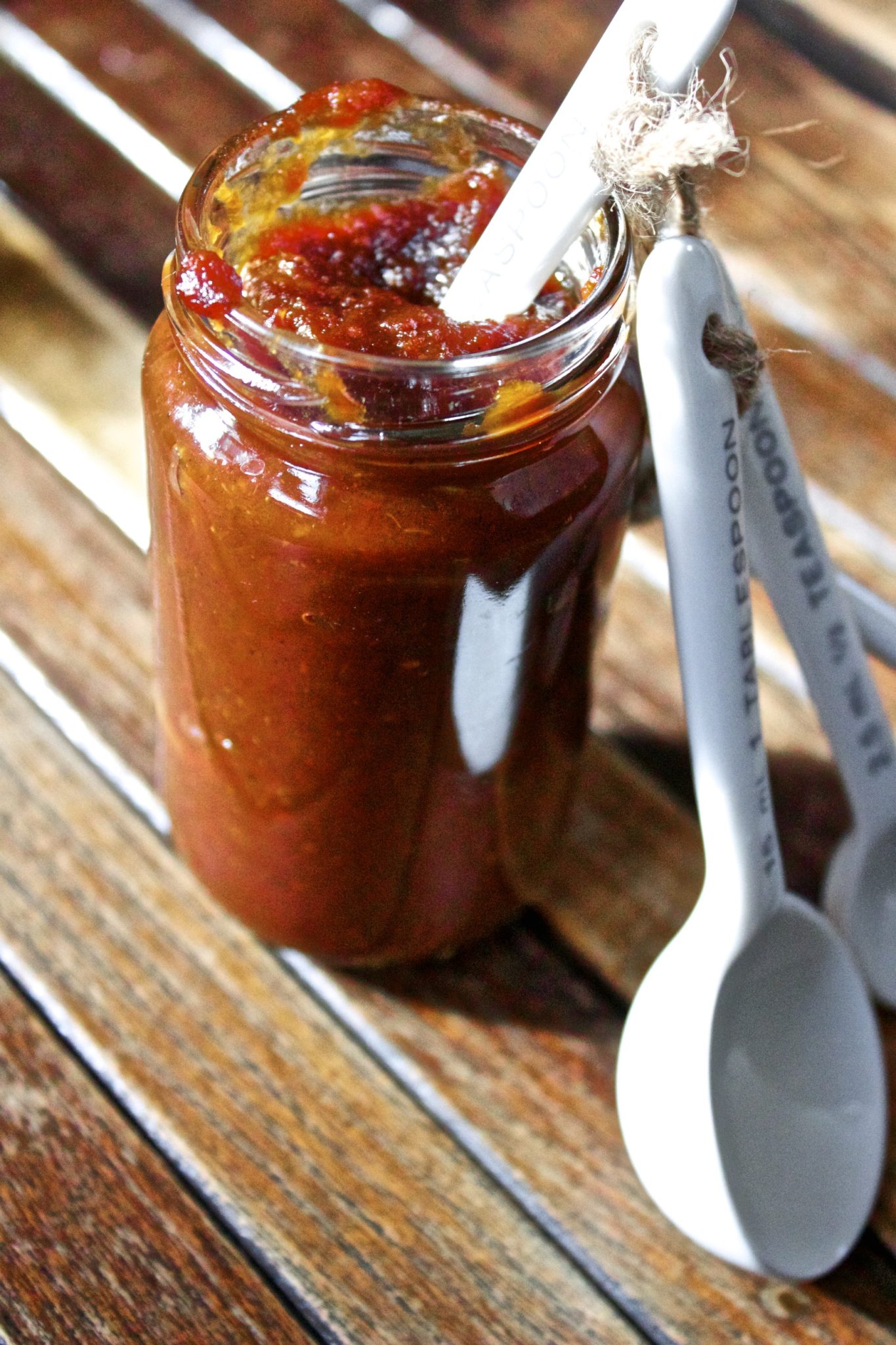
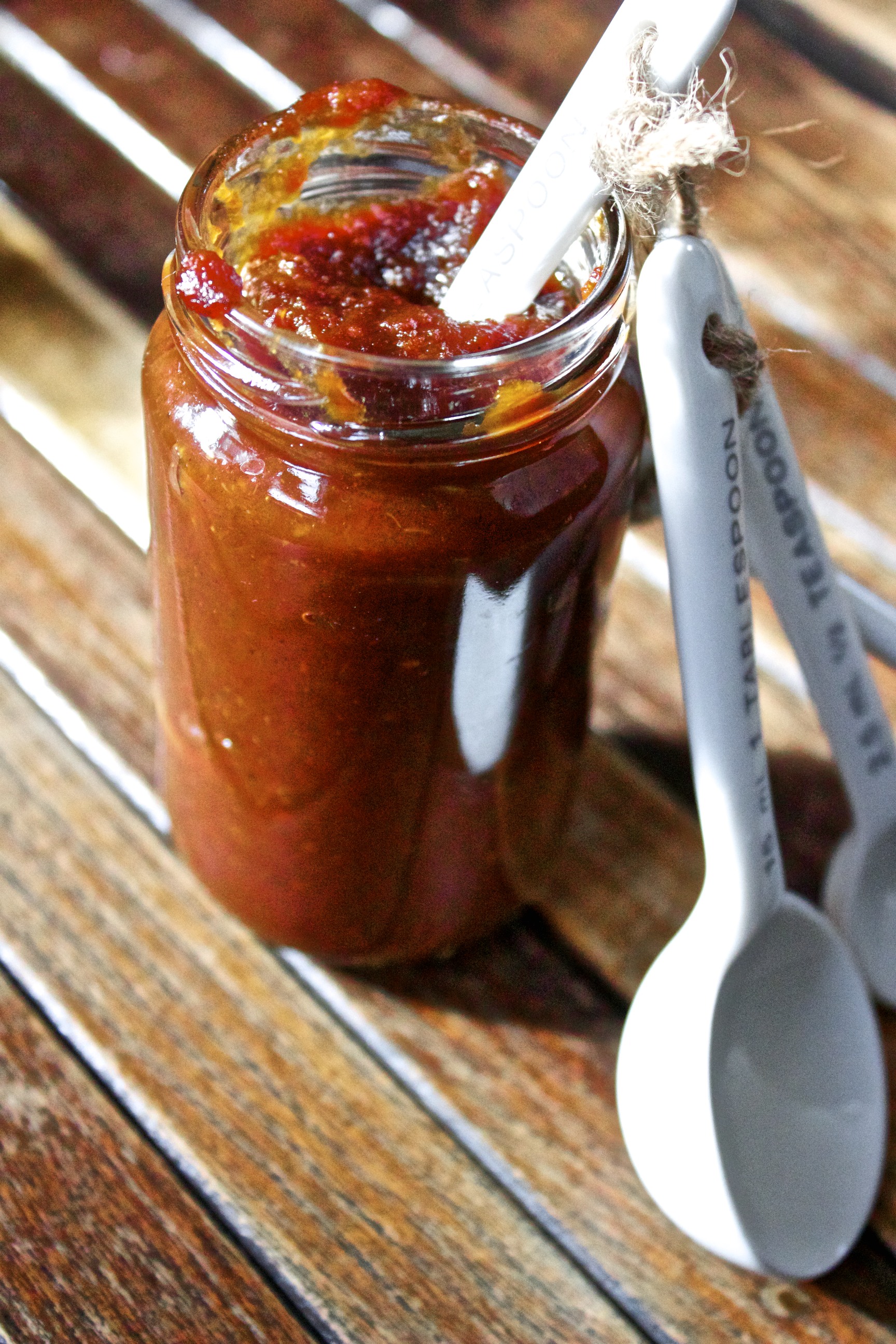
    Nope, no need to clean out your ears, you heard me right: low histamine ketchup – how low histamine is totally up to you.

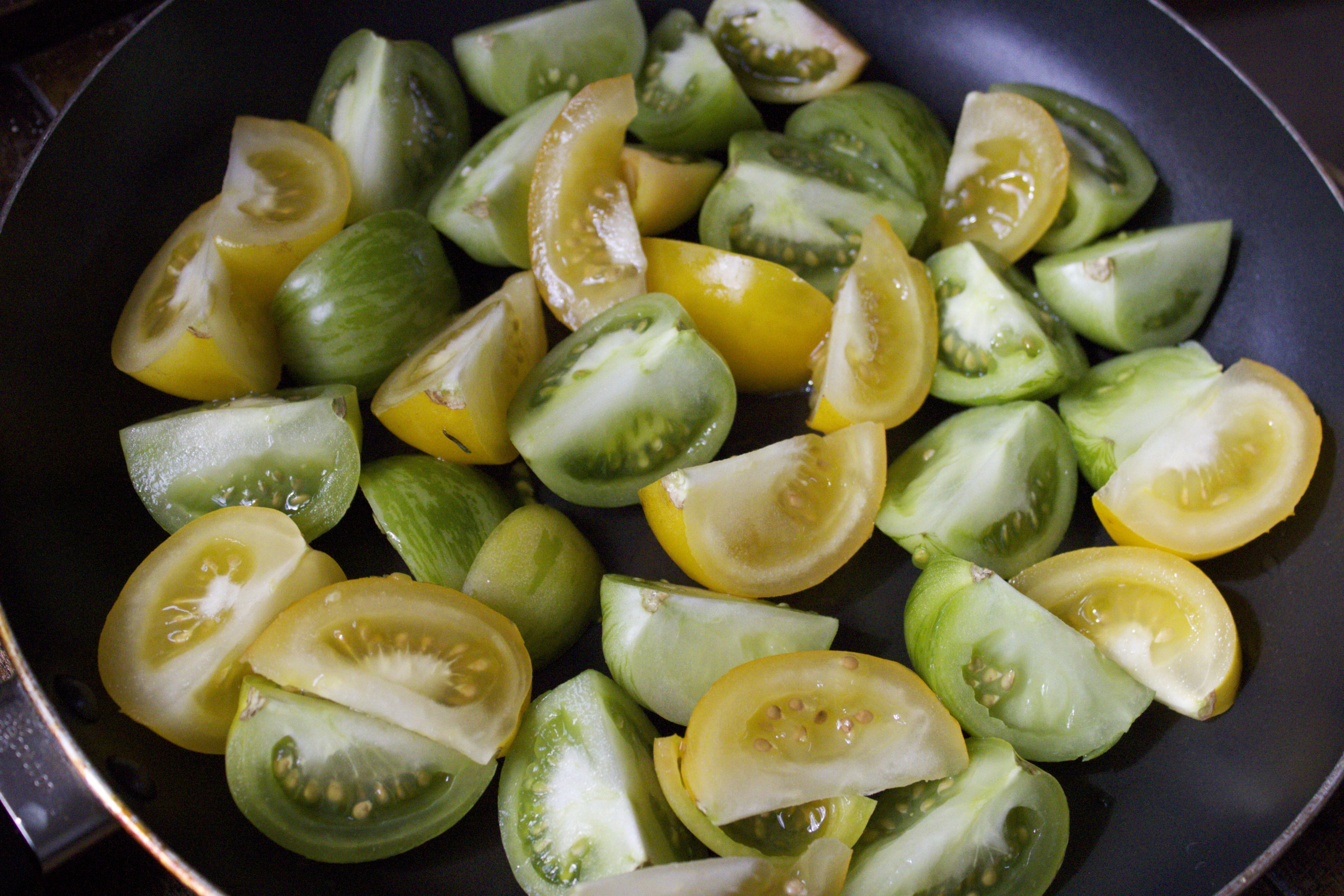
    Before you rush to fire off an email berating me for promoting high histamine foods, let me just share one of the most exciting nuggets of information gleaned from my interview with immunologist and histamine researcher Dr Janice Joneja: less pigmented fruits and vegetables are generally lower histamine (green/yellow tomatoes for example) and many of her patients do fine with them. You’ll find a link to the interview at the end of this post. 

    Sadly tomatoes are a high oxalate food. If you, like me, are watching your ox intake, fret not, my next recipe’s all about you. Even more exciting is that oxalate specialist Dr Susan Owens (of the Yahoo Oxalate Group) has agreed to an interview. You’ll want to sign up to my mailing list to make sure you don’t miss out on either.

    Back to the main event.

    The Joneja interview set my mind racing. And off to London’s Borough Market I ran to score me some tomaters. My man, usually a happy participant in my dashes around the city (or foreign country) in pursuit of some foodstuff or another, was nonetheless not thrilled with being dragged this far south of the river.

    Luckily we happened upon a little cider house en route (uh, need to check my terminology there) where he seemed quite happy to remain, half pint in hand, discussing organic cider brewing with the owner, while I ran around gleefully pouncing on purple cabbage, mutant Chihuahua sized peaches and copious baskets of gluten and sugar free baked goods. No, I don’t eat them but I do so love to inhale them. Looking and smelling is half the pleasure of eating after all…

    You’ll find this recipe calls for either apple cider vinegar (I always unfiltered as I hope that some quercetin remains) or lemon. Out of curiosity (for those who don’t tolerate either) I cooked up a little of the tomatoes with tamarind instead and it tasted good! Sadly because it was on the fly and in a small amount, I can’t tell you how much to use. I’d try one tamarind and then taste as the ketchup cooks, adding more if needed.

    Here’s some of the nutritional highlights, taken from the Anti-Cookbook: High Nutrient Antihistamine & Anti-inflammatory Recipes for Health (now also Paleo):

    Tomatoes: while it is true that (at least the red variety) raise histamine, there’s a number of studies out there pointing to the anti-inflammatory activity of the tomato plant leaves [1], specifically through it’s action on prostaglandins, while the fruit itself is high in Vitamin C, beta carotene, lycopene [2] and chlorophyll [3] – all of which have been linked to lower cancer rates.

    Garlic: one of the more interesting studies I came across in relation to garlic is that it is now being studied for its potential to treat IBS [4], in addition to being anti-inflammatory, antibacterial and all the rest of the stuff I’ve mentioned in other recipes (just use the search bar to look up other nutritious foods).

    Onion: is one of the richest sources of histamine lowering quercetin [5].

    Ginger: is as potent an H2 receptor antagonist as ranitidine (zantac) [6].

    Dates: possess anti-inflammatory action as well as reducing the severity of gastric ulcer [7].

    Apple cider vinegar: there are of course dozens of claims as to the health benefits of ACV, in particular that it has the potential to stabilise blood sugar [8].

    Please do remember that not all anti-inflammaotry foods are also antihistamine and even antihistamine foods can hurt us, so please check with your doctor before introducing new foods. 

    low histamine tomatoes

    Low Histamine Tomato Ketchup

    Prep Time: 5 | Cook Time: 30 | Servings: 4 – 8 | Difficulty: Easy

    Ingredients:

    10 medium green/yellow tomatoes, peeled and seeded

    4-8 tbsp coconut sugar or 2 Medjool dates (or your choice of sweetener)

    1/4 – 1/3 cup apple cider vinegar or lemon

    1/2 large onion, very finely chopped

    1 large clove garlic, very finely chopped

    1 tbsp fresh ginger, chopped

    1 red pepper or beet, juiced (optional, for colour)

    Directions:

    Chop up your tomatoes.

    Place them in a blender.

    Add a pinch of salt, the onion, garlic, ginger, vinegar or lemon, red pepper juice if using (otherwise add 1/2 cup of water) and then blend well till smooth.

    Pour into a pan or a small pot. Add in the sugar (less to start with, more as needed), cover and bring to the boil before turning down to a simmer.

    Stir frequently, until the sauce becomes ketchup-y. It took me 30 minutes. Increase the vinegar/lemon and sugar to taste and add a little bit of water if needed.

    As I don’t eat leftovers I then decided to freeze them into handy little portions using mini mason jars.

    Enjoy!

    You’ll find the Dr Janice Joneja interview here.

    References:

    [1] http://www.academicjournals.org/ajb/PDF/pdf2011/16DecConf/Amid%20et%20al%201.pdf

    [2] http://www.sciencedirect.com/science/article/pii/S0304423810004498

    [3] http://onlinelibrary.wiley.com/doi/10.1002/jsfa.1292/pdf

    [4] http://onlinelibrary.wiley.com/doi/10.1002/cyto.10133/full

    [5] http://journal.ashspublications.org/content/120/6/909.full.pdf

    [6] http://www.academicjournals.org/ajbr/pdf/Pdf2009/Dec/Anosike%20et%20al.pdf

    [7] http://www.ncbi.nlm.nih.gov/pubmed/15814265

    [8] http://www.foodnavigator-usa.com/R-D/Vinegar-beverage-shows-blood-sugar-management-potential

GET STARTED HEALING HISTAMINE

WHAT YOU NEED TO KNOW ABOUT HISTAMINE DELIVERED TO YOUR INBOX