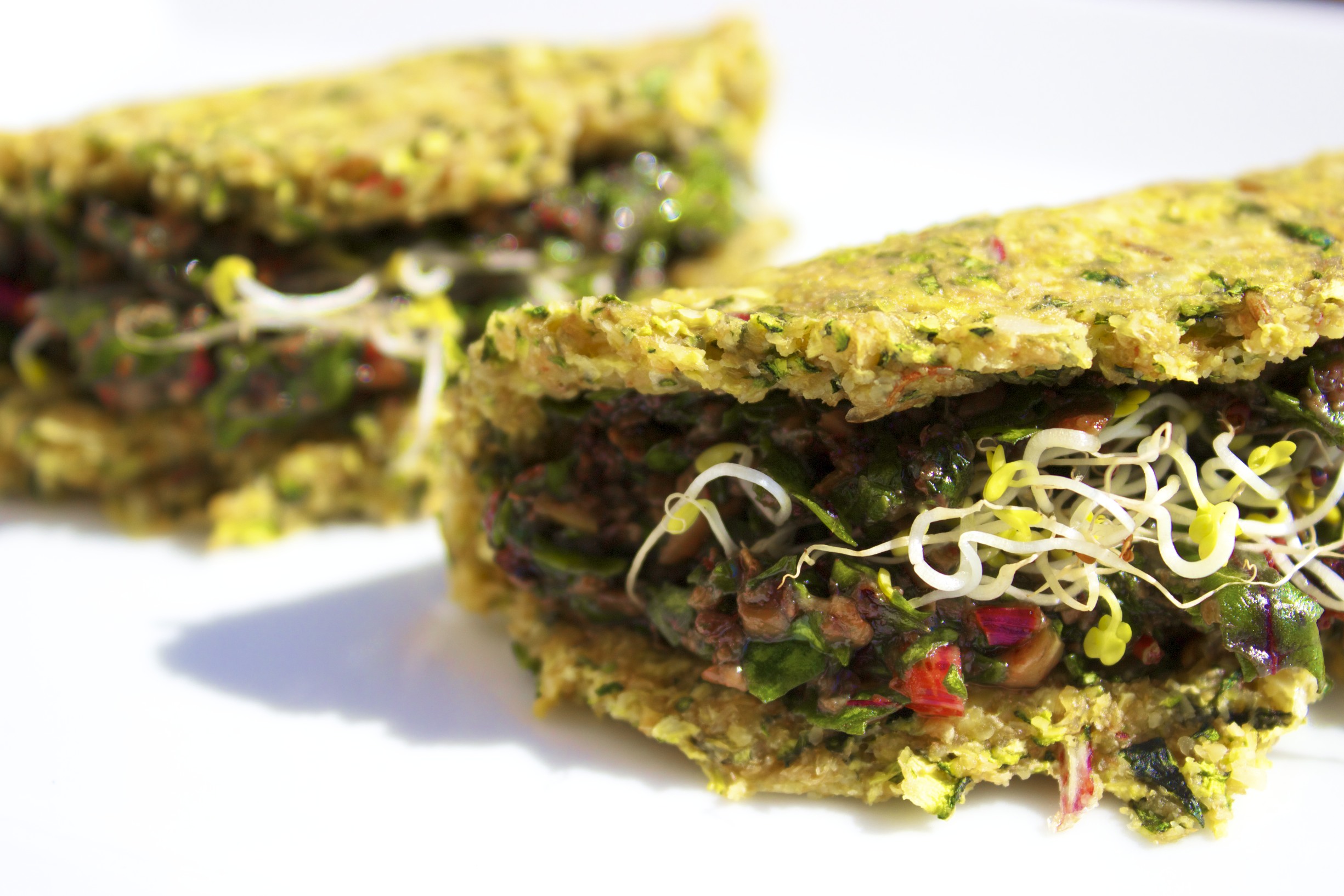
CLICK THE IMAGE ABOVE TO PURCHASE THE PALEO LOW HISTAMINE EBOOK
Wondering why you’re still not feeling better, despite eliminating all the foods those lists tell you to? Have a niggling suspicion that losing all those high nutrient foods could be counter productive? Starting to worry that your five “safe foods” might turn on you one day?
It’s time to ask yourself – why go low histamine when you can go anti-histamine?
While I always tell people that it’s not just about the food, eliminating high nutrient foods from my diet turned out to be the BIGGEST mistake I ever made. But by the time the damage was done, I struggled to figure out how to fix it. At first adding high nutrient foods was challenging, till I figured out that if the goal was to add the least histamine possible to my body, why not go one step further and add antihistamine foods to my diet instead? It worked and I was finally able to come off my remaining antihistamine (zyrtec)!
My reading of the mast cell field’s top researchers (Drs Theoharides, Akin, Castells, Escribano) soon revealed that histamine, in addition to the other pro-inflammatory elements released by mast cells (prostaglandins et al), were likely causing further dysfunction in my body.
Many people in our histamine intolerance, mast cell activation disorder, and mastocytosis community are prescribed aspirin to relieve that inflammation – but why not go straight to the source? Aspirin is salicylic acid – guess where in nature you can find it? High nutrient green leafy foods! My new understanding of histamine/prostaglandin induced inflammation and the very serious ilnesses it can feed (cancer, neuro-inflammation, heart disease and many others) prompted me to address the very scarily elevated inflammatory markers in my blood work.
Thanks to my high nutrient antihistamine and anti-inflammatory approach, I’m now in the best health of my life (and have the blood tests to prove it)! And it took less than a year…
A list of my top high nutrient antihistaminic, anti-inflammatory and mast cell stabilising foods.
Tasty antihistamine beverages.
Antihistamine and anti-inflammatory breakfasts, lunches and dinners.
NB: Almost every single ingredient in this book was chosen for its antihistaminic, mast cell stablising or anti-inflammatory properties…
This book is fairly hardcore high nutrient and as such incorporates green juices and smoothies. If you are new to the low histamine diet or still eating the Standard American Diet (SAD) then I recommend trying one of my other books. Please be aware that this is not a diet book, but rather a collection of the high nutrient recipes. Please be sure to consult with your doctor before adding any new foods to your diet.
Meditation has changed my life. It has helped me manage my mast cell activation symptoms, bizarre reactions to chemicals, dampen an explosive temper and get over the fear of food, and it’s certainly not an exaggeration to say that I have meditation to thank for minimising my food intolerances/reactions to food. How? Most likely a region of my brain called the limbic system was somehow triggered to remain “on” following a particularly harrowing experience with food and has spent the next few years hyper-analysing every morsel for its potential to hurt me. That’s what I think anyway.
But, as I say over and over again to those with histamine intolerance – “it’s not about the food”. Focusing on the food rather than understanding the role of hormones, digestive enzymes, mast cell instability and the brain’s determination to detect and avoid things that make us ill or it perceives could kill us, is not to see the wood for the trees. So to exclusively focus on what food is having which effect on the body is likely creating a situation where the brain amplifies every tiny glitch into a monster symptom.
That’s where mediation comes in. Learning to manage the body’s flight or fight response to food, even the harmless triggers, in my case has involved seriously chilling out in the kitchen and at the dinner table. Letting go, understanding that I can’t, nor do I wish to, control every single thing about my diet and my environment, is what I decided I wanted out of mediation. And so I worked towards it. What I did learn to control however was my body’s response to (harmless) triggers. You certainly won’t find me arguing that commercial dishwashing liquid, make up or tap water is particularly safe – I’ve just accepted that the enormous effort it took to avoid all these things and more importantly tell people over and over again how sick I would get if I did was actually making me sicker. I was talking myself into an illness.
That’s where the Silva Method of meditation and healing comes in. For the last six months I have spent 15 minutes – 1 hr daily practising taking myself to a deep level of relaxation where I am able to kill my worst reactions and visualise myself not reacting to foods and chemicals. While there are many ways to meditate, it’s the one that allowed me to understand that I can go deep, really deep, and even control pain. I’ve used it for everything from getting rid of migraines, to stopping myself from passing out after vitamin B12 injections and even controlling minor reactions to food (which I am NOT endorsing – a minor reaction can turn deadly for many).
Given that I am always worried someone will get hurt following the path I have chosen for myself, I have till now not shared the event that changed my life. The one that gave me complete control over my condition. I want to make absolutely clear that what happened wasn’t the result of a choice, but rather being completely out of options.
Please do not try this at home. Do not try it without consulting a doctor. Just don’t try it ok? I could never forgive myself if something happened to you.
Ok, now you may read on.
The incident that changed everything…
Picture this:
Kenya, we travelled down a dirt road for 20 minutes to reach this beautiful house on the beach to have a party. Blaring music, drunken dancing (not me!). I have suddenly taking poorly. Not wanting to spoil the party by leaving, I try to chill on a sun lounger by the water’s edge. Suddenly wracked by waves of nausea, the dreaded “warm brain” I haven’t experienced in years, and a sudden out of body feeling; I decide that yakking my guts up on the impromptu dance floor might be more of a buzzkill, so with my heart about to jump out of my chest, I begin weaving my way up the path to the bedroom. A sideways glance at a mirror on the staircase frightens the life out of me.
Correction – it looks like the life has already been frightened out of me. My lips are snow white, my skin so pale it’s verging on translucence. I can no longer feel my fingers or toes and my brain/head has passed from warm to ice cold – which frightens me immensely. I clutch the bathroom sink as my lips pass from white to blue. My heart rate shoots up and as I debate my next move, suddenly a vortex opens at my feet, sucking the life force out of me, starting at my head, all the way down to my feet like one of those 3D sci-fi movies where you’re taken through a wormhole.
I take a brief time out from terror to assess my situation. I am alone and no one downstairs can hear me. We are at least an hour’s drive from a doctor and in any case no one is sober enough to drive me. A cartoon-like dimming of my vision is now in motion and I realise this is it – I am going to die. I’ve been here before, but this time there’s no hospital or competent doctor within reach.
I begin trying to make my peace with it, having collapsed into a ball on the floor. I tell myself that at least all this suffering will be over and that the person I love the most will finally have a “normal” life with someone who is healthy, someone to make him happy – when suddenly he appears at the doorway.
Not quite immediately realising what’s going on, thinking I’ve left the party in a huff, he comes over to take me in his arms, no doubt to convince me to come back down to the party.
“This is it,” I croak. “I’m dying.”
He suddenly scoops me up into his arms, propping me up from behind. I can feel my heart trying to match the perpetually chilled out beating of his; it’s enough to remind me that I’ve spent the last few months training for (not quite) this very moment.
And so I begin. 5, 4, 3, 2, 1. Breathe. I recall what the mastocytosis doctors in Spain told me. Stress is what gets you. Kill the stress. Lie down. Epi. I have no epi so killing the stress hormones is my only hope.
Suddenly determined, I tell myself I’m not going to die – I’m going to bliss out to the point where it can’t hurt me. I can’t bring my fingers together to trigger the deepest relaxation method I have been practicing, but still I 5, 4, 3, 2, 1. Breathe. Exhale.
I’m not going to die.
My man whispers lovingly into my ear. Reassurances that this will pass. Breathe. Exhale. Breathe again. It’s like walking. One step at a time. Remembering that it’s just one breath after the other till the path becomes clear. I visualise the room in front of me; each corner, the furniture – willing my eyes to see again. I know it’s not my eyes – it’s my brain. I switch to seeing a massive nuclear reactor style dial in my brain marked “shock” being turned from the danger zone back to 0.
Slowly the vision returns. I feel the strength and the calm of my man flowing through me and breathe in life. I visualise drawing my life force back into me.
Finally I’m able to lower myself onto the bed and pass out in complete exhaustion.
Now please remember, this is only my personal experience. I do not in any way advocate the use of meditation for something as serious as this situation. I literally had no options open to me, so I decided to focus on what I could control. The role of stress and mast cell release has been well documented in the work of National Institutes of Health funded researcher Dr Theoharides at Tufts, Boston.
You’ll find a collection of all liquid high nutrient antihistamine and anti-inflammatory rich recipes for days when my histamine bucket overflowed in the new Anti-Detox book.
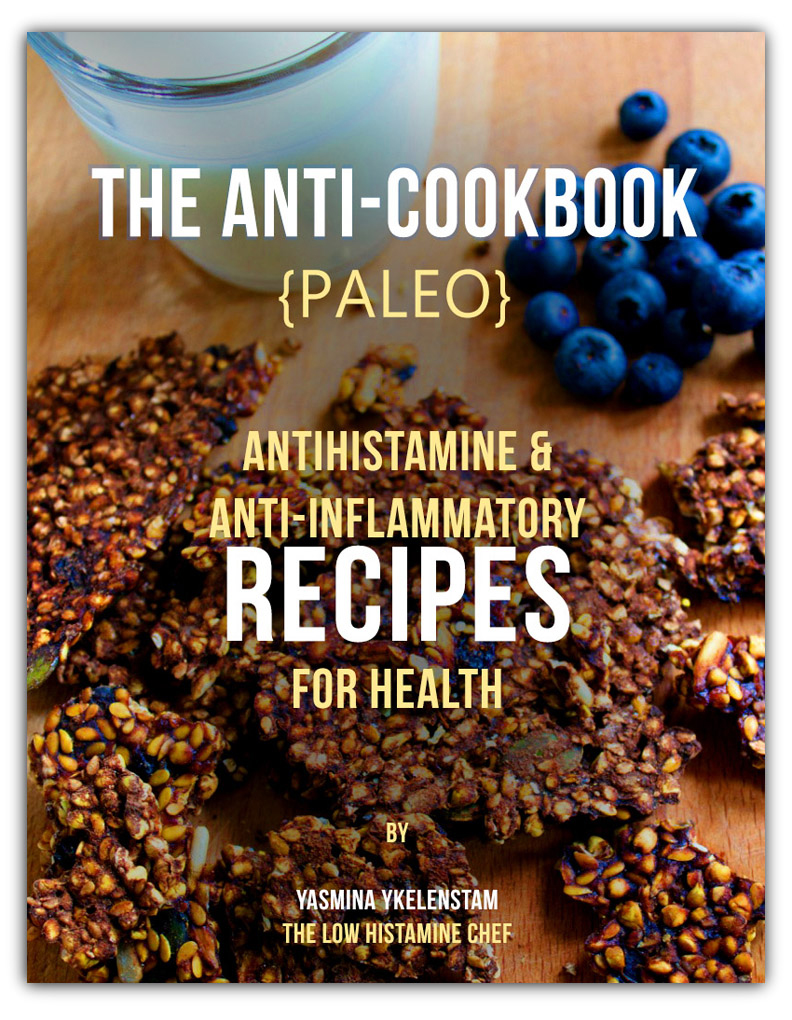
The Anti-cookbook, while it doesn’t treat any conditions, due to its high nutrient, antihistamine and anti-inflammatory ingredients, has been instrumental in helping me feed myself on a limited diet. It features a six page list of antihistamine and anti-inflammatory foods. It comes in regular and Paleo.
The Low Oxalate Cookbookfeatures antihistamine and anti-inflammatory rich recipes.
Don’t miss the Low Histamine Beauty Survival Guidefor non-toxic beauty tips, the skinny on histamine releasing (mast cell degranulating) beauty ingredients, antihistamine and anti-inflammatory beauty alternatives and the top brands natural brands I’ve found.
If you’ve found this information useful I’d appreciate your support (at no extra cost to you!) – please check out my online store for your health foods, supplements, kitchen items and beauty product purchases. Affiliate sales through my online store go towards maintaining the website, funding travel to interviews and purchasing all the lovely foods for my free online recipes. You’ll find these items in the “Shop with us” drop down menu on my homepage.
Please don’t forget antihistamine, pain killing foods can still hurt us, so please always check with your doctor before adding new foods to your diet.
You know how you take antihistamines for allergies? Well antihistamines are found in food too; especially in brightly coloured and leafy green ones (sorry, nope, not M&Ms). Having given up antihistamines last year, my focus has shifted to eating them!
Apples are rich in histamine lowering quercetin and inhibit the development of allergies [1].
Spirulina inhibits histamine release from mast cells and possess anti-inflammatory and cancer fighting properties [2]. Particularly effective for allergic rhinitis [3] (also known as a stuffy nose!).
Chlorella is an antihistamine that works by preventing mast cells from releasing histamine [4].
Broccoli prevents cancer [5] and gastric mucosal damage [6].
Cucumber meanwhile is a natural pain killer and an antioxidant. Worried about thinning hair? Cucumber also prevents the body from making the highly inflammatory molecule prostaglandin [7] which (as I’ve previously posted) has been implicated in hair loss [8].
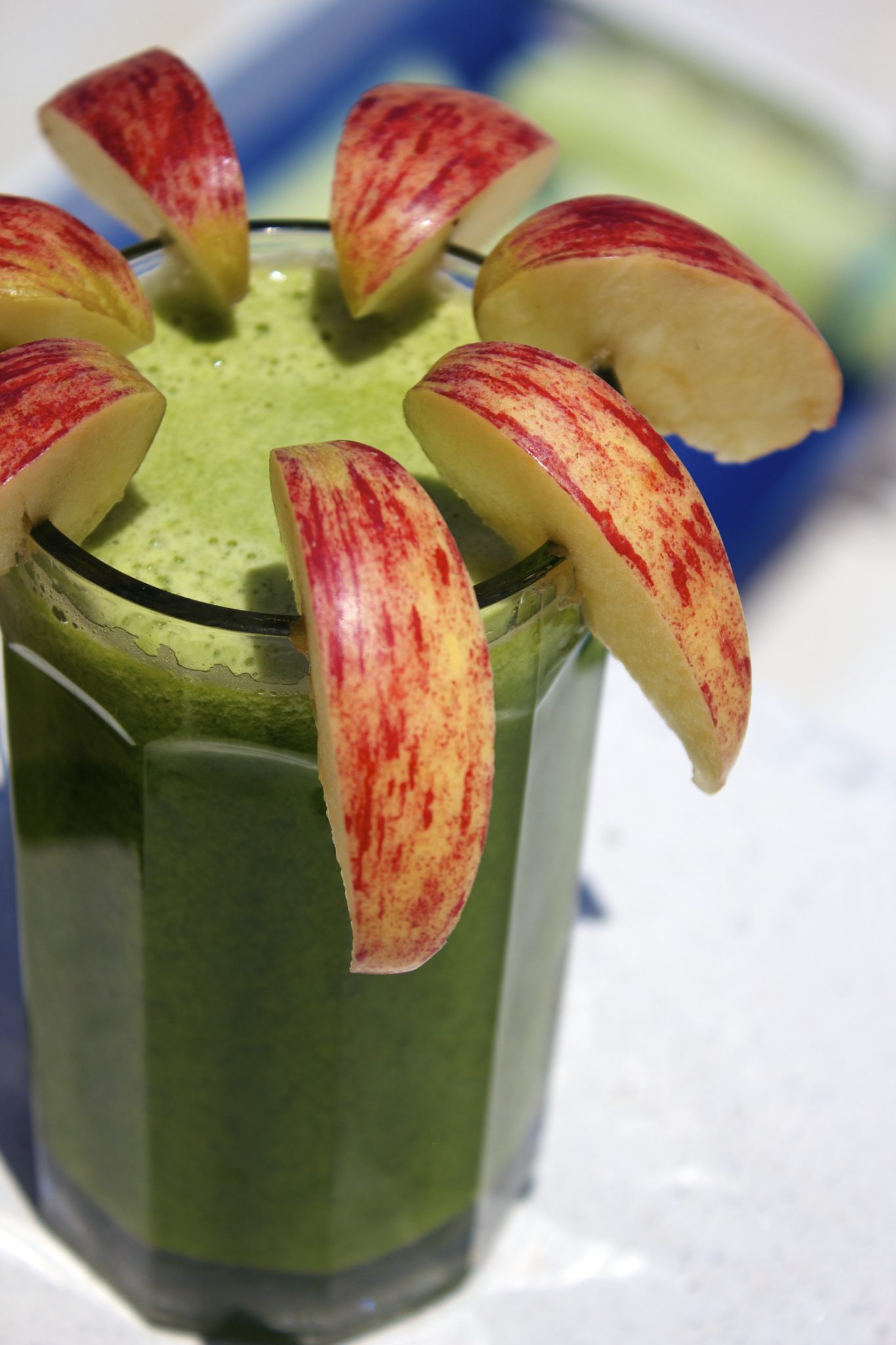
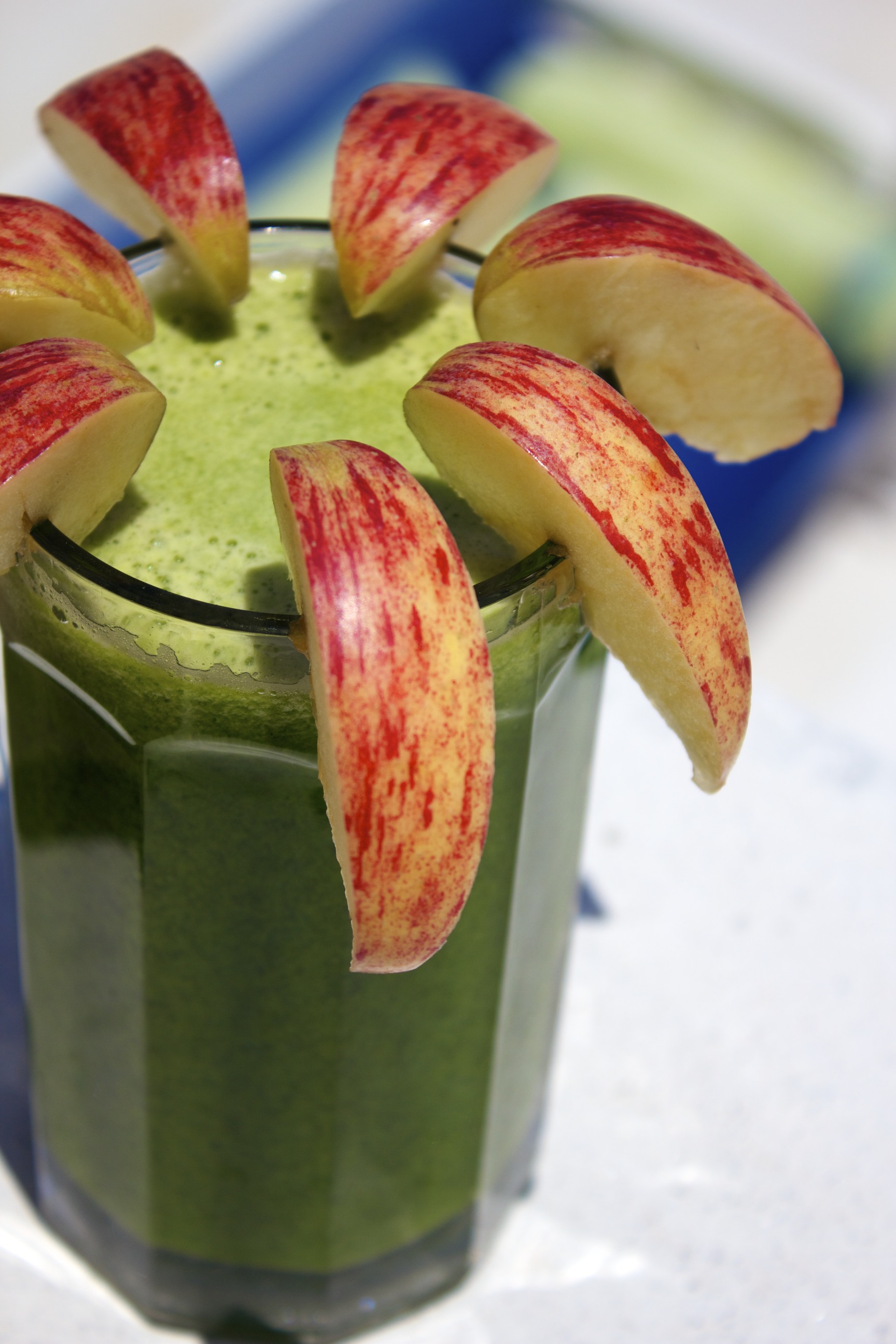
Green Goddess Juice
Ingredients
1 head broccoli
1 medium cucumber
3 medium apples
1 tbsp sized chunk fresh ginger
1 tbsp spirulina
1 tbsp chlorella
Preparation:
Juice the broccoli, cucumber, celery, apples and ginger.
Spoon in the spirulina and chlorella, stir well and enjoy!
It’s finally here! Man Food – a high nutrient antihistamine and anti-inflammatory ingredient filled book geared towards guys, women who love to work out, yoga like they mean it, or just load up on healing nutrients. Features my personal shopping list of antihistamine and anti-inflammatory foods.
The Anti-cookbook and all liquid Anti-Detox Book, don’t treat any conditions, but feature a plethora of the high nutrient antihistamine and anti-inflammatory ingredients that have been instrumental in helping me feed myself on a limited diet. The Anti-cookbook features a six page list of antihistamine and anti-inflammatory foods and comes in regular and Paleo.
The Low Oxalate Cookbook features antihistamine and anti-inflammatory rich recipes.
Don’t miss the Low Histamine Beauty Survival Guide for non-toxic beauty tips, the skinny on histamine releasing (mast cell degranulating) beauty ingredients, antihistamine and anti-inflammatory beauty alternatives and the top brands natural brands I’ve found.
Please remember, even antihistamine and anti-inflammatory foods can hurt us, please always exercise caution and consult a medical practitioner before adding new foods.
I came face to face with one of my greatest fears this last week: catastrophic hard drive failure with no current back up. The fallout wasn’t as unpleasant as I had anticipated – sure, I lost the final draft of a mega project I had just finished, but I got to spend a lovely week with my man, away from the internet and Facebook.
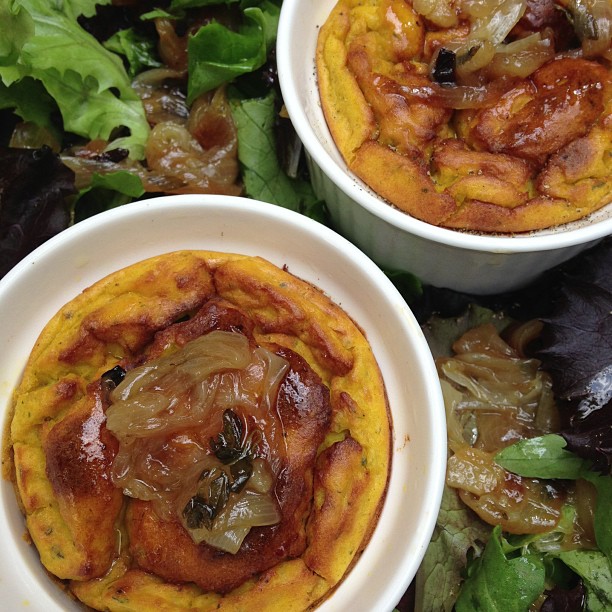
The downside is that in the 10 days I’ve spent in London waiting for my computer to be fixed, I have also been without my kitchen, camera or anything else that I normally employ to come up with a recipe and half decent photo. So while today I’m happy to present you with a lovely antihistamine, low histamine, paleo and low oxalate recipe created on the fly, it’s sadly as captured by my iphone. I’m not at all happy with the photos – these looked so very lovely and I wanted to document them before they deflated.
But I guarantee you they’re yummy!
I chose not to use any flour in these – you may wish to. They came out, as many of my baked goods, denser than I would have made on a standard diet (SAD), but I’m ok with that! You may wish to add one tbsp of your choice of flour.
Those of you with egg issues – duck eggs might be an option, or you could try adding 1/2 cup of sweet potato or carrot instead of them, if oxalates aren’t a problem for you. The result would be very similar to passover favourite kugel.
Why do I say low histamine and antihistamine in the same recipe? I finally worked out last year that a standard low histamine diet wasn’t getting me anywhere. What I needed was to completely overhaul my diet to incorporate foods with antihistamine and anti-inflammatory properties. So while my recipes are all low histamine, most also feature antihistamine and anti-inflammatory foods.
Butternut squash suppresses IgE antibody production, thereby exerting antihistamine qualities. Also possesses anti-ulcer, anti-inflammatory and antidepressant action [1].
Shallots possess significant anti-bacterial, anti-inflammatory action, in addition to inducing the death of cancerous cells (apoptosis) in human leukemia and cervical cancer [2].
Chives are high in the mast cell stabilising/antihistamine bioflavonoid quercetin [3].
Arugula/rocket has been shown to possess anti-inflammaotry and anti-ulerative properties through its action on histamine and prostaglandins [4].
Please remember that we can still have an allergy to foods with antihistaminic qualities – please check with your doctor before introducing new foods.
Antihistamine Butternut Squash Soufflé w/Shallot Chutney on a bed of rocket and baby leaf salad
1 medium butternut squash (should make 1.5 cups in puree), peeled, seeded and quartered
4 eggs
1/4 cup oil (I use olive)
1 garlic clove
chives, finely chopped
coriander, finely chopped
Chutney
4 – 6 medium shallots, quartered
2 garlic cloves, sliced thinly
fresh lemon
1/8 – 1/4 cup oil (I use olive)
thyme
sea salt/pepper
Garnish – arugula and a drizzle of olive oil and lemon.
Directions:
Soufflé
Preheat the oven to 400F/200C.
Bake the butternut on a pre-oiled baking tray for 20-30 mins (till soft).
Use either a potato masher or food processor to blend the butternut into a puree. You’ll need about two cups.
Into the food processor crack four eggs, then toss in the garlic. Pour in the oil, a little salt and pepper (white pepper if you’re low oxalate) and process. Once smooth add in the chopped herbs. If you’re worried about the egg whites, you might experiment with duck eggs or use yolks only.
Oil 4 – 5 ramekins (depending on their size) and pour in the batter, just up to the dent. It’s there for a reason!
Bake at 350F/180C for 30-40 minutes, depending on your oven. Use a baking stick or a toothpick to check the inside till it comes out dry. Don’t worry about the deflating thing – we’re not in a Michelin starred restaurant over here – we’re just trying to get some nutrition!
If you’d like them to be fluffy, add a spoon of your choice of flour.
Serve with shallot chutney.
Chutney
Preheat oven to 350F/180C.
Place the shallots and garlic in an oven proof dish. Sprinkle with thyme (to taste), salt and pepper a squeeze of fresh lemon.
Pour on the oil.
Bake for 30 – 40 minutes, taking care to turn at least once.
Arrange the soufflé ramekins on a plate with the arugula salad. Serve with shallot chutney.
You’ll find more Paleo antihistamine and anti-inflammatory low histamine recipes in the Paleo Anti-Cookbook.
Please remember that we can still have an allergy to foods with antihistaminic qualities – please check with your doctor before introducing new foods.
As the illness continues, the person may have problems with thinking, emotions, and behavior, including:
Isolation
Reduced emotion
Problems paying attention
Strongly held beliefs that are not real
Thoughts that “jump” between different topics (“loose associations”)
Hearing or seeing things that are not there (hallucinations)
The condition whose symptoms are listed above is schizophrenia.
What does a serious psychiatric condition have to do with mast cell activation, histamine intolerance and mastocytosis? Very simply – histamine. It’s official – researchers in Finland say that schizophrenic psychosis can be treated with a large dose of antihistamines – H2 receptor blockers (similar to zantac/ranitidine) specifically [1]. While it’s easy to get very carried away jumping to conclusions, we can at this stage say that schizophrenia is either aggravated or caused in part by some kind of histamine involvement. Those of us who have experienced high histamine’s dark side – violent mood swings, temper tantrums, obsessive thinking or irrational fears, can attest to the mind altering effects of what an excess of in other non-mast cell challenged peeps causes nothing but the sniffles.
On a personal level – I’m sad to say that I have at some point experienced all of the aforementioned symptoms.
Irritable or tense: me after a glass of orange juice.
Trouble concentrating: brain fog anyone?
Trouble sleeping: histamine messes with the circadian rhythm. On one end of the scale it can give you never ending insomnia, or put you to sleep for days.
Isolation: my immediate instinct is to dive under the duvet and avoid all contact with the outside world.
Reduced emotion: wanting to crawl out of my skin was often accompanied by an out of body type feeling.
Problems paying attention: seriously? Yes. Big time.
Strongly held beliefs that aren’t real: hmmm, where to start? How about the time I came home to a locked bathroom and became convinced I had disturbed a a burglar who was now locked in there (rather than the door having locked itself as a result of being slammed on my way out). Or the time I was sure that house painters were trying to enter the house at 3am to smoke joints. These two incidents seriously freaked me to the point where I almost called the cops (till I calmed down and common sense prevailed/my histamine level calmed down). Too many weird ones to name.
Thoughts that jump: served me well as a journalist, till I became incapable of stringing sentences together during attacks.
Hearing/seeing things that aren’t there: at times when my histamine was super high I would see things moving out of the corner of my eye, or ghastly faces/ monsters coming out of the dark to get me, or the more benign almost cinema screen like images that would appear just behind my eyelids as I attempted to get to sleep. Even a quick glance at a carpet/curtain pattern would turn into a seriously psychedelic experience. Oh, and let’s not get started on the auditory hallucinations.
An impromptu whip-around of my online groups revealed, once again, that I’m not the only freak in this road show, with many adding their own freaky experiences.
The hallucinations and delusions occurred at times of great stress when I felt what I called “warm brain” which I now associate with a very intense neurotransmitter fluctuation. I have swung from feeling intensely terrifying emotion to feeling nothing at all; almost as if I were watching someone else control my body from afar. Scary stuff that has not been part of my life for years. Interestingly, at the height of my “psychiatric” symptoms (in the run up to the Iraq War while working at CNN) I was given anti-psychotics, just to help me “get some sleep” mind you. Brings to mind the first doc prescribing just a little 0.25mg “baby xanax”. The anti-psychotics turned me into a zombie for two days and promptly found their way into the bin before I was able to convince the doc that xanax would allow me to actually do my job rather than struggle to sit upright to do nothing but drool on myself.
Hopefully for those suffering full blown schizophrenic psychosis the antihistamine treatment will offer a more humane option. In light of this study (and others) I wonder if a diet high in nutrients and antihistamine foods might also offer some relief (as an adjunct to therapy), as outlined in the Anti-Cookbook: High Nutrient Antihistamine & Anti-inflammatory Recipes for Health.
The one last major symptom that can drive me to despair is chronic inflammation “down there”. Having eliminated wheat, gluten, dairy, all grains, all sugar but fruit, I’m a little stumped by what’s going on. Sure I know about the mast cell Interstitial Cystitis link (as per NIH funded Dr Theoharides) [1] but given that I am no longer forced to run to the loo every 10 minutes screaming in pain as I unleash the razor blades embedded in my urinary tract I can’t say that’s too much of a factor. Thankfully quercetin has done its job there.
A diet rich in antihistamine and anti-inflammatory foods has helped me lower overall inflammation. Mast cell mediated/histamine induced inflammation has moved way from my brain (no brain fog/migraines anymore), away from my heart (tachycardia/palpitations gone), away from my fingers (no more arthritis or buzzing and tingling in them), away from my feet/hips (adios bone pain, shooting sciatica like pain or buzzing/tingling), and for the most part, away from my stomach (only rare instances of basketball stomach/tingling/Homeric belching). But I guess it would make sense that the part of my body that’s in contact with ingested histamine is somewhat chronically inflamed.
So looks like it’s time to tweak the diet once more. This thought used to unleash a hurricane of self pity but now I figure I’ve already hit the ground running having done this quite a few times.
Having purposely avoided looking at high oxalate food lists for the last three years (scared of what I would find), I finally took a look, passed out momentarily in despair at the sight of so many healthy plant based foods in the high column (kale, chard) and so many crappy ones in the low oxalate list (corn nuts, dairy, white chocolate), before picking my sorry self up off the floor and reminding myself that as with the low histamine diet, moderation is key.
I will never completely eliminate higher histamine foods – partly because it’s almost impossible to, but also because I don’t believe that kind of restriction is good for the body and soul. With that in mind I finally unclenched my teeth and decided to give a low-ish oxalate diet a go (not that my diet is particularly high oxalate to begin with!).
It’s not just those with lady part inflammation who benefit from moderating oxalates, related conditions are: autism, asthma, cystic fibrosis, kidney stones as well as vulvodynia [2].
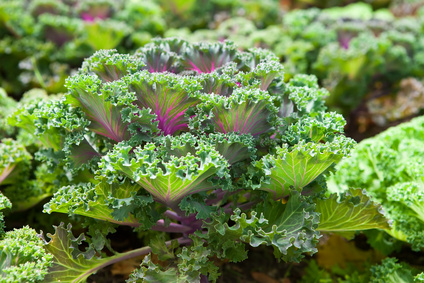
A cursory glance at the oxalate sites revealed that mr curly kale must be re-assigned from my juicing drawer to my boyfriend’s “I’ll eat it if it’s green” shelf. I then sat down for some intensive net trawling in order to come up with a list of low to medium oxalate foods that are also low histamine, as well as being high nutrient. You’ll find this list here. As always, please remember most histamine lists differ from each other and the low oxalate lists suffer the same problem.
Additionally, because you’re supposed to keep oxalate intake to a maximum range, wether you eat 1/2 a cup of asparagus or a full cup makes a big difference in the milligrams of oxalates/oxalic acid you ingest. It’s kind of like weight watchers where you tally everything up. I think it borders on the obsessive to do it right, but if you’re in that much pain and have determined that you problem is oxalates/oxalic acid, then you do what you have to! I’m thankfully not in severe pain, I’m just determined to be the best me I can be. Yes, I am often my own coach/cheerleader/movie cliche all rolled into one!
This list is by no means exhaustive, it’s just meant to give you an idea of the low oxalate low histamine foods I’ll be trying to stick to for a while. I recommend checking out oxalate researcher Dr Susan Owen’s site for further information. Rest assured, I’ve put in an interview request and am waiting to hear back.
Here’s the low to medium oxalate and low histamine food list I’ll be working off for a while:
PLEASE NOTE: various low oxalate sites warn that you shouldn’t jump into an extremely low oxalate diet as it can kick the body into a sudden detox, causing it to suddenly dump its oxalate stores which can cause an intensification of symptoms.
Low histamine & low to medium oxalate foods
FRUITS
Very low – low oxalate foods
CRANBERRY (low histamine on some lists)
CHERRY (low histamine on some lists)
APPLE FUJI
APPLE GALA
APPLE GOLDEN
APPLE BRAMLEYS
APPLE GRANNY SMITH
APPLE RED
BLUEBERRIES
CRANBERRIES DRIED
DATES MEDJOOL
LEMON
MANGO
CASABA
HONEYDEW
WATERMELON
PASSION FRUIT
PEACH
PEAR BARTLETT
Medium oxalate foods
APPLE BRAEBURN
APPLE MACINTOSH
BANANA
DRIED CHERRIES
BLACKCURRANTS
DATES MEDJOOL
LIME
CANTALOUPE
VEGETABLES
V. low – low oxalate foods
CORN
BOK CHOY
BROCCOLI RAW AND BOILED
CABBAGE GREEN RAW
NAPA CABBAGE
CABBAGE PURPLE
CARROTS BOILED
CAULIFLOWER BOILED/STEAMED/RAW
CUCUMBERS
GARLIC
TURNIP GREENS
ARUGULA
RAAB BROCCOLI
KALE (not curly!)
KHOLRABI
KOHLRABI LEAVES
MOST LETTUCE IS VERY LOW
MUSHROOMS (I still eat some)
ONION, WHITE
ONION, YELLOW
RED PEPPER
RADISH, DAIKON
RADISH, RED
RADISH, WHITE
RUTABAGA
SEAWEED, HIJIKI
SEAWEED, KOMBU
SEAWEED, NORI
SEAWEED, WAKAME
SHALLOTS
SPROUTS, ALFALFA
SQUASH, ACORN
SQUASH, BUTTERNUT
SQUASH, KABOCHA
SQUASH, SPAGHETTI
SQUASH, YELLOW
SQUASH, ZUCCHINI
TURNIP
WATERCRESS
Medium oxalate foods
ARTICHOKE
ASPARAGUS
GREEN BEANS
BRUSSEL SPROUTS
BROCCOLI STEAMED
CARROTS RAW
ENDIVE
FENNEL
GRAPE LEAVES
RAAB BROCCOLI STEAMES
COLLARED BOILED
LEEKS RAW
JICAMA
RED ONION
PARSNIPS
BELL PEPPER, YELLOW
BELL PEPPER, GREEN
SEAWEED, DULSE
HERBS/SPICES/CONDIMENTS
Low oxalate foods
(Most fresh herbs are low oxalate. Dried are far higher. These herbs are all fresh)
BASIL
CIDER VINEGAR (the lowest histamine of all the vinegars)
CHILI
CHIVES
CORIANDER
CRESS
GINGER
LEMON BALM
MUSTARD
WHITE PEPPER GROUND
PEPPERMINT
ROSEMARY
SAVORY
CAYENNE PEPPERS
HABANERO PEPPERS
Medium oxalate foods
DILL
PARSLEY
BLACK PEPPER GROUND
LEGMES/NUTS/SEEDS
Low oxalate foods
CANNED CHICKPEAS (but dry/boiled are medium!)
LIMA
MUNG
RED LENTILS BOILED
BROWN LENTILS
GREEN PEAS
SPLIT GREEN PEAS
SPLIT YELLOW PEAS
SUNFLOWER BUTTER (small amount)
Medium oxalate foods
CHICKPEAS BOILED
PISTACHIOS
ALFALFA SEEDS
BROC SEEDS
MUNG BEAN
MEAT/POULTRY/FISH
Low oxalate foods
ANCHOVIES (fresh)
FLOUNDER
HADDOCK
PLAICE
SALMON
FRESH TUNA
BEEF
LAMB
LIVER
EGGS
OTHER
Lowoxalate foods
WHITE CHOCOLATE (I can eat homemade raw white chocolate – you might not be able to)
GRAINS/FLOURS
Low/Medium oxalate foods
WHITE RICE
WILD RICE
CORN
COCONUT FLOUR
BLACK EYED PEA FLOUR
FLAX SEED FLOUR
CELLOPHANE NOODLES
BROWN RICE PASTA COOKED
WHITE RICE
THAI JASMIN RICE
Soaking rice and grains for 12 hours lowers oxalates.
Medium oxalate foods
CHICKPEA FLOUR
BROWN RICE FLOUR
SORGHUM
MILLET
ROLLED OATS COOKED
RICE NOODLES
BROWN RICE
JASMIN RICE
UNCLE BENS WHITE RICE
WILD RICE
FATS/OILS
Low oxalate foods
CANOLA
COCONUT
OLIVE
SESAME SEED
SWEETENERS
V.low/low oxalate foods
AGAVE
RAW COCONUT NECTAR
TAHINI – high oxalate but I plan to keep it in my diet because of it’s calcium content and anti-inflammatory activity.
Dumping bucket after bucket of lovely juicing leftovers (minus what went into plant compost) was just getting silly – till I finally decided it was make it or break it time for the dehydrator. Yes my friends, I finally took the plunge a few weeks ago – investing a grand total of $300 in the Excalibur dehydrator I’ve lusted after since first getting into raw foods in 2005. Luckily for most of my readers, you live in the states, where EVERYTHING is cheaper! The 4 tray Excalibur model I have costs only $120 over there.
So last week I finally buckled down and resolved to get over my dehydrator fears:
Leave food drying overnight? Surely the bacterial/amine content will kill me? (It didn’t.)
Will I really have the patience to wait 8-12 hours for food? (Yes. And even if you don’t, half “baked” raw cookies taste amazing.)
Will my boyfriend think I’m a freak? (He did/does but still eats everything that comes out of the dehydrator.)
I’m going to fail at this, it’s just too complicated/foreign. (This from the woman who has cut 80+ foods from her diet! It wasn’t and I didn’t fail.)
No one who reads my blog is going to want these recipes! (All evidence to the contrary, a post on my Facebook page elicited quite a few positive responses.)
Not everyone has a dehydrator or wants to eat raw foods…(True, but these foods don’t have to be raw – they can be baked on low heat in an oven till cooked through.)
So I’m not going to spoil the fun by posting all the photos I have of this week’s adventures (apart from the taco shot!), this is just a little taste of what’s to come: carrot cake muffins with frosting, stuffed tacos, fruit leathers and triple decker hummus hummus sandwiches that’ll blow your socks off!
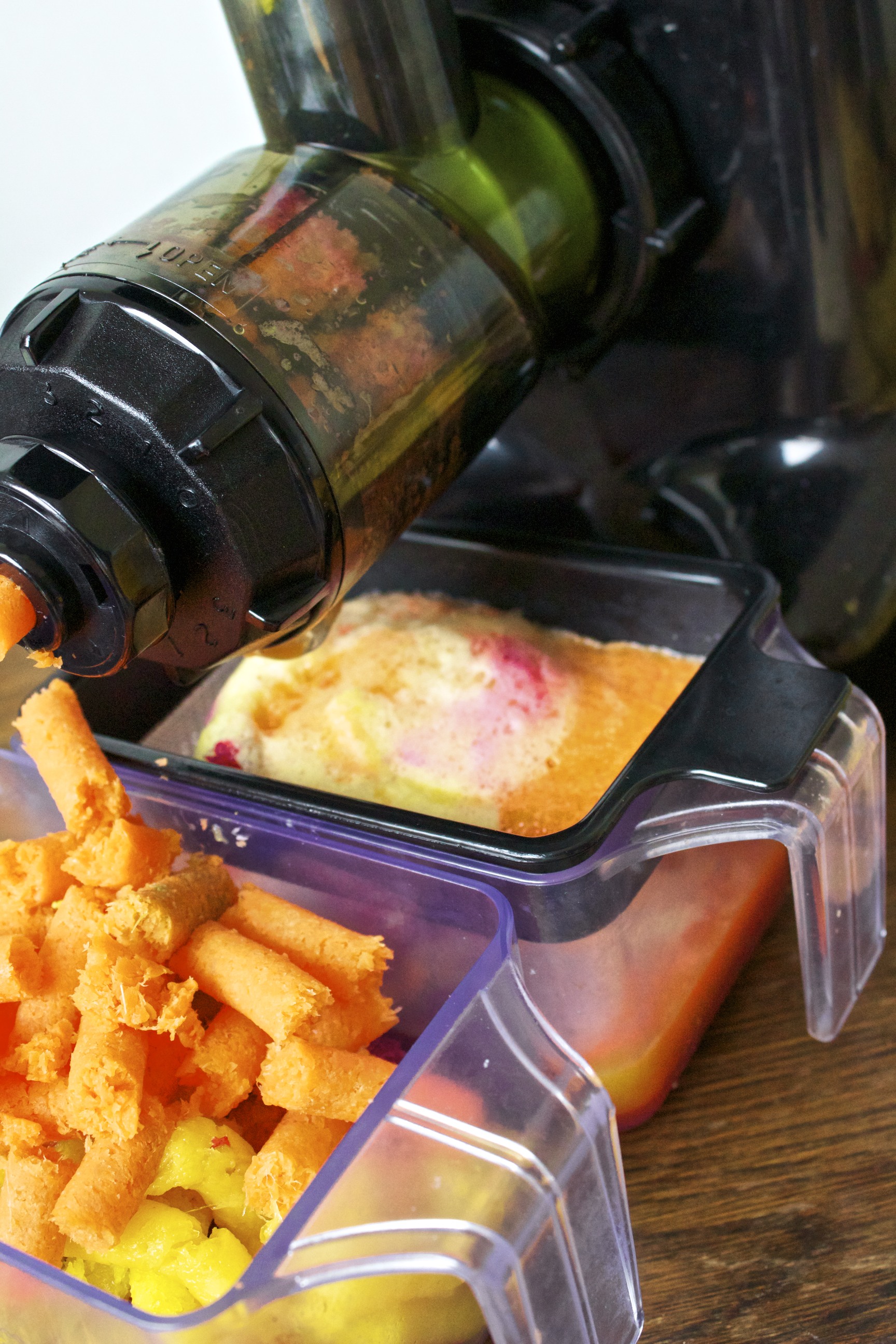
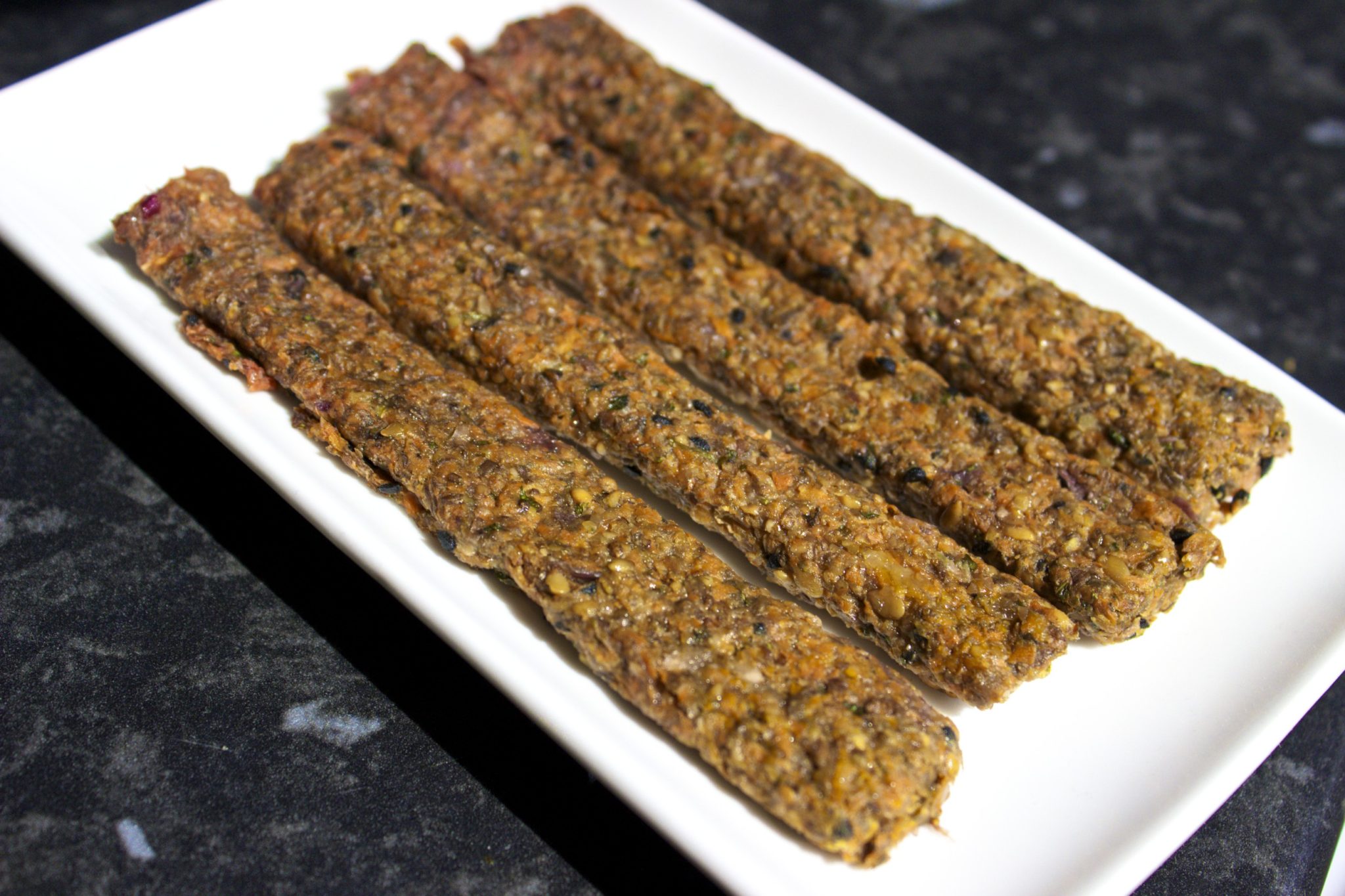
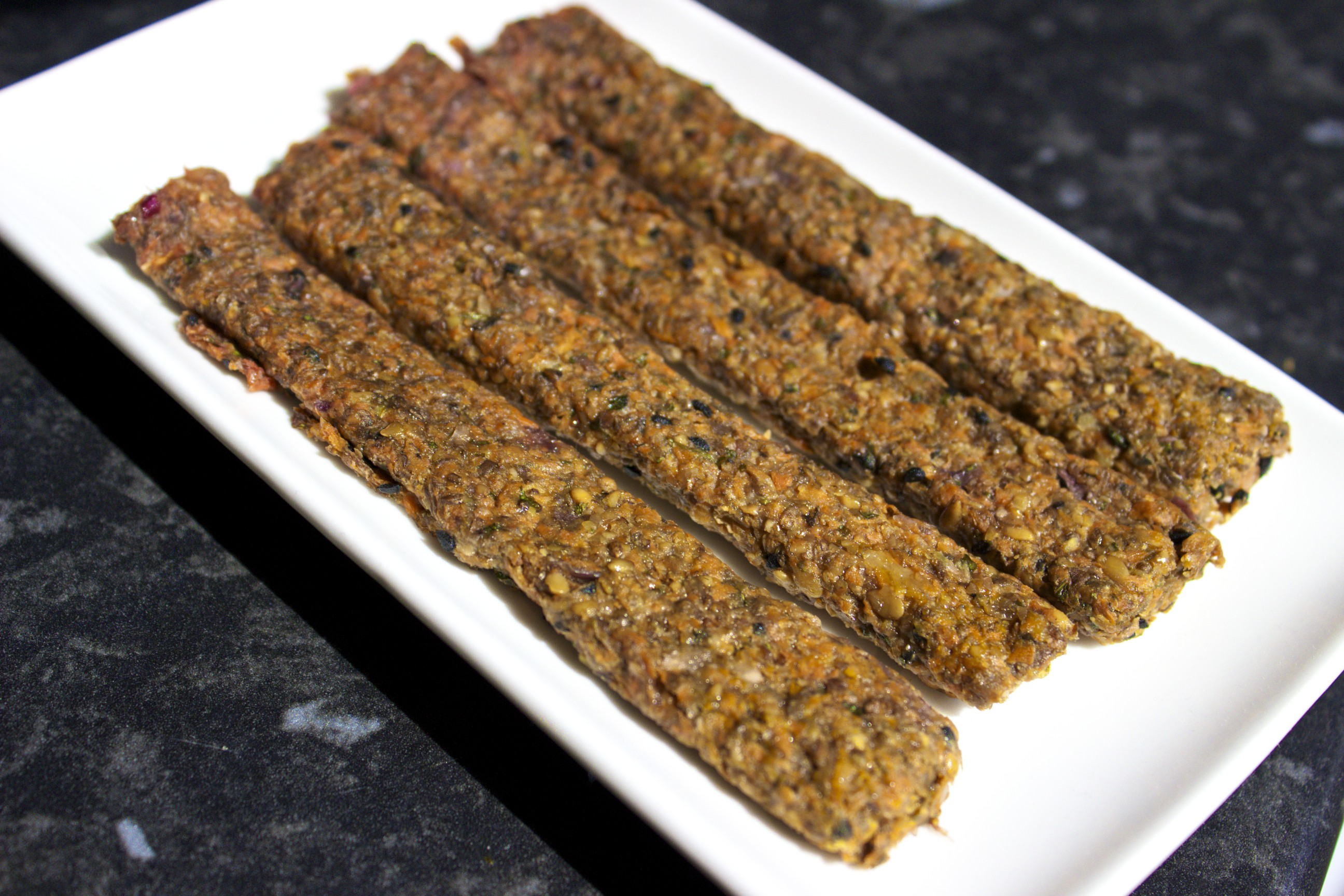
In the meantime check out this recipe for veggie jerky, made from my antihistamine & anti-inflammatory golden beetroot juice. I threw these into my handbag as we ran out of the door to enjoy and entire day of the elusive UK sun…
As always, please understand that antihistamine and anti-inflammatory foods can still hurt us, so please be sure to check with your doc before introducing new foods.
Prep Time: 10 | Cook Time: 12 (dehydrator) or 1-2 hours in oven| Servings: 2-6
Ingredients:
Juice
1 beetroot (antihistamine & anti-inflammatory)
4 carrots (anti-inflammatory)
1 mango
Jerky
1/2 cup ground flax/chia seeds (anti-inflammatory)
Juice the beet and carrots first. Remove the roughage.
Juice mango.
Enjoy.
Jerky
Combine ingredients in food processor. Add a little water at a time till you get a nice ball of dough that’s sticky.
Spread thinly onto 1-2 paraflexx dehydrator sheets. Use a knife to lightly score the sheets lengthways, into 3. And then once horizontally – to create 6 pieces.
Dehydrate at 150 for 1-2 hours. Flip over and then lower the temp to 105 for another 6-8. At some point, while still pliable, roll the sheets up (as if rolling up a yoga mat) and flip over again.
In the oven: depending on how much of a rush you’re in, set the oven’s temperature low. Lightly oil a baking tray and score as above. While still moist, roll up the pieces.
Yes I’m a freak. Not only do I love really weird foods (that are GREAT for me) but I also totally dig research. Today’s find? Beetroot not only kills histamine induced inflammation; it can help clear up arthritic inflammation as well as a commonly prescribed medication [1] and…it acts as an antihistamine/H1 receptor antagonist (like Claritin for example) thereby exhibiting anti-asthmatic properties [2].
What brought on this most recent bout of Google-fingers was a lovely display of golden beets at my local health food store. Now you can certainly make this juice with any colour beets – I’m just a sucker for anything pretty!
You’ll have to adjust the quantities to your personal buds. I use less fruit because I’m not in it for the flavour.
Please remember that antihistamine foods can still hurt us so please check with your doctor before introducing any new foods to your diet.
Golden Sunrise Antihistamine & Anti-inflammatory Beet Juice
Dr Janice Joneja histamine intolerance interview part 2
Dr Joneja, I personally don’y take antihistamines because I found that they made things worse for me. Could you please share with us your opinion on antihistamines and their proper usage?
Some people, especially those who have the so-called idiopathic urticaria, angioedema – where we know we’re dealing with excess histamine – they’re usually prescribed by their physicians to take antihistamines. Now, antihistamines may help during crisis situations where you have excess histamine released rapidly in an allergic response. However, if they are taken prophylactically to try to reduce the effects of histamine on a chronic basis, the reverse situation can happen. Let’s look at antihistamines – how do they work? What they do is they block the receptor on cells that normally histamine would couple to. So in order for histamine to do its work it has to couple with the receptor on a cell and turn on the process. Now, an antihistamine is a mimic of histamine. It couples to that receptor and thereby blocks histamine and doesn’t allow histamine to get to that cell and turn on that process. However, it does not reduce the production of histamine – there is just as much histamine being produced. So it doesn’t stop the production of histamine, it just stops thew histamine from getting to the cell. Over time, the body is going to recognise that it is making histamine, but it is not doing its job. Which is information or allergy symptoms or whatever it might be – but it is protection. So histamine is not doing its job. Uh-oh, I better make more histamine.. We have a rebound effect. And so if antihistamines are taken regularly or even prophylactically, we going to end up with the situation where the body makes even more [histamine], because the body senses that it is not making enough.
So we have to be very, very careful about using antihistamines – they may be what we might say is a rescue remedy for an acute reaction, but only occasionally and only as needed, because otherwise we are going to have this rebound effect where the body is saying “okay – better make more [histamine]”. And that is what happens. I would be very, very cautious about that.
Absolutely. My actual healing began when I quit antihistamines. I went through a rough patch for a while but then I definitely felt much, much better.. That’s very good to know.
You are exemplifying exactly what my research has indicated, that you have to be absolutely cognisant of the process that you are dealing with and the processes that you are trying to intervene in, because you can intervene and make things a heck of a lot worse if you don’t understand the process. That, unfortunately, is what a lot of the information on the web is doing. Which is potentially making things worse, as a result of not understanding the process. The process is so important. And on that topic which I didn’t address when we were going through the foods to avoid – are the important additives that are going to release histamine on their own. So they’re the ones that one has to understand the process in order to know why to avoid them. For example, sulphites, benzoates, and tartrazine (a food dye, a synthesized dye). These are the ones we know, from the sparse research that we do have, that they can release histamine. And so these are the ones that we have to be careful about as well, because we do have this effect – that may be a rebound effect as well because of the way that these additives interact in the body.
Do natural antihistamines such as quercetin, rutin and luteolin and other bioflavinoids also cause a rebound effect?
I honestly can’t answer that question because I don’t know of any research which is specifically showing us the process. Now, I need to know the process in order to answer the question because if in any way it actually interferes with the histamine balance in the body, if it basically influences how much histamine is being produced, we have to be careful because as the body senses that there is insufficient [histamine] for protection – it will up the levels. One has to be careful about that. I’m never a very big supporter of additives or supplements if I don’t know how they function. Because otherwise we may be making things worse rather than improving. So although bioflavinoids are theoretically going to be very beneficial, there is still a body of research that indicates that even antioxidants and so on and so forth, can have a negative effect if we are dealing with a rebound response in the body. There’s a paper on that very topic where supplements may in fact be very detrimental as a result of this interfering with a natural process in any excessive way that interferes with the balance – and that I’m always very cautious about.
Is there any danger or any possibility of going too low-histamine diet-wise?
No, no – no, because we don’t depend on excess histamine whatsoever. That does not in any way interfere or in most cases supplement the natural histamine in our bodies. We need the histamine and the body makes adequate amounts for what it needs to function, and does not depend on extra histamine coming from outside. No, no – that wouldn’t be a problem. The only danger would, of course, be if the foods are restricted and not substituted or supplemented with those of an equivalent nutritional value. That’s the danger – the lack of nutrients. That’s the big danger.
Something that Dr Fuhrman told me, I don’t know if you’re familiar with him – he’s a doctor in the United States who promotes what he calls a “nutritarian” lifestyle, using high nutrient foods to help our bodies heal naturally – he told me that he treats people through primarily through diet for histamine issues, to try and rebuild the body nutritionally (a lot of which sounds very similar to your approach). People with salicylate intiolerance (to go off topic just for a second) often tell me they are worried that they won’t be able to recover because they have to eliminate so many of the foods that are highly nutritious. Is there a work around for them? Should they continue to attempt to reintroduce foods under the supervision of someone such as yourself?
What one needs to do is to make sure that all natural nutrients are available as much as possible in the diet. And in order to make this very simple for my patients – and some of them just want to have a nice, simple way of approaching this – I do this with a lot of my diets that are eliminating specific foods as a result of allergy, intolerance, whatever it might be. I break it down into three major categories: protein, grain and starch and fruit and vegetables. Three simple categories. I give them a list of all the protein foods, all the grain and starch foods and all the fruit and vegetable foods that are allowed on their particular restricted diet. And then I instruct them that they must have at least one, if not more, from each category at each meal and every snack. And then I work out a meal plan for them based on all the foods that are allowed on their particular restricted diet. And this works very, very effectively – the people are usually very busy people who don’t want a lot of fuss with individual foods and individual supplements, individual vitamins and minerals, whatever it might be. I could be much more specific because I’ve also got charts that show all the micronutrients as well – but all a person really needs is to make sure that they are getting at least one food from each category at each meal and snack from their allowed foods: it works beautifully in making sure they are getting all the nutrients they require. And really – bottom line: that’s all they really need.
Brilliant! I’m definitely going to sign up for a consult!
I don’t think you need it! I think you’re doing extremely well on your own! I applaud what you’ve done – I think it’s remarkable. You must have done an enormous amount of research.
🙂
Something many of us suffer from is brain-fog. How do you explain it and do you have any tips for dealing with it?
The most important thing about histamine is that it’s a neurotransmitter, so if you’re upsetting your balance of histamine then you’re upsetting your brain function, bottom line, you can’t avoid it. In fact, I have people – quite dramatically – who lose consciousness, for a couple of seconds, not any great deficit, but definitely get very light-headed, brain fog all the time, feeling fatigue – fatigue is a big one, very much so. And this is all to do with the fact that histamine is a neurotransmitter – so if you upset the balance there, you’re into the central nervous system functions, definitely, it’s a big factor and the other thing that I’ve found is very important in histamine are panic attacks. I did not recognise this as a symptom until in my practice I’d had three, four maybe five people in a row who came to me because of allergies, we found they were histamine intolerant – I’d got a full medical history as applied to their allergies, and their symptoms of allergies, sent to me by their physicians and so on – and put them on a low histamine diet and they came back and said “my panic attacks have gone away”. I said, “What? You didn’t even tell me you had panic attacks!” And so I looked into this and it is very, very clear what happens. Histamine has many functions in the body. One of the functions it performs is that it is a vasodilator, which means it widens blood vessels. With the widening of the blood vessel, what happens then is that there is less resistance to the heart pumping blood through the body – it’s like widening a hose and you get less resistance to the water as it’s pumped through, so the heart speeds up in order to get the same volume of blood through these widened channels. So you get a tachycardia, but first of all you get a drop in blood pressure, so that’s first in the histamine response, a drop in blood pressure, increase in heart rate, and then as the blood courses through the body, you get flushing and a rise in body heat and so on and so forth, reddening, and, of course, this triggers that panic attack feeling in a person and I’ve had people go to the emergency room thinking they are having an anaphylactic reaction, thinking they’re having a heart attack – all sorts of things. And actually, it’s excess histamine because of the widening of the blood vessels and the increase in the heart rate – and on a low histamine diet, the panic attacks have gone away.
So I approached psychologists or psychiatrists (whoever was interested) and said “would you please do a research study with me on this?” And, well, it didn’t happen because of funding – and , oh dear, it never happens! But I just say to people if they’re feeling high anxiety – “yes, that’s what’s happening, because your blood vessels widen, your blood pressure drops and your get tachycardia and – yup, you’re into what appears to be a full-blown panic attack.”
Absolutely, I was prescribed multiple medications over decade for “generalised anxiety disorder” that didn’t exist..
Right, that’s it, that’s it– the anxiety disorder. It’s the way that histamine excess affects the whole body system. Not just because of it being a neurotransmitter but because of it being a vasodilator.
I’ve noticed at times that when I’m feeling quite high histamine the veins in my hand pop out and enlarge..
Oh, yes. Yes, indeed. The capillaries widen and what happens – this is particularly true of hives, urticaria and angioedema, is that the blood vessels not only widen but they become more permeable. So fluid builds from inside the blood vessels and causes swelling. So you get the swelling, and the reddening that’s due to the fluid moving in and excess blood getting to the site. The other symptom of excess histamine is itching. People have itching all over the place because this is another factor that histamine always does, and that’s itching. You can have hives, they’re a little swollen, there’s reddening, there’s itching – it’s all histamine.
A study actually came out a few days ago that I found very interesting. It was regarding a researchers in Finland having success in treating people with schizophrenia with high doses of H2-blockers, histamine receptor 2 blockers. I found it very interesting so I posted just the list of symptoms from that article: irritable or tense feeling, trouble concentrating, trouble sleeping.. as the illness continues the person may have problems thinking, emotions and behaviour including: isolation, reduced emotion, problems paying attention, strongly held beliefs that are not real, thoughts that jump between topic, hearing or seeing things that aren’t there.. And I posted these symptoms in various groups that I’m a member of, and I was quite surprised that I’m not the only person who has had all of those symptoms when in the midst of a high histamine attack..
Yes, yes – that’s right, my patients do report all of those.
It’s good to know we’re not alone!
It may be that histamine excess is a part of a lot of different conditions that we have not yet recognised. And that by reducing histamine from extrinsic sources, at least to the level that we can, we may be reducing the severity if not the trigger of the symptoms in conditions that we have not yet recognised [histamine to be a part of]. I’m quite convinced that is going to happen.
What do consider to be the five most important steps in the histamine intolerance recovery process?
Recovery. Now, the situation is that if a person is histamine intolerant as a result of diamine oxidase deficiency, their recovery is going to be limited to controlling the level of histamine that their bodies have to cope with. We know that they are going to require a certain level of histamine for health – they’ve got to have it for brain function, digestive function and protection, so that’s a given – they’ve got to have histamine. What they have to do is come to terms with the fact that because they have a threshold of tolerance that is below what (in terms of quotations) would be considered normal, they have to live within their own limits. That means, first of all, recognising that they do have this problem and that is difficult at the moment because there isn’t a definitive diagnosis for them that they can go with a piece of paper in their hands and say “this is my test result, and therefore I know I have low diamine oxidase and high histamine and therefore I am histamine intolerant.” Sorry, we don’t have that at the moment. You’ve got to come to terms with the fact that, yes, this is your problem and if you have to convince people around you that this is your problem then – it’s their ignorance, put it down to that fact that you have work within that environment. Probably from your own position too, depending on where you are situated. So that’s number one – recognising the problem. Number two is coming to terms with the fact that we really don’t have any remedies apart from [people] taking control of their diet and environment. Environment will include reducing their exposure to allergens if they are experiencing allergy and the allergy could be to airborne allergens or it could be to food allergens – these have to be recognised as contributing to the problem and controlled. So, first of all we’ve got recognition; second is looking at triggers; thirdly is to get adequate advice as to a way of coping which will be a diet that is nutritionally complete and avoids all the histamine-releasing and histamine-associated foods and coming to terms with the fact that they have to live within those restrictions. And, of course, making their life as stress-free as possible – so this is another level of quality of life issue, which is to take control of their lifestyle as well as their diet and their environment. So it’s environment, diet and lifestyle. And the fifth one that may or may not help is looking at the possibility that supplementing their own diamine oxidase with a possible supplement – but that has got to be the last one because the others are more important. The diamine oxidase is only going to be a little bit of a help – it’s not going to be their remedy. Those are the five important points in my approach.
The most important thing is that anyone dealing with this condition should be cautious. And by being cautious, I mean do not go to the point of restricting all your foods because you don’t know what to eat. Make sure that you are getting good advice, from someone like yourself, to make sure that they are getting a nutritional repletion from anything that they may have to avoid. I think it’s sort of a lifestyle approach that must be tempered with common sense. Don’t run around the web taking every diet that you see and avoiding everything on every list. Make sure you’re getting good advice, you’re actually avoiding the things that are going to add to the problem, and do not keep running for every supplement that you read may help the situation because in most cases – in many cases – it can make things worse, just as we’ve discussed.
Absolutely. I’m just really excited to have had this conversation with you. It’s been incredible.
I’m so happy to have the opportunity because I feel for so many years that I’ve been this little voice in the wilderness – and, you know, I’m not terribly popular with certain clinicians as a result of them feeling that is “alternative medicine”! And it isn’t! I’m an absolutely traditional scientist – I couldn’t be more traditional! You know, everything has to have evidence-based research – everything I do!
[trx_video url=”https://www.youtube.com/watch?v=MQt9wfbgodA” show_image=”yes” autoplay=”yes”] Yasmina Ykelenstam (the Low Histamine Chef) interviews Dr Janice Joneja. In the second part of the interview Dr. Janice Joneja explains: – How antihistamines are driving up your histamine level – Which hidden food additives are torpedoing your recovery – Why you shouldn’t worry about going too low histamine – The biggest danger you’ll face on the low histamine diet – Her approach to salicylate intolerance – Brain fog – How excess histamine is causing anxiety disorders – Why histamine makes you crazy! – The five most important steps in histamine intolerance recovery
GET STARTED HEALING HISTAMINE
WHAT YOU NEED TO KNOW ABOUT HISTAMINE DELIVERED TO YOUR INBOX


 model I have costs only $120 over there.