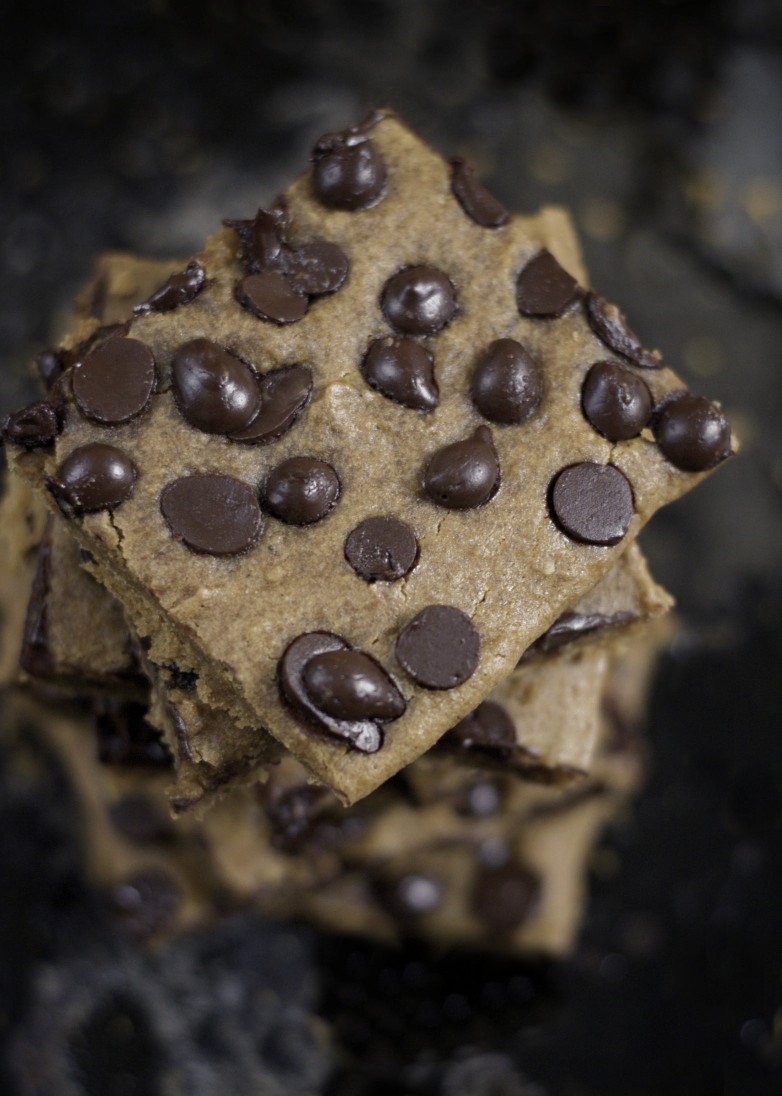
I’ve waited FAR too long to post this recipe – why? Because there’s an outcry every time I use an ingredient that some lists consider to be high histamine. Here’s the (high nutrient) scoop – if you’re past the elimination phase of four – six weeks, your palette is yours. I believe it’s up to you to determine which foods help or hurt, but to be honest, in my experience (and that of a growing number of people who write to me and those who book consults with me), once the initial crisis has passed and we’ve calmed our body down through first eliminating everything that bothers us, then supporting the body with proper nutrition (more on how I did it here), eventually we need to deal with our brain being stuck in a place of fear.
Now I’m not saying those who experience anaphylaxis should run out and eat foods they think make them react, but rather that I believe focusing on the negative side of the food experience, ie approaching the table and kitchen with fear and dread, always looking out for the possibility of a reaction, can leave the brain stuck in a PTSD-like state, where the belief that food or an action will cause pain, becomes a self-fulfilling prophecy. Yes, we still have mast cell disorders and histamine intolerance or allergies, but hopefully the work we have done means our body has healed to a certain degree, or has moved on from the original crisis.
Once my inflammation was under control I needed to understand that these things couldn’t hurt me in the same way as before, and so I worked on my beliefs and approach to life. More on how I use my brain to control the histamine itch here and how I use meditation to control my stress response (stress causes mast cell degranulation/histamine release) here.
You’ll also find more on why I use higher histamine (high nutrient) foods here. My books, till now, feature traditionally low histamine foods.
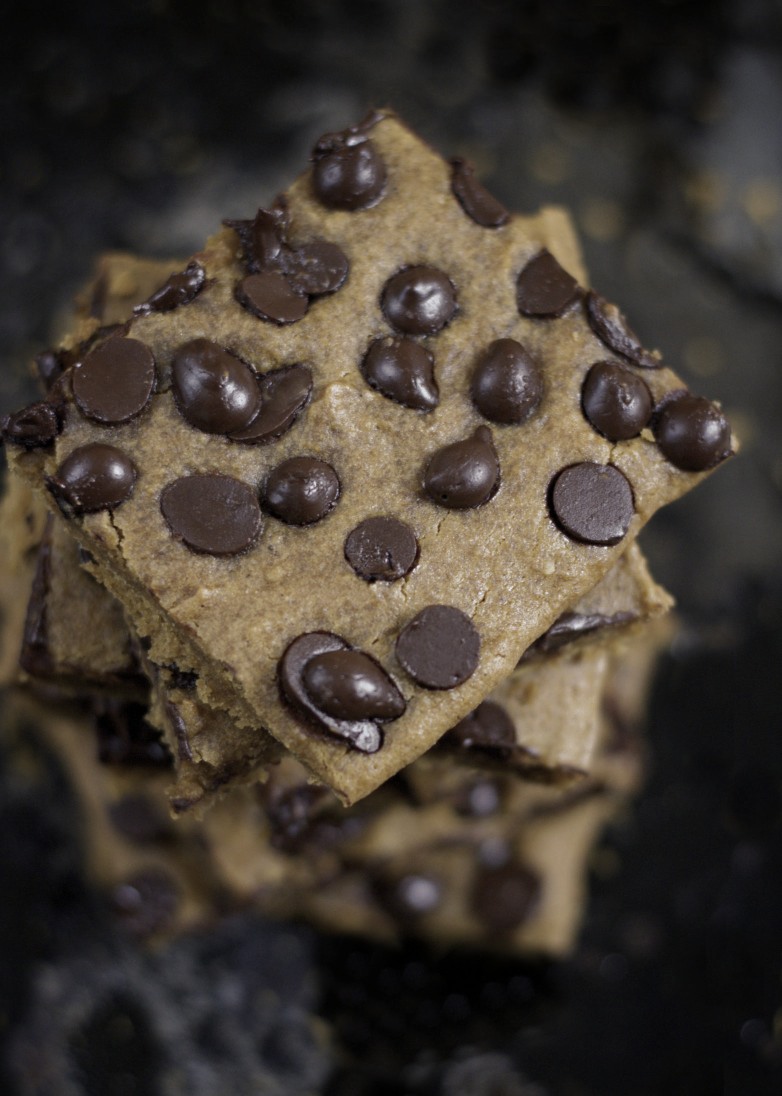
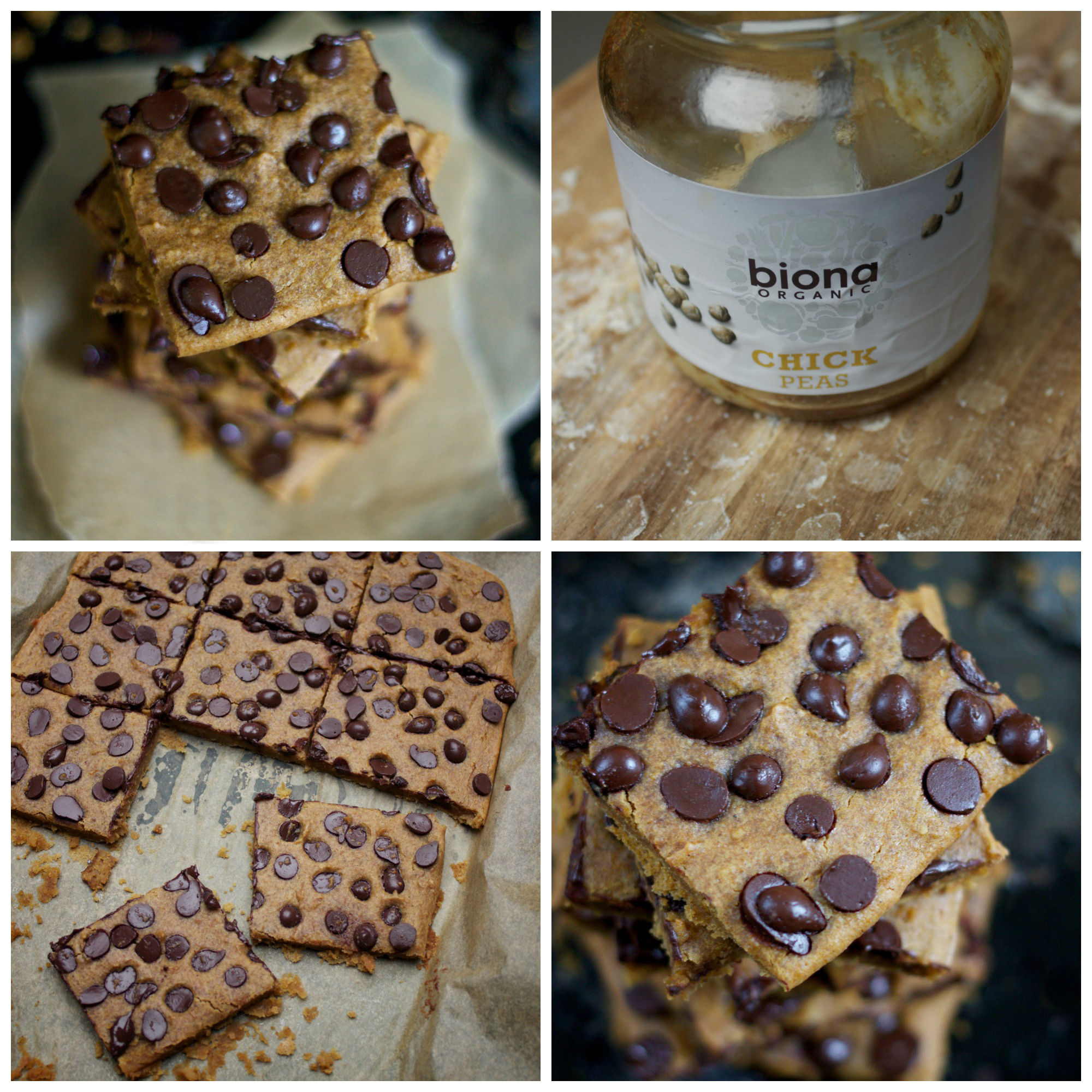
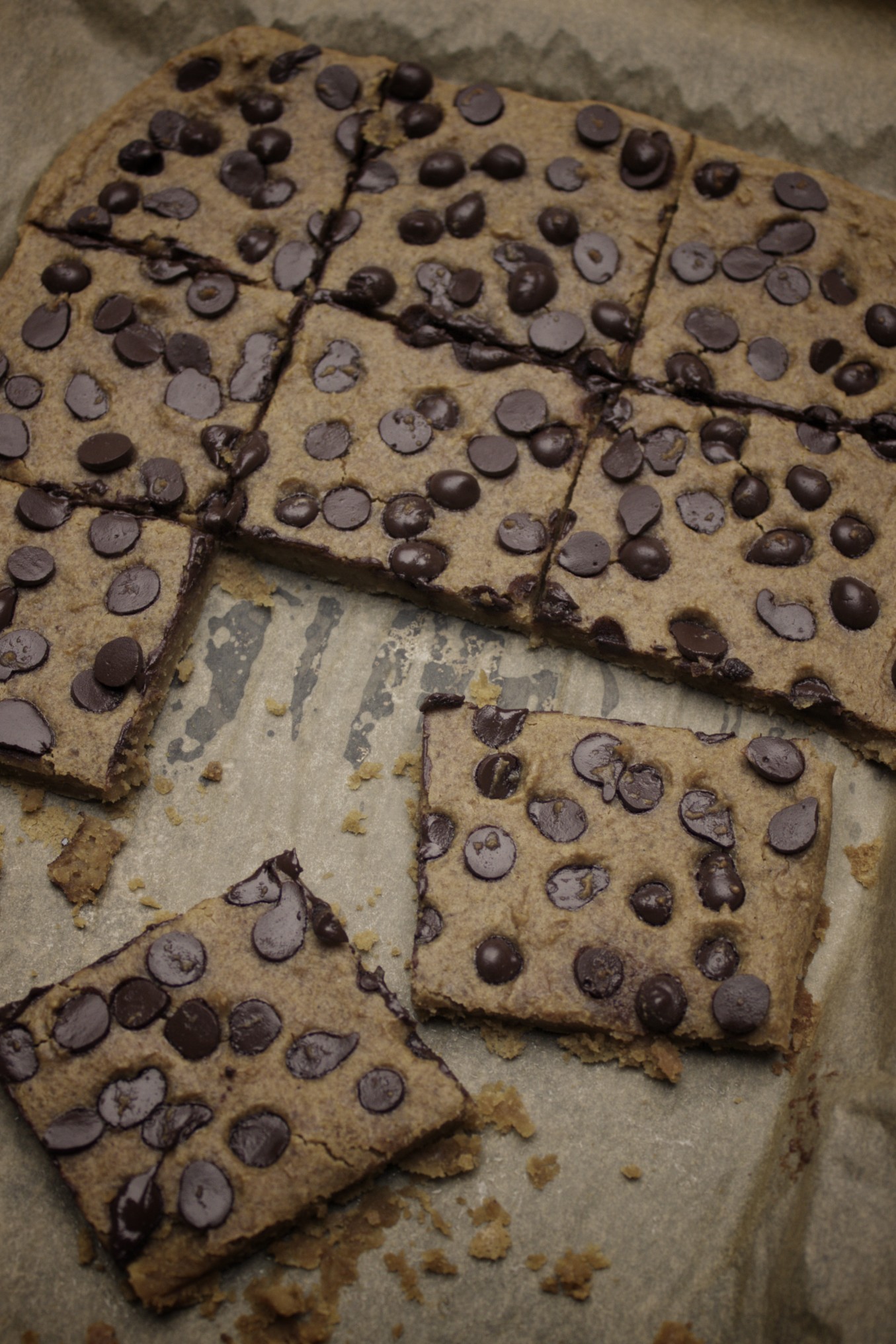
The result – high nutrient chickpea blondies that can easily be adapted once more to your tolerance. I used store bought Steenbergs chocolate chips (I know, gasp! I used something store bought!) that are made of cacao, sugar and nothing else. You can go ahead and use carob chips, dried fruit (I think chopped dates or blueberries will be great), home made cacao chips (I preferred the store bought results), some nuts, or anything you like. Should you not use something that’s sweet, I’d add a little more sweetener to the mix.
Yes, I ate two of these. No, I don’t plan on making a habit of it. Yes, I was totally fine after. No, I’m not saying these are low histamine, but rather that cacao has health benefits I use to help me heal. You can make yours very low histamine by using carob chips or dried fruit. Yes, I realise sugar of all kinds is inflammatory. Why did I make these? Because I wanted a high nutrient treat to share with friends and their kids. Lol, ok, I think I covered all the bases here 🙂
1 bottle chickpeas or 1.5 cups soaked overnight and pressure cooked chickpeas, well rinsed
1/2 cup almond butter (or sunflower for lower oxalate, or 1/2 cup banana)
1/4 cup coconut nectar (or your choice of liquid sweetener)
1/4 cup coconut sugar
1 scraped vanilla pod or 1/2+ tsp vanilla powdered
pinch of salt
1 capsule Twinlab (or other non-ascorbic acid vitamin C)
as many chocolate/carob chips, chopped dates or dried fruit as you like
Directions:
I used bottled chickpeas for this recipe because you really need to make sure you work with super soft chickpeas. It’s possible to get them that texture at home if using a pressure cooker, but I’ve never managed to do it just by boiling. If using store bought, make sure to sample first. You want them to melt in your mouth.
This recipe was tested with both sunflower seed and almond butter. I preferred the latter, but the former was also really tasty!
The original recipes call for more liquid sweetener – I found this made the blondies too mushy, so I cut it back some and added a little granulated coconut sugar instead.
When I say powdered vanilla, I mean organic, raw, all natural vanilla with nothing else in it.
The vitamin c is in place of bicarb of soda and baking powder. You can use them instead if you prefer. I’m just trying to cram as much goodness into food as possible, in order to balance the histamine. 1000mg of vitamin c usually does the trick!
Ok, here we go!
Pre-heat your oven to 350F/180C.
In a blender combine the chickpeas, almond butter, coconut nectar, sugar, vanilla, pinch of salt and vitamin c, if using. Process till smooth.
Mix in the chocolate chips and then pour into a baking tray. I made mine about 1.5 inches thick.
Bake for about 20 mins, till cooked through but not dry.
We’ve all been there: the world just won’t stop spinning, your heart is just about ready to jump out of your chest, your vision is going hella weird, a migraine’s brewing, and you’re worried another bite of food will end in an Exorcist style bout of projectile vomiting.
What to do?
I used to live in fear of moments like this. I’d clutch the toilet seat, head hung low into the bowl, waiting for the inevitable moment my stomach’s contents would emerge in a much less pleasant way than they went in.
You know what though? None of it was inevitable.
First off, I learned that eating a very high nutrient diet full of antihistamine and anti-inflammatory foods (more here) would kill my inflammation to the point that I no longer reacted in X-rated movie style fashion (I mean horror movies folks!). I also figured out that applying what I had learned in years of trying to deal with anxiety disorder, which I now know was actually caused by histamine, would get me through the worst.
But there’s much much more…
Yasmina’s top tips for dealing with a histamine reaction:
1. Juice it
There was a time that I felt that not eating after experiencing a bad reaction was the way to go. It’s not the worst idea, but once I found out that stress triggers mast cells to dump histamine and other inflammatory elements into the body, I had to reconsider. Starving myself, especially jumping into it suddenly, when I was really, really not well at all, with my body already under major stress, soon gave way to the gentler and more sensible juicing approach.
I liken the water fasting vs juicing idea to the low histamine diet vs the antihistamine and anti-inflammatory diet I use to heal myself. While the low histamine diet employs elimination to remove something that is part of the reason we’re not feeling well, it doesn’t nourish or heal. On the contrary, it deprives the body and soul to the point of despair and disrepair.
The antihistamine and anti-inflammatory diet adds beneficial nutrients back to the diet, thereby supporting the body, giving it the tools it needs to fight overall inflammation, rather than just dealing with histamine-induced inflammation. (Serotonin, prostaglandin’s and various genes cause inflammation too).
I find that two days of juices and smoothies with not more than one or two pieces of fruit to every five to ten of green veggies pretty much mops up any excess inflammation I’ve managed to inflict upon myself.
You’ll find one of my favourite antihistamine and anti-inflammatory histamine overload healing juices here, plus a bunch of wonderful recipes and a four week meal planner here.
2. Be a lover
I’m working on a post on this one – so I’ll keep this brief. The next time you’re feeling like something you scraped off the bottom of your shoe, go hug your beloved. Cuddle your child, your pup, your mailman. Ok the last one was a joke, but you get the point.
There’s an incredible scientific reason for this that relates specifically to histamine intolerance, mast cell activation, mastocytosis and other inflammatory conditions. Till then you’ll just have to take my word for it that love is so powerful it can even save your life.
3. Sleep it off
It’s not just the 12 hour fast aspect of sleep which leaves many of us feeling better. I personally feel INCREDIBLE after a solid eight hours. Back in the pre-recovery days, I would often stay in bed till the 4-6am cortisol dump (to help us wake up) would burn off.
Turn out the lights as early as possible – this promotes the production of melatonin, a hormone which reduces inflammation and promotes sleep [1]. I found it much easier to sleep if I ate at least six hours before I hit the hay.
I recently wrote about my incredible experiences with meditation. I’ve been doing it on and off since the age of 18, but for some reason, it only recently clicked for me. Sitting still facing a wall for an hour while focusing inward on my body sensations did little else than highlight every single thing going wrong in there. Nowadays I’ve tailored the meditation to address my weaknesses and embrace my strengths, and it’s really working for me.
Ok, so it really used to freak me out that passion fruit would send me on an LSD style trip for hours. And then I just learned to embrace it. Chocolate can keep me up for hours – so this new year’s eve I made sure to pack two small home made bars of super dark goodness in my purse and spent the night chattering and bobbing to the beat.
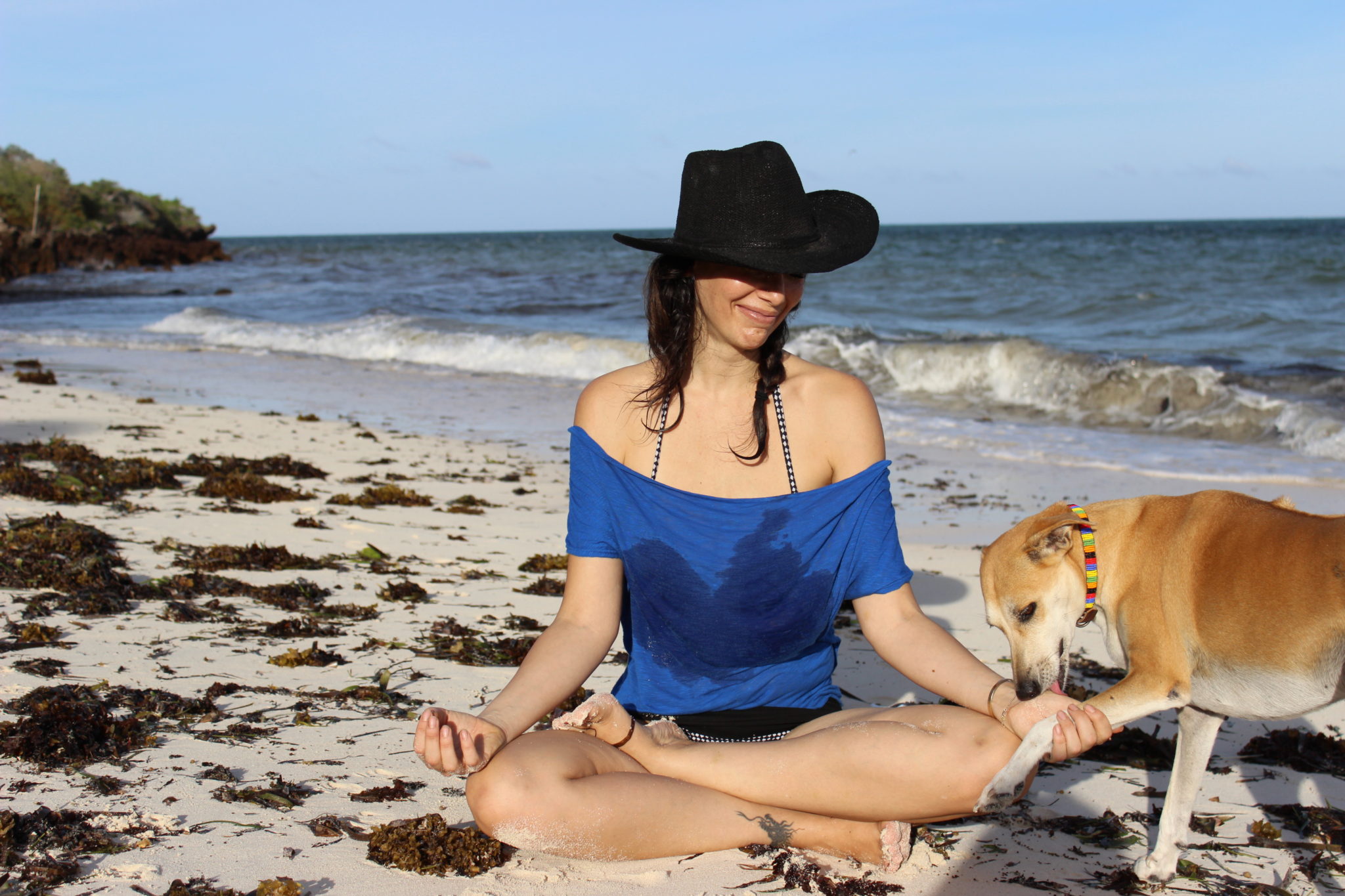
Too much passion fruit can still send me away with the fairies, so I’ll have a couple when I’m on a beautiful tropical beach and sit back to enjoy a tangerine sunset.
I just learned to stop fighting and let the current take me, to loosen my grip on the mind, my extreme type A personality need to control my environment and every cell within my body.
I’m not talking about foods that caused major reactions – please always be safe, especially if you’re prone to anaphylaxis or have suffered severe reactions at any point).
Close your eyes and think of yoga – hippies twisted into pretzels or Madonna’s He-Man arms may spring to mind, but that’s not at all the way it has to be. A great way to start is to get yourself a beginner’s yoga for stress reduction DVD that’ll hopefully help dial down some of that inflammation we’ve racked up. Read more on my yoga adventures here.
I was well equipped to deal with histamine reactions once I knew what they were, thanks to my years of anxiety disorder reading and behavioural therapy. Basically, I induced anxiety attacks in order to show myself that I was in control and that nothing horrible was going to happen. Just understanding that ultimately I hold the reigns freed me. I’m not suggesting you induce an attack, but rather take heart, and empower yourself to wrest control from your imagination.
Now some of you might think you don’t have that same control – believe me, you do. You may not be able to control the mast cells dumping histamine into the body, or you may have no control over your dietary histamine intake (believe me, you can have it if you try hard enough), but you CAN control the intensity of them.
Breathing, meditation, yoga, distraction, spending time with loved ones all help mediate histamine attacks.
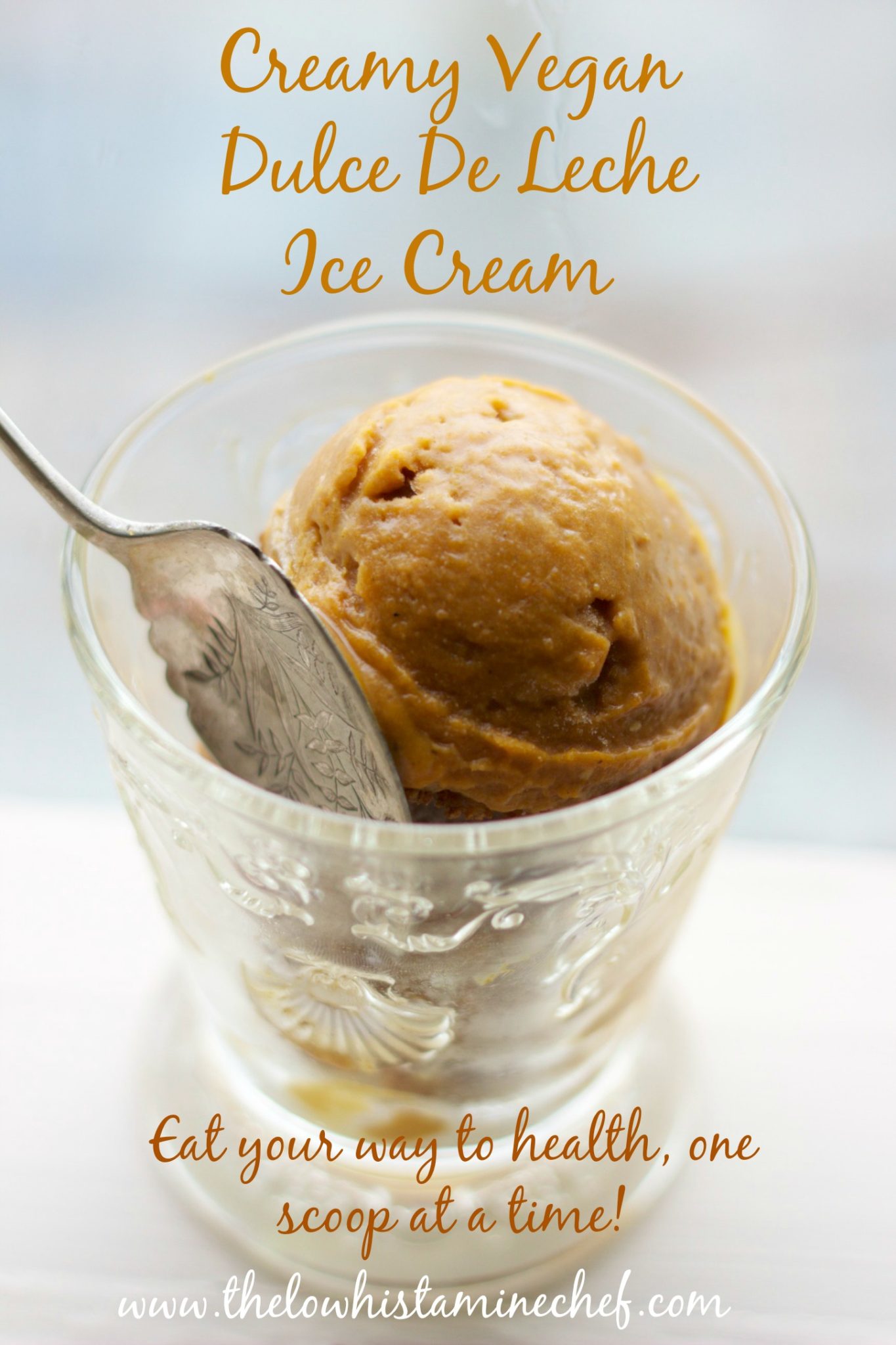
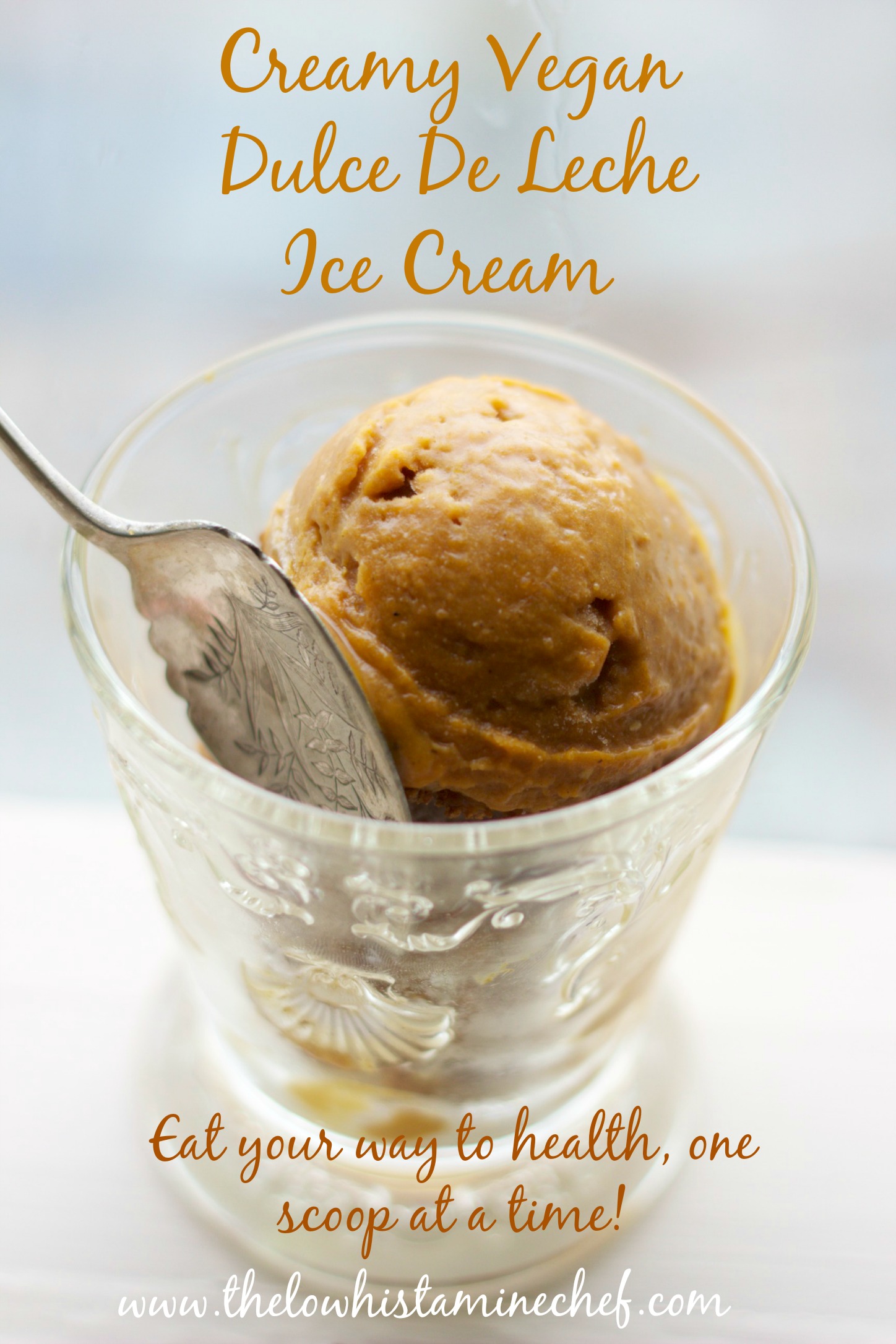
It’s the antihistamine and anti-inflammatory ice cream I’ve been promising…you don’t actually need an ice cream maker, but it sure makes it easier! I include instructions for with and without.
Dulce de Leche is one of my all time favourite ice cream flavours – a kind of toffee/caramel taste. The literal translation from the Spanish is: “milk sweet” or “sweet of milk”. It’s traditionally made from condensed milk, but thanks to the creamy butternut texture and the caramel flavour of the coconut sugar, we’re all set. You can however heat up the mixture to condense it before freezing. Adding a couple of eggs will also make it creamier, but I prefer vegan ice cream (I know, I’m an odd duck!).
I used coconut sugar, but you can use dates for a more chewy/caramel texture. You could also swirl in a date/almond milk caramel.
Why this is a health food:
Butternut squash is an antihistamine and anti-inflammatory food.
Coconut possesses anti-inflammatory and analgesic (pain killing) properties.
Ginger and turmeric are both antihistamine and anti-inflammatory foods.
Vanilla is anti-inflammatory.
If you’re not into any kind of sugar, add dates, apple puree, or anything you like to sweeten it up. I found 3/4 of a cup of coconut sugar excessive, but friends loved it.
Desserts like this are why I scoff at people who say my diet is boring.
It’s only as boring as the limits of your imagination!
1 medium butternut squash 1 cup thick coconut cream 3/4 cup coconut sugar 1/2 tsp – 1tbsp pure vanilla (as tolerated, optional, to taste) 1/2 tsp – 1tbsp grated ginger, optional, to taste 1/2 tsp – 1tbsp grated turmeric, optional, to taste pinch of salt
Directions:
Pre-heat your oven to 200C/390F.
Slice your butternut squash in half and place in the oven. Bake for about 20 minutes till soft (use a fork to test), scoop out the seeds, discard. Then scoop out the flesh.
Place in a blender to puree.
In a powerful blender combine the butternut, coconut cream, coconut sugar or dates, vanilla, salt, ginger and turmeric, if using.
Ice cream maker
Pour very very slowly into your pre-frozen ice cream machine. Churn for about 20-30 minutes, according to your machine’s directions.
Place in the freezer for another 30 minutes+.
By hand
Pour into a container and freeze. Every 30 minutes break up the ice crystals, until the ice cream is frozen.
With a geared juicer (ie Samson/Oscar) or Vitamix
Freeze your ice cream mix till hard. Cut into chunks and lightly process in blender or juicer.
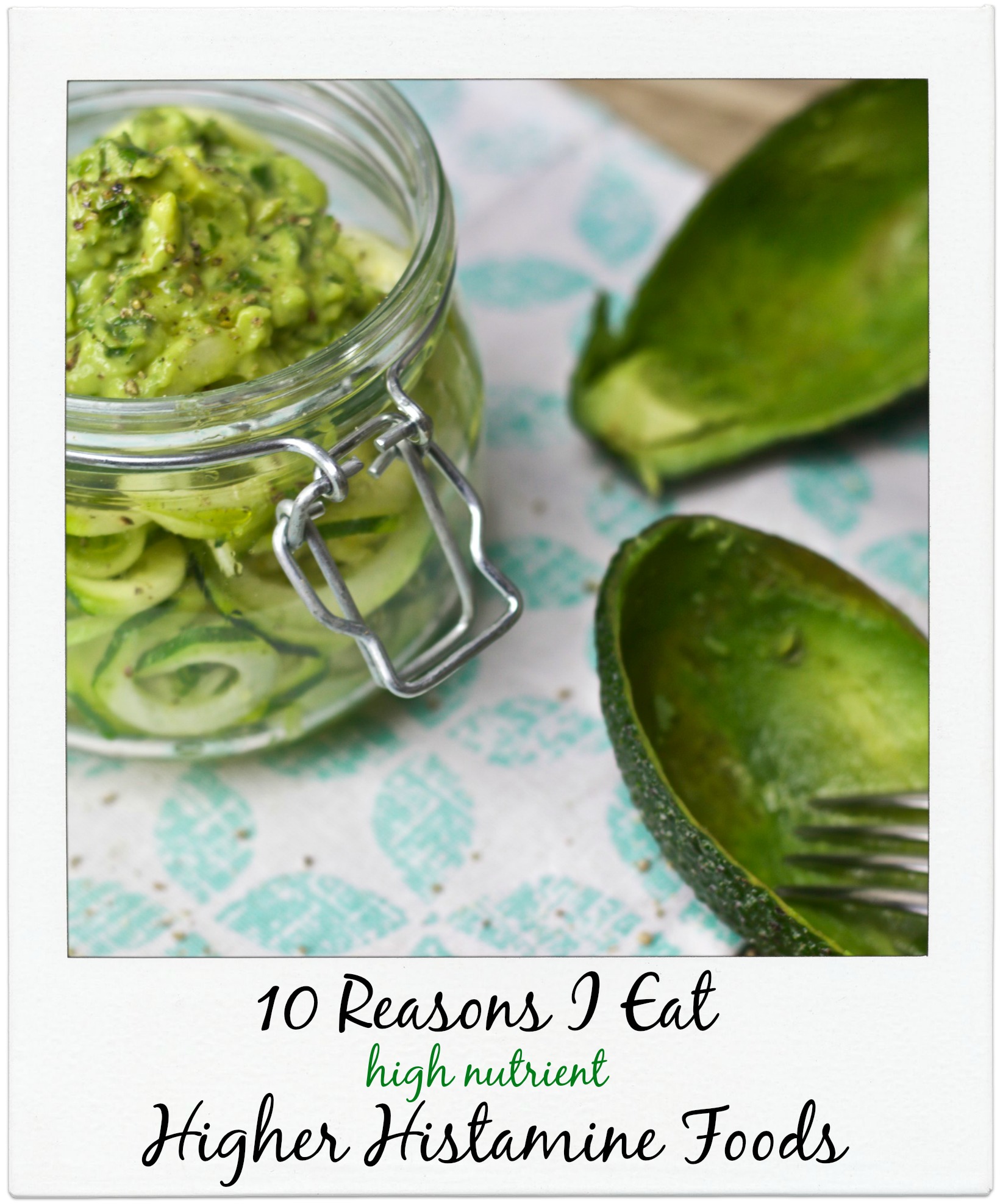
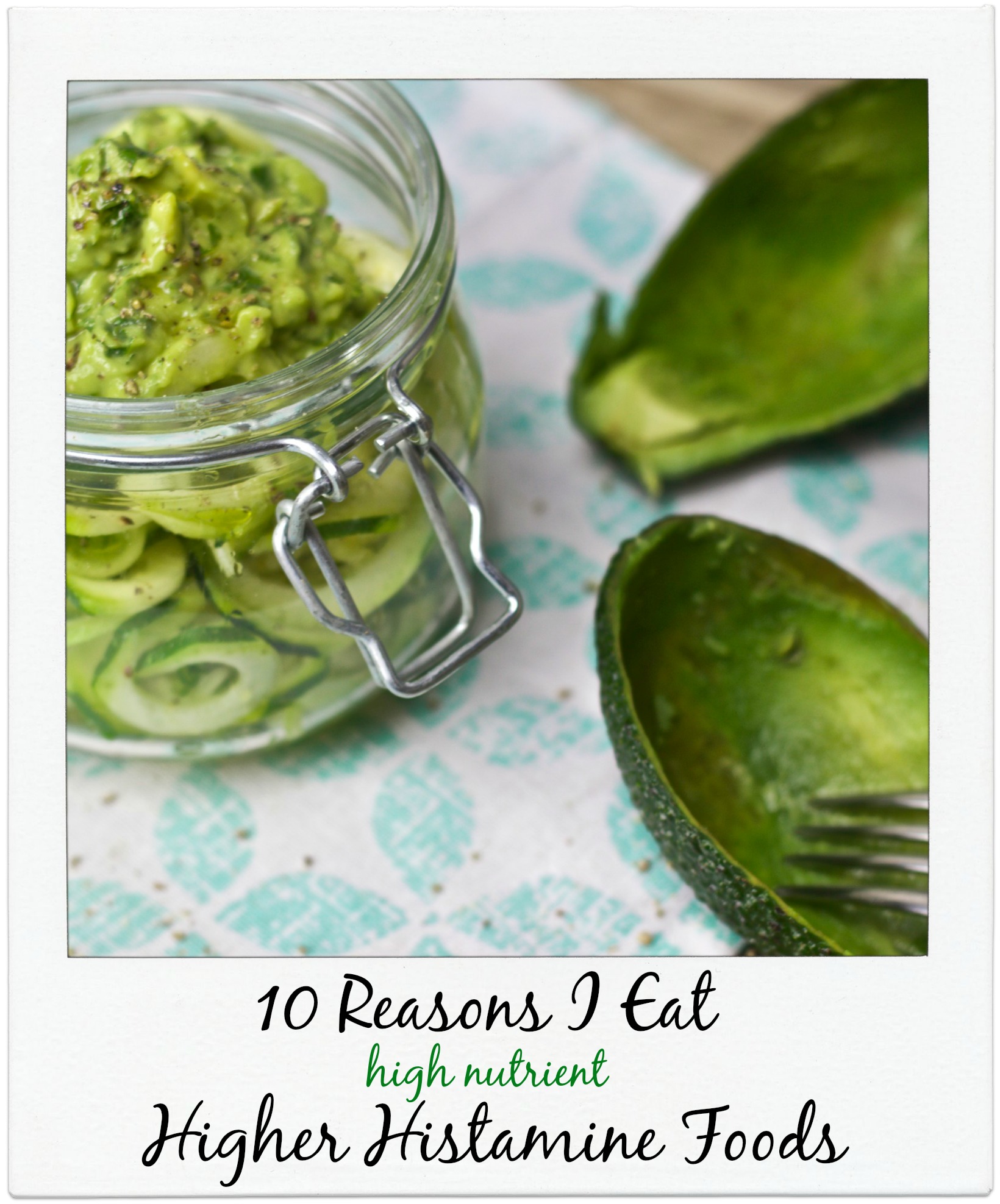
My lunch of a few days ago – zucchini noodles with creamy avocado sauce and nigella.
In my line of work (the business of being healthy and spreading calm and happiness), the question I’m asked the most is:
“Why have you used X in your recipe, I thought it was high histamine?????????????????”
Heard me say this before? Sorry – I have talked about this many, many, many times, and yet I am still asked it at least five to ten times a day.
Often, the answer is that my research has turned up that the food has antihistaminic and anti-inflammatory benefits.
How can a food be both high histamine and antihistamine? Well, foods do many things. One compound may raise histamine and another lower it. The next compound is highly anti-inflammatory. And it all may work synergistically with other foods.
At the end of the day, I honestly believe all these lists are a crapshoot and that the ability to tolerate foods fluctuates depending on what’s happening in the body at that point.
If I use a couple of dates/X food that may appear on a list as high histamine somewhere in the world of web it’s because:
1. The alternative is refined sugar or something else with no nutritional value.
2. The food I have chosen has anti-inflammatory benefits.
3. I have found studies showing it has antihistaminic properties and I honestly can’t figure out why it’s on high histamine lists.
4. It has anticancer benefits. Until someone proves to me that dietary histamine causes cancer, I’m eating the foods that’ll stop me from dying a horrible death. (Yes anaphylaxis is horrible too – but most don’t experience it).
5. The food I have chosen is high nutrient whereas the “organic gluten dairy nut free tiny bag of potato chips or cupcake” you’re still allowing in your diet are most definitely not. Until your diet is that of a freaking saint, there’s really NO point in stressing a bit of avocado, mushroom or banana. I mean come on, will these foods hurt you more than a cheeky glass of wine/sneaky moccachino? Please be honest with yourself. You will eat crap foods and still be on speaking terms with your conscience but fool yourself that you should worry about lentils. That’s because lentils don’t taste as good as “just a couple of squares of organic whole milk vegan-ish chocolate”. I’m not saying the chocolate is evil, just that maybe you should consider that even if lentils were high histamine, the odds that half a cup of them not being better for your overall health than any amount of store bought, processed, chocolate, is slim to none. (Unless you’re allergic.)
6. Trying to get healthy by eliminating high nutrient foods is like trying to dance about architecture. (It’s a famous quote, google is your friend).
7. Best selling author, Dr Oz and Oprah favourite Dr Fuhrman summed it up best for me: “You can’t put this problem in a vacuum. Such as avoiding histamine containing foods, on a standard deficient and toxic diet. The body works in conjunction with thousands of complicated chemical reactions, and only with superior nutrition can the histamine sensitivity be better controlled. So exposure to thousands of phytochemicals and even to a low dose of histamine in their diet is good, not bad and can offer hope of getting better over the years to come.“
8. Though I may include one high histamine food, the rest of my meal/day is comprised entirely of antihistamine and anti-inflammatory foods, and that, I believe, not only allows me to “tolerate” these foods, but also to benefit greatly.
9. I believe that worrying about the minutiae of this diet and making mealtime a punishment rather than a pleasure, makes you much sicker in the long run.
10. I don’t honestly believe that any list can address the mystery and beauty of nature, our body’s relationship to it, and the power of the mind to make us sick or well.
I think it’s worth asking, if what you’ve been doing is working, why are you still not feeling well?
It’s such a loaded question, one that has many answers, but a huge part of it is that elimination only takes us so far (the other being that food isn’t the root cause, something many still don’t understand).
I absolutely believe that sticking to a low histamine diet is the first stage. But having spent two years stuck on that elimination step, I can honestly say it was the worst mistake I’ve made on this journey.
I believe that approaching foods in fear, testing, waiting, expecting the worst, caused my brain to become sensitised to all foods.
Understanding that food wasn’t my enemy, but rather my partner in healing, was incredibly liberating, allowing me to break free of my self-imposed dietary shackles.
I’m not telling people to go out and eat high histamine foods. If you’re prone to anaphylaxis, it’s definitely not a good idea. If your diet is still pretty crappy, it’s definitely not something to be done. If you haven’t stabilised yet or removed all histamine raising beauty products from your life, again, not a great idea. It’s very important to understand what’s causing what, but there came a point that I needed to let go and just enjoy life.
My books have many, many substitutions and though coming books will feature a number of these higher histamine foods for those who wish them, they will also have the regular low histamine option.
I’m saying, if you can, try to chill out a little and don’t sweat the small stuff.
There’s a reason the saying goes: “The devil’s in the details.”
Please don’t forget antihistamine, pain killing foods can still hurt us, so please always check with your doctor before adding new foods to your diet.
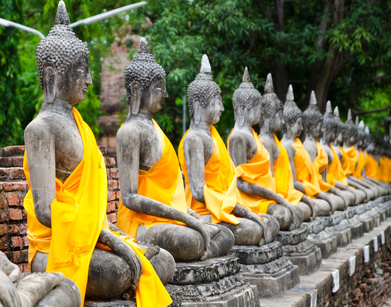
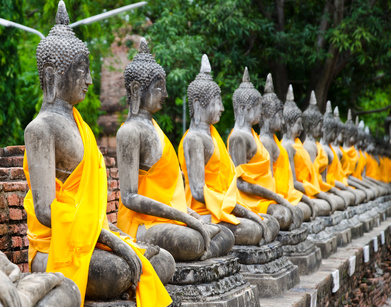
I’ve been practicing mindfulness/meditation in general on and off since the age of 18, but this time it stuck. I think because I truly committed to it and finally understood the science behind it, namely that:
Meditation is an antihistamine and a mast cell stabilizer [1] as well as a prostaglandin inhibitor [2]. It’s so powerful that it brought me back from the brink when I went into anaphylactic shock and had no meds on me [3]. Meditation actually changes the way our genes express. How about that for an epigentic boost!
While I’ve known for some time now that yoga lowers inflammation and yogic pranayama breathing fights asthma by lowering histamine [4], I was nonetheless incredibly excited to hear something specifically linked to my condition.
So I thought I’d share a little of the specifics of the course to see if we can make it all the way!
Once certified (hopefully by the end of Jan), I plan to run 8 week virtual/online mindfulness meditation workshop of 2hrs, once a week.
The sessions will be live, with a recording available for those who miss it. There’ll be a Q&A at the end of the session. I mean for this to be a highly interactive experience for us all.
The course I’m developing will be highly adapted to our situation (mindfulness at the dinner table, in the kitchen, in the supermarket) and I plan to make a number of mp3s available for download as a bonus.
The really cool thing about this course is that there’s the option to participate in an Oxford University study on how mindfulness affects quality of life. It’s totally optional, but I think it’s a great bonus.
Here’s a little more on how meditation works:
A recent study [4] specifically found that just eight hours of mindfulness meditation down regulates (dampens) HDAC and COX2 genes – meaning that mindfulness is an antihistamine and a mast cell stabiliser [5] as well as a prostaglandin inhibitor [6]. According to a conversation I had with Dr Castells (you can read some of it here), prostaglandins are the inflammatory mediators highly responsible for the dreaded brain fog we with histamine/mast cell issues are prone to and mast cell stabilisation means less histamine and inflammatory molecules being released into the body.
I’m not the only one experiencing an incredible remission – check out New York Times reporter Donna Jackson Nakazawa’s own experiences in coming back from paralysis.
You can book your spot on the course here. Not into meditation but love the information on this site? There’s other ways to contribute, including booking a Skype consult at a discount, as well as buying a personalised cookbook.
As with my books, in the future I will be offering spots on the course at a discount to those who are unable to pay.
You’ll find recipes full of foods with antihistamine and anti-inflammatory properties my books Anti-Recipes and The Anti-Cookbook
This lovely lady, the Juice Lady Cherie Calbom to be precise, tells an inspirational story that I remind myself of any time I feel myself flagging in my healing process.
Like many of us, Cherie struggled with a chronic fatigue like illness that doctors were unable to diagnose. Cherie was lovely enough to take some time out of her bestseller writing, Dr Oz collaborating schedule, to have a chat with me about how she fought her way back from a debilitating mysterious illness, one juice at a time.
We chat about:
Her healing crisis, in which she expelled a tumour-like object from her body.
Whether diagnosis actually matters in the healing process.
Her view on the actual cause of most illness.
Juicing vs blending.
How long juices be stored before they lose nutrients or start spoiling.
Whether frozen fruits/vegetables lose their nutrients.
The optimal fruit to vegetable ratio.
How long to juice fast and whether you should check in with a doc before starting.
Favourite add ons for histamine intolerance/chronic inflammatory conditions.
Why a low histamine standard diet isn’t going to heal.
Why cheating on a high nutrient diet isn’t worth it.
The mind as a healing tool.
The role of trauma in illness.
Cherie’s pre-gallbladder flush.
About Cherie Cablom, the Juice Lady.
Earned a Master of Science degree in nutrition from Bastyr University. She has practiced as a clinical nutritionist at St. Luke Medical Center, Bellevue, Washington, and as a celebrity nutritionist for George Foreman and Richard Simmons. Known as “The Juice Lady” for her work with juicing and health, her juice therapy and cleansing programs have been popular for more than a decade. She became known as George Foreman’s nutritionist and the other spokesperson for the George Foreman grills in 1996. She appeared continuously with Salton’s Juice Lady juicer and Juiceman juicer and the George Foreman grills on QVC for thirteen years where she sold millions of dollars in products.
Cherie is the author of 21 books including the bestseller Juicing for Life (Avery, 1992) with 2 million books sold in the US and published around the world in 23 countries. Other best-selling books by Cherie include: The Juice Lady’s Guide to Juicing for Health, Revised Edition (Avery), Juicing, Fasting, and Detoxing for Life (Hachette), Sleep Away the Pounds (Warner), The Coconut Diet (Warner) George Foreman’s Knock Out the Fat Barbecue & Grilling Cookbook (Villard), The Ultimate Smoothie Book (Warner) and The Complete Cancer Cleanse (Thomas Nelson), and her latest books The Juice Lady’s Turbo Diet (Siloam), Juice Lady’s Living Foods Revolution, and The Juice Lady’s Weekend Weigh Loss Diet (Charisma House). Coming January, 2013- The Big Book of Juices and Green Smoothies (Charisma House).
Cherie’s books have been featured in four cover stories for Women’s World magazine. She has also had feature stories in USA Today, New York Post, First for Women, Quick & Simple, Vogue, Marie Claire, Elle, Newsweek, New Body, Fitness, McCall’s, Shape, Women’s Sports & Fitness, Oxygen, and Natural Health.
Cherie has appeared on Fox Morning News, Chicago Fox News (feature story), CNN, WCBS “Live From the Couch, and Jordan Rubin’s “Living Beyond Organic” as the on-air chef. She has also appeared in seven infomercials including the Juice Lady infomercial, the Juiceman Infomercials, and has co-hosted three George Foreman Grill infomercials with George and the Lean, Mean, Fat-Reducing Grilling Machine.
It’s finally here! Man Food– a high nutrient antihistamine and anti-inflammatory ingredient filled book geared towards guys, women who love to work out, yoga like they mean it, or just load up on healing nutrients. Features my personal shopping list of antihistamine and anti-inflammatory foods.
The Anti-cookbook and all liquid Anti-Detox Book, don’t treat any conditions, but feature a plethora of the high nutrient antihistamine and anti-inflammatory ingredients that have been instrumental in helping me feed myself on a limited diet. The Anti-cookbook features a six page list of antihistamine and anti-inflammatory foods and comes in regular and Paleo.
The Low Oxalate Cookbook features antihistamine and anti-inflammatory rich recipes.
Don’t miss the Low Histamine Beauty Survival Guide for non-toxic beauty tips, the skinny on histamine releasing (mast cell degranulating) beauty ingredients, antihistamine and anti-inflammatory beauty alternatives and the top brands natural brands I’ve found.
Please remember, even antihistamine and anti-inflammatory foods can hurt us, please always exercise caution and consult a medical practitioner before adding new foods.
This lovely lady, the Juice Lady Cherie Calbom to be precise, tells an inspirational story that I remind myself of any time I feel myself flagging in my healing process.
Like many of us, Cherie struggled with a chronic fatigue like illness that doctors were unable to diagnose. Cherie was lovely enough to take some time out of her bestseller writing, Dr Oz collaborating schedule, to have a chat with me about how she fought her way back from a debilitating mysterious illness, one juice at a time.
We chat about:
Her healing crisis, in which she expelled a tumour-like object from her body.
Whether diagnosis actually matters in the healing process.
Her view on the actual cause of most illness.
Juicing vs blending.
How long juices be stored before they lose nutrients or start spoiling.
Whether frozen fruits/vegetables lose their nutrients.
The optimal fruit to vegetable ratio.
How long to juice fast and whether you should check in with a doc before starting.
Favourite add ons for histamine intolerance/chronic inflammatory conditions.
Why a low histamine standard diet isn’t going to heal.
Why cheating on a high nutrient diet isn’t worth it.
The mind as a healing tool.
The role of trauma in illness.
Cherie’s pre-gallbladder flush.
About Cherie Cablom, the Juice Lady.
Earned a Master of Science degree in nutrition from Bastyr University. She has practiced as a clinical nutritionist at St. Luke Medical Center, Bellevue, Washington, and as a celebrity nutritionist for George Foreman and Richard Simmons. Known as “The Juice Lady” for her work with juicing and health, her juice therapy and cleansing programs have been popular for more than a decade. She became known as George Foreman’s nutritionist and the other spokesperson for the George Foreman grills in 1996. She appeared continuously with Salton’s Juice Lady juicer and Juiceman juicer and the George Foreman grills on QVC for thirteen years where she sold millions of dollars in products.
Cherie is the author of 21 books including the bestseller Juicing for Life (Avery, 1992) with 2 million books sold in the US and published around the world in 23 countries. Other best-selling books by Cherie include: The Juice Lady’s Guide to Juicing for Health, Revised Edition (Avery), Juicing, Fasting, and Detoxing for Life (Hachette), Sleep Away the Pounds (Warner), The Coconut Diet (Warner) George Foreman’s Knock Out the Fat Barbecue & Grilling Cookbook (Villard), The Ultimate Smoothie Book (Warner) and The Complete Cancer Cleanse (Thomas Nelson), and her latest books The Juice Lady’s Turbo Diet (Siloam), Juice Lady’s Living Foods Revolution, and The Juice Lady’s Weekend Weigh Loss Diet (Charisma House). Coming January, 2013- The Big Book of Juices and Green Smoothies (Charisma House).
Cherie’s books have been featured in four cover stories for Women’s World magazine. She has also had feature stories in USA Today, New York Post, First for Women, Quick & Simple, Vogue, Marie Claire, Elle, Newsweek, New Body, Fitness, McCall’s, Shape, Women’s Sports & Fitness, Oxygen, and Natural Health.
Cherie has appeared on Fox Morning News, Chicago Fox News (feature story), CNN, WCBS “Live From the Couch, and Jordan Rubin’s “Living Beyond Organic” as the on-air chef. She has also appeared in seven infomercials including the Juice Lady infomercial, the Juiceman Infomercials, and has co-hosted three George Foreman Grill infomercials with George and the Lean, Mean, Fat-Reducing Grilling Machine.
It’s finally here! Man Food– a high nutrient antihistamine and anti-inflammatory ingredient filled book geared towards guys, women who love to work out, yoga like they mean it, or just load up on healing nutrients. Features my personal shopping list of antihistamine and anti-inflammatory foods.
The Anti-cookbook and all liquid Anti-Detox Book, don’t treat any conditions, but feature a plethora of the high nutrient antihistamine and anti-inflammatory ingredients that have been instrumental in helping me feed myself on a limited diet. The Anti-cookbook features a six page list of antihistamine and anti-inflammatory foods and comes in regular and Paleo.
The Low Oxalate Cookbook features antihistamine and anti-inflammatory rich recipes.
Don’t miss the Low Histamine Beauty Survival Guide for non-toxic beauty tips, the skinny on histamine releasing (mast cell degranulating) beauty ingredients, antihistamine and anti-inflammatory beauty alternatives and the top brands natural brands I’ve found.
Please remember, even antihistamine and anti-inflammatory foods can hurt us, please always exercise caution and consult a medical practitioner before adding new foods.
I really wanted to call this post: “How meditation saved my life (again and again).”
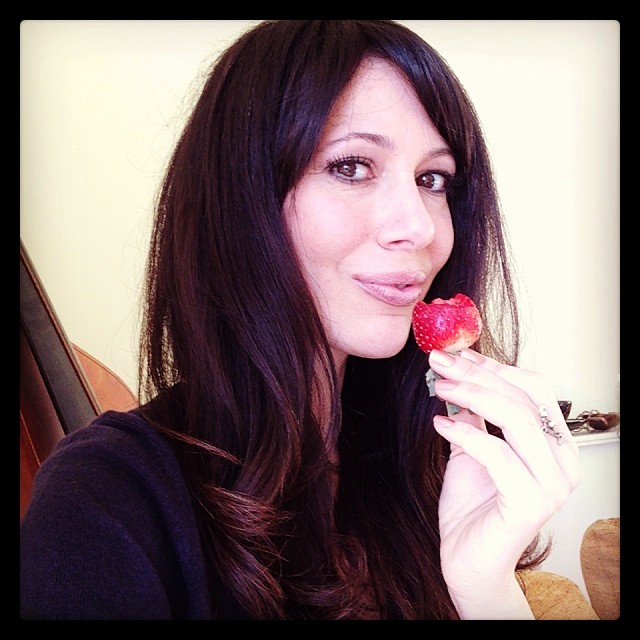
You may have seen a number of my instagram photos of late – this among them….
Or heard me jabbering excitedly to friends about an orange, two oranges, a box of strawberries, two and now raspberries! Yes, I’ve added the aforementioned foods as well as kiwis, cacao, pecans, walnuts and grapes back to my diet this year.
A lot of it just in the last few months.
How?
The five most important discoveries I’ve made on this latest stretch of my journey in 2013 sums it up:
I believe my stress level, chronically elevated since childhood, is almost 100% to blame for my mast cell/histamine disorder.
Mindfulness meditation is an antihistamine and a mast cell stabilizer [1] as well as a prostaglandin inhibitor [2]. It’s so powerful that it brought me back from the brink when I went into anaphylactic shock and had no meds on me [3].
I have identified the past events and behaviours that kept me mired in the illness mindset and no longer have ANYTHING to prove to anyone and so am ready to heal.
A glass of green juice a day is great for the body, but 1.5 liters/quarts is even better.
A balanced diet, comprising antihistamine and anti-inflammatory foods, as well as (high nutrient) higher histamine ones, make for a very healthy and happy me.
Having spent the last 20 years convincing people that it’s not all in my head, I have to admit, though it’s still not all in my head, I am responsible for letting this escalate to the point it has.
I mentioned last week that though I didn’t have a horrific childhood, I certainly suffered quite a bit of trauma: born in a war torn country, where I lived on and off for about eight years, growing up in a place devoid of soul, of beauty, art and true friendship; left alone at home for much of my childhood, when not in the company of my grandmother losing it with Alzheimer’s; a big brother/father figure whose elusive presence left a gaping wound with every departure.
Don’t even get me started on starting a new school in a brand new country (to me) every six to twelve months for most of my life. Moving schools, making new friends, feeling out new teachers and learning new languages became the norm, but things like having to shake my mom awake to try and convince her to walk me to school on a cold day, the stress of tearing down the streets, school bag flapping in our wake, only to endure the shame of receiving the tardy award of the year for most late arrivals, the fear of not knowing whether our phone line or electricity would be cut from day to day, the days of loaning my mom what I had in my piggy bank to pay said bills, and wondering why I was being driven to school in a piece of crap banged up Ford one day, and a BMW the next, definitely took its toll on my developing nervous system.
It’s gotta be a little crazy when an 11 year old questions the sanity of purchasing a beautiful 12 person sailboat when we can barely feed ourselves.
Welcome to my past. It’s a murky place that you really don’t want to mire yourself in.
I have a tendency to brush off my past stress. And that’s not healthy. Neither is wallowing in it, and allowing it to colour every single decision you make and every every single stressed out, hyperventilating, anxiety inducing, diaphragm suppressing moment of your life.
At some point the past is just that. It can no longer have any bearing on your present reality. I’ve known this for years and it’s been easy to convince myself that I had let most of it go:
I had a long cathartic talk with my mother many moons ago (at the urging of a shrink), I shrugged off the shame of being a loser/beach bum/party girl in my teens/20s by getting one of the most highly regarded jobs in the international television news business, and began the arduous task of learning how to manage my finances.
I had good reason to believe I had dealt with most of it, and yet I still found myself in the Madrid airport infirmary soon after moving to the states for university, attached to a heart rate monitor, with a doctor telling me I needed to calm down or I was going to have a heart attack. I’m now pretty sure it was anaphylaxis. I had been running through the airport, about to miss my flight, before being pulled aside and interrogated in a bomb-proofed room because of a Libyan stamp in my passport.
The monitor would begin its high pitched screeching every time the armed policemen came into see if they could resume questioning. Yes, this would be a stressful event for most.You’d think I would have learned since then to deal with my stress, and yet still I found myself running for a flight in Madrid airport 20 years later, about to have an asthma attack/mast cell meltdown because I was late for a plane.
I finally forced myself to slow down and accept that missing it wouldn’t be the end of the world, but if I kept running, I’d end up in a full on fukushima style meltdown. I’ve always been really bad at acknowledging that the world won’t in fact end if X were to happen. Maybe it’s because I’ve been in many, many life or death situations (not involving my health), but it doesn’t matter.
It stops here.
I’m not the only one to make the mast cell/histamine stress hormone link. Drs Theoharides, Castells and Escribano all speak of it. The mastocytosis/mast cell activation trigger sheet I was given upon diagnosis last year listed is as the second highest on the list, and everyone I’ve met online also acknowledges it.
I’ve been on the re-training the hyper aroused brain gravy train for some time now. I mentioned this year that I had come up with a number of meditations to kill the histamine itch and a particularly nasty reaction.
How does meditation work?
A recent study [4] specifically found that just eight hours of mindfulness meditation down regulates (dampens) HDAC and COX2 genes – meaning that mindfulness is an antihistamine and a mast cell stabiliser [5] as well as a prostaglandin inhibitor [6]. According to a conversation I had with Dr Castells (you can read some of it here), prostaglandins are the inflammatory mediators highly responsible for the dreaded brain fog we with histamine/mast cell issues are prone to and mast cell stabilisation means less histamine and inflammatory molecules being released into the body.
Having now dipped in and out of mindfulness meditation since the age of 18, I can honestly say that nothing I did in the past compares to what I’m doing now. No course I’ve taken allowed me to go as deep, to address my unique situation, in the way that I have in these last few months. As dedicated as I was to meditation before, hell, it brought me back from anaphylactic shock (read more here), I didn’t truly understand its power till reading about the incredible recoveries of others, most notably of New York Times reporter Donna Jackson Nakazawa’s recovery from paralysis [7]. I do still use the Silva Method I used when I was caught out in a deadly reaction with no meds (please please please do not try this, I had no alternative at the time).
The benefits:
I sleep more deeply and easily than ever before.
I’m no longer wound up as tight as a jack-in-the-box, ready to lash out in anger at the drop of a hat.
The adrenalin surges that have plagued me for most of my life just don’t happen anymore. At all. Simple things, like thinking about something I needed to do the next day (good or bad) would send waves of fear/excitement that would start my heart palpitating and make my brain feel funny. Kind of like when I stepped out into thin air when I went trapezing this summer – but over needing to go pay a bill the next day or talk to my landlord.
My heart rate is constant. No more all over the place fluttering and weirdness.
I’m more in touch with my surroundings and my body.
Something about meditation has allowed me to begin re-introducing foods at an incredible rate. I have my theories but need to confirm them with a few more experts before I write them up.
I’m not saying the ultimate goal of this meditation is to be able to eat strawberries or other high histamine foods, but rather to improve our stress response, which will hopefully allow us to better control our inflammation and to hopefully induce positive genetic changes, as recently shown in this wonderful study and others.
Being able to eat more normally, to me, is just a bonus of influencing inflammation on a genetic level.
Strawberries are just the icing on the cake (so to speak).
My yoga course will be released soon – it’s been the perfect complement to the meditation. Read all about that here or sign up to a specific mailing list here to be the first to grab your spot on this limited (online) attendance course – I’ll be pulling some names out of a hat to give away some free/discounted spots.
I absolutely do not recommend using meditation to try and re-introduce foods without the go-ahead of a doctor and certainly not in cases of allergy or severe reactions of any kind.
It’s finally here! Man Food – a high nutrient antihistamine and anti-inflammatory ingredient filled book geared towards guys, women who love to work out, yoga like they mean it, or just load up on healing nutrients. Features my personal shopping list of antihistamine and anti-inflammatory foods.
The Anti-cookbook and all liquid Anti-Detox Book, don’t treat any conditions, but feature a plethora of the high nutrient antihistamine and anti-inflammatory ingredients that have been instrumental in helping me feed myself on a limited diet. The Anti-cookbook features a six page list of antihistamine and anti-inflammatory foods and comes in regular and Paleo.
The Low Oxalate Cookbook features antihistamine and anti-inflammatory rich recipes.
Don’t miss the Low Histamine Beauty Survival Guide for non-toxic beauty tips, the skinny on histamine releasing (mast cell degranulating) beauty ingredients, antihistamine and anti-inflammatory beauty alternatives and the top brands natural brands I’ve found.
Please remember, even antihistamine and anti-inflammatory foods can hurt us, please always exercise caution and consult a medical practitioner before adding new foods.
You know that perennial hot topic: juices vs. smoothies?
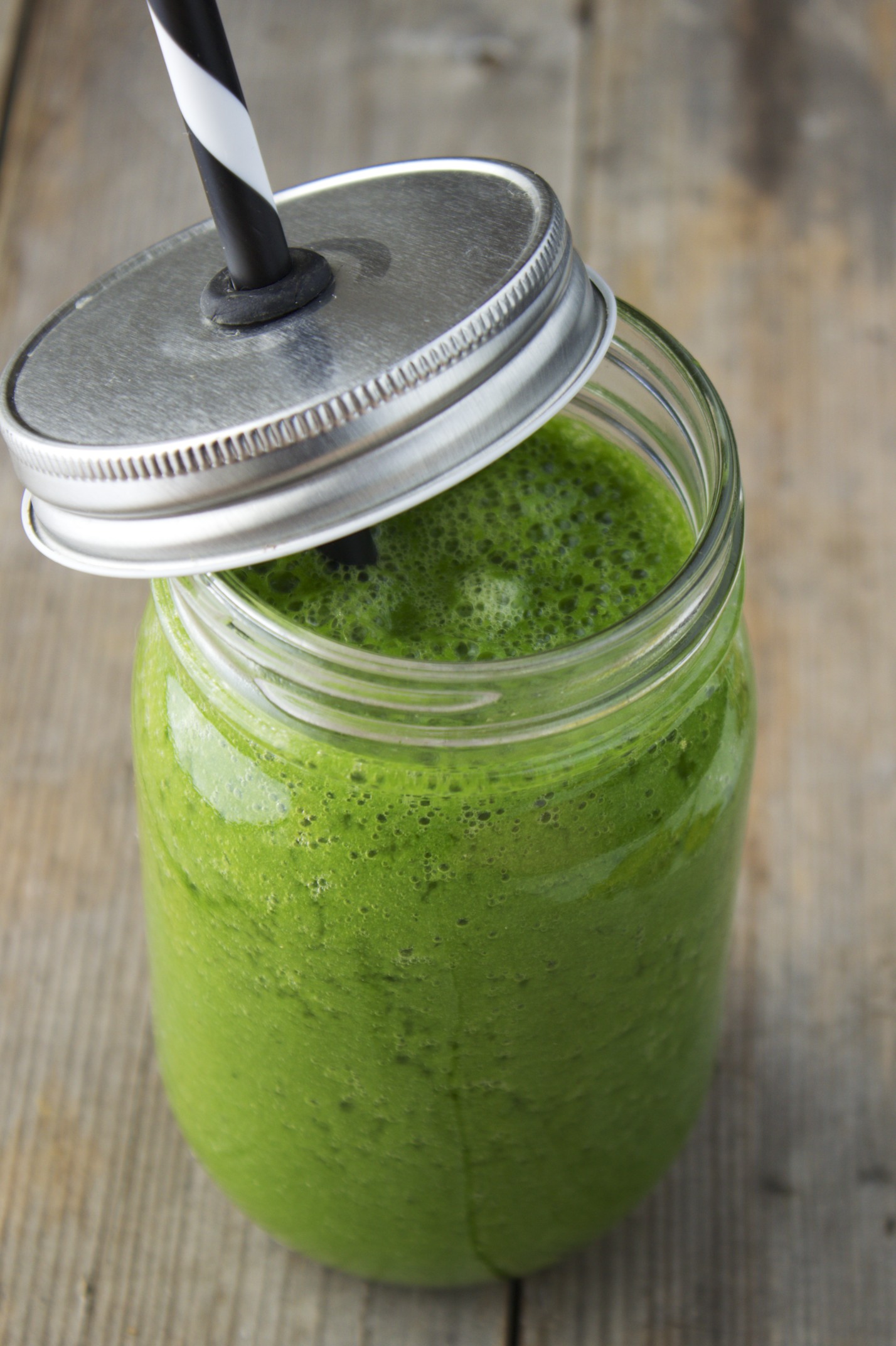
My new big thing this year is hedging my bets with what I’m calling a jui-cie – a juice/smoothie combo.
Those of you who follow my blog will have noticed pictures of me eating strawberries popping up here and there, as well as stories of oranges, grapefruits, all kinds of nuts and cacao – how? I’m getting ready to share it all with you – and this is a HUGE part of the recovery process for me – what I’ve been calling breakfast for the last few months: a super duper antihistamine and anti-inflammatory packed juicie.
What I’ll do is juice together all the really fibrous veggies and fruits (supposedly so I’m better able to absorb the vitamins) and then blend in handful after handful of super dark green leafy stuff – you know, the kind you know your body is gasping for.
I can actually feel the inflammation dissipate a few hours after having my daily infusion – no joke!
BIG GREENIE (low oxalate)
Juice
2 large apples
1 head broccoli
1 large cucumber
Blend
1 handful watercress
2 handfuls romaine
1 inch cube ginger
1 level teaspoon spirulina
2 handfuls arugula
Join my mailing list for more recipes and to be the first to know when registration for my low histamine webinar opens!
If you’ve found this information useful I’d appreciate your support (at no extra cost to you!) – please check out my online store for your health foods, supplements, kitchen items and beauty product purchases. Affiliate sales through my online store go towards maintaining the website, funding travel to interviews and purchasing all the lovely foods for my free online recipes. You’ll find these items in the “Shop with us” drop down menu on my homepage.
Please don’t forget antihistamine, pain killing foods can still hurt us, so please always check with your doctor before adding new foods to your diet.
With New Year’s Eve almost upon us I thought it would be rude not to share some of my top tips for a great evening!
Because I’m a girly-girl (well, sometimes), I’ve put together a low histamine beauty make-up tutorial to go with the Low Histamine Beauty Survival Guide.
In it I show how to put to good use all the great pure low histamine make up brands I cover in the book (RMS Beauty, 100% Pure and others), as well as the antihistamine and anti-inflammatory goodies I’ve researched.
Join my mailing list for more recipes and to be the first to know when registration for my low histamine webinar opens!
If you’ve found this information useful I’d appreciate your support (at no extra cost to you!) – please check out my online store for your health foods, supplements, kitchen items and beauty product purchases. Affiliate sales through my online store go towards maintaining the website, funding travel to interviews and purchasing all the lovely foods for my free online recipes. You’ll find these items in the “Shop with us” drop down menu on my homepage.
Please don’t forget antihistamine, pain killing foods can still hurt us, so please always check with your doctor before adding new foods to your diet.
GET STARTED HEALING HISTAMINE
WHAT YOU NEED TO KNOW ABOUT HISTAMINE DELIVERED TO YOUR INBOX