Author: healing

  • The histamine (mast cell) depression link

    The histamine (mast cell) depression link

    histamine mast cells and depression

    While you could say it’s pretty normal to be down in the dumps over having been sick for most of your life, I’ve often found it interesting that an impressive number of us with histamine intolerance, mast cell activation disorders and mastocytosis appear to suffer from crushing depression.

    So convinced was I of the link, that I never really bothered to look it up for myself, until it dropped into my lap, as it did a few months ago when I shared the news that researchers in Finland had successfully treated schizophrenia with antihistamines, rather than anti-psychotics (read my post here). This wasn’t news to me given that I had previously experienced almost ALL the schizophrenia symptoms during high histamine episodes/attacks. Yes, even hallucinations.

    I know, what more could a gal ask for?

    An increase in the number of emails I get about a possible depression link finally lit a fire under my butt and I instinctively knew that NIH funded mast cell/histamine researcher Dr Theoharides [1] was the man to approach on this. His groundbreaking research has linked mast cells/histamine to: multiple sclerosis, autism, cancer, parkinson’s, alzheimers, depression, schizophrenia and more [2].

    (Disclosure – I am a huge fan of his work).

    He’s a busy guy, but sent over a bucket load of research (most of it too complicated for the layperson – myself included) and this line: Mast cells are definitely associated with depression due to release of cytokines that affect brain function.”

    His research clearly shows why those of us with mast cell activation/histamine intolerance disorders are more likely to suffer from depression and other psych conditions – the kind that are likely to get us a psych (mis)diagnosis, rather than a mast cell histamine one. As I did, starting with simple anxiety diagnosis for the shaking I was experiencing, progressing to depression after I was prescribed downers (xanax), then into bipolar as the SSRI drove me into complete manic episodes and then down, down, down the rabbit hole for 8 years before I finally re-claimed my sanity through diet.

    According to a growing body of research, by Dr Theoharides and others, shows that pro-inflammatory brain cytokines are implicated in depression  [3]. In English: mast cells cause inflammation in the brain, which causes depression. For all of you histamine intolerance folks: there’s histamine in the body already, stored in mast cells, until we need it for healing and other important body functions, and there’s the histamine we get from foods. More on that later…

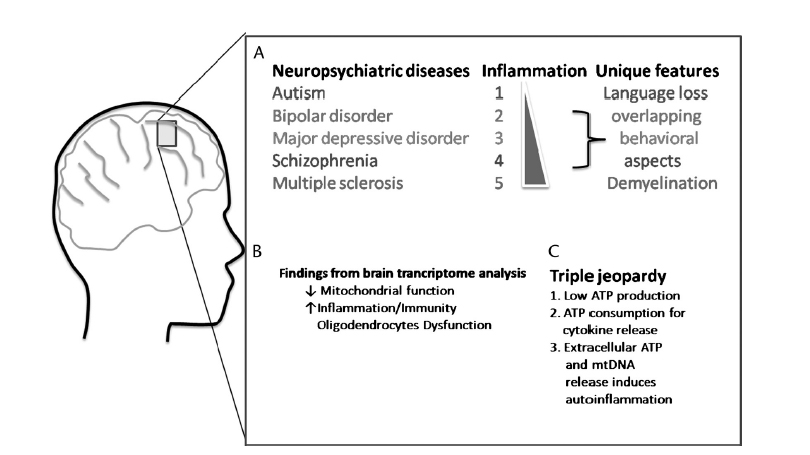
    Dr Theoharides notes that the role of inflammation in neuropsychiatric diseases was long suspected, but new findings report decreased mitochondrial function in as many as 60% of autism patients, “a neuropsychiatric developmental disorder showing many similarities with schizophrenia…[4]”

    In short, neuroinflammation, involving mast cells, can manifest in many different ways. In some people it can cause disorders involving a loss of speech (autism) or psych disorders (schizophrenia, bipolar, major depression), or demyelination disorders like Multiple Sclerosis. Please understand, I’m not saying that autism is a psychiatric disorder.
    111

    Dr Theoharides chart

    Dr T concludes, in an editorial for the Journal for Clinical Psychopharmacology, that: “there is no doubt that available evidence indicates brain mitochondrial dysfunction and heightened immune response in neuropsychiatric diseases. However, it is still hard to understand how in certain cases these changes affect mostly behaviour, whereas in others they lead to loss of speech (autism) or demyelination and mostly neurological problems (MS).[5]”

    In my interview with her, pioneering mast cell doctor Marianna Castells shared her discovery (along with her teacher) of mixed organic brain syndrome:

    “The cognitive changes consisted of diminished attention and memory, and the affective changes of anger, irritability, and, to a lesser extent, depression. These manifestations fluctuated with the level of disease activity, and appeared in some cases to respond to histamine antagonists and disodium cromoglycate, medications used to control the excessive mast cell activity. It is important for psychiatrists to be aware that mental status changes can represent psychiatric manifestations of mastocytosis, a readily treatable medical disorder. [6]”

    The psychological manifestations of mast cell/histamine disorder can be so extreme, as to be heartbreaking. In our interview Dr Castells relayed the story of a woman committed to an institution by her family. She exhibited bipolar type tendencies and clouded thinking. By chance the woman fell over (not from a great height) and broke her collarbone. Someone was smart enough to wonder why such a young woman would break bones so easily (the majority of mast cell peeps have bone density issues due to disrupted calcium absorption), and so Castells was called in to consult. A quick round of testing revealed that her tryptase was elevated, in addition to her prostaglandins, which according to Castells are one of the reasons for brain fog, or “mixed brain syndrome” as she and her predecessor dubbed the condition 20 years ago. After a short treatment with mast cell meds and antihistamines, the woman was “cured” of her psych issues and released to her family.

    I can’t imagine that was a very happy home coming.

    All I can say is that I can’t stop thanking my lucky stars that I found my depression cure through diet. Not a low histamine diet, but rather a high nutrient diet rich in anti-inflammatory and antihistamine foods. The kind of diet that helps prevent cancer, alzheimer’s and certainly in my case, lifted the life long depression that inspired doctors to prescribe meds that flushed the best years of my life down the toilet, the depression that caused me, in my darkest days, to harm my body in an effort to feel anything through the numbness, the impenetrable haze of ambivalence towards my precarious non-existence.
    Please don’t wait almost a decade, as I did, to examine your mast cells, histamine levels, and really, truly lift a microscope to your diet.

    Please don’t forget antihistamine, pain killing foods can still hurt us, so please always check with your doctor before adding new foods to your diet. 

    ————-REFERENCES————-

    [1] www.mastcellmaster.com

    [2] www.mastcellmaster.com

    [3 + 4] http://www.mastcellmaster.com/documents/brain-health/J-Clin-Psychopharm-2011-Brain-Inflammation.pdf

    [5]  http://www.mastcellmaster.com/documents/brain-health/J-Clin-Psychopharm-2011-Brain-Inflammation.pdf

    [6] http://www.psychosomaticmedicine.org/content/48/6/437.short
  • Dr Joneja: How to boost your histamine-lowering DAO enzyme (naturally)

    Dr Joneja: How to boost your histamine-lowering DAO enzyme (naturally)

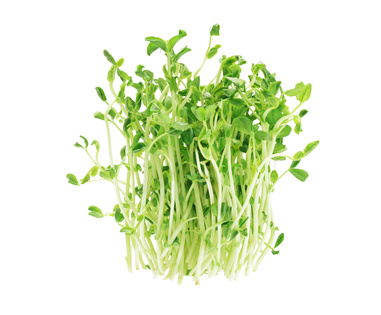
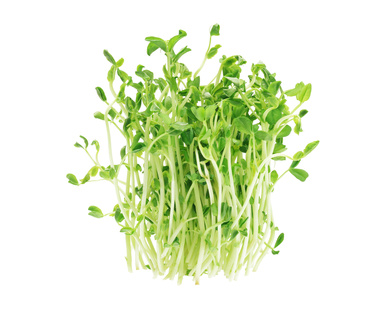
    Pea Sprouts

    Download Dr. Joneja’s guide to growing DAO rich sprouts here: Pea seedlings as a supplement

    As I outline in my first book, a diet rich in vitamin B6, magnesium, copper and other nutrients is necessary in order for our body to produce the histamine-lowering enzyme DAO (diamine oxidase).

    But, I neglected to mention another (delicious) source of natural DAO – mainly because I’m not a freaking scientist and I wasn’t sure what I’d found…

    I digress.

    Many of you write to me (oh so many) asking me if I take DAO supplements. I do not. Then I’m asked if I endorse them. I do not. I did, for a couple of years, take a natural DAO supplement made from a vegetarian source (many of the supps on the market use pork glands). Sadly that DAO supplement never made it to market.

    I’m not saying I wouldn’t have continued taking them if they had hit the health food store shelves, but honestly, at that point I had become militantly anti-supplement and took absolutely nothing. I was determined not to mess with my body. I just wanted to give it some time to breathe, to remember how to heal itself:

    “Our body is a machine for living. It is organised for that, it is its nature. Let life go on in it unhindered and let it defend itself, it will do more for you than if you paralyse it by encumbering it with rememdies.” – Leo Tolstoy.

    I’m a huge fan of this quote, but honestly, there came a time where I wondered if I could speed up the healing process by just adding one or two. And so I did…you’ll find a video on the best supplements I tried here and you can find all of those items in my amazon store.

    I had all but forgotten this piece of surprising research I came across a few years ago (filed in my “find a doctor to comment on this” folder), when just a few days ago I was blessed with a wonderful email from the fabulous immunologist, nutritionist, author and histamine researcher Dr Janice Joneja. For those of you who haven’t yet, you MUST read this groundbreaking interview on histamine intolerance with Dr Joneja.

    Says Dr Janice Joneja:

    “I have a number of patients who cannot take these (DAO) supplements because they are allergic to pork, or cannot consume them for religious or cultural reasons.  The commercial sources of DAO are derived from pig kidney and those allergic to pork tend to develop quite severe allergic reactions to the products.

    In my research, I have identified a plant source of DAO: pea seedlings.  A number of years ago I tried to interest several agencies, including University departments, in conducting research into extracting DAO from pea seedlings and concentrating it into a pill or powder as an alternative to the pork-based products.  Unfortunately, none of these considered the project to be worthwhile because they had to weigh the cost of the research against the projected profits from such a product.  Yesterday I had a long conversation with a patient who is allergic to pork and had a strong reaction to a DAO supplement. We discussed the possibility of sprouting green peas and consuming the sprouts regularly to determine whether this might help with her histamine intolerance symptoms.  I had the intention of cultivating the sprouts from fresh peas myself.  Rather fortuitously, I was shopping at my local market this morning and came across pea shoots.  I had never seen the product previously.  It is sold under the FarmFresh brand.  This is a Canadian product made by Nankia Sprouts Corp. In practical terms, of course, it would be much cheaper for a person to sprout the peas themselves, using the same method as used for sprouting mung beans or alfalfa. However, this product could be an alternative for those not interested in going to the extent of cultivating the seedlings themselves.

    As you have a large number of histamine-sensitive people who follow your management strategies, I was wondering whether we could enlist their help in determining whether pea seedlings could aid in reducing their symptoms by increasing their DAO from this source.  It would be relatively inexpensive, would increase their dietary sources of many nutrients, and be safe as far as adverse reactions are concerned.  In addition, this would be the first time that a method of increasing DAO other than the commercial brands of supplements has been attempted.”

    I don’t know about you, but eating my medicine has always been my top choice, so this email actually made me squeal with excitement (those of you who have met me know this is a literal description – I have the girliest squeal).

    So, hista-sistas and mistas, what do you think? Should we guinea pig ourselves in the name of science?

    You know my answer – I’ve been doing it for years!

    Please join our Facebook group where we’re comparing our experiences and collecting data for Dr Joneja so she can get a medical study going.

    Be well friends, don’t forget to sign up to my newsletter to be the first to know about upcoming histamine wellness retreats and workshops in Europe and the United States, to get great freebies like antihistamine and anti-inflammatory recipes and lifestyle tips. 

    The Anti-cookbook, while it doesn’t treat any conditions, due to its high nutrient, antihistamine and anti-inflammatory ingredients, has been instrumental in helping me feed myself on a limited diet. It features a six page list of antihistamine and anti-inflammatory foods. It comes in regular and Paleo. 

    The Low Oxalate Cookbook features antihistamine and anti-inflammatory rich recipes. 

    Don’t miss the Low Histamine Beauty Survival Guide for non-toxic beauty tips, the skinny on histamine releasing (mast cell degranulating) beauty ingredients, antihistamine and anti-inflammatory beauty alternatives and the top brands natural brands I’ve found.

    Take a peek at my other low histamine and antihistamine cookbooks for more high nutrient recipes.

    If you’ve found this information useful I’d appreciate your support (at no extra cost to you!) – please check out my online store for your health foods, supplements, kitchen items and beauty product purchases. Affiliate sales through my online store go towards maintaining the website, funding travel to interviews and purchasing all the lovely foods for my free online recipes. You’ll find these items in the “Shop with us” drop down menu on my homepage.  

    Please don’t forget antihistamine, pain killing foods can still hurt us, so please always check with your doctor before adding new foods to your diet. 


  • Adventures on the Dr Oz Show

    Adventures on the Dr Oz Show

    Diptic

    As you may have heard, my trip to New York got off to a shaky start. An amygdala-triggering event on the Heathrow-JFK flight left me emptying the (thankfully) minimal contents of my tummy pretty much the minute I arrived at my cousin’s Upper East Side apartment.

    But that didn’t matter, because I was on a mission. I had arrived in New York determined to get some press for mast cell activation (histamine) disorders, and soon an incredible opportunity dropped in my lap. Well, not so much dropped as I fought tooth and nail to get some kind of presence on America’s number 1 medical program – the Dr Oz Show. And get it I did. Sadly, as happens in television, I was bumped.

    Sitting just a stone’s throw from the inner workings of the Dr Oz Show was frustrating to say the least, but ever the chipper one, I struck up a conversation with a lovely lady (who I’ll call N) sitting across from me, who might also have been left by the wayside.

    And guess what?

    Though neither of us was booked specifically to speak about our conditions, it turned out that both of us, strangers to each other, both coincidentally in the same bind, were there for exactly the same reason – to raise awareness for mast cell disorders.

    We had an amazing conversation, spanning her bit on the show (chronic pain relief segment) and mine (chronic pain and yoga). It transpired that she had more on her plate than I do; she’s also dealing with EDS/hypermobility – it’s common to many with mast cell disorders. Please check out her website for more information and to learn how to get involved. 

    A video she was asked to make was due to air on the show, but it wasn’t yet clear if it would happen. Meanwhile, I wasn’t even sure I’d make it into the studio to make myself, and mast cell activation, known to the guest books/producers I was so desperate to touch base with.

    The producer turned up, bearing the good news that N’s video would in fact air, but holding only three VIP tickets for the four people waiting to go on. And my heart dropped. I was the furthest from the tickets, and they were quickly snapped up. As I turned to make my exit out of the building, Nadia quickly pressed her ticket into my hand, saying her video was airing anyway, and that I probably had a better chance of pitching the producers our mast cell story.

    I can’t begin to tell you how moments like these fill my heart with a deep gratitude to whichever force guides destiny, but mostly, knowing that people like N exist, goes a long way towards correcting the skewed view I had of humanity for a long time after experiencing the depths of human cruelty in my time as a journalist in war zones and in my early years growing up during a civil war. I’m not ashamed to admit it – a combination of relief and a sense of great responsibility overwhelmed me, and so, after a quick hug, during which I promised to do my best to pitch a segment on mast cell activation disorders (and EDS of course), I ran to the loo and had a little cry.

    At this point, I was neither a guest speaker, nor a featured member of the audience, but rather simply a viewer.

    Suddenly, out of nowhere came ADM, an associate producer, to let me know she had managed to work me in as a featured audience member! I won’t go into the behind the scenes details of the show – what I can say is that I wasn’t expecting to have the opportunity to blurt out those four little words that turned my world upside down (mast cell activation syndrome) but I managed somehow, dressed in yoga gear no less! I’ve since sent in a pitch for the mast cell segment, fingers and toes crossed, will let you know what happens.

    The segment was part of a show called “How to lose 10 pounds before Memorial Day” and should appear online at some point today.

    The Anti-cookbook, while it doesn’t treat any conditions, due to its high nutrient, antihistamine and anti-inflammatory ingredients, has been instrumental in helping me feed myself on a limited diet. It features a six page list of antihistamine and anti-inflammatory foods. It comes in regular and Paleo. 

    The Low Oxalate Cookbook features antihistamine and anti-inflammatory rich recipes. 

    Don’t miss the Low Histamine Beauty Survival Guide for non-toxic beauty tips, the skinny on histamine releasing (mast cell degranulating) beauty ingredients, antihistamine and anti-inflammatory beauty alternatives and the top brands natural brands I’ve found.

    Take a peek at my low histamine and antihistamine cookbooks for more high nutrient recipes. If you’ve found this information useful I’d appreciate your support (at no extra cost to you!) – please check out my online store for your health foods, supplements, kitchen items and beauty product purchases. Affiliate sales through my online store go towards maintaining the website, funding travel to interviews and purchasing all the lovely foods for my free online recipes. You’ll find these items in the “Shop with us” drop down menu on my homepage.  

    Please don’t forget antihistamine, pain killing foods can still hurt us, so please always check with your doctor before adding new foods to your diet. 

  • Benadryl is cocaine to your brain?

    Benadryl is cocaine to your brain?

    Pasted Graphic

    Please note, I’m not anti-medication and I absolutely believe there’s a time and a place for histamine/mast cell medications in order for us to stabilise. Please do not discontinue any medications. I recently had an operation to retrieve my eggs during fertility treatment and allowed them to use Benadryl. Please read this post for more on my stance on medications.

    Updated…

    My body on antihistamines

    It was an animal study entitled “Cocaine-like neurochemical effects of antihistaminic medications” that really caught my eye.

    Having spent the previous months convincing myself to come off the antihistamines that I felt were the only thing between me and a lifetime of living in a bubble, terrified that the Hista-meanies were out to get me, I decided to go all out and truly freak myself out to the point of no return.

    Please, read no further if you’re currently on antihistamines and are unable to do without them. It’s not my intention to sway you away from meds, cause you to question your doctor’s judgement in prescribing them to you, thereby leaving you in harm’s way.

    See, the person who diagnosed me was frank: “Antihistamines will make you worse. You need to stop taking them.”

    I looked at him, incredulous.

    The mere thought sent a chill through my brain.

    But I was used to that. Because, in addition to suffering severe memory loss and an inability to make new memories most of the time (except in life or death situations), the alternately fiery and ice cold migraine-y grip on my poor noggin (thank you histamine as a neurotransmitter), was a mainstay of my life.

    The only way to convince myself was research.

    The Cocaine-like neurochemical effects of antihistaminic medications [1]

    According to animal studies, some H1 receptor antagonists (antihistamines) activate the pleasure/reward chemical, dopamine in the brain.

    This is a good thing right? Not so fast…

    Drugs like cocaine, methamphetamine (and nicotine) also increase the level of dopamine in the brain. Sadly though, the increase in dopamine causes a desensitisation, and it soon takes more and more to achieve that same effect, causing you to take more and more.

    “The most addictive drugs, such as cocaine in the form of “crack”, raise dopamine levels in the brain, within seconds of consumption.” – Wikipedia

    Am I comparing Benadryl to crack cocaine?

    Not me, but this study says: “Intravenous diphendramamine (benadryl) and chlorpheniramine…elicited a cocaine-like pattern of stimulation.” [1]

    They go on to say that this effect is potentially caused by stimulation of serotonin and that “might underlie the occasional misuse of these medications”.

    I’ve only taken it a handful of times so I really wouldn’t know. What I can say is that I reached some kind of tolerance/desensitisation with every antihistamine I have taken. I’d end up taking multiple tabs (as sanctioned by my allergist – who never found I had ANY allergies) and still feel like poop. Sure, I could eat more, but I felt horrible.

    Hung over.

    Lethargic.

    Dizzy.

    Emotional.

    And more.

    In the Anti-Cookbooks (regular and paleo), I talk about the many other scary antihistamine side-effects:

    “H1 receptor antagonists have been shown to exert estrogenic action, to the point of affecting penile development (this has not yet been shown in humans), weakening of the immune system and much more…

    Meanwhile, H2 receptor antagonists and proton pump inhibitors (examples of which are zantac and omeprazole) can create new food allergies (you heard that right), leave the young and elderly vulnerable to pneumonia and life threatening infections like clostridium difficile, create vitamin B12 deficiency or cause stomach cancer.”

    Then there’s the fact that some researchers are coming to the conclusion that antihistamines may in fact make allergies worse!

    In these studies a team of researchers found that bee venom injected mice who were fed antihistamines just before and after exposure reacted more violently to their next exposure.

    The theory, according to the lead researcher Pal Johansen, is that the antihistamines were doing more than disrupting the immune reaction to the first dosage, that they were in fact preventing the immune system from getting used to it. [2]

    I don’t know about you, but I certainly found that my reactions began spiraling out of control after antihistamines (which I initially took for sinus issues), thereby requiring more antihistamines. A coincidence? Totally possible. A coincidence that I felt so much better just months after giving them up? I can’t rule it out. What I can say is there’s no way I’d take them again.

    So what’s the alternative? Come off them and leave ourselves open to anaphylaxis? Though I have experienced it over the years, my recent brush with it in Kenya last year, showed me that either my body has been healed to the point where I am no longer in danger, even during anaphylaxis, or meditation really is that powerful. (For those of you who missed it, I managed to work my way through an episode of shock by using a meditation technique I had trained myself in. No, I’m not talking crazy. I based my conclusions on the power of meditation on my conversations on the role of stress in anaphylaxis and mast cell/histamine triggering with Drs Escribano and Matito of the Virgen del Valle hospital in Toledo – a team that have seen more mastocytosis/mast cell patients of any in the world.

    Has my body healed to the point that I don’t need to worry? I’m not entirely sure – thanks to my diet, I’m definitely in the best health of my life. But whether I am or not, I just can’t ignore the research that tells me that antihistamines could make things worse in the long run. I was very thankful that Dr Janice Joneja, in my interview with her, confirmed to me that antihistamines cause a rebound effect. She does however believe that they can be used as needed, rather than prophylactically.

    As the researchers in the bee venom studies conclude, the immune system needs to get used to stuff. Once I became sensitised to a seemingly never-ending list of foods and beauty products, once I eliminated all the crappy ones, I had to ask myself why I would continue to avoid the ones that were healthy.

    So what are the alternatives?

    In 2010 I came to a similar realisation as the researchers in the bee venom study – I was going to have to re-acquaint my immune system with food (and other things).

    That’s exactly what I did.

    I’ll go into more detail about how I did it in my upcoming Low Histamine Lifestyle webinar. Given that it’s my first one, I’ll be keeping it small, on a first come first served basis, so you may want to sign up to my mailing list to make sure you don’t miss out.

    Before that though, I desperately needed to stabilise, without the pharmaceuticals that made me so horribly ill. I recently blogged about the supplements I take. Some are antihistamine (binding to the histamine receptors), while others are mast cell stabilisers (thereby preventing histamine and other inflammatory elements from being released in the first place). I’ve definitely found that lowering my intake of histamine rich foods, without going totally crazy eliminating stuff, increasing my intake of antihistamine and anti-inflammatory foods, and meditating every chance I get, has made an incredible difference in my life.

    Please do not attempt to stop any meds without consulting with your doctor. I neither encourage you to do so, nor can I be held responsible for the fall out of failing to seek the counsel of a medical health practitioner.

    You’ll find a collection of all liquid high nutrient antihistamine and anti-inflammatory rich recipes for days when my histamine bucket overflowed in the new Anti-Detox book. 

    The Anti-cookbook, while it doesn’t treat any conditions, due to its high nutrient, antihistamine and anti-inflammatory ingredients, has been instrumental in helping me feed myself on a limited diet. It features a six page list of antihistamine and anti-inflammatory foods. It comes in regular and Paleo. 

    The Low Oxalate Cookbook features antihistamine and anti-inflammatory rich recipes. 

    Take a peek at my low histamine and antihistamine cookbooks for more high nutrient recipes. If you’ve found this information useful I’d appreciate your support (at no extra cost to you!) – please check out my online store for your health foods, supplements, kitchen items and beauty product purchases. Affiliate sales through my online store go towards maintaining the website, funding travel to interviews and purchasing all the lovely foods for my free online recipes.

    You’ll find these items in the “Shop with us” drop down menu on my homepage.  

    Please don’t forget antihistamine, pain killing foods can still hurt us, so please always check with your doctor before adding new foods to your diet. 

    ———————REFERENCES————————

    [1] http://www.ncbi.nlm.nih.gov/pubmed/18363822

    [2] http://www.nature.com/news/2008/080111/full/news.2008.436.html

    Anti-Cookbook sources:

    http://onlinelibrary.wiley.com/doi/10.1111/j.1398-9995.2010.02511.x/abstract

    http://www.ncbi.nlm.nih.gov/pubmed/20102991

    http://www.ncbi.nlm.nih.gov/pubmed/20458086

    http://www.greenmedinfo.com/article/ranitidine-inhibits-secretion-gastric-intrinsic-factor-and-absorption-vitamin-b-12

    http://www.greenmedinfo.com/article/long-acting-inhibitors-gastric-acid-secretion-may-result-endocrine-cell

    http://www.sciencedirect.com/science/article/pii/S0022534705001886

    http://www.ncbi.nlm.nih.gov/pubmed/18363822

    http://www.nature.com/news/2008/080111/full/news.2008.436.html


  • Gluten Free Blackberry Saffron Almond Cake (paleo)

    Gluten Free Blackberry Saffron Almond Cake (paleo)

    low histamine dessert

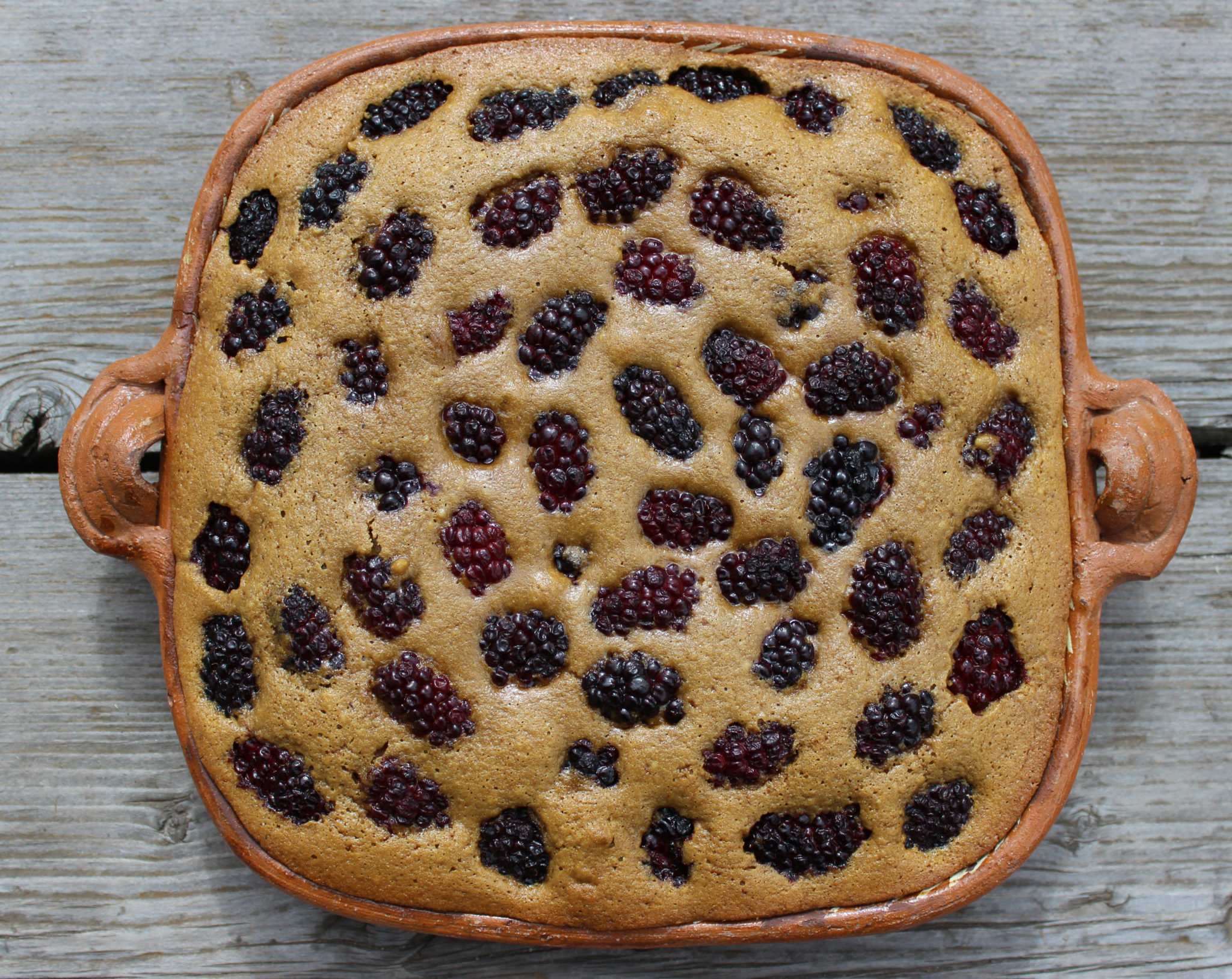
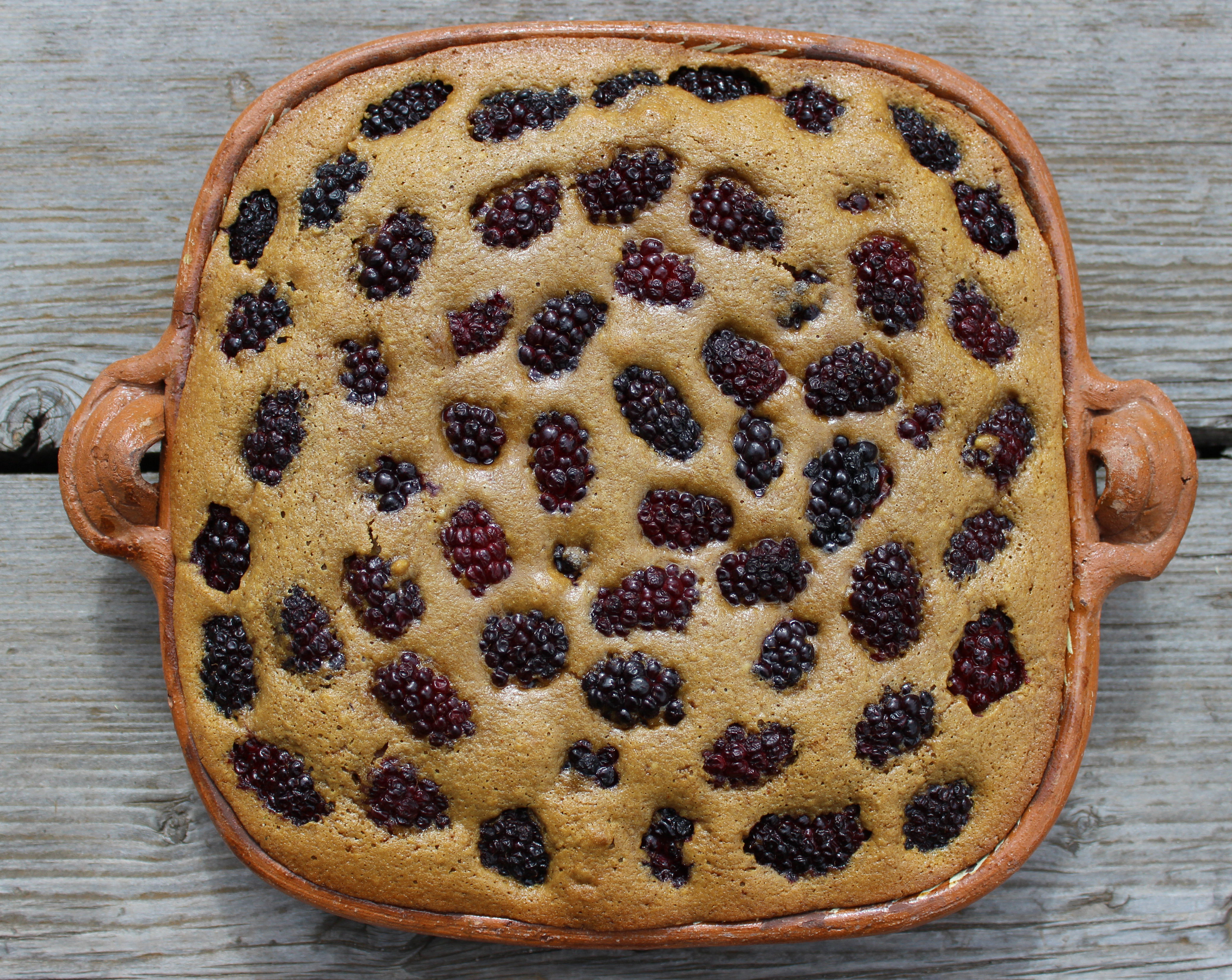
    So much yumminess emanates from my friend Alejandra Ramos’ website Always Order Dessert. Once delicious recipe after the next tumbles effortlessly from this Latina bombshell’s lips, only to be Tweeted by the Domestic Goddess herself, Nigella Lawson. Nigella most recently took a fancy to a Blackberry Saffron Almond cake that I can only describe as heaven on a plate.

    I couldn’t resist whipping up a low histamine version with antihistamine and anti-inflammatory ingredients, for those of us dealing with allergies,  inflammatory conditions like POTS, fibromyalgia, ME, histamine intolerance, mast cell activation or mastocytosis. Fluffy but dense, moist and welcoming, this cake is exactly the kind of luscious but guilty treat to be shared with the gals over a cup of steaming tea, or with a tall glass of lemonade on grandma’s porch.

    IMG_0935


    The best news? It was easily customisable and already featured a number of antihistamine and anti-inflammatory foods. All I had to do was substitute a few more to really pack in that healing goodness you’ll find in all my cookbooks.

    You’ll find more recipes like this in my books Anti-Recipes and The Anti-Cookbook

    CLICK HERE TO CREATE YOUR OWN PERSONALISED HEALING HISTAMINE PLAN. 

    You can use any fruit you like, I would think chunks of mango, blueberries, or for those (like me) on a histamine-balanced diet rather than an extended elimination based low histamine diet, pineapple would do quite nicely!

    Nutritional highlights:

    Coconut: exhibits significant painkilling [1], wound healing and histamine induced inflammation-suppressing action [2].

    Tapioca/cassava/yucca: anti-inflammatory, but exercise caution if suffering from latex allergy [3].

    Sorghum: certain species of sorghum are anti-inflammatory [4}.

    Almonds: highly anti-inflammatory and high in beneficial nutrients like vitamin E and B vitamins like riboflavin [5].

    Calcium (I use seaweed derived) Lifestream: many of us with histamine/mast cell disorders end up with osteoporosis.

    Duck eggs: yolks are larger than those of chicken eggs, which cuts down on potential reactions to uncooked whites, as well as providing 158% of your daily needed vitamin B12. They’re also six times higher in vitamin D than chicken eggs. Many people who don’t tolerate chicken eggs do fine with duck (please always check with your doctor).

    Saffron: H1 receptor antagonist and an anti-inflammatory [6].

    Blackberries: high in histamine-lowering quercetin and vitamin C, but some may react to the benzoates [7].

    Alejandra’s Blackberry Saffron Almond Cake

    Ingredients:

    1 cup sorghum flour (you could use any two gluten free flours to make up a cup – chestnut and rice flour for example)

    1/2 cup tapioca flour (you can use arrowroot, kudzu or starch of your choice)

    1/4 cup almond meal (or more of your choice of gf flour or any other nut/seed meal)

    1 1/2 teaspoons calcium carbonate

    1 teaspoon kosher salt

    3/4 cup (1 1/2 sticks) coconut butter, softened at room temperature

    1 cup date or coconut sugar

    3 large duck eggs, room temperature (or you can use chicken eggs)

    1 teaspoon saffron threads

    1/4 cup coconut milk

    Grated zest of 1 whole lemon

    3 cups blackberries (about 3 cups), rinsed and patted dry (or any tolerated fruit, cut into chunks)

    Preparation:

    Pre-heat your oven to 350F/180C.

    Combine the flour, almond meal, your choice of raising agent (I used seaweed derived calcium) and salt.

    Now, I’m not the type who goes in for all the fancy shmancy “beat till fluffy” nonsense that permeates many actual chef blogs, but I thought I’d actually follow directions for once, and it turned out great! So, in a blender, buzz the sugar and butter till fluffy. Turn onto a lower speed and add in the eggs, one by one. I then added the lemon zest.

    In a small saucepan, heat the coconut milk. Add in the saffron threads and bring to the boil, before removing from heat and allowing to cool/steep until the milk turns a deep shade of saffron. Once cool, add to the batter in the blender.

    I don’t use packaged non-dairy milks. Ever. They’re full of nasty, inflammatory ingredients like carrageenan, maltodextrin and lots more. I generally make my coconut milk fresh from young Thai coconuts. Just crack it open (many youtube tutorials on this), scoop out the flesh, then add as much of the coconut water as needed to blend to your desired consistency.

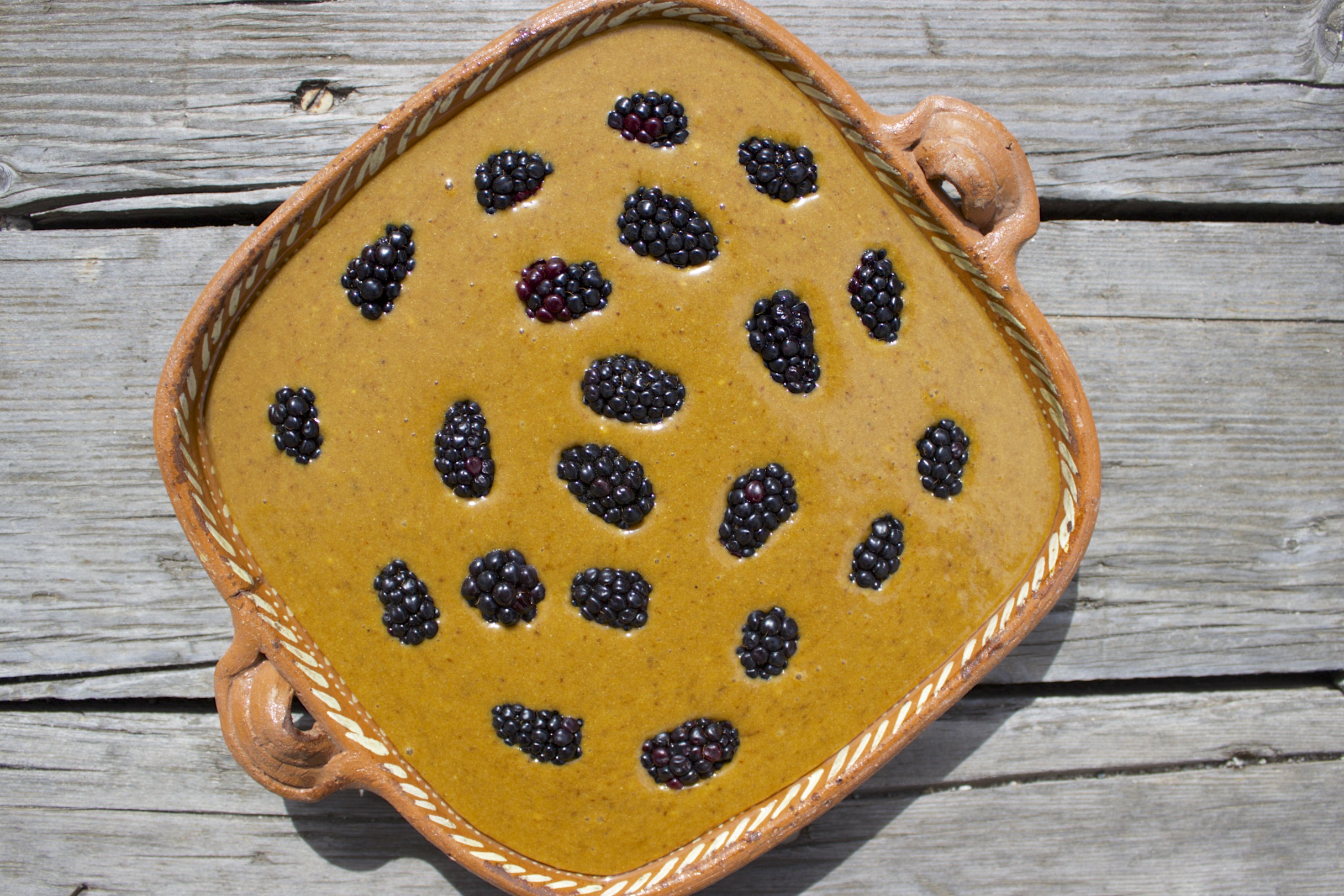
    Switch the blender to the lowest speed, add in the flour mixture and combine well. Pour/spread into your chosen dish – Alejandra used a springform pan, I used a cute decorative, shallow terracotta dish.

    Arrange the berries in a pleasing pattern; I kind of just dropped them wherever looked pretty. Don’t worry if you have to layer some on top of each other.

    I baked mine for about 40 minutes, you’ll want to check yours with a tester/fork/toothpick, make sure it comes out clean.

    You’ll find more recipes like this in my books Anti-Recipes and The Anti-Cookbook

    CLICK HERE TO CREATE YOUR OWN PERSONALISED HEALING HISTAMINE PLAN. 

    Please don’t forget antihistamine, pain killing foods can still hurt us, so please always check with your doctor before adding new foods to your diet. 

    ————-REFERENCES———–

    [1] http://www.ncbi.nlm.nih.gov/pubmed/19429325

    [2] http://scialert.net/abstract/?doi=jpt.2006.516.526

    [3] http://www.sciencepub.net/nature/0708/12_0996_TRIHERBAL_ns0708.pdf

    [4] http://www.ncbi.nlm.nih.gov/pubmed/20673059

    [5] http://onlinelibrary.wiley.com/doi/10.1002/jsfa.2659/abstract

    [6] http://www.ncbi.nlm.nih.gov/pubmed/20432629

    [7] http://pubs.acs.org/doi/abs/10.1021/jf00070a001


  • Diagnosing histamine intolerance & mast cell activation

    Diagnosing histamine intolerance & mast cell activation

    diagnosing histamine intolerance

    I’ve been told, by a number of doctors, that it takes, on average, a decade to diagnose someone with a mast cell disorder. I personally consider histamine intolerance to be a mast cell disorder. It took me almost 30 years and 68 doctors to get to histamine intolerance, and then another three years and two doctors to get to mast cell activation disorder. To complicate matters, many are diagnosed with a mast cell disorder, despite suspected mastocytosis, only because they have not had a bone marrow biopsy or comprehensive testing within an hour of having a serious episode (ie anaphylaxis).

    No matter the diagnosis, I believe, and have seen, that histamine/mast cell disorders, are totally manageable through dietary changes, a healthy but low impact exercise regime, regular meditation and stress management, and a whole heap of positivity – with or without meds. I don’t take meds.

    Don’t just take my word for it, check out my testimonials page and my interview with leading mast cell expert Dr Castells (on the role of diet and exercise in mast cell disorders).

    diagnosing histamine intolerance

    DIAGNOSING HISTAMINE INTOLERANCE

    Diagnosed by: nutritionists, GPs/primary care physicians, functional/integrative medicine doctors.

    You’ll have a tough time convincing: allergists and immunologists that it exists.

    Best countries for diagnosis: Germany, Austria, UK.

    Histamine Plasma

    What it is: the level of histamine currently found in your blood.

    Why measure it: histamine intolerance is thought to be too much histamine in the body.

    Reliability: given that histamine is found in the body as well as food, and is released by mast cells (white blood cells) as needed to wake us up, control appetite and metabolism, as neurotransmitter, and much more, any doctor worth their salt will tell you that histamine fluctuates wildly in your body, and as such this is not a reliable test of your average histamine level.

    DAO (diamine oxidase)

    What it is: DAO is an enzyme found in the gut. It’s responsible for degrading histamine there.

    Why measure it: the theory is that low DAO makes it hard/impossible to clear histamine from the body, leading to histamine intolerance/symptoms of high histamine.

    Reliability: DAO is one of two histamine-degrading enzymes we know of (HNMT being the other), therefore just relying on DAO as a measure isn’t likely to give us the full picture. Throw in the fact that DAO also fluctuates wildly, and that we don’t know where else, other than the gut, DAO might live, and whether we’re even measuring it in the right spot! I also always point out to people – if you’re not eating high histamine foods anymore, why is there still so much left (supposedly) for DAO to eliminate? Read on for the answer.

    Elimination diet

    What it is: a four-week elimination of all foods on the high histamine lists.

    Why try it: the theory is that no matter the test results, if eliminating these foods makes you feel better, you have your answer.

    Reliability: let’s start with the fact that all high histamine food lists contradict each other, that many high histamine foods are also junk/bad for you generally, so cutting them out would make most people feel better anyways, and that restricting foods is rarely healthy. Add in that most people, sadly, are told that they must continue restricting these foods, thereby starving themselves of nutrition, thereby further weakening their body and ensuring they will continue to react.

    You’ll find recipes full of foods with antihistamine and anti-inflammatory properties my books Anti-Recipes and The Anti-Cookbook

    CLICK HERE TO CREATE YOUR OWN PERSONALISED HEALING HISTAMINE PLAN. 

    Histamine prick test

    A study on the prick test method to print for your doctor.

    What it is: Austrian docs figured out that injecting patients with histamine causes a significant reaction (when compared to controls) and as such is a reliable way to diagnose patients with histamine intolerance.

    Why try it: my allergy scratch tests came back negative for years, but docs always commented on my unusually severe response to the control (pure histamine!). I would be very careful if you have ever had major reactions and good luck convincing a doc to do it for you!

    Reliability: I can’t really speak to this one as I don’t have enough information on it yet.

    Ok, a final word on why all these tests must be taken with a pinch of salt: histamine, an inflammatory agent in the body, is contained within mast cells. Mast cells, white blood cells that are an integral part of our immune system, also contain dozens of other inflammatory elements, that are not addressed in the tests above. I continue to say, that focusing on just histamine as a method of diagnosis, treatment, or diet, is the BIGGEST mistake anyone can make. I made it myself, for many years, and continued to get sicker.

    Once I researched why mast cells release too much histamine in the first place, I understood I needed to widen my scope to inflammation in general, rather than just histamine. I talk about this in depth in the Anti-Cookbook.

    MAST CELL ACTIVATION

    Diagnosed by: functional/integrative medicine doctors, immunologists, haematologists, some allergists (rare though), some GPs (also very rare).

    You’ll have a tough time convincing: European doctors who deal in mastocytosis, nutritionists (may fob you off with an inaccurate diagnosis based on symptoms).

    Best countries for diagnosis: United States, Spain (Virgen del Valle Hospital in Toledo).

    Mast cell activation syndrome is usually diagnosed (mainly) on the basis of symptoms and exclusion of all other possible diagnoses. Mast cell activation disorder usually requires a number of positive tests (see below).

    Diagnosing mast cell activation syndrome

    “Diagnosis of MCAS is often difficult for many reasons, principally the cognitive challenge it poses to the diagnostician. The average physician is capable of considering only a handful of clinical elements at a time when attempting to recognize diagnostic patterns of presentation (e.g., fever, night sweats, and hemoptysis suggest a possibility of tuberculosis).

    Temporal factors are important to human cognition, too. The human mind is increasingly challenged at recognizing patterns when events occur with less temporal regularity and less temporal proximity to one another. Furthermore, repetition of presentation is key for diagnostic efficiency. The physician who repeatedly sees the same set of elements present in the same temporal pattern will be able to recognize the same pattern more efficiently in the future.

    MCAS, though, seems almost artificially engineered to confound diagnosticians. Its great menagerie of underlying activating mutations, combined with the mast cell’s normal function of producing and releasing a cornucopia of highly potent mediators (each with multiple direct and indirect, local and remote effects), ensures a tremendous range of clinical presentations. Once a full history is obtained, it is evident that the average MCAS patient presents with a large number of symptoms and findings, and many of these presenting elements wax and wane over time periods ranging from minutes to years, often with no clear temporal relationship to one another.” – Dr Afrin.

    Criteria for diagnosing mast cell activation

    (You could just print this document off and take it to your doctor)

    Mast cell activation syndrome is mainly diagnosed on the basis of symptoms:

    As per Dr Afrin:

    (1)…the general presenting motif of MCAS is chronic multisystem polymorbidity, generally of an inflammatory theme and with assorted elements waxing and waning over time, sometimes in synchronization with one another but more often cycling with different periods and amplitudes.

    (2) When there are symptoms and findings not classically expected with, or not easy to attribute to, the patient’s established diagnoses, alternative diagnoses must be entertained to account for these “leftover” elements, and given the universal truth of Occam’s Razor, it becomes more likely that the same diagnosis that accounts for the leftover elements also accounts for the established diagnoses.

    (3) The range of mast cell mediators and their effects is so great that “unusual” presentations actually become de rigeur. That is to say, although any given unusual presentation remains unusual, the full set of unusual presentations constitutes a large fraction of the total set of presentations. Thus, when the clinician recognizes an “unusual,” “odd”, “weird”, “bizarre,” or “strange” element in the patient’s presentation–e.g., “allergies” to typically innocuous medications, migratory rather than dependent edema, severe and highly variable hyperferritinemia not attributable to the patient’s transfusion and chelation history, etc. – his “MCAS radar” should go on alert. The presence of an unusual element in the presentation by no means establishes a diagnosis of MCAS, but it sometimes can be the first spark toward lighting a fire of recognition.

    Thus, the largest impediment to diagnosing MCAS may simply be suspecting it.

    As per Dr Theoharides

    (From a recent presentation)

    (1) Dermatologic: flushing, pruritus, urticaria pigmentosa, angioedema, dermatographism (sometimes)

    (2) Respiratory: wheezing, sore throat

    (3) Cardiovascular: chest pain, hypotension, tachycardia

    (4) Gastrointestinal: abdominal pain, nausea, vomiting, diarrhea, bloating, malabsorption, esophagitis

    (5) Naso-ocular: nasal stuffiness, pruritus

    (6) Neurologic: headache, memory and concentration difficulties/brain fog, paresthesia, peripheral neuropathy

    (7) Muscoskeletal: bone/muscle pain, degenerative disc disease, osteoporosis/osteopenia

    (8) Systemic: anaphylaxis, fatigue

    Diagnosing mast cell activation disorder

    All the symptoms and indications above, plus positive:

    N-methylhistamine 24 hour urine test

    Prostaglandin D2

    Heparin

    Tryptase (this doesn’t have to come back out of range, it’s usually done to rule out mastocytosis)

    MASTOCYTOSIS

    Diagnosed by: functional/integrative medicine doctors, immunologists, haematologists, some allergists (rare though), some GPs (also very rare), dermatologists (mostly in the case of cutaneous mastocytosis or urticaria pigmentosa).

    You’ll have a tough time convincing: nutritionists (may fob you off with an inaccurate diagnosis based on symptoms), almost any other kind of doctor.

    Best countries for diagnosis: United States, Spain (Virgen del Valle Hospital in Toledo), United Kingdom.

    Diagnosing mastocytosis

    As per Dr Afrin

    (1) Multifocal or disseminated dense infiltrates of mast cells in bone marrow biopsies and/or in sections of other extracutaneous organ(s) (CD117-, tryptase-, and CD25-stained)

    (2) Unique constellation of clinical symptoms secondary to a pathological increase in mast cell activity (mast cell mediator release syndrome)

     Minor criteria:

    (1) Mast cells in bone marrow or other extracutaneous organ(s) show abnormal morphology (>25%) in bone marrow smears or on histological examination

    (2) Mast cells in bone marrow express CD2 and/or CD25

    (3) Detection of genetic alterations in mast cells from blood, bone marrow, or extracutaneous organs, which have been confirmed to result in an increase in the activity of affected mast cells.

    (4) Evidence of a pathological increase in mast cell activity through detection of an elevated level of at least one sensitive mast cell-derived mediator, i.e., tryptase, heparin, histamine, PGD2, chromogranin A, leukotrienes (and their assorted metabolites) in blood and/or urine

    You’ll find recipes full of foods with antihistamine and anti-inflammatory properties my books Anti-Recipes and The Anti-Cookbook

    CLICK HERE TO CREATE YOUR OWN PERSONALISED HEALING HISTAMINE PLAN. 

    Please don’t forget antihistamine, pain killing foods can still hurt us, so please always check with your doctor before adding new foods to your diet. 

  • Fearful of food? The brain is to blame (but is also the cure)

    Fearful of food? The brain is to blame (but is also the cure)

    airplane taking off at sunrise

    I’m a logical person. I’ve seen and experienced things in life that colour my perception of the world around me for sure, but not to the extent of what happened to me on the Heathrow – JFK leg of my US trip.

    You know how there are some French cheeses so stanky that they make your eyes water? Multiply the worst cheese smell you’ve ever experienced, multiply it by the product of Newton’s third law by way of the trajectory of a Higgs Boson through a wormhole in the fifth dimension (yeah I’m not a science person), and you’re approaching how intense that same smell is to me.

    Not only am I a hyper smeller, I am a hater of putrid foods that no sane person would touch in the wild. Cheese is just one of those things that you know our ancestors would have approached with the same gusto as rotting human flesh.

    I was almost asleep on my eight hour trans Atlantic Delta flight when suddenly a smell so very unimaginably vile assaulted my senses, that I could only assume someone had stapled the anus of a lactose intolerant Shitsu, fed nothing but hostess twinkies for as long as it takes an infinite number of monkeys to bash out a draft of Hamlet, to my nose. But no, lo, the couple sitting next to me on the flight, with total disregard for the years of evolutionary sanity in not eating anything that tastes like the seventh stomach of a holy cow, unleashed a bag o’ nasty, no doubt blue worm infested, crumbly and gooey treats from their recent jaunt to France. I spent the next three hours almost passing out from a smell so horrific that I spent most of that time agonising over whether to abandon the extra legroom, extra cost, exit seat, I had paid through the nose for, in the hope of avoiding emptying the contents of my stomach onto their vile plane snack.

    The infinite monkey theorem states that a monkey hitting keys at random on a typewriter keyboard for an infinite amount of time will almost surely type a given text, such as the complete works of William Shakespeare. – Wikipedia

    As I pondered my next move, having failed to persuade the couple to dispose of their ass bag contents, I spied out of the corner of my eye, a most unusual sight. The kind you live in fear of really: a burly flight attendant of about 300lbs shuffling down the aisle, with a military garbed man clutching a military backpack, leaning into him, with another man dressed in a tactical special forces top leaning into that guy. All moving together, very slowly, chain gang-like. Agonisingly slow. Military guy number 1 was wearing a handkerchief over his face. I, naturally, being the ex-journalist type, called out to burly flight attendant, asking if everything was ok. As he slowly turned to look at me, I noticed the beads of sweat trickling down from his temples, and his immovable, impossibly dead expression as he turned his face away from me, question unanswered.

    It was then that my blood ran cold and every possible permutation of the scenario played out: hijacking, bomb, bio terrorism. I picked up my phone, fought the urge to call my beloved, assessed where the other attendants were, tried to think what could be used as weapons, whether it would be best to attempt to co-operate, who around me might be up for a fight should it come to that, all in just a few moments. And then I decided to end the madness.

    Jumping out of my seat, I made my way hurriedly towards the front of the plane, thinking that the hijackers would be there if anywhere. I made it almost to the cockpit without running into any flight attendants (very unusual), before finally jumping on the lovely lady I found there, who explained to me hurriedly that a soldier with PTSD on his way back from Afghanistan had freaked out on the plane and had to be subdued. I almost vomited in relief. He was being frogmarched, handcuffed, to the back of the plane. Burly attendant was sweaty from tackling the poor guy.

    Well that made two of us with PTSD, I joked to the very apologetic lady.

    Having fled the olfactory nightmare in my row, I began to ponder what had triggered me to the point of having an adrenalin rush the equivalent of seeing the street I was on bombed during the Lebanese-Israeli War of 2006, and far more intense than the time I was almost shot down in an Apache.

    As cartoon-like tendrils of stanky cheese tracked me down all the way to where I had recently decamped at the back of the plane, I realised it was the dammed smell wot done it. I went back to what I believed I knew to be the origin of my hatred of cheese: my parents discussing divorce in the south of France, a trolley of the nastiest cheeses brought out, ending in my vomiting everywhere. Since that event, I have been unable to even tolerate the smell of plastic cheese (what I call the toasted cheese sandwich slices). I have been challenged on many occasions, most notably when my big brother tried to cure me of my fear of it, by stuffing camembert in my mouth and holding my jaw shut. He soon opened up when I began spewing! That was the last experiment. Bless him for trying, I understand where he was coming from – I was a very odd child with even weirder eating habits.

    So, in addition to cheese, I generally have hyper smell issues. I smell pretty much all food before eating and incense used to make me barf, big time.

    Those of you who know a bit about multiple chemical sensitivity may be familiar with recent research showing that they’re now thinking MCS is basically the amygdala in the brain responding to smells, mainly because MCS people they’ve tested have a very strong sense of smell. In this case, amygdala retraining has proved successful in helping a number of people:

    “Amygdala retraining serves to restore a more normal state of homeostasis through deconditioning the amygdala-mediated fear response to distressing internal sensations and thoughts. This is accomplished through several mind–body techniques that promote relaxation and attempt to reorient attention away from the distressing symptoms of the viscera or catastrophizing thoughts.” [1]

    Interestingly, I also found a number of studies showing that a pavlovian response can be responsible for tryptase increase in humans. Ie people were led to believe they were being exposed to an allergen and so their tryptase level (an indicator of mast cell conditions) went up, thereby causing a reaction [2].

    In these studies, people were made to associate a certain taste (a drink) with exposure to an allergen. Interestingly, the amygdala is responsible, through processing taste, for “learning taste aversion”

    “A crucial role in food selection processes is the ability to learn taste aversions. This is particularly relevant for omnivorous species. The discrimination process between edible and harmful, or even potentially deadly, substances starts from the gustatory sensory information. This information stimulates a biological mechanism of precaution against new flavours, which facilitates the evaluation of the consequences of the ingestion of novel substances and subsequently promotes the acquisition of conditioned taste aversions or preferences. The initial response of caution is accompanied by a lower consumption of the novel substances. This phenomenon is called neophobia. If the sensory characteristics of the novel substance are associated with negative visceral consequences (such as poisoning), the animal will then acquire an aversion to that particular taste. If the intake is associated with a positive visceral consequence (as in the case of an energetic food), or non-aversive, the new flavour will be recognized as being safe.”  [4]

    So, let’s have a hypothetical: you eat something, anything, or many things, one day when you’re not feeling too well. You’re already feeling sick, and so adding food to the equation really just totally turns your stomach. Your amygdala now deems this/these food/s to be dangerous. Put your hands up if you feel this may have happened to you.

    My body, once so sick, has healed. It took my brain some time to catch up. At times, when I am exposed to smells that remind me of bad experiences, my stress level goes through the roof. Conversely, being exposed to stress then makes me have a bad food experience.

    Both these explain why I freaked out on the plane, and why I spent the next 24 hours since deplaning puking my guts out on arrival in New York.

    TMI I know. But it’s important we discuss this.

    So let’s say we now accept that previous bad experiences with our health, irrespective of what we eat, can make us sick (meaning our brain can decide that a harmless food makes us ill), or assume that at some point our body may heal faster than our brain, and that stress can make eating difficult, can we then rule whether it’s more important to fret what condition we may have, or focus on trying to fix our heads?

    I can’t. But having tried both, I highly recommend doing them both.

    You could check out any number of neural retraining programs found online, though I found the one I tried to be convoluted, impractical, long-winded and not very useful beyond confirming the conclusions I had come to. But, we’re all different and it might work for you!

    Check out my brain re-wiring workshop here. 

    You’ll find a great interview with The Last Best Cure author Donna Jackson Nakazawa, an amazing lady who healed her body through her approach to illness, here.

    My interview with bestselling author Dr David Hamilton shares how our mind can heal our body, with a little visualization I used to kill the histamine itch (back in the day when I had it regularly) here.

    Work on your diet while you work on your brain. Lowering my overall inflammation and histamine gave my nervous system a break. Why? Because excess histamine can mimic symptoms of anxiety disorder [5].

    You’ll find recipes full of foods with antihistamine and anti-inflammatory properties my books Anti-Recipes and The Anti-Cookbook

    CLICK HERE TO CREATE YOUR OWN PERSONALISED HEALING HISTAMINE PLAN. 

    Please don’t forget antihistamine, pain killing foods can still hurt us, so please always check with your doctor before adding new foods to your diet. 

    ———REFERENCES———-

    [1] http://www.ncbi.nlm.nih.gov/pubmed/22385563

    [2] http://books.google.com/books?id=y9wLQYdKKrUC&pg=PA308&lpg=PA308&dq=Pavlovian+conditioning+of+nasal+tryptase+release+in+human+subjects+with+allergic+rhinitis.&source=bl&ots=LfDYpO9fL0&sig=kdd27gHXLe47uVOYsP3X2gpfH2E&hl=en&sa=X&ei=QdZAU-5qw6KwBLWygMAN&ved=0CDgQ6AEwAw#v=onepage&q=Pavlovian%20conditioning%20of%20nasal%20tryptase%20release%20in%20human%20subjects%20with%20allergic%20rhinitis.&f=false

    [3] http://www.intechopen.com/books/the-amygdala-a-discrete-multitasking-manager/amygdala-and-taste-learning

    [4] http://www.intechopen.com/books/the-amygdala-a-discrete-multitasking-manager/amygdala-and-taste-learning

    [5] http://www.thelowhistaminechef.com/how-histamine-causes-anxiety-symptoms-or-gad/


  • Wondering why you react to EVERYTHING you eat?

    Wondering why you react to EVERYTHING you eat?

    Did you know that the act of digestion itself causes histamine release [1]? No, not many people do. I get so many emails from people who are convinced they have multiple amine, food intolerance or allergy issues because they react to everything they ingest. They explore salicylate, amine, oxalate, yeast and other issues obsessively, convinced that once they hit upon the right combination, food will magically be tolerable again.

    While some may be right, the simple fact is that if you have a histamine disorder (histamine intolerance, histaminosis, mast cell activation, mastocytosis), the very act of digestion requires histamine. So, the chain is: food in, histamine release, gastric acid rushed to the stomach to begin digestion. Then histamine release again from the food. If you’re on antihistamines, some of it will be blocked from attaching to the H1 or H2 receptor, so you’ll be having less respiratory or gastric symptoms. I’m always surprised that people seem to think that antihistamines somehow magically flush the histamine out from your body – that’s simply not the case. They just stop the histamine from binding to those receptors only, leaving it free to run around in your body causing inflammation and damage to your internal organs [2].

    You’ll find recipes full of foods with antihistamine and anti-inflammatory properties my books Anti-Recipes and The Anti-Cookbook

    CLICK HERE TO CREATE YOUR OWN PERSONALISED HEALING HISTAMINE PLAN. 

    Unfortunately, the receptors commonly not addressed with meds, H3 and H4, are the ones responsible for (among other things) modulating pain [3] and our mast cells/immune system [4], respectively, which explains why many people with histamine issues and mastocytosis still suffer from debilitating bone pain, depression, immune system dysfunction and others, in part (in my opinion) because they are not lowering their overall histamine burden – they’re relying on antihistamines to do the job for them. But of course antihistamines open the appetite [5], leading to more histamine roaming the body causing damage, except a little less damage to the H1 and H2 receptor areas. So you feel less respiratory and gastric issues (maybe) and are encouraged to eat “normally”, use cosmetic products like nail polish that are mast cell degranulation/histamine triggers [6], but continuing with life as you know it, learning to live with the fall out of flooding your H3 and H4 receptor controlled areas (pain and immune system), which then leads to more dysfunction and pain!

    Ok, I’m off the soapbox. Here’s the truly shocking bit.

    Just THINKING of food is enough to trigger histamine release!

    It was a complete surprise to me that for some reason that part never occurred to me: that digestion begins with the nerve impulses in the brain [7], which sometimes has a hard time distinguishing between fantasy and reality. I don’t mean that in a psychotic way, just that to the brain, intention is sometimes the same as action. That’s why visualization techniques are now being used to preserve motor skills in paraplegics [8].

    How to make this information work for you.

    The greatest relief I’ve experienced this last year is by making my peace with the fact that pretty much every food I put into my body will cause a reaction (thanks to the digestive process itself). By accepting this, I have taken the fear out of mealtime and allowed myself to focus on getting nutrition back into my body, rather than continuing to deprive my body of the nutrients needed for proper histamine metabolism, and creating an environment of fear at mealtime.

    I use food prep as an opportunity to practice a little mindfulness meditation. I observe my  food fears and then let them go. I experience the textures, the colours, and imagine the good they’re going to do for me. I visualise my enjoying sitting down to the meal, how it’s not going to bother me, and how this is all helping heal me. I imagine the food going down my oesophagus, into the stomach. I notice my mast cells not being disturbed by this process. And then I sit down to eat.

    And now for some practical advice!

    Rule out salicylate intolerance, mast cell activation disorder, and clean up your diet.

    The great Dr. Fuhrman passed on the most incredible advice to me via his forum. Juicing, smoothie’ing and souping it means you’ll need less enzymes to digest [9]. That should mean less need for gastric juices and histamine. Make the meals/juices low histamine and you’re on a roll.

    My personal approach is simply to include as many antihistamine and anti-inflammatory foods as I can!

    You’ll find recipes full of foods with antihistamine and anti-inflammatory properties my books Anti-Recipes and The Anti-Cookbook

    CLICK HERE TO CREATE YOUR OWN PERSONALISED HEALING HISTAMINE PLAN. 

    Please don’t forget antihistamine, pain killing foods can still hurt us, so please always check with your doctor before adding new foods to your diet. 

    ——— REFERENCES ———-

    [1] www.physiol.med.uu.nl/…/ipweb/misc/…/digestive/secretion.doc

    [2] http://www.ncbi.nlm.nih.gov/pubmed/14530789

    [3] http://www.ncbi.nlm.nih.gov/pmc/articles/PMC3014298/

    [4] http://en.wikipedia.org/wiki/Histamine_H4_receptor

    [5] https://dev.healinghistamine.com/is-your-anti-histamine-making-you-fat/

    [6] https://dev.healinghistamine.com/my-top-10-histamine-non-food-triggers-and-how-i-deal-with-them/

    [7] www.physiol.med.uu.nl/…/ipweb/misc/…/digestive/secretion.doc

    [8] http://www.psychologytoday.com/blog/flourish/200912/seeing-is-believing-the-power-visualization

    [9] http://www.drfuhrman.com/faq/question.aspx?sid=16&qindex=4


  • I’m healing, not curing (my histamine intolerance/mast cell disorder)

    I’m healing, not curing (my histamine intolerance/mast cell disorder)

    Crystal therapy


    Ask any “healthy” person to really, truly, focus inwards on their body and list everything they feel happening, or anything that bothers them, and you’ll likely get an “I’m healthy as an ox” type of answer. Probe a little deeper, persist, or even just ask general, open ended, round about questions about their health, and you’ll soon find a list emerging.

    The difference is that they choose to live their lives focusing on things outside themselves, rather than worry about the little things that go bump in the night (or the body).

    Thanks to some deep soul searching, an incredible turn around in health, lots of meditation and a focus on happiness, I’m 100% ok with however I feel.

    But it’s all impermanent: today’s good health is tomorrow’s medical catastrophe. I’ve learned to enjoy the here and now.

    CLICK HERE TO CREATE YOUR OWN PERSONALISED HEALING HISTAMINE PLAN. 

    Please, do me a favour. Right now. I’m serious!

    Go out and find a piece of paper, and then a beautiful diary embossed with unicorns, Swarovski crystals, whatever floats your boat (I’m a plain Jane: a bog standard Moleskine notebook does me just fine), and write at least a page whenever you feel better, good, amazing, so happy you want to shout from the roof tops. Keep it, and read it, on the days when you’re sharing last night’s cheeky Indian take out with the toilet, and are convinced you’ve made no gains at all.

    Now get yourself another. A dark, brooding, nasty one. Something adorned with migraine inducing geometric patterns. Write your heart out when you’re unwell. Pour your every misery into it.

    But promise me you won’t read it! (This is important.). Wait at least 3 – 6 months before dipping into it. Then go for it. Feast on your former misery, appreciate how far you’ve come, and go out and inspire others to do the same.

    My food/emotional/symptom diary formed the basis for most of my early, private, blog posts. They were my diary and I’m SO glad I kept track of them.

    Because of my change of heart from a stressed out, relatively pessimistic, worrywart, to born-again healing goddess (yeah, in my head only), I do worry sometimes that my relentless optimism, incessant talk about my healing, is depressing some folks, or prompting them to measure their journey against my milestones, maybe those just starting out, the ones so daunted by the interminable NO or HIGH HISTAMINE (Danger! danger, Will Robinson!) lists people love to scare the crap out of us with, to make us believe we need their potions, their snake oil, in order to heal.

    Hear ye, yeah ye:

    YOU are your best treatment.

    Nutrition is your most powerful tool.

    A positive attitude will carry you through the inevitable downturns.

    An appreciation of the suffering of others and a sense of perspective as to your own, is essential. Go to a hospital, or to Africa/Mid East if you have to. Believe me, when you see how people are truly in the poo, with not enough food, missing limbs, female genital mutilation and more, you’ll feel grateful for the health you have.

    I like to believe though, that by sharing my story, I’m showing it can be done, whereas I personally believed for so long, that there was no hope for a “cure”. I now understand that my mind is the best (only?) cure (read my interview with author Donna Jackson Nakazawa on how her mind helped her heal).

    You might think, if you only read my blog but are not active in any online communities, that I am the only one healing. While it’s lovely to be able to share with you, almost weekly, the incredible progress I’m making, thanks to diet and meditation, thankfully, that’s not the case.  An ever-growing number of people in my online groups, as well as those who write to me, are also healing at an incredible rate. I like to believe that simply by sharing my story, I’m showing there’s hope for all of us. Something I could have used hearing myself in those early, dark and desperate days of elimination and despair (more on how I healed by quitting the histamine elimination diet here).

    To want that little extra, to feel totally normal, should be something we all strive for, an unattainable goal, because let’s face it, once we’ve grabbed those brass rings, the only way is down!


    You’ll find recipes full of foods with antihistamine and anti-inflammatory properties my books Anti-Recipes and The Anti-Cookbook

    CLICK HERE TO CREATE YOUR OWN PERSONALISED HEALING HISTAMINE PLAN. 

    Please don’t forget antihistamine, pain killing foods can still hurt us, so please always check with your doctor before adding new foods to your diet. 

  • Sunflower seed butter cookies (gluten and dairy free)

    Sunflower seed butter cookies (gluten and dairy free)

    gluten free high nutrient cookies


    The great thing about staying in a house with kids is that they give you an excuse to go nutty with the cookie batter. The bad news is that, well, you get nutty with the cookie batter!

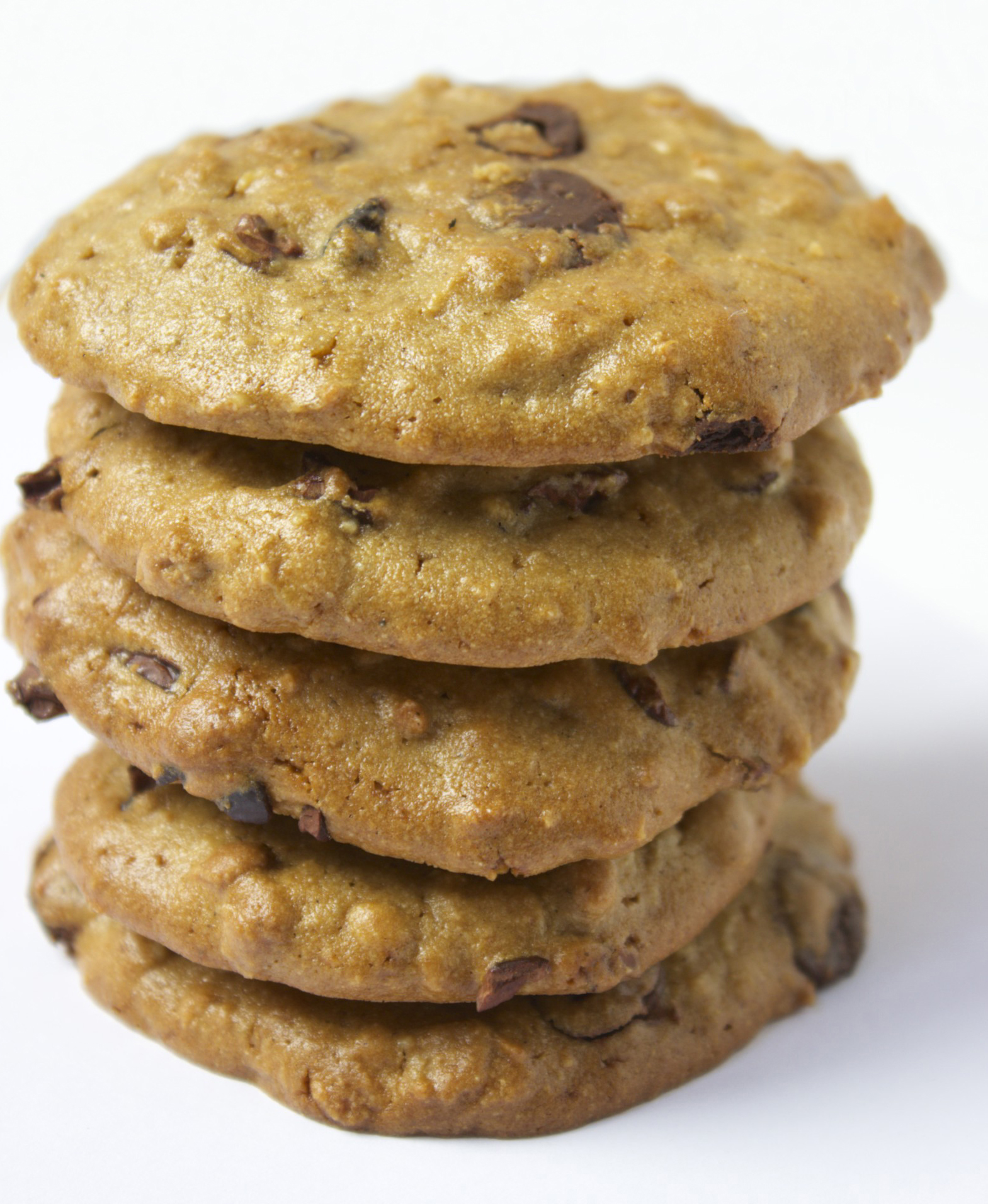
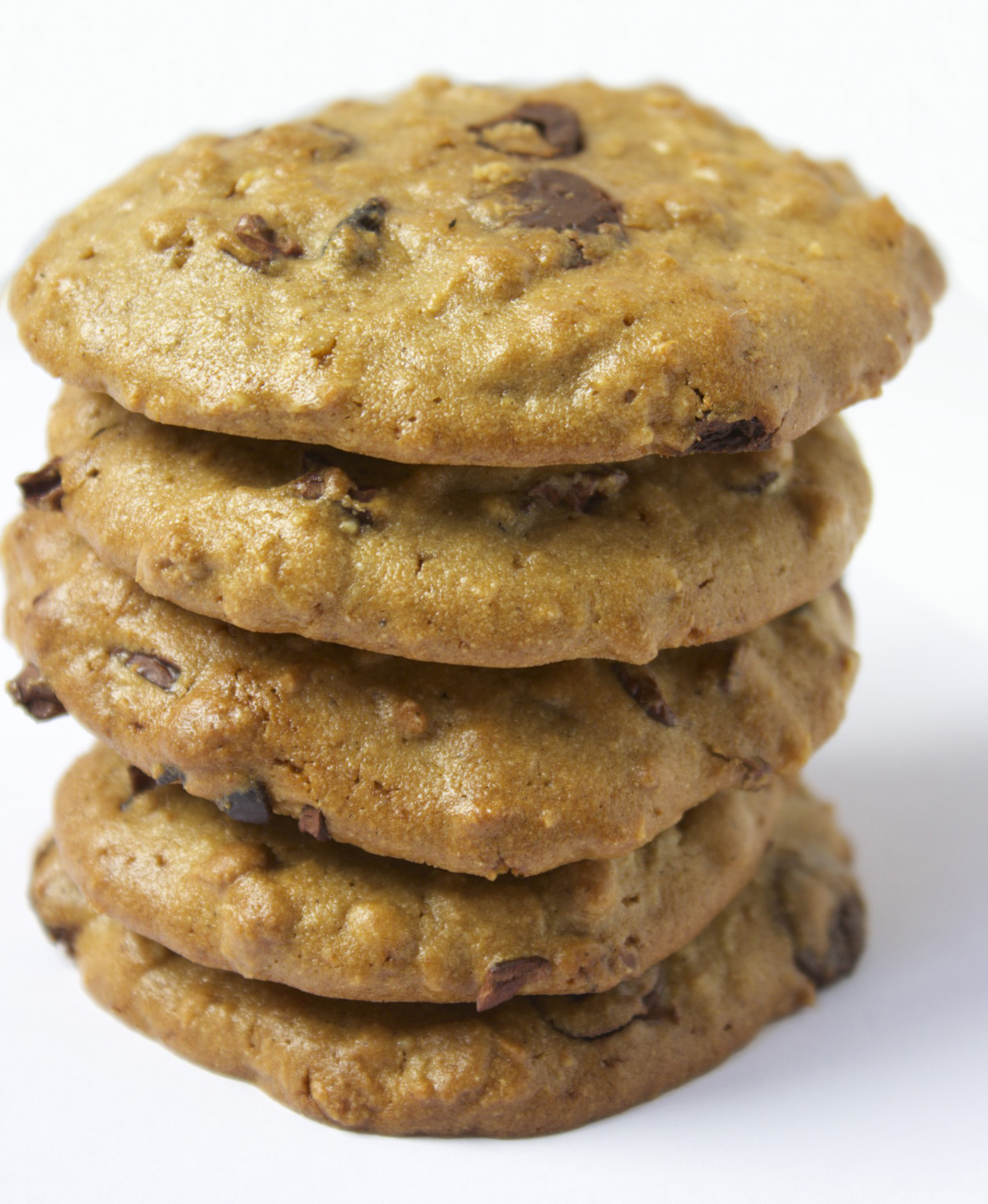
    Luckily, my gluten/dairy/nut/white sugar free, medium oxalate cookies are just as high nutrient as the rest of my diet, so I really didn’t feel too bad scarfing down a bunch; those that I managed to wrestle away from my friend’s daughter anyway. She declared them “delicious!” – this from a kid who, though a healthy eater, hasn’t been too interested in my date sweetened concoctions in the past (not sweet enough).

    So this time I went with coconut sugar. While it’s still sugar, and not in it’s whole form as I normally prefer (dates, banana etc as sweeteners), being lower GI and less processed (so they say) than other commercially available sugars, I can live with it, especially when cooking for others as well as myself.

    These cookies are a lot sweeter than I usually make them, but given that I haven’t had any real sugar, store bought treats or anything else nasty for quite some time, I decided to throw the calories to the wind and just go for it.

    Rather than use a ton of oil/butter (coconut of course!), I decided to use sunflower seed butter. It definitely imparts a pleasant nutty type of flavour, as well as being rich in Vitamin E, B1, copper and good source of magnesium. While sunflower seeds are anti-inflammatory, particularly exhibiting activity against a number of mast cell mediators (the stuff that leaks out of mast cells, histamine being one of them) [1] and also in alleviating asthma symptoms in mice [2] I’ve found a study showing that they can cause severe anaphylactic shock in some (what can’t?), so please always proceed with caution if trying something for the first time. You can substitute it with almond butter, apple sauce, banana, anything really that’s a little sweet or nutty, or buttery texture. You could also use more coconut oil, vegan coconut yoghurt, or yoghurt instead.

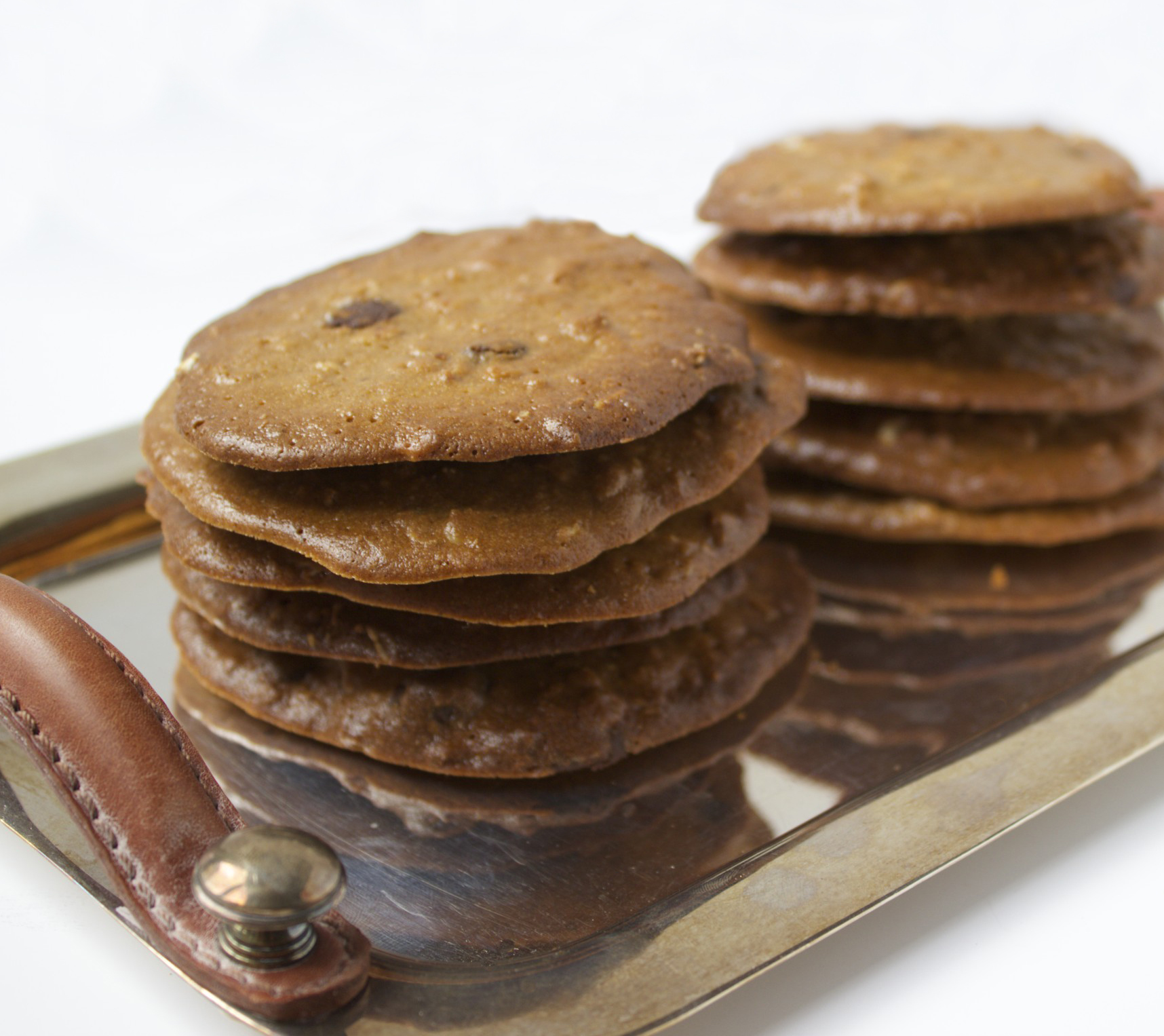
    The picture of the cookies above is what they looked like with one cup of sugar (I know sounds like a lot, but I made three trays of cookies!). They were totally sweet enough for me, maybe because I added organic coconut sugar chocolate chips to the batter, but everyone else preferred another half a cup of sugar. Sadly, because coconut sugar doesn’t behave in the same way as regular stuff, it gets very liquid and that batch turned out every flat and large (as in the photo below!). I didn’t realise that was the case (as I had the cookie dough in the fridge) and didn’t adjust the cooking time accordingly, so they came out a little too dark, prompting the littlest one to dub them “kaka coloured”.

    Should’t have that problem if snagged at the right time!

    gluten sugar free cookies

    This recipe makes a whole bunch of cookies, as I said, at least two trays, maybe more, depending on how big you make them. But I had a lot of fun making different batches to match everyone’s expectations. I used chocolate chips, which though organic and white sugar free, may bother come on a low histamine elimination diet (check out why I don’t believe low histamine elimination diets heal – and how I fixed myself without using one). Feel free to use carob chips, no chips (add a little more sugar in that case), or cacao nibs (what I used for my cookies). 

    Sunflower Seed Butter Cookies (gluten/dairy free/medium oxalate)

    Prep Time:  10| Cook Time: 20-30 | Servings: many!

    Ingredients:

    1/2 cup sorghum flour

    1/2 cup rice flour (or half rice and half tapioca for lower oxalate)

    1 cup oats

    1/2 cup sunflower seed butter

    2 eggs (or 1 duck egg)

    1/4 cup coconut oil

    1 tsp scraped vanilla from a pod

    1 cup coconut sugar (add 1.25 cups if not using chips, and 1.5 if you’re really into your sugar – I used 1.25 cups for the ones I ended up eating)

    pinch sea salt

    Optional

    1/2 cup vegan chocolate/carob chips, or cacao nibs (use less sugar if using)

    Directions:

    Pre-heat oven to 180C/350F.

    Mix dry ingredients in a large bowl.

    Combine the wet ingredients in another, mix thoroughly and then combine with the flours. Place in the fridge for a few minutes to firm up.

    Spoon bits of dough onto a non-stick baking tray and bake for 20-30 mins, depending on sugar used and oven type.

    Once cooked through, allow to cool on a rack for at least 10-20 mins.

    Enjoy!

    Join my mailing list for more recipes and to be the first to know when registration for my low histamine webinar opens!

    The Anti-cookbook, while it doesn’t treat any conditions, due to its high nutrient, antihistamine and anti-inflammatory ingredients, has been instrumental in helping me feed myself on a limited diet. It features a six page list of antihistamine and anti-inflammatory foods. It comes in regular and Paleo. 

    The Low Oxalate Cookbook features antihistamine and anti-inflammatory rich recipes. 

    Take a peek at my low histamine and antihistamine cookbooks for more high nutrient recipes. If you’ve found this information useful I’d appreciate your support (at no extra cost to you!) – please check out my online store for your health foods, supplements, kitchen items and beauty product purchases. Affiliate sales through my online store go towards maintaining the website, funding travel to interviews and purchasing all the lovely foods for my free online recipes.

    You’ll find these items in the “Shop with us” drop down menu on my homepage.  

    Please don’t forget antihistamine, pain killing foods can still hurt us, so please always check with your doctor before adding new foods to your diet. 

    ———–REFERENCES————-

    [1] http://www.sciencedirect.com/science/article/pii/S0006291X08003707

    [2] http://www.ncbi.nlm.nih.gov/pubmed/18097616

GET STARTED HEALING HISTAMINE

WHAT YOU NEED TO KNOW ABOUT HISTAMINE DELIVERED TO YOUR INBOX