I’ve been avoiding writing about this for some time. Not because I’m worried about never having children, but because I don’t want to alarm anyone. And that’s still not my intention – please, take this post with a heaping spoon of salt. If you are suffering from unexplained infertility, or repeated miscarriage, you may want to follow the links to the studies I discuss, and print them all off for your doctor.
Please do not, I repeat do not, make any life decisions, flush your birth control pills down the toilet or worry yourself to death thinking you’ll never have children, based on what you’re about to read.
I’ve had the most horrific ovulation issues for most of my adult life. I’m talking about pain worse than the dreaded monthly mistress, in addition to an alarming number of corpus luteum cysts bursting on me, causing an excruciating event I can only describe as a blind medieval surgeon engaging my ovary with a hot poker.
Readers of my blog will no doubt be familiar with mast cells by now – these cells, an integral component of our white blood system, house histamine, and other inflammatory molecules, safely storing them until they’re needed for various things like: helping our brain neurotransmitters fire, getting digestion going, healing us from injuries, keeping viruses at bay, dealing with bacterial infection, and much more. Some people, like me, have mast cells that are leaky, or maybe just have too many of them. This means that we’re having tons of inflammation dumped into our body regularly. Others may have a histamine intolerance, which is basically too much histamine in the body, and not enough of the histamine-lowering enzymes (like DAO and HNMT) to deal with it. I personally think it’s possible to have all this going on at the same time and I really don’t care too much about naming things…to me, it’s inflammation, and healing is a matter of being good to yourself.
So, regarding fertility. Here’s a few things that caught my attention…
Mast cells are also in the ovaries. In animal studies – an increase in ovarian histamine has been found in rabbit follicles just before ovulation, and has been shown to provoke ovulation, in vitro, in experiments with rat ovaries. Meaning, not in live rats – eugh either way. Poor animals. In these animal tests, histamine-induced ovulation has been blocked using various antihistamines (read the study for the particulars) [1].
You’ll find recipes full of foods with antihistamine and anti-inflammatory properties my books Anti-Recipes and The Anti-Cookbook
This would explain why many of us feel pretty rough around that time of the month (about 11-21 days into your cycle). I’m no longer a member of that club thankfully!
You would think this was great news though right? Histamine causes ovulation – yay! If we’re anything like these animals (which are experimented on because of their similarity to our own physiology), maybe we can help ourselves induce ovulation by getting crazy with the cheese whizz (yes I just quoted Beck in a “serious” post!). Sadly not so.
Again, in animal studies, histamine induced ovulation, produced immature eggs [2]. According to the Stanford University medical website, true (my word) ovulation is rare if the eggs are immature, and the chance of fertilisation is “almost non-existent” [3].
Interestingly, the website, which notes dozens of contributing factors to infertility, doesn’t mention histamine. This may be because it’s not known, it’s overlooked, because it isn’t applicable to humans, or hasn’t been investigated. What it does list, that also caught my attention, was endometriosis. Which was to be the subject of another post, but it now seems fitting to add it here.
At my sickest, I was diagnosed with endometriosis. Naturally, the only way to properly find out is to get in there through (hopefully) keyhole surgery, and have a good poke around. They’ll dive in and clear it all out in one go if they do find it. Sadly though, in many cases, that I’ve come across in forums, FB groups and when people email me, it takes many goes to get it all out, if we ever do. I was scheduled for this surgery, along with another for uterine fibroids, when I put on the brakes. I was all “Yeah ok, but I read in forums that you might have to keep going back and there’s no guarantee that’ll get rid of my pain.”
I was pretty sure it was endometriosis – I felt like the wall of my uterus or something was glued to my pelvic bone. The pain was so severe that I once ended up in the ER, screaming in agony, my poor boyfriend having carried me out of the apartment as I scared the living hell out of him and the cabbie who agreed to take us there. I was diagnosed with pelvic inflammatory disease (yet another misdiagnosis I need to add to the list) and given antibiotics (that I had written in my chart I was allergic to) that made me barf immediately, for hours. As I lay there, burning up from a non-existent fever, they refused to give me water for 24 hours – standard in UK hospitals in case you need surgery. And we all know how great dehydration is for driving up histamine levels. When I got up to desperately search for a tap to glue my mouth to and suck dry, I was suddenly felled, mid stride, by a knife-like stabbing in my lower right quadrant, all the way up to my right shoulder. Collapsing on the filthy, no-doubt MRSA tainted floor, screaming once more, I swore I would figure out what was going on and heal myself, or die trying, because this sure wasn’t living.
30-40% of patients with endometriosis are infertile (but many go on to have kids even after being warned they may never manage it!) [4]. A fascinating study, in humans this time, outlined that pelvic adhesions can arise due to pelvic infection (no doubt why I was misdiagnosed), endometriosis, peritonitis or surgery. They also found that women with dense pelvic adhesions had significantly elevated concentrations of histamine in follicular fluid, when compared to adhesion-free women. They concluded that this may lead to premature ovulation during a normal cycle, resulting in the release of immature eggs.
“It’s possible that this may contribute to the lower fertility in women who have pelvic endometriosis but patent fallopian tubes, and in those patients where tubal patency has been restored following tubal surgery,” they noted [5].
There’s quite a few studies out there on the relationship between histamine and just generally inflammation, and endometriosis. Enough to make you wonder how diet plays a role.
In my case, six months on a very high nutrient diet cleared up my uterine fibroids (much to my doc’s shock), but the pelvic glue took longer…how much longer I’m not sure of, but I got there in the end!
To sum up: histamine can induce ovulation, but the result is immature eggs, which do not lead to pregnancy. I’d like to know if this means that too much histamine, like in the case of those with mast cell and histamine intolerance disorders, means all our eggs are like this, or just once in a while – and what determines the histamine level in the ovaries. I’d also love someone to answer whether the elevated histamine levels are due to a primary cause, rather than being the problem itself, and how diet influences matters either way.
All I can say is that in my case, the answer seems to be yes, at least for the second part. I’m now 39, and I can honestly say that I’m no closer to deciding whether I will have children. Life so far has been challenging. For many years I was convinced I was dying, and therefore there was no way I could consider procreation. With the clock ticking, I can only say: my mom had me at 40, my cousin hers at 41, Halle Berry hers at 47. Whatever choice I make – it is now from a position of power, faith in my healing, and will only happen if I have the proper amount of time to lavish on a little one. For now, I have far, far too much to catch up on, way too much to share with you all, and all I can see for the near future, is me, at my desk, scouring the medical literature for clues on healing, and of course exploring the exotic lands I so love. That said, I have always used myself as a guinea pig, so how can I hope to share all you need to know about the topic, without experiencing it myself?
I’m sure it’ll all become clear one day. For now, it’s just me and my laptop, and all you wonderful folks who keep me blogging.
You’ll find recipes full of foods with antihistamine and anti-inflammatory properties my books Anti-Recipes and The Anti-Cookbook
It’s a question that came up when I first started dating, post diagnosis.
What do I tell this new person in my life? How significant is what I’m going through? Will it define me and this potential relationship? Will he be grossed out and turned off by potentially having to shoulder this burden with me?
When I first met my ex-man, I had just been diagnosed with histamine intolerance. I was riding high, convinced that my recovery was within sight. It was so close that I could taste it.
Sadly, I was very wrong. It became all too clear that the only sweetness I would taste was the bitterness of the stevia stems I (unsuccessfully) attempted to integrate into my low histamine, gluten free baking.
Previously to this, I had just ended a highly stressful relationship, where I was the sole earner, despite being so ill I could barely move from bed most days, and now I was ready to taste freedom. Life on my own finally, after back-to-back relationships since the age of 17. The thrill of being beholden to no one but myself was a joy in my mind. And yet eventually loneliness kicked in, and I began longing for a little one on one human contact.
My first foray into the dating pool wasn’t too successful. I had, till then, played up my illness on dates as a way of letting down gently those I didn’t wish to pursue me, but I was flummoxed as to how to proceed with this wonderful film producer with soul mate potential. Sadly, in my mind, I was still the me of the past. The party girl whose friends owned the coolest clubs and restaurants, the girl who abandoned her luggage in Rome airport (no time to wait for it) so she could jump on an earlier flight half way around the world, arriving on her new man’s doorstep with a bottle of champagne just hours before his departure. The perfect night back then ended with us sipping the dregs of a tequila bottle on an alabaster sanded beach, with nothing more pressing than waterskiing on the agenda the next day.
I was the woman who boldly boarded a flight to Baghdad, despite being terrified of flying, but barely ruffled by explosions. I had covered the Saddam Hussein trial, spurned the advances of terrifying middle eastern leaders with shocking human rights abuses under their belts, and yet here I was, worried this man would understand how ill I really was. Having initially shared that I was going through some “stuff”, he seemed not to care. But my own anxiety about not sharing the extent of my fears immediately drove a wedge between us, one that deepened as this stress prevented me from connecting on a human level. Soon it became apparent that the man I had so strongly attracted was encouraging me to cling to the past. I wasn’t that girl, or that woman anymore – he was dating a ghost. Things ended, badly, after a night out. I developed a five-day histamine fever – you know the one: migraine, wanting to crawl out of your skin, feeling strong waves of energy or contraction throughout. In the old days these led to seizures…
Just six months later, sure I had a handle on this illness, I dated the man I would fall deeply and madly in love with, spending the next three years of my life with. Poor one. He’ll never claim back the hours, days, weeks or years I spent detailing the minutiae of my illness, recovery and research. Every moment, event and theory, was logged, in great detail, aloud. As he pointed out, it often seemed that I was uninterested in his input, so why was I burdening him? From anaphylactic shock in Kenya, to explaining over and over to new friends, or his, the absurd rules I lived by, the ones I believed kept me alive, the stopping every 15 minutes to use a loo, taking hours to order in restaurants (and then being inevitably upset when our 3rd world waiter got it horribly wrong), the poor one suffered with me. In the end, unsurprisingly, things went horribly wrong between us, for which I shoulder an equal, if not greater, burden.
Then something odd happened: once the stress of the relationship began dissipating, my recovery picked up steam. Surrounding myself once more with energetic, fun loving, life affirming friends and family shined a light so warm and healing deep within my soul, that I had no choice but to recover. I wanted this beautiful life. I needed to feel the rays of their non-judgemental love envelop me. I didn’t need anyone emotionally tied to my recovery in any way – I finally understood that I was stronger on my own two feet, and that no relationship would work until I was. The relationship I had held onto so tightly was based on my weakness: my fears of death, loneliness, of being shunned by my contemporaries for my weirdness, of needing someone strong enough to pick me up when I fell (literally). I wasn’t that person anymore.
So now what? It’s a question many readers of this blog either are asking, or will have to at some point (and judging by the number of emails I get for my advice on this, many are already).
It’s a great question, for which I have no concrete answer. I believe up front honesty is necessary with anyone you plan to date, but we must be clear about the extent of what we are going through. By that I mean I truly thought my world was collapsing in on me initially, and that I was so very horribly ill and would never recover. I was 10000000% wrong. But in presenting this image, I had potentially attracted a partner who was drawn to this reality.
It’s a tricky balance. I really understand the whole Alcoholics Anonymous approach of not being in a relationship with anything other than a plant during your recovery. Relationships have the power to heal, but also to hurt. In either case, having a nursemaid or enabler isn’t going to work when you grow into your fabulous healed self and try to maintain some semblance of sanity with your partner when you completely turn their world upside down.
Being left alone to heal can be daunting, leading us to fall into roles with people that are difficult to break free of, no matter how we try. Sometimes we may prefer not to break free of these roles – it’s just too lovely to have someone cater to your every need, to focus their entire being on your illness, of loving you through the hard times.
It’s important to ask ourselves some tough questions, share them with friends and family, and be honest with them, our partner, psychologist and or shaman/healer, and ask for their uncensored view of the situation.
In my case, I still believe it’s possible to have a balanced relationship when one of you is healing. It’s up to both partners to clearly define the parameters of the relationship, ie I’m happy to pick up the slack on days you’re down (cooking meals, doing the food shopping) but due to my own workload, can’t do it for more than X amount of time. And things like discussing whether having a family is truly an option you can manage when one of you is out of commission for days at a time. If you love each other, anything is possible.
I wish you all the best, no matter which road you travel. xo
You’ll find a collection of all liquid high nutrient antihistamine and anti-inflammatory rich recipes for days when my histamine bucket overflowed in the new Anti-Detox book.
The Anti-cookbook, while it doesn’t treat any conditions, due to its high nutrient, antihistamine and anti-inflammatory ingredients, has been instrumental in helping me feed myself on a limited diet. It features a six page list of antihistamine and anti-inflammatory foods. It comes in regular and Paleo.
The Low Oxalate Cookbook features antihistamine and anti-inflammatory rich recipes.
Don’t miss the Low Histamine Beauty Survival Guide for non-toxic beauty tips, the skinny on histamine releasing (mast cell degranulating) beauty ingredients, antihistamine and anti-inflammatory beauty alternatives and the top brands natural brands I’ve found.
If you’ve found this information useful I’d appreciate your support (at no extra cost to you!) – please check out my online store for your health foods, supplements, kitchen items and beauty product purchases. Affiliate sales through my online store go towards maintaining the website, funding travel to interviews and purchasing all the lovely foods for my free online recipes. You’ll find these items in the “Shop with us” drop down menu on my homepage.
Please don’t forget antihistamine, pain killing foods can still hurt us, so please always check with your doctor before adding new foods to your diet.
Just a few days ago I re-shared a post that garnered over 2,000 Facebook likes. I was totally shocked, as was mast cell/histamine researcher Dr. Theoharides, whom I spoke with right after re-posting.
“I’m really surprised that people didn’t realise that eczema was related to histamine/mast cells,” he told me in response.
And that got me to thinking that I really need to share more information on conditions related to histamine/mast cells.
An obvious one, at least to me, is asthma. But again, I was recently truly surprised when a group of folks online didn’t know of the connection. So here it is…
A paper published in the Canadian Society of Allergy and Clinical Immunology [1] points out that that mast cells are a primary players in asthma, while another published in 1987 [2] shares that there’s evidence that “mast cells and mast cell-derived mediators play a role in allergic and non-allergic asthma…” saying that their role is clear in allergic, nocturnal and exercise-induced asthma.
What does this mean?
So, mast cells are a vital part of the immune system. These white blood cells house histamine (the stuff that causes allergies), as well as other inflammatory molecules, that are either also housed in the mast cells, or created (synthesised), when mast cells break open, as needed.
Why on earth do we need inflammation?!
We need inflammation to protect us from bacteria/viruses (pathogens), damaged cells or irritants [3]. Inflammation also plays an important role in ovulation. Problems begin when the inflammation doesn’t subside as it’s supposed to. Maybe the body is generally out of whack, or we have too many or unstable mast cells, in some cases stress hormones (and others) can cause mast cells to go completely berserk and dump all this inflammation into the body. The fact that you’re reading my blog means that you’re probably most interested in histamine-induced inflammation and how diet can possibly control/mediate its effect on the body. You’ll find the information you’re looking for in the
Another research article I found points out that IgE mediated activation of mast cells and basophils underlies asthma [4]. This means that in some people, allergies can activate asthma. The specific driving force behind this is histamine, but they’re not really sure why. Interestingly, researchers initially failed to link histamine to asthma, but now, with the (relatively) newly discovered histamine receptor 4 (H4), they’ve reassessed [5]. But as we said before, histamine is only one of the molecules release from mast cells – leukotrines, prostaglandin D2 and others, contribute to asthma [6].
The question I’d love answered: is asthma a separate condition requiring a different diagnosis, or can we just include it under the umbrella of mast cell-histamine disorders like histamine intolerance, mast cell activation or mastocytosis? This might seem to be an irrelevant question to some, but honestly, when I meet people who have over 20 separate diagnoses, and are taking meds for each one, with no regard for which ones overlap, thanks mainly to seeing the relevant specialist for each one, I want to cry. And I often do.
How can a person function? How can they feel there’s any hope that they will recover one day, under the weight of all this?
For some, taking control of the situation can offer some measure of relief. I’m not saying don’t work with doctors or take meds, I’m saying there’s a holistic option that’s as accessible to you as opening up your fridge, as an adjunct to whatever other avenue you’re pursuing.
Where to start
Asthma in particular has been shown to respond to pranayama meditative breathing, with a number of studies showing that it considerably decreases histamine induced asthma symptoms (compared to placebo groups). The yogic breathing groups were able to cut back on their steroid inhalers and also required a higher dose of histamine to induce an attack [7].
Yoga meanwhile is great for lowering inflammation – specifically interleukins [8], which have been shown to induce allergic asthma [9].
Thought I’d forgot diet? Not a chance! Prostaglandin d2 and other inflammatory molecules involved in asthma and histamine disorders generally can be inhibited by a number of foods: cucumber, red ginger (glangal), mangosteen [all 10], custard apple and coriander [11], while curry has been shown to be as effective as a standard asthma bronchodilator [12].
Stabilising mast cells so they don’t release histamine and other inflammation in the first place is always a great approach. Quercetin, luteolin and rutin, bioflavonoids found in foods like blueberries, broccoli, kale, and most brightly coloured foods, have been shown to prevent mast cells from leaking unnecessarily, even more effectively than the most commonly prescribed pharmaceutical (sodium cromlyglycate) [13]. Some doctors might argue that it’s impossible to work your way up to a therapeutic dose at the dinner table, so some of us take a quercetin/luteolin supplement to help out .
Please don’t forget antihistamine, pain killing foods can still hurt us, so please always check with your doctor before adding new foods to your diet.
I’ve got snacking on the brain. Not actual in between meals snacking, but finger foods that are super quick to prepare and store easily for days when I’m eating on the run.
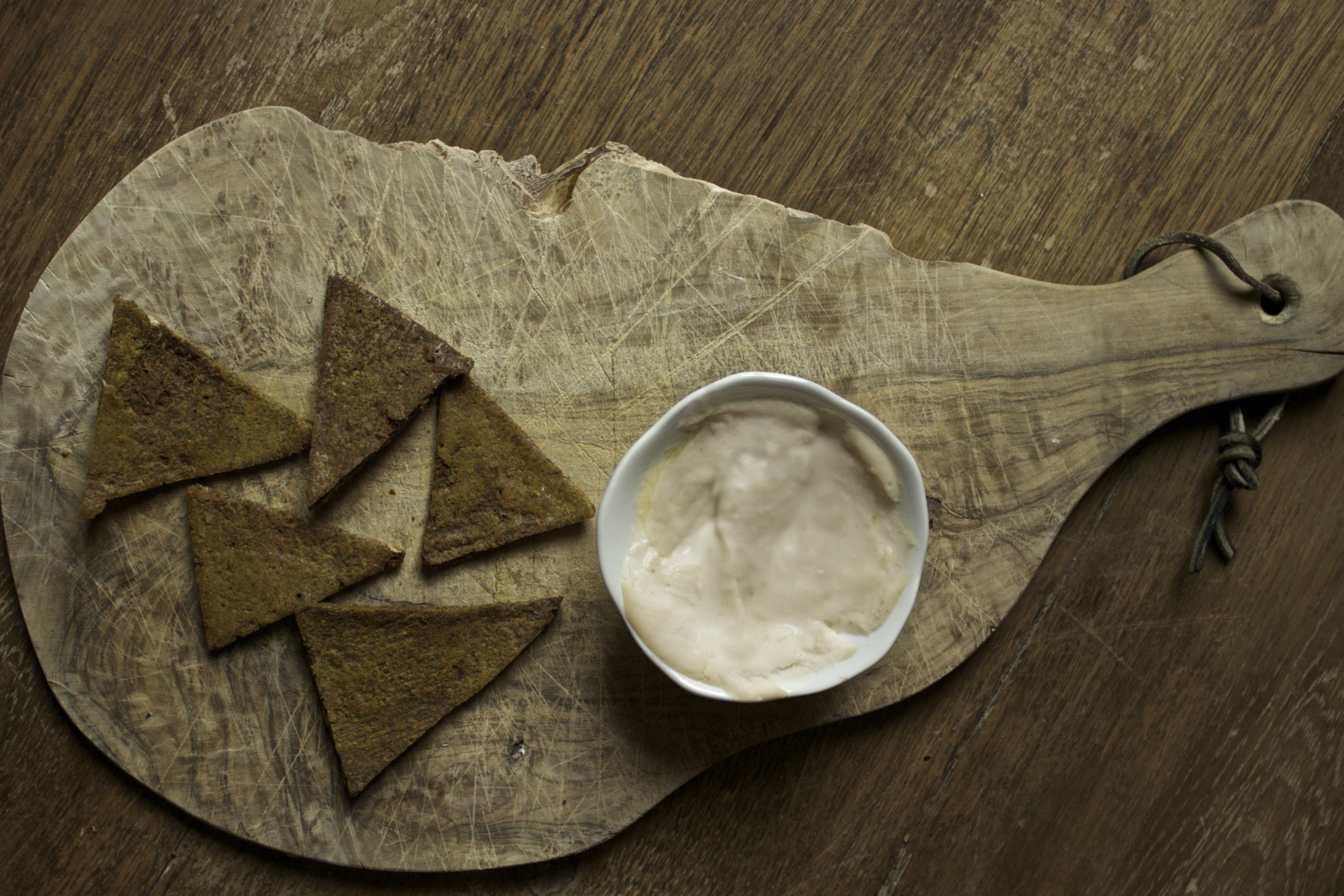
These lentil pita chips, like all my recipes, are highly customisable. When I first made these, I literally just dumped an indeterminate amount of lentil flour, an assortment of antihistamine and anti-inflammatory herbs and some olive oil into the blender and dove straight for the oven with barely a coherent plan in mind.
So, as you can imagine, coming up with a healthy, tasty treat, in a hurry, seemed like a great idea. I’m happy to say they were devoured by the whole family, not just those on my “special” diet. And this raises a point – the anti-diet is in fact something I feel might be of benefit not only to those with histamine intolerance/mast cell disorders, but also those with generally inflammatory conditions – like cardiac patients. I share a number of studies on the link between mast cells/histamine and cardiac problems, including heart attack in the Low Histamine Lifestyle 101 Book, but you can find the same information by googling “histamine or mast cells + cardiac”. At the very least, going super duper high nutrient is better than the usual fare people indulge in (I simply call it “garbage”), but please consult with your doctor before making any dietary changes of course.
While I have you here – don’t be afraid to experiment. When I first started blogging I decided not to specify exact amounts for herbs, garlic and onion, which is because I eat for health, so stuff as much in there as I can, and I don’t pretend to be a Michelin starred chef, or even an actual chef, but rather a layperson who is spreading the gospel that healthy low histamine doesn’t mean exiling your taste buds to a culinary Siberia. But people kept freaking out, and so now I do.
You’ll find recipes full of foods with antihistamine and anti-inflammatory properties my books Anti-Recipes and The Anti-Cookbook
Please understand: ALL recipes are there to be messed with (whether my own or that of others) and it’s important to be ready for failure and have a sense of humour about it. I do know it can get expensive when we’re dealing with items that aren’t run of the mill, so use your best judgement of course. It is however important to understand the fundamentals of flavour and balance in recipes (a number of great books out there), so that you can really freestyle it. I’m a big lover of learning it all the right way just so that I can tear it all down and create something truly fabulous that’ll make my senses trill.
Add the flour, onion, garlic, olive oil, thyme, basil and coriander into a food processor, drizzle in some water and then work lightly till a ball of dough forms.
Spoon onto a pre-oiled baking tray and use a knife to score into triangles.
If your mixture is too liquidy, don’t panic, just bake for at least 10 minutes, then score with a knife and return to the oven.
Bake for about 15-20 minutes (depending on thickness) and then flip over for another 15-20. Remove from oven, break apart and serve with your choice of dip.
You’ll find a collection of all liquid high nutrient antihistamine and anti-inflammatory rich recipes for days when my histamine bucket overflowed in the new Anti-Detox book.
You’ll find recipes full of foods with antihistamine and anti-inflammatory properties my books Anti-Recipes and The Anti-Cookbook
Today, on the start of my 39th year on this planet, I’ve worn red lipstick, all day, for the first time in four years. This seemingly inconsequential act is the surest sign I’ve had to date that I am done with this condition.
Those of you who have read my low histamine beauty book will know that red lipstick, because it has a higher concentration of mineral pigments, often causes more reactions than nude colours. The last time I wore red lipstick, I ended up looking like Bozo the Clown: balloon lips, hives around the mouth, throat swelling, plus a whole host of other weirdness like severe tinnitus, trembling, nausea, feeling faint, you name it.
A common sight in the small town in the south of Spain that I grew up in, was me, all pouty in red lipstick, making a lap around the beauty store, shaking my head vigorously to see if I was about to develop a migraine. Though but a teen at the time, I already knew some lipsticks made me ill, I just couldn’t figure out the connection between them and why.
Back then I wore all kinds of toxic brands that now make me shiver in disgust.
Just four years ago I was unable to wear make up or use bath products of any kind. None. My eyelashes would fall out, my lips developed unsightly sores, my hair fell out in clumps, and I was covered in hives if I even glanced at MAC counter. As many of you also suffer/ed the same fate, you know how debilitating to the ego it can be to see yourself reduced to androgyny. And so it was that just two years ago I came up with my red lipstick index as an indicator of healing.
It first came up during one of my healing visualisations, as suggested by David Hamilton in his book How Your Mind Can Heal Your Body. I saw myself on a big white boat (why, I don’t know, it just seemed like an amazing place to be), doing yoga and meditating on the deck, then washing my hair with shampoo, really smelling it, luxuriating in it, lathering up my body with shower gel, and then standing in front of the mirror to apply my make up – with the piece de resistance being red lipstick. I was healthy and surrounded by people who loved me, strong, fit, confident and incredibly happy. I stepped into this person at least twice a day for years, allowing the emotions to really seep into my present day.
In my mind, the day I was able to wear red lipstick would be the day I was healed.
Sadly, my day-to-day life in those years was far from rosy. While excited with the progress I was making, a few niggling symptoms were still making it difficult to truly feel I had arrived somewhere I was happy to hang out for a while, but more importantly, my personal life was making me miserable. It’s not my intention to delve into any gory details here – all I can say is that when I love, it consumes me body and soul. I will walk through fire, willingly give up my life for theirs and forget I exist as a separate entity in order to truly merge souls.
All well and good, but sometimes we make a wrong turn.
I wrote this a few weeks ago:
“So what happens when those who committed to be the ones to lift us up to meet these seemingly herculean challenges are not who we thought them to be? My psychotherapists and psychiatrists over the years struggled to come up with the answer to why I put myself, time and again, in the hands of those who appeared to derive a great deal of their strength from sucking mine dry. I was primed for those who sought to further unravel the loose ends of my self-esteem. I was easy pickin’s for troubled, seemingly loving mates, friends and mentors who sought nothing less than complete submission to their terms. At the time they did not yet know that I was already slave to a far more fearsome taskmaster (illness), but they soon learned, and discord reigned free and hard in our reality.
The last few years have been pretty rough. Though I finally managed to get myself on the path to healing, I neglected a few really important pieces of the puzzle: happiness and safety/security. While preaching stress relief, meditation and re-wiring the brain, I refused to believe that I had other housekeeping to do on my end, convincing myself that the twisted life I was living was totally normal.
Thankfully I was finally able to walk away. Still madly in love, completely crushed, thinking I would never meet anyone as wonderful ever again, “knowing” that this incredible connection I had made was a once in a lifetime deal. I truly felt that no one who hadn’t known me before my illness would accept me the way I was: broken, still struggling with my health, having to make special provisions for travel, not able to get as physical as I would like to (due to various lingering issues), my meditation schedule, the fact I no longer find dining out as fun as I used to, someone willing to ignore the ruin I had allowed my physical body to become.
I truly believed all this.
The thing I hadn’t counted on, was that once I stepped away from the toxicity, I was a different person. Still broken, a little lost, technically homeless (though excited to be), but simply, unstressed, and no longer miserable. The hours of daily shouting, of living in fear, melted away from my being, leaving me floating on clouds. Suddenly I was free of oppression, free to live my life as I saw fit, free to be the person I had become years ago, but whose skin I had not yet been able to inhabit, for fear of shedding the shackles that had accompanied me for so long.
I knew how to keep the peace, but after a time chose not to. I fought tooth and nail at every turn, pouring gasoline onto the flames. Each passing day saw me sinking deeper into the quagmire, forgetting my strength, losing sight of my sanity. But please don’t get me wrong, I hold myself responsible for the toxicity I brought to the relationship – it takes two to tango and I was carrying a ton of baggage. I ended up putting a lot of work into fixing my end of it, and I am still thankful that this situation brought these behaviours to a head, but sadly, it’s not possible to force another human being into changing for you.
Despite all of this, the healing somehow continued (at a much slower rate than it should have I now know), with every leap I made, a new me began arising from those flames, till finally there was no way I could keep myself contained in the prison of my own making. I always possessed the power to walk away, but chose not to, now I understand there were karmic lessons to be learned and I am truly grateful for them.
We often don’t take the time to appreciate the light if it’s all we know.
But I’ve learned all I need to through pain. My mind and body had to completely break down in order for me to actually pay attention to what they were telling me: be good to yourself, respect your body, find happiness in the simple things, know that health is not a god given right, but rather a gift we must nurture, and most importantly: find your voice. In the same way that I woke up one day and decided I would no longer be sick (read the Last Best Cure for more), the idea of continuing my personal and spiritual development through happiness finally seemed like a really great idea.
And it’s funny what we attract into our lives when we’re ready for it.
There have been a handful of the people closest to me on this earth that have supported my every move, offering their strength where mine faltered. I count my lucky stars to have them still in my life, but time waits for no one, we’re no longer teenagers, and they’re now happily completely enmeshed in loving marriages and dote on the most amazing children I’ve known.
Feeling just a little sorry for myself as I pondered my next move, the universe sent me a wonderful gift: a new friend just on my wavelength. Someone with their own meditation and yoga schedule, whose very being radiated a love and understanding that completely floored me. A person who, though just newly emerging from a tough time himself, has shown immense compassion and patience in helping me find, and amplify, my voice. And let me tell you – it’s amazing what a little happiness at home can do. Now finally in a safe environment, I’m more than picking up the pieces. I’m becoming one with the empowered woman in my visualisations – I literally bounce out of bed, excited to greet the day, more determined than ever to be well, ready to enjoy all the world has to offer, be it alone, or as a team of like minded individuals (of which I’m meeting more and more), ready to take on the world. I never really grasped the concept of gratitude as a healing tool till BD entered my orbit. It’s now an integral part of my life, almost as natural and frequent as drawing breath.
Day after day I wake to the most incredible news, so many exciting upcoming things to share with you all…
Why am I telling you all this? Healing comes from within, no one can force it from us, but it doesn’t hurt to surround ourselves with those who inspire, and support us, in being the very best version of ourselves. I wish I hadn’t missed the obvious for so long – that the key to healing my body lay in first healing my soul, and knowing when to stand up for myself or surrender control to the universe became all too clear when I listened to my heart.
And now I’m off to celebrate my birthday, red lipstick and all.
xo
You’ll find a collection of all liquid high nutrient antihistamine and anti-inflammatory rich recipes for days when my histamine bucket overflowed in the new Anti-Detox book.
The Anti-cookbook, while it doesn’t treat any conditions, due to its high nutrient, antihistamine and anti-inflammatory ingredients, has been instrumental in helping me feed myself on a limited diet. It features a six page list of antihistamine and anti-inflammatory foods. It comes in regular and Paleo.
The Low Oxalate Cookbookfeatures antihistamine and anti-inflammatory rich recipes.
Don’t miss the Low Histamine Beauty Survival Guidefor non-toxic beauty tips, the skinny on histamine releasing (mast cell degranulating) beauty ingredients, antihistamine and anti-inflammatory beauty alternatives and the top brands natural brands I’ve found.
If you’ve found this information useful I’d appreciate your support (at no extra cost to you!) – please check out my online store for your health foods, supplements, kitchen items and beauty product purchases. Affiliate sales through my online store go towards maintaining the website, funding travel to interviews and purchasing all the lovely foods for my free online recipes. You’ll find these items in the “Shop with us” drop down menu on my homepage.
Please don’t forget antihistamine, pain killing foods can still hurt us, so please always check with your doctor before adding new foods to your diet.
Members of the Facebook mast cell/mastocytosis groups I frequent often share studies on mast cell inhibiting medications. By this I mean medications that prevent mast cells, a key component of our immune system, from breaking open and spewing histamine and other inflammatory elements, into our unsuspecting body. As you may well know, we need mast cells to do this when there’s healing to be done. Otherwise, it just leaves our poor body struggling against wave after wave of unnecessary inflammation that ends up wearing down our immune system.
It’s great that such information is shared. Either because we’re so often prescribed fistfuls of medication by doctors too busy to share the why of it, or we’re not one of the lucky ones with a doctor to actually guide us through one of life’s most terrifying experiences, and so we need all the help we can get. I just dearly wish that more people would have the time or inclination to ask if there are natural alternatives.
You’ll find recipes full of foods with antihistamine and anti-inflammatory properties my books Anti-Recipes and The Anti-Cookbook
The conversation that ignited the spark behind this latest blog post concerned research showing that paracetamol is a mast cell stabiliser, thereby preventing these white blood cells from wreaking havoc in the bodies of those of us with histamine intolerance, mast cell activation, mastocytosis and allergies (yes, even folks with allergies may suffer from unstable mast cells, thereby aggravating allergies). A really quick Google search turned up that paracetamol works (mainly) by inhibiting Cyclooxygenase (COX – usually COX 1 and or 2), which is the way that NSAIDs like aspirin, ibuprophen, Vioxx, Celebrex and diclofenac also work (those with mast cell/histamine disorders may react to these medications).
COX activity has been implicated in the development of various cancers [1] including leukemia [2], as well as in IBD, Crohn’s disease and ulcerative colitis [3], Alzheimer’s [4], Parkinson’s [5], arthritis, heart disease and diabetes [6].
But, more importantly for those of us with histamine/mast cell conditions:
“COX is the key enzyme required for the conversion of arachidonic acid to prostaglandins [7].”
Arachidonic acid (omega 6) is a bit of a Jekyll and Hyde figure in this tale. We need it to recover from exercise, for early brain development and studies show it may slow the development of Alzheimer’s. Problem is, “how the arachidonic acid is metabolised in the body dictates its inflammatory or anti-inflammatory activity. Individuals suffering from joint pains or active inflammatory disease may find that increased arachidonic acid consumption exacerbates symptoms, presumably because it is being more readily converted to inflammatory compounds [8].”
That means us.
In related news, those of us with mast cell disorders will be familiar with prostaglandins, specifically PGD2. It’s an inflammatory molecule synthesised when mast cells degranulate (break open to dump inflammation). One of the things PGD2 does that’s nasty is significantly enhance the inflammatory effects of the histamine released by those same mast cells.
Lovely.
Well it is if you’re suffering from a bacterial or viral infection and need all this inflammation to help you heal. Otherwise it’s a bit of a b*@!h because I really don’t need a side order of enhanced histamine related inflammation with my histamine induced inflammation thank you very much.
So paracetamol inhibits COX, which then prevents arachidonic acid from creating prostagalndins, which then does not turn the histamine into some kind of tricked out Marvel comics super baddy in the body, which is great, but, NSAIDs, paracetamol and others that work on COX have significant side effects. Up to 25% of users experience them, with up to 5% suffering serious health consequences like stomach bleeds, kidney failure, heart attack and more [9]. Interestingly, the side effects of COX inhibitors most likely occur because we need COX in the body [10] and inhibiting it with the equivalent of a pharmaceutical bazooka might be counterproductive in the log run.
Where have we heard this before folks?
In my approach to histamine intolerance/mast cell disorders: I have found that taking pharmaceutical antihistamines appeared to prompt my body to produce even more. I do not have the medical tests to back up this theory (because I came up with it long after I quit all meds), but a number of doctors I have spoken with, including histamine researcher and immunologist Dr. Janice Joneja, think this may be the case. I even found that eliminating too much histamine from my diet appeared to do the same thing. The thought process goes that because histamine is needed for wakefulness, thermogenesis, digestion, healing, as a neurotransmitter and much more, not giving it a steady supply from diet might prompt the body to release more from mast cells in order to make up for the shortfall. Given that dietary histamine has been proven to prevent some types of cancer [11], I eventually overcame my fear of histamine in food, going from a crazy low histamine diet to a histamine-balanced diet, and it made a world of difference. You’ll find more about it in this post. But, this may not apply to others – I encourage you to research multiple sources before making decisions, and always involving your doctor.
Back to paracetamol: we need to consider the inverse activity of the medicines we are taking. Antihistamines for example lower immune function – they have to, because histamine is part of our immune system. This leaves us open to many, many other conditions that I really want no part of, which is why I gave up all meds over four years ago. In the last few years I have had to become my own physician, with food and natural supplements as my prescription. That might sound completely mad to some, megalomaniacal to others, but my nutritional hero Dr. Fuhrman even advised me to do so. Again, this isn’t the right approach for others – it’s just what’s naturally happened over the years, mostly because I wasn’t lucky enough to find any doctors who knew what to do with me. Now that I know what’s going on with me, I’m thankfully managing without any medical intervention.
And so we come to the favourite part of all my posts: where I share which everyday foods and activities can help the body achieve homeostasis through gentle encouragement, support and excellent nutrition.
First up – you may want to avoid (or moderate) [12]:
Partially hydrogenated fats.
Not only do these promote inflammation, but they also blcok anti-inflammatory enzymes.
Vegetable oils and refined carbohydrates
A high carb diet converts the anti-inflammatory prostaglandins (yes they exist – confusing I know!) to pro-inflammatory. That’s why I stopped using corn, canola and safflower oil.
(BTW – I looked this up just to be sure – olive oil isn’t considered a vegetable oil.)
Add generous helpings of…
Meditation
If you’ve been reading my blog for a while you’ll know that meditation saved my life. Literally. I almost died of anaphylactic shock in Kenya a few years ago. Having no meds on me, and being far, far away from hospitals and doctors, I had little choice but to practice extreme stress relief and inflammation lowering meditation techniques. (I don’t suggest that others should do the same). Meditation may have saved my life by lowering my stress, but also inflammation, specifically through its action on lowering COX in the body and preventing mast cell degranulation [13].
Thanks in great part to Dr. Theoharides’ groundbreaking research showing that bioflavonoids quercetin, luteolin and rutin are as effective at stabilising mast cells as the most commonly prescribed pharmaceutical, I built my entire dietary philosophy around a high nutrient, anti-inflammatory, bioflavonoid rich diet. Quercetin is found in many brightly coloured fruits and vegetables like blueberries, all onions but particularly red, apples, broccoli, cherries, pretty much all green herbs, kale and plenty more [15].
I use this wonderful root in pretty much everything I eat. Some people with the MAO genetic “defect” might not be able to process it properly. I am supposedly one of these, but thankfully epigentics has played a huge part in my life and I no longer have any issue with it. There’s also studies showing it blocks DAO, the histamine lowering enzyme – but as I keep saying, histamine/mast cell disorders are about SO much more than just DAO). Turmeric also has mast cell stablising properties.
Omega 3 fatty acids [17]
Alter COX expression and also acts against pro-inflammatory prostaglandins in the body.
Thyme and rosemary [18]
Inhibit COX.
Chives [19]
Inhibit COX.
You’ll find recipes full of foods with antihistamine and anti-inflammatory properties my books Anti-Recipes and The Anti-Cookbook
Healing is truly a whole mind and body affair. As important as dietary changes have been, and in this case more so what I’ve added rather than eliminated, asking myself the right questions (at the right time) has been invaluable.
I’m not talking about which supplement to take, or which healing protocol to follow, but rather the recognition of destructive patterns and suppression of self as roadblocks to healing.
When it comes to the whole-istic healing of self that I have embarked on of late, perhaps the least offbeat has been my first foray into the psyche for at least a decade. I’m not saying that I blocked myself off from delving into my mind for that long, just that I haven’t done it in any kind of structured, guided way. Though meditation is incredible for lowering inflammation and dampening the genes implicated in histamine/mast cell disorders [1] I found that practiced alone, it was not sufficient for me to process the intense trauma of the last few decades, nor completely deal with my often out of control inflammatory processes.
As my friend BD says, you can’t live your life on the yoga mat.
And I absolutely agree. I spent the last year scared to get off my yoga mat, unsure as to whether the progress I had made would translate to the big bad world around me. Would the work I had done on my temper stick? Would I fall apart when confronted by those (doctors mainly) who had wronged me? Would I still have compassion beyond my visualisations?
To quickly sum up the last few decades in a sentence:
War as a child, abandonment by both parents, soul destroying verbally abusive relationship, war as an adult, insanely stressful journalist career, financial ruin, misdiagnosis and overmedication for non-existent illness, unnecessary operations, inability to work due to illness, and various others.
I’ve spent a really long time wallowing in hate towards those who abandoned me, my illness, those who professed to have my best interests at heart when they convinced me I was mentally ill (due to my histamine/mast cell symptoms) and medicated me so hard that I lost a decade of my life, as well as beating myself up for not being able to save the person I loved (or myself for that matter).
And so it was with incredible trepidation that I began half-heartedly looking for a therapist. After months of searching, I finally wound up on the doorstep of one of the most enlightened practitioners I have ever had the pleasure of knowing.
You know how sometimes you need to cut through all the BS and just connect on a human but intellectual level? You wouldn’t necessarily think that a Buddhist psychotherapist would be the answer. And yet, the more of his videos that I watched, the more of his lectures I heard, the more of his bio I pondered over, the more certain I was that this radical departure from my previous mental health experiences was needed.
Dr. Neale is the assistant Director of the Nalanda Institute for Contemplative Scienceand instructor of mind/body medicine at the Center for Complementary and Integrative Medicine at Weil Cornell Medical College. Miles teaches meditation and educational courses inspired by the Indo-Tibetan tradition and has trained in the lineage of the Dalai Lamas with American Buddhist scholars Joseph Loizzo and Robert Thurman and Tibetan masters Gelek Rimpoche and Lama Zopa.
In other words, he’s the man, and I’m super lucky to call him my therapist.
And yet I can’t tell you how uncomfortable I felt in his New York city office that first time. Memories of being prescribed fistfuls of mind altering medications week after week, of breaking down into a puddle of psychotic mush on the “sofa” after being declared bipolar and borderline personality (believe me, I wasn’t), just the anguish of a decade washed over me, bringing back something I hadn’t experienced since resolving an issue in my life that left me fearing for my safety. I called it my “existential mode”. My way of rationalising the eerie sensation where I feel so separate from my body that it’s like I’m watching myself from across the room.
Basically, my body goes totally numb and I feel I don’t exist.
Freaky.
Oddly, though nine psychiatrists to date have treated me, none of them managed to sum up my predicament in a couple of sentences like Dr. Neale:
I’m traumatised and random triggers of that trauma were happening all around me, some that I might not recognise as being such, and were causing my body to freak out. Now, having recently had my amygdala triggered big time by a smell on a plane (more on that here), which caused me to vomit for 24 hours for the first time in years, I was ready to finally accept that this same trauma trigger was a huge mast cell/histamine trigger.
I mean I’m not dissing the histamine bucket theory, you know the one that states that you won’t react to a food if your histamine bucket isn’t full (I proposed an alternate model – the inflammation bucket), but what I am saying is that once Dr. Neale pointed this out to me, I had to admit, I could trigger a histamine/mast cell reaction by thinking of traumatic events and even innocuous smells had the power to do so. I mean seriously, incense isn’t really going to logically kill me, except that my amygdala has deemed it so.
I truly believe, that in my case, triggering to food and smells had a lot more to do with my regressing to a traumatised state, or remembering previous negative reactions to food. Given the number of people I speak with in my consultationswho also have trauma in their past, who have found that fear at the dinner table is one of their triggers, I can’t help but think this must be the case for many others also.
Here’s an example:
Just a few days ago I sat down to lunch on a beautiful beach, with a close friend I’ve known since my teens. I decided to try something I hadn’t in years. Though I was totally chilled out and having a wonderful time, by the second bite of squid, my heart was thumping as though having a heart attack. Soon I was spinning on a merry-go-round and my blood pressure was dropping. And then it clicked that I had begun thinking of anaphylactic shock the moment I had decided to take a bite. Thinking how embarrassing it would be, I was soon beating myself up for being so selfish as to put my friend in a position of dealing with an emergency room visit (which hasn’t happened in years!). That’s how it might have gone down in the past, but this day I was prepared. I excused myself for a moment and went to lie down on a sun bed a little distance from the table. I popped a Neuroprotek quercetin supplement, the only tab I had, knowing it wouldn’t do much on its own, but confident I could convince my brain it would. And so I began my meditation. It wasn’t easy – but immediately lying down made me less aware of my blood pressure drop (totally induced by fear); physiologically it’s the right thing to do if that is what’s happening anyway. I began a meditation Dr. Neale prescribed me, where I really connect with what’s happening in my body. I just allow my awareness to completely experience everything that’s happening in there. Oddly, maybe because of my years of meditation practice at this point, it actually calms me. In my mind, I’m listening to my body, to my brain, allowing them to express their concern regarding what I’ve eaten/done, but encouraging them realise that it doesn’t need to be harmful. Those days are far in the past. I visualised the quercetin getting to work on my mast cells, pushing back any stress hormone induced histamine release. To be honest, at this point I could have taken a placebo and had the same effect. I kid you not: four and a half minutes later I felt fine. I returned to the table and went on with lunch for another hour.
(Please don’t misunderstand – I’m not saying anaphylactic shock can be meditated away, nor that allergies should be ignored. These are my personal experiences.)
You’ll find more on the role of trauma in immune system dysfunction in the wonderful read: The Last Best Cure.
Back to Dr. Neale: psychologists aren’t really there to convince you to do anything. You kind of have to make those decisions yourself. But as Dr. Neale said to me, I need a safe environment in which to rebuild myself and from which to begin to explore the world around me.
I had spent a lifetime in unstable, occasionally terrifying personal and work environments, and now it was time to do something different. He was right. Dr. Neale has been absolutely instrumental in helping me recognise and shed patterns of behaviour that perpetuated my view of myself as a weak person, unable to exist without a controlling partner, incapable of separating myself from the traumatised child/adult who was sleepwalking through life.
He’s also a really freaking cool guy who I absolutely connected with – someone who was totally on my wavelength.
Dr. Neale was kind enough to take some of his valuable time to explain a bit about Buddhist psychotherapy and the dangers of using meditation to numb our pain:
What is Buddhist psychotherapy?
There are currently several western therapeutic modalities that have incorporated meditation and mindfulness into their approach such as Mindfulness Based Cognitive Therapy and Dialectical Behavior Therapy.
The Buddhist world-view asserts that the mind’s nature is inherently flexible and transformable, suffering is conditioned by past negative experience reinforced into neural wiring, awareness provides pattern-recognition and leverages freedom of choice, and wellbeing is established by dis-identifying from rigid, self-limiting schemas and acting in harmony with the interconnected matrix of living systems. Human beings therefore unconsciously create their own experience of distress but can also learn to consciously redirect their own psychical health, psychological development and spiritual evolution. Read more on Buddhist psychotherapy here.
In your work have you seen evidence of a relationship between previous trauma and present day ill health?
Yes. Because of the mind-body connection I frequently see patients who have major medical conditions, which are exacerbated by stress and sometimes the result of unprocessed psychological trauma. Patients in my practice suffer from chronic pain, crohn’s, IBS, fibromyalgia, insomnia and chronic fatigue. I also treat patients with cancer, heart disease, and obesity, the so-called ‘diseases of civilization’ which are either directly related to stress and trauma or indirectly as a result of maladaptive coping strategies.
How important is meditation for those of us dealing with chronic illness? What are the main benefits?
Meditation may be an important adjunct strategy in the treatment of chronic illness, though I think these days many professionals either grossly underestimate or over-estimated the potential benefits that a simple technique can provide. While there is good research suggesting meditation may reduce overall stress, depression, anxiety, and improve concentration, immune function, and general wellbeing, there is nevertheless a danger of either dismissing it out of hand as primitive or religious, or else making meditation out to be some kind of panacea. Within the traditional Buddhist context, meditation is rarely prescribed independent of the world-view that considers our basic interconnectivity with all living systems and recommends an ethical lifestyle that promotes harmony intrapsychically, interpersonally and environmentally. Therefore, I rarely teach meditation or yoga techniques to those who are unwilling to consider how their outlook, attitude, lifestyle, family system and culture are all implicated in their disease and wellbeing. In other words, meditation can be clinically beneficial, but I don’t hand out techniques like pills. For more on meditation within its original context of Buddhist contemplative science read this.
You raised a very important point in my sessions with you – that the goal of meditation is not to separate us from the body, please elaborate.
Well, first I think its important to clarify that there are many types of meditation techniques each with their own distinct outcomes. Having a wide range of contemplative tools in my toolkit, coupled with an ability to clinically assess the various conditions or needs of a client allows me to effectively prescribe an appropriate treatment. Here’s a video on the variety and clinical applications of meditation
That said, I am a strong proponent of altering clients interested in meditation to what is called ‘spiritual bypassing’ or using spiritual ideas and methods to sidestep unwanted emotions, unmet developmental needs, and unprocessed psychological wounds. I have seen first hand a very common tendency amongst meditators – and frankly all human beings – to avoid pain (often stored in the body) in pursuit of so-called spiritual transcendence. As a therapist working with clients who have histories of trauma, I want to help them use a safe dialogue and mindfulness meditation not to escape the pain of their past but to encounter it with greater wisdom and compassion.
‘Mindfulness of sensations’ in specific allows clients to safely and systematically reconnect with their bodies, experience the release of stored traumatic residue, develop the necessary life-skills of affect regulation and distress-tolerance, and finally to deepen self-attunement or what I call real intimacy. Because modern culture has become so pain-averse we have actually atrophied our ability to navigate the constantly changing and unavoidable terrain of negative inner experience. This type of meditation offers what therapists call ‘exposure in a safe setting’ for the purpose of systematic desensitization and experience-dependent resilience training. We are consciously regrowing our nervous system’s capacity to be adaptive to all of life’s circumstances and challenges by confronting gently and consistently the very sensations, emotions and thoughts that would instinctually trigger adverse reactions. For those interested in real healing, the only way out of pain is through it in an intelligent and caring way.
In your course at the Nalanda Institute you talk about it being important not to have a goal in mind when meditating. Why is this and how do we accomplish this?
When I teach mindfulness meditation we begin the practice by setting an intention, clarifying our desired outcome in a similar way that one sets the destination on a GPS before embarking on a journey. In our ADD culture its important to clarify our goals to help keep us on track. If we don’t first identify a clear and positive vision of where we’re going, we’ll never get there. Once the meditation begins however, its important to relinquish that goal-directedness in order to become truly present with the moment-to-moment process, and the micro details and textures of one’s lived experience. One of the skills developed during mindfulness practice is variously called deautomitization, natural wakefulness, bare attention or open presence, which permits an increasingly more subtle skill of pattern-recognition thus leveraging freedom of choice. You want to be able to take your eyes off the GPS, so that you can consciously avoid the bumps in the road as well as enjoy the beauty of the scenic view as it passes by.
Watch this video for Dr. Neale’s five-point instruction for mindfulness meditation:
Should we try to guide the body in how to heal us, or should we simply provide a stable, serene environment (through meditation) for it to get on with it alone?
This is actually a profound question. Perhaps both. Neuroscientifically informed psychotherapy and mindfulness meditation help guide the body towards integration, while traditional medicine systems from ancient cultures like India and China provide the necessary conditions for the nervous system to heal itself.
From the neuroscience perspective, unprocessed trauma can be stored in the body as implicit memory and may be triggered inadvertently sending someone into a panic or a dissociative state, which I call the time-machine because we are unknowingly transported to the painful past as if its happening in the present. When the nervous system is repeatedly over-exposed to the chaos of overwhelming affect it involuntarily tightens the faucet of energy into a state of rigidity and primitive self-protectiveness. Many of the most common psychological disorders can be explained by these polar extremes of disregulation and shutdown in the nervous system: Anxiety disorders, PTSD, OCD, Cocaine addiction, Hypomania, and Bipolar I are syndromes of emotional overwhelm, right-brain activation and unprocessed trauma, while Major Depression, Anorexia, Paranoia, Heroin or Alcohol addiction represent syndromes of emotional shut down, left brain activation and memory avoidance.
Essentially healing occurs through and integration between the right and left brain, between cortical and sub-cortical regions, and between distinct yet attuned minds in a relationship. Therapy and meditation work in tandem to rehabilitate and strengthen the right-brain’s ability to tolerate and regulate the release of stored deposits of traumatic energy, unpleasant emotion, implicit memory, and bodily sensation while recruiting the left brain’s ability to process and consolidate that energy into coherent and meaningful narrative. So from the neuroscience perspective both the therapeutic relationship and the meditative tools help guide us interpersonally and intrapsychically towards greater levels of neural integration, emotional balance and relational attunement.
From the perspectives of the world’s ancient contemplative traditions such as Chinese medicine, Ayurveda, Rajayoga and Tantric Buddhism, there might be an entirely different pathway to health and balance. Given the necessary conditions, one permits or activates the innate wisdom of the body to heal itself. Greater cross-cultural and multidisciplinary dialogue will help delineate the precise mechanisms by which healing occurs in these ancient approaches.
Dr. Miles Neale is a Buddhist psychotherapist in private practice, Assistant Director of the Nalanda Institute for Contemplative Science and instructor of mind/body medicine at the Center for Complementary and Integrative Medicine at Weil Cornell Medical College. Miles teaches meditation and educational courses inspired by the Indo-Tibetan tradition and has trained in the lineage of the Dalai Lamas with American Buddhist scholars Joseph Loizzo and Robert Thurman and Tibetan masters Gelek Rimpoche and Lama Zopa. More available at www.milesneale.com
For more on Nalanda’s Certificate Program in Contemplative Psychotherapy visit:
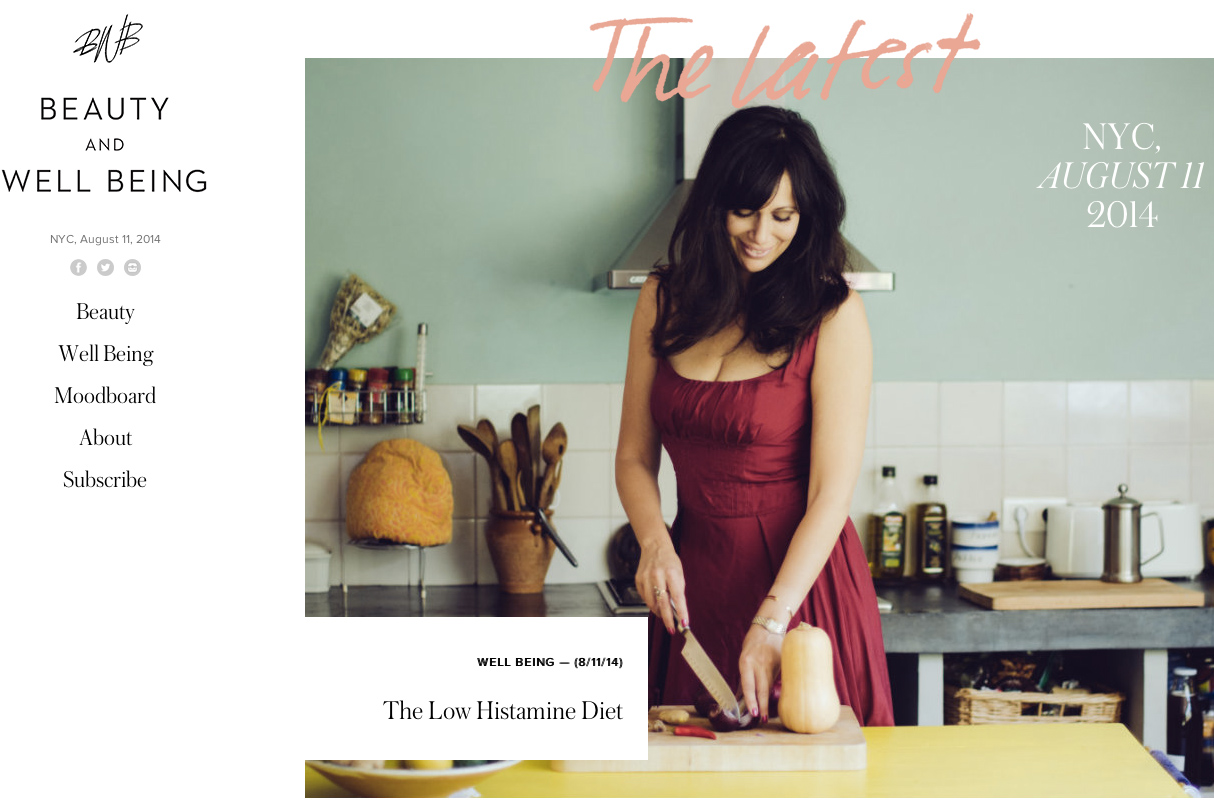
This week I had the pleasure of writing an introduction to the low histamine diet, click the image above to read the full post.
And don’t miss this great summer recipe I created for them, click the image below…
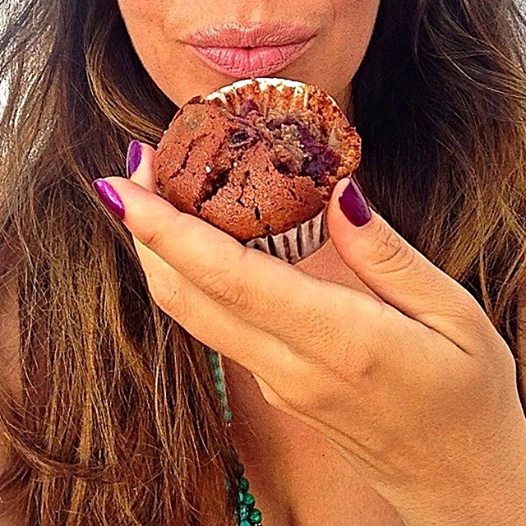
As those of you following my Facebook page will no doubt have heard, I’m in gluten-free muffin mode this summer. I’ve been beavering away on a number of delish low histamine, histamine-balanced and antihistamine/anti-inflammatory baked goods that have certainly enriched my mornings! I’ll be putting them together in a mini ebook that I will share exclusively with my mailing list – so don’t forget to sign up if you haven’t already!
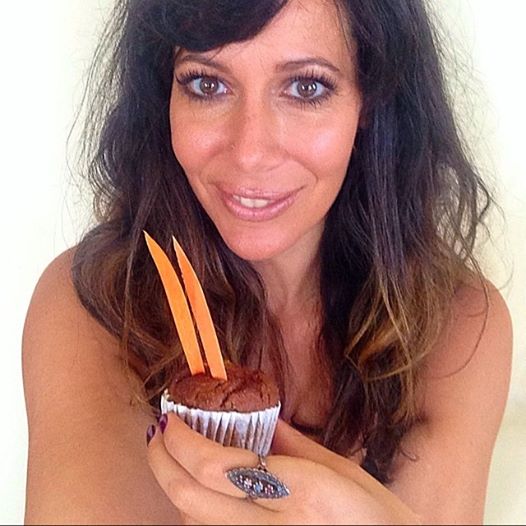
Antihistamine and anti-inflammatory rich carrot, ginger and turmeric muffins – YUM!
You’ll find a collection of all liquid high nutrient antihistamine and anti-inflammatory rich recipes for days when my histamine bucket overflowed in the new Anti-Detox book.
The Anti-cookbook, while it doesn’t treat any conditions, due to its high nutrient, antihistamine and anti-inflammatory ingredients, has been instrumental in helping me feed myself on a limited diet. It features a six page list of antihistamine and anti-inflammatory foods. It comes in regular and Paleo.
The Low Oxalate Cookbookfeatures antihistamine and anti-inflammatory rich recipes.
Don’t miss the Low Histamine Beauty Survival Guidefor non-toxic beauty tips, the skinny on histamine releasing (mast cell degranulating) beauty ingredients, antihistamine and anti-inflammatory beauty alternatives and the top brands natural brands I’ve found.
If you’ve found this information useful I’d appreciate your support (at no extra cost to you!) – please check out my online store for your health foods, supplements, kitchen items and beauty product purchases. Affiliate sales through my online store go towards maintaining the website, funding travel to interviews and purchasing all the lovely foods for my free online recipes. You’ll find these items in the “Shop with us” drop down menu on my homepage.
Please don’t forget antihistamine, pain killing foods can still hurt us, so please always check with your doctor before adding new foods to your diet.
You know how people with mast cell issues have, erm, less than stellar memories? Well, I came across a piece of research last year that confirmed something I already believed, but had no proof to back up; and then promptly forgot to share it with all you lovely people.
In my defence, I spend several hours a day reading research, and what doesn’t surprise me generally doesn’t make it to print (so to speak).
So, for those of you who have been living on another planet for the last few years (or are new to the whole “google is my doctor” cult), leaky gut, or intestinal permeability as it’s referred to by people who worry calling something “leaky” will delegitimise it in the eyes of the scientific community, is a nasty piece of work. It’s basically an inflammation induced breach of the intestinal barrier that’s meant to keep food particles out of the blood stream.
Signs you have a leaky gut [1]
Digestive issues (gas, bloating/IBS)
Seasonal allergies/asthma
Diagnosis of autoimmune disease: RA, Hashimotos’s, lupus, psoriasis, celiac
Mood disturbances: depression, anxiety, ADD/ADHD
Skin issues; acne, rosacea, eczema
Food allergies/intolerances
Hmmmm, where else have I seen all of these symptoms on one list?
Since finding (and forgetting about) the research, a couple of great posts have been written on it. In particular, Chris Kresser, Dr Mark Hyman and others are all talking about quercetin as a highly effective treatment for leaky gut [2,3]. This would be, because as studies now show, intestinal permeability is caused by increased mast cell activity in the gut [4].
Dr Hyman goes so far as to say: “We also use herbs like quercetin and turmeric to reduce inflammation and heal a leaky gut.”
You’ll find recipes full of foods with antihistamine and anti-inflammatory properties my books Anti-Recipes and The Anti-Cookbook
Note: some people with the COMT or MAO genetic mutations may react negatively to quercetin and turmeric [5]. I myself have both mutations and reacted to both of them initially, but am now fine with them. The beauty of epigenetics…I truly believe we can influence the genetic blueprint we’re born with, it’s the cornerstone of my dietary philosophy.
And get this, people write to me all the time asking if Crohn’s is related to mast cells. Well, I’ve seen some studies…but interestingly, as far back as the 80s, researchers at UCLA proposed that “increased intestinal permeability could contribute to the cascade of events that culminate in active Crohn’s disease.” [6].
Oh my.
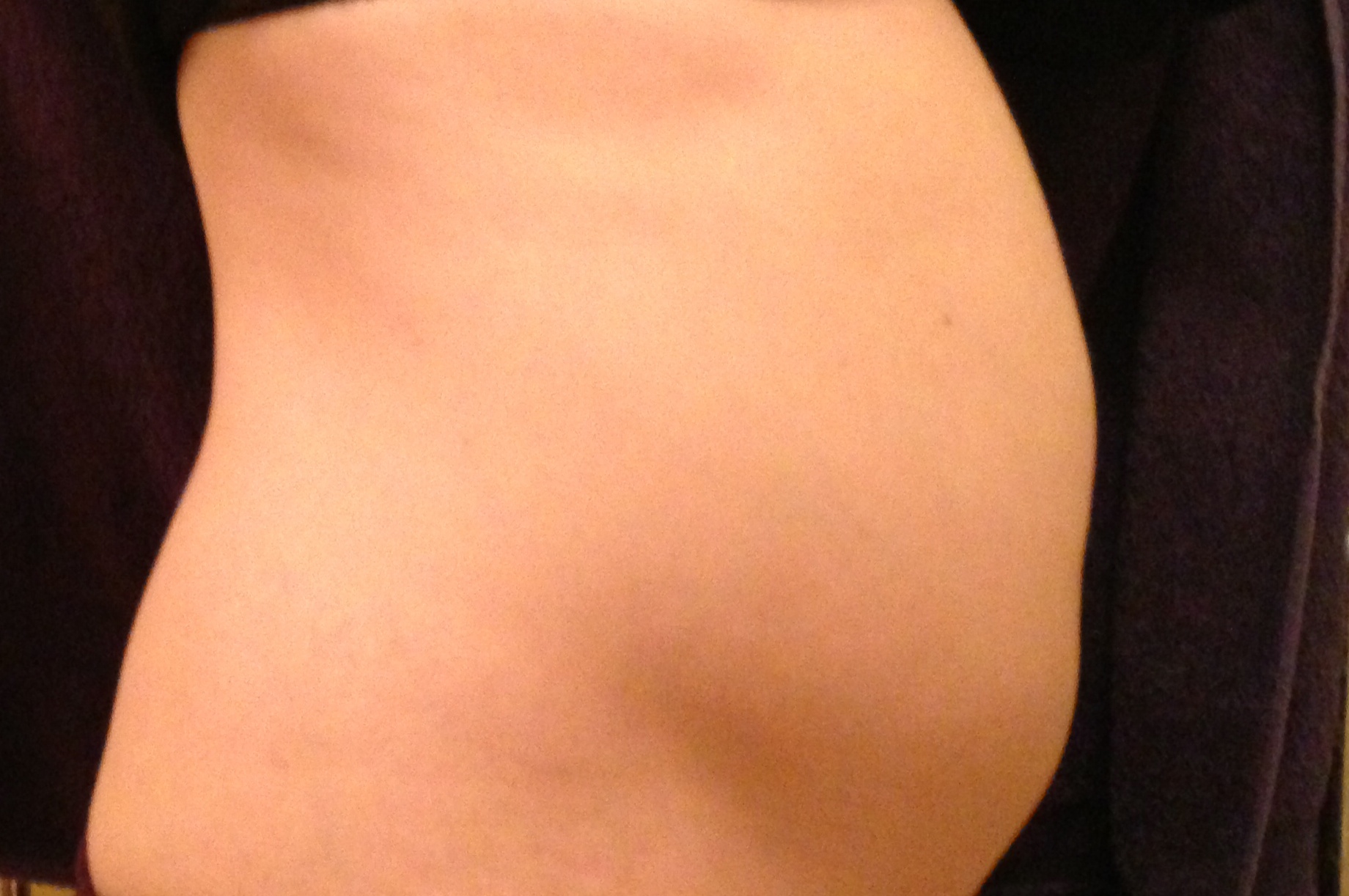
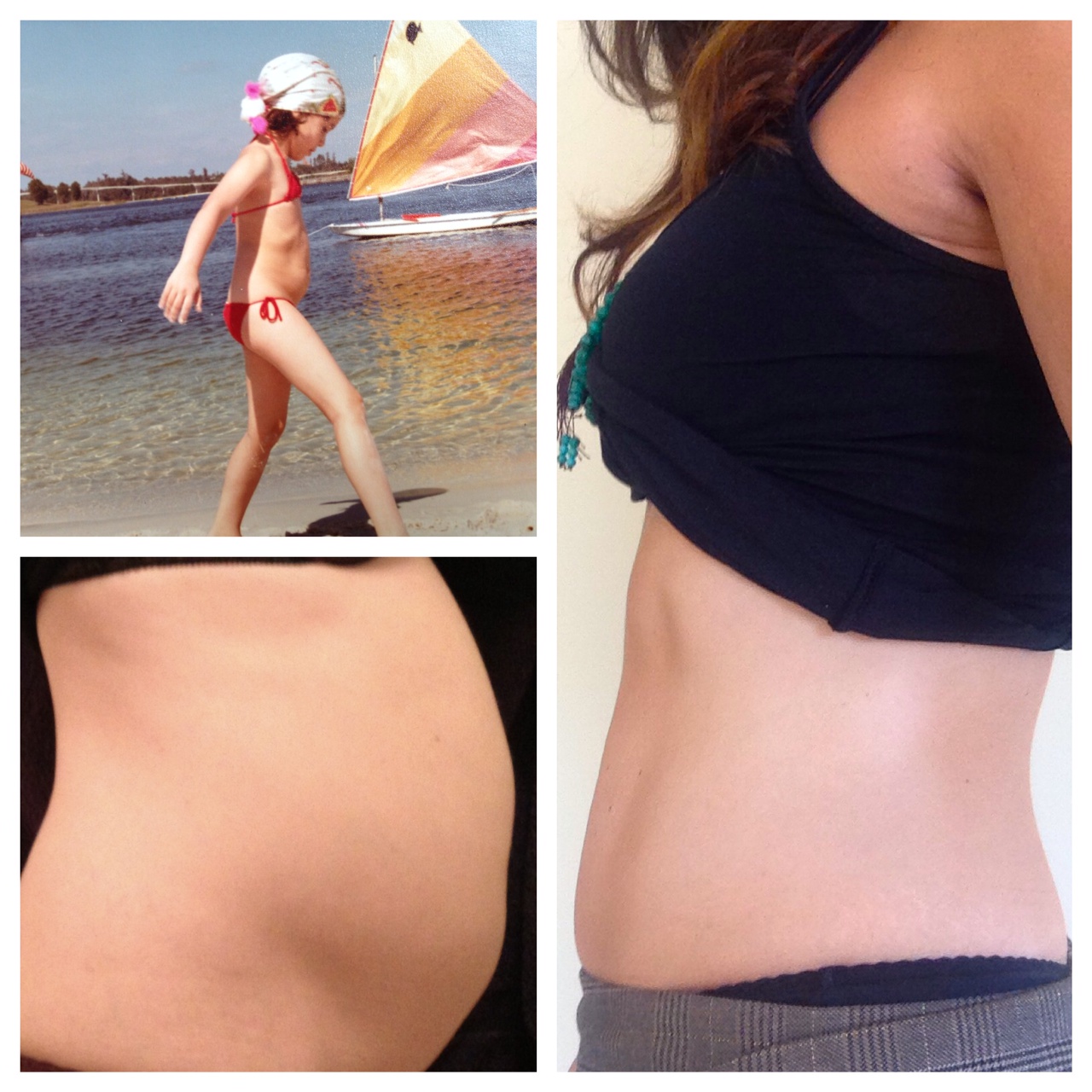
I suffered from insanely horrific intestinal issues for most of my life. Basketball stomach doesn’t even begin to cover it. My poor (not so) little tummy has been busting at the seams for most of my life. Though I wasn’t a chubby kid, my stomach really announced itself. My big brother enforced sit ups from a young age; nothing doing. That stomach just wouldn’t deflate. How could it though? My intestinal woes swung from constipation to its counterpoint at the drop of a hat.
Bloating?
Man, you haven’t experienced severe bloating till your mom’s had to carry you screaming from a concert (no mean feat given that I was 11 at this point) and then use scissors to cut your jeans waistband, now so embedded into triple basketball stomach that it has disappeared into it, in order for you to breathe again.
Given that I’m no longer worried about embarrassing the hell out of a boyfriend by sharing even more than I usually do, I’ve decided, that as it’s #throwbacktuesday or thursday or whatever (oops I missed my post date – this’ll have to do), I’ll share with you a photo taken the last time I went off diet. It’s a funny story see, doctors wouldn’t believe me, saying that if I managed to control my symptoms through diet, then I obviously didn’t have a mast cell disorder…
I’ve decided that most doctors are inherently illogical beings when it comes to diet.
My basketball tummy, taken against a black background. Quintuplets maybe?
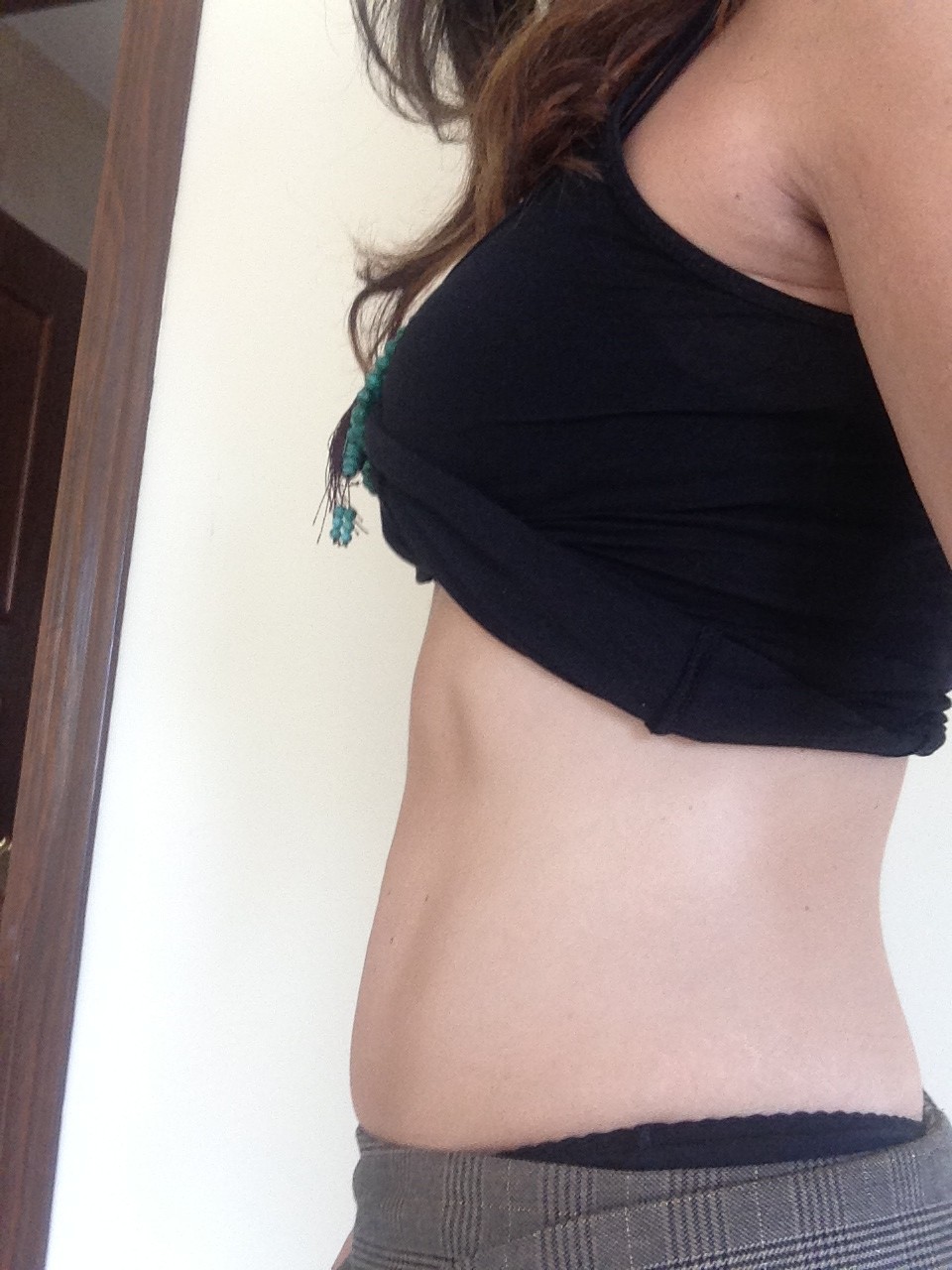
And then one day, I noticed that my stomach wasn’t going all alien on me. Then there was another day, and another, and suddenly the norm was a flat stomach.
Thing is, I never set out to heal leaky gut.
Because by that point, I had decided to focus on the now. To let go of the reigns, to stop second guessing myself, to give myself a little space to be, to heal, to live life. L-glutamine, bone broth, nasty ass bovine collagen oatmeal – all kicked to the curb.
I’m not holding it in I promise! What my stomach now looks like 99.9% of the time – photo taken summer 2014 (I think!).
A high nutrient, histamine-balanced quercetin, luteolin and rutin diet, quercetin supplement, positivity and meditation all came together joyously (with a little whittling down of the very high oxalate foods) to give me, while certainly not a washboard stomach, sadly being “pregnant” or “with basketball” since the age of five has taken its toll on my stomach muscles and skin tone, it’s still freaking awesome.
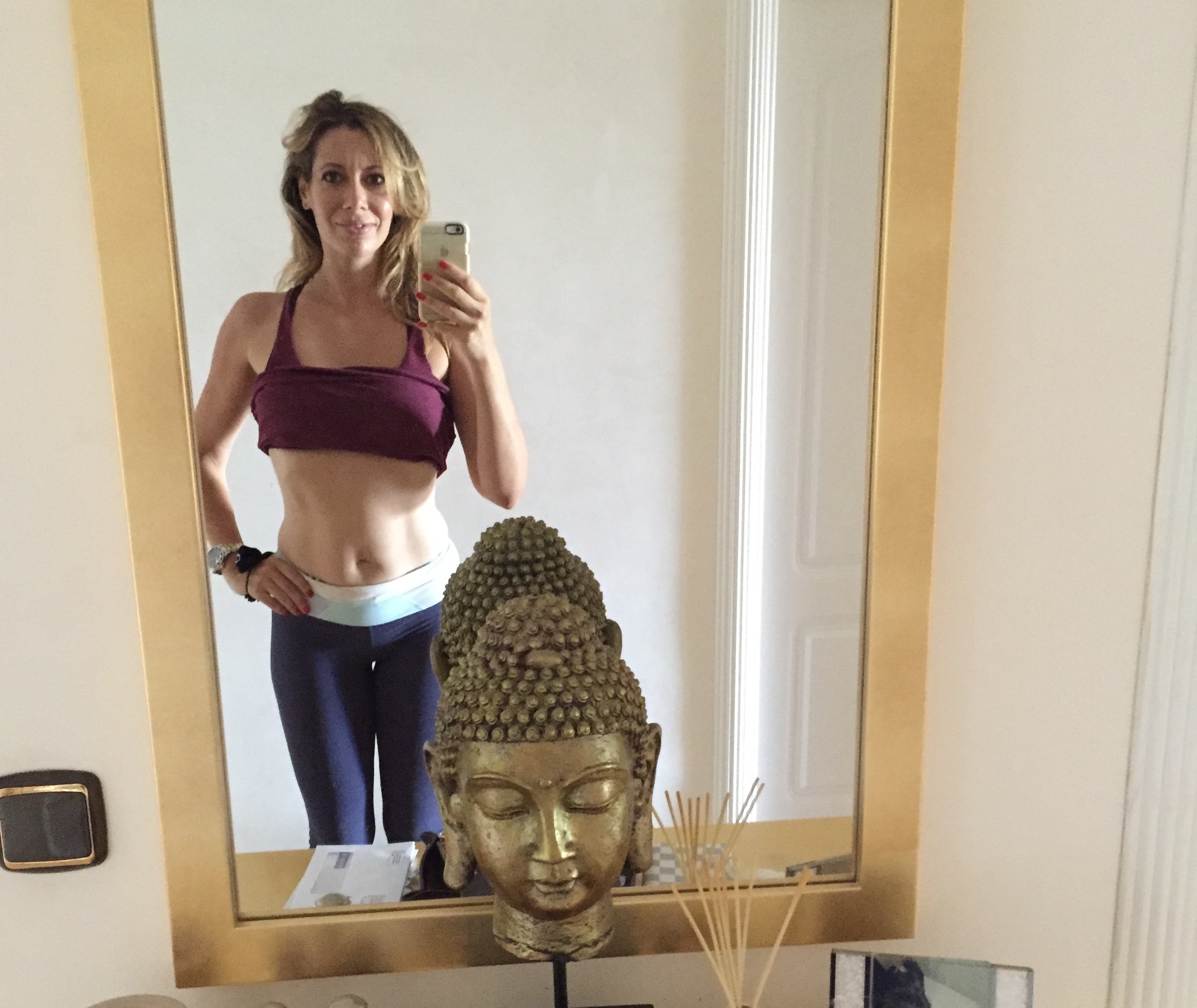
Something else I have noticed is that working out the stomach (something I have avoided like the plague for most of my life for some reason) keeps any hints of bloating in check. I wonder if it has something to do with localised anti-inflammatory activity from the exercise. I have found yoga particularly effective. While yoga does not traditionally work the tummy, the rocket yoga I do (ashtanga yoga’s fun bits all rolled into one and a lot faster) puts an emphasis on building the core so that we can gain strength and balance for our inversions. Here’s me below in August 2015 (I was feeling ropey but still doing the yoga) after a rocket session.
You better believe that I give thanks to the universe, my dietary philosophy, the years of research and faith I finally put in my being the best judge of what will heal me, krishna, the almighty, you name it, I’ll kiss its feet, for my finally not having to plan my wardrobe, social and sex life around the inflated tyrant that ruled much of my life.
Yes stomach, there’s no better way to put it, you’re now my b*%&@!