Author: healing

  • The rosacea-histamine-mast cell connection

    The rosacea-histamine-mast cell connection

    女性 にきび

    It wasn’t so long ago that a post I wrote on eczema being a mast cell/histamine intolerance related issue went pretty viral. A recent re-post on my Facebook page generated an impressive number of requests for me to look into whether rosacea is also one.

    Well, guess what folks – it sure is!

    Sadly it seems that word isn’t spreading as fast as we might like, at least not fast enough to the doctors who might help us. So here’s all the research you’ll need to take to your dermatologist in order to make him aware of the link, or get your family doctor to write you that mast cell specialist/immunologist referral you may have already suspected you need.

    WHAT IS ROSACEA?

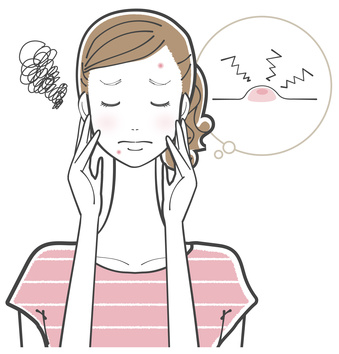
    Wikipedia calls rosacea a chronic inflammatory “skin disease” characterised by facial redness, small and superficial dilated blood vessels, papules, pustules and swelling. Celebrities dealing with it include former US president Bill Clinton, Mariah Carey, burlesque star Dita Von Teese, actress Diane Kruger [1] and according to some online sources/websites, Cameron Diaz and Prince William [2], something I haven’t independently verified.

    A study in the Journal of Investigative Dermatology, funded by a research grant from the National Rosacea Society, revealed that mast cell numbers are increased in the skin of rosacea patients [3]. The study found that the mast cell proteases recruit other immune cells, thereby amplifying the inflammatory response.

    Demodex skin mites have also been shown to play a role in rosacea [4], by triggering the inflammatory response or blocking hair follicles.

    And that’s a great point I should elaborate on. The presence of these mites could be the actual mast cell trigger. Having rosacea therefore doesn’t necessarily mean that you have an actual mast cell disorder.

    Come again?

    This is something I had to wrap my head around just last year. That some of us with histamine/mast cell symptoms, are experiencing them as a result of a primary issue, like mites on our skin, a bacterial or viral infection, rather than us having an actual mast cell disorder that is causing the rosacea symptoms.

    How to tell the difference? Dr. Diana Driscoll has spoken about this quite a bit [5]. Seems many of us are still pretty much in the dark as to which came first – the mast cell disorder or mast cell disorder symptoms caused by a virus or something. In my case, I believe that my mast cell activation, the symptoms of which have disappeared of late, was secondary to a stress disorder. As Joseph Cohen over at Self Hacked told me during a genetic consultation I did with him: “You’re wired for stress!”. I’ll go into more detail about this in an upcoming post. I have to, because I continue to be shocked by how my symptoms evaporated as I dealt with my lifelong, debilitating stress.

    Back to the matter at hand.

    The list of common rosacea triggers featured on the National Rosacea Society’s website looks suspiciously familiar, with patients self reporting spinach, avocado, yeast, vinegar, alcohol, eggplant, tomatoes, citrus fruits, spicy foods and “foods high in histamine” as problematic [6]. As well as beauty products and stress/anxiety.

    Given that this all does look and sound very familiar…here are some possible tips on dealing with rosacea, from a histamine intolerance/mast cell perspective, and that of someone who struggled with decades of the most hideous skin “acne” that didn’t respond to any antibiotics prescribed, retin A or accutane, or topical creams that thinned out and almost killed my skin, but cleared up 100% after six months on a low histamine diet. I wonder now if it was mild rosacea?

    You’ll find recipes full of foods with antihistamine and anti-inflammatory properties my books Anti-Recipes and The Anti-Cookbook

    Tips for dealing with rosacea

    Given the incredible similarity between histamine intolerance/mast cell activation and rosacea triggers, and the fact that we are now told there’s definitely a rosacea/mast cell link, what I have been doing to heal my own mast cell disorder/histamine intolerance could apply.

    As always though, please check with your healthcare provider before making any changes as I am neither a doctor nor a nutritionist. All I am doing is sharing research and what has worked for me. Please remember, what works for me might not for you. 

    1. Meditation and yoga
    Several rosacea societies share that patients self-report stress as being a mega-trigger. This makes sense given the acknowledged role of stress as a mast cell trigger [7]. Meditation and yoga have both been shown to switch off/dampen genes related to mast cell/histamine disorders, as well as inflammation generally [8]. I gave up kickboxing a few weeks ago to focus on yoga. I now practice between five and nine hours weekly, in addition to walking. One of the greatest moments of recent years has been finally achieving a headstand, on my own, without needing a wall to lean my feet onto. I know, it’s the small things sometimes!!

    2. Medication

    There are numerous rosacea treatments that your dermatologist will be aware of, but I found an online patent application from a team at the University of California that really piqued my interest. Their proposed treatment patent outlines a role for mast cell stabilisers and vitamin D [9]. Many people begin conversations with me thus: “I know you’re totally anti-medication” or “I know you don’t believe in taking medication.” Neither of these statements is correct. I do not advise people to come off meds and I do not believe that taking meds is a bad thing. I choose not to take them myself any longer, mostly because I have been overmedicated since birth. I have been on some kind of medication, or many types, every month of my life, till just a few years ago. It’s a personal choice, but you better believe me, if I needed meds, I would take them. Never feel guilty for doing so, never allow anyone to make you feel bad for being so “weak” as to need them. There’s no weakness in accepting help, be it from a doctor or a medicine. Get well, be strong, then you’re in a position to decide if you want to continue taking them. I often ask people why they would stop something that’s making them feel better? In my case, the point is, I was on the wrong meds and wasn’t getting better.

    3. Supplements

    Bioflavonoids

    Given that mast cell stabilisers may be of use for rosacea, bioflavonoids like quercetin and luteolin, shown to be as effective as the commonly prescribed mast cell stabiliser sodium cromolyn [10], could be useful. I take Dr. Theoharides’ Neuroprotek (I do not benefit financially in any from mentioning this supplement but he is a friend!). You can of course also find bioflavonoids in most brightly coloured plant foods, the kind that make up the bulk of my diet (check out my Anti-Detox book for some great all liquid recipes).

    Vitamin D

    Usually a good bet for those with immune system conditions, including rosacea it seems. Another study funded by the NRS focused on the role of vitamin D enhancing the production of human antimicrobial peptides cathelicidins (LL-37). These beneficial peptides, which normally help prevent inflammation, are “abnormally processed” in rosacea folks [11].

    4. Diet

    Given that the bioflavonoids quercetin and luteolin are found in plant foods, why not eat the plants, whether or not you’re taking supplements or medication? That’s the question I asked myself just a few years ago. In my case I decided that nothing goes in my mouth unless it treats me. I’m human of course, but when you set yourself a goal like that, even “cheating” by spending 10% of your histamine allowance on still healthy foods (raw cacao, dates, almond flour coconut sugar homemade cookies), you’re still golden!

    5. Examine your beauty routine

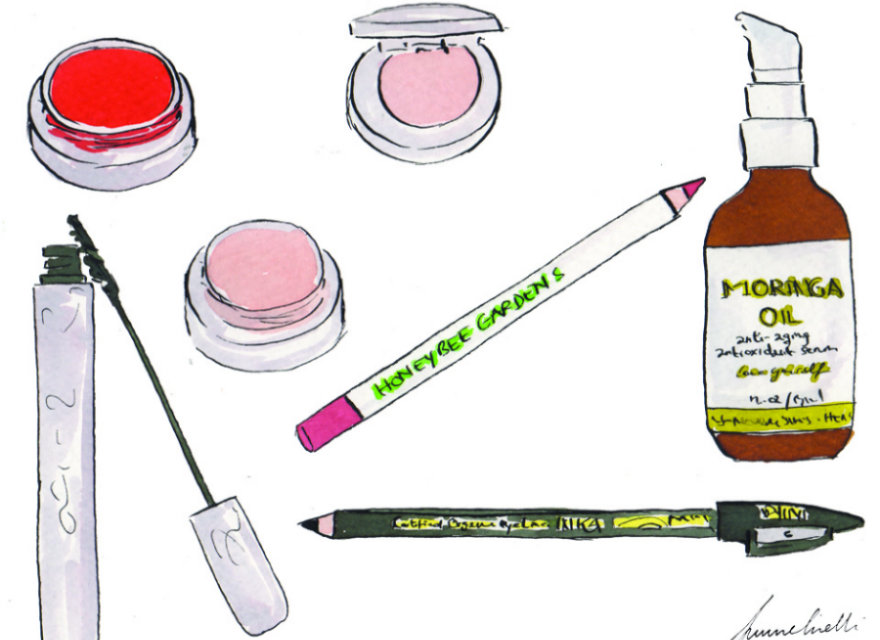
    It might surprise you to learn that many common beauty ingredients are mast cell/histamine triggers. They’re too numerous to mention here, but I’ve found that almost all commercially available brands have these ingredients, as well as those that disrupt the endocrine system (more on that on the EWG website). The great news is that newer, truly natural brands like 100% Pure and RMS Beauty offer very stylish alternatives. To sum it up – if you can buy it at a generic store, it’s likely to cause problems. The aforementioned brands contain more natural ingredients, some of which actually possess antihistamine and anti-inflammatory ingredients like (real) moringa and coconut oil. You’ll find a full list of healing cosmetic products in the low histamine beauty book.

    You’ll find recipes full of foods with antihistamine and anti-inflammatory properties my books Anti-Recipes and The Anti-Cookbook

    CLICK HERE FOR A FOUR WEEK HISTAMINE RESET WITH MEAL PLANNERS, STRESS RELIEF STRATEGIES & MORE

    ——REFERENCES—

    [1] http://en.wikipedia.org/wiki/Rosacea#Notable_cases

    [2] http://www.everydayhealth.com/rosacea-pictures/famous-faces-with-rosacea.aspx

    [3] http://www.nature.com/jid/journal/v134/n11/abs/jid2014222a.html

    [4] http://rosacea.org/rr/2014/fall/article_4.php.]

    [5] www.prettyill.com

    [6] http://rosacea.org/patients/materials/triggers.php

    [7] http://www.mastcellmaster.com

    [8] https://dev.healinghistamine.com/how-i-learned-to-stop-worrying-and-love-yoga-again/

    [9] http://www.google.com/patents/WO2014159771A1?cl=en

    [10] http://www.mastcellmaster.com

    [11] http://rosacea-support.org/cathelicidins-regulated-by-vitamin-d3.html
  • Handheld histamine measuring device invented

    микросхемы

    Incredible news! I’ve been sitting on a piece of the juiciest information I have come up with in years, because I’ve been waiting to hear back from a research scientist who is on leave – but I just can’t wait anymore…

    Scientists at Flinders University in Australia have invented a “revolutionary” method for testing food poisoning in fish that has exciting possibilities for personal use! [1].

    Scromboid poisoning is a well-known event that can occur when healthy individuals are exposed to excessive amounts of histamine that have accumulated in fish as a result of spoilage. Scromboid is the only reason I will generally not eat fish in a restaurant whose owners and methods I’m not very well acquainted with. I have done it, but honestly, the mind scrambling amygdala hyper activation (read more about that here) that comes with my freaking out over whether the fish was mishandled in transit, really isn’t worth it.

    But now, that will soon be a thing of the past.

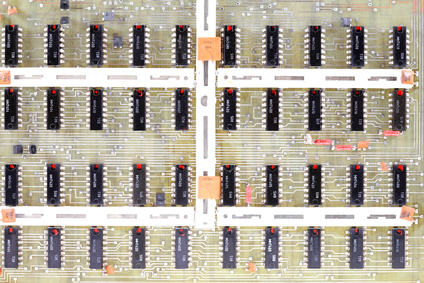
    This credit card-like device, is fitted with electrodes that detect histamine levels as the sample passes through a tiny pipe in the plastic microfluidic chipped device.

    One of the developers, Flinders associate professor Claire Leneham said:

    “We can tell what compounds are histamine, and how much histamine is contained in the sample, based on the rate at which the compounds pass through the device,”.

    This ground-breaking device is the first that will do away with a complicated testing procedure that involves pulverising samples and treating them with chemicals (lordy, that’s all we need, to spill toxic chemicals on our skin or food!).

    The exciting part is that Lenehan actually says in the university news release that the device could also be marketed to consumers “who have a histamine sensitivity because they can use the device to test a food before they consume it.”

    I told you it was excitiiiiiiiiiiiing! She even knows people with histamine disorders like histamine intolerance, mast cell activation and mastocytosis actually exist, and she’s planning to market the device to us.

    Rest assured that I have already contacted the Flinders team and asked all the relevant questions. I will report back the very moment I hear from them. I’m very much looking forward to taking this device for a spin. Might get some funny looks in restaurants, but so does handing the chef a list of 101 “don’t eats” or ordering boiled rice with a side of sweet potato.

    Please don’t forget antihistamine, pain killing foods can still hurt us, so please always check with your doctor before adding new foods to your diet

    The Anti-cookbook and all liquid Anti-Detox Book, don’t treat any conditions, but are high in the high nutrient antihistamine and anti-inflammatory ingredients that have been instrumental in helping me feed myself on a limited diet. The Anti-cookbook features a six page list of antihistamine and anti-inflammatory foods and comes in regular and Paleo. 

    The Low Oxalate Cookbook features antihistamine and anti-inflammatory rich recipes. 

    Don’t miss the Low Histamine Beauty Survival Guide for non-toxic beauty tips, the skinny on histamine releasing (mast cell degranulating) beauty ingredients, antihistamine and anti-inflammatory beauty alternatives and the top brands natural brands I’ve found.

    Take a peek at my other low histamine and antihistamine cookbooks for more high nutrient recipes and sign up to my mailing list for freebies. 

    ———————— REFERENCES ———————-

    [1] http://blogs.flinders.edu.au/flinders-news/tag/microfluidic-chip/


  • Anti-inflammatory gluten free zucchini wrap

    Anti-inflammatory gluten free zucchini wrap

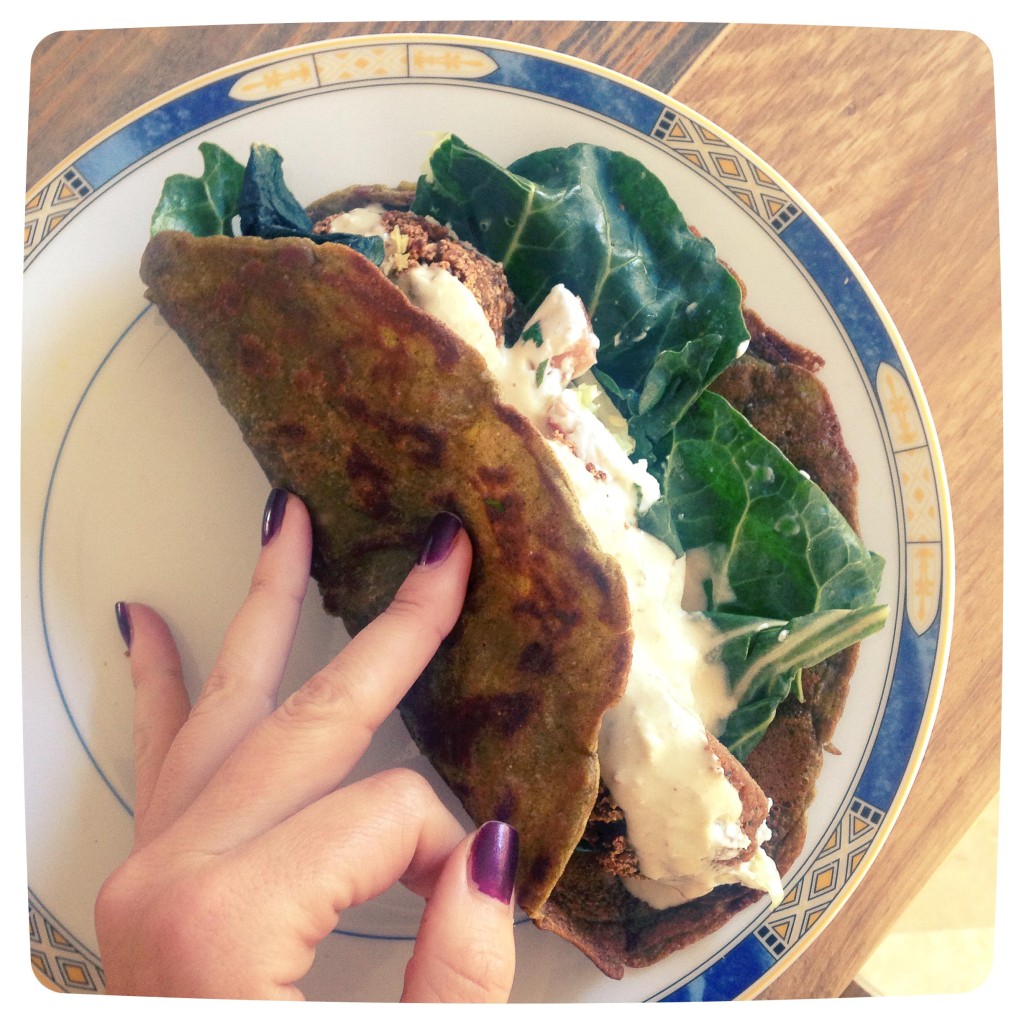
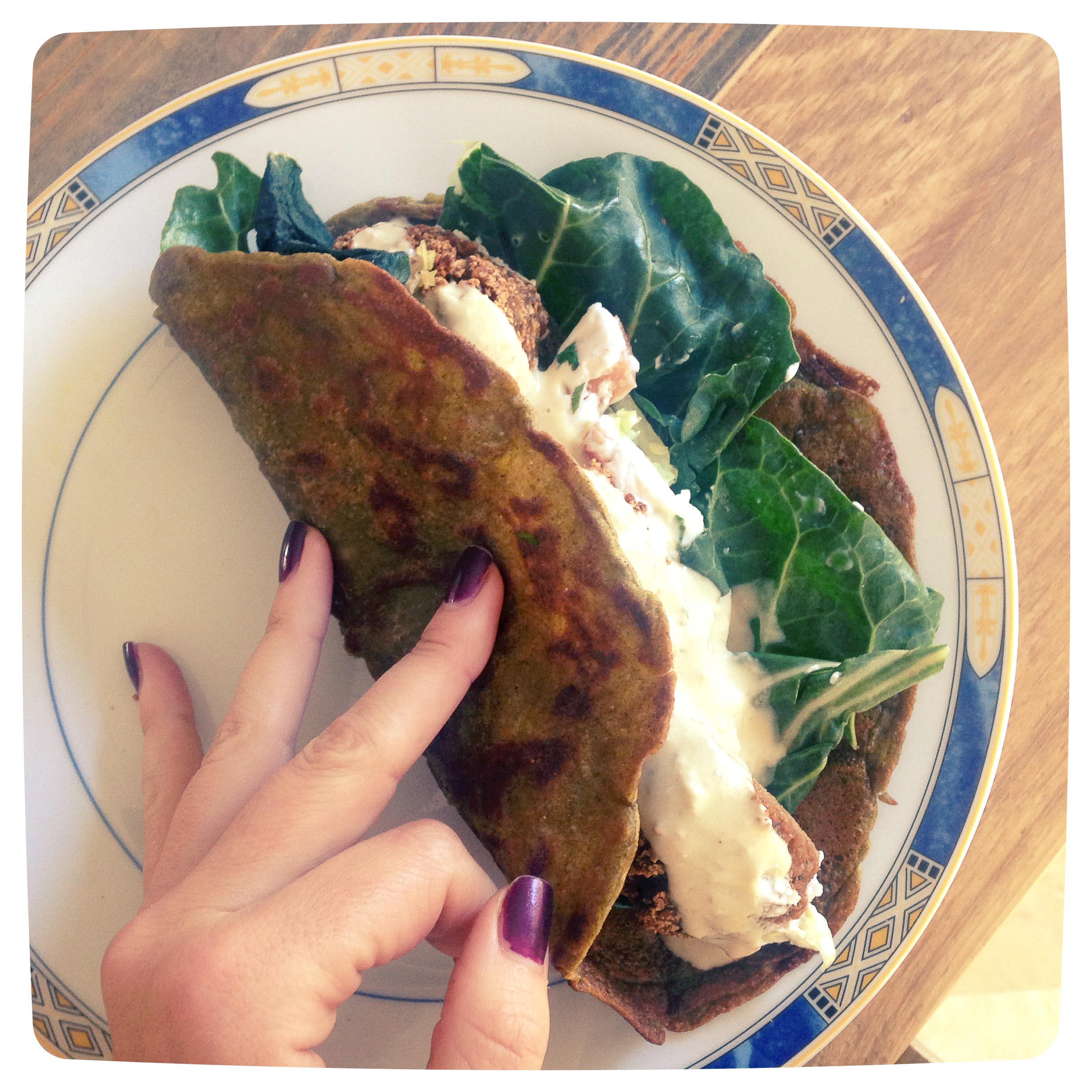
    photo

    Hi everyone! My apologies for the photo. My amazing new farmhouse kitchen was due to be finished by today but sadly, as has happened a number of times, things aren’t quite done yet. So that means my little photography corner wasn’t ready for me to shoot this FABULOUS gluten free wrap “bread” I whizzed up for lunch today.

    As always, food is my medicine, so you know this recipe is bursting with the antihistamine and anti-inflammatory high nutrient foods that have been helping me heal from mast cell activation/histamine intolerance!

    I know a lot of people are anti-lentil (because of the lectins), but I have never removed them from my diet. I’m not saying I eat them daily, but they are a staple in my kitchen, especially lentil flour, which I adore. I say everything in moderation, even histamine, and so my diet is a histamine-balanced one, rather than low histamine. You can read more about why here.

    Like with all my other recipes, you can omit pretty much any ingredient, or swap it out for something else you tolerate better. I list a bunch of subs below.

    UR OWN PERSONALISED HEALING HISTAMINE PLAN. 

    The breakdown

    Antihistamine: turmeric, ginger, water chestnut flour, zucchini, red onion [1}.

    Anti-inflammatory: turmeric, ginger, water chestnut flour, zucchini, red onion, lentils, olive oil [2].

    Anti-inflammatory Zucchini Bread

    Ingredients:

    1/3 cup water chestnut flour
    1/3 cup lentil flour
    1/2 cup water
    1/2 medium zucchini
    1/4 red onion
    2 cloves garlic (or to taste)
    2 tbsp olive oil
    small chunk ginger
    small chunk turmeric

    Directions:

    Pre-heat a non-stick pan or griddle.

    Buzz all ingredients in a blender.

    If your pan is super non-stick, or if you have a griddle, go ahead and add a bit more water to your mixture before making.

    Spoon a ladle-full into onto the pan or griddle, as if making a crepe (thin pancake). Use a spatula to thin out, widening the crepe.

    Should cook through in a couple of minutes, flip over. Serve with falafel, as a burrito, smeared with hummus, you name it, just go wild!

    The Anti-cookbook, while it doesn’t treat any conditions, due to its high nutrient, antihistamine and anti-inflammatory ingredients, has been instrumental in helping me feed myself on a limited diet. It features a six page list of antihistamine and anti-inflammatory foods. It comes in regular and Paleo. 

    The Low Oxalate Cookbook features antihistamine and anti-inflammatory rich recipes. 

    Don’t miss the Low Histamine Beauty Survival Guide for non-toxic beauty tips, the skinny on histamine releasing (mast cell degranulating) beauty ingredients, antihistamine and anti-inflammatory beauty alternatives and the top brands natural brands I’ve found.

    You’ll find recipes full of foods with antihistamine and anti-inflammatory properties my books Anti-Recipes and The Anti-Cookbook

    CLICK HERE TO CREATE YOUR OWN PERSONALISED HEALING HISTAMINE PLAN. 

    Please don’t forget antihistamine, pain killing foods can still hurt us, so please always check with your doctor before adding new foods to your diet. 

  • Antihistamines increase Alzheimers risk

    Antihistamines increase Alzheimers risk

    Tabletten und Pillen

    UPDATE: A number of you wrote to me after this was posted asking if quercetin, a natural antihistamine and mast cell stabliser used by myself and others with histamine intolerance and mast cell activation has the same negative effect on acetylcholine. Dr. Theoharides, who has spent decades researching mast cell disorders, creator of Neuroprotek quercetin supplement (from which he does not make a profit) says no, in fact it exerts a neuroprotective activity on the brain.

    I’m going to keep this post brief. Not because it’s not worthy of lengthy discussion and debate, but because I feel that there’s a good amount of information on this blog and in my books about the dangers of antihistamines. You’ll find more on that in my post on Benadryl. 

    That does not mean we shouldn’t take them, just that we should be aware, so that side effects can  be properly managed.

    New research has come to light clearly linking over the counter hay fever pills like Benadryl (as well as a couple of antidepressants and bladder meds) to an up to 60% increase in the risk of developing Alzheimer’s [1]. It was first suggested in 1995 that a link between antihistamines and Alzheimer’s existed, when a study found that schizophrenics, who are prescribed a class of meds that are also anticholinergic, like these older generation antihistamines, had higher rates of Alzheimer’s. They concluded that: “Parsimony in the use of antihistamines thus appears to be warranted both for non-patients and schizophrenics pending the resolution of this issue…” [2]. I guess no one bothered to resolve it…

    The findings of scientists at the University of Washington showed folks were at risk if they took at least 10mg a day of the antidepressant Doxepin (which I did for years) or 4mg a day of Benadryl for at least three years (which I did) were most in jeopardy.

    They concluded that the elderly taking OTC Benadryl and Nytol should tell their doctors and stop taking them if they’re not needed. Hmm, ok, so the people most at risk of dementia symptoms should remember to tell their doctors.

    The problem lies in these drugs being anticholinergics, which work by blocking acetylcholine, a chemical messenger that transmits electrical impulses between nerve cells.

    The scientists tracked over 3,400 people aged 65 and over for seven years. 637 developed Alzheimer’s and 160 other types of dementia.

    Most recently proton pump inhibitors (PPI) prescribed for heartburn and other gastric issues have also been linked to over a 40 percent increase in dementia in women over 75. In men the figure rises to an over 50 percent increase in risk. A senior author of the study was quoted in the New York Times saying that they haven’t proven that PPIs cause dementia, but rather that there’s a statistical association [2a].

    I’m not telling people to stop meds. Nor am I trying to scare anyone. The UK’s National Health Service (NHS) points out that not all antihistamines are anticholinergics [2] and that no one should stop meds without telling their doctors, as well as pointing out flaws in the media coverage.  We’re all adults and can make our own decisions. I took the aforementioned meds for well over a decade. Pretty much daily. They didn’t say in the study if it just triggers dementia in those who are predisposed to the condition (my genetic testing tells me I’m not carrying the Alzheimer’s gene), hopefully they’ll work that out at some point.

    We also don’t know if the brain can recover from the damage if the meds are stopped at a young age (I’m no spring chicken though!). My reading into neuroplasticity tell me there’s hope, as does my research into meditation. Seems that mindfulness meditation causes an increase in serotonin, which has a knock on effect on dopamine, and these together have the effect of boosting acetylcholine in the brain [3].

    This, finally, is some good news.

    More good news.

    Choline, found in eggs, chicken, turkey, tuna, cod, salmon, beef and collared greens [4] , also boosts acetylcholine. I suggest using Nutrition Data’s [5] excellent nutrient search tool to find a good source of choline that you can tolerate.

    That’s what you’ll find me doing this week! xo

    The Anti-cookbook, while it doesn’t treat any conditions, due to its high nutrient, antihistamine and anti-inflammatory ingredients, has been instrumental in helping me feed myself on a limited diet. It features a six page list of antihistamine and anti-inflammatory foods. It comes in regular and Paleo. 

    The Low Oxalate Cookbook features antihistamine and anti-inflammatory rich recipes. 

    Don’t miss the Low Histamine Beauty Survival Guide for non-toxic beauty tips, the skinny on histamine releasing (mast cell degranulating) beauty ingredients, antihistamine and anti-inflammatory beauty alternatives and the top brands natural brands I’ve found.

    Take a peek at my other low histamine and antihistamine cookbooks for more high nutrient recipes.

    If you’ve found this information useful I’d appreciate your support (at no extra cost to you!) – please check out my online store for your health foods, supplements, kitchen items and beauty product purchases. Affiliate sales through my online store go towards maintaining the website, funding travel to interviews and purchasing all the lovely foods for my free online recipes. You’ll find these items in the “Shop with us” drop down menu on my homepage.  

    Please don’t forget antihistamine, pain killing foods can still hurt us, so please always check with your doctor before adding new foods to your diet. 

    ———- REFERENCES ———-

    [1] http://sop.washington.edu/higher-dementia-risk-linked-use-common-drugs/

    [2] http://www.ncbi.nlm.nih.gov/pubmed/7776901

    [2a] http://well.blogs.nytimes.com/2016/02/17/heartburn-drugs-tied-to-dementia-risk/?_r=0

    [3] http://www.nhs.uk/news/2015/01January/Pages/media-dementia-scare-about-common-drugs.aspx)

    [4] http://www.cogsci.ucsd.edu/~pineda/COGS175/readings/Newberg.pdf

    [5] http://www.whfoods.com/genpage.php?tname=nutrient&dbid=50

    [6] http://nutritiondata.self.com/tools/nutrient-search

  • Healthy hair healthy body 101

    Healthy hair healthy body 101

    yasmina ykelenstam the low histamine chef

    For those of you who’ve missed it, I’m now writing regular features for the wonderful New York based Beauty & Wellbeing online magazine. Editor Clemence Von Mueffling’s magazine brings together up and coming natural beauty brands, established writers and nutritionists, and much more.

    My latest feature, Healthy Hair 101, covers some of my favourite hair cleansing and styling products. You can read it here.

    Don’t miss my others:

    The Low Histamine Diet

    Yasmina-Slide-PIXLR

    Beauty Vanity for Sensitive Skins

    makeup-sensitive-skins-featured-imge


    Please don’t forget antihistamine, pain killing foods can still hurt us, so please always check with your doctor before adding new foods to your diet. 

    You’ll find recipes full of foods with antihistamine and anti-inflammatory properties my books Anti-Recipes and The Anti-Cookbook

    CLICK HERE TO CREATE YOUR OWN PERSONALISED HEALING HISTAMINE PLAN. 

  • Excess histamine mimics anorexia

    Excess histamine mimics anorexia

    Diet time

    In the past I have alluded to my anorexic-like phase, when I was only “able” to eat four or five foods. My weight plummeted to 52kg or so, on a 1.78m frame (114.5lbs, 5ft 10). Honestly, it wasn’t my first brush with the A word.

    When I was 14, a photo in our biology textbook made the rounds in class. No, not that kind of picture! It was of a group of students of all nationalities standing together. People were scribbling classmates names on top of the kids in the photo. Eventually when the book made it to my desk, I wanly smiled back at everyone when I noticed the stick figure someone had drawn between two people, naming it “Yasmina”.

    I can’t begin to tell you all the jokes, all the worried enquiries, all the anorexia pamphlets pressed into my hand, from about the age of 13. The truth was, I wasn’t hungry. And when I was eating, it just didn’t seem to stick to me, except in my basketball-like stomach. I looked like a UNICEF poster child for many years because of it. But honestly, at this point in life I had bigger fish to fry, like the hives all over my body, the dizziness, the intense trembling and anxiety (for no logical reason), the severe insomnia, migraines, nausea and vomiting (which didn’t help with the whole anorexia perception thing).

    CLICK HERE TO CREATE YOUR OWN PERSONALISED HEALING HISTAMINE PLAN. 

    Now I know it was probably all the fried fish! Literally – given that I grew up by the beach in southern Spain.

    These were the days before I understood about allergies and therefore started taking antihistamines. If I had, I probably would have been able to tell the busy bodies that my histaminergic system was out of whack and I just needed to stabilise it. That’s the theory according to a number of studies I’ve been compiling over the last few years, one of the most interesting of which involves one of my favourite subjects: the amygdala.

    This study found that, in a relatively small sampling of men and women (21 in total), those with anorexia like behaviours were more likely to have higher histamine receptor 1 binding potential (meaning more histamine attaches to the receptor that generally accounts for respiratory symptoms).

    Meanwhile, in another published in the International Journal of Obesity, Danish researchers found that an increase in hypothalamic histamine lowered food intake and that this effect “can be translated into a decrease in body weight. [2]”

    A case presented by German researchers shared the story of a woman who suffered from weight loss, diarreah, abdominal pain, headache, flushing and bronchial asthma for several years. When placed on a “histamine-poor” diet, she experienced weight gain. The concluded that histamine intolerance should be excluded when diagnosing anorexia nervosa [3].

    And then a great review (meaning it covers a bunch of studies) came across my desk.

    Its conclusions, based on the studies reviewed [4]:

    1. An rats, low protein quantity and quality diets elevate both central histamine and histamine receptors (being the H1 in this case), while significantly decreasing food intake. When injected with antihistamines (H1 receptor antagonists), the rats fed low protein diets gained weight.

    2. Central histaminergic activity regulates food intake, but food intake patterns can also modify it.

    All this talk raises the obvious question: why aren’t we all skinny? Those of us on antihistamines have the answer – by blocking the histamine receptors we may induce weight gain, but more importantly – chronic inflammation has been shown to cause weight gain.

    As with all of this, genetic differences between us, how high our histamine is (potentially also in relation to inflammation induced by other molecules like prostaglandins and interleukins), what kind of diet we had prior to this issue, stress levels, if we’re dealing with adrenal fatigue, thyroid issues etc.
    I’ve had a few comments in recent months asking what the point of some of my posts is. I post information to help others in their search for answers. Sometimes just printing off the studies to show to doctors is useful (without sharing the post text). Other times it’s because I find something so fascinating that I imagine others will also. And finally, because it’s therapeutic. Pulling together all the pieces, like why I was anorexic as a teenager, even though I didn’t fit the psychological profile, is very healing to me, so hopefully some of you out there reading this also get some healing from working out another little bit of it. xo


    You’ll find recipes full of foods with antihistamine and anti-inflammatory properties my books Anti-Recipes and The Anti-Cookbook

    CLICK HERE TO CREATE YOUR OWN PERSONALISED HEALING HISTAMINE PLAN. 

    Please don’t forget antihistamine, pain killing foods can still hurt us, so please always check with your doctor before adding new foods to your diet. 

    ———————–REFERENCES——————-

    [1] http://www.ncbi.nlm.nih.gov/pubmed/11641114

    [2] http://www.nature.com/ijo/journal/v29/n12/full/0803036a.html

    [3] http://www.ncbi.nlm.nih.gov/pubmed/19907926

    [4] http://www.tandfonline.com/doi/abs/10.1080/07315724.1996.10718592?journalCode=uacn20%22%20%5Cl%20%22preview

  • Histamine intolerance in First for Women Magazine

    Histamine intolerance in First for Women Magazine

    1photo copy

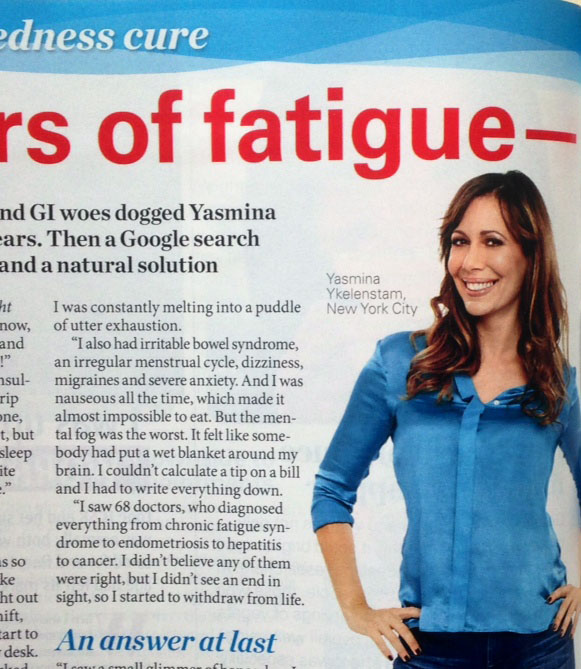
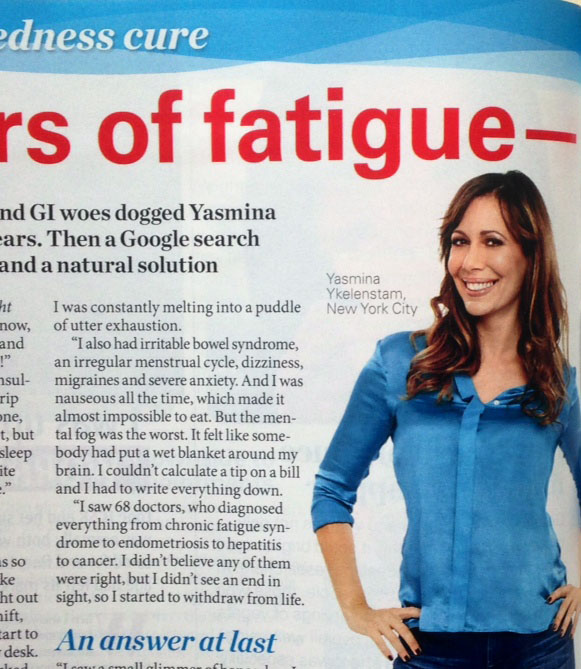
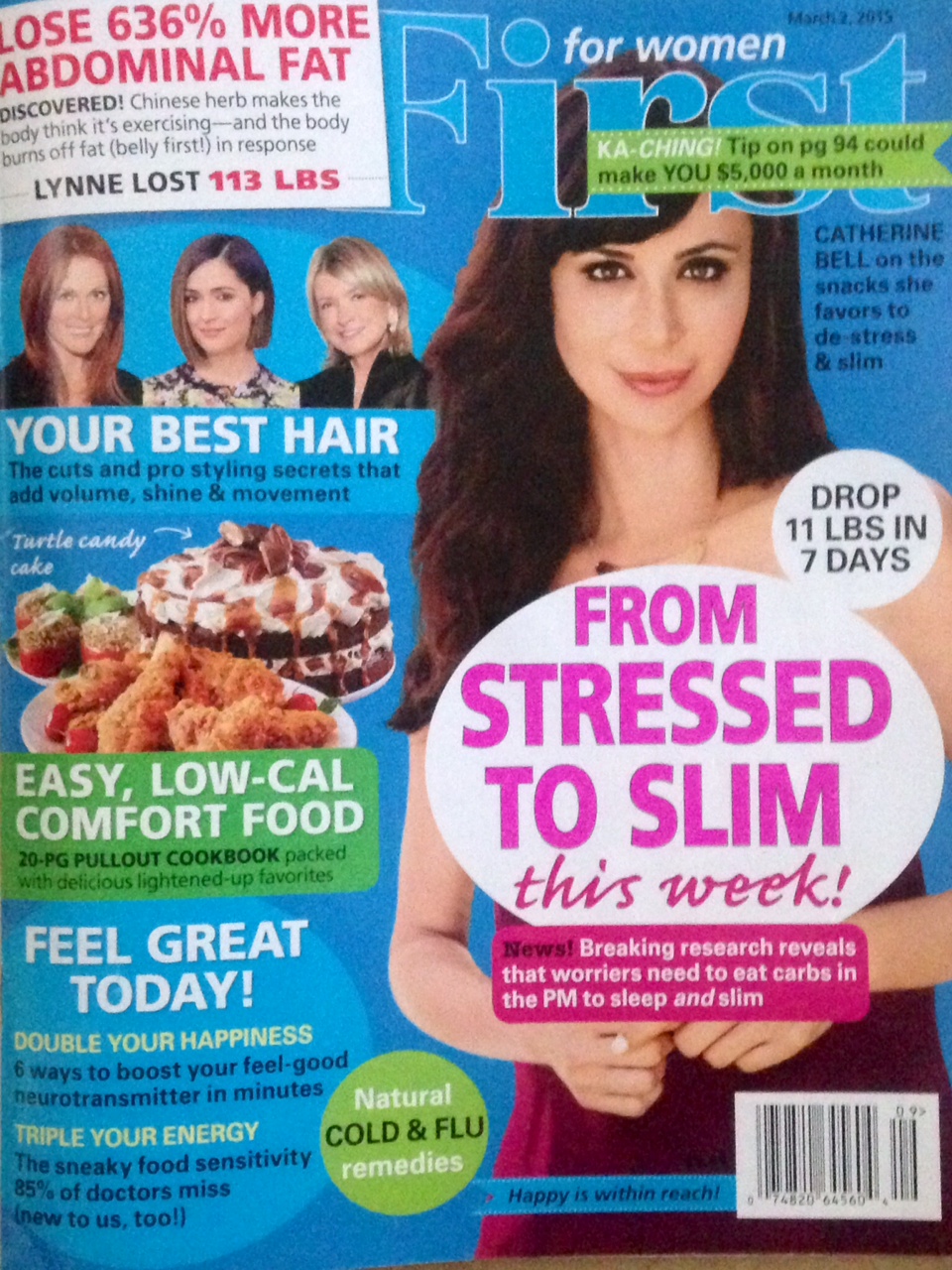
    So, I guess this is the moment histamine intolerance went mainstream! First for Women magazine recently interviewed me for a feature on curing tiredness – you can check it out in their March 2nd issue, available in the US at all major supermarkets and Walmarts. Yes friends, this is going out to a heck of a lot of people. Dr. Amy Meyers of the Autoimmune Solution was quoted in the article. The internet tells me they have a circulation of a million or so, so here’s hoping it helps some work out what’s going on with their health.

    This is the cover…the feature teaser is on the bottom left hand corner.

    More posts coming up soon – I’ve been working on a number of projects I’ll be ready to share with you all soon!

    photo 3

    You’ll find a collection of all liquid high nutrient antihistamine and anti-inflammatory rich recipes for days when my histamine bucket overflowed in the new Anti-Detox book. 

    The Anti-cookbook, while it doesn’t treat any conditions, due to its high nutrient, antihistamine and anti-inflammatory ingredients, has been instrumental in helping me feed myself on a limited diet. It features a six page list of antihistamine and anti-inflammatory foods. It comes in regular and Paleo. 

    The Low Oxalate Cookbook features antihistamine and anti-inflammatory rich recipes. 

    Don’t miss the Low Histamine Beauty Survival Guide for non-toxic beauty tips, the skinny on histamine releasing (mast cell degranulating) beauty ingredients, antihistamine and anti-inflammatory beauty alternatives and the top brands natural brands I’ve found.

    Take a peek at my other low histamine and antihistamine cookbooks for more high nutrient recipes.

    If you’ve found this information useful I’d appreciate your support (at no extra cost to you!) – please check out my online store for your health foods, supplements, kitchen items and beauty product purchases. Affiliate sales through my online store go towards maintaining the website, funding travel to interviews and purchasing all the lovely foods for my free online recipes. You’ll find these items in the “Shop with us” drop down menu on my homepage.  

    Please don’t forget antihistamine, pain killing foods can still hurt us, so please always check with your doctor before adding new foods to your diet. 

  • The menopause-histamine connection

    The menopause-histamine connection

    Frau mit Hitzewallung

    Guest post by Dale Brooks of the wonderful Menopause Histamine Connection blog.

    Before I get started, I’d like to thank Yasmina for the opportunity to write this for her blog. I’ve told her that when I refer to her to my best friend, I call her the Queen of Histamine. I’m sure I’m not the only one who feels this way. I know The Low Histamine Chef is a beacon on an ocean of fear about histamine intolerance.

    Yasmina’s story is very different than mine however, and that’s what brings me here. My work has been all about the connection between histamine intolerance and menopause. Where Yasmina’s story entails many years of suffering a multitude of symptoms, my story is of a woman who was going along through life without any other problem than itchy legs and monthly migraines brought on by periods.

    I went from what felt like normal to crazy in a day. The moment my periods stopped, and I was regular to the day my entire life, I was a mess. The “expected” symptoms, insomnia and hot flashes, pointed to the onset of menopause. But then there were the others; the constant urge to urinate and the invisible itch to name the most debilitating.

    It was the itch that really almost put me over the edge. It started as a little itch below my shoulder blade that I could never seem to get to stop, and then it went from there. The worst of it was my arms. No hives, no indication of a problem, just an itch that I could find no relief from. I tried everything to get rid of it.

    For the next month I suffered, all of a sudden it seemed,  from having insomnia, itching, six to ten hot flashes and the need to pee four and five times a night. I was a mess. I was in agony from the symptoms and completely sleep deprived.

    It was after drinking a beer, with a growing awareness that food was causing my symptoms, that I finally stumbled over histamine intolerance. I erupted in an uncontrollable itch after the first sip of that beer, went home and Googled what’s in beer, and took a good look at the ingredients. Histamine. I thought “What the hell is histamine?”

    The next day, armed with my new theory and lists of histamine-rich foods I started my food diary. It took me only until that afternoon to be completely certain this was the answer. Within minutes of eating an avocado my arm itch came roaring back. And there it was: cause and effect. It would take me another day to type in the words menopause histamine. It had taken me that long to finally put all the pieces together in my head.

    And now I come to the really important part of the story. The reason I have a blog and my ultimate mission in life. Women do not have to suffer through menopause. Most of those famous 34 symptoms of menopause can be controlled with a high nutrient anti-inflammatory diet. I know this to be true and I really want to get the word out.

    My research over the last two years indicates there is a clear connection between histamine intolerance and the hormonal fluctuations of perimenopause and menopause. I’ve been through many theories on my blog as to why this happens. I am not a scientist or a doctor, but I can see the relationships clearly as I study the physiology of our bodies. It’s only now, two years after I theorized the link between hormones and histamine, that I read in the papers and see in the news that studies are being done on the effects of estrogen and allergic reactions in women. But it is not just understanding estrogen’s role alone.

    CLICK HERE TO CREATE YOUR OWN PERSONALISED HEALING HISTAMINE PLAN. 

    I knew it was hormonal, but where would I start? It was logical to start at the point when I thought I might have helped cause my own problem. I had been taking Evening Primrose Oil for about three months to control my PMS symptoms and felt that there was a connection between that and the itching. The timing of it made me go back to that over and over again. When I read that Evening Primrose was a powerful Omega 6, I realized I had the first thread in the tapestry. Inflammation.

    I already had an over-abundance of omega 6 in my diet as most Americans do,  and by supplementing with Evening Primrose Oil I helped create a deficiency in Omega 3. This caused my cortisol levels to rise and my DHEA levels to diminish. This imbalance lead to a compromised immune system that led to the inflammation that caused the  histamine intolerance.

    DHEA is the body’s natural cortisol antagonist. It prevents many of the negative effects of cortisol. Cortisol is secreted by the adrenal glands and is considered the “stress hormone.” It’s involved in several functions in the body including immune function and inflammatory response. DHEA is also secreted by the adrenals. One of its major functions, other than working with cortisol, is that it is a precursor to estrogen. (Precursors are substances that are converted by the body into hormones)

    Much of the new research is that a rise in estrogen causes allergies to become worse. Women with asthma know this well, as their hormones fluctuate with their periods, their asthma might worsen. But with menopause, estrogen drops away. So wouldn’t that protect us from something like histamine intolerance? I believe focusing on estrogen alone is a big mistake. It’s just not that simple. And because we know DHEA is a precursor to estrogen, it makes sense to me that low DHEA is a key player in the mix. Low DHEA, low estrogen, high cortisol.

    Ultimately, I believe my body was dealing with an inflammatory situation before menopause began.The drop in estrogen and progesterone basically unveiled the problem and had a direct affect on insufficient DHEA and high cortisol levels produced by the adrenals, and the ensuing inflammatory response.The link between cortisol production and DHEA is an important one because, with long periods of chronically high cortisol levels, the ability to produce DHEA diminishes and your immune system becomes compromised. It’s that compromised immune system that then wreaks havoc with inflammation, and thus causes histamine intolerance. To read all my findings please read my post on the final theory on why healed.

    I need to stop here for a second and address one thing. What I’ve researched and believe is really happening could fall under what some naturopaths call adrenal fatigue. If you do not have full blown Addisons disease or its opposite, Cushing’s disease, many allopathic doctors will tell you nothing is really wrong with your adrenals and its all fake. I do not believe it is an either or thing; either you have a major disease or not. Why is it impossible for the allopathic world of medicine to understand that hormone fluctuations can affect many parts of the endocrine system subtly?

    Let’s even go so far as to say adrenal fatigue is not a proper term. The facts don’t change. Even aside from the Omega 3/6 balance issue, estrogen drops during menopause. It fluctuates as early as a woman’s late thirties or early forties. DHEA is the estrogen precursor. It’s logical that DHEA fluctuates and drops too. DHEA is a cortisol antagonist. DHEA drops, estrogen drops, cortisol rises, inflammation rises, histamine intolerance blossoms. So don’t call it adrenal fatigue. But that doesn’t mean it’s not happening.

    Even though the adrenals release these hormones it is quite possible  the messages the adrenals are getting from the hypothalamus/pituitary//brain axis via the hormone ACTH is the culprit. If the pituitary isn’t producing enough, or too much of this hormone, the adrenals will over or under produce its hormones. The pituitary knows to release the hormones in response to hormones released from the hypothalamus. This is where the B vitamins come in. B1 supports the hypothalamus.

    I always say it’s not just one thing that caused the cascading effects of hormonal imbalance. I believe that there are other issues that cause histamine intolerance in perimenopausal woman. An imbalance between Omega 3 and 6 as well as an imbalance in cortisol and DHEA are the major factors that trigger the intolerance. Additionally, a lack of B vitamins plays a large role.

    When most of my symptoms abated, I was left with one that really tortured me: hot flashes. (Or flushes for the gals across the pond) When I was on a completely restricted diet in the beginning, just trying to get a handle on everything, I was mercifully free of hot flashes. After I started reintroducing foods, the flashes came back with a vengeance.

    I spent many hours and posited many different theories as to why this was happening.  Eventually the search led me to research the hypothalamus itself because it controls the body’s thermostat. While researching the autonomic nervous system in which the hypothalamus is a part of, I stumbled over another very important finding. Homocysteine levels rise when estrogen falls. Homocysteine is a non-protein amino acid. It is involved in the methylation process, something people with mast cell disorders would be familiar with, and high levels of it in your system mimics many of the symptoms of menopause and mast cell degranulation disorders. It can also be a precursor to cardiovascular disease, which is very interesting to me because the drop in estrogen is usually seen as the culprit in menopausal women. That’s why so many doctors want women to go on HRT. What if it’s simply a matter of bringing homocysteine levels back down? Vitamin B9, folic acid, helps balance homocysteine.

    If you get enough of the B vitamins in your diet it turns out, you can bring your homocysteine level down, thus bringing your body back into balance. So the B vitamins all play an important role in healing intolerance and bringing the body back to normal. Theoretically you could supplement, if you can’t get enough through your diet, with B9 to lower homocysteine levels, B1 to support hypothalamus function, and B6 to support DAO production. Add in B12 for neurological health and you have a full spectrum of support. You can read my post on all these findings here.

    It’s interesting isn’t it? The hypothalamus seem to be an important piece of the puzzle. Even if you disregarded everything else I said about DHEA and cortisone, you could still, theoretically fix your inflammatory condition by supporting your hypothalamus by bringing down your homocysteine level. If you read the symptoms of menopause and you read the symptoms of high homocysteine, they are virtually the same. Fatigue, brain fog…

    Now for the last important key to my healing puzzle. I mentioned DAO in an above paragraph. DAO is an enzyme that helps break-down histamine. If you’re lacking this enzyme, which is produced in your intestines, your body doesn’t handle the histamine in foods properly and your histamine bucket tips over. Olive oil, it turns out, was key to helping keep my histamine bucket from filling up, and I stumbled on it quite accidentally.

    I needed something to use on my dry legs. I could not use any body products without breaking out into hives. I couldn’t even use a razor on them or take hot showers. So they were dry! I decided that because I could eat olive oil without any reaction, I would use it on my legs. That night, I slept better than I had in months. I thought it was a fluke, but I realized within the next couple of weeks that many of my symptoms were gone. I started to, of course, research olive oil. I found in the studies I’ve linked to in this post olive oil was found to increase intestinal lymph DAO. To put it simply, it is my understanding, after reading quite a few medical abstracts, that if you are low on DAO, olive oil helps make some. (This has been my experience – Yasmina).

    The truth is, the proof is the healing. As soon as I eliminated the high histamine culprits in my diet things changed dramatically. I also eliminated processed foods with chemicals. I got rid of body products that irritated my skin and started using olive oil as a moisturizer and in my diet. I started supplementing with Omega 3 because as vegetarian who eats no fish I could not get it otherwise. I also started supplementing with the B vitamins.  Within days the itch stopped. The insomnia went away, the hot flashes stopped and the constant urge to pee ceased. I actually started to sleep through the night.

    A month and a half after identifying histamine intolerance as my issue I started introducing foods back into my diet with little problem, and after three months I was virtually back to normal.

    Now, I eat a healthy diet, and use only very few supplements. I still put a tablespoon of olive oil in my morning smoothies, I dehydrate and grind my own ginger to fill capsules and take that once a day, I take a vegan Omega 3 supplement made from algae, and I take an olive leaf capsule for its antioxidant properties. (As a note, antioxidants play a large role in healing the body but I have yet to post about them)

    I’ve come to realize that my itchy legs and migraines were probably a mild form of intolerance all along, but with the drop in estrogen, the intolerance came to the forefront. There are other health issues lurking in my family tree that would indicate histamine intolerance came down through my mother’s side of the family. It manifested in different family members in different ways, but I can see now that it’s there.

    It is truly my belief that women do not have to suffer through perimenopause and menopause. I believe the “typical” symptoms can be completely controlled, if not eliminated, through diet. I am so tired of the idea that there are these 34 symptoms and if you have them, well, that’s normal. It’s not normal. No one is supposed to suffer through life. Your body is not supposed to torture you.

    To sum up…the major point to understand… is that when your hormones fluctuate at the onset of perimenopause, your body’s systems become unbalanced and it reacts to foods and other outside stimulants as if it were having an allergic reaction. It can be brought back into balance eating a healthy anti-inflammatory diet. Supplementing with vitamins might be necessary if you, like me, cannot get the nutrients you need through foods because of dietary restrictions. But that’s it. No HRT. No trips to the endocrinologist, allergist, or any other ologist. Just a trip to the whole foods section of your grocery store. Cure your histamine intolerance while eliminating your menopausal symptoms, all with food.

    Are all women who have menopausal symptoms histamine intolerant? I do not know the answer to that question definitively. But I do know that when your hormones go on their roller coaster ride through menopause histamine rises. It’s there on the 34 symptoms of menopause!

    Dale Brooks.

    You’ll find a collection of all liquid high nutrient antihistamine and anti-inflammatory rich recipes for days when my histamine bucket overflowed in the new Anti-Detox book. 

    The Anti-cookbook, while it doesn’t treat any conditions, due to its high nutrient, antihistamine and anti-inflammatory ingredients, has been instrumental in helping me feed myself on a limited diet. It features a six page list of antihistamine and anti-inflammatory foods. It comes in regular and Paleo. 

    The Low Oxalate Cookbook features antihistamine and anti-inflammatory rich recipes. 

    Don’t miss the Low Histamine Beauty Survival Guide for non-toxic beauty tips, the skinny on histamine releasing (mast cell degranulating) beauty ingredients, antihistamine and anti-inflammatory beauty alternatives and the top brands natural brands I’ve found.

    Take a peek at my other low histamine and antihistamine cookbooks for more high nutrient recipes.

    If you’ve found this information useful I’d appreciate your support (at no extra cost to you!) – please check out my online store for your health foods, supplements, kitchen items and beauty product purchases. Affiliate sales through my online store go towards maintaining the website, funding travel to interviews and purchasing all the lovely foods for my free online recipes. You’ll find these items in the “Shop with us” drop down menu on my homepage.  

    Please don’t forget antihistamine, pain killing foods can still hurt us, so please always check with your doctor before adding new foods to your diet. 

  • What Yasmina’s (histamine intolerance) diet looked like

    What Yasmina’s (histamine intolerance) diet looked like

    Yasmina gives a little look at what her diet looked like. An added note to the video is that the power balls are basically just dates, shredded coconut, and some nuts. They weren’t an everyday thing! This is how Yasmina healed her body from histamine intolerance/mast cell activation.

  • Merry Christmas!

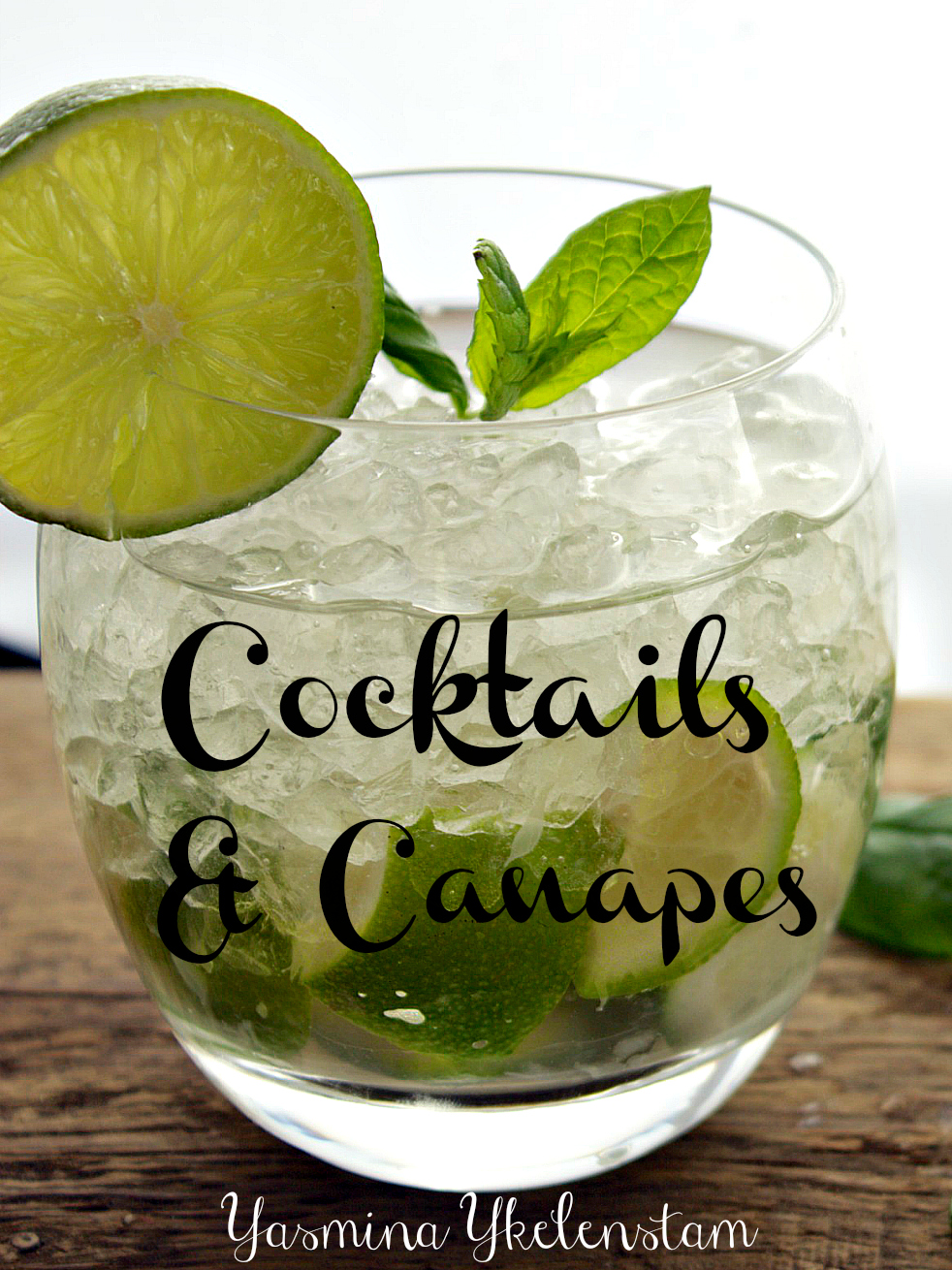
    cocktailsandcanapescover

    Hi all – I’ve been desperate to share my Christmas books with you but have been having major issues with my online store. A new one will be up in the new year finally. But better late than never…

    As with all my books, these, though super tasty, are stuffed full with antihistamine and anti-inflammatory ingredients. I’ve left the descriptions here a little vague simply because the recipes are incredibly versatile – you can trade most ingredients with other things, even the main ones. For example, the kebabs can be made with any protein you like, the pecan pie with any nut you like, or any fruit! Just takes a little imagination…

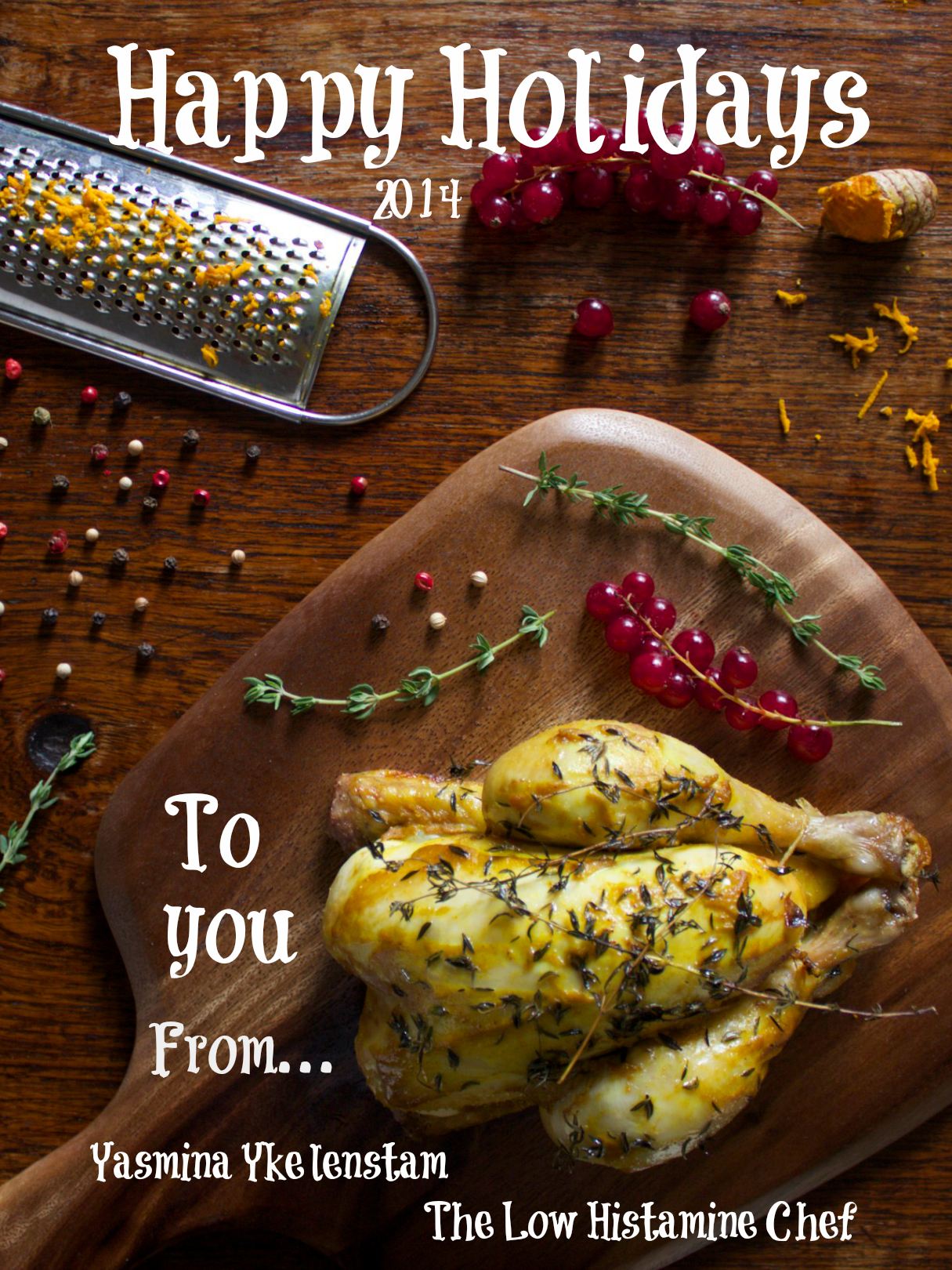
    happyholidayscover

    From now till December 31st, you’ll receive two free ebooks with the purchase of any cookbook. They will be bundled in with your main download.

    Happy Holidays – 50 page ebook of recipes for family enjoyment. 

    Turmeric glazed Cornish game hens

    Garlic & Rosemary duck

    Creamy mash

    Cranberry sauce two ways and compote

    Fritters

    Stuffing

    Gingerbread cookies

    Crumble/crisp

    Eggnogg

    Pecan pie

    Sweet potato pie

    Cocktails & Canapés – 45 page ebook for entertaining at home (or even just for the family)

    Cocktails (totally delish without the alcohol too!)

    White Russian

    Sugar free mojito

    Watermelon and ginger martini

    Ginger martini

    Sex on the peach

    Canapes

    Zucchini summer rolls

    Mini falafel with dip

    Forest pudding

    Plantain chips

    Pakoras

    Crackers

    Vietnamese rolls

    Mini kebabs

    Salmon (or other protein) balls

    Samosas

    Hope you enjoy them as much as we did!

    Happy holidays!

    xo

GET STARTED HEALING HISTAMINE

WHAT YOU NEED TO KNOW ABOUT HISTAMINE DELIVERED TO YOUR INBOX