
Author: healing

  • The vagus nerve inflammation connection

    The vagus nerve inflammation connection

    diagnosing histamine intolerance

    What’s the vagus nerve and why should you care about it? Research on the vagus nerve, which runs from the brain to the stomach, has been coming fast and furious in the last few years since I’ve been reading up on it. The nerve, hereafter referred to as the VG “interfaces” (I quote wikipedia here) with parasympathetic control of the heart and digestive tract.

    In short, it’s pretty freaking important because it joins the heart, brain and stomach, which really explains just so much I’ve been trying to work out over the years. I’ve been holding off on sharing all this with you guys because researchers are churning out studies at an alarming rate, each day bringing a slew of new ideas into my inbox. Basically the vagus nerve affects how our brain signals the stomach: research now shows that faulty vagal messaging to the stomach can prevent us from experiencing satiety, thereby causing us to overeat; it affects the rate at which our heart beats, it plays a role in psychiatric disorders, it may be involved in POTS (Postural Orthostatic Tachycardia Syndrome), it’s helping Alzheimer’s patients, reversing rheumatoid arthritis, and researchers definitely believe that it’s a mega player in epilepsy.

    Click here to learn how to create your own histamine balanced diet. 

    Very importantly to us, the VG can prevent inflammatory cytokines involved in mast cell disorders from being synthesised/released, specifically, in the stomach, one of our most common trouble areas. VG stimulation has been shown to reduce histamine-induced itching and a Tufts neuroscientist may have the explanation for why some of us have mast cell/histamine issues to begin with.

    (You’ll find all references for this paragraph in the individual points below).

    Most importantly, to me, this emerging body of research on the VG goes a long way towards explaining, finally, how the brain talks to the stomach and heart, and why it’s so important to control the messages sent back and forth.

    Acetylcholine is the vagus nerve’s neurotransmitter, basically how it communicates with the rest of the body. This isn’t great news for many of us who have been taking Benadryl, Xanax, and various psych and stomach meds (more on that further down in the post) which all inhibit acetylcholine to some degree [1]. But forewarned is forearmed, and there are plenty of alternatives that don’t block this crucial neurotransmitter – your doctor will have more information on those, please do not stop taking any meds in the meantime as it’s dangerous and is waiting a week longer really going to make such a big difference?

    Research thus far has focused on stimulating the VG using electrical devices which will go to market in coming years, once they’re approved. Right now there’s one such device in beta testing, but it’s only available if you’re epileptic (I’m sorry I can’t find the email they sent me).

    But don’t worry – in a moment I’ll share how we can stimulate vagal function without any space age technology to zap ourselves silly with.

    First, the research….

    A neuroscientist at Tufts, Michael Van Elzakker, proposes the Vagus Nerve Infection Hypothesis (VNIH), stating that an infection of the vagus nerve, even a minor one (like herpes), triggers a “difficult to detect” immune system response which produces the fatigue in chronic fatigue. Now, maybe I’m reaching here, but by now many of us are aware that histamine/mast cell activation can be secondary to an infection/virus (if not I suggest buying Dr. Diana Driscoll’s book for an explanation), so this theory could conceivably explain the mast cell issues some of us have, especially those of us who struggle with fatigue (as I did for decades). Read more here.

    Vagus nerve stimulation can reduce histamine-induced itching [2]

    A study in the Journal of the American Academy of Neurology tells us that VG stimulation can reduce histamine-induced itching.

    Vagus nerve stimulation regulates intestinal mast cells [3]

    An interesting study in the American Journal of Physiology showed that certain fats can stimulate the VG into regulating the activation of mast cells in the gut.

    Stimulation of the vagus nerve fights mast cell induced inflammation [4] 

    The Feinstein Institute recently published the exciting news that single low magnitude electric pulses to vagus nerve fight inflammation. They found that stimulating the vagus nerve for as little as half a millisecond is enough to inhibit tumour necrosis factor (TNF). TNF is a inflammatory signalling molecule produced by mast cells and others, thereby regulating other immune cells. The Feinstein Institute recently completed a clinical trial on using VG stimulation to treat RA and it currently exploring a similar treatment for Crohn’s.

    Vagus nerve stimulation fights or helps prevent depression and other neuropsychiatric conditions [5]

    A study in Brain Behaviour and Immunology tells us that vagus stimulation blocks IL-6 dependent hyper excitability induced by stress, which means that VG activation may help prevent or treat neuropsychiatric disease. This ties in with Dr. Theoharides of Tufts research on the mast cell-psych link (read more about that here). This study (and others) suggest “a potential new avenue in the treatment of a large class of hyper excitable neuropsychiatric conditions, including epilepsy, schizophrenic psychoses, anxiety disorders, autism spectrum and depression.”

    Vagal stimulation prevents the release of multiple mast cell inflammatory cytokines [6]

    Another study published in the journal Nature shares that vagus nerve stimulation can help us fight potentially deadly inflammation that results from our system fighting bacterial infection. The study authors point out that we achieve homeostasis by balancing the activities or pro-inflammatory and anti-inflammatory pathways. Endotoxins, produced by all gram-negative bacteria, activates the immune system, causing them to release inflammation. Acetylcholine, the principal vagal neurotransmitter, significantly prevented the release of TNF, interleukins (IL)-1, (IL)-6 (and others), all key players in mast cell disorders.

    Acetylcholine is the primary vagus nerve neurotransmitter. Older generation antihistamines like Benadryl and others including anti-anxiety meds, antidepressants, and others prescribed for gastrointestinal complaints, inhibit this neurotransmitter to some degree. You can ask your doctor for a list and for further advice.

    The Journal of Affective Disorders tells us there’s evidence that increased levels of Interleukin 1 and TNF is known to play an important role in Encephalomyelitis/Chronic Fatigue Syndrome (ME/CFS), because activation of inflammatory pathways is known to induce fatigue and somatic symptoms [5]. 

    Vagus nerve stimulation and Alzheimer’s [7]

    A small study had patients experiencing an improvement of symptoms through VG stimulation. Alzheimer’s and Parkinson’s have been linked to mast cell activation – see Dr. Theoharides site for more information. 

    Stimulating the vagus nerve is giving rheumatoid arthritis patients their life back [8] 

    It’s believed that in contrast to medications for RA, electrical vagus nerve stimulation restores the body’s natural immune function rather than disabling it. The body can then respond normally to infection rather than being more prone to it.

    Great – so this all sounds exciting, but how do we apply it without getting cyborg-like implants?

    Here are some ideas for you (in no particular order):

    1. ACUPUNCTURE

    A study in the Journal of Alternative and Complementary medicine showed that traditional acupuncture points may offer vagus nerve stimulation [9].

    A study published in the Evidence Based Complementary and Alternative Medicine journal proposes that acupuncture to the ear stimulates the vagus nerve [10].

    2. MEDITATION

    In a Time Magazine article “The Biology of Kindness” author Maia Szalavitz shared the results of a study published in Psychological Science showing that links being kind and compassionate with enhanced vagus nerve function. Study participants embarked on a six-week course focusing on loving kindness meditations [11].

    3. CHANTING

    Yes, I mean like OMMMMmmmmmmm. A study by the Department of Psychiatry and the Advanced Center for Yoga and National Institute of Mental Health and Neurosciences in India published in The International Journal of Yoga, found that chanting OM (many youtube videos on this) led to an increase in vagal activation. In short, it was also great for the heart! Ujaii breath, used in yoga practice (again on youtube), offered similar results, but it’s unknown if it was due to vagal stimulation. The long and short of it, whether through vagal stimulation or not, the study showed the same positive outcome to the body as if the vagus nerve was stimulated [12 + 13].

    4. PRANAYAMA (yoga breath)

    This study in the Journal of Alternative Medicine shared that as “Vagal cardiac and pulmonary mechanisms are linked, and improvement in one vagal limb might spill over into the other. Baroreceptor sensitivity can be enhanced significantly by slow breathing (supported by a small reduction in the heart rate observed during slow breathing and by reduction in both systolic and diastolic pressure). Slow pace bhastrika pranayama (respiratory rate 6/min) exercise thus shows a strong tendency to improving the autonomic nervous system through enhanced activation of the parasympathetic system.” [14] There are many great books and youtube videos on this amazing practice.

    5. EAT HEALTHY

    Eating a diet that supports proper vagus nerve function…

    a. Vitamins B6, B12 and folic acid are needed [15]. I eat a lot of duck eggs, salmon and now am able to take a B12 supplement for the first time in years.

    b. Dopamine is needed. Meditate, do yoga, be happy, eat (super duper fresh) fish if you are able to [16].

    Finally…

    I also asked Joseph Cohen over at SelfHacked for any research he has come across on VG stimulation. He’s heavily invested in researching his genetics and offers paid consultations to read your genetic test results. I’m planning a whole separate post on this but Joseph’s reading of my results led to a complete re-think of my approach to the mast cell (and brain fog) issues I had been dealing with. Basically, stress is my biggest issue and I needed to learn how to control that. You can contact Joseph here.

    Joseph’s DIY vagus nerve stimulation tips

    •  ICES/PEMF (R, R2) – use on your gut and brain…I notice my gut flow increases and inflammation is reduced everywhere when I put this on my gut and brain.  I believe this is from vagal nerve stimulation, given that we know the vagus nerve is stimulated by magnets. The referenced studies show that as well.
    • Breathing out as hard as possible or holding your breath for a few seconds (R),
    • Dipping your face in cold water(R)
    • Gargling,
    • Singing loudly,
    • Tongue depressors – to stimulate the gag reflex….use gently…These are like push-ups for your vagus nerve…
    • Coughing or tensing the stomach muscles that you’d use to go number 2 (that’s my rewording of this one!.  (R)

    You’ll find recipes full of foods with antihistamine and anti-inflammatory properties my books Anti-Recipes and The Anti-Cookbook

    CLICK HERE TO CREATE YOUR OWN PERSONALISED HEALING HISTAMINE PLAN. 

    Please remember, even antihistamine and anti-inflammatory foods can hurt us, please always exercise caution and consult a medical practitioner before adding new foods. 

    —————-REFERENCES—————-

    [1] https://dev.healinghistamine.com/antihistamines-increase-alzheimers-risk/

    [2] http://www.ncbi.nlm.nih.gov/pubmed/12105316

    [3] http://www.ncbi.nlm.nih.gov/pubmed/23812038#

     [4] http://www.eurekalert.org/pub_releases/2015-05/nsij-sle051215.php

     [5] http://www.nature.com/nature/journal/v405/n6785/full/405458a0.html

    [6] http://www.ncbi.nlm.nih.gov/pubmed/21975140#

    [7] http://www.researchgate.net/publication/11023722_Cognition-enhancing_effect_of_vagus_nerve_stimulation_in_patients_with_Alzheimer’s_disease_a_pilot_study

     [8] http://www.huffingtonpost.com/2015/05/29/hacking-the-nervous-syste_n_7469526.html

    [9] http://www.ncbi.nlm.nih.gov/pubmed/24359451

    [10] http://www.hindawi.com/journals/ecam/2012/786839/

    [11] http://healthland.time.com/2013/05/09/why-kindness-can-make-us-happier-healthier/?iid=hl-main-lead

     [12] http://www.ncbi.nlm.nih.gov/pmc/articles/PMC3099099/

    [13] http://www.hindawi.com/journals/ecam/2013/743504/

    [14] http://www.ncbi.nlm.nih.gov/pubmed/19249921

    [15] http://www.ncbi.nlm.nih.gov/pubmed/19892133

    [16] https://en.wikipedia.org/wiki/Dopamine

     

  • Spending your histamine allowance

    Woman trying to get some money out of piggy bank

    A little thought from my Man Food book…

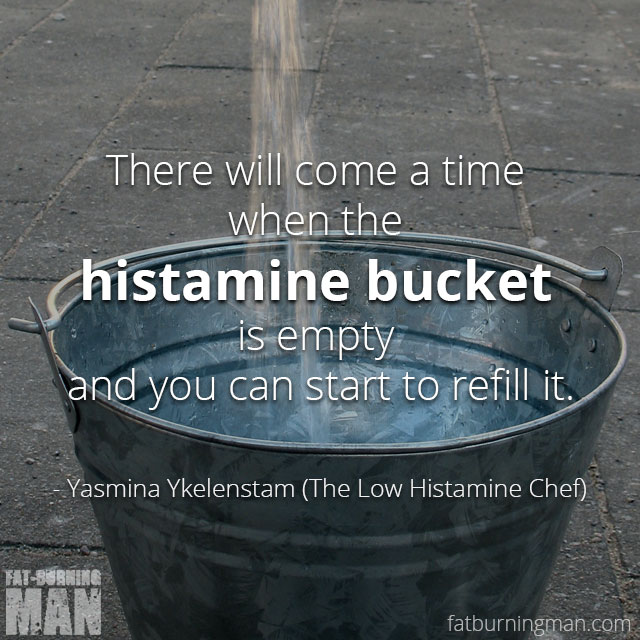
    I look at histamine in my diet as a kind of balance sheet. Consider the idea of the histamine bucket. In other words, there’s a certain amount of histamine that we’re able to put into the body before we spill over with symptoms, and then once we’re full, no matter what we put in, low histamine or not, it causes symptoms. I realised that for most of us, it’s not the histamine bucket we need to work with. It’s the inflammation bucket.

    By that I mean: adding wheat, which is inflammatory, to our bucket, is more likely to make us spill over into symptoms, than adding something like basil. That’s because basil is antihistamine and anti-inflammatory whereas wheat most certainly is not.

    The simple way I explained it to people in consultations is that we have a histamine allowance. I choose to increase my allowance, or rather my spend, by eating antihistamine and anti-inflammatory foods. Because of this my diet is far higher in high histamine foods than people not eating in this way. That’s why I now call my diet histamine-balanced, rather than low histamine.

    You’ll find recipes full of foods with antihistamine and anti-inflammatory properties my books Anti-Recipes and The Anti-Cookbook

    CLICK HERE TO CREATE YOUR OWN PERSONALISED HEALING HISTAMINE PLAN. 

    I still need to watch the pocketbook though. If I have a big trip, a party or project due, I will lower my consumption of high histamine foods in order to spend what I’ve accrued all in one go. The project thing is because I have found that in my case, and for many others, a lack of sleep and increase in stress fills up the bucket just as fast as a Big Mac. Well, it would if I still ate that kind of garbage.

    You can read more about how I used the inflammation bucket theory to help me heal and add back any food I wanted back to my diet. I still don’t eat crappy foods though, one of the many valuable lessons this sickness experience has taught me.

    You’ll find recipes full of foods with antihistamine and anti-inflammatory properties my books Anti-Recipes and The Anti-Cookbook

    CLICK HERE TO CREATE YOUR OWN PERSONALISED HEALING HISTAMINE PLAN. 

    Please remember, even antihistamine and anti-inflammatory foods can hurt us, please always exercise caution and consult a medical practitioner before adding new foods. 

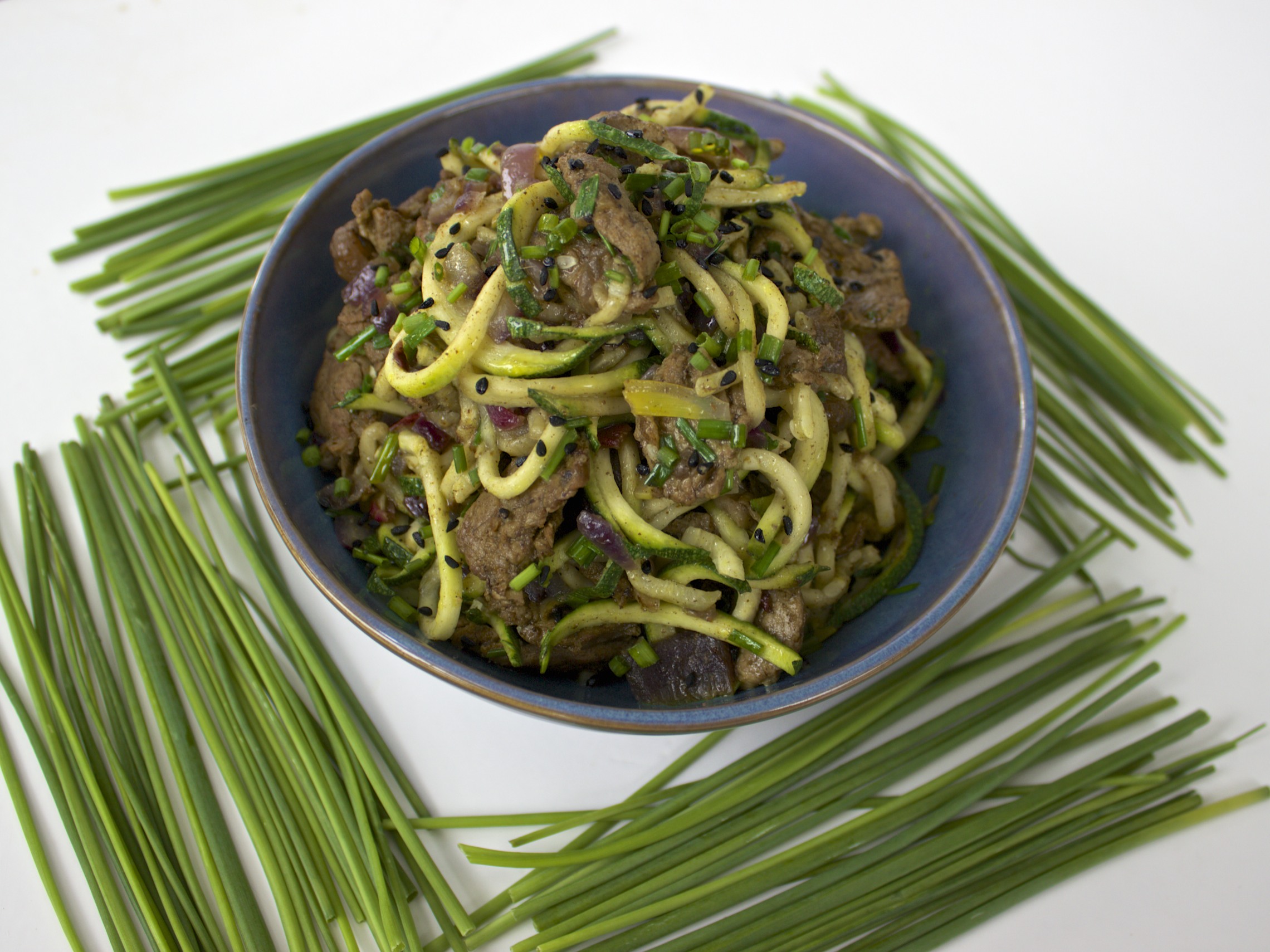
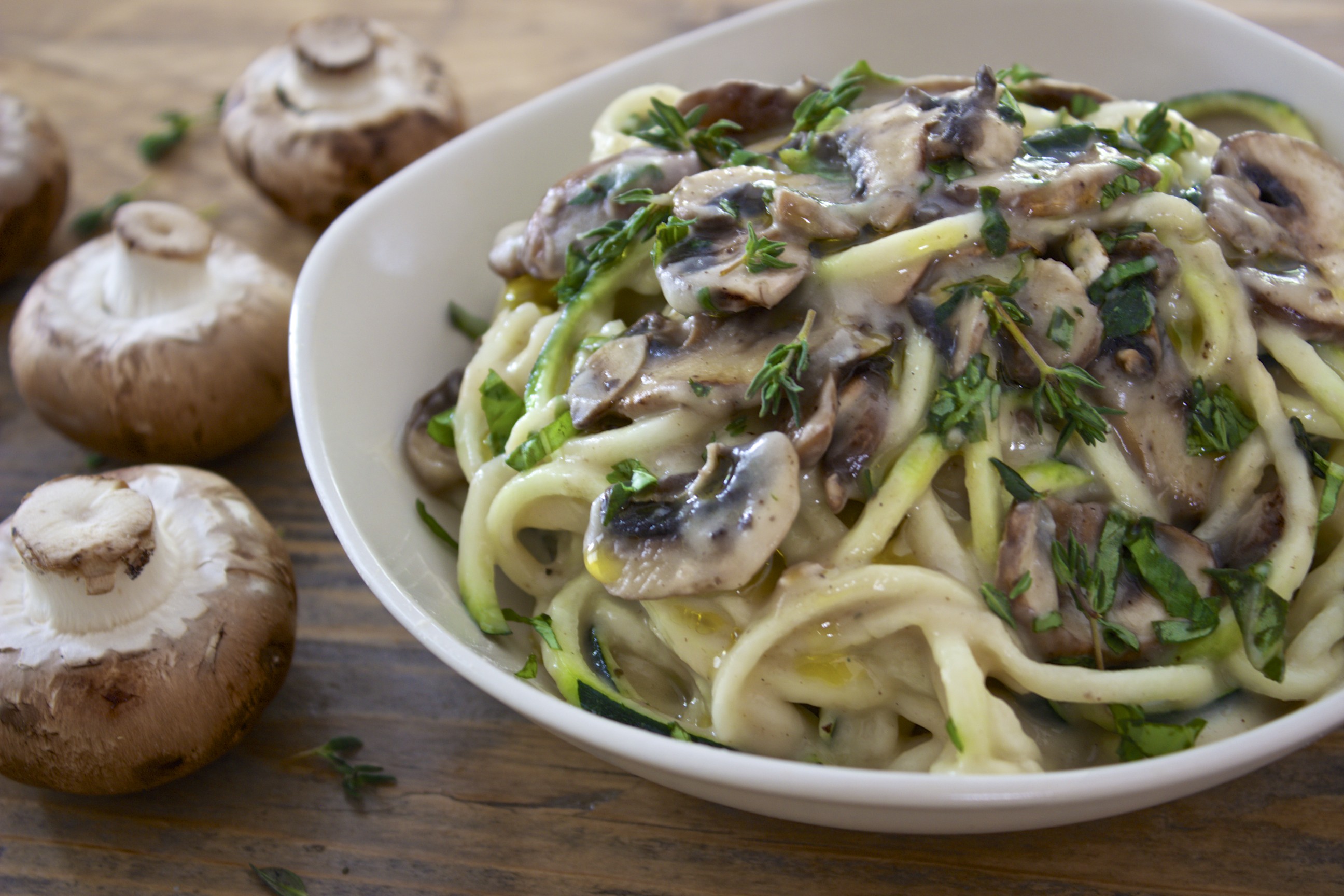
  • Kholrabi (or zucchini) noodles with steak

    IMG_2412

    I’ll be traveling for the next few weeks with little access to a kitchen, so I thought I’d share a recipe from my latest book Man Food, that I’ve been craving. These can be made with kholrabi, zucchini, carrot or butternut noodles, any veggie really, as long as you have a spiraliser, also known as a Spiral Vegetable Slicer.

    Kohlrabi, a member of the brassica family, exhibits H2 receptor antagonistic qualities on par with Ranitidine (Zantac) [1]  which is prescribed for acid reflux, heartburn and to people with mast cell activation and mastocytosis. Histamine antagonist is just medspeak for it’s an antihistamine. A histamine agonist meanwhile is something that enhances or boosts the binding of histamine to the receptors.

    And here’s the thing that many people don’t know – antihistamines work by preventing histamine from binding to our four histamine receptors (H1-H4). So we won’t be getting symptoms relating to those receptors. But that doesn’t mean histamine isn’t still in the body…

    Anyway, back to the noodles.

    As always, use any protein tolerated. Even more plant protein. 

    This recipe is laid out exactly as they are in Man Food: a nutritional breakdown and a list of which ingredients are antihistamine and anti-inflammatory. As with the Anti-Cookbook and the Anti-Detox, almost every single ingredient in the book is antihistamine and or anti-inflammatory. You’ll also see that all the recipes are high in many of the vitamins and minerals necessary for manufacturing the histamine-lowering DAO (diamine oxidase) enzyme, like vitamin b6, zinc, copper, magnesium, and more, while also being super high in anti-inflammatory and bone building vitamin k.

    I wrote the book for my man, in response to his request for less salads, but I ended up eating everything in it, because my caloric needs have gone up since I’ve been exercising regularly again. You can read more about how I worked my way from anaphylaxis on the treadmill to exercising up to 10 hours weekly in this post on histamine intolerance/mast cell activation and exercise.

    You’ll find recipes full of foods with antihistamine and anti-inflammatory properties my books Anti-Recipes and The Anti-Cookbook

    CLICK HERE TO CREATE YOUR OWN PERSONALISED HEALING HISTAMINE PLAN. 

    INGREDIENTS

    2 steaks, sliced lengthways

    2 kohlrabi, spiralised into noodles

    1 cup red cabbage, finely sliced

    1 onion, chopped

    1/4 cup shaved fennel

    2 cloves garlic, pressed

    Handful chives, finely chopped

    Handful coriander, finely chopped

    Handful basil, finely chopped

    2 tablespoons grated turmeric

    2 tablespoons grated ginger

    2 tablespoons apple cider vinegar or lemon

    Olive oil

    Nigella seeds

    Optional

    1 cup oyster mushrooms, chopped

    1 tablespoon organic mustard

    1/2 teaspoon paprika

    1/2 teaspoon asafetida

    PREPARATION

    Drizzle a little olive oil in a pan over low heat. Add in the onion, cook until soft, then the kohlrabi, garlic, fennel, coriander, basil, nigella, and mushrooms, paprika and mustard (if using). Once fragrant, add in the beef and cook through. Serve with chopped chives.

    BENEFITS

    Zinc: 562%, Vitamin B12: 554%, Vitamin C: 469%, Vitamin B6: 452%, Vitamin B3: 451%

    Antihistamine properties: turmeric, ginger, garlic, onion, kohlrabi, chives, coriander, basil, fennel, nigella seeds, asafetida.

    Anti-inflammatory properties: red cabbage, turmeric, ginger, garlic, onion, kohlrabi, chives, coriander, basil, fennel, nigella seeds, asafetida, mustard, paprika.

    It’s finally here! Man Food – a high nutrient antihistamine and anti-inflammatory ingredient filled book geared towards guys, women who love to work out, yoga like they mean it, or just load up on healing nutrients. Features my personal shopping list of antihistamine and anti-inflammatory foods. 

    You’ll find recipes full of foods with antihistamine and anti-inflammatory properties my books Anti-Recipes and The Anti-Cookbook

    CLICK HERE TO CREATE YOUR OWN PERSONALISED HEALING HISTAMINE PLAN. 

    Please remember, even antihistamine and anti-inflammatory foods can hurt us, please always exercise caution and consult a medical practitioner before adding new foods. 

    ————- REFERENCE———–

    [1] http://www.hygeiajournal.com/downloads/134891188421-26%20Kirti%20V%20Patel%20.pdf

  • Histamine intolerance and exercise

    Histamine intolerance and exercise

    IMG_5278-e1436471186457-1024x1024

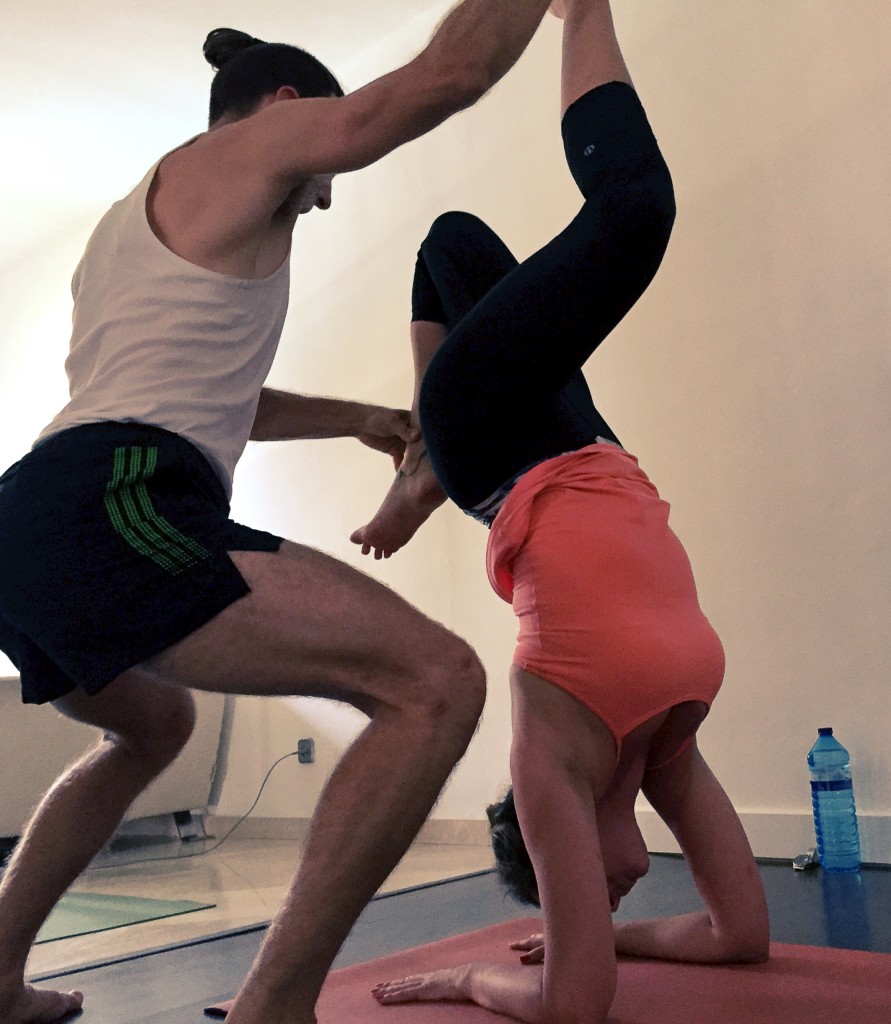
    A lot of you have been telling me that any kind of exercise, for as little as five minutes, has you feeling dizzy, sick, or just generally hisamine-y. There’s a couple of reasons for that, which I’ll cover just below. In my case, when trying to get back into shape in 2008, my trainer refused to continue working with me because of my significant heart rate increase which was scaring him. Not just that, but I would break out in a head to toe rash at every session, in retrospect most likely caused by the daily pineapple (entire pineapple!) I was eating while on the totally nutso 80/10/10 fruit diet. Plus, there was that time I passed out on the treadmill…it was the weirdest thing, I would get light headed, my hands would go totally numb or tingly, and my libido would shoot through the roof all of a sudden (something I now know is linked to excess histamine) and then I’d start to black out. Since then I’ve tried getting into shape by playing tennis (horrible rosacea like breakouts all over my body), kickboxing (great but made my anxiety and aggression levels shoot up immensely), and then yoga (wonderful but I would tremble too hard and come crashing down to the floor in my chaturanga/plank pose). Tracy Anderson was a total write off – way too stress inducing. I kept starting up and stopping for over a decade. I became convinced I’d never be able to exercise and get back what I feel is “my” body – the one I rocked in my late teens/early 20s when I was a gym bunny and kung fu addict. Now I’m doing two – three hour power yoga sessions in 42C/108F heat (not by choice – it’s just crazy hot here) with no problem (but my regular schedule is 1.5 hrs ashtanga/power vinyasa five – six times weekly).

    Below you’ll find the information that helped me make informed decisions on how to exercise, an idea of how I worked my way up to my current exercise regime, and a little more on the upcoming yoga course. I recommend printing out the studies for your medical practitioner or getting some kind of professional input before embarking on an exercise program. Any of you lucky enough to have Dr. Mariana Castells treating you for a mast cell issue should ask for her views on it – she believes that people with mast cell disorders should exercise regularly, which contradicts many of the histamine/mast cell docs out there, who only point out that it can cause anaphylaxis. Check out my interview with Dr. Castells here – we cover her views on how lifestyle changes can help in mast cell disorders. Please remember, I’m neither a doctor nor a scientist. The following is based on a layman’s interpretation of studies, information that I used to develop my own strategy for getting back into physical shape. It’s been an uphill battle for sure, and I’m certainly not there yet, but I’m working on it. Exercise is serious business for mast cell/histamine intolerance folks and shouldn’t be jumped into willy nilly.

    Cardiovascular exercise has been shown to drive up histamine levels and aggravate allergies in some animal studies [1]

    It’s only cardio that seems to do it though – resistance training, like lifting weights, doesn’t appear to have that effect. At least in animals/people who don’t have a histamine intolerance/mast cell disorder.

    What this means for us: 

    After exploring many, many different exercise styles, I settled on power yoga. It’s kind of resistance exercise, if you count using your body as a weight, which some people do. Yoga has many anti-inflammatory benefits, in particular a recent study showed it lowers inflammation in cancer patients [2]. You may also find that either weight lifting, something like the TRX trainer (uses your own body weight), or pilates may work better than cardio.

    Stress can cause mast cells to dump unnecessary inflammation into the body [3]

    If you haven’t exercised in years, this can stress the body. Likewise if you’re stressed about the exercising itself, because you’re worried about its negative impact on you, or you’re worried about anaphylaxis, that’s likely to cause mast cells to freak out. I’m not saying the fear isn’t justified, I’m saying that there should be a difference between a justified concern and causing a total meltdown because you’re unable to control your brain’s anxiety response to the thoughts.

    Something that significantly drove up my stress levels was the insanely annoying ear drum smashingly heart palpitation inducing dance music they play in exercise classes. Raises my heart rate just thinking about it, which is of course the point for those who don’t have to deal with all this mast cell/histamine intolerance and exercise stuff.

    What this means for us: 

    Practicing mindfulness meditation and addressing fears through cognitive hypnotherapy (read about my hypnotherapy experiences here) may be beneficial, as it was for me. I found that practicing my pranayama breathing techniques while playing intense games of squash was very calming and helped prevent the usual exercise induced dizziness I was now used to.

    If the music is an issue; earplugs work great.

    Exercise can damage muscles, prompting inflammation release to help heal them [4]

    Most exercise causes some muscle damage. A recent study in the Journal of Strength and Conditioning outlined the process: exercise causes a temporary increase in inflammation because the muscles break down during intensive sessions and then need to repair themselves. Inflammation’s job in the body is to heal. It can take a few days for this to happen. In my case it’s a maximum of two – three days, at least judging by my muscle soreness, which correlates to what studies tell us – that it takes up to 72 hours for inflammation markers to return to normal.

    The journal study also found that participants also experienced an increase in neutrophils. These appeared within three hours and were gone within a day. An article on this body building website seemed to think this might indicate that is a good window to get a massage to help keep blood flow high to help move along the neutrophils. The study showed another inflammatory event of interest – a temporary jump in lymphocyte count lasting up to 72 hours.

    What this means for us: 

    In order to allow the inflammation time to resolve, according to these studies, leaving up to three days between exercise sessions may be beneficial, at least in the beginning. I personally learned the hard way that in my case, it was definitely best to exercise once every three days. I also really wish I had known about the neutrophils and lymphocytes because doctors really freaked me out over my very high counts back when I decided to suddenly hit the gym after years of sickness and immobility. Exercise was never mentioned as a possible cause.

    Histamine is created and released during prolonged exercise to prevent fatigue and increase endurance, but is not stored in the body afterwards [5] 

    Histamine is found in the body in mast cells (and others), outside the body in foods, and can also be formed “via the induction of histidine decarboxylase (HDC) in response to an appropriate stimulus”. In this study mice were forced to walked on a treadmill/cylindrical cage until their bodies began producing histamine, in order to protect against exercise induced fatigue or exhaustion. I would also think that the poor little clueless mice were also quite stressed by being made to run till exhaustion for no apparent reason.

    What this means for us: 

    Well, let’s hope that what’s true for mice is also true for us histamine folks. Aside from the obvious differences in physiology – like, um, they’re mice for example, there’s no guarantee that histamine isn’t going to linger in the bodies of folks with impaired histamine-degrading enzyme function (DAO and HNMT for example). In my case it was certainly obvious that the longer I exercised, the more aggravated I became. Short bursts seemed ok, but after a while of that, say 20 minutes, even the spurts seemed to really bother me.

    The good news

    No matter the temporary inflammation, exercise in the long term is highly anti-inflammatory. Many studies show this but just for the citation I’ll point you to one that outlines how interleukin antagonists released by exercise fight low grade inflammation [6]. As mentioned before, yoga in particular exerts and anti-inflammatory action, potentially without causing any histamine release in the process. This might not be the case, we just might not have those particular studies. I can however tell you from experience, that if yoga is done in the right conditions, for me and many others I’ve spoken with online, seem to do great with it. There are however a few caveats…

    IMG_5301

    Lessons learned on my get fit odyssey

    1. Go slow – Rome wasn’t built in a day and neither was any body worth having

    Sit down with an excel spreadsheet, or in a pinch, a paper tablecloth and a box of crayons, and put together a schedule. Even if back in the day you were a spinning class fiend, a decathlon superstar rivalling the newly minted Caitlyn Jenner’s former self, or a vegan sausage fuelled ashtangi determined to execute the perfect secondary series in 60 minutes flat, believe me, starting slow and steady is the way forward when your mast cells have gone on a bender. I found yogaglo.com to be great for finding short videos, but I still started with just 5 minutes for the first week, then increasing to 10 minutes and so on. When starting so very painfully slowly, I realised I no longer needed to wait days in between “sessions”, but it was also incredibly frustrating.

    I worked my way up to 30 minutes at home, all the way up to an hour and a half, till I was able to make it without significant trembling or anxiety symptoms. Once that was achieved, I went to a yoga class.

    2. Control your environment for as long as you can

    And this is the toughie. Not being able to control my environment was really hard for me, but it turned out to be a good thing in the long run. It brought me face to face with the realisation that I am just a total control freak and it used to really upset me to have to submit to the will of others (which was how I saw it). I felt that the teacher should immediately snuff out the offensive incense and fling open all the windows after the hot yoga class, though my class mates preferred the heat. Once, when I couldn’t get my usual spot right by the window, which I could crack open happily till someone complained, I huffily picked up my yoga mat and headed out the window and onto the roof to do my class out there. Totally nuts I know, but at the time I was heat crazed and couldn’t find my words. I could have just reasoned with the lady beside me, but I was already so stressed at being in a non-Yasmina-controlled space that I just lost the plot. Naturally I couldn’t hear a thing from outside and had to slink back through, yoga mat and tail between my legs, to what I imaged was a sea of snickering yoginis.

    The moral here is that staying at home and using either yogaglo or gaiam.com for general exercise videos online, is a great idea till you’re on a more even keel (you can get some of those stretchy rubber bands to exercise with also). Mast cells generally wreak havoc on our emotions (read more about mast cells and mood here) and so throw overheating, exercise and feeling judged if you can’t keep up with the class into the mix, and you’re heading for a very un-zen meltdown.

    3. Be realistic and honest with your goals

    I kept telling myself that all I wanted was for my body to reflect the general wonderful state of health I was suddenly in possession of. But I was lying to myself. As I became more and more obsessed with exercise, kickboxing to the absolute limits of my nervous system (my body could take it but my mind was buckling from the stress), I realised that my brain was up to old tricks. I wanted to be the best. Suddenly I was talking about working towards competing and buying more exercise gear than I could afford. I went to class 5 days a week for an hour and a half at a time and then scheduled an extra private session a week.

    I’m now ok with that, but there was a lot of conflict within myself as I pretended to myself and those around me that wasn’t why I was into it. Now, I’m frank with myself. I spent decades rocking a basketball stomach thanks to an insane amount of inflammation. I spent far too long overweight because of multiple medications like antihistamines and psych meds for misdiagnosed bipolar, unipolar and borderline personality disorders. I want the body that sickness robbed me of. Maybe I’m nuts to think it’s possible. Hell, let’s call a spade a spade, I’m 40 in just over a month, but I’m convinced that I can have THE best body I’ve had since that golden era of my late teens/early 20s, one that’ll send 30 year old women running to renew their Equinox memberships, and I’m not ashamed to admit it. Now, in this new era of my life, I’ve understood that starvation is not the key to feeling sexy. Feeling strong, powerful and chiselled is.

    I recall Dr. Castells telling me that mast cells need to be trained, just like our muscles do. I agree. I should also add that just like our mast cells and our muscles, the brain needs it too. I’ve spent far too many years scared of exercise, scared that controlling my calories means I’m falling down the rabbit hole of orthorexia again. This time around, thanks to hypnotherapy, a more balanced but determined me, a wonderful nurturing relationship with someone who takes great care of his (chiselled) physique, mind and soul, I’m now finally ready to step into the new me.

    xo


    ———-REFERENCES———–

    [1] http://onlinelibrary.wiley.com/doi/10.1113/expphysiol.2012.066605/abstract

    [2] http://news.nationalgeographic.com/news/2014/02/140207-yoga-cancer-inflammation-stress/

    [3] http://www.ncbi.nlm.nih.gov/pubmed/16110169

    [4] http://journals.lww.com/nsca-jscr/Abstract/publishahead/Exercise_intensity_and_recovery___Biomarkers_of.97784.aspx

    [5] http://www.ncbi.nlm.nih.gov/pubmed/22223343

    [6] http://www.ncbi.nlm.nih.gov/pubmed/22390642

  • Interview: my chat with Abel James of the Fat Burning Man

    Interview: my chat with Abel James of the Fat Burning Man

    Low-histimine-chef copy

    I had the BEST time being interviewed by Abel James of the Fat Burning Man podcast and website. Abel was vegan, now paleo, but totally open to all kinds of healing approaches (he has interviewed Dr. Fuhrman for his podcast!). His listeners requested he interview me (how cool thanks everyone!). His podcast is number 1 in iTunes health, with about 1 million downloads per ep. He is also super cool and lovely. You’ll find a couple of my quotes from the podcast below and the podcast and transcript here. 

    bucket
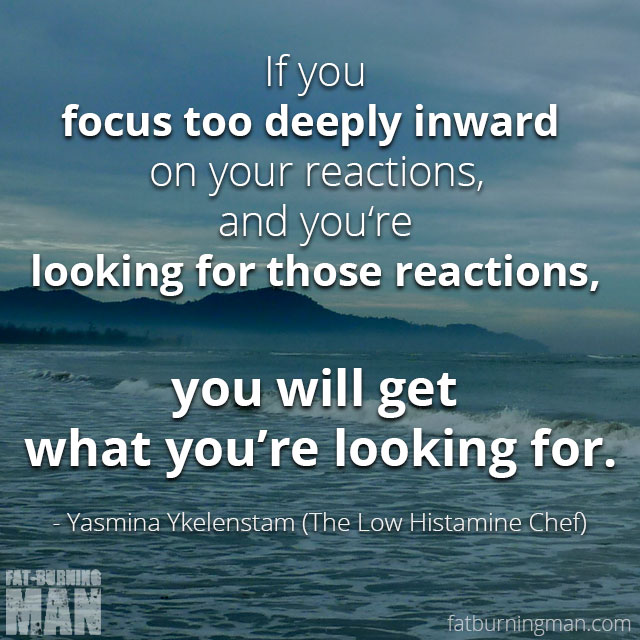
    reaction
    stillness
    time


    You’ll find recipes full of foods with antihistamine and anti-inflammatory properties my books Anti-Recipes and The Anti-Cookbook

    CLICK HERE TO CREATE YOUR OWN PERSONALISED HEALING HISTAMINE PLAN. 

    Please remember, even antihistamine and anti-inflammatory foods can hurt us, please always exercise caution and consult a medical practitioner before adding new foods. 

  • Man Food

    Man Food

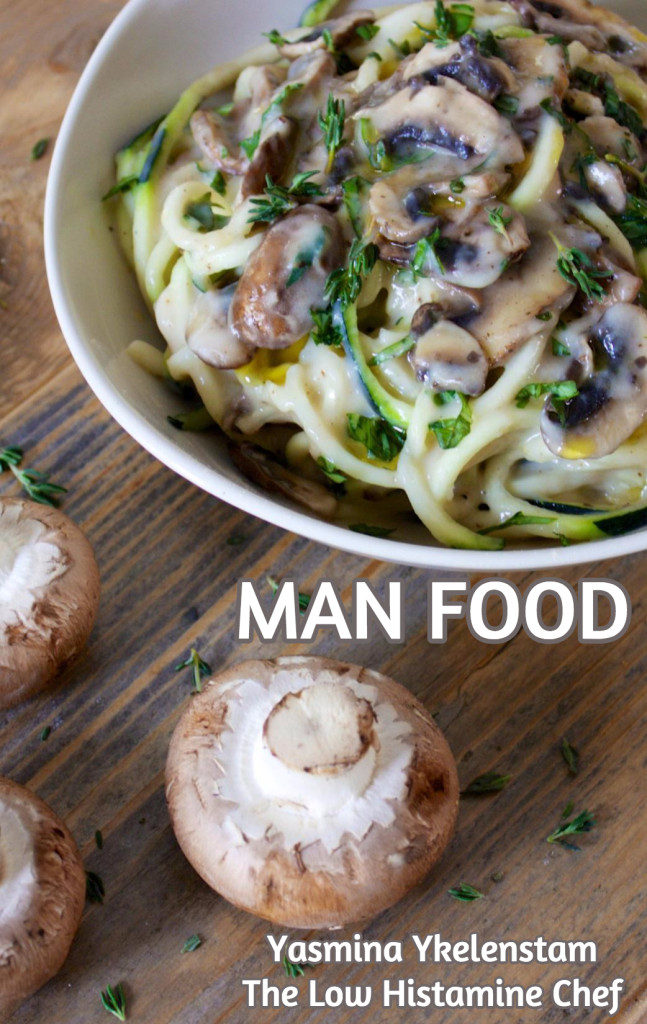
    man food

    Please note: this book, as all my others, comes in digital/ebook format only. 

    You can buy Man Food here.

    Hello boys!

    Here it is finally: man-sized recipes for histamine intolerance and mast cell activation.

    Geared towards guys, ladies with healthy appetites and anyone who loves to work out, yoga like they mean it, or just generally load up on healing nutrients.

    This book, like the Anti-Cookbook and Anti-Detox books, is bursting with phytonutrients, particularly the the bioflavonoids quecetin, luteolin and rutin, concentrated extracts of which have been shown to stabilise mast cells in medical studies.

    This dairy and gluten free book has nut free options, and grain or grain-free offerings, you can 100% go either way. There’s a section on how to substitute flours and sweeteners, and tons of information on healing inflammation through nutrition. Recipes in here feature multiple, exhaustive substitution options, as well as offering suggestions on how to spice things up for family members, or add extra calories and protein to meals.

    Almost every single ingredient in this book has been chosen for its antihistamine or anti-inflammatory properties (often both).

    You can make the recipes in this book as simple or as lush as you’d like. This is a book you’ll grow with, adding ingredients in steps as your body heals.

    This 170 page book contains a selection of breakfasts, lunches & dinners and sides.

    Paleo alert: this book contains some lentils, chickpeas and  white beans, which are interchangeable with each other, but cannot be totally omitted. Other than that it’s pretty paleo compatible as the recipes all feature grain free options. 

    Please note: my books are not a medical treatment. While the aforementioned bioflavonoids have been shown to prevent mast cell degranulation and act as an antihistamine in medical studies, no studies have examined their consumption as a part of a generally anti-inflammatory diet. 

    It’s finally here! Man Food – a high nutrient book geared towards guys, women who love to work out, yoga like they mean it, or just load up on healing nutrients. 

    The Anti-cookbook and all liquid Anti-Detox Book, don’t treat any conditions, but feature a plethora of the high nutrient antihistamine and anti-inflammatory ingredients that have been instrumental in helping me feed myself on a limited diet. The Anti-cookbook features a six page list of antihistamine and anti-inflammatory foods and comes in regular and Paleo. 

    The Low Oxalate Cookbook features antihistamine and anti-inflammatory rich recipes. 

    Don’t miss the Low Histamine Beauty Survival Guide for non-toxic beauty tips, the skinny on histamine releasing (mast cell degranulating) beauty ingredients, antihistamine and anti-inflammatory beauty alternatives and the top brands natural brands I’ve found.

    Take a peek at my other low histamine and antihistamine cookbooks for more high nutrient recipes and sign up to my mailing list for freebies. 

    Please remember, even antihistamine and anti-inflammatory foods can hurt us, please always exercise caution and consult a medical practitioner before adding new foods. 

    man food

  • The Anti-Diet: Food as medicine

    The Anti-Diet: Food as medicine

    In my experience, sticking to a standard low histamine diet, one that includes foods that are technically low histamine according to lists found on the internet that are still technically inflammatory (more on that in the video), while eliminating high nutrient foods found on the high histamine lists, may be beneficial for a very short time. But in the long run, in myself and the thousands in my FB groups and who have consulted with me, it leads to nutritional deficiencies and a sensitisation to an increasing number of foods as the body loses valuable healing phytonutrients. In this video I explain the nutritional philosophy I used to heal myself and why listening to your own body is key in healing histamine intolerance and mast cell activation.

    Click here to learn how to create your own customised histamine balanced diet and healing plan. 

    You’ll find recipes full of foods with antihistamine and anti-inflammatory properties my books Anti-Recipes and The Anti-Cookbook

    CLICK HERE TO CREATE YOUR OWN PERSONALISED HEALING HISTAMINE PLAN. 

    Please remember, even antihistamine and anti-inflammatory foods can hurt us, please always exercise caution and consult a medical practitioner before adding new foods. 

    1

  • The Anti Diet (Food as Medicine)

    The Anti Diet (Food as Medicine)

    [trx_video url=”https://www.youtube.com/watch?v=ZNyc_V9nx8k” show_image=”no” autoplay=”on”]

    Yasmina explains her high nutrient antihistamine and anti-inflammatory philosophy and her views on why the standard low histamine diet isn’t our best bet for healing inflammation.

    CLICK HERE TO LEARN HOW TO CREATE YOUR OWN CUSTOMIZED HEALING PLAN AND HISTAMINE BALANCED DIET. 

  • Can hypnosis prevent histamine reactions?

    Can hypnosis prevent histamine reactions?

    Indian snake charmer

    Did this image of an Indian dude charming a snake pop into your head like it did mine when I first considered the idea of hypnosis? Hypnosis has come a long way since the early days of freaky Sigmund Freud-like men waving a pendulum across the gaze of a googly-eyed female being treated for hysteria, or some such nonsense. Or even the days when it was administered to me by a faith healer who claimed I needed to enter another dimension, through hypnotic trance, in order to heal my ethereal body, to then heal my body on this physical plane. I was a very different person back then (obviously), in my pre-journalist days. Every wacky healing system, usually incredibly expensive, was fair game as I tried to heal myself. Many worked, for a short time, before bleeding me dry, and leaving me washed up on the shores of despair. Nowadays I require a little more evidence of efficacy before taking the plunge, but never totally rule out some of the nuttier stuff.

    When hypnosis entered my mind again for the first time in decades, I decided to see if there was any scientific basis for its use treating the symptoms of histamine intolerance or mast cell activation disorders. I found it, in spades, but most of the studies used a small sample size (meaning not very many study participants). That said, there’s quite a few of them out there, but here’s a breakdown of the studies that convinced me to take the plunge again.

    I’ll share my recent experiences with how the hypnosis treatment is going just after these bullet points:

    Hypnosis shows that sadness intensifies histamine reactions [1]

    European Journal of Allergy and Clinical Immunology in 20o1 hypnotised 15 highly hypnotically susceptible subjects to be happy, angry or sad, and then injected them with histamine. Subjects who were happy or angry had slower reaction times to the histamine, but there was no effect on wheal size. They conculded that mood was a very good predictor of cutaneous (skin) immediate type reactions. I think it goes far beyond this – I know in my own experience that expectations of outcome relating to histamine reactions has decreased the intensity of my anaphylactic episodes (which I no longer experience). I struggle to convey the importance of attitude to sickness in my writings (it seems so anyway, due to the volume of emails I still get asking what my secret to healing is). I literally woke up one day and decided I was no longer sick, not because I had any evidence to back this up, but rather because I had decided that my sadness, my depression, were making me sick, not the other way around. I have experienced first hand the histamine-intensifying effects of sadness on my symptoms. Most interesting about the study though was that its findings confirm the conclusions of others in relation to hypnotic susceptibility and increased reactivity to an allergen. This is something that came up in many of the studies I read. I have always known that I am highly susceptible to trance-like states. Apparently scientists believe that it makes me more reactive to allergens generally

    Hypnosis can decrease the size of skin histamine reactions [2]

    Researchers at the Institute of Psychology in Denmark found that highly susceptible hypnotised subjects were able to reduce the size of wheals induced by histamine prick tests, but the reaction itself did not respond. I found the wording of the study a alittle confusing but I took it to mean that the reaction/wheal didn’t completely resolve. Subjects were unable to increase the size of the wheal nor the intensity of the reaction however. The authors share that their study “objectively supports numerous uncontrolled (meaning not using subjects who were not hypnotised as a “control” something scientists don’t consider valid in most cases) case reports of modulation of immunoreactivity in allergic diseases involving both type 1 and type 4 skin reactions following hypnotic suggestions.”

    Hypnotherapy for migraine lowers tryptase and histamine levels [3]

    I wasn’t entirely surprised to find a study on guided imagery and hypnosis to lower histamine levels used on children with chronic migraine in a book called Hypnosis and Hypnotherapy with Children by Daniel P. Cohen and Karen Olness. Migraine, as I’ve mentioned in other posts, is a mast cell/histamine issue, at least according to the research of Dr. Theoharides [4] which shows that mast cell products are “known to be increased in adult migraneurs” also. Dr. Theoharides study, quoted in the book, randomised 30 children with migraine to learn self-hypnosis or not (the control group). Tryptase and histamine levels decreased in urine, corresponding to those who experienced a drop in migraine frequency, “suggesting that the mechanism of reduced migraine episodes was due to stablisaton of mast cells.”

    Hypnosis and visualisation can prevent mast cell degranulation [5]

    The same book quotes a study by Castes, Hagel, Palenque et al., 1999, that taught relaxation, focusing on mental images to suppress mast cell degranulation and open airways. Meaning that people specifically visualised themselves stablising their mast cells, something I practiced for many months a few years ago till I no longer needed to. They were followed for six months, during which time they showed decreased IgE responses to allergens in comparison to 16 control subjects. They also had fewer asthma episodes and increased lung function.

    For those who are not familiar with mast cells: they’re a part of the white blood cell/immune system. Histamine, along with other inflammatory mediators like tryptase, prostaglandins and interleukins (to name just a few) live in mast cells (and other white blood cells like basophils), happily protected from our system, until there’s some kind of a crisis like injury, bacterial or viral infection, at which point mast cells break open, in a process called degranulation, and dump the inflammatory mediators into the blood stream to start attacking the problem. In some people though, like those with mast cell activation disorders, or perhaps even what’s known as histamine intolerance by some practitioners, the mast cells are dumping inflammation into the body when it’s not needed, either because they’re triggered by allergies, stress, digestion or other unknown factors. I long ago understood that the key to controlling my histamine issues was to stabilise my mast cells and that eating a diet low in histamine wasn’t the answer – eating a high nutrient anti-inflammatory diet generally, while including really nutritious higher histamine foods, was going to heal me. How did I get there initially? As I say, attitude, stress relief, meditation and an excellent diet helps. 

    Hypnosis can mediate the perception of histamine reactions [6]

    A study published in Germany’s highly respected Archives for Dermatological Research had researchers hypnotise ten highly susceptible subjects, injecting their arms with histamine. Subjects were then given hypnotic pain relief suggestions for one arm but not the other. Subjects experienced an average reduction in felt pain of 71% and “a significant difference was measured in the histamine flare area between the pre-hypnotic and the hypnotic analgesic condition…” This to me, though a small sample, was really exciting. They conclude that (in English) the brain (higher cortical processes) can mediate not only the perception of histamine-induced pain, but also seem to say the wheal size itself. This has also been my experience and the answer to how I was able to re-introduce so many amazing foods into my life by changing my thought processes. But there’s only so much I’ve been able to achieve alone, and that’s how I arrived on cognitive hypnotherapist Hazel Gale’s doorstep.

    My appointment with Hazel was a happy coincidence. Having convinced myself to spend the money on what’s still considered an “alternative” treatment in certain circles, I reached out to London’s top guy – only to be told he was fully booked but luckily the practitioner he himself goes to for treatment had a last minute opening for me. I immediately dove into her website and was really excited to see that she had healed herself from M.E.! Wonderful news as I have seen an emerging body of research pointing to M.E./Chronic Fatigue Syndrome being mast cell related. She’s a driven lady – a sportswoman, who competes on a national amateur boxing level. We totally click the moment I walk into her practice and I suddenly know this is going to be a life-changing event. We dive into my past, trying to identify moments in my life where I developed beliefs relating to illness. I know most of them:

    1. Being exposed to the smell of cheese and throwing up when my parents were discussing divorce.

    2. Feeling that the only way my mother would pay attention to me was if I was sick. I remember many trips to various countries so my mother could diagnose my “allergies”.

    3. Faking ear aches and allergies to stay home with my big brother who I dearly loved but was rarely with us.

    4. Not liking the clown style make up being put on kids at a birthday party I attended and insisting they needed to use a very elegant Christian Dior blue make up compact I had taken from my mom’s bag instead. I told them I had allergies (false).

    5. Being at the end of my rope with my weight gain and asking the universe to do something to make me stop over eating.

    That’s just a couple.

    With Hazel, the process of working with those learned behaviours, that became beliefs, that turned into my reality, is pretty simple. But it’s going to take time. I was pretty surprised that she doesn’t work with deep trances, the kind I’ve experienced before, but because I’m so susceptible, it doesn’t seem to be a problem. In the weeks since starting my treatment with her, I’ve become aware (again) of the negative self talk that leads my body to continue to believe it is sick, when it most obviously is not. All evidence points to my being healed, I just keep slipping into negativity quite easily it seems, though I honestly believed I had dealt with all that.

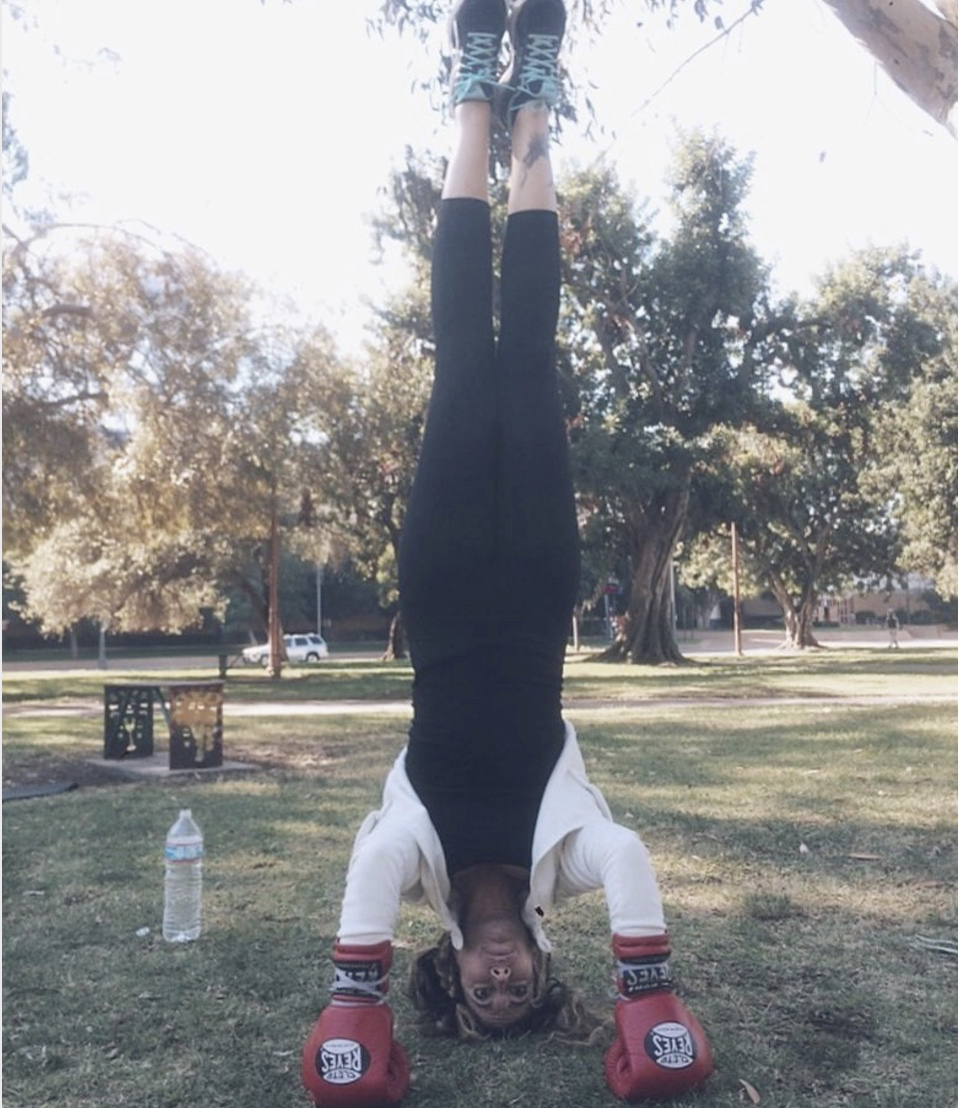
    Hazel taught me a technique for dealing with negative thoughts (desaturate the picture and push it away from you – your technique would vary – this is based on how I process information) and then identified the last time I felt totally in control (doing a yoga handstand). This is an image I know work with when I feel I’m losing control of my emotions.

    So far I can report that I am feeling pretty incredible. No anxiety, clearer thought. Happier. Adding back supplements (something that have historically been an issue for me) at record speed. This whole eating anything I want means I’m going to really have to watch what I eat!

    Whoops, did I really just say that? That’s how easy it is to develop new negative thoughts that affect our present reality. Cogito ergo sum (I think therefore I am) is all well and fine, but in my case, what I think affects how I can eat.

    Please remember, even antihistamine and anti-inflammatory foods can hurt us, please always exercise caution and consult a medical practitioner before adding new foods. 

    —————- REFERENCES ———————

    [1] http://onlinelibrary.wiley.com/doi/10.1034/j.1398-9995.2001.056008734.x/abstract

    [2] http://www.ncbi.nlm.nih.gov/pubmed/2610329

    [3] https://books.google.es/books/about/Hypnosis_and_Hypnotherapy_with_Children.html?id=HK_BQgAACAAJ&hl=en page 391

    [4] http://www.mastcellmaster.com

    [5] https://books.google.es/books/about/Hypnosis_and_Hypnotherapy_with_Children.html?id=HK_BQgAACAAJ&hl=en page 391

    [6] http://www.ncbi.nlm.nih.gov/pubmed/2082837

  • Video! Roasted Butternut Squash, Shallot and Saffron Soup

    Video! Roasted Butternut Squash, Shallot and Saffron Soup

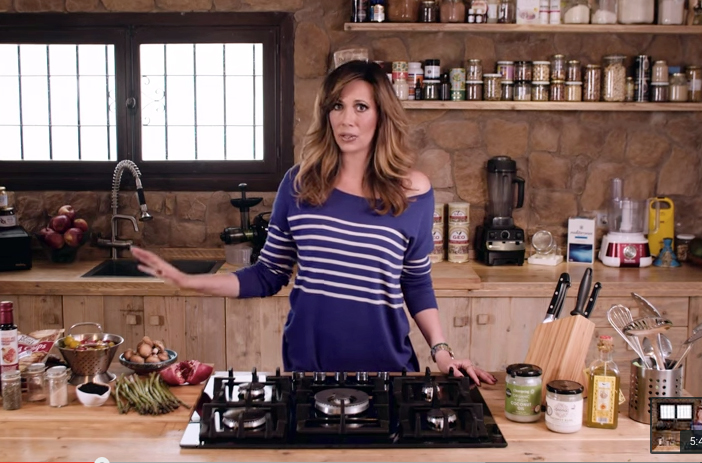
    Here it is! My first professionally shot video series. First up, a little something from my all liquid Anti-Detox book. There are times in life where we just need to kill the inflammation, be it histamine induced, or caused by any of the other inflammation spawning elements released from mast cells when the body is having a bit of a meltdown. I consider this book to be an inflammation busting cleanse, that just also happens to be low histamine as well.

    Why liquid? Dr. Fuhrman (my nutritional hero) points out that liquids put less stress on the digestive tract as well as requiring less enzymes to be processed. It’s also what so many of you have written in to request!

    You’ll find two juices/smoothies/juicies per day, in addition to very high nutrient antihistamine and anti-inflammatory ingredients. You absolutely do not need to use this book as a cleanse, you can simply work these recipes into your existing diet.

    As with the Anti-Cookbook, nothing in this book is here without purpose. Every single ingredient here is antihistamine and/or anti-inflammatory. Recipes have subs for lower oxalate.

    11

    The Anti-cookbook and all liquid Anti-Detox Book, don’t treat any conditions, but are high in the high nutrient antihistamine and anti-inflammatory ingredients that have been instrumental in helping me feed myself on a limited diet. The Anti-cookbook features a six page list of antihistamine and anti-inflammatory foods and comes in regular and Paleo. 

    The Low Oxalate Cookbook features antihistamine and anti-inflammatory rich recipes. 

    Don’t miss the Low Histamine Beauty Survival Guide for non-toxic beauty tips, the skinny on histamine releasing (mast cell degranulating) beauty ingredients, antihistamine and anti-inflammatory beauty alternatives and the top brands natural brands I’ve found.

    Take a peek at my other low histamine and antihistamine cookbooks for more high nutrient recipes and sign up to my mailing list for freebies. 

    Please remember, even antihistamine and anti-inflammatory foods can hurt us, please always exercise caution and consult a medical practitioner before adding new foods. 

    Roasted Saffron Butternut Squash Soup

    Prep Time: 15mins  | Cook Time: 60mins  | Servings: 4-6

    Butternut, my saviour on so many inflammatory blow outs. Teamed with quercetin rich shallots and thyme here, which are also antihistamines, it’s really hard to go wrong with this soup. Don’t feel you have to use the chili, it’s totally optional. I find it to be very healing, but it is a nightshade and so may aggravate inflammation in some.

    This soup is lovely, thick and creamy. You could freeze half of the coconut milk and then blend in at the end for a cooler/vichyssoise style soup for the sultry summer nights. This recipe varies a little from the one in my video…I rarely make a recipe the same twice! 

    INGREDIENTS

    1 butternut squash, cubed

    8 large shallots (or 16 small/medium ones), peeled and sliced in half

    10 threads saffron

    1/2 cup finely chopped chives

    4 cups coconut milk/cream (or your dairy free choice)

    4 cloves garlic (I use an entire head), peeled

    1/2 cup thyme

    pinch of cayenne pepper, or 1/2 small fresh red chili

    olive oil

    PREPARATION

    Pre-heat your oven to 180C/350F.

    Place the butternut squash, shallots and garlic in a roasting tray. Sprinkle with thyme and drizzle with a little olive oil and season, if desired.

    Bake for 20-30 minutes, depending on oven.

    Transfer to pot, pour in coconut milk/cream, depending on desired thickness, and add in the saffron threads.

    Bring to the boil and then simmer for up to 30 minutes. Place soup in blender and process until smooth.

    Garnish with chopped chives, a drizzle of olive oil and a squeeze of lemon if tolerated.

    BENEFITS

    Vitamin A 1192%

    Vitamin C 286%

    Vitamin E 41%

    Vitamin K 72%

    Thiamin 49%

    Vitamin B6 79%

    Pantothenic Acid 40%

    Folate 78%

    Iron 122%

    Magnesium 139%

    Omega 3 206mg

GET STARTED HEALING HISTAMINE

WHAT YOU NEED TO KNOW ABOUT HISTAMINE DELIVERED TO YOUR INBOX