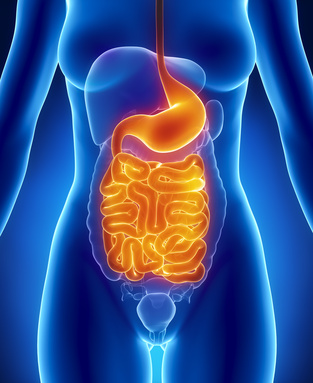
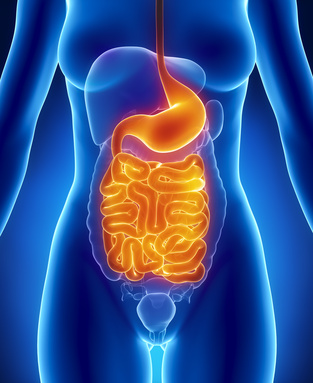
Small intestinal bacterial overgrowth (SIBO) is a pesky issue which means that there’s abnormal numbers of normal bacteria in the gastrointestinal tract. SIBO may cause intestinal symptoms ranging from diarrhoea and weight loss to anaemia and malabsorption. It’s believed to cause/aggravate symptoms of irritable bowel syndrome (IBS) [1] and some, like Chris Kresser, say it’s closely related to histamine intolerance, so dealing with SIBO may “alleviate” the former [2].
SIBO is diagnosed via lactulose breath testing (LBT), which is fancy speak for drinking a little sugar and then breathing into a tube.
As an aside, an interesting study published in Gut, the official journal of the British Society of Gastroenterology, raised the point that people administering this test may not properly trained in its execution nor its interpretation [3].
Many view SIBO eradication as the Holy Grail of histamine intolerance treatment. Kill the overgrowth, heal the gut, return to a normal diet. Sadly, spending months or years on antibiotics and or sugar free diets seems to be the norm.
I was lucky. I tested positive, started drinking olive leaf tea, cut most processed sugar out of my diet, but kept fruit in there. Six months later I was tested again and boom, it was gone.
Till now I haven’t really had a great reply to folks asking me how I managed to get rid of it. I never really thought much of it at the time because I didn’t really notice that much change in my symptoms afterwards. Or none that I attributed to the SIBO clearing up. Thing is though, and this is one of the biggest “mistakes” I made in my healing: I made too many changes at once, so it was hard to tell what had done what.
In this case, around the time I nixed the most commonly prescribed medical treatment; an antibiotic called Rifaximin and made the SIBO diet changes, I also started eating a diet very, very, very high in herbs. People’s eyes would bug out when they saw the volume of greenery going into my soups.
You’ll find recipes full of foods with antihistamine and anti-inflammatory properties my books Anti-Recipes and The Anti-Cookbook
Turns out my instincts were right on, because herbs, some common culinary ones and others you might have to make a trip to your local Whole Foods supplement shelf for (under medical supervision of course!), have been found to treat SIBO as well as a 10-14 day course of the antibiotic Rifaximin, with significantly fewer side effects; like causing further bacterial imbalance in the body and the very scary super bug Clostridium difficile.
I encourage you to print out the study (thanks Adele for bringing it to my attention!) found here for your doctor, specifically TABLE 5 (you’ll have to click on that separately) which shows all the effective herbal remedies.
A few highlights from the remedies, which I’m totally biased in choosing because I eat or take these regularly, including them in my books. They’re the cornerstone of my healing process…
Thyme
Olive leaf
Oregano
Sage
Skullcap
Ginger
Berberine (the topic of an upcoming recipe)
Check out the aforementioned table for the full list.
Talk about eating your medicine…
You’ll find recipes full of foods with antihistamine and anti-inflammatory properties my books Anti-Recipes and The Anti-Cookbook
Please remember, even antihistamine and anti-inflammatory foods can hurt us, please always exercise caution and consult a medical practitioner before adding new foods.
I recently posted a photo of a cast iron pan on Instagram, sharing that it’s one of the ways I boost my meagre iron supply; something I learned from Dr. Fuhrman, author of my nutritional bible, “Eat to Live.”. According to an emerging body of research iron accumulation may contribute to diabetes, ageing, strokes, Alzheimer’s and Parkinson’s [1].
On top of all that, even if I wanted to I probably wouldn’t have been able to tolerate the supplement. So many of us with histamine intolerance and mast cell activation don’t do well with supplements of all kinds, even ones we desperately need (in which case, as long as the tests prove it, I take anyway). But lugging a cast iron pan half way around the world on my travels is a bit of a bother, as is carrying Spatone iron rich water (airport security really seems to love those), whose aluminium interior packaging always worried me slightly; but in the end it was the case of the lesser of evils…
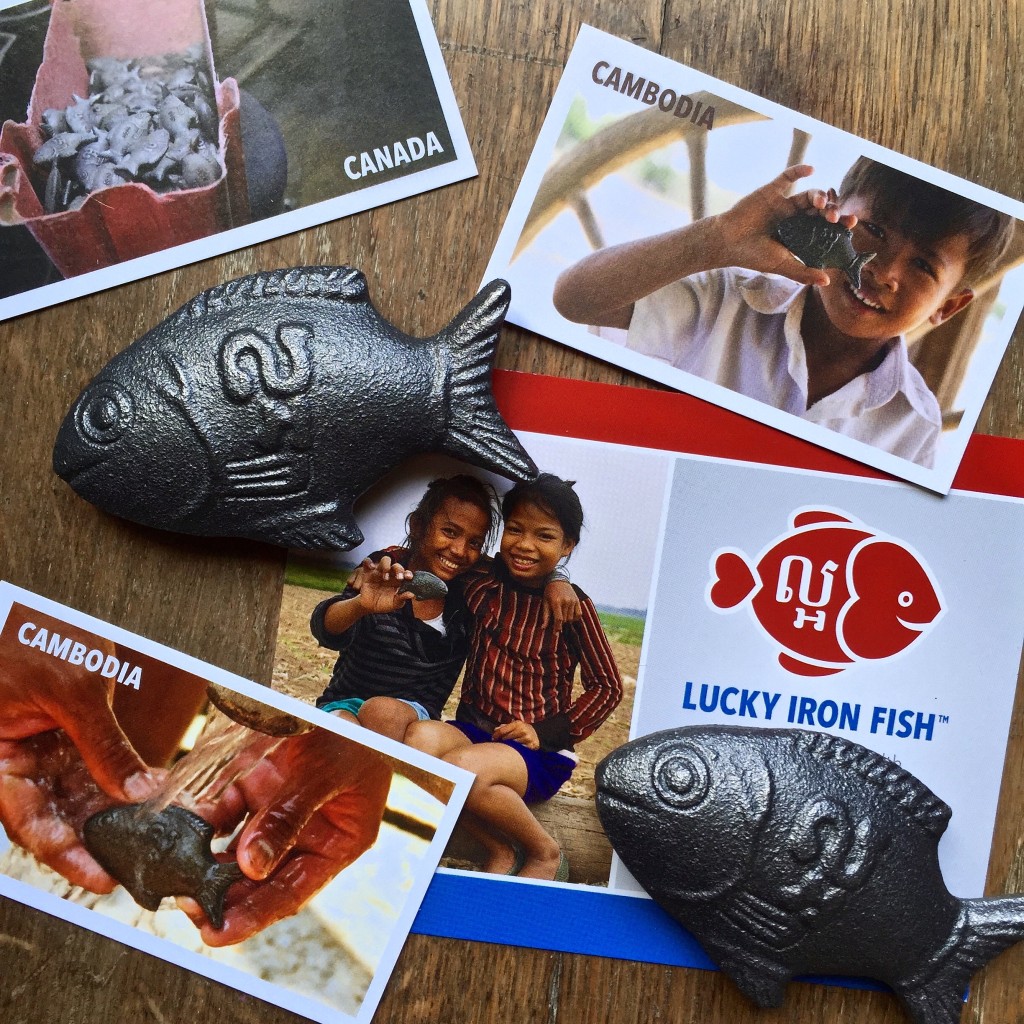
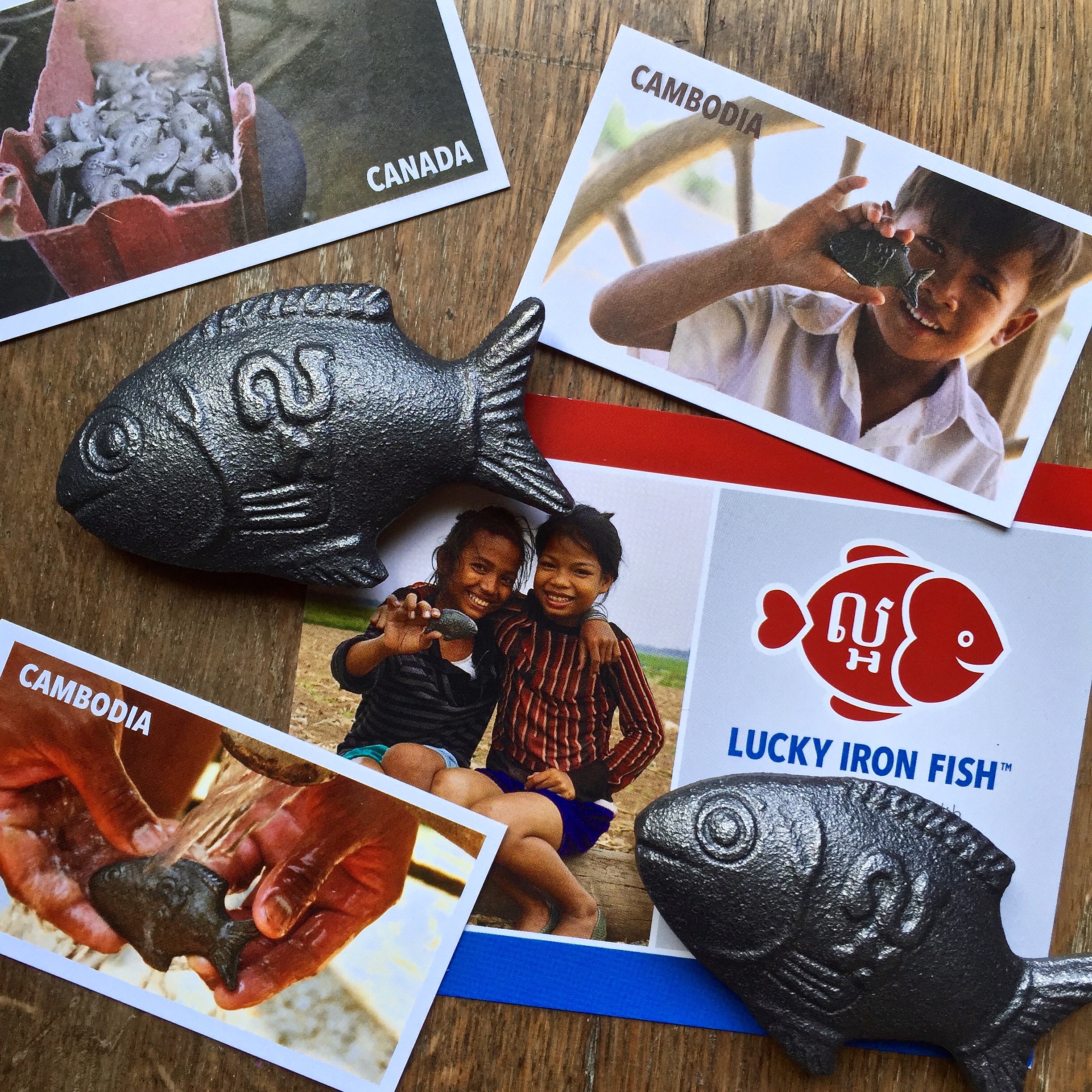
So I was super excited when a reader introduced me to the Lucky Iron Fish.
I do not have any kind of affiliate deal with the company and this is not a paid post – just sharing something cool I’ve tried and loved!
You’ll find recipes full of foods with antihistamine and anti-inflammatory properties my books Anti-Recipes and The Anti-Cookbook
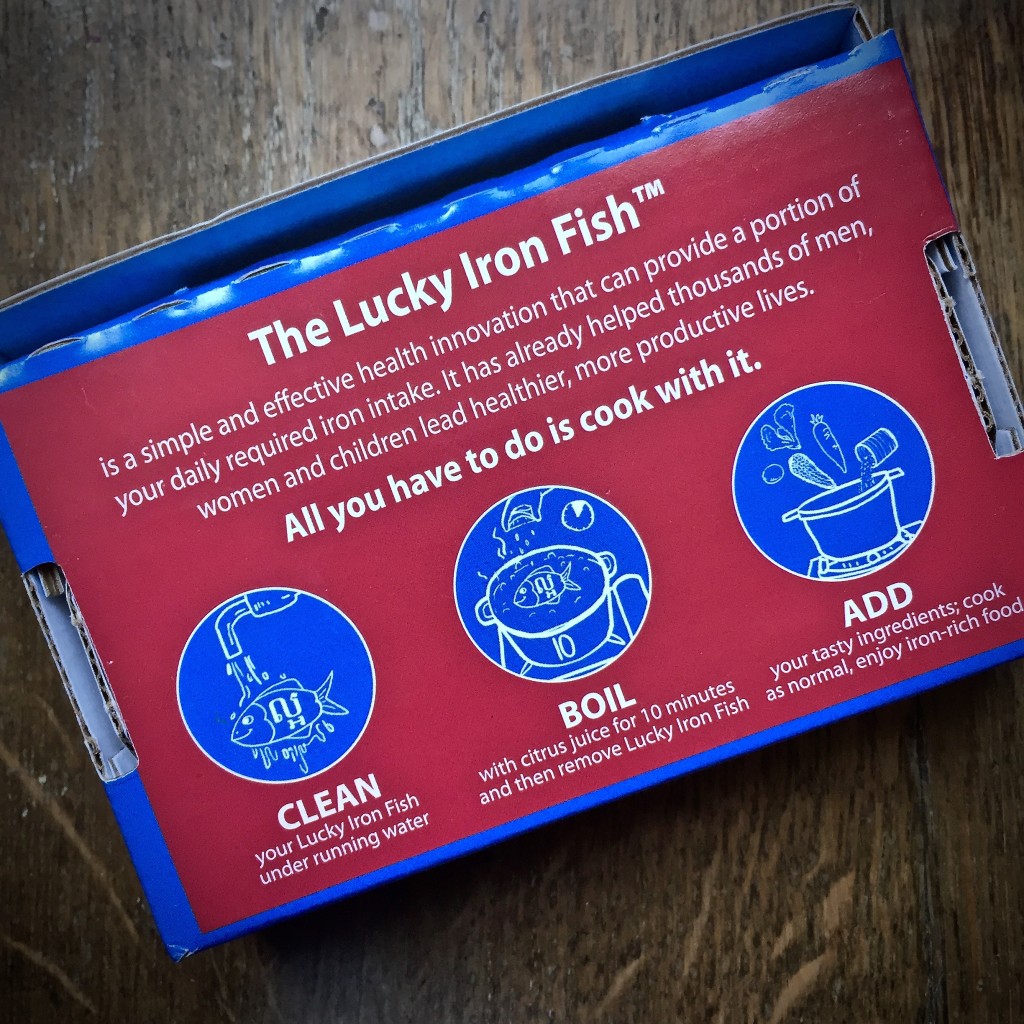
Created by a Canadian company, these little natural ferrous iron fish fit comfortably in the palm of the hand and can simply be plopped into any pot of food that has some liquid and something acidic (like lemon) in it, to release the iron, and boil for 10 mins. Or make your own iron rich water by boiling and cooling to drink.
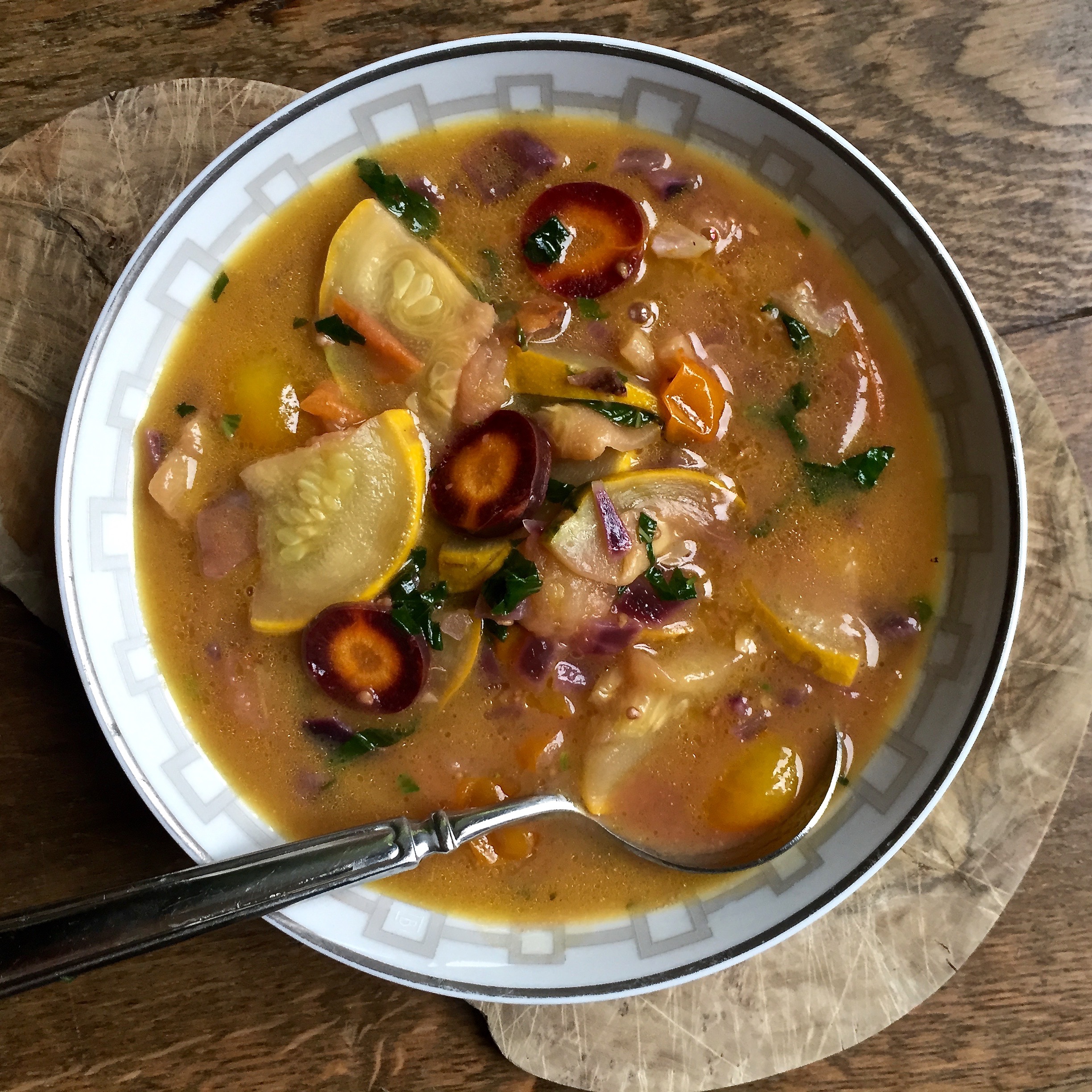
I went for the former: I added the fish to a lovely soup (recipe tomorrow) and didn’t notice any overt taste. The fish is so small I can just toss into my handbag on trips and I love that for every sale made the company donates a fish to a Cambodian family in need (where one of the factories is based).
The company stresses that their product is monitored for purity and that it can provide up to 75% of the required day intake of iron for women (read more here in their FAQ). Something I do need given that I eat a primarily plant based diet.
You’ll find recipes full of foods with antihistamine and anti-inflammatory properties my books Anti-Recipes and The Anti-Cookbook
Exercise is often problematic for those with histamine intolerance, mast cell activation or mastocytosis, mostly because cardiovascular exercise has been shown to:
Drive up histamine levels and aggravate allergies in animal studies
Stress of any kind can cause mast cells to dump unnecessary inflammation into the body
Exercise can damage muscles, prompting inflammation release to help heal them (this is not abnormal)
Histamine is created and released during prolonged exercise to prevent fatigue and increase endurance (but thankfully isn’t stored in the body afterwards)
You’ll find all the references for these as well as an explanation of the research I did and wrong avenues I pursued in trying to get my body healthy again in my post on histamine intolerance and exercisewhere I share research showing that exercise where we use our own weight like pilates or yoga, or lifting weights slowly, are probably our best bet, at least when starting out.
“In terms of systemic mastocytosis, and some with cutaneous mastocytosis, the most important things is to think about changing the lifestyle and the two most important pieces of the lifestyle are the exercise and the diet – interchangeably I mean, not one over the other,” Dr Castells.
Please don’t think I’m saying mastocytosis and histamine intolerance are the same thing, but they share many symptoms and characteristics.
You’ll find recipes full of foods with antihistamine and anti-inflammatory properties my books Anti-Recipes and The Anti-Cookbook
I am able to exercise again, really do so, like hiking up mountains in 35C/95F heat, doing 1.5 hours of seriously hardcore ashtanga power yoga 5-6 times weekly, as well as finally being able to run and kickbox again. But sometimes we need to exercise a little common sense in our exercise routine and so I was excited to find a great app that helps me measure how much stress my body is under. While you could do all this with a calculator, pen, paper and some elbow grease, I’m saving up my precious minutes to devote to yoga and all the other great stuff that keeps me healthy like meditation (if you’re not meditating yet – you should be, it’s a great way to potentially lower inflammation and histamine levels), so I invested $10 in the SweetBeat HRV app and fished through my storage for the old chest strap I used in my faint-on-the-treadmill-and-scare-the-heck-out-of-the-gym-dude days. Yep, it’s the same one he insisted I get because he was sure I was going to drop dead of a heart attack right there in front of him.
The app basically measures your resting heart rate and then charts it for you, based on a composite of many measures. In the FT article [1] where I learned about the app, the creator is quoted as saying that the HRV number is “associated with the tone of the vagus nerve”. Apparently research shows that the numbers are decreased by hard workouts and are affected by emotional stress.
So basically, you test yourself in the morning and when the HRV number plummets, you know it’s time to chill your exercise routine, because you’re body is a little stressed out.
In my case, that means going for a much gentler yoga practice, or taking a lovely relaxed long walk instead. I was super happy though to find studies showing that meditation can help speed up the athletic recovery process. One in particular that stood out, published in the British Journal of Sports Medicine [2],researchers were able to lower blood lactate levels by employing post exercise meditation. Lactate is the stuff that causes the burning sensation in your muscles and can be a big issue for runners.
No matter which exercise you choose, please remember to be kind to yourselves and go slow.
You’ll find recipes full of foods with antihistamine and anti-inflammatory properties my books Anti-Recipes and The Anti-Cookbook
Please remember, even antihistamine and anti-inflammatory foods can hurt us, please always exercise caution and consult a medical practitioner before adding new foods.
When I sit down to create a recipe for folks with histamine intolerance or mast cell activation I ask myself what I can do to make it something that can be enjoyed by an entire family. Because really, is it fair to restrict the diet/enjoyment of others in our household? It’s certainly not fair on us if we have to prepare separate meals and then sit and cry into our bland, tasteless meal while everyone else digs into a smorgasbord of delights either though, right?
So I do my very best to come up with low histamine recipes that can either be easily modified on the fly at the stove, or are just super tasty enough to be left alone, as nature intended it.
By nature I mean totally transformed by the plethora of fresh herbs available at most supermarkets!
You’ll find the recipe below, with an explanation of how you can quickly zest it up for those not dealing with histamine intolerance or mast cell activation…all the recipes in my Anti-Cookbook contain quick fix-her-uppers. Zesty options aren’t just for others though, they’re often suitable for those who are no longer in the elimination/beginning phases, like me.
Right off you’ll notice that there’s a few higher histamine items here: a few cubes of fresh tomato, some curry, and chickpeas, which at least 10 people love pointing out to me every time I post on instagram or FB are on high histamine lists. Chickpeas high histamine? I really have no clue why lists would say that, in the same way I questioned turmeric being on those lists given that it’s a mast cell stabiliser and antihistamine. Turmeric was eventually removed from the high histamine lists years after I kept insisting it didn’t belong there, maybe we’ll see the same with chickpeas. At the end of the day, most fruits and vegetables should be waaaaaaaaay on the bottom of the scale when it comes to histamine. The first hint of this was when calling lab after lab asking if they would be willing to test histamine levels in foods for me. Many were totally up for it and I jumped for joy! Till they found out, that as I eat a mostly plant based diet, that’s what I was interested in testing.
They told me that in comparison to animal products, most vegetables and fruits have undetectable levels of histamine (to put this in perspective though they’re mostly testing for spoilage which has very high levels…high enough to be dangerous to folks who don’t have histamine issues) and as such couldn’t help me out. Now there are exceptions to this of course and some veggies and fruits may have high levels or they may cause excessive histamine release in some with allergies.
While I offer a number of substitutions for most of my recipes, this one included, regular readers of my blog will know I’m not a fan of lists. Throwing the high histamine lists away was the first, greatest leap I made towards healing. Sure, it was useful for the first few weeks or months, if I had done away with them at that point.
Even the lists of antihistamine and anti-inflammatory foods that I have compiled according to scientific research and medical studies are of limited value as most are conducted on animals or in test tubes, generally using extracts rather than the whole food. At least though, unlike with histamine food research, a number of studies can generally be found supporting the properties of the compounds.
But I didn’t do away with the lists after a few weeks, or even a few months, or years. Initially excited by the quietening of symptoms I experienced upon the removal of smoked meats, fish, yeast and colas, I kept working my way down the lists till I was eating only five foods.
If you read far back enough on this blog, you will find posts where I talk about eliminating high histamine foods – but as my research continued, my healing philosophy evolved, and I began sharing the updated information here.
You’ll find a sample from the food diary back then in my post “Once upon a time we all reacted to all foods” here. It’s a bit of a heart wrenching read, easily conveying my alarm and incredulity as I became reactive to even supposedly safe foods. And then I understood: the key to healing wasn’t in eliminating foods, it was in adding highly nutritious foods, whether they may be on high histamine lists or not! Now, this didn’t mean that I was going to go out and stuff my face with tomato paste and balsamic vinegar, though they both have important nutritional benefits, but rather that I was going to exercise some common sense, and include a little avocado, chickpeas (lists be damned!!), lentils and anything else that fights cancer, prevents neurodegenerative diseases and so on.
“But hang on,” some say, “if you have the CBS genetic variant you can’t do sulphur foods and that’s a fact! So even if we know that onions and broccoli prevent cancer, those with this issue absolutely should not, under any circumstances, consume them!”.
That’s pretty much a direct quote, with many variations, that I get regularly, only there’s about a dozen exclamation and question marks after it 😉
Ok, so explain to me then why, though I have the COMT, I am able to do quercetin without issue?
Or why though I have the MAO, that I’m totally cool with turmeric?
Or how though I have the CBS, that I’m very chill with all sulphur foods?
Don’t get me wrong though, if I go mental and use 10 heads of broc, cauli, multiple onions and garlic and eggs in one sitting, my toots might not smell so fresh you know?
The point I’m making is that our genetics are but a blueprint, and even if the hand we’re dealt is in fact what we’re currently playing with, our actions affect how the overall game unfolds. For example, recent studies have told us that the length of our telomeres determines how prone we are to disease and how long our life span may be. But even more recent research tells us that we can increase telomere length if we make certain lifestyle and dietary changes [1].
I believe that not starving my body of any particular set of foods by eating a balanced, anti-inflammatory diet, has helped my body heal overall, rather than trying to starve its supply of histamine alone, which is required to keep our body firing on all cylinders.
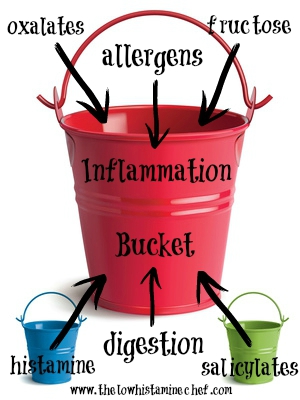
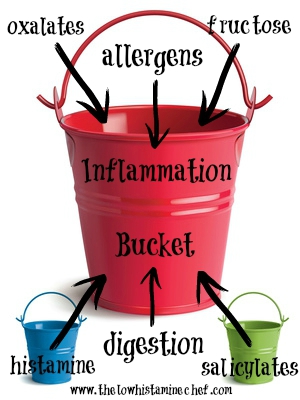
This brings us to something I recently talked about (if you’re bored skip to the bottom for the recipe) – the new inflammation bucket theory. In my first post on the topic “The inflammation bucket: or why I can now eat shrimp” I outlined how understanding that inflammation overall, rather than just histamine, was the biggest issue to address, helped me heal. In my new post “Reacting to everything? This could be why.” I share my theory on how individual buckets spilling over (salicylates, fructose, oxalates etc) can cause the big bucket to topple over, causing a reaction, though we’re not actually eating a lot of histamine.
Understanding this would have shaved a number of years off the recovery process, but hey, I got there in the end, so I’m not complaining. So finally, the recipe, a version of which appears in my on the go cookbookand Man Food.
Recipe nutrient breakdown
(includes optional items) extracted from the food lists in the Anti-Cookbook:
Anti-inflammatory: onions, ginger, turmeric, coriander, basil, chickpea, zucchini, olive oil, curry/garam masala, apple cider vinegar, white beans (these also possess antihistamine qualities in some studies [2]), red rice (thanks to anthocyanin), daikon radish.
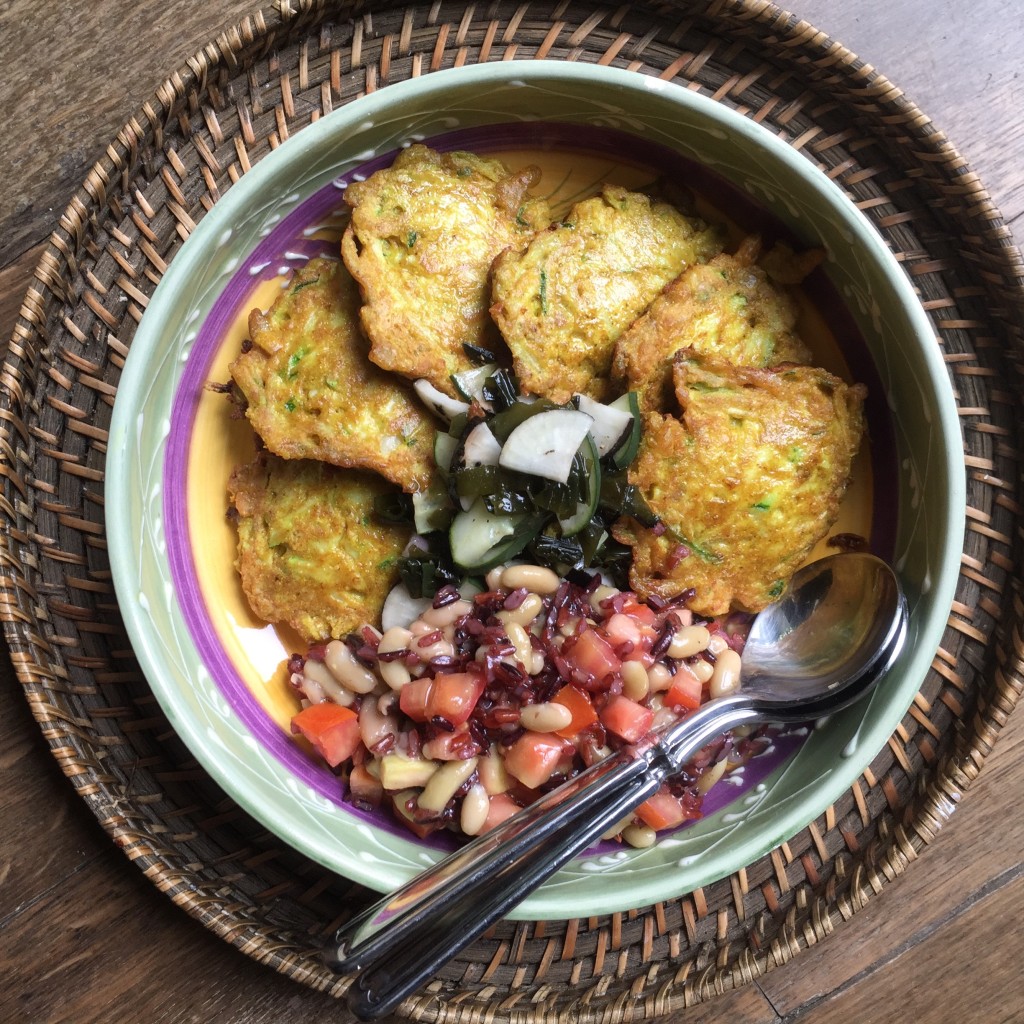
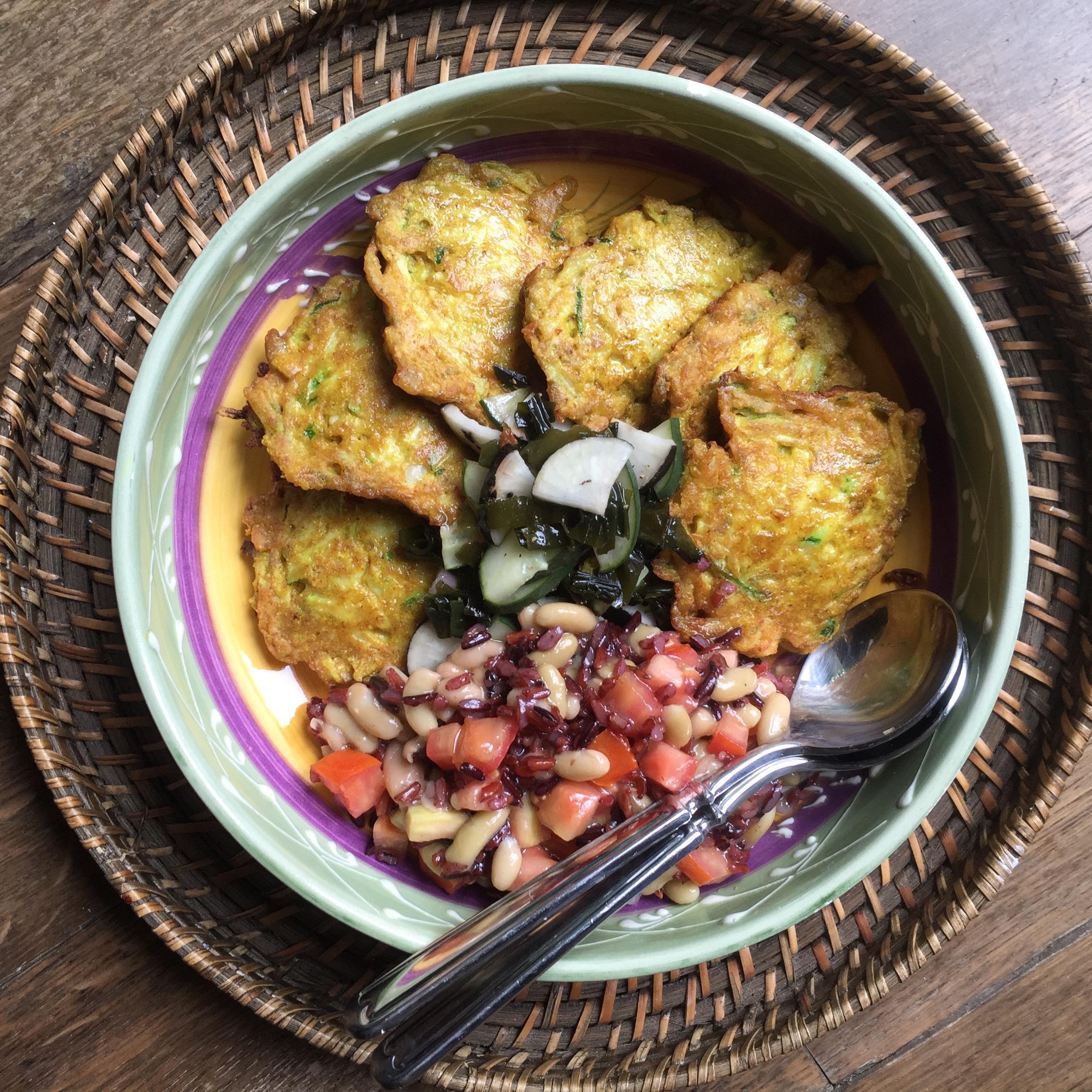
Gluten free vegan pakoras
You can sub the chickpea flour with lentil or rice flour, but if you want to use chestnut, sorghum or any other GF flour, you’ll have to add an egg or two for binding. Or you could check out my post on using chickpea or bean water generally as a vegan flour binding agent. Go ahead and grate any vegetable you tolerate instead of the zucchini and you can absolutely omit the onion or any of the herbs.
I served mine with an antihistamine white bean, tomato (high histamine), anti-inflammatory red rice and antihistamine quercetin rich red onion salad tossed in a little olive oil and apple cider vinegar, supposedly the lowest histamine of them all. You could try some lemon or anti-inflammatory tamarind paste instead of the vinegar, or just use the oil and a little chopped lemon or basil thyme. And also with an iodine rich wakame seaweed (antihistamine unless you’re allergic to seaweeds) [3], cucumber and anti-inflammatory and cancer preventing daikon radish mini salad with the same dressing.
Ingredients:
2/3 cup chickpea flour (you can use lentil, rice, or tapioca flour instead) 1/2 cup water (or less as needed) 1 medium zucchini, grated 1/2 red onion, very finely chopped (you can use any type of onion you like, red are higher in quercetin) handful basil and coriander, finely chopped olive oil
zesty options 2 tbsp grated ginger 2 tbsp grated turmeric 2 tbsp garam masala or curry spice
Directions:
Combine the chickpea flour and water. Allow to sit for at least 15 minutes if you can, which will help with digestibility. Mix in the zucchini, red onion, herbs. Eyeball what you may want to eat, overestimate if possible, because you can always freeze the leftovers for lunch, and separate yours into a smaller bowl. In the rest of the mix, add in the zesty options if using: ginger, turmeric and garam masala or curry.
Heat a little olive oil in a pan. Once warm, spoon in about a heaped tablespoon of mixture into the pan for each pakora. If you’re tight on time you can just pour it in like a frittata or pancake and then use a spatula to cut into squares, or you could just make it into a kind of pan pizza and then cut into slices on your plate.
Either way, once browned, flip over and cook through on the other side.
Use a separate pan for the two batches.
You can also just oil a baking tray and bake at 200C/380F for 15 – 20 minutes, flipping over once.
Serve with the little side salads or on its own.
You’ll find recipes full of foods with antihistamine and anti-inflammatory properties my books Anti-Recipes and The Anti-Cookbook
Please remember, even antihistamine and anti-inflammatory foods can hurt us, please always exercise caution and consult a medical practitioner before adding new foods.
You may think – “Well, I’m cutting histamine out of the diet, I really can’t get rid of anything else!”. So, you might not have to, many of us don’t have to, but we chose to, simply because wheat is inflammatory, specifically triggering inflammatory pathways related to mast cells [1].
In my view there is no one perfect gluten free flour, but this one is a great addition to my baking arsenal.
Cyperus esculents – also known as tigernut, chufa, or nutgrass, is a sedge (which resemble grass), native to southern Europe, the United States, the Middle East, Africa and India, among others. From this plant grows a tuber, kind of resembling a sweet potato and little nut like growths that to me resemble dried mulberries. Tiger nut is high in iron, magnesium and a number of amino acids [2].
In Spain we make a sweet milky drink called horchata de chufa.
Tiger nut uses:
Dairy free milk
Soup thickener
Flour: it has a lovely nutty taste and is quite sweet.
According to the studies I read:
Essential oil of tiger nut is a potent anti-inflammatory that may be beneficial in the treatment of arthritis, and just generally as a painkiller and an anti-convulstant [3].
In ayurvedic medicine tiger nuts are used in the treatment of flatulence, diarrhoea, dysentery, debility and indigestion [4].
While doing my usual research into tiger nuts, which consists of in vitro and in vivo studies – meaning done in test tubes and on animals rather than humans, I came across a number of studies on cyperus rotundus, another sedge in the Cyperaceae family.
Sadly, it’s apparently quite bitter, which is why it’s not used for food, but I found these studies interesting none the less as this sedge has been used in traditional Indian Ayurvedic and Chinese remedies.
You’ll find recipes full of foods with antihistamine and anti-inflammatory properties my books Anti-Recipes and The Anti-Cookbook
This sedge possessess anti-histamine/anti-allergic activity by inhibiting nitric oxide (this is a big deal for those of us with mast cells) [5]. It can also inhibit mast cell degranulation [6] And an essential oil extracted from it may help treat candida.
I first came across tigernut flour a few years ago in France, where I am again now. I don’t know if it’s just the brand that I buy out here, but it’s a wee bit gritty, something like milled flax seed, but the six people who ate my pancakes this morning said it was perfectly acceptable and that the pancakes were absolutely delicious.
I find it best to mix together a few flours when baking gluten free. You may have a different way of going about it, so just go ahead and do what works for you. My intention here is just to share a little info on a high nutrient flour alternative. The commonly used gluten free alternatives really don’t do it for me since they are pretty inflammatory themselves (things like corn and rice).
You can sub any flour, dairy free milk, sweetener, oil or fruit for something you prefer. This is the case with all my recipes! They’re not meant to be followed to the T – it’s about sharing nutritional details with you to help you create a diet that works for you.
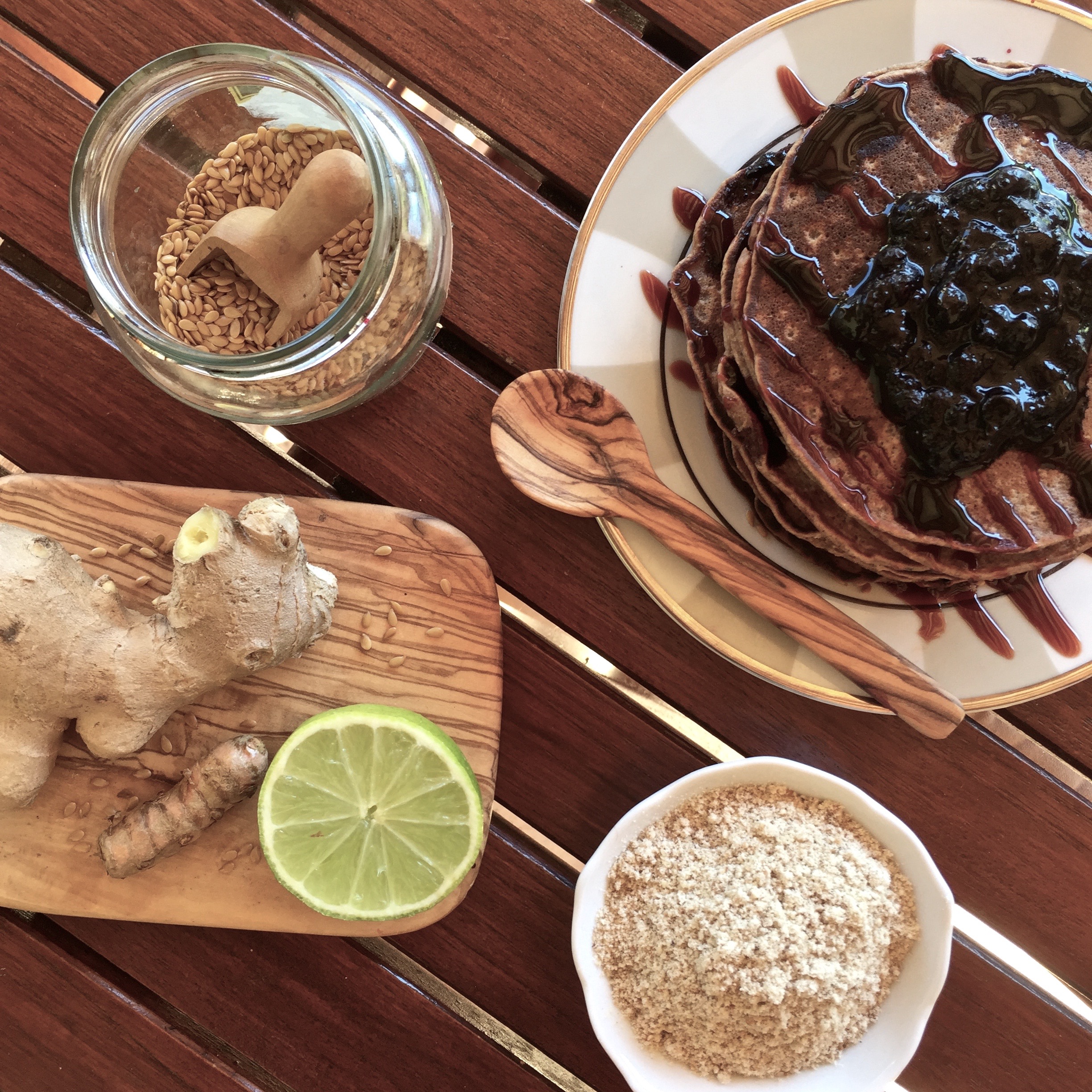
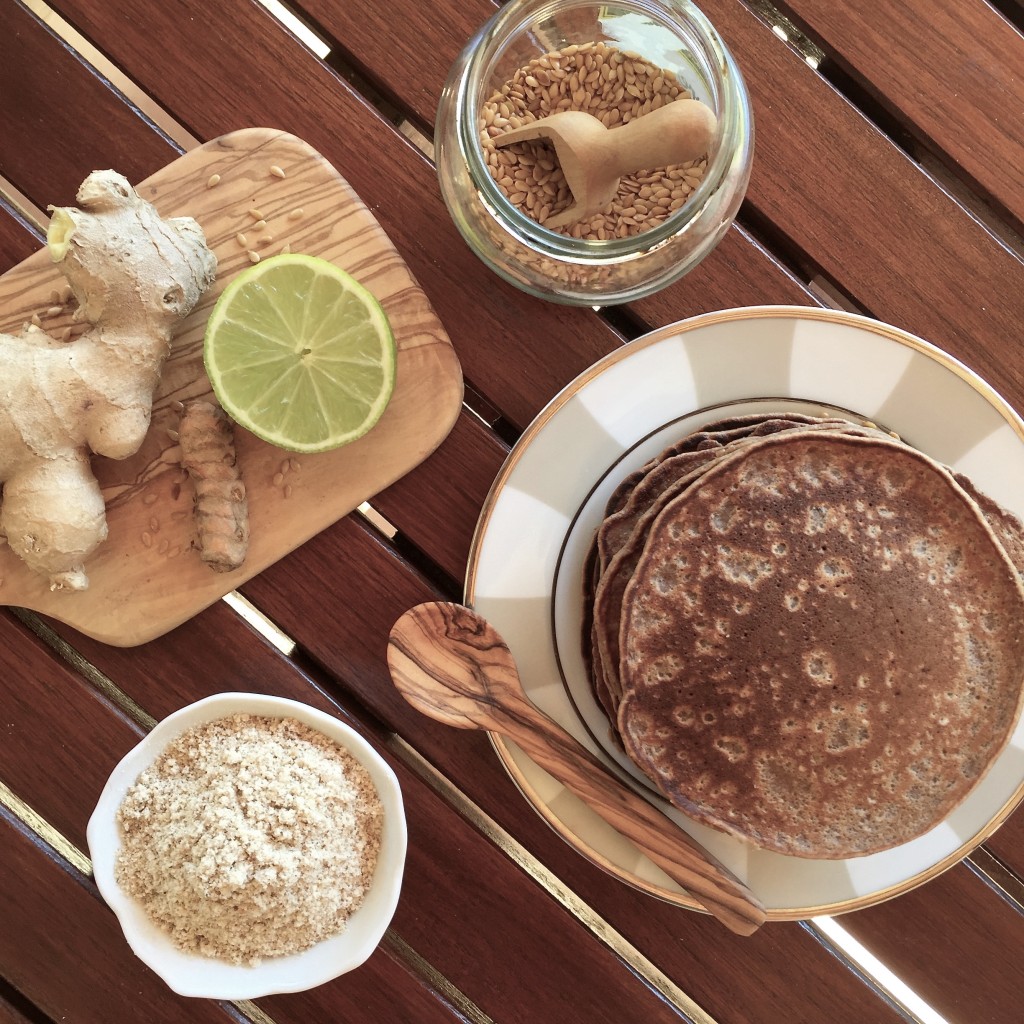
Gluten and dairy free tigernut flour pancakes with blueberry, ginger and turmeric sauce
Ingredients:
Pancakes 1/3 cup tigernut flour 1/3 cup tapioca flour 1/3 cup chestnut flour 1/2 cup coconut milk 2 eggs or 6 tbsp chickpea or other bean water 2 tbsp coconut oil 1 tbsp coconut sugar 1/2 tsp raw organic vanilla powder
optional 2-4 tbsp fresh ground flax seeds
Sauce 1 cup blueberries 1/2 cup water 1 tbsp date syrup or coconut sugar 1/2 lime or lemon squeezed 1/2 tbsp grated ginger 1/2 tbsp grated turmeric pinch salt
Directions:
Pancakes
Heat a little oil of your choice in a pan.
Combine the pancake ingredients and whisk and use a ladle to pour a little batter into the pan. Once bubbles begin to form, flip over using a spatula till you finish the batter.
Sauce
Place all the sauce ingredients in a small pot and add in about 1/2 cup of water. Bring to the boil and then lower to a simmer. The sauce is done once it has reduced and is a little gluey.
Serve with the pancakes.
Please remember, even antihistamine and anti-inflammatory foods can hurt us, please always exercise caution and consult a medical practitioner before adding new foods.
Why do many of us experience a gradual or suddenly increasing reactions to not just histamine, but foods on pretty much all the lists (salicylates, oxalates, fructose etc).
Does going on a strict low histamine diet make you more sensitive to other foods? Are we on the wrong track?
Yes and no.
One of the concerns immunologist and author Dr. Janice Joneja shared in my interview with her is the fear of a rebound effect of antihistamines, because the body needs a certain amount of histamine to keep us going (to keep us awake, regulate hormones, jump start the healing process and much more). The idea being that if we mess with our histamine, the body may produce more in order to keep these processes running smoothly, or it just may do so when the antihistamine is withdrawn or wears off. I experienced this in spades myself when weaning myself off the xanax I was addicted to for over a decade (many thanks to the giant pez dispenser/shrink who handed out a never ending supply, assuaging my fears thus: “Don’t worry Yasmina, these .25mg are really basically baby xanax). The surges of anxiety and adrenaline I deal with as the dose declined was way out of proportion to how I would feel just a few months later once my body re-stabilised (like I was reborn!). When weaning myself of my mega dose of antihistamines I experienced the worst symptoms of my life. Even worse than xanax. A rash on my hands and feet and agonising blisters in my throat – symptoms resembling hand foot and mouth disease!
All this information made me question if it’s also possible that strangling the body’s supply of fresh histamine from food sources may in fact cause the body’s mast cells, which safely house histamine and other inflammatory compounds till needed, to break open, dumping histamine (along with many other inflammatory molecules into the bloodstream) to make up for the shortfall?
To be honest I don’t have the answer to this. If I did you better believe that (like the rest of my writing) it would have the hell referenced out of it. Sadly none of the mast cell doctors I’ve asked this of have the answer either. One day hopefully we’ll get someone to take the issue of diet seriously enough to ask these questions. Till then, I can share my experiences and those of others, and maybe give you a little something to think about if you’re suddenly thinking you’re reacting to salicylates, fructose, oxalates et al.
What I’ve found is pretty simple: if you eat less of something, you’re gonna have to eat more of something else to make up for it. So cutting out histamine might mean an increase in salicylate consumption.
Which brings us to the inflammation bucket, which I have blogged about in the past, but now I’m going to get into it in more detail, along with sharing the nifty little graphic I put together for you above.
In much the same way that I find many of us acquire an alarming number of separate medical conditions that are really just naming symptoms of inflammation without getting to the root cause, I made the mistake early on of believing I had separate issues with: histamine, fructose malabsorption, salicylate intolerance, oxalates and mast cell activation.
Since then I’ve realised that I and a great many of the readers I have spoken with in consults, who email me, and those in my Facebook groups (just search FB for histamine intolerance), generally have sensitive bodies/stomachs. I’m seeing more and more that rather than going totally gonzo on a crazy strict never ending elimination diet and subsisting on meal replacement shakes, or super strict paleo, SCD, autoimmune paleo, it pays to just be a little more mellow and try to maintain a healthy, balanced diet.
How I see things:
Contained within my body is a bucket. Because I have struggled with inflammation in the past, I’ll call it the inflammation bucket.
Within this bucket live lots of other little buckets called: histamine, salicylates, oxalates and fructose (for starters). These little buckets start to fill up as we eat. Eventually, if we fill them enough, they spill over into the bigger bucket, which I see as balanced on a see saw, which then tips to one side, spilling, causing an inflammatory reaction. In the past I simply attributed this to histamine. But finally I realised that eating too much of anything, or just eatbiijsing it too many days in a row without allowing the bucket to empty, was causing the bucket to spill over.
So it’s not that all the little buckets need to spill over, it just takes one, the salicylate bucket for example, to rock the boat.
What are some of the smaller buckets?
Digestion: the digestive process requires histamine to power it and is essentially an inflammatory one [1]. This may be why I have experienced immense relief since giving up snacking. As Dr. Fuhrman covers in his book Eat to Live, if you’re always eating, you’re always releasing inflammation into the body.
Allergens: if you have an undiagnosed allergy it could definitely affect overall inflammation levels. Dr. Theoharides covers this in many of his very informative mast cell charts. Allergens can trigger mast cells (and others), where histamine lives in the body, to dump histamine and other inflammation into the body. I also found that highly allergenic foods, whether on lists as high histamine or not (things like soy sauce, peanuts, corn, yeast), to be major triggers. That one really puzzled me for a long time.
Stress: according to NIH funded mast cell researcher Dr. Theoharides, stress is one of the major mast cell and histamine triggers [2]. Stress, all on its lonesome, can fill me up faster than a media hungry Kardashian on the ALS bucket challenge. I had a major stress last week and my body had a full on meltdown. Total system shutdown, nothing to do with food or inflammation. In my world, stress is the number one trigger, which is why I have spent a considerable chunk of the last few years engaged in daily meditation and yoga.
Other amines and food compounds: histamine is an amine. Many elimination diets advocate chucking as many of these as possible out of your diet. I found balancing them to be a better approach for me, but we’re all different. Salicylic acid is a plant hormone that is also part of its defence mechanism [3]. Oxalic acid is also found in plants and has been found to irritate the bladder and possibly cause kidney stones [4]. Some folks are sensitive to both, even in small amounts.
I’ll be sharing 90 minutes of the best tips I’ve learned over the last five years researching and applying histamine intolerance and mast cell activation techniques to my own life in an online workshop taking place at 10am LA / 1pm New York / 7pm Paris time on Saturday April 23rd. There’ll be a recording of the event available to you as many times as you’d care to watch for seven days afterwards. Check out the event post here.
Emptying the bucket
Avoidance of allergens: based on IgE testing or that recommended by your doctor.
Antihistamine and anti-inflammatory rich diet: I have found that the best way to empty my bucket, or prevent it from filling up in the first place, is eating large amounts of healing, high nutrient foods that are high in antihistamine and anti-inflammatory compounds. Things like the bioflavonoids quercetin, rutin and luteolin, which have been shown to act as mast cell stabilisers and antihistamines [5]. You’ll find plenty of information in the Anti-Cookbook and Man Food. Because of this I now call my approach the histamine-balanced diet, rather than a low histamine one. I am now able to eat most high histamine foods, as long as I balance them with antihistamine and anti-inflammatory ingredients. As an example: half a sliced avocado, served with DAO boosting olive oil, antihistamine and anti-inflammatory cilantro, basil, thyme dressing, on a bed of anti-inflammatory vitamin k rich mesclun greens, paired with an antihistamine and anti-inflammatory green smoothie or juice.
Meditation and yoga: meditation specifically switches off the genes involved in mast cell disorders [6] and yoga has potent anti-inflammatory benefits [7]. I have found that lowering stress/anxiety levels meant I could eat more, lots more, of whatever I wanted (but I only want super healthy foods now anyway!).
Supplements: quercetin, rutin and luteolin can be found in supplements, including Neuroprotek, developed by leading mast cell researcher Dr. Theoharides at Tufts [8]. Nigella sativa meanwhile possesses significant antihistamine benefits [9]. Research has also shown holy basil and olive leaf to be mast cell stabilisers and antihistamine, at least in studies [10]. This doesn’t always translate to human beings. The Anti-cookbook is made up entirely of antihistamine and anti-inflammatory foods, as is Man Food.
Please always remember to check with a doctor before trying anything new. I am not a medical professional and as such can only share what has worked for me, and what worked for me may not for others.
Please remember, even antihistamine and anti-inflammatory foods can hurt us, please always exercise caution and consult a medical practitioner before adding new foods.
Eggs are a valuable source of protein, vitamin B12, iodine and riboflavin. Most importantly, for those taking certain anti-histamines and anti-cholinergics who are worried about their potential link to Alzheimer’s, they provide a good amount of choline.
On the flip side however, there’s been a definite rebound from the insistence that eggs do not affect hearth health. One of my favourite nutritional reporting sources Dr. Michael Gregor M.D. (thanks Reluctant Raw Foodist for the tip!) tells us, after a careful review of a slew of available studies, that egg consumption has been linked to a 19% increase in heart disease and a 68% increase in diabetes. He goes on to point out that once you have diabetes there’s an 85% increased risk of heart disease. Just half an egg a day was enough to increase heart disease risk by 6%, 40% in separated diabetes patients, while raising the odds of diabetes generally by 29% [1].
That pretty much blew me away. I’ve been slowly transitioning to an even more highly plant based diet but have been holding on to eggs; for ease of baking and also because they’re a great lightning quick stodgy breakfast when you really need to blast out of the house at light speed.
So I began investigating alternatives, beyond the usual flax/chia eggs that haven’t really satisfied me over the years.
It didn’t take long to turn up that a trick I’ve used to thicken up sauces for years is a great egg replacer…
I speak of bean brine!
But now the vegan movement have totally legitimised what was seen by my mom and friends as a really icky practice.
Just a few months ago my man asked me what I used to give my sauces such a lovely thick texture. Cream, butter, lots of olive oil or something? Nope, just the ooey gooey sludge that pre-cooked bottled beans come in (and back in the days when I was too terrified to eat anything I hadn’t made, the reduced bean water they’d been boiled in). My logic at the time: all the good stuff like vitamins are in there and look, it’s like freaking magic, people use inflammatory flour to thicken their sauces and I’m using something that fights cancer, and depending on who you believe, have antihistamine properties.
Now of course – yes, lectins are a problem for many, something that pressure cooking is purported to take care ofand there’s the fear that biogenic amines leached out of the beans during the boiling process can cause problems for others. But in my case, and that of those with egg allergies or others who just plain react to egg whites because they’re a mast cell, histamine and allergy trigger, it’s really just the lesser of evils isn’t it? You choose. Egg white is so potent it’s frequently used as a mast cell/histamine/allergy trigger in research studies [2], along with carrageenan, which seems to be found in almost every man made product found on a super market shelf.
My primitive little bean water trick allowed me to transform a lowly beans and nondescript green veggie platter into a richly sauced, highly tasty treat. A little fresh antihistamine turmeric and ginger, a little splash of olive oil – presto, dinner! Though I have spoken about it a few times in groups I knew people would be pretty grossed out.
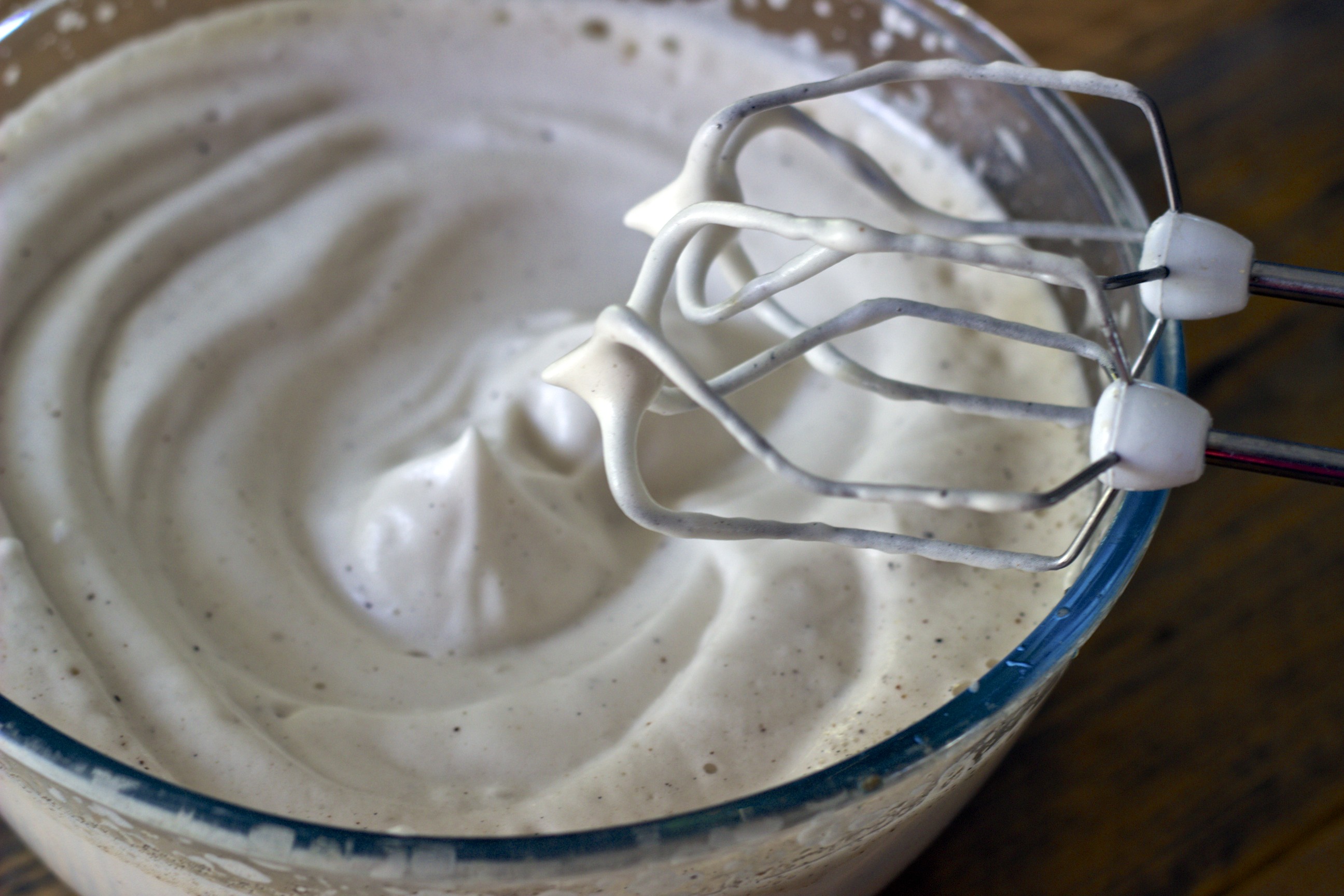
But now, we have aquafaba. Bean water re-imagined and rebranded for vegans and egg allerginistas. Something that can be fashioned into everything from a simple egg replacer/binder in baked goods (3tbsp of bean water to one egg) or whipped into vegan meringues, ice cream fluffer, pavlovas, flaky vegan pie crusts and more [3].
Here’s the basic concept: drain some chickpeas and use a hand held blender to whip it up. Aquafaba! I’ll be posting a bunch of recipes in the coming weeks. So far I’ve made white chocolate mousse (white chocolate is supposedly lower histamine than the dark), lovely egg-free muffins and delicious marshmallow fluff and frosting. Sadly I didn’t take photos as I went along, and now I’m moving from my current home and won’t have access to a working kitchen for the next few weeks/months. I just wanted to share this quick tip on how to veganise my recipes and leave you to google all kinds of exciting recipes in the meantime, till I’m settled and able to share with you my antihistamine and anti-inflammatory ideas for this lovely new find.
If you haven’t done so yet, download my free muffin booktry and try all the great muffin recipes with bean water rather than egg.
It’s finally here! Man Food – a high nutrient antihistamine and anti-inflammatory ingredient filled book geared towards guys, women who love to work out, yoga like they mean it, or just load up on healing nutrients. Features my personal shopping list of antihistamine and anti-inflammatory foods.
The Anti-cookbook and all liquid Anti-Detox Book, don’t treat any conditions, but feature a plethora of the high nutrient antihistamine and anti-inflammatory ingredients that have been instrumental in helping me feed myself on a limited diet. The Anti-cookbook features a six page list of antihistamine and anti-inflammatory foods and comes in regular and Paleo.
The Low Oxalate Cookbook features antihistamine and anti-inflammatory rich recipes.
Don’t miss the Low Histamine Beauty Survival Guide for non-toxic beauty tips, the skinny on histamine releasing (mast cell degranulating) beauty ingredients, antihistamine and anti-inflammatory beauty alternatives and the top brands natural brands I’ve found.
Please remember, even antihistamine and anti-inflammatory foods can hurt us, please always exercise caution and consult a medical practitioner before adding new foods.
UPDATE: The USC Longevity Institute have kindly agreed to send me a fasting mimicking pack to test so that I can share my experience with you. I’m just waiting on medical approval and then will jump right in.
Water fasting’s health benefits have always interested me. Recent research showing that fasting can prevent mast cell degranulation (the process that releases histamine into the blood stream from mast cells) in mice [1] and rats [2] were a great find, but sadly I eventually found that water fasting was too stressful for my nervous system.
And then, while perusing the diet and health section in a bookstore, I stumbled onto the research of Dr. Valter Longo, director of the USC Longevity Institute, regarding what he has dubbed the Fasting Mimicking Diet (FMD).
In a nutshell, the FMD is essentially one which recreates the anti-inflammatory, cardiac, cancer and neurodegenerative protective effects of water fasting in a less extreme way, by allowing the consumption of 750-1100 calories for a five day period.
There’s so much press coverage of the general benefits of the FMD that this interview with Dr. Longo focused on exactly how this fasting style benefits those of us with mast cell activation, histamine intolerance and food allergies.
The most exciting take away from my chat with Dr. Longo is that his new research on mice showed that a three day fast (which would correspond to a five day fast in humans) induced a 40% regeneration of immune cells (which include mast cells). He believes that the cells that die off are “faulty” and that the newly minted cells could offer some kind of resolution/positive benefits to immune system conditions, including mast cell activation, histamine intolerance and food allergies.
This corresponds to something I’ve heard mast cells doctors tell folks: avoid your triggers to stop activating mast cells for long enough and they’ll die off eventually. Well, this seems like an incredible shortcut that doesn’t involve massive deprivation.
As an aside, I recently visited with a friend in Portland who has mastocytosis who commented that I eat few meals and don’t snack. Yes, and that’s partially how my symptoms cleared up: having a liquid in the morning and then two meals is a kind of mini fast, causing less inflammation to be released by the digestive process. Not as great as a five day fasting mimicking fast, but still better than constantly stuffing my face through the day as I used to.
Other super interesting take aways from this interview:
– The amount of protein you’re likely eating is prematurely ageing your cells
– Why a mostly plant based diet is best for longevity and immune system function
– The FMD may soon be approved for immune system dysfunction and cancer treatment
– How to get started on this fast
– The effect of fasting on the adrenals
You’ll find recipes full of foods with antihistamine and anti-inflammatory properties my books Anti-Recipes and The Anti-Cookbook
The podcast interview with Dr. Longo is just below and you’ll find the transcript of our chat under that.
DR. VALTER LONGO INTERVIEW TRANSCRIPT
Yasmina: Joining me today is Dr. Valter Longo, whose pioneering research on Fasting Mimicking Diets has been excitedly trumpeted across every major news outlet from the United States to Japan. Dr. Longo has been researching fasting since joining the Laboratory of Calorie Restriction pioneer Roy Walford at UCLA where he studied the effects of fasting and the ageing of the immune system. Now the director of the University of Southern California Longevity Institute, Longo has spearheaded some of the most exciting new research on FMDs, Fasting Mimicking Diets, which allow 725 to 1100 calories daily while still offering the neuro and cardiac protective ageing and anti-inflammatory benefits of water fasting with less stress to the system. Longo’s FMD allows you to consume just enough calories to keep the body running, making it much easier to stick to. I mean, I don’t know about you, but water fasting is really only practical if you are shut up in a Buddhist monastery or sitting in a Zen Garden counting the rocks for the duration. Dr. Longo, thanks so much for joining me here today. I have been reading your research on Fasting Mimicking diets with really, really, great interest. It is something that those in the histamine intolerance and mast cell community speak about a great deal given that food is such a strong symptom trigger for many of us. The skipping meals thing becomes a way of life because cutting the caloric intake seems to have a positive effect on the health, at least in the short term, until we run low on nutrients. At least that has been my experience. So, I have done many water fasts in my life, believing that I am doing something good for my body. While I know that water fasting is beneficial for some, at least in my case, it turned out to be far too stressful for my body. Dr. Longo, please give us an idea of what the Fasting Mimicking Diet is, and how you think, what you think, the medical applications of this will be.
Dr. Longo: Yeah, it’s right up in high in calories, you have between 750 and 1100 calories a day, are high nourishment, and they’re really like a medicine. They are all plant based. So there’s no drugs in it. But they’re really like a medicine. And we really foresee that very soon, I mean we’re talking to the FDA very soon, and we think that people are going to go to the doctor, and the doctor already saw the patient and is going to say, “Oh, you know, you have this condition I am just going to put you on three cycles of this and we’re going to monitor, in your case, the histamines and the other immune cells that are implicated in the disease, and that’s it. Together, with immunology, with the doctor, they can come up with a plan to see if this works. Of course, it comes with instructions of all these things, the exclusion criteria, all the things we use in clinical trials are going to apply. Now, we didn’t want to wait until the FDA approval because that is going to take another six or seven years. But because it’s food, once we finish the trial on seventy to eighty people, which is pretty much done, then I think that with the supervision of the doctor, these Fasting Mimicking Diets can be recommended to the patients and they are not there to treat or prevent diseases until they are FDA approved for that purpose. Now certainly the doctor can decide what diet they put their patients on and if they decide that this is the diet that they want to recommend then that is in their call.
Yasmina: So, I would love it if you would please share with my readers your finding on FMD’s, specifically their effect on the immune system and mast cells.
Dr. Longo: We actually published another paper about a year ago more specifically looking at the immune system, although this paper that we just published also did so. And in that paper, we showed that mice undergo a long period of fasting, three days which is about, we believe, the equivalent to five days for humans, we showed that first a decrease in the number of white blood cells and then following the receding an increase in this white blood cell number. And this was caused by stem cell based regenerations. So, in other words, about forty percent of the of the mouse white blood cells were destroyed during the fasting, and then upon the receding they will rebuild a regenerated to show that the mice ended up with a new set of cells, basically. So, obviously now we followed up with this study with the Fasting Mimicking Diet, basically showing that it is effective also in old mice in rejuvenating the immune system of old mice. And we believe that is, of course, by a similar mechanism, which is determined on homopathetic stem cells. And so the good news, I think, for any disorder of the immune system, and I can’t really discussed it very much, because we haven’t published the other paper, but we certainly are working multiple disorders, several autoimmunity based disorders, and I think the good news is that is by getting rid of the the old cells or damaged cells, and generating new ones, of course, you have something that tends to eliminate the problems, and possibly the problems that you are interested in.
Yasmina: Something that news reports on your findings really honed in on is that the benefits of the FMDs last for some time, even if the subjects went back to their previous eating habits, which, in some cases, wasn’t very healthy at all. Can we really go on this fast once a month and then go back on a standard American diet? And I also wondered if you believed that if people choose, instead, to adopt a healthier diet, will there be a better chance of rebuilding healthy immune cells?
Dr. Longo: Yeah, so, you know obviously we were very interested in that and my, one of the gurus of restriction was my mentor Roy Walford a long time ago at UCLA, and I always. I never went in his direction which was chronic calorie restriction and the reason was that I thought nobody was going to do it, A, and B I also felt that there was going to be side effects and by pushing a system to the limits all the time, you’re going to get benefits but also side effects. Now Walford was a great guy and his research on calorie restriction was of tremendous help of to understand basic mechanisms but had those problems. With that said, then obviously we think that A) there is an ideal diet but B) there is a reality, and the reality is that a lot of people are not going to do an ideal diet, in fact the great majority of Americans probably will never do that. And so we now know because the mice for example were on an 18% protein diet, relatively unhealthy diet and we just switch them twice a month to four days to the new diet and starting middle age and this worked extremely well; both with the regeneration of the immune system with lifespan extension with reduction in inflammatory diseases, etc, etc. Now in humans we started with the first 19 patients and the controls and we see the same, certainly all the same, changes in these people, also are not asked to make any changes. Basically they’re just asked to return to whatever it is they did before and just do this for five days once a month. They got a box containing all the food and they used that and then they went back to normal. So, then we know that it works with that change. It doesn’t mean it wouldn’t work better if you did switch to a diet that is also ideal in between.
Yasmina: Given all your work with the immune system, what do you consider to be the ideal diet?
Dr. Longo: The ideal diet is a plant and fish based diet that is low in protein, about 0.37 grams per kilogram body weight and that may increase a little bit in proteins after age 65 or 70, depending on the need, and then a diet that is high in nourishment meaning a lot of greens a lot of vegetables, not so much fruit, a little bit but not very much and a diet that is rich in nuts, rich in olive oil, legumes rich also. I guess that some people might have allergies to it, a lot of the times these allergies are just temporary ones if you’re used to having a bad diet and you switch to legumes you might have some issues but in a lot of people those tend to go away. That doesn’t mean they’ll go away in all people, so for some people they’re just going to have to find the food that they’re okay with, but I will say the great majority of people can be on this diet and can be very happy. Let’s not forget that some of the populations from around the world whether its Loma Linda in California or Okinawa or Southern Italy or Greece, they’re pretty much on this diet, different versions of it, Okinawan’s eat sweet potatoes and Southern Italians eat green beans and the Californians probably eat other type of greens but overall they have very similar diets and not surprising they’re among the longest lived in the world.
Yasmina: Could you please give us a breakdown of the macro nutrient ratio of the Fasting Mimicking Diets used in your studies?
Dr. Longo: We don’t like to talk about that because when we do that everybody…we did that…we made the mistake seven years ago when we were doing this for cancer and the result was, which is very very scary, everybody went home and tried to do medicine at home. And then we started hearing back the problems, a nurse didn’t do it the correct way and got liver damage out of it, another person that passed out and hit the shower and was rushed to the hospital. Another one that passed out in the shower too. And this is a very powerful but it also it can greatly benefit you if you do it correctly but it can also hurt you if you don’t. I know that people think it’s food, how can it hurt you, but it can hurt you. I think very soon we’re going to have this available in a package from a company called L-Nutra that makes it, I don’t make any money out of it, so people can relax and not worry that I’m doing this to make money cause i donate everything. But I think it’s very important that it’s standardised and that’s what we’ve done.
Yasmina: As I mentioned earlier, water fasting turned out to just be way too stressful for my body and studies show that stress is a mast cell and histamine trigger. Are there people who are just not suited to FMDs? Has stress been an issue in any of your studies on fasting?
Dr. Longo: Well, I’ve done it both ways and so has my lab and my parents and my brother, my sister, and yeah water only fast, i’ve only done it one time and i’ll never do it again. It was just psychologically torture I was just [inaudible] the biggest one in the world for fasting and you know we always joke around but they. I told them, most people are going to think of this as torture. But I’ve done the Fasting Mimicking Diet and it’s just a completely different thing. Now you can eat three times a day and you can have snacks and you can have bars and you have soups and etc etc, so it really. I, as well as 95% of the patients in the trial, only 5% dropped out, and I, as well as them, felt that it was actually very easy and actually you may want to send your readers to the BBC site because we had Peter Bowes the journalist of BBC in the trial so he wrote a 3-part story of his experience in the trial and yeah so then people can read that and it’s an interesting story that he wrote.
Yasmina: There’s a lot of talk in the blogosphere and most Facebook groups about fasting causing stress to the adrenal glands. Have you seen any evidence of that?
Dr. Longo: Well, this is one of the reasons why we spend a lot of time doing clinical trials and also collecting data from the big clinics so now we’re trying to get safety data from the Buchinger clinic. They fast about 5000 people a year and, as far as I know, I’ve seen really no evidence of adrenal damage. That does not mean there are clinics are for profit, so that doesn’t mean that we know yet. There haven’t been clinical trials done. So, those need to be done but certainly in our trials of 80 people we did not see any issues with the three cycles of the Fasting Mimicking Diet. Now, of course, water only fasting and fasting mimicking are completely different things. And I suspect that many more side effects are going to be seen with improvisation. For example, gall stones, very well established, there are papers on that, particularly if you have a high protein fasting diet, so that if you include proteins in the diet and you otherwise fast but also the water only fast possibly could contribute to gall stones, particularly in women over 40 and who are obese. So yeah, there’s probably all kinds of problems, they’re going to be rare, particularly with the Fasting Mimicking Diet but we need to do more studies and this is why the FDA process is important, because, you know, when we do the thousand people trials these things all come up and then eventually you need a phase four when you monitor thousands of people. And those things should definitely come up if they’re real. I doubt there’s going to be any adrenal issues with the Fasting Mimicking Diet, but we need to keep studying it and make sure there’s none.
Yasmina: Indeed, I’ve read some incredible water fasting horror stories. I’ve always found it strange that people at home would, on their own, while at their weakest and probably most starved of nutrients would embark on a water fast. I mean, it has it’s benefits of course, but going it alone with no medical supervision is probably unwise for many. But is there anything interesting you’ve come across with regards to histamine or IGE allergies as relates to fasting?
Dr. Longo: We know that during fasting there is a release of cortical steroids, and the good news is it’s all timed and it’s all done in a natural way so it’s a level of cortisone basically that is able to shut down a lot of the immune responses that are not needed but then it goes away. So although we haven’t looked at allergies yet, we suspect that this is probably going to have a strong effect in allergies that are chronic allergies and conditions where you have an immune system that is misguided.
Yasmina: I’ve seen that USC has developed a kind of package diet that includes all of the foods that you would need on an FMD properly calibrated with the macro nutrients and everything. When will this be available for sale?
Dr. Longo: It’s ready to go, it’s just a matter of launching it. I think in the next three months it should be available. People can keep checking with L-Nutra, the company, and they can send emails to ask when it’s ready. Eventually, we hope to train people at USC through a certificate program and still have people that are much more familiar with it because they understand. I’ve been doing this for ten years telling people, “Go find a doctor,” and they come back to me two days later and say, “There is no doctor like you.” And so I think that doctors are starting to see more integrated medicine. So I think people can just go to an integrated medicine centre in their city and say, “I want to do this, I really decided on this, I know this is clinically tested in a top university and I just want to do it.” And I think it shouldn’t be that hard to find an integrated medicine doctor that is willing to follow the patient while they’re doing this. So you just go there and tell them…or they can contact us and we can get in touch with the doctor or conduct a Nutra (?) and then they can set up all the paperwork needed to do it.
Yasmina: That’s wonderful. Thank you so much for joining me for this interview today Dr. Valter Longo, Director of the USC Longevity Institute, talking about his pioneering work on Fasting Mimicking Diets and the AlNutra System.
Dr. Longo: You’re very welcome.
Yasmina: Now please, everyone, before you go out and try and do this yourself at home, please know that the calorie macro nutrients need to be in a certain ratio and messing that up can lead to gall stones, fainting, or more serious health issues. To me, the main benefit of the FMD is being able to lead a somewhat normal life while fasting. Dr. Longo believes that light exercise is possible while on FMD. I’m personally really looking forward to getting on one of those fasts the moment that Doctor’s are trained up and I’m definitely going to check out the products once they’re released, and begin the “Doctor Hunt.” That’s going to be interesting. Don’t worry, I’ll be updating you all as soon as that happens and I’ll report back on the results immediately. You’ll find my favorite non-fasting liquid recipes in the Anti-Detox book at my website, the lowhistaminechef.com. These are my go to recipes when feeling like I need to hit the reset button. You’ll also find super-duper high nutrient anti-histamine anti-inflamatory ingredient rich recipes in the Anti-cookbook and Manfood for those with healthy appetites also on my website. And you can download my free e-booklet on how I reintroduced foods from the freebies page on my website. Just look for it in the main navigation on my homepage. Thank you so much for joining me here today, I’m Yasmina Ykelenstam; the Low Histamine Chef.
Thanks for listening to the Low Histamine Chef Podcast. Don’t forget to sign up for Yasmina’s mailing list over the lowhistaminechef.com to get your free copy of the 32 page food re-introduction e-booklet. Until next time, thanks for listening.
You’ll find recipes full of foods with antihistamine and anti-inflammatory properties my books Anti-Recipes and The Anti-Cookbook
Please remember, even antihistamine and anti-inflammatory foods can hurt us, please always exercise caution and consult a medical practitioner before adding new foods.
One of the most terrifying symptoms of histamine/mast cell disorders has to be the dreaded brain fog. In my case this manifested at an early age with an inability to understand or remember what was being said in classrooms. I relied heavily on my notes, when I wasn’t too exhausted or disinterested to write them (motivation takes a plunge into the toilet bowl when you’re too tired to walk to class), but even a hint of stress would send said information scurrying into the furthest recess of my memory. A leftover from those years, which has sadly persisted to this day, is that I will question something I believe I know – something I have read or studied, simply because accessing memories formed in those troubled years is like trying to scoop up a catfish from a slimy green pond using freshly vaseline-d hands. The harder I try to extract said nugget of information from that murky green pond, the more it writhes and wriggles free, till I lose it, unsure it was ever there.
Thank goodness for iphones, wikipedia and google.
Luckily, memories formed in recent years have proven far easier to access (now that my brain fog has resolved) and so today I’m sharing some of the causes of brain fog in histamine disorders and the research on how to alleviate it. There is of course far more than just one cause and more than one approach to treating it…
A 1986 study in the journal of Psychosomatic Medicine debuted a new term: mixed organic brain syndrome. Ten patients with mastocytosis (a mast cell disorder) underwent a battery of psych tests which revealed: “diminished attention and memory, affective changes of anger, irritability, and to a lesser extent, depression. They found this was due to mast cell activity and that in some cases antihistamines and mast cell stabilisers appeared to alleviate it. They did not believe that depression was the cause of the cognitive impairment, which is what most doctors believed at the time [1].
Dr. Mariana Castells in Boston was one of the first to recognise and diagnose it. Read my interview with her here for more on her approach and belief that lifestyle and dietary changes can help in mast cell disorders.
I’m not suggesting that those with brain fog have mastocytosis, rather just sharing the background that mast cell issues are related to brain fog and memory issues, and that studies show stress can cause histamine to enhance or interfere with the formation of memories [2].
According to a paper by Dr. Theohardies at Tufts, published in Neuropharmacology, a section of the journal Frontiers in Neuroscience, brain fog is a constellation of symptoms that include reduced cognition, inability to concentrate and multitask, as well as a loss of short and long term memory. The paper goes on to share that brain fog is common to those with celiac, chronic fatigue, autism spectrum disorders, fibromyalgia, mastocytosis, postural tachycardia syndrome, as well as in early clinical presentations of alzheimer’s. Dr. Theoharides believes that brain fog may be due to inflammatory molecules and histamine released from mast cells, causing brain inflammation [3].
The paper sums up the findings I spoke about earlier regarding histamine’s opposing roles in memory: “It appears that some histamine is necessary for alertness, learning and motivation, but too much histamine shuts the system down, in mast cells and histaminergic neurons, by activating H3 auto inhibitory receptors leading to brain “fog”.
So, what can we do about it?
The paper concludes with a review of recent research, including that of Dr. Theoharides, showing that flavonoids occurring in nature, like luteolin (though quercetin is also one), can prevent and treat neuropsychiatric and neurodegenerative diseases (including alzheimer’s). In a similar vein, researchers at the University of Illinois recently published research on how luteolin could help alleviate or prevent symptoms of alzheimer’s and multiple sclerosis, based on its neuro protective activity [4].
Those of you familiar with my work and recovery will no doubt already know that my diet is very high in these phytonutrients – luteolin and quercetin specifically. Dr. Theoharides research has of late focused on luteolin – it’s stronger than quercetin in a smaller dose. His paper tells us that less than 10% of orally ingested flavonoids are absorbed! Which is why I began taking his Neuroprotek supplement a few years ago.
Now, the “can’t eat enough to work your way up to a therapeutic dose” is a common statement, usually made by doctors dissing diet. One thing I love about Dr. T is that he whole heartedly believes that eating a clean, high plant based diet is essential, and that he took the time to find a natural alternative to pharmaceuticals on the market. Proceeds from Neuroprotek sales go towards funding his research into mast cell disorders at Tufts and also autism.
Now while we’re told that eating our medicine is unlikely to be enough for us, I still believe that eating a diet solely comprised of said healing foods is still an awesome healing approach, whether or not we choose to use supplements. I actually only came up with my diet after doing some hardcore research into mast cell stablising and histamine lowering nutrients available in the supermarket.
And also in all of my books, especially the Anti-Cookbook, Man Food and the Anti-Detox. Basically: fresh green herbs like thyme, oregano, basil, rosemary, capers, celery, artichoke, arugula, coriander/cilantro and all the rest of the stuff I eat by the cupful at every meal. My best green soup in the world recipe for example (imaginative name I know!) features 14 antihistamine and anti-inflammatory luteolin and quercetin rich ingredients.
Brain fog research turns up other potential or contributing causes: Joseph Cohen over at Self Hacked shared that there are other common causes of brain fog he’s seeing, notably SOD mutations, which prevent the breakdown of superoxide, as well as mitochondrial issues, which he believes can be addressed using supplements. I suggest heading over to his website for more information on the specifics – it’s different for each of us depending on the genetic profile. One of the many things I loved about my consult with him is that doesn’t sell you anything and has no vested interest in what you do with the information he gives you.
I don’t think that anyone can predict with any certainty which approach will work best. All I know is that eating a healthy, balanced diet is going to help us heal no matter what the issue. Because, and I don’t mean to upset anyone here, even avoiding histamine doesn’t heal, and a little bit of everything, is often the key to recovery. Just be good to yourself and try not to stress about diet and supplements. Easier said than done I know – but I done, and now I’m here to share ideas and avenues for you to explore.
In my case the brain fog has completely resolved. I’ve found that a combination of diet, neuroprotek, meditation, regular yoga and stress relief ensures it stays away. I truly never believed it would lift, that I was doomed to spend the rest of my life living with a wet blanket wrapped around my brain.
Whatever decisions you make, results are the key. If you’re trying something that has worked for me or countless others and are banging your head against the wall trying to make it work for you – stop and reassess. We are not the borg – we are individual entities with different needs and life experiences and I really value that.
Best of luck with your journey, please leave us a message below to share how you’re doing.
xo
You’ll find recipes full of foods with antihistamine and anti-inflammatory properties my books Anti-Recipes and The Anti-Cookbook
Please remember, even antihistamine and anti-inflammatory foods can hurt us, please always exercise caution and consult a medical practitioner before adding new foods.
I’m moving away from animal protein for a while, something I try to do regularly. I’m not going to argue for either side here, it’s just a choice I make now and then. In all honesty, if I could take more supplements, and had a good amount of time on my hands to really experiment in the kitchen and sit down with my nutrient intake program to work out a new diet, I would be vegan again, if only simply because not eating meats means that I eat a truckload more healing veggies daily.
For now, I’m just massively increasing my intake of veggies and greens, at home. I realised at some point in the last few months that I was getting lazy with the amount of veg I was eating. I was more than happy to drop $$$$ on buying some super tasty raw vegan stuff from a friend’s restaurant, but totally unwilling to put in the time to make it, or a cooked version at home. So last week I rolled up my sleeves and got into the organic vegetable box with the intention of feeding rather than juicing.
I came up with two similar but totally different recipes to share with you. I’ve used mushrooms but you don’t have to (see below).
4. I don’t believe that eliminating foods is a good strategy for healing. Here’s why.
Those who are still in strict elimination, who have had prior negative experiences with them, or who have had anaphylactic episodes to foods, may want to go ahead and use (home) boiled artichoke hearts or lightly cooked asparagus. Why home cooked? Because the canned/frozen stuff isn’t creamy, and I don’t eat canned anyway.
You’ll find recipes full of foods with antihistamine and anti-inflammatory properties my books Anti-Recipes and The Anti-Cookbook
Purple cabbage, as are all blue/purple foods, is high in anthocyanins. These pigments have been shown to:
Improve vision, reduce cancer cell growth, inhibit tumour formation, protect us from heart disease, can stabilise blood sugar, enhance memory, fight inflammation (especially in the lungs) [1].
This recipe features a number of other healing ingredients (but you can leave out or substitute most of them!)…
Anti-inflammatory: turmeric, ginger, red onion, shallots, chives, arugula, thyme, basil, garlic, mushrooms, purple cabbage, almonds, cayenne, apple cider vinegar (substitute with lemon if you prefer), cucumber [3].
DAO boosting: olive oil [4].
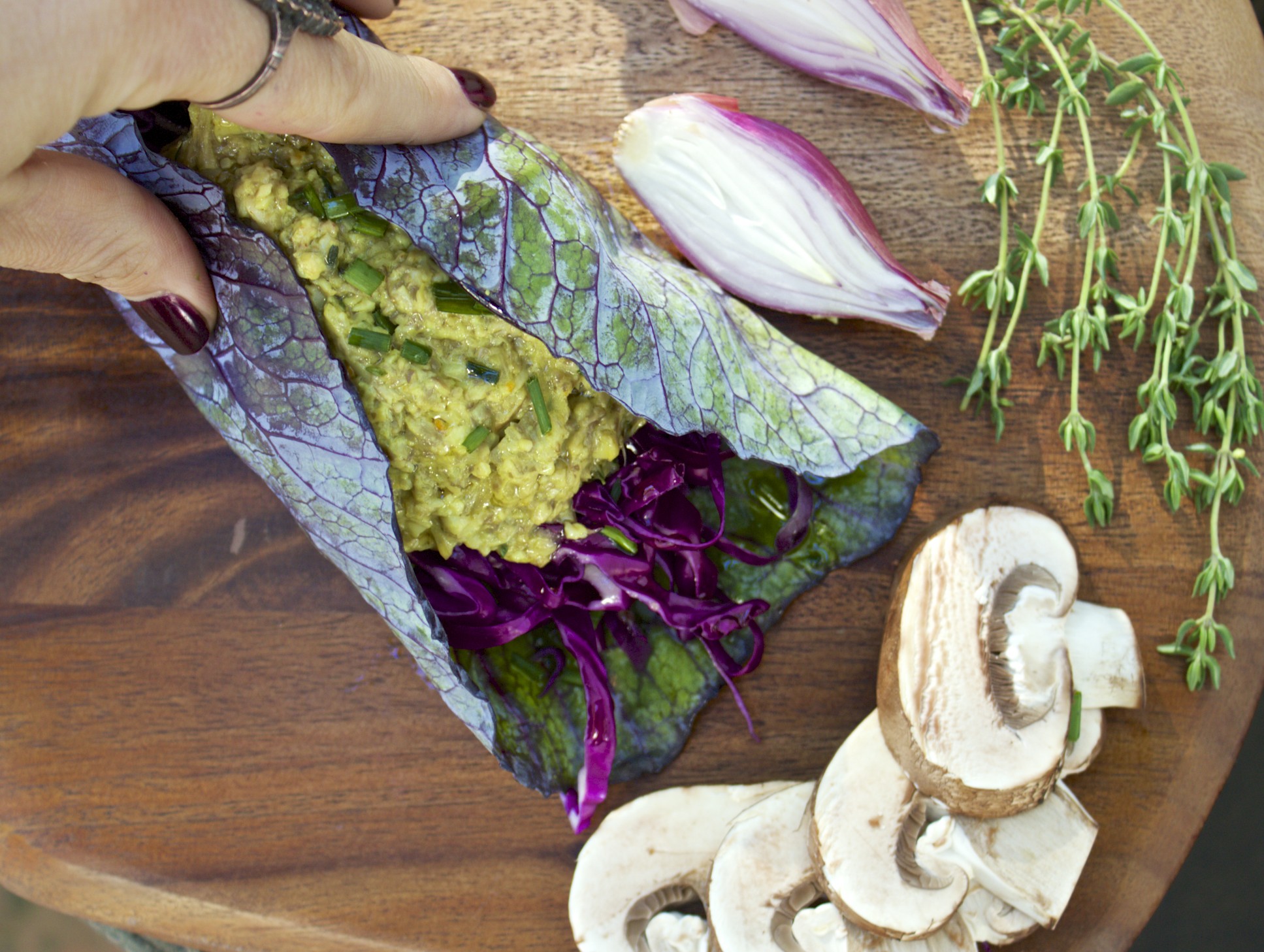
Purple cabbage rolls w/creamy mushrooms or artichoke/asparagus
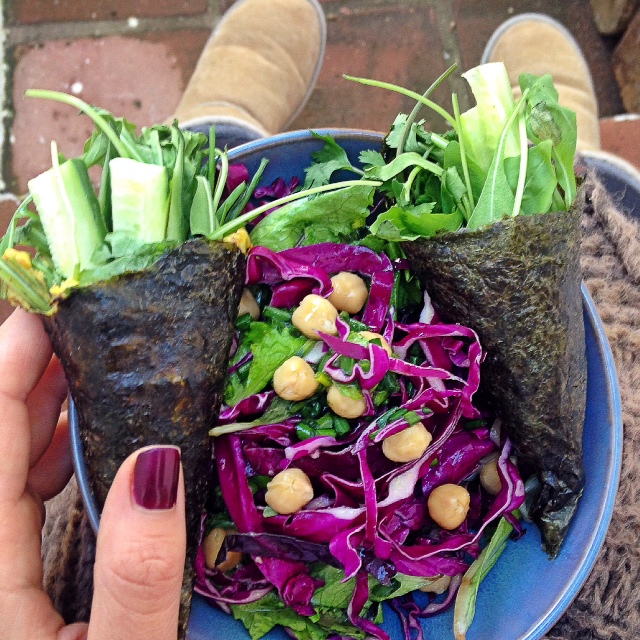
or…Nori Rolls with creamy mushrooms and greens
Ingredients:
1 head red cabbage, remove a couple of leaves and then sliced thinly 2 cups mushrooms, chopped 2 large shallots 2-4 tbsp grated turmeric pinch of cayenne lemon or apple cider vinegar, to taste (I used 4 tbsp) 2-4 cloves garlic 4 tbsp thyme leaves 1/4 cup chopped chives 1/2 cup basil leaves 1/4 cup olive oil 2-4 tbsp almond/sunflower or your choice of creamy butter (omit if using artichoke) salt and pepper, to taste
Directions:
Toss the red cabbage in a little olive oil and lemon or apple cider vinegar. Put aside.
In a pan, sauté all the other ingredients but the whole cabbage leaves, 1/4 cup of olive oil, chives and almond butter.
Transfer to a blender or food processor. Pour in olive oil and almond butter and combine till smooth-ish.
Place cabbage rolls on table, fill with sliced cabbage and then top with mushroom or artichoke paste.
Sprinkle liberally with chives, drizzle with a little olive oil and acv or lemon and fold up.
If using nori…follow the recipe till here, then place chopped cucumbers, coriander and arugula on the nori and fold up. Here’s a great tutorial on folding nori. I used shiitake mushrooms for the nori recipe and then served mine with extra red cabbage and chickpeas.
You’ll find recipes full of foods with antihistamine and anti-inflammatory properties my books Anti-Recipes and The Anti-Cookbook
Please remember, even antihistamine and anti-inflammatory foods can hurt us, please always exercise caution and consult a medical practitioner before adding new foods.