According to the University of Maryland Medical Center website barberry has been used for over 2500 years to treat gastrointestinal complaints and lower fever. In Iran it’s now being used medicinally for gallbladder disease and heartburn. The active component is berberine, which is found in barberry and goldenseal. In test tube studies (meaning not tested on live humans or animals) berberine has yielded antimicrobial activity against parasites and bacteria, anti-inflammatory and blood pressure lowering properties, in addition to sedative and anti-convulsive benefits. Berberine/barberry has quite a few contraindications, especially for pregnant women and the UMD website tells us it shouldn’t be taken for more than a week without the supervision of a doctor [1].
A 2009 study published in Fitoterapia, the Journal for the Study of Medicinal Plants, found that extracts of berberine could reduce epithelial gut permeability in vitro using human cells [2].
A number of other studies have come to similar conclusions based on test tube (in vitro) studies, including one published in the European Journal of Pharmaceutical Sciences in 2010 [3].
Authors of an interesting but scary sounding 2014 study in the Journal of Marine Drugs used a nano carrier based on chitosan and fucoidan to deliver berberine locally to restore barrier function compromised by bacteria-derived lipopolysaccharides (LPS) which play a role in IBS and other inflammatory bowel conditions [4].
The studies I’ve read explain that berberine works by strengthening/protecting the intestinal epithelial tight junctions which prevents bacteria and others from coming into contact with the immune system.
A comparative study of berberine on colitis in rats rounds up quite a bit of information pointing to its benefits in treating inflammatory bowel changes [5]. In this vein moringa oleifera [6], caraway [7] and rosemary oil [8] have also been found to be beneficial.
You’ll find recipes full of foods with antihistamine and anti-inflammatory properties my books Anti-Recipes and The Anti-Cookbook
I didn’t come across too many studies on barberry/berberine as an antihistamine, just one of interest from 1999 published in the Journal of Ethnopharmacology [9]. The University of Maryland website says that barberry may increase the effects of antihistamines so please do take that into account when speaking with your doctor.
I’m in love with medicinal foods. At this point in my life I’ve finally managed to let go of the reigns and just enjoy the fact there are studies out there showing that X food has X beneficial property rather than spend hundreds of dollars monthly compromising my liver/kidneys as they struggle to clear massive amounts of exotic supplements.
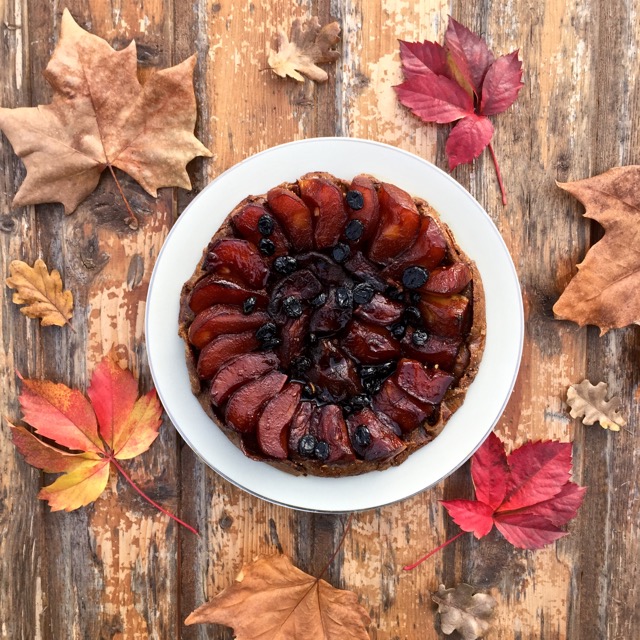
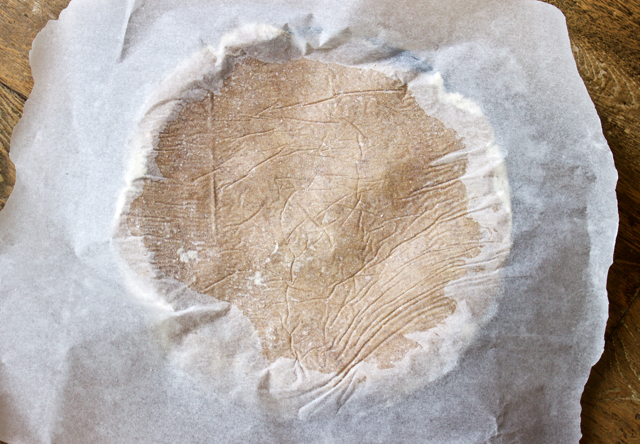
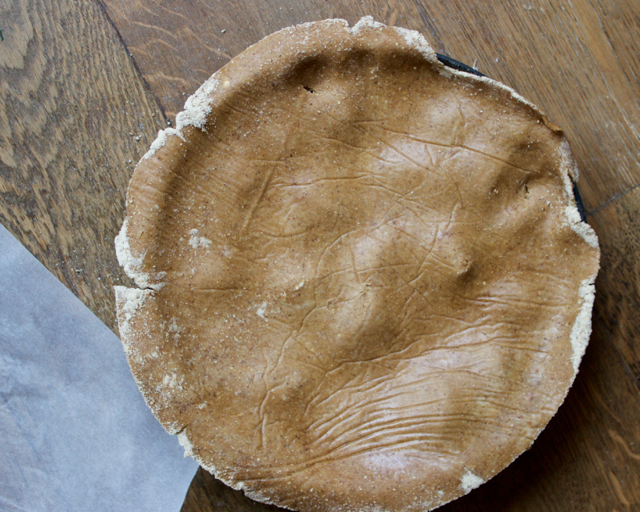
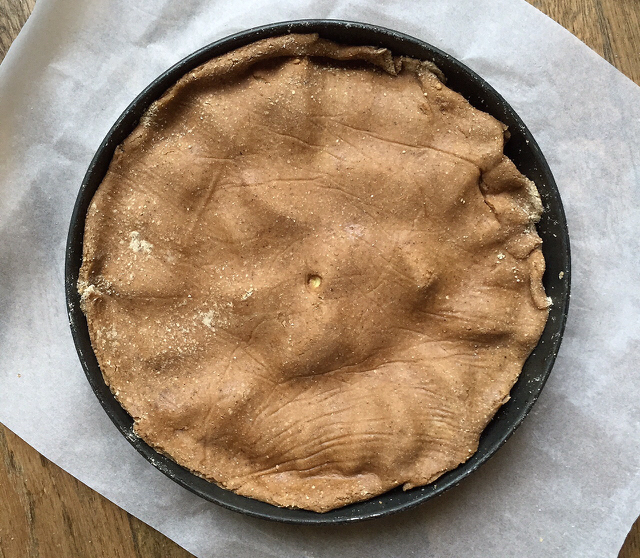
I believe that part of my success with healing comes down to eliminating the stress of finding, paying for and testing new supplements in favour of a more “organic” approach. Like sticking the barberries into a gluten free cake, but if you’re still in the early stages of trying to heal your gut, baked/sweet goods probably shouldn’t be on the menu right now.
My muffin recipe was used as a base and then added in half a cup of barberries to make this fruit cake. I also enjoy a cup of barberry tea brewed with a tablespoon of dried barberries!
You’ll find recipes full of foods with antihistamine and anti-inflammatory properties my books Anti-Recipes and The Anti-Cookbook
Coconut crème brûlé, one of my favourite holiday recipes of the last few years is now live at Beauty and Wellbeing, my new favourite natural beauty and living online magazine. You’ll find it here.
This recipe can be found in the 100 ebook pages of anti-inflammatory and antihistamine ingredient rich holiday main courses, sides and desserts in the Happy Holidays and Cocktails and Canapés ebooks I’m offering from now till Jan 1st with the purchase of any book.
Shopping for histamine intolerance folks is never a walk in the park, so please spare a thought for your beloved who’s currently scratching their head over what to buy. While most wouldn’t turn up their nose up at a (non-conflict) diamond necklace, a well-thought out basket of healing essentials tells you some mental elbow grease went into the process.
With that in mind I’ve put together a little list you could share/sneakily leave open on your laptop with your significant other, parent, or beloved canine who has somehow sprouted opposable thumbs just in time to hit the net this Christmas.
From the Mother Dirt website: Invisible to the naked eye, our bodies play host to trillions of microorganisms. Just like our gut relies on good bacteria and probiotics, our skin relies on good bacteria to help us be healthy as well. This elaborate ecosystem is called the skin biome.
Now why didn’t I think of that? For many of us unable to tolerate probiotic supplements, an intermediate step may be addressing our skin biome (though addressing both would be great). I highly suggest reading their website for more information. The product is meant to be used instead of skin cleansing products. The theory being that the good bacteria sprayed onto your bits is going to neutralise the stuff that causes the smell (total oversimplification). I went deodorant free for a week with no problem using this product. A lot of people out there are adding this to their no-poo (no shampoo) routine. Given that I went through my years of not tolerating anything but sea salt scrubbed into my body, I’m still too excited to be able to use natural bath products and so I’m using my regular bath products in the morning and then spraying this stuff on at night now instead. I’ll be writing a full post on these products in the coming days.
Ok so the reason this is in here is because Kindle have finally made one of these with a blue light filter. There’s numerous studies out on how REM sleep lowers histamine and how histamine itself is involved in circadian rhythm regulation [1]. This makes a ton of sense to me as one of my strategies to get over reactions was to try and get some shut eye. Anything we can do to help us sleep normally may help us fight inflammation and we know nowadays that blue light devices disrupt sleep. Thankfully Amazon have added the equivalent of Flux (mac users should download this orange hued laptop filter immediately) to their new readers. I’ve just ordered one for myself – make sure you order the Reader’s Edition. They make it really confusing to order the right one…
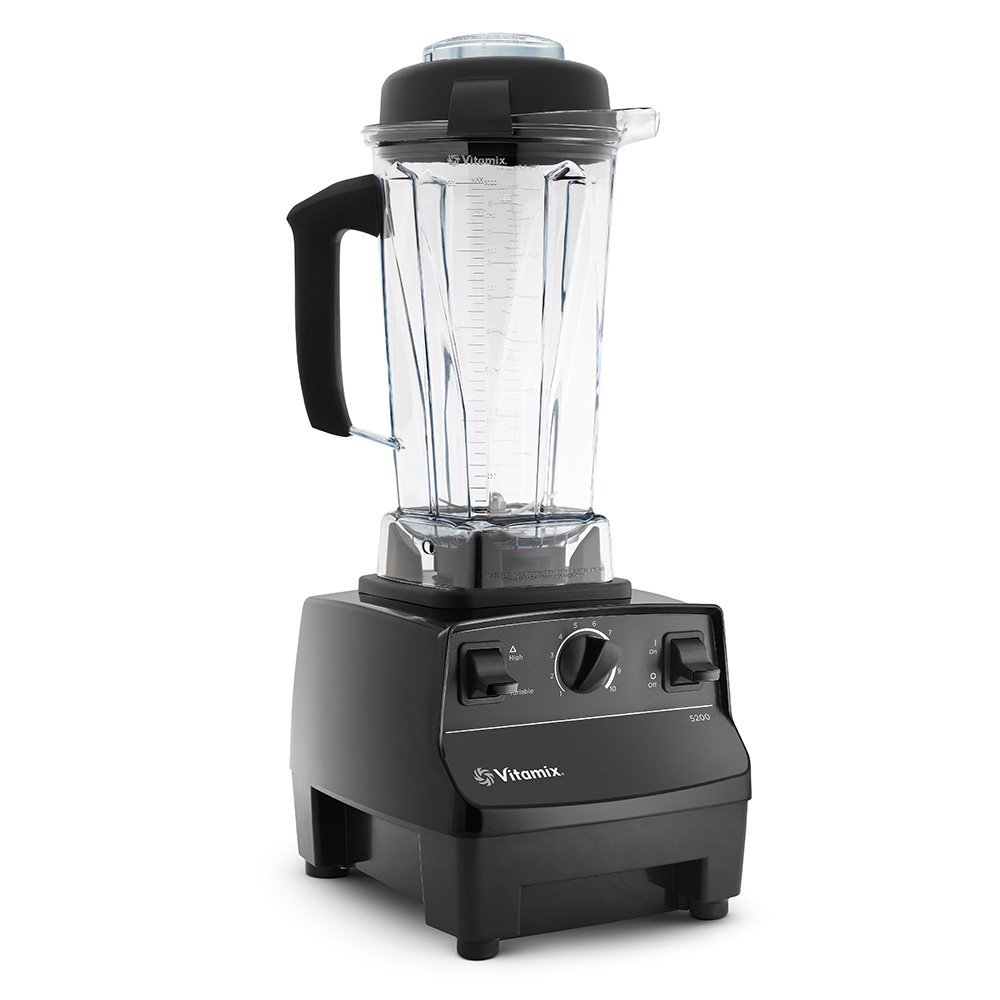
Love, love love these teas! I have these pretty much every day. Holy basil (tulsi) as you may remember is a wonder herb, acting as an antihistamine, mast cell stabiliser and more. You can read more about that here.The three gingers in their other tea also have mast cell stabilising and antihistamine properties [2]. Vitamix Standard Blender, Black (Certified Refurbished) – $350 (about)
This might sound a little extreme, but when I was going through one of my toughest financial downturns to date a couple of years ago, I decided to move far, far away from London to a little village by the sea. Well, not so much decided as was forced to in order to save enough money to devote myself to this project. One of my first purchases was one of these beauties. It revolutionised my health, cooking and sanity. No blender you have ever had will really compare. You can go for a new one at $600 or get a refurb at $350 or thereabouts. If you’re feeling thrifty/adventurous you can snag one for significantly less on eBay.
Did you know that perfume is made up of petroleum industry by-products? Might explain my horrible time with them (and yours!).
Having sampled pretty much every natural perfume on the market – some of which didn’t give me a bad headache, I still couldn’t bring myself to buy any. Yes, I’m fussy. I want my “perfume” to last longer than the one hour it takes for jasmine absolute essential oil to disappear without a trace and as a former avid collector of vintage perfume and bottles, I do not want to smell like a Glade plug in.
To be fair though I think most people are with me on that one.
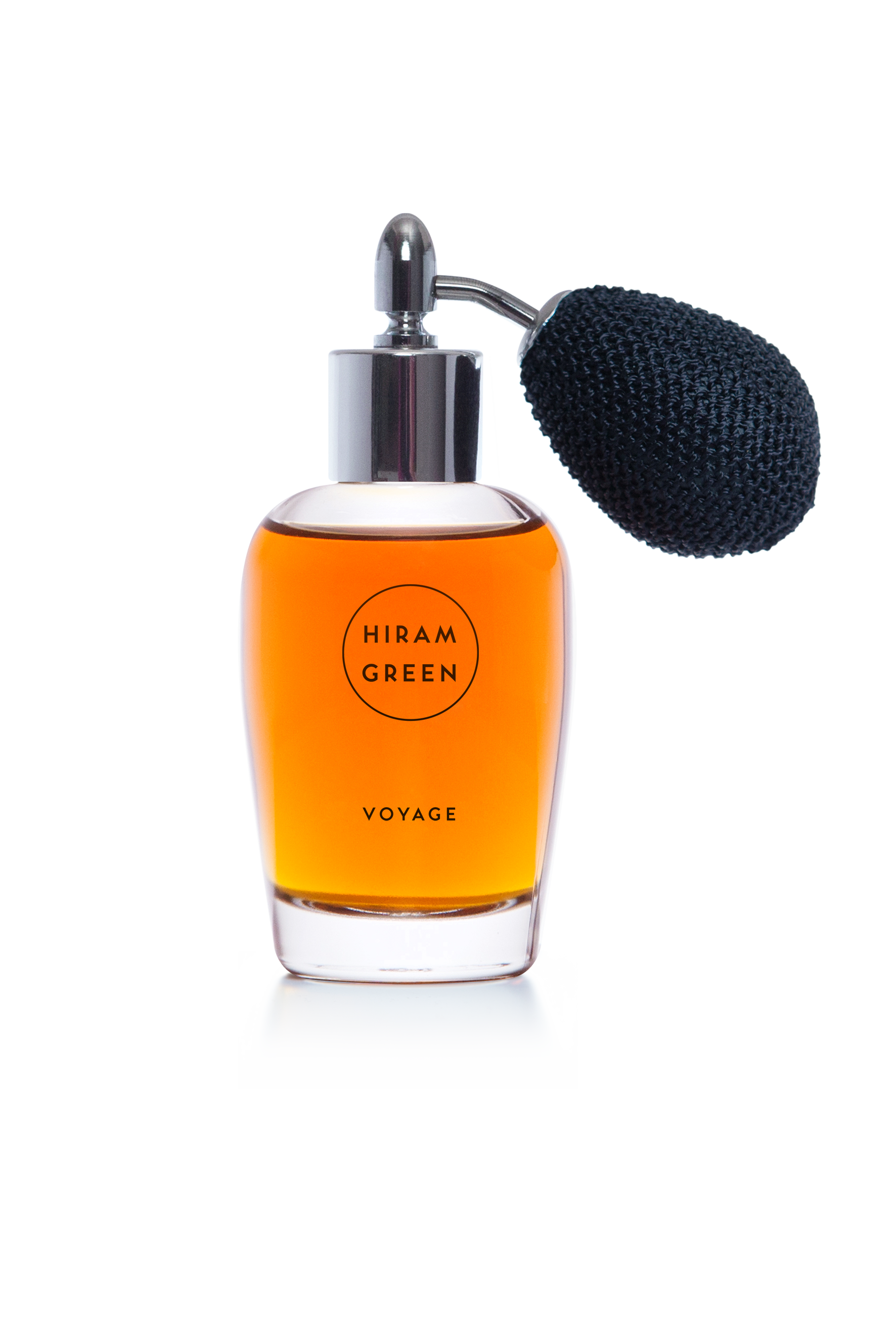
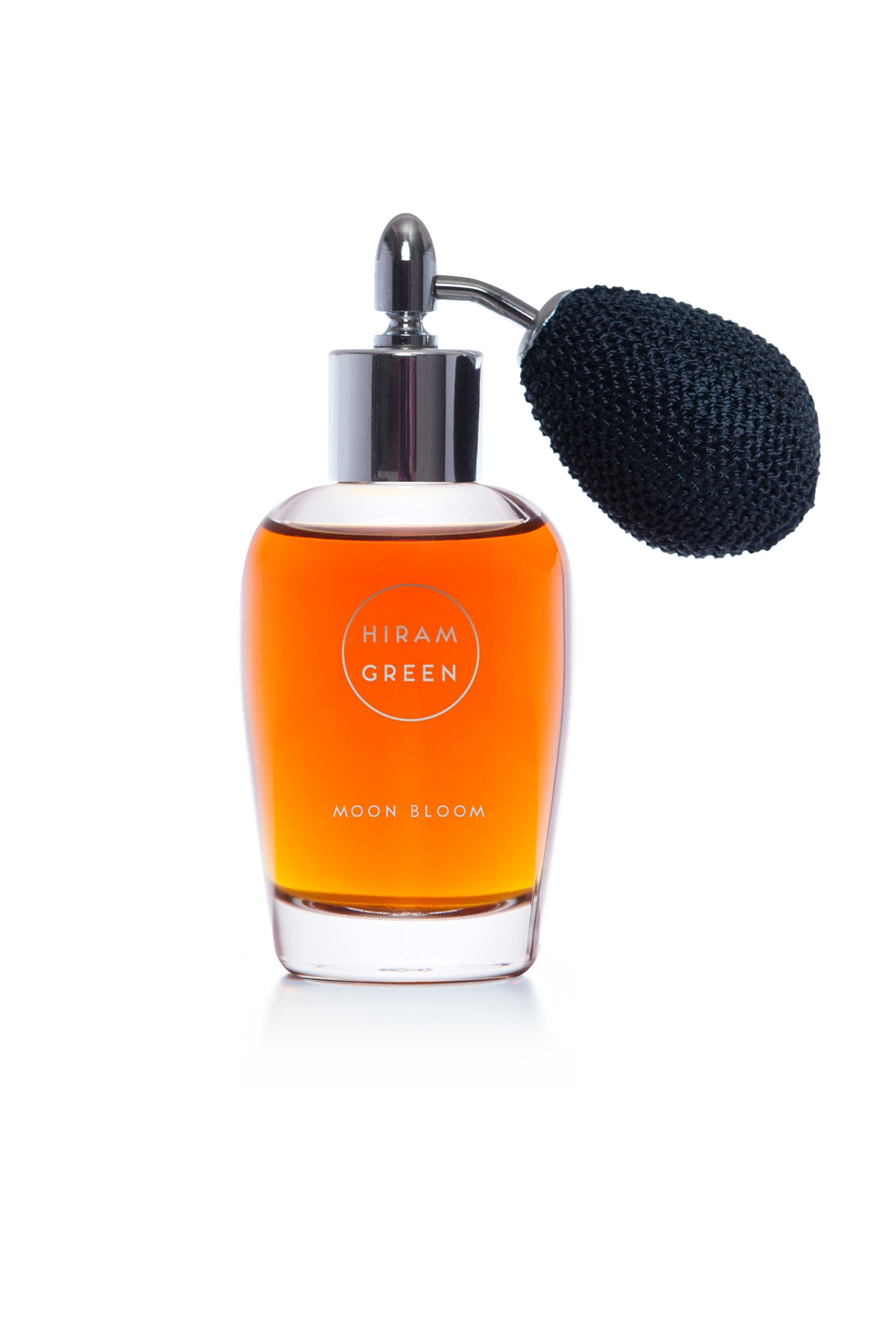
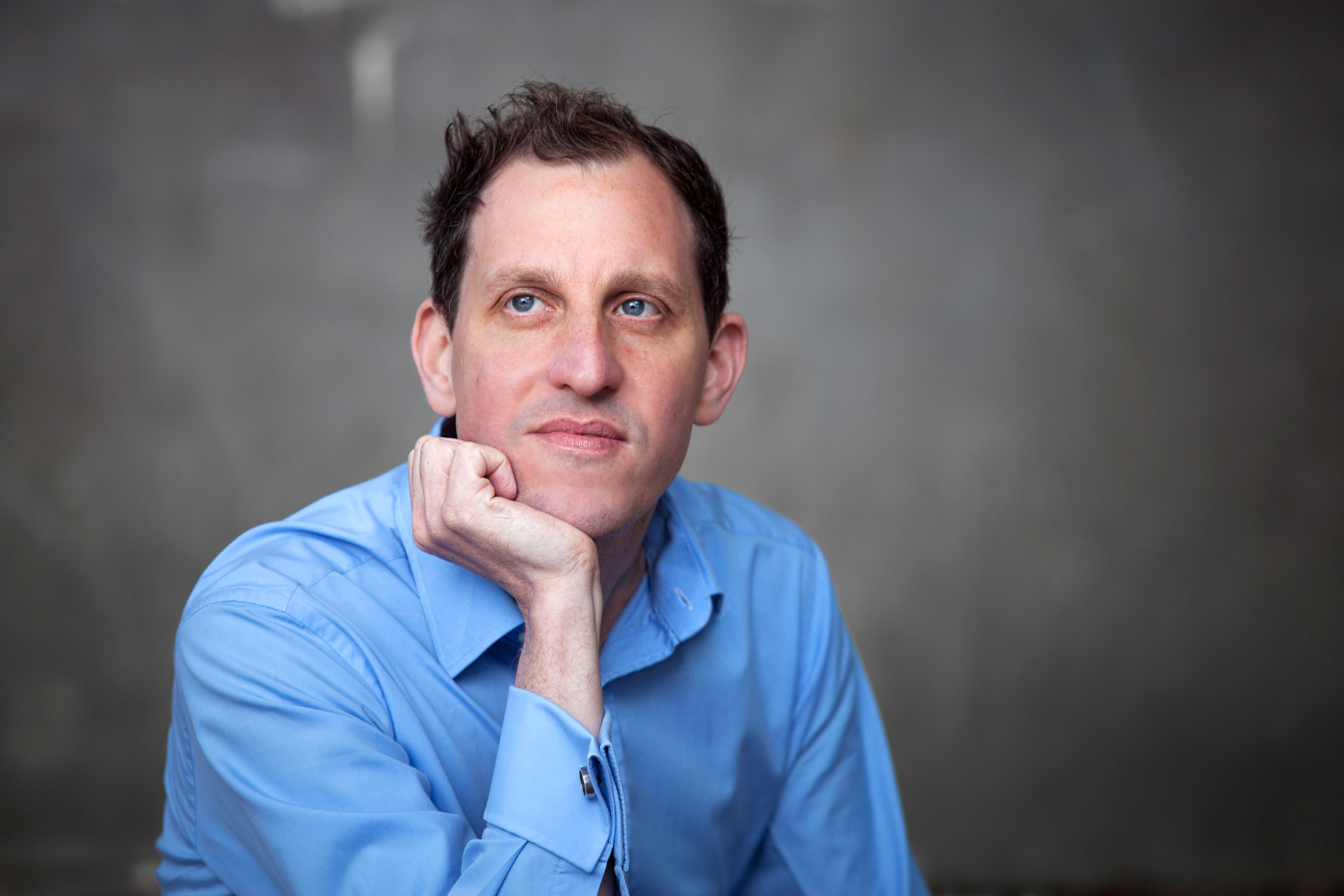
I was so excited with the jasmine notes, lack of migraine, staying power and natural ingredients in my bottle of Hiram Green Moon Bloom that I had to interview him. You can read that here.
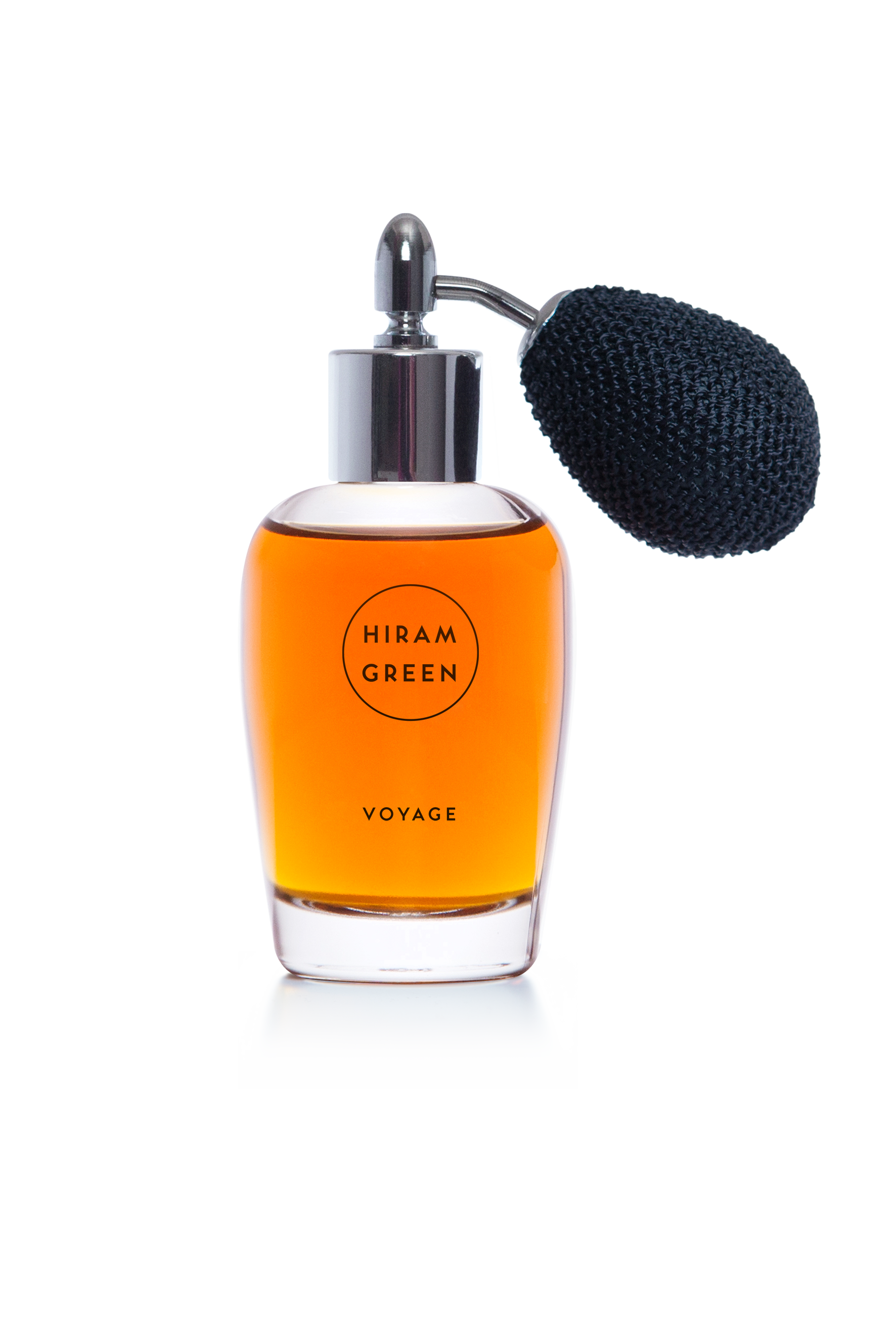
I wear the Jasmine scented Moon Bloom (I know, I’m a total cliche – my name is basically Jasmine) but he has a new fragrance out called Voyage that is out of this world. The great thing is that you can order samples from the stores that carry his scents, or directly from him.
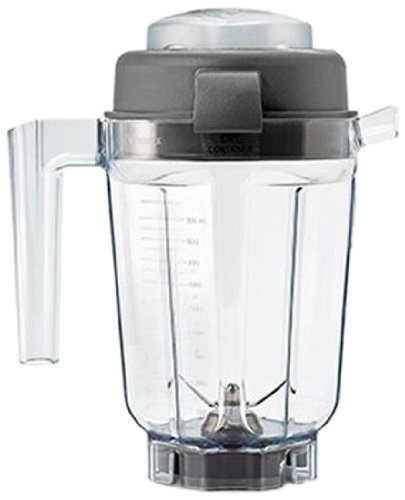
This is on my list as my birthday present to myself. This dry grain attachment is perfect for making chickpea or lentil flour from whole dry beans. You can make soooooooo many things at home (is it obvious I’m hoping to convince my honey to buy this for me?) rather than buying them.
One of two of my favourite make up and beauty brands. This stuff is so pure that I don’t think twice about applying it daily. They make the first shampoo I felt safe actually using on my scalp for the first time in a year (Grapefruit and Yuzu shampoo but now I prefer the Burdock and Neem). I use pretty much all their make up but the concealer and foundation. They have a ton of gift baskets at the moment as well as some pretty sweet discounts.
RMS Beauty$120 for this gift set but prices start at $25 (free shipping and other discounts available)
My other favourite make up brand has some amazing offers: 15% off your first order if you sign up the mailing list and this gift set (and other great stuff), plus free shipping. This set contains a concealer/foundation, lipstick/blush and eye colour. For those not familiar with the brand, Rose-Marie Swift is a make up artist suffering from multiple chemical sensitivity. She created RMS as a toxin free alternative to mainstream brands. She works with Victoria’s Secret and has been Giselle Bundchen’s make up artist for years. So silly but her make up made me feel more alive than I had in years.
Finally, I offer $50 gift cards and a number of people buy consultations with me. You’ll find both in my online store. You’ll also receive two free ebooks totalling 100 pages with any ebook purchase from now till Jan 1st. They are the Happy Holidays book: 75 pages of Christmas and Thanksgiving recipes (including desserts) and the Cocktails and Canapés book.
It’s finally here! Man Food – a high nutrient antihistamine and anti-inflammatory ingredient filled book geared towards guys, women who love to work out, yoga like they mean it, or just load up on healing nutrients. Features my personal shopping list of antihistamine and anti-inflammatory foods.
The Anti-cookbook and all liquid Anti-Detox Book, don’t treat any conditions, but feature a plethora of the high nutrient antihistamine and anti-inflammatory ingredients that have been instrumental in helping me feed myself on a limited diet. The Anti-cookbook features a six page list of antihistamine and anti-inflammatory foods and comes in regular and Paleo.
The Low Oxalate Cookbook features antihistamine and anti-inflammatory rich recipes.
Don’t miss the Low Histamine Beauty Survival Guide for non-toxic beauty tips, the skinny on histamine releasing (mast cell degranulating) beauty ingredients, antihistamine and anti-inflammatory beauty alternatives and the top brands natural brands I’ve found.
There’s no end of upsides to traveling for most of the year. There are however a number of downsides to working while traveling. Sometimes it yields amazing success: my discovery of morninga and baobab oil, my buckling down to meditate finally, and others a busted oven, parcels of kitchen equipment lost in transit and exploding creme brûlée torches. And occasionally all the bad stuff clusters into one, like these last few weeks as I’ve been getting together my Christmas menu and shoot.
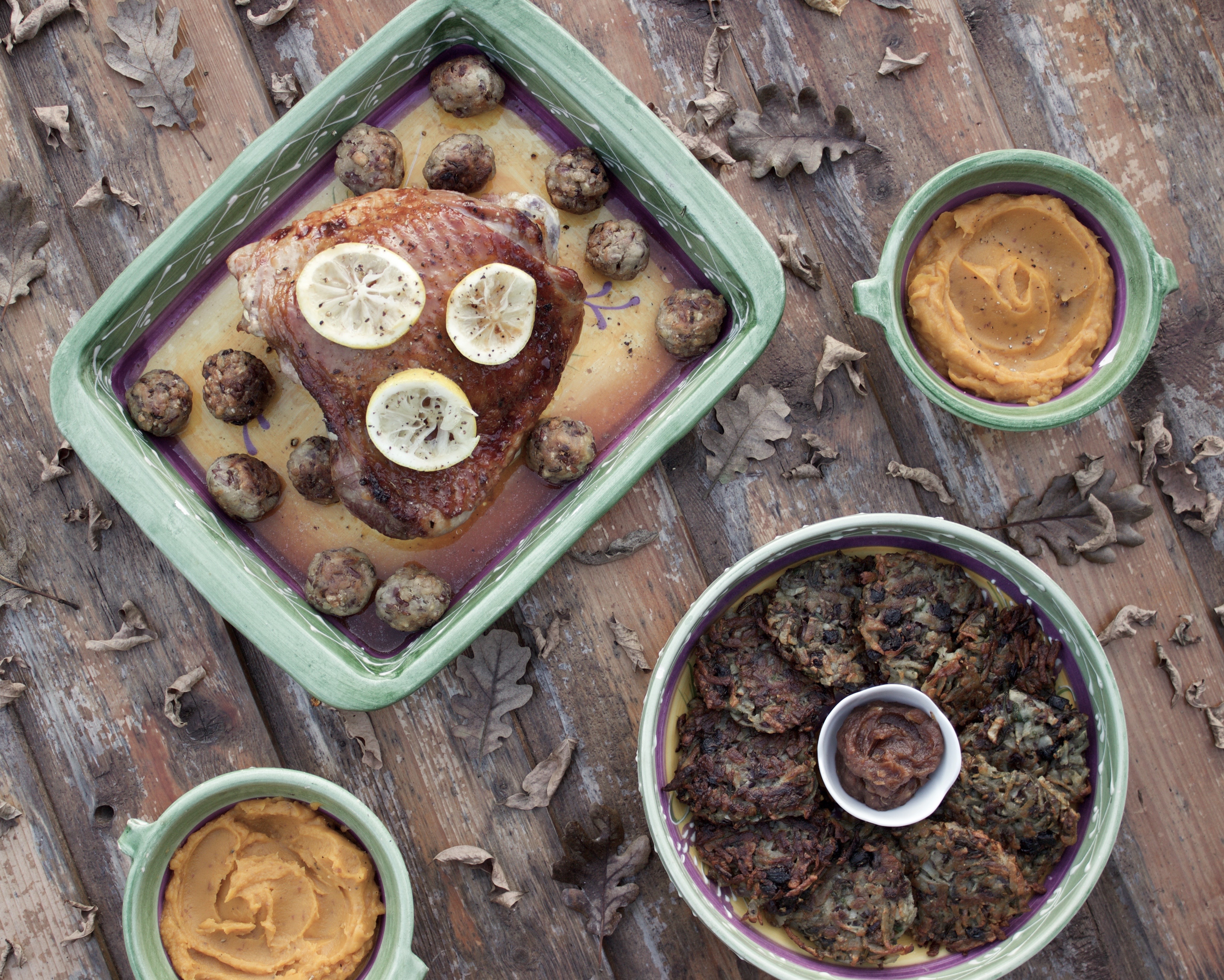
Half baked ideas and Christmas loaves this year for sure. But rather than go nuts and smash all my (functioning) kitchen equipment (as I was wont to do in the good old mast cell rage days), I had a mini freak out and decided you guys would be cool with my trying to arrange what I could into a mini shoot and just release the recipes without photographic clout.
The great news is that thanks to the busted oven I’m not cooking a second Christmas dinner this year. There’s always an upside if I look really hard enough. Maybe I’ll need to whip out a subatomic particle seeing microscope, but it’s usually there.
Did I ever mention that I was vegan for a couple of years? Around three I think it was. It was mostly for the animals but for health reasons too. Now it’s for the animals and our environment. But now’s not the time to get preachy. There’s plenty of meaty recipes to follow – but here’s what we’re going with this Christmas.
You can use absolutely any beans or vegetables in this recipe. You can use chicken or duck eggs rather than chickpeas (or other beans) and you can omit the grains entirely. Have fun with this – make it well in advance of the big day just to check it out and customise to your taste.
Please remember, pretty much all the ingredients are optional, so don’t stress if you can’t tolerate or don’t have them. The photo above shows the Christmas roll with the herbed quinoa which you’ll find in the sides section.
INGREDIENTS
2 cups cooked chickpeas (or beans or starchy veggie like butternut or sweet potato)
1 cup cooked quinoa flakes
1 cup par boiled veggies (I used butternut, yellow beets, carrots and parsnips)
1 red onion, chopped
1 cup mixed fresh basil, thyme, coriander, chives and parsley (or your choice), finely chopped
2-4 cloves garlic, pressed
2 tbsp grated ginger
1 tbsp grated turmeric
2 tbsp olive oil
2 tbsp nigella sativa seeds
1/2 cup chestnut flour (or any other gluten free)
6 tbsp chickpea water (optional, for better binding)
PREPARATION
Pre-heat oven to 200C/380F.
Sauté your onion in a little oil. Add in the veggies for a minute or two. Place all ingredients into a food processor or a bowl to mush together by hand. Season to your taste and then place in a bread tin or any other oven ready dish in any shape that you find pleasing.
Bake for 20-30 minutes. Allow to cool and then carefully cover with a plate and flip over. Slice and enjoy.
Mmmmm, I love pomegranate glazed anything. It’s really better to make the pomegranate syrup, but that takes hours…so I just par boil the veggies in pomegranate juice and then bake. Though I normally make absolutely everything from scratch, I tend to let things slide at holiday time, so I use bottled organic sugar free juice. You can use any fruit juice you like, or something like coconut nectar/agave/coconut sugar.
INGREDIENTS
2 large beets (I used golden and red striped), quartered and sliced
2 large parsnips, chopped
4 large carrots, chopped
1 large swede (or any other root veggie), chopped
4 large jerusalem artichokes (or any other), chopped
pomegranate juice, enough to cover the veggies (about a quart)
oil for roasting
PREPARATION
Pre-heat your oven to 200C/380F.
Boil the veggies in the pomegranate juice till half/par boiled. Drain and transfer to a pre-oiled baking tin. Season to your taste and bake for 15-20 minutes depending on your oven. You could also add a little liquid sweetener or pomegranate syrup if you have it.
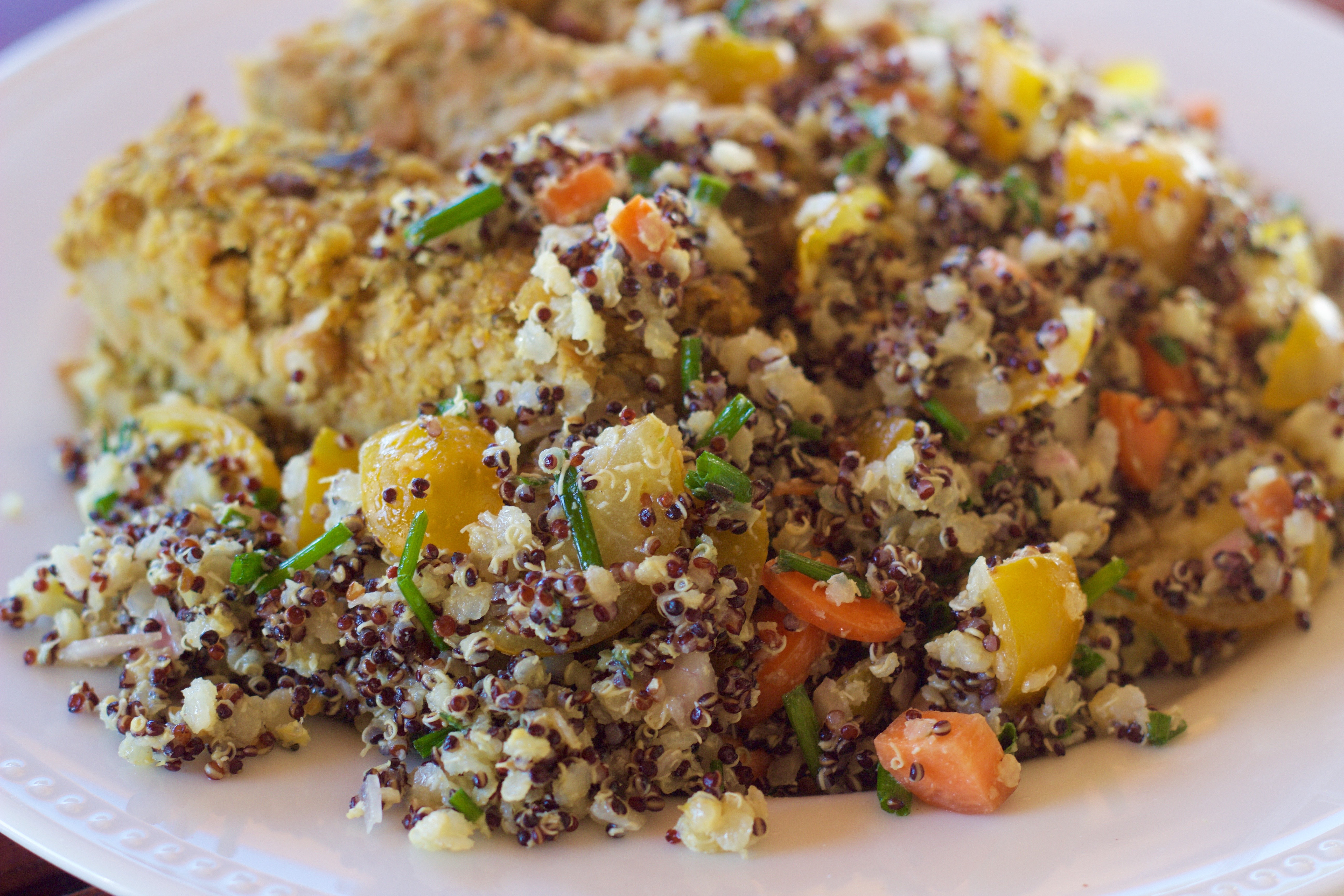
Go for any variation you’re into here: rice, barley, or go grain free with cauliflower rice, which is basically just a cauliflower chucked into a food processor and lightly pulsed. It’s all good believe me. I no longer eat many grains myself, but hey, it’s Christmas, so I let it all hang out. I added yellow cherry tomatoes which are supposedly lower histamine according to Dr. Janice Joneja but you can absolutely leave them out.
INGREDIENTS
2 cups cooked quinoa (I used half red half white)
2-4 cups arugula or lamb’s lettuce
1 red onion, chopped
1/2 cup mushrooms (optional, appear on some lists as high histamine)
1/2 cup yellow cherry tomatoes, quartered
4 medium carrots, chopped
1 cup mixed herbs: basil, coriander, oregano and thyme
olive oil
optional tahini sauce
2 tbsp tahini (on some lists as high histamine)
2 tbsp apple cider vinegar (on some lists as high histamine)
1 tbsp olive oil
1 tsp high quality organic mustard (on some lists as high histamine)
1/4 cup water
PREPARATION
Sauté the onion, carrots and mushrooms if using in a little oil. Add in the quinoa, herbs and yellow tomatoes for a moment and then turn off heat. Place in a bowl and mix in the greens.
Tahini sauce
Combine all ingredients and stir well. Serve on the salad.
Place the cranberries in a small pot with the water. Bring to the boil. Lower to a simmer and add in the coconut sugar (and grated ginger if using), stir till dissolved. (I recommend using the ginger – gives it extra zing!) Squeeze in the lemon. The mixture should start firming up now.
Optional – stir in a little duck fat/jus from your roasting duck (I highly recommend this!)
BENEFITS
Anti-inflammatory: coconut, cranberries, lemon.
It’s finally here! Man Food – a high nutrient antihistamine and anti-inflammatory ingredient filled book geared towards guys, women who love to work out, yoga like they mean it, or just load up on healing nutrients. Features my personal shopping list of antihistamine and anti-inflammatory foods.
The Anti-cookbook and all liquid Anti-Detox Book, don’t treat any conditions, but feature a plethora of the high nutrient antihistamine and anti-inflammatory ingredients that have been instrumental in helping me feed myself on a limited diet. The Anti-cookbook features a six page list of antihistamine and anti-inflammatory foods and comes in regular and Paleo.
The Low Oxalate Cookbook features antihistamine and anti-inflammatory rich recipes.
Don’t miss the Low Histamine Beauty Survival Guide for non-toxic beauty tips, the skinny on histamine releasing (mast cell degranulating) beauty ingredients, antihistamine and anti-inflammatory beauty alternatives and the top brands natural brands I’ve found.
In today’s interview Harvard and Tufts neuroscientist Dr. Michael Van ElZakker shares his fascinating new paper Chronic Fatigue from Vagus Nerve Infection: A Psychoneuroimmunological Hypothesis. His hypothesis proposes that an infection of the vagus nerve can cause greatly exaggerated chronic sickness responses like fatigue, pain and more. Our interview also touches on the mast cell link right at the end.
Joining me today is Michael Van ElZakker, PhD, a neuroscientist affiliated at Massachusetts General Hospital, Harvard Medical School, and Tufts University. He has two primary research interests. The psychiatric condition Post Traumatic Stress Disorder, or PTSD, and the neuro-immune condition known as Chronic Fatigue Syndrome. Dr. Van ElZakker has authored a number of peer-reviewed studies, but one in particular has struck a chord in the immune dysfunction community. Chronic Fatigue from Vagus Nerve Infection: A Psychoneuroimmunological Hypothesis.
Our discussion today revolves around this hypothesis, a very interesting one in which Chronic Fatigue Syndrome, or CFS, is proposed to be caused by an infection of the vagus nerve. Dr. Van ElZakker, thank you very much for joining me here today. Before we jump into our discussion, could you please tell our audience a little bit about your specialty of psychoneuroimmunology?
Michael:
Sure. And thanks, Yasmina. It’s nice to meet you and I ppreciate you having me on. So psychoneuroimmunology is essentially a relatively new area of research. Western medicine is very good at breaking things down into components and reducing. And we look at cellular mechanisms and the mechanisms of even individual proteins and systems. And so historically, the nervous system and the immune system have been studied separately, and psychoneuroimmunology is a relatively new field in which it’s recognized now that the immune system can affect the nervous system in a way that affects behavior and experience. So that’s the psychoneuroimmunology, behavior, brain and immune system.
Yasmina:
Indeed, there’s been some fascinating studies coming out recently about the link between inflammation and depression, for example, that have been absolutely fascinating to read. Can I just ask you to outline for our audience what are the main symptoms of Chronic Fatigue Syndrome?
Michael:
Chronic Fatigue Syndrome, of course, is different than feeling chronically fatigued. Chronic Fatigue Syndrome is a neurological condition. It’s a disease that one of the main symptoms is a long-lasting, severe fatigue. Again, this is medical fatigue. It’s not the kind of fatigue that I have after a day at work where I need to just recharge for a few minutes and then I can go out. Medical fatigue is a lot more severe and debilitating and there’s a couple of other systems that tend to go along with Chronic Fatigue Syndrome, or CFS, like muscle pain, your sleep is not refreshing, a lot of people report having brain fog, trouble concentrating or remembering things. Sometimes people have headaches or sore throat or sore lymph nodes. And in general, the defining feature of Chronic Fatigue Syndrome is that after exertion, all of these symptoms get worse.
Again, if I were to, untrained, run a marathon, I might have a really severe time recovering, but for someone with Chronic Fatigue Syndrome, that may be just walking around a shopping mall for the afternoon. And if it’s severe enough, for some people that’s even getting up and going to the bathroom and going back to bed.
Yasmina:
Absolutely. I think many out there listening to this today have had that experience.
Could you please tell us a little bit about the vagus nerve and its role in the body?
Michael:
Yes. The vagus nerve is really a fascinating organ. It’s one of the cranial nerves and it’s a unique cranial nerve in that it innervates the trunk, the torso, the organs. It actually innervates all of the major trunk organs and it’s a bi-directional nerve. We call it a mixed nerve. It’s got fibers going from the brain to the organs, controlling them, and then it’s got fibers going from the organs to the brain, which is a way of letting the brain know what’s happening in the torso, in the body.
The function of the vagus nerve has really come to light over the last 20 or so years. Essentially, when someone gets sick with anything, we all recognize that we have a pattern of symptoms. We have a low-grade fever, we feel tired, we can’t concentrate as well, we don’t feel like exercising or eating, and this is called the sickness response. It’s a broad response to any kind of pathogen. It turns out that the vagus nerve is really important for this process.
And so, essentially, when molecules are released by innate immune cells, and there’s all different kinds of innate immune cells. White blood cells and mast cells included, glial cells, they release proinflammatory cytokines, which are a molecule that call other immune cells to the area of the infection or injury and they cause activation of these immune cells. They also change behavior and they make you feel really tired, unrested, you feel sore. But the interesting thing is that these cytokines don’t easily cross the blood/brain barrier. In other words, they don’t just flow through the blood and go right into the brain easily.
How is it that say an infection in your lungs can cause you to have all these changes in your subjective experience, like feeling really exhausted and sore? Well, the vagus nerve is really important for that. The vagus nerve actually detects cytokines in the periphery and then sends a signal to the brain, essentially letting the brain know that the body is sick.
There were some important studies done at the University of Colorado, for example, where I got my bachelor’s and master’s, where they would pick a rat and inject them with E. coli, say, some sort of a bacteria that would make the rat sick. And of course, the rat acts sick. It doesn’t run on a wheel, it doesn’t eat as much, it doesn’t socialize. That’s true unless you cut the vagus nerve, and then the rat acts normally. It’s essentially, its brain doesn’t know that its body is sick.
That’s one of the really important functions of the vagus nerve, of which there are many, but that’s one of the important functions of the vagus nerve, the sensory vagus nerve that goes from the organs to the brain.
Yasmina:
Okay, I’m going to come back to that in a minute because I want to ask you a question about that, but how is an infection of the vagus nerve … We understand now that the vagus nerve is kind of a messenger nerve, in essence. It’s sending the signal to the brain. What kind of bacterial or viral infections are predominantly linked to this kind of infection of the vagus nerve that you’ve been seeing?
Michael:
I just want to make sure to clarify that this is a hypothesis and we’re working on proving it, we’re working on demonstrating that it’s accurate, or finding evidence. According to the hypothesis, there are a lot of pathogens that really like nerve tissue. That includes chicken pox, the herpes zoster virus, Epstein-Barr, HHV-6, some kinds of enterovirus, even the Lyme bacteria is a bacteria that really likes nerve tissue. I would say, not coincidentally, all of those are also pathogens that are linked to Chronic Fatigue Syndrome.
The idea is that if the vagus nerve is this very sensitive detector of inflammatory markers, though it’s essentially an infection detector, right?
Yasmina:
Mm-hmm (affirmative).
Michael:
You can have a really small, localized infection, let’s say in the lungs, you’ve got a flu or something. The vagus nerve is very highly branched, so it’s got tiny little branches and tentacles all over your trunk and it’s able to pick up a tiny little signal of cytokines, which are produced. In general, they’re produced very locally. And that little infection is enough to change your subjective experience, to make you feel really tired and sore, give you brain fog and things like that.
The hypothesis is essentially what would happen if one of these pathogens that really like to live in nerve tissue actually infected the thing that’s supposed to detect infection? The idea is that you get an exaggerated signal coming from the vagus nerve, where essentially the brain gets an erroneous signal that the body is extremely sick with viruses and bacteria, even though it’s really about the location of the infection and not the severity of it.
Yasmina:
In your hypothesis, do you believe that you’ll find when you start the … What is it that you’ll be doing exactly to prove the hypothesis? What is it that you’re working on?
Michael:
Right now, we’re doing a study where we’re using a combined MR and PET, so magnetic resonance like when an athlete gets injured, they have an MRI scan. It’s got very good spatial resolution. You can really see clear pictures inside the body and that is combined with PET, or positron emission tomography, in which a research participant or patient is injected with a substance that the machine can detect. What we’re looking for is increased cellular activity in the brain stem in a place called the nucleus of the solitary tract, which is where about 80 percent of these sensory vagus nerve fibers have their cell bodies.
This is essentially the place where the vagus nerve enters the brain. The idea is that if we can see extra signal there, there’s more activity there in Chronic Fatigue Syndrome patients than there is in healthy people, that would be evidence that there’s an exaggerated signal coming from the vagus nerve into the brain.
There’s a bunch of different ways that we can look for this and I can think of reasons why this particular method wouldn’t work, but we thought we would try this first because it’s sort of low-hanging fruit, and if it works, it might be useful in diagnosis down the road.
Yasmina:
Do you think that you might find … Would you be able to see if there were previous infections? Is it possible, do you think, that the vagus nerve remains switched on in some way even though the infection has resolved?
Michael:
Well, that’s very possible. One of the interesting things about these herpes viruses is that they go latent. All of us have herpes viruses in our body. More than 90 percent of human beings have more than one strain. Chicken pox, HSV-1, the simplex. We’re all walking around with these viruses in our bodies, but most of the time, they’re latent. People may have had the experience when they start to get a cold or a flu and they get a little cold sore on their tongue, that means when you’re immuno compromised, these herpes viruses can come back out of latency.
One of the interesting things about these that comes from mouse research is that in a different cranial nerve, that’s actually also a neuroimmune nerve, just like the vagus nerve, it’s called the trigeminal nerve. When there are latent viruses in the trigeminal nerve, they continue to cause a low level cytokine response, even though the viruses are not active. Even though they’re in latency, they still cause a cytokine response.
It could be the case that in Chronic Fatigue Syndrome, it’s usually triggered by a period of intense stress or a sort of otherwise normal cold or flu and then it never really resolves. What could happen is that if someone has a latent herpes virus embedded in their vagus nerve, or for that matter, trigeminal nerve, and it becomes reactivated, like a cold sore, right on that nerve, it can start causing this signal, which would be the initial experience of Chronic Fatigue Syndrome’s symptoms. But then it could even go back into latency and maintain that cytokine signaling that’s enough to cause ongoing symptoms.
A lot of people notice that their symptoms can fluctuate, they might … Patients call them crashes. For some reason, they’ve had a bad crash. And it may be the case, again this is just a hypothesis, that that represents herpes viruses going in and out of latency, causing an increased cytokine response.
So the answer is that if there’s a previous infection that has gone latent, we think that that would still cause exaggerated signaling in a nerve that detects cytokines.
Yasmina:
Does your research indicate that this kind of infection is responsible for most cases of CFS? Or do you have any research on other causes?
Michael:
We don’t have any direct evidence yet, but the hypothesis really is that any number of pathogens, as long as they cause an exaggerated signal, could cause this problem. For example, the Lyme bacteria is a bacteria that really likes to live in nerve tissue and if that were embedded in the vagus nerve or in one of the … The vagus nerve has these little clusters throughout the trunk called the ganglia, or paraganglia, and if a Lyme bacteria were embedded in one of those paraganglia, it could cause this ongoing signalling.
The hypothesis really is … Part of, I think, the strength of the hypothesis is that it explains one of the real conundrums in Chronic Fatigue Syndrome, which is that there are a whole bunch of pathogens that are associated with Chronic Fatigue Syndrome, but there’s no pathogen that causes it every time. In other words, there’s plenty of evidence linking herpes viruses to Chronic Fatigue Syndrome. Increased antibodies in people with Chronic Fatigue Syndrome, a history of severe herpes virus infection predicts Chronic Fatigue Syndrome. However, it’s obviously not the case, since most of us have these viruses, that it always leads to Chronic Fatigue Syndrome.
The hypothesis really is that it’s about the location more than the specific pathogen. This has to do with the fact that it’s an innate immune response that generally responds to all pathogens.
Yasmina:
Let’s say people are dealing with a latent or a chronic viral infection that there’s really not much we can do about, such as these herpes viruses, is there any investigations that you’re aware of into a way we could possibly switch off that signal in the vagus nerve that’s unnecessary?
Michael:
Yeah, sure. One of the, again that comes from mouse research, one of the interesting findings is that some antivirals can reduce the cytokine signaling even in latent viruses. There’s something about how antivirals work that can knock down the cytokine signaling. That’s one way to get at it.
Another way to get at it is to just reduce the activation of these innate immune cells. Surrounding nerves and neurons are a type of cell called glial cells, G-L-I-A-L. The plural is glia, and there’s a bunch of different kinds. These are essentially neuroimmune cells. They’re kind of the immune cells of the nervous system. And just like other innate immune cells, like white blood cells, they detect pathogens, and when they do, they become activated. What happens is, if they were to detect a pathogen, they would activate and start producing all these substances that excite nerves. If they happen to be connected to the vagus nerve, they would excite that nerve.
One way that we could get at it is with trying to reduce the glial activation, and I think that’s a reasonable avenue to pursue and research. There’s some evidence, there’s some preliminary studies that combination of antivirals and anti-inflammatories have been helpful. For example, in fibromyalgia, which I would argue is a similar process, just in a different type of nerve. There’s some research coming out of Alabama that shows, for example, that combining those two things can help.
I think it’s one of those things that’s probably going to be A) really personalized because it matters what pathogen is at root. If one person, for example, has a herpes virus causing their problems, you’re going to use a specific type of drug. If another person has a Lyme bacteria, theoretically, it could even be caused by an injury, that activates glial cells as well. Then you’d want to attack the inflammation, the inflammatory process as well. Vagus nerve stimulation is a neurotherapeutic technique where you can actually give electrical stimulation directly to the vagus nerve and that causes an anti-inflammatory cytokine response in the body.
I think these are all treatment options that are worth pursuing in research.
Yasmina:
How would one, and now the tricky questions, how would one go about investigating whether a vagus nerve infection is responsible for their CFS?
Michael:
Part of what my group is working on is to try and understand if we can even have a scan that allows us to see that. It’s a tough question. As of right now, the average medical center hospital is not going to be able to do that. They wouldn’t even know what to look for.
I think at this point, the evidence that it’s a neurological condition with an immune component is pretty overwhelming. For example, there’s a really important study by a Japanese group that used a specific type of PET scan where they looked for a protein that’s produced by activated glia. The glia in the central nervous system, there’s a couple of different kinds, but one of them, when they become activated, produce a certain protein called the translocator protein. There’s a PET scan that can look for that, and this Japanese group found that individuals with Chronic Fatigue Syndrome had significantly increased levels of this translocator protein in their central nervous system.
Now that means that there’s some sort of an inflammatory process happening. What we know is that when the vagus nerve detects cytokines in the body, it sends a signal to the brain, which then causes what we call a mirror response on the other side of the blood/brain barrier. Detection of cytokines in the blood of the periphery causes production of cytokines by these glial cells in the central nervous system. Part of that process is increasing this translocator protein.
It may be the case that as we gather evidence and get down to the specifics of the neuroimmune basis of Chronic Fatigue Syndrome, we’ll be able to find specific types of scans and tests. That’s the hope, because patients struggle with doctors that are skeptical. Right now, there’s not really a commonly used objective test for Chronic Fatigue Syndrome. I would argue that it’s incorrect to say that there are no objective tests, but what we would like to see is a battery of tests that can really say, “Okay, this person actually has this condition.” Because right now, it’s basically people going to their doctor, describing their symptoms and then their doctor does a diagnosis of exclusion. They test for Lyme, they test for sleep apnea, they test for all these different, multiple sclerosis, all these different conditions that could be causing similar symptoms. If they don’t have these other diseases, they say, “Well, we’ll just call it Chronic Disease Syndrome.” Patients deal with a lot of skepticism from family members or from doctors who don’t follow the literature.
Yasmina:
Indeed, they do. Okay. Basically, for treatment options, doctors or institutions to look to, “watch this space”, I guess.
Michael:
Unfortunately, it’s tough for patients because there’s not really a lot of good treatment options right now. The standard is to get therapy that will help you cope, and of course, that’s not getting at root causes. Some people take, there’s this sort of a … In the UK, that’s taken a step further where there’s a powerful group of doctors there that really consider it to be a psychological condition, and so their version of therapy is to try to convince the patients that they’re not actually sick. It’s obviously really degrading and frustrating for patients.
But in terms of treatment options, unfortunately, the best advice I could give is for really patients to talk amongst themselves and find open-minded, good doctors that are willing to follow the literature and try new options. If you’re seeing a doctor that considers it to be a psychological condition, then fire them and find someone else.
Yasmina:
Excellent advice. In the meantime, is there anything you can advise, anything that people can do on their own or with their doctor, or is there any advice that you could give to any practitioners that might be listening? I know there’s quite a few doctors out there who read my blog, which is nice to hear.
Michael:
Yeah, I think individual medicine is going to be important for Chronic Fatigue Syndrome. My personal opinion, and I think there’s an argument to be made against it, but my personal opinion is that it’s not the case that there’s some mystery virus out there that we just haven’t found yet and that’s going to explain every case of Chronic Fatigue Syndrome and we just have to find that one virus that’s really the magic bullet. I’m skeptical of that narrative. I think that it’s probably an autoinflammatory condition, as opposed to autoimmune condition, that can be triggered by any number of pathogens and might be maintained by a pathogen and might be maintained by ongoing inflammatory processes in people that are prone to that.
For patients and clinicians, I would argue that they should think in personalized terms and look is there evidence in this particular patient for one particular pathogen? For example, a good friend of mine had really severe chicken pox later in life than usually happens, into her 20’s, a pretty severe case. That, to me, is some evidence that maybe it’s the zoster virus, maybe it’s the chicken pox virus that could be at the root of that person’s Chronic Fatigue Syndrome. You could do blood tests for antibodies to see if they’re elevated. There’s a really good research group out in Stanford that’s done some small clinical trials and found that elevated antibodies of certain virus strains predict patient response to specific antivirals. If there’s evidence that there’s an ongoing viral response in these patients, then there may be a specific antiviral that they should try.
What I wouldn’t suggest is to just through antivirals at everyone who presents with these types of symptoms. I think there ought to be some evidence, because you don’t want to end up doing more harm than good. If someone’s got a herpes virus and they’re taking some sort of an antiretroviral or some drug that’s not really designed for that specific virus, they really could do more harm than good.
Personalized medicine is key. Of course, there’s the standard advice of watch your activity levels, be wary, but these are the sorts of things that patients have figured out on their own. They already know. In general, just watch your activity level, be careful of those sorts of things, watch what you can handle, because post-exertion malaise is really tough.
In general, there’s a tough tension between post-exertional malaise, which is increased symptoms after exertion, and deconditioning. I want to make clear that I don’t think deconditioning is the cause of this condition, but it’s not healthy and so-
Yasmina:
Sorry, by deconditioning you mean?
Michael:
Lack of activity can actually cause muscle atrophy. Every time someone exercises, their muscles actually produce cytokines. One of the things that happens is if someone has been on bed rest for a long period of time, the same amount of activity will cause an increased cytokine response, certain specific inflammatory cytokines.
You want to try to find that balance of the level of activity that won’t completely wipe you out, but at the same time, try to not be at rest more than you need to be. If you can, don’t lie flat too often. This is for the very severe folks. If you can get someone to prop a couple of red bricks under the bed posts so that you’re tilted a little bit with your head up. What happens if you lie flat for a long period of time is that you’re blood pressure can start to drop, you’ll start to convert blood into urine, and POTS tachycardia, postural tachycardia is a concern among people with severe Chronic Fatigue Syndrome and so tilting themselves during bed rest can be something that helps a little bit with that. The sorts of things that help would be tight socks and leggings and things like that, to try and prevent blood from pooling in your legs when you sit up.
Of course, these are not cures, but they’re changes that can help manage the symptoms and help prevent them from getting worse.
Yasmina:
Okay, that’s great advice. Thank you very much.
I know in my case, it was a very long journey coming back from my year of unintentional bed rest, but I had to start exercising five minutes at a time. There was a time when I couldn’t even walk up to two or three stairs without being winded and collapsing onto the sofa with the blood drained out of me. There’s actually an app I found recently that, I don’t know, it measures heart rate so it’s probably not relevant here, but it tells you whether your body is too exhausted to exercise again.
Michael:
Hm. Interesting. Well, I don’t know anything about that specific app, but I will say that part of the vagus nerve, it innervates all of the trunk organs, and that includes the heart. When the vagus nerve that comes from the brain to the organs is called the motor vagus or the efferent vagus, and that actually does control heart rate and that’s one of the main ways that we can measure vagal tone is what’s called heart rate variability and it’s the difference in heart rate between breaths. That’s very much a vagus nerve thing, which I think is also part of the reason that I think that the vagus nerve is involved in this condition is because there’s all these autonomic symptoms.
There’s a level of severity where you shouldn’t get up and walk three stairs. You really have to be careful and find that balance, but I guess just do what you can to find it.
Yasmina:
Absolutely. And HRV, that’s what that app measures. That was, you reminded me, thank you.
Yep. Oh, yeah. That actually is one of the main measures of vagal tone.
I would predict that folks with Chronic Fatigue Syndrome, and there’s evidence for this, are going to find a different heart rate variability than their healthy friends and relatives.
Yasmina:
You mention the sickness response in your paper, what happens when the body goes through sickness and all of the different symptoms. Would that behavior, the symptoms of which are consistent with a typical mast cell activation event, is there … Basically, I guess, what I’m asking is do you see any link? You mentioned POTS. POTS and mast cell activation and EDS are kind of the trifecta that so many of us seem to come up with time and time again. I, myself, had very, very severe POTS symptoms for many years, which have only recently abated, but do you see any kind of link? Because we definitely have the CFS symptoms, but again, you said there are many different aspects to CFS.
Michael:
Yes. One of the morphological, one of the structural factors about the vagus nerve sort of makes sense, which is that it particularly innervates areas of the body that come in contact with the outside world. The esophagus, the lining of the stomach, the lungs, all the areas where we breathe in or swallow pathogens. There’s another type of cell that really is found in those areas, and that’s mast cells.
The crosstalk between the glial cells that surround the vagus nerve and mast cells is profound and it’s important. An activated mast cell actually produces several mediators that will activate the vagus nerve. Those include proinflammatory cytokines, all the interleukins, one through six, tumor necrosis factor alpha, which is another proinflammatory cytokine, prostaglandin, which is related to pain, muscle and joint pain, ATP and nitric oxide.There’s all these substances that are produced by mast cells that will activate other immune cells, other innate immune cells, including glial cells and will also directly activate the vagus nerve.
These innate immune cells have a lot of cross-talk and it can become a snowball and that’s a new classification of disease that I’ve alluded to is autoinflammatory and that’s not the same thing as autoimmune, which is when your body attacks its own tissue. Autoinflammatory is when there’s an ongoing inflammatory process in the absence of evidence for a pathogen that would be causing it.
There’s, I think, evidence that there can be a snowballing effect among immune cells that can grow out of control. There’s a lot of cross-talk.
Yasmina:
Okay, so if I don’t have a virus triggering my vagus nerve, if I do just generally have a virus that is triggering my mast cells but not located in the nerves, that virus could still indirectly trigger the vagus nerve response?
Michael:
Definitely. The vagus nerve detects a circulating of immune molecules and that doesn’t have to be produced directly by glial cells that surround the vagus nerve, it can be produced by white blood cells, mast cells.
Let me give you a little background into the innate immune system so maybe it makes a little more sense.
There’s two divisions to the immune system. There’s the acquired and the innate. The acquired is the antibodies, so it’s called acquired because we build it as we experience life. When we get sick with something, we make an antibody so the next time we get sick with it, we’ll be able to fight it off better. That’s the reason that kids get sick so easily.
But then there’s the innate immune system, which is more evolutionarily ancient and it’s really evolved to handle anything. Instead of antibodies, which are very specific for an individual pathogen, the innate immune system is evolved to help us fight off pretty much anything we’d come in contact with. That’s parasites, viruses, bacteria, injury, and it’s got these general responses. Low grade fever, fatigue, muscle soreness. These are all things that prevent, for one thing, there are things that preserve energy so that we’re not out there running and dancing and procreating when we should be fighting off an infection. Like, for example, low grade fever, most of the pathogens that we come in contact with have evolved to really like 98.6 degrees for replication and so the brain says, “Well, if I can bump it up to 101, it’s going to be harder for those things to reproduce.
Yasmina:
Ah.
Michael:
Any time that we are sick with anything at all, we get this innate immune response. In Chronic Fatigue Syndrome, I would argue that it’s this innate immune response with the volume turned up to 11. It’s just extraordinarily severe. That’s part of the reason that I think the vagus nerve is directly involved. It’s evolved to detect a small amount of circulating immune molecules and if it’s directly bombarding the vagus nerve, the hypothesis is that it would really give an exaggerated signal.
To come back to your question, it doesn’t really matter what type of innate immune cell finds a pathogen. They all have these things called PAMP detectors, so pathogen associated molecular patterns. Even mast cells have these receptors that basically look for things that look kind of like a virus or look kind of like a bacteria and they become activated when they discover something that seems sort of foreign. They start pumping out these immune modulators, which then are detected by the vagus nerve and cause a sickness response.
It really doesn’t matter where or what type of cell, you’re going to get a vagus nerve response. But the difference between like, for example, if I were to catch the flu and my good friend with very severe Chronic Fatigue Syndrome, it’s just a whole different level of severity, which I think is why the vagus nerve might be directly involved.
Yasmina:
Okay, that’s great. Thank you very much for joining me here today, Dr. Michael Van ElZakker joining me today for an interview. That was wonderful, thank you very much. And hope to hear more from you very soon.
Michael:
I appreciate it. Thanks for having me on.
You’ll find recipes full of foods with antihistamine and anti-inflammatory properties my books Anti-Recipes and The Anti-Cookbook
In today’s interview Harvard and Tufts neuroscientist Dr. Michael Van ElZakker shares his fascinating new paper Chronic Fatigue from Vagus Nerve Infection: A Psychoneuroimmunological Hypothesis. His hypothesis proposes that an infection of the vagus nerve can cause greatly exaggerated chronic sickness responses like fatigue, pain and more. Our interview also touches on the mast cell link right at the end.
Joining me today is Michael Van ElZakker, PhD, a neuroscientist affiliated at Massachusetts General Hospital, Harvard Medical School, and Tufts University. He has two primary research interests. The psychiatric condition Post Traumatic Stress Disorder, or PTSD, and the neuro-immune condition known as Chronic Fatigue Syndrome. Dr. Van ElZakker has authored a number of peer-reviewed studies, but one in particular has struck a chord in the immune dysfunction community. Chronic Fatigue from Vagus Nerve Infection: A Psychoneuroimmunological Hypothesis.
Our discussion today revolves around this hypothesis, a very interesting one in which Chronic Fatigue Syndrome, or CFS, is proposed to be caused by an infection of the vagus nerve. Dr. Van ElZakker, thank you very much for joining me here today. Before we jump into our discussion, could you please tell our audience a little bit about your specialty of psychoneuroimmunology?
Michael:
Sure. And thanks, Yasmina. It’s nice to meet you and I ppreciate you having me on. So psychoneuroimmunology is essentially a relatively new area of research. Western medicine is very good at breaking things down into components and reducing. And we look at cellular mechanisms and the mechanisms of even individual proteins and systems. And so historically, the nervous system and the immune system have been studied separately, and psychoneuroimmunology is a relatively new field in which it’s recognized now that the immune system can affect the nervous system in a way that affects behavior and experience. So that’s the psychoneuroimmunology, behavior, brain and immune system.
Yasmina:
Indeed, there’s been some fascinating studies coming out recently about the link between inflammation and depression, for example, that have been absolutely fascinating to read. Can I just ask you to outline for our audience what are the main symptoms of Chronic Fatigue Syndrome?
Michael:
Chronic Fatigue Syndrome, of course, is different than feeling chronically fatigued. Chronic Fatigue Syndrome is a neurological condition. It’s a disease that one of the main symptoms is a long-lasting, severe fatigue. Again, this is medical fatigue. It’s not the kind of fatigue that I have after a day at work where I need to just recharge for a few minutes and then I can go out. Medical fatigue is a lot more severe and debilitating and there’s a couple of other systems that tend to go along with Chronic Fatigue Syndrome, or CFS, like muscle pain, your sleep is not refreshing, a lot of people report having brain fog, trouble concentrating or remembering things. Sometimes people have headaches or sore throat or sore lymph nodes. And in general, the defining feature of Chronic Fatigue Syndrome is that after exertion, all of these symptoms get worse.
Again, if I were to, untrained, run a marathon, I might have a really severe time recovering, but for someone with Chronic Fatigue Syndrome, that may be just walking around a shopping mall for the afternoon. And if it’s severe enough, for some people that’s even getting up and going to the bathroom and going back to bed.
Yasmina:
Absolutely. I think many out there listening to this today have had that experience.
Could you please tell us a little bit about the vagus nerve and its role in the body?
Michael:
Yes. The vagus nerve is really a fascinating organ. It’s one of the cranial nerves and it’s a unique cranial nerve in that it innervates the trunk, the torso, the organs. It actually innervates all of the major trunk organs and it’s a bi-directional nerve. We call it a mixed nerve. It’s got fibers going from the brain to the organs, controlling them, and then it’s got fibers going from the organs to the brain, which is a way of letting the brain know what’s happening in the torso, in the body.
The function of the vagus nerve has really come to light over the last 20 or so years. Essentially, when someone gets sick with anything, we all recognize that we have a pattern of symptoms. We have a low-grade fever, we feel tired, we can’t concentrate as well, we don’t feel like exercising or eating, and this is called the sickness response. It’s a broad response to any kind of pathogen. It turns out that the vagus nerve is really important for this process.
And so, essentially, when molecules are released by innate immune cells, and there’s all different kinds of innate immune cells. White blood cells and mast cells included, glial cells, they release proinflammatory cytokines, which are a molecule that call other immune cells to the area of the infection or injury and they cause activation of these immune cells. They also change behavior and they make you feel really tired, unrested, you feel sore. But the interesting thing is that these cytokines don’t easily cross the blood/brain barrier. In other words, they don’t just flow through the blood and go right into the brain easily.
How is it that say an infection in your lungs can cause you to have all these changes in your subjective experience, like feeling really exhausted and sore? Well, the vagus nerve is really important for that. The vagus nerve actually detects cytokines in the periphery and then sends a signal to the brain, essentially letting the brain know that the body is sick.
There were some important studies done at the University of Colorado, for example, where I got my bachelor’s and master’s, where they would pick a rat and inject them with E. coli, say, some sort of a bacteria that would make the rat sick. And of course, the rat acts sick. It doesn’t run on a wheel, it doesn’t eat as much, it doesn’t socialize. That’s true unless you cut the vagus nerve, and then the rat acts normally. It’s essentially, its brain doesn’t know that its body is sick.
That’s one of the really important functions of the vagus nerve, of which there are many, but that’s one of the important functions of the vagus nerve, the sensory vagus nerve that goes from the organs to the brain.
Yasmina:
Okay, I’m going to come back to that in a minute because I want to ask you a question about that, but how is an infection of the vagus nerve … We understand now that the vagus nerve is kind of a messenger nerve, in essence. It’s sending the signal to the brain. What kind of bacterial or viral infections are predominantly linked to this kind of infection of the vagus nerve that you’ve been seeing?
Michael:
I just want to make sure to clarify that this is a hypothesis and we’re working on proving it, we’re working on demonstrating that it’s accurate, or finding evidence. According to the hypothesis, there are a lot of pathogens that really like nerve tissue. That includes chicken pox, the herpes zoster virus, Epstein-Barr, HHV-6, some kinds of enterovirus, even the Lyme bacteria is a bacteria that really likes nerve tissue. I would say, not coincidentally, all of those are also pathogens that are linked to Chronic Fatigue Syndrome.
The idea is that if the vagus nerve is this very sensitive detector of inflammatory markers, though it’s essentially an infection detector, right?
Yasmina:
Mm-hmm (affirmative).
Michael:
You can have a really small, localized infection, let’s say in the lungs, you’ve got a flu or something. The vagus nerve is very highly branched, so it’s got tiny little branches and tentacles all over your trunk and it’s able to pick up a tiny little signal of cytokines, which are produced. In general, they’re produced very locally. And that little infection is enough to change your subjective experience, to make you feel really tired and sore, give you brain fog and things like that.
The hypothesis is essentially what would happen if one of these pathogens that really like to live in nerve tissue actually infected the thing that’s supposed to detect infection? The idea is that you get an exaggerated signal coming from the vagus nerve, where essentially the brain gets an erroneous signal that the body is extremely sick with viruses and bacteria, even though it’s really about the location of the infection and not the severity of it.
Yasmina:
In your hypothesis, do you believe that you’ll find when you start the … What is it that you’ll be doing exactly to prove the hypothesis? What is it that you’re working on?
Michael:
Right now, we’re doing a study where we’re using a combined MR and PET, so magnetic resonance like when an athlete gets injured, they have an MRI scan. It’s got very good spatial resolution. You can really see clear pictures inside the body and that is combined with PET, or positron emission tomography, in which a research participant or patient is injected with a substance that the machine can detect. What we’re looking for is increased cellular activity in the brain stem in a place called the nucleus of the solitary tract, which is where about 80 percent of these sensory vagus nerve fibers have their cell bodies.
This is essentially the place where the vagus nerve enters the brain. The idea is that if we can see extra signal there, there’s more activity there in Chronic Fatigue Syndrome patients than there is in healthy people, that would be evidence that there’s an exaggerated signal coming from the vagus nerve into the brain.
There’s a bunch of different ways that we can look for this and I can think of reasons why this particular method wouldn’t work, but we thought we would try this first because it’s sort of low-hanging fruit, and if it works, it might be useful in diagnosis down the road.
Yasmina:
Do you think that you might find … Would you be able to see if there were previous infections? Is it possible, do you think, that the vagus nerve remains switched on in some way even though the infection has resolved?
Michael:
Well, that’s very possible. One of the interesting things about these herpes viruses is that they go latent. All of us have herpes viruses in our body. More than 90 percent of human beings have more than one strain. Chicken pox, HSV-1, the simplex. We’re all walking around with these viruses in our bodies, but most of the time, they’re latent. People may have had the experience when they start to get a cold or a flu and they get a little cold sore on their tongue, that means when you’re immuno compromised, these herpes viruses can come back out of latency.
One of the interesting things about these that comes from mouse research is that in a different cranial nerve, that’s actually also a neuroimmune nerve, just like the vagus nerve, it’s called the trigeminal nerve. When there are latent viruses in the trigeminal nerve, they continue to cause a low level cytokine response, even though the viruses are not active. Even though they’re in latency, they still cause a cytokine response.
It could be the case that in Chronic Fatigue Syndrome, it’s usually triggered by a period of intense stress or a sort of otherwise normal cold or flu and then it never really resolves. What could happen is that if someone has a latent herpes virus embedded in their vagus nerve, or for that matter, trigeminal nerve, and it becomes reactivated, like a cold sore, right on that nerve, it can start causing this signal, which would be the initial experience of Chronic Fatigue Syndrome’s symptoms. But then it could even go back into latency and maintain that cytokine signaling that’s enough to cause ongoing symptoms.
A lot of people notice that their symptoms can fluctuate, they might … Patients call them crashes. For some reason, they’ve had a bad crash. And it may be the case, again this is just a hypothesis, that that represents herpes viruses going in and out of latency, causing an increased cytokine response.
So the answer is that if there’s a previous infection that has gone latent, we think that that would still cause exaggerated signaling in a nerve that detects cytokines.
Yasmina:
Does your research indicate that this kind of infection is responsible for most cases of CFS? Or do you have any research on other causes?
Michael:
We don’t have any direct evidence yet, but the hypothesis really is that any number of pathogens, as long as they cause an exaggerated signal, could cause this problem. For example, the Lyme bacteria is a bacteria that really likes to live in nerve tissue and if that were embedded in the vagus nerve or in one of the … The vagus nerve has these little clusters throughout the trunk called the ganglia, or paraganglia, and if a Lyme bacteria were embedded in one of those paraganglia, it could cause this ongoing signalling.
The hypothesis really is … Part of, I think, the strength of the hypothesis is that it explains one of the real conundrums in Chronic Fatigue Syndrome, which is that there are a whole bunch of pathogens that are associated with Chronic Fatigue Syndrome, but there’s no pathogen that causes it every time. In other words, there’s plenty of evidence linking herpes viruses to Chronic Fatigue Syndrome. Increased antibodies in people with Chronic Fatigue Syndrome, a history of severe herpes virus infection predicts Chronic Fatigue Syndrome. However, it’s obviously not the case, since most of us have these viruses, that it always leads to Chronic Fatigue Syndrome.
The hypothesis really is that it’s about the location more than the specific pathogen. This has to do with the fact that it’s an innate immune response that generally responds to all pathogens.
Yasmina:
Let’s say people are dealing with a latent or a chronic viral infection that there’s really not much we can do about, such as these herpes viruses, is there any investigations that you’re aware of into a way we could possibly switch off that signal in the vagus nerve that’s unnecessary?
Michael:
Yeah, sure. One of the, again that comes from mouse research, one of the interesting findings is that some antivirals can reduce the cytokine signaling even in latent viruses. There’s something about how antivirals work that can knock down the cytokine signaling. That’s one way to get at it.
Another way to get at it is to just reduce the activation of these innate immune cells. Surrounding nerves and neurons are a type of cell called glial cells, G-L-I-A-L. The plural is glia, and there’s a bunch of different kinds. These are essentially neuroimmune cells. They’re kind of the immune cells of the nervous system. And just like other innate immune cells, like white blood cells, they detect pathogens, and when they do, they become activated. What happens is, if they were to detect a pathogen, they would activate and start producing all these substances that excite nerves. If they happen to be connected to the vagus nerve, they would excite that nerve.
One way that we could get at it is with trying to reduce the glial activation, and I think that’s a reasonable avenue to pursue and research. There’s some evidence, there’s some preliminary studies that combination of antivirals and anti-inflammatories have been helpful. For example, in fibromyalgia, which I would argue is a similar process, just in a different type of nerve. There’s some research coming out of Alabama that shows, for example, that combining those two things can help.
I think it’s one of those things that’s probably going to be A) really personalized because it matters what pathogen is at root. If one person, for example, has a herpes virus causing their problems, you’re going to use a specific type of drug. If another person has a Lyme bacteria, theoretically, it could even be caused by an injury, that activates glial cells as well. Then you’d want to attack the inflammation, the inflammatory process as well. Vagus nerve stimulation is a neurotherapeutic technique where you can actually give electrical stimulation directly to the vagus nerve and that causes an anti-inflammatory cytokine response in the body.
I think these are all treatment options that are worth pursuing in research.
Yasmina:
How would one, and now the tricky questions, how would one go about investigating whether a vagus nerve infection is responsible for their CFS?
Michael:
Part of what my group is working on is to try and understand if we can even have a scan that allows us to see that. It’s a tough question. As of right now, the average medical center hospital is not going to be able to do that. They wouldn’t even know what to look for.
I think at this point, the evidence that it’s a neurological condition with an immune component is pretty overwhelming. For example, there’s a really important study by a Japanese group that used a specific type of PET scan where they looked for a protein that’s produced by activated glia. The glia in the central nervous system, there’s a couple of different kinds, but one of them, when they become activated, produce a certain protein called the translocator protein. There’s a PET scan that can look for that, and this Japanese group found that individuals with Chronic Fatigue Syndrome had significantly increased levels of this translocator protein in their central nervous system.
Now that means that there’s some sort of an inflammatory process happening. What we know is that when the vagus nerve detects cytokines in the body, it sends a signal to the brain, which then causes what we call a mirror response on the other side of the blood/brain barrier. Detection of cytokines in the blood of the periphery causes production of cytokines by these glial cells in the central nervous system. Part of that process is increasing this translocator protein.
It may be the case that as we gather evidence and get down to the specifics of the neuroimmune basis of Chronic Fatigue Syndrome, we’ll be able to find specific types of scans and tests. That’s the hope, because patients struggle with doctors that are skeptical. Right now, there’s not really a commonly used objective test for Chronic Fatigue Syndrome. I would argue that it’s incorrect to say that there are no objective tests, but what we would like to see is a battery of tests that can really say, “Okay, this person actually has this condition.” Because right now, it’s basically people going to their doctor, describing their symptoms and then their doctor does a diagnosis of exclusion. They test for Lyme, they test for sleep apnea, they test for all these different, multiple sclerosis, all these different conditions that could be causing similar symptoms. If they don’t have these other diseases, they say, “Well, we’ll just call it Chronic Disease Syndrome.” Patients deal with a lot of skepticism from family members or from doctors who don’t follow the literature.
Yasmina:
Indeed, they do. Okay. Basically, for treatment options, doctors or institutions to look to, “watch this space”, I guess.
Michael:
Unfortunately, it’s tough for patients because there’s not really a lot of good treatment options right now. The standard is to get therapy that will help you cope, and of course, that’s not getting at root causes. Some people take, there’s this sort of a … In the UK, that’s taken a step further where there’s a powerful group of doctors there that really consider it to be a psychological condition, and so their version of therapy is to try to convince the patients that they’re not actually sick. It’s obviously really degrading and frustrating for patients.
But in terms of treatment options, unfortunately, the best advice I could give is for really patients to talk amongst themselves and find open-minded, good doctors that are willing to follow the literature and try new options. If you’re seeing a doctor that considers it to be a psychological condition, then fire them and find someone else.
Yasmina:
Excellent advice. In the meantime, is there anything you can advise, anything that people can do on their own or with their doctor, or is there any advice that you could give to any practitioners that might be listening? I know there’s quite a few doctors out there who read my blog, which is nice to hear.
Michael:
Yeah, I think individual medicine is going to be important for Chronic Fatigue Syndrome. My personal opinion, and I think there’s an argument to be made against it, but my personal opinion is that it’s not the case that there’s some mystery virus out there that we just haven’t found yet and that’s going to explain every case of Chronic Fatigue Syndrome and we just have to find that one virus that’s really the magic bullet. I’m skeptical of that narrative. I think that it’s probably an autoinflammatory condition, as opposed to autoimmune condition, that can be triggered by any number of pathogens and might be maintained by a pathogen and might be maintained by ongoing inflammatory processes in people that are prone to that.
For patients and clinicians, I would argue that they should think in personalized terms and look is there evidence in this particular patient for one particular pathogen? For example, a good friend of mine had really severe chicken pox later in life than usually happens, into her 20’s, a pretty severe case. That, to me, is some evidence that maybe it’s the zoster virus, maybe it’s the chicken pox virus that could be at the root of that person’s Chronic Fatigue Syndrome. You could do blood tests for antibodies to see if they’re elevated. There’s a really good research group out in Stanford that’s done some small clinical trials and found that elevated antibodies of certain virus strains predict patient response to specific antivirals. If there’s evidence that there’s an ongoing viral response in these patients, then there may be a specific antiviral that they should try.
What I wouldn’t suggest is to just through antivirals at everyone who presents with these types of symptoms. I think there ought to be some evidence, because you don’t want to end up doing more harm than good. If someone’s got a herpes virus and they’re taking some sort of an antiretroviral or some drug that’s not really designed for that specific virus, they really could do more harm than good.
Personalized medicine is key. Of course, there’s the standard advice of watch your activity levels, be wary, but these are the sorts of things that patients have figured out on their own. They already know. In general, just watch your activity level, be careful of those sorts of things, watch what you can handle, because post-exertion malaise is really tough.
In general, there’s a tough tension between post-exertional malaise, which is increased symptoms after exertion, and deconditioning. I want to make clear that I don’t think deconditioning is the cause of this condition, but it’s not healthy and so-
Yasmina:
Sorry, by deconditioning you mean?
Michael:
Lack of activity can actually cause muscle atrophy. Every time someone exercises, their muscles actually produce cytokines. One of the things that happens is if someone has been on bed rest for a long period of time, the same amount of activity will cause an increased cytokine response, certain specific inflammatory cytokines.
You want to try to find that balance of the level of activity that won’t completely wipe you out, but at the same time, try to not be at rest more than you need to be. If you can, don’t lie flat too often. This is for the very severe folks. If you can get someone to prop a couple of red bricks under the bed posts so that you’re tilted a little bit with your head up. What happens if you lie flat for a long period of time is that you’re blood pressure can start to drop, you’ll start to convert blood into urine, and POTS tachycardia, postural tachycardia is a concern among people with severe Chronic Fatigue Syndrome and so tilting themselves during bed rest can be something that helps a little bit with that. The sorts of things that help would be tight socks and leggings and things like that, to try and prevent blood from pooling in your legs when you sit up.
Of course, these are not cures, but they’re changes that can help manage the symptoms and help prevent them from getting worse.
Yasmina:
Okay, that’s great advice. Thank you very much.
I know in my case, it was a very long journey coming back from my year of unintentional bed rest, but I had to start exercising five minutes at a time. There was a time when I couldn’t even walk up to two or three stairs without being winded and collapsing onto the sofa with the blood drained out of me. There’s actually an app I found recently that, I don’t know, it measures heart rate so it’s probably not relevant here, but it tells you whether your body is too exhausted to exercise again.
Michael:
Hm. Interesting. Well, I don’t know anything about that specific app, but I will say that part of the vagus nerve, it innervates all of the trunk organs, and that includes the heart. When the vagus nerve that comes from the brain to the organs is called the motor vagus or the efferent vagus, and that actually does control heart rate and that’s one of the main ways that we can measure vagal tone is what’s called heart rate variability and it’s the difference in heart rate between breaths. That’s very much a vagus nerve thing, which I think is also part of the reason that I think that the vagus nerve is involved in this condition is because there’s all these autonomic symptoms.
There’s a level of severity where you shouldn’t get up and walk three stairs. You really have to be careful and find that balance, but I guess just do what you can to find it.
Yasmina:
Absolutely. And HRV, that’s what that app measures. That was, you reminded me, thank you.
Yep. Oh, yeah. That actually is one of the main measures of vagal tone.
I would predict that folks with Chronic Fatigue Syndrome, and there’s evidence for this, are going to find a different heart rate variability than their healthy friends and relatives.
Yasmina:
You mention the sickness response in your paper, what happens when the body goes through sickness and all of the different symptoms. Would that behavior, the symptoms of which are consistent with a typical mast cell activation event, is there … Basically, I guess, what I’m asking is do you see any link? You mentioned POTS. POTS and mast cell activation and EDS are kind of the trifecta that so many of us seem to come up with time and time again. I, myself, had very, very severe POTS symptoms for many years, which have only recently abated, but do you see any kind of link? Because we definitely have the CFS symptoms, but again, you said there are many different aspects to CFS.
Michael:
Yes. One of the morphological, one of the structural factors about the vagus nerve sort of makes sense, which is that it particularly innervates areas of the body that come in contact with the outside world. The esophagus, the lining of the stomach, the lungs, all the areas where we breathe in or swallow pathogens. There’s another type of cell that really is found in those areas, and that’s mast cells.
The crosstalk between the glial cells that surround the vagus nerve and mast cells is profound and it’s important. An activated mast cell actually produces several mediators that will activate the vagus nerve. Those include proinflammatory cytokines, all the interleukins, one through six, tumor necrosis factor alpha, which is another proinflammatory cytokine, prostaglandin, which is related to pain, muscle and joint pain, ATP and nitric oxide.There’s all these substances that are produced by mast cells that will activate other immune cells, other innate immune cells, including glial cells and will also directly activate the vagus nerve.
These innate immune cells have a lot of cross-talk and it can become a snowball and that’s a new classification of disease that I’ve alluded to is autoinflammatory and that’s not the same thing as autoimmune, which is when your body attacks its own tissue. Autoinflammatory is when there’s an ongoing inflammatory process in the absence of evidence for a pathogen that would be causing it.
There’s, I think, evidence that there can be a snowballing effect among immune cells that can grow out of control. There’s a lot of cross-talk.
Yasmina:
Okay, so if I don’t have a virus triggering my vagus nerve, if I do just generally have a virus that is triggering my mast cells but not located in the nerves, that virus could still indirectly trigger the vagus nerve response?
Michael:
Definitely. The vagus nerve detects a circulating of immune molecules and that doesn’t have to be produced directly by glial cells that surround the vagus nerve, it can be produced by white blood cells, mast cells.
Let me give you a little background into the innate immune system so maybe it makes a little more sense.
There’s two divisions to the immune system. There’s the acquired and the innate. The acquired is the antibodies, so it’s called acquired because we build it as we experience life. When we get sick with something, we make an antibody so the next time we get sick with it, we’ll be able to fight it off better. That’s the reason that kids get sick so easily.
But then there’s the innate immune system, which is more evolutionarily ancient and it’s really evolved to handle anything. Instead of antibodies, which are very specific for an individual pathogen, the innate immune system is evolved to help us fight off pretty much anything we’d come in contact with. That’s parasites, viruses, bacteria, injury, and it’s got these general responses. Low grade fever, fatigue, muscle soreness. These are all things that prevent, for one thing, there are things that preserve energy so that we’re not out there running and dancing and procreating when we should be fighting off an infection. Like, for example, low grade fever, most of the pathogens that we come in contact with have evolved to really like 98.6 degrees for replication and so the brain says, “Well, if I can bump it up to 101, it’s going to be harder for those things to reproduce.
Yasmina:
Ah.
Michael:
Any time that we are sick with anything at all, we get this innate immune response. In Chronic Fatigue Syndrome, I would argue that it’s this innate immune response with the volume turned up to 11. It’s just extraordinarily severe. That’s part of the reason that I think the vagus nerve is directly involved. It’s evolved to detect a small amount of circulating immune molecules and if it’s directly bombarding the vagus nerve, the hypothesis is that it would really give an exaggerated signal.
To come back to your question, it doesn’t really matter what type of innate immune cell finds a pathogen. They all have these things called PAMP detectors, so pathogen associated molecular patterns. Even mast cells have these receptors that basically look for things that look kind of like a virus or look kind of like a bacteria and they become activated when they discover something that seems sort of foreign. They start pumping out these immune modulators, which then are detected by the vagus nerve and cause a sickness response.
It really doesn’t matter where or what type of cell, you’re going to get a vagus nerve response. But the difference between like, for example, if I were to catch the flu and my good friend with very severe Chronic Fatigue Syndrome, it’s just a whole different level of severity, which I think is why the vagus nerve might be directly involved.
Yasmina:
Okay, that’s great. Thank you very much for joining me here today, Dr. Michael Van ElZakker joining me today for an interview. That was wonderful, thank you very much. And hope to hear more from you very soon.
Michael:
I appreciate it. Thanks for having me on.
It’s finally here! Man Food – a high nutrient antihistamine and anti-inflammatory ingredient filled book geared towards guys, women who love to work out, yoga like they mean it, or just load up on healing nutrients. Features my personal shopping list of antihistamine and anti-inflammatory foods.
The Anti-cookbook and all liquid Anti-Detox Book, don’t treat any conditions, but feature a plethora of the high nutrient antihistamine and anti-inflammatory ingredients that have been instrumental in helping me feed myself on a limited diet. The Anti-cookbook features a six page list of antihistamine and anti-inflammatory foods and comes in regular and Paleo.
The Low Oxalate Cookbook features antihistamine and anti-inflammatory rich recipes.
Don’t miss the Low Histamine Beauty Survival Guide for non-toxic beauty tips, the skinny on histamine releasing (mast cell degranulating) beauty ingredients, antihistamine and anti-inflammatory beauty alternatives and the top brands natural brands I’ve found.
Research shows that Candida triggers histamine release, but did you know you can be allergic to candida, causing repeated, longer lasting or more intense infections? Or that those with chronic candida are 70% more likely to have a history of family allergies and allergic rhinitis? There’s really exciting news though – Tufts researchers have made a discovery that will rock our world!
While I personally believe candida to be a catch all diagnosis that is often incorrect, especially when self diagnosed, it is something that comes up frequently when I meet people.
Are candida and histamine a related issue?
Yes.
Will treating Candida help resolve histamine intolerance/excess histamine/mast cell activation?
Possibly.
Are there natural treatments available?
Yes! A recent study by researchers at Tufts has found that a coconut oil rich diet reduces the amount of Candida albicans in the gut by more than 90% in mice [1].
More on that below.
Before proceeding, I’m just adding a quick update on a new review published in the European Journal of Pharmacology which discusses the findings that curcumin, extracted from turmeric, may be an appropriate treatment for invasive fungal infections like candida in cancer patients [1a].
We’ll have to wait for convulsive results but I thought it worthy of a mention given the study I read in Critical Reviews in Microbiology which shared something new to me: not only does candida take advantage of the immunocompromised by increasing the risk of carcinogenesis and metastasis in those undergoing chemotherapy, but that new research indicates candida may cause cancer progression by triggering inflammation [1b].
You’ll find recipes full of foods with antihistamine and anti-inflammatory properties my books Anti-Recipes and The Anti-Cookbook
Most, if not all, bacterial, viral and fungal infections cause an immune system response which comprises the release of histamine and many other inflammatory molecules [2].
A number of studies, including one published this year (2015) in the Nature Journal show that candida infection triggers mast cells to release inflammatory mediators to try and kill off the fungus [3].
As you’ll remember, histamine is found outside of the body in foods but it’s also present in our body, where it lives in mast cells, which are a key component of our immune system. When mast cells freak out for no reason (like in mast cell activation disorder/syndrome) or need to get in there and fight a pathogen, they do their degranulation boogaloo, shaking loose a ton of inflammatory cytokines to get the healing process going.
In 2012 authors of a study published in Frontiers in Immunology concluded that mast cells could be involved in the defence against Candida albicans by releasing histamine [4].
But let’s get something straight: candida is a member of the “normal” human biome. In most people, it is a life long, harmless commensal. That’s doctor/fancy speak for saying that it is a part of our inner ecology where it lives without causing us any harm. So it is normal for testing to reveal that candida is in the body. A paper published in the journal Virulence in 2013 tells us that Candida albicans is present in the oral cavity of up to 75% of the population [5]. The problems begin when the immune system takes a hit, and the host becomes immunocompromised, like in HIV infection, and candida growth is no longer kept in check [6].
Dr. Mark Hyman reckons that medical doctors under diagnose candida while nutritionists over diagnose it [7]. He says that many of the tests used are not definitive or foolproof: blood antibody levels for yeasts, stool tests and organic acid urine tests for yeast metabolites can be helpful if they come up positive but don’t rule out yeast if they’re negative [8].
Also not so easy to measure or determine, depending on whether you went to see a nutritionist or an immunologist, is whether the immune system is functioning normally enough to prevent the candida from running rampant.
Dr. Fuhrman was kind enough to oblige me with a quote for this post. Never one to mince words, he shared that in his view, “Candida is a real issue in HIV patients and with cancers, and immune system disorders. Other than vaginal yeast infections in women, candida in the oral cavity, throat and digestive tract is not an issue, and especially not in people who eat properly. There is no candida fighting approach necessary, because it is a fabricated issue and not something of diagnostic importance.”
I’m not denying that candida isn’t a valid diagnosis for some with compromised immune systems, but urge caution in finding an appropriate medical professional (emphasis on medical), to diagnose you before submitting to treatment or a crazy strict elimination diet.
I do not consider NAET, muscle testing, that thing where you get a crystal to swing back and forth to indicate a response, iridology, or any kind of biofeedback machine (whatever they’re calling it nowadays in an effort to evade the fact that no studies have shown it to be effective) that uses any kind of metal prod touching your body to measure something, to be conclusive for a diagnosis or treatment of any kind. Yes, I know it works for some people but an improvement in symptoms doesn’t mean that you have successfully identified and treated something, it could be a total co-incidence, or the placebo effect. I had many instances where I got better for a bit and then got worse. So many false hopes pinned on these treatments and until I see proper studies backing up their use I have no use for them.
And let’s talk about diet for a moment: ever notice that the anti-candida diet is very similar to the histamine intolerance diet [9]? This confused the heck out of me for years because the candida diet made me feel better for a little bit, thereby adding credence to the idea that’s what I was dealing with. I’ll get to my personal experiences at the bottom of the post.
As I dug a little deeper an interesting correlation between candida, allergies and asthma emerged:
A 2000 study published the Journal of Investigative Allergology and Clinical Immunology posits that women can be allergic to candida albicans and that hypersensitivity to the yeast can be a factor in long lasting infections. They found that two years (!) of immunotherapy significantly reduced infection recurrence and the intensity of episodes [10].
Another study in the Annals of Allergy and Asthma Immunology two years earlier also found a significant link between candida and allergic rhinitis. Of 95 patients with recurrent vaginal candidiasis that did not respond to all other treatments: 71% also had allergic rhinitis, 50% had positive skin tests to inhalant allergens, 55% to candica albicans, and 73% had a family history of allergies [11].
Authors of a 2004 study published Journal of Allergy and Clinical Immunology study also found a link between Candida albicans and asthma [12].
If you have been diagnosed with Candida albicans your doctor may treat you with:
Vancomycin, miconazole or fluconazole. Please be aware that the first two have been found to provoke histamine release in animal tests [13]. This doesn’t mean flucanozole doesn’t, just that I haven’t found any studies saying it does. It also doesn’t mean you shouldn’t take them if they are prescribed. Always consult with your doctor before taking any meds – even over the counter ones. I ended up self medicating with flucanozole for a couple of decades. By this point I was sick and tired of hearing that I had a chronic yeast infection and being poked and prodded even deeper. I don’t recommend doing what I did.
As for natural treatments: Tufts researchers have found that a coconut oil rich diet reduced Candida levels in mice by over 90%. I’m super excited and I haven’t even had an infection since around 2011. Seems like I’ll be keeping them at bay thanks to the young Thai coconut flesh and coconut oil that’s in my diet.
The study authors say that as the majority of adult Americans are at high risk for heart disease, coconut oil should not be considered a short term prophylactic approach to preventing fungal infections, but rather that the study is a first step in helping researchers find new treatments.
My experience:
Candida broke my world apart. I’m still not sure I actually had it, but a chronic candida “infection” diagnosed in Spain prompted my doctor to tell me I had possibly contracted HIV from a tattoo I acquired earlier that year (aged about 17 or 18). In those days it took months to get the test and waiting was agony. It was negative but candida’s stranglehold on my life continued for another 20 years.
I continued on a “prophylactic” dose of Diflucan for years, coupled with homeopathy, general holistic and biofeedback treatment, herbal tinctures, iridology and all the rest of it.
In 2008 after being hospitalised with suspect pelvic inflammatory disease (of unknown aetiology) coupled with intense stabbing upper and lower back and kidney pain and itching, I had had enough. The candida diet had failed me, the holistic treatments and traditional medicine also. A year on the low histamine diet turned my life around but a low – medium oxalate changed my life forever. In my case I believe that oxalate driven inflammation caused so much inflammation of the gut and sexual organs (with chronic cervicitis and high neutrophil counts found in most pap smear for years) and just general histamine overload being excreted through the urinary tract was causing contact dermatitis that mimicked a candida infection. I’m sure there were some chronic Candida infections thrown in, but the symptoms persisted after I quite taking meds and suddenly resolved on their own after a few years of diet changes.
You’ll find recipes full of foods with antihistamine and anti-inflammatory properties my books Anti-Recipes and The Anti-Cookbook
I’m in heaven. Absolute heaven. Because for the first time since 2010, I have found a non-migraine inducing perfume so gorgeous that I can no longer bear to be parted from it. And it’s totally free of nasty ingredients of course. I spent my first night wearing it begging my man and friends to smell me! Such an incredible treat…
It might seem bizarre to spend time testing perfumes, make up or hair products when we have so much on our plate when dealing with histamine intolerance or mast cell activation. But when you’ve had the kind of life long love affair I’ve enjoyed with cosmetics, it’s hard to shake that monkey off your back.
Enjoyed: up until the migraines, hives, something I was told was herpes all over my lips (but turned out to be a reaction to MAC lipstick), the really troubling buzzing in my fingers and dreaded brain fog.
All from my favourite cosmetic products.
It was pretty traumatic to shed my make up, nail polish, shampoo, perfume and all bath products for almost two years. I cover it all in the Low Histamine Beauty Survival Guide where I share my old coping strategies, safe make up brands, histamine raising toxic ingredients to watch out for and antihistamine and anti-inflammatory beauty products, make up and skin care routine.
Because really, how many of us don’t feel just that little bit better about things when checking our handiwork in the mirror? I was often on the 5am shift at CNN in London, which basically meant stumbling wildly out of bed at 4:15am, diving into the shower and struggling to affix contact lenses to my painfully parched and traumatised eyes. At some point, around 9am, as folks on normal shifts would arrive, I would suddenly balk at my naked face and abscond to the loo, make up treasure trove in hand. 10 minutes later I would emerge, a newly minted superwoman ready to tackle the next 11 hours of my work day. (I loved my job so much I would go work in another department for free to get more assignments!).
Having sampled pretty much every natural perfume on the market – some of which didn’t give me a bad headache, I still couldn’t bring myself to buy any. Yes, I’m fussy. I want my “perfume” to last longer than the one hour it takes for jasmine absolute essential oil to disappear without a trace and as a former avid collector of vintage perfume and bottles, I do not want to smell like a Glade plug in.
To be fair though I think most people are with me on that one.
I was so excited with the jasmine notes, lack of migraine, staying power and natural ingredients in my bottle of Hiram Green Moon Bloom, that I had to interview him for this blog. Please remember, just because it works for me doesn’t mean it will for everyone. But it’s a darned good place to start.
The lovely Hiram Green, healing my soul one spritz at a time
You’ll find recipes full of foods with antihistamine and anti-inflammatory properties my books Anti-Recipes and The Anti-Cookbook
Yasmina: What inspired you to create your own perfume?
Hiram: I have been involved in the world of perfume for some time now. Many years ago I owned and operated a tiny perfume store in London, England called Scent Systems. Although very interested in perfume, I often develop headaches from many of the perfumes I wear, including many of the perfumes I sold at Scent Systems. I noticed that I did not develop headaches when wearing entirely natural perfumes. I then searched for entirely natural perfumes to fill my tiny store with and was hard pressed at the time to find anything suitable. I felt there was a gap in the market for sophisticated entirely natural perfumes and became inspired create my own natural perfumes. Ten years passed, a lot of experimenting, I closed Scent Systems and moved to The Netherlands where I eventually launched Hiram Green perfumes.
Yasmina: Part of my mast cell symptoms was an incredibly awful reaction to scents, especially perfume. And that’s not uncommon. Are there any ingredients in commercially available perfume that we might not want absorbing into our bodies? I suppose I’m asking you to share which ingredients you choose not to use, and why you don’t.
Hiram: Not many people realise that most commercially available perfumes are made primarily using synthetic ingredients. This does not necessarily mean that all synthetics ingredients are bad for you. Likewise, not all natural ingredients are good for you.
When I say synthetic ingredients, this usually means that the base of the ingredient is a by-product of the petroleum industry. It is then chemically altered to create the smell of flowers and other ingredients that we associate with perfumes. All ingredients I use are distilled from actual plants, flowers, trees, resins and so forth. It may not yet have crossed your mind, but it may be worth pointing out that although natural, I do not use any ingredients form animal origin.
To get slightly more technical, I can also say that I only use European certified natural ingredients and that the alcohol I use is certified natural and organic. I also follow the IFRA standards. This is a globally accepted risk management system for the safe use of fragrance ingredients.
To this day I am still unclear which fragrant ingredients give me headaches. Maybe it is the percentage of a certain ingredient or its combination with other ingredients that causes my headaches. Nevertheless, with whatever combination of natural fragrant ingredients, I do not develop headaches.
I am not a doctor or a scientist and therefore cannot professionally advice what ingredients to stay away from. However, since I have launched Hiram Green Perfumes I have been contacted by many people with various health issues, who previously have not been able to wear perfume, that do not have problems wearing my entirely natural perfumes. There must be sometime to be said about a natural alternative…
Yasmina: If feasible, please pair your perfumes to personality types and share a little about the scent components.
Hiram: I am not too keen on this idea, but I understand that sometimes it helps people identify with what fragrance they are most likely to enjoy. As a very simple guide, I would say that Voyage (my new limited edition fragrance) is for the soft and romantic type and is calming and warming with notes of citrus, suede, amber and vanilla. Shangri La is for the classic, outdoorsy type and is fresh and mossy with notes of citrus, flowers, vetiver and oak moss. Moon Bloom (my best seller) is a full floral fragrance that is very sensual and exotic with notes of ylang ylang, jasmine and tuberose.
Yasmina:Well…I’d like to think of myself as sensual and exotic and Moon Beam is my favourite. I’d insert an emoticon winking here but I was once a serious journalist. Lolz.
But seriously – Hiram, thanks so much for creating the first perfume to cross my path in almost six years that doesn’t make me dizzy, migrainey, make me feel like I’m about to pass out. But mostly for reminding me that self confidence and an otherworldly scent are all that’s needed to float through an evening feeling like a princess.
Acupuncture – a good choice for histamine intolerance and mast cell activation?
A mounting body of research tells us that acupuncture may help alleviate symptoms of histamine intolerance, mast cell activation and related issues like eczema. I share my own experiences and thoughts towards the end of the post.
A study published in 2008 in the European Journal of Integrative Medicine (by Elsevier) found acupuncture to be significantly effective at reducing allergen induced itch in patients with atopic eczema, but only when needles were applied to real acupuncture points as practiced in Traditional Chinese Medicine (TCM). Those in the “sham” acupuncture group, who had needles placed on random points and the no intervention group experienced less relief [1].
In other findings that appeared in the European Journal of Allergy and Clinical Immunology in 2012, researchers from Harvard Medical school conducted a really thorough study pitting acupuncture against H1 receptor antagonist cetirizine/Zyrtec as treatments for atopic dermatitis [2].
Itching intensity, wheal size and how people did on a D2 attention test which is a “neuropsychological measure of selective and sustained attention and visual scanning speed” were their measures [3].
I hear ya on that last one. As I’ve explained to my nearest and dearest: if you see me a-scratchin’ don’t bother askin’ me to remember, or do, anything at all; because there’s nothing on my mind but looking for a way to rip off my skin to furnish the fire ants with an exit strategy.
You’ll find recipes full of foods with antihistamine and anti-inflammatory properties my books Anti-Recipes and The Anti-Cookbook
Real acupuncture before and after itching was induced
Placebo/sham acupuncture before and after itching was induced
H1 receptor antagonist cetirizine/Zyrtec
Placebo cetirizine/Zyrtec (giving people a sugar pill that looked like it)
No intervention
They found that:
Real acupuncture after exposure lowered average itch intensity significantly compared to all other groups (including the antihistamine), even compared to acupuncture administered before exposure
There was no difference in results between real acupuncture before exposure and the antihistamine
NOTE: the study authors suggest that acupuncture after the exposure was more effective than before because of distraction (something I employed back in the itchy days) and counterirritation.
An article published in the journal of Evidence-Based Complementary and Alternative Medicine in 2015 combed 2530 articles from journal databases (up to June 2014), looking for randomised controlled studies comparing real and sham acupuncture and no intervention for the treatment of itch [4].
Their conclusion: “we cautiously suggest that acupuncture therapy could improve the clinical efficacy of itch. However this conclusion needs more studies on various ethnic samples to confirm our final conclusion.”
I came across two more interesting studies – both of which were conducted on very small sample sizes of between 10 and 16 subjects.
A 2006 study published in the Swedish dermatology journal Acta dermato-venereologica found that electrical acupuncture significantly reduced or completely inhibited visible effects of histamine injected into 16 subjects’ arms [5].
Another study in the Journal of Allergy and Clinical Immunology in 2005 showed a significant reduction of histamine induced itch and wheal formation after real acupuncture in comparison to sham acupuncture and no intervention. The authors say that there’s not much research yet into how the acupuncture works but some data indicate that acupuncture might influcend itch-associated mediator effects (including mast cell ones) caused by: opioids, serotonin, prostaglandins, TNF-a, IgE and various interleukins [6]. The first mention of mast cell mediators that I came across.
For those new to this: mast cells are a part of the white blood cell system. They house or create inflammatory meditators like histamine, interleukins, prostaglandins and leukotrines (to name a few). Some people have unstable/leaky mast cells, or just too many of them. Stress is a big trigger that causes mast cells to freak out which is what really threw me a curve ball in the early years. I had addressed diet, but it caused me so much stress, in add-on to stress being sick and just generally being s high stress person, that my body was just being continually flooded with histamine.
On the flip side I also found some bad news.
A 2008 study in Explore: the journal of science and healing, published by Elsevier, researchers attempted to figure out how their manipulation of the zusanli acupuncture point yielded an analgesic/painkilling effect on rats. Tissue slices revealed that the density of mast cells and the degree of degranulation was higher at the real acupuncture point than the sham one [7].
A final tidbit. I found an interesting article published on an alternative health website by a doctor of oriental medicine and acupuncturist who has been on staff at UCLA’s Center for East-West Medicine. Donald Kendall, O.M.D., L.Ac. CV says he has been on the boards of several state and national professional organisations for acupuncture and oriental medicine.
This article is excerpted from his paper A Scientific Model for Acupuncture, published in 1989 in the American Journal of Acupuncture. There’s no online access for this article so I can’t check his sources, but the study is referenced in studies published in the Journal of Evidence Based Complementary Medicine [9]. In my world that isn’t enough to count as a source but I’m hoping Donald will find my post at some point and offer a copy of it. (No answer to my email, but in the era of spam folders it’s not unusual).
The article states that human and animal research studies show acupuncture points contain a significantly higher concentration of mast cells, fine lymphatics, blood capillaries and nerves. This makes them very reactive to the tiny damage caused by the acupuncture needles. He goes on to say that histamine, prostaglandins, serotonin and leukotrienes are important initial mediators of the acupuncture effect, with plasma prostaglandin E increasing when “excellent acupuncture analgesia” is achieved for surgery, with histamine, cAMP and others, showing a corresponding decrease. In cases of poorly administered acupuncture, plasma levels of histamine, cAMP and others increase.
A number of other studies have found mast cells in abundance at acupuncture sites and that their degranulation is responsible for symptom relief of various conditions. How this translates to us remains to be seen. My totally unscientific opinion would be mast cell degranulation stimulated by acupuncture or real needs of the body (digestion, healing) causes different physiological outcomes than those we deal with when suffering reactions caused by just generally faulty/leaky mast cells or those triggered by stress hormones [10].
What now?
I would definitely get a doctor to sign off on this before committing to a session and look for someone very highly trained, preferably affiliated with a well-respected institution (like UCLA). A few tips: make it clear to your acupuncturist, before coming in, that you are not interested in any herbs or incense acupuncture, at least not without your doctor’s approval. Mast cell/histamine folks are very sensitive and can be triggered by supplements.
My own experience
I have only tried acupuncture a few times:
Once in Egypt with a practitioner who came highly recommended. Sadly she decided to focus on sticking everything in my head, which I took to mean that she believed I was dealing with something psychosomatic. That, coupled with the herbal remedy she insisted I buy, resulted in a couple of horrible weeks and I never went back.
The second time was in Bangkok where I literally jumped off the table because I suddenly thought – “Am I really gonna let this non-English speaking random dude pincushion me? I’m in a spa for Chrissakes!!”
The third time was promising: a doctor from Beijing University whom my boyfriend swore was healing him. I had the most amazing string of sessions over a few months till I had a very weird experience. I’ve described my anaphylactic episodes as a wormhole suddenly appearing in my feet and my life force is being sucked out through them as I’m pulled into it. Then all that great stuff like loss of consciousness and vision. Well, I was lying on the table looking like a Hellraiser extra and suddenly felt something open up at my feet and soon I was softly being pulled into it. I felt like I was losing consciousness but kept pulling back by using meditation to keep me in my body and my body fixed to the table. I kept breathing into it trying to work out if I was really in trouble or just having a weird stress incident.
But I never went back.
I’ve thought long and hard about that session and what might have happened. In a weird way I think my body was releasing some kind of memory I had locked deep into my cells for fear of facing it. I certainly don’t feel, now, that I was in trouble, and I would definitely go back once I’m back somewhere I can find a an excellent practitioner.
Why no herbs? If you can show me the medical studies and get me an MD who is an acupuncturist, I will consider it. But like with ayurveda, though I have seen medical studies backing the use of certain traditional herbs, I need to know the person I’m working with has an understanding of modern physiology rather than telling me that my pitta/vatta nature or the flow of my meridians indicates this remedy will cure me.
You’ll find recipes full of foods with antihistamine and anti-inflammatory properties my books Anti-Recipes and The Anti-Cookbook
When people ask me if I feel deprived on my “diet” I just look at them like they’re nuts. Why would eliminating dairy, gluten, most nuts, all major allergens, processed foods, low nutrient histamine foods and oxalates bother me when nature has so much left to offer? Like my first tarte tatin! 40 years on this earth and this is my first. When people tell me life isn’t worth living like this – I say, imagination is your only limitation. Use it and you’ll never feel deprived again.
This year I decided to go turkey for a change. The whole day of defrosting thing and spending an entire day roasting one don’t appeal to me, so I chose to go with an organic turkey thigh. In any case, given that I’m spending the holidays this year in a tiny French village, I don’t have too many options!
You can use any liquid sweetener (honey for example) and granulated (sugar cane for example) that you like. Coconut nectar has a lovely soft taste and that’s the main reason I chose it. Granulated is also an option but that has more of a tendency to burn up unattractively.
INGREDIENTS
500 g/1 lb turkey thigh
1/4 cup coconut nectar
1 tbsp coconut sugar
1 lemon, juiced
PREPARATION
Pre-heat oven to 200C/380F.
Place the turkey in a roasting tin. Drizzle with coconut nectar, sugar and lemon. I also added a little sprinkle of salt.
Roast for 45-60 minutes, or until juices run clear when pierced with a fork.
You can periodically spoon some of the roasting fats onto the turkey as you go.
You can go for any kind of squishy veggie here. I’m still totally in love with sweet potatoes (yams) despite their high oxalate content. I’ve found studies showing sweet potato possesses antihistamine properties, but this might not be the case in humans. Another factor is that oxalic acid may intensify the inflammatory activity of histamine.
A couple of alternatives would be arrowroot or cassava. Why not regular potatoes? They’re nightshades, so potentially inflammatory and they don’t have much going for them nutritionally. Other than that I have nothing against them.
INGREDIENTS
4 cups cubed sweet potato/yam
4 tbsp grated ginger
4 tbsp olive oil
pinch salt
pinch pepper
optional garnish
chopped chives
cracked black pepper
PREPARATION
Boil the sweet potato for about 10 minutes or till cooked through. Place in a food processor and combine with the ginger, olive oil, salt and pepper. You could also easily use anything you have on hand, like a pestle and mortar or potato masher, to smoosh it all together.
Did I ever mention that I never willingly ate a vegetable till the age of 35? Ok that’s a slight exaggeration but pretty accurate. Another thing I hated was fruit in the few vegetables I ate. Thankfully, I got sick and totally changed my life. Shocked to hear me say that? This illness was a wake up call – it could have been something far worse. It spurred me into becoming the healthiest I have ever been. Thank you MCAS, I owe you one. But I’ve learned my lesson and now you can go! Yes, seems silly, but I’ve often spoken to my body this way over the years.
I’m in a small village in France as I write this so had limited props to work with for this shoot. This fritters are incredibly tasty!
You can substitute absolutely any vegetable that’s easily shreddable for the Jerusalem artichokes. I used dried cranberries because I could’t find fresh and they turned out really well. You can use anything you like, or omit them entirely. If you would still like a bit of sour in there, you could add some cherries (frozen ones at this time of year), blueberries or mango would work quite nicely. But these fritters will be tasty without any of that. Don’t fancy the rice flour? Then don’t use it: chestnut, gluten flours like kamut or spelt, almond or coconut flour for example could be used, but in that case I think you’d have to use an egg or two. Which is fine – I just prefer my fritters without that eggy taste. Of the gluten free flours, the more sticky ones like rice, lentil or chickpea are your best bet if using the aquafaba/chickpea water like I did to bind these. You can read all about using bean water to replace eggs here.
INGREDIENTS
2 cups shredded Jerusalem artichokes
50 dried (or fresh) cranberries
1 cup rice (or other) flour
1 cup chickpea/bean water or two eggs
1 loosely packed cup chives
1/2 cup loosely packed very finely chopped basil
1 medium onion, very finely chopped
olive oil
PREPARATION
Toss all the ingredients into a medium bowl and mix well. Scoop a bit of mix and press into your palm. The fritter mix should just fit within your palm. Squish your palms together and place onto a mat or plate.
Heat a little olive oil in a pan. Once warm, gently place the fritters one by one into the pan. Gently turn over once after a few minutes.
You can also bake these at 200C/380F for about seven minutes on each side.
Cover a plate with some paper napkins to absorb excess oil from the fritters and transfer them to it.
This recipe is from my Man Food book which is why it contains the same nutritional information I include in it and the Anti-Cookbook. High in Diamine Oxidase (DAO) enzyme boosting Vitamin B6, plantains are also a prebiotic food, which hopefully our guts will turn into good bacteria. I serve mine with a spicy rub made from coconut sugar, paprika, cayenne pepper, salt, a dash of powdered turmeric, and very finely chopped chives. These are the ONE thing I will actually fry once in a while, but usually I just toss them in a little oil, dip in the rub, smother in chives, and then bake. You could always start with the coconut sugar and salt and see how you go. Then again, we need treats once in a while and this is as good as anything you’re going to pull off the supermarket naughty shelf.
INGREDIENTS
4 plantains, chopped into any shape you like (not thicker than quarter of an inch)
1/4 – 1/2 cup chives, finely chopped
1/4 cup coriander, finely chopped
Olive oil
optional
2-4 tablespoons coconut sugar
1 – 2 tablespoons paprika
1/4 – 1/2 teaspoon cayenne pepper
1/4 – 1/2 teaspoon turmeric powder
1 teaspoon salt
PREPARATION
Pre-heat your oven to 200C/390F.
Toss the plantains in a little oil, then the chives (or the optional ingredients).
Place on an oiled tray and bake for 15-20 minutes. Alternately, fry the plantains in a little oil of your choice and then add the chives and optional ingredients.
Tarte Tatin (French upside down apple pie) with Cranberries & Ginger
Prep Time: 30mins | Cook Time: 30-45mins
When people ask me if I feel deprived on my “diet” I just look at them like they’re nuts. Why would eliminating dairy, gluten, most nuts, all major allergens, processed foods, low nutrient histamine foods and oxalates bother me when nature has so much left to offer? Like my first tarte tatin! 40 years on this earth and this is my first. When people tell me life isn’t worth living like this – I say, imagination is your only limitation. Use it and you’ll never feel deprived again.
I originally made this tarte with apples and pears, mainly because I didn’t have enough of either and Sunday in a small village means you’ve nowhere to go to buy them. The apple side of the tarte was by far my favourite so that’s what I’m using for Thanksgiving. You can use any fruit, sugar or fat that you like.
I don’t bake many pies/tartes so am still getting the hang of crusts. For this recipe I lightly adapted one from the website Serious Eats. If you don’t like the ingredients, you’ll find many online that work wonderfully.
INGREDIENTS
8 or 9 apples (I used Gala)
1/2 cup dried cranberries
2 tbsp coconut oil
1/2 lemon, juiced
1 tsp raw vanilla
4 tbsp coconut sugar
4 tbsp grated ginger
Crust
1/2 cup sorghum or white/brown rice flour
1/2 cup sweet rice flour
1/2 cup tapioca flour
1 egg or 1 tbsp xanthan gum
4 tbsp coconut sugar
200g/8 ounces coconut butter, gently melted
4 – 8 tbsp water
PREPARATION
Peel, quarter and core the apples. The next step, the French way, the approach I used, is to warm up a little coconut oil in a pie tin on the stove.
Please be very careful and use a heavy tin pan and use oven mitts to hold the pan over the lowest flame, taking care not to set your hand on fire!
Add in the ginger, cranberries and then place the apples in concentric circles or haphazardly as you choose. For the purposes of the photo I went for the former, but in real life I love the messy, gooey look – it’s just so much more fun and organic. Sprinkle with the coconut sugar and vanilla, cover and cook for 10 minutes. Allow to cool while you prepare the crust.
Crust
Combine the dry ingredients. Add in the egg, coconut oil and half the water. Get in there and start kneading it till you have a nice ball of dough, adding a tbsp of water more at a time as needed. Place the dough in the fridge for at least 30 minutes but preferably an hour.
Place a sheet of baking paper on your worktop, dust it with some flour, place the dough on it and then cover with another sheet of baking paper. Use a pin to roll out the dough. Use a pan cover to press into the dough to make a large circle, then use a knife to trim the edges.
Place the dough, still between two sheets, over the now cooled pan.
Then peel the topside sheet off. Flip the dough only (not the pan) onto the pan and then peel away the top layer of baking paper.
Tuck sides of dough neatly into the baking tin, really pressing the dough into the apples. Poke a little hole in the dough and then place in a pre-heated oven at 200C/380F for 30-45 minutes, depending on your oven. Once done, place somewhere to cool. Once cool to the touch, very carefully, using oven mitts, place a plate large enough to cover the pie tin over it, and then quickly flip over.
BENEFITS
Antihistamine: ginger, blueberries (but they’re high in benzoate which may bother some).
It’s finally here! Man Food – a high nutrient antihistamine and anti-inflammatory ingredient filled book geared towards guys, women who love to work out, yoga like they mean it, or just load up on healing nutrients. Features my personal shopping list of antihistamine and anti-inflammatory foods.
The Anti-cookbook and all liquid Anti-Detox Book, don’t treat any conditions, but feature a plethora of the high nutrient antihistamine and anti-inflammatory ingredients that have been instrumental in helping me feed myself on a limited diet. The Anti-cookbook features a six page list of antihistamine and anti-inflammatory foods and comes in regular and Paleo.
The Low Oxalate Cookbook features antihistamine and anti-inflammatory rich recipes.
Don’t miss the Low Histamine Beauty Survival Guide for non-toxic beauty tips, the skinny on histamine releasing (mast cell degranulating) beauty ingredients, antihistamine and anti-inflammatory beauty alternatives and the top brands natural brands I’ve found.

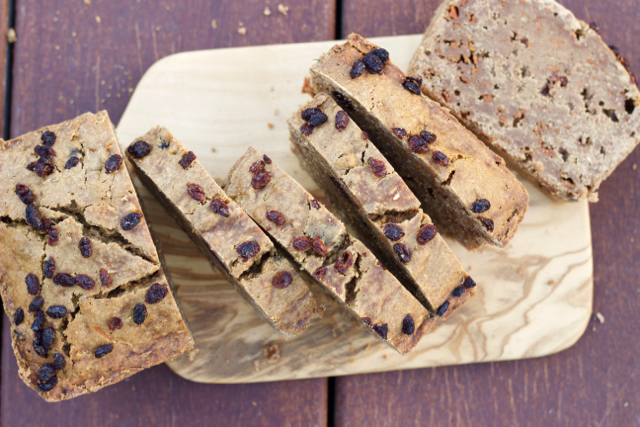
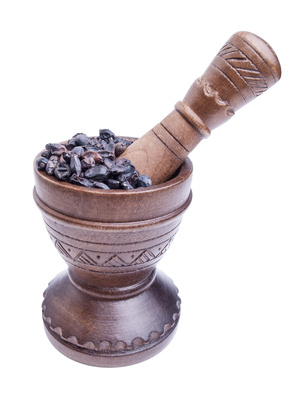
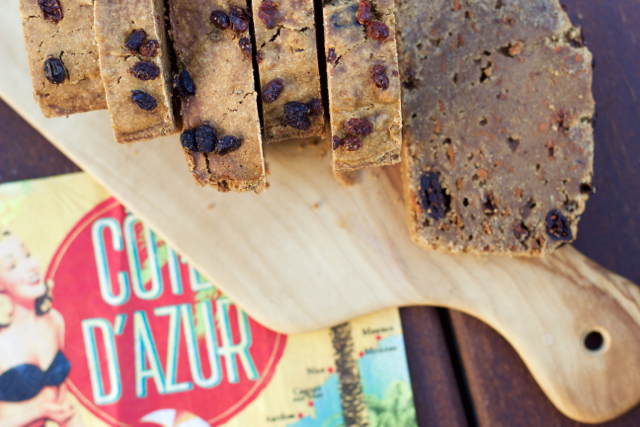
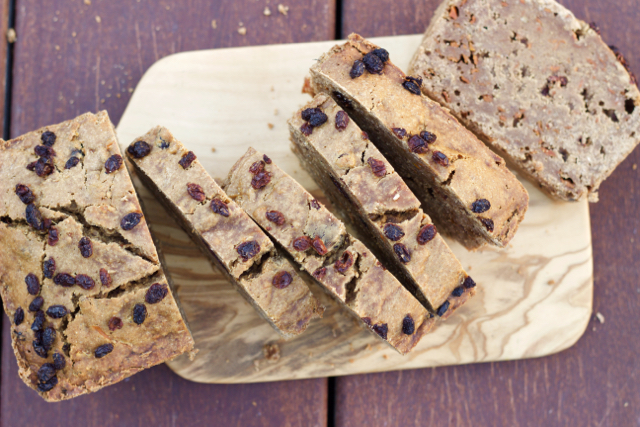
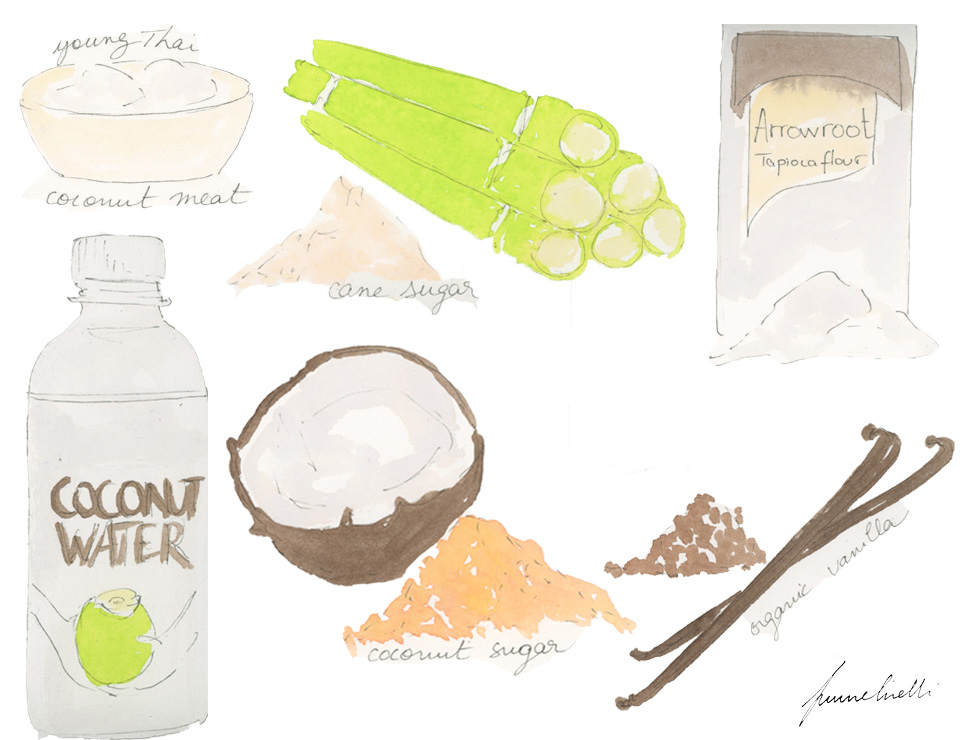

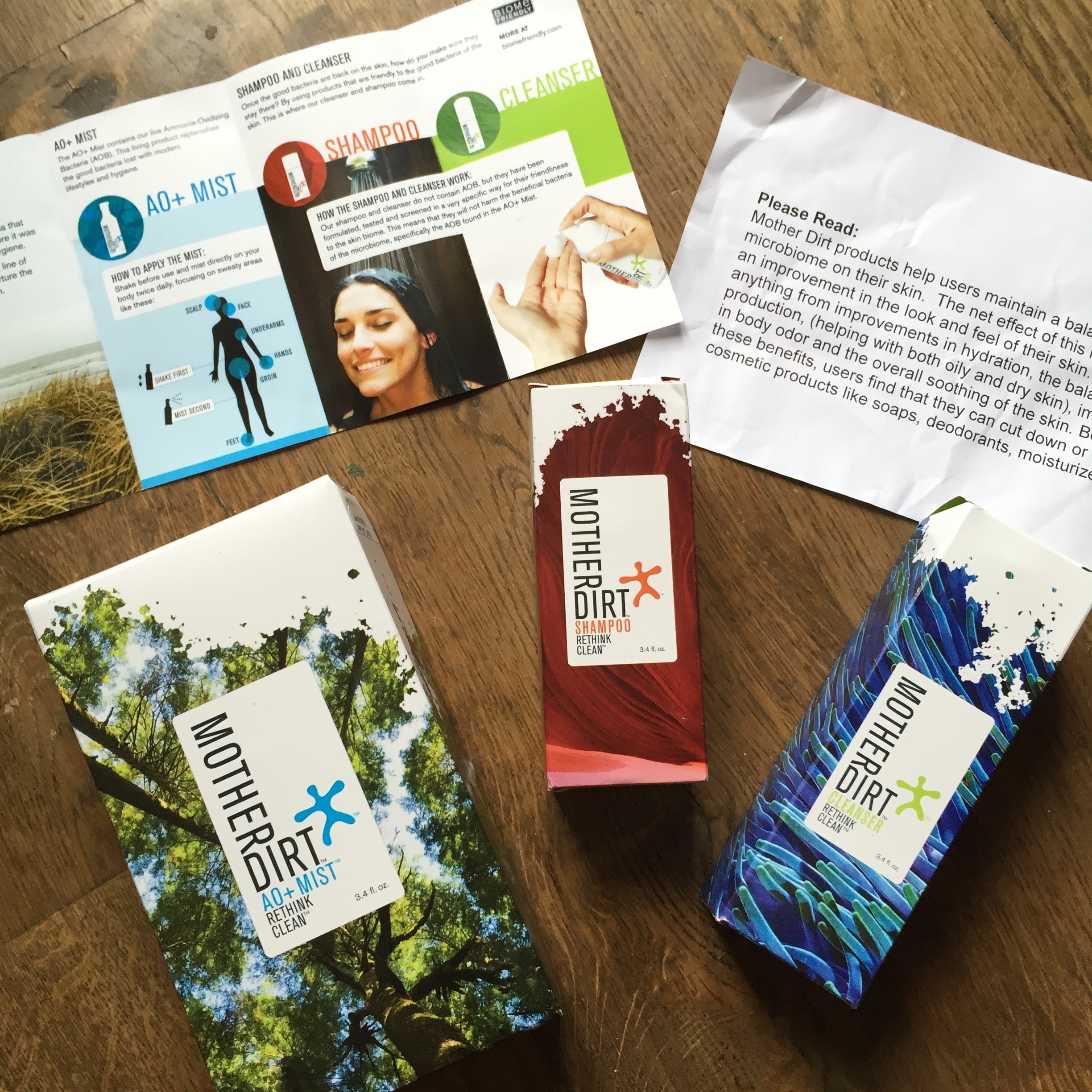

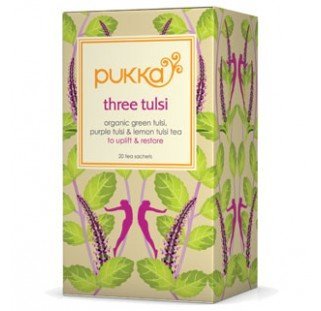
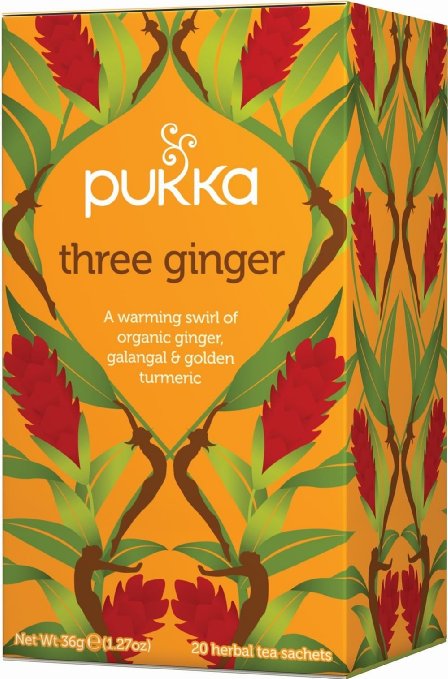
 – $350 (about)