
Author: healing

  • Confused by a negative histamine test result?

    Confused by a negative histamine test result?

    stethoscope

    A negative histamine result doesn’t rule out mast cell disorder or some kind of chronic inflammatory condition. 

    When I arrived to meet with my new doctor at the Virgen del Valle hospital in Toledo, Spain, I was a little surprised by the tests they ordered to diagnose me with mast cell activation.

    While very thorough in testing that would exclude other diagnoses, I was unhappy to see that n-methylhistamine, prostaglandin d2 and interleukins were not on the list. Having seen the list of tests recommended by doctors in the US (Dr. Theoharides at Tufts for example), I didn’t see how we could paint an accurate picture of what was going on with me, but by that point, I was there and ready to get on with it no matter what. After a five and a half hour consultation during which I presented my medical history, previous tests, photographic evidence and went over the new diagnoses we had excluded, I was diagnosed with MCAS (mast cell activation syndrome). Though my symptoms were so much better by that point, really so much better, there was a feeling that it might be a temporary remission due to the extreme diet I was on. I was prescribed a mast cell stabiliser called sodium cromolyn [1], which I was told would help me eat a “normal” diet.

    Rather than take it, I chose to try a natural mast cell stabiliser made from a bioflavonoid called quercetin, which is found in many plant foods. First the Twinlab quercetin and vitamin c and then Neuroprotek, created by mast cell researcher Dr. Theoharides. Both relieved my symptoms immeasurably, the latter far more than the former. I was later told by mast cell specialist and dermatologist Dr. Grattan in London that the definitive diagnosis of mast cell activation comes after a resolution of symptoms thanks to sodium cromolyn. He had no opinion on quercetin as a treatment, despite it being shown to be more effective than sodium cromolyn at preventing mast cell degranulation in medical studies [2].  I think this was more of an issue of my seeing him as an NHS patient (i.e. for free) and it not being an approved treatment.

    You’ll find recipes full of foods with antihistamine and anti-inflammatory properties my books Anti-Recipes and The Anti-Cookbook

    Take the hassle out of meal planning and healing histamine with this four week meal planner and stress relieving program. 

    Given that every test I have ever taken in my life has come back negative, I really wouldn’t have been surprised to see mast cell ones come back that way too. And that’s what happens to a lot of people. Now, it may be that histamine/mast cells aren’t their issue, or just that their doctors don’t know enough about them to diagnose it, or that the tests were done when they were not reactive (tryptase for example often comes back negative unless “caught” during a mast cell/allergy crisis). Some in the states will diagnose on just symptoms and remission of symptoms once taking sodium cromolyn, but unless they’re mast cell specialists, they may be doing their patients a disservice. That’s because histamine excess/mast cell activation can be secondary to a primary infection or health dysfunction, so doctors need to be sure they’re not missing something.

    The team that saw me in Spain had at the time treated more mastocytosis patients than anyone in the world. 

    I keep asking my readers to keep in mind that even if we’re dealing with histamine intolerance, which is characterised by high plasma histamine and low histamine degrading enzyme (diamine oxidase), ignoring other sources of inflammation is a mistake.

    Histamine is just one of many inflammatory mediators released or synthesised when mast cells break open in a process called degranulation. This happens when healing needs to take place and for many other reasons. So a bunch of other inflammation causing molecules are dumped into the blood stream along with the histamine.

    As outlined in my post on diagnosis, immunologists, allergists or dermatologists with experience in mast cell diagnosis will often recommend a number of tests to paint a full picture.

    Please, also remember, test results may come back negative if you are not reactive when getting tested!

    A few I’ll highlight for the purposes of this post:

    N-methylhistamine: a 24 hour urine collection test. Plasma histamine is rarely a good indicator because histamine fluctuates throughout the day. Hence the 24 hour collection being used by specialists.

    Prostaglandins: they can fight or encourage inflammation. PGD2 is synthesised when mast cells degranulate and has been linked to hair loss [2].

    Interleukins: like prostaglandins, these signalling molecules can fight or enhance inflammation. They have been linked to an increased risk of cancer [3]

    Dr. Theoharides specifically recommends testing IL-6 and TNF.

    Here’s the thing. You can have a normal histamine level, but high prostaglandins or interleukins. That might indicate that you have some kind of mast cell degranulation going on.

    But also, and here’s what blew my mind when I first read it years ago, is that prostaglandin D2 (PGD2) has been shown in studies to enhance the release of histamine from human mast cells [4] and in one particular animal study to increase by 1000 times the effect nasal histamine in rats [5].

    So whatever is going on with you histamine-wise, if your prostaglandin is off, the histamine you have or are exposed to, is going to be much more potent in its effects on the body. Foods that fight prostaglandin induced inflammation are in all of my meals! 

    Interleukins and histamine also have a complicated relationship that I would love a doctor to explain to me it its entirety [5]. I’m hoping to develop a relationship with a mast cell doctor whereby I can go talk to them once a month to get their feedback and explanation of the intricacies of the research I’m reading when I move to the states in February (visa gods willing!)

    I also recommend reading my post on COX induced inflammation and how I fight it with foods. 

    This is one of the reasons I started thinking of my recovery in terms of the inflammation rather than histamine bucket. In this model, rather than it just being histamine or histamine releasing triggers and foods going into the bucket that eventually spills over, it’s a bucket where everything that causes inflammation generally causes us to spill over. Which is why eliminating histamine, at the expense of superior nutrition, or just rather than going on a anti-inflammatory diet alone, is not the best approach in my opinion. You’ll find more in my post here where I explain how following this approach is helping me heal. 

    By all means, trigger avoidance is a great idea, especially when starting out. But continued avoidance of triggers at the expense of weakening our body’s nutritional defences, an approach I followed to my detriment for the first few years, is not.


    You’ll find recipes full of foods with antihistamine and anti-inflammatory properties my books Anti-Recipes and The Anti-Cookbook

    Take the hassle out of meal planning and healing histamine with this four week meal planner and stress relieving program. 

    ———— REFERENCES ————

    [1] http://www.healthline.com/health/allergies/cromolyn

    [2] http://journals.plos.org/plosone/article?id=10.1371/journal.pone.0033805

    [3] https://dev.healinghistamine.com/the-allergy-hairloss-link-and-what-you-can-do-about-it/

    [4] http://www.sciencedirect.com/science/article/pii/S0167488911000425

    [5] http://www.ncbi.nlm.nih.gov/pubmed/6198512

    [6] http://www.ncbi.nlm.nih.gov/pubmed/17112500

    [7] http://www.ncbi.nlm.nih.gov/pmc/articles/PMC293589/

  • The Nocebo effect

    The Nocebo effect

    doctor holding medicine

    I was recently interviewed by the wonderful Stacey Colino for an article she wrote for US News and World Report on the placebo effect’s evil twin, the nocebo effect. So here’s the deal: the placebo effect, once seen by the medical industry as a negative, because people being given sugar pills instead of real stuff in medical trials often experience an improvement in symptoms, for no good reason. Well, no good reason other than the power of the mind healing them.

    You can check out my interview with author David Hamilton for more on using the mind to heal the body here. 

    The problem is that the reverse is also true. Believing that something will harm you is likely to increase the odds of it happening (sources in the US News article above and below). I’ve struggled with this for a long time. At some point over the years I became terrified of doctors and medication. Not surprising given the mis-prescribed endless years of medication, really strong stuff including anti-psychotics and painkillers, as well as misdiagnoses. Here’s a fun one: I was naive and a doctor told me that a chronic “yeast” infection (which I now know was not yeast but rather chronic low level inflammation of the cervix due to oxalic acid in plants) was most likely due to HIV and insisted I get tested because of a tattoo I had just acquired in San Francisco. This was in the days when results took eight weeks. I was 18 and spent the net two months in hell. After intensive research, I developed night sweats, bowel issues and a low grade fever, all symptoms associated with the possible diagnosis. The negative result came at a huge price to my health: by the time it arrived I was a complete stress ball and the memory haunted me for years.

    You’ll find recipes full of foods with antihistamine and anti-inflammatory properties my books Anti-Recipes and The Anti-Cookbook

    That would be an example of the nocebo effect. This incident set a dangerous precedent. I lost my faith in doctors and so began a few decades of tumultuous relationships and an inability to accept their diagnoses and medical scripts. I took all of them of course, because I was a pill junky, but they did little for me. I could now argue that the nocebo effect was to blame, but there was also a healthy dose of them really just not knowing anything about mast cell activation or histamine intolerance. This all worries me greatly because I developed a tendency to attribute everything to mast cell disorder, heck it’s hard not to when we know there’s over 50 symptoms.

    And there, in a nutshell is the most interesting piece of news I’ve read in years. Worrying that stress is bad for you can actually kill you. But not believing that stress can kill you means it doesn’t affect you as badly.

    Welcome to nocebo world.

    This is what I believe is the number 1 impediment to healing in our world: the belief that food hurts us. It’s hard to argue with that belief because hey, foods do often hurt! They also have the power to heal but most of us spend very little time focusing on reframing the problem so that we use the power of the brain to intensify the healing power of the food rather than the flip side. I’ve experienced first hand how expecting to react is a self-fulfilling prophecy.

    And now we have some more science to back it up.

    I reported a while back that scientists have been able to use pavlovian conditioning to induce a nasal tryptase increase (one of the mast cell mediators involved in allergic response and anaphylaxis) in people whose subconscious was triggered into believing they were being exposed to an allergen. You can read the full “Fearful of food? The brain is to blame but also the cure.” post here. 

    But I also highly recommend listening to this inspiring TED talk “How to make stress your friend.” by Dr. Kelly McGonical in which she mentions a study showing that those who believe stress is bad for them will suffer negative health effects from it, while those who don’t, don’t.

    You can also check out David Hamilton’s post on how he realised that increasing his knowledge of nutrition led to weight loss, but also to an increase in negative reactions to it.

    It’s finally here! Man Food – a high nutrient antihistamine and anti-inflammatory ingredient filled book geared towards guys, women who love to work out, yoga like they mean it, or just load up on healing nutrients. Features my personal shopping list of antihistamine and anti-inflammatory foods. 

    You’ll find recipes full of foods with antihistamine and anti-inflammatory properties my books Anti-Recipes and The Anti-Cookbook

    CLICK HERE TO CREATE YOUR OWN PERSONALISED HEALING HISTAMINE PLAN. 

  • Moist zucchini cake gluten and egg free (paleo)

    Moist zucchini cake gluten and egg free (paleo)

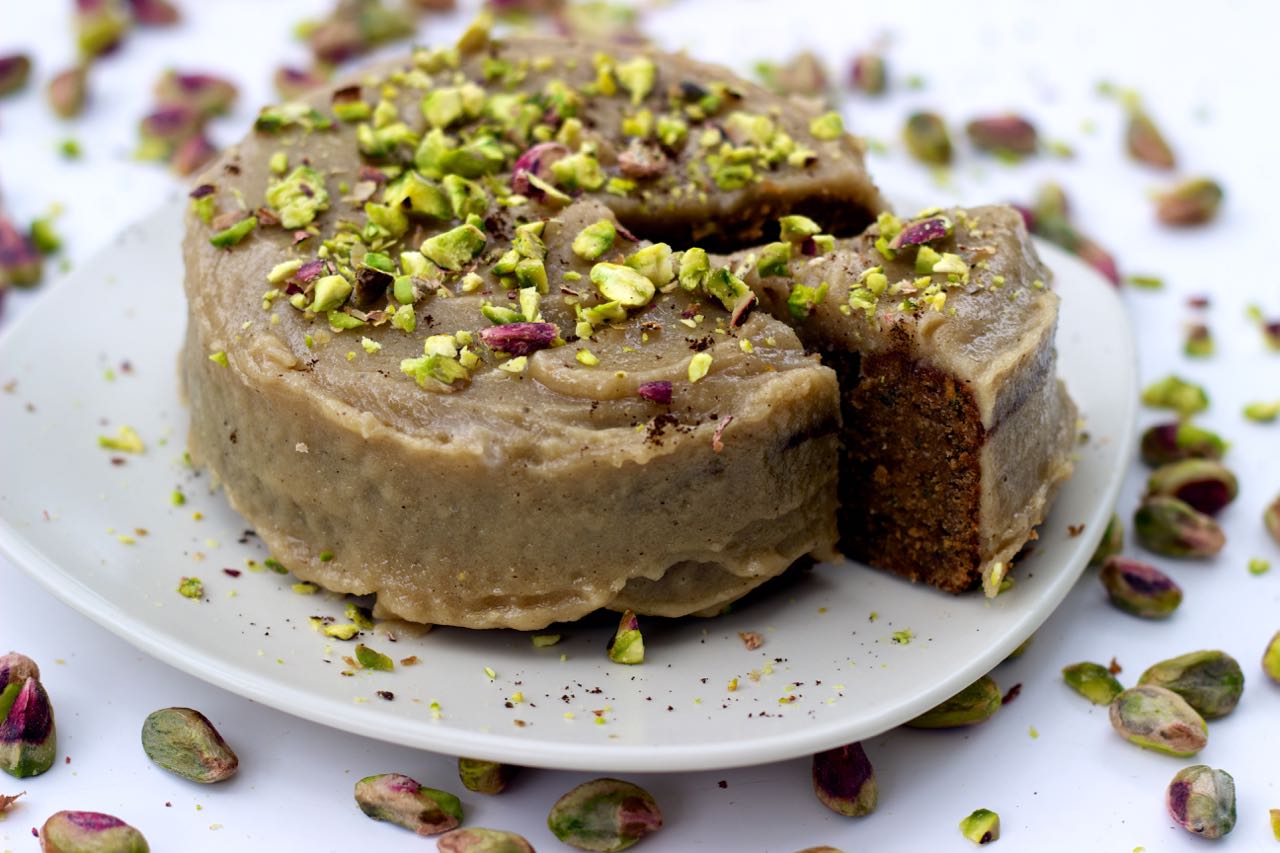
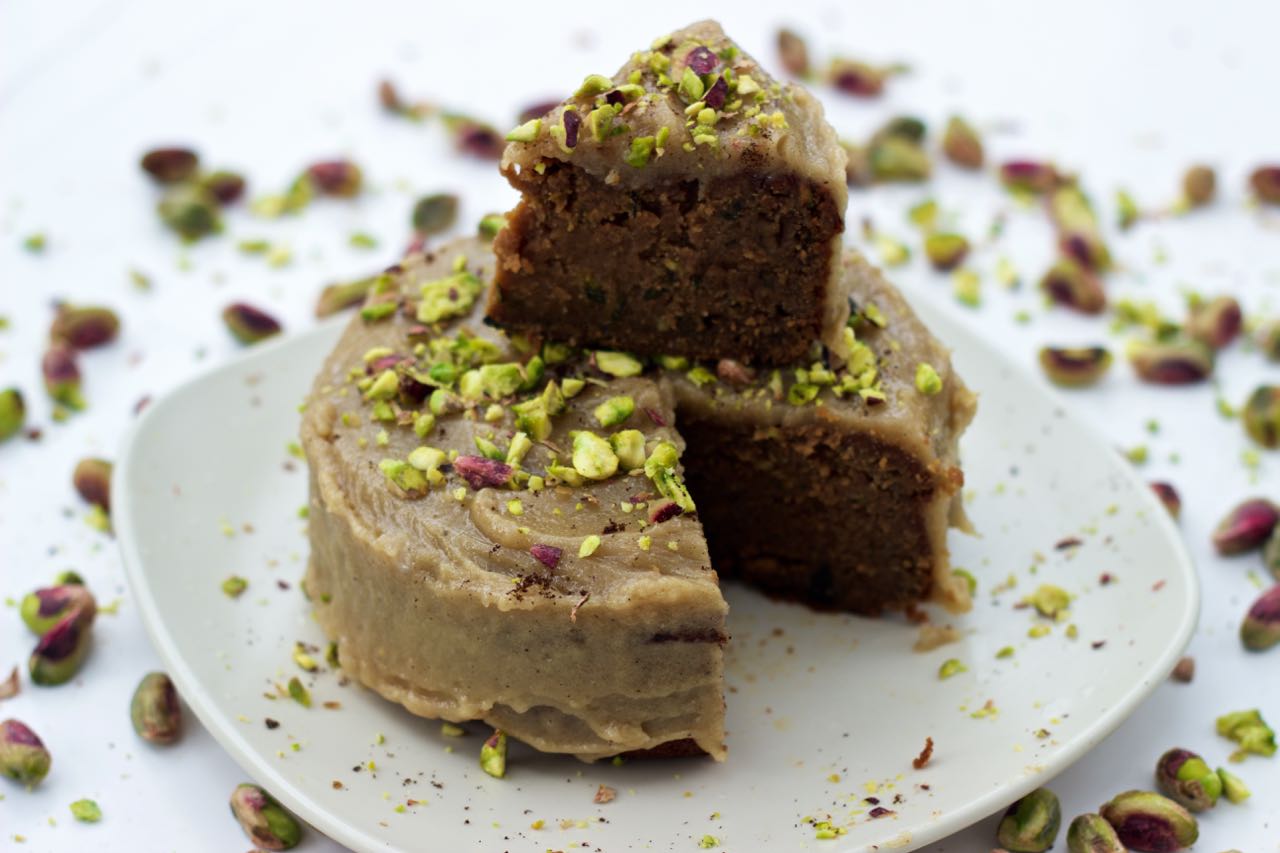
    IMG_2059

    I fell asleep last night dreaming of a cake so moist that forks would slide through it like warm butter. Not sure why anyone was eating butter with forks in my fantasy but it seemed to make sense at the time. I often have intense sugar treat dreams when I’ve been exercising intensely or having a high stress time. Neither is the case right now, I guess I just felt I deserved something really delicious to console me. See the Halloween foodstuffs and decorations I ordered did not arrive here to me in France in time for this year’s post.

    Rather than continuing to wallow over my misfortune, I decided to cheer myself up with a totally non-traditional but super wonderfully satisfying, nutritious treat.

    While this cake does in fact have sugar (it’s coconut, but don’t fool yourselves, it’s still sugar!), it’s packed full of whole foods that make me feel pretty good about enjoying it.

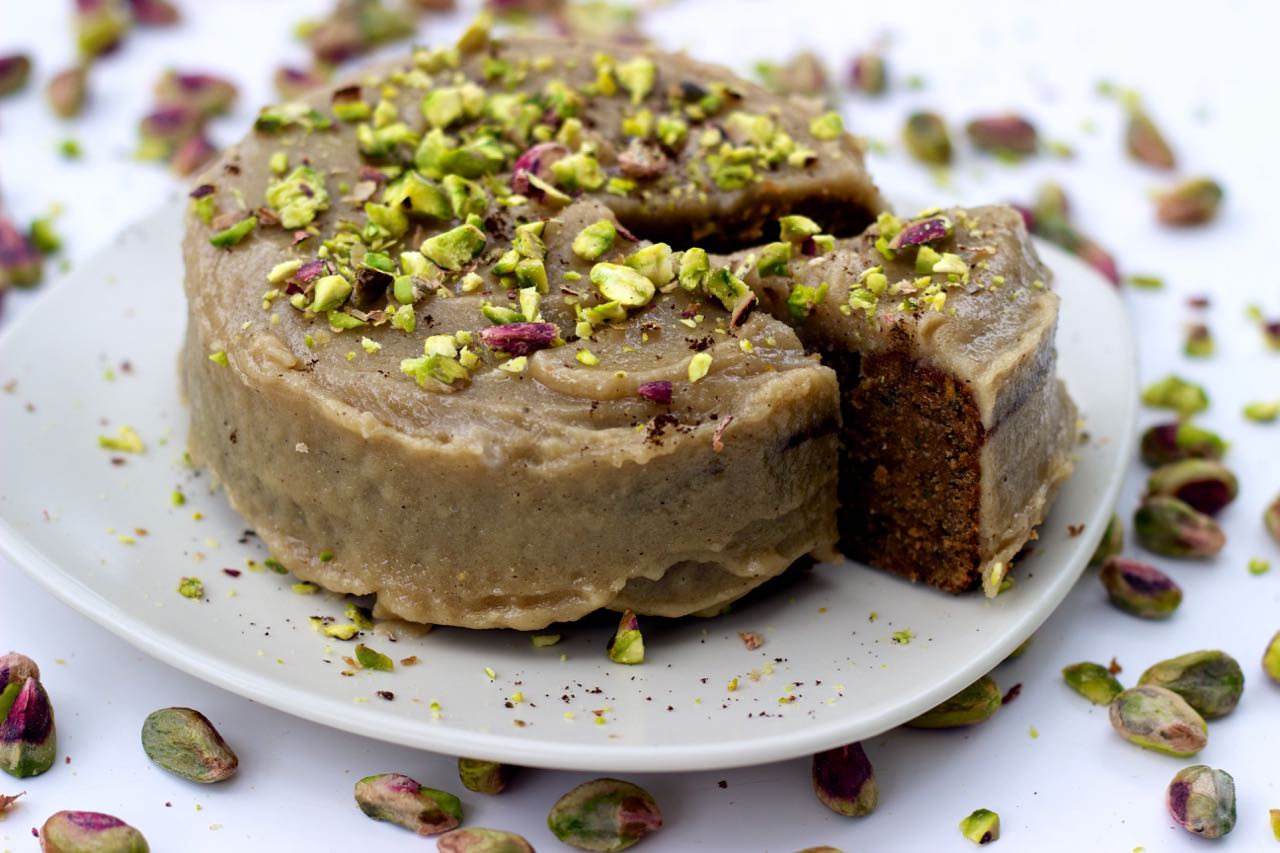
    IMG_2065

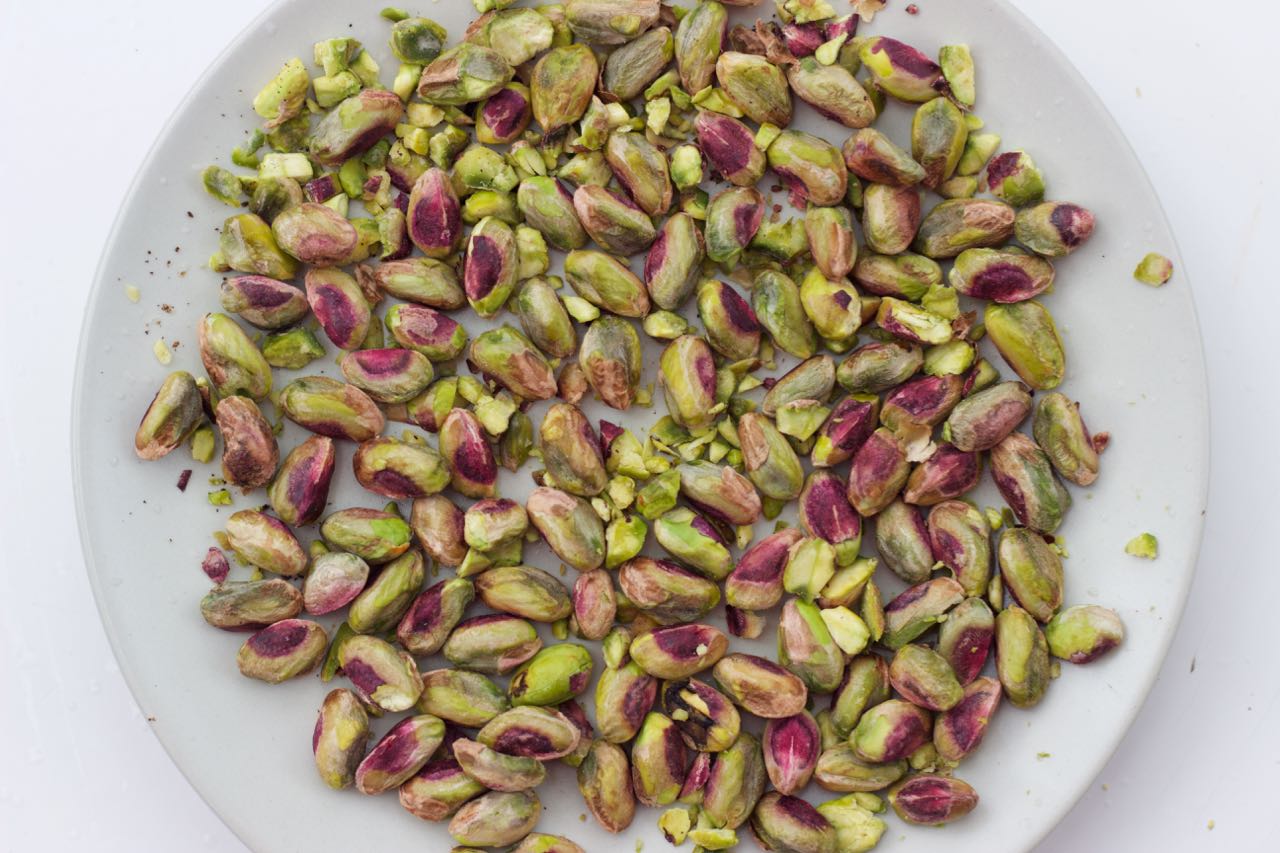
    Right off the bat I’m gonna get loads of questions about the pistachios used as a garnish here. Nope, they’re not high histamine but yes you could still react nonetheless. And yup, people often have nut allergies (I don’t). If you’re not sure how you do with them, don’t use ’em! Use anything you like or just omit any garnish at all.

    As with all my recipes, please view this recipe as a mere suggestion, a template for you to modify at will. The idea behind all my recipes and the books they’re in, is to show how I used high nutrient antihistamine and anti-inflammatory foods to heal my body, but they’re not meant to be followed to a T. I think one of the best things we can do for ourself is learn how to cook and my approach is pretty basic: bung it all in, heat it up and consume!

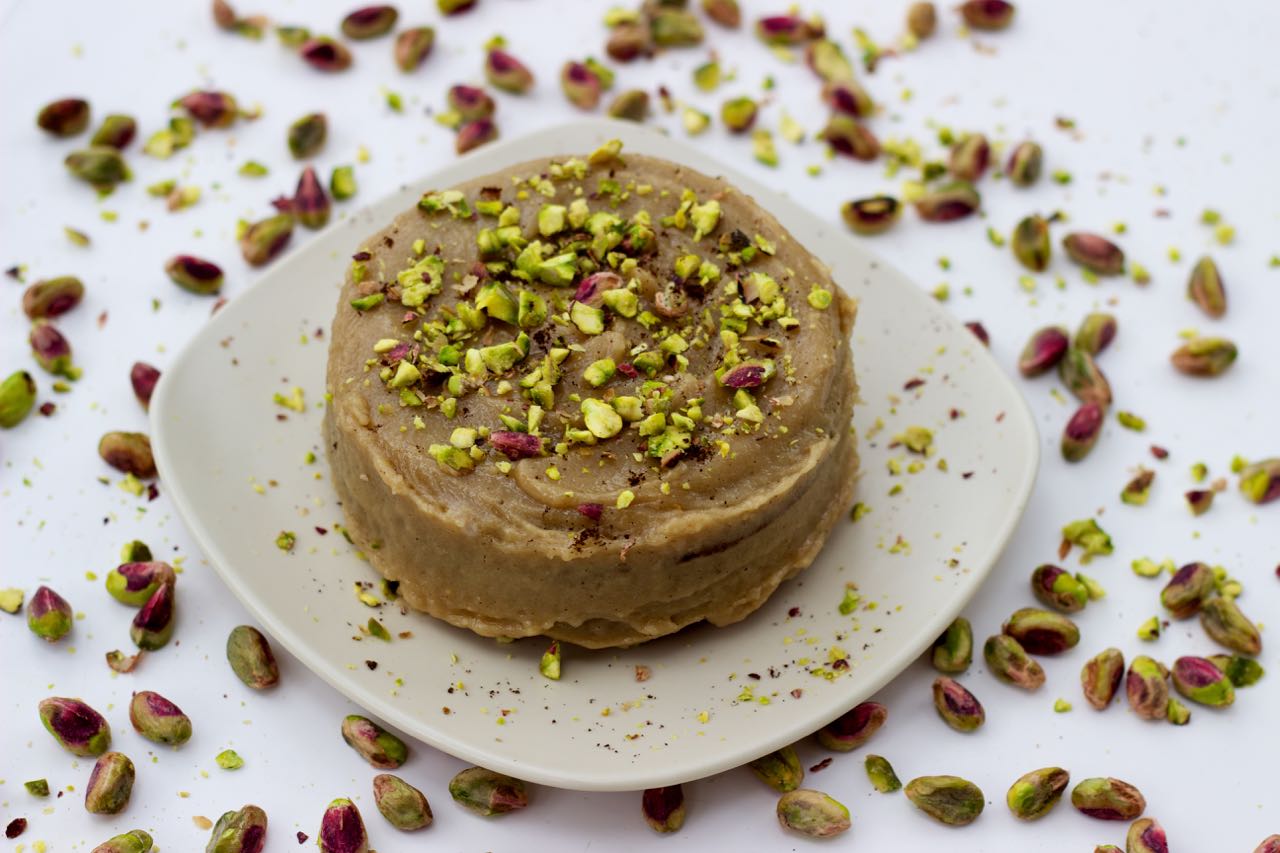
    IMG_2050

    I chose to use them because pistachios are full of carotenes (also found in carrots), vitamin E, vitamin B6, copper and iron, and they may help promote good cholesterol, as well as just generally fighting cancer and all that other great stuff [1]. A study published in Molecular Nutrition & Food Research, also found that pistachio oil significantly affects genes involved in immune response, defense response to bacteria and gene silencing [2].

    You’ll find recipes full of foods with antihistamine and anti-inflammatory properties my books Anti-Recipes and The Anti-Cookbook

    CLICK HERE TO CREATE YOUR OWN PERSONALISED HEALING HISTAMINE PLAN. 

    Young Thai coconut, along with mature coconut possesses anti-inflammaotry and pain killing activity as well as being anti-bacterial [3]. The coconut meat rather than oil is always my first choice, but often impractical as carrying them home from the market is a bit of a bugger!

    IMG_2063

    This recipe uses chickpea or bean water (aquafaba) instead of eggs. I was never a fan of the flax “eggs” so was really excited to discover that it’s a great alternative. You can read all about how to replace eggs with bean water in this post.

    In this low histamine recipe you can: replace the sugar with any other sugar, any gluten free flour in the same ratio, use any oil you like, use flax eggs rather than the aquafaba or use eggs if you prefer, and you can of course omit the garnish.

    You will need a cake tin smaller than the size of a dinner plate. I didn’t have a tape measure to give you an exact size sorry!

    Zucchini cake with cashew or coconut vanilla frosting and pistachio

    Makes: 1 cake just smaller than a dinner plate

    Ingredients:

    Cake
    2 cups grated zucchini
    1.5 cups coconut sugar
    1 cup chestnut flour
    1/2 cup tapioca starch
    1/2 cup coconut flour
    1 cup coconut oil
    9 tbsp aquafaba or 3 eggs
    1 tsp raw vanilla powder
    1 tsbp lemon juice
    pinch salt

    optional 
    1 tsp baking powder/calcium carbonate/vitamin c

    Frosting
    1 cup soaked cashews or fresh young thai coconut meat
    1/4 cup coconut nectar (omit if using the coconut meat)
    1/4 cup water or coconut water
    1-2 tsbp coconut oil
    raw vanilla, to taste
    1/4 tsp lemon juice
    pinch of salt

    optional garnish
    1/4 cup pistachios, finely chopped
    extra vanilla

    Directions:

    Cake

    Pre-heat your oven to 200C/380F.

    Combine the wet ingredients, then the dry, then mix them in with each other.

    Pour into the cake tin and bake for about 45 minutes, depending on your oven.

    Frosting

    If using cashews, place in a blender with the coconut nectar, water or coconut water, vanilla, lemon and a pinch of salt. Process till smooth.

    If using coconut: place meat in blender with its coconut water, vanilla, lemon and a pinch of salt. Process till smooth.

    Remove cake from oven and allow to cool before removing from tin. You could place it in the freezer to speed up the process.

    Use a spatula to smooth on the frosting.

    Sprinkle with chopped pistachio if using, and or vanilla.

    You’ll find recipes full of foods with antihistamine and anti-inflammatory properties my books Anti-Recipes and The Anti-Cookbook

    CLICK HERE TO CREATE YOUR OWN PERSONALISED HEALING HISTAMINE PLAN. 

    ————- REFERENCES —————

    [1] http://www.nutrition-and-you.com/pistachio.html

    [2] http://www.prnewswire.com/news-releases/new-study-reveals-pistachios-have-anti-inflammatory-properties-79413022.html

    [3] http://www.ncbi.nlm.nih.gov/pubmed/20645831

  • Histamine in fish safety margin not high enough says the WHO

    Histamine in fish safety margin not high enough says the WHO

    fish histamine levels

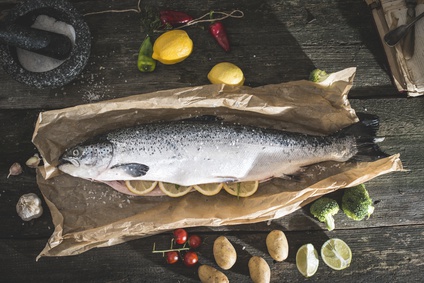
    A joint report from the Food and Agriculture Organisation of the United Nations and the World Health Organisation Food Standards Programme Codex Committee on Fish and Fishery Products [1] really shocked me.

    They’re the people responsible for making sure that fish histamine levels remain below a certain threshold, one that prevents a really nasty kind of food poisoning called scombroid. Their report uses some fairly technical science-speak but here’s a translation:

    The current “no observed adverse effect level” (NOAEL), which is the acceptable histamine level at which fish consumers will suffer no ill effects, including scromboid, needs to have a higher “uncertainty factor” (UF) added on – meaning that there needs to be a wider safety margin between acceptable levels and poisoning/histamine reactions.

    The current NOAEL in fish stands at about half the dose that would cause a reaction in “healthy” people. Two studies they conducted showed that histamine administered in beverages (like wine they say) caused adverse symptoms occurring at doses lower than the fish ones. This means that even for some healthy people, combing wine and fish may be a no-no.

    They say in the report:

     “It is important to bear in mind that, while the NOAEL is an appropriate hazard threshold value to use for exposures in healthy subjects, this may not be the case for those members of certain segments of the population who may have an increased sensitivity (e.g. metabolic differences, physiological conditions, drug therapies). In these instances a lower hazard level may need to be considered (e.g. the use of an uncertainty factor or other specific risk management options such as fish consumption advisories should be considered. [2]”

    There’s a link to the report in the references section below. 

    So the good news is they’re finally aware that fish histamine levels may be too high for people with pre-existing health conditions, like histamine intolerance and mast cell activation I would think, and even for those who are “healthy”. The report goes on to advise ways in which histamine levels could be kept lower, mostly through changing storage temperatures rather than the addition of preservatives.

    I only stopped eating fish for a few years because I decided to go vegan, not so much for health reasons but because I felt bad eating animals. Once my diet became severely restricted it seemed totally crazy to eliminate foods I rarely reacted to, including fish, which weirdly enough (with a couple of exceptions) had always been one of my safe foods.

    That said, I rarely order fish when eating out, unless I personally know the owner. I’ve not batted an eyelid buying fish laying out on ice at Whole Foods, my local fishmonger, but have definitely interrogated bewildered employees at other supermarket chains. I don’t believe WH to really be any more honest or superior in terms of quality, it’s just a psychological thing I guess because I feel employees actually cared more about me as a human being when I would explain what was up.

    This report however and a tragic news story of a mother and daughter’s deaths in Bali from scromboid poisoning have made me really stop to re-think my love of fish. Noelene Bischoff and her 14 year old daughter Yvana traveled to Bali for their “dream vacation” which turned into their family’s worst nightmare when they died after eating spoiled fish for dinner [3]. The story was widely reported in the UK media. Forensic pathologists in their home country Australia said that scombroid poisoning combined with their pre-existing asthma caused the deaths. One of the photos released in the case showed a copious amount of antihistamines, anti-asthma meds and also migraine medication the mother and daughter had in their hotel room. You’ll find the full news story below.

    Now I have definitely felt strange when eating fish in restaurants. Even in Thailand, where I literally watched them scoop the fish out of a tank for me, just before I left the restaurant and saw them dumping detergent into the tanks to clean the glass. Those poor, poor soapy fish, and my poor, poor internally soap filled body after ingesting that toxic mess.

    Unlike my “Bed Bound and Down” years, in the last phase of what I’ve dubbed “The Reaction Years” the fish fun varied from instant dizziness to loss of blood pressure, near fainting and wildly racing heart rate. In each case I had managed to employ my meditation and visualisation training to counter the adrenal response – perhaps the result of fear, or the body’s response to excessive histamine release.

    Please understand – I am not suggesting you try this, just relating my own experiences. All food reactions have the possibility of turning deadly and meditation is not an appropriate treatment. Seek medical treatment immediately if you suspect you have eaten spoiled food or suffer any of the aforementioned symptoms. 

    Never heard of the adrenaline connection? One of my craziest symptoms was very heightened awareness, not so much anxiety but rather enhanced smell perception, increased “volume”, crystal clear tunnel vision and a weird feeling that time was slowing down. I had no clue what was up till I watched a program where a cop explains how her body responds when she’s facing a criminal – she explained exactly my symptoms, which she attributed to the surge of adrenaline.

    And I realised, Eureka! That’s what it is…a massive dose of adrenaline being released to lower histamine levels [4]. There’s tons of research on this out there but a great one from the 70s explains it succinctly and plainly: adrenaline is the body’s antihistamine, deployed to prevent histamine’s activity on the heart.

    Fun fact: did you know the heart has H1 and H2 receptors [5]? I’m working on a post about histamine’s effect on the heart. I was pretty shocked by what I learned. 

    While I personally feel theat fear and stress played a huge role in my reactions, and I walked away with no lasting adverse reactions from those fish meals, I’m now going to have a long hard think about whether it’s worth rolling the dice knowing that the histamine-safety margin is so narrow.

    When I was initially diagnosed with histamine intolerance, before my eventual mast cell activation diagnosis, I was asked if I had ever suffered food poisoning. I have had innumerable instances throughout my life where it seemed I had experienced it, but given that it’s also often caused by elevated histamine levels in foods, the symptoms would be identical to my “regular” histamine symptoms of nausea, projectile vomiting, diarrhea and migraine.

    The person who made the diagnosis, now sadly deceased, believed a case of scromboid or lesser food poisoning could set a histamine intolerance into motion.

    My last major histamine event, caused in my opinion by a terrifying plane incident that looked like a hostage situation was unfolding on my way to New York, left me with a terrible migraine, fever and projectile vomiting for 24 hours upon arriving at my aunt’s place (so sorry Hala!). You can read all about it here and why I know that my brain rather than food, caused that reaction. 

    My take away from this report, published in 2014, so maybe something has already changed for the better, is:

    I will take care to balance future fish consumption in the same way I do the rest of my diet – by including lots of antihistamine and anti-inflammatory foods on days when I have high histamine meals and also just generally.

    Continued vigilance – I will definitely only be eating at restaurants where I am sure of their fish handling practices.

    My feeling of safety when eating fish by the sea, as I experienced while in Bali myself, is misplaced, and if anything, one should question the local understanding of proper fish handling, storage and possible electricity outages.

    For now, as I continue to whittle away at the animal protein in my diet, I am not giving up on fish, but I’m certainly no longer fooling myself that it’s safe for me given that I no longer suffer as I used to.

    It’s finally here! Man Food – a high nutrient antihistamine and anti-inflammatory ingredient filled book geared towards guys, women who love to work out, yoga like they mean it, or just load up on healing nutrients. Features my personal shopping list of antihistamine and anti-inflammatory foods. 

    The Anti-cookbook and all liquid Anti-Detox Book, don’t treat any conditions, but feature a plethora of the high nutrient antihistamine and anti-inflammatory ingredients that have been instrumental in helping me feed myself on a limited diet. The Anti-cookbook features a six page list of antihistamine and anti-inflammatory foods and comes in regular and Paleo. 

    The Low Oxalate Cookbook features antihistamine and anti-inflammatory rich recipes. 

    Don’t miss the Low Histamine Beauty Survival Guide for non-toxic beauty tips, the skinny on histamine releasing (mast cell degranulating) beauty ingredients, antihistamine and anti-inflammatory beauty alternatives and the top brands natural brands I’ve found.

    Take a peek at my other low histamine and antihistamine cookbooks for more high nutrient recipes and sign up to my mailing list for freebies. 

    ——————— REFERENCES ———————

    [1] ftp://ftp.fao.org/codex/reports/reports_2014/REP14_FFPe_rev.pdf

    [2] ftp://ftp.fao.org/codex/meetings/ccffp/ccffp33/fp33_12e.pdf

    [3] http://www.dailymail.co.uk/news/article-2551853/Australian-mother-daughter-died-Bali-hotel-room-victims-RARE-fish-poison-combined-asthma.html

    [4] http://link.springer.com/article/10.1007%2FBF00499043

    [5] http://link.springer.com/article/10.1007%2FBF01906682#page-1


  • Misdiagnosis: antibiotics as anti-inflammatories

    Misdiagnosis: antibiotics as anti-inflammatories

    antibiotics anti-inflammatory

    For many the diagnosis of histamine intolerance or mast cell activation will come after decades of mis-diagnosis. Some of us will have been told it’s psychosomatic and prescribed antidepressants, benzodiazepines and sleeping pills, while others may have been told their severe gastrointestinal issues are caused by stomach bacteria, or chronic stuffed nose and frequent flu-like events caused by sinus/staph infection, or that their urinary burning and frequency is caused by a UTI and prescribed interminable courses of  antibiotics.

    I was told I had all of these and prescribed antibiotics, even when bacterial cultures came back negative.

    What I wasn’t told is that many antibiotics exert an anti-inflammatory effect on the body, independently of their activity as an antibiotic [1].

    As an example: let’s break down how this information could have prevented my being prescribed a daily dose of the antibiotic Macrobid (Nitrofurantoin), for a chronic, but non-existent urinary tract infection that I now know was most likely caused by excess mast cells in my bladder [2] or a sensitivity to oxalic acid [3].

    I was never diagnosed with the latter, but moderating my intake of high oxalate foods like almonds, kale, cacao and sweet potato totally cleared up my life-long UTI-like issues in a matter of months, without any medication. I first discovered the link thanks to a wonderful gynaecologist in Cairo, Egypt, who treated me for persistent lady part inflammation and UTI. Unlike US doctors, he refused to prescribe the antibiotics without a positive culture. In Egypt. Go figure. I’m not saying the Middle East is more advanced than the states, just that I lucked out that day. 

    A number of studies [4] in the last decade have shown that several classes of antibiotics, including macrolides, tetracyclines and beta-lactams may change the inflammatory response, by changing inflammatory cell metabolism, altering cytokines and other chemicals that stimulate and help maintain inflammation, and just generally exerting an anti-inflammatory effect independent of their activity as antibacterials.

    Macrolides include Azithromycin and Erythromycin, both of which I have been prescribed repeatedly throughout my life for chronic (misdiagnosed) “sinus” infections, bronchitis and skin complaints (which turned out to be histamine-related also).

    You can find a full list of antibiotic families in the references section below. 

    You’ll find recipes full of foods with antihistamine and anti-inflammatory properties my books Anti-Recipes and The Anti-Cookbook

    CLICK HERE TO CREATE YOUR OWN PERSONALISED HEALING HISTAMINE PLAN. 

    Though the University of Maryland medical website (my go to for most things) and others tell us that though most chronic sinus infections are caused by viruses that don’t respond to antibiotics, some more serious bacterial infections may require antibiotics. They go on to say that a positive culture is the golden standard for diagnosis before prescribing them [5].

    Here’s the thing: you go to the doctor with what looks like a sinus infection. Most docs operate on a 15 minute appointment basis. I’m not criticising here, just an observation of common practice. Swabbing you and sending the sample to be cultured in a lab is more time consuming and costly than just grabbing the prescription pad.

    But I’m not blameless in this transaction. Forearmed with previous diagnoses of chronic sinus infection, I would just tell docs that previous docs had prescribed what and demand antibiotics so I could get back to work.

    The confusing thing for myself and the doctors was that my symptoms would resolve for the duration of the treatment, with things kicking off the moment I came off them.

    Given that ALL of my symptoms turned out to be related to an inflammatory medical condition, or two, of histamine intolerance and may cell activation, it now makes perfect sense to me.

    The antibiotics, despite having no actual bacteria to fight, were acting as anti-inflammatories, which was at times (temporarily) lowering my inflammation to the point that I would feel better. After the treatment period, as the inflammation would rise again, I’d feel worse and go back for either more of the same, or a new class of antibiotics. The fact I had experienced some remission of symptoms was seen as proof that it was indeed the right approach and that we just needed to fine tune the treatment.

    In the case of the non-existent UTI, the first round of antibiotics cleared it up, only for it to return a month later. Culture came back negative, but I was prescribed another round just in case some bacteria lingered. Felt better for a few weeks, came back next month with same complaint. Was put on a different antibiotic and felt relief. Back next month, same story, till the doctor decided the best approach was to keep me on a “maintenance” dose of antibiotics long term. This meant a few years. I believe that my actual issue was something else (mast cells/oxalates) and that the antibiotics acted as anti-inflamamtories while in treatment. Eventually though the maintenance dose was no longer enough and I was in agony for years again till I realised that my bladder would always hurt about five to 10 days after a long bout of stomach bloating. If the bloating lasted less than five days, no bladder pain. I then surmised that whatever was bloating my stomach was then causing inflammation to spread from there to my urinary tract system.

    I was right.

    I spent so long barking up the wrong tree and taking antibiotics that block the histamine-lowering DAO enzyme (you’ll find a link to a full list in the references below) that I truly broke my body even more than it was.

    It was only in 2003 (aged 28), after decades of chronic antibiotic prescription and repeated candida infections thanks to them, a doctor proposed to me that it was an allergic reaction of some type. I was given zyrtek, a steroid nasal spray and pseudo ephedrine rather than antibiotics.

    I’m forever grateful to that doctor at London’s Portland Hospital for pointing me in the right direction, because it was the very first time since my mother believed she had worked out ketchup caused my hives (despite repeated yearly negative IgE results), that I had any inkling that histamine might be involved.

    I then spent the next few years on a combination of antihistamines, pseudo ephedrines, nasal sprays, in addition to antibiotics for other ailments. But it was a step in the right direction.

    Links to a few of the studies detailing how antibiotics exert an anti-inflammatory effect are in the references section below in case you want to print them off for your doctor.

    Please understand, I am not suggesting we shouldn’t take antibiotics, I am simply highlighting something your doctor might not be aware of. Like my doctors and myself yours may believe your positive response to antibiotic treatment means they’re on the right track, or they may be ruling out histamine intolerance or mast cell disorder based on it.

    You’ll find recipes full of foods with antihistamine and anti-inflammatory properties my books Anti-Recipes and The Anti-Cookbook

    CLICK HERE TO CREATE YOUR OWN PERSONALISED HEALING HISTAMINE PLAN. 

    ———————— REFERENCES ———————

    [1] http://www.livestrong.com/article/537182-why-do-antibiotics-help-with-inflammation/

    [2] https://dev.healinghistamine.com/histamines-role-in-chronic-urinary-tract-infections-or-intersitial-cystitis/

    [3] https://dev.healinghistamine.com/low-oxalate-low-histamine-diet-the-missing-link/

    [4]

    http://www.ncbi.nlm.nih.gov/pmc/articles/PMC2801304/http://www.ncbi.nlm.nih.gov/pubmed/12054075

    [5] https://umm.edu/health/medical/reports/articles/sinusitis

    Antibiotic families

    DAO blocking and histamine releasing meditations

    http://www.histaminintoleranz.ch/en/therapy_medicaments.html

  • Warming plant protein rich soup

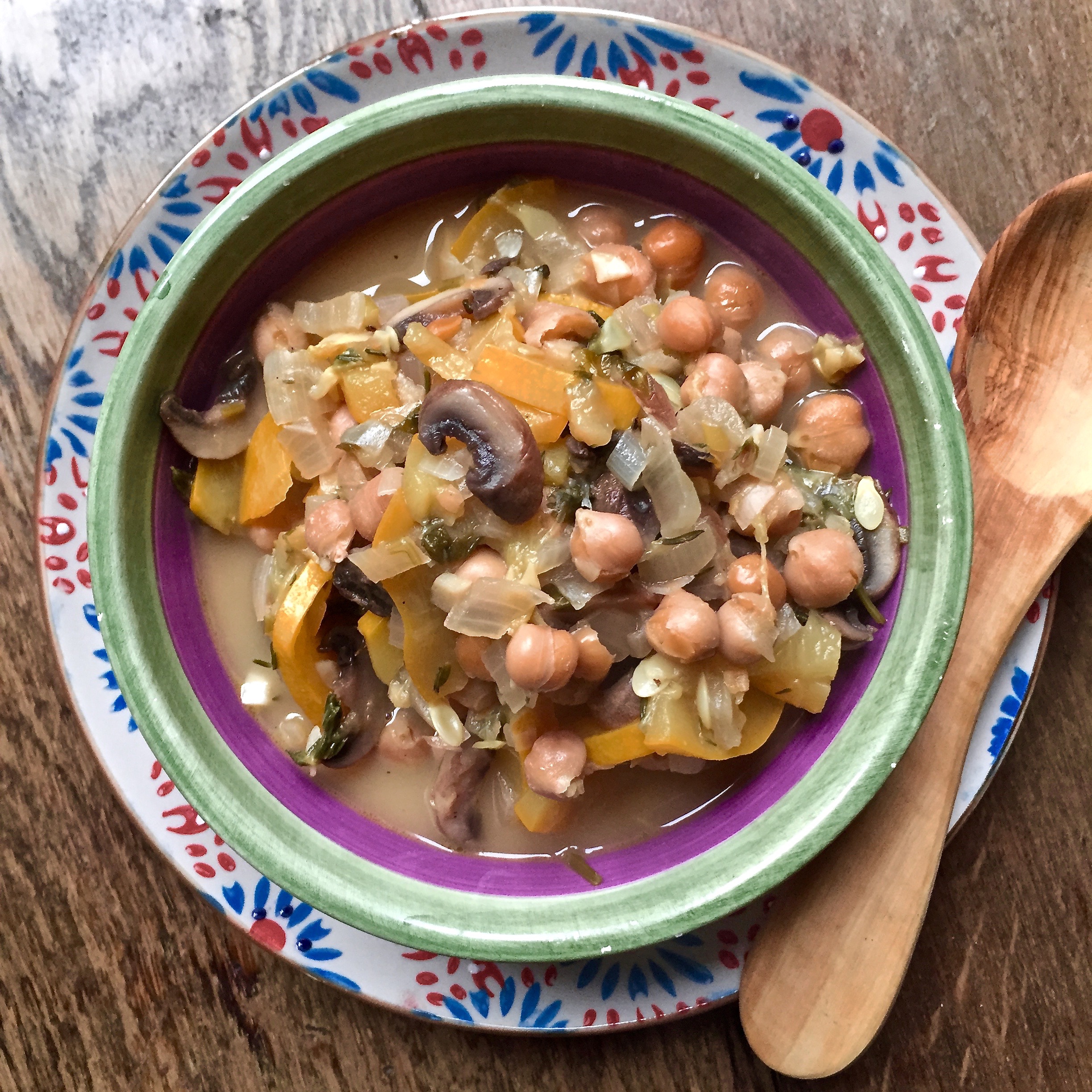
    IMG_5740

    You’ll notice there’s some ingredients here that are on some lists as high histamine. I talk quite a bit about how abandoning the low histamine/histamine intolerance diet is what I believe is helping me heal. But that doesn’t mean I’ve thrown all caution to the wind and am permanently out to lunch at Taco Bell. I’m just eating a high nutrient histamine-balanced diet with lots of antihistamine and anti-inflammatory healing herbs for my twin diagnoses of histamine intolerance and mast cell activation. How can I be diagnosed with both? Check out my post on diagnosing histamine disorders (histamine intolerance, mast cell activation disorder, mastocytosis) here.

    In this soup for example we have anti-inflammatory cancer fighting chickpeas and cancer inhibiting and fighting mushrooms, both of which appear on some lists as high histamine. They’re paired with a bounty of antihistamine and anti-inflammatory herbs. What makes them so? Mostly because they’re high in quercetin or luteolin, two bioflavonoids which possess antihistamine and mast cell stabilising properties. The latter means that they can prevent mast cells, an integral component of the immune system, from releasing or synthesising histamine and other inflammatory mediators like prostaglandin, leukotrienes, interleukin and many others, that then go on to wreak havoc in our body in the form of chronic inflammation. A little inflammation, or even a lot, when you’re sick, is a great thing. It helps us heal. Too much, or too much unnecessary inflammation can make us unwell.

    In my life so far, pairing high histamine foods to those with opposing properties, has balanced things out and is helping me heal in a way that eliminating high histamine foods and living on not so nutritious ones never did. The histamine elimination diet was a part of my life for over two years. I was told I should only be on it for four weeks, but hey, if something makes you feel better, at least at the start, you’re going to keep at it right? But eventually my safe foods started turning against me and I had to come up with a different way of looking at things. It might be different for you – we are all very different, so do whatever helps you get where you need – list or no list!

    CLICK HERE TO LEARN HOW TO CREATE YOUR OWN HEALING PLAN AND HISTAMINE BALANCED DIET. 

    Warming plant protein rich soup

    Serves 1-2

    Ingredients:

    1 cup swiss chard
    1 cup sliced zucchini
    1 cup chopped basil, coriander, oregano, thyme
    1/2 cup chickpeas, cooked
    5 mushrooms
    1/2 onion, chopped
    1 clove garlic, pressed
    olive oil

    optional
    1 tbsp hummus/tahini/cassava/tapioca flour
    1/2 lemon, squeezed

    Directions:

    In a small – medium pot sauté the onions and garlic in a little oil or water till fragrant.

    Add in the zucchini, mushrooms, herbs and sauté a little longer. Carefully pour in some water, just enough to cover the veggies and allow them to swim about somewhat freely. You can add in some lemon here if you use it and then add in the optional items if using.

    Bring to the boil, add in the chickpeas and lower to a simmer for 20-30 minutes.

    You’ll find recipes full of foods with antihistamine and anti-inflammatory properties my books Anti-Recipes and The Anti-Cookbook

    CLICK HERE TO CREATE YOUR OWN PERSONALISED HEALING HISTAMINE PLAN. 

  • A day in the life: my food and exercise schedule

    A day in the life: my food and exercise schedule

    Schedule of the day. Woman doing sports.

    Wondering what exactly I do to heal myself?

    When I share exactly what I do with people they’re often taken aback by the actual intensity of my healing schedule. I’m not suggesting this is right for you, or even for me. It’s just what’s working for me.

    Please do not use this as a template and absolutely be sure to consult with a nutritionist or doctor before making any changes to your diet or exercise routine.

    And finally, please understand that it took me years to get here. I started including high nutrient healing foods a little bit at a time. If I had just jumped in right here the likelihood is that I would have hurt myself. I certainly didn’t start out exercising like this either. The journey from bed bound to my current routine took almost five years, though in all honesty it’s also because I ended up using this illness as an excuse to not exercise. I am not an active person my nature, it takes a lot to get me away from my laptop, but once I am, I’m so incredibly happy to embrace the outdoors and my yoga.

    I start and end my days at different times, depending if I’m traveling or how much work I have to do, so I have omitted waking and sleep times. I get up between 8am and 11am, later if traveling at times, and I sleep between 1am and 3am. I would love to be more of a morning person but I tend to stay up quite late working, something I’m working on not doing anymore because I don’t feel it’s healthy.

    10am has been used as an example wake up time so that I can share the pacing of my day but all times are approximate as my schedule is a little unpredictable. My meal schedule will be very different to yours – I am and have lived in the Mediterranean region or Middle East for most of my life. We eat very late there.

    My diet is like this 99% of the time. Other times I travel and I eat anything (healthy but high histamine) that’s put in front of me, but I travel with a juicer, or purchase one upon arrival. My schedule, including the work hours, are the same on the weekend. Sometimes I go through spurts of a few weeks where I work 12-14 hours when writing and taking photos. I purchase as much of my food online as possible, as well as most of my clothes and bath/beauty products to have more time to devote to healing. I also cook in large batches, freezing soup, pancakes, pasta sauces, veggie noodles or entire meals that I can just stick in the oven while do other things. I have even done this with juices. I basically apply what I learned as a journalist on the road, always needing to be ready to ship out on an hour’s notice, or bug out immediately from a hostile situation. If it sounds like a lot of planning is involved, you’re right! But it frees up SO much time in the long run.

    Regarding meditation

    IMG_0192

    Meditation doesn’t mean sitting alone in a room staring at a wall. Meditation can take place while washing dishes or eating – read this fabulous book for more How to Eat –  or even ironing (exercise caution in the latter!). I try to be aware, in the present moment and using my deep breathing/pranayama whenever I have a spare moment. Going on a week long meditation retreat changed my life. Meditation is the reason I have been able to add so many foods back to my life. It’s not a magic wand – lower stress and separating my fear of food from eating was key.

    This is a great book I read on getting started with pranayama breathing:

    The Yoga of Breath: A Step-by-Step Guide to Pranayama

    If you’d like to see how far I’ve come, check out this post “Once upon a time we all reacted to foods” where I share my old food diary 

    This is the template I generally stick to when eating at home – you can see several weekly examples of what I eat at home or on the road if you follow me on Instagram or Facebook. Even though usually eating quite high histamine when not at home, I am always eating high nutrient and including as many antihistamine and anti-inflammatory foods as possible. 

    Because I am no longer in the elimination phase you will see many higher histamine foods here, my books are geared to those who are eating far more limited diets than I. The recipes in my books are the recipes that helped me get to where I am now. Man Food has many options for those who can add higher histamine foods for themselves or their family.

    My week

    10am

    Wake up, remain in bed for 10-20 minutes doing pranayama breathing (yoga breathing)

    Answer emails, do some writing

    Lightly freshen up

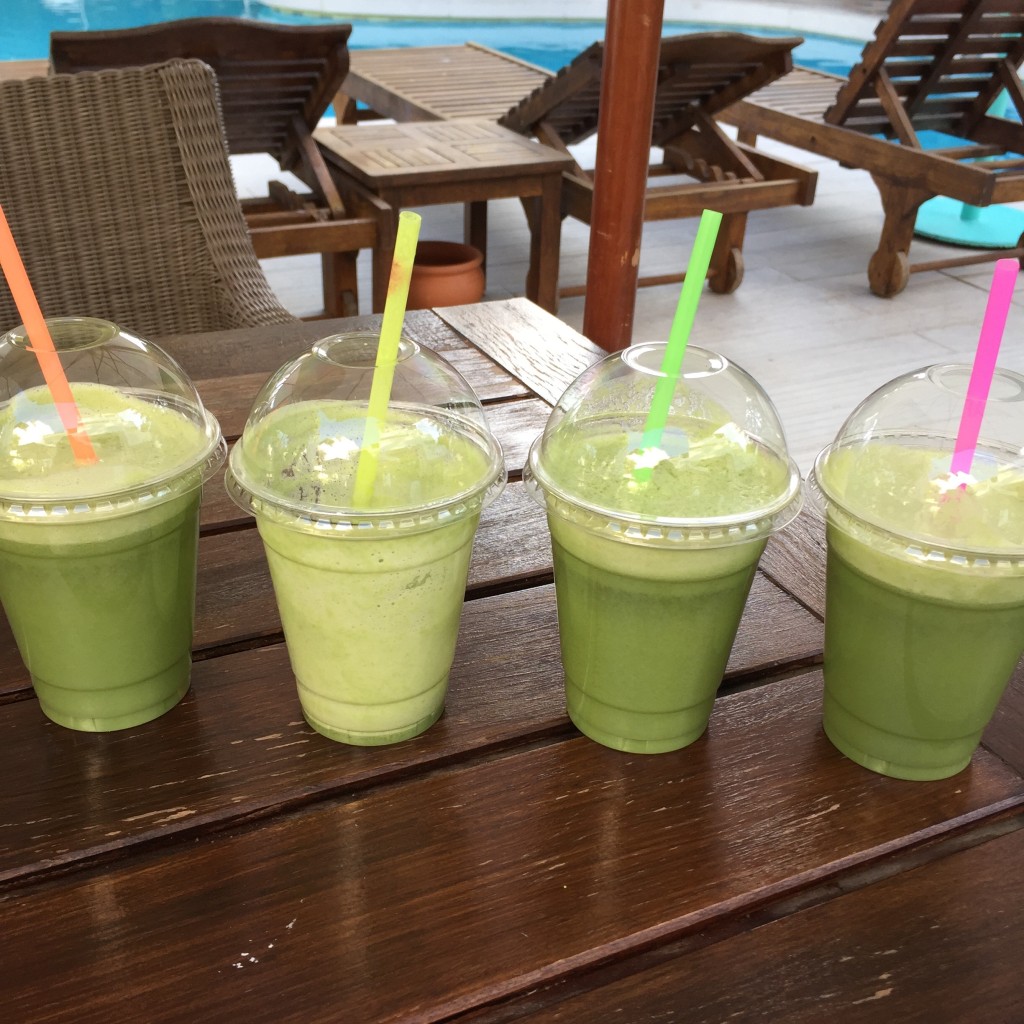
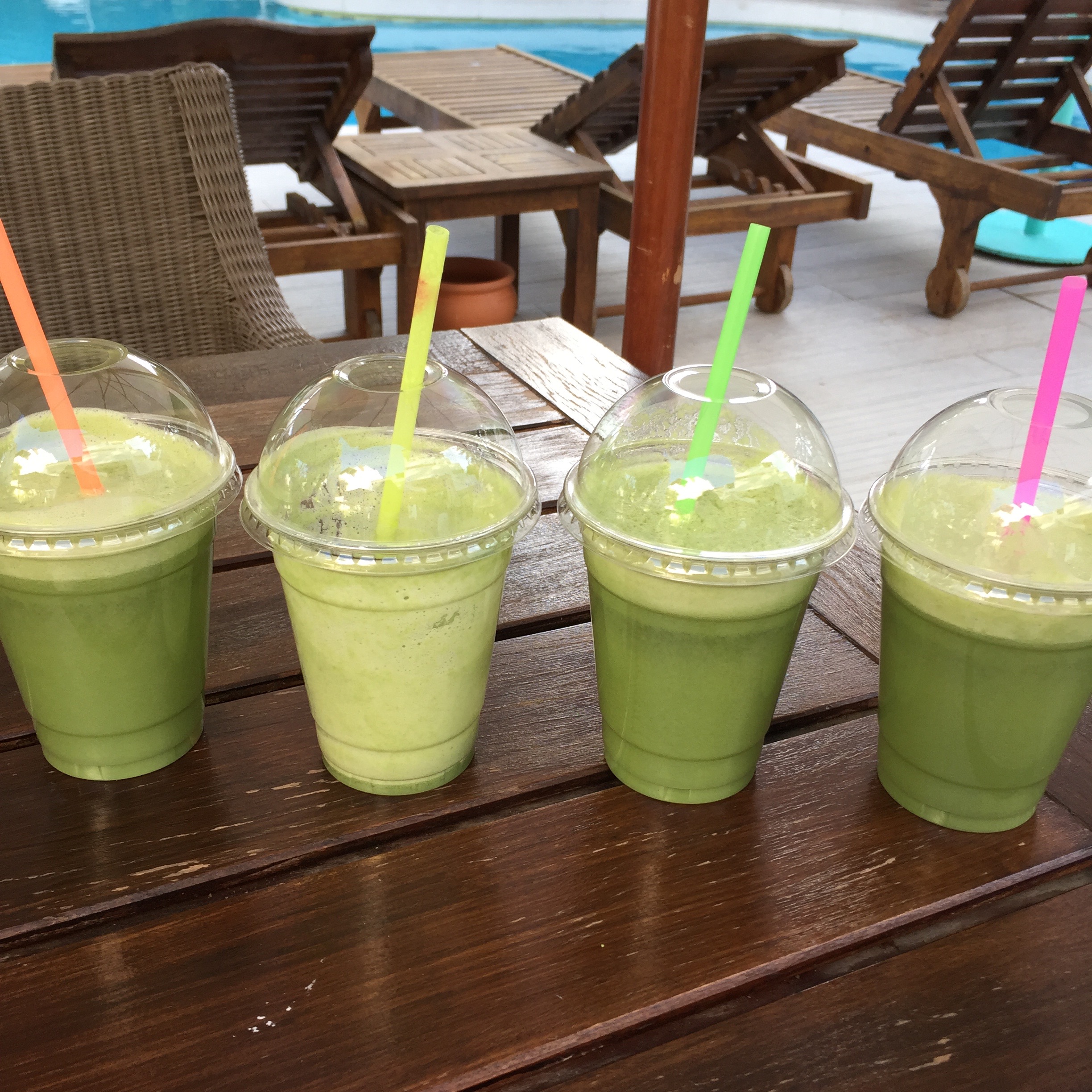
    antihistamine green juice

    11am

    Breakfast:

    Green juice/smoothie (ingredients change depending on the day) I use a Vitamix and a Samson juicer.

    1 part fruit, two parts vegetable, 2-4 cups low-medium oxalate greens, chlorella, spirulina, Vitamin B12, Dr. Fuhrman’s DHA+EPA Purityor something from the all-liquid Anti-Detox book. Usually a quart or more.

    once a week I will have:

    1-2 egg (preferably duck for the very high B12) omelette with 1/2 – 1 cup fresh antihistamine and anti-inflammatory herbs as outlined in the Anti-Cookbook.

    once every two weeks or so:

    The love of my life: healthy pancakes – many recipes like this one here you can find more by searching the site using the toolbar on the upper right hand corner of the site, just under the banner.

    Shower and light make up

    100 percent pure cucumber cleanser, 100 percent pure shampoo. (You can check them out here)

    RMS Beauty unconcealer in 33, various 100% pure products, Hemp organics lipstick  (if you use this code we’ll both get a nice discount on anything you buy on iherb GVW203)

    11:30am 

    Writing/meetings

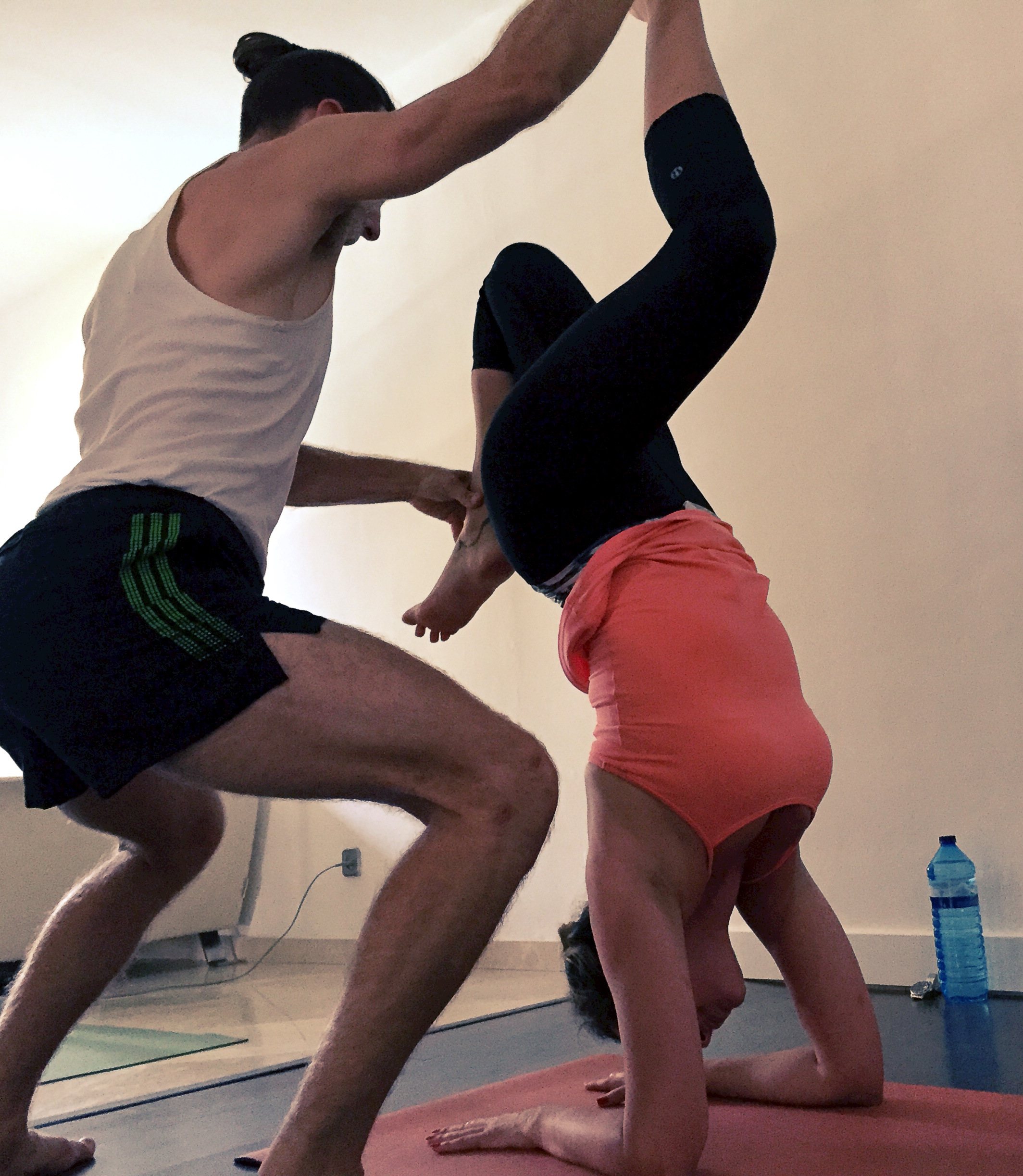
    getting a little help with my scorpion pincha

    2pm

    90 – 120 minutes rocket/ashtanga power yoga level 2-3 (that’s me getting a little help with my scorpion pincha from my teacher Tomas)

    10-15 minutes meditation/pranayama (if you’re new to meditation I recommend starting with one of Jon Kabat Zinn’s iTunes albums).

    3:45pm / 4pm 

    Shower

    4pm or so

    Lunch

    Salad: 2-4 cups mixed low – medium oxalate greens, mushrooms, cucumber, carrot, yellow tomato, avocado, shaved fennel, grilled veggies, chickpeas/lentils/low-medium oxalate beans, olive oil and lemon, or tahini with mustard, 1/2 – 1 cup chopped green herbs

    or

    Soup: vegetable with lentils or chickpeas, mushrooms, yellow or red tomato, and 1/2  – 1 cup fresh green antihistamine and anti-inflammatory herbs

    or

    Green juice/smoothie

    5pm – 9pm 

    Work/meetings/emails/writing

    Depending on workload…

    30  minutes – 1 hour meditation

    10-15 minutes playing around with handstands/headstands/other yoga inversions

    A few times a week 1-1.5 hour walk

    9pm 

    Dinner – I mostly make recipes from Man Food now but omit most of the animal protein.

    Pasta: spiralised zucchini with a creamy vegan sauce made from cauliflower/white bean/butternut squash – check out this one and there’s also a bunch in my Man Food book served with a large salad and at least 1/2 – 1 cup fresh herbs and often with another glass of green juice/smoothie.

    or

     Anti-inflammatory flat bread like this one, smeared with home made hummus and topped with roasted grilled veggies and 1/2 – 1 cup herbs.

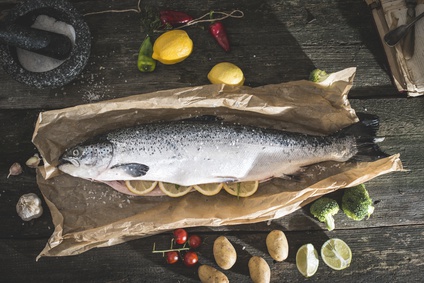
    Once a week: salmon with spiralised veggie pasta and salad and tons of herbs. Here’s an early version of this recipe omit the pine nuts and almonds if you like and I now use veggies rather than rice pasta, or some ground beef sautéed with chickpeas, swiss chard and tons of herbs.

    Dessert

    Yes, I eat dessert! I tend to make myself a raw vegan bannofee pie from almonds (high oxalate but supposedly low histamine unless allergic), coconut nectar or Medjool dates and a little raw organic home made cacao sauce, or pecan/pistachio flour (I make that at home, just add them to other ingredients in a food processor) with coconut sugar, a couple spoons tapioca flour, raw organic vanilla and a couple of eggs or chickpea water for vegan days (here’s how to go egg free in baking and in life), or I’ll make a fresh young Thai coconut pudding, or a recipe from my dessert book. Mostly though I just love eating a nice large raw organic chocolate bar like OM or the Raw Chocolate Company Vannoffee Bar (neither of which are available in the states sorry or I’d link them!). Yeah, I know, but I’m human.

    10pm – midnight

    Work/emails/writing

    Read/movie

    Midnight

    Healing visualisation/self hypnosis

    Meditation or light yin yoga stretching

    Weekends are generally the same, but with more meditation, reading, seeing friends and whatnot, but no meetings. I usually do most of my writing writing then, but no emails.

    Remember, this is not a plan, just a little look at what I’m currently doing. This won’t be right for you – some won’t have to work this hard, others might have more intense manifestations of their histamine intolerance or mast cell activation and so diet and lifestyle changes won’t work as well for them.

    If you need a little inspiration…read my interview with mast cell expert Dr. Mariana Castells on the importance of lifestyle changes and her experiences with patients with very severe mastocytosis who have experienced remission and live without meds.

    You’ll find recipes full of foods with antihistamine and anti-inflammatory properties my books Anti-Recipes and The Anti-Cookbook

    Please remember, even antihistamine and anti-inflammatory foods can hurt us, please always exercise caution and consult a medical practitioner before adding new foods. 

  • Soap the Earth: unscented bath & beauty

    IMG_5709

    There was a time in the not so distant past that I was unable to wash my body with anything other than a loofah and some sea salt. Washing my hair involved a pair of kitchen gloves, my head over the tub, a bottle of four ingredient shampoo clutched in my mitts, living in terror of an errant splash giving me a migraine or hives.

    This finally passed and I’m now able to use pretty much anything, with one caveat (see below) but I’m so concerned with what I put on my body that I wrote a book detailing my (mis)adventures in cleaning up my bath and beauty routine and sharing my favourite products. Having done so, I’m always on the lookout for new additions to add to it.

    Although there’s so many more “clean” brands for sale online than there used to be, I’m often dismayed to find that they’re hiding being an organic label but still using really crappy stuff. It blows my mind that something can be extracted from a natural source using a solvent like hexane (jury apparently still out on whether it’s carcinogenic) and then still be called “natural” which many people take to mean organic. I mean technically no trace of the solvent supposedly remains, but yuk, really?

    You can read more about this in the fabulous book No More Dirty Looks and check how your beauty products rate on the clean scale by checking out the EWG website. You can read more about hexane and “natural” vs organic here. 

    It’s one of the reasons I use RMS Beauty products. They’re not organic, but creator Rose-Marie Swift points out that natural products cease to be natural when they go through so many adulterating processes, and her products are raw and very carefully sourced to be clean and of the highest quality [1].

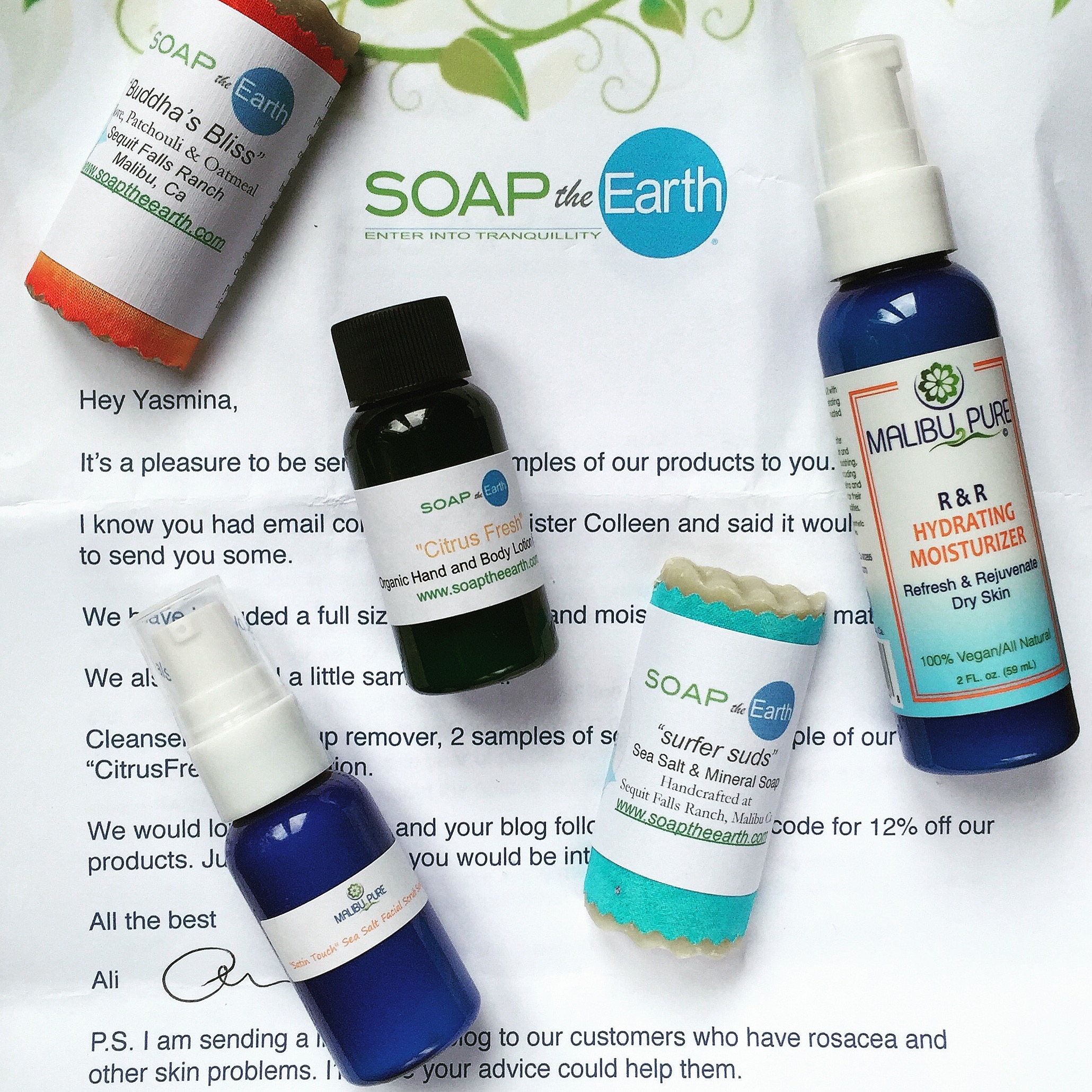
    One of the perks of having this blog is that people send you free stuff. Not scads of it, but some, and so I was delighted to receive a package of goodies from Alison over at Soap the Earth following my post on the link between rosacea and mast cells/histamine. With short ingredient lists of pretty much as non-toxic as it gets bath products, I was really looking forward to slathering my body with them, when the scent hit me. Not overly scented mind you, but they’re still something my brain and body are getting used to. I regretfully emailed Alison to tell her that many of us with histamine issues and mast cell disorders don’t do well with scents and to my utter surprise, she offered to make versions of her products unscented just for us!

    Not only that, but she’s giving us all a 12% discount. Just use the code: histamine

    You’ll find a list of products here that she has specially made for people dealing with histamine intolerance here. I would think the ingredients would also work for mast cell activation folks like me, but please use your best judgement or seek the advice of your doctor/medical practitioner/nutritionist/witch doctor first.

    Need more bath and beauty ideas? Check out the Low Histamine Beauty Survival Guide, written back when I was still unable to let shampoo or any kind of cleanser touch my skin. Interesting times…I can now use pretty much anything I like, as long as it’s unscented, but I choose to still use the purest I can find.

    Right now I’m using 100% pure cucumber face wash and it’s rocking my world, at least till my soap the earth order arrives!

    I have to say I’m pretty excited to have a dedicated low histamine bath range available! Hope it works for you guys xo

    It’s finally here! Man Food – a high nutrient antihistamine and anti-inflammatory ingredient filled book geared towards guys, women who love to work out, yoga like they mean it, or just load up on healing nutrients. Features my personal shopping list of antihistamine and anti-inflammatory foods. 

    The Anti-cookbook and all liquid Anti-Detox Book, don’t treat any conditions, but feature a plethora of the high nutrient antihistamine and anti-inflammatory ingredients that have been instrumental in helping me feed myself on a limited diet. The Anti-cookbook features a six page list of antihistamine and anti-inflammatory foods and comes in regular and Paleo. 

    The Low Oxalate Cookbook features antihistamine and anti-inflammatory rich recipes. 

    Don’t miss the Low Histamine Beauty Survival Guide for non-toxic beauty tips, the skinny on histamine releasing (mast cell degranulating) beauty ingredients, antihistamine and anti-inflammatory beauty alternatives and the top brands natural brands I’ve found.

    Take a peek at my other low histamine and antihistamine cookbooks for more high nutrient recipes and sign up to my mailing list for freebies. 

    Please remember, even antihistamine and anti-inflammatory foods can hurt us, please always exercise caution and consult a medical practitioner before adding new foods. 

  • Autumnal garden vegetable soup

    Autumnal garden vegetable soup

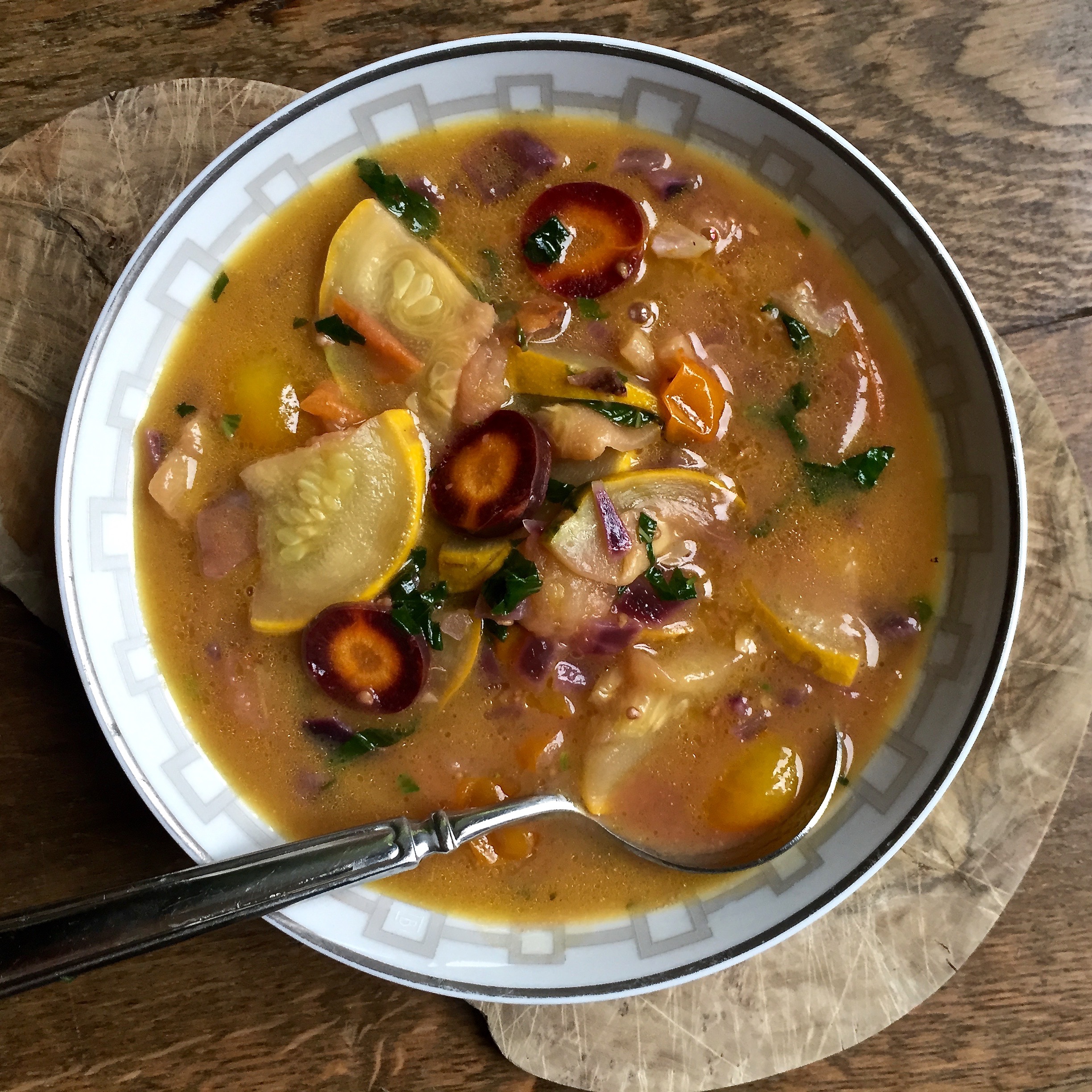
    IMG_5713

    The leaves turning various shades of orangey gold means heralds the arrival of soup season. I adore soup. It’s my first choice for lunch and often dinner. I remember being very excited on learning that the mast cell stabling and antihistamine quercetin is leeched from onions, green herbs and other healing foods, into the cooking water in the boiling process (like making soup) [1] rather than being destroyed.

    When I’m feeling lazy or just don’t have time to cook properly, I’ll make one or two large vats of soup (different kinds) and then freeze them into individual glass tupperwares – yeah plastic also leeches into the soup sadly causing endocrine disruption [2]. I then just place it in a tub of hot water and then warm it up quickly or just stick it into a microwave if I’m in a bind on the road (I don’t have a micro at home).

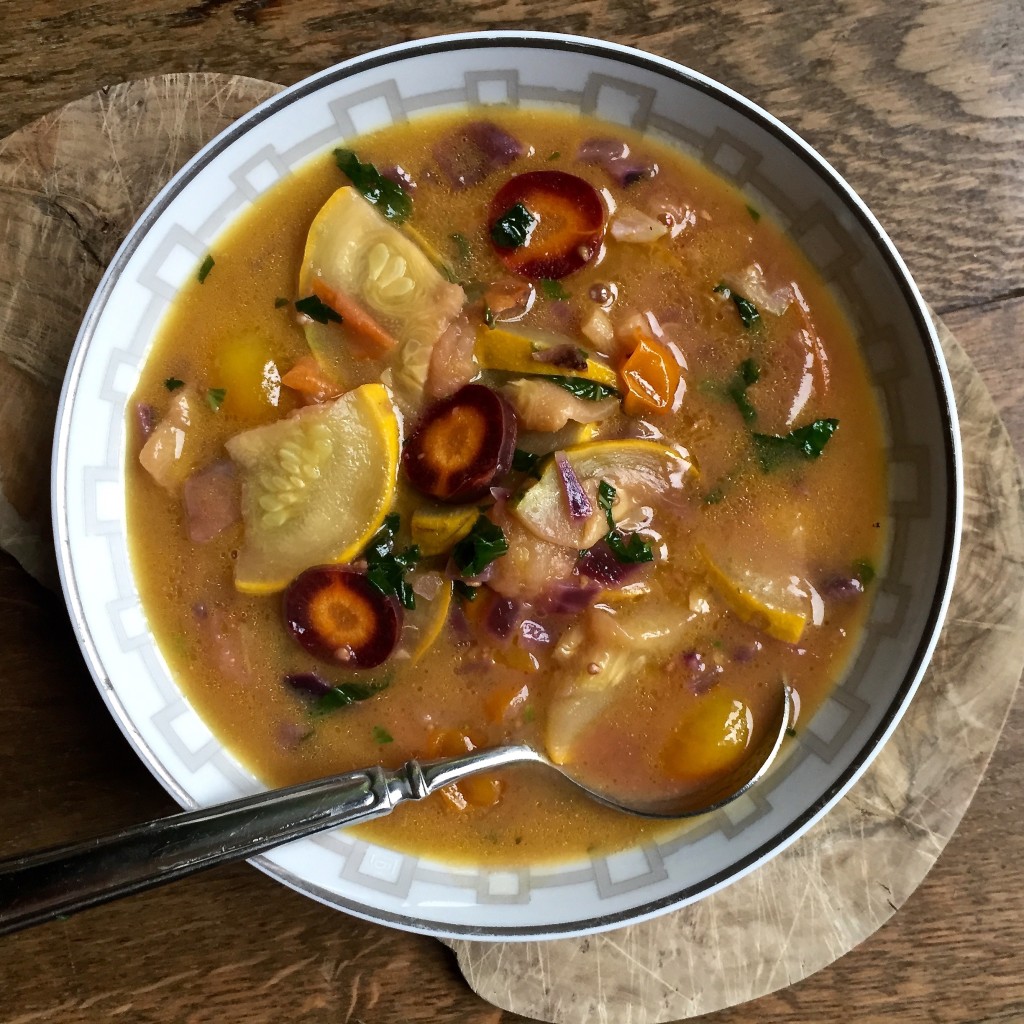
    I managed to find some really lovely purple carrots here – my favourite! They’re high in the same anthocyanins that make blueberries so brain healthy [4], but you can absolutely use any you find. Same goes for the squash/zucchini. I just happened to find some lovely yellow ones here to play with.

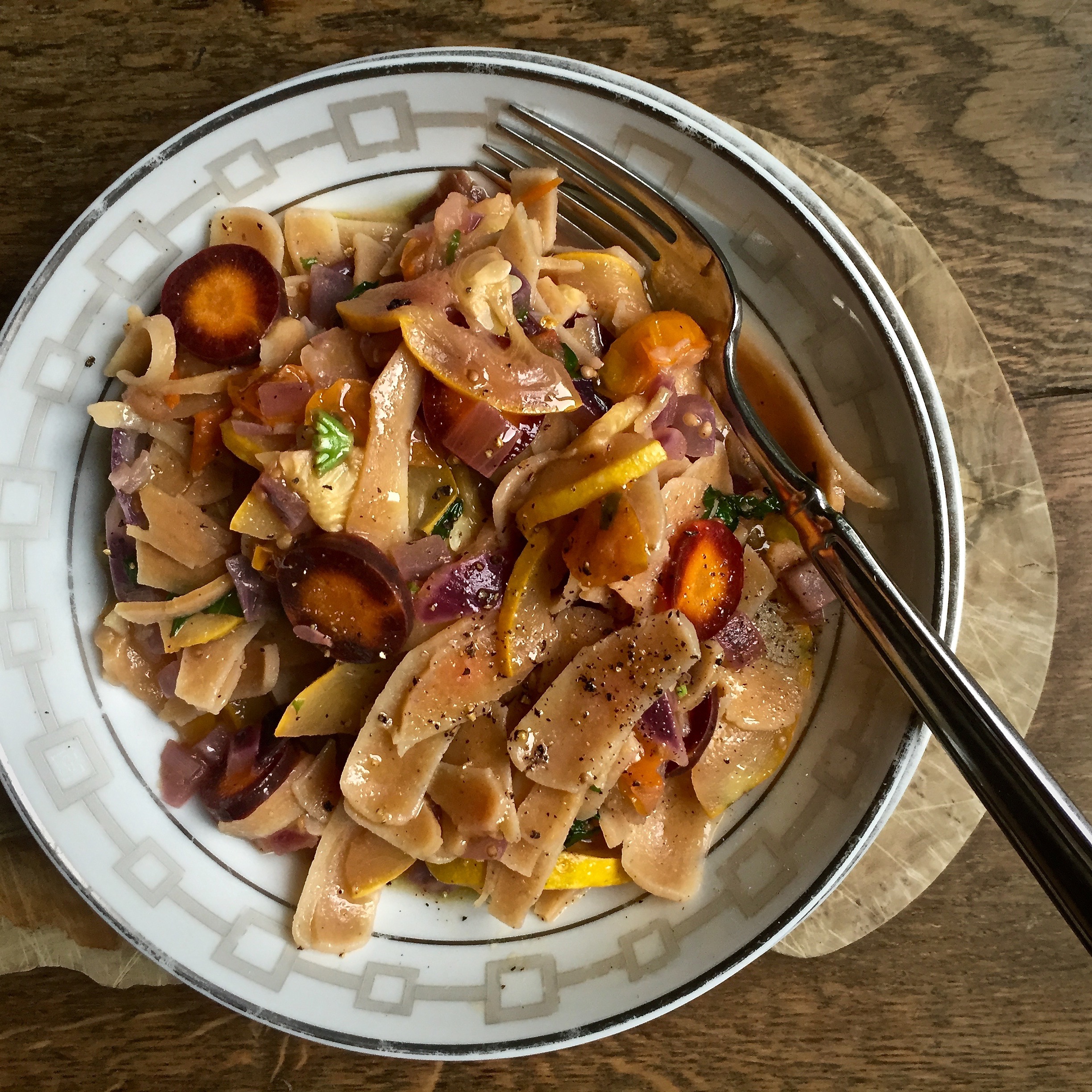
    My guy isn’t so into the soup. Here’s a photo of what I made for him instead…

    IMG_5711

    I just split off some of the soup, added some lovely red lentil pasta I found in the local organic supermarket out here in France and then turned the heat up and uncovered the pot to burn off the liquid.

    A little more olive oil, some fresh cracked black pepper…

    Et voila – pasta!

    Benefits [3]:

    Antihistamine: onion, garlic, basil, thyme.

    Anti-inflammatory: squash/zucchini, onion, garlic, basil, thyme, olive oil, chickpeas, lemon, tahini.

    Please remember, even antihistamine and anti-inflammatory foods can hurt us, please always exercise caution and consult a medical practitioner before adding new foods. 

    Autumnal garden vegetable soup

    Ingredients:

    1 large round yellow squash (yellow/green zucchini), quartered and then chopped
    1 red onion, chopped
    2 purple carrots (or any you find), sliced
    1 yellow tomato (lower histamine than red) or an additional squash
    handful of basil and thyme, finely chopped
    4 tbsp olive oil
    2 cloves garlic, pressed
    1/2 cup chickpea/bean water or 1/4 cup of tapioca or your choice starchy gluten free flour to thicken soup
    1/2 lemon, squeezed

    optional – for you or family members

    1 tbsp hummus or tahini (not low histamine depending on which list you follow)

    1 tbsp good organic dijon mustard (mustard seed, salt, vinegar and nothing else)

    Directions:

    Please consider all ingredients just a suggestion. All vegetables, fruits and oils may be swapped for another. I am not on a histamine elimination diet anymore and so I added the optional ingredients and used the yellow tomatoes.

    In a pot sauté the onions and garlic till fragrant. Add in the other veggies and herbs and cover with enough water that they swim around freely.

    Bring to the boil and then lower to a simmer. Mix in the chickpea water, hummus or tapioca if using and allow to simmer for at least 20 minutes.

    I like to serve with an extra smattering of fresh herbs and also a little drizzle of olive oil.

    You’ll find recipes full of foods with antihistamine and anti-inflammatory properties my books Anti-Recipes and The Anti-Cookbook

    CLICK HERE TO CREATE YOUR OWN PERSONALISED HEALING HISTAMINE PLAN. 

    ——————— REFERENCES ——————–

    [1] http://www.sciencedirect.com/science/article/pii/S0889157504000675

    [2] http://www.scientificamerican.com/article/plastic-not-fantastic-with-bisphenol-a/

    [3] The Anti-Cookbook, Yasmina Ykelenstam

    [4] http://www.sciencedirect.com/science/article/pii/S0570178314000025

  • Scientists test implantable vagus stimulator to fight inflammation

    Scientists test implantable vagus stimulator to fight inflammation

    diagnosing histamine intolerance

    In my recent post on the vagus nerve connection I shared some research on how faulty wiring in this heart, brain and stomach connection can cause us to overeat, affect our heart rate and state of mind, and that it may be involved in postural orthostatic tachycardia syndrome (POTS), Alzheimer’s and epilepsy.

    The vagus nerve is particularly important to us because it can prevent inflammatory cytokines involved in mast cell disorders from being synthesised/released specifically in the stomach, one of our most common flare spots (all references in original post). Sadly for many of us, the vagus nerve’s neurotransmitter, how it communicates with the body, is acetylcholine, which is inhibited by various meds regularly prescribed to many of us, including: Benadryl, Xanax and various other psych and stomach meds (Google acetylcholine inhibitors for a full list).

    In the original post I talked about how vagus stimulation can reduce histamine-induced itching, regulate intestinal mast cells, fight mast cell inflammation and prevent or treat depression and other neuropsychiatric conditions, as well as outlining how we can naturally stimulate the vagus at home.

    But now scientists at Purdue University, in collaboration with the Defense Advanced Research Projects Agency (DARPA) are developing a wireless implantable device for “treating conditions resulting from the body’s inflammatory response”. Upon reading the news I guessed that DARPA involvement centres on the need for an effective post traumatic stress disorder treatment for the scores of soldiers being let down by the current system.

    According to the website, their “bionode” will stimulate the vagus in the neck, thereby regulating the production of inflammatory cytokines. The program is planning to create a complete system that can be tested in human clinical trials geared for conditions like chronic pain, inflammatory diseases and, sure enough, as I thought, PTSD.

    Rather strangely, though I’m not sure I would have wanted to embrace the cyborg look to treat my post-war PTSD, I’m really quite excited to at least entertain the notion to fight inflammation. What do you think? Will you go for it when this hits the market?

    Don’t forget to check out the list of vagus stimulating methods available to us at home, right now.

    You’ll find recipes full of foods with antihistamine and anti-inflammatory properties my books Anti-Recipes and The Anti-Cookbook

    CLICK HERE TO CREATE YOUR OWN PERSONALISED HEALING HISTAMINE PLAN. 

    Please remember, even antihistamine and anti-inflammatory foods can hurt us, please always exercise caution and consult a medical practitioner before adding new foods. 

GET STARTED HEALING HISTAMINE

WHAT YOU NEED TO KNOW ABOUT HISTAMINE DELIVERED TO YOUR INBOX