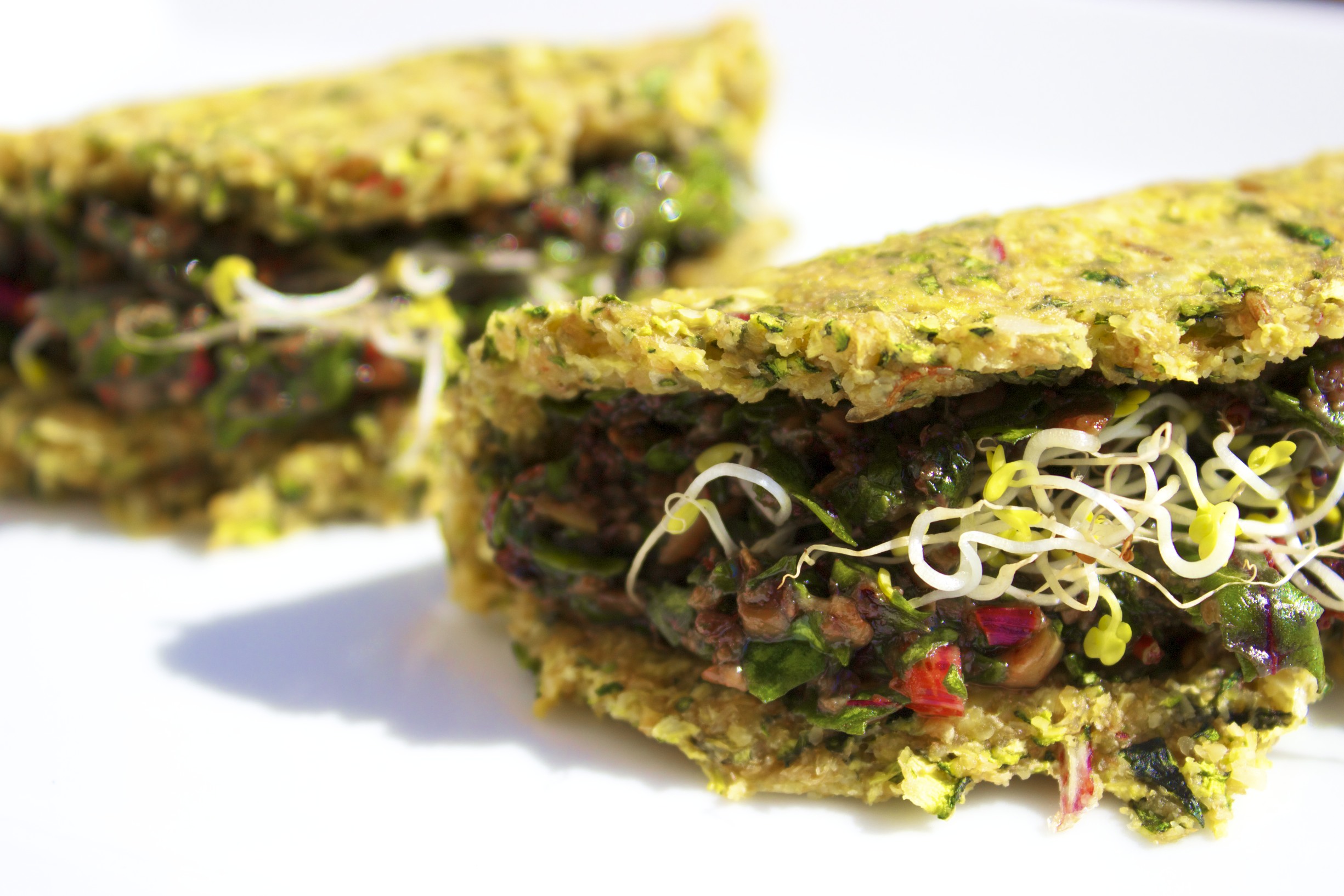
Yay! I’m finally done with the most fun menu I’ve put together. All recipes are highly adaptable and offer many, many substitution possibilities.
These low histamine recipes are low oxalate, mostly paleo (or can be easily adapted), dairy free, gluten free and of course, there’s no processed sugars.
Main
Roast duck w/rosemary and garlic
Sides
Stuffed zucchini (courgettes)
Stuffing
Sweet potato fritters
Dessert
Mango crumble/crisp
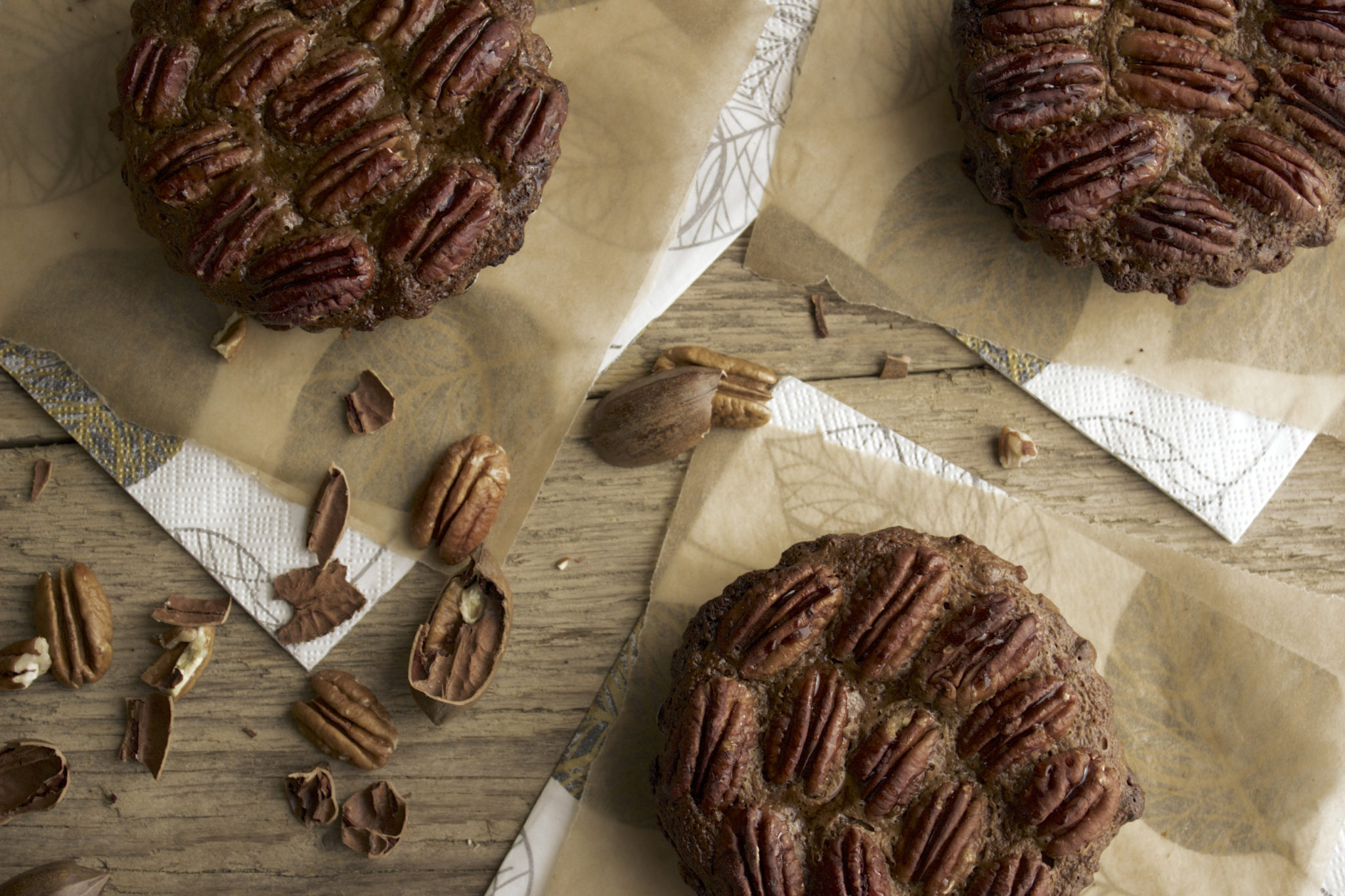
Pecan pie
Cookies
Gingerbread
Because it’s the season of giving, I’m giving away a copy of this book with the purchase of any of my books, from now till December 31st.
Enjoy!
These recipes, especially with a few minor tweaks, are suitable for histamine intolerance, mast cell activation disorder, mastocytosis and other chronic inflammatory conditions.
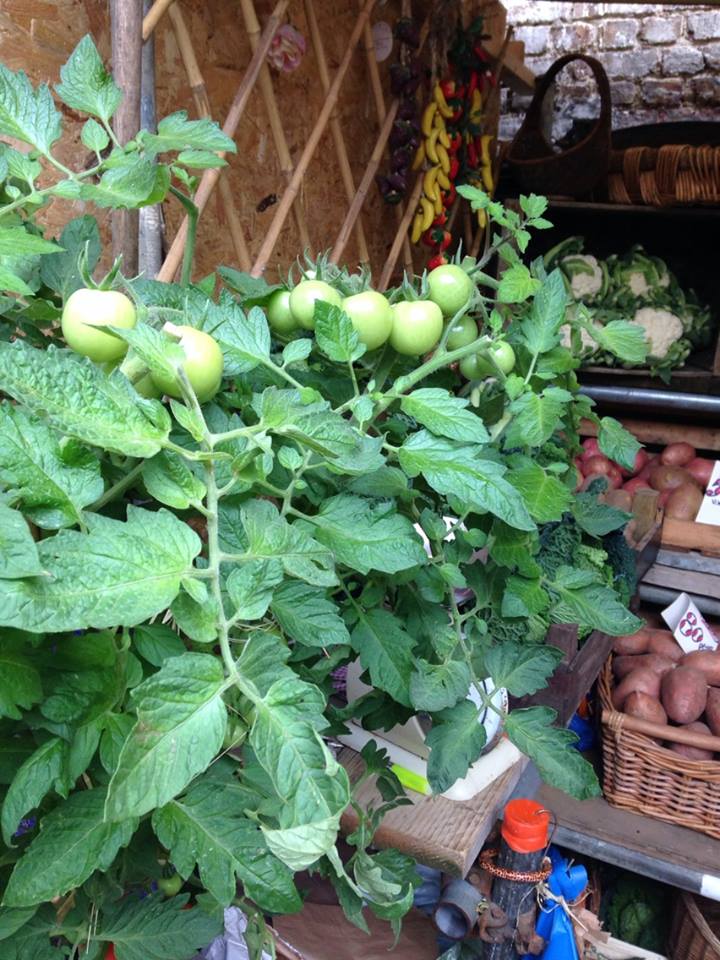
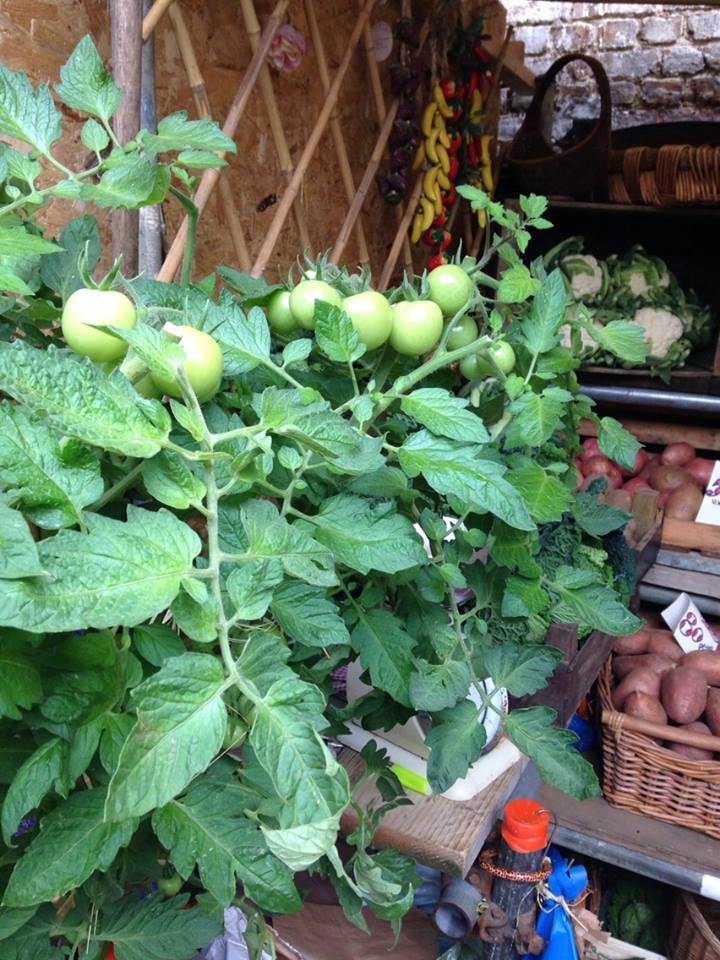
Lovely farmer’s market green tomato tree is still around, despite being out of season! But I was there on another mission…
Friends and family remain shocked by my (seemingly) encyclopedic knowledge of the healing powers of foods. Valuable space I might add, once allotted to remembering heads of state (in my former career as a journalist) and movie titles (in my former life as teen film freak/imdb worshipper).
Rather than getting midnight texts asking me to settle a score on who won the best director academy award in 1978 (Woody Allen – but I had to look that up!), I now get calls asking me how to settle an upset tummy, deal with a fever or an allergic reaction.
Now here’s where common sense comes in – my friends know not to take anything they may react to, or they check with their doctor first. I advise you to do the same! Please remember a number of these studies are conducted on animals and that anything, antihistamine or not, can either hurt or help us.
A particularly inspiring wander around the farmer’s market here in Brighton yielded a number of love fridge-as-medicine cabinet ideas…
Pomegranate
Owes its anti-allergic properties to its effect as a mast cell stabiliser [1]. It’s also highly anti-inflammatory [2] and can help treat/prevent ulcerative colitis [3]. It’s also estrogenic [4], which may be a good or a bad thing, depending on your circumstances. Guys, don’t worry – you won’t need a training bra if you indulge responsibly 😉
You’ll find a lovely pomegranate glazed salmon recipe in the Anti-Cookbooks. If you’re worried about the histamine status of fish/salmon, please check out my interview with immunologist Dr Janice Joneja – she shares that fish/salmon is fine as long as it’s fresh. She even says canned tuna is ok…I wouldn’t personally eat it but there you go.
Custard apple
This lovely fruit, which to me tastes of strawberry infused cream, has been shown to inhibit prostaglandin induced inflammation and is a natural painkiller [5]. For those of us dealing with inflammatory conditions like histamine intolerance, mast cell activation, mastocytosis, or (to a certain extent) allergies, this is a very good thing. I often warn against the idea of focusing only on histamine – it’s about lowering the inflammation level overall. That’s how I’ve done it anyways, and I’m apparently winning the battle! For more on that please check out my posts “turning health around in a year” and “the antihistamine and anti-inflammatory diet is winning the battle against mast cell activation.“
As a bonus – prostaglandins cause hair loss. That’s why I take mangosteen supplements, but I really prefer to eat my meds! You’ll find something on the supps I take here.
In my mother’s native country of Lebanon, custard apple is used to make delicious desserts. Yes, it’s on the cards here too…we’re talking pancakes, custard, ice cream! It’s also super delish just as it is.
Quince
This odd looking fruit has been shown to have mast cell stabilising properties, thereby preventing histamine release/allergies [6]. It has also shown some promise in leukemia treatment/prevention (in animal studies) [7]. Interestingly I found a study talking about lemon and quince being a super combo allergy-wise [8]. Many histamine peeps react to lemon – I never have.
This lovely fruit perplexed me for a while. Till I realized – jam! Yes yes yes, it’s jam time. Quince is full of pectin, which is what helps jams jell. I’ve never had an issue making it without – I usually just add some apple to help. You’ll find multitudes of healthy quince jam recipes online.
Spaghetti squash
What an incredible family of squash! The curcubita pepo family have wonderful anti-inflammatory and antihistaminic properties [9]. You’ll find a number of recipes in my cookbooks using them.
Can’t do gluten? This is the BEST natural spaghetti alternative…just bake, and use a fork to scrape the tasty insides into strands. Fry up a little onion, garlic etc, as if making a pasta. Delish!
Don’t forget…
Join my mailing list for more recipes and to be the first to know when registration for my low histamine webinar opens!
If you’ve found this information useful I’d appreciate your support (at no extra cost to you!) – please check out my online store for your health foods, supplements, kitchen items and beauty product purchases. Affiliate sales through my online store go towards maintaining the website, funding travel to interviews and purchasing all the lovely foods for my free online recipes. You’ll find these items in the “Shop with us” drop down menu on my homepage.
Please don’t forget antihistamine, pain killing foods can still hurt us, so please always check with your doctor before adding new foods to your diet.
It hasn’t been too long since my initial oxalate post but my oh my word, low oxalate has rocked my world.
Basketball stomach is now a thing of the past, as is razor blade in urethra fun time and, most importantly, cry in pain sexy time. You may want to look into oxalates if you have one of these conditions: Autism, asthma, cystic fibrosis, kidney stones and vulvodynia (to name just a few) or if you’re suffering from urinary tract problems, pain during intercourse, migraines and dizziness [1].
To be honest though, I’m not fanatical about being low oxalate. I’ve found that rotating my foods and how I prepare them means that I don’t need to get obsessive about it. I think that in my case the problem was that I was juicing most of my high oxalate foods (kale, chard, fennel). Having now had time to do some more research I’ve come across a number of studies by Indian researchers that offer some insight into how best to prepare higher oxalate foods.
I’ve been hoping to interview Susan Owens on the subject – it was through her that I first became aware of cooking as a method of lowering oxalates.
How to have your kale and eat it too…
Here are my top tips for lowering oxalic acid (and for all you paleo’s out there – phytic acid) in foods, according to the studies I found. These have all worked for me…I’m now able to enjoy more of the high nutrient medium/high oxalate foods I just had to find a way to keep in my diet!
#1 oxalic and phytic acid lowering cooking method for greens
Blanch baby blanch!
Blanching for 10 minutes at 95Cs/200F lowered oxalic acid by 40-115% across various green vegetables [2]. That pushes many veggies back into the low oxalate/safe zone!
Pressure cooking for 15 minutes was a close second.
#1 oxalic and phytic acid lowering cooking method for pulses
This study showed an average 25% drop in oxalic and phytic acid in pulses that were soaked overnight and sprouted for 48 hours before being boiled [3]. I had a lovely idea of making my own chickpea flour from soaked and sprouted pulses, but sadly it seems that drying the pulses again raises oxalic acid content once more [4] – so watch out!
Here’s a list of low/medium oxalate and low histamine foods that I compiled using various lists on the internet. It’s the list I’m working from, please do not take it as gospel, it’s just there because I was so overwhelmed at first and I thought others might appreciate a little inspiration to get started. Please see Susan Owens’ site for a full list of low oxalate foods.
PLEASE NOTE: various low oxalate sites warn that you shouldn’t jump into an extremely low oxalate diet as it can kick the body into a sudden detox, causing it to suddenly dump its oxalate stores which can cause an intensification of symptoms.
LOW HISTAMINE & LOW TO MEDIUM OXALATE FOODS
FRUITS
Very low – low oxalate foods
CRANBERRY (low histamine on some lists)
CHERRY (low histamine on some lists)
APPLE FUJI
APPLE GALA
APPLE GOLDEN
APPLE BRAMLEYS
APPLE GRANNY SMITH
APPLE RED
BLUEBERRIES
CRANBERRIES DRIED
DATES MEDJOOL
LEMON
MANGO
CASABA
HONEYDEW
WATERMELON
PASSION FRUIT
PEACH
PEAR BARTLETT
Medium oxalate foods
APPLE BRAEBURN
APPLE MACINTOSH
BANANA
DRIED CHERRIES
BLACKCURRANTS
DATES MEDJOOL
LIME
CANTALOUPE
VEGETABLES
V. low – low oxalate foods
CORN
BOK CHOY
BROCCOLI RAW AND BOILED
CABBAGE GREEN RAW
NAPA CABBAGE
CABBAGE PURPLE
CARROTS BOILED
CAULIFLOWER BOILED/STEAMED/RAW
CUCUMBERS
GARLIC
TURNIP GREENS
ARUGULA
RAAB BROCCOLI
KALE (not curly!)
KHOLRABI
KOHLRABI LEAVES
MOST LETTUCE IS VERY LOW
MUSHROOMS (I still eat some)
ONION, WHITE
ONION, YELLOW
RED PEPPER
RADISH, DAIKON
RADISH, RED
RADISH, WHITE
RUTABAGA
SEAWEED, HIJIKI
SEAWEED, KOMBU
SEAWEED, NORI
SEAWEED, WAKAME
SHALLOTS
SPROUTS, ALFALFA
SQUASH, ACORN
SQUASH, BUTTERNUT
SQUASH, KABOCHA
SQUASH, SPAGHETTI
SQUASH, YELLOW
SQUASH, ZUCCHINI
TURNIP
WATERCRESS
Medium oxalate foods
ARTICHOKE
ASPARAGUS
GREEN BEANS
BRUSSEL SPROUTS
BROCCOLI STEAMED
CARROTS RAW
CELERY
ENDIVE
FENNEL
GRAPE LEAVES
RAAB BROCCOLI STEAMES
COLLARED BOILED
LEEKS RAW
JICAMA
RED ONION
PARSNIPS
BELL PEPPER, YELLOW
BELL PEPPER, GREEN
SEAWEED, DULSE
HERBS/SPICES/CONDIMENTS
Low oxalate foods
BASIL
CIDER VINEGAR (the lowest histamine of all the vinegars)
CHILI
CHIVES
CORIANDER
CRESS
GINGER
LEMON BALM
MUSTARD
WHITE PEPPER GROUND
PEPPERMINT
ROSEMARY
SAVORY
CAYENNE PEPPERS
HABANERO PEPPERS
Medium oxalate foods
DILL
PARSLEY
BLACK PEPPER GROUND
TAHINI DRY ROASTED
LEGMES/NUTS/SEEDS
Low oxalate foods
CANNED CHICKPEAS (but dry/boiled are medium!)
LIMA
MUNG
RED LENTILS BOILED
BROWN LENTILS
GREEN PEAS
SPLIT GREEN PEAS
SPLIT YELLOW PEAS
SUNFLOWER BUTTER (small amount)
Medium oxalate foods
CHICKPEAS BOILED
PISTACHIOS
ALFALFA SEEDS
BROC SEEDS
MUNG BEAN
MEAT/POULTRY/FISH
Low oxalate foods
ANCHOVIES (fresh)
FLOUNDER
HADDOCK
PLAICE
SALMON
FRESH TUNA
BEEF
LAMB
LIVER
EGGS
OTHER
Lowoxalate foods
WHITE CHOCOLATE (I can eat homemade raw white chocolate – you might not be able to)
GRAINS/FLOURS
Low/Medium oxalate foods
WHITE RICE
WILD RICE
CORN
COCONUT FLOUR
BLACK EYED PEA FLOUR
FLAX SEED FLOUR
CELLOPHANE NOODLES
BROWN RICE PASTA COOKED
WHITE RICE
THAI JASMIN RICE
Soaking rice and grains for 12 hours lowers oxalates.
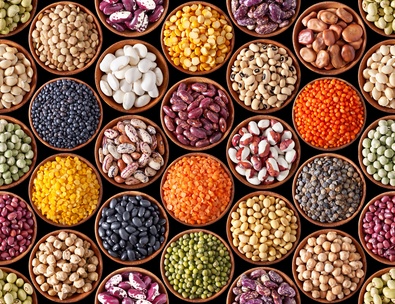
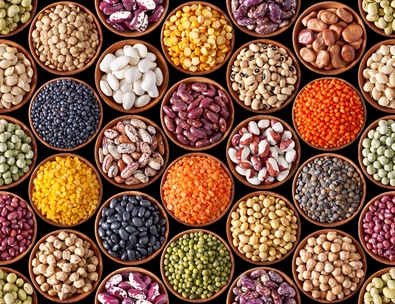
Lectins: they help fight cancer but can cause mast cells to release histamine. The good news is that how you cook them makes a world of difference.
You know how I said a few weeks ago that I stuck my head in the sand over the whole oxalate causing pain down there issue? Well the good news is, no major harm done, a few weeks on a moderately low oxalate diet has pretty much taken care of that. If only I could get those 30 or so years of pain rolled back; but hey, it is what it is.
Most recently some research crossed my virtual desk that I’ve also spent the last few years trying to ignore. There’s only so much a girl can do at once you know?
But at the end of the day I’m not a girl any more and as such when a couple of juicy tidbits like this smack me in the face there’s no option but to pull my head out of the sand (or my butt) and get with the program. After all, I’ve come this far, made all this progress, why not go the whole nine yards?
So here we go.
Lectins.
One word that could explain mast cell/histamine reactions to potato, rice, lentils and other lectin rich legumes.
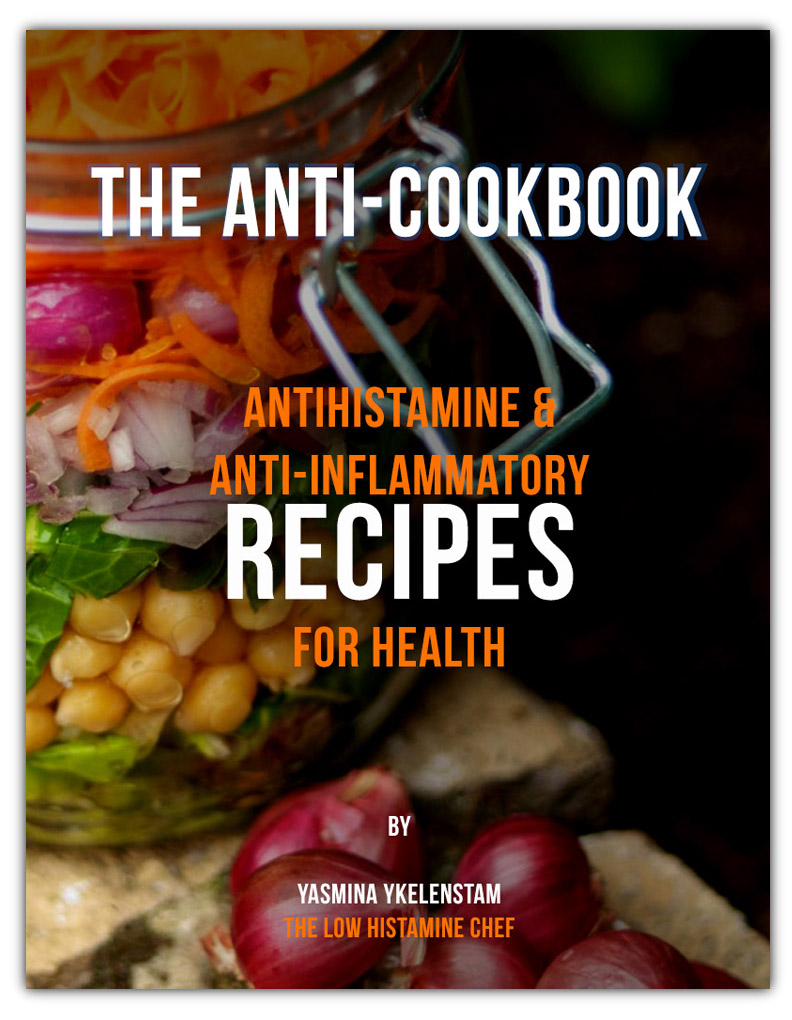
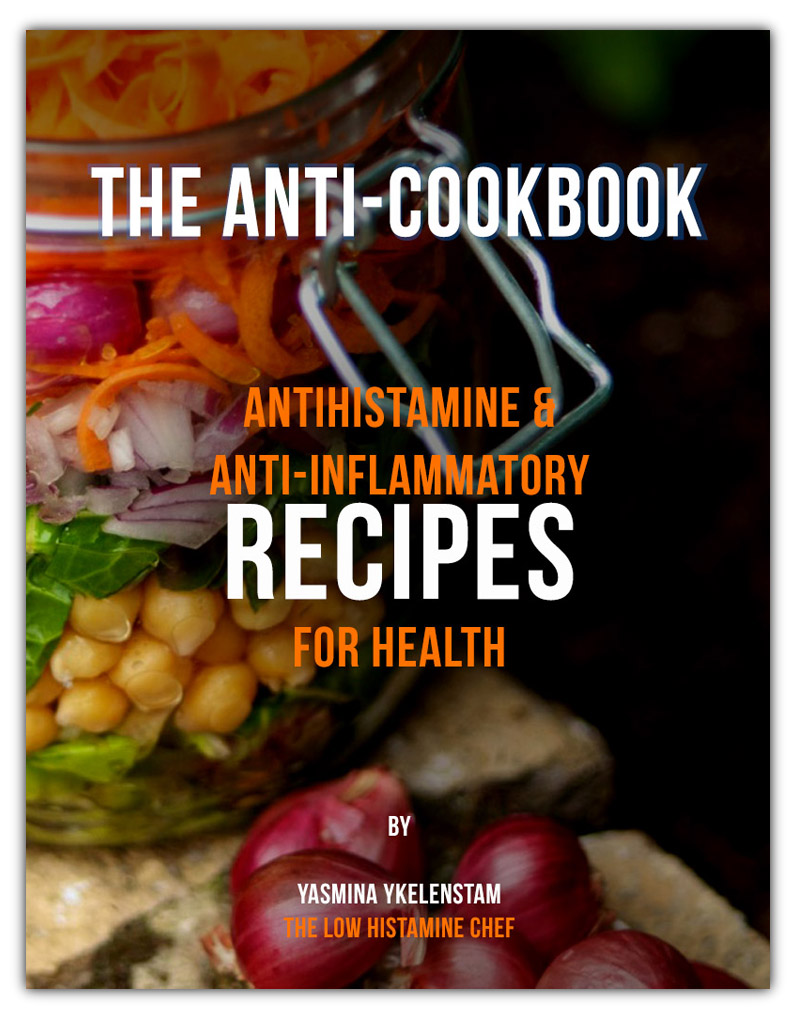
Lectins are not something I’ve worried too much about because other than having eliminated (without realising) the highest lectin, non-nutritious foods from my diet, I always try to weigh up the good and the bad. And I really really love my vitamin B, copper and fiber rich lentils! My recent lectin, gluten and dairy free Paleo cookbook (The Anti-Cookbook: High Nutrient Antihistamine and Anti-inflammatory Recipes for Health) was mostly in response to the number of requests I was getting asking for it!
Yes, the Paleo community and many others have spoken out quite a bit about the damage they can cause so I’m not going to go over it again – I’m dealing solely with the histamine angle.
In a nutshell, lectins can cause mast cells to release histamine into the body, but because they also fight cancer [1] I’m willing to put up with mild symptoms that could lead to increased immunity to cancer in the long run. I also reported a while back that many beans have antihistaminic properties.
But my head is out of my butt now so lets explore the issue…
I’ll preface this by saying that many of the studies I found were conducted on animals and that in our recent interview Dr Janice Joneja told me that lentils and chickpeas are just fine. We didn’t get into the other foods but potatoes are listed as a mast cell trigger on her food list for the Mastocytosis Society Of Canada website.
From a human study: “A major factor in non-allergic food hypersensitivity could be the interaction of dietary lectins with mast cells and basophils…Because IgE contains 10-12% carbohydrates, lectins can activate and degranulate these cells.” [2]
Ouch. I don’t like the sound of that!
They go on to talk about how the white blood cells of people with a negative IgE allergy test for potato go on to react to a prick test, while another study re-affirms that certain lectins are able to induce mast cell activation (thereby releasing histamine into the body) [3].
What fun!
But here’s the interesting part, some of the studies found that lectin induced histamine release from mast cells was inhibited in the absence of extracellular calcium [4]. And that lectins at high concentrations can “quench” the histamine release [5]. I’d love to know how high a concentration – I’m fantasising about eating my way out of lentil soup bath. Score!
Don’t want to eliminate lectins? Studies show that soaking, germinating and pressure cooking can inactivate lectins [6], which may be the reason that I’ve never had a significant reaction to lectin rich foods. Or it could be because not enough of the lectins were ingested.
Have you noticed any reactions to lectin rich foods or eliminated them from your diet? Have you, like me (at least for now), decided that you’ll put up with mild reactions for the anti-cancer benefit?
You know how you take antihistamines for allergies? Well antihistamines are found in food too; especially in brightly coloured and leafy green ones (sorry, nope, not M&Ms). Having given up antihistamines last year, my focus has shifted to eating them!
Apples are rich in histamine lowering quercetin and inhibit the development of allergies [1].
Spirulina inhibits histamine release from mast cells and possess anti-inflammatory and cancer fighting properties [2]. Particularly effective for allergic rhinitis [3] (also known as a stuffy nose!).
Chlorella is an antihistamine that works by preventing mast cells from releasing histamine [4].
Broccoli prevents cancer [5] and gastric mucosal damage [6].
Cucumber meanwhile is a natural pain killer and an antioxidant. Worried about thinning hair? Cucumber also prevents the body from making the highly inflammatory molecule prostaglandin [7] which (as I’ve previously posted) has been implicated in hair loss [8].
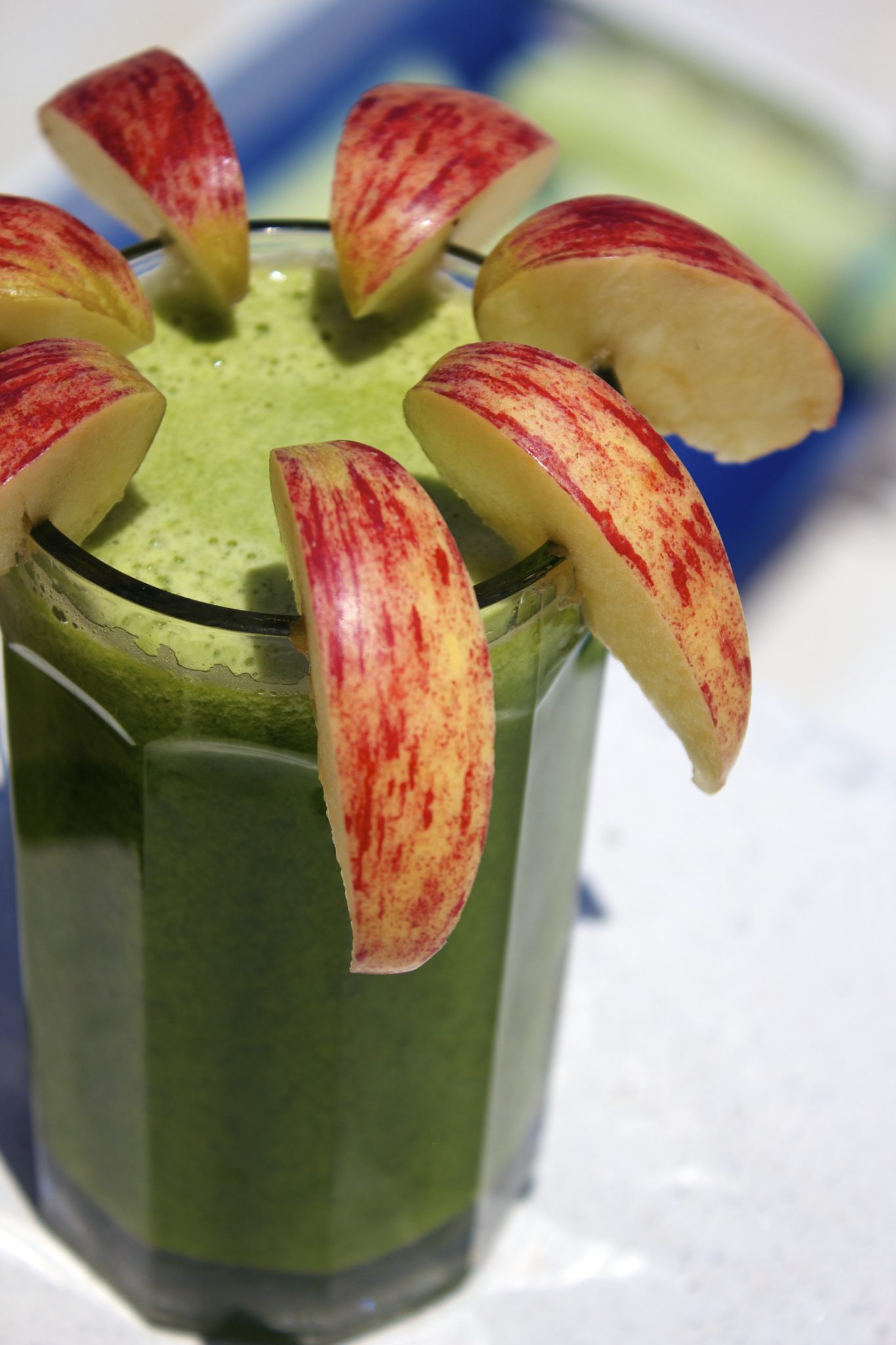
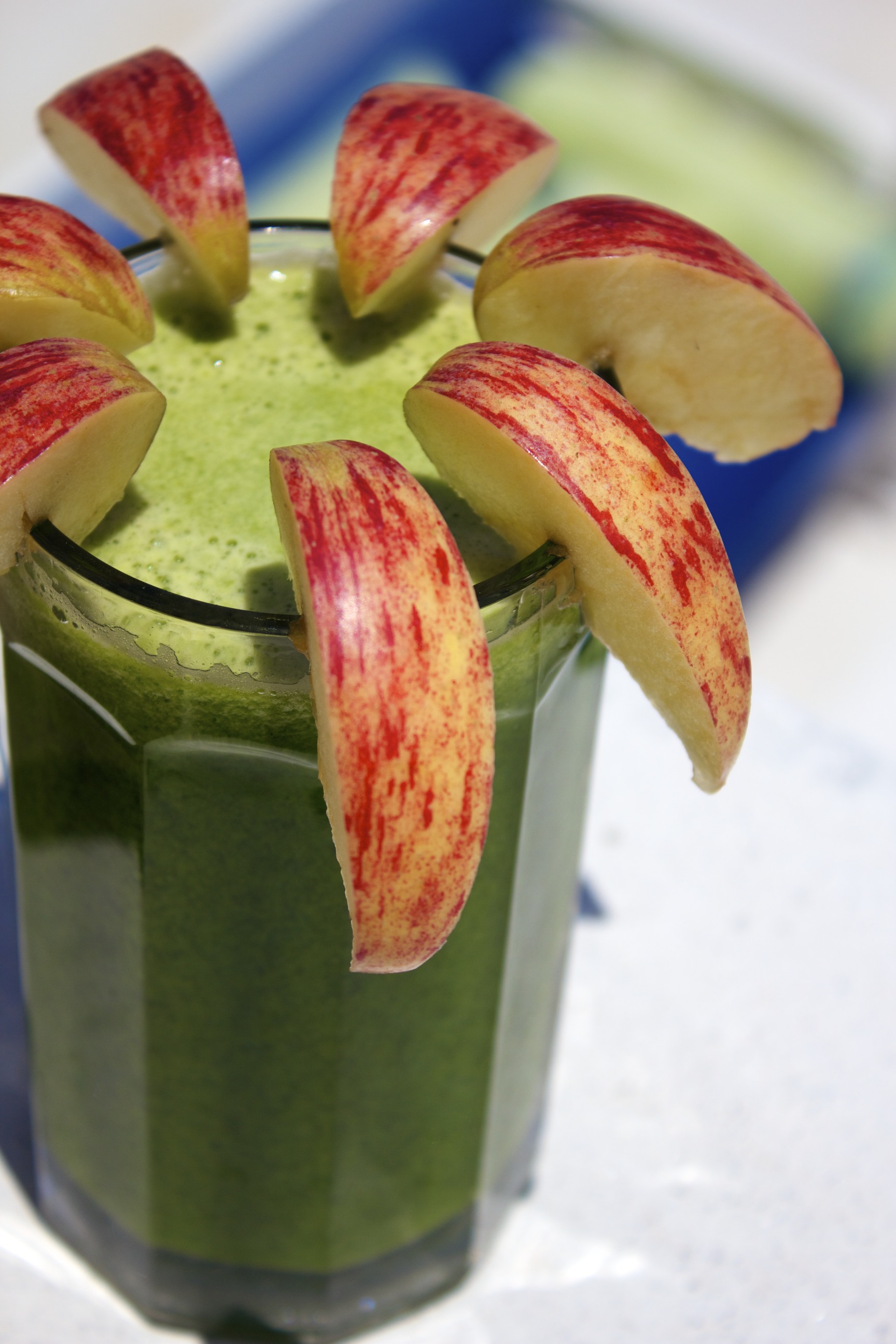
Green Goddess Juice
Ingredients
1 head broccoli
1 medium cucumber
3 medium apples
1 tbsp sized chunk fresh ginger
1 tbsp spirulina
1 tbsp chlorella
Preparation:
Juice the broccoli, cucumber, celery, apples and ginger.
Spoon in the spirulina and chlorella, stir well and enjoy!
It’s finally here! Man Food – a high nutrient antihistamine and anti-inflammatory ingredient filled book geared towards guys, women who love to work out, yoga like they mean it, or just load up on healing nutrients. Features my personal shopping list of antihistamine and anti-inflammatory foods.
The Anti-cookbook and all liquid Anti-Detox Book, don’t treat any conditions, but feature a plethora of the high nutrient antihistamine and anti-inflammatory ingredients that have been instrumental in helping me feed myself on a limited diet. The Anti-cookbook features a six page list of antihistamine and anti-inflammatory foods and comes in regular and Paleo.
The Low Oxalate Cookbook features antihistamine and anti-inflammatory rich recipes.
Don’t miss the Low Histamine Beauty Survival Guide for non-toxic beauty tips, the skinny on histamine releasing (mast cell degranulating) beauty ingredients, antihistamine and anti-inflammatory beauty alternatives and the top brands natural brands I’ve found.
Please remember, even antihistamine and anti-inflammatory foods can hurt us, please always exercise caution and consult a medical practitioner before adding new foods.
I came face to face with one of my greatest fears this last week: catastrophic hard drive failure with no current back up. The fallout wasn’t as unpleasant as I had anticipated – sure, I lost the final draft of a mega project I had just finished, but I got to spend a lovely week with my man, away from the internet and Facebook.
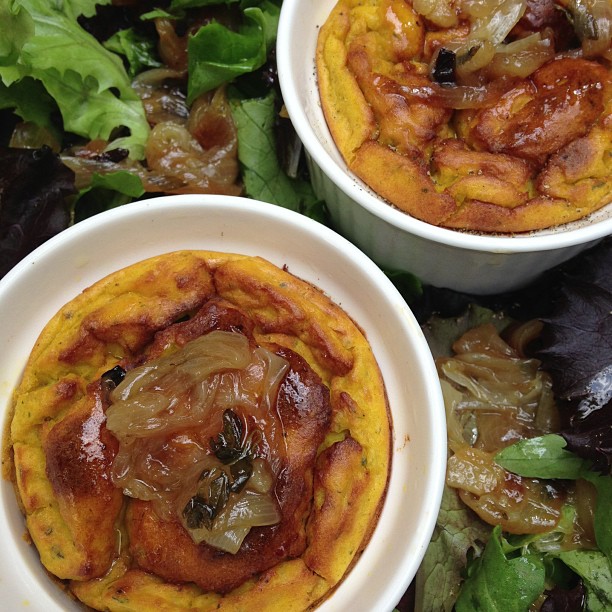
The downside is that in the 10 days I’ve spent in London waiting for my computer to be fixed, I have also been without my kitchen, camera or anything else that I normally employ to come up with a recipe and half decent photo. So while today I’m happy to present you with a lovely antihistamine, low histamine, paleo and low oxalate recipe created on the fly, it’s sadly as captured by my iphone. I’m not at all happy with the photos – these looked so very lovely and I wanted to document them before they deflated.
But I guarantee you they’re yummy!
I chose not to use any flour in these – you may wish to. They came out, as many of my baked goods, denser than I would have made on a standard diet (SAD), but I’m ok with that! You may wish to add one tbsp of your choice of flour.
Those of you with egg issues – duck eggs might be an option, or you could try adding 1/2 cup of sweet potato or carrot instead of them, if oxalates aren’t a problem for you. The result would be very similar to passover favourite kugel.
Why do I say low histamine and antihistamine in the same recipe? I finally worked out last year that a standard low histamine diet wasn’t getting me anywhere. What I needed was to completely overhaul my diet to incorporate foods with antihistamine and anti-inflammatory properties. So while my recipes are all low histamine, most also feature antihistamine and anti-inflammatory foods.
Butternut squash suppresses IgE antibody production, thereby exerting antihistamine qualities. Also possesses anti-ulcer, anti-inflammatory and antidepressant action [1].
Shallots possess significant anti-bacterial, anti-inflammatory action, in addition to inducing the death of cancerous cells (apoptosis) in human leukemia and cervical cancer [2].
Chives are high in the mast cell stabilising/antihistamine bioflavonoid quercetin [3].
Arugula/rocket has been shown to possess anti-inflammaotry and anti-ulerative properties through its action on histamine and prostaglandins [4].
Please remember that we can still have an allergy to foods with antihistaminic qualities – please check with your doctor before introducing new foods.
Antihistamine Butternut Squash Soufflé w/Shallot Chutney on a bed of rocket and baby leaf salad
1 medium butternut squash (should make 1.5 cups in puree), peeled, seeded and quartered
4 eggs
1/4 cup oil (I use olive)
1 garlic clove
chives, finely chopped
coriander, finely chopped
Chutney
4 – 6 medium shallots, quartered
2 garlic cloves, sliced thinly
fresh lemon
1/8 – 1/4 cup oil (I use olive)
thyme
sea salt/pepper
Garnish – arugula and a drizzle of olive oil and lemon.
Directions:
Soufflé
Preheat the oven to 400F/200C.
Bake the butternut on a pre-oiled baking tray for 20-30 mins (till soft).
Use either a potato masher or food processor to blend the butternut into a puree. You’ll need about two cups.
Into the food processor crack four eggs, then toss in the garlic. Pour in the oil, a little salt and pepper (white pepper if you’re low oxalate) and process. Once smooth add in the chopped herbs. If you’re worried about the egg whites, you might experiment with duck eggs or use yolks only.
Oil 4 – 5 ramekins (depending on their size) and pour in the batter, just up to the dent. It’s there for a reason!
Bake at 350F/180C for 30-40 minutes, depending on your oven. Use a baking stick or a toothpick to check the inside till it comes out dry. Don’t worry about the deflating thing – we’re not in a Michelin starred restaurant over here – we’re just trying to get some nutrition!
If you’d like them to be fluffy, add a spoon of your choice of flour.
Serve with shallot chutney.
Chutney
Preheat oven to 350F/180C.
Place the shallots and garlic in an oven proof dish. Sprinkle with thyme (to taste), salt and pepper a squeeze of fresh lemon.
Pour on the oil.
Bake for 30 – 40 minutes, taking care to turn at least once.
Arrange the soufflé ramekins on a plate with the arugula salad. Serve with shallot chutney.
You’ll find more Paleo antihistamine and anti-inflammatory low histamine recipes in the Paleo Anti-Cookbook.
Please remember that we can still have an allergy to foods with antihistaminic qualities – please check with your doctor before introducing new foods.
The one last major symptom that can drive me to despair is chronic inflammation “down there”. Having eliminated wheat, gluten, dairy, all grains, all sugar but fruit, I’m a little stumped by what’s going on. Sure I know about the mast cell Interstitial Cystitis link (as per NIH funded Dr Theoharides) [1] but given that I am no longer forced to run to the loo every 10 minutes screaming in pain as I unleash the razor blades embedded in my urinary tract I can’t say that’s too much of a factor. Thankfully quercetin has done its job there.
A diet rich in antihistamine and anti-inflammatory foods has helped me lower overall inflammation. Mast cell mediated/histamine induced inflammation has moved way from my brain (no brain fog/migraines anymore), away from my heart (tachycardia/palpitations gone), away from my fingers (no more arthritis or buzzing and tingling in them), away from my feet/hips (adios bone pain, shooting sciatica like pain or buzzing/tingling), and for the most part, away from my stomach (only rare instances of basketball stomach/tingling/Homeric belching). But I guess it would make sense that the part of my body that’s in contact with ingested histamine is somewhat chronically inflamed.
So looks like it’s time to tweak the diet once more. This thought used to unleash a hurricane of self pity but now I figure I’ve already hit the ground running having done this quite a few times.
Having purposely avoided looking at high oxalate food lists for the last three years (scared of what I would find), I finally took a look, passed out momentarily in despair at the sight of so many healthy plant based foods in the high column (kale, chard) and so many crappy ones in the low oxalate list (corn nuts, dairy, white chocolate), before picking my sorry self up off the floor and reminding myself that as with the low histamine diet, moderation is key.
I will never completely eliminate higher histamine foods – partly because it’s almost impossible to, but also because I don’t believe that kind of restriction is good for the body and soul. With that in mind I finally unclenched my teeth and decided to give a low-ish oxalate diet a go (not that my diet is particularly high oxalate to begin with!).
It’s not just those with lady part inflammation who benefit from moderating oxalates, related conditions are: autism, asthma, cystic fibrosis, kidney stones as well as vulvodynia [2].
A cursory glance at the oxalate sites revealed that mr curly kale must be re-assigned from my juicing drawer to my boyfriend’s “I’ll eat it if it’s green” shelf. I then sat down for some intensive net trawling in order to come up with a list of low to medium oxalate foods that are also low histamine, as well as being high nutrient. You’ll find this list here. As always, please remember most histamine lists differ from each other and the low oxalate lists suffer the same problem.
Additionally, because you’re supposed to keep oxalate intake to a maximum range, wether you eat 1/2 a cup of asparagus or a full cup makes a big difference in the milligrams of oxalates/oxalic acid you ingest. It’s kind of like weight watchers where you tally everything up. I think it borders on the obsessive to do it right, but if you’re in that much pain and have determined that you problem is oxalates/oxalic acid, then you do what you have to! I’m thankfully not in severe pain, I’m just determined to be the best me I can be. Yes, I am often my own coach/cheerleader/movie cliche all rolled into one!
This list is by no means exhaustive, it’s just meant to give you an idea of the low oxalate low histamine foods I’ll be trying to stick to for a while. I recommend checking out oxalate researcher Dr Susan Owen’s site for further information. Rest assured, I’ve put in an interview request and am waiting to hear back.
Here’s the low to medium oxalate and low histamine food list I’ll be working off for a while:
PLEASE NOTE: various low oxalate sites warn that you shouldn’t jump into an extremely low oxalate diet as it can kick the body into a sudden detox, causing it to suddenly dump its oxalate stores which can cause an intensification of symptoms.
Low histamine & low to medium oxalate foods
FRUITS
Very low – low oxalate foods
CRANBERRY (low histamine on some lists)
CHERRY (low histamine on some lists)
APPLE FUJI
APPLE GALA
APPLE GOLDEN
APPLE BRAMLEYS
APPLE GRANNY SMITH
APPLE RED
BLUEBERRIES
CRANBERRIES DRIED
DATES MEDJOOL
LEMON
MANGO
CASABA
HONEYDEW
WATERMELON
PASSION FRUIT
PEACH
PEAR BARTLETT
Medium oxalate foods
APPLE BRAEBURN
APPLE MACINTOSH
BANANA
DRIED CHERRIES
BLACKCURRANTS
DATES MEDJOOL
LIME
CANTALOUPE
VEGETABLES
V. low – low oxalate foods
CORN
BOK CHOY
BROCCOLI RAW AND BOILED
CABBAGE GREEN RAW
NAPA CABBAGE
CABBAGE PURPLE
CARROTS BOILED
CAULIFLOWER BOILED/STEAMED/RAW
CUCUMBERS
GARLIC
TURNIP GREENS
ARUGULA
RAAB BROCCOLI
KALE (not curly!)
KHOLRABI
KOHLRABI LEAVES
MOST LETTUCE IS VERY LOW
MUSHROOMS (I still eat some)
ONION, WHITE
ONION, YELLOW
RED PEPPER
RADISH, DAIKON
RADISH, RED
RADISH, WHITE
RUTABAGA
SEAWEED, HIJIKI
SEAWEED, KOMBU
SEAWEED, NORI
SEAWEED, WAKAME
SHALLOTS
SPROUTS, ALFALFA
SQUASH, ACORN
SQUASH, BUTTERNUT
SQUASH, KABOCHA
SQUASH, SPAGHETTI
SQUASH, YELLOW
SQUASH, ZUCCHINI
TURNIP
WATERCRESS
Medium oxalate foods
ARTICHOKE
ASPARAGUS
GREEN BEANS
BRUSSEL SPROUTS
BROCCOLI STEAMED
CARROTS RAW
ENDIVE
FENNEL
GRAPE LEAVES
RAAB BROCCOLI STEAMES
COLLARED BOILED
LEEKS RAW
JICAMA
RED ONION
PARSNIPS
BELL PEPPER, YELLOW
BELL PEPPER, GREEN
SEAWEED, DULSE
HERBS/SPICES/CONDIMENTS
Low oxalate foods
(Most fresh herbs are low oxalate. Dried are far higher. These herbs are all fresh)
BASIL
CIDER VINEGAR (the lowest histamine of all the vinegars)
CHILI
CHIVES
CORIANDER
CRESS
GINGER
LEMON BALM
MUSTARD
WHITE PEPPER GROUND
PEPPERMINT
ROSEMARY
SAVORY
CAYENNE PEPPERS
HABANERO PEPPERS
Medium oxalate foods
DILL
PARSLEY
BLACK PEPPER GROUND
LEGMES/NUTS/SEEDS
Low oxalate foods
CANNED CHICKPEAS (but dry/boiled are medium!)
LIMA
MUNG
RED LENTILS BOILED
BROWN LENTILS
GREEN PEAS
SPLIT GREEN PEAS
SPLIT YELLOW PEAS
SUNFLOWER BUTTER (small amount)
Medium oxalate foods
CHICKPEAS BOILED
PISTACHIOS
ALFALFA SEEDS
BROC SEEDS
MUNG BEAN
MEAT/POULTRY/FISH
Low oxalate foods
ANCHOVIES (fresh)
FLOUNDER
HADDOCK
PLAICE
SALMON
FRESH TUNA
BEEF
LAMB
LIVER
EGGS
OTHER
Lowoxalate foods
WHITE CHOCOLATE (I can eat homemade raw white chocolate – you might not be able to)
GRAINS/FLOURS
Low/Medium oxalate foods
WHITE RICE
WILD RICE
CORN
COCONUT FLOUR
BLACK EYED PEA FLOUR
FLAX SEED FLOUR
CELLOPHANE NOODLES
BROWN RICE PASTA COOKED
WHITE RICE
THAI JASMIN RICE
Soaking rice and grains for 12 hours lowers oxalates.
Medium oxalate foods
CHICKPEA FLOUR
BROWN RICE FLOUR
SORGHUM
MILLET
ROLLED OATS COOKED
RICE NOODLES
BROWN RICE
JASMIN RICE
UNCLE BENS WHITE RICE
WILD RICE
FATS/OILS
Low oxalate foods
CANOLA
COCONUT
OLIVE
SESAME SEED
SWEETENERS
V.low/low oxalate foods
AGAVE
RAW COCONUT NECTAR
TAHINI – high oxalate but I plan to keep it in my diet because of it’s calcium content and anti-inflammatory activity.
Dumping bucket after bucket of lovely juicing leftovers (minus what went into plant compost) was just getting silly – till I finally decided it was make it or break it time for the dehydrator. Yes my friends, I finally took the plunge a few weeks ago – investing a grand total of $300 in the Excalibur dehydrator I’ve lusted after since first getting into raw foods in 2005. Luckily for most of my readers, you live in the states, where EVERYTHING is cheaper! The 4 tray Excalibur model I have costs only $120 over there.
So last week I finally buckled down and resolved to get over my dehydrator fears:
Leave food drying overnight? Surely the bacterial/amine content will kill me? (It didn’t.)
Will I really have the patience to wait 8-12 hours for food? (Yes. And even if you don’t, half “baked” raw cookies taste amazing.)
Will my boyfriend think I’m a freak? (He did/does but still eats everything that comes out of the dehydrator.)
I’m going to fail at this, it’s just too complicated/foreign. (This from the woman who has cut 80+ foods from her diet! It wasn’t and I didn’t fail.)
No one who reads my blog is going to want these recipes! (All evidence to the contrary, a post on my Facebook page elicited quite a few positive responses.)
Not everyone has a dehydrator or wants to eat raw foods…(True, but these foods don’t have to be raw – they can be baked on low heat in an oven till cooked through.)
So I’m not going to spoil the fun by posting all the photos I have of this week’s adventures (apart from the taco shot!), this is just a little taste of what’s to come: carrot cake muffins with frosting, stuffed tacos, fruit leathers and triple decker hummus hummus sandwiches that’ll blow your socks off!
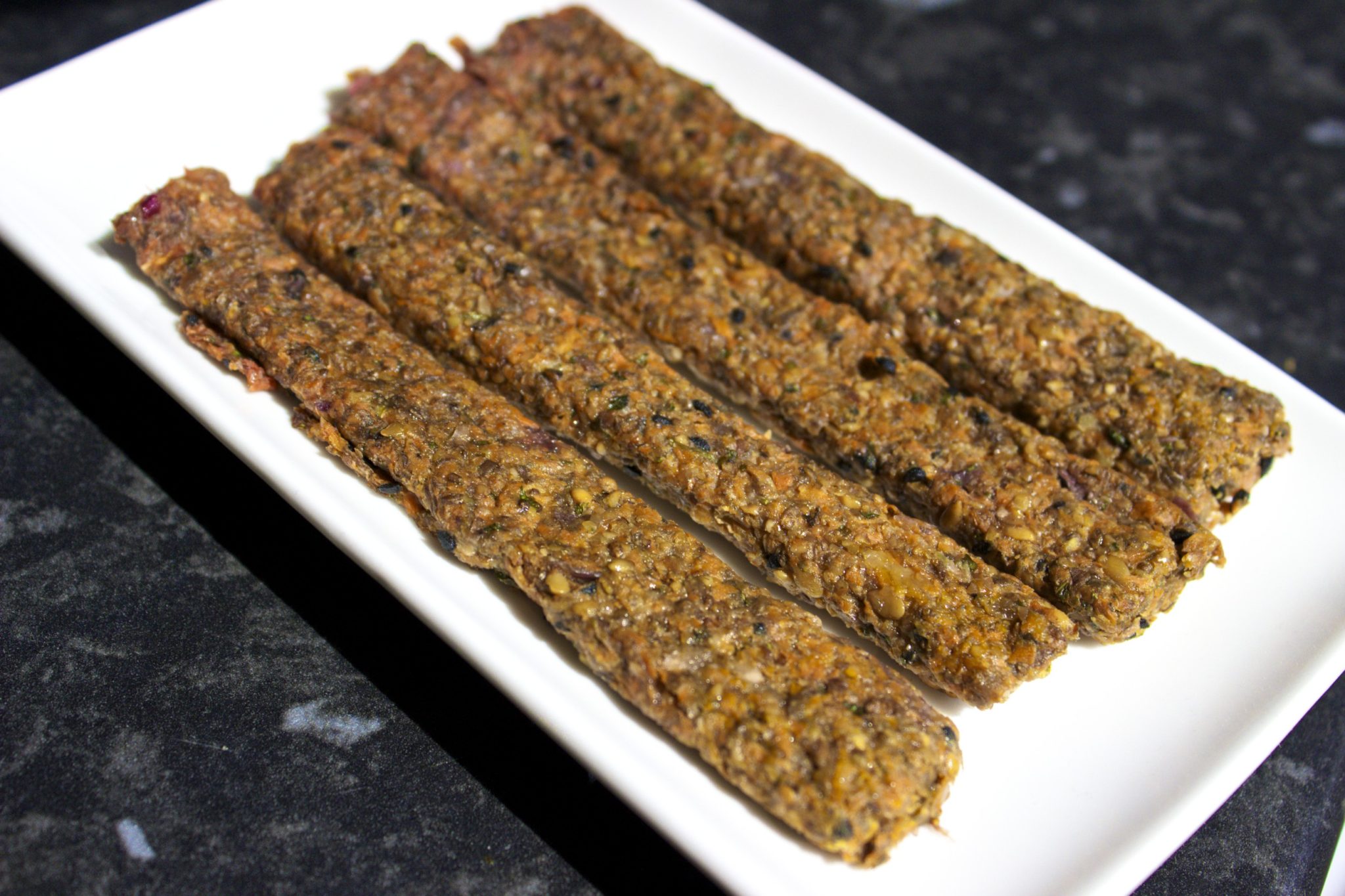
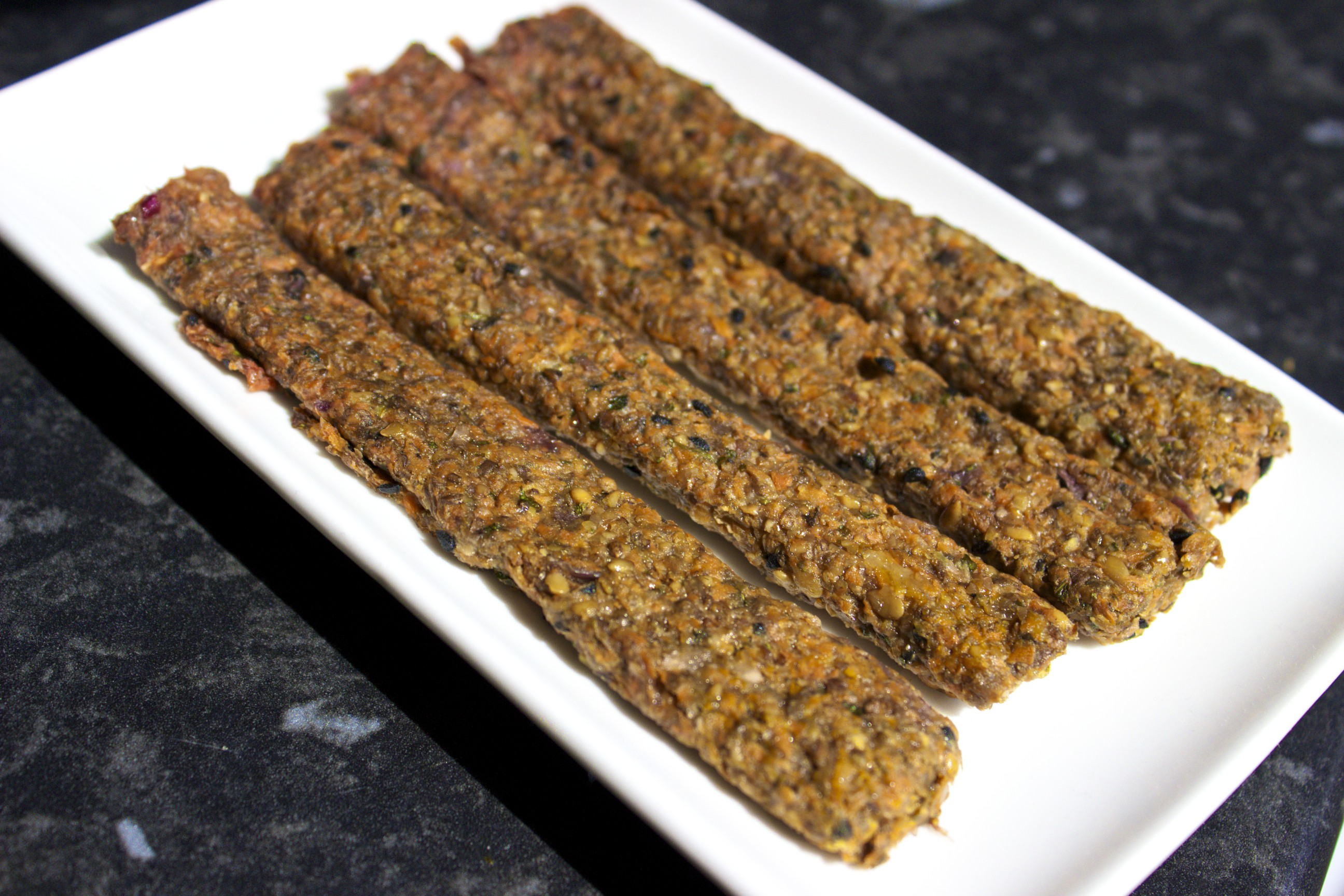
In the meantime check out this recipe for veggie jerky, made from my antihistamine & anti-inflammatory golden beetroot juice. I threw these into my handbag as we ran out of the door to enjoy and entire day of the elusive UK sun…
As always, please understand that antihistamine and anti-inflammatory foods can still hurt us, so please be sure to check with your doc before introducing new foods.
Prep Time: 10 | Cook Time: 12 (dehydrator) or 1-2 hours in oven| Servings: 2-6
Ingredients:
Juice
1 beetroot (antihistamine & anti-inflammatory)
4 carrots (anti-inflammatory)
1 mango
Jerky
1/2 cup ground flax/chia seeds (anti-inflammatory)
Juice the beet and carrots first. Remove the roughage.
Juice mango.
Enjoy.
Jerky
Combine ingredients in food processor. Add a little water at a time till you get a nice ball of dough that’s sticky.
Spread thinly onto 1-2 paraflexx dehydrator sheets. Use a knife to lightly score the sheets lengthways, into 3. And then once horizontally – to create 6 pieces.
Dehydrate at 150 for 1-2 hours. Flip over and then lower the temp to 105 for another 6-8. At some point, while still pliable, roll the sheets up (as if rolling up a yoga mat) and flip over again.
In the oven: depending on how much of a rush you’re in, set the oven’s temperature low. Lightly oil a baking tray and score as above. While still moist, roll up the pieces.
Last weekend, thanks to Gina S. and Jill Swyers of the Fresh Network and Hippocrates Institute, I was incredibly privileged to be granted an interview with the director of what I consider to be the world’s most prestigious natural health institute. As much as I’ve changed my diet over the years, speaking with Dr Brian Clement left me feeling like a slacker.
His top ten healing foods for allergies, histamine intolerance and mast cell disorders was especially eye opening.
Always ready to try new approaches, or intensify existing ones, I’m now redoubling my antihistamine and anti-inflammatory diet efforts thanks to my new masticating juice and dehydrator. Expect some fun pictures in the near future! I’m having nothing but green juice with sprouts for breakfast and lunch this week and feeling pretty incredible as a result.
I’m trying to get on the ball video-wise – this should be the first of many. I’ll be posting some thoughts/analysis on the Clement interview and how it’s driving my nutritional transition as well as an interview with Hippocrates Institute nutritionist Jill Swyer.
And now an apology – this video was supposed to be shot by my cameraman, but he wasn’t able to make it. I was planning to be in the frame with Dr Clement, so that we could have a conversation rather than soundbites, but I had to shoot this at the last minute on my DSLR (not tried it before) and the tricky focus got the better of me. Many apologies for that. They’ll be much better in the future…
You’ll find the transcript of the video below.
My questions to Dr Brian Clement are in italic bold.
How does the Hippocrates Institute treat allergies, histamine intolerance and mast cell disorders?
Nourishment is a key component in doing this and most people are completely misguided when it comes to nutrition. They’re told things like meat is a good source of protein, there’s no meat involved, including fish or chicken. They’re told, as an example, that dairy products are good for you, there’s no dairy products involved in this – it’s all plant based organic so that we don’t confuse the body’s hormonal system with pesticides, fungicides and herbicides. Of course we intervene with a lot of cutting edge medicine (non invasive therapies): electromagnetic cold laser, H wave treatment, cyber scan – the list goes on and on. And when you get a person who’s willing to change his or her life, we see these people bring about recovery for themselves.
How important or counter productive is food elimination in the early stages of allergy/histamine/mast cell treatment?
What one has to do is understand is that nutrition is paramount in keeping the immune system strong. Avoidance of certain foods is a given, but its about the inclusion of healthy foods and so you don’t give up everything and eat junk or eat nothing. What you do is that when you give up bad you replace it with good. You can read in my books, if not come to the institute, ‘Living Food for Optimum Health’ and ‘Life Force’; we portray what we’ve learned over the decades.
Salicylate intolerance, how will these people heal if they can’t eat the very foods that are richest in nutrients?
Well number one you have to recognise that when you avoid particular things, even in healthy foods, it’s not permanent and there’s such a wide array and a full spectrum of nutrients that it’s not as if you’re going to lack anything. So if we’re not going to eat grains because they have active ingredients in them that the body’s not responding to well, you replace that. There are other forms and other things we can use, other grains that you may be able to use. The world is big and wide and we’ve explored and pioneered it forever, and we don’t have problems with these issues. When you have problems is when you don’t have the knowledge and wisdom or are being counselled by someone who doesn’t have the knowledge and wisdom.
Is histamine intolerance caused by a gut in disrepair/leaky gut? How do we heal that if we can’t have fermented products?
Well I’m not really sure that the gut’s in disrepair in one hundred percent of histamine issues. I think it’s sort of an over reaction – sort of like a guy who comes back from the war and when he hears an explosion he falls to the ground. I think it’s a biochemical confusion that occurs, and yes the intestinal tract may have something to do with it but it’s more hormonal than it is directly an organ system. So what we do is adjust and balance the hormones with hormonal testing, and see what we can do to increase or decrease particular hormones in the body.
When you say hormones, are we talking (sorry I’m always focused on the female perspective!) About estrogen/progestorone?
No, it could be a wide variety. Estols, estrogen, progesterones, testosterone, and some of the nuance hormones.
A key component of mast cell instability appears to be chemical exposure, how do we deal with that in the 21st century?
Yes – it ’s just unbelievable, everyone is being affected by chemical and heavy metal exposure – the numbers are staggering. I mean back in 1983, only 30 years ago from when we’re speaking, it was one out of ten thousand people who had autism. Today it’s one out of 50, and that is definitely chemical and heavy metal exposure. Other people endure cellular concerns with this – but what you do is detoxify the body, with infrared saunas, there’s certain methodologies, nutrients, that we use, certainly eating a very pure and natural diet, drinking adequate amounts of pure fluid, water and green juices etc, not high sugar, no fruit etc.
And then what we do is use a whole methodology of lymphatic drainage, neuromuscular work, and this expedites the process by two to three times, along with the saunas.
Could you please touch on the role of meditation and stress relief?
When a person focuses, contemplates, meditates, prays etc, the immune system goes up one hundred percent of the time. So when you’re trying to get the immune system to activate, strengthen and have muscle on it, contemplation, prayer, meditation, is as important as eating a good diet and exercise.
Jucing vs smoothies?
Number 1, when you blend a food, it’s ninety percent dead within 90 seconds. So it’s really not that nutritive. The last thing you want to do is drink roughage. If you notice, the major advocates of blending are either obese or emaciated. Because you can’t take roughage and pour it down your throat and not chew it and expect it to do anything but ferment. Juicing on the other hand, with proper juices and immediately consumed, anyone can digest. So people with any allergic reaction, any kind of histamine problem, this is not an activator, just the opposite, it actually tames.
My emergency antihistamine is a green juice – what would be in your ideal antihistamine juice?
Sprouts, sunflower sprouts, pea green sprouts, these high protein, complete protein foods. If I had certain kinds of disorders I might put a little onion sprouts, and garlic sprouts in there, because that’s actually a remedy for you too. Mung bean sprouts if you have other kinds of disorders, aduki beans sprouts. Then there’s the rest can be things like, depending on who you are and what your problem is, celery, cucumber, parsley, watercress.
Wondering why you’re still not feeling better, despite eliminating all the foods those lists tell you to? Have a niggling suspicion that losing all those high nutrient foods could be counter productive? Starting to worry that your five “safe foods” might turn on you one day?
It’s time to ask yourself – why go low histamine when you can go anti-histamine?
While I always tell people that it’s not just about the food, eliminating high nutrient foods from my diet turned out to be the BIGGEST mistake I ever made. But by the time the damage was done, I struggled to figure out how to fix it. At first adding high nutrient foods was challenging, till I figured out that if the goal was to add the least histamine possible to my body, why not go one step further and add antihistamine foods to my diet instead? It worked and I was finally able to come off my remaining antihistamine (zyrtec)!
My reading of the mast cell field’s top researchers (Drs Theoharides, Akin, Castells, Escribano) soon revealed that histamine, in addition to the other pro-inflammatory elements released by mast cells (prostaglandins et al), were likely causing further dysfunction in my body.
Many people in our histamine intolerance, mast cell activation disorder, and mastocytosis community are prescribed aspirin to relieve that inflammation – but why not go straight to the source? Aspirin is salicylic acid – guess where in nature you can find it? High nutrient green leafy foods! My new understanding of histamine/prostaglandin induced inflammation and the very serious ilnesses it can feed (cancer, neuro-inflammation, heart disease and many others) prompted me to address the very scarily elevated inflammatory markers in my blood work.
Thanks to my high nutrient antihistamine and anti-inflammatory approach, I’m now in the best health of my life (and have the blood tests to prove it)! And it took less than a year…
A list of my top high nutrient antihistaminic, anti-inflammatory and mast cell stabilising foods.
Tasty antihistamine beverages.
Antihistamine and anti-inflammatory breakfasts, lunches and dinners.
NB: Almost every single ingredient in this book was chosen for its antihistaminic, mast cell stablising or anti-inflammatory properties…
This book is fairly hardcore high nutrient and as such incorporates green juices and smoothies. If you are new to the low histamine diet or still eating the Standard American Diet (SAD) then I recommend trying one of my other books. Please be aware that this is not a diet book, but rather a collection of the high nutrient recipes. Please be sure to consult with your doctor before adding any new foods to your diet.
GET STARTED HEALING HISTAMINE
WHAT YOU NEED TO KNOW ABOUT HISTAMINE DELIVERED TO YOUR INBOX


 model I have costs only $120 over there.