Category: Optimum Nutrition

  • Getting Protein on a Low Histamine Diet

    Getting Protein on a Low Histamine Diet

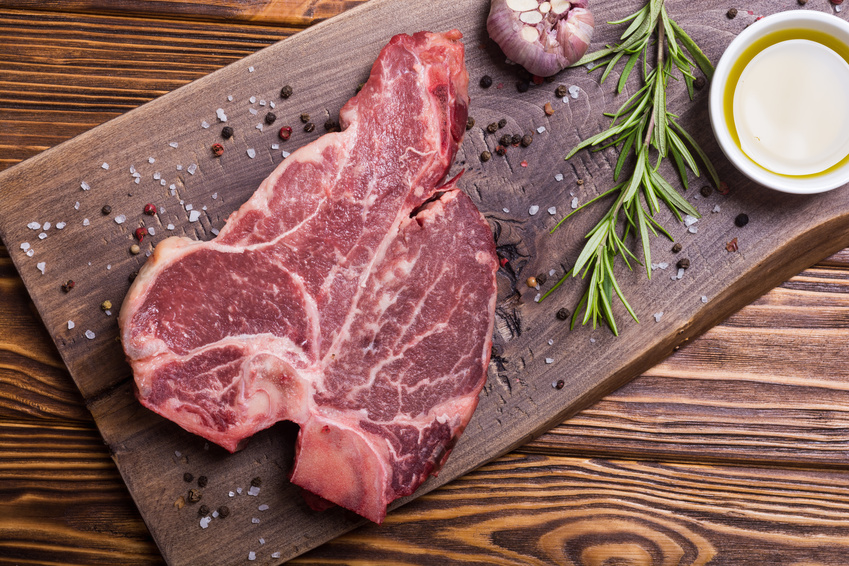
    Raw beef steak T bone with ingredient . Porterhouse on cutting board .

    Getting enough protein can be challenging in general, but even more so when you’re dealing with histamine intolerance. After all, we’ve got to be careful about our intake of biogenic amines from meat, aged and cured meats are out, and leftovers will just accumulate histamine. And then there’s the fact that meats can be inflammatory when we’re really trying to lower our inflammation levels. A nutrient-dense, plant-based diet can be really healing for us, but then protein may get neglected. Here are some ideas for getting your protein in while keeping histamine low.

    HIGH PROTEIN LEGUMES

    As I mentioned in my Beanz Meanz Antihistamines post, legumes, while categorized as high histamine on some lists, have been found to contain a histamine-inhibiting compound called sandosaponin. They also have fiber and anti-inflammatory properties which make me want to keep them in my diet, at least occasionally.

    Beans also just happen to be a great source of plant-based protein, with some of the best sources including soybeans, chickpeas, and lentils. Black soybeans are a great option, as they are rich in color, indicating the presence of important phytonutrients. Chickpeas and lentils are not only high protein, they’re also high in histamine-degrading diamine oxidase (DAO). For the most DAO, sprout the chickpeas and lentils before using. If you want a delicious way to get in some protein and increase your DAO to fight histamine, check out my Chickpea Blondies recipe. Or for a more savory snack, try these gluten-free lentil pita chips.

    SPIRULINA

    Spirulina is a type of blue-green microalgae that has been a staple in the diet of the Aztec and Mayan people for thousands of years. That may be in part due to the fact that spirulina is one of the richest sources of plant proteins available. It’s 60-70% protein. Not only is spirulina a good source of plant-based protein, it’s also been found to prevent mast cells from releasing histamine. How cool is that? A plant-based protein that is also an antihistamine. It’s also rich in antioxidants,  anti-inflammatory compounds, vitamins and minerals, and important fatty acids. Studies on spirulina indicate that a pigment called phycocyanin may be the ingredient that provides the antihistamine effect. Read about phycocyanin here. Spirulina is easy to add to a juice or smoothie. Try my Green Apple Ginger smoothie with Spirulina.

    HEMP PROTEIN (OR SEEDS)

    It seems like hemp is being used for more purposes all the time. You can make fabric out of it, build with it, use it for fuel, eat the whole seeds, drink hemp milk, and the list goes on. There’s also hemp protein, which is made from grinding up the hemp seeds into a powder. A typical ¼ cup serving tends to contain about 15 grams of protein, which may vary slightly by brand. For those of us with compromised digestive systems, it’s good to know that hemp protein is highly digestible –at a rate of 91–98%. However, that changes with heat processing, which reduces the digestibility to only 10%. For that reason, it’s important to make sure your hemp protein powder comes from cold-pressed seeds. Add hemp protein to your favorite low histamine smoothie, or start using the seeds in other recipes. The hemp seeds (or hearts, as they are also called) are a great topping to a salad.

    FRESH & CLEAN MEATS AND FISH

    Of course, good old animal protein or fish is always an option, provided that it is fresh and cooked properly. After all, biogenic and other amines accumulate during food storage or decay. Learn about histamine, food storage, and packaging here. Otherwise, try to just buy fresh, and buy what you can eat — or freeze the rest. And don’t overeat protein. Studies show undigested protein in the gut can raise histamine levels, so it’s important not to eat more than the requirements for your size, age, and physical activity you can digest well.

    WONDERING HOW TO PREPARE THESE FOODS?

    No worries. I’ve put together a complete histamine reset for you. It’s got antihistamine, anti-inflammatory recipes that use healthy proteins and plenty of fresh produce. I also included some lifestyle strategies to help lower the stress, balance out histamine, and get your body on the path to healing. Check out my 28-Day Histamine Reset.

    ——- REFERENCES ——-

    House, J. D., Neufeld, J., Leson, G. (2010). Evaluating the quality of protein from hemp seed (Cannabis sativa L.) products through the use of the protein digestibility-corrected amino acid score method. Journal of Agriculture and Food Chemistry. 58(22), 11801-7. doi: 10.1021/jf102636b. Epub 2010 Oct 26.

    Masini, E., et al. (2007). “Pea seedling histaminase as a novel therapeutic approach to anaphylactic and inflammatory disorders.” The Scientific World Journal, 7, 888-902. Retrieved from: https://www.hindawi.com/journals/tswj/2007/408423/abs/

    Skypala, I. J., Williams, M., Reeves, L., Meyer, R., & Venter, C. (2015). Sensitivity to food additives, vaso-active amines and salicylates: a review of the evidence. Clinical and Translational Allergy, 5, 34. http://doi.org/10.1186/s13601-015-0078-3

    Windey, K., De Preter, V., Verbeke, K. (2012). Relevance of protein fermentation to gut health. Molecular Nutrition & Food Research, 56(1):184-96. doi: 10.1002/mnfr.201100542. Epub 2011 Nov 25.

    https://www.ncbi.nlm.nih.gov/pubmed/22121108

    WEBSITES:

    https://www.bobsredmill.com/hemp-protein-powder.html
  • Low histamine foods I don’t eat

    Low histamine foods I don’t eat

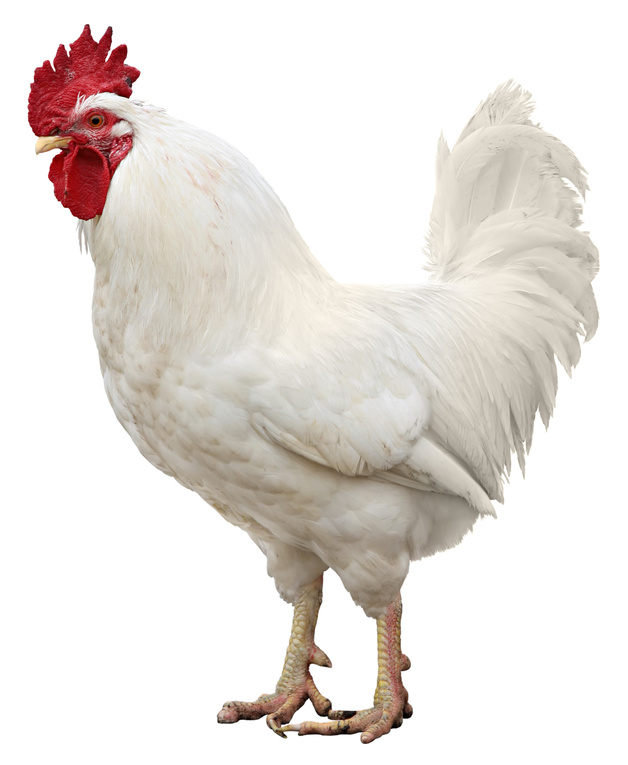
    Rooster Chicken isolated on a white background

    While it’s true that the foods in this post are technically classified as being either low in histamine or not triggering the release of histamine already in our body, they still aren’t part of my diet. Read on to find out what they are and why you won’t find me chowing down on them soon (or at least not regularly – we all need a treat sometimes). Please don’t however misunderstand what I’m saying here – elimination of foods long term isn’t healing. I found myself reacting to more and more foods till I was down to just a few. Click here to learn the steps I took to now be able to eat a variety of foods and how to create your own histamine balanced diet and healing plan.

    Wheat

    Wheat was something I held onto for a long time, reassuring myself that it wasn’t contributing to the basket ball I appeared to be smuggling under my sweaters. I had myself tested for celiac quite early on in the game, before I’d even heard of histamine intolerance/mast cell activation, and was immensely relieved that the negative test meant I could continue scarfing down an entire delicious loaf of pizza dough bread. Oh the lovely yeastiness of it. Little did I know that, apart from wheat’s potential to cause an all out systemic inflammatory response in non-celiacs, (read my post It’s Not in Your Head, Gluten Hurts non-Celiacs Too here), and it’s ‘non-gluten based inflammation’ causing potential (read my post Wheat Triggers Inflammation Even if Yore Not Celiac here), the yeast in the wheat products was making my histamine go through the roof. I chased my tail for many years believing I had a candida problem, but it turned out to be something else that I’ll be covering in just a minute.

    Most grains

    Ye gods, the devastation of figuring out that it wasn’t JUST wheat causing my bloating, chronic and excruciatingly painful constipation, and inability to properly swallow (ever get that lump of food stuck in your throat and nearly pass out in agony and fear as it painstakingly inches its way down your oesophagus?), was actually caused by a number of grains. While we do already know that these grains share wheat characteristics that cause inflammation, oxalic acid is also a huge suspect. You can read all about it in my post Low Histamine Low Oxalate Diet: The Missing Link? here

    This actually turned out not to be the worst thing in the world because I eventually learned how to use non-grain flours for delicious baking. Though I’ve written a number of nutrient dense cookbooks, I’m the type of person who wants to get in and out of the kitchen as quickly as possible, unless I’m cooking a several course meal for friends, or baking. I love my baking and am never happier than when I’m elbows deep in a mixing bowl inhaling the gorgeous vanilla and cacao scents. You can download my free nutrient dense, whole food, dairy gluten and nut free muffin book here.

    Processed foods

    When initially clinging to the low histamine food lists, I was reassured to find a number of my favourite foods on the allowed list. (Here’s a round up of histamine food lists for you.) Sadly this was because I was an incredibly unhealthy eater back then, believing that an organic pizza was a reasonable way to get my daily ‘five a day’ servings. My niece recently experienced some histamine symptoms while on holiday together. After a quick read of my blog she asked me to condense my advice into one easy (for a young graduate) to implement behaviour. I replied that she should give up processed foods. If only from a histamine perspective, something sitting on a shelf for months/years is no longer a fresh food. Bacteria = histamine. Not only that, but they’re usually jammed full of trans fats which create or contribute to inflammation. Trust me, if you have histamine induced inflammation, the very last thing you need is something else that triggers overall inflammation, even if it’s not directly causing a histamine increase. See my post on the Inflammation Bucket for more of an explanation.

    Citric acid

    Ok, so please, hands up if, like me, you once believed citric acid used as a food additive is made from citrus fruits? Ay, those were the days, before I stopped to question pretty much everything I put in my mouth. Turns out it’s actually usually  made from mold that’s often grown on corn. Though they say the aspergillus is filtered out, it’s going nowhere near my diet. Except once every few months when I totally lose self control and buy that can of organic palm hearts for my salad. No getting away from that one. But this was one that threw me for the longest time. I kept reacting to foods and couldn’t work out why. It was on some lists as ok for us and other times I was told it wasn’t ok.  It’s in pretty much every processed food nowadays and in some beauty products. Mold is of course a histamine and mast cell trigger. You can read more about the link in my post The Mold-Histamine link here. 

    Chicken

    While there is nothing more comforting to me than a home made chicken noodle soup or a beautifully roasted chicken (my stomach rumbled as I said that), this food I keep on one of the longest rotations imaginable. Not only are the poor chickens kept in terrible inhuman conditions that must raise their stress levels (and are passed on to us hormonally?), they’re fed inflammatory grains. How the chicken is cooked is also a huge concern, I loved mine very crispy and roasted, which triggers the formation of advanced glycation endoproducts. AGE’s trigger gut inflammation (specifically leaky gut) and all kinds of nasty stuff like unwanted mast cell activation. And guess what, crispy chicken skin contains far more than any food. Interestingly roasting other foods can make them up to three times more allergenic too.  You can read all about it here in my post Junk Food Triggers Allergies and Causes Leaky Gut. I have however managed to find flax seed fed chicken eggs that are super high in omega fatty acids at Whole Foods and a study on the anti-inflammatory effects of organically raised egg yolk.

    Carrageenan

    Is there a product in Whole Foods that does not contain this food additive? They get away with it because it’s derived from seaweed. Once it has been structurally messed with however it becomes so inflammatory that it’s used by scientists testing new antihistamines and anti-inflammatories. Go now and take a look in your food cupboard and beauty products. It’s literally everywhere. You can read more about it here.

    Sugarcane derived sugar

    This one is a very personal choice. For years I believed I had fructose malabsorption (yup that’s a thing) but it turned out that when inflamed, sugar of any kind is likely to trigger more of it. In my case I was eventually able to shake off the exhaustion it caused just by avoiding sugar cane. I later realised that any high glycemic index sugar (one that causes a high and then a crash of blood sugar) including honey and maple syrup (both touted as health foods) or any overly processed one like agave, had a really bad effect on me. Coconut sugar, while high in fructose, does not tire me or cause a GI response. It also works great in muffins, see above for a link to my free muffins ebook. But please remember, we’re all very different and what works for me might not for you.

    It’s finally here! Man Food – a high nutrient antihistamine and anti-inflammatory ingredient filled book geared towards guys, women who love to work out, yoga like they mean it, or just load up on healing nutrients. Features my personal shopping list of antihistamine and anti-inflammatory foods.

    The Anti-cookbook and all liquid Anti-Detox Book, don’t treat any conditions, but feature a plethora of the high nutrient antihistamine and anti-inflammatory ingredients that have been instrumental in helping me feed myself on a limited diet. The Anti-cookbook features a four page list of antihistamine and anti-inflammatory foods and comes in regular and Paleo.

    The Low Oxalate Cookbook features antihistamine and anti-inflammatory rich recipes.

    Don’t miss the Low Histamine Beauty Survival Guide for non-toxic beauty tips, the skinny on histamine releasing (mast cell degranulating) beauty ingredients, antihistamine and anti-inflammatory beauty alternatives and the top brands natural brands I’ve found.

    Take a peek at my other low histamine and antihistamine cookbooks for more high nutrient recipes

    —-REFERENCES—–

    “Citric acid.” Wikipedia. Wikimedia Foundation, n.d. Web. 28 Jan. 2017.

    Mahmoudi M1, Ebrahimzadeh MA, Pourmorad F, Rezaie N, Mahmoudi MA. “Anti-inflammatory and analgesic effects of egg yolk: a comparison between organic and machine made.” European Review of Medical Pharmacology Sciences 2013 Feb;17(4):472-6. Web.


  • Going egg free for histamine intolerance and heart health

    IMG_2449

    Eggs are a valuable source of protein, vitamin B12, iodine and riboflavin. Most importantly, for those taking certain anti-histamines and anti-cholinergics who are worried about their potential link to Alzheimer’s, they provide a good amount of choline.

    On the flip side however, there’s been a definite rebound from the insistence that eggs do not affect hearth health. One of my favourite nutritional reporting sources Dr. Michael Gregor M.D. (thanks Reluctant Raw Foodist for the tip!) tells us, after a careful review of a slew of available studies, that egg consumption has been linked to a 19% increase in heart disease and a 68% increase in diabetes. He goes on to point out that once you have diabetes there’s an 85% increased risk of heart disease. Just half an egg a day was enough to increase heart disease risk by 6%, 40% in separated diabetes patients, while raising the odds of diabetes generally by 29% [1].

    That pretty much blew me away. I’ve been slowly transitioning to an even more highly plant based diet but have been holding on to eggs; for ease of baking and also because they’re a great lightning quick stodgy breakfast when you really need to blast out of the house at light speed.

    So I began investigating alternatives, beyond the usual flax/chia eggs that haven’t really satisfied me over the years.

    It didn’t take long to turn up that a trick I’ve used to thicken up sauces for years is a great egg replacer…

    I speak of bean brine!

    But now the vegan movement have totally legitimised what was seen by my mom and friends as a really icky practice.

    Just a few months ago my man asked me what I used to give my sauces such a lovely thick texture. Cream, butter, lots of olive oil or something? Nope, just the ooey gooey sludge that pre-cooked bottled beans come in (and back in the days when I was too terrified to eat anything I hadn’t made, the reduced bean water they’d been boiled in). My logic at the time: all the good stuff like vitamins are in there and look, it’s like freaking magic, people use inflammatory flour to thicken their sauces and I’m using something that fights cancer, and depending on who you believe, have antihistamine properties. 

    Now of course – yes, lectins are a problem for many, something that pressure cooking is purported to take care of and there’s the fear that biogenic amines leached out of the beans during the boiling process can cause problems for others. But in my case, and that of those with egg allergies or others who just plain react to egg whites because they’re a mast cell, histamine and allergy trigger, it’s really just the lesser of evils isn’t it? You choose. Egg white is so potent it’s frequently used as a mast cell/histamine/allergy trigger in research studies [2], along with carrageenan, which seems to be found in almost every man made product found on a super market shelf.

    My primitive little bean water trick allowed me to transform a lowly beans and nondescript green veggie platter into a richly sauced, highly tasty treat. A little fresh antihistamine turmeric and ginger, a little splash of olive oil – presto, dinner! Though I have spoken about it a few times in groups I knew people would be pretty grossed out.

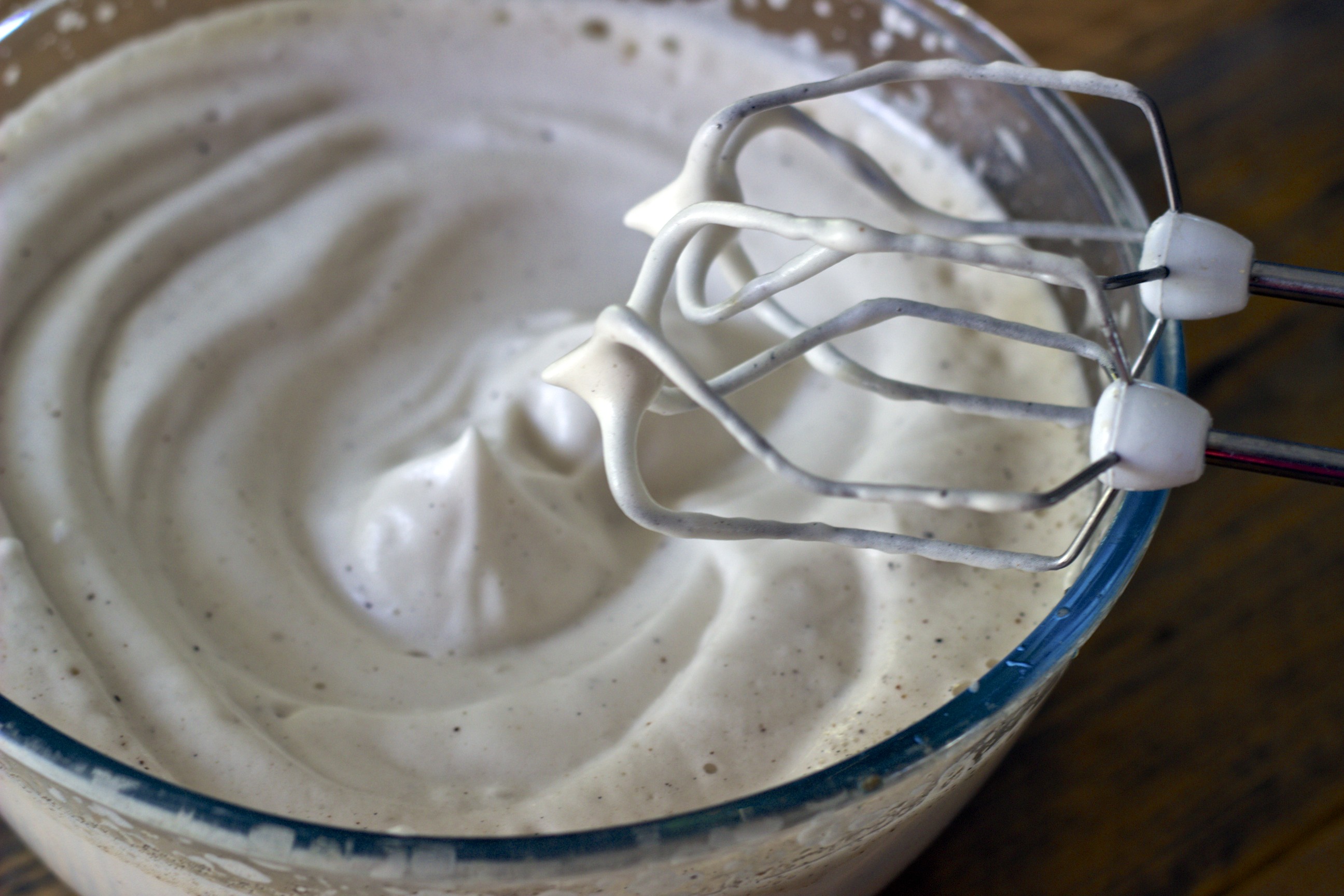
    But now, we have aquafaba. Bean water re-imagined and rebranded for vegans and egg allerginistas. Something that can be fashioned into everything from a simple egg replacer/binder in baked goods (3tbsp of bean water to one egg) or whipped into vegan meringues, ice cream fluffer, pavlovas, flaky vegan pie crusts and more [3].

    Here’s the basic concept: drain some chickpeas and use a hand held blender to whip it up. Aquafaba! I’ll be posting a bunch of recipes in the coming weeks. So far I’ve made white chocolate mousse (white chocolate is supposedly lower histamine than the dark), lovely egg-free muffins and delicious marshmallow fluff and frosting. Sadly I didn’t take photos as I went along, and now I’m moving from my current home and won’t have access to a working kitchen for the next few weeks/months. I just wanted to share this quick tip on how to veganise my recipes and leave you to google all kinds of exciting recipes in the meantime, till I’m settled and able to share with you my antihistamine and anti-inflammatory ideas for this lovely new find.

    If you haven’t done so yet, download my free muffin book try and try all the great muffin recipes with bean water rather than egg.

    It’s finally here! Man Food – a high nutrient antihistamine and anti-inflammatory ingredient filled book geared towards guys, women who love to work out, yoga like they mean it, or just load up on healing nutrients. Features my personal shopping list of antihistamine and anti-inflammatory foods. 

    The Anti-cookbook and all liquid Anti-Detox Book, don’t treat any conditions, but feature a plethora of the high nutrient antihistamine and anti-inflammatory ingredients that have been instrumental in helping me feed myself on a limited diet. The Anti-cookbook features a six page list of antihistamine and anti-inflammatory foods and comes in regular and Paleo. 

    The Low Oxalate Cookbook features antihistamine and anti-inflammatory rich recipes. 

    Don’t miss the Low Histamine Beauty Survival Guide for non-toxic beauty tips, the skinny on histamine releasing (mast cell degranulating) beauty ingredients, antihistamine and anti-inflammatory beauty alternatives and the top brands natural brands I’ve found.

    Take a peek at my other low histamine and antihistamine cookbooks for more high nutrient recipes and sign up to my mailing list for freebies. 

    Please remember, even antihistamine and anti-inflammatory foods can hurt us, please always exercise caution and consult a medical practitioner before adding new foods. 

    ——–REFERENCES———

    [1] http://nutritionfacts.org/2015/08/18/dietary-cholesterol-affects-blood-cholesterol-levels/?utm_source=rss&utm_medium=rss&utm_campaign=dietary-cholesterol-affects-blood-cholesterol-levels&utm_source=NutritionFacts.org&utm_campaign=58c6508e95-RSS_BLOG_WEEKLY&utm_medium=email&utm_term=0_40f9e497d1-58c6508e95-23433901

    [2] https://www.google.es/search?rlz=1C5CHFA_enKE523KE523&ie=UTF-8&q=mast+cell+ovalbumin&gws_rd=cr&ei=wenZVbuON8P7abW_soAF

    [3] http://www.aquafaba.com

  • Histamine safe ferments?

    Histamine safe ferments?

    yogurt in small jars on a table, selective focus

    As I’ve pointed out a number of times over the years (in almost every post!) cutting histamine containing foods out of the diet isn’t a great idea for long term healing. I came up with this theory when all other bloggers and the handful of practitioners actually somewhat schooled in histamine disorders were pinning all our woes on a lack of the histamine-degrading enzyme DAO (diamine oxidase), telling us that salvation lay solely in avoiding histamine containing foods and popping a pork supplement filled with nasty fillers.

    Why do I think it’s not the answer for most of us?

    Going on the standard low histamine diet was the gluten/dairy/nut/soy free straw that broke this camel’s back.

    It didn’t just break my body – it broke my mind.

    And those of many thousands of my readers.

    Think I’m exaggerating? You try being diagnosed with something no-one has ever heard of (or self-diagnosing and having no one believe you), being sent away with a list of dozens of foods to avoid, and spending the next few years crying into your dinner plate, avoiding scents and social situations, while suffering increasing symptoms.

    I’m not going into all the gory details of what we go through – odds are that if you’re reading this blog, you know exactly what I’m talking about.

    WONDERING HERE TO START? HERE’S A FOUR WEEK COURSE & MEAL PLAN TO TAKE THE STRESS OUT OF HEALING HISTAMINE

    Now I’m sure a lot of people are going to be much more receptive of this post than any of my hundreds others on why we shouldn’t remove high nutrient high histamine foods from the diet while continuing to “enjoy” low histamine ones that are still highly inflammatory (for more on that read my post – the inflammation bucket), simply because it deals with something that’s turned into a national dietary pre-occupation.

    Fermentation.

    What’s the deal with it?

    Those with histamine issues are supposed to stay away from ferments, because bacteria = histamine.

    Here’s the catch though: as I mentioned in a previous post on probiotics – some probiotics exert an antihistamine or just generally exciting anti-inflammatory effect, by stimulating histamine receptors. Yes, you heard me right, that was what I wrote in that post a few years back.

    When I first started researching this topic a few years back, there wasn’t much information out there. The best study I found at the time, on kimchi (Korean fermented cabbage), showing that the bacteria found in it after a few weeks exhibited antihistamine and anti-inflammatory effects. The study shared that the probiotic found in kimchi, Lactobacillus sakei probio 65, can inhibit IgE (the stuff involved in allergies) and interleukins (involved in mast cell disorders and inflammation generally), and that it shows promise in treating atopic dermatitis caused by IgE mediated histamine release [0].

    An example of this opposite day doozy is laid out in a Journal of Allergy and Clinical Immunology study [1] discussing the importance of the microbiota (gut bacteria) in ongoing “immune homeostasis” and that activation of the H2 histamine receptor is “associated with potent immunoregulatory effects”. The study authors found that the anti-inflammatory effects of the histamine-secreting L. Rhamnosus were down to its stimulation of the aforementioned receptor.

    In the case of kefir, a study appearing in the peer-reviewed Biological and Pharmaceutical Bulletin of Japan showed that rice kefiran was able to inhibit degranulation and cytokine production in bone marrow mast cells exposed to an antigen [2].

    In English: kefir was able to stop mast cells exposed to an antigen (examples of which may be an allergen, bacteria or virus), from releasing inflammatory elements (like interleukins and histamine for example).

    I have to point out here that this study was not conducted on mammals, but rather in test tubes. The study authors comment in their paper that in vivo studies (on animals) have shown kefiran to have anti-inflammatory and immunomodulatory effects, but it remained unclear in these studies whether kefiran influenced mast cells.

    Crazy right? Not so much…it’s what I and others have found over and over again; that making cutting all dietary histamine from the diet your goal is probably counter productive. I’ve wondered if severely restricting it may even cause the body to produce more histamine to make up for the shortfall.

    I first discovered this by accident, when feeling crappy. I was so miserable with my life of restriction, that, as had happened many times in the past, I decided to go nuts and eat what I wanted. But this time, I decided to do it within the confines of a high nutrient diet. So I gave in to my urges and ate cacao, quite bit of it in the end. The glorious raw, organic, cacao, processed with a couple of dates and pecans, and rolled into little balls, gave my body exactly what it needed, and suddenly, all was well in my world.

    I thought it was just me – but many I speak with report exactly the same. Some high histamine foods and probiotic strains appear to potentially trigger the histamine receptors (H2 and H3 according to the aforementioned research) into producing an anti-inflammatory effect. I have no information as to whether the anti-inflammatory benefit outweighs the histamine spike – I can only speak from my experience and those of the readers I have spoken with. What seems to make the difference is if the foods are healthy/high nutrient ones, the kind that I have research showing they’re in possession of some anti-inflammatory or antihistamine benefits. These would be foods that appear on many high histamine lists like pomegranate, dates, certain probiotics (check my post), some ferments (kimchi??), lentils, cherries, raspberries, cacao, turmeric and many others.

    Now, I would think that this essentially homeopathic approach (is this the right term? I mean that a little of the poison may be the cure) wouldn’t work for folks whose histamine/inflammation bucket is still full. When your bucket is full, sticking a toothpick between your teeth could  make it spill over! So you’d have to consult with your doctor/nutritionist/faith healer for more on that, should you be lucky enough to have one.

    Ok, so given that we know all the above, and that a good many of you are just downright mistrustful of even eyeballing something on the high histamine lists, but are likely to be desperate to return to fermenting, here are some things that may help prevent histamine build up in ferments.

    CLICK HERE FOR A FOUR WEEK HISTAMINE RESET WITH MEAL PLANNERS, STRESS RELIEF STRATEGIES & MORE

    Anaerobic fermentation

    I can’t find much research on this, but a number of websites claim it’s the safer way to ferment. I have seen many people online speaking of ferments longer than 16 weeks causing very little histamine reaction – but this is entirely anecdotal and not based on research. I did think it was worth mentioning as so many are reporting it.

    Generally when fermenting it would be essential to be absolutely sure you’ve properly sterilised your utensils and jars.

    Foods, herbs and spices

    A particularly interesting study showed that thyme (antihistamine), turmeric (antihistamine), red pepper, black pepper and salt posses the ability to prevent or slow histamine (and certain other amine) production in foods (but cooking will greatly reduce their efficacy). Also don’t forget, scientists are usually working with extracts, so their potions will be a lot more potent than what we can whip up at home. The antihistamine foods ginger, garlic and green onion have been also been found to delay histamine production. The addition of 5% garlic, for example, to traditional Korean anchovy ferments reduced overall biogenic amine production by just under 10%. It might not sound like much, but I would also factor in that garlic is itself an antihistamine and anti-inflammatory food [3], toss in a couple of the others and we might be on to a bit of a winner?

    You’ll find recipes full of foods with antihistamine and anti-inflammatory properties my books Anti-Recipes and The Anti-Cookbook

    Garcinia cambogia [4]

    Many people are confused by the whole fish issue. Fish isn’t inherently high histamine, but histamine formation becomes a problem as the flesh accumulates bacteria.

    A study in the International Journal of Food Science and Nutrition turned up that adding garcinia cambogia to fresh fish slows histamine build up. I haven’t found other studies showing it has any effect on anything but fish. And I definitely wouldn’t try fermenting fish…

    Citric acid [5]

    While it has been shown to inhibit/lower rates of histamine accumulation in fish, citric acid nowadays is often made from fungus/mold [6] and that’s very definitely a mast cell trigger. So, if like me, you’ve never reacted to lemons/limes, this could be something to add in to try to keep histamine levels lower in ferments.

    It’s like what I say about my diet. I prefer to eat my medicine because I believe that phytonutrients work together to create the magic. Antihistamine foods with high histamine, low oxalate with medium to high oxalate, so why not high histamine ferments with antihistamine additions? I really need to change the name of my website, because it’s not about low anything – it’s about the combination of nutrients, a dance of colour, taste, and the balancing of emotion.

    As Aesop wrote: “A crust eaten in peace is better than a banquet partaken in anxiety [7]”.

    If you’re going to have your cake, eat it in peace and be well with the decisions you’ve made.

    I just hope it’s made from soul and body nourishing ingredients.

    Same goes for the ferments!

    You’ll find recipes full of foods with antihistamine and anti-inflammatory properties my books Anti-Recipes and The Anti-Cookbook

    CLICK HERE FOR A FOUR WEEK HISTAMINE RESET WITH MEAL PLANNERS, STRESS RELIEF STRATEGIES & MORE

    ————————————REFERENCES————————————

    [0] http://www.fasebj.org/cgi/content/meeting_abstract/26/1_MeetingAbstracts/lb465

    [1] Histamine receptor 2 is a key influence in immune responses to intestinal histamine-secreting microbes

    [2] http://www.ncbi.nlm.nih.gov/m/pubmed/22293347/

    [3] http://www.ncbi.nlm.nih.gov/pmc/articles/PMC2995314/

    [4] https://dev.healinghistamine.com/middle-eastern-indian-spices-lower-histamine-and-other-biogenic-amines-in-foods/

    [5] http://www.ncbi.nlm.nih.gov/pmc/articles/PMC2995314/

    [6] http://www.sciencedirect.com/science/article/pii/0734975095000028

    [7] http://en.wikiquote.org/wiki/Aesop

  • Is COX induced inflammation tripping up your recovery?

    Is COX induced inflammation tripping up your recovery?

    diagnosing histamine intolerance

    Members of the Facebook mast cell/mastocytosis groups I frequent often share studies on mast cell inhibiting medications. By this I mean medications that prevent mast cells, a key component of our immune system, from breaking open and spewing histamine and other inflammatory elements, into our unsuspecting body. As you may well know, we need mast cells to do this when there’s healing to be done. Otherwise, it just leaves our poor body struggling against wave after wave of unnecessary inflammation that ends up wearing down our immune system.

    It’s great that such information is shared. Either because we’re so often prescribed fistfuls of medication by doctors too busy to share the why of it, or we’re not one of the lucky ones with a doctor to actually guide us through one of life’s most terrifying experiences, and so we need all the help we can get. I just dearly wish that more people would have the time or inclination to ask if there are natural alternatives.

    You’ll find recipes full of foods with antihistamine and anti-inflammatory properties my books Anti-Recipes and The Anti-Cookbook

    CLICK HERE TO CREATE YOUR OWN PERSONALISED HEALING HISTAMINE PLAN. 

    The conversation that ignited the spark behind this latest blog post concerned research showing that paracetamol is a mast cell stabiliser, thereby preventing these white blood cells from wreaking havoc in the bodies of those of us with histamine intolerance, mast cell activation, mastocytosis and allergies (yes, even folks with allergies may suffer from unstable mast cells, thereby aggravating allergies). A really quick Google search turned up that paracetamol works (mainly) by inhibiting Cyclooxygenase (COX – usually COX 1 and or 2), which is the way that NSAIDs like aspirin, ibuprophen, Vioxx, Celebrex and diclofenac also work (those with mast cell/histamine disorders may react to these medications).

    COX activity has been implicated in the development of various cancers [1] including leukemia [2], as well as in IBD, Crohn’s disease and ulcerative colitis [3], Alzheimer’s [4], Parkinson’s [5], arthritis, heart disease and diabetes [6].

    But, more importantly for those of us with histamine/mast cell conditions:

    “COX is the key enzyme required for the conversion of arachidonic acid to prostaglandins [7].”

    Arachidonic acid (omega 6) is a bit of a Jekyll and Hyde figure in this tale. We need it to recover from exercise, for early brain development and studies show it may slow the development of Alzheimer’s. Problem is, “how the arachidonic acid is metabolised in the body dictates its inflammatory or anti-inflammatory activity. Individuals suffering from joint pains or active inflammatory disease may find that increased arachidonic acid consumption exacerbates symptoms, presumably because it is being more readily converted to inflammatory compounds [8].”

    That means us.

    In related news, those of us with mast cell disorders will be familiar with prostaglandins, specifically PGD2. It’s an inflammatory molecule synthesised when mast cells degranulate (break open to dump inflammation). One of the things PGD2 does that’s nasty is significantly enhance the inflammatory effects of the histamine released by those same mast cells.

    Lovely.

    Well it is if you’re suffering from a bacterial or viral infection and need all this inflammation to help you heal. Otherwise it’s a bit of a b*@!h because I really don’t need a side order of enhanced histamine related inflammation with my histamine induced inflammation thank you very much.

    So paracetamol inhibits COX, which then prevents arachidonic acid from creating prostagalndins, which then does not turn the histamine into some kind of tricked out Marvel comics super baddy in the body, which is great, but, NSAIDs, paracetamol and others that work on COX have significant side effects. Up to 25% of users experience them, with up to 5% suffering serious health consequences like stomach bleeds, kidney failure, heart attack and more [9]. Interestingly, the side effects of COX inhibitors most likely occur because we need COX in the body [10] and inhibiting it with the equivalent of a pharmaceutical bazooka might be counterproductive in the log run.

    Where have we heard this before folks?

    In my approach to histamine intolerance/mast cell disorders: I have found that taking pharmaceutical antihistamines appeared to prompt my body to produce even more. I do not have the medical tests to back up this theory (because I came up with it long after I quit all meds), but a number of doctors I have spoken with, including histamine researcher and immunologist Dr. Janice Joneja, think this may be the case. I even found that eliminating too much histamine from my diet appeared to do the same thing. The thought process goes that because histamine is needed for wakefulness, thermogenesis, digestion, healing, as a neurotransmitter and much more, not giving it a steady supply from diet might prompt the body to release more from mast cells in order to make up for the shortfall. Given that dietary histamine has been proven to prevent some types of cancer [11], I eventually overcame my fear of histamine in food, going from a crazy low histamine diet to a histamine-balanced diet, and it made a world of difference. You’ll find more about it in this post. But, this may not apply to others – I encourage you to research multiple sources before making decisions, and always involving your doctor. 

    Back to paracetamol: we need to consider the inverse activity of the medicines we are taking. Antihistamines for example lower immune function – they have to, because histamine is part of our immune system. This leaves us open to many, many other conditions that I really want no part of, which is why I gave up all meds over four years ago. In the last few years I have had to become my own physician, with food and natural supplements as my prescription. That might sound completely mad to some, megalomaniacal to others, but my nutritional hero Dr. Fuhrman even advised me to do so. Again, this isn’t the right approach for others – it’s just what’s naturally happened over the years, mostly because I wasn’t lucky enough to find any doctors who knew what to do with me. Now that I know what’s going on with me, I’m thankfully managing without any medical intervention.

    And so we come to the favourite part of all my posts: where I share which everyday foods and activities can help the body achieve homeostasis through gentle encouragement, support and excellent nutrition.

    First up – you may want to avoid (or moderate) [12]:

    Partially hydrogenated fats.

    Not only do these promote inflammation, but they also blcok anti-inflammatory enzymes. 

    Vegetable oils and refined carbohydrates

    A high carb diet converts the anti-inflammatory prostaglandins (yes they exist – confusing I know!) to pro-inflammatory. That’s why I stopped using corn, canola and safflower oil.

    (BTW – I looked this up just to be sure – olive oil isn’t considered a vegetable oil.)

    Add generous helpings of…

    Meditation

    If you’ve been reading my blog for a while you’ll know that meditation saved my life. Literally. I almost died of anaphylactic shock in Kenya a few years ago. Having no meds on me, and being far, far away from hospitals and doctors, I had little choice but to practice extreme stress relief and inflammation lowering meditation techniques. (I don’t suggest that others should do the same). Meditation may have saved my life by lowering my stress, but also inflammation, specifically through its action on lowering COX in the body and preventing mast cell degranulation [13].

    COX inhibiting compounds and foods (you’ll find these in all of my recipes and cookbooks)

    Quercetin [14]

    Thanks in great part to Dr. Theoharides’ groundbreaking research showing that bioflavonoids quercetin, luteolin and rutin are as effective at stabilising mast cells as the most commonly prescribed pharmaceutical, I built my entire dietary philosophy around a high nutrient, anti-inflammatory, bioflavonoid rich diet. Quercetin is found in many brightly coloured fruits and vegetables like blueberries, all onions but particularly red, apples, broccoli, cherries, pretty much all green herbs, kale and plenty more [15].

    I also take a quercetin supplement created by by Dr. Theoharides.

    Turmeric [16]

    I use this wonderful root in pretty much everything I eat. Some people with the MAO genetic “defect” might not be able to process it properly. I am supposedly one of these, but thankfully epigentics has played a huge part in my life and I no longer have any issue with it. There’s also studies showing it blocks DAO, the histamine lowering enzyme – but as I keep saying, histamine/mast cell disorders are about SO much more than just DAO). Turmeric also has mast cell stablising properties.

    Omega 3 fatty acids [17]

    Alter COX expression and also acts against pro-inflammatory prostaglandins in the body.

    Thyme and rosemary [18]

    Inhibit COX.

    Chives [19]

    Inhibit COX. 

    You’ll find recipes full of foods with antihistamine and anti-inflammatory properties my books Anti-Recipes and The Anti-Cookbook

    CLICK HERE TO CREATE YOUR OWN PERSONALISED HEALING HISTAMINE PLAN. 

    Please don’t forget antihistamine, pain killing foods can still hurt us, so please always check with your doctor before adding new foods to your diet. 

    —————-References————-

    [1]  http://www.ncbi.nlm.nih.gov/pubmed/15155531

    [2] http://cancer-therapy.org/CT/v2/A/19.%20Nakamura%20et%20al,%20153-166.pdf

    [3] http://www.sciencedirect.com/science/article/pii/S0016508598701969

    [4] http://www.ncbi.nlm.nih.gov/pubmed/9740394

    [5] http://www.pnas.org/content/100/9/5473.full.pdf

    [6] http://www.livingnaturally.com/PDFDocs/f/F44V3LUSXP7Q9MG1CRRW0W42JX5VEFLD.PDF

    [7] http://www.fasebj.org/content/12/12/1063.full

    [8] http://en.wikipedia.org/wiki/Arachidonic_acid

    [9] http://www.fasebj.org/content/12/12/1063.full

    [10] http://www.fasebj.org/content/12/12/1063.full

    [11] https://dev.healinghistamine.com/histamine-the-good-guy/

    [12] http://www.drgangemi.com/2005/02/just-say-no-to-cox-1-cox-2-inhibitiors-five-necessary-steps-to-fight-inflammation-document/

    [13] https://dev.healinghistamine.com/meditation-antihistamine-mast-cell-stabiliser-epigenetic-superstar/

    [14] http://www.ncbi.nlm.nih.gov/pubmed/15155531

    [15] [http://www.quercetin.com/overview/food-chart]

    [16] http://www.chiro.org/nutrition/FULL/Natural_COX-2_Inhibitors.shtml]

     [17] http://www.chiro.org/nutrition/FULL/Natural_COX-2_Inhibitors.shtml

    [18] http://www.motherearthnews.com/natural-health/herbs-containing-natural-cox-2-inhibitors-zmaz00djzgoe.aspx#axzz3BPnuP800

    [19]  http://www.motherearthnews.com/natural-health/herbs-containing-natural-cox-2-inhibitors-zmaz00djzgoe.aspx#axzz3BPnuP800


  • The (liquid) histamine cleanse

    The (liquid) histamine cleanse

    juicing for histamine intolerance

    Today’s lunch!

    This book is now available for purchase here! 

    Busy, busy bee here in Egypt. This may look like a holiday but I’m here in Dahab (1 hr from Sharm el Sheikh) shooting my meditation course and finishing up photography on my first 100% liquid book (The Histamine Detox) here. (There’s a couple more surprises and freebies being developed – I’ll share more soon – sign up to my mailing list so you don’t miss out!)

    Why liquid? Dr. Fuhrman, among others, points out that liquids put less stress on the digestive tract as well as requiring less enzymes to be processed. It’s also what SO many of you have written in to request!

    I’m struggling with something though:

    Contrary to the impression the name of this website imparts, I do not believe that a low histamine diet is a sound approach for histamine intolerance, mast cell activation or mastocytosis. My personal diet is what I call a histamine-balanced approach. I know it’s very tempting to run out and try to eliminate ALL histamine from your diet the minute you’re diagnosed (or at least convince yourself that you are), but let’s just consider physiology for a moment: the body needs histamine for wakefulness, to run the immune system, to keep our brain working, to control appetite and metabolism (that’s just for starters), so what do we think might happen if we deprive the body of dietary histamine that is certainly involved in these processes? One theory is that the body will begin to produce more endogenous histamine, meaning mast cells will degranulate and dump histamine, along with other inflammatory molecules into the body.

    Let’s consider a possible alternative: we continue providing the body with a healthier supply of dietary histamine, from clean, high nutrient sources, along with a plethora of antihistamine and anti-inflammatory foods to help it all balance out. This is one of my favourite light meals that’s a good example…

    IMG_0467

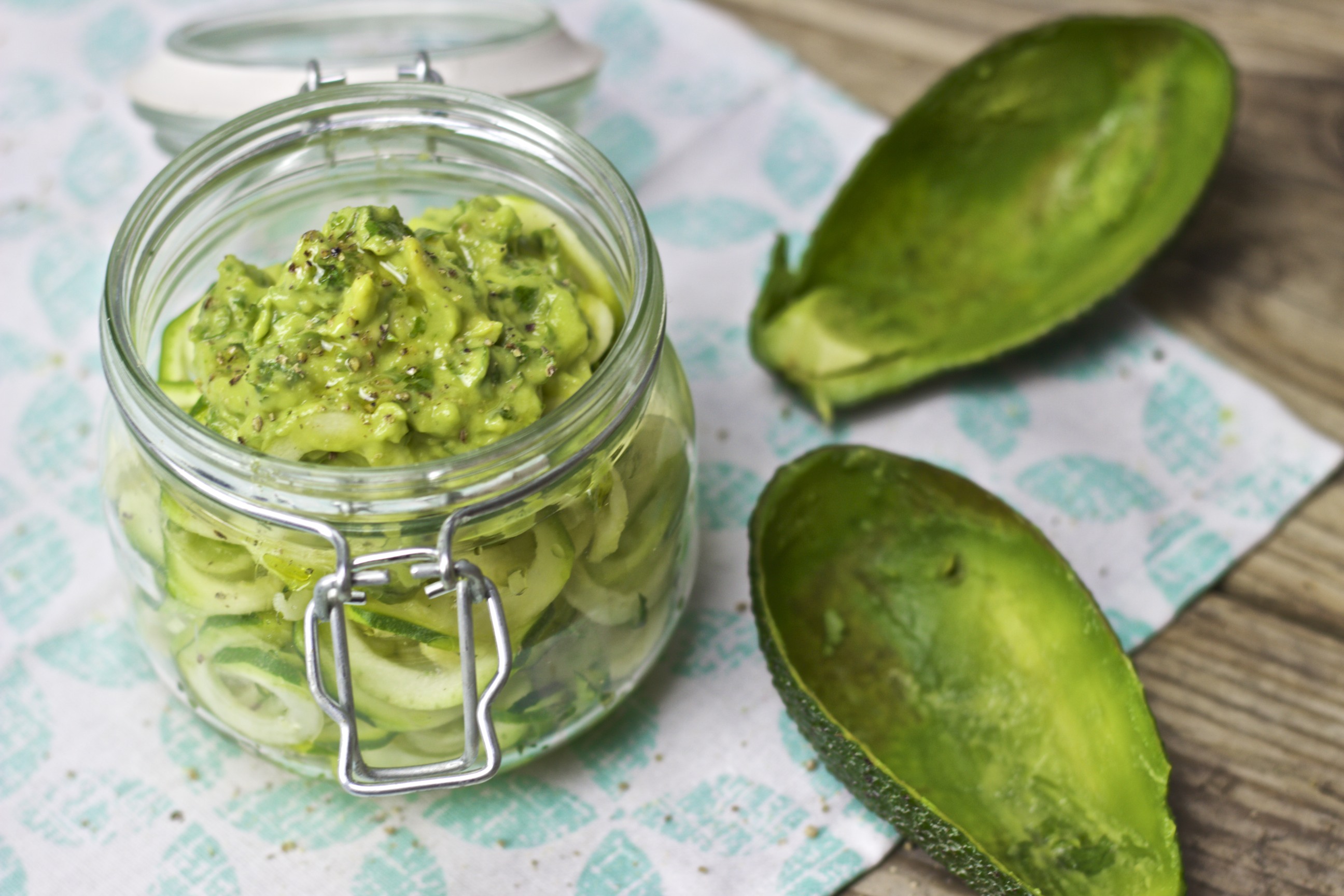
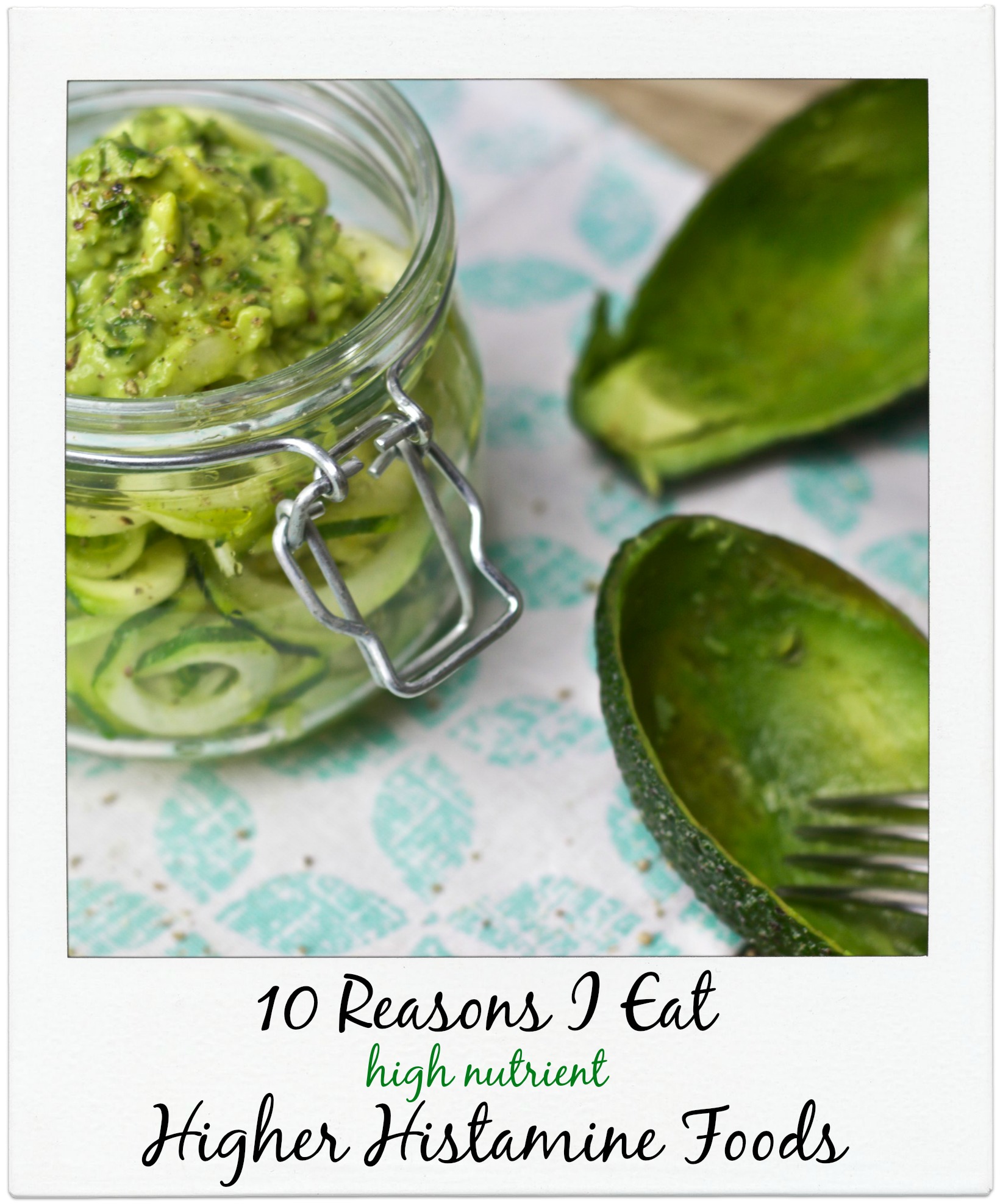
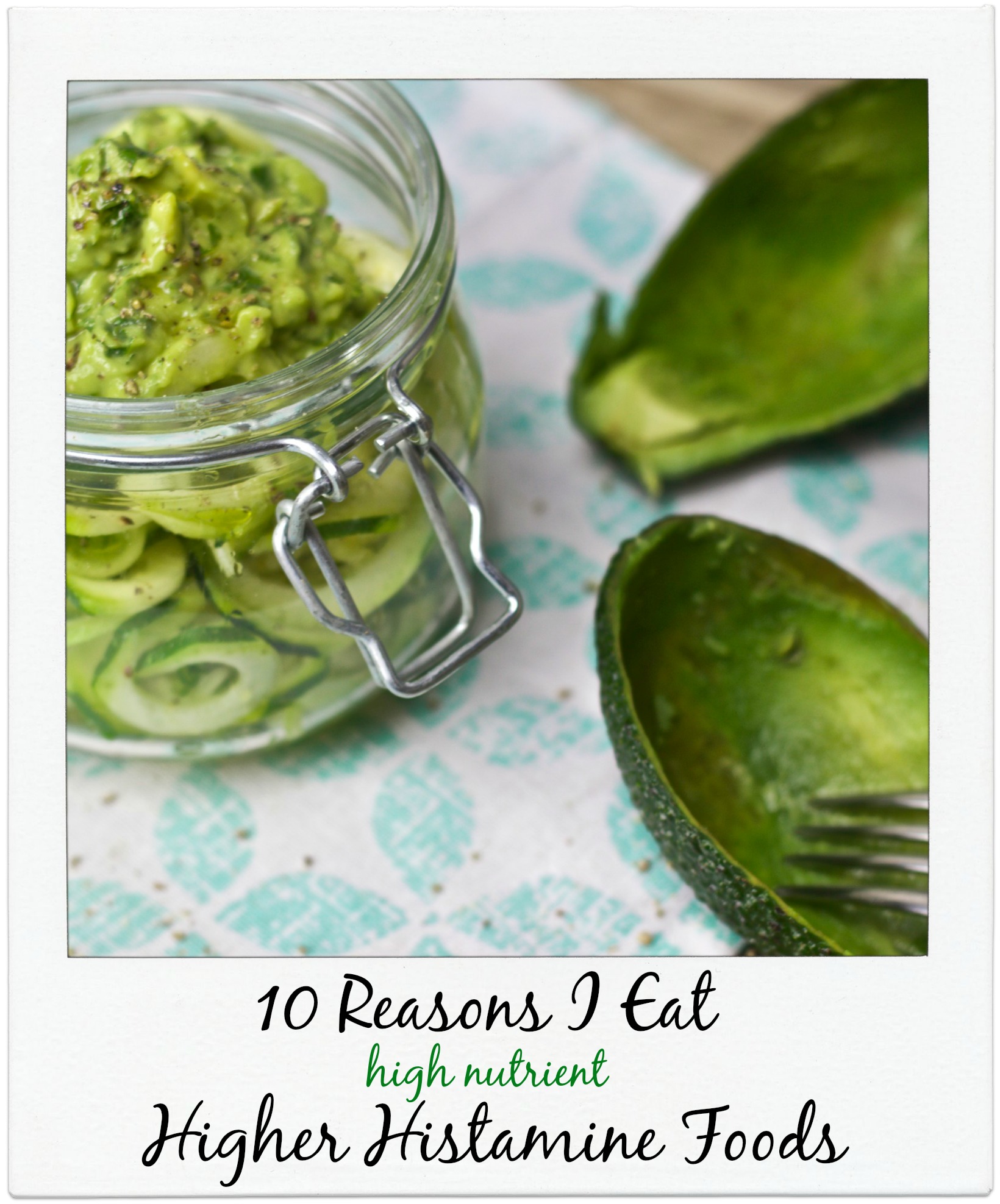
    Raw zucchini (courgette) noodles with avocado sauce (coriander, parsley, garlic, onions, olive oil). I’ll have this for lunch. The higher histamine of the avocado is, in my view, balanced out by its anti-inflammatory properties (yup, weirdly enough a high histamine food can also have anti-inflammatory properties – balance is found all through nature), in addition to the mast cell stabilising and antihistamine properties of the fresh herbs, garlic and onion.

    Now, back to a low histamine diet. Eating a piece of lamb with rice every day for years didn’t yield the same results as a histamine-balanced diet for me.

    Those results: being told I’m now in the best health of my life and finally being truly free to travel the world without the fears that plagued me these last few years (where will I eat, will I get sick, what will happen if I have an accidental splash of tomato).

    I’m sure that a huge part of the process was no longer demonising foods and not being afraid to eat. I lost that fear by gradually re-introduing higher histamine foods in small amounts until my body accepted they no longer posed a threat to me. I do know they did at some point – anaphylaxis is no freaking joke (as many of you know!), but when my body finally healed, thanks to a high nutrient diet my brain sadly hadn’t yet caught up with the healing I had lavished on my body, and so I continued to suffer. Meditation was a huge help to me here, as was re-training my amygdala.

    So, why am I writing a histamine detox book?

    There are times in life where we just need to kill the inflammation, be it histamine induced, or caused by any of the other inflammation spawning elements released from mast cells when the body is freaking out. I consider this book to be an inflammation busting cleanse, that just also happens to be low histamine as well.

    photo 1

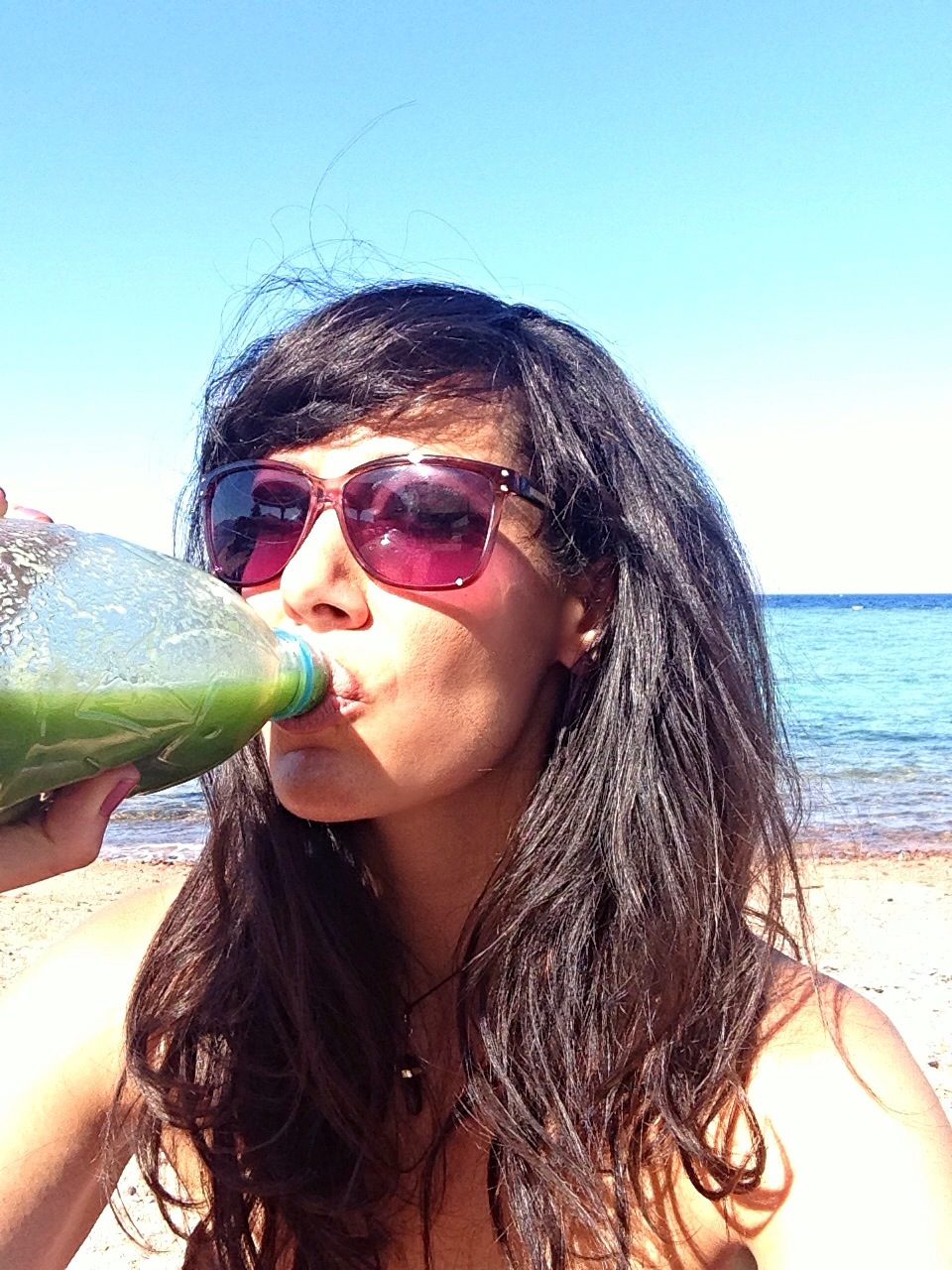
    I practice what I preach man – here I am getting juicy on the beach.

    For example, I’m on a cleanse right now. I’m getting tons of antihistamine and anti-inflammatory juice into me, and getting my histamine from various marine sources (apologies vegans, I was one of your tribe but my body functions better this way), oily nuts (macadamia, walnut), seeds, avocado, aubergine and tomatoes. I’m including these high histamine foods because they add a number of vital nutrients and phytonutrients that would otherwise be missing from my diet. These things, according to Dr. Fuhrman’s wisdom, will help me heal in the long term:

    “You can’t put this problem in a vacuum. Such as avoiding histamine containing foods, on a standard deficient and toxic diet. The body works in conjunction with thousands of complicated chemical reactions, and only with superior nutrition can the histamine sensitivity be better controlled. So exposure to thousands of phytochemicals and even to a low dose of histamine in their diet is good, not bad and can offer hope of getting better over the years to come. ” Dr Fuhrman. 

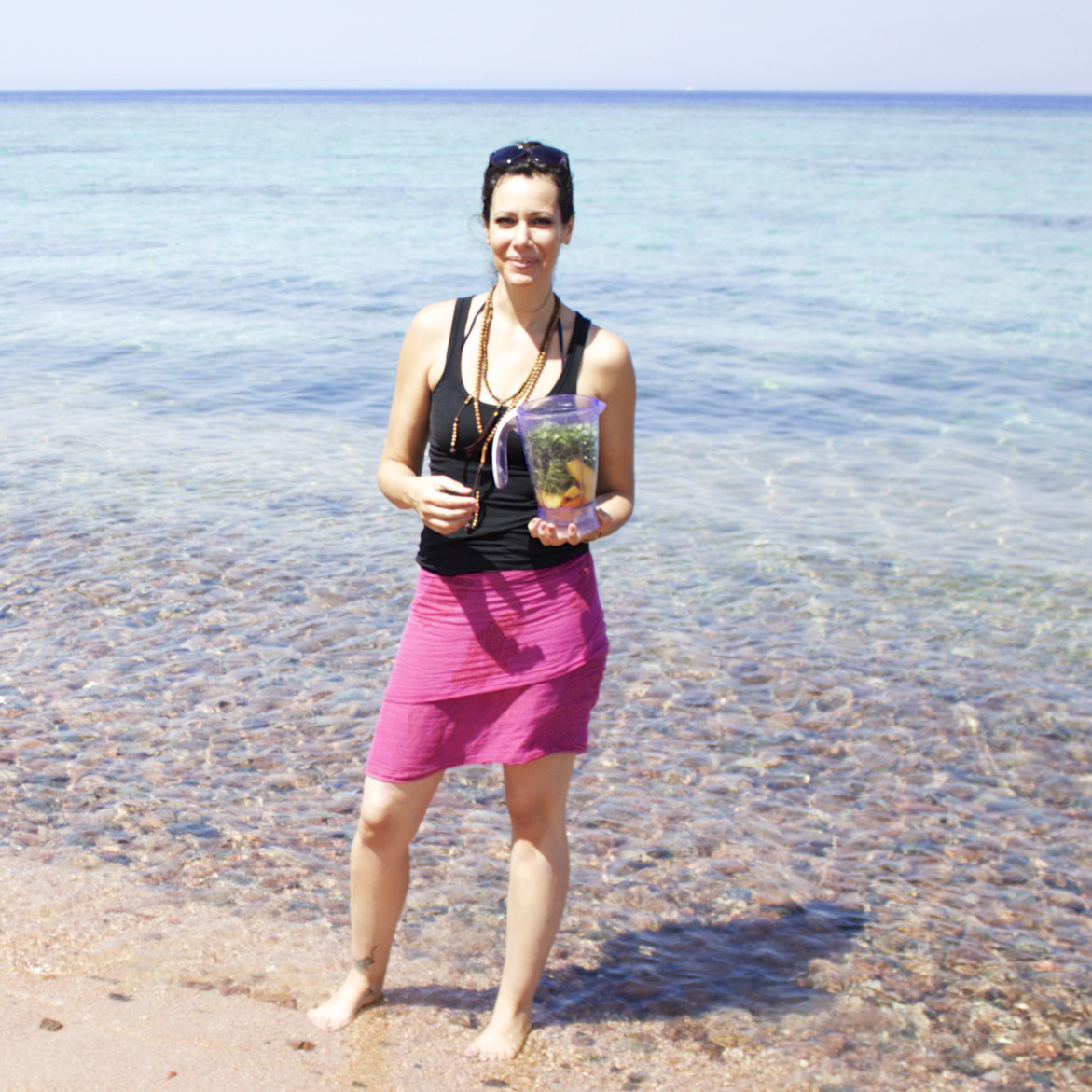
    It’s certainly working, as you can probably tell from the pictures!

    All that being said, I believe there’s a place for a high nutrient low histamine diet for a few weeks/months. It just breaks my heart over and over to get emails from people who have been living on the same five foods for years (as I was), but also so gratifying to see them recover.

    Because, as I tell people who consult with me – it might feel like you’re getting nowhere, but trust me, we ALL get there in the end.

    Here’s wishing you happy holidays and continued health, no matter where you are on your journey.

    IMG_1332

    The Anti-cookbook, while it doesn’t treat any conditions, due to its high nutrient, antihistamine and anti-inflammatory ingredients, has been instrumental in helping me feed myself on a limited diet. It features a six page list of antihistamine and anti-inflammatory foods. It comes in regular and Paleo. 

    The Low Oxalate Cookbook features antihistamine and anti-inflammatory rich recipes. 

    Don’t miss the Low Histamine Beauty Survival Guide for non-toxic beauty tips, the skinny on histamine releasing (mast cell degranulating) beauty ingredients, antihistamine and anti-inflammatory beauty alternatives and the top brands natural brands I’ve found.

    Take a peek at my other low histamine and antihistamine cookbooks for more high nutrient recipes.

    If you’ve found this information useful I’d appreciate your support (at no extra cost to you!) – please check out my online store for your health foods, supplements, kitchen items and beauty product purchases. Affiliate sales through my online store go towards maintaining the website, funding travel to interviews and purchasing all the lovely foods for my free online recipes. You’ll find these items in the “Shop with us” drop down menu on my homepage.  

    Please don’t forget antihistamine, pain killing foods can still hurt us, so please always check with your doctor before adding new foods to your diet. 

  • Dr Joneja: How to boost your histamine-lowering DAO enzyme (naturally)

    Dr Joneja: How to boost your histamine-lowering DAO enzyme (naturally)

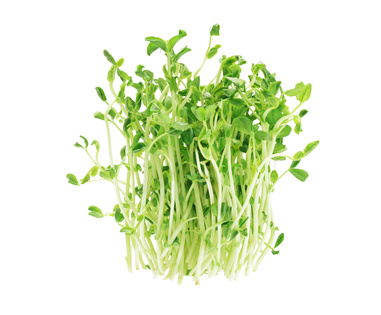
    Pea Sprouts

    Download Dr. Joneja’s guide to growing DAO rich sprouts here: Pea seedlings as a supplement

    As I outline in my first book, a diet rich in vitamin B6, magnesium, copper and other nutrients is necessary in order for our body to produce the histamine-lowering enzyme DAO (diamine oxidase).

    But, I neglected to mention another (delicious) source of natural DAO – mainly because I’m not a freaking scientist and I wasn’t sure what I’d found…

    I digress.

    Many of you write to me (oh so many) asking me if I take DAO supplements. I do not. Then I’m asked if I endorse them. I do not. I did, for a couple of years, take a natural DAO supplement made from a vegetarian source (many of the supps on the market use pork glands). Sadly that DAO supplement never made it to market.

    I’m not saying I wouldn’t have continued taking them if they had hit the health food store shelves, but honestly, at that point I had become militantly anti-supplement and took absolutely nothing. I was determined not to mess with my body. I just wanted to give it some time to breathe, to remember how to heal itself:

    “Our body is a machine for living. It is organised for that, it is its nature. Let life go on in it unhindered and let it defend itself, it will do more for you than if you paralyse it by encumbering it with rememdies.” – Leo Tolstoy.

    I’m a huge fan of this quote, but honestly, there came a time where I wondered if I could speed up the healing process by just adding one or two. And so I did…you’ll find a video on the best supplements I tried here and you can find all of those items in my amazon store.

    I had all but forgotten this piece of surprising research I came across a few years ago (filed in my “find a doctor to comment on this” folder), when just a few days ago I was blessed with a wonderful email from the fabulous immunologist, nutritionist, author and histamine researcher Dr Janice Joneja. For those of you who haven’t yet, you MUST read this groundbreaking interview on histamine intolerance with Dr Joneja.

    Says Dr Janice Joneja:

    “I have a number of patients who cannot take these (DAO) supplements because they are allergic to pork, or cannot consume them for religious or cultural reasons.  The commercial sources of DAO are derived from pig kidney and those allergic to pork tend to develop quite severe allergic reactions to the products.

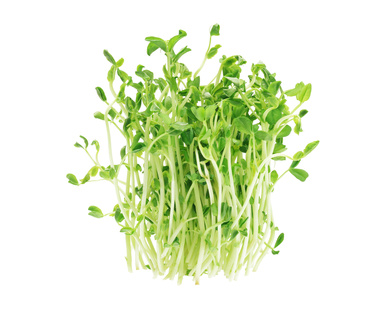
    In my research, I have identified a plant source of DAO: pea seedlings.  A number of years ago I tried to interest several agencies, including University departments, in conducting research into extracting DAO from pea seedlings and concentrating it into a pill or powder as an alternative to the pork-based products.  Unfortunately, none of these considered the project to be worthwhile because they had to weigh the cost of the research against the projected profits from such a product.  Yesterday I had a long conversation with a patient who is allergic to pork and had a strong reaction to a DAO supplement. We discussed the possibility of sprouting green peas and consuming the sprouts regularly to determine whether this might help with her histamine intolerance symptoms.  I had the intention of cultivating the sprouts from fresh peas myself.  Rather fortuitously, I was shopping at my local market this morning and came across pea shoots.  I had never seen the product previously.  It is sold under the FarmFresh brand.  This is a Canadian product made by Nankia Sprouts Corp. In practical terms, of course, it would be much cheaper for a person to sprout the peas themselves, using the same method as used for sprouting mung beans or alfalfa. However, this product could be an alternative for those not interested in going to the extent of cultivating the seedlings themselves.

    As you have a large number of histamine-sensitive people who follow your management strategies, I was wondering whether we could enlist their help in determining whether pea seedlings could aid in reducing their symptoms by increasing their DAO from this source.  It would be relatively inexpensive, would increase their dietary sources of many nutrients, and be safe as far as adverse reactions are concerned.  In addition, this would be the first time that a method of increasing DAO other than the commercial brands of supplements has been attempted.”

    I don’t know about you, but eating my medicine has always been my top choice, so this email actually made me squeal with excitement (those of you who have met me know this is a literal description – I have the girliest squeal).

    So, hista-sistas and mistas, what do you think? Should we guinea pig ourselves in the name of science?

    You know my answer – I’ve been doing it for years!

    Please join our Facebook group where we’re comparing our experiences and collecting data for Dr Joneja so she can get a medical study going.

    Be well friends, don’t forget to sign up to my newsletter to be the first to know about upcoming histamine wellness retreats and workshops in Europe and the United States, to get great freebies like antihistamine and anti-inflammatory recipes and lifestyle tips. 

    The Anti-cookbook, while it doesn’t treat any conditions, due to its high nutrient, antihistamine and anti-inflammatory ingredients, has been instrumental in helping me feed myself on a limited diet. It features a six page list of antihistamine and anti-inflammatory foods. It comes in regular and Paleo. 

    The Low Oxalate Cookbook features antihistamine and anti-inflammatory rich recipes. 

    Don’t miss the Low Histamine Beauty Survival Guide for non-toxic beauty tips, the skinny on histamine releasing (mast cell degranulating) beauty ingredients, antihistamine and anti-inflammatory beauty alternatives and the top brands natural brands I’ve found.

    Take a peek at my other low histamine and antihistamine cookbooks for more high nutrient recipes.

    If you’ve found this information useful I’d appreciate your support (at no extra cost to you!) – please check out my online store for your health foods, supplements, kitchen items and beauty product purchases. Affiliate sales through my online store go towards maintaining the website, funding travel to interviews and purchasing all the lovely foods for my free online recipes. You’ll find these items in the “Shop with us” drop down menu on my homepage.  

    Please don’t forget antihistamine, pain killing foods can still hurt us, so please always check with your doctor before adding new foods to your diet. 


  • The inflammation bucket (why I can now eat shrimp)

    The inflammation bucket (why I can now eat shrimp)

    the inflammation bucket

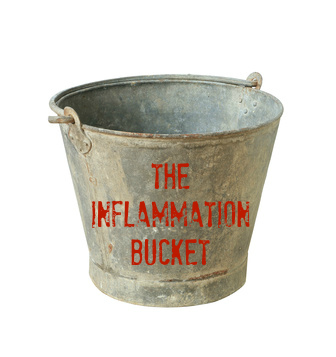
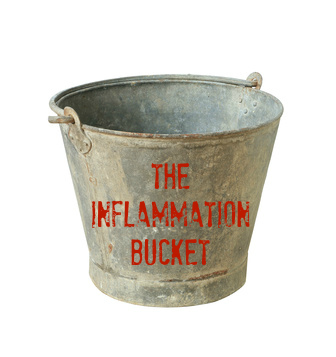
    You’ve heard of the histamine bucket – whereby every little bit of histamine put into the body (food, animal dander, stress, pollen) builds, until it spills over into a reaction. You then need to spend a certain amount of time emptying it in order to feel better (antihistamines, green juice, stress relief).

    But here’s a new model for you to consider – the inflammation bucket.

    Rather than trying to keep histamine low, by not eating, by avoidance of triggers, I find that lowering the baseline of inflammation, through a phytonutrient rich, antihistamine and anti-inflammatory diet, meditation and happiness, allows me to fill it up with a bunch more histamine.

    Sound improbable?

    Histamine is stored in mast cells in the body. In addition to the histamine we get from foods, histamine is released by mast cells, as needed, to begin digestion, act as a neurotransmitter, fire up the healing process and much more. What if I were to tell you though that histamine is only one of a number of inflammatory compounds released by mast cells?

    Might that change your dietary approach at all?

    It certainly did mine. Rather than focus on eliminating dietary histamine, I realised that I was dealing with leukotreines (cause asthma symptoms, generalised inflammation and more), prostaglandins (cause hair loss, migraines, generalised inflammation and more), heparin (causes bruising, excessive bleeding, generalised inflammation and more) and much, much more.

    So why on earth focus on just histamine?

    Well, there’s a good answer for that, so I’m told, but sadly I don’t believe we have solid enough evidence to keep doing so. Many in the nutrition field believe that those of us with these funky histamine induced symptoms have a lack of histamine-degrading enzymes like DAO. They prove this to us with a test that has neither been proven to measure DAO where it really counts, a test whose results have been shown to fluctuate wildly from day to day, hour to hour. To make matters worse, we can’t test the activity of HNMT, another histamine degrading enzyme. I’m no scientist but I would think you’d need more than one marker to prove something? Ah yes, we often have our plasma histamine tested. Sadly this too fluctuates wildly and often indicates very little. But don’t take my word for it…check out my interview with immunologist Dr Janice Joneja for more.

    I’m not saying that our symptoms might not be caused or aggravated by a lack of enzymes, only that it seems a little silly to stuff DAO supplements down our gullet after every meal in the hope of clearing up major symptoms. A little heartburn, acid reflux, maybe. Shivering cold in summer, vomiting after meals, hives, bone pain, dizziness, trembling, excruciating gut pain, inflamed bowels, basketball stomach, not so much maybe.

    The fact is, that while dietary histamine is in fact problematic for many, as it was to me, I propose that once the overall inflammation in the body is lowered, the histamine ingested, as long as not wildly exaggerated, will not cause the same harm/symptoms.

    What choo talkin’ bout Willis?

    Yeah, I’m saying that histamine isn’t the bad guy here. Inflammation isn’t even the bad guy here: we need inflammation to heal. It’s a part of the healing process.  In this scenario, crappy diet and massive amounts of stress (proven to cause mast cells to release histamine) are the bad guys. And we’re not just helpless bystanders at the mercy of our genetics. I truly believe that people can heal. I believe that genetics don’t determine our fate (entirely), and that pollution, chemicals we’re exposed to in the womb, our parents’ dietary choices, our diet, exposure to stress hormones and diet and more, play a huge role.

    Stress makes it impossible to eat

    We all know it’s pretty darned impossible to eat when all wound up. It’s just a fact. I’ve seen this in myself and countless others I’ve spoken with. I don’t know how it works in “regular” folk, but in histamine peeps, you can pretty much bet on the stress hormones causing mast cells to break open, releasing histamine and other inflammatory elements into the body. So stress = inflammation. Inflammation = excess histamine. Excess histamine in the body = less tolerated dietary histamine.

    I don’t know about you, but when I’m not stressed, I can eat more. Lots more. For many of us it’s not that we’re genetically unable to eat the strawberry, just that the environment we’re putting the strawberry into isn’t likely to react to it very well. Even if we are genetically programmed to react to strawbs (ie born with an allergy or histamine intolerance), there’s an excellent chance we’ll outgrow it or outfox it. The study of epigenetics tells us so.

    I doubt it’s a coincidence that my incredible healing of late began when I really committed to my meditation practice.

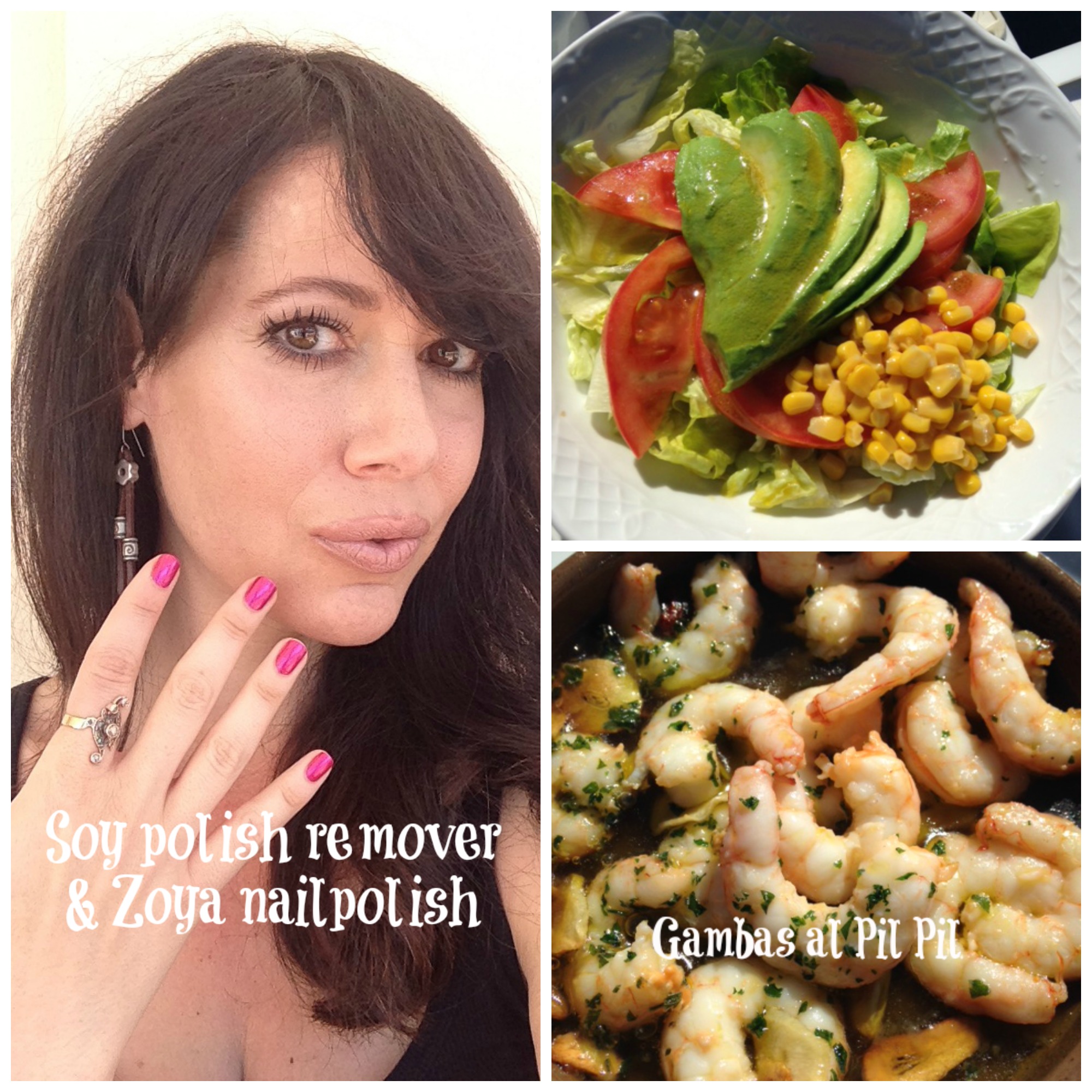
    The proof of the pudding is in the gambas al pil pil (so to speak)

    So how have I come up with this inflammation bucket theory? While obviously based on the histamine bucket theory (attributed to Dr Janice Joneja), I believe that controlling the inflammation causing compounds released by mast cells, which includes, but is absolutely not limited to, histamine, through a high nutrient, absolutely clean diet, combined with intensive stress hormone controlling, inflammation and histamine lowering meditation is more effective than continuing to live on a limited, soul destroying, elimination diet for the rest of my life, in the hope of controlling ingested histamine.

    Sound far fetched? I know it works, because I’ve done it.

    I’ve lowered the contents of my inflammation bucket to the point that I even “cured” myself of a soy allergy!

    collage

    The progress I made on a low histamine elimination diet (which I then lost as my body became starved of important healing phytonutrients) gathered speed after just a year on a high nutrient antihistamine and anti-inflammatory diet as outlined in the Anti-Cookbook. Gathering momentum faster than a snowball attempting a cannonball run through hell, the last five months have been a blur of happiness, with one victory after the next jostling for space in my ever-growing thankfulness memory bank. (The above collage just details this last week ).

    Soy sauce (it’s neither a health food nor a hurt food, I’m a sushi junky), soy nail polish remover, shrimp, tomatoes, avocado, pineapple, oranges, kiwis, grapes, strawberries, raspberries, mushrooms, mandarins, spinach, now all feature regularly in my diet.

    I balance these out with a great deal of daily meditation, stress relief, indulging in activities that bring joy to my life, a phytonutrient rich, high nutrient, antihistamine and anti-inflammatory rich diet. I do not put any garbage in my body! I’m definitely pushing the boundaries of good taste a little (nail polish?? But it makes me so very happy not to have to re-apply water based stuff every time I reach into my handbag), a few glasses of wine over the last few months (just to see if I could), a few pieces of bread (no issue whatsoever, but I remain dedicated to a gluten/primarily grain free diet).

    And to think, I was told I had a soy allergy just a few years ago! All gone now…tested and gone. I’m no longer even having to stick to a low oxalate diet…I certainly don’t go nuts with them, just like I don’t eat shrimp, avocado, yeast or soy daily. Nor do I EVER put junk foods into my body.

    The power of diet and mind never cease to amaze me.


     Please don’t forget antihistamine, pain killing foods can still hurt us, so please always check with your doctor before adding new foods to your diet. 

  • 10 reasons I include foods on high histamine lists in my diet

    10 reasons I include foods on high histamine lists in my diet

    IMG_0469

    My lunch of a few days ago – zucchini noodles with creamy avocado sauce and nigella. 

    In my line of work (the business of being healthy and spreading calm and happiness), the question I’m asked the most is:

    “Why have you used X in your recipe, I thought it was high histamine?????????????????”

    Heard me say this before? Sorry – I have talked about this many, many, many times, and yet I am still asked it at least five to ten times a day.

    Often, the answer is that my research has turned up that the food has antihistaminic and anti-inflammatory benefits.

    How can a food be both high histamine and antihistamine? Well, foods do many things. One compound may raise histamine and another lower it. The next compound is highly anti-inflammatory. And it all may work synergistically with other foods.

    At the end of the day, I honestly believe all these lists are a crapshoot and that the ability to tolerate foods fluctuates depending on what’s happening in the body at that point.

    But if you’d still like to see some high histamine food lists click here. 

    Take the hassle out of meal planning and healing histamine with this four week meal planner and stress relieving program. 

    If I use a couple of dates/X food that may appear on a list as high histamine somewhere in the world of web it’s because:

    1. The alternative is refined sugar or something else with no nutritional value.

    2. The food I have chosen has anti-inflammatory benefits.

    3. I have found studies showing it has antihistaminic properties and I honestly can’t figure out why it’s on high histamine lists.

    4. It has anticancer benefits. Until someone proves to me that dietary histamine causes cancer, I’m eating the foods that’ll stop me from dying a horrible death. (Yes anaphylaxis is horrible too – but most don’t experience it).

    5. The food I have chosen is high nutrient whereas the “organic gluten dairy nut free tiny bag of potato chips or cupcake” you’re still allowing in your diet are most definitely not. Until your diet is that of a freaking saint, there’s really NO point in stressing a bit of avocado, mushroom or banana. I mean come on, will these foods hurt you more than a cheeky glass of wine/sneaky moccachino? Please be honest with yourself. You will eat crap foods and still be on speaking terms with your conscience but fool yourself that you should worry about lentils. That’s because lentils don’t taste as good as “just a couple of squares of organic whole milk vegan-ish chocolate”. I’m not saying the chocolate is evil, just that maybe you should consider that even if lentils were high histamine, the odds that half a cup of them not being better for your overall health than any amount of store bought, processed, chocolate, is slim to none. (Unless you’re allergic.)

    6. Trying to get healthy by eliminating high nutrient foods is like trying to dance about architecture. (It’s a famous quote, google is your friend).

    7. Best selling author, Dr Oz and Oprah favourite Dr Fuhrman summed it up best for me: “You can’t put this problem in a vacuum. Such as avoiding histamine containing foods, on a standard deficient and toxic diet. The body works in conjunction with thousands of complicated chemical reactions, and only with superior nutrition can the histamine sensitivity be better controlled. So exposure to thousands of phytochemicals and even to a low dose of histamine in their diet is good, not bad and can offer hope of getting better over the years to come.“

    8. Though I may include one high histamine food, the rest of my meal/day is comprised entirely of antihistamine and anti-inflammatory foods, and that, I believe, not only allows me to “tolerate” these foods, but also to benefit greatly.

    9. I believe that worrying about the minutiae of this diet and making mealtime a punishment rather than a pleasure, makes you much sicker in the long run.

    10. I don’t honestly believe that any list can address the mystery and beauty of nature, our body’s relationship to it, and the power of the mind to make us sick or well.

    I think it’s worth asking,  if what you’ve been doing is working, why are you still not feeling well?

    It’s such a loaded question, one that has many answers, but a huge part of it is that elimination only takes us so far (the other being that food isn’t the root cause, something many still don’t understand).

    I absolutely believe that sticking to a low histamine diet is the first stage. But having spent two years stuck on that elimination step, I can honestly say it was the worst mistake I’ve made on this journey.

    I believe that approaching foods in fear, testing, waiting, expecting the worst, caused my brain to become sensitised to all foods.

    Understanding that food wasn’t my enemy, but rather my partner in healing, was incredibly liberating, allowing me to break free of my self-imposed dietary shackles.

    I’m not telling people to go out and eat high histamine foods. If you’re prone to anaphylaxis, it’s definitely not a good idea. If your diet is still pretty crappy, it’s definitely not something to be done. If you haven’t stabilised yet or removed all histamine raising beauty products from your life, again, not a great idea. It’s very important to understand what’s causing what, but there came a point that I needed to let go and just enjoy life.

    My books have many, many substitutions and though coming books will feature a number of these higher histamine foods for those who wish them, they will also have the regular low histamine option.

    I’m saying, if you can, try to chill out a little and don’t sweat the small stuff.

    There’s a reason the saying goes: “The devil’s in the details.”

    Please don’t forget antihistamine, pain killing foods can still hurt us, so please always check with your doctor before adding new foods to your diet. 

    You’ll find more recipes like this in my books Anti-Recipes and The Anti-Cookbook

    Take the hassle out of meal planning and healing histamine with this four week meal planner and stress relieving program. 

  • New Year Antihistamine Detox Jui-cie

    New Year Antihistamine Detox Jui-cie

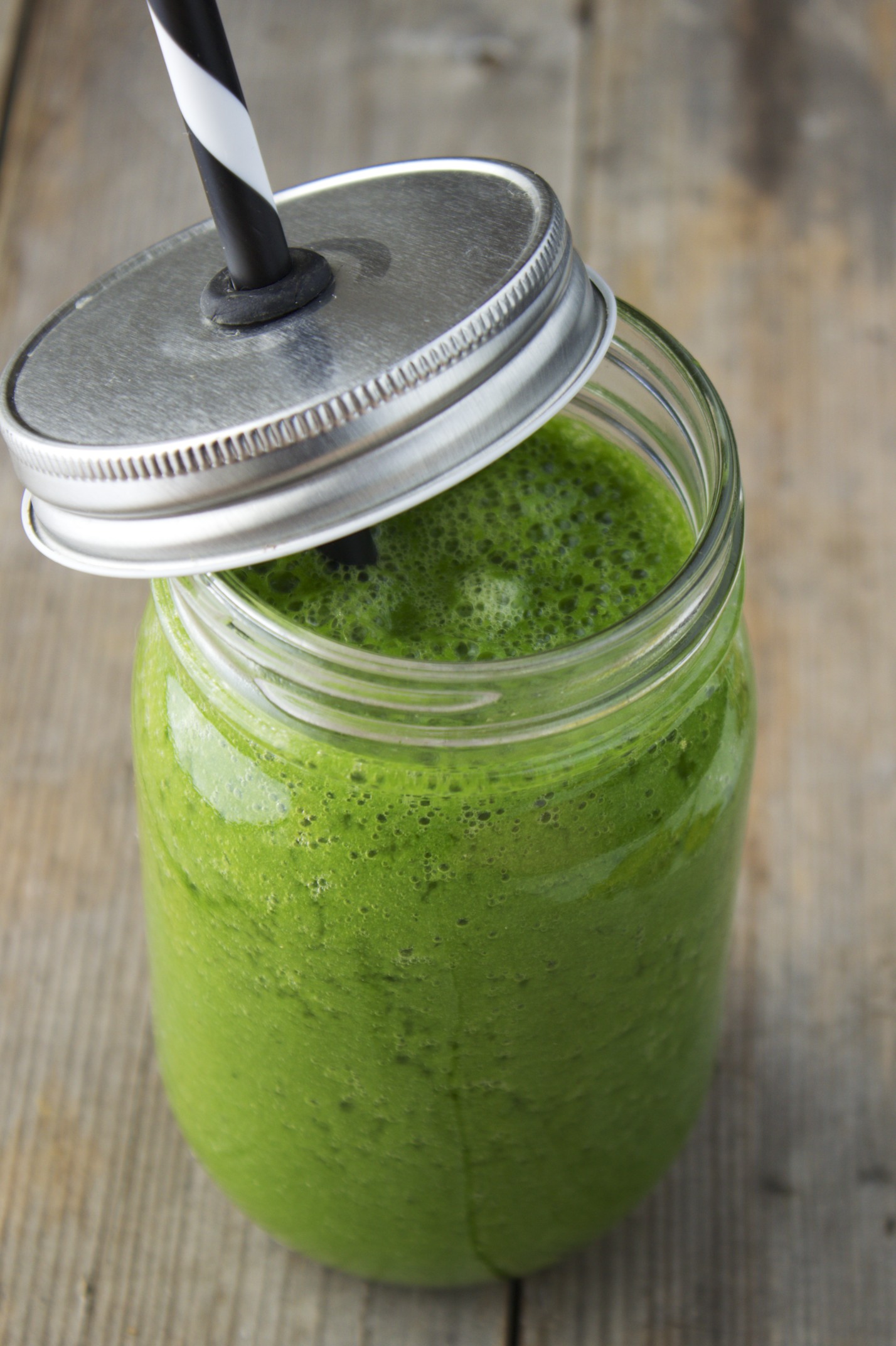
    antihistamine juice

     You know that perennial hot topic: juices vs. smoothies?

    My new big thing this year is hedging my bets with what I’m calling a jui-cie – a juice/smoothie combo.

    Those of you who follow my blog will have noticed pictures of me eating strawberries popping up here and there, as well as stories of oranges, grapefruits, all kinds of nuts and cacao – how? I’m getting ready to share it all with you – and this is a HUGE part of the recovery process for me – what I’ve been calling breakfast for the last few months: a super duper antihistamine and anti-inflammatory packed juicie.

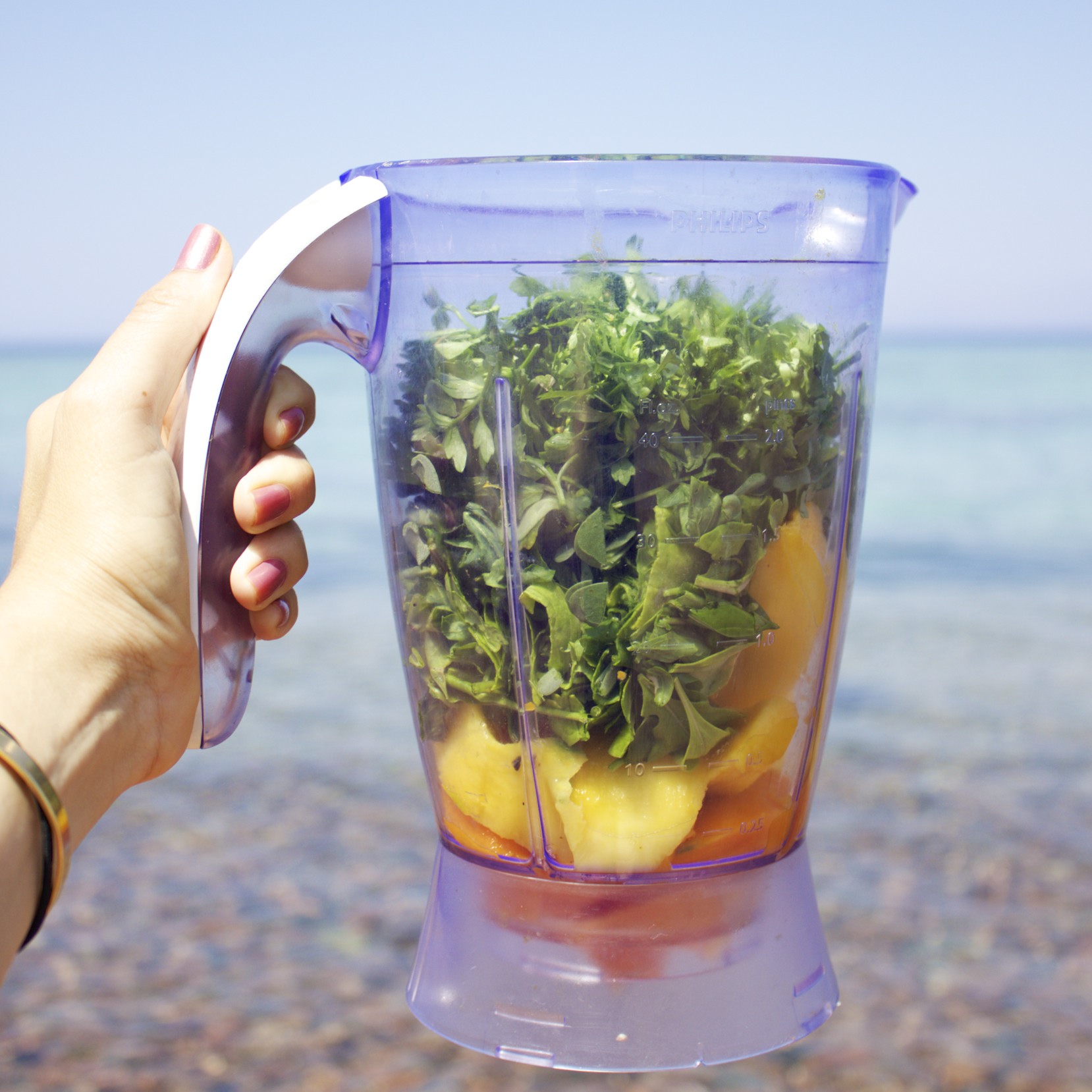
    What I’ll do is juice together all the really fibrous veggies and fruits (supposedly so I’m better able to absorb the vitamins) and then blend in handful after handful of super dark green leafy stuff – you know, the kind you know your body is gasping for.

    I can actually feel the inflammation dissipate a few hours after having my daily infusion – no joke!

    BIG GREENIE (low oxalate)

    Juice

    2 large apples

    1 head broccoli

    1 large cucumber

    Blend

    1 handful watercress

    2 handfuls romaine

    1 inch cube ginger

    1 level teaspoon spirulina

    2 handfuls arugula

    Join my mailing list for more recipes and to be the first to know when registration for my low histamine webinar opens!

    Take a peek at my low histamine and antihistamine cookbooks for more high nutrient recipes.

    If you’ve found this information useful I’d appreciate your support (at no extra cost to you!) – please check out my online store for your health foods, supplements, kitchen items and beauty product purchases. Affiliate sales through my online store go towards maintaining the website, funding travel to interviews and purchasing all the lovely foods for my free online recipes. You’ll find these items in the “Shop with us” drop down menu on my homepage.

     Please don’t forget antihistamine, pain killing foods can still hurt us, so please always check with your doctor before adding new foods to your diet. 

GET STARTED HEALING HISTAMINE

WHAT YOU NEED TO KNOW ABOUT HISTAMINE DELIVERED TO YOUR INBOX