“Is it just me or is it really hot in here? Or cold? I’m now so cold that I’m shivering,” does this sound familiar? My doctors and I have been quite convinced that I hit peri-menopause in my teens, and yet all blood tests came back 100% normal. After driving significant others to despair with my furnace like heat while asleep (despite claiming I’ve been freezing all day), I finally had an answer. Histamine, of course, affects body temperature, regulates metabolism, and appetite. Because of this, histamine is linked to obesity, but also to anorexia.
It’s enough to drive you crazy really. Just when it seems like you’ve got a handle on histamine, it does its usual Dr. Jekyll and Mr. Hyde schtick on you again, and we’re unsure which way is up.
Histamine influences body temperature by acting on H1 and H3 receptors. Translation: in order to make use of histamine, the body has histamine receptors numbering 1 to 4. They’re found all over the body, in places like the brain, heart and even breasts. Antihistamine medications can block some, but not all of the receptors. Meaning that even if you’re taking antihistamines, they don’t block all the receptors from being affected by histamine, and so we can still have histamine inflammation symptoms while on these medications.
H1 antihistamines are Claritin and Zyrtec. H2 is Zantac for example.
DEALING WITH TEMPERATURE FLUCTUATIONS
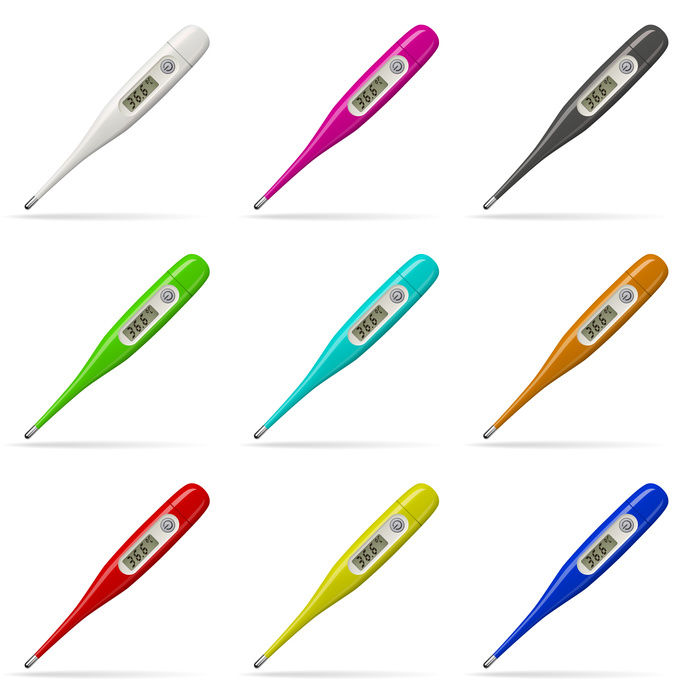
Take your temperature to make sure it’s not a fever: histamine can make us feel hot, and can raise core temperature, but do not write off an actual temperature.
Prepare: always carry a sweater, or a light beanie hat in case of exposure to air conditioning. AC can actually trigger mast cells and cause nasty reactions.
Cool down: some of my most spectacular meltdowns have occurred in hot climates. Though AC does bother me somewhat, when traveling I will take a room with AC and blast it for a few hours while I’m not there. I then use a fan to sleep with that circulates the cool air.
Use two duvets: I’ve learned to have two duvets so that I can throw one off in the middle of the night when histamine starts rising. If sleeping with a partner, I’ve seen some cooling pads you can sleep on.
Improvise on the go: some of my happiest moments have been splashing some cool water on my face when unable to find AC. There’s also some sport headbands you can place in the fridge before going out (on Amazon) and you can also use one of those chemical ice packs (CVS) to put on your neck.
TEMPERATURE CRASH DURING A REACTION
It is not uncommon to have a very sudden (and frightening) loss of temperature when experiencing a histamine reaction. At its most extreme, it can be a symptom of anaphylaxis, so it shouldn’t be written off, but for most of us it’s just histamine going haywire.
My solution was to take some quercetin or an antihistamine and jump into bed immediately covered in blankets all the way up to my face. I’d then progressively relax my body and begin a meditation till it passed. This event was often accompanied by a migraine and nausea, but it would eventually pass and my body temperature would return to normal. Please don’t hesitate to contact a doctor when this happens.
I cover strategies for dealing with everything histamine related in my workshops.
You’ll find recipes full of foods with antihistamine and anti-inflammatory properties my books Anti-Recipes and The Anti-Cookbook
——— REFERENCES ———–
Lundius, Ebba Gregorsson, et al. “Histamine Influences Body Temperature by Acting at H1and H3 Receptors on Distinct Populations of Preoptic Neurons.” Journal of Neuroscience, Society for Neuroscience, 24 Mar. 2010, www.jneurosci.org/content/30/12/4369.
Makabe-Kobayashi, Y, et al. “The control effect of histamine on body temperature and respiratory function in IgE-Dependent systemic anaphylaxis.” The Journal of allergy and clinical immunology., U.S. National Library of Medicine, Aug. 2002, www.ncbi.nlm.nih.gov/pubmed/12170272.
According to researchers pterostilbene is a “potent” natural antihistamine compound found in plant foods. It’s related to resveratrol, which is found predominately in grapes. Here’s what we know.
It’s wonderfully validating to find study after study showing that the foods in my diet and cookbooks are the right ones for histamine intolerance and inflammation. You’ll find recipes full of foods with antihistamine and anti-inflammatory properties my books Anti-Recipes and The Anti-Cookbook
Please remember, even foods with antihistamine properties can hurt us, so please always check with a doctor first.
According to the research, pterostilbene has a stronger epigenetic effect than resveratrol, which is touted by some as the explanation to the “French Paradox”. Meaning, why they live longer and healthier than other countries, despite eating a diet rich in fat. (I have no opinion on the saturated fat issue other than to say, everything in moderation. I do not believe ketogenic or very high saturated fat diets, or any other extremes are a great idea.)
Resveratrol has been linked to a number of anti-ageing benefits that we find as a result of calorie restriction. It has been found to reduce inflammation in the heart, improve physical endurance, protect the mitochondria, and reduce oxidative stress. It has been found to lower cardiac issues and improve insulin sensitivity in mice fed a high calorie diet.
But sometimes, we need a little helping hand, and in the case of pterostilbene, maybe a helping supplement. Though studies show pterostilbene to be more potent than resveratrol, in this case it’s hard to work up to a therapeutic dose through diet alone.
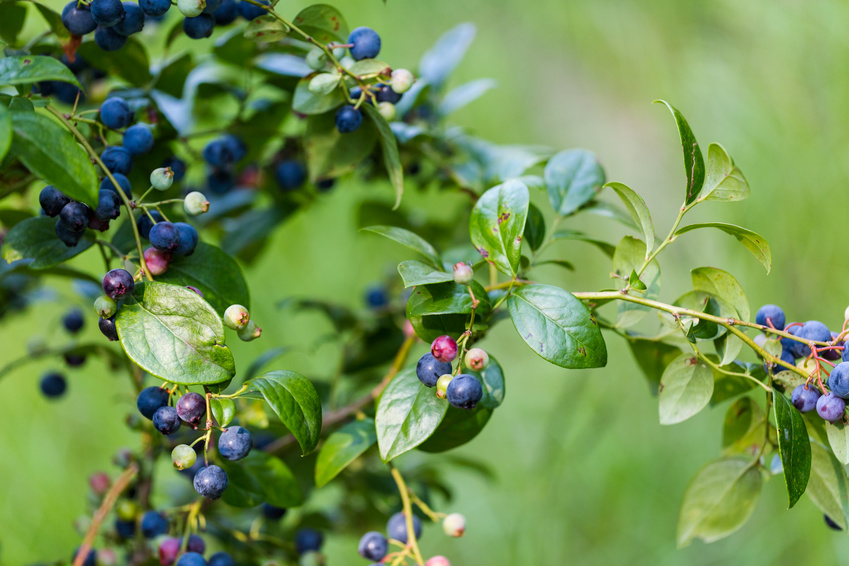
Research studies point to 50mg of pterostilbene as being the magic number, and yet blueberries contain less that 100 nanograms per gram. I think I might turn purple trying to ingest a therapeutic dose.
But that doesn’t mean we shouldn’t try to get what we need from foods.
REASONS TO INCLUDE FOODS
Whole foods have many amazing phytonutrients and healing compounds (co-factors) that work together to create a symphony of healing
Foods will contain other beneficial nutrients
People with histamine intolerance and inflammation frequently do not react well to supplements
Cacao (supposedly triggers mast cells into leaking histamine)
PTEROSTILBENE BENEFITS
Anthistamine (“potent” inhibition of histamine)
Anti-inflammatory
Prevents cognitive impairment/neurodegeneration
Prevents the spread of cancers (bladder, breast, stomach, pancreatic)
Up-regulates the function of the anti-cancer P53 gene
Anti-diabeteic (lowers blood glucose levels)
My favourite start to the day is a smoothie made with blueberries, cucumber, broccoli sprouts and some arugula. All antihistamine ingredients.
You’ll find recipes full of foods with antihistamine and anti-inflammatory properties my books Anti-Recipes and The Anti-Cookbook
———REFERENCES——-
Shimoda, K, et al. “Synthesis and pharmacological evaluation of glycosides of resveratrol, pterostilbene, and piceatannol.” Annals of the New York Academy of Sciences., U.S. National Library of Medicine, Aug. 2015, www.ncbi.nlm.nih.gov/pubmed/26250502. Accessed 27 Aug. 2017.
“Pterostilbene.” Pterostilbene – an overview | ScienceDirect Topics, www.sciencedirect.com/topics/biochemistry-genetics-and-molecular-biology/pterostilbene. Accessed 27 Aug. 2017.
“Pterostilbene.” Wikipedia, Wikimedia Foundation, 20 Aug. 2017, en.wikipedia.org/wiki/Pterostilbene. Accessed 27 Aug. 2017.
McCormack, Denise, and David McFadden. “A Review of Pterostilbene Antioxidant Activity and Disease Modification.” Oxidative Medicine and Cellular Longevity, Hindawi Publishing Corporation, 2013, www.ncbi.nlm.nih.gov/pmc/articles/PMC3649683/. Accessed 27 Aug. 2017.
Some of the following ingredients, which are commonly found in health foods too, either directly raise histamine, or trigger inflammation generally. The latter is something to be avoided at all costs, especially when there’s no good reason to keep them in the diet.
Inflammation compounds. You can have a normal-ish histamine level, but if your prostaglandins are a little elevated, it can increase histamine’s inflammatory effect on the body. If your leukotrienes are high, then the effect of prostaglandins and histamine inflammation is more pronounced. Now if your interleukins are high, then histamine, prostaglandins and leukotrienes…you see where I’m going with this.
That’s because the aforementioned compounds are all released by mast cells (a while blood cell in the body), or synthesised, when they break open. That’s only supposed to happen when we need healing, but sometimes in folks with mast cell activation and histamine inflammation, they can be chronically triggered by allergies, stress, injury, and cause a whole mess of crazy inflammation with an endless series of bizarre and rotating symptoms.
On the surface, like a number of these ingredients, this is a natural product found in health foods and beauty products, as well as toothpaste, sodas, ice cream, pretty much anything processed. Though its origin is Irish Moss seaweed, by the time they’re finished processing it, there’s very little resemblance to a natural food/sea plankton. Carrageenan is such a histamine trigger that it’s used by researchers to induce allergic type responses and inflammation so they can test antihistamine and anti-inflammatory compounds.
Emulsifiers & Binding agents
These go by many names: carrageenan, locust bean, guar gum, lecithin (which can be made from egg), so many names in fact, that one study I read advised that the only real way to make sure you’re not eating them, it to avoid all processed foods entirely.
Mice treated with emulsifiers, a class of food additive that includes carrageenan, xanthan gum and lecithin (all of which are found in “natural” products), not only developed gut inflammation, they also showed signs of metabolic syndrome (obesity, high blood sugar and insulin resistance). The study showed that these food additives affect gut bacteria in animal studies, with an earlier study revealed that emulsifiers promote the development of inflammatory bowel disease in genetically predisposed mice. I repeat, anything that causes generalised inflammation will be a problem for us.
Histamine triggering Food colours
Titanium dioxide
Tartrazine (yellow dye)
Sunset yellow (yellow dye)
Coccine (red dye)
Amaranth (also called a “natural” dye)
Erythrosine
Indigo carmine (FD&C Blue No. 2)
Ponceau
Brilliant Blue (FD&C Blue No. 1)
Methyl blue
Quinolone yellow
FD&C Red
“Natural” flavours
Let’s start with the fact that it somehow became ok to use badger anal gland secretions as a “natural” flavour.
I don’t really know where to go from there, other than to tell you that’s not the most upsetting thing out there. That particular prize goes to human hair being used as a food additive. It’s unimportant which one at this point, because if you are reading my website and buying the books and programs I used to fix my histamine intolerance and mast cell activation, you will not be eating foods containing these ingredients anyway. The more I read, the more I’ve understood that in this day and age, it’s simply a terrible idea to be eating anything packaged.
The EWG’s David Andrews, senior scientist at the Environmental Working Group recently told CNN that “added flavoring, both natural and artificial, could contain anywhere from 50 to 100 ingredients. And all of the extra ingredients in flavors often aren’t as innocent as you’d hope they would be.”
He told them “The mixture will often have some solvent and preservatives — and that makes up 80 to 90 percent of the volume [of the flavoring]. In the end product, it’s a small amount, but it still has artificial ingredients,” Andrews says. Ultimately, the difference between natural and artificial flavors often comes down to miniscule distinctions.”
So what are we going to eat then?
My books are made up entirely of natural foods with antihistamine and anti-inflammatory properties. If you hate to cook, or don’t have time to, just use them as a guideline. So a risotto with a bunch of ingredients just becomes a bowl of boiled rice with the veggies and herbs quickly tossed in. That’s how I eat most of the time nowadays because I’m always on the run somewhere. More often than not it all gets thrown into a tupperware with me and I eat it on the road somewhere. Healthy foods can be prepared quickly with minimal fuss and cost.
You’ll find recipes full of foods with antihistamine and anti-inflammatory properties my books Anti-Recipes and The Anti-Cookbook
Sharp, Sonja. “The Human Hair Additive in Your Food.” Mother Jones, 26 June 2017, www.motherjones.com/politics/2010/03/human-hair-additive-your-food/. Accessed 10 Sept. 2017.
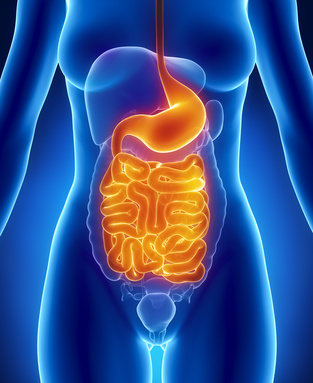
Histamine is involved in the digestive process, which is why an excess of it linked to Crohn’s, ulcerative colitis and irritable bowel. While antihistamines have been found to be beneficial in at least IBD, a change of diet and lifestyle may be a safe and effective alternative, or addition to, pharmaceutical intervention.
A number of studies have found strong correlations between the number of mast cells and total histamine content in the guts of patients with Crohn’s, ulcerative colitis and inflammatory bowel. The level of histamine found in patient guts was found to be proportional to the degree of inflammation in Crohn’s and ulcerative colitis. While their symptoms are very similar, there are important differences that are best assessed and treated by a gastroenterologist. Additionally, if blood is present in the stool, it’s even more essential to get checked out immediately, rather than attributing it to a GI disorder.
What these conditions all have in common is histamine inflammation. Thankfully, histamine is something that we can control, in many cases without having to rely on medication. I’ve personally managed my excess histamine (or histamine intolerance as some call it) through a combination of diet, exercise, meditation, and taking the time to focus on what makes me happy. I put it all together here.
DIET
A diet high in histamine containing foods like yeast, fermented foods, processed tomato, processed and packaged meats/foods, can all lead to an accumulation of histamine in the body, particularly in the gut. Histamine also causes permeability of the gut barrier that’s meant to keep bacteria from our food from crossing into our bloodstream. Histamine can compromise this barrier, causing intestinal permeability (also known as leaky gut). Foods and bacteria migrating from the stomach to the blood stream are believed to trigger allergies and intolerances, and according to some studies, may contribute to autoimmune symptoms. A properly working intestinal (gut) barrier protects the body as a whole from invasion by microorganisms and toxins we ingest daily.
Intestinal permeability/leaky gut is linked to symptoms relating to:
Allergies
Asthma
Autism
Autoimmune disease
Eczema and psoriasis
Inflammatory bowel disease
Bloating
Gas
Heartburn
Acid reflux
Gastrointestinal disorders
Did you know that maintaining the gut barrier takes up around fourty percent of the body’s energy? That might be why relieving the body of the strain of digestion by fasting, or in my case, a fasting mimicking diet, has been really helpful in managing all my symptoms, but especially anything relating to my tummy. I managed to heal my stomach just through diet, and a few carefully chosen supplements (but not probiotics), but we are all different and will need a number of approaches to get the job done. Read the rest of my post on leaky gut here. And how junk food and emulsifiers found even in organic foods can trigger it here.
I’ve found that following a diet rich in foods with antihistamine and anti-inflammatory properties and getting rid of fast food, dairy and wheat (I’m not intolerant it’s just too inflammatory), rather than following any complicated healing protocols, allowed me to add in more high histamine foods over the years.
You’ll find recipes full of foods with antihistamine and anti-inflammatory properties my books Anti-Recipes and The Anti-Cookbook
EXERCISE
While regular exercise is an absolute must for maintaining a healthy immune system that balances histamine naturally, doing the wrong kind can make you sicker. Research tells us that non-aerobic exercise that uses our own body weight is the least likely to trigger histamine. Read the post on exercise here.
MEDITATION
It’s not a hippy dippy thing, meditation is an anti-inflammatory superstar that reprograms us on a genetic level. Mast cell researcher Dr. Theoharides has long spoken of the link between stress hormones and mast cells releasing histamine into the bloodstream. And I realised a very, very long time ago that calming myself down is the best thing I could do during a major histamine attack.
HAPPINESS
A fascinating study on hypnotised subjects found that those who were hypnotised to be unhappy had a stronger reaction to histamine than those who were happy or even angry. It’s no coincidence. I’ve brought on my very worst reactions by just being unhappy. Sometimes it’s as simple as sitting down and having a think about what you could easily add to your week to up your happiness quotient. For me it’s as simple as taking a few minutes a day to bask in the sun, or enjoy a meal or a film with friends. The hurdle is finding the time to actually implement it
Nolte, H, et al. “Histamine release from gut mast cells from patients with inflammatory bowel diseases.” Gut., U.S. National Library of Medicine, July 1990, www.ncbi.nlm.nih.gov/pubmed/1695160/?i=2&from=%2F8139217%2Frelated. Accessed 27 Sept. 2017.
Raithel, M, et al. “Mucosal histamine content and histamine secretion in Crohn’s disease, ulcerative colitis and allergic enteropathy.” International archives of allergy and immunology., U.S. National Library of Medicine, Oct. 1995, www.ncbi.nlm.nih.gov/pubmed/7549499/. Accessed 27 Sept. 2017.
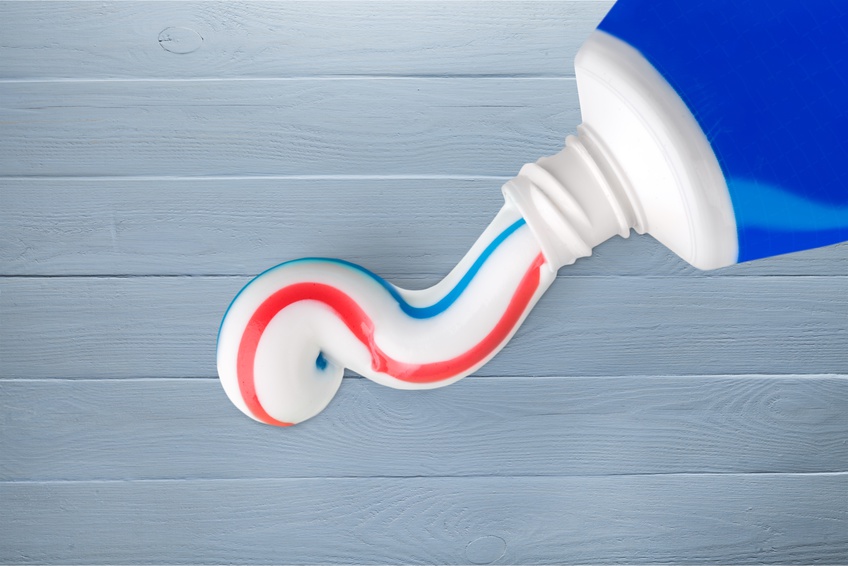
Did you know that most toothpastes contain histamine triggering ingredients? If you’re suffering from a persistently sore throat, migraine or throat swelling (unrelated to anaphylaxis), it might be time to examine the known histamine and mast cell triggers in commercially available toothpastes, and which alternatives exist.
I was stumped. Every evening, at about the same time, my throat would begin swelling shut, a migraine would develop and I’d start itching all over. At first I believed I had bed bugs, and so went bananas changing the sheets every night, sleeping on different mattresses, and yet my man didn’t feel a thing.
Ending up in the ER a number of times, mostly after my favourite dessert (a pineapple smoothie with soy milk), I finally realised that toothpaste is what these events had in common.
A hazy memory of my having to return many make up and beauty products a decade earlier while living in San Francisco (and eating oysters and crab every few days), rose to the surface and so I switched to a more natural toothpaste. Voila! Mystery solved. No more sore throat, and the rest of it.
I’ve shared the nugget with hundreds of people and had just as many improvements.
My excellent diet has played a bigger role overall in fighting histamine reactions and inflammation.
You’ll find recipes full of foods with antihistamine and anti-inflammatory properties my books Anti-Recipes and The Anti-Cookbook
A look at most commercial toothpastes reveals an assortment of dyes, preservatives and emulsifiers. They’re pretty much all histamine and mast cell triggers.
A mast cell is a white blood cell that contains histamine. This member of the immune system is called into action when we’re injured or faced with a virus/infection. Mast cells release histamine and other inflammatory agents into the blood stream as needed. Stress, allergens, chemicals, and high histamine foods can trigger them into dumping histamine and other inflammation when not needed.
HISTAMINE TRIGGERING TOOTHPASTE INGREDIENTS
Titanium dioxide
Tartrazine (yellow dye)
Sunset yellow (yellow dye)
Coccine (red dye)
Amaranth (also called a “natural” dye)
Erythrosine
Indigo carmine (FD&C Blue No. 2),
Ponceau,
Brilliant Blue (FD&C Blue No. 1)
Methyl blue,
Quinolone yellow
FD&C Red
Sodium laureth sulfate (used in one study to trigger mast cells so they could measure the effectiveness of quercetin)
THE ALTERNATIVES
I have yet to find a great US toothpaste – I’m still bringing my Green People mint toothpaste over from England. You’re basically looking for something that excludes the aforementioned ingredients, but watch out for carrageenan containing natural alternatives.
“How Histamine Causes Leaky Gut | Healing Histamine.” Healing Histamine | Histamine Intolerance Diet Foods Recipes, 4 Mar. 2017, dev.healinghistamine.com/how-histamine-causes-leaky-gut/. Accessed 27 Aug. 2017.
Drugs, Committee on. “”Inactive” Ingredients in Pharmaceutical Products: Update (Subject Review).” Pediatrics, American Academy of Pediatrics, 1 Feb. 1997, pediatrics.aappublications.org/content/99/2/268. Accessed 27 Aug. 2017.
A UK based researcher’s findings back up other recent discoveries in depression, which is the idea that for the one-third of patients for whom anti-depressants don’t work, inflammation is the likely root cause. In my case, I was medicated for over a decade with pharmaceuticals that made me sicker. I was declared bipolar and lost all hope of recovery, till finding the diet that saved my sanity and revealed there to be absolutely nothing wrong with me mentally.
Please do not stop taking any medications without speaking to your doctor. Two-thirds of mental health patients respond to medications for depression. I just wasn’t one of them.
A consortium of researchers in England has found a strong association between inflammation and depression. Inflammation is the body’s natural healing response, but it can be inappropriately triggered by stress and made worse by an unhealthy lifestyle and diet. Research also links children exposed to many infections in early life, and those who’ve suffered trauma, to immune system dysfunction. In later life, the immune system correlates stress with the need for it to kick into high gear, chronically. Our immune system basically over reacts chronically. This inflammation then triggers depression.
The Sickness Response is an evolutionary programming that is believed to cause depression to keep us from spreading disease through contact with others, and tiredness so that we’re still and allow the body to heal without taxing it. Unfortunately, sometimes the sickness response signal remains activated because of vagus nerve issues.
It’s been observed in a number of studies that people treated with medications that trigger inflammation (interferon for example), also develop depression during treatment. And that patients with arthritis treated with anti-inflammatories experience a remission in depression. Scientists are now planning to start medical trials on antidepressant non-responders, to try and alleviate their depression.
The turnaround for me was gradual. It began modestly, with the resolution of the shaking and anxiety that had financially and mentally crippled me. At it’s worst, I was having agoraphobic attacks when trying to leave the house. At it’s best, I was having attacks so bad they sent the room spinning around me as I clutched my chair to prevent a fall. Not really helpful when starting your career as an intern at 60 Minutes.
I used to mope around, unwilling to see friends or family, even to pick up the phone once every few months when called. The two-dimensional grey world that had enveloped me since childhood slowly faded as if a veil was being slowly lifted from my eyes.
At its most extreme, I had become paranoid that people were talking about me, saying the most awful things. Now I was tuned into the brilliance of the people around me, ready to engage with the land of the living.
The changes that made the most immediate difference were cutting processed foods high in histamine, then no longer frying the healthy foods that weren’t.
The high histamine foods that were healthy were more challenging. I loved them, probably because they initially gave me an incredible energy boost, but I realised they needed to go for just a little bit. Sadly I left them for too long and cut too many of them. Soon my immune system refused them, and I withered away, lacking the nutrients needed to properly run my body, and then to an eventual increase in histamine inflammation, despite eating only low histamine foods.
Depression is my life partner. My shadow. Always waiting for an opportunity to worm his way back in. Keeping him at bay requires a consistency of diet, determination to not slide into the abyss again, and love for myself, to lessen his icy grip on my heart.
I’m happy to say I have not been depressed since changing my diet and lifestyle, even while in the grip of my life’s biggest challenge.
Please don’t hesitate to take medication or speak with a psychotherapist. Healing from depression requires a combination of approaches.
——–REFERENCES——–
“Depression, a disease of the mind? Actually, our immune system could be the culprit.” Spectator Health, 19 May 2017, health.spectator.co.uk/depression-a-disease-of-the-mind-actually-our-immune-system-could-be-the-culprit/. Accessed 14 Sept. 2017.
According to Time Magazine, acid reflux is one of the most common health issues in the US, with nearly $13 billion spent a year being spent on medications for it. Researchers have now found that diet is just as effective at relieving it.
An antihistamine working on the histamine 2 receptor called Zantac was in my life for a really long time because of extreme acid reflux. I didn’t realise it was an antihistamine at the time. Nor did I know back then that using it caused rebound histamine production. This means that once you stop it, there’s a surge of histamine. This is has been my experience with all antihistamines. It was brutal, but temporary thankfully. And it’s to be expected. Many medications have rebound effects as the body strives to recalibrate itself without the crutch we’ve been relying on. Proton Pump Inhibitors are now more commonly prescribed than H2 blockers, but they also impact histamine, and they also cause a rebound effect. One study reckons that using them could make you immune to the effects of an H2 antihistamine.
Thankfully, we may not have to rely on either, if we’re willing to do something really good for our bodies generally.In this recent study, researchers found that a diet high in good fats, vegetables and fruits, was able to resolve acid reflux just as well as PPIs. This is absolutely no surprise to me, and the thousands of others reading this blog, We’ve all seen the incredible difference that a change of diet can bring.Acid Reflux Symptoms
According to the Mayo Clinic these are:
A burning sensation in your chest (heartburn), sometimes spreading to your throat, along with a sour taste in your mouth
Chest pain
Difficulty swallowing (dysphagia)
Dry cough
Hoarseness or sore throat
Regurgitation of food or sour liquid (acid reflux)
Sensation of a lump in your throat
Benefits of the low histamine diet (or anti-diet)
Though some of these benefits can take time to happen, I have observed the following in myself and thousands of others.
Increased energy
Clearing of brain fog
Better sleep
No acid reflux
Beautifully glowing skin
Increased immunity (when it’s needed, rather than all the time)
There’s many more, but that’s not the focus of this post.
Researchers in this particular study found that switching people from a standard diet to a Mediterranean one, was as beneficial as a PPI. I’m sure we’d be hard pressed to insist that diet can also have a rebound effect, but this seems like a pretty decent option if we’re suffering from something that caused me such awful misery that I continued stuffing my face day and night to alleviate it.
In the years since changing my diet, while still in transition, I found that nigella sativa seeds and oil were excellent at alleviating it also. That might be due to nigella’s antihistamine properties (specifically H2), but you’d have to check with your doctor on that. In particular I have no information on the salicylic acid content of nigella because this issue is not covered on my blog. Histamine is such an incredibly dense topic there’s so much to write about…
Addressing acid reflux naturally
According to the latest research, it’s quite simple: avoid processed foods and switch to a diet rich in olive oil, fruits and vegetables. Unfortunately, we know it’s a little more complex than that. While an initial switch from a standard diet to one in whole foods is an amazing start that offers much relief, there’s plenty that remains in that way of eating that’s inflammatory thanks to histamine: tomatoes, olives, dairy, and meat for example.
Simply avoiding processed foods is the first advice I give people who ask me for a quick fix for histamine. People who have already made that jump will need to investigate which foods, whether they’re histamine or not, are a problem for them. I address all of this in my 28 day histamine reset. Nigella sativa and other foods with antihistamine properties that make up my books are worth looking into.
———-REFERENCES———
Qvigstad, G, et al. “Treatment with proton pump inhibitors induces tolerance to histamine-2 receptor antagonists in Helicobacter pylori-Negative patients.” Scandinavian journal of gastroenterology., U.S. National Library of Medicine, Dec. 1998, www.ncbi.nlm.nih.gov/pubmed/9930386. Accessed 11 Sept. 2017.
“Acid Reflux May Respond Better To Diet Than Drugs.” Time, Time, time.com/4929930/acid-reflux-drugs-diet/. Accessed 11 Sept. 2017.
“GERD: A severe form of heartburn.” Mayo Clinic, Mayo Foundation for Medical Education and Research, 31 July 2014, www.mayoclinic.org/diseases-conditions/gerd/basics/symptoms/con-20025201. Accessed 11 Sept. 2017.
Here are my top choices for a natural anti-ageing boost that’s also antihistamine and anti-inflammatory. For a time I was convinced that caring about something so shallow, as caring about the way I looked, had a place in my life. Thankfully I realised that there was a balance to be struck between slathering layers of chemicals onto myself, in an effort to feel a bit better, despite the health turmoil I was facing. Now I’m just excited that the mirror now reflects the happiness and contentment I feel.
Please remember even foods and natural products with antihistamine and anti-inflammatory benefits can be problematic.
Moringa Oil
I’ve been a mega fan of the moringa plant since discovering it in Bangkok. Nothing beats it as a moisturiser or balm for soothing cracked and upset skin. It has antihistamine and anti-inflammatory properties and makes an excellent make up remover. Moringa has anti-ageing benefits for the skin and may reverse UV damage. We can of course also use moringa powder in green smoothies.
Pomegranate seed oil
This fruit seed has incredible anti-ageing benefits relating to its encouragement of hyaluronic acid production, and cell turn over. It also happens to be a mast cell stabiliser (which means it can prevent histamine release). The good stuff is in the seeds and also in the skin. It’s very high in sugar as a juice (which I don’t recommend).Sea Buckthorn Oil
This antihistamine oil was found to prevent mast cells from releasing histamine into the bloodstream. It prevents UV damage, resolves acne resulting from inflammation, and treats hyper-pigmentation.
This as always been my go to styling product. I have very, very, curly hair, that required ample amounts of silicone based styling oils. Now that’s all in the past of course. I had read years ago that this oil mimics silicone when applied to hair, and yup, it’s a total frizz fixer. It’s actually even better at it that the synthetics.
According to Dr. Axe, this oil prevents UV damage from the sun, and is high in linoleic acids, which promotes ceramide synthesis. These regulates skin cells and plump up the skin. This oil is also rich in sulforaphane, an incredibly healing compound that acts as an antihistamine.
Kudzu and probiotic
This Japanese root can be found at most health food stores and online. It’s tradiitonally used in foods and make up. When mixed with a probiotic, in one study Bifidobacterium Breve was used, it boosts hyaluronic acid (HA) production as effectively as topically applied Retin-A (retonoic acid). HA is what doctors use to plum lips and faces with. I’ve been using this mixture for quite some time and love it.
Don’t forget, my ebooks are full of recipes made up of the foods with antihistamine and anti-inflammatory properties.
You’ll find recipes full of foods with antihistamine and anti-inflammatory properties my books Anti-Recipes and The Anti-Cookbook
——-REFERENCES——
Mahajan, S G, and A A Mehta. “Inhibitory Action of Ethanolic Extract of Seeds of Moringa oleifera Lam. On Systemic and Local Anaphylaxis.” Journal of immunotoxicology., U.S. National Library of Medicine, Oct. 2007, www.ncbi.nlm.nih.gov/pubmed/18958739. Accessed 11 Sept. 2017.
Wen, K C, et al. “Comparison of Puerariae Radix and its hydrolysate on stimulation of hyaluronic acid production in NHEK cells.” The American journal of Chinese medicine., U.S. National Library of Medicine, www.ncbi.nlm.nih.gov/pubmed/20128051. Accessed 11 Sept. 2017.
Ali, Atif, et al. “Enhancement of human skin facial revitalization by moringa leaf extract cream.” Advances in Dermatology and Allergology/Postȩpy Dermatologii i Alergologii, Termedia Publishing House, May 2014, www.ncbi.nlm.nih.gov/pmc/articles/PMC4112252/. Accessed 11 Sept. 2017.
Price, Annie. “Meet Your New Wrinkle Fighter: Broccoli Seed Oil’s Sulforaphane Up-Regulates Enzymes that Protect Skin Against UV Radiation.” Dr. Axe, 5 Sept. 2017, draxe.com/broccoli-seed-oil/. Accessed 11 Sept. 2017.
Rédei, D, et al. “Bioactivity-Guided Investigation of the Anti-Inflammatory Activity of Hippophae rhamnoides Fruits.” Planta medica., U.S. National Library of Medicine, www.ncbi.nlm.nih.gov/pubmed/28662529. Accessed 11 Sept. 2017.
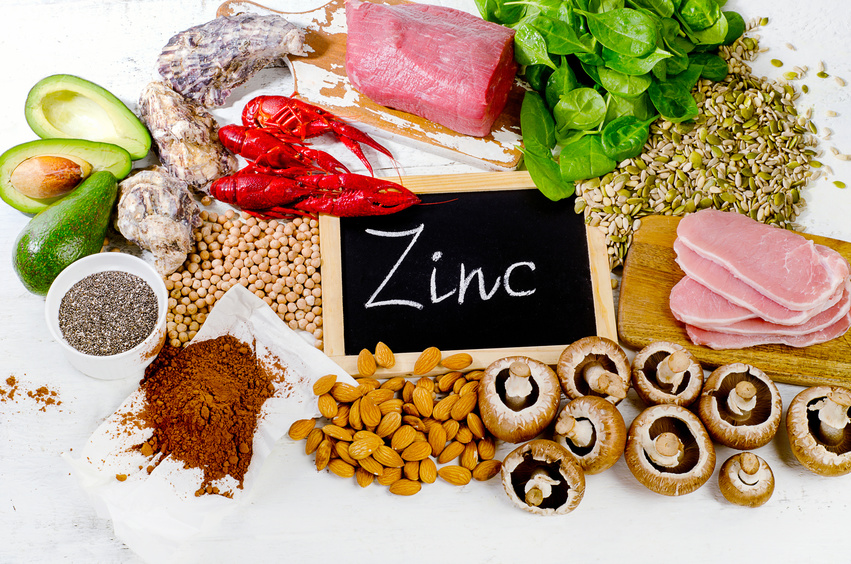
Zinc depletion is linked to histamine related itching, mast cells releasing more histamine into the bloodstream, and a whole host of other conditions. You’ll notice from the featured photo that many high zinc foods are high histamine. Below you’ll find a list of low/medium histamine foods. All references always at the bottom of the post.
I’ve spent the last few years writing about the importance of supporting the body overall, rather than simply eliminating sources of histamine in foods. The latter results in orthorexia, which is a type of eating disorder where foods are demonised, and also in malnutrition. I suffered both myself and personally have encountered hundreds of readers with both issues.
When I read studies like the one that inspired this post, on how researchers solved mystery itching that was plaguing dialysis patients, it spurs a renewed drive to really make sure we’re all on track. The short and long of it is that they found that zinc depleted patients had histamine release during treatment. Supplementing zinc resulted in the resolution of the itching during treatment.
Other researchers found that zinc was able to mediate histamine release caused by a chemical trigger, and prevent asthmatic symptoms.
Please remember to consult with someone before starting any kind of nutritional supplement. Copper deficiency is not uncommon when increasing zinc alone, and should be taken into account.
A key component to getting the body back on track is to optimise our intake of nutrients whose lack drives up histamine levels and inflammation as a whole. I took too many years to do this myself and ended up in a fine mess of being down to just a handful of foods (read my post “Once up on a time we all reacted to foods”).
Figuring out nutritional priorities overall
You could either shell out for testing yourself by finding a functional medicine doctor to order the tests, or just share with your GP that you’ve been eating a restricted diet and hopefully get them on a national health service or private insurance. When strapped for cash, I used a nutrient and calorie tracking app (Fitday) to track my intake over a month. There’s no use stressing daily intake, that’s just way too intense, just checking overall monthly intake is what I did.
Zinc deficiency symptoms
Brain fog
Immune system dysfunction
Allergies/food intolerance
Hair loss
Intestinal permeability/leaky gut
Rashes/acne
Factors affecting zinc absorption
Decrease bioavailability
Phytate in cereals, corn, rice, lentils (germination/sprouting reduces this)
Iron supplements (should not be taken at the same time as zinc)
Sanada, S, et al. “[Beneficial effect of zinc supplementation on pruritus in hemodialysis patients with special reference to changes in serum histamine levels].” Hinyokika kiyo. Acta urologica Japonica., U.S. National Library of Medicine, Dec. 1987, www.ncbi.nlm.nih.gov/pubmed/3448919. Accessed 9 Sept. 2017.
Boldt, Ethan. “7 Signs of Zinc Deficiency & the Best Foods to Cure It!” Dr. Axe, 21 July 2017, draxe.com/zinc-deficiency/. Accessed 9 Sept. 2017.
Hirota, K, et al. “Relaxant effect of magnesium and zinc on histamine-Induced bronchoconstriction in dogs.” Critical care medicine., U.S. National Library of Medicine, June 1999, www.ncbi.nlm.nih.gov/pubmed/10397222. Accessed 9 Sept. 2017.
“Office of Dietary Supplements – Zinc.” NIH Office of Dietary Supplements, U.S. Department of Health and Human Services, ods.od.nih.gov/factsheets/Zinc-HealthProfessional/. Accessed 9 Sept. 2017.
Lönnerdal, Bo. “Dietary Factors Influencing Zinc Absorption1.” The Journal of Nutrition, 1 May 2000, jn.nutrition.org/content/130/5/1378S.full. Accessed 9 Sept. 2017.
The nuances of the histamine intolerance diet are hard to grasp, at least in the beginning. Sometimes it’s that incorrect information is spread from place to place, and other times just that folks haven’t devoted the necessary years to researching the workarounds. Very simply, foods can have opposing properties: on the one hand they could raise histamine, but if savvy, you can harness the benefits without the downside. Here’s how to make a couple of higher histamine foods work for you.
CACAo/chocolate
I stopped chocolate for years. Finding out that even raw organic chocolate was off the menu was a major blow. I tried to console myself with carob, but at the time didn’t realise it was high in oxalic acid, which caused me just as much pain as cacao. Read more about oxalic acid inflammation here. Carob just tastes pretty nasty too.
Cacao has a number of benefits that led me to eventually re-introduce it: stimulation of the thymus gland which triggers an anti-inflammatory and weak antihistamine response, that it’s choc-a-bloc with healing anti-oxidants and magnesium.
Sadly, in keeping cacao/chocolate in our lives, we’ll have to deal with losing some of what makes it a nutrient powerhouse, but sometimes the best reason to keep something in the diet is simply because it makes you happy.
THE PROBLEM
Cacao is not actually high histamine as a food, but it is a (supposed) histamine liberator. The easy way to explain it is that some foods actually contain high levels of histamine. But histamine is also naturally present in the body already, where it lives in immune cells called “mast cells”. Normally histamine is kept locked up in these mast cells, until we’re injured or get sick. When that happens histamine is released so it can get to work healing us. (Histamine heals too, that’s why I changed the site name!).
Unfortunately, fermented foods trigger histamine, and cacao beans are fermented.
Reframing the issue
But what if we could somehow separate the fermented parts of the cacao bean?
Well, that’s exactly what cacao butter is! At most health food stores you can find large bags of white cacao butter chunks. Cacao butter is lower not only in histamine (because it’s free of fermentation) but also lower in oxalic acid. I’ve found that when a food is on more than one list as a “no” food, it increases the likelihood of reaction.
Great, so bring on the raw, organic, sugar cane free chocolate bars, right?
Sadly the US is sorely lacking. If you live in the UK there are a number of options like The Raw Chocolate Company Vanoffee Bar (cacao butter, coconut sugar, vanilla and lucuma), or the coconut milk chocolate Om Bar.
Otherwise, you can have a go at it yourself with a really basic choc recipe which is…
4oz/100g edible cacao butter
1 cup powdered coconut sugar (this will give it a caramel taste but won’t be white colour, which I’m fine with!) or experiment with anti-inflammatory sugar free monk fruit or erythritol
2 tbsp sweet white rice flour/coconut flour/cashew butter/macadamia nut butter
1/2 tsp raw powdered vanilla bean (you can buy this online, do not try to use the liquid!)FISH
Ah, I spent more time than most researching and stressing the fish issue. Fish is another that isn’t inherently high in histamine.
THE PROBLEM
Fish spoils quickly. I’ve seen a few studies that reckon the histamine in fish doubles every hour that it remains un-gutted. Some fish also seem to be more problematic than others. After reading for years, and as a result, being scared of it for just as long, tuna is now back in my diet.
The theory was that darker fleshed fish (salmon included) develop more histamine.
Reframing the issue
According to 20 year Alaskan fisherman Randy Hartnell (now of Vital Choice, flash frozen salmon and grass fed meats) in practice it’s more likely that tuna fish scromboid poisoning (basically histamine contamination) is in part due to cheap fishing and processing practices like keeping the fish on ice for a month before they come back to shore, then transport to the processing plant, and then ship to supermarkets.
Salmon on the other hand is frozen quickly, and if you buy from someone like Vital Choice, you can be sure that you’re getting a quality item that’s not caused me any issues. See my post on it here.
I have a google alert set up for tuna histamine poisoning for the last few years and not once have I found a reputable company serving Whole Foods (for example) or Vital Choice being named.
I ate tuna freely and happily in the year I lived in Kenya, because the fishermen brought it straight to me at home (by the beach) within an hour of fishing. And tuna from Vital Choice hasn’t been an issue either.
Please do not buy tuna unless you’re certain it’s a quality item. And certainly do not buy canned. I’ve seen an incredible number of recalls on those.
In my view, the best way to eat fish is paired with antihistamine ingredients like a basil or cilantro sauce, some zucchini and asparagus. Certainly not with a glass or two of wine – because alcohol blocks the function of the histamine degrading diamine oxidase (DAO) enzyme.
TURMERIC
So here’s an interesting one. Turmeric is not high histamine, and yet I see it appear on high histamine lists. Turmeric is a potent antihistamine, anti-anaphylactic and anti-inflammatory.
THE PROBLEM
The issue as I see it is one of misinformation, but also possibly because it’s high salicylate and oxalate. They’re both compounds found in plants that function as defense mechanism to stop bugs from eating them, but can also cause problems for sensitive humans. Oxalic acid, like histamine, is already present in our body.
If you didn’t already know, some of the high histamine food lists on the internet are not based on testing of foods, but rather by polling a small sample of users to see what they react to. This is problematic on many levels.
Reframing the issue
Curcumin! A US based nutraceutical company by the name of Sabinsa comssioned a number of tests on curcumin, the active constituent found in turmeric spice, to highlight that the extract is low oxalate. Their findings confirmed that turmeric supplements are high oxalate, and curcumin low.
My bladder concurs with that finding. I’ve been using turmeric lightly in my recipes (which are otherwise low oxalate nowadays), but never the supplements. Since reading about the difference, I now use a supplement twice daily with no issue. I also break open capsules to use in my cooking instead of using turmeric.
ALCOHOL
Do we really need it in our lives? No, but, is it enjoyable once in a while? Yes. Socialising is really important in healing, and a small glass of something would be nice once in a while.
THE PROBLEM
Alcohol blocks the DAO enzyme and is high in histamine. The ingredients it’s made from, and additives, can cause additional histamine issues. Pairing alcohol with high histamine foods can induce a stronger histamine effect.
Reframing the issue
Combining a glass of wine with antihistamine foods is a great place to start. Do not eat fish, or other high hsitamine foods. Buying wines lower in histamine, sulfites, and free of man made yeast, additives and food colouring is also a much better idea. When in doubt, call the winery. I’ve found that most good quality French Beaujolais (very young wine) is always a hit for me. I also spied a new vodka called “Ving” that claims to be histamine free. But it’s made of corn, which is highly allergenic (and maybe GMO).
On days when having a drink, consider some antioxidant supplements or foods like blueberries, reservatrol, quercetin. According to studies antioxidants have an antihistamine effect, read the post on it here.
Explore a DAO supplement to make up for alcohol’s enzyme blocking properties.
When diagnosed, I was advised that the best alcohols for histamine intolerance are: rum (light), vodka, gin, whiskey, or better yet, none at all until we’re stable (and then consult with your doctor first).
TEA
Camellia sinensis leaves are FULL of antihistamine and mast cell stabilising antioxidants. These compounds are also powerful cancer preventatives.
THE PROBLEM
While not high histamine, the fermented leaves of the camellia sinensis plant block DAO in the gut. Black tea is also fairly high in oxalic acid. But, it’s also very high in mast cell stabilising and antihistamine properties.
Isn’t that crazy? It’s something that keeps coming up in my research. The opposing properties of foods. That’s why nothing is ever black or white in histamine inflammation.
Reframing the issue
The unfermented blossom of the tea plant contains all the benefits of the leaves, but without the caffeine. Being unfermented means no affect on DAO or histamine, and while I can’t find studies on oxalates in the blossom, my bladder is happy to share that it seems much lower oxalate than black, green or white tea. Read my post on blossom tea here.
You’ll find recipes full of foods with antihistamine and anti-inflammatory properties my books Anti-Recipes and The Anti-Cookbook