Author: healing

  • Histamine intolerance, mast cells & autoimmune disorders

    Histamine intolerance, mast cells & autoimmune disorders

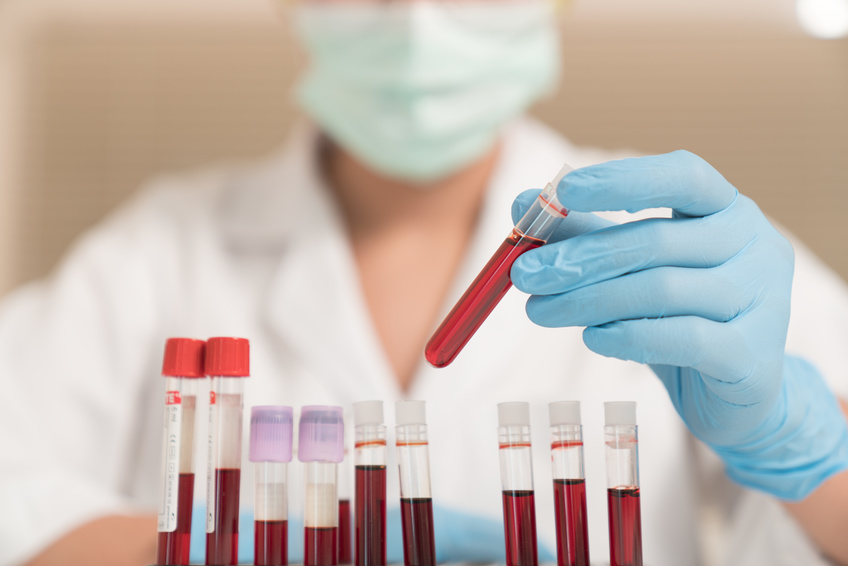
    Medical equipment. Blood testHistamine is found in foods, and also in the body. The latest research on autoimmune disease tells us that mast cells, a type of white blood cell that release histamine and other inflammation into the bloodstream, are active participants in autoimmune disease related tissue damage. Increased mast cell activity, release of histamine and other inflammatory agents, are frequently seen in autoimmune conditions like multiple sclerosis and arthritis, among others. Researchers are now exploring how understanding histamine’s role can help, but what can we do in the meantime?

    What is an autoimmune disease?

    Autoimmune and allergic disorders share key features, including that both are the result of a hypersensitive immune system gone wild. In this scenario the immune system is on high alert and misidentifying normally harmless substances. I’ve been known to compare my immune system to Arnold Schwarzenegger on the rampage with a bazooka.
    examples of autoimmune disease
    Hashimoto’s Type 1 diabetes Rheumatoid Arthritis Multiple sclerosis Lupus Alopecia Celiac Psoriasis Autoimmune disease is believed to be triggered by a number of things: genetics, hormones, and environment all play roles. The idea that stress (especially in childhood) and trauma trigger these types of disorders is now accepted by much of the medical establishment. (Though there will doctors still refute it). Women are more prone than men, especially during our childbearing years, some autoimmune diseases run in families, chemicals, solvents, viral and bacterial infections are all triggers.
    SYMPTOMS

    Because mast cells are involved, the symptoms are remarkably similar to those of mast cell activation and histamine intolerance: Fatigue Dizziness Low grade fever (excess histamine can turn up our internal thermostat to make us feel like we’re feverish. If you have an actual fever please don’t assume it’s just another weird histamine symptom).

    how are they diagnosed?

    Because it varies from one condition to the next, these tests are only a general overview: Antinuclear Antibodies (ANA) Autoantibodies Immunoglobulin A (IgA) C-reactive protein Complement test Erythrocyte Sedimentation Rate (ESR) Additionally it’s advisable to: Write a family history Track all symptoms and when they flare Be prepared to get a few opinions (don’t let them write you off as a hypochondriac)

    HOW OUR First responders END UP HURTING US

    Mast cells, and the histamine they release, are first responders in times of infection.  It’s believed that mast cells recruit neutrophils and other immune cells, and take them to places where autoimmunity is causing destruction. This activity results in an intensification of localised inflammatory response, causing and sustaining tissue damage.

    DIET & LIFESTYLE

    Having seen the number of women in Facebook Groups healing from autoimmune food protocols, all I can say is what I say with histamine: eat sensibly, don’t eliminate too many foods. Inflammation is an overall focus, as it is with histamine intolerance (unsurprising as autoimmune disease and histamine intolerance are linked by mast cells). Eliminating junk, processed foods, and cutting down sugar and wheat is a great place to start (unless your doctor says differently).You’ll find recipes full of foods with antihistamine and anti-inflammatory properties my books Anti-Recipes and The Anti-Cookbook.The research literature tells us that yoga, Tai Chi, walking, gentle hiking rather than strenuous exercise

    CLICK HERE TO CREATE YOUR OWN PERSONALISED HEALING HISTAMINE PLAN. 

    —– REFERENCES—– Nielsen, H J, and J H Hammer. “Possible role of histamine in pathogenesis of autoimmune diseases: implications for immunotherapy with histamine-2 receptor antagonists.” Medical hypotheses., U.S. National Library of Medicine, Dec. 1992, www.ncbi.nlm.nih.gov/pubmed/1362972. Schneider, E, et al. “Histamine, immune cells and autoimmunity.” Advances in experimental medicine and biology., U.S. National Library of Medicine, www.ncbi.nlm.nih.gov/pubmed/21618890. Brown, Melissa A., and Julianne K. Hatfield. “Mast Cells are Important Modifiers of Autoimmune Disease: With so Much Evidence, Why is There Still Controversy?” Frontiers in Immunology, Frontiers Research Foundation, 2012, www.ncbi.nlm.nih.gov/pmc/articles/PMC3369183/ “Autoimmune Diseases | Autoimmune Disease Symptoms | MedlinePlus.” MedlinePlus Trusted Health Information for You, medlineplus.gov/autoimmunediseases.html#cat_92.
    “Autoimmune diseases.” Womenshealth.gov, 28 Apr. 2017, www.womenshealth.gov/a-z-topics/autoimmune-diseases.
     “How to Exercise with An Autoimmune Condition.” Mark’s Daily Apple, 23 Mar. 2017, www.marksdailyapple.com/how-to-exercise-with-an-autoimmune-condition/.
  • Chicory root, an antihistamine food for histamine intolerance?

    Chicory root, an antihistamine food for histamine intolerance?

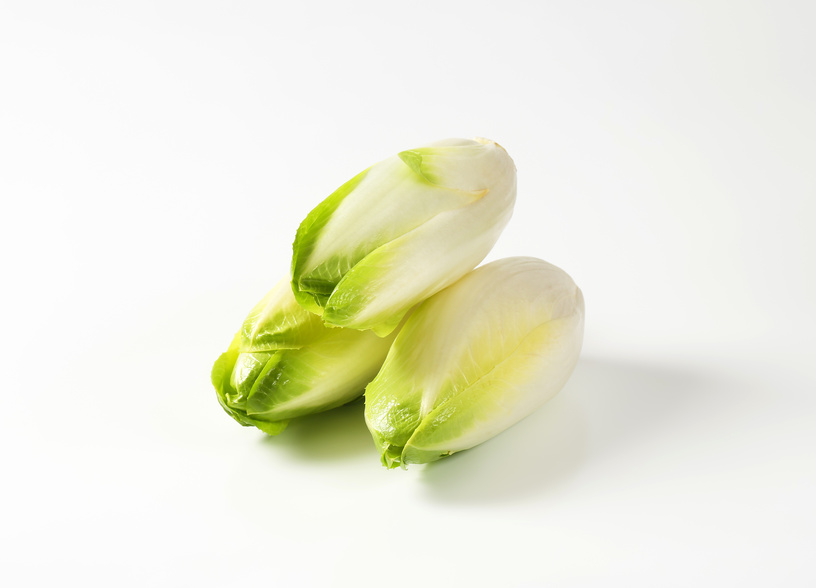
    fresh Belgian endive heads (Witloof chicory)Post updated 24/1/2018 to clarify choice of photo.  Chicory root has significant antihistamine and anti-inflammatory properties. In research studies it has even interrupted the IgE allergic response cascade, thereby preventing anaphylaxis. It has an incredible number of other benefits, and many more ways to easily be worked into our diet (like as a coffee substitute). Please remember, any food can hurt, so consult with your doctor before adding anything new, and I would not recommend that anyone try eating chicory to fight an allergic response. A more palatable way of enjoying chicory’s properties without the extreme bitterness is to enjoy chicory (pictured above) which is a high fiber, root vegetable. Its leaves are used in cooking or in salads. Fun fact: nearly all coffee consumed in India contains some chicory root. It’s an important part of Ayurvedic traditional medicine (something I keep coming across).

    CHICORY AS AN ANTIHISTAMINE & MAST CELL STABILISING FOOD

    The scientific research shows that this lovely vegetable family, which happens to be one of my all time favourites, is very effective at stopping histamine release from mast cells. This is important because mast cells are a source of histamine that could be preventing a low histamine, or histamine restricted diet, from working. Allergens, bacteria, viruses, parasites, stress, chemicals, pressure, vibration, heat, cold, all trigger the release of histamine from mast cells. So while minimising histamine intake from foods might work in the short term, preventing mast cells from releasing histamine, and other inflammatory agents that compound the symptoms of histamine, is paramount. I explain it all here.

    CLICK HERE FOR A FOUR WEEK HISTAMINE RESET WITH MEAL PLANNERS, STRESS RELIEF STRATEGIES & MORE

    CHICORY BENEFITS

    • High in fiber
    • Low in net carbs
    • Protects the kidneys
    • Protects the stomach
    • Protects the heart
    • Fights free radical damage
    • May prevent osteoporosis
    • Helps control pain
    • Helps wound healing
    • Provides the kind of fiber that beneficial gut bacteria adore

    HOW TO EAT CHICORY

    • I eat a head of chicory for breakfast, along with a handful of pecans or soaked almonds, and a few blueberries. A few ways to cook/eat it:
    • Cut in half and drizzle with a little olive oil, salt and pepper (white pepper is what I use), and lemon (people just starting out might still be reactive to lemon – read about how to manage the inflammation bucket here)
    • Chop up and serve in a salad
    • Peel off individual leaves and use to scoop up home made hummus and other dips
    • Cut into quarters and drizzle with oil, then grill in the oven
    • Cut into quarters and lightly pan cook with some other veggies or some animal protein
    • Drink as a coffee (you’ll find chicory coffee online and in health food stores)
    • Use as a powder fiber supplement (online and in health food stores)
    • Try as a substitute sweetener
    butternut squash ice cream in glass bowl with spoon

    CHICORY AS A LOW CARB and LOW glycemic sweetener

    I’ve been exploring a bunch of sweeteners recently. Today I tried baking with chicory root powder. That was not a winner. I understood why it’s used as a coffee substitute! It tasted quite bitter, but I hate coffee thankfully, but it might be an interesting option for cutting down on sugar and carbs in a recipe that calls for that flavour. What was a definite yes was an ice cream made from young Thai coconut meat, chicory root blended in, a little monk fruit powder (read the post on it here). I added in a blueberry swirl made with freeze dried fruit. I’ll share the recipe when I’m done messing with it, but in the meantime you could try adapting my creamy butternut squash ice cream recipe here. I would think you could replace some/all of the sugar with whole chicory or powdered. I’ve been seeing that commercial “healthy” ice creams are using chicory as an emulsifier. You’ll find more recipes like this in my books Anti-Recipes and The Anti-Cookbook

    CLICK HERE FOR A FOUR WEEK HISTAMINE RESET WITH MEAL PLANNERS, STRESS RELIEF STRATEGIES & MORE

      ——– REFERENCES ——–
    “INHIBITORY EFFECT OF MAST CELL-MEDIATED IMMEDIATE-TYPE ALLERGIC REACTIONS BY CICHORIUM INTYBUS.” Pharmacological Research, Academic Press, 26 Mar. 2002, www.sciencedirect.com/science/article/pii/S1043661899904747.
     Minaiyan, Mohsen, et al. “Preventive Effect of Cichorium Intybus L. Two Extracts on Cerulein-Induced Acute Pancreatitis in Mice.” International Journal of Preventive Medicine, Medknow Publications & Media Pvt Ltd, May 2012, www.ncbi.nlm.nih.gov/pmc/articles/PMC3372077/.
    Rizvi, Waseem, et al. “Anti-Inflammatory activity of roots of Cichorium intybus due to its inhibitory effect on various cytokines and antioxidant activity.” Ancient Science of Life, Medknow Publications & Media Pvt Ltd, 2014, www.ncbi.nlm.nih.gov/pmc/articles/PMC4342649/.
    Oliver, Kyra. “Why You Should Replace Coffee with Chicory Root.” Dr. Axe, 14 June 2017, draxe.com/chicory-root/.
  • Diagnosing Histamine Intolerance

    Diagnosing Histamine Intolerance

    Researchers at the  at the University of Barcelona have come up with a quick, efficient, and reliable test for histamine intolerance that yields results in just over ten minutes. While the test isn’t yet commercially available, there’s currently other ways to test histamine. Histamine intolerance is defined as an excess of the inflammatory molecule histamine. Symptoms are diverse, but are basically those of classical allergies, plus IBS, acid reflux, brain fog, hives/rash, inflammation, and many more (find them here).

    histamine intolerance tests

    Testing for histamine intolerance is a crapshoot. Some immunologists, hematologists and functional medicine doctors (like my own doctor Stephen Meeneghan at Cedars Sinai in Los Angeles), are able to order a sophisticated urine test called N-Methylhistamine. This lab test is done over 24 hours and measures fluctuating levels of histamine and its metabolites (which get left behind when histamine skedaddles). This is the test that the Barcelona team are currently improving. This test is considered more accurate than measuring the level of histamine in your blood. Because a low gut level of the histamine degrading diamine oxidase (DAO) enzyme has been implicated in histamine symptoms, testing so far has focused on measuring how much we have at the time of checking. Both histamine and DAO fluctuate wildly, and what we eat, or don’t eat, before the tests can skew the results, and many people struggle to get their doctor to order the urine test. This is why the golden standard so far has been putting people on the histamine restricted diet for four weeks and seeing if they get better. Unfortunately many people end up never regaining the foods they lose during elimination and eventually starve nutritionally and end up with more inflammation. It happened to me, here’s how I beat it.The study authors believe that one percent of the population (I would think they mean Spain) suffers from histamine intolerance.1 in 6 Americans has mast cell activation It’s worth noting that mast cell researcher and specialist Dr. Lawrence Afrin believes that one in six Americans has mast cell activation. While histamine intolerance and mast cell activation might be two different conditions (I was diagnosed with both), they both involve histamine and inflammation. Mast cells, which are a part of the immune system and found all over the body, contain histamine and other inflammatory mediators (or cytokines as they’re known) like prostaglandins, leukotrienes, interleukins and serotonin. Some, or all, are released when we’re injured, stressed, exposed to allergens, or fighting bacteria and viruses. Histamine is also found in certain foods, even healthy ones like avocado, tomato, pineapple and many others. You’ll find some useful histamine food lists here.

    Some foods trigger, others empty the bucket

    If you’ve already checked out the histamine lists and are totally confused because they seem to all contradict each other, join the thousands of others out there feeling exactly the same way. I was mystified by the lack of clarity, and also because foods that were supposedly low histamine were still really bothering me. That’s when I came to realise that tracking what was bothering me, rather than focusing on internet lists that have little validation was best. And don’t even get me started on the fact that histamine is too low in fruits and vegetables to be accurately measured (according to the testing labs I called), and that factors like how old the food is (bacteria due to spoiling causes histamine reactions), what variety it is, and what chemicals it has been exposed to (mast cells can trigger due to chemicals), are all factors that can render these lists irrelevant. There is of course a counterpoint to high histamine foods, and it’s not technically low histamine foods. It’s foods with antihistamine and anti-inflammatory properties. These foods are generally high in quercetin, rutin and luteolin, antihistamine bioflavonoids found in: cilantro, broccoli, butternut squash, zucchini and others. You’ll find recipes full of foods with antihistamine and anti-inflammatory properties my books Anti-Recipes and The Anti-Cookbook Histamine can cause, or contribute to leaky gut/intestinal permeability, so it’s no surprise that these antihistamine bioflavonoids have been shown to help. You can read more about histamine and leaky gut here.  ——- REFERENCES——- Comas-Basté, Oriol, et al. “New approach for the diagnosis of histamine intolerance based on the determination of histamine and methylhistamine in urine.” Journal of Pharmaceutical and Biomedical Analysis, vol. 145, 2017, pp. 379–385., doi:10.1016/j.jpba.2017.06.029. Afrin, Lawrence B. Never bet against Occam: mast cell activation disease and the modern epidemics of chronic illness and medical complexity. Sisters Media, LLC, 2016.  
  • Ashwagandha’s Withaferin A For Histamine Inflammation

    Ashwagandha’s Withaferin A For Histamine Inflammation

    Bottle of essential oil with herbs on white background Indian Ayurvedic “medicine” has yielded a number of interesting natural antihistamines, as well as mast cell stabilisers. The latter is a white blood cell in the body that contains histamine. It releases histamine, as needed, in times of injury or allergy. Unfortunately stress is also a histamine from mast cells trigger, but Ashwagandha might also be beneficial for soothing frayed nerves. Always check with your doctor before adding anything new to your diet.  Ashwagandha is an important herb in the practice of the ancient Indian natural medicine. It’s considered to be an adaptogenic herb, which means that it will step up and perform according to what the body needs. Animal studies show that it increases stamina and prevents adrenal gland changes in stressful situations.

    ASHWAGANDHA BENEFITS

    This herb has shown promise in animal studies for the following conditions:
    • Stress: it’s been proven to have anti-anxiety properties
    • Prevention of gastric ulcers
    • Cancer: it shows anti-tumour activity
    • Uterine fibroids: may be useful in their management
    • Memory: it enhances cognition and has been shown to be beneficial in children and the elderly with memory loss
    • Neurodegenerative disease: it’s been found useful in Parkinson’s, Huntington’s, and Alzheimer’s.
    • Depression: it boosts brain GABA
    • Improves mitochondria health
    • Is an anti-inflammatory and anti-arthritic

    ASHWAGANDHA HISTAMINE & MAST CELLS

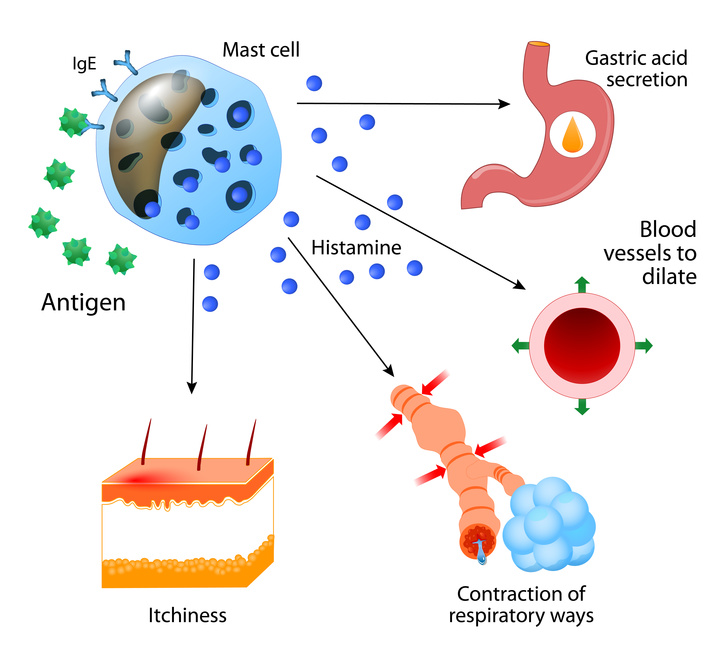
    I’ve spoken consistently about the need to look beyond histamine in controlling histamine intolerance and symptoms of inflammation. The photo below shows how mast cells contain histamine, and what happens when they’re triggered. While it’s true that histamine in foods can trigger mast cells into releasing more histamine, we need to keep in mind that histamine is only one of many inflammatory mediations released from mast cells. So focusing on an anti-inflammatory diet overall may be a better strategy. I outline my approach here.   Withaferin A, a compound found in Ashawaghandha, has been shown to prevent mast cells from releasing histamine and other inflammatory mediators when challenged by stress or antigens. It mediates the release of:
    • COX-2
    • NF
    • Interleukins
    • Histamine
    • Prostaglandins
    • Leukotrienes
    Preventing their release might be a contributing factor to Withaferin A’s effect on stress. Mast cells and histamine have been conclusively linked to depression, anxiety and schizophrenia. Which explains so much of what I’ve been through, and been diagnosed with over the years. You can read all about these mood disorders and histami e inflammation here.

    SHOULD YOU TRY IT?

    Just because something is natural, doesn’t mean it’s good for us. Especially those with mast cell and histamine disorders, so please exercise caution and definitely check with a doctor.  I’ve found that most of my readers (whom I’ve had the pleasure of connecting with) have experienced significant negative reactions to medications and supplements, even ones with antihistamine properties. I’ve personally found eating a wide variety of foods with antihistamine and anti-inflammatory properties to be very rewarding and yielded excellent results for me. But, I have begun dabbling with supplements again this last year. Keeping your histamine/inflammation bucket empty is a great starting strategy. Read about that here.

    You’ll find recipes full of foods with antihistamine and anti-inflammatory properties my books Anti-Recipes and The Anti-Cookbook

    CLICK HERE TO CREATE YOUR OWN PERSONALISED HEALING HISTAMINE PLAN. 

    ——-references—–
    Hindawi. “Withaferin A Inhibits Nuclear Factor-κB-Dependent Pro-Inflammatory and Stress Response Pathways in the Astrocytes.” Neural Plasticity, Hindawi, 21 July 2015, www.hindawi.com/journals/np/2015/381964/ref/.
     Singh, Narendra, et al. “An Overview on Ashwagandha: A Rasayana (Rejuvenator) of Ayurveda.” African Journal of Traditional, Complementary, and Alternative Medicines, African Networks on Ethnomedicines, 2011, www.ncbi.nlm.nih.gov/pmc/articles/PMC3252722/.
  • Histamine Contributes to Alzheimer’s

    Histamine Contributes to Alzheimer’s

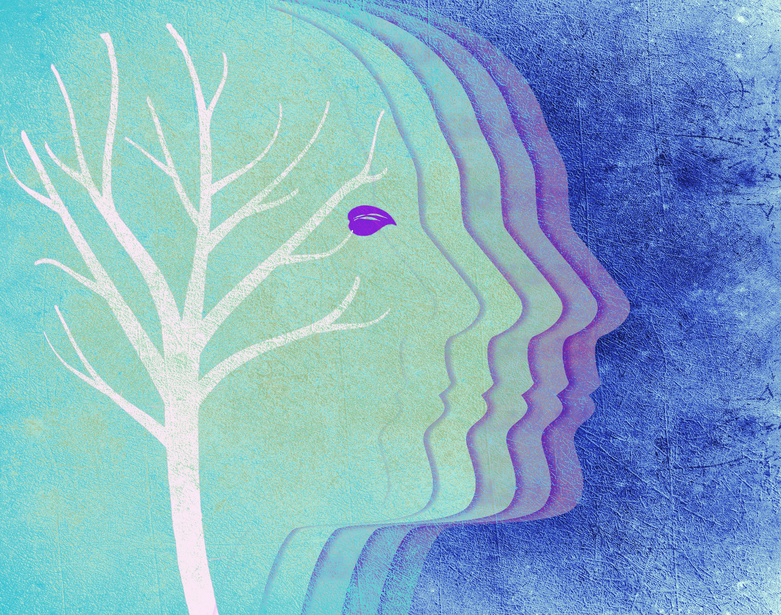
    colored human head silhouette and tree digital illustrationResearchers have suspected that brain transmitters play a role in cognitive decline for some time. Now they’ve proven that changes in brain histamine can predict oncoming cognitive defects. Read on to learn the role of histamine and inflammation as a whole on the brain, and how we can address it.

    WHAT IS ALZHEIMER’S?

    It’s a progressive disabling and ultimately lethal disorder with no permanent cure. It’s main hallmarks are a deterioration of learning and memory. We’re all pretty familiar with the symptoms by now, so I’ll spare us. Seeing my grandmother live it (and my mother’s response to it) was the hardest thing I’ve done. Alzheimer’s accounts for 50-70% of all dementia cases. While it can be genetic, as carried through the APOE4 gene, these cases represents only 5% of all diagnoses. Researchers have long followed the theory that amyloid plaque deposits in the brain are to blame, and yet have so far failed in attempts to reverse it using drugs targeting them. So the focus in recent years has shifted to focus on neurotransmitters. The glutaminergic and acetylcholinergic system* (can be affected by certain anti-cholinergic drugs) are now being investigated for a role in Alzheimer’s; while the serotonin, dopamine, and noradrenaline systems are believed to simply be casualties once the neuro-degeneration kicks in. While the root cause/s aren’t really yet understood, it’s clear so far that exercise, diet and sleep play a role. *Ask your doctor about avoiding anti-cholinergic medications that have been shown to worsen dementia/memory loss. I’ve written about it here.HOW DOES HISTAMINE FIT IN?
    1. We know that histamine is involved in how memories are made, and kept. Any kind of stress can trigger histamine release, thereby affecting memory.
    2. Histamine in excess can cause hyper-wakefulness and excite the nervous system. This is particularly relevant in Alzheimer’s patients who experience night terrors and inability to sleep.
    3. Antihistamines have been demonstrated to alleviate cognitive symptoms
    4. Mast cells are involved in Alzheimer’s  (read more here) and mast cell stabilisers (which prevent histamine release too),  have been shown to alleviate symptoms
    5. The final point relates to antihistamines that work on the H3 receptor. There are four histamine receptors and they’re found all over the body, including the brain. They’re like satellite dishes that tune in to histamine. If their signal is blocked by an antihistamine, we have fewer symptoms. But not all antihistamines work on all receptors. Claritin is an example of an H1 antihistamine, and Zantac of an H2 blocker. H3 blockers are not very commercially available yet right now. Researchers believe that antihistamine treatment can be beneficial even though it doesn’t address the root cause (which they’re not even sure of right now anyway).

    steps TO ADDRESSING HISTAMINE INFLAMMATION OVERALL

    Inflammation affects the brain. We know this. While addressing inflammation as a whole might not have a direct impact on neuro-degeneration, I’ve found that it helps with my memory in general. It’s difficult to think straight when you have brain fog after all.
    • Examine your diet for nutrient deficient high histamine foods. You can find some lists here. 
    • Start an exercise plan: walking, light yoga, anything is better than nothing. Studies show it helps prevent cognitive decline.
    • Try to work on your sleep habits: histamine can cause brain arousal late at night and stop you from sleeping. Lowering inflammation in the diet overall and eating the last meal earlier has helped me sleep much better.
    • Look at beneficial supplements: bacopa, quercetin (specifically Neuroprotek), anything that helps address inflammation.
    • You’ll find more recommendations here. 

    BENEFICIAL FOODS

    Adding in foods with anti-inflammatory and antihistamine properties may be helpful in achieving an overall state of good health and lower inflammation. These include broccoli, asparagus, butternut squash, all green herbs, artichokes, blueberries, and blackberries. That’s the foods I use in all my books, in fact there’s barely a food in any of my books that doesn’t have these properties. You’ll find recipes full of foods with antihistamine and anti-inflammatory properties my books Anti-Recipes and The Anti-Cookbook. But if you’re struggling to find foods you can eat, or dealing with multiple sensitivities, you’re probably better off putting together your own healing plan.

    CLICK HERE TO CREATE YOUR OWN PERSONALISED HEALING HISTAMINE PLAN. 

    —— REFERENCES——-
    “Histamine, mast cells & Alzheimer’s | Healing Histamine.” Healing Histamine | Histamine Intolerance Diet Foods Recipes, 7 Sept. 2017, dev.healinghistamine.com/inflammation-histamine-implicated-in-alzheimers/.
     “Neuronal histamine and cognitive symptoms in Alzheimer’s disease.” Neuropharmacology, Pergamon, 27 May 2015, www.sciencedirect.com/science/article/pii/S0028390815001884#bib9.
  • Study Finds 2 Gene Variants Cause High Histamine Levels

    Study Finds 2 Gene Variants Cause High Histamine Levels

    3D illustration of a method of DNA sequencing.

    Two studies have confirmed the link between genetic variants (genetic differences) and allergic rhinitis (chronic stuffy nose), migraine, and high histamine levels in Mexican children. This is particularly useful information if you’ve had your genes tested, but if you haven’t, read on to learn how and why you might want to.

    GENES LINKED TO EXCESS HISTAMINE

    The two studies in question found that in a group of 150 children, those with polymorphisms (meaning different to the population “normal” state of the gene) of Histamine-N-Methyl Transferase (C314T) and Diamine Oxidase (C2029G), were more likely to suffer from allergic rhinitis, or suffer more from it, as well as having more allergic diseases overall and a higher increase of migraine. I’ve written about the link between histamine and migraines here as well as what could help, here. Having both polymorphisms created a compound effect, with higher blood histamine levels than those who only had one “mutation”.

    Interestingly they did not find any association with IgE and histamine in the children – meaning that the symptoms were caused by an excess of histamine, rather than allergies (which involve IgE). I’ve long spoke of histamine being a pseudo-allergen, you can read more about that here.

    CLICK HERE TO CREATE YOUR OWN PERSONALISED HEALING HISTAMINE PLAN. 

    TESTING YOUR GENES

    To be absolutely honest, I wish I hadn’t tested mine. Doing so gave me a false sense of security and led to my delaying a breast cancer diagnosis because I mistakenly believed that my not having the BRCA gene meant I wouldn’t get it. You can read all about my mis-adventures with that here.

    So please, understand the limitations of this test. As one of my two geneticists I hired recently (UCLA & Cedars) explained, commercially available genetic testing is like looking at a chapter in a book. You need the rest of the book to really understand what’s going on. In my case more extensive (like really amazingly extensive) genetic testing revealed no cancer genes, so I’m chalking it up to chemical and radiation exposure while working as a journalist covering conflicts. The fact that I know of so far another four journalists I worked with experienced the same “rare” cancer kind of hammers that home.

    You can find a few companies offering testing online. Once you have the results, I recommend using Self Decode to translate your information from code to English, and finding a functional medicine doctor to work with.

    You’ll find recipes full of foods with antihistamine and anti-inflammatory properties my books Anti-Recipes and The Anti-Cookbook

    CLICK HERE TO CREATE YOUR OWN PERSONALISED HEALING HISTAMINE PLAN. 

    MY EXPERIENCE

    I have both the HNMT and DAO polymorphisms. Using supplements to boos the latter hasn’t done much for me, which could be because of the fillers most of them have. I’m waiting for someone to produce a pure supplement and then I’ll try it again. As you may be aware, food additives and dyes are major histamine triggers. HNMT currently has not test to confirm its levels (and the DAO test is very unreliable). In my view, we’re a long way from relying on these as diagnostic markers, though this study is promising.

    ——- REFERENCES —–

    “Association between two polymorphisms of histamine-Metabolising enzymes and the severity of allergic rhinitis in a group of Mexican children.” Allergologia et Immunopathologia, Elsevier Doyma, 30 May 2016, www.sciencedirect.com/science/article/pii/S0301054616300167

    “Association of diamine oxidase and histamine N-Methyltransferase polymorphisms with presence of migraine in a group of Mexican mothers of children with allergies.” Neurología (English Edition), Elsevier Doyma, 30 Aug. 2017, www.sciencedirect.com/science/article/pii/S2173580817301268.

  • EGCG Tea Polyphenol Chills Out The Brain, Acts as Antihistamine

    EGCG Tea Polyphenol Chills Out The Brain, Acts as Antihistamine

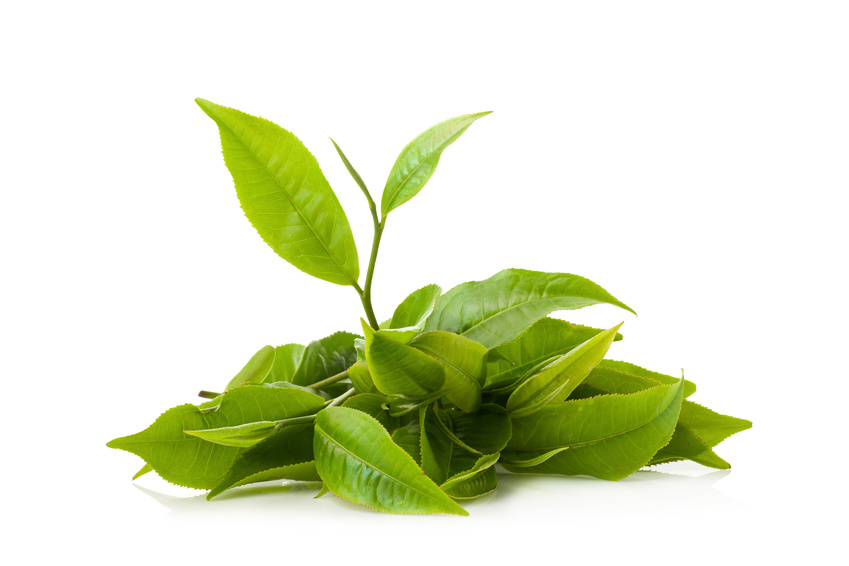
    green tea leaf isolated on white background

    “But tea is on lists as being high histamine!” you say. Let me stop you right there. Fermented tea leaves purportedly block the histamine degrading diamine oxidase (DAO) enzyme, but Camellia Sinensis (tea) leaves actually possess significant antihistamine and mast cell stabilising properties. As a bonus, much to my delight, they also act in the same way as anti-anxiety medications, chilling out the brain.

    I can attest to this, being both an ex-mega consumer of benzodiazepines like Xanax, and having been a tea devotee for much of my life. While I fought my doctors tooth and nail because I refused to believe I was manic depressive and needed anxiety meds, I reluctantly let go of my tea habit. I knew that something about tea bothered me, but thankfully once I found caffeine free Camellia blossom (rather than leaf) tea, I was in absolute heaven. Read more about that here.

    CLICK HERE FOR A FOUR WEEK HISTAMINE RESET WITH MEAL PLANNERS, STRESS RELIEF STRATEGIES & MORE

    ANXIOLYTIC BENEFIT

    Theanine found in tea induces a brain state similar to that of meditation, which might account for the British answer to any kind of upheaval being a good cuppa tea. The news that EGCG in camellia leaves exerts an anti-anxiety effect on the brain much like that of xanax and valium (benzodiazepines), was a nice bonus indeed. Can one become addicted to it? I’ve been drinking tea all my life and never had an issue stopping, except for a headache here and there.

    Interestingly, researchers found that in animals, EGCG can reverse the over stimulatory effect of caffeine on the central nervous system, and that it works by modulating GABA in the brain. I’ve written about GABA and histamine’s  role in addiction and compulsive behaviour here.

    Studies show that the anti-anxiety effect is so strong that it can actually put animals to sleep, but I have not personally experienced this myself. Though I sometimes drink up to five cups of camellia blossom tea, and do feel amazingly relaxed, it doesn’t make me sleepy (but you might have a different experience).

    EGCG ANTIHISTAMINE BENEFITS

    Phenolic compounds in tea leaves have been shown to possess significant antihistamine properties. Unfortunately, the caffeine would leave me so jacked up that I didn’t know what to do with myself, other than walk around with my hands balled up into fists and just generally making a nuisance of myself  if not properly occupied.

    Please don’t forget though, even foods with antihistamine properties can negatively affect us, so please always check with a doctor before adding anything new to your diet.

    All in all, the biggest difference in my anxiety turned out to be switching diets and adding in nutrient dense foods with antihistamine and anti-inflammatory properties.  You’ll find recipes I used to fight histamine inflammation in my books Anti-Recipes and The Anti-Cookbook

    CLICK HERE FOR A FOUR WEEK HISTAMINE RESET WITH MEAL PLANNERS, STRESS RELIEF STRATEGIES & MORE

    ——-REFERENCES——–

    Vignes, Michel. “Anxiolytic Properties of the Green Tea Polyphenol (−)-Epigallocatechin Gallate.” Tea in Health and Disease Prevention, 2013, pp. 1399–1409., doi:10.1016/b978-0-12-384937-3.00117-8.

    Adachi, Nami, et al. “(−)-Epigallocatechin gallate attenuates acute stress responses through GABAergic system in the brain.” European Journal of Pharmacology, vol. 531, no. 1-3, 2006, pp. 171–175., doi:10.1016/j.ejphar.2005.12.024.

    Park, Kwang-Soon, et al. “(−)-Epigallocatechin-3-O-Gallate (EGCG) reverses caffeine-Induced anxiogenic-like effects.” Neuroscience Letters, vol. 481, no. 2, 2010, pp. 131–134., doi:10.1016/j.neulet.2010.06.072.

    Fujimura, Yoshinori, et al. “Antiallergic Tea Catechin, (−)-Epigallocatechin-3-O-(3-O-Methyl)-Gallate, Suppresses FcεRI Expression in Human Basophilic KU812 Cells.” Journal of Agricultural and Food Chemistry, vol. 50, no. 20, 2002, pp. 5729–5734., doi:10.1021/jf025680z.

  • Stressing Tinnitus in Histamine Intolerance

    Stressing Tinnitus in Histamine Intolerance

    ear muff to protect workers' ears

    The cause of tinnitus: that constant electricity-like hissing that has driven the best of us to complete despair and madness, is no longer a mystery to researchers. Unfortunately, treating it isn’t as simple as swallowing a pill (or nutraceutical).

    Histamine and tinnitus

    There are four histamine receptors, and they’re found all over the body, including in the brain, and ears . Because of the location of these receptors, histamine has long been suspected as a cause of dizziness and Menieres disease over the years. These same histamine receptors have also been targeted to try and alleviate tinnitus, without much success. It turns out that stress, anxiety and depression are (at least partially) to blame for that blasted sound that’s driven me (and many of this blog’s readers) absolutely nuts for decades.

    An alarm?

    One study in particular suggests tinnitus is an “alarm bell”, warning the patient that something potentially dangerous for “homeostasis” is going on. In the case of histamine intolerance, could this alarm bell be warning us that inflammation is on the rise? That certainly seems to have been the case for me. I’ve always said that the first sign something is amiss is the shrill in my ears (or head as it were). One of the biggest mistakes I’ve ever made was taking a 10 hour flight with noise cancelling ear pieces that did not connect to a iPod. I spent the entire flight with the plane noice filtered out, which only served to enhance the insanely loud tinnitus (flying triggers histamine release).

    What happens when the alarm bell doesn’t switch off?

    According to one study, the tinnitus could “become a disabling symptom” when the subject is chronically exposed to a stress factor and is unable to switch off the alarm. This happens as the amygdala becomes hyper-reactive and sufferers become less sensitive to cortisol.

    Examples of this would be:

    • Living in a stressful house
    • Having a small child/children
    • Noise from upstairs neighbours
    • Losing a job
    • Being bed bound
    • Or, eating high histamine foods over and over that trigger inflammation and cause the body alarm

    Switching off tinnitus

    I’ve found a number of ways to switch off tinnitus, some of which I’m pleasantly surprised to now see backed by scientific findings.

    Meditation: lowering overall stress levels has been amazing for addressing what was a daily, and unbearable occurrence. When tinnitus hits, I go to a quite place and take a few minutes to calmly breathe. Works every time.

    Visualisation: I came up with one that took me back to Kenya. There I was led to a magical tree by a Masai warrior (as I was in real life!) which had antihistamine properties. In my visualisation I would cup my hands to receive oil from the tree and smooth it over my head, neck, ears, and the rest of my body, to soothe inflammation. Works like a charm. I added this as a freebie on my Healing the Brain to Heal the Body workshop here.

    Diet: lowering my overall intake of histamine foods made an incredible difference. I can easily measure the effect of a food on my body by the decibel level of the tinnitus.

    You’ll find recipes full of foods with antihistamine and anti-inflammatory properties my books Anti-Recipes and The Anti-Cookboo

  • Tart Cherries: Better than Aspirin for Inflammation

    Tart Cherries: Better than Aspirin for Inflammation

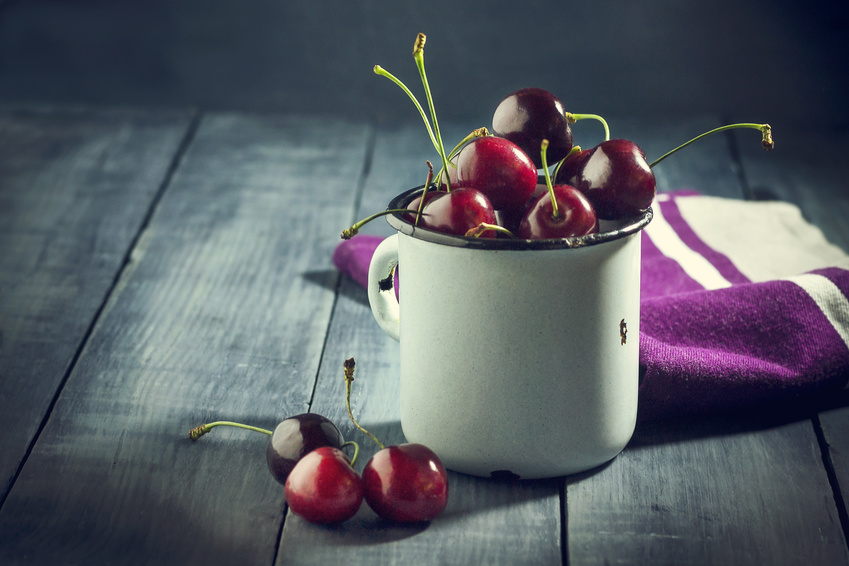
    Ripe cherries in an iron mug on a dark blue wooden background. With copy space.

    Cherries have amazing anti-inflammatory properties, but also quite a bit of sugar. The sweet stuff isn’t great for fighting histamine (or any other) inflammation. That’s where tart (or sour) cherry come in. Not only do they have all the inflammation and cancer fighting compounds as their sweeter cousins, but research tells us tart cherries are better anti-inflammatories than aspirin. 

    Why write about inflammation rather than histamine?

    I’ve been encouraging readers for years to look beyond histamine, which is just one of many inflammatory agents found in the body. These inflammatory molecules are kept from the bloodstream till needed for healing, but once they’re unleashed, if they’re not properly broken down, or if the inflammation just keeps going, we’re likely to have symptoms of excess inflammation. This includes the histamine symptoms we’re unfortunately all too familiar with. If you’re not, check out my posts on symptoms and how to get a diagnosis. So basically, what we want to do is lower inflammation as a whole, rather than just eliminating high histamine foods willy nilly. I explain how to do that here and you’ll find recipes full of foods with antihistamine and anti-inflammatory properties my books Anti-Recipes and The Anti-Cookbook.

    Are cherries high histamine? I’d have a nervous breakdown if I looked to the various histamine in foods lists on the internet. I see various posts on all stone fruit being high histamine (absolutely not in my own experience and that of most of my readers), and red fruits being higher. The answer is, it doesn’t matter what the lists say. Your doctor and your body are the ultimate authority, and removing foods for no other reason than it was on an internet list, leads nowhere good. It led me to starvation and orthorexia (a type of anorexia where food is demonised).

    health benefits of tart cherries

    I write quite a bit about how I believe we’ve made a mistake in the histamine community in just focusing on this one type of inflammation. There are so many other types, and so many foods and supplements that can help. Anything that can help empty out the inflammation bucket is worth a look.

    • Cherries address COX and prostaglandin inflammation
    • Can reduce cardiac inflammation and stroke risk
    • Anti-oxidants in tart cherries are more anti-inflammatory than aspirin
    • Have been shown to prevent tumour growth in animal studies
    • May help prevent dementia
    • Are high in melatonin, which can help regulate the sleep cycle
    • Can help treat arthritisNUTRIENTS

    As far as sugar content goes, cherries aren’t on top of the list by any means. They have between 13 and 18 grams of sugar, and have a low glycemic index. Studies show they have incredible anti-inflammatory properties (but you can still be allergic to them or react if your inflammation bucket is full). Cherries are high in anthocyanins, the stuff that gives blueberries their colour, and are amazingly delicious. I eat my cherries and use a tart cherry powder (you can find many online).

    • High fiber content
    • Low-ish sugar (compared to other fruits)
    • Great source of vitamin C (which has antihistamine properties)
    • Anti-oxidants (these also help lower histamine inflammation

    HOLD UP THOUGH

    The Environmental Working Group has listed cherries as part of their “dirty dozen” foods that are most likely to contain pesticides. While I can’t buy everything organic, I do definitely follow this list. Frozen fruits and vegetables are often cheaper, and so I stock up either online or at Whole Foods 360 (their less expensive retail outlets).

    You’ll find recipes full of foods with antihistamine and anti-inflammatory properties my books Anti-Recipes and The Anti-Cookbook

    ——– REFERENCES ——

    Ewg. “EWG’s 2017 Shopper’s Guide to Pesticides in Produce.” EWG, www.ewg.org/foodnews/dirty_dozen_list.php#.Wdg-MRNSyRs.

    “Cyclooxygenase inhibitory and antioxidant cyanidin glycosides in cherries and berries.” Phytomedicine, Urban & Fischer, 10 Nov. 2004, www.sciencedirect.com/science/article/pii/S0944711304700525.

    Babcock, Christine. “Benefits of Cherries: Weight Loss, Gout Healing & Less Inflammation.” Dr. Axe, 21 June 2017, draxe.com/benefits-of-cherries/.

  • Curcumin for Histamine Migraines

    Curcumin for Histamine Migraines

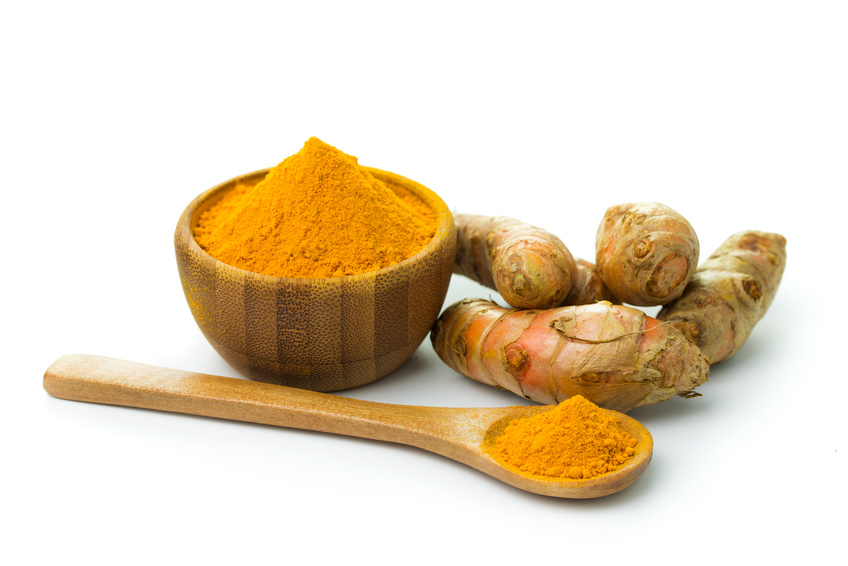
    Turmeric and turmeric powder on white background

    Nearly 15% of all people on the planet suffer from migraines. Researchers have known that

    histamine can cause, or worsen these terrible headaches for some time, but have now discovered that curcumin, an antihistamine and anti-inflammatory compound in turmeric root, can help prevent them. (But read on for the downside too please). In the same vein, ginger, also a member of the Zingiberaceae family, prevents migraines as efficiently as the pharmaceutical sumatripan. 

    Removing high histamine foods that aren’t particularly nutritious from my diet eliminated the “my head is going to explode while I am violently sick in the loo” migraines that plagued my childhood and teens. But still headaches have come and gone, being just annoying enough for the research to continue all  the way to curcumin.

    I’ve written about how effective a mast cell stabiliser and antihistamine turmeric is, and how excited I was to confirm that its active constituent curcumin is low oxalate here. I recently began taking it, warily at first, because curcumin is not supposed to work for me. There’s a number of reasons: it’s supposed to lower the function of the histamine degrading DAO enzyme, and it blocks the MAO-B enzyme, which is also a problem for me. To find out your enzyme genetic status, try taking the 23 and Me test and then use something like SelfDecode to analyse the results. 

    I’ve been including turmeric as an optional ingredient in many of the recipes I used to get my histamine inflammation under control, but I found the curcumin particularly effective.

    You’ll find recipes full of foods with antihistamine and anti-inflammatory properties my books Anti-Recipes and The Anti-Cookbook

    WHAT IS A MIGRAINE?

    These headaches are moderate to severe, typically affect half of the head, regularly pulsate, and last up to three days. Nausea, vomiting, light and smell sensitivity, are common. Physical activity usually makes things worse (oh boy does it). Common treatments are pain medications, specific migraine meds like ergotamines, anti-nausea meds, and avoidance of triggers (mine were foods).

    WHAT CAUSES THEM?

    Genetics: It’s estimated that up to two thirds of all cases run in families.

    Hormones: Migraine risk decreases during pregnancy.

    Histamine: this neurotransmitter can either trigger migraines outright, or make existing ones worse, or last longer.

    CURCUMIN (TURMERIC) & MIGRAINE

    A recent study outlines that there are many migraine trigger mechanisms, among them, irregularity of the trigeminovascular system, serotonin deficiency and mitochondrial dysfunction. The authors tell us that the addition of curcumin/turmeric to the diet, or supplementation, with magnesium, can alleviate  migraines related to these causes. Magnesium and curcumin also have antihistamine properties. Just four days of suboptimal magnesium intake was found to significantly raise histamine levels in animal studies. Read more here. 

    Another study found that ginger, which is in the same family as turmeric, relieved the symptoms of migraine just as well as the pharmaceutical sumatripan.

    MY EXPERIENCE

    I’ve avoided turmeric for years. I finally took the plunge after surgery, finding that within just a few days the inflammation was nearly gone. A few months later, I burned my had badly (second grade) and the pain was relentless. My usual fallback is meditation, but after a day spent entirely in meditation trying to deal with the pain, I instinctively made myself a lentil curry with a curcumin pill (because they are lower oxalate than turmeric). I just opened up a capsule into my food. It’s a personal choice to add to foods rather than isolate compounds. I believe that all these wonderfully healing foods work well together to create the magic. That’s the philosophy I use in everyday cooking.

    You’ll find recipes full of foods with antihistamine and anti-inflammatory properties my books Anti-Recipes and The Anti-Cookbook

    CLICK HERE TO CREATE YOUR OWN PERSONALISED HEALING HISTAMINE PLAN. 

    ——– REFERENCES ———

    “Migraine.” Wikipedia, Wikimedia Foundation, 4 Oct. 2017, en.wikipedia.org/wiki/Migraine.

    Maghbooli, M, et al. “Comparison between the efficacy of ginger and sumatriptan in the ablative treatment of the common migraine.” Phytotherapy research : PTR., U.S. National Library of Medicine, Mar. 2014, www.ncbi.nlm.nih.gov/pubmed/23657930/.

    Almeida, Mariana Corrêa De. “Efeitos do processamento por radiação em espécies da família Zingiberaceae: açafrão (Curcuma longa L.), gengibre (Zingiber officinale Roscoe) e zedoária (Curcuma zedoaria (Christm.) Roscoe).” doi:10.11606/d.85.2012.tde-03042012-100652.

GET STARTED HEALING HISTAMINE

WHAT YOU NEED TO KNOW ABOUT HISTAMINE DELIVERED TO YOUR INBOX