
Author: healing

  • Histamine & Salicylic Acid (Salicylate) Intolerance

    Histamine & Salicylic Acid (Salicylate) Intolerance

    White pills in a bottle

    Did you know that aspirin can trigger non-allergic mediated reactions? Or that salicylic acid found in most plant foods can cause histamine release, or compound histamine related inflammation? It’s a conundrum I faced when first starting out on the histamine intolerance diet: why was I still reacting to foods once the high histamine foods were eliminated? The answer was salicylic acid. Thankfully it was temporary. Here’s what science tells us.

    ASPIRIN INTOLERANCE

    Medical literature tells us that salicylic acid found in aspirin can cause an allergic-like response. This is particularly true in asthmatics, but we’re told that dietary salicylic acid does not contribute to this hypersensitivity. I’m sure there’s people reading this right now who may feel otherwise, please do leave a comment below if so.

    SALICYLATE INTOLERANCE

    Salicylates derived from salicylic acid are found in plants, where they function as an immune hormone and preservative. They are also a plant defence mechanism, protecting against disease, predators and harmful bacteria.

    In the case of salicylate intolerance, at least in my experience and in the medical literature regarding intolerance to sals medications, lowering intake (but not eliminating), and a slow process of desensitisation have been shown to be effective.

    Research published in the journal of Clinical Biochemistry found that asthmatic patients with an excess or dysregulation of arachidonic acid (due to lack of omega 3 fatty acid intake, or eating too many inflammation promoting foods), or who had elevated levels of prostaglandin D2 (which is released by mast cells along with histamine), a lack of prostaglandin E2 (a “good” anti-inflammatory agent), were more likely to negatively respond to salicylic acid in medications (though I have not found comparable studies on dietary salicylates).

    The take away here is that inflammation has many sources: histamine, prostaglandins, salicylates, oxalates, and they all build on each other. Remove one and things might improve, for a while, but until we address the core issue, we’re not likely to get very far. More below…

    WHERE ARE SALICYLATES FOUND?

    In plant foods: avocado, apples, melon, cherries, grapefruit, watermelon, sweet potato, cucumbers and others.

    Cosmetics: most commercial brands contain salicylic acid to help exfoliate skin, or even in perfumes, toothpaste etc.

    Medications

    Preservatives

    It’s important to note that like with histamine and other intolerances, dose is relevant. Though histamine is no longer something I go out of my way to avoid, I do keep the intake to reasonable levels. So while I will eat avocado, I will not eat an entire one, nor will I do it in a meal that includes other high histamine foods. And I definitely take care to eat it smothered in foods with antihistamine and anti-inflammatory properties.

    I try not to go overboard anymore with any one food group. Sadly elimination diets encourage over reliance on other food types that could end up making the situation worse.

    HOW ARE HISTAMINE & SALICYLATES LINKED?

    The problem with eliminating any group of foods is that you end up adding more of something else. In my initial efforts to get healthy, I loaded up on salicylates and oxalates found in plant foods. It’s simple: I went nuts. I went totally gonzo on my health quest and histamine elimination. And I became more reactive as a result, partly because I added other compounds that have the ability to irritate sensitive individuals, because I hadn’t taken time to address my gut issues (more on how histamine causes leaky gut here), and because I removed so many nutrients from my diet that the body started falling apart.

    On the one hand we have the issue that salicylates trigger histamine inflammation, but these are the very foods that also possess antihistamine and anti-inflammatory properties. It’s a tough issue, until we consider the inflammation bucket concept.

    By lowering my inflammation overall, I became less sensitive to histamine, salicylates and oxalates.

    Because I realise that salicylates can be a short-term problem for many people, I’ve added a low salicylate 7 day meal planner to my Histamine Rest program. It was created to help take the stress out of eating, and includes lifestyle changes that are proven to help fight inflammation, including some optional very basic and short stress relief techniques.

    THE INFLAMMATION BUCKET
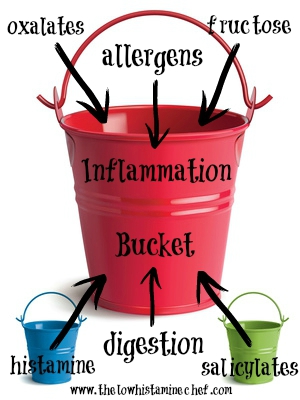
    As I outlined in my previous post on multiple food intolerances occurring together naturally, for many of us healing inflammation isn’t about the magical supplement, or finally cutting out the “right” food group. It’s a multi pronged approach that incorporates body and mind. When we’re sensitive and the gut is compromised, anything can (and usually will bother us). This doesn’t mean it’s always going to be the case, but rather that we need to look at each individual component as a healing building block.

    Histamine, salicylates and oxalates all build on each other, creating more inflammation. Remove one and the inflammation might go down, but as we continue cutting and cutting foods from the diet, we’re left with a collapsing house of cards.

    A short elimination combined with keeping problem foods on a longer rotation is healthier in the long term. That’s why I built my histamine reset program to be adaptable, with all recipes interchangeable. I encourage people to strip down recipes to the basics. I often just eat a few chicory (which is a prebiotic food and has antihistamine properties), plus a handful of berries and a few nuts for breakfast. It can be that simple, something I cover in the course and all over this blog.


  • Getting Back on Track After Histamine Derailments

    Getting Back on Track After Histamine Derailments

    New House Building Project. Construction Contractor Worker in the Middle of Future Balcony Entrance Preparing For the Next Move. Home Builder.

    It was great while it lasted, wasn’t it? But now there’s the fall out to deal with. The good news is that the longer we’ve been healing for, the shorter the fall out, and that’s thanks to a concept called the inflammation bucket. Here’s my top five tips quick and easy tips for getting back on track in record time.

    1. STOP BEATING YOURSELF UP & PUT THE LOGIC CAP ON

    I read somewhere that the human psyche has a finite amount of will power, and if we’re faced with constant temptation, eventually we run out. Sounds about right to me!

    So if it’s a foregone conclusion that the dam is going to bust at some point or another, why not enjoy it, rather than spend days flagellating ourselves for this perceived transgression.

    Elimination of foods isn’t supposed to go beyond a few weeks at the most. I explain that here in my free online workshop. If it does, there’s no wonder that at some point we totally lose it and go gonzo on those cookies. If then elimination is not a constant state of affairs, then eating what you want isn’t a cardinal sin. It’s a fleeting moment of sinful pleasure, one that living and enjoying life is all about. Because a life without treats is a life sentence of misery. I’ve been there and it’s not a pretty sight for you or those who love you.

    You may just be starting out on this journey and thinking it’s callous of me to be casually talking coming off the venerated low histamine diet, even for a moment. Sure, there’s a time we need to micromanage what we eat, but it passes. The key is to understand how to empty out the inflammation bucket (read more about that here) and to balance the histamine triggering foods we eat (full lists here), by adding lots of foods with antihistamine and anti-inflammatory properties (here’s four weeks of menus and a full program to take the stress out of healing histamine).

    We’re going to eat crap once in a while, and that’s ok. Just try to hold on to that happiness you feltas you indulged, rather than scrunching up your entire body and mind into a ball as you contemplate the seemingly agonizing route back to where you were.

    Sure, it could really s@ck, but it will pass. It always has right? You’ve never stayed this reactive forever have you? If it feels like you’re stuck in this place, please consider keeping a journal with a little note on how you’re feeling every day so there’s proof that there are in fact times you’ve felt better than right now.

    Please be safe though and take any meds you need, or go see a doctor. Not everything should be attributed to histamine.

    2. PUT TOGETHER A GAME PLAN

    • The first thing to do is grab a piece of paper and pen.
    • Make a list of meals/foods that have made you feel well in the past.
    • Draw up a shopping list.
    • If going to the supermarket is overwhelming right now, or if you’re worried the wheels’ll come off again, just order online. Amazon has a great selection of healthy, organic foods, delivered right to your doorstep.
    •  

    3. GO HARDCORE (FOR A SHORT TIME)

    Stick to your guns, and really focus on getting in as many healing nutrients as you can. Minimise eating out, no cheeky licks of whatever you’re baking or cooking for the rest of the family, and definitely avoid the temptation of having lots of foods in your fridge that you don’t want right now. Easier said than done when living with other people, but you could hide the foods that tempt you, place a paper towel over them in the fridge, or just slyly don’t buy them. It’s really easy to cook lower histamine foods for yourself and just add a ton of seasoning/mustard/soy/teriyake sauce for the others. I share a lot of examples in the Anti-Recipes cookbook.

    I tend to focus on very green soups and smoothies (not suitable for those with salicylic acid intolerance).

    4. INCORPORATE SOME MINDFUL MOVEMENT

    A huge part of my healing histamine has been getting my butt off the couch. I’m not an innate regular exerciser. It’s taken me years to understand that how I exercise influences my reaction to histamine foods, for better and for worse. Cardio exercise has been shown to temporarily release histamine and other inflammation for up to 72 hours, before exerting an anti-inflammatory effect, which is why it’s a part of my healing histamine reset program. Read all about histamine and exercise here.

    5. KNOW WHEN TO LOOSEN THE REIGNS

    You’ve been at it for a while and are beginning to feel better. So that means sticking with the super strict approach is going get you feeling even better the longer you’re on it right? Not necessarily. I found that the longer I restricted, the more reactive I became, not just to histamine, but everything in general. It could be a combination of nutrient restriction, eating more of other foods that then become problematic (salicylates, oxalates, fructose), mental stress from living a life so tightly controlled, and possibly the body producing more histamine if it suddenly finds there’s a “shortage”. That’s based on the idea of the rebound effect, particularly antihistamine nasal spray.

    My 4 week histamine reset plans it all out for you and features a 7 day extra low histamine vegan meal planner that you can add your preferred protein to. It’s a planner that you can keep coming back to as many times as you need to.

  • Boost Good Gut Bacteria Without High Histamine Ferments or Probiotic Supplements

    Boost Good Gut Bacteria Without High Histamine Ferments or Probiotic Supplements

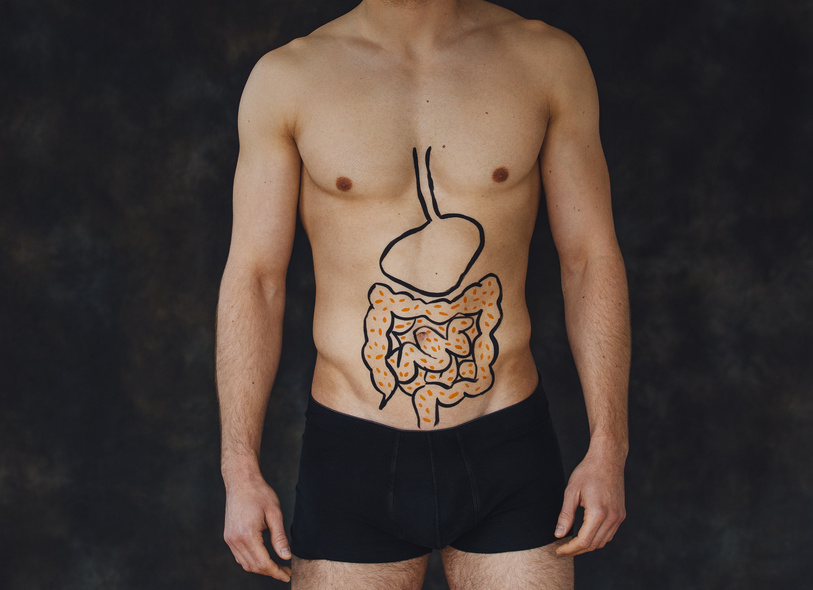
    Close up shot of a mans torso. He has a painting of intestines on his body.

    Getting back on track after a major fall off the good health wagon is usually a bit of a slog. But it turns out there’s a really easy way to reboot our gut bacteria after the holidays, a few rounds of antibiotics, or just generally not looking after ourselves. With fermented foods off the menu for most with histamine intolerance, two new studies offer a brilliant alternative to boosting our good gut bacteria naturally, without any histamine triggering supplements. All references at the bottom of post.

    SCIENTISTS MAKE GUT BACTERIA BREAKTHROUGH

    These two studies, one on mice and another on humans, were designed to isolate exercise-induced gut bacteria changes from diet and antibiotic use, as well as other factors that could affect the gut bacteria. 

    In one study, scientists transplanted poop from mice who were exercised or sedentary, into mice lacking gut bacteria. The gut bacteria of the mice getting the fecal transplant mirrored their donor’s exercised or sedentary gut bacteria. Mice that benefited from the exercised mouse gut bacteria had a higher percentage of butyrate bacteria. Butyrate is a short-chain fatty acid that promotes healthy intestines and mediates inflammation. Though you can supplement this fatty acid, moderate exercise may be a better bet for those of us with histamine intolerance and mast cell activation. Here’s why.

    HUMAN TRIALS BACK ANIMAL STUDIES

    The second study scientists followed changes in the microbiome of people as they made the transition from couch potato to exercisers and then back again. Patients were put on 30-60 minutes of cardio exercise just three times a week for a month and a half. Good gut bacteria that fights inflammation went up, and then down again when test subjects stopped exercising.

    While the researchers found heavier subjects had a greater increase in gut bacteria, exercise is in my view an integral part of the healing histamine process. That’s why I include it in my 28 day histamine reset.

    BUT EXERCISE MAKES ME SICK, WHY?

    If you’ve had problems exercising in the past, it’s likely that your inflammation bucket was just too full to add anymore in.

    Exercise causes a temporary spike in inflammation of up to seventy two hours, before having an all-over anti-inflammatory effect that’s wonderful for us. If you’re already spilling over inflammation-wise and your histamine symptoms are going bananas (histamine pun intended), adding that extra three days of inflammation as your muscles heal themselves, might cause further symptoms of inflammation.

    Over the years I found research on the right type of exercise and how often to do it. You can read that post here. 

    I REALLY CAN’T EXERCISE, WHAT ELSE CAN I DO?

    While exercise and diet have managed my gut issues, there is a liquid called Restore by Zach Bush that has some really interesting research behind it. The totally preservative free liquid has been shown to tighten the T junctions that keep bacteria and germs in our stomach away from our blood stream, which is what leaky gut is all about.

    Eating prebiotic fiber has worked really well for me. In particular chicory root is an excellent good bacteria food that also happens to have antihistamine properties. You’ll find a post on that here. And here’s a four week course & meal plan to take the stress out of healing histamine.

    ———— REFERENCES ————

    1. Jacob M. Allen, Lucy J. Mailing, Grace M. Niemiro, Rachel Moore, Mark D. Cook, Bryan A. White, Hannah D. Holscher, Jeffrey A. Woods. Exercise Alters Gut Microbiota Composition and Function in Lean and Obese Humans. Medicine & Science in Sports & Exercise, 2017; 1 DOI: 10.1249/MSS.0000000000001495
    2. J. M. Allen, L. J. Mailing, J. Cohrs, C. Salmonson, J. D. Fryer, V. Nehra, V. L. Hale, P. Kashyap, B. A. White, J. A. Woods. Exercise training-induced modification of the gut microbiota persists after microbiota colonization and attenuates the response to chemically-induced colitis in gnotobiotic mice. Gut Microbes, 2017; 1 DOI: 10.1080/19490976.2017.1372077
    3. ScienceDaily, ScienceDaily, www.sciencedaily.com/releases/2017/12/171204144757.htm.
       
  • CRF1 stress receptor triggers immune system release of histamine

    CRF1 stress receptor triggers immune system release of histamine

    This holiday season please keep in mind that scientists have confirmed that stress triggers the immune system into releasing histamine. So if we want to eat more of the stuff we love, best to figure out how to manage it stress, or make wiser choices as we navigate this tricky season. If you’d like some help eating well, there’s two free holiday ebooks with every purchase in my online store till Dec 31st.

    A study published in the Journal of Leukocyte Biology has found that stress, through signalling of corticotropin-releasing factor, causes white blood cells to release histamine. Yes indeed, histamine is not only found in foods, but also in the body already. That’s why simply eliminating histamine from the diet isn’t going to do much for us.

    The cells that release histamine are called mast cells, and they’re found all over the body. This is why those of us with histamine intolerance (and mast cell activation) can have dozens of rotating symptoms. Here’s a bunch of histamine intolerance symptoms.

    CRF1 TRIGGERS MAST CELLS, CAUSES DISEASE

    What’s new about this research is the finding that a particular receptor known as CRF1, which is expressed on mast cells, is a master regulator of mast cell activation and subsequent histamine release. Normal mice in their study who were exposed to stress suffered from stress related disease, while mice bred to be deficient in mast cell CRF1 experienced less disease and stress to their immune system.

    In English now: stressful events cause immune cells to release inflammation into the blood stream. The problem is that nowadays stress is all around us, and might not be caused by an accident or trauma to the body that requires histamine and other inflammatory agents. And that’s the whole problem, most people believe that histamine is a bad thing. Having histamine floating around is only a problem if it’s not needed for healing (because it was triggered by stress), or if it was ingested from high histamine foods and the body wasn’t capable of degrading and flushing it out (either because we lack the DAO enzyme or our liver is compromised).

    The researchers believe that understanding the role of CRF1 will help fight allergies, gastrointestinal disease and asthma in the coming years, but that this could offer new targets for stress relief.

    “Dear Santa, all I want for Christmas is…”

    HOW STRESS MAKES US SICK

    Digestion is inhibited during stress, once it kickstarts again, we could experience a surge in digestive activity, which may trigger ulcers

    Stress triggers mast cell CRF1 receptors, releasing histamine and causing allergy-like symptoms.

    It can raise blood pressure, increase blood cholesterol levels (thanks to adrenaline and noradrenaline’s effect on fatty acids), and there is of course concern that the immune system will burn itself out constantly responding to stress cues and not be able to fight when we really need it.

    CRF1 ANTAGONISTS IN THE MAKING

    The relationship between stress related mast cell CRF1 activation and immune system dysfunction (which includes histamine release), researchers are working hard on drugs that can interrupt CRF1 signalling. They think it’ll help prevent the ravages of stress on the body, as well as treat anxiety, depression and drug addiction.

    Though the results have been mixed so far, antalarmin (got to love that name), has shown anti-inflammatory effects and may one day be useful in treating arthritis and stress induced gastric ulcers.

    MANAGING CRF NATURALLY

    Lifestyle: meditation, yoga, singing, regulating your sleep cycle, doing what you truly enjoy. I’ve found it also really helps to say no to things you know you don’t like doing, and of course, keeping really negative people at bay. This was hard to do when I was the negative one and literally couldn’t escape myself. That’s where brain retraining really helped me.

    I cover all this and more in my free online workshop here. Diet: bioflavonoids like quercetin that prevent mast cell activation and histamine release are found in brightly coloured vegetables and fruits. Tea polyphenols can have the same effect as benzodiazepines (like Xanax) on the brain, and yes, there’s a histamine friendly way to enjoy tea. And the anti-inflammatory effects of olive oil, omega 3 fatty rich salmon (fine for histamine if you have it super fresh) make them a great choice. I cover all this and more in my free online workshop here.

    ———- REFERENCES ————

  • Skullcap Prevents Histamine Release & Helps Runny Nose

    Skullcap Prevents Histamine Release & Helps Runny Nose

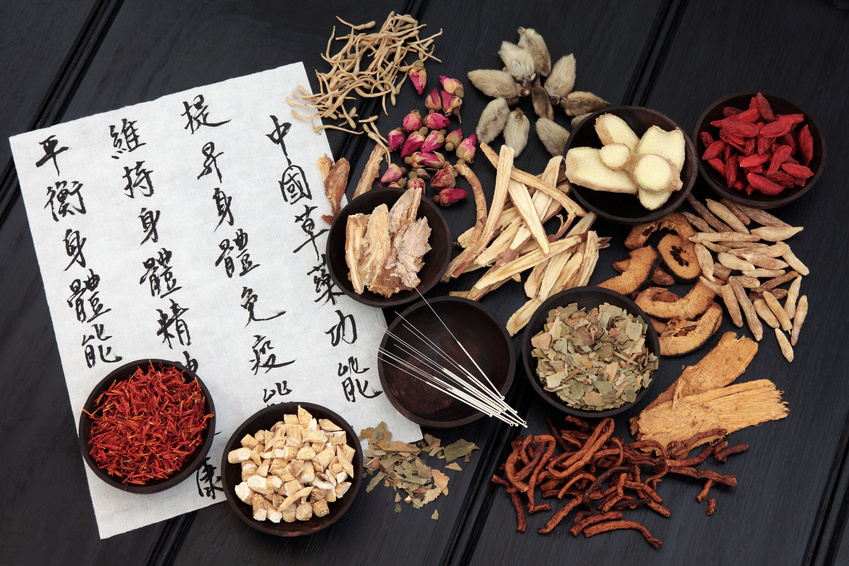
    Traditional Chinese Medicine

    Chalk another one up to traditional medicine. Skullcap Baicalensis, a herb used in Chinese healing, has been used for over 200 years as a relaxant, to fight anxiety, and convulsions. Now we’re getting confirmation that it works to prevent runny noses triggered by mast cells and histamine, making it worth looking into for histamine intolerance. It’s worth knowing however that there’s two main kinds of skullcap, and they have differing properties.

    Please consult with a medical professional before adding anything new to your diet and remember that even natural herbs have side effects, especially for those with immune system dysfunction. 

    There are two main types of skullcap. Both have benefits, but the Chinese herb is the main focus of this post.

    AMERICAN SKULLCAP

    This herb has significant antioxidant effects and could help prevent neurodegenerative disorders like Alzheimer’s and Parkinson’s. It has also been shown to help alleviate anxiety, and depression. There’s also evidence pointing to American Skullcap’s ability to prevent allergic responses to food. This herb is often combined with other relaxants. I’ve used combinations of skullcap, wild lettuce, valerian and passionflower as a tea infusion before bed. They all have antihistamine properties, but, they may ferment as they’re dried, and are high in salicylic acid, which may explain why some people find they have the opposite effect.

    CHINESE SKULLCAP

    This Traditional Chinese Medicine herb has been used to treat allergies, infections, cancer and more. One animal study in particular found that uncooked egg white (a major histamine trigger) triggered the release eosinophils and mast cells in the nasal passages, while setting off an IgE allergy, IgG response, and a rise in serum histamine level. A ton of other inflammatory cells got involved, which is why I always say we shouldn’t focus on eliminating histamine to resolve symptoms, we need to focus on fighting inflammation as a whole. Read more about that here.

    Skullcap Baicalensis (Chinese Skullcap) extract reversed this inflammatory cascade, helping normalise IgE, IgG and histamine levels and resolving inflammation of the nasal passages and lungs.

    SUPPLEMENTS MAY TRIGGER MAST CELLS & HISTAMINE

    There’s a number of reasons to be cautious before starting new supplements when dealing with histamine intolerance and mast cell activation.

    Fillers: dyes, preservatives, and even “harmless” ones like titanium dioxide are mast cell/histamine triggers

    Immune system reaction: if you’re having strange reactions to foods, odds are you may be too reactive to start a supplement

    It’s not right for you: just because a few research studies on animals show a highly concentrated extract had antihistamine benefit, doesn’t mean it’ll do the same for us

    Source: always make sure to purchase from trustworthy brands because testing has turned up some nasty surprises over the years

    HEALING HISTAMINE

    So how do we heal if we can’t tolerate food or supplements? I’ve spent the last few years answering that question on this blog and in my courses. There’s no magic bullet, no one answer. What we can do is simplify the process of allowing the body to heal naturally: good, balanced diet, exercise, stress relief, happiness. It’s a process that, when done right, takes some time. The trick comes down to emptying the inflammation bucket enough so we can fill it back up again with the things we love. Thankfully what I love has evolved over the years!

    Here’s how we can harness the power of antihistamine and anti-inflammatory foods, movement and happiness to empty out that bucket. 

    ——– REFERENCES ———

    “Skullcapflavone II attenuates ovalbumin-Induced allergic rhinitis through the blocking of Th2 cytokine production and mast cell histamine release.” International Immunopharmacology, Elsevier, 5 Sept. 2017, www.sciencedirect.com/science/article/pii/S1567576917303363.

  • What Is Histamine Intolerance (Healing It)

    What Is Histamine Intolerance (Healing It)

    Very much sick dog laying in bed

    It A lot of people seem to miss that histamine isn’t just found in food, but also already in the body. A study published in the Spanish language journal Allergy & Immunopathology offers a really in depth look at what histamine intolerance is, how it compares to allergies, where it’s found, and how it can be treated.

    Doctors don’t usually believe histamine intolerance exists, or if it does, that it’s rare like mast cell activation (which isn’t rare at all according to Dr. Lawrence Afrin). So we need as much ammunition, like medical studies, to help them understand what it is and how it can be treated. You’ll find a high histamine food list at the bottom to help you get started healing histamine intolerance, and I suggest printing off the study in this post to help nail a diagnosis. There are also studies in my post on diagnosing histamine intolerance.

    WHAT IS HISTAMINE?

    Histamine is a biogenic amine discovered in 1910. Since then we have discovered that histamine plays an integral role in the body, but also that it is found in foods, and others may be able to trigger the release of histamine in the body.  Histamine’s biggest role is to cause inflammation during injury, infection, or whenever healing is needed. Problems begin when we can’t get rid of the histamine inflammation when it’s no longer needed.

    WHAT HISTAMINE DOES

    Causes contractions of the bronchi in the lungs, intestine, and also uterus (which is why it has been implicated in miscarriage)

    Dilate blood vessels and increase permeability (which can be a problem because histamine also acts as a neurotransmitter in the brain, which can lead to inflammation and brain fog

    It does a real number on the gut, causing it to become “leaky”, allowing  food particles and bacteria from food to reach the bloodstream read more here

    Histamine alsoincreases mucosal secretions (think down there, your eyes and nasal passages)

    Causes palpitations and arrhythmia (more on how histamine affects the heart here)

    Influences blood pressure

    Stimulates the digestive process (causing acid reflux in some cases)

    Irritates nerves that influence how we feel pain (can intensify it)

    Affects the production of neutrophils and lymphocytes (among other immune cells)

    Aids in wound healing (which may help keep us looking young)

    Regulates our sleep cycle (or cause it to be way out of whack)

    Causes inflammation as needed to allow the immune system to get to work healing us

    HISTAMINE REACTION VS. ALLERGIES

    According to this study, reactions to the food we eat can be divided into toxic and non-toxic events. It’s considered an intolerance if a “healthy” person wouldn’t react to it. To clarify, I believe they mean people with normally functioning immune systems. The most common and severe reaction is an IgE mediated allergy that directly involves the immune system.

    Food intolerance is believed to be the result of a lack of gastrointestinal enzymes and of the “pharmacologic” effects of amines found in food. Histamine and glutamine are two examples.

    THE HISTAMINE RECEPTORS

    There are four histamine receptors which are found all over the body. Think of them as satellite dishes: histamine can’t affect these receptors if the signal is disrupted by antihistamine medications (and foods). But antihistamines usually fail to resolve the problem.

    I explain why in my free online workshop as well as most of the information found in this post, plus which foods are high histamine and those that have antihistamine properties.

    HISTAMINE IS FOUND IN THE BODY (so eliminating food might not help)

    You can try to eliminate all histamine from the diet but it’s super difficult, and can bite us in the butt. I speak from my personal experience, and that of thousands of others (readers) who found that eliminating histamine seems to make us more sensitive to it (and other foods) in the long run. It might be because we’re cutting so much nutrition from the diet, because removing a steady histamine supply from the body makes it compensate by releasing more from immune cells like mast cells and basophils, or just the sheer stress of trying to stick to the diet and thinking about food all the time (which stimulates histamine release in the absence of food anyway).

    The study authors share that histamine release from mast cells can be prevented by luteolin (and also by quercetin according to Dr. Theoharides), both of which are found in the foods that make up the entirety of my diet.  You’ll find recipes full of foods with antihistamine and anti-inflammatory properties my books Anti-Recipes and The Anti-Cookbook.

    HISTAMINE IS FOUND OUTSIDE THE BODY

    Histamine can be introduced into the body in various ways:

    Foods that are high histamine (full list in my free online workshop)

    Histamine can be synthesised in the body by fermentation (probiotics, fermented or spoiled foods) so always freeze leftovers if you have any

    BREAKING DOWN HISTAMINE (SO IT DOESN’T BOTHER US)

    Histamine has a number of really important jobs in the body, but too much of it isn’t a good thing. The body degrades histamine mostly with the diamine oxidase (DAO) and histamine N-methyltransferase (HNMT) enzymes. DAO is found in the gut and does most of the heavy lifting histamine-wise, so it requires a number of cofactors to work properly. If we have too little of it, histamine from the food we eat, or the bacteria formed by intestinal bacteria (SIBO – read how herbs can treat it effectively), or  builds up and causes symptoms.  Here’s a list and an explanation of how to boost DAO naturally.

    HISTAMINE SYMPTOMS

    There are literally dozens of symptoms caused by excess histamine. Click here for a full list of histamine intolerance symptoms.

    HISTAMINE INTOLERANCE

    This histamine disorder is the result of the body’s inability to degrade histamine eaten in foods, and histamine released by mast cells in the body. Histamine causes the symptoms when it binds to the histamine receptors, and is estimated to affect around one percent of the population (according to this study). The authors tell us that histamine intolerance is difficult to diagnose because it presents with so many varied symptoms, which are misinterpreted by the patient and their doctor (yes, yes, yes, happened to me for decades). Here’s a full list of histamine intolerance symptoms.

    In “normal” people, DAO and HNMT form a gut barrier that prevents histamine in food being reabsorbed into the body to cause inflammation.

    HEALING SYMPTOMS OF HISTAMINE INTOLERANCE

    I’ve put together a really comprehensive FREE online workshop to take you through all the basics of histamine intolerance, the foods that aggravate it, and the foods that heal it. You can watch it here. 

    Or if you’re ready to jump right into it…

    HERE’S A FOUR WEEK COURSE & MEAL PLAN TO TAKE THE STRESS OUT OF HEALING HISTAMINE

    —– REFERENCES —–

    “Histamine and histamine intolerance.” AccessScience, doi:10.1036/1097-8542.br10229141.

  • Do’s & don’ts of healing histamine intolerance

    Do’s & don’ts of healing histamine intolerance

    Dos and Don'ts words on a gold scale to illustrate tips or advice on what you must do or perform vs actions to avoid

    Going to the doctor to nail down a diagnosis is like a game of chess; or arm wrestling. Say the wrong (but true) thing, and you’re tossed out on your butt and labelled difficult, or even worse, unstable. I’ve been through it all myself, unsuccessfully for decades, till I figured out how to work the system. Here’s what you need to know to not only work, but beat the system. It’s a mix of research, knowing your target audience, and a few Jedi mind tricks. Here we go…

    DON’T CALL IT LEAKY GUT

    There is nothing that raises the hackles of a reputable doctor more than hearing that term. You can print out as many Dr. Axe/Jockers/Mercola/Weil posts as you like, but they ain’t buying it. It’s an instant quacko/wacko write off. Once it’s out there, you can forget them listening to anything else you have to say. They may be sitting there nodding their head and smiling, but internally they’re thinking, “nutso”. Chances are you’ll be fobbed off with a prescription for probiotics (right approach, but not for histamine, more on that here) with nasty histamine triggering fillers and preservatives, and maybe a Proton Pump Inhibitor (PPI), which is the right track, but way off the mark in most ways because we’re not addressing the underlying issue.

    Try saying instead “intestinal permeability”. Present your case. The symptoms. The studies on intestinal permeability. Ask for a Genova Zonulin test that is used to diagnose it. Check out Restore by Zach Bush, and quercetin, both of which help tighten the loose T junctions that result in food and bacteria crossing from the stomach into the blood stream. Read about how histamine causes leaky gut here. 

    DON’T CALL IT HISTAMINE INTOLERANCE

    Unless you’re with a naturopathic doctor, or a functional medicine one. Otherwise they will immediately equate it to gluten intolerance, which, to your run of the mill doctor, is the mother of all non-diagnoses. Talk instead of mast cell activation, an inability to break down histamine due to impaired diamine oxidase levels. Bring Dr. Lawrence Afrin’s “Never Bet Against Occam” book with relevant passages highlighted to read to them. Quickly toss out the stats on mast cell activation: “One in 6 or 7 Americans is believed to suffer from it.” They will think you mean mastocytosis, which is actually rare, and you will correct them on the difference.

    DON’T REFUSE MEDS RIGHT OFF THE BAT

    There’s nothing that tunes out a doctor more than hearing you’re unwilling to try anything they can actually do to help you. Fine, like me, maybe you’re tired of having been prescribed the wrong meds for years. But that leaves the doctor with absolutely no incentive to test you for anything. Their job is to heal. If they are not trained in nutrition, what option have you left them to help you with? Get your diagnosis, see what they have to offer, then if you’re hell bent on saying no, do it and bugger off to do your own thing, hopefully with the help of a nutritionist at least.

    DON’T TELL THEM YOU LEARNED ALL ABOUT THIS IN A FACEBOOK GROUP

    You may as well sit there and tell them you have two heads for all the good this will do you. This is probably the absolute worst thing you can tell a doctor, worse than leaky gut or candida.

    DON’T EXPECT DOCTORS TO HAVE ALL THE ANSWERS

    There seems to be an infinite number of medical issues, and only so many hours in the day. While mast cell disorders (and therefore histamine issues) have turned out not to be rare as previously thought, like when I was diagnosed, there is a finite number of hours in the day. Keep in mind that the average doctor has a time limit that is dictated by insurance companies. Sadly the best doctors I have had do not accept insurance for this reason. Even sadder is that I cannot afford to see them. The UK national health, and other universal healthcare systems, while flawed, do fill a gap. While they’re also unlikely to spend enough time working out what’s wrong with you, relieving the burden of covering your basic health care could free up enough cash to go see a specialist.

    WONDERING HERE TO START? HERE’S A FOUR WEEK COURSE & MEAL PLAN TO TAKE THE STRESS OUT OF HEALING HISTAMINE

    DON’T LET THEM CALL YOU CRAZY, CHECK YOUR CHARTS AND CONTEST THEM

    You have the right to see your charts and you have the right to ask for a review of your doctor’s handling of your case. I’m not saying you need to litigate, but rather that you should ask for their behaviour to be reviewed. I am currently doing this with a doctor who I believe mishandled  my case and did not take into account valid concerns I had.

    Click here for tests to ask your doctor.

    DO PRINT OFF MEDICAL STUDIES FOR THEM

    Printing out research and highlighting relevant passages is of key importance. If they are unwilling to pay attention to them, switch doctors, or put them in touch with a mast cell specialist like Drs. Theoharides, Afrin, and Castells. You can find their contact information online. Ask them to correspond with your doctor. Many of them are happy to help spread awareness.

    DO CALL IN ADVANCE TO SEE IF THEY’VE TREATED ANYONE LIKE YOU

    I’ve been to so many people who have claimed to understand histamine and mast cells only to find they’ve read one article. I’ve found these doctors are most likely tho throw in the towel on you at the first turbulence, because they’ve run out of ideas. So please do call ahead, explain what you’re dealing with, and ask if they have any other patients like you.

    DO ASK FOR RECOMMENDATIONS

    The most important step is asking for a recommended doctor. Write to the mast cell docs asking this question, ask in FB groups (they’re good for some things).

    You’ll find recipes full of foods with antihistamine and anti-inflammatory properties my books Anti-Recipes and The Anti-Cookbook

    CLICK HERE FOR A FOUR WEEK HISTAMINE RESET WITH MEAL PLANNERS, STRESS RELIEF STRATEGIES & MORE


  • Testing allergies at the dinner table

    Testing allergies at the dinner table

    closeup hand holding phone shooting drink photograph

    The future of allergy detection is here, and it fits on your keychain. It’s been a while since I’ve been this excited to hear of a new product aimed at people living with allergies and histamine intolerance. Discovering allergies and controlling them with medications and by avoidance, helps minimise the effect of histamine intolerance and inflammation on the body.

    For more on that please read about the inflammation bucket here. 

    Over 50 million (no, that’s not a typo) Americans have food allergies. It just takes a crumb or a trace amount of an allergen to trigger scary reactions. Thankfully Harvard researchers have found the solution for those of us who are getting tired of being hermits terrified of dining beyond our own kitchens. It’s a  $40 mobile allergy lab that’s small enough to fit on a keychain. It can test for traces of allergens like gluten and nuts in less than 10 minutes.

    It uses “integrated exogenous antigen testing”, or iEAT as they’re calling it. The system was created using existing technology for other medical problems like detecting cancer in blood samples, and applied them to resolving the very real concerns of not knowing what on earth is in your food when eating out.

    THE GOAL

    The scientists created the device so consumers can make an educated decision about whether the concentration of the allergen is high enough to be dangerous. They hope that users will not have to avoid foods completely once they have the device.

    HOW DOES IT WORK?

    The device comes with a mini test tube to dissolve a food sample, which is then slotted into to electronic keychain reader. It then displays is an allergen is found, and at what concentration. Testing of the device revealed that it can detect gluten at levels 200 times lower than the Federal standard of allowed gluten in gluten free foods. (Didn’t know that? Indeed, a food just needs to be below a certain gluten threshold to be deemed gluten free.) A smart phone app communicates with the iEAT device through bluetooth. It does a number of cool things like take photos of the food, the user, but more importantly, it displays levels of the allergens.

    The app has a kind of Foursquare or Yelp side to it, allowing users to add restaurants and even supermarket foods to a map, with time stamps. The hope is it’ll help those with allergies identify places consistently serving foods that fall below triggering concentrations.

    iEAT won’t be out for a while, but I have already contact the study authors asking if we can add histamine to the testing protocol.

    In the meantime, don’t miss my post on getting what you need when eating out.

    You’ll find recipes full of foods with antihistamine and anti-inflammatory properties my books Anti-Recipes and The Anti-Cookbook

    CLICK HERE TO CREATE YOUR OWN PERSONALISED HEALING HISTAMINE PLAN. 

  • The Histamine (Intolerance) Reset

    The Histamine (Intolerance) Reset


     reset green button, 3D renderingWere you naughty or nice this turkey day? I used to agonise over whether to be “good”, or just throw all caution to the wind and devour everything in sight: napkin, tablecloth and all. The latter left me beating myself up for days. I now understand that I can enjoy what I want, as long as I get back to the nutrient dense histamine balanced approach quickly. Before realizing that, I’d go on week long benders thinking, “Hey, I started this, may as well see where it takes me.”
    It took me to being stapled to my sofa or engulfed by my comforter as I sought refuge from all the “terrible” things I’d done to my stomach. In reality though, they weren’t so terrible, just not the wisest choice when dealing with histamine intolerance inflammation.
    I did so many things wrong, but finally, the persistent research, interviewing of mast cell experts and doctors, as well as unending self experimentation, paid off.
    Over the years I struggled to explain why I seemed to have overcome the majority of my histamine intolerance symptoms while others still suffered. There is no one answer: genetics, concurrent medical conditions, access to foods and supplements only available where I was, all played a role.
    But in my view, it’s because I approached it from a number of angles, treating the body and mind rather than just hacking away at my food list till nothing remained.
    Though I did do that too for a few years…and it left me the sickest I had been.
    Are you struggling to get histamine symptoms under control? Are you tired of endlessly searching the internet for answers? I’ve been there and done that, and tried every dietary approach, only to be disappointed time and time again.
    I can’t begin to tell you how many diets I’ve followed, people I’ve consulted, doctors I’ve worked with, naturopaths I’ve shelled out for. It all worked for a little while, and I’d be filled with hope and immeasurable joy, only to come crashing back to reality when my symptoms came raging back.
    Going through histamine intolerance and mast cell activation with no resources: no one to help guide me, no one who had been through this and shared their experiences, was a bewildering process that nearly broke me as a human being. I don’t honestly know that I could have done it if I hadn’t experienced all that I went through as a journalist for CNN and the BBC covering war zones and accomplishing the seemingly impossible regularly (sometimes that just meant getting out of somewhere in one piece).
    Once better, I began creating digital books, one off workshops on the body, or mind. It slowly dawned on me that these products were created from the standpoint of someone who had reclaimed their life and was well enough to put all these disparate elements together themselves. And that wasn’t helping enough people.
    I was going to have to lay out an exact program, with daily/weekly steps, and menus, to resolve the anxiety many of my readers were writing to me about.
    And so the Histamine Reset was born.
    It’s a step-by-step program I’ve personally developed over years of research and trial & error. This plan is designed to help you gain a better understanding of histamine while helping you reclaim your life to feel (and look) better than you ever have.


    And, because I believe so strongly this material is just what you need, i’ve also created a free online workshop to take you through all the basics you need to know before getting started on the program.
    The Free Workshop Covers:
     
    What is histamine?
    Why diagnosis is tricky
    Misinformation on the web
    Which healthy foods hurt
    The traditional approach to healing histamine
    The Healing Histamine way
    The inflammation bucket (understanding it helps us eat more of what we love!)
    How Anti-Foods empty the bucket
    My top Anti-Foods

    To Get Instant Access To My Free Workshop Please Fill Out This Form

     
  • Astragalus, allergies & histamine intolerance

    Astragalus, allergies & histamine intolerance

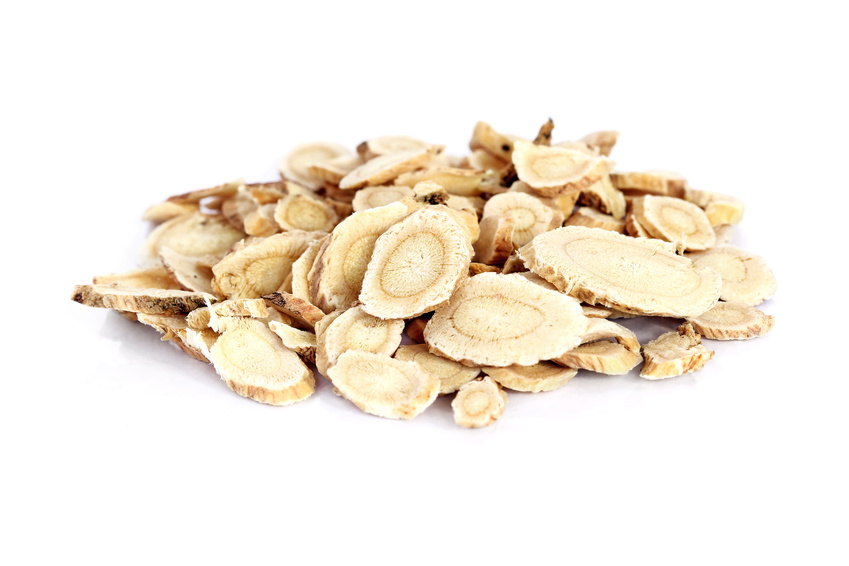
    sliced dried astragalus rootAstragalus membranaceus is a traditional Chinese medicine with some impressive scientifically validated effects on the immune system and histamine in particular. It may help prevent allergies, stop histamine release, and stabilise mast cells, in addition to healing the gut. All references at the bottom of the post, and please remember to consult with a doctor before trying any supplements or foods. My experiences are at the end.

    Astragalus

    Astragalus, known as Huangqui in China and milk vetch in the US, is one of TCM’s most important herbs. It has been used medicinally as a food when cooked in soups, and as a binding or thickening agent. Animal studies show that astragalus significantly increases beneficial gut bacterias, while decreasing E coli.

    USES IN HISTAMINE INTOLERANCE AND INFLAMMATION

    Inflammation: Astragalus has been shown to balance interleukins, another inflammatory cytokine that may be released from mast cells at the same time as histamine. Gut damage: histamine can cause leaky gut, and in one animal study astragalus was shown to lower histamine, tryptase (can be elevated in mast cell disorders), protect the gut following injury. Asthma: this herb is traditionally used in China to treat asthma, which a number of scientific studies back. It can also reduce allergies overall, which may help relieve symptoms of asthma. CLICK HERE TO CREATE YOUR OWN PERSONALISED HEALING HISTAMINE PLAN. 

    AUTOIMMUNITY

    While you would think that boosting the immune system is a bad thing in autoimmune disorders, Astragalus may prevent auto-immune destruction of the pancreas, and has (in animal studies) reduced swelling, concentrations of inflammatory mediators and markers associated with Rheumatoid Arthritis (RA), and may prevent collagen accumulation (in the case of this study, in scleroderma). Another study found that it can prevent oxidative injury to the brain and reduce inflammation associated with multiple sclerosis.

    OTHER TRADITIONAL USES

    • Diarrhea
    • Fatigue
    • Respiratory infections
    • Heart disease
    • Fibrfomyalgia
    • Side effects of cancer treatment

    Please note

    Astragalus is contraindicated in some cancer patients, those who have had organ transplants, and may cause low blood sugar. Natural supplements can still have significant side effects, so please check with your doctor before trying any. These are not a full list of contraindications…

    MY EXPERIENCE

    I spent years shunning supplements in order to heal “naturally. I also refused medications. I regret both, because I see how much faster the healing process could have gone. The trouble is that choosing the wrong supplements, or the right ones that have the wrong fillers, can create a bigger problem than we started with. The more research I do, the more I find that foods in a bottle are less useful to us in healing histamine inflammation than eating them, but that no matter how carefully I track my nutrient intake, there’s still going to be stuff that I miss, and for that, supplements are a decent bet. I’ve found that supplements in oils work best for me, perhaps because the oil is easier on the gut, or because olive oil boosts the histamine degrading diamine oxidase (DAO) enzyme. Teas are also an excellent way to ease my way in, I’m partial to loose leaf teas to be able to rule out reactions to the tea bag material itself. As far as medications go, I wasn’t offered the right ones when I was desperately seeking them. I grew so dependent on antihistamines that I was unable to go a day without them (severe withdrawal symptoms). And now I see that there’s a middle path. In medications and diet as in life, I’ve seen the wisdom in moderation and acceptance. Medication where needed, supplements as dictated by strategic testing (thanks to my functional doctor Stephen Meeneghan at Cedars Sinai), and healing foods daily. There’s no a moment I don’t ask myself: “What healing foods can I add to this simple meal?” The answer is in my cookbooks, which are full of ideas on how to integrate foods with anthistamine and anti-inflammatory properties. You’ll find recipes full of foods with antihistamine and anti-inflammatory properties my books Anti-Recipes and The Anti-Cookbook

    CLICK HERE TO CREATE YOUR OWN PERSONALISED HEALING HISTAMINE PLAN. 

    ——– REFERENCES ——– Luo, G J, et al. “[Effect of Astragalus membranacaus injection on activity of intestinal mucosal mast cells and inflammatory response after hemorrahagic shock-Reperfusion in rats].” Zhongguo Zhong yao za zhi = Zhongguo zhongyao zazhi = China journal of Chinese materia medica., U.S. National Library of Medicine, July 2007, www.ncbi.nlm.nih.gov/pubmed/17966360. “Astragalus.” National Center for Complementary and Integrative Health, U.S. Department of Health and Human Services, 29 Nov. 2016, nccih.nih.gov/health/astragalus. “Astragalus: Use of the Herb in the Treatment of Allergy & Autoimmunity.” Naturopathic Doctor News and Review, ndnr.com/autoimmuneallergy-medicine/astragalus-use-of-the-herb-in-the-treatment-of-allergy-autoimmunity/. Jiang, J B, et al. “Therapeutic effects of astragalus polysaccharides on inflammation and synovial apoptosis in rats with adjuvant-Induced arthritis.” International journal of rheumatic diseases., U.S. National Library of Medicine, Oct. 2010, www.ncbi.nlm.nih.gov/pubmed/21199477.  

GET STARTED HEALING HISTAMINE

WHAT YOU NEED TO KNOW ABOUT HISTAMINE DELIVERED TO YOUR INBOX