Studies reveal modern food processing techniques and additives cause food to become more allergenic and create or contribute to intestinal permeability (“leaky gut”) and generalised inflammation involving histamine, mast cells and more. In particular, the browning of foods (or caramelisation) can cause mast cell activation. Intestinal permeability/leaky gut is believed to cause allergies, weight problems and heart issues. Citations for all statements at the end of the post.
Having to rehash my diet does and don’ts to people I go out for dinner with has become easy enough (I’ll eat anything that’s fresh), but I’ve had my family with me for a week and explaining it all to them has been interesting.
It all boiled down to one statement:
“I don’t eat processed foods.”
This could mean different things depending on who you ask. To me, it’s saying no to food that’s been messed with in a structural way by machine processing, and any foods treated with additives of any kind, including so called “natural” flavours, additives and colours, because in my mind, those are still foods not in their original state.
A number of my scientifically minded (generally sceptic) friends chastise me, saying there’s no research to back this up. I’ve never specifically looked for any because I likes what I likes and it’s nothing to do with the science. But a few studies caught my attention when working on another post that happen to explain why processed foods are a poor choice if dealing with, or trying to prevent, inflammation.
And at the end of the day, histamine and mast cells = inflammation.
So moderating our intake of high histamine foods and mast cell triggering chemicals and cosmetics is great, but I’ve found that fighting inflammation overall, rather than just focusing on histamine, has yielded the best results.
It might account for why I am once again able to eat most high histamine foods.
You’ll find recipes full of foods with antihistamine and anti-inflammatory properties my books Anti-Recipes and The Anti-Cookbook
The first study I came across proposes a link between intestinal permeability (leaky gut) and food processing, specifically due to lipid glycation – which is what happens when sugars are cooked with proteins or fats. Glycation is that really lovely brown crust you get when barbecuing meat or roasting vegetables with a nice honey marinade. Tasty through they turn out to be, advanced glycation and glycation endoproducts (AGEs) can contribute to the formation of acrylamide, a potential carcinogen. It’s now believed that glycation is a strong contributor to inflammation. Food manufacturers regularly add AGEs to foods as flavour and colour enhancers. Alzheimer’s, cardiovascular disease, cancer, peripheral neuropathy, and age related deafness are all linked to AGEs.
That’s not the worst of it, according to the study authors, strongly roasting peanuts “typically increases” their allergenicity because glycation increases white blood cell reactions to food allergens. And this is where it gets crazy – “When compared with raw food antigens, IgE antibodies were elevated four-fold against processed food antigens in 30% of humans.”
But more specifically, AGEs induce mast cell activated inflammation specifically, which in turn causes an increase in AGE formation, which then activates more mast cells. Exposure of intestinal cells to glycation products increases interleukin 6 and 8 formation (from mast cells).
The next that caught my attention found that food emulsifiers, the stuff manufacturers add to make things creamier by properly mixing oil and water based ingredients together, leads to a “dramatic increase in a gut marker of inflammation”. Mice treated with emulsifiers, a class of food additive that includes carrageenan, xanthan gum and lecithin (all of which are found in “natural” products), not only developed gut inflammation, they also showed signs of metabolic syndrome (obesity, high blood sugar and insulin resistance). The study showed that these food additives affect gut bacteria in animal studies, with an earlier study revealed that emulsifiers promote the development of inflammatory bowel disease in genetically predisposed mice. Human testing is planned next.
The study authors advise that though emulsifiers are listed on food labels, the additives have varying names, and the best way to avoid eating them is to not eat processed food.
Food additives are also believed to trigger ADHD-like behaviour in children lacking the histamine-degrading HNMT enzyme. You can read my post on that here.
Key points in protecting the intestinal barrier from glycation
High fat meals have the highest AGE content.
Broil and frying generate more glycation than roasting, but boiling is best (I don’t know about you but a boiled steak doesn’t much appeal to me though!).
Cooking your meal at low temperatures may help with post-meal leptin concentrations (the stuff that makes you feel full and interacts with insulin).
Soda and soy sauce (the latter is high histamine anyway) have high AGE content.
Tea and coffee are high in AGEs (I’ll be making my holy basil tea with cooler water from now on).
Potentially beneficial supplements
Please remember, supplements have side effects and you must check with a doctor before adding anything new, even if it’s supposed to be good for mast cells/histamine.
Quercetin: has been shown to prevent glycation formation in the body.
Curcumin: the active constituent of turmeric may prevent the intestinal damage from processed foods.
Glutamine: has long been touted as a treatment for “leaky gut”. I advise caution with all amines for those who are histamine sensitive…
Pre-biotics: a small study found that a ten gram pre-biotic inulin/oligofructose supplement may reduce intestinal permeability.
Interestingly my niece has been experiencing some inflammation and lip tingling after eating certain foods. When asked how she should resolve it, I wracked my brain trying to come up with an easy to implement solution a 21 year old would stick to.
And it was: “Stop eating junk foods.”
She did, and just two days later the symptoms disappeared and didn’t come back, till she ate some really crappy food. The junk foods had nothing in common on the surface, but I didn’t dig too deep. I truly believe that in some cases it’s enough to simply eliminate processed foods to deal with excess inflammation.
My approach
Avoid
Processed foods (packaged)
Inflammatory foods (wheat, sugar, soy, major allergens)
Higher histamine foods with healing properties (avocado, mushrooms, tomatoes and others)
You can purchase a recording of my two hour online workshop that covers everything you need to know to get started with an antihistamine and anti-inflammatory diet just below.
Rapin, Jean Robert, and Nicolas Wiernsperger. “Possible Links between Intestinal Permeablity and Food Processing: A Potential Therapeutic Niche for Glutamine.” Clinics 65.6 (2010): 635-43. Web.
“Glycation.” Wikipedia. Wikimedia Foundation, n.d. Web. 01 July 2016.
Sick, E., S. Brehin, P. André, G. Coupin, Y. Landry, K. Takeda, and Jp Gies. “Advanced Glycation End Products (AGEs) Activate Mast Cells.” British Journal of Pharmacology 161.2 (2010): 442-55. Web.
Kellow, Nicole J., Melinda T. Coughlan, Gayle S. Savige, and Christopher M. Reid. “Effect of Dietary Prebiotic Supplementation on Advanced Glycation, Insulin Resistance and Inflammatory Biomarkers in Adults with Pre-diabetes: A Study Protocol for a Double-blind Placebo-controlled Randomised Crossover Clinical Trial.” BMC Endocrine Disorders BMC Endocr Disord 14.1 (2014): 55. Web.
“Why Processed Foods May Promote Gut Inflammation.” LiveScience. TechMedia Network, n.d. Web. 05 July 2016.
But do I have time to slave at the stove three times a day?
I can’t bring myself to actually use an emoticon in a blog post so please do me a favour and visualise an angry yellow frownie face simultaneously crying and stabbing a pot roast with a pitchfork.
For nine months of the year I live on soup. I don’t bother making stock, the veggies are the stock. Just bung them all into the pot, cover with water, add in onion and garlic and boil. You can get fancy, or just make some simple ones like the green soup in the Anti-Cookbook or the Anti-Detox. It’s a pretty amazing soup which has14 antihistamine and anti-inflammatory ingredients.
I usually make two soups a week and freeze them into individual tupperware or ziplock bags. I’ll stick the soup in hot water to quickly defrost it.
Bulking beans
I use the same technique for beans. Cook in quantity and then freeze into individual servings. When needed take them out of wrapping and then pop in boiling water for a minute and then add to salads or roast/whatever.
Herb cubes
As you may have heard, I’m big on herbs. They’re full of lovely ingredients like chlorophyll (great for helping produce red blood cells), as well as the bioflavonoids quercetin and luteolin, which possess antihistamine and anti-inflammatory properties.
So I pop some garlic, onion, herbs and olive oil into a blender and then pulse till getting a pesto-like texture. Pour them into ice cube trays, freeze and presto – the hard stuff is done. Just add a couple of cubes to soups, stir fry, or anything really.
I don’t know of anything that doesn’t benefit from a little (or a lot in my case) greenery, even fruit (but you might want to omit the alliums in this case).
Baked goods
Two ways to go here. One is to pour the batter into the moulds if making something like muffins or brownies in bulk and then pop the tray, unbaked, in the freezer and then cook from frozen later.
The other is to bake, then place in foil and freeze into individual portions. When you’re hankering for a treat, keep the baked good in the foil and place in a pre-heated oven till cooked through again. As an example, one of the muffins from the free ebook the Little Book of Muffins would normally take 10-15 mins to bake.
Freeze pancakes and flatbreads
You’ll find a recipe for one of my favourite gluten and grain free flatbreads hereand pancakes here. Basically all you have to do is make in bulk and then freeze. Just add some baking paper between each one (you can recycle this paper from batch to batch). For the both I don’t recommend cooking them all the way through before freezing. You may want to dampen the flatbread with a little bit of water before placing it in the oven.
If you make the pancakes about the circumference of a mug you can then cover them in foil and pop in the toaster. I learned the hard way that foil upsets the microwave, basically by blowing up the one in my college dorm, so please don’t replicate my stupidity.
Freeze vegetables
Roasted veggies freeze really well. Just place them in foil before doing so. I serve these with a side of protein or use them to top off a salad. Add a herb cube to the roasting process of course!
Defrosting meat
I place it in a large pot, still in its packaging and then cover the packet with lukewarm water.
Leftover strategies
Freeze immediately into ziplock bag or foil, depending on consistency. To defrost: use lukewarm water on the former and loosen the foil on the latter and then place in the oven. (Or remove from foil and place on a baking tray).
Other time saving strategies:
Please don’t attempt these if suffering from brain fog or generally forgetful. If in doubt, as your partner or kids if you are!
1. After cooking I fill up the sink with water and pile in all the dishes to soak while I go live my life till the next meal. Next time I’m in the kitchen to cook, I’ll chop everything up, get all the pots and pans ready and toss in everything to be sautéed. While the veggies are cooking (on low heat of course) I’ll turn around and start washing the dishes or putting them in the dishwasher. Once finished cooking, the cycle begins again with a new sink o’ suds. I don’t wash everything, just a few things and then attend to the cooking and then back to the dishes. I also clean up and wash up as much as I can of whatever I’m using to make that meal.
It sounds hectic but you get into the rhythm of it…
2. I pre-heat the oven before I do anything else, and then, because I know exactly how long my food takes to cook and because I have a timer that switches off the oven, I’ll go take a shower or do some work at the kitchen counter while waiting.
For safety reasons I absolutely do not recommend doing this – I’m just sharing what I do at home. If brain fog is an issue in the slightest, or if you’re not 100% sure of proper cooking times, then this is obviously a terrible idea.
3. Chop veggies and herbs in a blender/food processor. Most kitchen machine thingies have a pulse option for chopping. This is a HUGE time saver. You can pick up something like this for as little as $20.
4. When I’m seriously time poor I’ll make a week’s worth of juice and then freeze it into sports bottles. I’ll take one out on the road with me without defrosting and let nature take its course, but you can absolutely use a warm water bath to speed up the process. Yes, I know, most people are totally anti-juices that aren’t justfreshly squeezed. I do what I have to and trust that there’s nutrients in there. I do not however drink the juice cold…
5. Shop online. This is such an incredible time saver as well as an option that really helps with will power. It’s hard to buy what you don’t see and some stores give you the option of saving a shopping list to buy weekly. A new online market called Thrive has pretty wonderful prices compared to buying organic in most other places and you should definitely consider joining a local co-op.
6. Buy from farmers directly. If you’re lucky enough to live in an area with farms, go ahead and reach out to them to see if you can cut out the middle man. If you have nice neighbours see if they’re interested in splitting a side of beef with you. You’d be surprised…
7. Buy in bulk. If you see a deal, go for it. You can chop fruit, vegetables and herbs up and freeze them.
8. Buy frozen. Some studies show that freezing preserves the nutrients which might otherwise die out when the product is in transit or sitting in your fridge. Organic fruit and veggies are much cheaper frozen.
And finally, if on a budget, consider buying the foods most affected by pesticides, the so-called “dirty dozen”, organic instead and everything else conventional.
Please share your favourite kitchen and money saving hacks below.
Lotus also contains quercetin and rutin, two of the mast cell stabilising bioflavonoids found in the supplement I take daily. Stabilising mast cells may stop them releasing inflammatory molecules like histamine, prostaglandins and others, which is useful to those with inflammatory conditions like histamine intolerance, mast cell activation and others.
You’ll find recipes full of foods with antihistamine and anti-inflammatory properties my books Anti-Recipes and The Anti-Cookbook
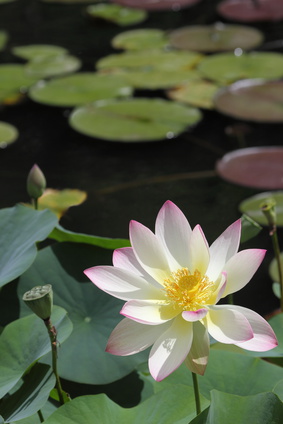
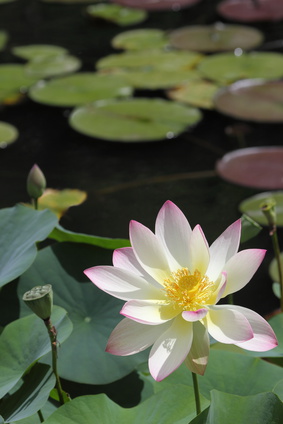
More than just a beautiful adornment, Asia’s revered lotus flower offers up several compounds with antihistamine, mast cell stabilising and anti-inflammatory properties. Best of all, the lotus is highly edible, tasty and fairly easy to find frozen or as a tea. References and links to lotus suppliers at the end of the post.
The lotus flower, Nelumbo Nucifera, has long been used in traditional medicine from Egypt to Asia. In recent years numerous studies are finding the leaves and root may be useful in treating or preventing various inflammatory and allergy/histamine related conditions.
Please remember, most studies using natural compounds are conducted on animals or in test tubes, not humans, using highly concentrated extractions. Always consult a doctor before adding anything new to your diet.
Authors of a study on animals published in the Evidence-Based Complementary and Alternative Medicine journal find that a lotus leaf extract improved IgE level (this is a marker of allergy reactions), reduced scratching and prevented mast cells from degranulating – the process by which immune cells release histamine and other inflammation. They conclude that lotus leaf extract may treat atopic dermatitis.
A study in Life Sciences found that lotus extract suppressed the progression of activated inflammatory cell production of interleukins 2, 4 and 10. Interleukin is one of a number of inflammatory cytokines either contained within mast cells or created when they rupture, usually in response to a need for healing.
Research published in the Journal of Microbiology and Biotechnology finds kaempferol in lotus prevents histamine release from mast cells, and another in the Journal of Food and Science Technology backs this with results showing lotus extracts can inhibit allergic reactivity.
You’ll find recipes full of foods with antihistamine and anti-inflammatory properties my books Anti-Recipes and The Anti-Cookbook
Kaempferol is a bioflavonoid in plant foods with anti-viral properties. It has been shown to prevent cancer, diabetes and heart disease. Foods high in this bioflavonoid include apples, grapes, green tea, onions, broccoli, brussels sprouts, squash, cucumbers, rosemary, lettuce, green beans, peaches, blackberries, raspberries and other higher histamine foods. Aloe vera and moringa oleifera also contain it.
Other tidbits of interest are a study in the Planta Medica journal study confirming the use of lotus to burn fat and induce weight loss, as it’s used in Traditional Chinese Medicine.
A study in the Journal of Traditional Chinese Medicine shows lotus seeds preventing inflammation induced pancreatic toxicity relating to diabetes (in animal studies).
You’ll find links to lotus suppliers below….
“You can’t work your way up to a therapeutic dose by eating your medicine.”
I’ve heard variations of this for years. While indeed, it would be difficult/impossible to reach the saturation of active constituents – scientific studies use extracts in fairly high doses much of the time – eating a diet comprised entirely of these highly antihistamine and anti-inflammatory foods has made an incredible difference in my life. In fact, I’ve known about the properties of lotus for years – you’ll find a tasty recipe in the Anti-Cookbook.
What helped me heal (in order of importance – in my view):
Doing my utmost to be at peace with whatever I can manage, even if it’s as simple as being able to get out of bed that day. It’s amazing when I stopped attaching importance to accomplishments that I was suddenly able to do more than I had in years.
Lotus also contains quercetin and rutin, two of the mast cell stabilising bioflavonoids found in the supplement I take daily. Stabilising mast cells may stop them releasing inflammatory molecules like histamine, prostaglandins and others, which is useful to those with inflammatory conditions like histamine intolerance, mast cell activation and others.
You’ll find recipes full of foods with antihistamine and anti-inflammatory properties my books Anti-Recipes and The Anti-Cookbook
Karki, Rajendra, Myung-A Jung, Keuk-Jun Kim, and Dong-Wook Kim. “Inhibitory Effect OfNelumbo Nucifera(Gaertn.) on the Development of Atopic Dermatitis-Like Skin Lesions in NC/Nga Mice.” Evidence-Based Complementary and Alternative Medicine 2012 (2012): 1-7. Web.
Sharma, Bhesh Raj, Min Suk Kim, and Dong Young Rhyu. “Nelumbo Nucifera Leaf Extract Attenuated Pancreatic ß-cells Toxicity Induced by Interleukin-1ß and Interferon-γ, and Increased Insulin Secrection of Pancreatic ß-cells in Streptozotocin-induced Diabetic Rats.” Journal of Traditional Chinese Medicine 36.1 (2016): 71-77. Web.
Byun, Dae-Seok. “Kaempferol Isolated from Nelumbo Nucifera Stamens Negatively Regulates FcεRI Expression in Human Basophilic KU812F Cells.” J.Microbiol.Biotechnol Journal of Microbiology and Biotechnology 19.2 (2009): 155-60. Web.
Byun, Dae-Seok. “Kaempferol Isolated from Nelumbo Nucifera Stamens Negatively Regulates FcεRI Expression in Human Basophilic KU812F Cells.” J.Microbiol.Biotechnol Journal of Microbiology and Biotechnology 19.2 (2009): 155-60. Web.
“Kaempferol.” Wikipedia. Wikimedia Foundation, n.d. Web. 09 June 2016.
Ohkoshi, Emika, Hiromi Miyazaki, Kazutoshi Shindo, Hiroyuki Watanabe, Aruto Yoshida, and Hiroaki Yajima. “Constituents from the Leaves of Nelumbo Nucifera Stimulate Lipolysis in the White Adipose Tissue of Mice.” Planta Med Planta Medica 73.12 (2007): 1255-259. Web.
Did you know that the amygdala is responsible, through processing taste, for “learning taste aversion”. Put simply, it learns through trial and error that certain foods make us sick. Knowing that, it’s going to want to warn us before the food goes into the mouth (i.e. by reacting to a scent beforehand), which may be why so many with mast cell and histamine issues react to even the smell of a food.
So, let’s have a hypothetical: you eat something, anything, or many things, one day when you’re not feeling too well. You’re already feeling sick, and so adding food to the equation really just totally turns your stomach. Your amygdala now deems this/these food/s to be dangerous.
Thankfully the science is catching up. A study published in Explore : the journal of science and healing, found that in those with chronic fatigue and fibromyalgia, amygdala retraining can help restore the body to its natural (non-reactive) state through de-conditioning (unlearning) the amygdala driven fear response.
Don’t get me wrong: we’re dealing with very real symptoms and sickness, but in my case turning the brain into my ally in the fight against histamine induced inflammation was a turning point.
On my first meditation retreat I ate pretty much everything in the organic vegan buffet, savouring flavours I’d so desperately missed for years, but never dared hope I would again. Don’t get me wrong – I wasn’t eating junk – but rather healthy whole foods with significant anti-inflammatory benefits. Though a little tofu did somehow sneak its way onto my plate.
But, in my case, stress was one of my biggest triggers.
After that retreat I was more convinced then ever that retraining my brain was the key.
Though people had tried to convince me of it for years, I clung to the warrior female version of myself where working as a journalist in war zones didn’t destroy me mentally and physically. In later years, when debilitating mast cell activated inflammation took hold of me, I was once again dismissive of stress.
I mean, wouldn’t you be stressed if you couldn’t get out of bed to go to work?
Or eat like a “normal” person?
Or live a life free of hives, dizziness, anxiety regarding your health.
How would YOU feel, I’d tell people, if you had to spend every waking moment on the internet researching symptoms and self-diagnosing because every single person in your life thinks you’re just a hypochondriac?
But once I actually took it on board and found the science behind it – stress hormones activate mast cells, prompting them to dump histamine and other inflammation into the blood stream – I realised I needed to get it under control, because I was unwilling to continue pretending I was actually living when really I felt like I was dying inside.
But when I was finally ready to listen to my intuition on the role of stress in my disease, the research wasn’t quite there to support it. Thankfully it is now.
Stress hormones cause histamine release by triggering mast cells into breaking open and spilling it, as well as other inflammatory molecules like prostaglandins and interleukins, into the blood stream. In some, stress accompanies very real threats to the health – a car accident, a surgery, a viral or bacterial infection, but in some like myself, that stress response is permanently activated, spewing out inflammation when it’s not needed, overwhelming the body which just can’t get rid of it fast enough, or lacks the resources to do so.
Dr. Milner, a mast cell specialist, in a speech at a Dystonaumia Society conference in 2015, discussed how many of his patients came down with their initial symptoms after a life-altering trauma. Many, if not all, the histamine intolerant/mast cell activation folks I’ve spoken with have experienced something similar. A car crash or loss of a beloved or family member for example.
But beyond the initial trauma or chronic stress/anxiety response, I found that previous negative experiences with food had left me with scars that continued to affect how my body reacted to it.
While I was surely far healthier than ever before and many symptoms had resolved, I was fearful of food and how it would affect me. It had a huge psychological impact on me not knowing if a banana was going to make me too dizzy to drive to the airport that day, or if that piece of raw organic cacao was going to keep me up all night before an important meeting, or if half a cup of gluten free flour was going to bloat me so severely I wouldn’t be able to wear any of my jeans that day.
Finally I understood, thanks to an increasing number of studies on brain conditioning, that just as a positive response to a placebo medicine can be elicited through conditioning the immune system to behave in a certain way, the reverse is also true.
If, when the body is truly in a woeful state, and the mind isn’t helping, we react negatively to foods, medications or supplements, eventually the immune system may learn this is the norm. I realised that my beliefs regarding a medication and what horrible things it would do to me where actually affecting me, and I was quoted in a news article about the subject on US World News and Report regarding my experience.
Training my brain for health and happiness turned out to be the best thing I’ve ever done.
Understanding that meditation switches off genes specifically linked to mast cell activation really drove me to give the practice my all – but I had to wade through a lot of programs to find what worked.
Cognitive hypnosis was amazing, but once again, I wasted so much money and hope on many that didn’t do a thing for me.
Visualisation was my greatest tool in convincing my body to accept bath and beauty products and to calm tinnitus so loud that I couldn’t hear myself think over it – but, I tried so many systems that didn’t work.
We are all different it’s true – which is why I put together a workshop that brings together the best systems I’ve tried, as well as sharing the strategies I used, for free, at home, so that you can decide what works best for you.
“Fearful of Food? The Brain Is to Blame (but Is Also the Cure).” THE LOW HISTAMINE CHEF. 2014. Web. 19 May 2016.
Toussaint, Loren L., Mary O. Whipple, Lana L. Abboud, Ann Vincent, and Dietlind L. Wahner-Roedler. “A Mind-Body Technique for Symptoms Related to Fibromyalgia and Chronic Fatigue.” EXPLORE: The Journal of Science and Healing8.2 (2012): 92-98. Web.
Bermúdez-Rattoni, Federico. Neural Plasticity and Memory: From Genes to Brain Imaging. Boca Raton: CRC, 2007. Print.
The Amygdala – A Discrete Multitasking Manager. InTech, 2012. Print.
Marchant, Jo. Cure: A Journey into the Science of Mind over Body. Print.
Colino, Stacey. “The Nocebo Effect: Are Your Thoughts Making You Sick?” US News. U.S.News & World Report. Web. 19 May 2016.
Dr. Milner presentation https://vimeo.com/142039306
“Meditation: Antihistamine, Mast Cell Stabiliser, Epigenetic Superstar.” THE LOW HISTAMINE CHEF. 2014. Web. 06 June 2016.
Researchers find that the prickly pear fruit, and the whole plant generally, prevent histamine release/allergic response by inhibiting mast cell degranulation (the process by which white blood cells leak histamine and other inflammation into the blood stream).
Opuntia is a genus in the cactus family. When speaking of the prickly pear, people usually mean O. Ficus-indica, which is also known in the states as nopales. Native Americans have been using prickly pear traditionally for their pain killing, anti-inflammatory, anti-cancer, anti-diabetic, anti-ulcer activity and now we have studies to back some of these uses.
You’ll find recipes full of foods with antihistamine and anti-inflammatory properties my books Anti-Recipes and The Anti-Cookbook
An animal study published in the journal Cellular Immunology finds that a prickly pear extract inhibits the release of not only histamine, but also several other inflammatory/allergy mast cell mediators.
Research appearing in the Journal of Pharmacy and Bioallied Sciences also found that prickly pear stopped mast cell degranulation, more effectively than sodium cromoglycate, which is the most commonly prescribed pharmaceutical to treat mast cell activation. In this case animals had their mast cells provoked using an uncooked egg white solution (a common mast cell/histamine trigger), which then releases histamine and other inflammation.
Researchers have also found that prickly pear inhibits the MAO-B enzyme, but not MAO-A. I have the MAO-B gene variant and I still do inhibitors, in moderation. I would in this case happily eat the prickly pear, but might not take it as a supplement. Interestingly, doctors treating Parkinson’s now use MAO-B inhibitors as a first line of treatment for the condition. If you haven’t had genetic testing yet, you may find it useful – I had mine done by 23 and Me.
Betacyanin, an active principle compound in prickly pear, is believed to be responsible for the mast cell stabilisation, and therefore histamine release. Betacyanins include reddish to violet pigments and are found in rainbow chard and other brightly coloured fruits and vegetables.
These are just a few of the numerous studies in this vein, but please don’t forget – these were conducted on animals and the compounds used may be highly concentrated and filtered.
As someone previously diagnosed with histamine intolerance and now mast cell activation, I like to eat my medicine, and I do love prickly pears when in season. For a more controlled approach to mast cell issues, I use Neuroprotek, a bioflavonoid supplement created by Dr. Theoharides, one of the world’s foremost experts in mast cell issues.
I do not benefit in any way from sales of this product other than an Amazon commission if youorder here in which case I thank you for supporting all the work that goes into researching, writing and self-funding this website.
I work my prickly pear fruit into salads and make it into an added-sugar free jam. In the states I frequently chop up some nopales (the green part) into salads or saute them with quercetin rich antihistamine red onions, antihistamine garlic and other vegetables, served alongside some anti-inflammatory vitamin K rich cauliflower or real rice.
But, diet alone wasn’t the answer. Retraining my brain helped me calm the body to allow it to accept food as a partner in healing rather than something to be feared. cognitive hypnotherapy and other methods I’ll share tasters of in my upcoming Healing the Brain to Heal the Body two hour online workshop on June 11th – book your spot here. Don’t worry if you can’t make it live, there’ll be a recording of the workshop available to you for viewing as many times as you like, as often as you like.
My books are full of ingredients like these – exclusively – there’s no garbage foods. Everything in my cook books is there for a reason. My current favourite, Man Food, reflects my diet as it is nowadays. The Anti-Cookbook features six pages of antihistamine and anti-inflammatory foods. The On the Go and DAO book are for people still transitioning to a healthier diet.
You’ll find recipes full of foods with antihistamine and anti-inflammatory properties my books Anti-Recipes and The Anti-Cookbook
Lim, Kye-Taek. “Inhibitory Effect of Glycoprotein Isolated from Opuntia Ficus-indica Var. Saboten MAKINO on Activities of Allergy-mediators in Compound 48/80-stimulated Mast Cells.” Cellular Immunology 264.1 (2010): 78-85. Web.
P.5.022 Neuroprotective Effects of the Flavonoids Isolated from Opuntia Ficus-indica Var. Saboten.” European Neuropsychopharmacology 15 (2005). Web.
Chauhan, Sanjayp, Nr Sheth, and Bn Suhagia. “Effect of Fruits of Opuntia Elatior Mill on Mast Cell Degranulation.” Journal of Pharmacy and Bioallied Sciences J Pharm Bioall Sci 7.2 (2015): 156. Web.
Löhle, Matthias, and Heinz Reichmann. “Controversies in Neurology: Why Monoamine Oxidase B Inhibitors Could Be a Good Choice for the Initial Treatment of Parkinson’s Disease.” BMC Neurology BMC Neurol 11.1 (2011): 112. Web.
“Betalain.” Wikipedia. Wikimedia Foundation. Web. 04 June 2016.
11th June, 2016 at 10am San Francisco / 1pm New York / 7pm Paris
With a recording of the workshop available to you after the event
2 hour live online workshop with Yasmina
11th June, 2016 at 10am San Francisco / 1pm New York / 7pm Paris
With a recording of the workshop available to you after the event
Healing my body turned out to be 10% diet and 90% brain. A bold statement I’m sure, but it’s the truth.
One of the most life changing set of studies I have ever read is about how scientists can provoke a mast cell/allergic response in test subjects who believe they’re being exposed (but aren’t) to an allergen. The crazy thing is that the test subjects had their immune system triggered without their conscious knowledge, using a method called conditioning, which can be used to elicit a negative or positive response.
Based on studies like these I’ve spent years using conditioning, meditation, visualisation, hypnotherapy and more on myself to help open myself up to the possibility of healing.
In five years of pouring over the medical literature and trying to figure out the missing link in my healing approach, I’ve amassed a wealth of experience and knowledge that I’d like to pass onto you in this two hour online workshop.
Have you been reading about neural/brain/amygdala retraining but aren’t sure it’s right for you?
Not sure which approach is right for you?
Do you just wish someone could give you little samples of each and help you make a decision without committing to an entire program?
Well, here I am.
I was so sick that I couldn’t tolerate any scented products (organic or otherwise) on my skin or scalp. I spent an entire year without shampooing my head due to excruciating shampoo-induced migraines, dizziness and blurred vision, brought on by even unscented products.
Lipstick made my lips break out (yup that’s a thing) and my fingers buzz with electric like sensations. And nail polish? Forget about it. Bed rest for days after.
Food was another story: seizures, vomiting, hives, severe gastrointestinal issues, chronic fatigue (with post-food narcoleptic episodes).
There was no end in sight, till I started reading about neural plasticity, the placebo and nocebo effect, the amygdala, and more than that, figured out a way to harness this information for healing.
I’m absolutely not saying that anything in this workshop or the programs we’re going to discuss are going to resolve these symptoms, but rather that the brain needs to be stable and rewired for healing in order to give the body a fighting chance.
I felt the science wasn’t there and so ignored many of these methods for years. But the science caught up, and it’s hard not to kick myself for not trying some of them sooner. But at the time, I wrote much of this stuff off as a bunch of new age schtick fleecing me of my few remaining dollars.
Some of it is though.
Which is why I put on my journalist (skeptic) hat and found all the latest research on how the brain affects healing and how we can use this knowledge to our advantage.
Don’t miss out on this incredibly powerful workshop where I’ll personally lead you in three live visualisations and meditations that I used regularly till I was able to reclaim my life.
You’ll receive a number of freebies which you’ll find at the bottom of the page.
The Workshop
45 minute talk: the basics
Does stress affect mast cells/histamine?
The vagus nerve connection
The role of the amygdala
How I retrained my brain
A rundown of the most popular, evidence based neural retraining systems
Brain training on a budget
45 minutes: brain training in action
The Moringa Tree visualisation
The hot oil visualisation
The beach meditation
You will receive free downloadable mp3s totalling over 45 minutes of audio to use at home after the workshop.
30 minutes Q&A
Your chance to ask any question you like, whether it’s brain training related or not. I can’t guarantee you’ll be answered, but I will do my very best to squeeze in as many as I can.
In addition to this wealth of information you’ll walk away with these freebies to get you started*
30 minute restorative yoga video led by Yasmina
25 minute mp3 audio: The Morninga tree visualisation
10 minute mp3 audio: visualisation to reset stress levels
50 page ebook Short But Sweet: A Nutrient Dense Approach to Histamine Intolerance and Mast Cell Activation
I decided to give everyone an additional 30 minute restorative yoga video led by myself and my yoga teacher Tomas in a beautiful Spanish villa.
*You will receive a link to download these right after purchase. Please be sure to check any emails you have associated with your payment system (i.e. paypal) or just generally any other email addresses and your junk mail folder right after ordering please.
What this is not
I am neither a doctor nor nutritionist so please understand I do not dispense medical advice nor tell you what to eat. This is not a cure – I absolutely make no claims that information in this workshop will heal or cure any medical conditions. Any information given in this workshop must be shared with your medical professional.
How this works
You will receive an email confirmation of your purchase and then a weekly reminder. On the day of the online course you will receive a link to join the broadcast. If you can’t make it, don’t worry, there will be a recording available 24-48 hours after the workshop. This recording is available indefinitely so don’t worry if you don’t get to it immediately. If the audio quality isn’t great for you on the day due to limitations of your internet connection, you can dial in on a 1-800 number to participate.
CITATIONS
“Fearful of Food? The Brain Is to Blame (but Is Also the Cure).” THE LOW HISTAMINE CHEF. 2014. Web. 19 May 2016.
Toussaint, Loren L., Mary O. Whipple, Lana L. Abboud, Ann Vincent, and Dietlind L. Wahner-Roedler. “A Mind-Body Technique for Symptoms Related to Fibromyalgia and Chronic Fatigue.” EXPLORE: The Journal of Science and Healing8.2 (2012): 92-98. Web.
Bermúdez-Rattoni, Federico. Neural Plasticity and Memory: From Genes to Brain Imaging. Boca Raton: CRC, 2007. Print.
The Amygdala – A Discrete Multitasking Manager. InTech, 2012. Print.
Marchant, Jo. Cure: A Journey into the Science of Mind over Body. Print.
Colino, Stacey. “The Nocebo Effect: Are Your Thoughts Making You Sick?” US News. U.S.News & World Report. Web. 19 May 2016.
Dr. Milner presentation https://vimeo.com/142039306
Mast cells are key players in immune system generated inflammation. You know, the stuff that heals you when you’re sick, but makes you sick if inflammation happens when you’re not. Mast cell activation (as it’s called) is also involved in allergic reactions of the lungs and nasal passages, gut and skin, like as in asthma, hay fever, eczema and food allergies, but also in pretty scary things like cancers, IBS, kidney damage and heart disease. And now, obesity and diabetes. Mast cells release histamine and many other inflammatory molecules as needed for healing.
Me now
Research over the last few years points to mast cell related inflammation contributing to obesity. Mast cells are thought to “participate” in these conditions by affecting the rate at which we burn calories and other really painfully complicated ways. A study published in Inflammation Research: Official journal of the European Histamine Research Society tells us that fat is one of the main sources of inflammatory mediators, with Interleukin-6, released by mast cells, directly linked to obesity. Interleukin-6 testing is one of a number of tests used to diagnose mast cell activation and inflammation generally.
A study published in Diabetes/Metabolism Research and Reviews finds that mast cell stabilising medications like sodium cromolyn and ketitofen reduce (pre-established) obesity and diabetes in an animal study. What’s unclear is whether this applies, firstly to humans at all, and secondly to folks who are overweight and suffer from diabetes generally, or those who have mast cell activation and these conditions are the result of it.
I’ve personally found that not ingesting inflammatory foods at all (nearly impossible) kept me incredibly skinny. At times this was because I ate almost nothing (did I mention it’s nearly impossible to eat no inflammatory foods?) but at others it seemed I could eat whatever I wanted and still stay rake thin.
The latter phenomenon (which people write to me about all the time) may be due to histamine affecting metabolism and appetite. The crazy thing is how it can swing from one extreme to another. I spent years scoffing at pseudo medical conditions claiming weight loss or gain, low energy or high energy (I do please ask readers not to point out the work of Carl Pfeiffer – I am well aware of it), and yet there I was, eventually suffering from a medically validated condition whose seesawing symptoms make it nearly impossible to diagnose.
Other factors in inflammation and weight gain are that stimulation of the H1 receptors in the brain causes a decrease in appetite, one that study authors dubbed “adaptive anorexia”. I’ve certainly experienced that. This may be why I suffered my most massive weight gain when taking antihistamines like Claritin and Zyrtec that block the H1 receptor.
You’ll find recipes full of foods with antihistamine and anti-inflammatory properties my books Anti-Recipes and The Anti-Cookbook
A brain “histamine high” is what I called it when my brain burned warm like the sun was beating down on it and I would run around cleaning my house from top to bottom, rearrange the furniture and paint every other door a fetching powder blue. Doctors called it bipolar disorder and gave me antipsychotics to sleep, mood stabilisers to stop the midnight painting, and antidepressants to even out the inevitable crash. “What goes up must come down,” I was once told. Sadly those meds set off even more mania which thankfully resolved, along with the depression, once I changed my diet.
It’s all so confusing because we have opposing factors at work here. Histamine can both cause weight gain or loss, appetite loss or increase, and impact our metabolism. Histamine is found both in foods and mast cells. Mast cell related inflammation generally seems to be implicated in weight gain.
Please don’t forget, this is all mostly in animal studies.
Brain histamine release is linked to learning, fear aversion (associating certain behaviours, places or foods with pain/sickness for example) and just generally keeping us in a high state of alert in case we need to get moving quickly (this is an oversimplification). The “Danger Hypothesis” (Brown et al.), proposes that brain histamine is released during feeding, perhaps in a dangerous environment, or having to hunt for food, or because the animal has to eat and run, or run the risk of being eaten themselves.
An animal study published in the Journal of Pharmacology tells us brain histamine is released when the animal is trying to work out how to access food that has been placed in a closed container, or by learning that pressing a lever gets them a meal. But when the animal was given free access to food, there was no brain histamine release.
It’s really tempting to draw some conclusions here, but rather than engage in completely unscientific speculation, I will share my experience as a patient. Eating while stressed or stressing about eating causes more of an inflammatory/histamine response than being totally chill about the whole thing. When you factor in that just thinking about food is enough to release histamine (which is needed for digestion), it seems like a good idea not to engage in extreme restriction, eating a diet that makes you stressed and unhappy, or living a life that does the same.
That’s no easy task when you’ve felt your throat close up on you thanks to a seemingly harmless carrot, or ended up in the ER after enjoying a glass of red wine. Of course, being sick makes anyone depressed. It’s a daily fight to live beyond sickness and make our peace with wherever we happen to find ourselves.
I believe in eating a lightly restricted diet that rules out unhealthy higher histamine foods while keeping things like avocado, tomato and natural soy (edamame beans for example) on a long rotation. My diet is primarily anti-inflammatory (as you will find in my newer books The Anti-Cookbook, the all liquid Anti-Detox and Man Food) and made up of as many foods with antihistamine and anti-inflammatory properties that I can squeeze in.
Inflammation is very obvious to me when overweight, I feel bloated and burn hot, so I do an hour and a half of high intensity yoga daily as well as walk uphill whenever I have the opportunity to beat it. I also now sometimes use a calorie tracker to check in once in a while – I’m always surprised to see I eat more than I think. Denial does trip me up at times.
Retraining my brain to prevent overeating in times of unhappiness has really helped, cognitive hypnotherapy and other methods I’ll share tasters of in my upcoming Healing the Brain to Heal the Body two hour online workshop on June 11th – book your spot here. Don’t worry if you can’t make it live, there’ll be a recording of the workshop available to you for viewing as many times as you like, as often as you like.
You’ll find recipes full of foods with antihistamine and anti-inflammatory properties my books Anti-Recipes and The Anti-Cookbook
Wang, Jing, and Guo-Ping Shi. “Mast Cell Stabilization: Novel Medication for Obesity and Diabetes.” Diabetes/Metabolism Research and Reviews. U.S. National Library of Medicine. Web. 21 May 2016.
“The Major Inflammatory Mediator Interleukin-6 and Obesity.” National Center for Biotechnology Information. U.S. National Library of Medicine. Web. 21 May 2016.
Passani, M. B., P. Blandina, and F. Torrealba. “The Histamine H3 Receptor and Eating Behavior.” Journal of Pharmacology and Experimental Therapeutics 336.1 (2010): 24-29. Web.
Citations for every blog talking point are always at the bottom of the post.
As I reported in last week’s blog post Luteolin for mast cells, histamine and brain fog?, “..it seems research is also pointing to neuro-inflammation as the driving force of Alzheimer’s.” And indeed this week it certainly is. While it’s still a theory, a team at the University of Adelaide believe researchers have been barking up the wrong tree in pinning Alzheimer’s solely on a build up of amyloid plaques, and that they should focus on understanding how an immune system gone wild can attack the brain, causing localised brain inflammation.
Strangely, though I have experienced first hand the truly life changing effects of intense brain fog and near complete memory loss at times in my life, today was the first time I have ever looked at the link between histamine and Alzheimer’s specifically. I was shocked to see how much there is out there, and how much of it yielded conflicting results. It seems that when it comes to histamine, we still don’t yet know for sure whether histamine exerts a protective effect on the brain, or is implicated in the brain inflammation linked to Alzheimer’s.
On the subject of mast cells though we have an interesting study published in the journal Alzheimer’s Research and Therapy, in which researchers administered Mastinib, a mast cell stabiliser originally used to treat animal mast cell tumours, in a human trial. The goal of stabilising mast cell cells is to prevent them from leaking histamine and other inflammatory cells. In this case, specifically the brain. They concluded that as an add on to standard Alzheimer’s therapy, the mast cell stabiliser slowed cognitive decline.
Dr. Theoharides at Tufts has scads of research on the mast cell – neuroinflammation link. Visit his website www.mastcellmaster.com for a fascinating read.
So far I’ve learned that preventing brain fog and memory loss comes down to to a few things:
Keeping a food diary to figure out which foods may bring on cognitive impairment. In my case this was mainly sugar and high sugar high histamine foods (like my beloved pineapple). Try not to completely eliminate the healthy culprit foods. I keep mine (pineapple included) on a very long rotation. In particular you may want to pay attention to food additives or colouring.
Eating a diet rich in anthocyanins (the stuff found in blueberries and black rice).
Foods might not be enough in some cases – so I started taking a supplementcreated by NIH funded mast cell researcher Dr. Theoharides (Tufts).
Checking SOD genes to establish whether supplementation is required.
Regularly checking serum vitamin B12 and ferritin status (a lack of which may contribute to confusion, memory problems and general mental impairment).
Consulting your doctor if over 65 and taking anti-cholinergic medication like some antihistamines and benzodiazepines (which may cause cognitive impairment in some). Read more here.
Making sure not to ingest too much sugar generally and making sure I have enough protein in the diet.
Taking steps to reduce stress which has been shown to affect memory.
Meditation, stress relief and visualisation have always been able to bring me back to reality during a very bad bout of brain fog and confusion.
I’ll be covering everything I’ve learned in the last five years regarding using the brain to heal the body in an upcoming online workshop on June 11th. Included in the two hour event, participants will be led in three meditation, visualisation and other techniques, live, by me. Check it out here. There will be a recording of the workshop available to you after the event just in case you miss it.
You’ll find recipes full of foods with antihistamine and anti-inflammatory properties my books Anti-Recipes and The Anti-Cookbook
“The Enemy within: Innate Surveillance-Mediated Cell Death, the Common Mechanism of Neurodegenerative Disease” by Robert I. Richards, Sarah A. Robertson, Louise V. O’Keefe, Dani Fornarino, Andrew Scott, Michael Lardelli and Bernhard T. Baune in Frontiers in Neuroscience. Published online May 10 2016 doi:10.3389/fnins.2016.00193
Piette, François, Joël Belmin, Hélène Vincent, Nicolas Schmidt, Sylvie Pariel, Marc Verny, Caroline Marquis, Jean Mely, Laurence Hugonot-Diener, Jean-Pierre Kinet, Patrice Dubreuil, Alain Moussy, and Olivier Hermine. “Masitinib as an Adjunct Therapy for Mild-to-moderate Alzheimer’s Disease: A Randomised, Placebo-controlled Phase 2 Trial.” Alzheimers Res Ther Alzheimer’s Research & Therapy 3.2 (2011): 16. Web.
According to Dr. Theoharides at Tufts University School of Medicine, brain fog is defined as a “constellation of symptoms” encompassing the loss of mental acuity, the ability to concentrate and multitask, and the loss of short and long term memory. It’s frequently experienced by patients with chronic fatigue syndrome, fibromyalgia, mastocytosis and mast cell activation (in my experience histamine intolerance also), and is an “early clinical presentation of Alzheimer’s disease”. Dr. Theoharides and others believe brain fog may be caused by inflammatory cytokines released in the brain. A survey of mast cell patient symptoms revealed that over ninety percent of patients suffered from it. It seems like the research is also pointing to neuro-inflammation as the driving force of Alzheimer’s. As mast cell degranulation occurs in the brain, this whole issue has been on my mind for some time and I’m grateful to have found my answer.
My grandmother was fine until a hip operation in the south of Spain (in the 80s – dear lord, why didn’t she travel to London or New York?). Just a day later she was complaining of severe memory loss, culminating in a swift decline into what doctors hesitated to actually call Alzheimer’s, but which certainly looked like it. I’ll never be able to erase the day the woman who raised me forgot how to chew.
Fast forward a generation and we’re starting to see similar issues emerge, at a far later age. Jump another generation and at 20 years old I was forgetting where I parked my car, couldn’t add double digits in my head (I tested in the top 5% of the US in Math and English at eight years old), would forget the name of the street I’m en route to, having to look it up every twenty seconds or so. Stress exacerbated the situation – despite all the gains made in the last five years, the day of my driving test I couldn’t lead the examiner to where I had parked the car just ten minutes earlier. Yes, that was pretty much an immediate fail.
While there’s much at play in brain fog, SOD genes for example, mitochondrial dysfunction etc, sometimes resolving a seemingly small piece of the puzzle can yield exciting results.
I recently explained to folks attending my 90 minute online workshop: beyond the low histamine diet, that a symptoms sheet is essential. It helped me figure out that sugar, be it from fruit or sweets, was my number one brain fog trigger. It wasn’t just brain fog, histamine foods with lots of sugar induced nystagmus (involuntary eye movements), an immediate narcoleptic-like episode with an inability to move my body, extreme eye floaters, unquenchable thirst and serious fatigue.
Once out of the diet, and replaced by a ton of nutrient dense healing antihistamine and anti-inflammatory property rich foods (like those in theAnti-CookbookandMan Food), most of the symptoms lifted, but for the brain fog. I tried everything, including a number of powdered quercetin supplements.
Meditation helped immensely, as did the yoga – I cover everything I’ve learned in retraining my brain over the years in my two hour workshop: Using the Brain to Heal the Body. You can purchase it here.
But still I couldn’t quite shift what felt like a wet blanket wrapped around my brain. Knowing my memories were just beyond my grasp was maddening beyond belief.
I could now throw out a ton of really intense medical terms like microglial, cytokine release, auto-immune T cell activation, but suffice to say, luteolin has been found, more so than other studied bioflavonoids, to be useful in dampening brain inflammation linked to brain fog and other memory issues. I came to understand however that nearly all of the 3000 flavonoids are hard to absorb in powder form, and that less than ten percent of orally ingested flavonoids are absorbed at all.
Which is why I turned to Dr. Theoharides’ Neuroprotek supplement. This luteolin, quercetin and rutin supplement combines the flavonoids with oil, thereby apparently increasing absorption. It changed my life in so many ways but the most meaningful has been throwing off the shackles of my repressed brain function.
For an extensive list of luteolin (and other flavonoid) rich foods, check out this USDA report I found a few years back. I used it to come up with a list of foods to include in my diet.
A few of the luteolin and quercetin rich food highlights (all found in my books of course!):
Thyme, oregano, lovage, dill, fennel, red onions, watercress, kale, apple, asparagus, peas, spring onion, arugula, peppermint.
While stress continues to affect my memory, the meditation techniques I apply to my life continue to help me access memories and emotions once locked tight in a drawer I no longer had a key to. I encourage anyone suffering this life altering symptom to research your genes for contributing factors like SOD, to explore flavonoid supplementation with your doctor, and to take steps to control your reaction to stress, but most of all to invest just thirty minutes a day into a consistent meditation practice, which is now proven to lower brain inflammation levels.
You’ll find recipes full of foods with antihistamine and anti-inflammatory properties my books Anti-Recipes and The Anti-Cookbook
Arsenijevic,D., Onuma,H., Pecqueur,C., Raimbault,S., Manning,B.S., Miroux,B.et al, 2000. Disruption of the uncoupling protein-2 gene in mice reveals a role in immunity and reactive oxygen species production. Nat.Genet. 26, 435-439.
Asadi,S., Zhang,B., Weng,Z., Angelidou,A., Kempuraj,D., Alysandratos,K.D.et al, 2010. Luteolin and thiosalicylate inhibit HgCl(2) and thimerosal-induced VEGF release from human mast cells. Int J Immunopathol.Pharmacol. 23, 1015-1020.
Bai,Y., Onuma,H., Bai,X., Medvedev,A.V., Misukonis,M., Weinberg,J.B.et al, 2005. Persistent nuclear factor-kappa B activation in Ucp2-/- mice leads to enhanced nitric oxide and inflammatory cytokine production. J Biol.Chem. 280, 19062-19069.
Baptista,F.I., Henriques,A.G., Silva,A.M., Wiltfang,J.and da Cruz e Silva OA, 2014. Flavonoids as therapeutic compounds targeting key proteins involved in Alzheimer’s disease. ACS Chem.Neurosci. 5, 83-92.
Brewer,J.H., Thrasher,J.D., Straus,D.C., Madison,R.A.and Hooper,D., 2013. Detection of mycotoxins in patients with chronic fatigue syndrome. Toxins.(Basel) 5, 605-617.
Chen,H.Q., Jin,Z.Y., Wang,X.J., Xu,X.M., Deng,L.and Zhao,J.W., 2008. Luteolin protects dopaminergic neurons from inflammation-induced injury through inhibition of microglial activation. Neurosci.Lett. 448, 175-179.
Chen,Z., Zheng,S., Li,L.and Jiang,H., 2014. Metabolism of flavonoids in human: a comprehensive review. Curr Drug Metab 15, 48-61.
Corbett,A., Smith,J.and Ballard,C., 2012. New and emerging treatments for Alzheimer’s disease. Expert.Rev.Neurother. 12, 535-543.
Corcoran,M.P., McKay,D.L.and Blumberg,J.B., 2012. Flavonoid basics: chemistry, sources, mechanisms of action, and safety. J Nutr Gerontol.Geriatr. 31, 176-189.
Crago,B.R., Gray,M.R., Nelson,L.A., Davis,M., Arnold,L.and Thrasher,J.D., 2003. Psychological, neuropsychological, and electrocortical effects of mixed mold exposure. Arch.Environ.Health 58, 452-463.
Dirscherl,K., Karlstetter,M., Ebert,S., Kraus,D., Hlawatsch,J., Walczak,Y.et al, 2010. Luteolin triggers global changes in the microglial transcriptome leading to a unique anti-inflammatory and neuroprotective phenotype. J Neuroinflammation. 7, 3.
Drzezga,A., Becker,J.A., Van Dijk,K.R., Sreenivasan,A., Talukdar,T., Sullivan,C.et al, 2011. Neuronal dysfunction and disconnection of cortical hubs in non-demented subjects with elevated amyloid burden. Brain 134, 1635-1646.
Echtay,K.S., 2007. Mitochondrial uncoupling proteins–what is their physiological role? Free Radic.Biol.Med. 43, 1351-1371.
Empting,L.D., 2009. Neurologic and neuropsychiatric syndrome features of mold and mycotoxin exposure. Toxicol.Ind.Health 25, 577-581.
Emre,Y., Hurtaud,C., Nubel,T., Criscuolo,F., Ricquier,D.and Cassard-Doulcier,A.M., 2007. Mitochondria contribute to LPS-induced MAPK activation via uncoupling protein UCP2 in macrophages. Biochem.J 402, 271-278.
Farr,S.A., Price,T.O., Dominguez,L.J., Motisi,A., Saiano,F., Niehoff,M.L.et al, 2012. Extra virgin olive oil improves learning and memory in SAMP8 mice. J Alzheimers.Dis. 28, 81-92.
Fatokun,A.A., Liu,J.O., Dawson,V.L.and Dawson,T.M., 2013. Identification through high-throughput screening of 4′-methoxyflavone and 3′,4′-dimethoxyflavone as novel neuroprotective inhibitors of parthanatos. Br J Pharmacol 169, 1263-1278.
Franco,J.L., Posser,T., Missau,F., Pizzolatti,M.G., Dos Santos,A.R., Souza,D.O.et al, 2010. Structure-activity relationship of flavonoids derived from medicinal plants in preventing methylmercury-induced mitochondrial dysfunction. Environ.Toxicol.Pharmacol 30, 272-278.
Galli,S.J., Tsai,M.and Piliponsky,A.M., 2008. The development of allergic inflammation. Nature 454, 445-454.
Gonzalez-Correa,J.A., Navas,M.D., Lopez-Villodres,J.A., Trujillo,M., Espartero,J.L.and De La Cruz,J.P., 2008. Neuroprotective effect of hydroxytyrosol and hydroxytyrosol acetate in rat brain slices subjected to hypoxia-reoxygenation. Neurosci.Lett. 446, 143-146.
Gordon,W.A., Cantor,J.B., Johanning,E., Charatz,H.J., Ashman,T.A., Breeze,J.L.et al, 2004. Cognitive impairment associated with toxigenic fungal exposure: a replication and extension of previous findings. Appl.Neuropsychol. 11, 65-74.
Grosso,C., Valentao,P., Ferreres,F.and Andrade,P.B., 2013. The use of flavonoids in central nervous system disorders. Curr Med Chem.
Gupta,S., Ellis,S.E., Ashar,F.N., Moes,A., Bader,J.S., Zhan,J.et al, 2014. Transcriptome analysis reveals dysregulation of innate immune response genes and neuronal activity-dependent genes in autism. Nat.Commun. 5, 5748.
Harwood,M., nielewska-Nikiel,B., Borzelleca,J.F., Flamm,G.W., Williams,G.M.and Lines,T.C., 2007b. A critical review of the data related to the safety of quercetin and lack of evidence of in vivo toxicity, including lack of genotoxic/carcinogenic properties. Food Chem.Toxicol. 45, 2179-2205.
Harwood,M., nielewska-Nikiel,B., Borzelleca,J.F., Flamm,G.W., Williams,G.M.and Lines,T.C., 2007a. A critical review of the data related to the safety of quercetin and lack of evidence of in vivo toxicity, including lack of genotoxic/carcinogenic properties. Food Chem Toxicol 45, 2179-2205.
Hollman,P.C., de Vries,J.H., van Leeuwen,S.D., Mengelers,M.J.and Katan,M.B., 1995. Absorption of dietary quercetin glycosides and quercetin in healthy ileostomy volunteers. Am.J Clin.Nutr. 62, 1276-1282.
Hollman,P.C., Katan,M.B., 1997. Absorption, metabolism and health effects of dietary flavonoids in man. Biomed.Pharmacother. 51, 305-310.
Inoue,T., Suzuki,Y., Yoshimaru,T.and Ra,C., 2008. Reactive oxygen species produced up- or downstream of calcium influx regulate proinflammatory mediator release from mast cells: Role of NADPH oxidase and mitochondria. Biochim.Biophys.Acta 1783, 789-802.
Jager,A.K., Saaby,L., 2011. Flavonoids and the CNS. Molecules. 16, 1471-1485.
Jang,S., Dilger,R.N.and Johnson,R.W., 2010. Luteolin inhibits microglia and alters hippocampal-dependent spatial working memory in aged mice. J Nutr. 140, 1892-1898.
Jang,S., Kelley,K.W.and Johnson,R.W., 2008. Luteolin reduces IL-6 production in microglia by inhibiting JNK phosphorylation and activation of AP-1. Proc Natl Acad Sci U.S.A. 105, 7534-7539.
Jang,S.W., Liu,X., Yepes,M., Shepherd,K.R., Miller,G.W., Liu,Y.et al, 2010. A selective TrkB agonist with potent neurotrophic activities by 7,8-dihydroxyflavone. Proc.Natl.Acad.Sci.U.S.A 107, 2687-2692.
Jones,Q.R., Warford,J., Rupasinghe,H.P.and Robertson,G.S., 2012. Target-based selection of flavonoids for neurodegenerative disorders. Trends Pharmacol Sci 33, 602-610.
Kawanishi,S., Oikawa,S.and Murata,M., 2005. Evaluation for safety of antioxidant chemopreventive agents. Antioxid.Redox.Signal. 7, 1728-1739.
Kempuraj,D., Madhappan,B., Christodoulou,S., Boucher,W., Cao,J., Papadopoulou,N.et al, 2005. Flavonols inhibit proinflammatory mediator release, intracellular calcium ion levels and protein kinase C theta phosphorylation in human mast cells. Br J Pharmacol 145, 934-944.
Kempuraj,D., Tagen,M., Iliopoulou,B.P., Clemons,A., Vasiadi,M., Boucher,W.et al, 2008. Luteolin inhibits myelin basic protein-induced human mast cell activation and mast cell dependent stimulation of Jurkat T cells. Br J Pharmacol 155, 1076-1084.
Kilburn,K.H., 2009. Neurobehavioral and pulmonary impairment in 105 adults with indoor exposure to molds compared to 100 exposed to chemicals. Toxicol.Ind.Health 25, 681-692.
Kimata,M., Shichijo,M., Miura,T., Serizawa,I., Inagaki,N.and Nagai,H., 2000. Effects of luteolin, quercetin and baicalein on immunoglobulin E-mediated mediator release from human cultured mast cells. Clin Exp Allergy 30, 501-508.
Kizaki,T., Suzuki,K., Hitomi,Y., Taniguchi,N., Saitoh,D., Watanabe,K.et al, 2002. Uncoupling protein 2 plays an important role in nitric oxide production of lipopolysaccharide-stimulated macrophages. Proc.Natl.Acad.Sci.U.S.A 99, 9392-9397.
Larsen,F.O., Clementsen,P., Hansen,M., Maltbaek,N., Gravesen,S., Skov,P.S.et al, 1996. The indoor microfungus Trichoderma viride potentiates histamine release from human bronchoalveolar cells. APMIS 104, 673-679.
Li,W., Sperry,J.B., Crowe,A., Trojanowski,J.Q., Smith,A.B., IIIand Lee,V.M., 2009. Inhibition of tau fibrillization by oleocanthal via reaction with the amino groups of tau. J Neurochem. 110, 1339-1351.
Li,Y., Maedler,K., Shu,L.and Haataja,L., 2008. UCP-2 and UCP-3 proteins are differentially regulated in pancreatic beta-cells. PLoS.ONE. 3, e1397.
Lin,T.Y., Lu,C.W., Chang,C.C., Huang,S.K.and Wang,S.J., 2011. Luteolin inhibits the release of glutamate in rat cerebrocortical nerve terminals. J Agric.Food Chem. 59, 8458-8466.
Liu,R., Gao,M., Qiang,G.F., Zhang,T.T., Lan,X., Ying,J.et al, 2009. The anti-amnesic effects of luteolin against amyloid beta(25-35) peptide-induced toxicity in mice involve the protection of neurovascular unit. Neuroscience 162, 1232-1243.
Lopez-Lazaro,M., 2009. Distribution and biological activities of the flavonoid luteolin. Mini.Rev Med Chem 9, 31-59.
Mecocci,P., Tinarelli,C., Schulz,R.J.and Polidori,M.C., 2014. Nutraceuticals in cognitive impairment and Alzheimer’s disease. Front Pharmacol. 5, 147.
Middleton,E.J., Kandaswami,C.and Theoharides,T.C., 2000. The effects of plant flavonoids on mammalian cells: implications for inflammation, heart disease and cancer. Pharmacol Rev 52, 673-751.
Mohagheghi,F., Bigdeli,M.R., Rasoulian,B., Hashemi,P.and Pour,M.R., 2011. The neuroprotective effect of olive leaf extract is related to improved blood-brain barrier permeability and brain edema in rat with experimental focal cerebral ischemia. Phytomedicine. 18, 170-175.
Mohagheghi,F., Bigdeli,M.R., Rasoulian,B., Zeinanloo,A.A.and Khoshbaten,A., 2010. Dietary virgin olive oil reduces blood brain barrier permeability, brain edema, and brain injury in rats subjected to ischemia-reperfusion. ScientificWorldJournal. 10, 1180-1191.
Moura,D.S., Georgin-Lavialle,S., Gaillard,R.and Hermine,O., 2014. Neuropsychological Features of Adult Mastocytosis. Immunol Allergy Clin North Am 34, 407-422.
Moura,D.S., Sultan,S., Georgin-Lavialle,S., Barete,S., Lortholary,O., Gaillard,R.et al, 2012. Evidence for cognitive impairment in mastocytosis: prevalence, features and correlations to depression. PLoS.ONE. 7, e39468.
Parker-Athill,E., Luo,D., Bailey,A., Giunta,B., Tian,J., Shytle,R.D.et al, 2009. Flavonoids, a prenatal prophylaxis via targeting JAK2/STAT3 signaling to oppose IL-6/MIA associated autism. J Neuroimmunol. 217, 20-27.
Passamonti,S., Terdoslavich,M., Franca,R., Vanzo,A., Tramer,F., Braidot,E.et al, 2009. Bioavailability of flavonoids: a review of their membrane transport and the function of bilitranslocase in animal and plant organisms. Curr.Drug Metab 10, 369-394.
Petra AI, Panagiotidou S, Stewart JM, Conti Pand Theoharides TC, 2014. Spectrum of mast cell activation disorders. Expert.Rev Clin Immunol 10, 729-739.
Pitt,J., Roth,W., Lacor,P., Smith,A.B., III, Blankenship,M., Velasco,P.et al, 2009. Alzheimer’s-associated Abeta oligomers show altered structure, immunoreactivity and synaptotoxicity with low doses of oleocanthal. Toxicol.Appl.Pharmacol. 240, 189-197.
Pizza,V., Agresta,A., D’Acunto,C.W., Festa,M.and Capasso,A., 2011. Neuroinflamm-aging and neurodegenerative diseases: an overview. CNS.Neurol Disord Drug Targets. 10, 621-634.
Rea,W.J., Didriksen,N., Simon,T.R., Pan,Y., Fenyves,E.J.and Griffiths,B., 2003. Effects of toxic exposure to molds and mycotoxins in building-related illnesses. Arch.Environ.Health 58, 399-405.
Rossignol,D.A., Frye,R.E., 2012. A review of research trends in physiological abnormalities in autism spectrum disorders: immune dysregulation, inflammation, oxidative stress, mitochondrial dysfunction and environmental toxicant exposures. Mol.Psychiatry 17, 389-401.
Rousset,S., Emre,Y., Join-Lambert,O., Hurtaud,C., Ricquier,D.and Cassard-Doulcier,A.M., 2006. The uncoupling protein 2 modulates the cytokine balance in innate immunity. Cytokine 35, 135-142.
Ryu,J.W., Hong,K.H., Maeng,J.H., Kim,J.B., Ko,J., Park,J.Y.et al, 2004. Overexpression of uncoupling protein 2 in THP1 monocytes inhibits beta2 integrin-mediated firm adhesion and transendothelial migration. Arterioscler.Thromb.Vasc.Biol. 24, 864-870.
Seelinger,G., Merfort,I.and Schempp,C.M., 2008. Anti-oxidant, anti-inflammatory and anti-allergic activities of luteolin. Planta Med. 74, 1667-1677.
Sheikh,I.A., Ali,R., Dar,T.A.and Kamal,M.A., 2012. An overview on potential neuroprotective compounds for management of Alzheimer’s disease. CNS.Neurol.Disord.Drug Targets. 11, 1006-1011.
Shenassa,E.D., Daskalakis,C., Liebhaber,A., Braubach,M.and Brown,M., 2007. Dampness and mold in the home and depression: an examination of mold-related illness and perceived control of one’s home as possible depression pathways. Am.J Public Health 97, 1893-1899.
Shim,S.Y., Park,J.R.and Byun,D.S., 2012. 6-Methoxyluteolin from Chrysanthemum zawadskii var. latilobum suppresses histamine release and calcium influx via down-regulation of FcepsilonRI alpha chain expression. J Microbiol.Biotechnol. 22, 622-627.
Shoemaker,R.C., House,D.E., 2006. Sick building syndrome (SBS) and exposure to water-damaged buildings: time series study, clinical trial and mechanisms. Neurotoxicol.Teratol. 28, 573-588.
Sismanopoulos,N., Delivanis,D.A., Alysandratos,K.D., Angelidou,A., Therianou,A., Kalogeromitros,D.et al, 2012. Mast cells in allergic and inflammatory diseases. Curr.Pharm.Des 18, 2261-2277.
Skaper,S.D., Facci,L.and Giusti,P., 2013. Mast cells, glia and neuroinflammation: partners in crime? Immunology 141, 314-327.
Skaper,S.D., Giusti,P.and Facci,L., 2012. Microglia and mast cells: two tracks on the road to neuroinflammation. FASEB J 26, 3103-3117.
Smith,J.H., Butterfield,J.H., Pardanani,A., DeLuca,G.C.and Cutrer,F.M., 2011. Neurologic symptoms and diagnosis in adults with mast cell disease. Clin Neurol Neurosurg. 113, 570-574.
Solanki,I., Parihar,P., Mansuri,M.L.and Parihar,M.S., 2015. Flavonoid-based therapies in the early management of neurodegenerative diseases 1. Adv.Nutr. 6, 64-72.
Swindle,E.J., Metcalfe,D.D., 2007. The role of reactive oxygen species and nitric oxide in mast cell-dependent inflammatory processes. Immunol.Rev. 217, 186-205.
Swindle,E.J., Metcalfe,D.D.and Coleman,J.W., 2004. Rodent and human mast cells produce functionally significant intracellular reactive oxygen species but not nitric oxide. J.Biol.Chem. 279, 48751-48759.
Taliou,A., Zintzaras,E., Lykouras,L.and Francis,K., 2013. An open-label pilot study of a formulation containing the anti-inflammatory flavonoid luteolin and its effects on behavior in children with autism spectrum disorders. Clin Ther 35, 592-602.
Theoharides,T.C., 2009. Autism spectrum disorders and mastocytosis. Int J Immunopathol Pharmacol 22, 859-865.
Theoharides,T.C., 2013a. Atopic conditions in search of pathogenesis and therapy. Clin Ther 35, 544-547.
Theoharides,T.C., 2013b. Is a subtype of autism “allergy of the brain”? Clin.Ther. 35, 584-591.
Theoharides,T.C., Asadi,S.and Panagiotidou,S., 2012. A case series of a luteolin formulation (NeuroProtek(R)) in children with autism spectrum disorders. Int J Immunopathol Pharmacol 25, 317-323.
Theoharides,T.C., Cochrane,D.E., 2004. Critical role of mast cells in inflammatory diseases and the effect of acute stress. J Neuroimmunol 146, 1-12.
Theoharides,T.C., Conti,P.and Economu,M., 2014. Brain inflammation, neuropsychiatric disorders, and immunoendocrine effects of luteolin. J Clin Psychopharmacol 34, 187-189.
Theoharides,T.C., Konstantinidou,A., 2007. Corticotropin-releasing hormone and the blood-brain-barrier. Front Biosci 12, 1615-1628.
Theoharides,T.C., Petra,A.I., Stewart,J.M., Tsilioni,I., Panagiotidou,S.and Akin,C., 2014. High serum corticotropin-releasing hormone (CRH) and bone marrow mast cell CRH receptor expression in a mastocytosis patient. J.Allergy Clin.Immunol. 134, 1197-1199.
Theoharides,T.C., Valent,P.and Akin C., 2015. Mast cells, mastocytosis and related diseases. New Engl J Med in press.
Theoharides,T.C., Zhang,B.and Conti,P., 2011. Decreased mitochondrial function and increased brain inflammation in bipolar disorder and other neuropsychiatric diseases. J Clin Psychopharmacol. 31, 685-687.
Thilakarathna,S.H., Rupasinghe,H.P., 2013. Flavonoid bioavailability and attempts for bioavailability enhancement. Nutrients. 5, 3367-3387.
Tsai,F.S., Peng,W.H., Wang,W.H., Wu,C.R., Hsieh,C.C., Lin,Y.T.et al, 2007. Effects of luteolin on learning acquisition in rats: involvement of the central cholinergic system. Life Sci. 80, 1692-1698.
United Nations, Department of Economic and Social Affairs PopulationDivision. World Population Prospects:The 2010 Revision. 2015. Ref Type: Report
Valent,P., Akin,C., Arock,M., Brockow,K., Butterfield,J.H., Carter,M.C.et al, 2012. Definitions, criteria and global classification of mast cell disorders with special reference to mast cell activation syndromes: a consensus proposal. Int Arch Allergy Immunol 157, 215-225.
Vauzour,D., 2014. Effect of flavonoids on learning, memory and neurocognitive performance: relevance and potential implications for Alzheimer’s disease pathophysiology. J Sci.Food Agric. 94, 1042-1056.
Verbeek,R., Plomp,A.C., van Tol,E.A.and van Noort,J.M., 2004. The flavones luteolin and apigenin inhibit in vitro antigen-specific proliferation and interferon-gamma production by murine and human autoimmune T cells. Biochem.Pharmacol. 68, 621-629.
Vogler,S., Pahnke,J., Rousset,S., Ricquier,D., Moch,H., Miroux,B.et al, 2006. Uncoupling protein 2 has protective function during experimental autoimmune encephalomyelitis. Am.J Pathol. 168, 1570-1575.
Walle,T., 2007. Methylation of dietary flavones greatly improves their hepatic metabolic stability and intestinal absorption. Mol.Pharm 4, 826-832.
Wei,G., Hwang,L.and Tsai,C., 2014. Absolute bioavailability, pharmacokinetics and excretion of 5,7,30,40 -tetramethoxyflavone in rats. J Functional Foods 7, 136-141.
Weng Z, Patel A, Panagiotidou Sand Theoharides TC, 2014. The novel flavone tetramethoxyluteolin is a potent inhibitor of human mast cells. J Allergy Clin Immunol in press.
Weng, Z. and Theoharides, T. C. Luteolin inhibits inflammatory cytokine release and proliferation of human cultured keratinocytes: application in psoriasis. Exp Biology . 2013. Ref Type: Journal (Full)
Xu,S.L., Bi,C.W., Choi,R.C., Zhu,K.Y., Miernisha,A., Dong,T.T.et al, 2013. Flavonoids induce the synthesis and secretion of neurotrophic factors in cultured rat astrocytes: a signaling response mediated by estrogen receptor. Evid.Based.Complement Alternat.Med. 2013, 127075.
Yamada,S., Isojima,Y., Yamatodani,A.and Nagai,K., 2003. Uncoupling protein 2 influences dopamine secretion in PC12h cells. J Neurochem. 87, 461-469.
Yang,Y., Oh,J.M., Heo,P., Shin,J.Y., Kong,B., Shin,J.et al, 2013. Polyphenols differentially inhibit degranulation of distinct subsets of vesicles in mast cells by specific interaction with granule-type-dependent SNARE complexes. Biochem.J 450, 537-546.
Yoo,D.Y., Choi,J.H., Kim,W., Nam,S.M., Jung,H.Y., Kim,J.H.et al, 2013. Effects of luteolin on spatial memory, cell proliferation, and neuroblast differentiation in the hippocampal dentate gyrus in a scopolamine-induced amnesia model. Neurol.Res. 35, 813-820.
Zhang,B., Alysandratos,K.D., Angelidou,A., Asadi,S., Sismanopoulos,N., Delivanis,D.A.et al, 2011. Human mast cell degranulation and preformed TNF secretion require mitochondrial translocation to exocytosis sites: Relevance to atopic dermatitis. J Allergy Clin Immunol 127, 1522-1531.
Zhu,L.H., Bi,W., Qi,R.B., Wang,H.D.and Lu,D.X., 2011. Luteolin inhibits microglial inflammation and improves neuron survival against inflammation. Int J Neurosci. 121, 329-336.
Zhu,X., Perry,G., Smith,M.A.and Wang,X., 2012. Abnormal mitochondrial dynamics in the pathogenesis of Alzheimer’s Disease. J Alzheimers.Dis.
Creswell, J. David, Adrienne A. Taren, Emily K. Lindsay, Carol M. Greco, Peter J. Gianaros, April Fairgrieve, Anna L. Marsland, Kirk Warren Brown, Baldwin M. Way, Rhonda K. Rosen, and Jennifer L. Ferris. “Alterations in Resting-State Functional Connectivity Link Mindfulness Meditation With Reduced Interleukin-6: A Randomized Controlled Trial.” Biological Psychiatry (2016). Web.
This is such a simple recipe that I almost hesitated in sharing it. But then I thought, I’m all about the simplicity, which is what my books are all about.
In the words of the immortal Audrey Hepburn: “I’m a good girl I am.” So I am, and so I deserve a treat here and there. I’ve been giving pancakes a break for the last few months in favour of custardy desserts and this is my current favourite.
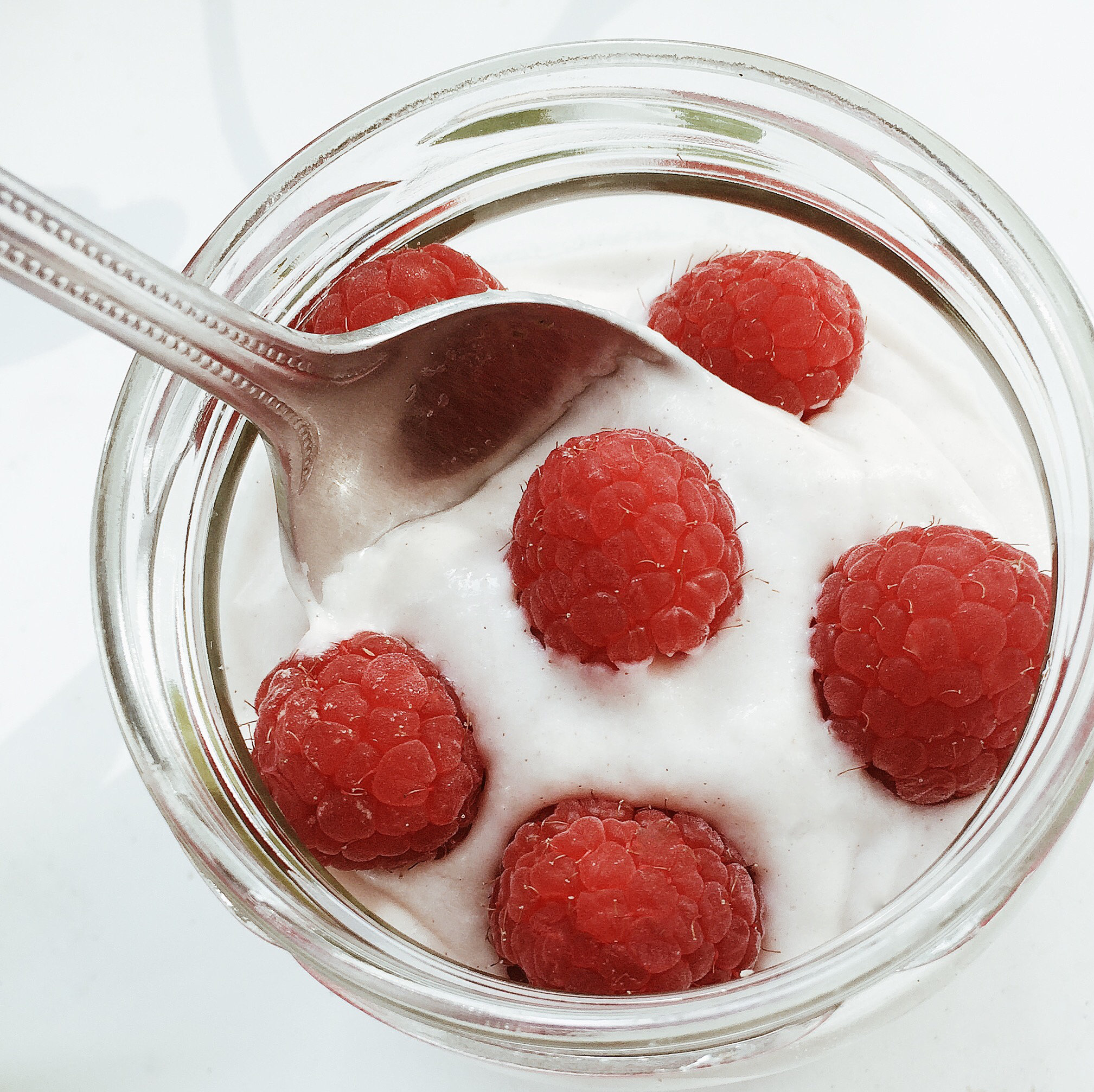
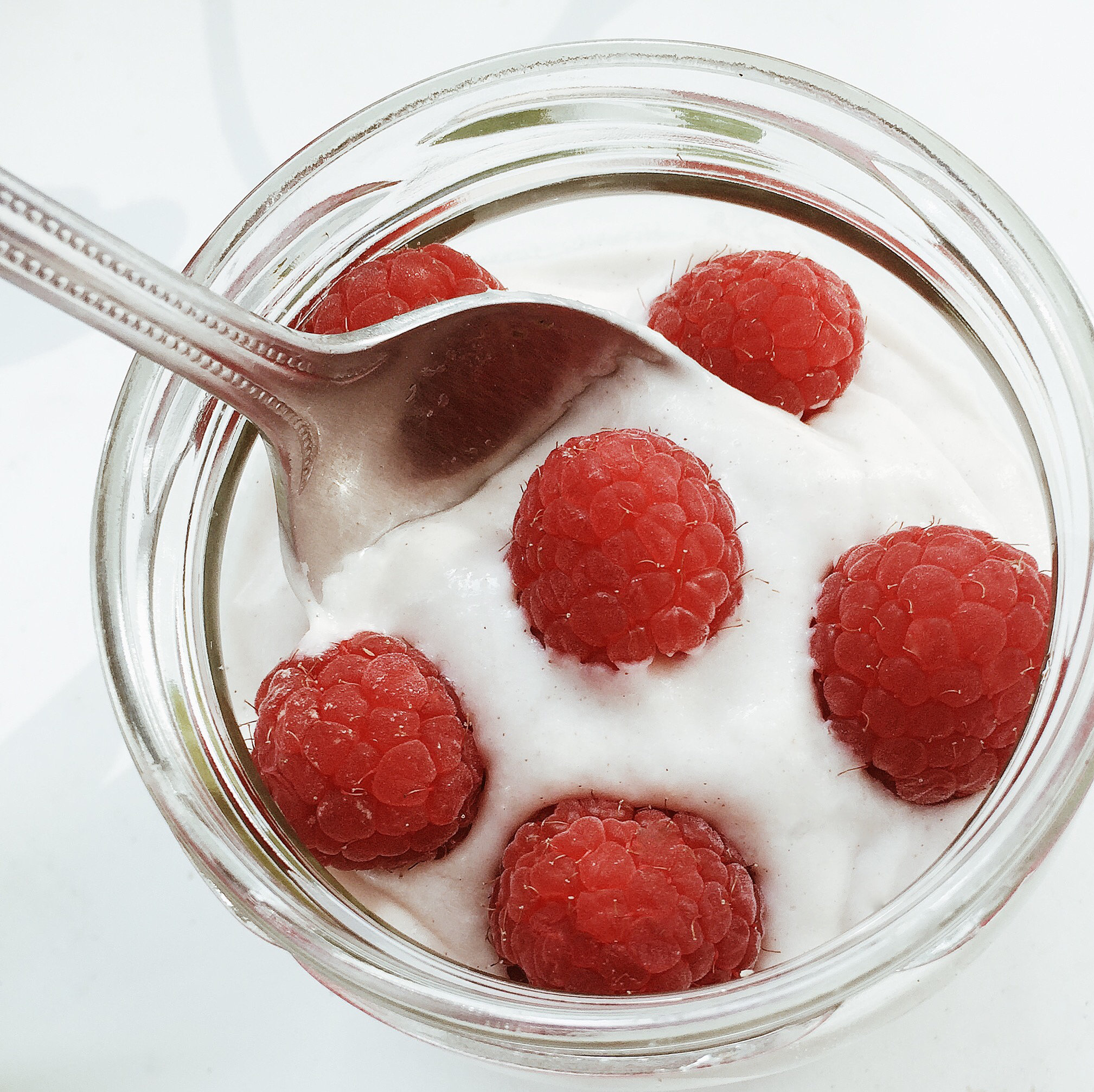
Raspberries are on many lists as high histamine but as you may know by now, I eat a histamine-balanced diet. I know that six raspberries a week isn’t a big deal, but for someone with serious issues it might be. You may wish to use the sweetener if you have a real sweet tooth, I do either deepening on what I’ve ingested fruit sugar wise in the rest of the week.
You’ll find recipes full of foods with antihistamine and anti-inflammatory properties my books Anti-Recipes and The Anti-Cookbook
2 young thai coconuts, meat scraped out and water separated or 2 cans of coconut cream/milk turned over and chilled overnight 1/4 – 1/2 cup young thai coconut water
optional pinch salt (brings out the sweetness) pinch raw vanilla powder (is fermented but a pinch was always fine for me) berries as a garnish and extra quercetin boost 1/4 cup coconut nectar or your choice of liquid sweetener
Directions:
Place the young thai coconut meat in a blender with the water, vanilla, pinch of salt and process for about five minutes till smooth. You can also do this in a food processor.
If using canned milk, remove cans from fridge and flip over. Open the can and scrape out the hard coconut cream and place in a blender with the rest of the ingredients.
Simple!
You’ll find recipes full of foods with antihistamine and anti-inflammatory properties my books Anti-Recipes and The Anti-Cookbook