UPDATE: I made an error, though I know perfectly well these are pink rather than red, I somehow ended up goofing. I’m also moving further up in the post that this tree is a member of the cashew family so care must be taken if allergic to nuts.
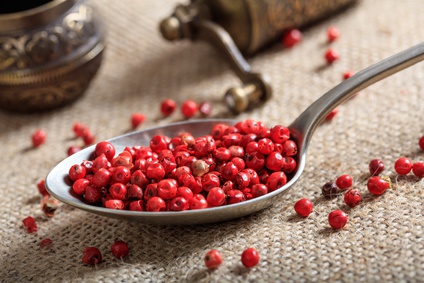
It turns out that my favourite pepper, isn’t a pepper at all, but rather a berry with antihistamine properties. This Brazilian tree fruit with a lightly spicy flavour is dried and sold alongside with green and black peppercorns. As with tea, green, black and white peppercorns are actually the same thing, just processed differently.
I’ve always wondered why I do better with white pepper than black, but pink peppercorns better than any of them. Well, the antihistamine properties are a great explanation. A study published in the peer-reviewed journal International Pharmacology found that an extract of the Brazilian pepper tree significantly prevented mast cell degranulation induced histamine related swelling and allergic reaction.
*Mast cell degranulation is the process by which mast cells release histamine and other inflammation into the blood stream. Histamine intolerance is generally attributed to a lack of the histamine degrading DAO (diamine oxidase) enzyme, while mast cell activation can be triggered by a primary condition (i.e. infection, medical condition, chronic stress, mold exposure and many others) or to be one itself. Stress is a huge mast cell activation cause, as it was in my case.
Interestingly this tree is a member of the cashew family, which means it may not be appropriate if you have an allergy. You’ll have to check with your doctor. In a case like this, I won’t go out and consume a supplement of this every day, I’ll just combine it with other foods that have antihistamine and anti-inflammatory properties. The magic happens when all these amazing things come together.
As for the rest:
Green peppercorns are the raw product preserved in brine.
Black peppercorns are dried green peppercorns.
White peppercorns are just peeled black peppercorns.
My issue with black pepper (in massive quantity anyway) perplexed me for some time: it isn’t high histamine, it isn’t inflammatory. Then I learned about oxalic acid, a plant defence mechanism (to deter predator insects) that can also work as an irritant to humans, and it all came together. White pepper is lower oxalate than black (but I have no idea about red, sorry).
At the end of the day, there are very few foods I do not include in my diet. Some, which appear on more than one list, for example high histamine, high oxalate and high salicylate, have proven to be problematic and so I eat little of them, but they’re still in there. I’ll do this sometimes just on principle, because I don’t want to fall into the elimination mindset again that left me eating five foods only.
Learn how I got out of the elimination mindset and how you can use this information to create your own histamine balanced diet and healing plan here.
You’ll find recipes full of foods with antihistamine and anti-inflammatory properties my books Anti-Recipes and The Anti-Cookbook
Cavalher-Machado, Simone Campos, Elaine Cruz Rosas, Fabiola De Almeida Brito, Alan Patrick Heringe, Rodrigo Rodrigues De Oliveira, Maria Auxiliadora Coelho Kaplan, Maria Raquel Figueiredo, and Maria Das Graças Müller De Oliveira Henriques. “The anti-allergic activity of the acetate fraction of Schinus terebinthifolius leaves in IgE induced mice paw edema and pleurisy.” International Immunopharmacology8.11 (2008): 1552-560. Web.
Hill, Kathryn. “What’s The Deal With Green, Black, White, and Pink Peppercorns?” The Kitchn. N.p., 2009. Web. 30 Dec. 2016.
Columbia University Medical Center researchers recently found that gluten/wheat issues in non-coeliacs can be due to a weak intestinal barrier (leaky gut some may call it). A second study has now confirmed their findings that wheat is inflammatory, and that it triggers or worsens chronic health conditions like multiple sclerosis, asthma, and rheumatoid arthritis, even if you’re not coeliac. The troublesome wheat protein identified in the study also contributes to the development of non-coeliac gluten sensitivity.
Consuming the amylase-trypsin inhibitors in wheat (ATIs), which make up less than five percent of the total protein, can lead to inflammation not just in the gut but also the lymph nodes, kidneys, and brain. The researchers say that ATI driven inflammation differs to celiac, and is not related to gluten. ATIs rather activate immune cells in the gut and other tissues, which worsens pre-existing inflammation.
Histamine intolerance and mast cell activation are both inflammatory conditions and I have consistently found that eating wheat (and many other grain products) aggravated my histamine levels and caused massive inflammation. That’s why I cut them out fairly early on in the game even when every single histamine researcher and mast cell doctor I spoke with insisted it was fine as a part of our diet. The study authors went on to say they hope to be able to recommend an ATI-free diet to help treat immune disorders.
ATIs are now believed to encourage the development of non-coeliac gluten sensitivity. Sufferers experience severe intestinal distress which is relieved by not eating wheat and gluten containing products. The study authors however believe that a more appropriate term than gluten intolerance is needed since it’s not the only inflammation causing component in wheat. If you’re reacting to grains other than wheat/gluten containing ones, it might be worth remembering that the body can sometimes misidentify them as related to wheat. It may also be that you have an issue with oxalic acid found in plants and grains. You can read about that here.
You’ll find recipes full of foods with antihistamine and anti-inflammatory properties my books Anti-Recipes and The Anti-Cookbook
Start the new year right with these 7 histamine intolerance foods that fight inflammation, are histamine friendly and super healthy for the body overall. I guarantee that you’ll always find these foods in my fridge and cupboards because I leaned heavily on them for the last five years, before figuring out that I was able to reintroduce most of the foods I’d had to eliminate over the years. Here’s how I did it.
Arugula
Benefits
Researchers have found that arugula extract can protect us from stomach ulcers, probably through its effect on histamine and prostaglandins (both of which are released by mast cells in the body). Arugula is also high in vitamin K, which helps us fight inflammation and prevent osteoporosis. Sulforaphane found in arugula and other cruciferous veggies is being studied for its role in preventing or stopping the growth of cancer, particularly lung, breast and pancreatic. This compound is particularly concentrated in sprouts/young shoots so I’ll often use arugula shoots.
Works well in
I like to use mine in what I call juicies – which are basically just a juice that you then blend stuff into. I’m not a fan of knocking back massive quantities of raw fiber (it just can’t be good for the body to suddenly deal with that). It’s also great in salads and I sometimes quickly pop open a bag and sweat the leaves very quickly in a pan with a little olive oil. Doing so means that I can eat a lot more lightly cooked than raw.
Watercress
Benefits
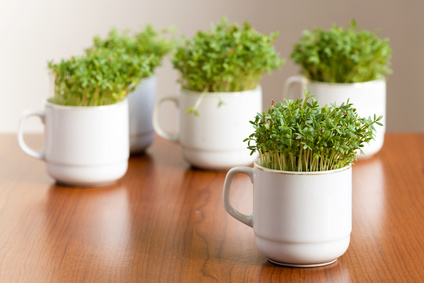
Research tells us that compounds extracted from this spicy plant can prevent histamine release from cells exposed to an allergen. Watercress is also high in anti-inflammatory bone building vitamin K and can help decrease neuropathy (nerve pain) in diabetics. It has also been shown to help fight high blood pressure.
Watercress compounds are also linked to decreased cancer risk, protection from the effects of radiation and chemotherapy.
Works well in
Juicies and salads. Don’t forget that it’s a spicy plant and as such care should be taken not to pair it with other spicy ones like arugula or ginger.
According to Dr. Axe the bran hull of back rice contains one of the highest levels of the antioxidant anthocyanin found in any food. Those of you following my instagram feed will have noticed I spend a lot of time eating and talking about this antioxidant purple miracle pigment. Anthocyanins are found in blueberries, raspberries, cranberries, and purple varieties of carrots, cauliflower and sweet potato. The absolute only inflammatory (pretty much nutrient devoid) potato I will eat is a blue/purple one. Anthocyanins prevent cardiovascular disease, cancer and are anti-inflammatory and can help cleanse the liver of of toxic build up. Arsenic is a concern nowadays with all rice, but the Environmental Working Group tells us that cooking rice more like pasta will decrease the arsenic content by about forty percent. Rinse the rice then boil one cup of rice in twelve cups of water.
Works well in
I love adding rice to salads and I really enjoy black rice noodles (you can buy these online or in health food stores) as a wheat pasta substitute. I’ll often just toss some noodles with sautéed veggies and onion as a meal.
Artichokes
Benefits
This tasty vegetable is rich in the mast cell stabilising bioflavonoid luteolin. We want mast cells stable so they don’t leak histamine and other inflammation into the blood stream. Other members of the artichoke family have antihistamine properties and all are highly anti-inflammatory.
Works well in
My absolute favourite dairy free creamy pasta sauce is make from boiled artichoke hearts. You’ll find the recipe here. I also adore eating chokes lightly boiled and then paired with a apple cider vinaigrette. I’ve even been known to slip a bit of organic three ingredient Dijon mustard (look for Edmond Faillot mustard at Whole Foods), which is a higher histamine ingredient but also anti-inflammatory. Your results may be different. Artichokes can also be shaved using a mandolin and eaten raw in a salad, or you could quarter them, drizzle with a little oil and lemon and roast them.
Ginger
Benefits
One of the best weapons in the antihistamine arsenal, ginger is a potent antihistamine, nausea inhibitor (histamine causes nausea and motion sickness!), and of course anti-inflammatory and cancer preventer. Also in the family, turmeric has an even more amazing profile but I can only do small amounts of it due to its very high oxalic acid, salicylic acid and MAO enzyme inhibiting properties. When a food appears on multiple lists, even if it’s classed as one of the world’s healthiest foods, I’m likely to avoid ingesting massive amounts of it.
Works well in
Smoothies, juices, soups (I add ginger and turmeric to all my soups), grated into salad dressing and onto sautéed veggies (especially great with noodles).
Lentils
Benefits
Some lists tell us that lentils are high histamine. Once I realised that excluding nutrient dense foods willy nilly wasn’t working for me, I started slowly adding back foods that had lots of benefits. Lentils were at the top of the list. Given that my father died of lung cancer in his early forties, and friends developing breast cancer around me at an alarming rate, cancer fighting foods seem like a great idea. Lentils are also a great source of potassium, calcium, zinc (needed for the manufacture of the histamine lowering DAO enzyme), folate and iron. I’ve never noticed any kind of histamine reaction from lentils, ever, so as with many of these foods, your own reaction is best to go by.
Works well in
Pressure cooking lentils can inactivate lectins and other “anti-nutrients”. I love my lentils in salads, in soups like my absolute favourite lentil chard, and I make savoury waffles and flatbreads out of lentil flour (you can buy it online or make your own in a coffee grinder or a Vitamix). There’s also a few great brands of gluten free pasta made from lentils that can also be found online or at organic supermarkets.
Chives
Benefits
Members of the allium family possess significant mast cell stabilising properties, thereby preventing histamine release. My other favourite is red onion, which is super high in quercetin, the bioflavonoid usually responsible for the antihistamine activity. Red onions are of course a double whammy thanks to the anthocyanins in the skin. A caveat, don’t remove too much of the skin – that’s where the good stuff is. Chives are also full of red blood cell building chlorophyll.
Works well in
Pretty much everything! I use a pair of scissors to chop them into salads, soups, and onto pretty much anything I eat, raw or cooked.
You’ll find recipes full of foods with antihistamine and anti-inflammatory properties my books Anti-Recipes and The Anti-Cookbook
Alqasoumi, S. (2009). Rocket “Eruca sativa”: A salad herb with potential gastric anti-ulcer activity. World Journal of Gastroenterology,15(16), 1958. doi:10.3748/wjg.15.1958
Goda, Y., Hoshino, K., Akiyama, H., Ishikawa, T., Abe, Y., Nakamura, T., . . . Toyoda, M. (1999). Constituents in Watercress: Inhibitors of Histamine Release from RBL-2H3 Cells Induced by Antigen Stimulation. Biological & Pharmaceutical Bulletin,22(12), 1319-1326. doi:10.1248/bpb.22.1319
What Are the Benefits of Eating Lentils? (n.d.). Retrieved December 25, 2016, from http://healthyeating.sfgate.com/benefits-eating-lentils-4547.html
Anti-allergic effects of herbal product from Allium cepa (bulb). (n.d.). Retrieved December 25, 2016, from
(n.d.). Retrieved December 25, 2016, from http://www.medicalnewstoday.com/articles/275009.php
This month I’ll be giving away my 110 page Happy Holidays ebook free with every purchase, this year I’ve added a slew of non-alcoholic drinks and canapés.
There’s several full menus of nutrient dense and totally delicious festive foods in this ebook. Don’t miss it, visit my online store to get it.
Just place an order and you’ll get an email within the hour with the link to your freebie. If you don’t get it in 24 hours, please contact me through the website and I’ll send it right over (because sometimes things go wrong…).
Hope you enjoy this year’s menu! You’ll also find it in the freebie book.
I like my gingerbread cookies to have a bit of crunch to them! If you’d like chewy cookies, please add some liquid sweetener, sub some of the coconut sugar with dates or a little apple puree and keep a close eye on these tasty little suckers to make sure they don’t dry out.
INGREDIENTS
1/2 cup sorghum flour
1/2 cup oat flour
1/2 cup almond flour (or 1/4 cassava root and 1/4 tigernut for nut free)
1/3 cup coconut oil
1/2 cup coconut sugar
2 eggs
2-3 tbsp grated ginger or a few drops liquid ginger
pinch of salt
raw vanilla, to taste as tolerated
PREPARATION
Pre-heat your oven to 180C/350F.
In a medium bowl mix the flours, oil, vanilla, ginger, pinch of salt eggs and ginger.
Place in the fridge for 10-20 minutes, or till firm, so it’s easy to roll out later. Take out of the fridge. Lightly dust your work surface with some sorghum flour (or tolerated flour).
Take your dough and knead for a bit till workable. But make sure not to touch it too much or it’ll become unmanageable.
Roll it out quickly and then use a cookie cutter to work your way through. I made mine about half an inch thick. Lay down some baking paper onto a tray and carefully place the cookies on it.
Bake at 180C/350F for about 20-30 minutes, till golden. Serve with eggnog.
1 medium butternut squash, peeled/seeded and oven roasted till soft
1/4 cup (creamy) coconut milk
2 eggs (I used duck eggs but you can use what you like)
1/2 cup sorghum flour (paleo, medium oxalate)
1/2 cup coconut sugar
fresh raw vanilla, to taste (as tolerated)
Streusel:
1 cup almond flour (or sorghum flour, oat flour could also work)
¼ cup coconut oil
¼ cup coconut sugar
Preparation
Streusel:
In a small bowl, combine all of your ingredients. Have some fun and mix it with your hands until crumbly.
In a medium bowl mix the roasted butternut squash, creamy coconut, eggs, flour, sugar and vanilla.
Pour into your pie shell. Top with the streusel and bake at 360F till firm, but cooked through. Should take between 45mins and an hour, depending on your oven.
Coconut Caramel Sauce
2 Tbsp water
¼ cup coconut sugar
1 can of full fat coconut milk or same amount of blended young Thai coconut cream (you can buy both online)
1 vanilla bean split in half
In a saucepan, over medium high heat, bring the coconut milk, coconut sugar and the split vanilla bean to a boil. Stir frequently. When the mixture comes to a boil, reduce the heat to low and Once boiling, turn the heat to low and continue boiling until thick, about 30-35 minutes. Remove from the heat. Remove the vanilla bean pod, making sure to scrape out any seeds of flavor that may be hanging on.
Store the caramel sauce in a mason jar in the refrigerator for up to 2 weeks. If the sauce has been in the fridge, place the jar in a pan of water that had been brought to a boil to bring it to heat before serving over the pie.
It’s finally here! Man Food – a high nutrient antihistamine and anti-inflammatory ingredient filled book geared towards guys, women who love to work out, yoga like they mean it, or just load up on healing nutrients. Features my personal shopping list of antihistamine and anti-inflammatory foods.
The Anti-cookbook and all liquid Anti-Detox Book, don’t treat any conditions, but feature a plethora of the high nutrient antihistamine and anti-inflammatory ingredients that have been instrumental in helping me feed myself on a limited diet. The Anti-cookbook features a four page list of antihistamine and anti-inflammatory foods and comes in regular and Paleo.
The Low Oxalate Cookbook features antihistamine and anti-inflammatory rich recipes.
Don’t miss the Low Histamine Beauty Survival Guide for non-toxic beauty tips, the skinny on histamine releasing (mast cell degranulating) beauty ingredients, antihistamine and anti-inflammatory beauty alternatives and the top brands natural brands I’ve found.
At first glance it might seem that the holidays are a complete write off when you’re dealing with histamine intolerance and mast cell activation, but a little careful tweaking can really make them enjoyable.
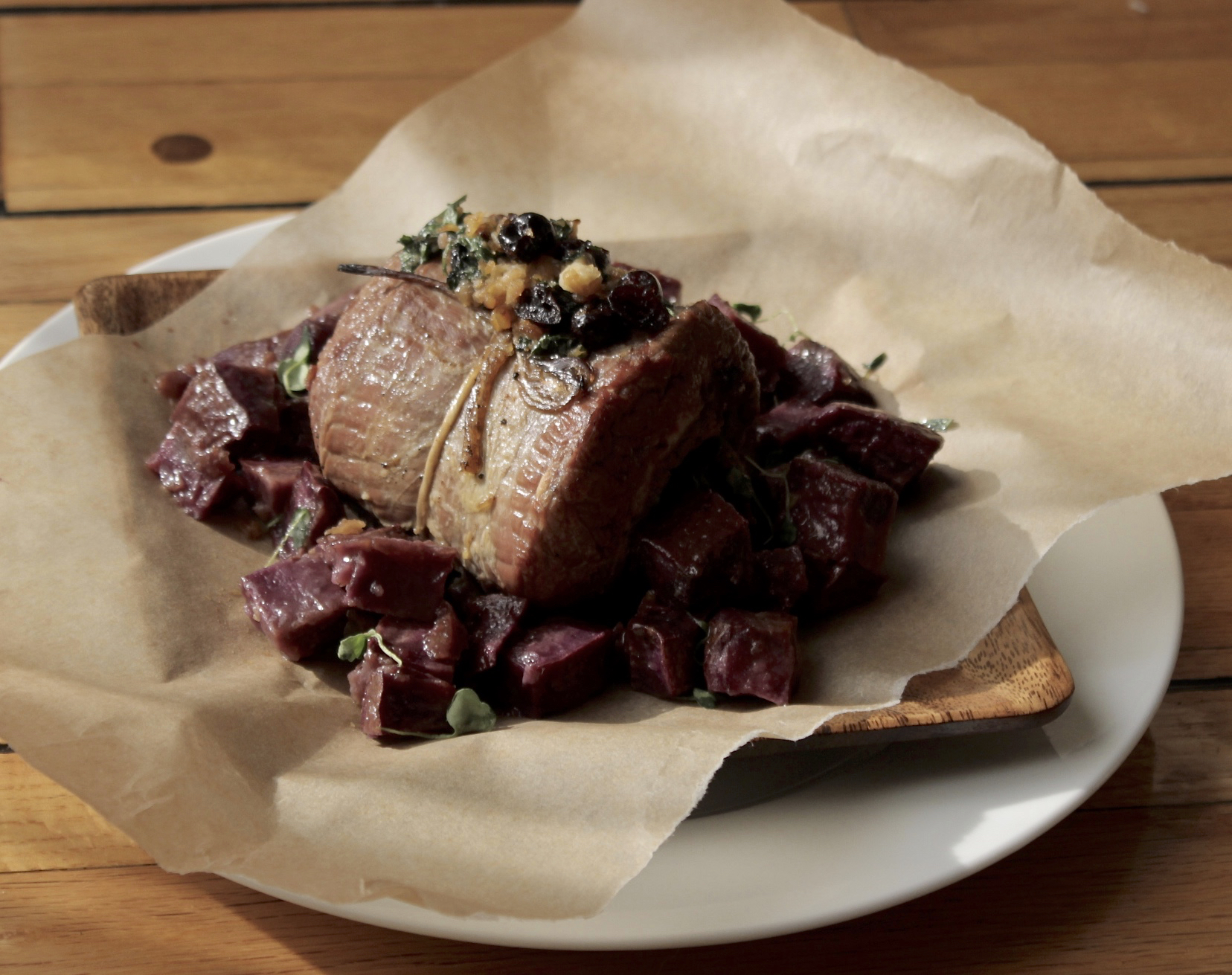
You’ll have to forgive my photos here. I’ve JUST moved to California from Europe, a life long dream for me. But that means I’m living surrounded by boxes and am having to rebuild my photography studio from scratch. And of course, being the ditz that only I can be when it comes to moving, I forgot my camera in Spain! Thankfully I was finally able to borrow one for the final photo but we’ll just have to deal with my instagram shots today sorry guys, I’ll do better next time I promised. Roasted Beef or Lamb Roulade
I recommend asking the butcher to butterfly the lamb for you and please feel free to substitute any butterflied poultry instead.
Ingredients
2 small – medium butterflied legs of lamb
2 cloves garlic
1 tbsp fresh rosemary leaves
1 inch fresh ginger root, minced
2 tbsp olive oil
1 tbsp cooked quinoa
1 cup chopped cranberries (you can use blueberries or blackberries also)
1-2 shallots, chopped
1-2 tbsp lemon juice
Directions
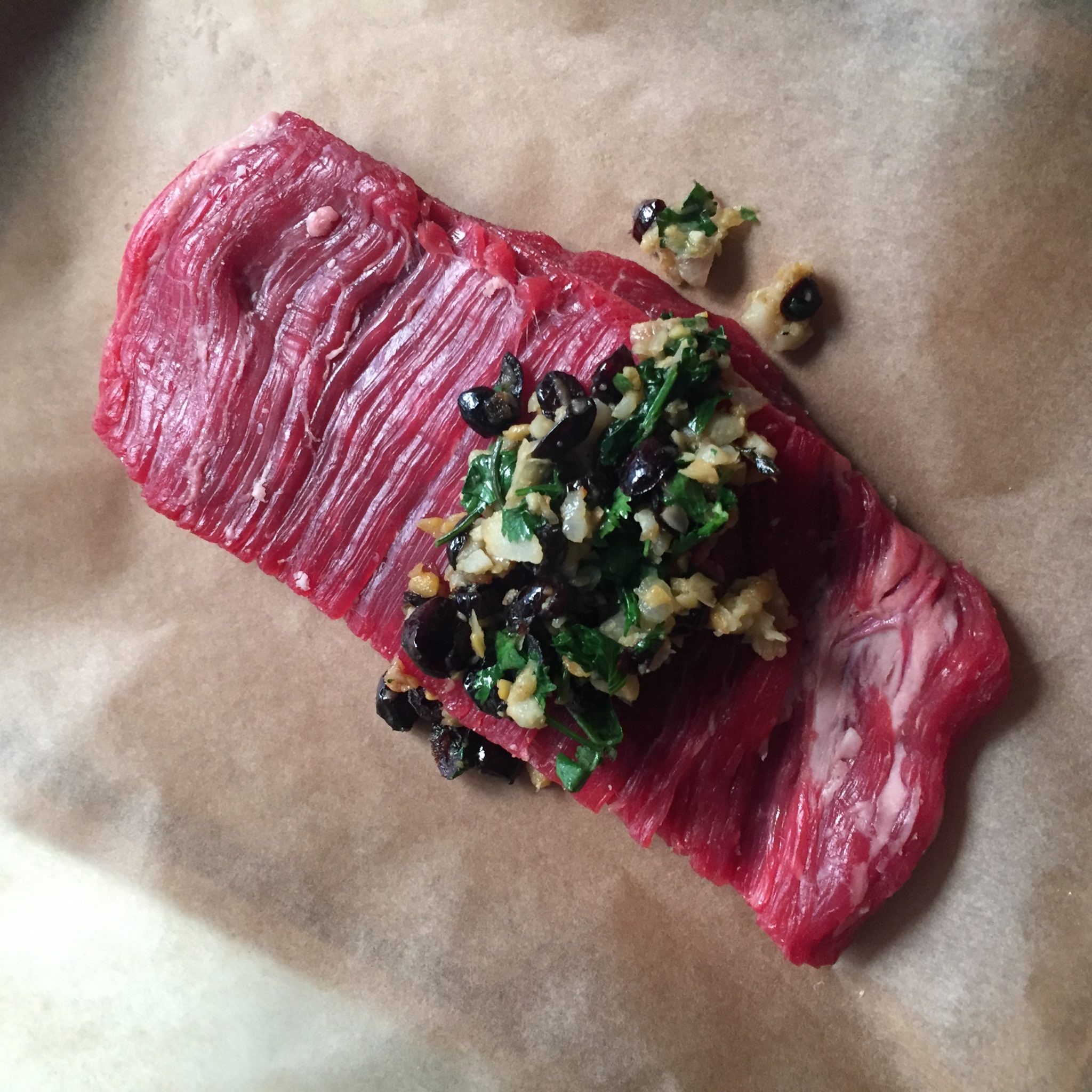
In a skillet add the lemon juice and the chopped cranberries and cook over medium heat about 5 minutes until the cranberries just start to break down. Add the shallots, ginger, rosemary and garlic and continue cooking over medium high heat until your shallots are soft but not mushy. Stir in your cooked quinoa.
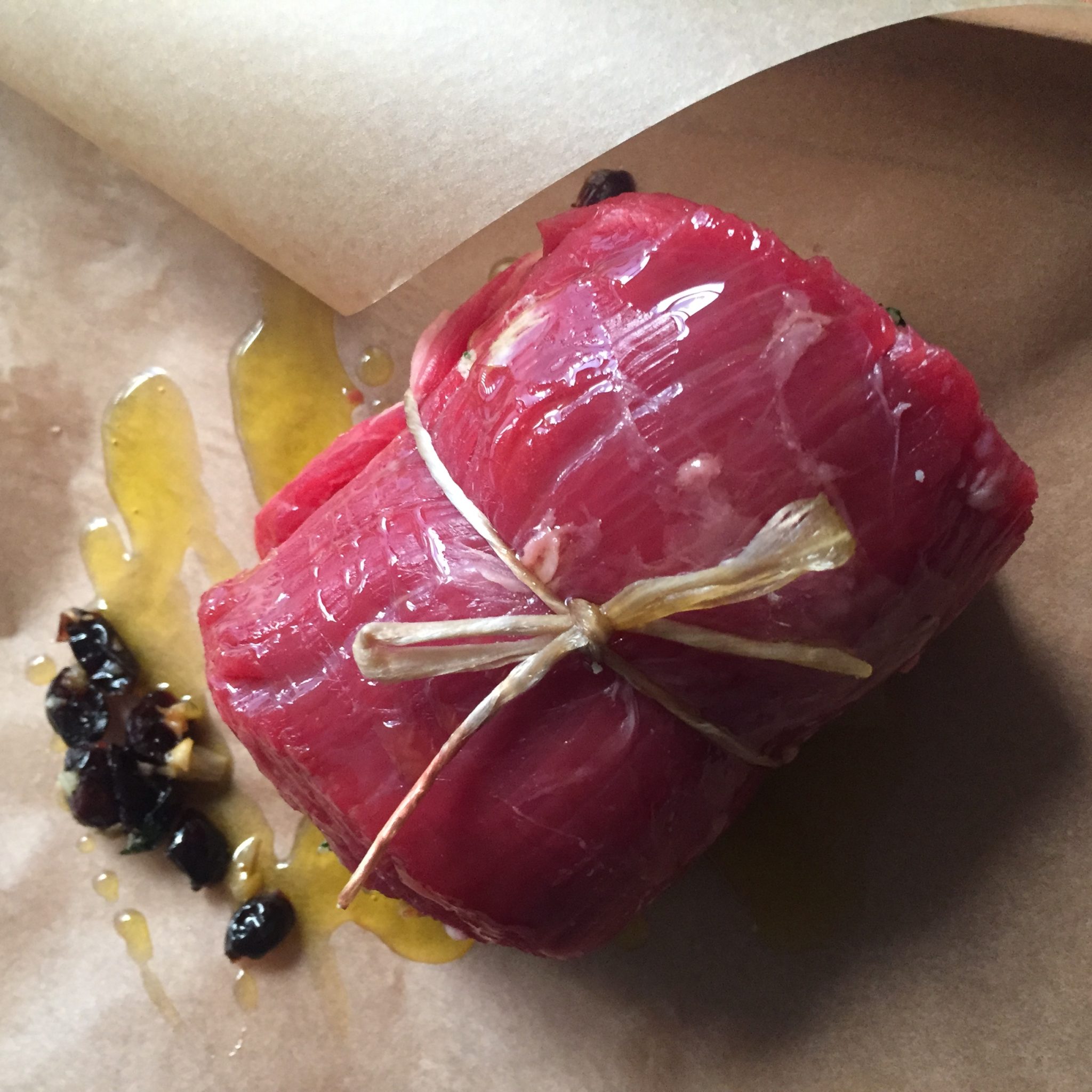
Line a baking sheet with parchment paper. Lay your Butterflied meat on the sheet and rub both sides lightly with olive oil. Spread your cranberry/quinoa mixture over the meat, leaving a ½ inch empty space at the bottom. Starting at the top of the meat, tightly roll the meat up. Tie it with kitchen string to keep it in place or if you don’t have any kitchen string, wooden toothpicks will work well also.
Bake at 325F for about 20-30 minutes until a thermometer reaches an internal temp of 145F for medium rare for lamb or 160F if using poultry.
I like to double the cranberry/quinoa mixture to serve as a side or on top of the cooked meat.
2 – 2 ½ sweet potatoes, peeled and diced in 1 inch cubes
2 tbsp coconut oil
1 cup coconut sugar
1 vanilla bean, scraped or a pinch of raw vanilla powder (available online)
1 tsp ginger
1 batch of marshmallow cream (see below)
Directions
Combine and toss of all the ingredients (except for the Marshmallow cream).
Place in a greased baking dish, cover with foil and bake 375F degrees for 50 minutes. Remove the foil after 50 minutes, continue baking 10 to 20 more minutes until your potatoes are tender all the way through when pierced with a fork. Pull from the oven and top the sweet potatoes with your marshmallow cream. Place under the broiler for 1 – 3 minutes until you have just a few light brown spots. If you happen to have a kitchen blowtorch, run that lightly over the cream instead.
Marshmallow Cream
Water from 1 can of chickpeas (save the chickpeas for another recipe)
1/3 cup coconut nectar (honey or your choice of liquid sweetener)
1 vanilla bean, scraped or a pinch of vanilla powder
½ tsp arrowroot powder
Directions
Combine the chickpea water, coconut nectar, seeds scraped from the vanilla bean and the arrowroot powder into a mixing bowl. Using a whip attachment, blender, or stand mixer, start whipping at a slow speed until the mixture becomes frothy. Gradually increase the speed to the highest setting. (increasing the speed gradually will help insure that you don’t end up with a face and wall full of splatters). Whip at the highest speed for 10 to 15 minutes until you get a nice medium stiff peak. I’m a huge fan of doing things by hand, but for this recipe, definitely use an electric mixer!
4oz coconut syrup/nectar or your choice of liquid sweetener
3oz Olive Oil
3 tbsp fresh sage
Directions
Preheat the oven to 450F.
Pat the hens dry with a paper towel (this will help give you a crisp skin). Place them on a parchment lined baking sheet or in a roasting pan. Chop your sage finely. Chop your blueberries coarsely. Mix both of these together with the olive oil. Gently loosen the skin of the hens with your fingers and work the herbed fruit oil underneath the skin of the hens. Rub some on the inside of the hens as well. Rub syrup all over the outside of both hens. Truss your hens if you like (tie their feet together) and place breast side up on the pan.
Roast the hens for 25 minutes. Drop the oven temperature to 350F, and continue cooking for another 35 minutes or until a thermometer registers 160F. Make sure to baste every 8-10 minutes during the lower heat cooking with the juices from the bottom of the pan. This will insure juicy meat.
1 can of chickpeas drained (use the chickpeas that were left-over from the Marshmallow cream recipe)
1 onion, diced
1 large apple, diced
2 cloves garlic
1 tbsp thyme
1 ½ cup of preferred stock/broth (make your own by boiling a handful of veggies, onion, garlic and herbs for 30 minutes then draining)
8oz water chestnuts (soaked – you can buy these online)
2 tbsp olive oil
Directions
Spread the water chestnuts out onto a baking sheet and bake at 425F degrees for about 15 minutes. Remove from the oven and remove the shells when cool enough to handle.
In the olive oil, sauté your onion, apple and garlic just until the apples are soft.
In a food processor, pulse your chestnuts and chickpeas until they reach the desired consistency. I like a bit of chunk in my stuffing.
Mix your chickpea/water chestnut mixture with the sautéed mix. Add your stock/broth and mix well. Pour into a greased baking dish and bake at 350 for about 45 minutes. Stir halfway through cooking.
Butternut Squash Salad with French “fried” Shallots
1 medium sized butternut squash, cubed into 1 inch squares
4 cups arugula
¼ c sliced almonds (you can omit these if allergic/sensitive)
¼ cup preferred gf flour (I like white rice, sorghum)
Directions
Heat the oven to 450F.
Take your sliced shallots and dip them in 1 tbsp olive oil then dredge in your gf flour. Lay these out on a baking sheet and bake until crisp, about 20 minutes tops.
Turn the oven down to 425F.
Toss the squash in a little olive oil, garlic, turmeric and paprika. Spread out on a baking sheet and bake for 20 minutes. Toss the almonds in and add a little olive oil then stir into the squash. Bake for an additional 5 minutes. Remove from the oven and toss with the arugula and French “fried” shallots and serve.
It’s finally here! Man Food – a high nutrient antihistamine and anti-inflammatory ingredient filled book geared towards guys, women who love to work out, yoga like they mean it, or just load up on healing nutrients. Features my personal shopping list of antihistamine and anti-inflammatory foods.
The Anti-cookbook and all liquid Anti-Detox Book, don’t treat any conditions, but feature a plethora of the high nutrient antihistamine and anti-inflammatory ingredients that have been instrumental in helping me feed myself on a limited diet. The Anti-cookbook features a four page list of antihistamine and anti-inflammatory foods and comes in regular and Paleo.
The Low Oxalate Cookbook features antihistamine and anti-inflammatory rich recipes.
Don’t miss the Low Histamine Beauty Survival Guide for non-toxic beauty tips, the skinny on histamine releasing (mast cell degranulating) beauty ingredients, antihistamine and anti-inflammatory beauty alternatives and the top brands natural brands I’ve found.
A review of the latest autism spectrum disorder (ASD) research by National Institutes of Health funded mast cell researcher and head of molecular immunopharmacology and drug discovery at Tufts, Dr. Theoharis Theoharides*, shows that mast cell activation may be the root cause of ASD in some children. Other recent studies have found a link between autism and maternal and childhood food allergies, asthma and eczema, all of which involve mast cells (and histamine). Autism is believed to affect as many as one in 45 children in the United States, but the lack of reliable biomarkers has made the development of treatments difficult. The annual cost of autism was recently estimated at over $250 billion in 2015.
*Dr. Theoharides is in the top five percent most quoted authors in scientific papers.
His review, published recently in the journal Translational Psychiatry, points out that mast cells are located in all tissues, including the thalamus and hypothalamus, which regulate emotions.
On a personal note not relating to the specifics of ASD behaviour but rather the regulation of emotions by mast cells generally, I have experienced what some have dubbed “masto-rage” or “mast cell rage”, and can I can tell you first hand that mast cell activation messes with your ability to think straight, interact with people you love in a rational way, and can cause violent (and often illogical) outbursts.
Again – I am not saying this is ASD behaviour, it’s just an explanation of my personal experiences of mast cell activated hypothalamic and thalamic processes.
Dr. Theoharides’ findings show that the expression of inflammatory molecules interleukin (IL-1B, IL-6, IL-17) and tutor necrosis factor (TNF) is increased in the brain, spinal fluid and blood of some autism patients, while others are released in times of stress. Some with elevated IL-6 and TNF may benefit from treatment with the bioflavonoid luteolin (which is something I take daily) which is a supplement that prevents mast cells from releasing histamine and other inflammation (like interleukins) from being released into the blood stream.
A study published in the journal Cellular Molecular Biology points out that histamine causes consistent blood-brain barrier “opening”/permeability. Didn’t know histamine is found in the brain? It’s found there, and we have histamine receptors in the heart, breasts, and pretty much everywhere else. That’s why it’s important if we lack the DAO and HNMT histamine degrading enzymes (which can be a genetic issue), or if we have activated mast cells (histamine is found in these immune system cells), then we might benefit eat an overall anti-inflammatory and low histamine or histamine-balanced diet.
According to Theoharides, the number of allergic, genetic, environmental, immune and infectious factors increase the risk or contribute to the development of autism spectrum disorders (ASD). He has suggested in the past that mast cell related inflammation could disrupt the blood brain barrier, causing a so-called “allergy of the brain” which could contribute to ASD.
Obesity during pregnancy has been strongly associated with a number of childhood issues, but it’s also considered an inflammatory state associated with mast cell activation. But there are many other factors linked to mast cells and so if this topic is of interest to you, I highly suggest reading the rest of his paper, a link to which is found below. It’s certainly something I’ve been interested in for a long time given that a large chunk of my histamine/mast cell activation friends have children on the spectrum.
Dr. Theoharides has been studying luteolin and other bioflavonoids like quercetin for their mast cell activation fighting properties and I know a number of my friends have used it also. You can find the supplement here but I encourage you to read up on it fully and ask your doctor about it before trying it.
We’re all different in what we can tolerate and what works for one might not for another. Natural compounds can be harmful too, so best to proceed with caution.
You’ll find recipes full of foods with antihistamine and anti-inflammatory properties my books Anti-Recipes and The Anti-Cookbook
Theoharides, T. C., Tsilioni, I., Patel, A. B., & Doyle, R. (2016). Atopic diseases and inflammation of the brain in the pathogenesis of autism spectrum disorders. Translational Psychiatry,6(6). doi:10.1038/tp.2016.77
Nag, S. (n.d.). Blood–Brain Barrier Permeability Using Tracers and Immunohistochemistry. Blood-Brain Barrier,, 133-144. doi:10.1385/1-59259-419-0:133
Scientists find that music therapy not only affects histamine, but also other immune system and stress markers. It’s also now proven that music may be better than prescription medications for some conditions.
A study looking into the benefits of Receptive Music Therapy found that “feel good music” suppressed histamine secretion by the salivary glands (but not blood histamine) in both allergic and non-allergic volunteers.
A large scale review of over 400 scientific papers on the neurochemistry of music turned up that music was better at prescription meds at reducing pre-operative stress. People who listened to music increased their levels of IgA, which is an antibody in the digestive tract, lungs and other mucosal areas in the body, which helps fight infections. Music listeners also had higher levels of natural killer cells that attack bacteria, infections and cancer. Listening to music also helped reduce the obesity promoting stress hormone cortisol.
You may not know this yet, but according to the mast cell doctors I’ve spoken with, for some people stress is the number one mast cell trigger. Histamine lives in mast cells. When these cells become unstable thanks to stress, foods, allergens etc, they release histamine and other inflammation into the body. So most things that stabilise mast cells, like stress reduction, can lead to a decrease in histamine production and an overall fall in inflammation.
One particular study found that music in what’s called “major” mode is more effective than “minor” mode music at stimulating a sense of wellbeing and happiness, and more importantly, lowering cortisol levels.
An example of major mode music is Mozart in C major. If you type that into iTunes, Spotify or Youtube and you’ll turn up a bunch of stuff and then can work through the related searches. Major notes are also found in jazz compositions, including one of my favourite songs “Ain’t Misbehaving” and a selection of Glenn Miller big band tunes. (Please forgive my limited understanding of music – it’s a subject I’m now planning on thoroughly educating myself on). There’s loads of pop music that’ll also work I’m sure. I guess you are the best indicator of whether a piece of music is working for you, rather than what a study tells you.
The right tune has the ability to send me into a trance of happiness and wellbeing. Lots of classical pieces, specifically waltzes like the Blue Danube and from Swan Lake and others. I’ve been obsessed with the drums for as long as I can remember, especially big band, jazz, native America n, Middle Eastern and even heavy metal. One of the questions raised for further study is if playing the instrument offers additional or different benefits. Reading all these studies inspired me to sign up for drumming lessons to find out for myself.
Here’s a few of my favourites feel good musical selections in major.
You’ll find recipes full of foods with antihistamine and anti-inflammatory properties my books Anti-Recipes and The Anti-Cookbook
Suda, M., Morimoto, K., Obata, A., Koizumi, H., & Maki, A. (2008). Emotional responses to music: Towards scientific perspectives on music therapy. NeuroReport,19(1), 75-78. doi:10.1097/wnr.0b013e3282f3476f
Kejr, A., C. Gigante, V. Hames, C. Krieg, J. Mages, N. König, J. Kalus, K. Schudmann, and F. Diel. “Receptive Music Therapy and Salivary Histamine Secretion.” Inflammation Research 59.S2 (2009): 217-18. Web
Weiss, Jonathan. “Scientific Literature Shows Music Can Boost Immune System And Reduce Pain.” Medical Daily. N.p., 2013. Web. 13 Nov. 2016.
Studies indicate that vitamin E commonly found in a number of healthy foods can lower histamine, prevent mast cells from leaking inflammation into the bloodstream unnecessarily, and prevent or treat allergic symptoms. Not all vitamin E supplements are created equal however, and some research shows that the high levels found in them may contribute to certain cancers. All references can be found at the end of the post.
Hyper reactivity of histamine containing mast cells has been linked to a number health conditions like rheumatoid arthritis, atherosclerosis, multiple sclerosis, asthma and allergic rhinitis (runny nose), as well as others. A study published in the periodical Vitamins and Hormones states the authors’ belief thatinterferingwith with mast cell activation, the process by which mast cells (a key component of the immune system) release histamine and other inflammation, may work as a preventative strategy in the management of these conditions.
Other recent animal studies show vitamin E inhibits prostaglandin formation and histamine release and that it reduced the incidence of allergic dermatitis. One study in particular found that the histamine lowering effect of vitamin E was significant in the lungs and skin, thereby preventing histamine induced inflammatory damage to the organs. The study notes that mast cell activity increases in diseases involving the swelling of these organs and that it may cause fibrotic and genetic changes relating to cancer.
A study published in The Lancet investigating IgE (standard allergic response marker) in animals found that higher concentrations of vitamin E were associated with lower levels of IgE. They concluded that their results are consistent with findings on the reported benefit of dietary vitamin E intake in asthma. A handful of human studies report that vitamin E may play a protective role in allergies and histamine release, particularly one published in the Journal of Central European Public Health.
As with all things, I say don’t run out and buy a bottle. I firmly believe that unless there’s a major deficiency, whole foods are a much better place to start. I make sure to get a good vitamin E intake from my diet and will supplement one day if I’m found to need it.
Dr. Joel Fuhrman (MD) does not include vitamin E in his supplements because an excess of it in supplemental form may contribute to cancer.
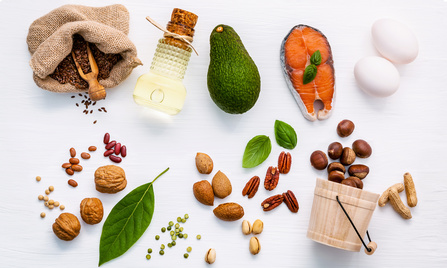
Histamine friendly food sources of vitamin E Please remember, any food can hurt us so always be safe and check with your doctor. A compound or food with antihistamine properties can still cause problems and allergies to low histamine foods is very possible.
Almonds
Pecans
hazelnuts
Sunflower seeds
Flax seeds
Chia seeds
Swiss chard
Turnip greens
Asparagus
Beet greens
Broccoli
Mango
Salmon (not considered high histamine if very fresh)
Eggs (uncooked egg white is considered a mast cell trigger and eggs are allergenic)
You’ll find recipes full of foods with antihistamine and anti-inflammatory properties my books Anti-Recipes and The Anti-Cookbook
Tsuduki, T., Kuriyama, K., Nakagawa, K., & Miyazawa, T. (2013). Tocotrienol (Unsaturated Vitamin E) Suppresses Degranulation of Mast Cells and Reduces Allergic Dermatitis in Mice. Journal of Oleo Science J. Oleo Sci.,62(10), 825-834. doi:10.5650/jos.62.825
Zingg, J. (2007). Vitamin E and Mast Cells. Vitamin E Vitamins & Hormones, 393-418. doi:10.1016/s0083-6729(07)76015-6
Fogarty, A., Lewis, S., Weiss, S., & Britton, J. (2000). Dietary vitamin E, IgE concentrations, and atopy. The Lancet,356(9241), 1573-1574. doi:10.1016/s0140-6736(00)03132-9
Holick, M. (n.d.). Evaluation of vitamin D intake and serum 25 hydroxyvitamin D concentration on calcium metabolism. Http://isrctn.com/. doi:10.1186/isrctn18397898
Willumsen, N., Holm, J., Christensen, L. H., Würtzen, P. A., & Lund, K. (2012). The complexity of allergic patients’ IgE repertoire correlates with serum concentration of allergen-specific IgE. Clinical & Experimental Allergy,42(8), 1227-1236. doi:10.1111/j.1365-2222.2012.04009.x
Picking the Right Multivitamin is Paramount As Most May Be Harmful to Your Health. (n.d.). Retrieved November 06, 2016, from https://www.drfuhrman.com/learn/library/articles/38/harmful-ingredients-in-supplements-picking-the-right-multivitamin-is-paramount-as-most-may-be-harmful-to-your-health
Sutro Tower telecommunication tower in San Francisco
Researchers find that low levels of electromagnetic frequencies (EMF) from electronic devices affect human and mice hormonal (endocrine) and immune systems. Mast cells are believed to play a role and women may be more prone to their effects than men. Mast cells contain histamine and triggering their activation releases histamine into the blood stream.
I’m on a roll this month taking on topics I know I’ll take some heat for. Just recently it was cannabinoids found in marijuana as a possible treatment for mast cell activation and the prevention of histamine release, and this week it’s the woo woo subject of EMF.
My mother instilled a fear of microwaves in me at an early age. Something re-inforced the day I innocently placed a foil wrapped tv dinner into one while away at college (the mini magnetic storm in the micro was quite something to behold), and blew the sucker up.
I still think there’s something fundamentally bizarre about nuking food (and do not use a micro to this day), yet I’m a firm believer in technology, sending people to Mars (and beyond) and more importantly, should a Star Trek worthy teleport someday exist, you better believe I’ll be on the early wait list for that ride.
Still, the trickle of scientific research regarding the effects of EMF on the immune system warrants looking in to, if only to potentially encourage serious tech junkies like myself to jack out once in a while. Or at least not fall asleep with the computer on, right by your head (as I have for much of my adult life), or actually with your laptop on your lap top. These studies are all quite small samples, so please do take everything with a pinch of salt.
A study published in the journal of Environmental Research found that four hours daily of “very low” EMF on rats was long enough to negatively impact their immune system and thyroid glands. Another study published around the same time found similar results.
Results of an investigation into the safety of using laptop computers actually perched on your lap published in the Archives of Environmental & Occupational Health turned up a number of potentially worrying hazards. Namely that magnetic currents from the laptop penetrated the body at a higher rate than recommended by certain government bodies. The authors conclude that in their view laptops should not be placed on the body.
Researchers studying the effects of EMF on museum workers, the results of which were shared in the International Journal of Immunopathology and Pharmacology, found that night shift workers exposed to EMF for 20 hours a week had lowered immune system function. They also revealed that women were more prone to the immune system disturbance. Immune system function returned to normal after a change in work site. We have plenty of data nowadays showing that nightshift work is likely to trigger immune system dysfunction by messing with melatonin production and generally disrupting the circadian rhythm, so it’s not much of a surprise that adding EMF exposure to the mix isn’t great. Unfortunately I’d guess that most night owls (as I used to be) spend their time on computers and other EMF generating devices, so this is a potentially valid concern. If you’re going to stay up all hours I definitely recommend using an orange screen filter like Flux. The blue light is what really messes with melatonin. But this won’t affect EMF output.
Another study in the the International Journal of Immunopathology and Pharmacology found a small sample of women living near tv/radio broadcasting stations had increased anxiety/stress levels and depressed immune system function. The authors hypothesise that the anxiety, potentially triggered by EMF (?), caused the immune system disruption. Those of us with mast cell activation may have already experienced how stress causes mast cells to freak out and dump histamine and other inflammation into the blood stream.
And finally, a study published in the journal Bioelectromagnetics investigated whether there was a biological component to claims made by a group of electro-hypersensitive (EHS) people. Those claiming to suffer EHS experience allergic-like responses including headache, pain, fatigue and more. They found that a small proportion of the EFS patients had liver and thyroid dysfunction and exhibited chronic inflammatory changes in their blood work.Their recommendation is that those with EHS be tested for these conditions. What they don’t say in the study is whether they believe that these issues are in fact triggered by EMF exposure.
So, am I read to toss my adorable 12 inch macbook in the trash? No way. Am I ready to commit to limiting my time on said devices? Yes, but not necessarily due to concerns over EMF. I’ve just found that the sooner I log off the net, the more ready I am to head off to sleepy town, and the better my sanity long term. Dealing with my life long stress habit is a continual struggle, one that I must beat. Anything I can do to lighten the load is a winning strategy and spending less late night time on the net is a great place to start.
Have you noticed that EMF exposure affects you in some way? Please leave a comment below.
You’ll find recipes full of foods with antihistamine and anti-inflammatory properties my books Anti-Recipes and The Anti-Cookbook
Rajkovic, Vesna, Milica Matavulj, and Olle Johansson. “The Effect of Extremely Low-frequency Electromagnetic Fields on Skin and Thyroid Amine- and Peptide-containing Cells in Rats: An Immunohistochemical and Morphometrical Study.” Environmental Research 99.3 (2005): 369-77. Web.
Bellieni, C. V., I. Pinto, A. Bogi, N. Zoppetti, D. Andreuccetti, and G. Buonocore. “Exposure to Electromagnetic Fields From Laptop Use of “Laptop” Computers.” Archives of Environmental & Occupational Health 67.1 (2012): 31-36. Web.
Boscolo, Paolo, Antonio Bergamaschi, Maria Bernadette Di Sciascio, Franco Benvenuti, Marcella Reale, Fabio Di Stefano, Pio Conti, and Mario Di Gioacchino. “Effects of Low Frequency Electromagnetic Fields on Expression of Lymphocyte Subsets and Production of Cytokines of Men and Women Employed in a Museum.” Science of The Total Environment 270.1-3 (2001): 13-20. Web.
Boscolo, P., M.b. Di Sciascio, S. D’ostilio, A. Del Signore, M. Reale, P. Conti, P. Bavazzano, R. Paganelli, and M. Di Gioacchino. “Effects of Electromagnetic Fields Produced by Radiotelevision Broadcasting Stations on the Immune System of Women.” Science of The Total Environment 273.1-3 (2001): 1-10. Web.
Dahmen, Norbert, David Ghezel-Ahmadi, and Alice Engel. “Blood Laboratory Findings in Patients Suffering from Self-perceived Electromagnetic Hypersensitivity (EHS).” Bioelectromagnetics 30.4 (2009): 299-306. Web.
West, K. E., M. R. Jablonski, B. Warfield, K. S. Cecil, M. James, M. A. Ayers, J. Maida, C. Bowen, D. H. Sliney, M. D. Rollag, J. P. Hanifin, and G. C. Brainard. “Blue Light from Light-emitting Diodes Elicits a Dose-dependent Suppression of Melatonin in Humans.” Journal of Applied Physiology 110.3 (2010): 619-26. Web.
“AAAS, “Why Late Nights Are Bad for Your Immune System”” N.p., n.d. Web. 22 Oct. 2016.
Research tells us that cannabidiol found in marijuana may help prevent mast cells from releasing histamine into the blood stream as well as generally preventing inflammation. Mast cells are a component of the white blood cell (immune) system. They contain histamine and other inflammatory agents. When stimulated by stress, allergens, bacteria, viruses and others, mast cells release histamine and other inflammation into the blood stream. When this is chronic we experience symptoms of excess histamine/inflammation, allergies, and other inflammatory disorders.
This post has been a long time coming. Not a day goes by that I don’t receive an email from someone telling me that marijuana has improved their mast cell/histamine intolerance symptoms. My own experiences with it had not been so favourable and I allowed it to colour my view on the topic despite all the wonderful (some anecdotal) news on it helping treat autoimmune disorders and cancer. Being in Los Angeles for the last two months where I’m surrounded by people working in the medical marijuana industry has prompted me to finally buckle down and see what’s the deal with all this.
To be clear, I’m not interested in using it for anything other than its anti-inflammatory properties. Therefore for the purposes of this article I’m covering studies using cannabidiol (CBD), a non-psychoactive compound derived from marijuana. Tetrahydrocannabidiol (THC) is the stuff that gets you high.
Here’s an interesting one for you. Our brain has receptors for cannabinoids, which are found in marijuana and other non-psychoactive plants. A study published in the Journal of Allergy and Immunology finds that stimulating the brain’s cannabinoid 1 receptor (CB1) may be useful in managing allergies and skin diseases (meaning rashes and eczema). CB1 receptor stimulation and inhibition were directly linked to mast cell activity.
A study appearing in the journal Pulmonary pharmacology & therapeutics found that cannabidiol (CBD) reduced airway obstruction caused by raw egg white (in guinea pigs). Ovalbumin, as uncooked egg white is referred to in these studies, is a known mast cell trigger and histamine liberator. It’s used to cause inflammation and histamine release so that they can study how to reverse it.
Authors of a study published in the journal Biochemistry found that cannabinoid stimulation of the CB1 receptor prevented mast cell degranulation, which is the process in which they release histamine inflammation into the blood stream.
Living in a country where cannabis is illegal? A study published in the Journal of Endocrinology tells us that unnecessary activation of mast cells is a bad thing that occurs regularly in inflammatory diseases like asthma, arthritis, inflammatory bowel disorders (IBS) and others. Many of us with histamine intolerance and mast cell activation commonly experience symptoms associated with these disorders and others, but rarely have positive test results for them. The study authors reviewed a number of cannabinoid-like compounds (meaning similar in structure but derived from other, presumably legal, sources) and found them to be possibly useful in the treatment of inflammatory disorders. Wikipedia tells us that cannabinoids are found in echinacea and other plants.
There’s always a downside though and that’s the allergenicity of marijuana. It’s a pollinating plant so please exercise caution and as always, always consult with your doctor, because I’m certainly not one!
As I’m not in it for the high, my personal preference is to eliminate the psychoactive THC and go with a pure CBD oil or vapouriser. I’ve done both of those and am suitably impressed with the results and will continue looking for a customised option that’s organic, not highly refined and suitable for my needs. I’ll be sharing the info as soon as I’ve located one.
In the meantime I’d love to hear your experiences.
You’ll find recipes full of foods with antihistamine and anti-inflammatory properties my books Anti-Recipes and The Anti-Cookbook
Dudášová, A., S.d. Keir, M.e. Parsons, A. Molleman, and C.p. Page. “The Effects of Cannabidiol on the Antigen-induced Contraction of Airways Smooth Muscle in the Guinea-pig.” Pulmonary Pharmacology & Therapeutics 26.3 (2013): 373-79. Web.
Small-Howard, Andrea L., Lori M. N. Shimoda, Chaker N. Adra, and Helen Turner. “Anti-inflammatory Potential of CB1-mediated CAMP Elevation in Mast Cells.” Biochem. J. Biochemical Journal 388.2 (2005): 465-73. Web.
Filippis, D. De, A. D’Amico, and T. Iuvone. “Cannabinomimetic Control of Mast Cell Mediator Release: New Perspective in Chronic Inflammation.” Journal of Neuroendocrinology 20.S1 (2008): 20-25. Web.
Filippis, D. De, A. D’Amico, and T. Iuvone. “Cannabinomimetic Control of Mast Cell Mediator Release: New Perspective in Chronic Inflammation.” Journal of Neuroendocrinology 20.S1 (2008): 20-25. Web.