Author: healing

  • DR ALEJANDRO JUNGER CAN HELP YOU ‘CLEAN’ UP ALLERGIES

    I’m beside myself with excitement that Dr Junger was gracious enough to take some time out of his busy schedule (check out his recent appearance on the Dr Oz Show) to share how hisClean program can benefit those of us with food intolerances or allergies. As an aside, he’s Gwyneth Paltrow’s doc, and as those of you signed up to her Goop newsletter no doubt are aware, Gwynnie is the reigning celebrity detox queen!

    Clean came into my life as I was struggling to feed myself. Newly diagnosed with histamine intolerance (now clarified as mast cell activaion disorder), I was bewildered as to what to eat. Thankfully someone was good enough to save my life by creating the Kindle, and I was able to download a copy of his book while living (if you can call it that) in Bangkok. Much to my incredible relief, the list of foods to avoid while on this cleanse were almost word for word the list I had been given when diagnosed! Unable to believe my luck, I began the three week cleanse that helped me understand that nutrition was the key to recovery.

    A recent Clean tune up was just what the doctor ordered! I felt energised, even though I cooked most of my evening soups. You’ll find my take on Dr Junger’s Clean detox mint soup just under the interview below.

    Dr Junger, please tell us how the Clean program benefit those with food intolerances/allergies? 

    Let’s first be clear that food allergies are different from food intolerances. Think of them both on a continuum from “no reaction” to “very strong allergic reaction” ( an anaphylactic reaction). Food sensitivities and strong food allergies can fall anywhere on this continuum of reaction. The issue is complex because many of these foods can cause reactions and sensitivities based on the quantity eaten and in combination with other foods (i.e. when grains are eaten with animal protein).

    We call these foods, Toxic Triggers, or foods that cause indigestion, inflammation, bloating, fatigue, and, if consumed over long periods of time, minor sicknesses, full-blown diseases, and major health challenges.

    The most common toxic triggers are gluten, dairy, sugar, coffee, alcohol, and nightshades (tomatoes, peppers, eggplant, potato).

    The Cleanse helps people with food sensitivities in three ways:

    1. It removes the majors foods that cause sensitivities and helps you identify which foods were causing you problems.

    2. It rests the gut from the toxic triggers listed above, so that it can begin to repair itself .

    3. You take specific supplements to replenish gut flora (probiotic) and reduce pathogenic bacteria (Berberine formula). The good flora helps digest food better and absorb nutrients. The berberine formula reduces the pathogenic bacteria that are partially to blame for bloating and digestive upset.

    Reintroduction 

    When you have finished your 21 days of the program, you enter the reintroduction phase. This is when you reintroduce many of the toxic trigger foods like dairy and gluten to see how they affect you. Because you have removed them for 21 days, your body acts as a good barometer for how the foods actually affect you. When you eat trigger foods all the time, it’s difficult to see how they affect you, we often just think our body’s response to, for example, gluten, is part of normal digestion. It’s revolutionary to think that you can eat food without any after meal fatigue, gas, bloating or indigestion!

    TakeAway

    When your program is finished you have reduced toxins in the body, helped support the body’s natural ability to repair itself, and figured out which foods work best for you. This knowledge, if you take it seriously, can go a long way in developing your own way of eating that keeps you well and strong and clear of food sensitivities.

     
    Check out the Clean program today!
     
     
    About Dr Junger

    Founder of the Clean Program, Dr.Junger was born in Uruguay. He graduated from medical school there in 1990 and moved to New York City for his postgraduate training. He completed three years of training in Internal Medicine at NYU Downtown Hospital and three more years of fellowship in Cardiovascular Diseases at Lenox Hill Hospital.

    The drastic change in lifestyle and diet resulting from his move to New York City soon showed up as irritable bowel syndrome and depression. Becoming a patient of the system he was practicing was such a shock, that it started his journey in search of an alternative solution to his health problems.

    His findings are the subject of his first book, Clean: The Revolutionary Program To Restore the Body’s Natural Ability to Heal Itself, where Dr. Junger describes how he became aware of the toxicity of our planet. He also explains how detoxification and cleansing have been around for thousands of years, but the knowledge has been lost, and right now it’s more important than ever to reclaim this information. Most importantly, Clean is a manual for readers to learn how to turn on and work with their own detoxification systems to restore and maintain optimal health.

    CLEAN DETOX MINTY SOUP

    Prep Time: 5 | Cook Time: 0 | Servings: 1 – 2 | Difficulty: Easy Peasy!

    Ingredients:

    2 (refrigerated) cucumbers
    1/4 cup mint
    1/4 cup almonds
    1/2 – 1 tbsp olive or nigella sativa oil
    Optional: a few cubes of ice

    Directions:

    Blend and enjoy!

    Benefits:

    Anti-inflammatory: cucumber, mint, almonds, nigella sativa, olive oil

    Antihistaminic: nigella sativa oil, mint.
  • The secret: high nutrient low histamine diet

    The secret: high nutrient low histamine diet

    low histamine green smoothies

    My last post addressed the need to get off the histamine-merry-go round, in addition to featuring a quote from my nutritional hero Dr Fuhrman:

    You can’t put this problem in a vacuum. Such as avoiding histamine containing foods, on a standard deficient and toxic diet. The body works in conjunction with thousands of complicated chemical reactions, and only with superior nutrition can the histamine sensitivity be better controlled. So exposure to thousands of phytochemicals and even to a low dose of histamine in their diet is good, not bad and can offer hope of getting better over the years to come.

    Since then I’ve received a number of emails asking me how I transitioned from an unhealthy low histamine standard diet (SAD) to a nutrient dense anti-inflammatory and antihistamine diet, without losing my mind, or will to live.

    I understand – it’s hard. Luckily I had Dr Fuhrman’s Eat to Live diet to guide me – but while healthy, it wasn’t low histamine. And of course, I’m human. There was cheating, setbacks and a lack of faith in my ever getting better. The three long years of giving up foods hand over fist, nearly passing out with envy at the sight of friends and family digging in to a creamy tub of ice cream, definitely took its toll. A mere cartoon-like tendril of freshly baked bread weaving its way to my nostrils was enough to set off paroxysms of anguish over life I had left behind.

    And so, like a spurned lover, I became jaded; turning down invites to fabulous dinners and trips, because I couldn’t bear to see what I couldn’t have.

    Then, the epiphany: rather than feel deprived, why not use this illness as an opportunity to be the healthiest I’ve ever been? I mean really truly commit and give it everything I’ve got, even if I die trying. Because at that point, I realised that I wasn’t really living. I was going through the motions: working, talking, eating, but taking pleasure in nothing. The weight of my illness was crushing me and I had to get out from under it. I immediately resolved to place my focus on eating as nutritiously as possible, rather than low histamine.

    But the first step was hard: I had to understand what I was hiding from. It was ugly, painful and soul destroying – but I unleashed the histamine kraken on my body. Antihistamines flushed down the toilet, followed by my saviour – xanax.

    There was no longer anywhere to hide. The fits of itching and full body spasms were no picnic. I hadn’t had them in a long time, but they were definitely worth it. Once my body was meds free I began to understand how food, stress and inflammation affected my histamine condition.

    The fruit of my labours? Less cookies, ice cream and sugar meant that I could stop stressing the histamine rating of most fish, fruits and nuts that I so badly missed, plus less symptoms, more life, and…I’m now OFFICIALLY in the best health of my life! My recent full body work up showed that for the first time ever, all my results (other than low B12 because there’s no salmon in Kenya!) are well within normal range. All my inflammatory markers are low low low and my WBC is normal for the first time in my adult life. Well, normal for a nutritarian following Fuhrman’s diet. Mine has dropped to 3.7 (normal being 4.5 – 11), which according to the doc means that I have less inflammation in my body! Score. Gaining perfect nutrition rather than stressing and being miserable on a low histamine SAD has my skin glowing, hair flowing, and hopefully not looking my 37 years of age.

    The Low Histamine Chef


  • The Histamine Merry-Go-Round (Dr Fuhrman weighs in)

    The Histamine Merry-Go-Round (Dr Fuhrman weighs in)

    Horses on a Carousal

    Your diet is going great right? The brain fog is lifting. The migraines have let up. Your skin is looking pretty darned good. It’s time to celebrate!

    I’m sorry; you’re going to eat WHAT now? Are you kidding me? Put your hands in the air and back away from the fluorescent pink cupcake.

    No.

    No!

    You may not have “just a lick of the frosting”. I know that’s code for “scarf it faster than a newborn spits up on silk blouse”.

    I mean really, who do you think you’re talking to? I’ve BEEN where you’re coming from.

    Yes, I know you’ll get right back on wagon.

    Yes, I understand that you’re desperate to eat something out of a can. Something normal, like everyone else. They can, so why can’t you? It’s just not fair, you too want something whose artificially enhanced assets promote cancer, endocrine disruption and obesity.

    Right?

    Yes, I know, you’ve been good. So good that just a few bites, or just a “sliver” of that bake sale goody bag you’ve spent the last four hours slaving over won’t kill you.

    Right?

    Well, first off – wrong. Anaphylaxis can strike after just a bite. But leaving the morbid aside, why would you choose to pollute your body with a non-food, whose lack of nutrients not only renders it useless to your body in its struggle to fight excess histamine, but also mires it down in organ destroying, brain rotting inflammation. You are aware that Alzheimer’s and Parkinson’s are caused by neuro-inflammation? Yes, histamine and other mast cell released pro-inflammatory molecules can do this and other similarly nasty things to your body.

    A world-renowned mast cell disorder expert recently told a patient (friend of mine) that even once histamine levels return to within normal range, it can take a year for the body to quell the inflammation.

    So what effect would you think that constantly adding more histamine and inflammation to your bucket does to your body’s ability to heal? Inflammation, as Dr Oz points out, can become chronic. I’d definitely say that’s what happened to me.

    You get better; inflammation dies down.

    Start the clock on a year to kill the inflammation…

    A month later, you fall off the wagon; inflammation rears its ugly head.

    Re-set the clock and start your year over again.

    How many times are you willing to do it? Yes, granted, you’re unlikely to be starting out from where you were when you began, 10 years ago, but why do it to yourself?

    I was lucky enough to score a quote from my nutritional role model Dr Fuhrman regarding the importance of parting ways with our toxic mindset and looking beyond obsessing over salicylate/fructose/histamine:

    “You can’t put this problem in a vacuum. Such as avoiding histamine containing foods, on a standard deficient and toxic diet. The body works in conjunction with thousands of complicated chemical reactions, and only with superior nutrition can the histamine sensitivity be better controlled. So exposure to thousands of phytochemicals and even to a low dose of histamine in their diet is good, not bad and can offer hope of getting better over the years to come.”

    So true. I spent far too many years stressing the histamine status of a banana, almond, grapefruit when the “occasional” cookies I was eating were far more likely to send me running for the loo, while giving my body no beneficial nutrients.

    I’m so very thankful for finding Dr Fuhrman’s ‘Eat to Live’ when I did, but even then it took some effort to get off the merry-go-round. I hope you jump off too. Believe me there’s a lot more to life than food and living every day to the fullest in great health is far more vibrant, exciting, and you’ll want it to last a whole lot longer than the best tasting cupcake on earth.


  • Inflammation fighting Salmon Pesto Pasta (GF)

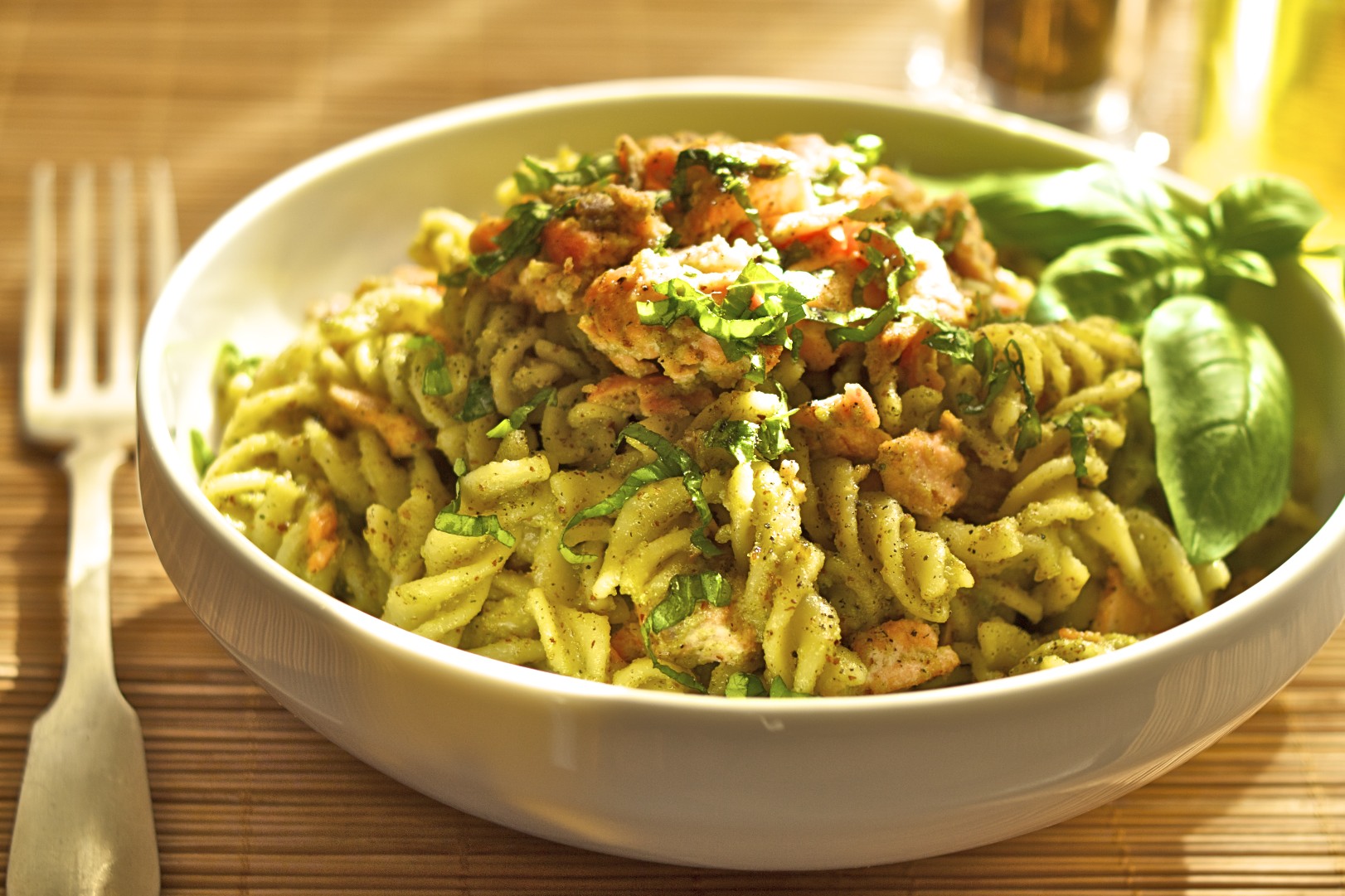
    Inflammation fighting Salmon Pesto Pasta (GF)

    Confused why I’m eating salmon? Many people write to me asking why.

    1. Fish isn’t inherently high histamine – spoilage causes the histamine to rise. I live close to the beach so I know this stuff is fresh, and I go to buy it the day it comes in.

    2. It’s not true that dark fleshed fish is higher in histamine. Check out my interview with Dr Janice Joneja where we discuss this and much more.

    they’re also up to a whopping 10 times higher in inflammation fighting omega 3 fatty acids!

    Check it out:

    2000mg omega 3 fatty acids per 100g of fresh Atlantic salmon (wild)

    VS.

    200mg – 600mg (depending on variety) omega 3 fatty acids in white fish.

    If you make this recipe with anti-inflammatory superstar holy basil, then we’re talking off the charts anti-inflammatory action. As I’ve said a number of times, I find that lowering my overall inflammation, rather than stressing whether a food is on a high histamine list somewhere (and come on, how do you really think salmon stacks up against that cupcake you just couldn’t resist?), has helped me get to where I am, in just under a year. I don’t follow other people’s lists, just my own personal experience and intuition.

    You’ll find more low histamine, anti-inflammatory recipes in the Anti-Cookbook: High Nutrient Antihistamine & Anti-inflammatory Recipes for Health.

    Prep Time: 10 | Cook Time: 20 | Servings: 2 | Difficulty: Easy

    Ingredients:

    2 salmon steaks
    1/2 packet rice fusilli/penne or other GF pasta
    1 cup basil leaves
    1/4 cup olive oil (or other tolerated oil)
    1-2 cloves garlic
    1/4 cup pine nuts or almonds
    salt and pepper

    Directions:

    Prepare the pasta according to directions. I’m not really eating grains nowadays but am still indulging in a little rice here and there. GF pasta has come a long way in the last few years, just be careful not to overcook if using rice based, and be sure to rinse under cold water once done.

    Then drain and return to the pot.

    Meanwhile, get started on the salmon. Heat up a little oil in a medium pan, and cook till no longer pink. You could always grill in the oven if you’d prefer less oil. Once it firms up a bit, use a spoon to chop it up a bit to cook faster.

    Grab your blender’s spice mill attachment if you have one, otherwise use your food processor. Add in the washed basil leaves, olive oil, garlic and nuts. I was told pine nuts are alright histamine-wise, but I would advise trying a couple first, unless you have had anaphylactic episodes – in which case, be safe and go nut free!

    Pulse the mixture until it’s still a little coarse.

    Once cooked, add the salmon to the drained pasta and put on the lowest heat. Pour in the pesto and mix with the pasta and salmon over the heat.

    I know it’s not traditional but I love adding some lemon to dish. If you don’t tolerate lemon, or worry about it’s minimal histamine liberation, you could use lemon basil in the pesto instead.

    Because I’m most interested in food’s healing properties, I’ll often use holy basil instead of sweet/European varieties.

    Read all about holy basil here.

  • How histamine conditions mimic psychiatric disorders

    How histamine conditions mimic psychiatric disorders

    Tabletten und Pillen

    Those of you who follow my blog (or who know me through the forums) are familiar with my psych background: psychiatric misdiagnoses up the wazoo, accompanied by 14 different psych meds: antidepressants, benzodiazepines, anti-epileptics, mood stabilisers and sleeping pills. Shrinks really had me convinced that the anxiety, shaking, dizziness, depression, mood swings etc were simply bipolar, borderline personality and a bunch of others, that would require me being drugged to the gills for the next decade.

    Interestingly, I was able to withdraw from four concurrent meds, against the advice of several shrinks, in a terribly short time, once I fixed my diet. Practically overnight, within days of starting Dr Fuhrman‘s Eat to Live diet, I found my mind buried under the layers of numbed out grey matter and misfiring neurons. Within weeks, despite working 20-24 hour days as a journalist during the Lebanese War of 2006, I was able to reclaim my brain from the haze. I did so under the supervision of a lovely psychologist in Beirut, who basically made sure I was still playing with a full deck.

    I would never ever recommend withdrawing at my speed. I was incredibly lucky not to end up in a chronic withdrawal syndrome. Please check out my friend Monica’s incredible Beyond Meds website. She shares her misadventures in psychiatry, how to withdraw safely from meds, and how she ultimately found out that histamine intolerance was behind a number of symptoms.

    But after fixing my diet, things went awry, probably because while eating healthy was an improvement, a number of the foods I added were actually high histamine. And so the rashes that had plagued me throughout most of my life made a come back just a year later, as did the nausea, vomiting and a few others. Reaching crisis point with no answers whatsoever, I was once again convinced by friends and doctors that I had bipolar disorder. It was hard to argue – my moods flipped faster than a McDonald’s burger jockey. And so I went another few bouts with with mood stabilisers and alprazolam (xanax) which I had noticed also eliminated my hives. I figured I had already withdrawn once, doing it again wouldn’t be an issue. Or so I was told.

    A few scary episodes led me down an alternative path. After an initial blood pressure crash, my heart rate would rise to 24o bpm and my throat would begin to constrict. Scary stuff, but all part of my bipolar diagnosis as far as the docs were concerned.  But it all started coming together in Cairo when I stumbled onto xanax’s properties as an H1, H2 and muscarinic receptor antagonist. This was one of the first clues that I was dealing with a histamine disorder rather than being headed for the loony bin. The incredible relief I experienced following a three day fast (as recommended by Dr Fuhrman) ended in a heartbeat when I ate a piece of zucchini. At that point, my body was so reactive and in such a heightened state of inflammation, that even one of the lowest histamine foods caused horrific itching and tinnitus.

    And so began my journey on the low histamine diet. Within months I was able to bin the antidepressants, mood stabilisers and sleeping pills but I clung to my antihistamines and xanax till I finally dedicated myself 100% to my recovery, choosing to focus on an anti-inflammatory low histamine diet, with no cheats. In July 2012 I said goodbye to meds and have never looked back. If you suspect that your psychiatric symptoms are due to histamine’s effects on the brain/mood/neurotransmitters, you’re not alone. Finally some in the medical establishment are sitting up and taking notice, and some even also suffer from a histamine condition. If you’re lucky enough to live in Boston and are need of support in exploring how diet affects your mood/psych symptoms, please contact Judy Tsafir, M.D. I highly recommend reading her article on histamine intolerance.

    Don’t forget to read my post on how histamine causes anxiety symptoms.

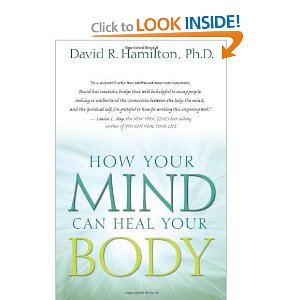
  • Interview: ‘How Your Mind Can Heal Your Body’ author David R. Hamilton

    Interview: ‘How Your Mind Can Heal Your Body’ author David R. Hamilton

    Buddha

    I recently blogged about my success in stopping my mast cell mediated histamine itch (see bottom of post) through a visualisation I came up with after reading Hay House bestselling author and Huffington Post contributor David R. Hamilton’s ‘How Your Mind Can Heal Your Body‘. He was kind enough to answer some questions about stress and histamine as he flitted between workshops in various countries.

    About David Hamilton 

    After completing a PhD in organic chemistry, David Hamilton spent 4 years in the pharmaceutical industry developing drugs for cardiovascular disease and cancer. Now, author of 7 books published by Hay House, he travels the world giving talks and leading workshops that people to understand the link between their minds, their health, and their life. His most recent book is ‘Is Your Life Mapped Out?: Unravelling the Mystery of Destiny vs Free Will‘

    He is also co-author of the book, ‘Choice Point‘, based on the film of the same name and bestselling author of ‘How Your Mind Can Heal Your Body‘, and ‘Why Kindness is Good for You‘.

    THE INTERVIEW

    The Chef – Now without discounting that people are suffering from a very real condition that is not psychosomatic – as most of us who have been through the psychiatric sausage factory approach to healing have been told – is it possible that stress is a contributing factor in the destabilisation of mast cells or inflammatory changes?

    Hamilton – Yes, I would say so. Exactly how it works, I’m not sure has been nailed yet, but I’d hazard a guess that stress is a contributory factor. Stress can play a negative role in almost all serious diseases. Inflammation also plays a negative role in disease and a lot of inflammation is linked with stress. For example, the main protagonists in the genesis of cardiovascular disease are inflammation and free radicals. Stress raises levels of both. So we know that stress impacts inflammation.

    The Chef – In your opinion, how do our expectations of the outcome of eating a certain food, applying a perceived toxic substance (perfume/bath product) to the skin, or the fear of anaphylaxis affect us – and can something as deadly as the most extreme allergic reaction (anaphylaxis) be a result of a negative thought chain/hyper stimulation of the amygdala? Studies have shown mast cell degranulation/histamine release/IgE response can be induced in a Pavlovian manner – by exposure to an allergen under certain conditions (lighting/music/smell). The reaction can then be triggered by staging the non-allergenic trigger of lighting/music/smell in the absence of the allergen.

    Hamilton – This is an area I have always found fascinating. Yes, our expectations definitely have an effect. It’s called the ‘nocebo’ effect, which is the opposite of the placebo effect. Where the placebo effect can heal, the nocebo effect can harm. Some people can have allergic reactions out of fear or expectation, as some research has shown. I actually know of someone who did have a severe allergic reaction that was brought about by extreme fear, anxiety, and then expectation once he noticed symptoms begin, which would involve hyper stimulation of the amygdala. With him, it also resulted in a tipping point, presumably by upsetting brain chemistry, that resulted in 2 years of severe depression (depersonalization).

    The positive side of all this is that if fear, anxiety, negative expectation can have such a harmful effect, then positivity, calmness, and positive expectation can have a positive effect. Inflammation, for instance, has been shown to reduce through a ‘loving kindness meditation’, which involves the cultivation of kindness and compassion. And compassion has also been linked with activity of the vagus nerve, which is the primary brake on inflammation, so here we can see a link between the cultivation of compassion and the reduction of inflammation via vagus nerve stimulation. The marker used in that particular study was Interleukin-6, but I’d hazard a guess that compassion would be impacting many more inflammatory cytokines. On a side-note, electrical stimulation of the vagus nerve has been shown experimentally to result in massive reductions in inflammation. I’m wondering if there’s any scope for researchers applying the technique to mast cell conditions, if it hasn’t already been done, that it. Worth checking out!

    The Chef  – What impact, if any, could mirroring have on mast cell conditions? ie the expectation that because a fellow sufferer has certain symptoms/reactions, you will have them too. If any, then what can we do about it?

    Hamilton – Interesting question. It is very true that we unconsciously mirror people’s facial expressions and other muscle movements. It’s facilitated by the ‘Mirror Neuron System’ (MNS) in the brain. This feeds back into the brain so that we actually ‘catch’ the emotions of other people. It’s called ’emotional contagion’. It’s why we feel happy around happy people and anxious around those who are anxious. I’m not sure what effect this would have on mast cell conditions, to be honest. However, in the broader sense, if it’s expectation we’re talking about, seeing someone with symptoms/reactions and developing them too through mirroring, then the resulting expectations could, in theory, bring about allergic reactions in a nocebo effect fashion. Awareness is the key to stopping it. Being aware of your own thoughts, fears, and actions, being aware that you might just be mirroring, gives you a little more control because you realise that the changes are the result of your thinking. Awareness, at this point, lets you control your thinking.

    The Chef – Beyond meditation, is there any merit to distraction? What’s the best way not to focus on how ill you feel when literally every inch of your body is in (perceived) distress?

    Hamilton – A great way to distract that I recommend to people in a variety of different situations is ‘victory dancing’. It’s where you do a silly dance (to the best of your movement ability) that makes you smile and laugh. What’s happening is that instead of brain resources going towards the amygdala they move to the prefrontal cortex and other happy brain centres instead. This generates positive feelings and a greater sense that you can be in control of things. In time, with plenty of ‘dance’ practice, the brain will rewire and resources will ‘learn’ to go to ‘happy’ brain centres instead of towards the amygdala.

    The Chef – Let’s say we’ve accepted that stress is a contributing factor, or just that we’re ready to use our mind to heal the body – where do we start?

    Hamilton – First, find a practice that helps you relax a little. Some people find classical meditation works well, others find it hard to concentrate. I often recommend the ‘Loving-Kindness’ meditation because it also helps us cultivate relaxed, positive feelings and also neutralises a lot of the stress associated with other people. Basically, it involves cultivating a sense of love, kindness and compassion towards ourselves, loved ones, people who are neutral to us, and then to people who cause, or have caused us, stress or emotional pain. If you Google it you can find more precise instructions.

    As well as this, people can use visualization techniques. The key here is to create an internal image (you don’t need to be a good visualizer and see in HD. We all imagine in our own ways) of the conditions. Ten people will come up with ten different images so there’s not actually a right or wrong way to do it. It’s an image or set of images that feel true for you, perhaps based on how you feel, intuition, or a description that a medical person has given you. This is your picture of ‘illness’. Then you convert it in your imagination to a picture of ‘wellness’. The secret is simply changing from illness into wellness. You can do it in any way you want, using tools, energy, light, just imagining forms changing….whatever you want, really, so long as you convert illness into wellness. And you do it over and over and over again, like every day, preferably a couple of times a day.

    I highly recommend reading Dr. Hamilton’s book…it confirmed that I do play a part in my illness, but more importantly, in my recovery.

    41+RSU3jykL._BO2,204,203,200_PIsitb-sticker-arrow-click,TopRight,35,-76_AA300_SH20_OU01_

    You’ll find the “killing the histamine itch” visualisation I came up with after reading Dr. Hamilton’s book here and you’ll find mast cell expert Dr. Theoharides’ research on stress induced mast cell degranulation (which releases histamine into the body) here.

    The Anti-cookbook, while it doesn’t treat any conditions, due to its high nutrient, antihistamine and anti-inflammatory ingredients, has been instrumental in helping me feed myself on a limited diet. It features a six page list of antihistamine and anti-inflammatory foods. It comes in regular and Paleo. 

    The Low Oxalate Cookbook features antihistamine and anti-inflammatory rich recipes. 

    Don’t miss the Low Histamine Beauty Survival Guide for non-toxic beauty tips, the skinny on histamine releasing (mast cell degranulating) beauty ingredients, antihistamine and anti-inflammatory beauty alternatives and the top brands natural brands I’ve found.

    Take a peek at my other low histamine and antihistamine cookbooks for more high nutrient recipes.

    If you’ve found this information useful I’d appreciate your support (at no extra cost to you!) – please check out my online store for your health foods, supplements, kitchen items and beauty product purchases. Affiliate sales through my online store go towards maintaining the website, funding travel to interviews and purchasing all the lovely foods for my free online recipes. You’ll find these items in the “Shop with us” drop down menu on my homepage.  

    Please don’t forget antihistamine, pain killing foods can still hurt us, so please always check with your doctor before adding new foods to your diet. 

  • INTERVIEW: ‘HOW YOUR MIND CAN HEAL YOUR BODY’ AUTHOR DAVID R. HAMILTON

    INTERVIEW: ‘HOW YOUR MIND CAN HEAL YOUR BODY’ AUTHOR DAVID R. HAMILTON

    I recently blogged about my success in stopping my mast cell mediated histamine itch (see bottom of post) through a visualisation I came up with after reading Hay House bestselling author and Huffington Post contributor David R. Hamilton’s ‘How Your Mind Can Heal Your Body‘. He was kind enough to answer some questions about stress and histamine as he flitted between workshops in various countries.

    About David Hamilton 

    After completing a PhD in organic chemistry, David Hamilton spent 4 years in the pharmaceutical industry developing drugs for cardiovascular disease and cancer. Now, author of 7 books published by Hay House, he travels the world giving talks and leading workshops that people to understand the link between their minds, their health, and their life.

    THE INTERVIEW

    The Chef – Now without discounting that people are suffering from a very real condition that is not psychosomatic – as most of us who have been through the psychiatric sausage factory approach to healing have been told – is it possible that stress is a contributing factor in the destabilisation of mast cells or inflammatory changes?

    Hamilton – Yes, I would say so. Exactly how it works, I’m not sure has been nailed yet, but I’d hazard a guess that stress is a contributory factor. Stress can play a negative role in almost all serious diseases. Inflammation also plays a negative role in disease and a lot of inflammation is linked with stress. For example, the main protagonists in the genesis of cardiovascular disease are inflammation and free radicals. Stress raises levels of both. So we know that stress impacts inflammation.

    The Chef – In your opinion, how do our expectations of the outcome of eating a certain food, applying a perceived toxic substance (perfume/bath product) to the skin, or the fear of anaphylaxis affect us – and can something as deadly as the most extreme allergic reaction (anaphylaxis) be a result of a negative thought chain/hyper stimulation of the amygdala? Studies have shown mast cell degranulation/histamine release/IgE response can be induced in a Pavlovian manner – by exposure to an allergen under certain conditions (lighting/music/smell). The reaction can then be triggered by staging the non-allergenic trigger of lighting/music/smell in the absence of the allergen.

    Hamilton – This is an area I have always found fascinating. Yes, our expectations definitely have an effect. It’s called the ‘nocebo’ effect, which is the opposite of the placebo effect. Where the placebo effect can heal, the nocebo effect can harm. Some people can have allergic reactions out of fear or expectation, as some research has shown. I actually know of someone who did have a severe allergic reaction that was brought about by extreme fear, anxiety, and then expectation once he noticed symptoms begin, which would involve hyper stimulation of the amygdala. With him, it also resulted in a tipping point, presumably by upsetting brain chemistry, that resulted in 2 years of severe depression (depersonalization).

    The positive side of all this is that if fear, anxiety, negative expectation can have such a harmful effect, then positivity, calmness, and positive expectation can have a positive effect. Inflammation, for instance, has been shown to reduce through a ‘loving kindness meditation’, which involves the cultivation of kindness and compassion. And compassion has also been linked with activity of the vagus nerve, which is the primary brake on inflammation, so here we can see a link between the cultivation of compassion and the reduction of inflammation via vagus nerve stimulation. The marker used in that particular study was Interleukin-6, but I’d hazard a guess that compassion would be impacting many more inflammatory cytokines. On a side-note, electrical stimulation of the vagus nerve has been shown experimentally to result in massive reductions in inflammation. I’m wondering if there’s any scope for researchers applying the technique to mast cell conditions, if it hasn’t already been done, that it. Worth checking out!

    The Chef  – What impact, if any, could mirroring have on mast cell conditions? ie the expectation that because a fellow sufferer has certain symptoms/reactions, you will have them too. If any, then what can we do about it?

    Hamilton – Interesting question. It is very true that we unconsciously mirror people’s facial expressions and other muscle movements. It’s facilitated by the ‘Mirror Neuron System’ (MNS) in the brain. This feeds back into the brain so that we actually ‘catch’ the emotions of other people. It’s called ’emotional contagion’. It’s why we feel happy around happy people and anxious around those who are anxious. I’m not sure what effect this would have on mast cell conditions, to be honest. However, in the broader sense, if it’s expectation we’re talking about, seeing someone with symptoms/reactions and developing them too through mirroring, then the resulting expectations could, in theory, bring about allergic reactions in a nocebo effect fashion. Awareness is the key to stopping it. Being aware of your own thoughts, fears, and actions, being aware that you might just be mirroring, gives you a little more control because you realise that the changes are the result of your thinking. Awareness, at this point, lets you control your thinking.

    The Chef – Beyond meditation, is there any merit to distraction? What’s the best way not to focus on how ill you feel when literally every inch of your body is in (perceived) distress?

    Hamilton – A great way to distract that I recommend to people in a variety of different situations is ‘victory dancing’. It’s where you do a silly dance (to the best of your movement ability) that makes you smile and laugh. What’s happening is that instead of brain resources going towards the amygdala they move to the prefrontal cortex and other happy brain centres instead. This generates positive feelings and a greater sense that you can be in control of things. In time, with plenty of ‘dance’ practice, the brain will rewire and resources will ‘learn’ to go to ‘happy’ brain centres instead of towards the amygdala.

    The Chef – Let’s say we’ve accepted that stress is a contributing factor, or just that we’re ready to use our mind to heal the body – where do we start?

    Hamilton – First, find a practice that helps you relax a little. Some people find classical meditation works well, others find it hard to concentrate. I often recommend the ‘Loving-Kindness’ meditation because it also helps us cultivate relaxed, positive feelings and also neutralises a lot of the stress associated with other people. Basically, it involves cultivating a sense of love, kindness and compassion towards ourselves, loved ones, people who are neutral to us, and then to people who cause, or have caused us, stress or emotional pain. If you Google it you can find more precise instructions.

    As well as this, people can use visualization techniques. The key here is to create an internal image (you don’t need to be a good visualizer and see in HD. We all imagine in our own ways) of the conditions. Ten people will come up with ten different images so there’s not actually a right or wrong way to do it. It’s an image or set of images that feel true for you, perhaps based on how you feel, intuition, or a description that a medical person has given you. This is your picture of ‘illness’. Then you convert it in your imagination to a picture of ‘wellness’. The secret is simply changing from illness into wellness. You can do it in any way you want, using tools, energy, light, just imagining forms changing….whatever you want, really, so long as you convert illness into wellness. And you do it over and over and over again, like every day, preferably a couple of times a day.

    I highly recommend reading Dr. Hamilton’s book…it confirmed that I do play a part in my illness, but more importantly, in my recovery.

    Please don’t forget antihistamine, pain killing foods can still hurt us, so please always check with your doctor before adding new foods to your diet. 

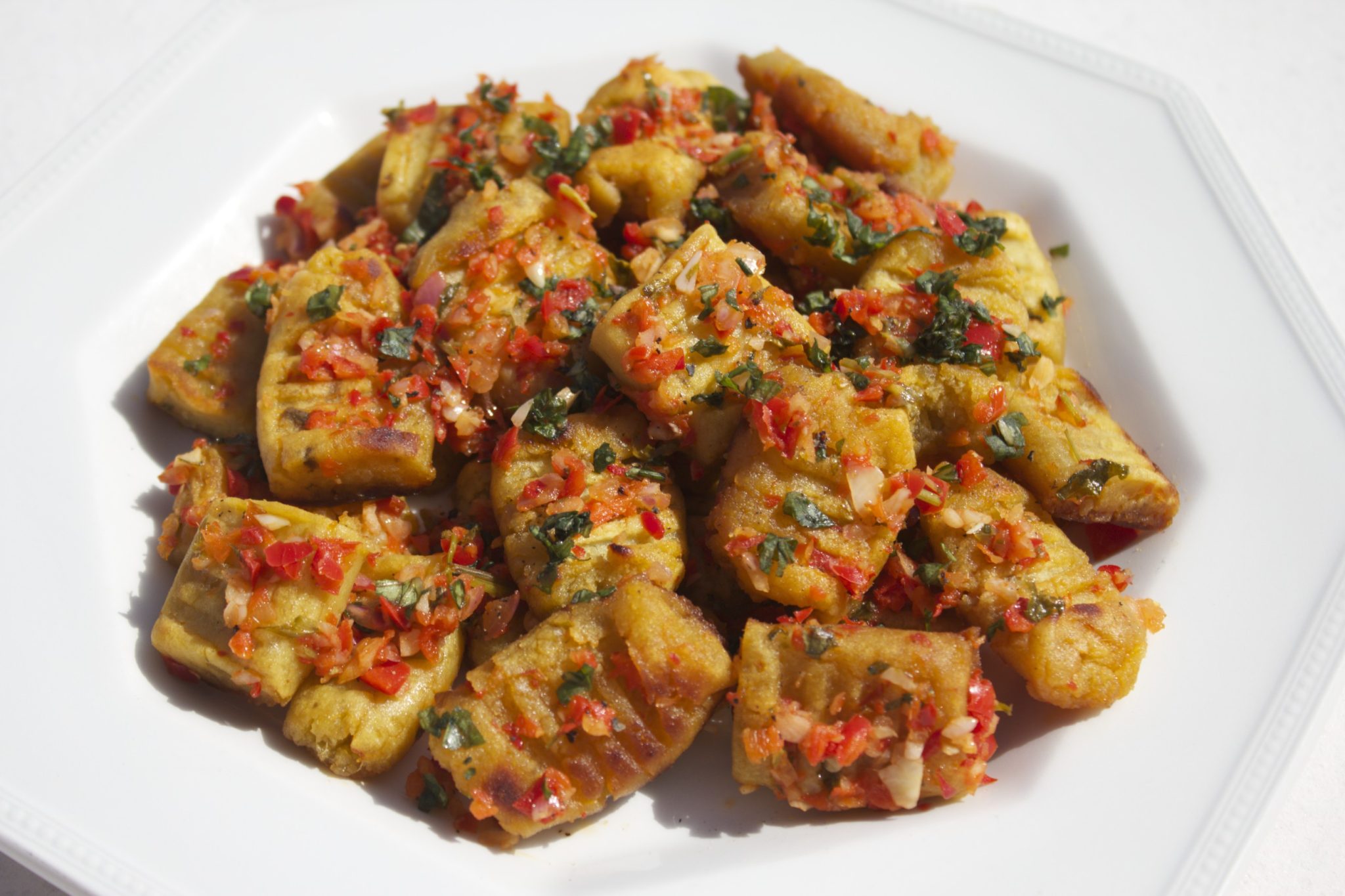
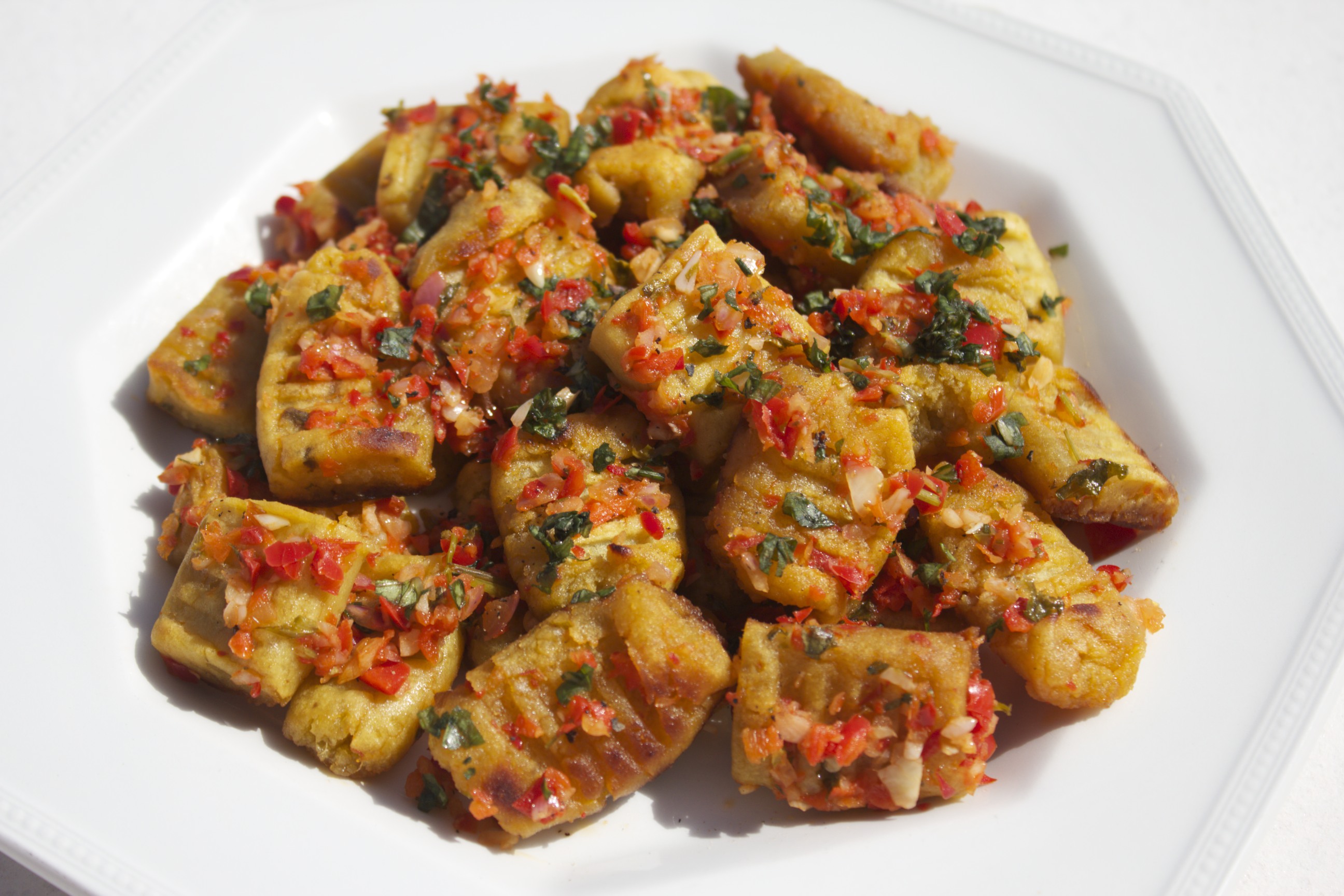
  • Antihistamine foods: Sweet Potato Gnocchi

    Antihistamine foods: Sweet Potato Gnocchi

    low histamine recipes

    The best thing about writing low histamine recipe cookbooks? I get to play with food all day…

    I do enjoy the research, immensely, but there’s nothing like getting down and dirty with a big ol’ bowl of dough for the better part of the afternoon.

    I don’t have any experience with making pasta from scratch, so I had a browse for gluten free gnocchi recipes online. I’m not done yet, but in the meantime you can find the original recipe on the Popular Paleo blog. My recipe isn’t paleo, but can be. It took her a couple of goes to get it right so I’m going to take my time on this one. The colours are amazing already though!

    Sweet potato: high in histamine lowering rutin and quercetin. Significant anti inflammatory and anti ulcerogenic action.

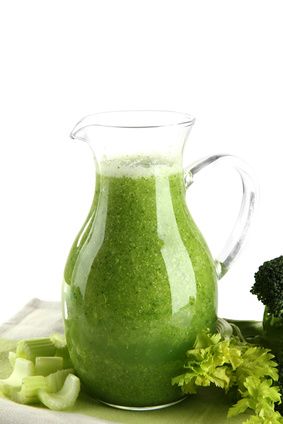
  • What I eat: “Farewell London” antihistamine breakfast juice

    What I eat: “Farewell London” antihistamine breakfast juice

    Wondering what I eat? You’re not alone. It’s the question I’m most often asked. My recipe books are an accurate reflection of what I eat, when I take the time to make something for myself. Nowadays though, I’m constantly trying new recipes and seeing how far I can get by focusing on filling my plate with nutrition, rather than filling up my belly for the sake of it. I’ll be sending out some food diary samples to my mailing list in the coming weeks.

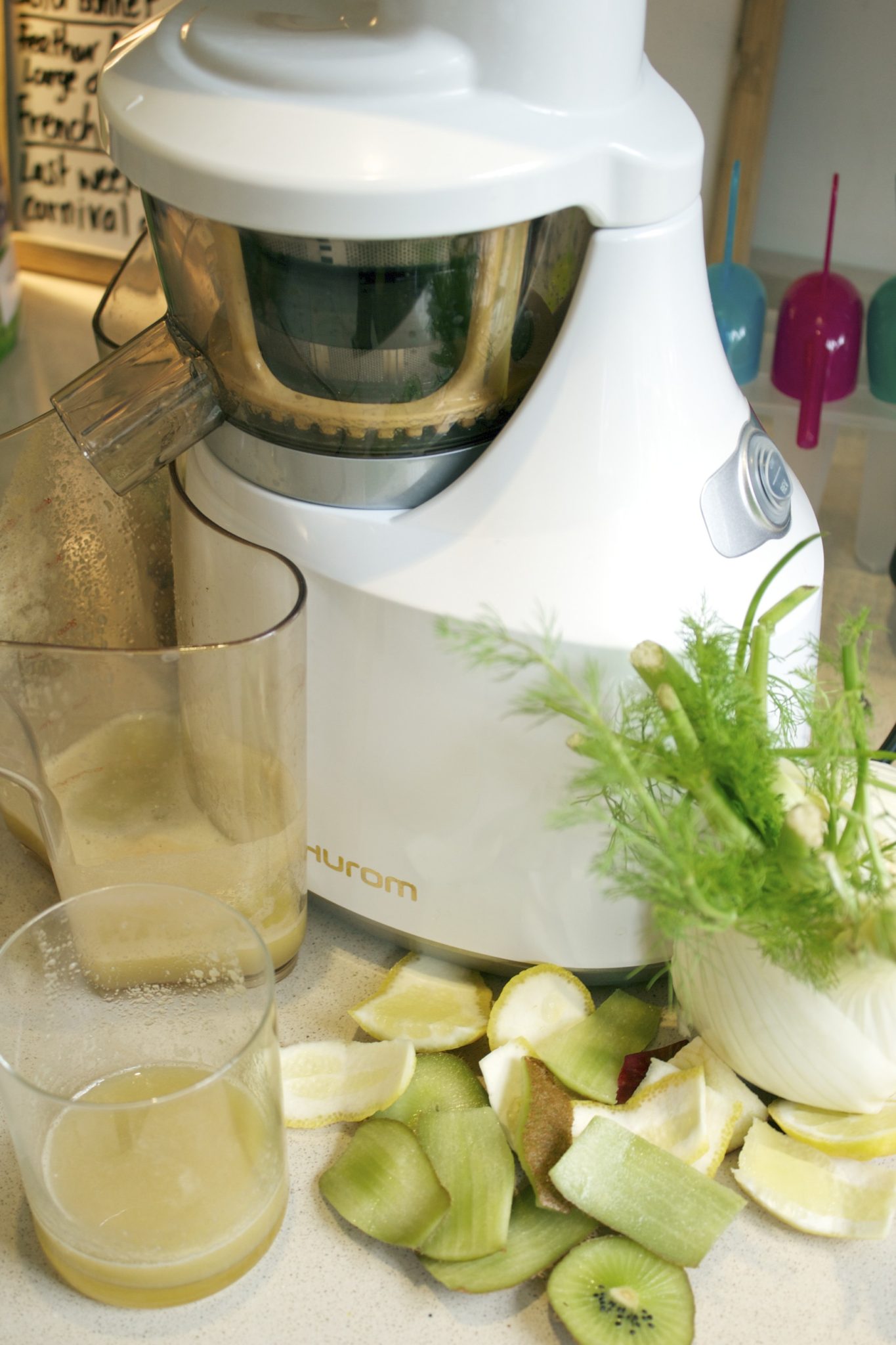
    On that note, I’m so grateful that I took the time to do something good for my body before embarking on a grueling 26 hour London – Kenya adventure that took me via Addis Abbaba (Ethiopia) and Kilamanjaro. My “Farewell London” breakfast juice – a collaboration between myself and one of my closest friends/emotional guru/soul sister P, was no doubt of great use to me as I pounded through Heathrow airport, about to miss my flight. Forced to jettison my prepared foods (they were slowing me down), I spent the next 24 hours on an enforced fast, till the lovely ladies on Ethiopian Airways managed to procure three shiny apples for me.

    Sure, I could have eaten the chemical laden, histamine nightmare/poison the airlines call “food”, I’m sure that would have made my 26 hour journey more pleasant? Tromping through airports, dizzy, incapable of staying awake, weak as a kitten, confused, emotional. That’s my old life. Thanks to Dr Fuhrman’s teachings I now know how long I can manage without food and recognise that the shaking and dizziness that occur four hours after not eating are nothing to do with blood sugar, but rather that the body is beginning to detoxify.

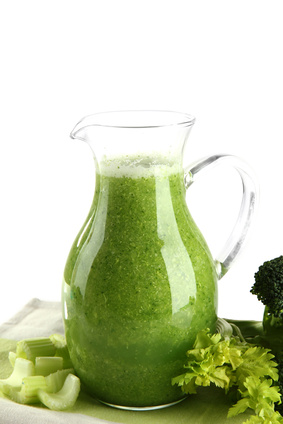
    As for the juice…

    Fennel: anti inflammatory, anti histamine analgesic and antioxidant.

    Apple: inhibit the development of allergies. Rich in histamine lowering quercetin.

    Cucumber: analgesic (pain killer), antioxidant that prevents the synthesis of the inflammatory compound prostaglandin.

    Broccoli: anti-carcinogenic, prevents gastric mucosal damage (suggesting potential histamine-lowering action).

    Ginger: as potent an H2 receptor antagonist as Zantac/ranitidine.

    You’ll notice there’s a kiwi in the photo – that’s because I do great with them! I used one apple and a kiwi.

     “FAREWELL LONDON FENNEL JUICE”

    2 apples

    1 large fennel

    1 large cucumber

    1 cup broccoli

    1 cup kale

    1/2 pinky finger of ginger

  • Beelieve it or not – some pollens are antihistamines!

    Beelieve it or not – some pollens are antihistamines!

    antihistamine bee pollen

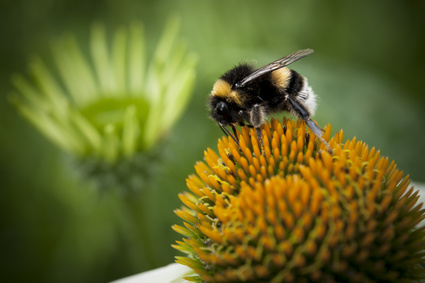
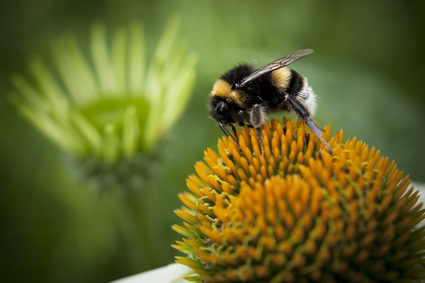
    Scared of pollen? Judging by the seasonal media scaremongering (“allergy season spells misery for millions” etc), you’re not the only one. But as with so many aspects of histamine, pollen has been demonised. It’s time to explore the upside of bee pollen.

    In animal studies bee pollen extract containing the flavinoid myricetin has been shown to inhibit IgE and IgG mediated allergic responses to egg white sensitised mice. It also exhibited anti-anaphylactic properties.

    For those of us with mast cell activation disorders, the good news is that another study showed that “Daily oral administration of BP to mice significantly reduced the cutaneous mast cell activation elicited by IgE and specific antigens,” in addition to inhibiting mast cell degranulation.

    Interestingly, and this is a favourite topic of mine, administering the active ingredient (genistein) on its own, did not have the same effect on allergic reactions and mast cell degranulation. I do always stress the importance of consuming the entire food rather than just the active ingredient. My friend Katerina recently referred me to studies on spirulina’s anti cancer effects also only manifesting in the use of the whole food rather than the isolated compound. If you’re in the Czech republic you should definitely read her incredible blog. Being a scientist, she has an amazing take on many issues relating to mast cell activation and histamine intolerance. I’ll be posting some of her articles in the coming weeks.

    Back to pollen…an interesting study shows that Brazillian propolis “clearly demonstrated that propolis may be effective in the relief of symptoms of allergic rhinitis through inhibition of histamine release.” Clearly more research is needed on this front – I’ll be doing more digging and updating this story as information becomes available.

    And finally, incredibly, in animal studies bee pollen has been shown to prevent pesticide toxicity in rats.

    “Oxidative stress markers (MDA, CAT, SOD, GSH-Px) and some other biochemical parameters (total protein, albumin, glucose, cholesterol, triglyceride, BUN, creatinine, uric acid, magnesium, sodium, potassium, chloride, total bilirubin, GGT, LDH, AST, ALT, and ALP) were analyzed. According to the data obtained, propoxur was determined to lead to negative changes in most of the biochemical parameters investigated and the administration of bee pollen was determined to alleviate these effects.”

    I can’t remember the last time I tried bee pollen. The last time I was stung by a wasp wasn’t much fun, so I’m still working up the courage to dip into the bottle sitting here in front of me. There’s also a number of scary reports online pointing out (as I always do) that even though it has antihistaminic properties, it can still cause anaphylaxis in susceptible individuals.

    Coming up next week: an interview with the Hay House bestselling author of ‘How Your Mind Can Heal Your Body‘, Dr. David Hamilton and an exclusive web sneak peak of the allergy management technique in his book. After finishing his PhD in chemistry (biological and medicinal), David spent four years working in the pharmaceutical industry developing drugs for cardiovascular disease and cancer. He now writes books and lectures on the power of the placebo effect and how you can beat disease and chronic illness through visualisation and meditation. Read all about how I killed the histamine itch thanks to David’s great book. Don’t forget to sign up for my mailing list for this and other histamine related news.

    Please do remember that any supplement, even one with antihistamine properties, can cause an unpleasant or fatal reaction. 

GET STARTED HEALING HISTAMINE

WHAT YOU NEED TO KNOW ABOUT HISTAMINE DELIVERED TO YOUR INBOX