Author: healing

  • Thyme: triple A wonder herb!

    Thyme: triple A wonder herb!

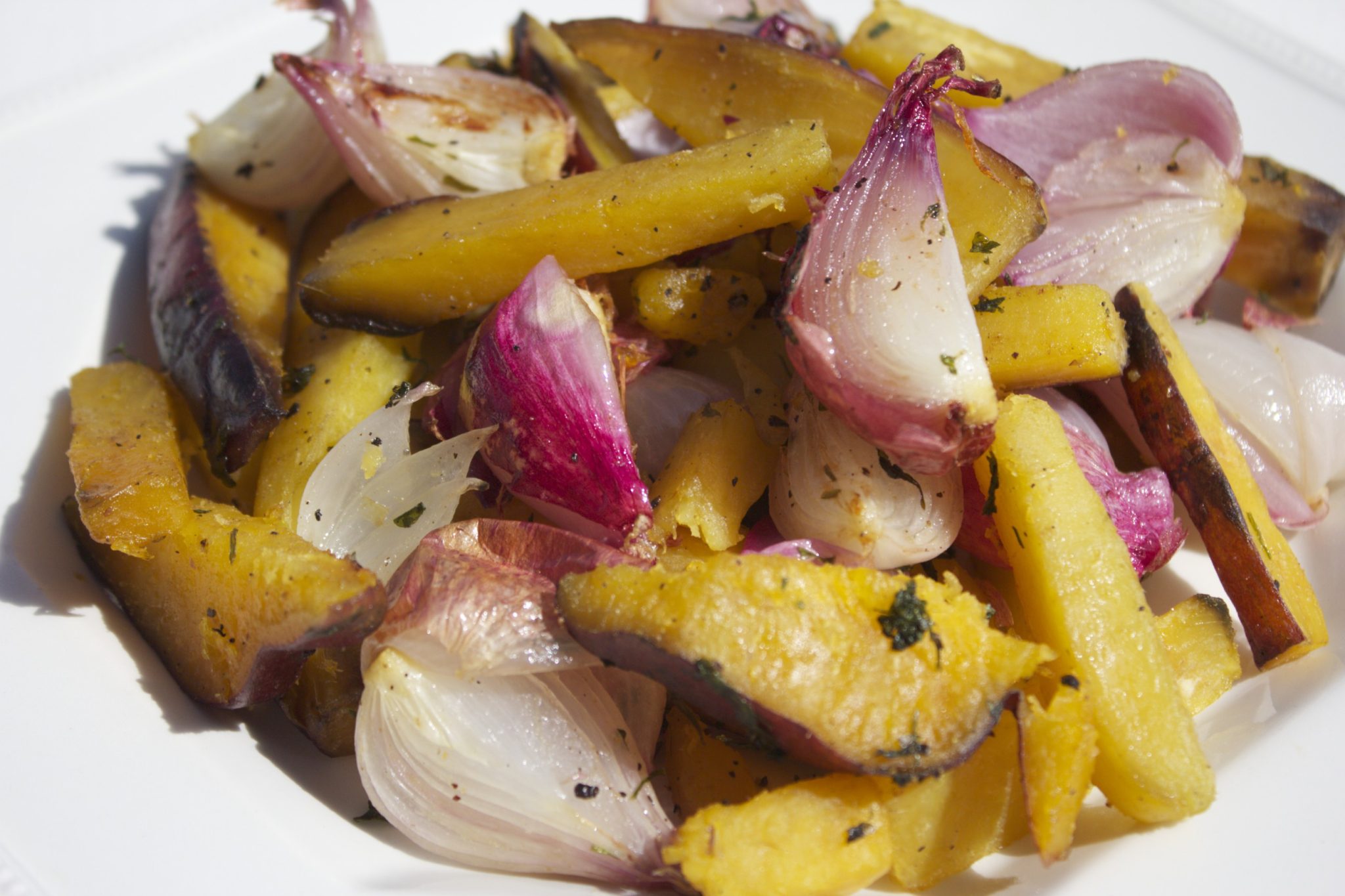
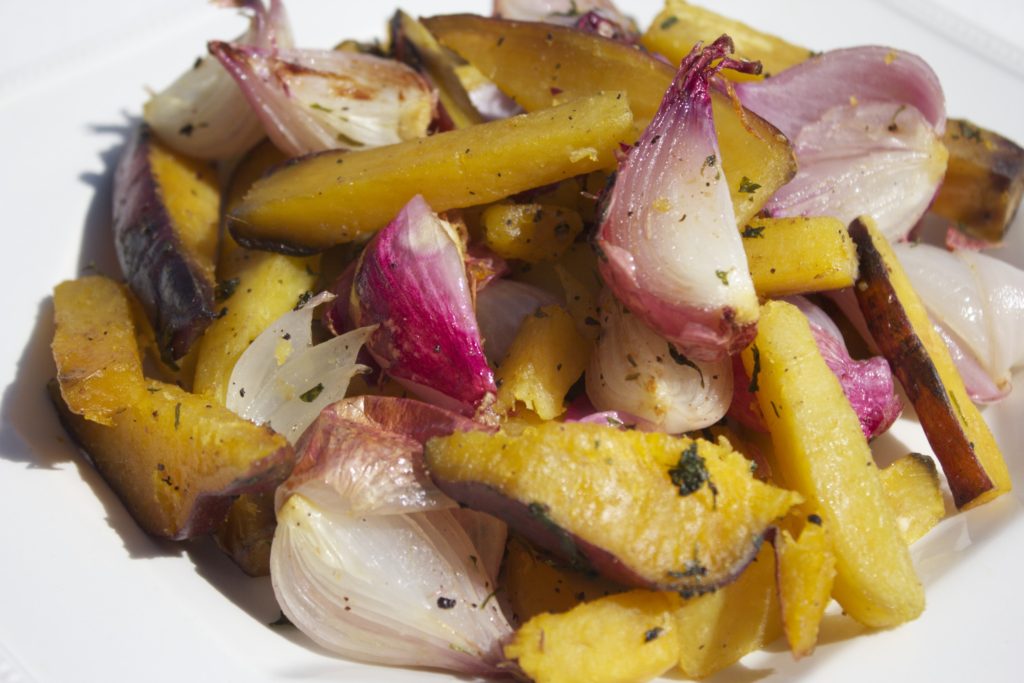
    rutin rich low histamine sweet potato with thyme

    Need an anti bacterial, anti inflammatory, antihistamine and anti anaphylactic pick me up that’s commonly used in the pharmaceutical industry? Well, even if you don’t, it still tastes incredible on everything from zucchini to pasta to eggs. Today I’m speaking of Thyme.

    Not only is thyme amazing on foods, but thanks to its bacterial action, I’ve also been experimenting with it as a deodorant. All you need is a pestle and mortar, a little coconut oil and a big old handful of thyme!

    Thyme’s antibacterial activity is so strong that it can be used to reduce bacterial resistance to penicillin and other drugs. That raised an interesting point for me. Though I had a lifetime of them prior to diagnosis, I took a seven year break from antibiotics (I needed them post surgically after freezing my eggs in 2017). Might not seem like long but I was on them monthly for most of my life for sinusitis, fever, acne, urinary tract infections. The problem? I didn’t actually have any of them. Mast cell disorders (including histamine intolerance) mimic many illnesses. So nowadays I insist on a swab and a culture before even entertaining the notion of taking anything. So far I haven’t needed to.

    CLICK HERE TO LEARN HOW TO CREATE YOUR OWN HISTAMINE BALANCED DIET AND HEALING PLAN. 

    And there’s a bonus, thymol (the active ingredient in thyme) is a fungicide, particularly against the candida that most of our histamine disorder community seems to have chronic issues with. Throw in a little anti tumor activity and you’ve got me hooked! And that I certainly am. I put thyme and oregano (which also has the same active ingredients) on almost everything.

    You want some even better news? Thymol “significantly” increases the percentage of healthy omega 3 fats in the body, particularly in the brain, kidney and heart cell membranes.

    I found all of this info in one Wikipedia entry! Amazing what you can turn up when you’re in the market to heal yourself. Those with benzoate sensitivity may react to thyme though.  

    Now adding rutin, luteolin and quercetin rich herbs like thyme and oregano doesn’t have to be a painstaking process requiring tons of research and kitchen hours. I’ve done the research for you, now just get into the kitchen and whip up the quickest healthiest tasty dish you can. I pretty much guarantee that a bunch of fresh thyme is sure to enhance it.

    Here’s just one example: I threw together this roast in about five minutes and then left it to cook for 20 minutes while I went off to start this post.

    Nutritional breakdown:

    Thyme: histamine lowering/mast cell stabilising quercetin, luteolin and rutin.

    Sweet potato: also packed with histamine lowering rutin and quercetin. Also possesses significant anti inflammatory and anti ulcerogenic  properties.

    Red onion: stupidly high in histamine lowering quercetin. Those of you in the states might also want to check out white savannah onions – they’re the highest in quercetin, with all varieties of red onion coming in a little lower.

    Olive oil (just a quick spray from a diffuser): the key ingredient to the anti inflammatory Mediterranean diet, virgin olive oil is rich in oleocanthal – a compound that possess anti inflammatory properties similar to ibuprofen.

    Please don’t forget antihistamine, pain killing foods can still hurt us, so please always check with your doctor before adding new foods to your diet

    The Anti-cookbook and all liquid Anti-Detox Book, don’t treat any conditions, but are high in the high nutrient antihistamine and anti-inflammatory ingredients that have been instrumental in helping me feed myself on a limited diet. The Anti-cookbook features a six page list of antihistamine and anti-inflammatory foods and comes in regular and Paleo. 

    The Low Oxalate Cookbook features antihistamine and anti-inflammatory rich recipes. 

    Don’t miss the Low Histamine Beauty Survival Guide for non-toxic beauty tips, the skinny on histamine releasing (mast cell degranulating) beauty ingredients, antihistamine and anti-inflammatory beauty alternatives and the top brands natural brands I’ve found.

    Take a peek at my other low histamine and antihistamine cookbooks for more high nutrient recipes and sign up to my mailing list for freebies. 
  • Mind over body – how to stop the histamine itch

    Mind over body – how to stop the histamine itch

    41+RSU3jykL._BO2,204,203,200_PIsitb-sticker-arrow-click,TopRight,35,-76_AA300_SH20_OU01_

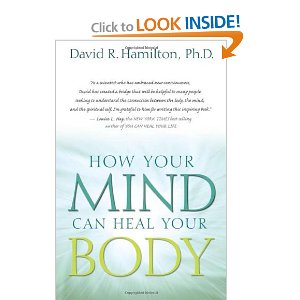
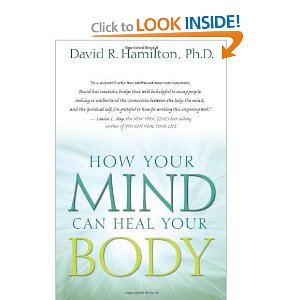
    Having recently finished reading Dr. David Hamilton’s inspiring ‘How your mind can heal your body’, I’m now more convinced than ever that stress is a root cause of my rampant immune system dysfunction. Actually that’s not fair. My immune system is enthusiastic, like a new pup, so eagerly anticipating that first home coming embrace, that his bladder promptly empties all over the brand new rug.

    But over the years my immune system has grown up into the fiercely protective Rottweiler whose job it is to protect my domain. Only as in life, where not every fisherman who comes to your door hawking their wares (yup I’m still in Kenya), deserves a bite in the butt, not every food, beauty product or stray particle needs to be taken out with a bazooka.

    So my immune system and I have been having a number of heart to hearts. Among the things we have come to agreement on is that I must reduce my stress.

    At this point I turn to hard facts: stress causes mast cells to release, through degranulation or otherwise, a number of inflammatory molecules that cause inflammation in the body. Among them is histamine.

    To quote the research of Dr Theoharides, one of the world’s most respected mast cell researchers:

    “…we have identified that mast cells both contain and respond to stress hormones.”

    “Mast cells are known for their involvement in allergic reactions, but we were the first to show that they are also necessary to inititate inflammation, thus participating in inflammatory diseases that worsen by stress, such as autism, cancer, chronic fatigue syndrome, interstitial cystitis, migraine headaches, psoriasis and multiple sclerosis. We have developed in vivo and in vitro models for these diseases and we are studying neurohormonal activation of mast cells. The only plausible way to explain how mast cells can participate in so many diverse processes is their ability to secrete distinct chemicals relative for different pathophysiological settings.”

    Take the hassle out of meal planning and healing histamine with this four week meal planner and stress relieving program. 

    “Mast cells are typically activated by immunoglobulin E and antigen, a process that leads to an explosive release of over 20 biologically active molecules (some of which are presorted in some 500 secretory grqnules, wile others are synthesized during activation) through a process called degranulation or exocytosis. However, we were the first to show that mast cells can also respond to non-allergic triggers and release mediators selectively, without degranulation. We specifically reported that the inflammatory cytokine IL-1 can induce selective release of the also inflammatory cytokine IL-6, that the stress hormone corticotropin-releasing hormone (CRH) can induce selective release of vascular endothelial growth factor (VEGF), and IL-33 augments substance P-induced VEGF release.”

    Now, while histamine is needed for most bodily processes, stress is not. So how do we go about addressing that? My first dip into this world was Dr Hamilton’s aforementioned book (How your mind can heal you body). My second was a suggestion made in his book: the Silva Method. I’m now working my way through their 40 day stress-reprogramming system. Today I had my first mega breakthrough.

    After inducing my uber relaxed alpha state (as outlined in the Silva book) and doing the morning mast cell visualization that I came up with after reading Dr Hamilton’s book, I was still itching. I don’t know why or what I ate, that’s not my focus right now. Obsessing over what I eat can become counterproductive – today the focus was stress. And wracking my brain to come up with reasons why my body is in meltdown is counterproductive. (That said, the fishermen didn’t gut the fish before bringing it over, and leaving the stomach in causes histamine to double every hour!)

    The key lies in that the subconscious does not know the difference between reality and what we imagine to be…so instead of being on autopilot,  (I’m so ill, I hurt so bad), I’m now working with that quirk to help it cure me.

    HOW I USE MY MIND TO STOP THE HISTAMINE ITCH

    I lie on my yoga mat, in a super relaxed alpha state. I picture myself collecting some oil from a wise old baobab like tree. I’m happy in the knowledge that I have collected the most powerful antihistamine on the planet. I visualise myself smoothing the oil onto my skin, soothing it. As I go through the motions in my mind, I also do so in real life. I feel the antihistaminic oil seeping into my itching body, noticing as I do that my skin begins to glow from the intense healing of the antihistamine. I finish the pot, visualizing my gleaming, healing skin. Given that I know the negatives of applying products to my skin (i.e. can cause mast cell triggering), I instead imagine the opposite – the oil is healing me on a cellular level, stabilising my mast cells, causing them to shine beautifully from within each cell.

    Dr David Hamilton has kindly agreed to an interview for this blog, so I’ll be back soon with a rundown on how to channel the power of visualization and the placebo effect to make a difference in your life.

    Take the hassle out of meal planning and healing histamine with this four week meal planner and stress relieving program. 


  • The Low Histamine Beauty Survival Guide is here!

    The Low Histamine Beauty Survival Guide is here!

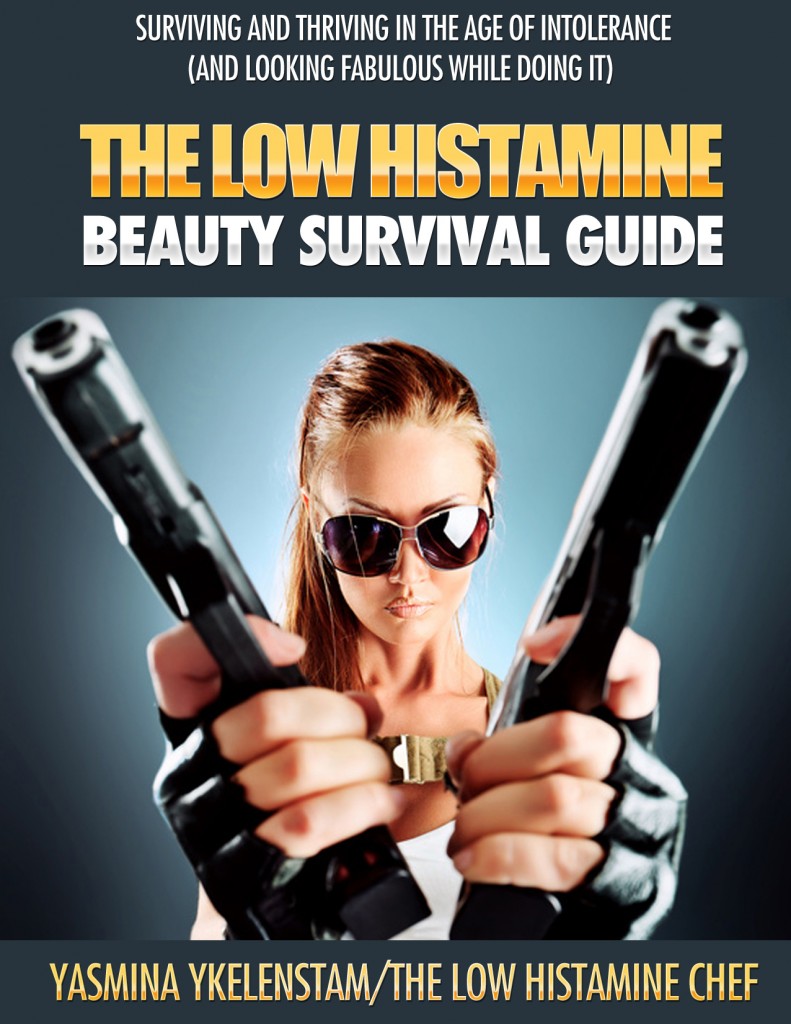
    the low histamine beauty survival guide

    On the low histamine diet but still suffering from rashes and migraines? Then it’s time to examine your beauty routine!

    As the head of a successful digital agency in London, meeting and pitching clients is a daily requirement, and looking good is a must. It took me a long time to accept the role that cosmetics played in my declining health, but once I did, I worked hard to get out of the toxic mindset and figure out alternatives. In this ebook you’ll find the tips, tricks and coping strategies I’ve discovered, developed and employed these last two years, that have helped me stand out from the crowd in one of the world’s most fashionable cities.

    You’ll find a list of my favourite non-allergenic make-up, beauty, cleansing and styling products, my personal beauty & make-up routine and tips on everything from the perfect updo to how to have “the talk” with your hairdresser.

    In this ebook I share which surprising natural products raise histamine, which age defying natural anti inflammatory and antihistamine collagen building oils and butters I’ve disocered, plus the natural antihistamine hair dye that rocks my world!

    Also included in the book are resources and information on the biggest scams the make-up industry has perpetrated: hypoallergenic make up, organic labeling, carcinogenic ingredients and the hypocrisy of the pink ribbon campaigns.

    IMG_6134

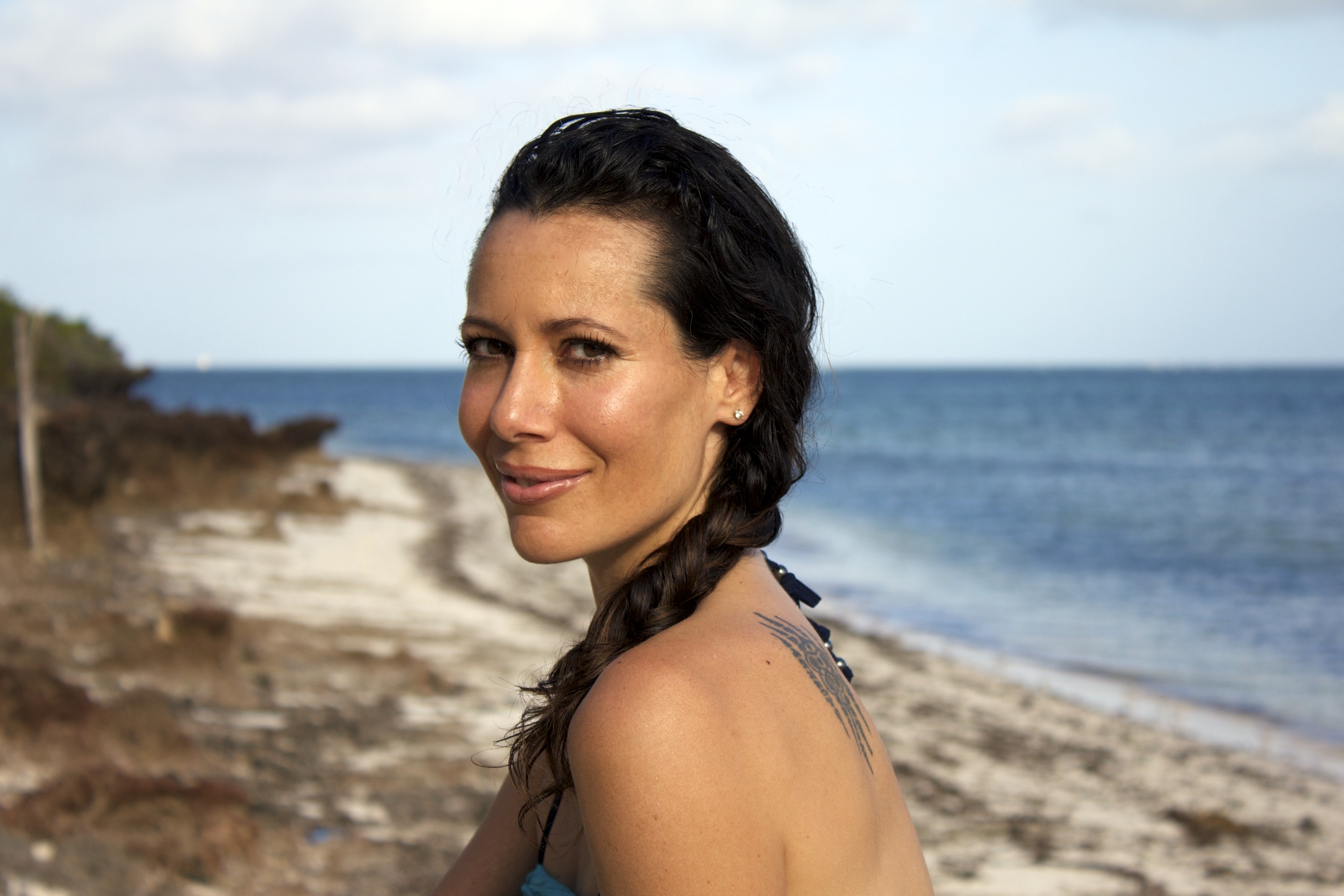
                                               Yasmina Ykelenstam – the Low Histamine Chef in Kenya on a mission to discover new beauty treatments!

  • Histamine, the good guy?

    IMG_7754

    It’s time to expand on the “not all histamine is bad” comments I’ve been making in my posts and the support groups I frequent. I get a lot of emails asking why my books include this or that food – after all, don’t I realise it’s high histamine? We’re usually speaking of chickpeas, bananas, sunflower seeds or blueberries, rather than burgers, spaghetti, whatever. That’s because in my cookbooks you will never, ever, find junk food or any medium/high histamine food that’s nutritionally null.

    Interestingly I am often asked this question by people who still feel it’s ok for them to indulge in pizza (no tomato though!), or the “infrequent” Taco Bell; those who still drink coffee or black tea (with just one spoon of sugar!), or who restrain themselves to “only licking off the frosting” when baking cupcakes for the family. Present them with the idea of eating a banana though, and they run a mile.

    Then there’s those who absolutely cannot part with their scented hair products, formaldehyde rich nail polish and commercial make up brands (all histamine triggers – read more here), who constantly question how I can eat the odd tomato or macadamia nut. I live on raw/natural foods. No bath products touch my skin. I have five pieces of make up made from hemp and flax seed oil. I do not use commercial nail polish. I do not eat anything from a packet. That may be why I am able to tolerate (high nutrient) higher histamine foods. At the end of the day, not enough is known about the delicate histamine balance in the body to prevent me from gaining essential nutrients from higher histamine foods. But that doesn’t mean you’ll find them in my books!

    My primary answer is that lists vary according to the ripeness of the fruit when picked, whether pesticides were used, method of testing, bacterial contamination, mode of transport, variety of fruit/veg and more. Add in that reactions vary depending on how overloaded you are that day, what other intolerances you may have, whether the food has any other benefits (antihistamine, anti inflammatory, high in nutrients). Not to mention that the very act of digestion itself causes histamine release,which pretty much explains why sometimes I react to everything I eat. There’s just too many variables.


I was given a list, years ago, and (eventually) followed it like gospel. But I kept ignoring the advice that if left unchallenged my immune system would stage a revolt against the low histamine foods too (true dat!). What I did follow blindly, was the “allowed” list, to the point of ignoring my body’s pleas to make it stop. Eventually I understood that there wasn’t a one-fits-all list and that the only way I was going to get better was by making my own list of high nutrient antihistamine foods (more on that in my upcoming cookbook).

    The list I was given mostly agrees with the one used by people with an extreme form of histamine disorder called mastocytosis. It’s a serious condition that causes anaphylaxis if  high histamine foods (amongst other triggers) are ingested. I mostly use their list, as created by allergy expert Dr. Janice Joneja, and featured on the Mastocytosis Society of Canada‘s website. I vary in that I eat mango and other pitted fruit like peaches (but not plums and apricots). My personal diet is based on a list given to patients of my nutritional role model, Dr. Fuhrman.

    My more personal answer is that it shouldn’t really matter whether chickpeas have double the histamine of an apple. What matters more is your reaction to it, and what other good the nutrients in that food do for you. Your food diary is indispensable for this reason. This is of course contraindicated when you have a history of anaphylaxis and really can’t afford to eat now and ask questions later.

    While we’re on the subject, I don’t know how many of you are aware of histamine’s role in the body? Histamine helps get digestion going, controls appetite and metabolism, is a neurotransmitter, keeps us awake and acts as an immune system trigger. One of histamine’s most important functions is to help white blood cells fight pathogens in infected tissue. If you had too little of it, you’d find it hard to fight infection. It’s at this point that I’m told: “but we have too MUCH histamine”. Yes, we do. But histamine has four receptors. At a recent Mastocytosis conference I’m told that mast cell expert Dr. Theoharides shared that the H3 receptor actually helps regulate the others. So in effect, histamine lowers histamine. This is one of my many arguments for not taking antihistamines.

    Here’s the interesting part, did you know that some foods/supplements lower inflammation by raising histamine? I reported that Lactobacillus reuteri causes histidine to convert to histamine, but this particular histamine raises cAMP (this is good), and kills inflammation. Once again, more proof that histamine is not all bad. In a similar vein, did you also know that researchers are experimenting with histamine as a way of shrinking cancer tumors? I found an amazing study that finds histamine, (once again) specifically histamine metabolised from the amino acid histidine which is created by our bodies (mostly with the help of alimentary sources like egg white, rice, sesame seeds, nuts and beef) lowers inflammation, thereby restricting tumor growth. (Read the full study here.) That’s the plan. Unfortunately some of us are let down when our bodies don’t do what they’re supposed to!

    To summarise, going low histamine while still eating a standard diet doesn’t necessarily kill inflammation. It just deprives the body of nutrition. Anti inflammatory foods, the kinds that stop cancer, are often also antihistamine and therefore may be better for us than nutritionally average foods with little benefit.

    So who’s to say that completely cutting out all higher histamine foods is a good thing? Maybe our body needs a fresh supply of high nutrient foods to help it keep the negative effects of histamine in check. I really need more information on that but there is enough for me to justify trying to keep introducing high nutrient higher histamine foods. Not junk.

    In my next post (one that you won’t want to miss), I’ll be talking about low histamine vs. anti inflammatory foods. Don’t miss it – sign up to my newsletter for that, and this month’s low histamine recipe.

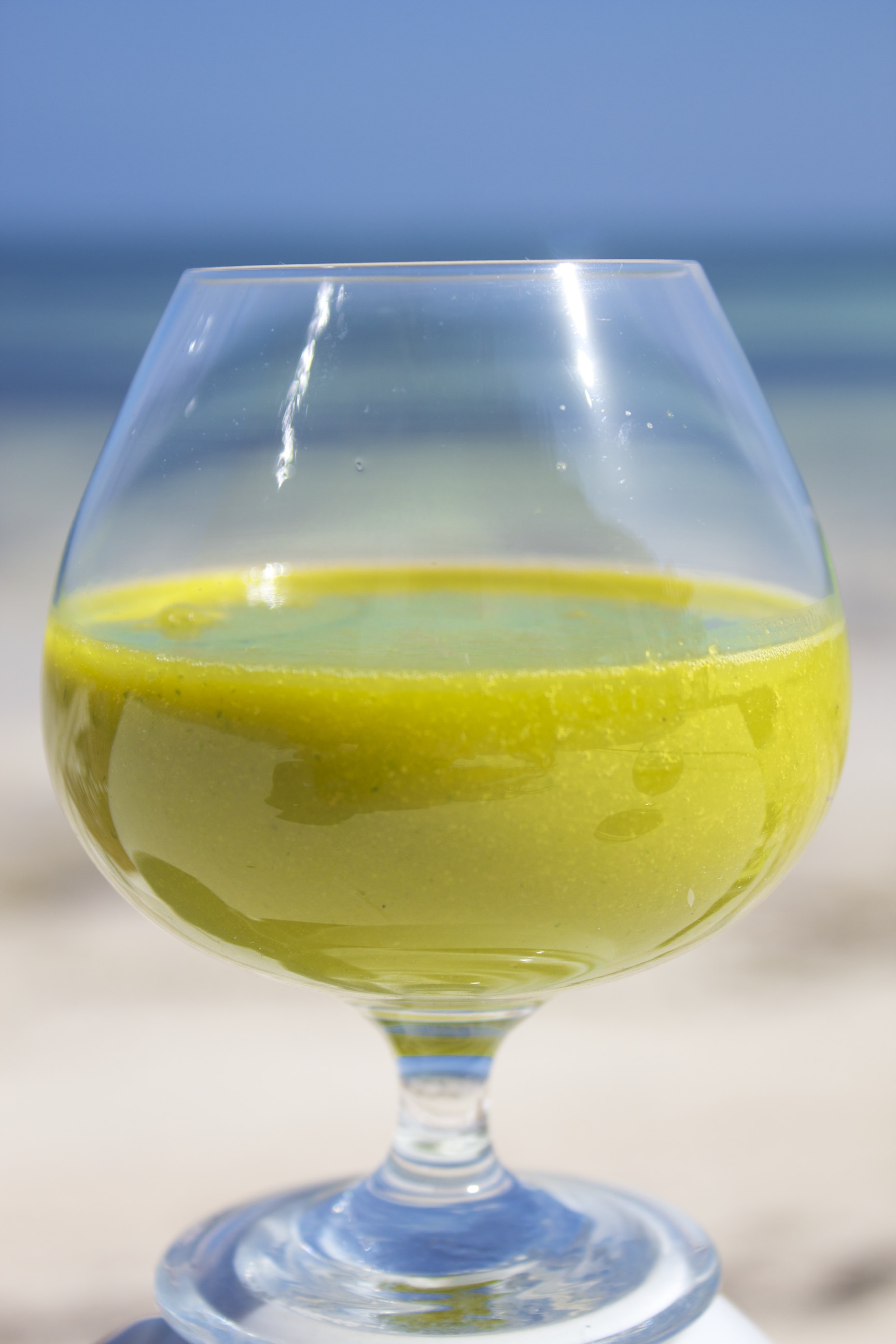
    In the meantime, I leave you with today’s breakfast.

    GREEN MANGO SMOOTHIE

     INGREDIENTS

    Mango (anti inflammatory and antihistaminic properties)

    Parsley (anti inflammatory and antihistaminic properties)

    Broccoli (brassica family have mast cell stabilising properties)

    Mint (antihistaminic properties)

     DIRECTIONS

    Juice the parsley and broccoli.

    Add some water, blend with the mango and mint.

    Add some ice cubes and whiz again.

  • Coming soon: the low histamine Paleo cookbook

    Coming soon: the low histamine Paleo cookbook

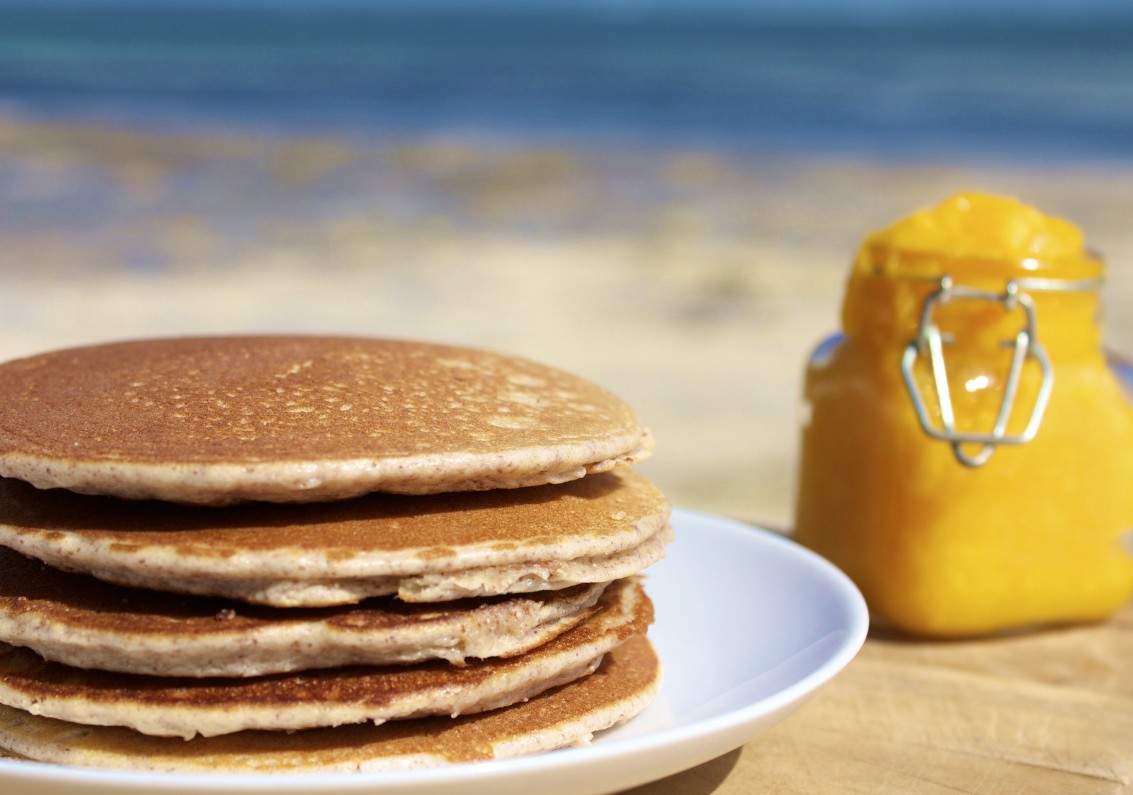
    anti inflammatory low histamine paleo pancakes

    I’ve been giving this whole low histamine Paleo diet/eating thing a lot of thought these last few months. The idea of giving up grains entirely is certainly attractive, but when considering the idea of going Paleo, a few things sprung to mind:

    1. Why label myself concretely as one thing or the other? Unless it’s for marketing purposes?

    2. It’s high in animal flesh – something that my nutritional hero Dr. Furhman doesn’t consider healthy. It’s also hard to do when you’re restricting your histamine intake. (Animal flesh begins accumulating histamine raising bacteria the moment it’s slaughtered).

    3. I think beans should be consumed once in a while (if you can tolerate the lectins), mainly for their vitamin B content, protein and their role in treating/preventing various cancers.

    While we’re on the subject – lectins are something I hear a lot about. People write to me asking why I include beans, or telling me the reason they went ahead with the Paleo thing is because they can’t eat them. And so I ask: do you eat carrots or lettuce? Because they have lectins too. Yes, it’s an interesting point that I don’t see many people making.

    “Most edible plants contain some lectins and some have substantial amounts.” –  A. Pusztai, Plant Lectins. Pg. 108. (Find the book online here.)

    So, the lectin thing didn’t seem like a good reason to me. What always seems like a good idea is to take on board the scientifically sound points that any nutritional philosophy/trend highlights. And so I finally realised that my desire to cut back on grains just happens to agree with the prevailing Paleo movement, rather than being a good reason to jump in whole hog. But, having taken to heart the many positives of the healthy Paleo diet movement, I’ve decided that my next book – featuring ONLY antihistamine and anti inflammatory ingredients – will be released in two editions: low histamine or low histamine Paleo.

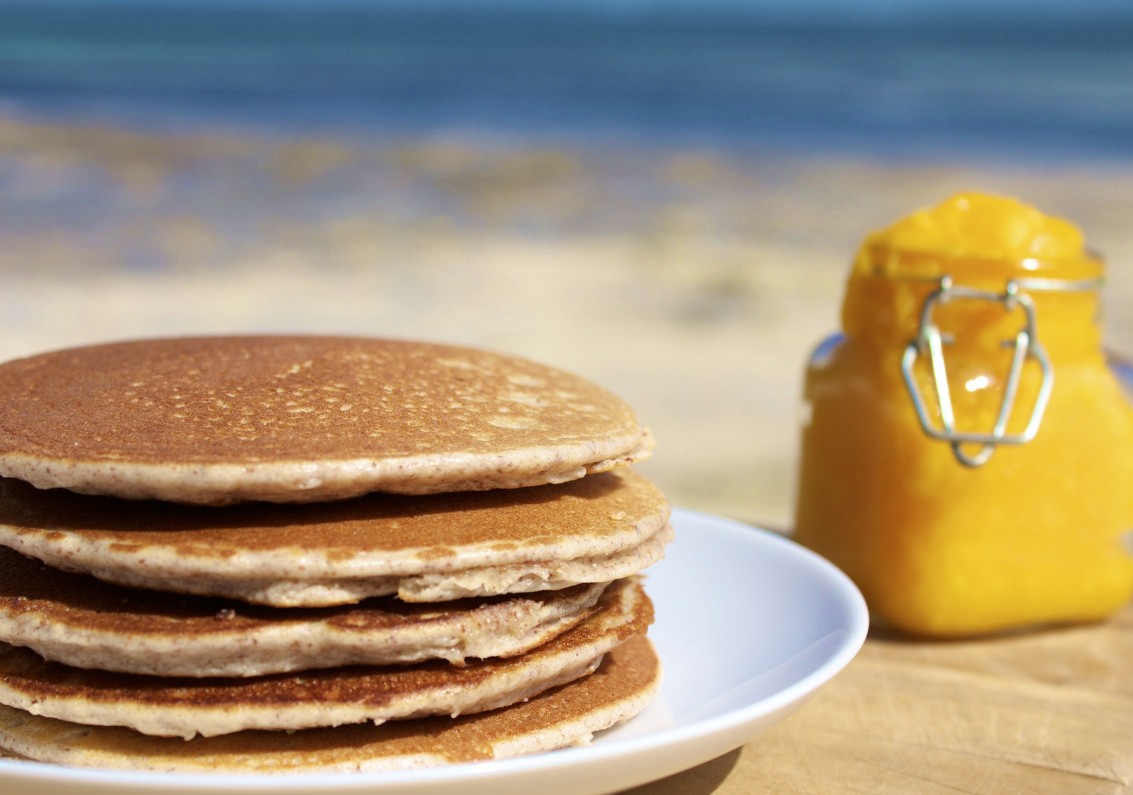
    The only downside (apart from more work!), is that there’s a lot of nuts. Nuts nuts nuts everywhere on Paleo. That raises the question – is a recipe still low histamine if it has two cups of almond flour? Especially given the bizarre habit of calling for blanched almond flour, thereby removing the polyphenol rich almond skins. Why on earth would you do that? To make it look pretty naturally! But as those of you who follow my blog have seen, nutrition trumps beauty every time. That’s not to say I’m into ugly food…as you can see by the photo of my (still in progress) low histamine Paleo pancake recipe. I’m trying to figure out how to fit in as many antihistamine and anti inflammatory ingredients as possible!

    I won’t be breaking too much new ground Paleo-wise, but the recipes will be unique in that they’re packed full of the healthy nutrients needed for proper histamine metabolism.

    Don’t forget to sign up to my newsletter for free recipes, a 10% discount on books and tons of histamine related research.

  • Antihistamine shots

    Antihistamine shots

    antihistamine shots

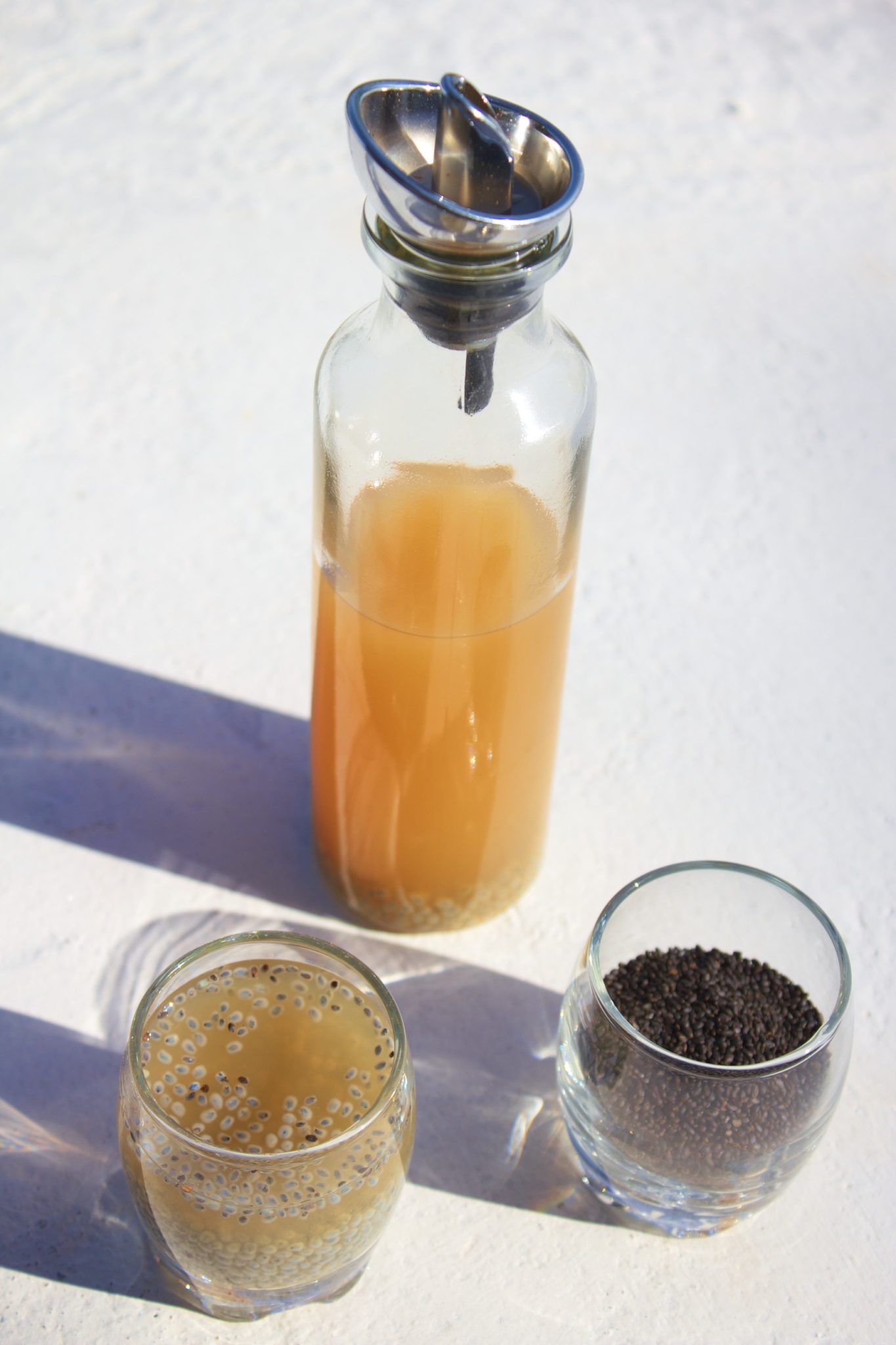
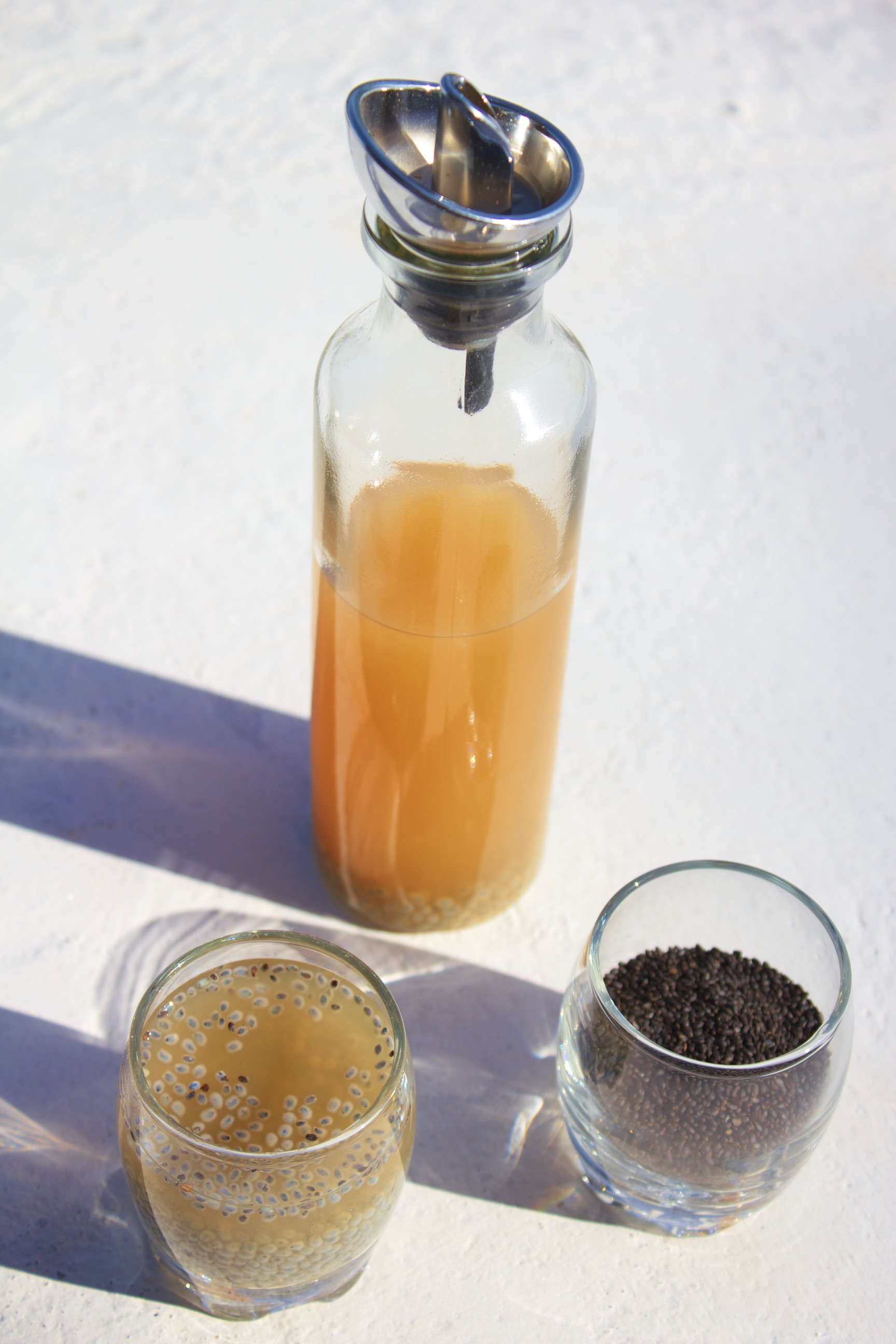
    An antihistamine shot of a different kind! In Spain (where I grew up), we call them chupitos…

    I came up with this antihistamine shot as a part of my 101 uses for holy basil series a way to combine a couple of powerful histamine-induced inflammation fighting ingredients:

    Passion fruit is an anti inflammatory, antihistamine, super tasty fruit. In studies the peel has been shown to have anti asthmatic properties. For those of you into lists; passion fruit is listed as low histamine on Janice Joneja’s list (which is also the Mastocytosis Society Canada’s) as well as being relatively low salicylate (depending on which list you follow!).

    Holy basil: as an anti inflammatory it’s as powerful as the pharmaceutical industry standard Diclofenac and it also has mast cell stabilising properties – meaning that it stops histamine from being released from the mast cells. Read all about holy basil’s properties.

    White tea: the gallic acid in these prevents IgE allergic reactions and stabilises mast cells as effectively as the commonly prescribed mastocytosis medicine sodium cromoglycate.

    Don’t forget to sign up to my mailing list for more recipes, histamine related news and more.

    Antihistamine shots

    INGREDIENTS:

    1 cup white tea

    1 passion fruit, strained to remove the pips

    1 tbsp holy basil seed

    PREPARATION:

    Use a nut milk bag or strainer to remove the pips from the passionfruit. Mix with the tea.

    Top with holy basil seeds. They’ll become very squidgy in about 10 minutes. You can drink them right down without chewing!

  • Holy Basil! 101 uses for this incredible antihistamine plant

    Holy Basil! 101 uses for this incredible antihistamine plant

    101 uses for holy basil

    I may have reached the zenith of my (natural antihistamine) Kenya experiences. I was in shock after discovering holy basil seeds on a supermarket shelf in downtown Malindi yesterday. I mean talk about unexpected. There’s no cinema here but there’s a plethora of natural antihistamines. I so miss the movies, but I’m enjoying getting it on health wise out here.

    The evening was spent coming up with a hundred and one ways to get this antihistamine and anti inflammatory superstar into my daily diet.

    “Not only is Holy Basil tasty in just about any Thai or Vietnamese dish – turns out it’s an anti-inflammatory, anti-histamine herb that’s as effective as Ranitidine/Zantac at treating H2 (histamine) induced ulcers, preventing mast cell degranulation and anaphylactic shock.” Read my post on it here.

    But the 101 uses all flew out the window when I woke after a night of writing, totally starved. Checking the pantry was an anti climax, while the fridge was just desolate. I could almost picture the tumbleweeds…

    Eggs. We always seem to have them, despite consuming a seemingly never ending supply daily. My man loves eggs, so even when I space out at the supermarket trying to figure out what I’m going to make with the selection of five locally available veggies, he’s always there, a bumper pack of eggs in tow. Luckily the dried food section in our house is usually fairly stocked. I’d had a fun time grabbing multiple bags of beans and other good stuff that I’d never come across before. There’s a big Indian community out here and they love their pulses.

    Now I know a lot of people are anti bean/pulses/lectins, but I would find it hard to manage without them. Some are near perfect proteins and many are incredibly high in B vitamins. I prefer to deal with a little potential bloating rather than pop some pills – you’d be disgusted and totally freaked to know where a lot of that stuff comes from (fermented corn, sheep hair, oyster shell and more!) and they almost always have a ton of nasty fillers. And what’s with the insanely high dosages? I can’t even imagine my poor body having to deal with 1000 times the RDI of vitamin whatever.

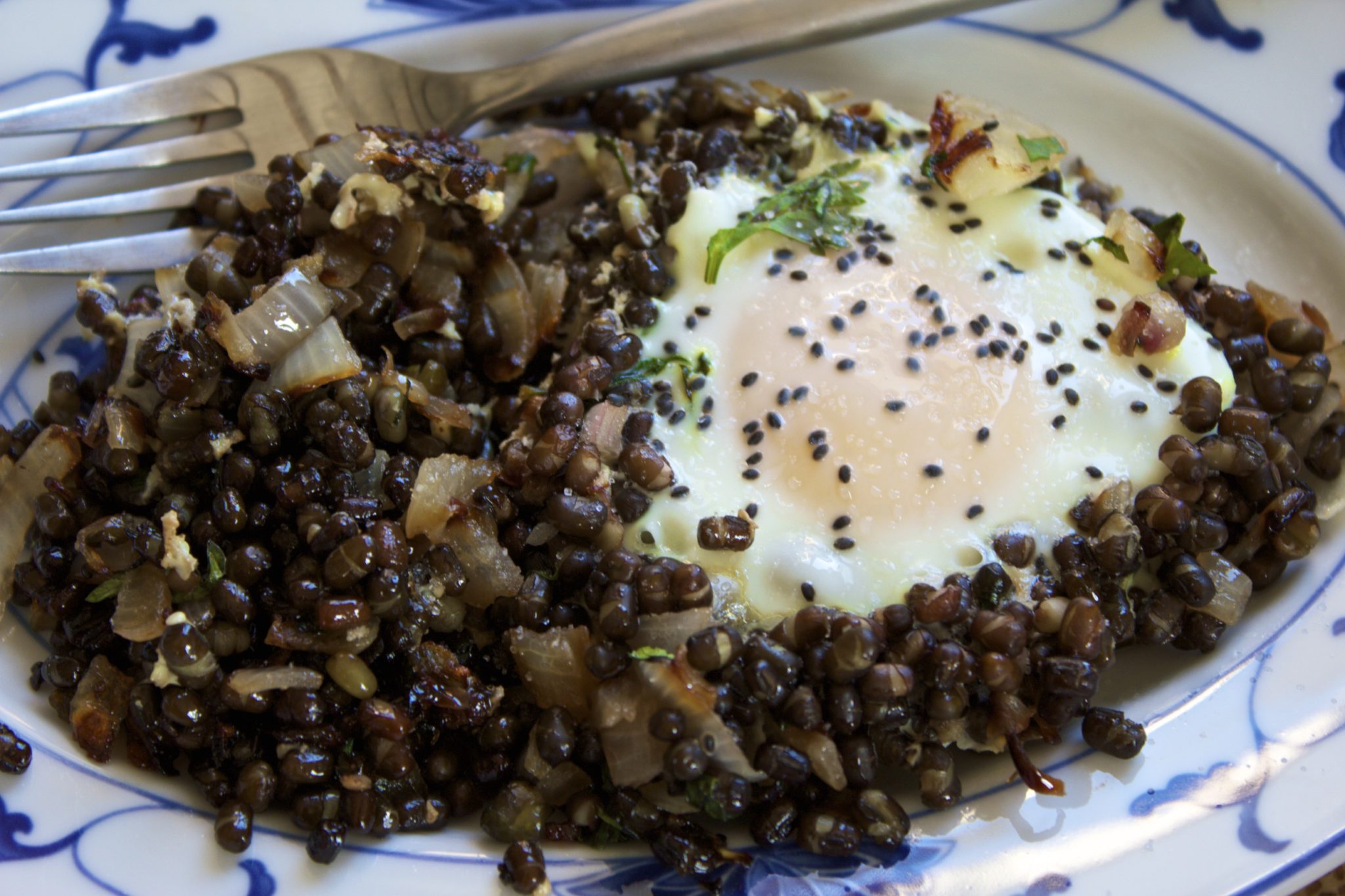
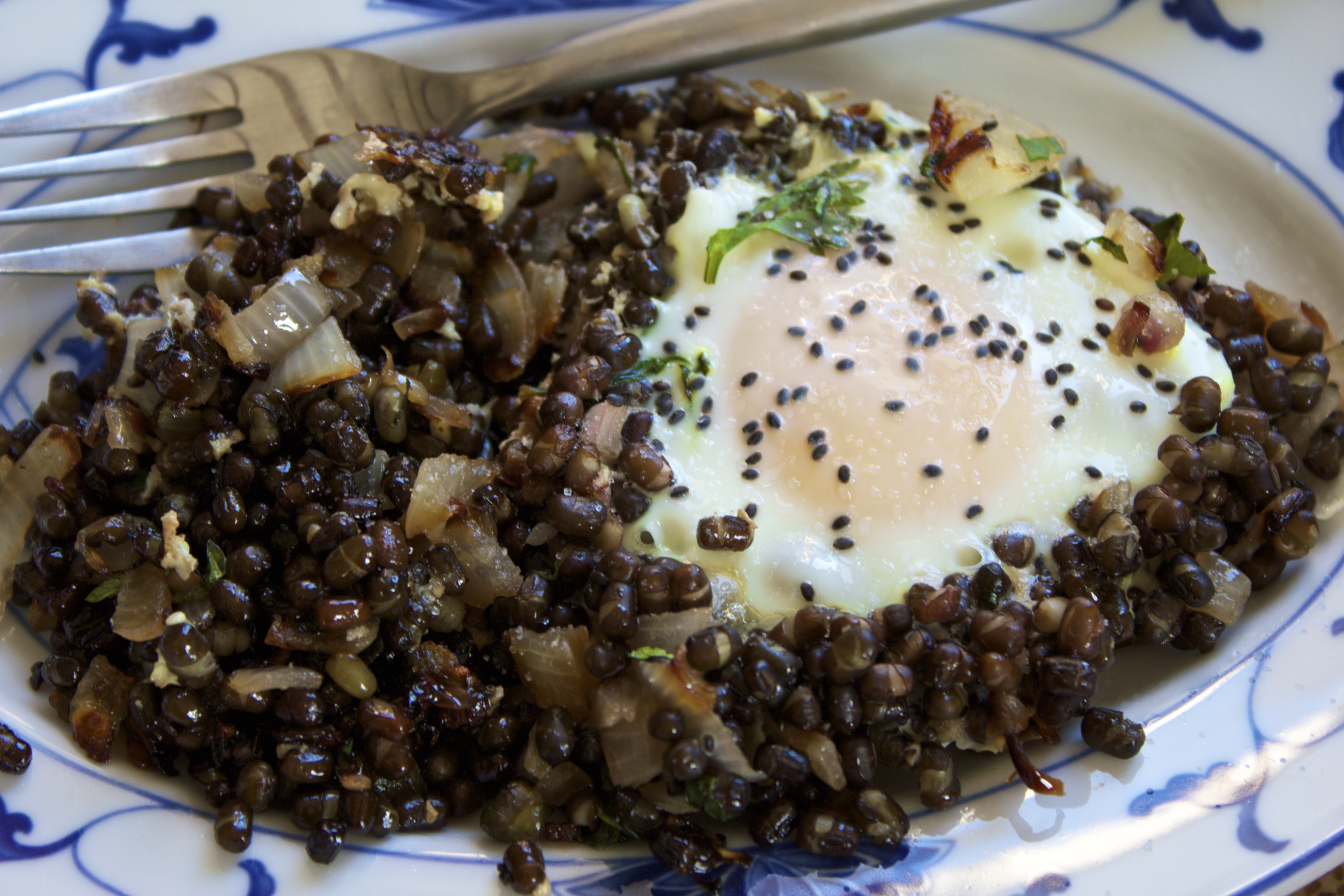
    You can google many recipes for huevos rancheros on the net. I’m still working on my recipe. At last count I have managed to work in six antihistamine ingredients (that’s the holy basil seed sprinkled on the eggs)… In the meantime, don’t forget to sign up to my mailing list for free recipes and the latest histamine research, as well as a 10% discount on my books, and a copy of my 101 uses for holy basil, when it’s done.

  • Recipe: triple strength antihistamine tea

    Recipe: triple strength antihistamine tea

    antihistamine guava leaf tea

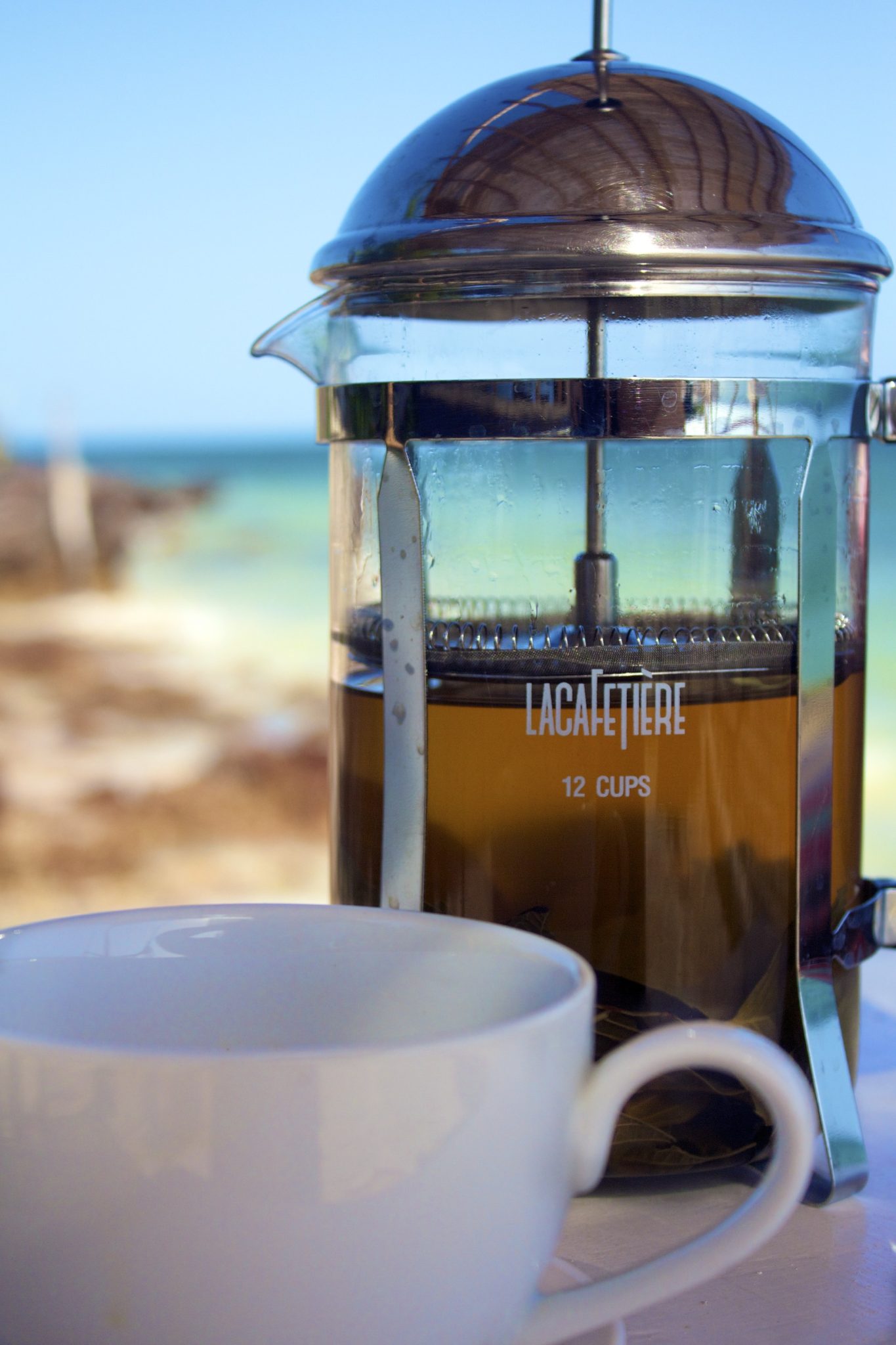
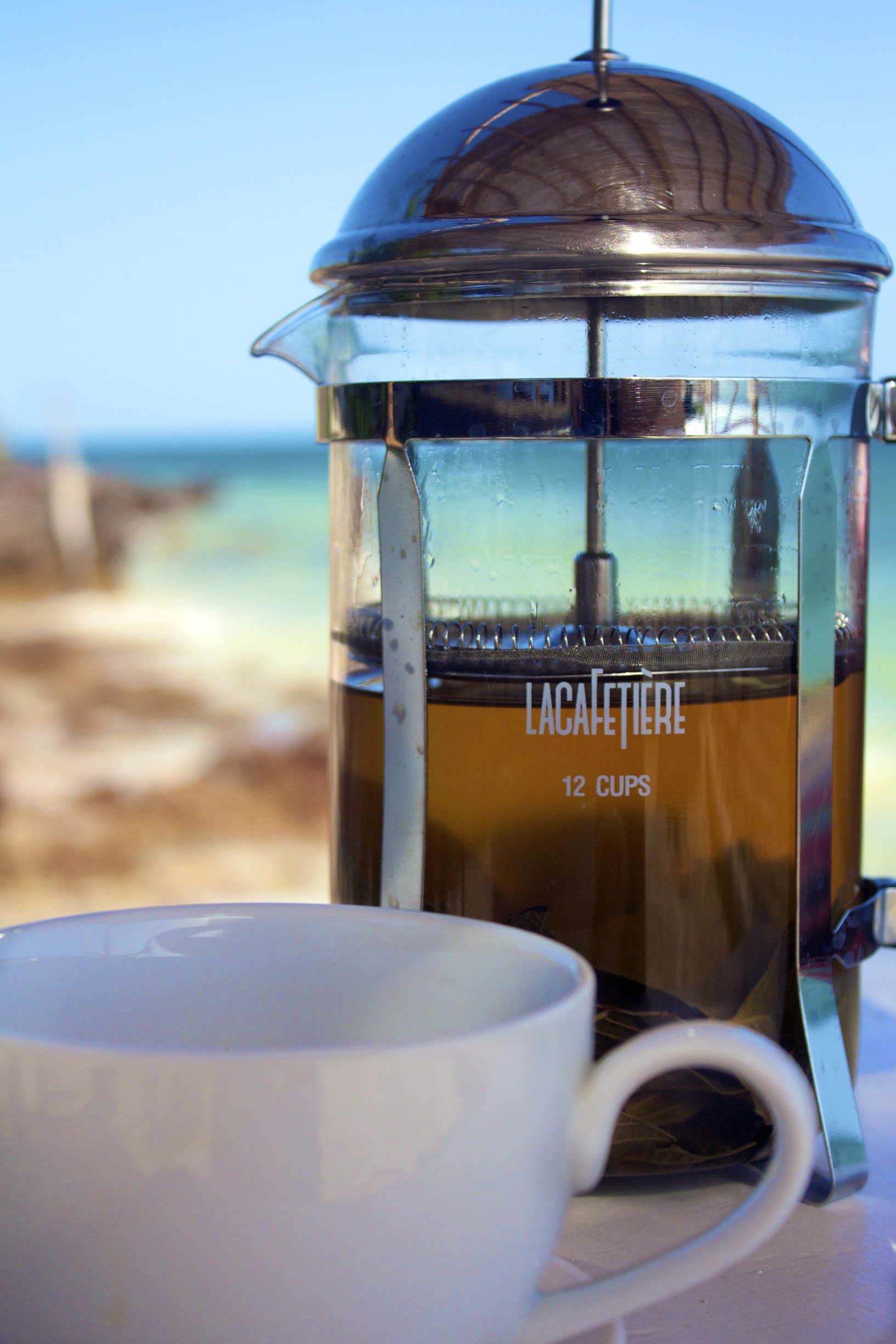
    There’s something internally cooling about cup of tea on a hot day. But if a hot antihistamine beverage doesn’t appeal, just add a little ice and serve with a wedge of lemon. I enjoyed this antihistamine in a glass by the beach yesterday here in Kenya. My project has been extended, again, which is giving me some much needed time to continue exploring all the natural antihistamines this country has to offer. Yesterday’s discovery was the guava tree in the garden. No fruit this time of year, but, much to the amusement of my masai (warrior) companion, I began jabbering about needing to score some leaves. I barely heeded calls to watch out for snakes; stupidly, given that we had found a 6ft poisonous snake making its way to the living room just the day before, before denuding a quarter of the tree.

    Why the excitement? Guava leaf inhibits histamine release from mast cells. In English: it’s an antihistamine! I choose to treat my histamine condition naturally, so I’m always on the lookout for anything to add to my natural antihistamine arsenal. I supplemented guava’s antihistamine and anti inflammatory properties by dunking a mast cell stabilising, gallic acid rich white tea bag a few times and topping everything off with a chunk of gastric acid killing ginger. As you may have heard, this natural H2 receptor antagonist  (ginger) is as effective as Zantac (Ranitidine), without causing any of the nasty side effects. I eat with my eyes. If that makes sense? So I put all this good stuff into this funky cafetière to serve it.

    You’ll find other tasty antihistamine and anti inflammatory recipes in my upcoming books. Don’t forget to sign up to my mailing list for more recipes.

    Here’s what went into my tasty antihistamine beverage:

    Beach House Antihistamine Tea

    1/2 cup fresh guava leaves, chopped

    1 white tea bag, quickly dunked

    1 tbsp sized chunk of fresh ginger

    1 squeeze of fresh lemon juice (omit if sensitive)

    It’s finally here! Man Food – a high nutrient antihistamine and anti-inflammatory ingredient filled book geared towards guys, women who love to work out, yoga like they mean it, or just load up on healing nutrients. Features my personal shopping list of antihistamine and anti-inflammatory foods. 

    The Anti-cookbook and all liquid Anti-Detox Book, don’t treat any conditions, but feature a plethora of the high nutrient antihistamine and anti-inflammatory ingredients that have been instrumental in helping me feed myself on a limited diet. The Anti-cookbook features a six page list of antihistamine and anti-inflammatory foods and comes in regular and Paleo. 

    The Low Oxalate Cookbook features antihistamine and anti-inflammatory rich recipes. 

    Don’t miss the Low Histamine Beauty Survival Guide for non-toxic beauty tips, the skinny on histamine releasing (mast cell degranulating) beauty ingredients, antihistamine and anti-inflammatory beauty alternatives and the top brands natural brands I’ve found.

    Take a peek at my other low histamine and antihistamine cookbooks for more high nutrient recipes and sign up to my mailing list for freebies. 
    Please remember, even antihistamine and anti-inflammatory foods can hurt us, please always exercise caution and consult a medical practitioner before adding new foods. 

  • Amaranth: the new green antihistamine

    Amaranth: the new green antihistamine

    And we’re back baby. My designer has been taking so long to redevelop the site that I finally caved and put it back up for the meantime. It’s been tough not sharing all that I’ve found these last few weeks – but rest assured I have a BUMPER crop of information that’s going to rock your world.

    I’m going to space it out a little, so let’s start with my most exciting positive discovery of my Kenya trip (believe me, there have been many!):

    Amaranth greens are tasty, packed with anti inflammatory vitamin k AND they posses such strong antihistamine action that they’ve been shown to prevent anaphylactic shock. Now this doesn’t mean that you won’t be allergic to them, so please (as always) proceed with caution.

    Before I get into my first amaranth greens experience, I’d just like to add a little note about histamine. I talk over and over again about the importance of diet in managing histamine conditions like histamine intolerance, mast cell activation and mastocytosis, but I haven’t yet shared my treasure trove of information on all the conditions that are affected/caused or aggravated by histamine. It’s coming; I’m just organising it all. A lot of this info is out there in the public domain; I’m not creating new research, just gathering it all. And you would be shocked by what I’ve found. I’m wondering how many thousands of people out there aren’t aware that histamine disorders either mimic or aggravate various conditions. Sign up to my mailing list to make sure you don’t miss this bombshell…

    Anyway, that’s coming up soon. But in the meantime…ta dah! I present my amaranth greens experience.

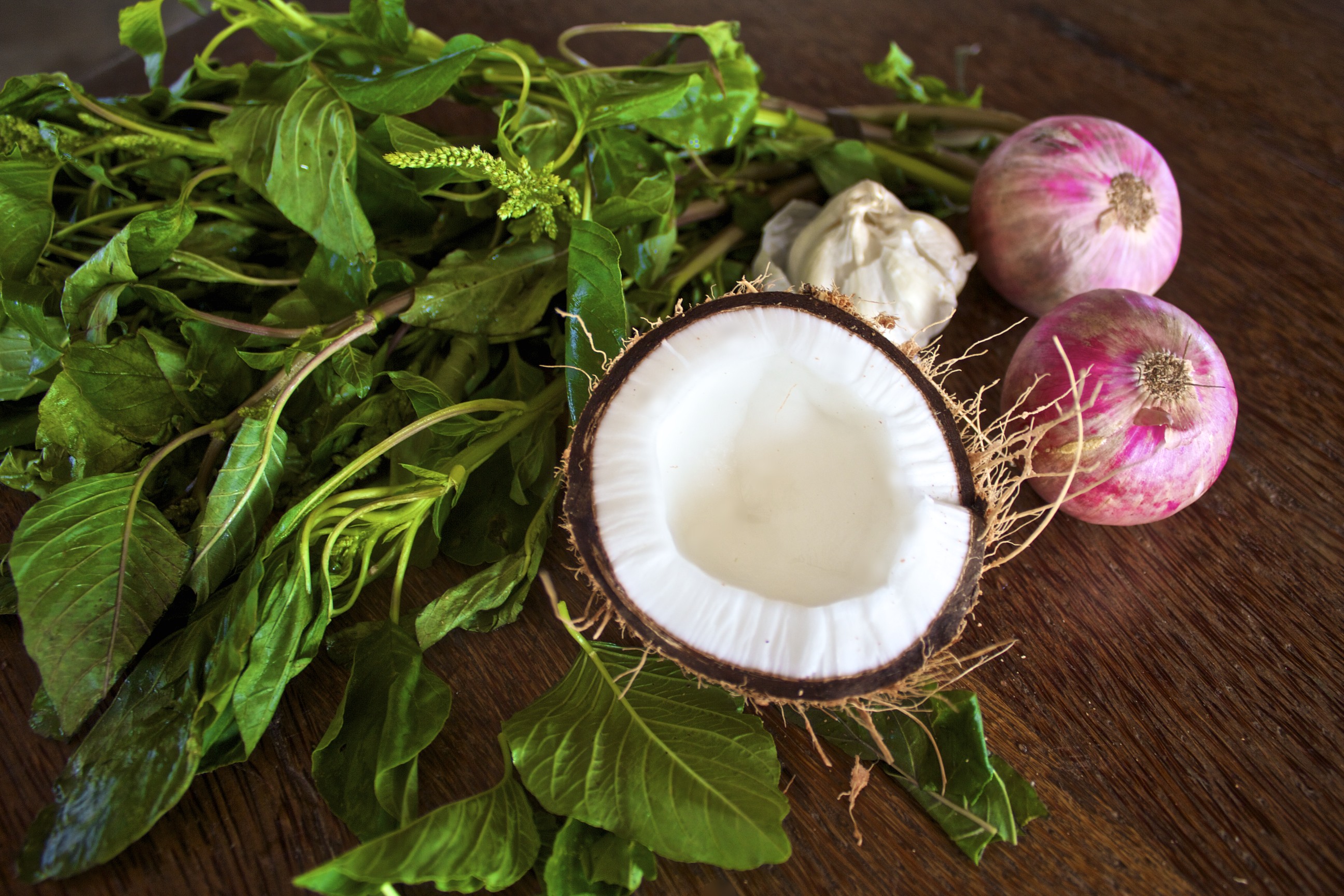
    antihistamine amaranth greens

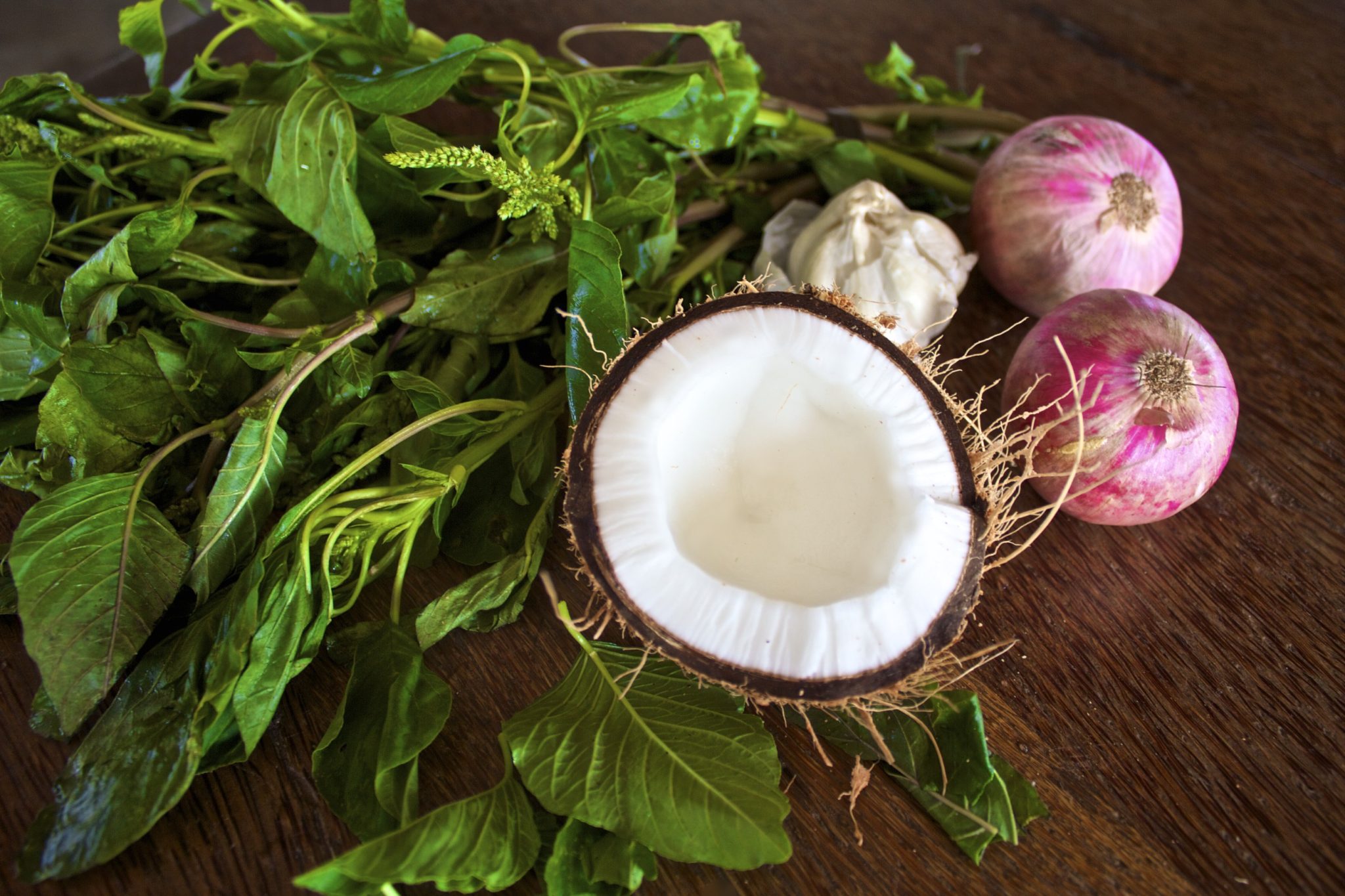
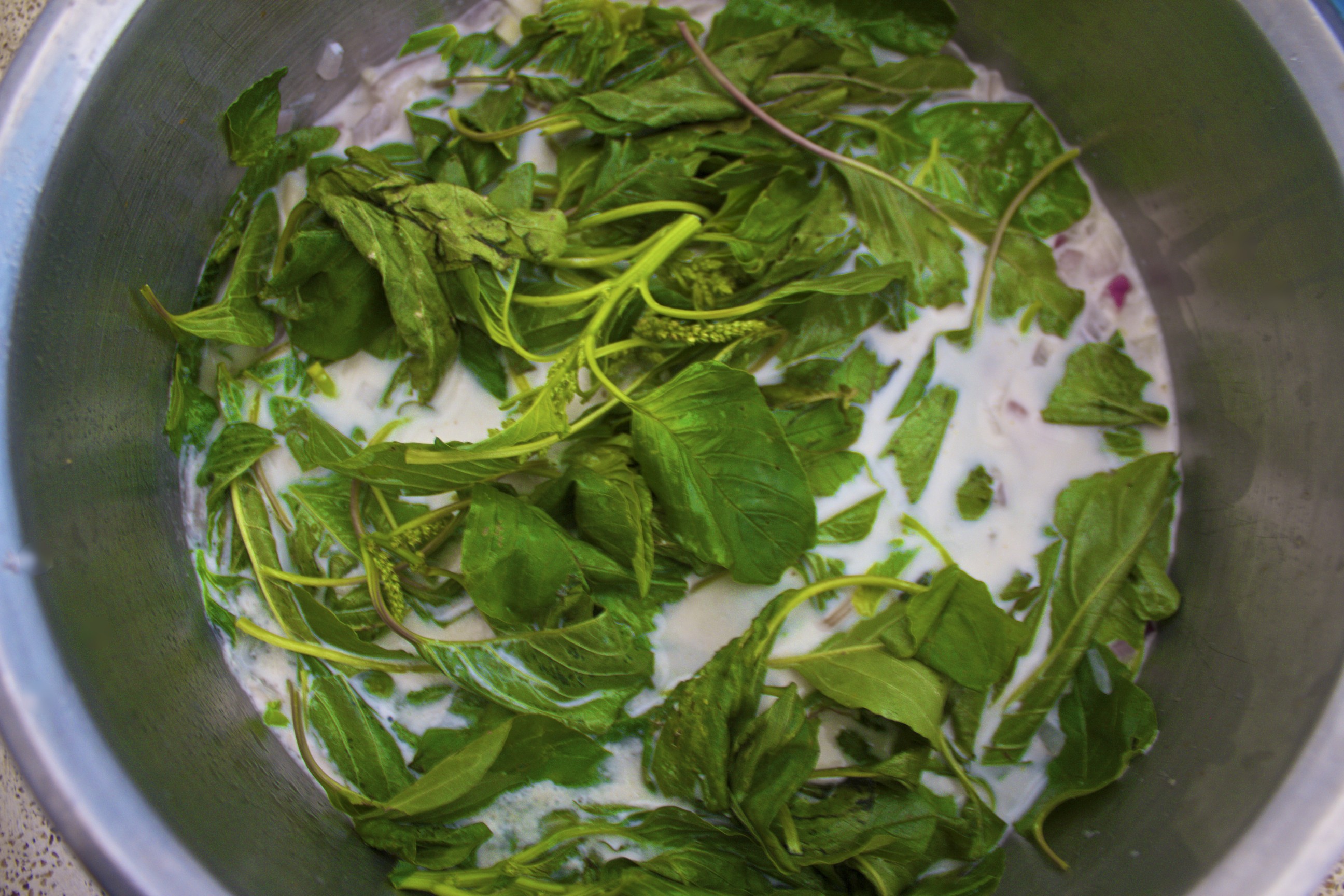
    Yesterday the lovely Rehema, our friend’s housekeeper at the stunning beachfront villa we’re staying at here in Kenya, knowing that I have a fixation with all things veggie, presented me with armfuls of greenery. Having furnished me with the local name (managu/mchicha), Google came back with a name that truly excited me: amaranth greens. Having searched for them in vain all over London (probably just out of season), I pretty much bolted back to the kitchen in search of what I could throw together to make a palatable meal. The problem? My man was hungry too – and as sweet and as understanding as he is of my bizarro feeding habits, I needed to feed him something substantial rather than my usual “food is medicine” approach. And so into a large pot went some antihistamine quercetin rich red onions, immune system supporting garlic, anti anaphylactic/mast cell stabilising amaranth greens and anti inflammatory freshly made coconut milk for its fat content.

    anti anaphylactic amaranth greens

    For my man I debated adding a little actual curry (you’ll notice this curry is oddly curry free!), but we didn’t have any fresh leaves on hand. I cooked up a bowl of wheat polenta for him, and waited for the taste verdict – i.e. did it need enhancing with the powdered curry we did have. But it was deemed to be delicious as is. I waited for a few hours with baited breath, wondering (as always) what this would actually do for me. Either the placebo effect was in full swing, or the amaranth greens did the job, and my slightly swollen tummy and face suddenly deflated. I slept like a baby and woke up as bouncy as a newborn pup. But hey, did I mention the placebo effect? I’m a big believer in it, and I’d totally hyped up the greens these last few months.

    Either way, it was a tasty, nutritionally balanced, antihistamine lunch!

  • Histamine meditation

    Histamine meditation

    Buddha

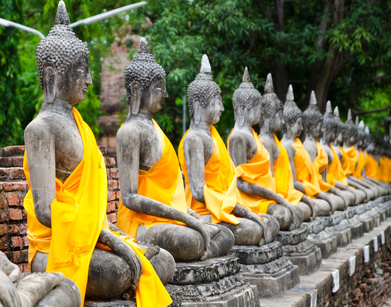
    My Silva post a few weeks ago led to quite a few people asking for more details on how I used meditation to get me over the worst of my histamine reactions. Well, guess what? Last night was fairly unpleasant, well a little scary really, but I thought it would be a good time to finally show you what I’m talking about.

    I was finding it difficult to breathe and was panicking because my throat seemed to be closing up (very rare for me) so the audio is a little uneven and I ramble a bit. My guess on how long the meditation lasted was totally off too – a good indication of how you lose sense of space and time when you’re in a deeply meditative state. My first guess was 5 minutes! But the meditation (the taped part anyway) was over 11 minutes! You just don’t notice time pass…it’s wonderful.

    So here you go, my personal meditation, based around the Silva Method and others, to help me neutralise a bad histamine intolerance reaction/mast cell activation episode.

    I was told stress can cause anaphylaxis, so calming down is a top priority. Please do not hesitate to call emergency or your doctor if you have a histamine reaction. I am not advocating the use of meditation over medication. Always be safe.

    You can meditate while waiting for emergency services, while you administer an epi, while waiting for the doctor to arrive, while being treated with IV antihistamines. It’s not an either or situation. 

    Also please remember that my reactions subside quite quickly nowadays thanks to a year of intensive high nutrient antihistamine and anti-inflammatory foods and as such may be less intense than yours. Mine were horrific back in the day…

    By listening to this Mp3 you agree that you understand that this meditation is not a treatment of any kind and should not be used as such. It is only an example of my own personal relaxation exercise. 

    LISTEN:


    It’s finally here! Man Food – a high nutrient antihistamine and anti-inflammatory ingredient filled book geared towards guys, women who love to work out, yoga like they mean it, or just load up on healing nutrients. Features my personal shopping list of antihistamine and anti-inflammatory foods. 

    The Anti-cookbook and all liquid Anti-Detox Book, don’t treat any conditions, but feature a plethora of the high nutrient antihistamine and anti-inflammatory ingredients that have been instrumental in helping me feed myself on a limited diet. The Anti-cookbook features a six page list of antihistamine and anti-inflammatory foods and comes in regular and Paleo. 

    The Low Oxalate Cookbook features antihistamine and anti-inflammatory rich recipes. 

    Don’t miss the Low Histamine Beauty Survival Guide for non-toxic beauty tips, the skinny on histamine releasing (mast cell degranulating) beauty ingredients, antihistamine and anti-inflammatory beauty alternatives and the top brands natural brands I’ve found.

    Take a peek at my other low histamine and antihistamine cookbooks for more high nutrient recipes and sign up to my mailing list for freebies. 
    Please remember, even antihistamine and anti-inflammatory foods can hurt us, please always exercise caution and consult a medical practitioner before adding new foods. 

GET STARTED HEALING HISTAMINE

WHAT YOU NEED TO KNOW ABOUT HISTAMINE DELIVERED TO YOUR INBOX