The heat of summer calls for a refreshing drink in hand. When dealing with histamine issues, the heat can completely zap us. At that point, something cold and refreshing –and more interesting than water– is definitely called for. And hey, extra points for anti-inflammatory, antihistamine ingredients. Need some inspiration? Here are 5 refreshing drink ideas for easy livin’ in the summertime.
HIBISCUS ICED TEA
Hibiscus is a fun tea for summer, as it is a wonderful pink color. It’s also anti-inflammatory, rich in quercetin, and helps stabilise mast cells. You can even add it to smoothies like I did in this post.
Ingredients:
6 cups of water
3 Tbsp Hibiscus flowers (loose leaf, or 9 tea bags)
Sweetener to taste
Lemon slices to garnish
Instructions
Bring water to a boil, then remove from heat.
Add the hibiscus flowers. Cover and steep for 20 minutes.
Strain tea into a large jar or desired container, add sweetener to taste, and chill.
Serve over ice and garnish each glass with a lemon slice.
Makes 6 to 8 servings.
BLUEBERRY LEMONADE
Strawberry lemonade might be out, but blueberry lemonade is equally amazing. Blueberries are rich in antioxidants, which can be really helpful for lowering histamine inflammation.
Ingredients:
2 cups fresh blueberries
4 cups cold water, divided
Sweetener of your choice to taste
2/3 cup freshly squeezed lemon juice
Lemon slices and blueberries to garnish, if desired
Instructions:
Place the blueberries, 1 cup of the water, and sweetener to taste in a blender.
Blend until the blueberries are completely pureed.
Taste and adjust sweetener if necessary.
Strain the puree through a fine mesh sieve.
Combine the blueberry puree with lemon juice and the remaining 3 cups of water. Stir and taste.
Stir in more water, if desired.
Refrigerate until chilled. Serve over ice and garnish with lemon slices and more fresh blueberries.
Makes 4 servings.
MANGO ARUGULA LIMEADE PUREE (SLUSHIE)
Mango has both antihistamine and anti-inflammatory properties. Arugula is another antihistamine ingredient which comes from the cruciferous family of vegetables. It is anti-inflammatory and has loads of vitamins and minerals.
Ingredients:
3 ripe mangoes
A handful of fresh arugula
1 1/2 cups freshly squeezed lime juice
3 cups water
Garnish: lime wedges
Instructions:
Peel mangoes and shop flesh in pieces.
In a blender, add mango pieces, arugula, lime juice, water, and sweetener and blend until smooth.
Garnish with lime wedges, and enjoy this antihistamine green slushie.
Makes 4 to 5 servings.
ICED HOLY BASIL ICED TEA (OR ICE CUBES)
As you know from some of my other posts, holy basil is an effective herb for lowering histamine levels. Holy basil iced tea is a great way to cool down while bringing histamine down. You can also just make it into ice cubes to add an antihistamine component to other drinks.
Ingredients:
6 cups of water
3 Tbsp holy basil tea (loose leaf, or 9 tea bags)
Instructions:
Bring water to a boil, then remove from heat.
Add the holy basil. Cover and steep for 20 minutes.
Strain tea into a large jar or desired container and chill.
Serve over ice or make into ice cubes.
Makes 6 to 8 servings.
TURMERIC LEMONADE WITH FRESH MINT LEAVES
Turmeric spice is rich in curcumin, an antihistamine, and anti-inflammatory compound. This turmeric lemonade is as refreshing as it is anti-inflammatory. Even the mint garnish inhibits the release of histamine from mast cells.
2-4 Tbsp tolerated sweetener (adjust to desired sweetness)
Optional stevia to sweeten more if desired
Fresh mint leaves
Instructions:
Bring water just to a boil on the stove.
Add spices and return to boil for 1 minute, then reduce and simmer for 10 minutes.
Remove from heat and allow to cool a bit. Then strain.
Pour the rest of the liquid into a pitcher along with lemon juice and sweetener of choice. Stir.
Garnish with fresh mint leaves and allow to chill before enjoying.
CONTINUING THE ANTI-INFLAMMATORY RECIPE KICK?
If you’re wanting to go beyond beverages and are looking for more fun, anti-inflammatory, antihistamine recipes to add to your radar, I’ve got a solution for you. I’ve put together a complete histamine reset plan with recipes and lifestyle strategies to balance histamine levels and get your body on the path to healing:28-Day Histamine Reset.
One of the most frustrating histamine-related symptoms for a lot of people is the associated weight problems. And this can be either an inability to lose weight OR and inability to gain weight. If this is an issue for you, don’t despair. Certain whole foods may help.
HOW HISTAMINE IMPACTS METABOLISM
Metabolism is controlled by the brain, particularly in a region of the brain called the hypothalamus. When histamine enters the hypothalamus, it activates several receptors — as though turning switches on or off. Some of those switches have to do with body heat, energy output, and feelings of either hunger or satiety.
Depending on a number of other factors, including genetics, level of inflammation in the body, and other coexisting conditions, elevated histamine can lead to weight problems. This can come in the form of excess weight or in difficulty keeping weight on.
In general, histamine promotes weight loss. This is due to the stimulation of histamine 1 receptors in the brain which have also been shown to suppress food intake. Animal studies have shown that low levels of histamine in the brain are associated with obesity. So, histamine can help keep us thin.
On the other hand, high levels of inflammation (very common with histamine intolerance) can contribute to weight gain. There are a number of different biological pathways in the body by which inflammation leads to weight gain. A couple of these include increased Corticotropin Releasing Hormone (CRH — a stress hormone) and increased glutamate (a stimulatory neurotransmitter in the brain).
CRH causes mast cells to release more histamine, and the cycle continues. Glutamate (which also comes as the food additive, Monosodium Glutamate = MSG) stimulates the appetite and causes weight gain. And there are many other pathways in the body that link inflammation to weight gain.
When the body is in balance, we maintain a healthy weight easily. Since inflammation and histamine levels are major reasons for the histamine intolerant person’s imbalance, these two things are a good place to start.
To address inflammation, switch to a whole foods, nutrient-dense, anti-inflammatory diet and do what you need to do to get your stress under control. For me, the stress component was just as important as the food component. To learn how I addressed stress and got my brain to work in my favour, check out my Online Workshop: Healing the Brain to Heal the Body.HISTAMINE-FRIENDLY-ISH FOODS THAT MAY HELP
Here are some low histamine and/or antihistamine foods that have been shown to have a positive effect on metabolism (particularly for weight loss):
LOW HISTAMINE FOODS
Apple Cider Vinegar – Apple cider vinegar can help reduce weight gain.
Coconut oil – Coconut oil is “thermogenic” and as such, increases metabolism and leads to fat loss.
Lemon – Animal studies indicate lemon polyphenols help to suppress weight gain and the accumulation of body fat.
Seaweed – Alginate in seaweed has been shown to help reduce body fat when used in conjunction with dietary therapy.
ANTIHISTAMINE FOODS
Ginger – Ginger is a potent antihistamine, soothing to the stomach, and it’s both anti-inflammatory and anti-obesity.
Nigella sativa – Nigella sativa is extremely antihistamine, anti-inflammatory, and has been found to have anti-obesity effects. You can read more about it here.
Olive oil – Olive oil is anti-inflammatory, has anti-obesity effects, and promotes production of diamine oxidase (DAO), an enzyme that helps break down histamine.
————REFERENCES—————
Dulloo, A. G., Fathi, M., Mensi, N., Girardier, L. (1996). Twenty-four-hour energy expenditure and urinary catecholamines of humans consuming low-to-moderate amounts of medium-chain triglycerides: a dose-response study in a human respiratory chamber. European Journal of Clinical Nutrition, 50(3), 152-8. Retrieved from: https://www.ncbi.nlm.nih.gov/pubmed/8654328
Fukuchi, Y., Hiramitsu, M., Okada, M., Hayashi, S., Nabeno, Y., Osawa, T., & Naito, M. (2008). Lemon Polyphenols Suppress Diet-induced Obesity by Up-Regulation of mRNA Levels of the Enzymes Involved in β-Oxidation in Mouse White Adipose Tissue. Journal of Clinical Biochemistry and Nutrition, 43(3), 201–209. http://doi.org/10.3164/jcbn.2008066
Georg-Jensen, M., Kristensen, M., Astrup, A. (2012). Effect of alginate supplementation on weight loss in obese subjects completing a 12-wk energy-restricted diet: a randomized controlled trial. American Journal of Clinical Nutrition, 96(1), 5-13. doi: 10.3945/ajcn.111.025312. Epub 2012 May 30.
Hasani-Ranjbar , S., Jouyandeh, Z., & Abdollahi, M. (2013). A systematic review of anti-obesity medicinal plants – an update. Journal of Diabetes and Metabolic Disorders, 12, 28. http://doi.org/10.1186/2251-6581-12-28
Hermanussen, M., García, A. P., Sunder, M., Voigt, M., Salazar, V., Tresguerres, J. A. (2006). Obesity, voracity, and short stature: the impact of glutamate on the regulation of appetite. European Journal of Clinical Nutrition, 60(1), 25-31. Retrieved from: https://www.ncbi.nlm.nih.gov/pubmed/16132059
Janssens, P. L. H. R., Hursel, R., Martens, E. A. P., & Westerterp-Plantenga, M. S. (2013). Acute Effects of Capsaicin on Energy Expenditure and Fat Oxidation in Negative Energy Balance. PLoS ONE, 8(7), e67786. http://doi.org/10.1371/journal.pone.0067786
Mohamed, el-O. A., Mohamed, S. M., Mohamed, K. A. (2001). The effect of cider vinegar on some nutritional and physiological parameters in mice. Journal of the Egyptian Public Health Association, 76(1-2), 17-36. Retrieved from: https://www.ncbi.nlm.nih.gov/pubmed/17216979
Mahmoud, R. H., Elnour, W. A. (2013). Comparative evaluation of the efficacy of ginger and orlistat on obesity management, pancreatic lipase and liver peroxisomal catalase enzyme in male albino rats. European Review for Medical Pharmacological Sciences, 17(1), 75-83. Retrieved from: https://www.ncbi.nlm.nih.gov/pubmed/23329526
Tabarean, J. (2016). Histamine receptor signaling in energy homeostasis. Neuropharmacology, 106, 13-19. Retrieved from:
Webster, E. L., Torpy, D. J., Elenkov, I. J., Chrousos, G. P. (1998). Corticotropin-releasing hormone and inflammation. Annals of the New York Academy of Sciences, 840,21-32. Retrieved from: https://www.ncbi.nlm.nih.gov/pubmed/9629233
Wollin, A., Wang, X. and Tso, P. (1998). Nutrients regulate diamine oxidase release from intestinal mucosa. American Journal of Physiology-Regulatory, Integrative and Comparative Physiology275(4), R969-R975. Retrieved from: https://www.ncbi.nlm.nih.gov/pubmed/9756524
Vitamin C is an antihistamine compound with significant antioxidant and anti-inflammatory properties that could be perfectly suited to histamine intolerance. Choosing the right one though can be tricky. Here’s how to navigate the crowded supplement market and maximise Vitamin C’s benefits on histamine.
ANTIHISTAMINE VITAMIN C
Vitamin C has long been in the treatment arsenal of specialist doctors who deal with a histamine related condition called mast cell activation. Just a few days of vitamin C deficiency can drive histamine levels up.
Histamine finds its way into our inflammation/histamine bucket by us eating foods rich in it, or when white blood cells in our body release it. This is supposed to happen when we’re injured, sick, or in need of healing.A steady supply of histamine is needed by the brain to regulate our sleep cycle, by the stomach to get digestion going, and for many other key bodily processes. But sometimes too much histamine ie released just by getting stressed out, or eating the wrong foods.
While Vitamin C has not been shown to prevent mast cells from releasing histamine, it has proven beneficial effects on systemic mast cell inflammation. An example of this is how vitamin C decreases bronchiole hypersensitivity caused by the cold virus, which is a process that involves mast cells.
VITAMIN C BOOSTS DAO
Optimal function of the histamine degrading diamine oxidase (DAO) enzyme relies on a number of nutrients: copper, vitamin B6, zinc, magnesium and others. But Vitamin C in particular gives DAO a significant boost, which is another mechanism by which vitamin C lowers histamine inflammation.
VITAMIN C FIGHTS HISTAMINE INDUCED SEA SICKNESS
One of my most annoying symptoms over the years has been inconsistent motion sickness which came and went seemingly with no pattern. Till I linked it to my high histamine days, a link corroborated by the medical literature I later found.
USING VITAMIN C
Medical studies on vitamin C use in mast cell activation, sea sickness, and just generally used to study its effect on inflammation, have found one to three grams of vitamin C to be optimal.
Please note however that vitamin C in large doses has been found to cause mast cell mediated stomach issues like loose stools, so it’s important not to use too high a dose.
Vitamin C is flushed out of the body quite quickly, so I tend to take it a few times a day when using it. Please consult your doctor for the optimal dose and frequency.
With kiwis, oranges, lemons, and many high histamine fruits off the menu, how on earth do we get an adequate supply of vitamin C?
Kholrabi & broccoli
Mango
Brussels sprouts
Cauliflower
Blackberries
Blueberries
Bell peppers (nightshade family)
VITAMIN C SUPPLEMENTS
My favourite supplements are made from real foods.
Camu Camu: myrciaria dubia is a berry with amazing anti-inflammatory and anti-oxidant properties. I have no information on its salicylate or oxalate status, but I have been adding it to smoothies and juices for years.
Ascorbyl palmitate: not made from corn or dextrose fermentation of any kind.
I spent a few years enjoying Twinlab’s corn free Quercetin plus Vitamin C corn free supplement; but it was sadly discontinued and is now being sold on Amazon for $500 a bottle. It was a great product but no, it’s not worth that.
Camu camu is an excellent powder that at least one mast cell specialist has been recommending to patients.
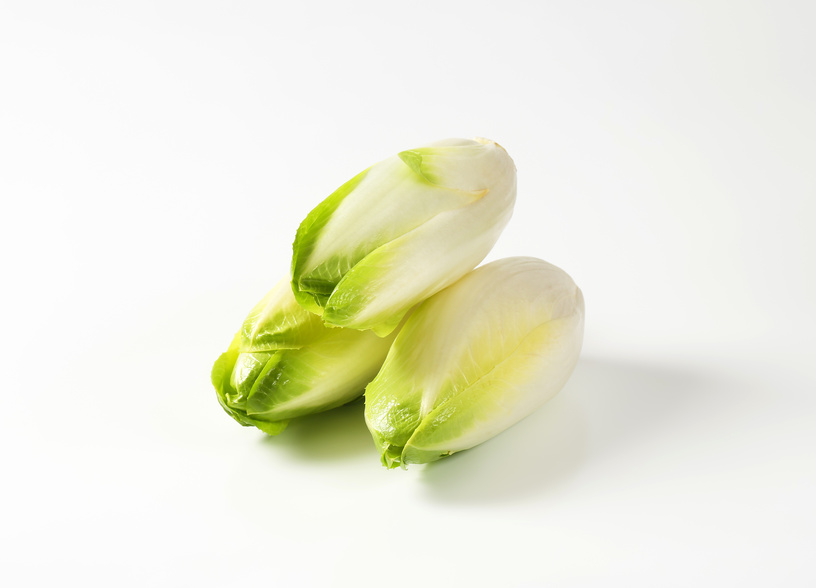
Post updated 24/1/2018 to clarify choice of photo. Chicory root has significant antihistamine and anti-inflammatory properties. In research studies it has even interrupted the IgE allergic response cascade, thereby preventing anaphylaxis. It has an incredible number of other benefits, and many more ways to easily be worked into our diet (like as a coffee substitute). Please remember, any food can hurt, so consult with your doctor before adding anything new, and I would not recommend that anyone try eating chicory to fight an allergic response.
A more palatable way of enjoying chicory’s properties without the extreme bitterness is to enjoy chicory (pictured above) which is a high fiber, root vegetable. Its leaves are used in cooking or in salads. Fun fact: nearly all coffee consumed in India contains some chicory root. It’s an important part of Ayurvedic traditional medicine (something I keep coming across).
CHICORY AS AN ANTIHISTAMINE & MAST CELL STABILISING FOOD
The scientific research shows that this lovely vegetable family, which happens to be one of my all time favourites, is very effective at stopping histamine release from mast cells. This is important because mast cells are a source of histamine that could be preventing a low histamine, or histamine restricted diet, from working. Allergens, bacteria, viruses, parasites, stress, chemicals, pressure, vibration, heat, cold, all trigger the release of histamine from mast cells. So while minimising histamine intake from foods might work in the short term, preventing mast cells from releasing histamine, and other inflammatory agents that compound the symptoms of histamine, is paramount. I explain it all here.
Provides the kind of fiber that beneficial gut bacteria adore
HOW TO EAT CHICORY
I eat a head of chicory for breakfast, along with a handful of pecans or soaked almonds, and a few blueberries. A few ways to cook/eat it:
Cut in half and drizzle with a little olive oil, salt and pepper (white pepper is what I use), and lemon (people just starting out might still be reactive to lemon – read about how to manage the inflammation bucket here)
Chop up and serve in a salad
Peel off individual leaves and use to scoop up home made hummus and other dips
Cut into quarters and drizzle with oil, then grill in the oven
Cut into quarters and lightly pan cook with some other veggies or some animal protein
Drink as a coffee (you’ll find chicory coffee online and in health food stores)
Use as a powder fiber supplement (online and in health food stores)
Try as a substitute sweetener
CHICORY AS A LOW CARB and LOW glycemic sweetener
I’ve been exploring a bunch of sweeteners recently. Today I tried baking with chicory root powder. That was not a winner. I understood why it’s used as a coffee substitute! It tasted quite bitter, but I hate coffee thankfully, but it might be an interesting option for cutting down on sugar and carbs in a recipe that calls for that flavour.
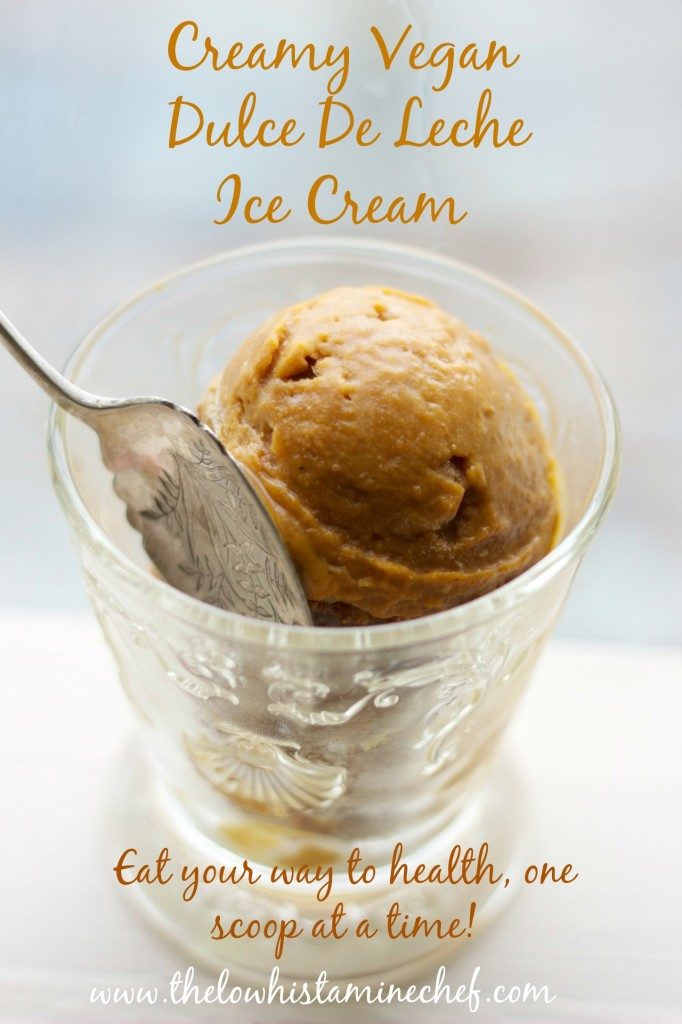
What was a definite yes was an ice cream made from young Thai coconut meat, chicory root blended in, a little monk fruit powder (read the post on it here). I added in a blueberry swirl made with freeze dried fruit. I’ll share the recipe when I’m done messing with it, but in the meantime you could try adapting my creamy butternut squash ice cream recipe here. I would think you could replace some/all of the sugar with whole chicory or powdered. I’ve been seeing that commercial “healthy” ice creams are using chicory as an emulsifier. You’ll find more recipes like this in my books Anti-Recipes and The Anti-Cookbook
“INHIBITORY EFFECT OF MAST CELL-MEDIATED IMMEDIATE-TYPE ALLERGIC REACTIONS BY CICHORIUM INTYBUS.” Pharmacological Research, Academic Press, 26 Mar. 2002, www.sciencedirect.com/science/article/pii/S1043661899904747.
Minaiyan, Mohsen, et al. “Preventive Effect of Cichorium Intybus L. Two Extracts on Cerulein-Induced Acute Pancreatitis in Mice.” International Journal of Preventive Medicine, Medknow Publications & Media Pvt Ltd, May 2012, www.ncbi.nlm.nih.gov/pmc/articles/PMC3372077/.
Rizvi, Waseem, et al. “Anti-Inflammatory activity of roots of Cichorium intybus due to its inhibitory effect on various cytokines and antioxidant activity.” Ancient Science of Life, Medknow Publications & Media Pvt Ltd, 2014, www.ncbi.nlm.nih.gov/pmc/articles/PMC4342649/.
Oliver, Kyra. “Why You Should Replace Coffee with Chicory Root.” Dr. Axe, 14 June 2017, draxe.com/chicory-root/.
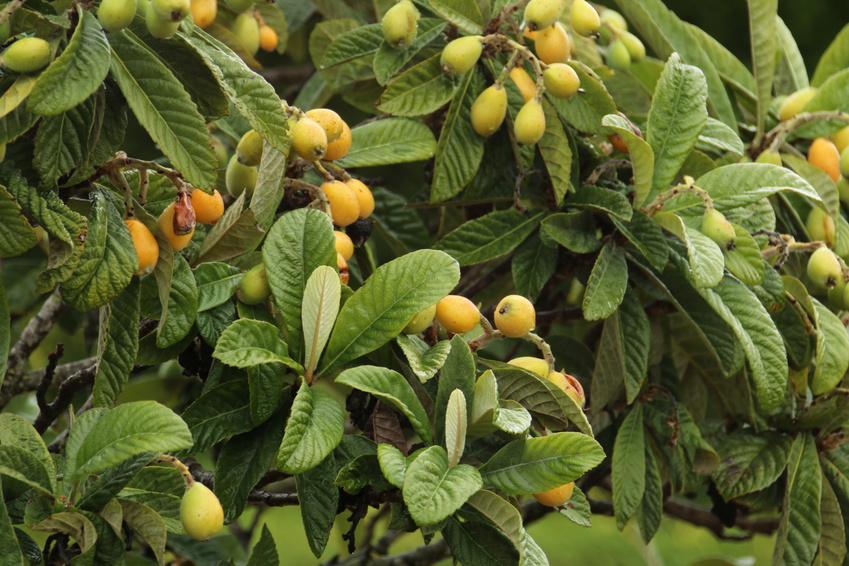
Loquat (Eriobotrya Japonica), also known as Japanese plum, or nispero, is a really tasty fruit whose leaves have significant antihistamine, mast cell stabilising, and anti-inflammatory properties. Here’s where to find it, and how you might make use of it. Please remember even antihistamine foods can cause problems…
LOQUAT AS AN ANTIHISTAMINE FOOD
I grew up plucking nisperos straight from the trees in Spain. They’re unlike any fruit I’ve ever tasted: sweet, with a bit of sour, a lovely texture, but enormous pips. What a treat to find that the leaves of one of my favourite fruits prevents white blood cells called mast cells from releasing inflammation into the blood stream. Loquat leaves inhibit TNf-a, IL-6 and IL-8, which are all involved in the inflammatory process. Remember, inflammation release, when needed because we’re sick with an infection, or healing from surgery, is a wonderful thing. Inflammation because mast cells are inappropriately triggered by allergies, histamine in foods, or stress, however, is not something we want. Because mast cells also contain histamine, we want to make sure they remain as stable as possible, so we’re not adding more histamine to the equation.
One way loquat works as an antihistamine is thanks to its abundant antioxidants. Read more about how antioxidants naturally found in foods act as antihistamines here. Loquat was also found to inhibit anaphylaxis in animal studies. Never, ever try this at home – I include this only as a clue to its antihistamine properties rather than as something to be tried. We’re all different and animal studies frequently don’t translate to humans.
LOQUAT RESEARCH
Improves liver function
Improves lung function
Protects the kidneys by increasing glutathione (an antioxidant found in broccoli)
May be beneficial in treating obesity and high blood sugar
Reduces memory impairment
HOW TO USE LOQUAT
My preference is always to go for the whole fruit, or in this case, the leaf. Loquats make an excellent jam or chutney. In the latter case they just need a little apple pectin and x2 tbsp coconut sugar or date syrup, or you could add a little apple cider vinegar and a bit of something sweet to make the chutney.
Please make sure to thoroughly check the side effects and interactions of loquat.
Just because it’s natural, doesn’t mean it’s safe.
WHERE TO FIND LOQUAT
There’s not much by way of organic loquat leaves/tea online, so I’ve ordered an organically raised tree. I plan to make tea from the leaves and eat the fruit.
“Glutathione.” Wikipedia, Wikimedia Foundation, 25 Aug. 2017, en.wikipedia.org/wiki/Glutathione. Accessed 26 Aug. 2017.
“Loquat.” Wikipedia, Wikimedia Foundation, 14 Aug. 2017, en.wikipedia.org/wiki/Loquat#Culinary_use. Accessed 26 Aug. 2017
Liu, Yilong, et al. “Biological Activities of Extracts from Loquat (Eriobotrya japonica Lindl.): A Review.” International Journal of Molecular Sciences, MDPI, Dec. 2016, www.ncbi.nlm.nih.gov/pmc/articles/PMC5187783/. Accessed 26 Aug. 2017.
The fact I’ve been including (supposedly) high histamine foods back into my histamine intolerance/mast cell activation diet has been a source of confusion, contention and downright anger to some of my readers. Some of the reasons I’ve worked hard to add some of the foods I eliminated over the years are: I learned the hard way that removing foods from my diet left me (over years) depleted essential nutrients, ones that help fight inflammation over the long term, feeling I was a slave to my diet, I was inflamed from eating foods that were low histamine but cause inflammation anyway (more on that below), and histamine food lists can be downright wrong. The understanding that histamine intolerance and mast cell activation are inflammatory conditions and that histamine is only one of many inflammatory mediators involved, totally turned everything around for me.
The process of adding foods back is something that will be individual, but in my case it was basically just working things back a crumb or a drop at a time, over a long period of time. It was long and boring but eventually once my immune system became accustomed to dealing with a multitude of foods and supplements again, it calmed down and accepted things. I remember that adding vitamin B12 spray took months! At times I’ve gone way too fast and totally shot myself in the foot, and sometimes my immune system planted its feet in the ground and shouted “no”.
This happened quite a bit when I was working my way up from the five foods I was down to (one of the many dangers of long term elimination is that the immune system becomes reactive to an alarmingly increasing number of foods) and it was hard to tell when to go for it and when it was just totally inadvisable to continue.
While you should absolutely not try to push through symptoms of food reaction without your doctor’s consent and involvement (because it can be incredibly dangerous) here’s a post I wrote based on research showing that exposing mast cells to small doses of a trigger over a long period will eventually stop them from responding by leaking histamine and other inflammation into the blood stream. Please remember, research on animals is not the same as humans and certainly doesn’t account for our differing situations and co-existing conditions.
I turned 41 this year and decided to freeze my eggs. Boy, that was not fun at all for my body. But you know what? I was so determined to do it that I somehow managed to make the daily shots, blood tests, stress, and surgery manageable by using a variety of stress relief techniques mixed with an incredibly anti-inflammatory diet to boot. My biggest concern was the anaesthesia, which, after consulting with a mast cell specialist, involved a massive dose of benadryl (my first antihistamine in years) and the post operative pain medications. I chose to forgo the latter in favour of a natural edible THC preparation extracted from organic leaves which managed the pain 100% for me.
We’re all different and the most important thing to know is that what works for me might not for you. There’s just too many variables, and too many co-existing medical conditions that would make no two situations alike.
What I can tell you is that the people who have managed it (that I have personally heard from) have generally had these things in common (before starting to add stuff back):
They exercise regularly (lowers inflammation)
They’re meditating or practicing stress relief techniques daily and sometimes at the dinner table (more on that here)
They have a generally positive outlook on life and healing
They have realistic expectations regarding how long this is going to take (i.e. years not months)
And, in my opinion, most importantly…
They’re adding back very nutrient dense foods with lots of anti-inflammatory or anti-histamine benefits
I would never, ever work to re-introduce a junk food, or any food that’s not significantly healing me in some way. I worked hard to be able to cheat on my diet (in the old days before embracing a more balanced approach) with dates, cacao and walnuts, rather than being happy that I can eat a Krispy Kreme once a month without issue (I can but don’t).
Please remember, we’re all different and may be dealing with more than one issue. Those with mast cell activation or mastocytosis rather than a simple lack of the histamine degrading enzymes DAO and HNMT (what people call histamine intolerance) will often (if not always) require medications and may be told to avoid their triggers (very sensible if symptoms are bothersome).
So, with all that in mind, here are some (not all) of the high histamine foods I still include in my diet (but not necessarily in my books).
Turmeric
This is a tricky one really. On the one hand turmeric may block the DAO and MAO enzymes in the gut, but it has significant antihistamine and anti-inflammatory properties. How is it possible it can block the histamine degrading DAO enzyme and still be antihistamine? Well, DAO is one of the ways histamine is eliminated from the body, but blocking the H1 and H2 histamine receptors in various organs in the body is also useful as is preventing mast cells from dumping their histamine cargo into the body. There’s just so many factors with so many aspects of histamine disorders that I’m always wary of absolutes. Life and nature can be wishy-washy…Turmeric is highly cancer preventative, something of utmost concern to me since my father died of cancer at my age and I have no idea of cancer genes on that side of the family. While epigenetics is absolutely the way forward, genes do play a part.
Mushrooms
Super potent anti-cancer food, amazing meat substitute, highly anti-inflammatory, these are a mainstay of my diet. I remember tucking into an order of wild mushrooms in a garlic sauce after my first one week meditation retreat and gleefully dancing around in the street afterwards when I had absolutely no reaction to them. I had never actually bothered to test my reaction to them. I just cut them out the moment I read about the histamine intolerance diet and never looked back. Dr. Fuhrman, MD and bestselling author of Eat to Live has said that mushrooms should be fine for those with histamine intolerance as long as they’re well washed and cooked. I suspect the mushroom histamine designation may be the mold connection. As you may know, mold is a strong mast cell and histamine trigger.
Nuts
These are a bit of an annoyance. On the one hand I feel no issue with many nuts on a histamine level, but they do bother my bladder, which in my case is usually a problem with oxalic acid. I try to include as many as possible, on a long rotation, because of their nutrients. Almonds were my main source of calcium for a long time, till discovering they were the source of my excruciating vulvodynia.
Sunflower seeds
Vitamin E, vitamin B1 and copper.
Lentils and chickpeas (fall under the legume section)
High in folate, niacin, iron and anti-inflammatory vitamin K. They also contain lectins which can cause inflammation in some. Pressure cooking can greatly reduce them and make them more digestible. Most importantly to me once again, other than the valuable nutrients they contain, is the anti-cancer benefits.
Eggs
While I recently stopped eating eggs recently (only because I’ve rolled back to eating only fish again animal protein wise), I never stopped eating them because of histamine. I came across a study showing that organic eggs from hens that had only been fed organic high omega 3 seeds are not inflammatory. In fact, they now possess anti-inflammatory properties. I think this might have been the key to my not reacting to them over the years because this is exactly the type of egg I have always eaten. Also, duck eggs agreed with me quite a bit. I switched to them for a long time because of their vitamin B12 content (two eggs = over 100% RDA)
Fish
I eat salmon and tuna that is on ice display in supermarkets. That is apparently a big no-no histamine-wise. In an idea world I would see the fish come out of the water. I’ll admit, I do have second thoughts sometimes: I have a google alert set up for histamine poisoning in fish and they are not infrequent. What I have noticed however is that the fish is never from sources that supply Whole Foods and Erewhon supermarkets which is where I buy mine, even if I’m not doing the rest of my shopping there. I only eat these two fish because of their nutrient profile. I consider all other fish, though tasty, to be insignificant nutrient-wise.
Avocado
Ok so this one is a toughie. It falls on a few lists, which is something I try to avoid. The more lists a food appears on, the less likely I am to keep it in regular rotation. That said, I will not turn my nose up at most of them if they are on a restaurant menu and my choices are limited, and I have been known to (quite frequently) throw caution to the wind and just make that avocado/cacao/date raw pudding I love so much.
Coconut
(Doesn’t appear on most lists but many are wary of it)
So thisone is more emotional than logical. Having given up so many other things, especially the aforementioned avocado-cacao pudding, I realised I could make excellent desserts with young Thai coconut and that the dry coconut was actually also pretty tasty. I learned the hard way that I could have the coconut once a week, but not more. And that’s the trick. Within the histamine/inflammation bucket there’s lots of other little buckets like glutamine (coconut), salicylic acid, oxalic acid etc. I’ve found it only takes one of the little buckets within the big inflammation bucket to make me spill over symptom-wise. You can read more about that here. So learning how much I could put into the individual buckets allowed me to eat what I want (mostly) without experiencing the symptoms that plagued me for so many decades of my life.
Cacao
This is a tricky one. On the one hand, raw dark cacao has many health benefits, including supporting the thymus gland, which in turn fights inflammation by lowering histamine. But, it’s fermented and so impairs the histamine degrading DAO (diamine oxidase) enzyme in the gut and it is classes as a histamine liberator. Yet another example of the yin and yang of histamine. Foods that are not high histamine themselves can still cause histamine release in the body, which might be great for people looking to boost their immunity, but it’s generally not great for those already dealing with excess inflammation. Cacao also appears on at least two lists – histamine and oxalic acid, so I compromised and began experimenting with cacao butter. The white stuff has been separated from the fermented bean and is wonderful as a raw chocolate, in baking and in England there’s a raw white chocolate bar available (The Raw Chocolate Company) that’s made with only four ingredients (dairy isn’t one of them thankfully). I’ve been fine with the raw white cacao.
Lemon
Ive never had an issue with lemon, thankfully, because it would have broken me. While there are herbs that do a great job like lemon thyme and basil, they’re just not as accessible. My advice is, as long as you don’t have moderate to severe reactions, is to try things for yourself. But bear in mind, if there’s a reaction today that doesn’t mean there’ll be one tomorrow or next week. It all depends on how full your histamine, salicylate, whatever bucket is on any given day. Really though, when you look at the few charts out there that compare the histamine content of foods, all fruit and vegetables are WAAAAAAAAAY on the bottom end of the histamine content spectrum.
Mustard
I found myself a wonderful organic four ingredient organic Dijon mustard, DeLouis, that has been an absolute revelation. As with all things, I initially made the mistake of thinking I could eat as much as I wanted of it. I now have it once a week or so, in moderation, and it’s been no trouble at all. I tried to make my own mustard. Way too labour intensive when something amazing like this exists. While mustard is listed generally as an allergen, and on some lists as moderately high in histamine (probably because of the fermentation), plants in the mustard family can have antihistamine properties and many of them (if not all) are highly anti-inflammatory and cancer preventing.
It’s finally here! Man Food – a high nutrient antihistamine and anti-inflammatory ingredient filled book geared towards guys, women who love to work out, yoga like they mean it, or just load up on healing nutrients. Features my personal shopping list of antihistamine and anti-inflammatory foods.
The Anti-cookbook and all liquid Anti-Detox Book, don’t treat any conditions, but feature a plethora of the high nutrient antihistamine and anti-inflammatory ingredients that have been instrumental in helping me feed myself on a limited diet. The Anti-cookbook features a four page list of antihistamine and anti-inflammatory foods and comes in regular and Paleo.
The Low Oxalate Cookbook features antihistamine and anti-inflammatory rich recipes.
Don’t miss the Low Histamine Beauty Survival Guide for non-toxic beauty tips, the skinny on histamine releasing (mast cell degranulating) beauty ingredients, antihistamine and anti-inflammatory beauty alternatives and the top brands natural brands I’ve found.
Mahmoudi M1, Ebrahimzadeh MA, Pourmorad F, Rezaie N, Mahmoudi MA. “Anti-inflammatory and analgesic effects of egg yolk: a comparison between organic and machine made. European Review of Medical and Pharmacological Sciences. (2013) Feb;17(4):472-6.
Ykelenstam, Yasmina. The Anti-Cookbook. N.p.: n.p., 2013. Print.
Kulkarni, Sk, and A. Dhir. “An overview of curcumin in neurological disorders.” Indian Journal of Pharmaceutical Sciences 72.2 (2010): 149. Web.
Song, Wei-Bing, Yuan-Yuan Wang, Fan-Su Meng, Qing-Hua Zhang, Jian-Ying Zeng, Li-Ping Xiao, Xin-Pei Yu, Dan-Dan Peng, Lei Su, Bing Xiao, and Zhen-Shu Zhang. “Curcumin Protects Intestinal Mucosal Barrier Function of Rat Enteritis via Activation of MKP-1 and Attenuation of p38 and NF-κB Activation.” PLoS ONE 5.9 (2010): n. pag. Web.
It lives! I haven’t managed to finish the transcription – having not transcribed anything longer than five minutes since my days at CNN, I totally forgot how much of a bugger it is. Yes I know, that’s what outsourcing is all about, but I wanted to extract all the good stuff for us to enjoy – quickly. Dr Joneja was kind enough to offer me 90 minutes of her time so the interview has been spilt into two. Part 1 is below and part two will be posted this time next week.
For those of you not familiar with her work (do you live on Mars perchance?), Dr Janice Joneja is a pioneering histamine and allergy researcher, immunologist and dietician. Here’s a little interview taster:
– Why you may still be able to eat tomatoes
– How lowering your histamine level can help minimise allergies (if you’re histamine intolerant or lacking the histamine-lowering diamine oxidase enzyme)
– Why elimination is counterproductive (wait, haven’t I been saying that too?)
– How to figure out whether you have histamine intolerance (not what you’d expect a doctor to tell you!)
– Why high histamine food lists vary
– The answer to why some low histamine foods still bother you (starts with a B!)
– Why some foods with antihistaminic properties still appear on high histamine lists
– 3rd generation probiotics that poop out histamine lowering diamine oxidase
– How your brain is tripping up recovery
Since it’s not clear in the interview, I thought I should share what it is that shocked me about the interview: Dr Joneja’s approach to treating histamine intolerance is pretty much step by step how I healed myself. More than anything, hearing that I am on the same track as a doctor who has made a difference in so many people’s lives was truly wonderful. Yes, I know I have physical proof (medical tests), but knowing that people out there are watching my recovery and cooking up the recipes that took me from my “deathbed” (so it seemed for a long while) to the incredible health I now enjoy, is a responsibility. I’m overwhelmed to see I’m on the right track, but a little sad that I didn’t meet Dr Joneja a few years ago.
So here it is, the Dr Janice Joneja interview on the role of diet and nutrition in histamine intolerance, mast cell activation and mastocytosis:
Then don’t forget to isten to part two of our interview here.
We cover:
– How antihistamines are driving up your histamine level
– Which hidden food additives are torpedoing your recovery
– Why you shouldn’t worry about going too low histamine
– The biggest danger you’ll face on the low histamine diet
– Her approach to salicylate intolerance
– Brain fog
– How excess histamine is causing anxiety disorders
– Why histamine makes you crazy!
– The five most important steps in histamine intolerance recovery
About Dr Joneja
Dr. Joneja is a researcher, educator, author, and clinical counsellor with thirty years of experience in the area of biochemical and immunological reactions involved in food allergy and intolerance. She holds a Ph.D. in medical microbiology and immunology, and has been a member of the academic faculty of the University of British Columbia and other universities. Currently, she is an adjunct professor in the Faculty of Agricultural Sciences at the University of British Columbia, and an Honorary Research Fellow in the School of Biosciences at the University of Birmingham in England. Dr. Joneja is also a dietitian (RD), registered in the College of Dietitians of British Columbia, a member of Dietitians of Canada, and the American Dietetic Association. For 12 years she was head of the Allergy Nutrition Program at the Vancouver Hospital and Health Sciences Centre. She is the author of five books and a dietetic practice manual on food allergy, and her work has been published in peer-reviewed scientific and medical journals, as well as in popular magazines. Dr. Joneja is a respected lecturer at universities, colleges and hospitals internationally, and regularly appears on television and radio call-in shows as an expert in her field.
It’s finally here! Man Food – a high nutrient antihistamine and anti-inflammatory ingredient filled book geared towards guys, women who love to work out, yoga like they mean it, or just load up on healing nutrients. Features my personal shopping list of antihistamine and anti-inflammatory foods.
The Anti-cookbook and all liquid Anti-Detox Book, don’t treat any conditions, but feature a plethora of the high nutrient antihistamine and anti-inflammatory ingredients that have been instrumental in helping me feed myself on a limited diet. The Anti-cookbook features a six page list of antihistamine and anti-inflammatory foods and comes in regular and Paleo.
The Low Oxalate Cookbook features antihistamine and anti-inflammatory rich recipes.
Don’t miss the Low Histamine Beauty Survival Guide for non-toxic beauty tips, the skinny on histamine releasing (mast cell degranulating) beauty ingredients, antihistamine and anti-inflammatory beauty alternatives and the top brands natural brands I’ve found.
Please remember, even antihistamine and anti-inflammatory foods can hurt us, please always exercise caution and consult a medical practitioner before adding new foods.
160% RDA Vit C & 40% RDA Vit K but only 100-150 calories per serving!
Histamine induced inflammation is a huge problem for me. I have persistent tinnitus in my head/ears as a result of it and a constant buzzing feeling in my extremities. It’s very different to the histamine itch that drives me insane, but it’s just as annoying.
When my ears/head goes quiet, it’s usually because the inflammation has moved from there to my stomach. It suddenly swells up, leaving me 6 months pregnant in a heartbeat. That cascades into a number of more unpleasant UTI-like symptoms as the inflammation radiates to neighboring areas. My gyno, having tested my CA-125 (ovarian tumour marker), found it high, but told me that rather than being a result of cancer, it was likely to be localised inflammation. This was a few years ago, before I knew anything about histamine. Luckily I was used to the cancer scares by that point.
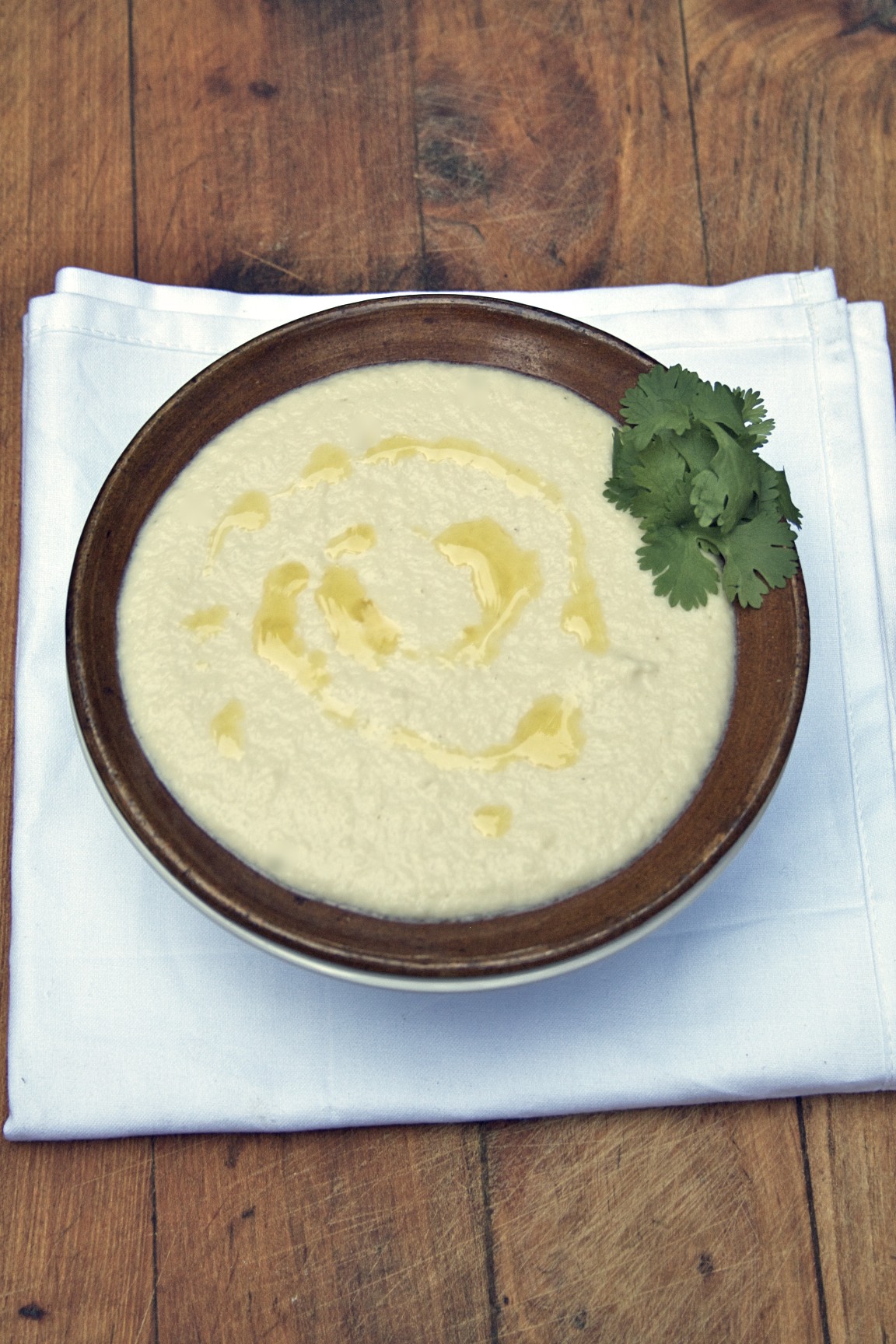
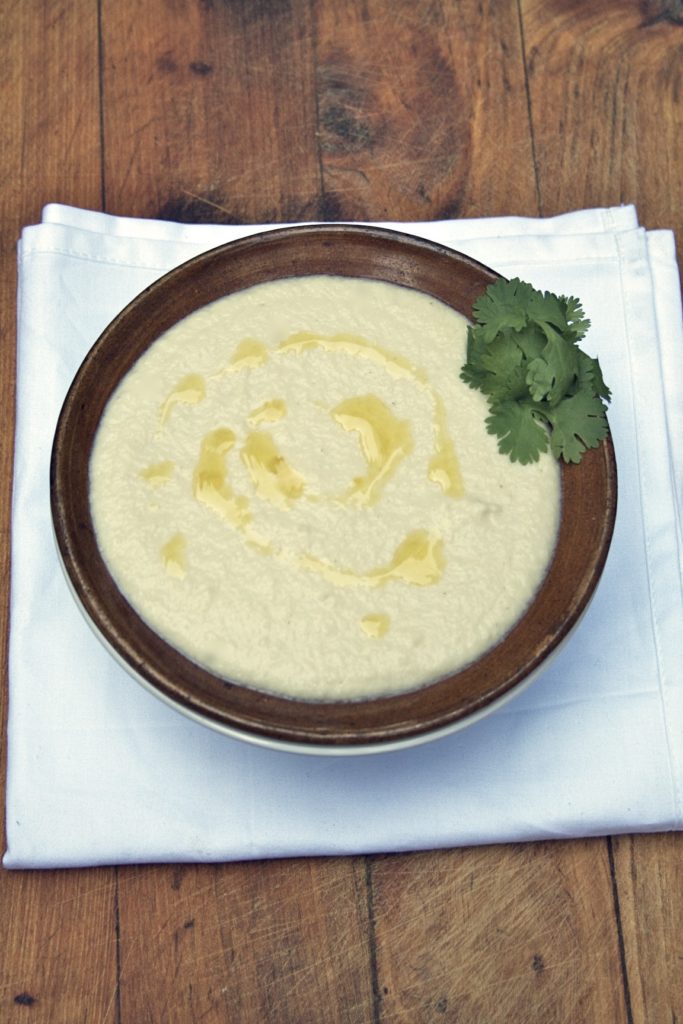
With that in mind, today I whipped up a specifically Vitamin K rich anti-inflammatory soup. Here’s a great study outlining the anti-inflammatory benefits of Vitamin K and Vitamin D. Cauliflower is definitely not my favourite, but the swirl of tahini imparts a creaminess reminiscent of dairy. This soup contains the following amounts of your RDA for:
160% Vitamin C
40% Vitamin K
30% Copper
20% Vitamin B6
Anti-inflammatory Cauliflower Tahini Soup
Ingredients:
2 cups cauliflower, chopped
2 tbsp tahini
1 onion (preferably red for the quercetin content)
1 cup home made stock or water
2 tbsp oil, preferably olive
coriander or thyme to garnish
Prep:
In a medium pot, fry the onion in a little oil (or water). Add in the cauliflower, sauté for about 5 mins.
Add the stock. Simmer for 2 or 3 minutes.
Add enough water to cover the the cauliflower and bring to the boil, then reduce to a simmer for about 20 mins. Remove from heat, stir in the tahini.