Category: Red Zone

  • Histamine Inflammation Links Electromagnetic (EMF) & Multiple Chemical Sensitivity

    Histamine Inflammation Links Electromagnetic (EMF) & Multiple Chemical Sensitivity

    high sensitivity, 3D rendering, traffic sign

    Researchers in France have linked electrohypersensitivity (EHS) and multiple chemical  sensitivity (MCS) to histamine and other inflammatory markers. They say both these conditions are easily diagnosed if you know which  markers to check.

    ELECTRO HYPERSENSITIVITY 

    This is a sensitivity to electromagnetic fields created by power lines, electronic home appliances, WiFi, and cell phones. While a number of studies have been unable to get get consistent results when testing those who claim to be sensitive to it, a growing body of research is finding that those who believe they suffer from it share certain inflammatory markers in their blood tests.

    EHS (SOME COMMON) SYMPTOMS

    Headaches

    Fatigue

    Stress

    Sleep disturbance

    Burning sensations

    Rashes

    Pain and aches

    MULTIPLE CHEMICAL SENSITIVITY

    MCS is a sensitivity to low levels of chemicals in our modern environment. It’s commonly reported by those who have mast cell activation and histamine intolerance. Common triggers are pesticides, household cleaners, perfume, dry cleaning chemicals, smoke, air fresheners.

    Over activation of the limbic system is often linked to MCS. I used meditation and some basic DIY neural retraining (which I cover here) to get over mine.
    The limbic system disruption that I dealt with was so bad that my mast cells were triggering to smells of foods that weren’t even high in histamine or chemical in nature.MCS has been reported all over the world, but in the US up to 33% of households surveyed in a study reported some chemical sensitivity.

    MCS (SOME COMMON) SYMPTOMS

    Fatigue

    Nausea

    Stuffy nose

    Change in heart rate

    Irritability

    Dizziness

    Headache

    THE EHS, MCS & HISTAMINE LINK

    A group of French researchers studying the link between environment and cancer published a study they say outlines an easy way to diagnose these sensitivities and validate their existence.

    A study involving just over seven hundred participants that spanned six years, found a number of inflammatory markers that tested positive in the majority of (self reported) sufferers of these conditions.

    Because they suspected inflammation was the driving factor in both these conditions, they decided to use histamine, a major driver of inflammation, as a marker.

    THE STUDY BREAKDOWN

    40% of patients had elevated histamine levels

    20% had elevated nitrotyrosin (a blood brain barrier marker)

    15% had increased protein S100B (a blood brain barrier marker)

    23% had increased antibodies that attack the myelin sheath (a fatty material that protects the nerves)

    Other marker abnormalities included: high C reactive protein (another inflammatory marker), a major decrease in vitamin D in both groups, an elevation in IgE (an allergy marker),  a lack of melatonin,

    Based on these markers, 72% were diagnosed with EHS, 7% with MCS, and 21% with both EHS and MCS.

    The average patient age was 47.

    The study authors confirmed that the limbic system is involved.

    DEALING WITH SENSITIVITIES

    In my experience there is no magic bullet. A combination of stress relief, avoidance of some (reasonable) triggers, and lowering inflammation overall, has had an amazing impact on me and many of my readers. I’ve gone from nearly fainting at a sniff of perfume, to having zero reaction to any inhaled chemicals. But really, I kind of think that people who don’t react to these things are maybe the abnormal ones, not us!
    The point is to keep things to a minimum reaction wise so that we can have a somewhat normal life. So I let go of my indignation at having my system exposed to what I couldn’t control. It was an uphill battle but many of us get there in the end.
    You’ll find the recipes that helped me in  Anti-Recipes and The Anti-Cookbook

    CLICK HERE FOR A FOUR WEEK HISTAMINE RESET WITH MEAL PLANNERS, STRESS RELIEF STRATEGIES & MORE

    Wishing the same for you.
  • Histamine Affects Blood Sugar & Why Eating Makes You Sleepy

    Histamine Affects Blood Sugar & Why Eating Makes You Sleepy

    Heap of Sugar Cubes Isolated on White Background.

    Feeling tired and dizzy after eating, as well as having low blood sugar symptoms between meals, is all too common in histamine intolerance and mast cell activation. Histamine inflammation is a key player in all these, and yet there’s more to it than meets the eye. 

    histamine and blood sugar

    Histamine and blood sugar are very strongly linked. Blood sugar fluctuations can affect histamine levels, and histamine can contribute to the development of diabetes.

    Medical studies show that:
    • Diabetic animals were found to consistently have lower levels of the histamine degrading diamine oxidase (DAO) enzyme
    • In animal studies, blocking the histamine 3 receptor (H3) reduced glucose levels in diabetic subjects
    • Diabetics have been found to have increased histamine levels and mast cells

    Mast cell stabilisers and antihistamines have been shown to decrease diabetic complications

    TOXIC HUNGER

    New York Times bestselling author Dr. Fuhrman, M.D., believes that “food addicts and unhealthy eaters feel the detoxification symptoms (as fatigue) after digestion is finished, so they look to eat again for energy (which halts the detoxification, so they feel better) even though they don’t need the calories. This inevitably leads to being overweight and unhealthy.”

    This tripped me up for years!

    I suspected blood sugar problems for the longest time and while living in Cairo, Egypt, I’d keep running to the pharmacy next door every time I felt a blood sugar episode coming on, only to be disappointed with totally normal results. I came to realise only years later that what was actually happening was a blood pressure crash, combined with the junk that I had eaten being worked on by my immune system.

    Now I’ve also come to believe that the symptoms I felt after eating were actually the result of histamine being released and making its way around.

    Testing blood sugar

    • Ask your doctor for a Fasting Blood Sugar (FBS) test
    • Purchase a hand held insulin testing device. My functional medicine doctor at Cedars Sinai (Dr. Stephen Meeneghan) advised me to test in the morning, after eating each meal and after eating some sugar on its own, and then sugar with food.

    Fixing blood sugar

    Metformin: I know many of us don’t like to take meds but hey, this could be causing a ton of problems so this could be a temporary fix

    Herbs: a recent review of the medical literature found promise in natural treatments but cautioned further study was needed, so please be sure to work with a doctor if you’d like to explore the following.

    BLOOD SUGAR REGULATING HERBS

    Bitter melon

    Fenugreek

    Berberine

    Nopales cactus (which is also highly anti-inflammatory and antihistamine)

    Ginseng

    Garlic

    Ginger

    And the flavonoids found in all of my recipes in the 28 day histamine reset.

    STRATEGIES
    • Remember that sugar is sugar, but it’s easier on the body and blood sugar if you get it from whole fruits. I skip the carbs and go for the whole fruit. Offer me a bar of chocolate or a piece of fruit and I’ll go for the latter happily every time.
    • Making sure to eat some fat and protein with carbohydrates is a quick home fix to prevent blood sugar spikes
    • Eliminate junk/unhealthy foods: according to Dr. Michael Greger, the oxidating effects of these foods cause systemic dysregulation of the immune system that triggers in the space of just four hours (read Dr. Fuhrman’s quote below that backs this statement).
    • Adding minimally processed, antioxidant rich foods, was found to mitigate this inflammatory and blood sugar response, even if you combined the amazing foods with crappy ones! Apparently just smearing white wonder bread with a bit of almond butter was enough to have a significant positive impact.
    • Fasting Mimicking Diet: I know “people” say you shouldn’t fast if you have blood sugar issues, but all evidence to the contrary. Dr. Valter Longo, head of the University of Southern California Longevity Institute, recently published studies showing that his fasting mimicking diet (FMD) is able to reverse the symptoms of diabetes and insulin resistance in just five days a month.

    How Eating causes sleepiness

    If eating leaves you in a food coma, there’s good reason to believe histamine inflammation is involved. Any time we eat, no matter what we consume, histamine is released to kickstart the digestive process. If you are already suffering from excess histamine, either because you lack the histamine degrading diamine oxidase (DAO) enzyme, or your mast cells are unstable and releasing too many inflammatory agents (histamine among them), if no other cause can be found, then following a histamine balanced or low histamine diet (more on the difference here), could be helpful

    Read more about diagnosing histamine disorders here.

    • Too many glucose triggering complex carbohydrates (grains, sugars) will suppress the wakefulness promoting peptide orexin
    • Ingesting foods that cause inflammation generally (corn, dairy, sugar, junk food) will also suppress orexin
    • Histamine released by digestion, with or without eating high histamine foods, can trigger a powerful sleep-like state caused by a blood pressure crash called syncope
    • Excess histamine is linked to narcolepsy, so a massive release of histamine after eating could trigger intense sleepiness
    • Excess histamine is involved in dysautonomia related episodes after eating

    There was a time where it was absolutely normal for me to pass out at the dinner table. My head would just suddenly make a bee-line for the table top and I’d kind of lie there, asleep but not, pretty much immobilised. It was terrifying. I could frequently hear what was happening around me but be powerless to move or say anything.

    The only way to really address was to slowly lower inflammation, eat a very healthy diet high in healing nutrients and to be patient and let go of the stress surrounding it.

    It’s very unpleasant if it happens when driving. When this happened to me in the past, I would just find a safe place to pull over (get off the freeway or whatever) and just find a calm street to park on. These episodes never took me by surprise, they’d take about 30 minutes to fully come on, giving me time to get somewhere safe. I’d roll up a jacket under my head and “snooze” for about another 30-40 minutes and then it would totally pass.

    What I learned is that fighting this extreme exhaustion only made me feel much worse; pretty irritable, confused and sometimes incoherent. I’ve even been known to get into a bathroom stall and take a few minutes resting my head on the wall if there was absolutely nowhere to lie down.

    —- REFERENCES —–

    “Dr. Fuhrman Answers the Top Questions He Is Asked Most.” DrFuhrman.com. N.p., n.d. Web. 26 July 2017.

  • Four High Histamine Foods That Just Aren’t Worth It

    Four High Histamine Foods That Just Aren’t Worth It

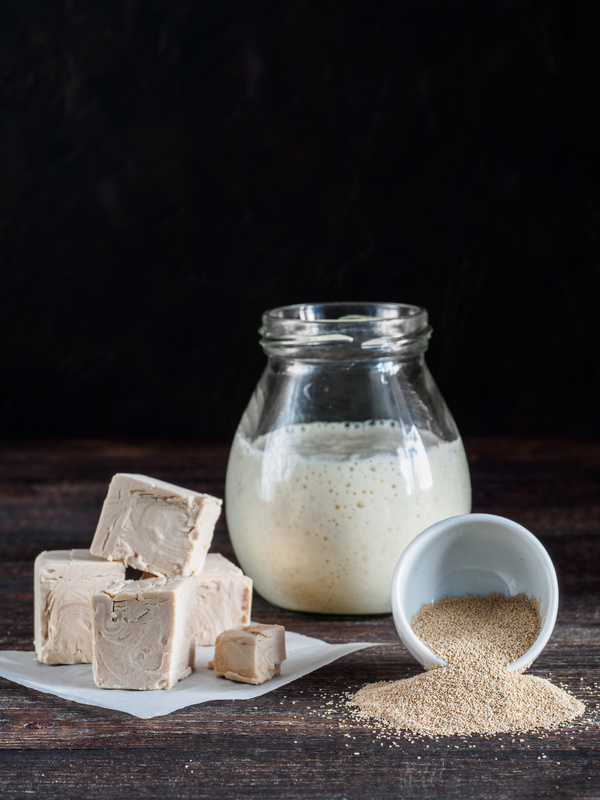
    Different types yeast. Fresh pressed yeast, dry instant yeast and active wheat sourdough starter (wild yeast) on wooden table. Low key. Selective focus. Copy space. Vertical.

    There’s many posts I’ve written about low histamine foods that aren’t worth being included in our diet, so it’s time to discuss which high histamine foods are really counter productive and why. Please note, there’s no dogma on this website. If you’re fine with these foods, or any others, and they’re healthy, let that dictate whether they’re a part of your diet.

    I personally don’t have to watch my intake of histamine like I used to, or even at all if I stick to healthy foods. Click here to learn exactly how I got there and here to learn how to re-introduce foods.

    YEAST

    This is a tough one to avoid if you’re not already an amazingly healthy eater. That’s because it’s found in everything from breads, to beer, and even the skins of fruits. Mold generally is found on corn, mushrooms, coffee beans, and even in blueberries and other fruits sold in containers. Unfortunately I’ve realised that one of my favourite money saving tips, buying frozen organic fruit, is a complete waste of time because growers seem to toss in nearly rotted fruit that’s frequently moldy into the bags (even at Whole Foods).

    Those struggling with candida (here’s how histamine makes yeast infections even nastier) or small intestinal bacterial overgrowth (SIBO) will obviously want to avoid it.

    Avoiding yeast

    In baking, bicarbonate of soda and sometimes calcium carbonate, are great substitutes. I’ve found that natural fermentation is also preferable to man made yeast (which is not natural at all) that’s added in baking. There’s some debate as to whether yeast baked at very high temperature is still a problem for us.

    I have no information on whether nutritional yeast is alright from a histamine perspective.

    Of note is that vitamin B12 is made from bacterial process, which may account for why many struggle with it, while many vitamin B supplements generally are made from, or grown with, yeast.

    This absolutely does not mean we shouldn’t take them, but rather an explanation as to why they may have bothered you in the past.

    DAIRY

    Aside from being generally inflammatory to human beings, especially if you have allergies or a lactose intolerance, casein found in dairy is an acknowledged mast cell trigger. Mast cells are white blood cells in the body that contain histamine, among other inflammatory agents. You really don’t want them to be triggered into releasing histamine inflammation into the body. If you require additional calcium please speak with your doctor about supplementation and vitamin K, which recent literature tells us is possibly more important than calcium for building bones.

    AVOIDING DAIRY

    Because I’ve never liked dairy, it’s been an absolute joy to replace in my diet. Olive oil for butter, coconut or nuts for dairy free milks, and soaked cashews or coconut for ice cream and cake. Things get more complicated if you’re nut free, but seeds, oats and rice are all workable alternatives. To make dairy free “mylk” just toss a handful of whatever you’re using (preferably soaked first for at least an hour) into a cup of water and blend. Adjust liquid according to desired thickness.ALCOHOL

    This is a tough one. On the one hand alcohol blocks the histamine degrading diamine oxidase (DAO) enzyme, which isn’t great, plus it’s high histamine, and an oxidant to our system to boot.

    Alcohol consumption is linked to heart attacks and also to cancer.

    And yet, alcohol is a social lubricant and its use, in even more than just moderation, has been shown time and again to potentially have a positive impact on health. This may be due to the antioxidant nature of the fruit, or just because alcohol gets us out and can make us happier than sitting at home alone.

    Nearly every Blue Zone – regions with the longest living people – has moderate daily alcohol consumption as part of its culture. The wine they drink though is made with truly natural, unadulterated ingredients. I was shocked to learn that wine has food dye in it nowadays.

    I stopped drinking for a few years and then started again, in moderation. I now only have a glass or two of red wine here and there, but never alone at home.

    Avoiding alcohol

    Alcohol is found in everything from kombucha, to mouthwash and herbal tinctures, but avoiding it is quite easy.

    Whether the downside outweighs the potential social interaction is another story.

    WHEAT

    I’ve written extensively about how wheat gluten and just generally wheat proteins, can cause an all out systemic inflammatory response even if you’re not coeliac or gluten intolerant. Hear me now, it’s just not worth it.

    If you’re one of the few unaffected, just try removing it for a few weeks and seeing how you feel. It’s the only way to know for sure. But if you do, please remember to add something of equal nutrition to take its place.

    avoiding wheat

    Check your shampoo, pretty much all beauty products, grains, and sweets. Wheat is used as a syrup in them.

    There’s many great gluten free grains, some of which may still mimic gluten so please make sure to double check.

    Sweet rice flour mixed with two other GF ones is great for baking.

    I use a lot of flours that aren’t grain based: lentil flour makes an excellent flatbread. 

    Chickpea flour is excellent in baked desserts, chestnut and water chestnut flours are wonderful in desserts and flatbreads, respectively.

    BEAUTY PRODUCTS

    So this post is about foods, but honestly you could probably lower your inflammation bucket significantly enough by cleaning out all the toxic immune system disrupting, mast cell and histamine triggering cosmetics in your bathroom. That’s perfume (try Hiram Green natural instead), hair dye (try medical grade henna instead), nail polish (go for water based instead), sun protection (check out Badger naturals), and everything else. When in doubt, head to Whole Foods and check out what’s on offer there. Their products aren’t perfect, but they’re a great place to start


    REFERENCES

    “Alcohol: Balancing Risks and Benefits.” The Nutrition Source, 12 Apr. 2016, www.hsph.harvard.edu/nutritionsource/alcohol-full-story/#possible_health_benefits. Accessed 16 Aug. 2017.

    Pearson, D A. “Bone health and osteoporosis: the role of vitamin K and potential antagonism by anticoagulants.” Nutrition in clinical practice : official publication of the American Society for Parenteral and Enteral Nutrition., U.S. National Library of Medicine, Oct. 2007, www.ncbi.nlm.nih.gov/pubmed/17906277. Accessed 16 Aug. 2017.

    Bordoni, A, et al. “Dairy products and inflammation: A review of the clinical evidence.” Critical reviews in food science and nutrition., U.S. National Library of Medicine, 13 Aug. 2017, www.ncbi.nlm.nih.gov/pubmed/26287637. Accessed 16 Aug. 2017.

    MD, Amy Myers. “10 Signs You Have Small Intestinal Bacterial Overgrowth (SIBO).” Amy Myers MD, 31 July 2017, www.amymyersmd.com/2013/09/10-signs-you-have-small-intestinal-bacterial-overgrowth-sibo/. Accessed 16 Aug. 2017.

  • Did mom’s sweet tooth trigger your allergies (or histamine intolerance)?

    Did mom’s sweet tooth trigger your allergies (or histamine intolerance)?

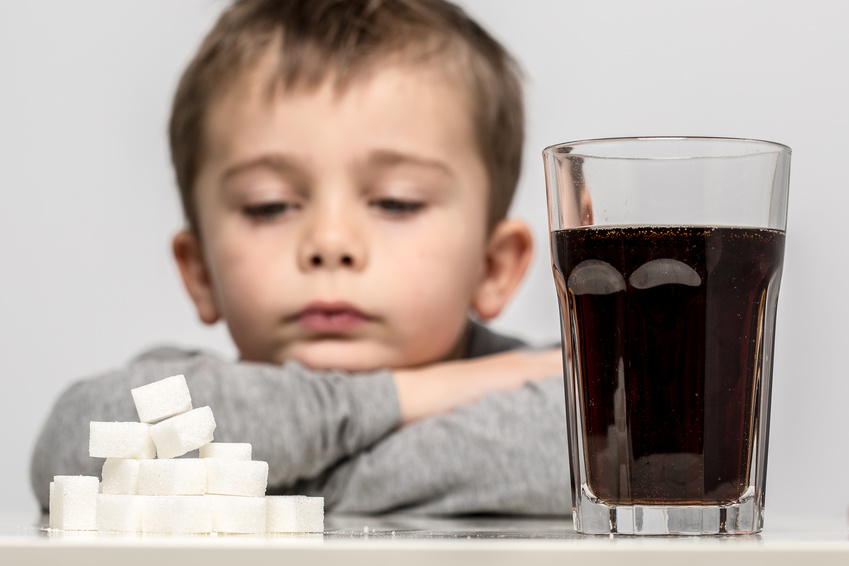
    Glass full of soft drink, next to it is the amount of sugar used in it

    A new study reveals that a sweet tooth during pregnancy significantly raises the child’s risk of allergies, allergic asthma, eczema and total IgE (the stuff involved in allergies). Since histamine and mast cells are both linked to all of these conditions, it’s possible that our mother’s diet played a role in the development of histamine intolerance or mast cell activation.

    A number of theories for the dramatic rise in allergies and asthma in the last few decades have been proposed, with particular focus on a decline in antioxidant rich foods. Read more about how antioxidants act as antihistamines here. The over use of antibiotics has also been explored, and linked.

    Now the tide is shifting to ask whether it’s actually what we’ve added to the diet that’s causing the problem.

    Between 1970 and 2000 there was a twenty five percent increase in US consumption of refined sugar. We have known for some time of a link between overdoing it with sugary drinks and fruit juice and asthma, as revealed most recently by a Danish study which found a link between soft drinks and allergic rhinitis (runny, stuffy nose!).

    Now, using data from nearly nine thousand mother-child pairs, the London-based researchers of this latest sugar study found that there was a general correlation between refined sugar and allergies.

    Children born to women with the highest intake of sugar during their pregnancy had a nearly 40% higher risk of allergies.

    Kids born to these mothers had more than a 70% increased risk of reacting to two or more allergens. Kids with moms in the highest sugar consumption segment were twice as likely to develop allergic asthma.

    My mother is a sugar junky, so I wasn’t surprised to see this study.

    I’m a sugar junky too (but in recovery). I’d like to think I’d have the strength to stay away from it if pregnant, if only because it really exhausts me. But my mother didn’t have this information when she was pregnant.

    There’s no quicker way to completely suck the life out of me than by sneaking some sugar onto my plate.

    That doesn’t mean that I totally avoid it.

    Click here to create your own personalised healing plan and diet. 

    transitioning from a high sugar diet

    In my experience it’s more of a gentle withdrawal than a sudden yanking of a cornerstone of our modern (unhealthy) diet. The first to go is obviously the highly refined white sugar in processed foods.

    Try using some brown sugar instead, or better yet, coconut sugar. Though high in fructose, this sugar is actually a sap from the coconut tree. It has a lower glycemic index (GI), which technically means it has less of an effect on blood sugar, though many would argue against its use because of fructose’s effect on the liver. Read more about the liver, histamine and sugar here. 

    Agave is so highly processed that I really regret ever having believed it was a healthier alternative. When I need a liquid sweetener I go for raw date syrup nowadays. You can make it at home by soaking dates in water for a few hours, pitting them and then blending with some water or coconut oil. It’s not low GI by any means, but it is a healthier alternative to syrups that have no fiber.

    If you’re ready for something a little more hardcore, try using only whole fruits in your baking. There’s some wonderful recipes out there on the internet and I’ll be sharing some in the coming months as I go this route myself.

    Interestingly, according to studies, one easy hack to fight insulin spikes may be to eliminate meat (or processed, not grass fed meats). Although there’s plenty of debate surrounding that, I do know that when undergoing treatment for the breast cancer I’m now in remission from, I was advised to stay clear of animal protein for its duration at the very least.

    This is because the fasting program I was on is designed to lower insulin growth factor (IGF-1), a driving force in cancer, and meat triggers its release. You can read about my experience in beating triple negative breast cancer here and about fasting’s effect on the histamine degrading diamine oxidase (DAO) enzyme here.

    NATURAL SWEETENERS, my take on them (but if you’re fine with something, go with it!)

    Erythritol/xylitol: make sure they’re not made from corn (highly allergenic). I’m not fond of these zero calorie sweeteners. I worry we’ll find out a few years from now that they have the same detrimental effects as unnatural sweeteners. They taste pretty good though.

    Agave: highly processed and super high fructose. I can’t find any nutritional value here at all. Lovely taste though.

    Maple syrup: I like that it’s tree sap but the high glycemic index of this one has always been a problem for me.

    Date sugar: this is a great and easy to work with whole fruit sugar. It’s not as sweet as real sugar, but works well for baked goods that require more shape.

    Banana: yes, it’s supposedly high histamine, but so are a few naughty things I’m sure you work in here and there! This fruit makes an excellent baking sugar and also egg substitute.

    Apple: I often use mashed apple in my baked goods to replace sugar, fat and eggs.

    Coconut sugar: lower GI than most sugars, but high fructose. Has a lovely caramel flavour.

    Monk fruit: hundreds of times sweeter than sugar and tastes pretty good too. Highly anti-inflammatory. Read about it here.

    Stevia: way too bitter for my taste but highly anti-inflammatory. It appears to be high in oxalic acid though. Read about oxalates here.

    ——-REFERENCES——-
    Scutti, Susan. “Sugar during pregnancy may be linked to child’s allergies.” CNN. Cable News Network, 06 July 2017. Web. 25 July 2017.

    Bédard, Annabelle, Kate Northstone, A. John Henderson, and Seif O. Shaheen. “Maternal intake of sugar during pregnancy and childhood respiratory and atopic outcomes.” European Respiratory Journal. European Respiratory Society, 01 July 2017. Web. 25 July 2017.

  • Chill out your brain & fight histamine inflammation with tea blossom

    Chill out your brain & fight histamine inflammation with tea blossom

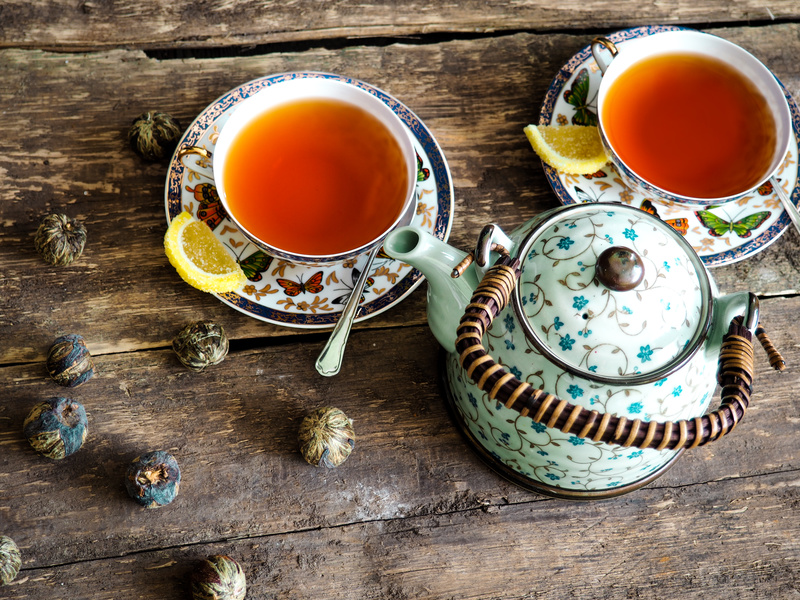
    Teapot and glass cups with tea against wooden background

    Antioxidants found in the Camellia Sinensis (tea) plant are powerful antihistamine allies in the fight against inflammation. Unfortunately, fermentation of the plant can be problematic for those with excess histamine. A recent discovery of mine could help remedy that. All references at the bottom of post. 

    Hands up if you’re tired of finding out that healing foods could mess with histamine levels.

    *I’m holding both up*

    Here’s the thing, there’s often a hack, or a way of figuring out how to add it back. Which is something I explain here.

    The bee in my bonnet these last few months was tea.

    For most of us dealing with histamine, anxiety may be a problem. Histamine was recently directly linked to anxiety in a study I cover in this post.  So my primary issue with tea was the caffeine.

    According to my 23 and Me genetic testing, I’m a slow metaboliser of caffeine, which means that I’m probably best off drinking it before bed so it kicks in by morning (only I’m not brave enough to try that!). It also means that it probably accumulates in my system, which is why I’ve found I can drink it for a few days only, before dissolving into a puddle of nerves.

    Starting my morning with two diet Pepsi’s when working for CNN obviously did me no favours.

    The second problem with tea for me was the fermentation issue and that it supposedly blocks the histamine degrading diamine oxidase (DAO) enzyme.

    That’s why I was absolutely tickled to find out about camellia blossom tea, which is made from just the tea plant flower.

    It’s low to no caffeine, and has all the antihistamine antioxidant benefits of tea…

    Wait, did I lose you here?

    Just because tea is believed to block DAO, and is fermented, doesn’t mean it’s high histamine. 

    Because it also contains a plethora of antihistamine compounds like epicatechin, catechin, epigallocatechin, epicatechin, and epicatechin 3-gallate, which are shown to now only prevent histamine release, but also stop mast cells from leaking other inflammation into the blood stream.

    This tastes great as iced tea…

    Just brew a cup and then cool. Add in a quarter of a cup of pomegranate juice and enjoy! Talk about an antioxidant boost!

    An interesting study I came across tells us that cancerous changes can trigger some cells that don’t normally create histamine into producing it, thereby creating more inflammation and speeding up the progression of cancer. This is true for melanoma, small cell lung cancer and some neuroendocrine cancers.

    What we need to do is keep in mind that foods can have opposing properties, which is important  when deciding which foods to eliminate. I explain that in my online workshop here.

    If you’re not a tea person, you can find the same antihistamine properties in the ingredients my diet is made up of:

    Blackberries

    Peaches

    Cherries

    Apples

    Pomegranates

    Pecans

    Pistachios

    Lentils

    Beans

    Green beans

    Peas

    While drinking tea has the added benefit of the amazing L-Theanine, an amino acid shown to boost GABA and dopamine in the brain. Both are wonderful at combatting anxiety and depression. Theanine in particular is found to “chill out” the nervous system and improve memory.

    So the Brits have it right after all.

    The logical first step in trying times might just be to brew yourself a cup of tea.

    It also fights cancer.

    Theanine has been shown to lower blood pressure, so please keep this in mine if you have POTS. Drinking tea versus taking it in high dose supplement form may make a difference.

    While I’m confident my diet is already high in many of the wonderful compounds found in tea, I definitely could do with a source of theanine.

    I try to get my healing compounds from foods were possible, rather than supplements, so I’ll be keeping this tea. I’ve been drinking it daily with no problem for the last few weeks.

    Out of curiosity, I opened up one of the bags to inspect the contents. I didn’t see or smell much/any fermentation. Tea has always bothered my bladder after a few days, but camellia blossom tea hasn’t had that effect in the slightest.

    You can find many types of this tea online.

    If you’re not keen on the tea option, check with your medical practitioner about L-Theanine as a supplement and try adding the antioxidant rich foods from the list above. If you’re struggling with adding foods back to the diet, check out my online workshop on food re-introduction here. There’ll be a live Q&A with me on August 1st where I’ll be answering all your questions. If you’re not sure which foods to eliminate or re-introduce, check out this online workshop to get started.

    ——-REFERENCES——–

    Fujimura, Y., H. Tachibana, M. Maeda-Yamamoto, T. Miyase, M. Sano, and K. Yamada. “Antiallergic tea catechin, (-)-epigallocatechin-3-O-(3-O-methyl)-gallate, suppresses FcepsilonRI expression in human basophilic KU812 cells.” Journal of agricultural and food chemistry.U.S. National Library of Medicine, 25 Sept. 2002. Web. 22 July 2017.

    Melgarejo, E., M. A. Medina, F. Sánchez-Jiménez, and J. L. Urdiales. “Targeting of histamine producing cells by EGCG: a green dart against inflammation?” Journal of physiology and biochemistry. U.S. National Library of Medicine, Sept. 2010. Web. 22 July 2017.

  • How to naturally boost production of the histamine degrading DAO enzyme

    How to naturally boost production of the histamine degrading DAO enzyme

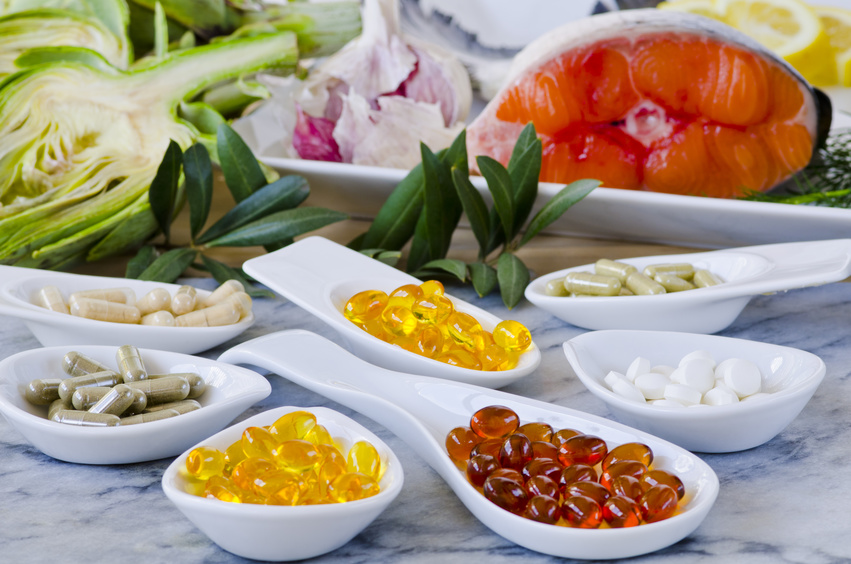
    Variety of dietary supplements, including capsules of Garlic, Evening Primrose Oil; Artichoke Leaf; Olive Leaf; Magnesium and Omega 3 Fish Oil. Selective focus. Taken in daylight.

    We’re told that diamine oxidase’s (DAO) job is to make sure histamine is broken down when it’s no longer needed for things like healing, digestion, and wakefulness. Studies show its activity varies more in women that men, possibly due in part to histamine’s role in causing uterine contractions and miscarriage. While DAO production does decline as we age (especially in women), there are nutrients proven to give it a boost. Read on to find out what they are and how we can get them from whole foods rather than supplements. 

    Research tells us that DAO is highest during the luteal phase that is right after ovulation and up to menstruation, which is why low serum DAO levels in post menopausal women “should be interpreted with caution”.

    While there remains some controversy as to how diamine oxidase is linked to excess histamine, for the purposes of this post I’m just looking at studies speaking of how we can boost this enzyme.

    A recent study confirmed what I’ve been writing about for the last few years regarding DAO and nutrients,

    and because I’m a fan of getting as many nutrients as possible as food rather than supplements, I created my nutrient and antioxidant dense histamine reset.

    DAO boosting nutrients

    Please bear in mind that some foods are only high histamine because of bacteria contamination or spoilage. Any kind of virus or bacteria will stimulate an inflammatory release of histamine. This is why fermented foods are so problematic for us. 

    Vitamin B12

    Liver (I also suggest grass fed – this appears as high histamine on some lists)

    Salmon (fresh gutted fish or flash frozen at sea is not considered high histamine)

    Grass fed beef (you can do regular beef but that would be inflammatory, the grass provides the animal with omega 3 fatty acid)

    Eggs (duck and chicken, but they can also be inflammatory. I buy flax seed or pastured chicken eggs only)

    Chicken (inflammatory so I don’t eat it, pastured may be less so)

    Phosphorus

    Sunflower seeds (some websites list these as high histamine)

    White beans

    Mung beans

    Grass fed beef

    Almonds

    Brown rice

    Broccoli

    Eggs (uncooked egg white is a histamine/mast cell trigger. Ask your doctor if duck eggs might be alright for you)

    Long chain/Omega fatty acids

    Olive oil is an excellent source of long chain fatty acids. It’s also higher in the monounsaturated fat than vegetable oils, which means it’s less prone to oxidation (we don’t want that which is why we eat antioxidant foods like blueberries).

    I eat about a pound of salmon a week for the omega 3 fatty acids. I prefer not to take supplements due to the oxidation of the oil. If you take them, make sure to add in an antioxidant or buy one that comes with it in the capsule.

    Calcium

    I’ve left out dairy because it’s highly inflammatory and casein is a mast cell trigger

    Sesame seeds (listed on some sites as high histamine)

    Collared greens

    Mustard greens

    Beet greens

    Broccoli

    Chard

    Salmon (wild caught is best if possible because farmers sometimes use antibiotics and food dye pellets to colour the salmon)

    Sardines (I eat them fresh only, and I mean really fresh because they are rarely gutted)

    Zinc

    Grass fed meats and poultry (if you can find it)

    White beans

    Chickpeas

    Lentils

    Oats

    Salmon

    White fish

    Pistachios

    Almonds

    Magnesium

    Read the histamine magnesium post here.

    Chard

    Pumpkin seeds

    Kefir (fermented foods are considered high histamine)

    Black beans

    Almonds

    Banana (high histamine, never had a problem with them myself but always be careful please)

    Cacao (not high histamine but can liberate histamine from mast cells)

    Take the hassle out of meal planning and healing histamine with this four week meal planner and stress relieving program. 

    —REFERENCES—

    Miyoshi, Makoto, Manami Ueno, Mari Matsuo, Yasuhiro Hamada, Michiko Takahashi, Masashi Yamamoto, Ikuko Yamamoto, Reiko Mikajiri, Satoko Tabuchi, Kumiko Wakida, Misa Yamanishi, Midori Hirai, and Makoto Usami. “Effect of dietary fatty acid and micronutrient intake/energy ratio on serum diamine oxidase activity in healthy women.” Nutrition 39-40 (2017): 67-70. Web.

    “Phosphorus Helps Your Body Detox & Strengthen.” Dr. Axe. N.p., 09 May 2016. Web. 20 June 2017.

    Publications, Harvard Health. “The A list of B12 foods.” Harvard Health. N.p., n.d. Web. 20 June 2017.

    Calcium. N.p., n.d. Web. 20 June 2017.

    “The histamine-(in)fertlity link | Healing Histamine.” Healing Histamine | Histamine Intolerance Diet Foods Recipes. N.p., 11 Dec. 2014. Web. 20 June 2017.

    Hamada, Yasuhiro, Yurika Shinohara, Miyuki Yano, Mari Yamamoto, Misa Yoshio, Kumiko Satake, Akiyo Toda, Midori Hirai, and Makoto Usami. “Effect of the menstrual cycle on serum diamine oxidase levels in healthy women.” Clinical Biochemistry 46.1-2 (2013): 99-102. Web.

    “Functional Foods Fact Sheet: Omega-3 Fatty Acids.” FoodInsight.org. N.p., n.d. Web. 20 June 2017.

  • Negative food experiences make future histamine reactions more likely 

    Negative food experiences make future histamine reactions more likely 

    retro cartoon woman bending over text bubble reads "histamine strikes again!"

    Conditioned taste aversion is a survival mechanism whereby animals learn to associate taste with a food that has made them sick; usually because it’s toxic or spoiled. In some cases the conditioned association between a food and sickness is so strong that the amygdala, the primitive part of the brain whose role it is to identify whether something is dangerous, can send the danger signal based on just the smell of a food alone. Sound familiar? Read on…references always at the bottom of post.

    Chemotherapy has taught us a lot about taste aversion. Patients undergoing treatment who experience extreme nausea or sickness during it may develop a long term aversion to foods eaten during those months.

    Granted, that’s an extreme example,  but some of us (myself included) have experienced years, if not decades of nausea (and worse) as a result of excess histamine or negative food reactions.

    Histamine, dopamine, acetylcholine and serotonin are involved in the control of nausea and vomiting.

    I stashed Motilium, a dopamine agonist that prevents nausea/vomiting in my handbag, by my bedside, and in my car for years. Really years. Took it pretty much every day.

    As a kid I projectile vomited regularly. As an adult too really. Most memorably it’s happened while walking down the street, behind a curtain at a black tie function (while sober), and many others.

    I think I may have, like chemotherapy patients, developed a conditioned taste aversion to foods (which triggered  major nausea every time I ate), or my inflammation bucket was so very full (read more about the bucket theory here) that it kept spilling over no matter what I ate.

    So how does behavioural conditioning like taste aversion actually work?

    Exciting research by scientists and those studying behaviour have shown that our beliefs affect the immune system. For example, they have found that placebos work (when they do) because people believe their doctor. They have faith that the medicine will heal them.

    But a more exciting discovery was made in the last few years: that the immune system can be conditioned to  respond in a certain way by association with a subconscious stimulus. In her fascinating book CURE, investigative reporter Jo Malone interviews doctors and researchers at the cutting edge of the field of psychoneuroimmunolgy. They believe, and have proven, that behavioural conditioning can reproduce the effect of certain medications on the immune system, regardless of whether the patient believes it will heal them.

    The scientists came up with variations on: giving an open placebo pill to patients (that’s there someone knows the pill is sugar/an inert substance), with a real medication, paired with a certain piece of music, and a liquid with an incongruous taste (ie a red drink that tastes like banana), at the same time in the same place. A few weeks and the medication would be reduced (or eliminated depending on the severity of the patient’s condition) but the rest would continue (music, drink, open placebo).
    They found that the immune system continued to behave as it did when given the full dose of the real medication.

    So despite the patient being fully aware that the medication was removed, their immune system had been conditioned to behave in a certain way.

    Researchers have proven this in particular with asthmatics and measuring histamine released when the patients were stressed by believing they were being exposed to an allergen.

    That’s how powerful conditioning can be.

    That’s also how negative conditioning could be tripping us up.

    If our immune system has been conditioned to respond to certain foods by releasing massive amounts of histamine, then this could keep going on even if the original issue has resolved.

    Let’s say you were going through a time of immense stress, or eating while stressed at your desk always, or struggling to keep your cool with kids at your hem while cooking and eating, or had unpleasant family meal times, or were sick for a time, whatever, and your immune system came to associate stress with food and sickness.

    That’s why when people ask me how I’ve managed to add so many foods back to my diet, including higher histamine ones, I attribute most of my gains to getting my diet right, but also fixing how my brain processes my body’s response to food and stress. I discuss my approach to healing this here and here.

    Don’t forget to check out my favourite book Anti-Recipes – a nutrient dense cookbook full of ingredients with antihistamine and anti-inflammatory ingredients. It’s dairy/nut/gluten free, with grain free options.

    The Anti-cookbook and all liquid Anti-Detox Book, don’t treat any conditions, but feature a plethora of the high nutrient antihistamine and anti-inflammatory ingredients that have been instrumental in helping me feed myself on a limited diet. The Anti-cookbook features a four page list of antihistamine and anti-inflammatory foods and comes in regular and Paleo.

    —-REFERENCES—

    “Conditioned taste aversion.” Wikipedia. Wikimedia Foundation, 21 May 2017. Web. 15 June 2017.

    “Classical Conditioning (Pavlovian Conditioning).” SpringerReference (n.d.): n. pag. Web

    Bernstein, Ilene L. “Conditioned food aversions as a consequence of cancer and its treatment.” PsycEXTRA Dataset (n.d.): n. pag. Web.

    Bernstein, Ilene L. “Conditioned food aversions as a consequence of cancer and its treatment.” PsycEXTRA Dataset (n.d.): n. pag. Web.

    “Domperidone.” Wikipedia. Wikimedia Foundation, 12 June 2017. Web. 15 June 2017.

    Dark, Kathleen, Harman V. S. Peeke, George Ellman, and Mary Salfi. “Behaviorally Conditioned Histamine Release. Prior Stress and Conditionability and Extinction of the Response.” Annals of the New York Academy of Sciences 496.1 Neuroimmune I (1987): 578-82. Web.

    “Chemoreceptor trigger zone.” Wikipedia. Wikimedia Foundation, 13 June 2017. Web. 15 June 2017.

    Wager, Tor D., and Lauren Y. Atlas. “The neuroscience of placebo effects: connecting context, learning and health.” Nature Reviews Neuroscience 16.7 (2015): 403-18. Web.

  • Histamine and smell

    Histamine and smell

    yellow laundry machines in laundrette

    A small study has just revealed that scented laundry washes contain carcinogens that may raise cancer risk if inhaled. This is unlikely to be a problem for people with histamine and mast cell disorders given that our heightened sense of smell and reactions to scents, prevent most of us from using them. The question is why do they bother us so?

    The study, published this August in Air Quality, Atmosphere and Health, found 25 “volatile” air pollutants released during the average washing cycle. Known carcinogens included acetaldehyde and benzene. The former causes nasal and throat cancer and the latter is linked to nasal and throat cancers, all of them in animal studies.

    I personally only recently started using lightly scented laundry detergent in the last year or so (maybe a bit longer, I’m pretty crap at dates), but I’ve certainly been exposed to my fair share while staying with friends and in hotels.

    While in recent years I’ve no longer experienced the old histamine/mast cell reactions to these smells (fainting, extreme anxiety, coughing, runny nose and watering eyes), I do remember how awful they used to be.

    Click here to create your own histamine balanced diet and healing plan.

    Thing is, while I’m glad I’ve desensitised myself to a certain degree, enough to be able to live a normal life while traveling, I’ve long believed these products to be carcinogenic and generally toxic and have avoided their use.

    My recent use of scented products stems from someone I was living with. Compromise is often necessary for a peaceful co-existence, and is responsible for many changes I made in the last two years that I’m not crazy about (but take full responsibility for) like adding a lot more animal protein and a ton of sugar to my diet. I’m now back on the straight and narrow!

    So what gives? Why do mast cell people react so much to scents?

    Part of the explanation according to mast cell expert Dr. Lawrence Afrin, is that we simply have a heightened sense of smell when mast cell (and therefore histamine) attacks come on.

    I’ve definitely experienced the acute sense of smell. It’s always been part and parcel of the general adrenalin response to histamine attacks in my body. I’d never linked them, but the tunnel vision, hound dog nose, and spring in my step (as if I were ready to flee at the slightest provocation) were all definitely adrenalin based for me. This was revealed to me, by of all things, a TV show where a cop talks about what happens to them when close to a suspect.

    I immediately scanned my memory for my reactions while covering conflicts in Iraq and Lebanon, yup, that was it. They’re all bodily reactions that help us stay alive in times of stress.

    So why was my body freaking out to food, scents and other such nonsense when there was no risk to me at all? Well, based on some of my exposures to food, and projectile vomiting as a result, I’m pretty convinced my immune system came to associate (at first) some foods, then most foods, as my symptoms became more acute, with danger. Sometimes the smell of food was enough to trigger that response. There’s a fascinating book called “Cure” by Jo Marchant which covers why open placebos, where someone knows they’re not getting real medicine) work. Seems that the immune system can be trained to trigger the same response to meds, in the absence of them. I believe that the reverse is also true, that the immune system can be conditioned to respond negatively to foods and scents.

    Read my post on the fear link and how mast cell markers can be raised through Pavlovian conditioning.

    Proponents of this view are Annie Hopper, who healed herself of Multiple Chemical Sensitivity, and Dr. Gupta, of the Gupta Program.

    It’s finally here! Man Food – a high nutrient antihistamine and anti-inflammatory ingredient filled book geared towards guys, women who love to work out, yoga like they mean it, or just load up on healing nutrients. Features my personal shopping list of antihistamine and anti-inflammatory foods.

    The Anti-cookbook and all liquid Anti-Detox Book, don’t treat any conditions, but feature a plethora of the high nutrient antihistamine and anti-inflammatory ingredients that have been instrumental in helping me feed myself on a limited diet. The Anti-cookbook features a four page list of antihistamine and anti-inflammatory foods and comes in regular and Paleo.

    The Low Oxalate Cookbook features antihistamine and anti-inflammatory rich recipes.

    Don’t miss the Low Histamine Beauty Survival Guide for non-toxic beauty tips, the skinny on histamine releasing (mast cell degranulating) beauty ingredients, antihistamine and anti-inflammatory beauty alternatives and the top brands natural brands I’ve found.

    Take a peek at my other low histamine and antihistamine cookbooks for more high nutrient recipes

    —-REFERENCES—-

    Afrin, Lawrence B. Presentation, diagnosis and management of mast cell activation syndrome.  2013.  Mast cells.

    Jaslow, Ryan. “Scented laundry products release carcinogens, study finds.” CBS News. CBS Interactive, 26 Aug. 2011. Web. 24 Mar. 2017.

  • Chronic Fatigue, histamine & mast cells

    Chronic Fatigue, histamine & mast cells

    Dog Nova Scotia Duck Tolling Retriever, portrait dog on a studio color background, dog lying on a chair in the studio

    Chalk up another one to a dysfunctional immune system – Chronic Fatigue Syndrome (CFS). Researchers recently proved (for the first time), that the condition is not psychosomatic (yeah, thanks for calling us hypochondriacs all these years). This wasn’t news to some: according to NHS funded researcher Dr. Theoharides, CFS is one of many mast cell linked conditions that he has known to be linked for years. It wasn’t so long ago that narcolepsy was pegged to an imbalance of brain histamine levels.

    Scientists in Australia have found that immune cell receptor abnormalities are behind CFS debilitating symptoms. So basically a receptor defect, which is really a problem because there are many cells and so many receptors to mess with, can’t transfer calcium from the cell to the outside. The discovery of abnormal calcium cells coincides with where CFS pain usually happens, in the brain, spine, pancreas and stomach.

    To date there’s still no cure for CFS. Doctors and researchers have been telling folks it’s all in their head and that all they need is more exercise (yes, I’m referring to the PACE trial debacle). The researchers say they believe that it affects from 1%-2% of the population (presumably Australia they mean?).

    According to Dr. Theoharides, director of Immuno pharmacology and Drug Discovery at Tufts, CFS is a complex disease involving the nervous, hormonal and immune systems with symptoms that include fatigue, sleep disturbances, malaise, muscle aches, migraines, gastrointestinal complaints, and cognitive problems. Viruses and inflammatory cytokines (like those in mast cells which contain histamine) play a role. He says that the stress hormone CRH (corticotropin-releasing hormone) activates brain mast cells (which contain histamine and other inflammatory mediators), and that this causes blood-brain-barrier disruption. His research shows that there’s a relationship between the mitochondria, calcium and mast cell activation.

    As someone who has literally fallen asleep on a plate of food, I can attest to the narcolepsy-histamine link. It all depended on how long it would take me to eat. If I had a short meal, I might make it to the sofa before falling into my food coma, but a long one meant face-in-food for dessert. The weird thing was I wasn’t actually asleep.

    My eyes were forced closed, all movement would have to cease, and I’d be aware of the world around me, but incapable of interacting with it. The experience was more like something out of a nightmare where you’re paralysed but still able to be hurt. It’s apparently called syncope.

    I’d lie there in a weak panic, feeling my heart beat slowly ebb away, as I begged my thoughts to magically reconnect with my voice to tell people, hey, I’m actually awake! Don’t be fooled, I’m not asleep. But no matter how hard I tried to convey this to people, they were all convinced I was dreaming it all up.

    Symptoms like these were only manageable by eliminating scores of healthy food. Once I was stable however it took me a long time to work out how to add nutrition back – here’s how I did it.

    Whether it was a histamine-narcolepsy link, or a mast cell-CFS one, I ended up spending about a year mostly in or on bed, and desperately trying to make people understand that my inability to climb a flight of stairs at times isn’t a lack of cardio fitness (mine could always be better but it’s still good) but rather a result of my mast cells having a temporary bout of madness.

    Interestingly, Harvard neuroscientist Dr. Michael Van ElZakker has a hypothesis he’s working to prove, that an infection of the vagus nerve, which connects the brain to the stomach, can cause a prolonged “sickness response”. This human response to illness involves extreme fatigue, probably to force us to rest up and isolate us from other humans to not spread the virus. He believes that in some cases the vagus nerve, which is responsible for signaling the need for this response, remains on high alert, which keeps the body stuck in this more.

    You can read my interview with Dr. Van ElZakker here. 

     A review of fourteen separate dietary and supplement interventions were published in the Journal of Human Nutrition and Dietetics, but found that most studies showed no particular measurable benefit of them. Improvements in fatigue were found in response to NADH and Coenzyme Q10, probiotics and high polyphenol rich cacao.

    For me personally, because my fatigue was a result of my mast cell issues, stabilizing them with Dr. Theoharides’ quercetin Neuroprotek supplement and a great diet really helped. But we all have different root causes and severity of symptoms.
    Click here if you’d like to learn how I did it.

    It’s finally here! Man Food – a high nutrient antihistamine and anti-inflammatory ingredient filled book geared towards guys, women who love to work out, yoga like they mean it, or just load up on healing nutrients. Features my personal shopping list of antihistamine and anti-inflammatory foods.

    The Anti-cookbook and all liquid Anti-Detox Book, don’t treat any conditions, but feature a plethora of the high nutrient antihistamine and anti-inflammatory ingredients that have been instrumental in helping me feed myself on a limited diet. The Anti-cookbook features a four page list of antihistamine and anti-inflammatory foods and comes in regular and Paleo.

    The Low Oxalate Cookbook features antihistamine and anti-inflammatory rich recipes.

    Don’t miss the Low Histamine Beauty Survival Guide for non-toxic beauty tips, the skinny on histamine releasing (mast cell degranulating) beauty ingredients, antihistamine and anti-inflammatory beauty alternatives and the top brands natural brands I’ve found.

    Take a peek at my other low histamine and antihistamine cookbooks for more high nutrient recipes

    —–REFERENCES—-

    Theoharides, Theoharis C. “Brain mast cells and Chronic Fatigue Syndrome.” Grantome. NIH, 01 July 2012. Web. 24 Mar. 2017.

    Appold, Karen. “UCLA Researchers Find Clue to Narcolepsy’s Cause.” Sleep Review. N.p., n.d. Web. 24 Mar. 2017.

    Campagnolo, N., S. Johnston, A. Collatz, D. Staines, and S. Marshall-Gradisnik. “Dietary and nutrition interventions for the therapeutic treatment of chronic fatigue syndrome/myalgic encephalomyelitis: a systematic review.” Journal of Human Nutrition and Dietetics (2017): n. pag. Web.

    Cooper, Luke. “Queensland Scientists Make Chronic Fatigue Syndrome Research Breakthrough.” Huffington Post Australia. The Huffington Post, 21 Feb. 2017. Web. 24 Mar. 2017.

    Rehmeyer, Julie. “How bad science misled chronic fatigue syndrome patients.” STAT. STAT, 29 Dec. 2016. Web. 24 Mar. 2017.

  • Histamine Migraine Fixes

    Histamine Migraine Fixes

    sick puppy - french bulldog with hot water bottle on head isolated on white background

    Histamine can cause the recurrence of a headache that’s been treated with meds (like NSAIDs or migraine meds for example), make a pre-existing headache worse, and trigger an immediate or delayed headache. Yet studies on antihistamines as treatments have largely failed, with a few exceptions. I can tell you from personal experience that histamine is a definite trigger, one that I did manage in the past with antihistamine medication initially, but now through diet and supplements. If the latter two didn’t work for me, you’d better believe I’d take an antihistamine to keep them at bay!

    Histamine has been conclusively linked to migraines for some time. In Spain, to prevent them, migraineures are frequently given a diamine oxidase (DAO) supplement to help break down histamine.

    The central histaminergic system plays an essential role in our sleep and wakefulness cycle. Histamine promotes excitability in the brain to wake us and help us focus our attention. Interestingly, though studies show that histamine levels drop later in the day, I have always had my worst symptoms in the evening, with the migraine developing as of about 2pm. Though I have woken with migraines in the morning, in particular the six month hell I endured in my teens where I had a migraine daily, it’s more common for me to feel increasingly agitated as the day progresses, culminating in a 2am-5am state of hyper-excitability and headache. The worst of the symptoms would then pass and as long as I got enough sleep, I’d wake up with the majority of my symptoms better.

    Researchers believe that while so far antihistamines (ones that block activity of the H1 and H2 receptors) have not been found to be effective in preventing and treating migraines, a few of them have shown some promise. Cinnarizine and cyproheptadine, for example, have been found to prevent migraine, but interestingly, their success in doing so is attributed to properties other than their antihistamine activity. Seems that their side effect profile (I’ve never heard of either being used at all) is significant, so that was considered a research bust, till scientists began looking at the H3 and H4 receptors.

    Yet another stream of related research is focusing on mast cells, which contain histamine and other inflammatory mediators. When activated, by stress, allergies, foods, chemicals and medications, mast cells release histamine and all the rest. Mast cells in particular are thought to activate the pain pathway in migraine headache.

    So, what can we do if suffering from migraines?

    Click here to learn how to create your own histamine balanced diet and healing plan (I share everything that helped me and give you the tools to do the same).

    Get organised

    If you’re suffering from daily or chronic migraine, and are finding it difficult to nail down what’s causing them, my recommendation would be to make a spreadsheet with MIGRAINE 1 – 10 across the top. On the days your migraine is the weakest, write down everything you’re eating and the same for days that it’s a 7 and above. This will help work out triggers. You can then decide if the food that’s triggering you is worth keeping on a longer rotation.

    Look into science backed supplements that may help

    Discuss with your doctor whether:

    Running a test for the histamine degrading DAO enzyme may help (more on diagnosis here). You can then supplement if needed

    Histamine lowering supplements could be indicated: vitamin C (as per mast cell specialist Dr. Lawrence Afrin), the bioflavonoids luteolin and quercetin (as per mast cell expert Dr. Theoharis Theoharides)

    Avoid fermented foods for a short time

    If you’re doing ok with your histamine level and have started adding higher histamine foods back to the diet, you may wish to experiment with giving these new things a break and seeing if they’re the problem. In particular probiotics and fermented foods generally.

    Look at tyramine foods

    A massive migraine trigger. I have polymorphisms of both the DAO and MAO gene, meaning my body may be producing less of the enzymes that degrade both tyramine and histamine. This double whammy means more susceptibility to migraines.

    Finally, if something works, don’t feel bad about doing it. If medication actually worked for my headaches I probably would have taken it. Nothing worked for me, not NSAIDs, Tylenol, DAO enzyme, migraine meds (Sumatripan), so I went with diet and supplements. We’re all different, so go with what works!

    It’s finally here! Man Food – a high nutrient antihistamine and anti-inflammatory ingredient filled book geared towards guys, women who love to work out, yoga like they mean it, or just load up on healing nutrients. Features my personal shopping list of antihistamine and anti-inflammatory foods.

    The Anti-cookbook and all liquid Anti-Detox Book, don’t treat any conditions, but feature a plethora of the high nutrient antihistamine and anti-inflammatory ingredients that have been instrumental in helping me feed myself on a limited diet. The Anti-cookbook features a four page list of antihistamine and anti-inflammatory foods and comes in regular and Paleo.

    The Low Oxalate Cookbook features antihistamine and anti-inflammatory rich recipes.

    Don’t miss the Low Histamine Beauty Survival Guide for non-toxic beauty tips, the skinny on histamine releasing (mast cell degranulating) beauty ingredients, antihistamine and anti-inflammatory beauty alternatives and the top brands natural brands I’ve found.

    Take a peek at my other low histamine and antihistamine cookbooks for more high nutrient recipes

    —–REFERENCES—-

    Alstadhaug, Karl B. “Histamine in Migraine and Brain.” Headache: The Journal of Head and Face Pain 54.2 (2014): 246-59. Web.

    Molderings, Gerhard J., Stefan Brettner, Jürgen Homann, and Lawrence B. Afrin. “Mast cell activation disease: a concise practical guide for diagnostic workup and therapeutic options.” Journal of Hematology & Oncology 4.1 (2011): 10. Web.

    Theoharides, Theoharis C., Jill Donelan, Kristiana Kandere-Grzybowska, and Aphrodite Konstantinidou. “The role of mast cells in migraine pathophysiology.” Brain Research Reviews 49.1 (2005): 65-76. Web.

    “Dr T C Theoharides, MD Ph.D., – Research.” Dr T C Theoharides, MD Ph.D., – Research. N.p., n.d. Web. 26 Mar. 2017.

GET STARTED HEALING HISTAMINE

WHAT YOU NEED TO KNOW ABOUT HISTAMINE DELIVERED TO YOUR INBOX