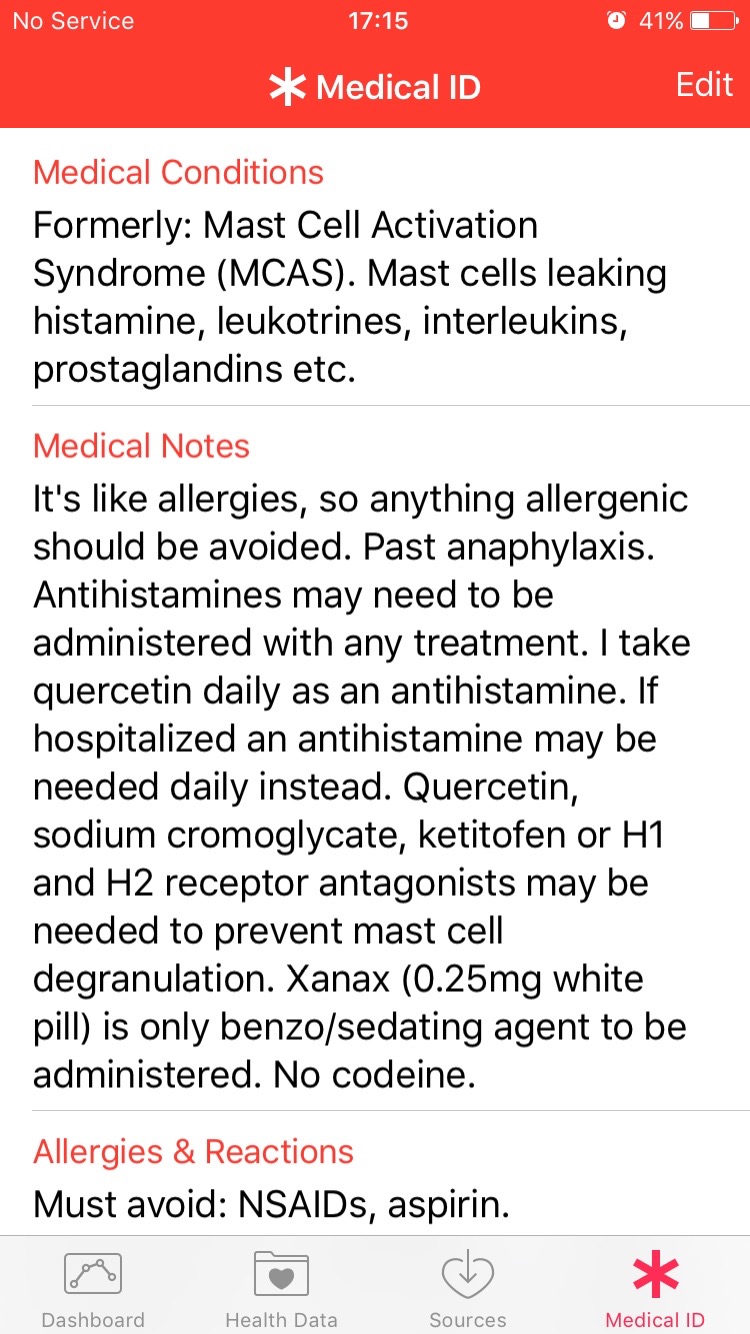
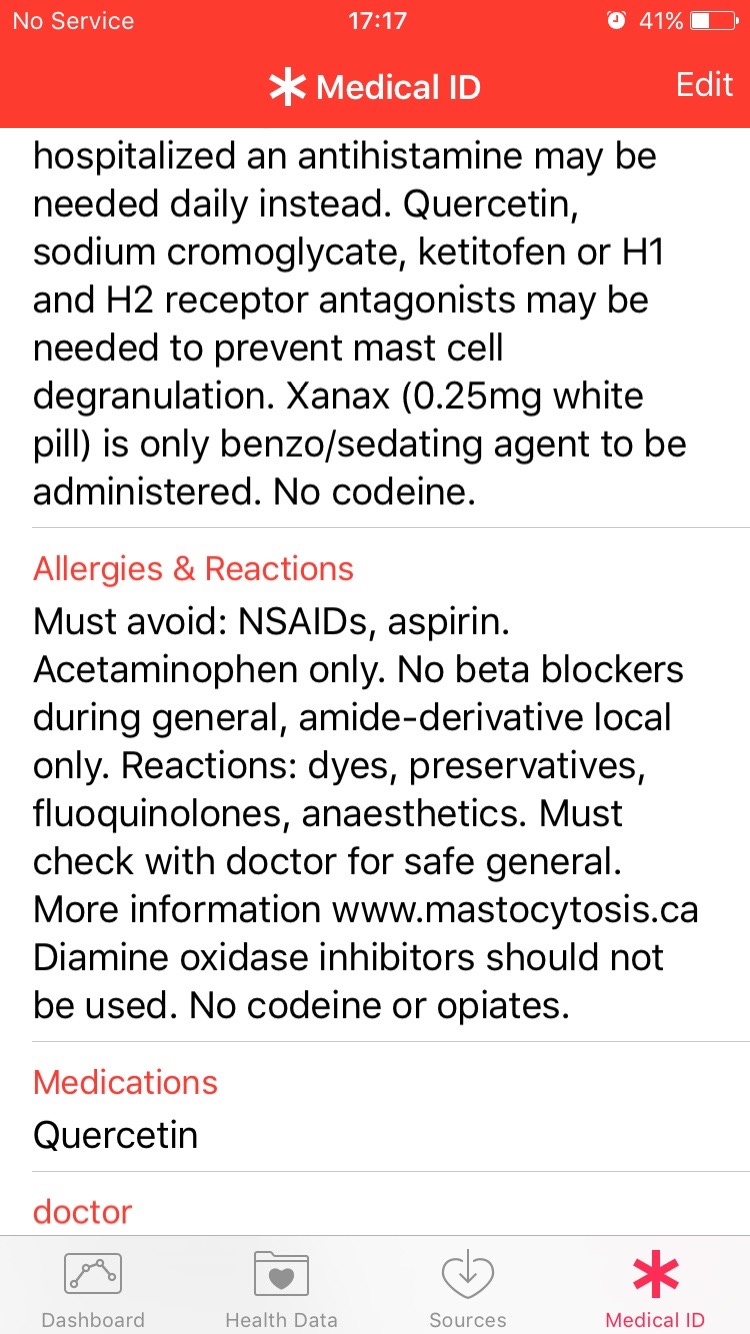
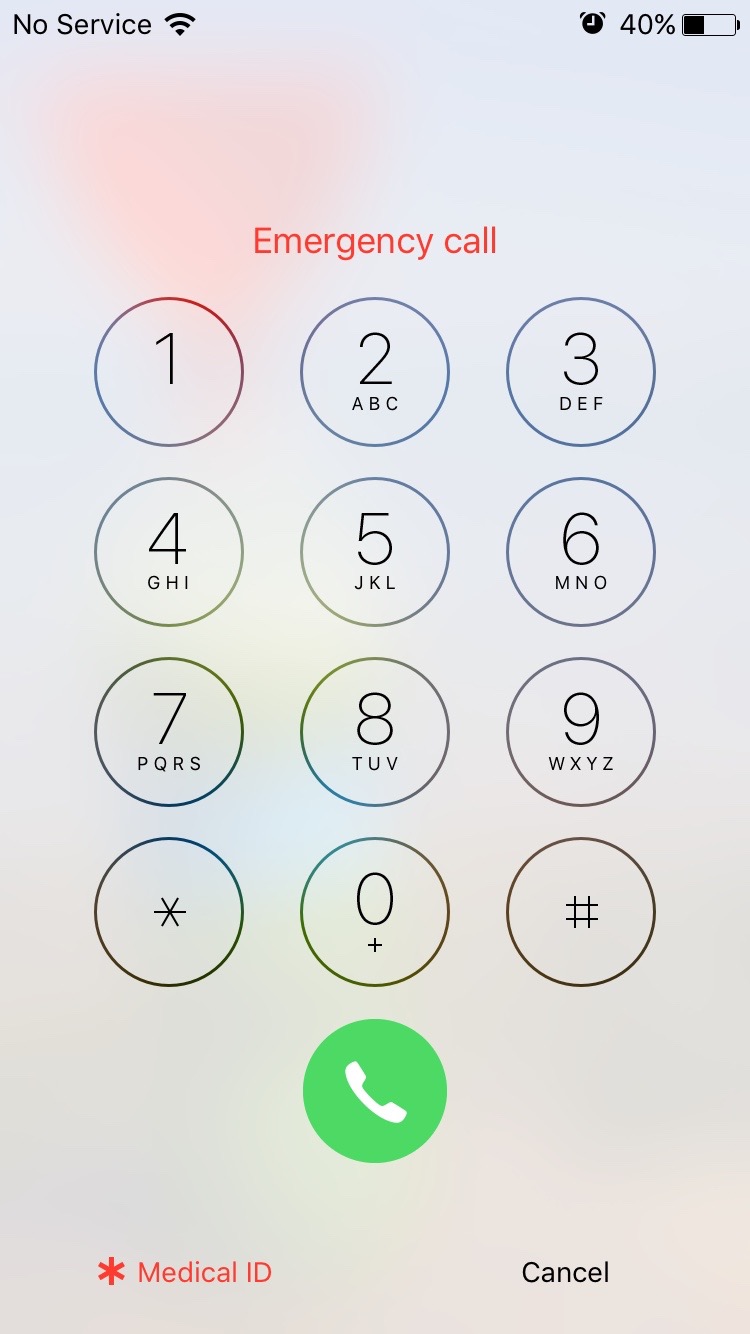
The iPhone is a lifeline to many of us, but now it could literally save your life. A free app for iPhone called HEALTH combines the reporting from all your various health tracking apps, but more importantly offers a medical ID feature. Once your medical information is entered it can be accessed without unlocking your phone.
The hope is that it will be found when medical staff try to contact your loved ones, or, if you’re able to speak, you can share all your data in a heartbeat, without wasting precious breath.
As you can see from the screenshots, you enter your medical condition, contraindicated medications, name of your doctor and friends/family. If dealing with histamine intolerance I suggest adding a website URL where they can research it.
Accessing the data is simple, go to unlock the phone, press emergency in the bottom left corner, then the medical ID option will appear at the bottom.
It’s finally here! Man Food – a high nutrient antihistamine and anti-inflammatory ingredient filled book geared towards guys, women who love to work out, yoga like they mean it, or just load up on healing nutrients. Features my personal shopping list of antihistamine and anti-inflammatory foods.
The Anti-cookbook and all liquid Anti-Detox Book, don’t treat any conditions, but feature a plethora of the high nutrient antihistamine and anti-inflammatory ingredients that have been instrumental in helping me feed myself on a limited diet. The Anti-cookbook features a six page list of antihistamine and anti-inflammatory foods and comes in regular and Paleo.
The Low Oxalate Cookbook features antihistamine and anti-inflammatory rich recipes.
Don’t miss the Low Histamine Beauty Survival Guide for non-toxic beauty tips, the skinny on histamine releasing (mast cell degranulating) beauty ingredients, antihistamine and anti-inflammatory beauty alternatives and the top brands natural brands I’ve found.
A negative histamine result doesn’t rule out mast cell disorder or some kind of chronic inflammatory condition.
When I arrived to meet with my new doctor at the Virgen del Valle hospital in Toledo, Spain, I was a little surprised by the tests they ordered to diagnose me with mast cell activation.
While very thorough in testing that would exclude other diagnoses, I was unhappy to see that n-methylhistamine, prostaglandin d2 and interleukins were not on the list. Having seen the list of tests recommended by doctors in the US (Dr. Theoharides at Tufts for example), I didn’t see how we could paint an accurate picture of what was going on with me, but by that point, I was there and ready to get on with it no matter what. After a five and a half hour consultation during which I presented my medical history, previous tests, photographic evidence and went over the new diagnoses we had excluded, I was diagnosed with MCAS (mast cell activation syndrome). Though my symptoms were so much better by that point, really so much better, there was a feeling that it might be a temporary remission due to the extreme diet I was on. I was prescribed a mast cell stabiliser called sodium cromolyn [1], which I was told would help me eat a “normal” diet.
Rather than take it, I chose to try a natural mast cell stabiliser made from a bioflavonoid called quercetin, which is found in many plant foods. First the Twinlab quercetin and vitamin c and then Neuroprotek, created by mast cell researcher Dr. Theoharides. Both relieved my symptoms immeasurably, the latter far more than the former. I was later told by mast cell specialist and dermatologist Dr. Grattan in London that the definitive diagnosis of mast cell activation comes after a resolution of symptoms thanks to sodium cromolyn. He had no opinion on quercetin as a treatment, despite it being shown to be more effective than sodium cromolyn at preventing mast cell degranulation in medical studies [2]. I think this was more of an issue of my seeing him as an NHS patient (i.e. for free) and it not being an approved treatment.
You’ll find recipes full of foods with antihistamine and anti-inflammatory properties my books Anti-Recipes and The Anti-Cookbook
Given that every test I have ever taken in my life has come back negative, I really wouldn’t have been surprised to see mast cell ones come back that way too. And that’s what happens to a lot of people. Now, it may be that histamine/mast cells aren’t their issue, or just that their doctors don’t know enough about them to diagnose it, or that the tests were done when they were not reactive (tryptase for example often comes back negative unless “caught” during a mast cell/allergy crisis). Some in the states will diagnose on just symptoms and remission of symptoms once taking sodium cromolyn, but unless they’re mast cell specialists, they may be doing their patients a disservice. That’s because histamine excess/mast cell activation can be secondary to a primary infection or health dysfunction, so doctors need to be sure they’re not missing something.
The team that saw me in Spain had at the time treated more mastocytosis patients than anyone in the world.
I keep asking my readers to keep in mind that even if we’re dealing with histamine intolerance, which is characterised by high plasma histamine and low histamine degrading enzyme (diamine oxidase), ignoring other sources of inflammation is a mistake.
Histamine is just one of many inflammatory mediators released or synthesised when mast cells break open in a process called degranulation. This happens when healing needs to take place and for many other reasons. So a bunch of other inflammation causing molecules are dumped into the blood stream along with the histamine.
As outlined in my post on diagnosis, immunologists, allergists or dermatologists with experience in mast cell diagnosis will often recommend a number of tests to paint a full picture.
Please, also remember, test results may come back negative if you are not reactive when getting tested!
A few I’ll highlight for the purposes of this post:
N-methylhistamine: a 24 hour urine collection test. Plasma histamine is rarely a good indicator because histamine fluctuates throughout the day. Hence the 24 hour collection being used by specialists.
Prostaglandins: they can fight or encourage inflammation. PGD2 is synthesised when mast cells degranulate and has been linked to hair loss [2].
Interleukins: like prostaglandins, these signalling molecules can fight or enhance inflammation. They have been linked to an increased risk of cancer [3]
Dr. Theoharides specifically recommends testing IL-6 and TNF.
Here’s the thing. You can have a normal histamine level, but high prostaglandins or interleukins. That might indicate that you have some kind of mast cell degranulation going on.
But also, and here’s what blew my mind when I first read it years ago, is that prostaglandin D2 (PGD2) has been shown in studies to enhance the release of histamine from human mast cells [4] and in one particular animal study to increase by 1000 times the effect nasal histamine in rats [5].
So whatever is going on with you histamine-wise, if your prostaglandin is off, the histamine you have or are exposed to, is going to be much more potent in its effects on the body. Foods that fight prostaglandin induced inflammation are in all of my meals!
Interleukins and histamine also have a complicated relationship that I would love a doctor to explain to me it its entirety [5]. I’m hoping to develop a relationship with a mast cell doctor whereby I can go talk to them once a month to get their feedback and explanation of the intricacies of the research I’m reading when I move to the states in February (visa gods willing!)
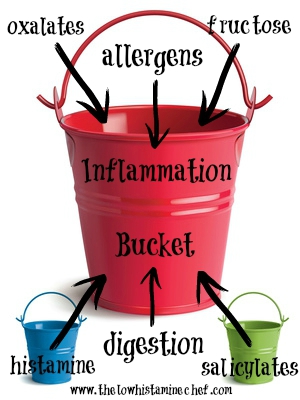
This is one of the reasons I started thinking of my recovery in terms of the inflammation rather than histamine bucket. In this model, rather than it just being histamine or histamine releasing triggers and foods going into the bucket that eventually spills over, it’s a bucket where everything that causes inflammation generally causes us to spill over. Which is why eliminating histamine, at the expense of superior nutrition, or just rather than going on a anti-inflammatory diet alone, is not the best approach in my opinion. You’ll find more in my post here where I explain how following this approach is helping me heal.
By all means, trigger avoidance is a great idea, especially when starting out. But continued avoidance of triggers at the expense of weakening our body’s nutritional defences, an approach I followed to my detriment for the first few years, is not.
You’ll find recipes full of foods with antihistamine and anti-inflammatory properties my books Anti-Recipes and The Anti-Cookbook
For many the diagnosis of histamine intolerance or mast cell activation will come after decades of mis-diagnosis. Some of us will have been told it’s psychosomatic and prescribed antidepressants, benzodiazepines and sleeping pills, while others may have been told their severe gastrointestinal issues are caused by stomach bacteria, or chronic stuffed nose and frequent flu-like events caused by sinus/staph infection, or that their urinary burning and frequency is caused by a UTI and prescribed interminable courses of antibiotics.
I was told I had all of these and prescribed antibiotics, even when bacterial cultures came back negative.
What I wasn’t told is that many antibiotics exert an anti-inflammatory effect on the body, independently of their activity as an antibiotic [1].
As an example: let’s break down how this information could have prevented my being prescribed a daily dose of the antibiotic Macrobid (Nitrofurantoin), for a chronic, but non-existent urinary tract infection that I now know was most likely caused by excess mast cells in my bladder [2] or a sensitivity to oxalic acid [3].
I was never diagnosed with the latter, but moderating my intake of high oxalate foods like almonds, kale, cacao and sweet potato totally cleared up my life-long UTI-like issues in a matter of months, without any medication. I first discovered the link thanks to a wonderful gynaecologist in Cairo, Egypt, who treated me for persistent lady part inflammation and UTI. Unlike US doctors, he refused to prescribe the antibiotics without a positive culture. In Egypt. Go figure. I’m not saying the Middle East is more advanced than the states, just that I lucked out that day.
A number of studies [4] in the last decade have shown that several classes of antibiotics, including macrolides, tetracyclines and beta-lactams may change the inflammatory response, by changing inflammatory cell metabolism, altering cytokines and other chemicals that stimulate and help maintain inflammation, and just generally exerting an anti-inflammatory effect independent of their activity as antibacterials.
Macrolides include Azithromycin and Erythromycin, both of which I have been prescribed repeatedly throughout my life for chronic (misdiagnosed) “sinus” infections, bronchitis and skin complaints (which turned out to be histamine-related also).
You can find a full list of antibiotic families in the references section below.
You’ll find recipes full of foods with antihistamine and anti-inflammatory properties my books Anti-Recipes and The Anti-Cookbook
Though the University of Maryland medical website (my go to for most things) and others tell us that though most chronic sinus infections are caused by viruses that don’t respond to antibiotics, some more serious bacterial infections may require antibiotics. They go on to say that a positive culture is the golden standard for diagnosis before prescribing them [5].
Here’s the thing: you go to the doctor with what looks like a sinus infection. Most docs operate on a 15 minute appointment basis. I’m not criticising here, just an observation of common practice. Swabbing you and sending the sample to be cultured in a lab is more time consuming and costly than just grabbing the prescription pad.
But I’m not blameless in this transaction. Forearmed with previous diagnoses of chronic sinus infection, I would just tell docs that previous docs had prescribed what and demand antibiotics so I could get back to work.
The confusing thing for myself and the doctors was that my symptoms would resolve for the duration of the treatment, with things kicking off the moment I came off them.
Given that ALL of my symptoms turned out to be related to an inflammatory medical condition, or two, of histamine intolerance and may cell activation, it now makes perfect sense to me.
The antibiotics, despite having no actual bacteria to fight, were acting as anti-inflammatories, which was at times (temporarily) lowering my inflammation to the point that I would feel better. After the treatment period, as the inflammation would rise again, I’d feel worse and go back for either more of the same, or a new class of antibiotics. The fact I had experienced some remission of symptoms was seen as proof that it was indeed the right approach and that we just needed to fine tune the treatment.
In the case of the non-existent UTI, the first round of antibiotics cleared it up, only for it to return a month later. Culture came back negative, but I was prescribed another round just in case some bacteria lingered. Felt better for a few weeks, came back next month with same complaint. Was put on a different antibiotic and felt relief. Back next month, same story, till the doctor decided the best approach was to keep me on a “maintenance” dose of antibiotics long term. This meant a few years. I believe that my actual issue was something else (mast cells/oxalates) and that the antibiotics acted as anti-inflamamtories while in treatment. Eventually though the maintenance dose was no longer enough and I was in agony for years again till I realised that my bladder would always hurt about five to 10 days after a long bout of stomach bloating. If the bloating lasted less than five days, no bladder pain. I then surmised that whatever was bloating my stomach was then causing inflammation to spread from there to my urinary tract system.
I was right.
I spent so long barking up the wrong tree and taking antibiotics that block the histamine-lowering DAO enzyme (you’ll find a link to a full list in the references below) that I truly broke my body even more than it was.
It was only in 2003 (aged 28), after decades of chronic antibiotic prescription and repeated candida infections thanks to them, a doctor proposed to me that it was an allergic reaction of some type. I was given zyrtek, a steroid nasal spray and pseudo ephedrine rather than antibiotics.
I’m forever grateful to that doctor at London’s Portland Hospital for pointing me in the right direction, because it was the very first time since my mother believed she had worked out ketchup caused my hives (despite repeated yearly negative IgE results), that I had any inkling that histamine might be involved.
I then spent the next few years on a combination of antihistamines, pseudo ephedrines, nasal sprays, in addition to antibiotics for other ailments. But it was a step in the right direction.
Links to a few of the studies detailing how antibiotics exert an anti-inflammatory effect are in the references section below in case you want to print them off for your doctor.
Please understand, I am not suggesting we shouldn’t take antibiotics, I am simply highlighting something your doctor might not be aware of. Like my doctors and myself yours may believe your positive response to antibiotic treatment means they’re on the right track, or they may be ruling out histamine intolerance or mast cell disorder based on it.
You’ll find recipes full of foods with antihistamine and anti-inflammatory properties my books Anti-Recipes and The Anti-Cookbook
Small intestinal bacterial overgrowth (SIBO) is a pesky issue which means that there’s abnormal numbers of normal bacteria in the gastrointestinal tract. SIBO may cause intestinal symptoms ranging from diarrhoea and weight loss to anaemia and malabsorption. It’s believed to cause/aggravate symptoms of irritable bowel syndrome (IBS) [1] and some, like Chris Kresser, say it’s closely related to histamine intolerance, so dealing with SIBO may “alleviate” the former [2].
SIBO is diagnosed via lactulose breath testing (LBT), which is fancy speak for drinking a little sugar and then breathing into a tube.
As an aside, an interesting study published in Gut, the official journal of the British Society of Gastroenterology, raised the point that people administering this test may not properly trained in its execution nor its interpretation [3].
Many view SIBO eradication as the Holy Grail of histamine intolerance treatment. Kill the overgrowth, heal the gut, return to a normal diet. Sadly, spending months or years on antibiotics and or sugar free diets seems to be the norm.
I was lucky. I tested positive, started drinking olive leaf tea, cut most processed sugar out of my diet, but kept fruit in there. Six months later I was tested again and boom, it was gone.
Till now I haven’t really had a great reply to folks asking me how I managed to get rid of it. I never really thought much of it at the time because I didn’t really notice that much change in my symptoms afterwards. Or none that I attributed to the SIBO clearing up. Thing is though, and this is one of the biggest “mistakes” I made in my healing: I made too many changes at once, so it was hard to tell what had done what.
In this case, around the time I nixed the most commonly prescribed medical treatment; an antibiotic called Rifaximin and made the SIBO diet changes, I also started eating a diet very, very, very high in herbs. People’s eyes would bug out when they saw the volume of greenery going into my soups.
You’ll find recipes full of foods with antihistamine and anti-inflammatory properties my books Anti-Recipes and The Anti-Cookbook
Turns out my instincts were right on, because herbs, some common culinary ones and others you might have to make a trip to your local Whole Foods supplement shelf for (under medical supervision of course!), have been found to treat SIBO as well as a 10-14 day course of the antibiotic Rifaximin, with significantly fewer side effects; like causing further bacterial imbalance in the body and the very scary super bug Clostridium difficile.
I encourage you to print out the study (thanks Adele for bringing it to my attention!) found here for your doctor, specifically TABLE 5 (you’ll have to click on that separately) which shows all the effective herbal remedies.
A few highlights from the remedies, which I’m totally biased in choosing because I eat or take these regularly, including them in my books. They’re the cornerstone of my healing process…
Thyme
Olive leaf
Oregano
Sage
Skullcap
Ginger
Berberine (the topic of an upcoming recipe)
Check out the aforementioned table for the full list.
Talk about eating your medicine…
You’ll find recipes full of foods with antihistamine and anti-inflammatory properties my books Anti-Recipes and The Anti-Cookbook
Please remember, even antihistamine and anti-inflammatory foods can hurt us, please always exercise caution and consult a medical practitioner before adding new foods.
Why do many of us experience a gradual or suddenly increasing reactions to not just histamine, but foods on pretty much all the lists (salicylates, oxalates, fructose etc).
Does going on a strict low histamine diet make you more sensitive to other foods? Are we on the wrong track?
Yes and no.
One of the concerns immunologist and author Dr. Janice Joneja shared in my interview with her is the fear of a rebound effect of antihistamines, because the body needs a certain amount of histamine to keep us going (to keep us awake, regulate hormones, jump start the healing process and much more). The idea being that if we mess with our histamine, the body may produce more in order to keep these processes running smoothly, or it just may do so when the antihistamine is withdrawn or wears off. I experienced this in spades myself when weaning myself off the xanax I was addicted to for over a decade (many thanks to the giant pez dispenser/shrink who handed out a never ending supply, assuaging my fears thus: “Don’t worry Yasmina, these .25mg are really basically baby xanax). The surges of anxiety and adrenaline I deal with as the dose declined was way out of proportion to how I would feel just a few months later once my body re-stabilised (like I was reborn!). When weaning myself of my mega dose of antihistamines I experienced the worst symptoms of my life. Even worse than xanax. A rash on my hands and feet and agonising blisters in my throat – symptoms resembling hand foot and mouth disease!
All this information made me question if it’s also possible that strangling the body’s supply of fresh histamine from food sources may in fact cause the body’s mast cells, which safely house histamine and other inflammatory compounds till needed, to break open, dumping histamine (along with many other inflammatory molecules into the bloodstream) to make up for the shortfall?
To be honest I don’t have the answer to this. If I did you better believe that (like the rest of my writing) it would have the hell referenced out of it. Sadly none of the mast cell doctors I’ve asked this of have the answer either. One day hopefully we’ll get someone to take the issue of diet seriously enough to ask these questions. Till then, I can share my experiences and those of others, and maybe give you a little something to think about if you’re suddenly thinking you’re reacting to salicylates, fructose, oxalates et al.
What I’ve found is pretty simple: if you eat less of something, you’re gonna have to eat more of something else to make up for it. So cutting out histamine might mean an increase in salicylate consumption.
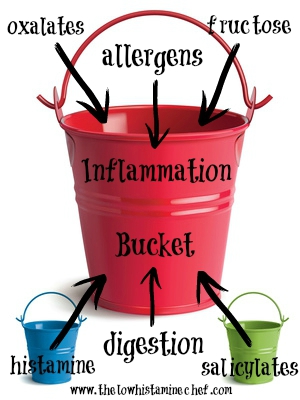
Which brings us to the inflammation bucket, which I have blogged about in the past, but now I’m going to get into it in more detail, along with sharing the nifty little graphic I put together for you above.
In much the same way that I find many of us acquire an alarming number of separate medical conditions that are really just naming symptoms of inflammation without getting to the root cause, I made the mistake early on of believing I had separate issues with: histamine, fructose malabsorption, salicylate intolerance, oxalates and mast cell activation.
Since then I’ve realised that I and a great many of the readers I have spoken with in consults, who email me, and those in my Facebook groups (just search FB for histamine intolerance), generally have sensitive bodies/stomachs. I’m seeing more and more that rather than going totally gonzo on a crazy strict never ending elimination diet and subsisting on meal replacement shakes, or super strict paleo, SCD, autoimmune paleo, it pays to just be a little more mellow and try to maintain a healthy, balanced diet.
How I see things:
Contained within my body is a bucket. Because I have struggled with inflammation in the past, I’ll call it the inflammation bucket.
Within this bucket live lots of other little buckets called: histamine, salicylates, oxalates and fructose (for starters). These little buckets start to fill up as we eat. Eventually, if we fill them enough, they spill over into the bigger bucket, which I see as balanced on a see saw, which then tips to one side, spilling, causing an inflammatory reaction. In the past I simply attributed this to histamine. But finally I realised that eating too much of anything, or just eatbiijsing it too many days in a row without allowing the bucket to empty, was causing the bucket to spill over.
So it’s not that all the little buckets need to spill over, it just takes one, the salicylate bucket for example, to rock the boat.
What are some of the smaller buckets?
Digestion: the digestive process requires histamine to power it and is essentially an inflammatory one [1]. This may be why I have experienced immense relief since giving up snacking. As Dr. Fuhrman covers in his book Eat to Live, if you’re always eating, you’re always releasing inflammation into the body.
Allergens: if you have an undiagnosed allergy it could definitely affect overall inflammation levels. Dr. Theoharides covers this in many of his very informative mast cell charts. Allergens can trigger mast cells (and others), where histamine lives in the body, to dump histamine and other inflammation into the body. I also found that highly allergenic foods, whether on lists as high histamine or not (things like soy sauce, peanuts, corn, yeast), to be major triggers. That one really puzzled me for a long time.
Stress: according to NIH funded mast cell researcher Dr. Theoharides, stress is one of the major mast cell and histamine triggers [2]. Stress, all on its lonesome, can fill me up faster than a media hungry Kardashian on the ALS bucket challenge. I had a major stress last week and my body had a full on meltdown. Total system shutdown, nothing to do with food or inflammation. In my world, stress is the number one trigger, which is why I have spent a considerable chunk of the last few years engaged in daily meditation and yoga.
Other amines and food compounds: histamine is an amine. Many elimination diets advocate chucking as many of these as possible out of your diet. I found balancing them to be a better approach for me, but we’re all different. Salicylic acid is a plant hormone that is also part of its defence mechanism [3]. Oxalic acid is also found in plants and has been found to irritate the bladder and possibly cause kidney stones [4]. Some folks are sensitive to both, even in small amounts.
I’ll be sharing 90 minutes of the best tips I’ve learned over the last five years researching and applying histamine intolerance and mast cell activation techniques to my own life in an online workshop taking place at 10am LA / 1pm New York / 7pm Paris time on Saturday April 23rd. There’ll be a recording of the event available to you as many times as you’d care to watch for seven days afterwards. Check out the event post here.
Emptying the bucket
Avoidance of allergens: based on IgE testing or that recommended by your doctor.
Antihistamine and anti-inflammatory rich diet: I have found that the best way to empty my bucket, or prevent it from filling up in the first place, is eating large amounts of healing, high nutrient foods that are high in antihistamine and anti-inflammatory compounds. Things like the bioflavonoids quercetin, rutin and luteolin, which have been shown to act as mast cell stabilisers and antihistamines [5]. You’ll find plenty of information in the Anti-Cookbook and Man Food. Because of this I now call my approach the histamine-balanced diet, rather than a low histamine one. I am now able to eat most high histamine foods, as long as I balance them with antihistamine and anti-inflammatory ingredients. As an example: half a sliced avocado, served with DAO boosting olive oil, antihistamine and anti-inflammatory cilantro, basil, thyme dressing, on a bed of anti-inflammatory vitamin k rich mesclun greens, paired with an antihistamine and anti-inflammatory green smoothie or juice.
Meditation and yoga: meditation specifically switches off the genes involved in mast cell disorders [6] and yoga has potent anti-inflammatory benefits [7]. I have found that lowering stress/anxiety levels meant I could eat more, lots more, of whatever I wanted (but I only want super healthy foods now anyway!).
Supplements: quercetin, rutin and luteolin can be found in supplements, including Neuroprotek, developed by leading mast cell researcher Dr. Theoharides at Tufts [8]. Nigella sativa meanwhile possesses significant antihistamine benefits [9]. Research has also shown holy basil and olive leaf to be mast cell stabilisers and antihistamine, at least in studies [10]. This doesn’t always translate to human beings. The Anti-cookbook is made up entirely of antihistamine and anti-inflammatory foods, as is Man Food.
Please always remember to check with a doctor before trying anything new. I am not a medical professional and as such can only share what has worked for me, and what worked for me may not for others.
Please remember, even antihistamine and anti-inflammatory foods can hurt us, please always exercise caution and consult a medical practitioner before adding new foods.
One of the most terrifying symptoms of histamine/mast cell disorders has to be the dreaded brain fog. In my case this manifested at an early age with an inability to understand or remember what was being said in classrooms. I relied heavily on my notes, when I wasn’t too exhausted or disinterested to write them (motivation takes a plunge into the toilet bowl when you’re too tired to walk to class), but even a hint of stress would send said information scurrying into the furthest recess of my memory. A leftover from those years, which has sadly persisted to this day, is that I will question something I believe I know – something I have read or studied, simply because accessing memories formed in those troubled years is like trying to scoop up a catfish from a slimy green pond using freshly vaseline-d hands. The harder I try to extract said nugget of information from that murky green pond, the more it writhes and wriggles free, till I lose it, unsure it was ever there.
Thank goodness for iphones, wikipedia and google.
Luckily, memories formed in recent years have proven far easier to access (now that my brain fog has resolved) and so today I’m sharing some of the causes of brain fog in histamine disorders and the research on how to alleviate it. There is of course far more than just one cause and more than one approach to treating it…
A 1986 study in the journal of Psychosomatic Medicine debuted a new term: mixed organic brain syndrome. Ten patients with mastocytosis (a mast cell disorder) underwent a battery of psych tests which revealed: “diminished attention and memory, affective changes of anger, irritability, and to a lesser extent, depression. They found this was due to mast cell activity and that in some cases antihistamines and mast cell stabilisers appeared to alleviate it. They did not believe that depression was the cause of the cognitive impairment, which is what most doctors believed at the time [1].
Dr. Mariana Castells in Boston was one of the first to recognise and diagnose it. Read my interview with her here for more on her approach and belief that lifestyle and dietary changes can help in mast cell disorders.
I’m not suggesting that those with brain fog have mastocytosis, rather just sharing the background that mast cell issues are related to brain fog and memory issues, and that studies show stress can cause histamine to enhance or interfere with the formation of memories [2].
According to a paper by Dr. Theohardies at Tufts, published in Neuropharmacology, a section of the journal Frontiers in Neuroscience, brain fog is a constellation of symptoms that include reduced cognition, inability to concentrate and multitask, as well as a loss of short and long term memory. The paper goes on to share that brain fog is common to those with celiac, chronic fatigue, autism spectrum disorders, fibromyalgia, mastocytosis, postural tachycardia syndrome, as well as in early clinical presentations of alzheimer’s. Dr. Theoharides believes that brain fog may be due to inflammatory molecules and histamine released from mast cells, causing brain inflammation [3].
The paper sums up the findings I spoke about earlier regarding histamine’s opposing roles in memory: “It appears that some histamine is necessary for alertness, learning and motivation, but too much histamine shuts the system down, in mast cells and histaminergic neurons, by activating H3 auto inhibitory receptors leading to brain “fog”.
So, what can we do about it?
The paper concludes with a review of recent research, including that of Dr. Theoharides, showing that flavonoids occurring in nature, like luteolin (though quercetin is also one), can prevent and treat neuropsychiatric and neurodegenerative diseases (including alzheimer’s). In a similar vein, researchers at the University of Illinois recently published research on how luteolin could help alleviate or prevent symptoms of alzheimer’s and multiple sclerosis, based on its neuro protective activity [4].
Those of you familiar with my work and recovery will no doubt already know that my diet is very high in these phytonutrients – luteolin and quercetin specifically. Dr. Theoharides research has of late focused on luteolin – it’s stronger than quercetin in a smaller dose. His paper tells us that less than 10% of orally ingested flavonoids are absorbed! Which is why I began taking his Neuroprotek supplement a few years ago.
Now, the “can’t eat enough to work your way up to a therapeutic dose” is a common statement, usually made by doctors dissing diet. One thing I love about Dr. T is that he whole heartedly believes that eating a clean, high plant based diet is essential, and that he took the time to find a natural alternative to pharmaceuticals on the market. Proceeds from Neuroprotek sales go towards funding his research into mast cell disorders at Tufts and also autism.
Now while we’re told that eating our medicine is unlikely to be enough for us, I still believe that eating a diet solely comprised of said healing foods is still an awesome healing approach, whether or not we choose to use supplements. I actually only came up with my diet after doing some hardcore research into mast cell stablising and histamine lowering nutrients available in the supermarket.
And also in all of my books, especially the Anti-Cookbook, Man Food and the Anti-Detox. Basically: fresh green herbs like thyme, oregano, basil, rosemary, capers, celery, artichoke, arugula, coriander/cilantro and all the rest of the stuff I eat by the cupful at every meal. My best green soup in the world recipe for example (imaginative name I know!) features 14 antihistamine and anti-inflammatory luteolin and quercetin rich ingredients.
Brain fog research turns up other potential or contributing causes: Joseph Cohen over at Self Hacked shared that there are other common causes of brain fog he’s seeing, notably SOD mutations, which prevent the breakdown of superoxide, as well as mitochondrial issues, which he believes can be addressed using supplements. I suggest heading over to his website for more information on the specifics – it’s different for each of us depending on the genetic profile. One of the many things I loved about my consult with him is that doesn’t sell you anything and has no vested interest in what you do with the information he gives you.
I don’t think that anyone can predict with any certainty which approach will work best. All I know is that eating a healthy, balanced diet is going to help us heal no matter what the issue. Because, and I don’t mean to upset anyone here, even avoiding histamine doesn’t heal, and a little bit of everything, is often the key to recovery. Just be good to yourself and try not to stress about diet and supplements. Easier said than done I know – but I done, and now I’m here to share ideas and avenues for you to explore.
In my case the brain fog has completely resolved. I’ve found that a combination of diet, neuroprotek, meditation, regular yoga and stress relief ensures it stays away. I truly never believed it would lift, that I was doomed to spend the rest of my life living with a wet blanket wrapped around my brain.
Whatever decisions you make, results are the key. If you’re trying something that has worked for me or countless others and are banging your head against the wall trying to make it work for you – stop and reassess. We are not the borg – we are individual entities with different needs and life experiences and I really value that.
Best of luck with your journey, please leave us a message below to share how you’re doing.
xo
You’ll find recipes full of foods with antihistamine and anti-inflammatory properties my books Anti-Recipes and The Anti-Cookbook
Please remember, even antihistamine and anti-inflammatory foods can hurt us, please always exercise caution and consult a medical practitioner before adding new foods.
UPDATE: A number of you wrote to me after this was posted asking if quercetin, a natural antihistamine and mast cell stabliser used by myself and others with histamine intolerance and mast cell activation has the same negative effect on acetylcholine. Dr. Theoharides, who has spent decades researching mast cell disorders, creator of Neuroprotek quercetin supplement (from which he does not make a profit) says no, in fact it exerts a neuroprotective activity on the brain.
I’m going to keep this post brief. Not because it’s not worthy of lengthy discussion and debate, but because I feel that there’s a good amount of information on this blog and in my books about the dangers of antihistamines. You’ll find more on that in my post on Benadryl.
That does not mean we shouldn’t take them, just that we should be aware, so that side effects can be properly managed.
New research has come to light clearly linking over the counter hay fever pills like Benadryl (as well as a couple of antidepressants and bladder meds) to an up to 60% increase in the risk of developing Alzheimer’s [1]. It was first suggested in 1995 that a link between antihistamines and Alzheimer’s existed, when a study found that schizophrenics, who are prescribed a class of meds that are also anticholinergic, like these older generation antihistamines, had higher rates of Alzheimer’s. They concluded that: “Parsimony in the use of antihistamines thus appears to be warranted both for non-patients and schizophrenics pending the resolution of this issue…” [2]. I guess no one bothered to resolve it…
The findings of scientists at the University of Washington showed folks were at risk if they took at least 10mg a day of the antidepressant Doxepin (which I did for years) or 4mg a day of Benadryl for at least three years (which I did) were most in jeopardy.
They concluded that the elderly taking OTC Benadryl and Nytol should tell their doctors and stop taking them if they’re not needed. Hmm, ok, so the people most at risk of dementia symptoms should remember to tell their doctors.
The problem lies in these drugs being anticholinergics, which work by blocking acetylcholine, a chemical messenger that transmits electrical impulses between nerve cells.
The scientists tracked over 3,400 people aged 65 and over for seven years. 637 developed Alzheimer’s and 160 other types of dementia.
Most recently proton pump inhibitors (PPI) prescribed for heartburn and other gastric issues have also been linked to over a 40 percent increase in dementia in women over 75. In men the figure rises to an over 50 percent increase in risk. A senior author of the study was quoted in the New York Times saying that they haven’t proven that PPIs cause dementia, but rather that there’s a statistical association [2a].
I’m not telling people to stop meds. Nor am I trying to scare anyone. The UK’s National Health Service (NHS) points out that not all antihistamines are anticholinergics [2] and that no one should stop meds without telling their doctors, as well as pointing out flaws in the media coverage. We’re all adults and can make our own decisions. I took the aforementioned meds for well over a decade. Pretty much daily. They didn’t say in the study if it just triggers dementia in those who are predisposed to the condition (my genetic testing tells me I’m not carrying the Alzheimer’s gene), hopefully they’ll work that out at some point.
We also don’t know if the brain can recover from the damage if the meds are stopped at a young age (I’m no spring chicken though!). My reading into neuroplasticity tell me there’s hope, as does my research into meditation. Seems that mindfulness meditation causes an increase in serotonin, which has a knock on effect on dopamine, and these together have the effect of boosting acetylcholine in the brain [3].
This, finally, is some good news.
More good news.
Choline, found in eggs, chicken, turkey, tuna, cod, salmon, beef and collared greens [4] , also boosts acetylcholine. I suggest using Nutrition Data’s [5] excellent nutrient search tool to find a good source of choline that you can tolerate.
That’s what you’ll find me doing this week! xo
The Anti-cookbook, while it doesn’t treat any conditions, due to its high nutrient, antihistamine and anti-inflammatory ingredients, has been instrumental in helping me feed myself on a limited diet. It features a six page list of antihistamine and anti-inflammatory foods. It comes in regular and Paleo.
The Low Oxalate Cookbook features antihistamine and anti-inflammatory rich recipes.
Don’t miss the Low Histamine Beauty Survival Guide for non-toxic beauty tips, the skinny on histamine releasing (mast cell degranulating) beauty ingredients, antihistamine and anti-inflammatory beauty alternatives and the top brands natural brands I’ve found.
If you’ve found this information useful I’d appreciate your support (at no extra cost to you!) – please check out my online store for your health foods, supplements, kitchen items and beauty product purchases. Affiliate sales through my online store go towards maintaining the website, funding travel to interviews and purchasing all the lovely foods for my free online recipes. You’ll find these items in the “Shop with us” drop down menu on my homepage.
Please don’t forget antihistamine, pain killing foods can still hurt us, so please always check with your doctor before adding new foods to your diet.
I’ve been avoiding writing about this for some time. Not because I’m worried about never having children, but because I don’t want to alarm anyone. And that’s still not my intention – please, take this post with a heaping spoon of salt. If you are suffering from unexplained infertility, or repeated miscarriage, you may want to follow the links to the studies I discuss, and print them all off for your doctor.
Please do not, I repeat do not, make any life decisions, flush your birth control pills down the toilet or worry yourself to death thinking you’ll never have children, based on what you’re about to read.
I’ve had the most horrific ovulation issues for most of my adult life. I’m talking about pain worse than the dreaded monthly mistress, in addition to an alarming number of corpus luteum cysts bursting on me, causing an excruciating event I can only describe as a blind medieval surgeon engaging my ovary with a hot poker.
Readers of my blog will no doubt be familiar with mast cells by now – these cells, an integral component of our white blood system, house histamine, and other inflammatory molecules, safely storing them until they’re needed for various things like: helping our brain neurotransmitters fire, getting digestion going, healing us from injuries, keeping viruses at bay, dealing with bacterial infection, and much more. Some people, like me, have mast cells that are leaky, or maybe just have too many of them. This means that we’re having tons of inflammation dumped into our body regularly. Others may have a histamine intolerance, which is basically too much histamine in the body, and not enough of the histamine-lowering enzymes (like DAO and HNMT) to deal with it. I personally think it’s possible to have all this going on at the same time and I really don’t care too much about naming things…to me, it’s inflammation, and healing is a matter of being good to yourself.
So, regarding fertility. Here’s a few things that caught my attention…
Mast cells are also in the ovaries. In animal studies – an increase in ovarian histamine has been found in rabbit follicles just before ovulation, and has been shown to provoke ovulation, in vitro, in experiments with rat ovaries. Meaning, not in live rats – eugh either way. Poor animals. In these animal tests, histamine-induced ovulation has been blocked using various antihistamines (read the study for the particulars) [1].
You’ll find recipes full of foods with antihistamine and anti-inflammatory properties my books Anti-Recipes and The Anti-Cookbook
This would explain why many of us feel pretty rough around that time of the month (about 11-21 days into your cycle). I’m no longer a member of that club thankfully!
You would think this was great news though right? Histamine causes ovulation – yay! If we’re anything like these animals (which are experimented on because of their similarity to our own physiology), maybe we can help ourselves induce ovulation by getting crazy with the cheese whizz (yes I just quoted Beck in a “serious” post!). Sadly not so.
Again, in animal studies, histamine induced ovulation, produced immature eggs [2]. According to the Stanford University medical website, true (my word) ovulation is rare if the eggs are immature, and the chance of fertilisation is “almost non-existent” [3].
Interestingly, the website, which notes dozens of contributing factors to infertility, doesn’t mention histamine. This may be because it’s not known, it’s overlooked, because it isn’t applicable to humans, or hasn’t been investigated. What it does list, that also caught my attention, was endometriosis. Which was to be the subject of another post, but it now seems fitting to add it here.
At my sickest, I was diagnosed with endometriosis. Naturally, the only way to properly find out is to get in there through (hopefully) keyhole surgery, and have a good poke around. They’ll dive in and clear it all out in one go if they do find it. Sadly though, in many cases, that I’ve come across in forums, FB groups and when people email me, it takes many goes to get it all out, if we ever do. I was scheduled for this surgery, along with another for uterine fibroids, when I put on the brakes. I was all “Yeah ok, but I read in forums that you might have to keep going back and there’s no guarantee that’ll get rid of my pain.”
I was pretty sure it was endometriosis – I felt like the wall of my uterus or something was glued to my pelvic bone. The pain was so severe that I once ended up in the ER, screaming in agony, my poor boyfriend having carried me out of the apartment as I scared the living hell out of him and the cabbie who agreed to take us there. I was diagnosed with pelvic inflammatory disease (yet another misdiagnosis I need to add to the list) and given antibiotics (that I had written in my chart I was allergic to) that made me barf immediately, for hours. As I lay there, burning up from a non-existent fever, they refused to give me water for 24 hours – standard in UK hospitals in case you need surgery. And we all know how great dehydration is for driving up histamine levels. When I got up to desperately search for a tap to glue my mouth to and suck dry, I was suddenly felled, mid stride, by a knife-like stabbing in my lower right quadrant, all the way up to my right shoulder. Collapsing on the filthy, no-doubt MRSA tainted floor, screaming once more, I swore I would figure out what was going on and heal myself, or die trying, because this sure wasn’t living.
30-40% of patients with endometriosis are infertile (but many go on to have kids even after being warned they may never manage it!) [4]. A fascinating study, in humans this time, outlined that pelvic adhesions can arise due to pelvic infection (no doubt why I was misdiagnosed), endometriosis, peritonitis or surgery. They also found that women with dense pelvic adhesions had significantly elevated concentrations of histamine in follicular fluid, when compared to adhesion-free women. They concluded that this may lead to premature ovulation during a normal cycle, resulting in the release of immature eggs.
“It’s possible that this may contribute to the lower fertility in women who have pelvic endometriosis but patent fallopian tubes, and in those patients where tubal patency has been restored following tubal surgery,” they noted [5].
There’s quite a few studies out there on the relationship between histamine and just generally inflammation, and endometriosis. Enough to make you wonder how diet plays a role.
In my case, six months on a very high nutrient diet cleared up my uterine fibroids (much to my doc’s shock), but the pelvic glue took longer…how much longer I’m not sure of, but I got there in the end!
To sum up: histamine can induce ovulation, but the result is immature eggs, which do not lead to pregnancy. I’d like to know if this means that too much histamine, like in the case of those with mast cell and histamine intolerance disorders, means all our eggs are like this, or just once in a while – and what determines the histamine level in the ovaries. I’d also love someone to answer whether the elevated histamine levels are due to a primary cause, rather than being the problem itself, and how diet influences matters either way.
All I can say is that in my case, the answer seems to be yes, at least for the second part. I’m now 39, and I can honestly say that I’m no closer to deciding whether I will have children. Life so far has been challenging. For many years I was convinced I was dying, and therefore there was no way I could consider procreation. With the clock ticking, I can only say: my mom had me at 40, my cousin hers at 41, Halle Berry hers at 47. Whatever choice I make – it is now from a position of power, faith in my healing, and will only happen if I have the proper amount of time to lavish on a little one. For now, I have far, far too much to catch up on, way too much to share with you all, and all I can see for the near future, is me, at my desk, scouring the medical literature for clues on healing, and of course exploring the exotic lands I so love. That said, I have always used myself as a guinea pig, so how can I hope to share all you need to know about the topic, without experiencing it myself?
I’m sure it’ll all become clear one day. For now, it’s just me and my laptop, and all you wonderful folks who keep me blogging.
You’ll find recipes full of foods with antihistamine and anti-inflammatory properties my books Anti-Recipes and The Anti-Cookbook
Just a few days ago I re-shared a post that garnered over 2,000 Facebook likes. I was totally shocked, as was mast cell/histamine researcher Dr. Theoharides, whom I spoke with right after re-posting.
“I’m really surprised that people didn’t realise that eczema was related to histamine/mast cells,” he told me in response.
And that got me to thinking that I really need to share more information on conditions related to histamine/mast cells.
An obvious one, at least to me, is asthma. But again, I was recently truly surprised when a group of folks online didn’t know of the connection. So here it is…
A paper published in the Canadian Society of Allergy and Clinical Immunology [1] points out that that mast cells are a primary players in asthma, while another published in 1987 [2] shares that there’s evidence that “mast cells and mast cell-derived mediators play a role in allergic and non-allergic asthma…” saying that their role is clear in allergic, nocturnal and exercise-induced asthma.
What does this mean?
So, mast cells are a vital part of the immune system. These white blood cells house histamine (the stuff that causes allergies), as well as other inflammatory molecules, that are either also housed in the mast cells, or created (synthesised), when mast cells break open, as needed.
Why on earth do we need inflammation?!
We need inflammation to protect us from bacteria/viruses (pathogens), damaged cells or irritants [3]. Inflammation also plays an important role in ovulation. Problems begin when the inflammation doesn’t subside as it’s supposed to. Maybe the body is generally out of whack, or we have too many or unstable mast cells, in some cases stress hormones (and others) can cause mast cells to go completely berserk and dump all this inflammation into the body. The fact that you’re reading my blog means that you’re probably most interested in histamine-induced inflammation and how diet can possibly control/mediate its effect on the body. You’ll find the information you’re looking for in the
Another research article I found points out that IgE mediated activation of mast cells and basophils underlies asthma [4]. This means that in some people, allergies can activate asthma. The specific driving force behind this is histamine, but they’re not really sure why. Interestingly, researchers initially failed to link histamine to asthma, but now, with the (relatively) newly discovered histamine receptor 4 (H4), they’ve reassessed [5]. But as we said before, histamine is only one of the molecules release from mast cells – leukotrines, prostaglandin D2 and others, contribute to asthma [6].
The question I’d love answered: is asthma a separate condition requiring a different diagnosis, or can we just include it under the umbrella of mast cell-histamine disorders like histamine intolerance, mast cell activation or mastocytosis? This might seem to be an irrelevant question to some, but honestly, when I meet people who have over 20 separate diagnoses, and are taking meds for each one, with no regard for which ones overlap, thanks mainly to seeing the relevant specialist for each one, I want to cry. And I often do.
How can a person function? How can they feel there’s any hope that they will recover one day, under the weight of all this?
For some, taking control of the situation can offer some measure of relief. I’m not saying don’t work with doctors or take meds, I’m saying there’s a holistic option that’s as accessible to you as opening up your fridge, as an adjunct to whatever other avenue you’re pursuing.
Where to start
Asthma in particular has been shown to respond to pranayama meditative breathing, with a number of studies showing that it considerably decreases histamine induced asthma symptoms (compared to placebo groups). The yogic breathing groups were able to cut back on their steroid inhalers and also required a higher dose of histamine to induce an attack [7].
Yoga meanwhile is great for lowering inflammation – specifically interleukins [8], which have been shown to induce allergic asthma [9].
Thought I’d forgot diet? Not a chance! Prostaglandin d2 and other inflammatory molecules involved in asthma and histamine disorders generally can be inhibited by a number of foods: cucumber, red ginger (glangal), mangosteen [all 10], custard apple and coriander [11], while curry has been shown to be as effective as a standard asthma bronchodilator [12].
Stabilising mast cells so they don’t release histamine and other inflammation in the first place is always a great approach. Quercetin, luteolin and rutin, bioflavonoids found in foods like blueberries, broccoli, kale, and most brightly coloured foods, have been shown to prevent mast cells from leaking unnecessarily, even more effectively than the most commonly prescribed pharmaceutical (sodium cromlyglycate) [13]. Some doctors might argue that it’s impossible to work your way up to a therapeutic dose at the dinner table, so some of us take a quercetin/luteolin supplement to help out .
Please don’t forget antihistamine, pain killing foods can still hurt us, so please always check with your doctor before adding new foods to your diet.
I’ve been told, by a number of doctors, that it takes, on average, a decade to diagnose someone with a mast cell disorder. I personally consider histamine intolerance to be a mast cell disorder. It took me almost 30 years and 68 doctors to get to histamine intolerance, and then another three years and two doctors to get to mast cell activation disorder. To complicate matters, many are diagnosed with a mast cell disorder, despite suspected mastocytosis, only because they have not had a bone marrow biopsy or comprehensive testing within an hour of having a serious episode (ie anaphylaxis).
No matter the diagnosis, I believe, and have seen, that histamine/mast cell disorders, are totally manageable through dietary changes, a healthy but low impact exercise regime, regular meditation and stress management, and a whole heap of positivity – with or without meds. I don’t take meds.
Diagnosed by: nutritionists, GPs/primary care physicians, functional/integrative medicine doctors.
You’ll have a tough time convincing: allergists and immunologists that it exists.
Best countries for diagnosis: Germany, Austria, UK.
Histamine Plasma
What it is: the level of histamine currently found in your blood.
Why measure it: histamine intolerance is thought to be too much histamine in the body.
Reliability: given that histamine is found in the body as well as food, and is released by mast cells (white blood cells) as needed to wake us up, control appetite and metabolism, as neurotransmitter, and much more, any doctor worth their salt will tell you that histamine fluctuates wildly in your body, and as such this is not a reliable test of your average histamine level.
DAO (diamine oxidase)
What it is: DAO is an enzyme found in the gut. It’s responsible for degrading histamine there.
Why measure it: the theory is that low DAO makes it hard/impossible to clear histamine from the body, leading to histamine intolerance/symptoms of high histamine.
Reliability: DAO is one of two histamine-degrading enzymes we know of (HNMT being the other), therefore just relying on DAO as a measure isn’t likely to give us the full picture. Throw in the fact that DAO also fluctuates wildly, and that we don’t know where else, other than the gut, DAO might live, and whether we’re even measuring it in the right spot! I also always point out to people – if you’re not eating high histamine foods anymore, why is there still so much left (supposedly) for DAO to eliminate? Read on for the answer.
Elimination diet
What it is: a four-week elimination of all foods on the high histamine lists.
Why try it: the theory is that no matter the test results, if eliminating these foods makes you feel better, you have your answer.
Reliability: let’s start with the fact that all high histamine food lists contradict each other, that many high histamine foods are also junk/bad for you generally, so cutting them out would make most people feel better anyways, and that restricting foods is rarely healthy. Add in that most people, sadly, are told that they must continue restricting these foods, thereby starving themselves of nutrition, thereby further weakening their body and ensuring they will continue to react.
You’ll find recipes full of foods with antihistamine and anti-inflammatory properties my books Anti-Recipes and The Anti-Cookbook
What it is: Austrian docs figured out that injecting patients with histamine causes a significant reaction (when compared to controls) and as such is a reliable way to diagnose patients with histamine intolerance.
Why try it: my allergy scratch tests came back negative for years, but docs always commented on my unusually severe response to the control (pure histamine!). I would be very careful if you have ever had major reactions and good luck convincing a doc to do it for you!
Reliability: I can’t really speak to this one as I don’t have enough information on it yet.
Ok, a final word on why all these tests must be taken with a pinch of salt: histamine, an inflammatory agent in the body, is contained within mast cells. Mast cells, white blood cells that are an integral part of our immune system, also contain dozens of other inflammatory elements, that are not addressed in the tests above. I continue to say, that focusing on just histamine as a method of diagnosis, treatment, or diet, is the BIGGEST mistake anyone can make. I made it myself, for many years, and continued to get sicker.
Once I researched why mast cells release too much histamine in the first place, I understood I needed to widen my scope to inflammation in general, rather than just histamine. I talk about this in depth in the Anti-Cookbook.
MAST CELL ACTIVATION
Diagnosed by: functional/integrative medicine doctors, immunologists, haematologists, some allergists (rare though), some GPs (also very rare).
You’ll have a tough time convincing: European doctors who deal in mastocytosis, nutritionists (may fob you off with an inaccurate diagnosis based on symptoms).
Best countries for diagnosis: United States, Spain (Virgen del Valle Hospital in Toledo).
Mast cell activation syndrome is usually diagnosed (mainly) on the basis of symptoms and exclusion of all other possible diagnoses. Mast cell activation disorder usually requires a number of positive tests (see below).
Diagnosing mast cell activation syndrome
“Diagnosis of MCAS is often difficult for many reasons, principally the cognitive challenge it poses to the diagnostician. The average physician is capable of considering only a handful of clinical elements at a time when attempting to recognize diagnostic patterns of presentation (e.g., fever, night sweats, and hemoptysis suggest a possibility of tuberculosis).
Temporal factors are important to human cognition, too. The human mind is increasingly challenged at recognizing patterns when events occur with less temporal regularity and less temporal proximity to one another. Furthermore, repetition of presentation is key for diagnostic efficiency. The physician who repeatedly sees the same set of elements present in the same temporal pattern will be able to recognize the same pattern more efficiently in the future.
MCAS, though, seems almost artificially engineered to confound diagnosticians. Its great menagerie of underlying activating mutations, combined with the mast cell’s normal function of producing and releasing a cornucopia of highly potent mediators (each with multiple direct and indirect, local and remote effects), ensures a tremendous range of clinical presentations. Once a full history is obtained, it is evident that the average MCAS patient presents with a large number of symptoms and findings, and many of these presenting elements wax and wane over time periods ranging from minutes to years, often with no clear temporal relationship to one another.” – Dr Afrin.
Mast cell activation syndrome is mainly diagnosed on the basis of symptoms:
As per Dr Afrin:
(1)…the general presenting motif of MCAS is chronic multisystem polymorbidity, generally of an inflammatory theme and with assorted elements waxing and waning over time, sometimes in synchronization with one another but more often cycling with different periods and amplitudes.
(2) When there are symptoms and findings not classically expected with, or not easy to attribute to, the patient’s established diagnoses, alternative diagnoses must be entertained to account for these “leftover” elements, and given the universal truth of Occam’s Razor, it becomes more likely that the same diagnosis that accounts for the leftover elements also accounts for the established diagnoses.
(3) The range of mast cell mediators and their effects is so great that “unusual” presentations actually become de rigeur. That is to say, although any given unusual presentation remains unusual, the full set of unusual presentations constitutes a large fraction of the total set of presentations. Thus, when the clinician recognizes an “unusual,” “odd”, “weird”, “bizarre,” or “strange” element in the patient’s presentation–e.g., “allergies” to typically innocuous medications, migratory rather than dependent edema, severe and highly variable hyperferritinemia not attributable to the patient’s transfusion and chelation history, etc. – his “MCAS radar” should go on alert. The presence of an unusual element in the presentation by no means establishes a diagnosis of MCAS, but it sometimes can be the first spark toward lighting a fire of recognition.
Thus, the largest impediment to diagnosing MCAS may simply be suspecting it.
All the symptoms and indications above, plus positive:
N-methylhistamine 24 hour urine test
Prostaglandin D2
Heparin
Tryptase (this doesn’t have to come back out of range, it’s usually done to rule out mastocytosis)
MASTOCYTOSIS
Diagnosed by: functional/integrative medicine doctors, immunologists, haematologists, some allergists (rare though), some GPs (also very rare), dermatologists (mostly in the case of cutaneous mastocytosis or urticaria pigmentosa).
You’ll have a tough time convincing: nutritionists (may fob you off with an inaccurate diagnosis based on symptoms), almost any other kind of doctor.
Best countries for diagnosis: United States, Spain (Virgen del Valle Hospital in Toledo), United Kingdom.
(1) Multifocal or disseminated dense infiltrates of mast cells in bone marrow biopsies and/or in sections of other extracutaneous organ(s) (CD117-, tryptase-, and CD25-stained)
(2) Unique constellation of clinical symptoms secondary to a pathological increase in mast cell activity (mast cell mediator release syndrome)
Minor criteria:
(1) Mast cells in bone marrow or other extracutaneous organ(s) show abnormal morphology (>25%) in bone marrow smears or on histological examination
(2) Mast cells in bone marrow express CD2 and/or CD25
(3) Detection of genetic alterations in mast cells from blood, bone marrow, or extracutaneous organs, which have been confirmed to result in an increase in the activity of affected mast cells.
(4) Evidence of a pathological increase in mast cell activity through detection of an elevated level of at least one sensitive mast cell-derived mediator, i.e., tryptase, heparin, histamine, PGD2, chromogranin A, leukotrienes (and their assorted metabolites) in blood and/or urine
You’ll find recipes full of foods with antihistamine and anti-inflammatory properties my books Anti-Recipes and The Anti-Cookbook