
Category: Lifestyle

  • 4 Things You Should Do Every Morning (When You Have Histamine Intolerance)

    4 Things You Should Do Every Morning (When You Have Histamine Intolerance)

    People often ask how to get started addressing their histamine intolerance. How you begin each day can make a huge difference in how you’ll feel the rest of the day. Start your day off right by following the suggestions below.

    DON’T RUSH TO BREAKFAST

    Unless you have a pre-existing condition or hypoglycemia, light fasting might be an excellent approach to fighting histamine inflammation. Research shows that up to forty percent of faulty white blood cells (including mast cells, where histamine lives in the body) can be regenerated in just five days of calorie restriction.

    Intermittent fasting has gained huge popularity in recent years. There are a number of variations, but prolonging the time between dinner and the next morning’s breakfast (break-fast) is a great way to incorporate fasting daily.

    There are many differing views on the ideal eating window, but don’t get extreme. Stress releases histamine after all…

    For example, you finish eating dinner by 8 pm and don’t eat breakfast until 8am (a nice gentle 12 hour fast).

    Or you could try extending the window one hour at a time till reaching your ideal window. 

    Of course, you can also stop eating earlier in the evening (by 6 pm, for example), and then eat earlier in the day (10 am or noon).

    To learn more about fasting’s effects on histamine, check out the following posts:

    START WITH AN ANTIHISTAMINE TEA

    Since you’re fasting in the morning and not taking in any calories, why not start with a therapeutic (and delicious) tea with antihistamine properties? Tea is a wonderfully relaxing way to start the day. In fact, studies have shown that just holding a warm mug in your hands tends to make you see the world in a more positive light.

    Holy Basil or “Tulsi” tea is a great one to start with. It is highly antihistamine and can be found in quite a number of different blends and flavours. Just be sure the herbs it’s blended with aren’t a problem for you (e.g. cinnamon and nutmeg in a tulsi chai).

    While black and green teas might be problematic for some people, white tea, made from the same plant (plus, lower in caffeine and not fermented), may be a good option. Or try the blossom of the tea plant. Read the post here.

    For some other ideas on antihistamine teas and tisanes (and a few recipes), read these posts:

    BRUSH YOUR TEETH

    This might seem a little obvious, but there’s been an interesting amount of research finding that people think it’s ok to brush just once a day. There’s a reason why dental infections have been linked to heart disease: Inflammation. And you know chronic inflammation is an issue when it comes to histamine intolerance. Oral infections lead to more histamine release, and that’s not good for us at all.

    Gingivitis, or inflammation of the gums, has been directly linked to mast cell activation and histamine release. So, brush your teeth; floss your teeth. Make sure you take good care of your oral microbiome by eating whole foods and avoiding sugar.

    Learn more about the connection between your oral health and histamine by checking out my interview with Dr. Steven Lin, bestselling author of the Dental Diet. 
    GET STRESS OUT OF THE WAY EARLY

    Don’t wait until the stresses of the day add up and cause symptoms or reactions to act. Remember the inflammation bucket concept. You want to start with an empty bucket at the beginning of the day so that as daily stressors, triggers, and exposures accumulate, you have plenty of leeway for into the evening.

    Don’t let your inflammation bucket fill up by noon. Instead, start your morning with yoga or some type of breathing, meditation or relaxation practice so that you lower your inflammation and histamine response right at the beginning of the day. You could even keep a daily gratitude journal that you write in while sipping your tea. This is a great way to keep your brain focused on positivity rather than in fear/stress mode.

    ———REFERENCES———

    Marinac, C. R., Sears, D. D., Natarajan, L., Gallo, L. C., Breen, C. I., & Patterson, R. E. (2015). Frequency and Circadian Timing of Eating May Influence Biomarkers of Inflammation and Insulin Resistance Associated with Breast Cancer Risk. PLoS ONE, 10(8), e0136240. http://doi.org/10.1371/journal.pone.0136240

    Williams, L. E., & Bargh, J. A. (2008). Experiencing Physical Warmth Promotes Interpersonal Warmth. Science (New York, N.Y.), 322(5901), 606–607. http://doi.org/10.1126/science.1162548

  • Histamine, Wakefulness, & Sleep

    Histamine, Wakefulness, & Sleep

    histamine sleep shows a sea lion asleep on a bench

    Ever reach for Benadryl during a sleepless night? Ever wonder why an antihistamine works so well? Let’s take a closer look at the link between histamine and sleep, and strategies to help you drift off peacefully.

    HOW HISTAMINE AFFECTS SLEEP

    Histamine receptors are located throughout the body, including the brain. These receptors are the reason histamine affects the sleep-wake cycle. The brain’s histamine system is located in the hypothalamus, which is the main regulator of homeostasis (keeping things balanced and running smooth) in the body.

    For instance, the hypothalamus controls temperature, hunger & thirst, in addition to sleep-wake cycles.

    Histamine, acting on the H1 and/or H3 receptor in the hypothalamus largely determines sleep and wakefulness. Having elevated histamine or taking medications that stimulate the H1 receptor will cause a feeling of wakefulness while taking medications that block the H1 receptor promotes sleep. Activating the H3 receptor decreases histamine release and promotes sleep while blocking the H3 receptor promotes wakefulness.

    Narcolepsy as an Example

    In a study published in the journal, SLEEP, those with narcolepsy, a condition that causes excessive sleepiness, were found to have a greater number of histamine-producing neurons than is normal. This may be a compensation for their severe loss in orexin-producing neurons, which would otherwise serve to promote wakefulness. In other words, the histamine is there to help support a certain level of alertness.

    Circadian Rhythm of Histamine

    In animal studies (rats and mice), the production, release, and breakdown of histamine in the body followed a circadian rhythm, with highest levels occurring during the human equivalent of height of the day and lowest levels during the human equivalent of nighttime (for rats and mice are nocturnal creatures).

    Some may swing between insomnia and sleeping way too much. They’re both signs of histamine inflammation. I used to welcome being so exhausted that I couldn’t wait to get to bed, but I eventually realised that histamine could make me absolutely exhausted. There was always a nice lull in symptoms as the manic energetic and insomniac phase was replaced by extreme tiredness. There would be a few days crossover where I’d feel completely normal.

    HOW SLEEP AFFECTS HISTAMINE

    Getting into that Rapid Eye Movement (REM) sleep has been shown to lower histamine, as this stage of sleep shuts down the release of histamine and other neurotransmitters to paralyze our muscles during this time of rest and dreaming.

    It might sound a little scary but it’s a good thing.

    DIETARY SLEEP STRATEGIES

    Since we know that histamine is stimulating and suppresses sleep, one main sleep strategy for those with histamine intolerance is obviously to avoid high histamine foods and histamine-releasing foods –especially close to bedtime.

    Another diet-related sleep strategy involves the timing of our macronutrients — that is, proteins, fats, and carbohydrates. Saving your carb intake for later in the day is helpful for promoting sleep in many people. The reason for this is that a higher glycemic meal actually makes tryptophan more available to the brain. Carb Coma is REAL! Take advantage of it. 🙂

    Healthy, low histamine, higher carb foods include fruits, starches, and natural sweeteners. Check out this low histamine carb options for dinner or a bedtime snack:

    • Applesauce
    • Brown rice
    • Chickpeas
    • Lentils
    • Peaches
    • Pears
    • Mangoes
    • Squash
    • Water chestnuts (and flour)
    • White Rice (especially Jasmine rice)
    • Wild Rice

    For delicious ways to enjoy these low histamine, high carb foods for dinner, dessert, or bedtime snack, check out my cookbooks: The Anti-Cookbook OR The Anti-Cookbook (Paleo) and definitely The Low Histamine Dessert Book

    GENERAL SLEEP STRATEGIES

    Dr. Michael Breus is my go-to sleep doctor when I find it impossible to hit the hay. 

    Here are some of his top sleep tips, with my comments:

    1. Know your bedtime and stick to one sleep schedule. — To find your ideal bedtime, determine what time you need to arise in the morning and subtract back 7 ½ hours.
    2. Eliminate all caffeine starting at 2 pm. — Caffeine can stick around in your body for hours. Give it the time it needs to break down and be removed from the body.
    3. No alcohol within 3 hours of bedtime. — For us, no alcohol at all is best, since it is not only high histamine but also blocks the enzyme, DAO, which is important for breaking down histamine.
    4. Stop exercising 4 hours before bed — Exercise earlier in the day to help promote healthy sleep at night. Choose your exercise wisely to avoid triggering histamine release.
    5. Get 15 minutes of morning sunlight — This helps with circadian rhythm entrainment so that you are sleeping when it’s nighttime and awake and alert when it’s daytime. For more about histamine and circadian rhythms, check out this post.

    ——— REFERENCES ————

    American Academy of Sleep Medicine. (2013, June 3). Narcolepsy study finds surprising increase in neurons that produce histamine. ScienceDaily. Retrieved February 18, 2018, from www.sciencedaily.com/releases/2013/06/130603114144.htm

    Herrera, C. P. (2011). High-glycemic index and -glycaemic load meals increase the availability of tryptophan in healthy volunteers.

    British Journal of Nutrition, 105(11), 1601-6. Retrieved from: https://www.ncbi.nlm.nih.gov/pubmed/21349213

    Morin, C. M., Koetter, U., Bastien, C., Ware, J. C., & Wooten, V. (2005).

    Valerian-hops combination and diphenhydramine for treating insomnia: a randomized placebo-controlled clinical trial. Sleep, 28(11),1465-71. Retrieved from: https://www.ncbi.nlm.nih.gov/pubmed/16335333

    Thakkar, M. M. (2011). Histamine in the regulation of wakefulness. Sleep Medicine Reviews, 15(1), 65–74. http://doi.org/10.1016/j.smrv.2010.06.004

  • Traveling and eating out with histamine intolerance

    Traveling and eating out with histamine intolerance

    plane on a beach

    As I sit here on my fifth airplane flight in almost as many weeks, I’m reminded of how difficult the whole endeavour used to be. Flying I mean. A real project involving the coordination of foods, local supermarkets to hit upon arrival, the booking of an apartment with a kitchen. Some of these I still do, but the rest have naturally fallen by the wayside as I’ve recovered. Many of you ask me how to prepare for and to travel with ease, so here are my top tips.

    2

    Preparation (before travel)

    Accomodation

    1. Try www.airbnb.com for cute apartments with kitchens and fridges at a fraction of the cost of a hotel.

    2. If you can’t avoid the hotel, ask them to empty the mini bar upon your arrival and make sure you have a kettle available.

    3. Whichever you book, try to be near a large hospital and an organic supermarket or farmer’s market.

    Food

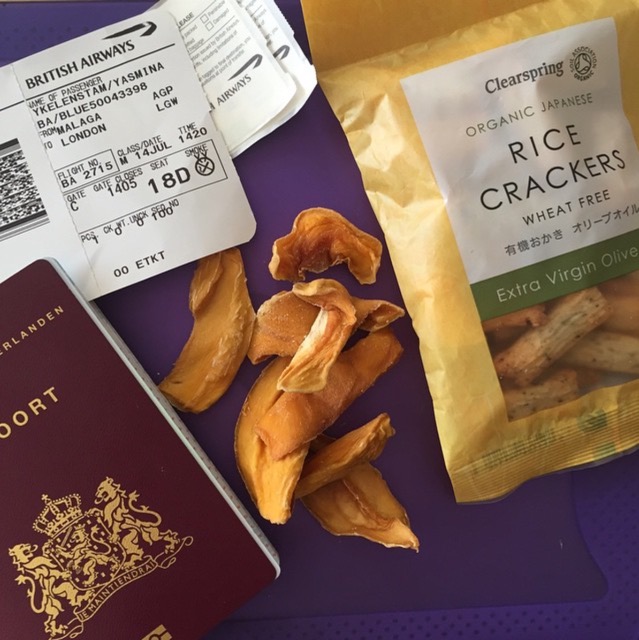
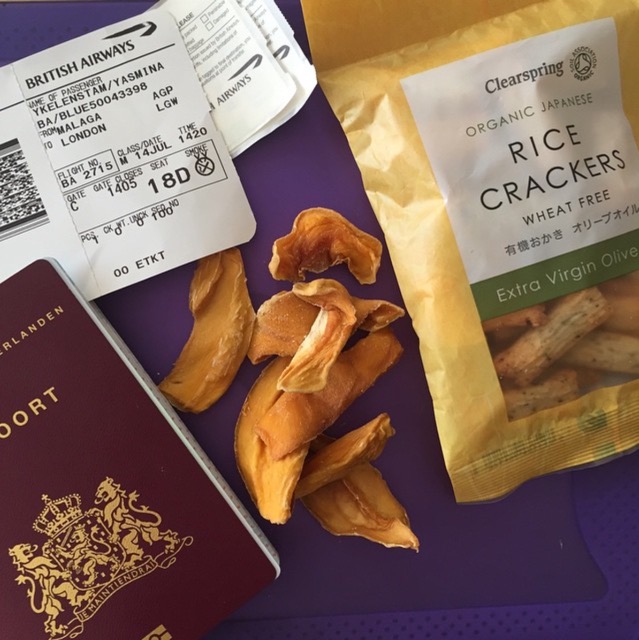
    1. If you’re still in the strict phase of the diet: pack some quick cook oats, rice noodles, rice crackers (Clearspring organic), dried mango or other tolerated fruits (you can bake these at home). The latter two are great plane food.

    2. Cook something non liquid (salad with beans, chicken, steak with noodles) and take it on the plane. Many people do nowadays, no one bats an eyelid. And you don’t need to call the airline in advance. On long distance flights I’ll sometimes opt in for the raw vegan meal which is basically a bit of salad (no dressing) and fruit to supplement my own take on. I still bring my own food onto flights. 

    General

    1. Translate the most important words you may need: doctor, hospital, organic supermarket, chickpeas, what was cooked today, no MSG please (imperative when traveling Asia).

    2. If you juice, go for it in the days before traveling. Go super anti-inflammatory, clean up your diet. Really empty that inflammation bucket.

    3. Yoga: if you practice, try your very best to get some good sessions in before leaving. If you can, do a little practice on the day of.

    properties my books Anti-Recipes and The Anti-Cookbook

    CLICK HERE TO CREATE YOUR OWN PERSONALISED HEALING HISTAMINE PLAN. 

    Travel

    Now that you’re (kind of) nice and comfy in your seat, what to do?

    1. Noise cancelling headphones changed my travel experience. They are an absolute necessity. Sometimes I don’t even play anything, I just switch them on and shut out the world. The ones that go over the ear are the best and also usually the least expensive. It’s also quite comforting to wear something over the ears.

    2. Yes, you’ll look a bit of a twat, but sunglasses indoors are great for managing sensory overload.

    3. A baseball cap, hoodie or beanie hat are wonderful for the same reason and for cocooning.

    4. A nice fluffy travel blanket will really increase your comfort level. When I worked as a journalist in Baghdad, I would even bring a feather pillow and use it on the plane. In case it’s not apparent yet, I don’t really care too much what other travellers think.

    5. Meditation is the KEY to dealing with airline travel, whether you’ve ever tried it before or not. I suggest the headspace app as a great introduction to the practice, or Jon Kabat Zinn’s iTunes meditation album. A plane may in fact be the most awesome place to get started with meditation. I mean think about it, there’s nowhere else to go.

    Eating

    1. Drop off your bags and head straight to the local organic supermarket, which, if you have planned correctly, is right around the corner from you.

    2. Stock up on cooking oil and fresh fruits and vegetables if you’re in an apartment, or just some bottled/canned beans, packaged salad and fruits if in a hotel.

    3. You can use the room kettle to boil some rice noodles to mix with the beans, or some oats to serve with chopped up fresh fruit kept in the empty mini bar fridge. To cook the noodles just break them in half or quarters and stuff into a mug (buy one if necessary to ask room service for one) and top up with boiling water. Give them extra long and they’ll be edible (as long as they weren’t too thick to start with. You can always drain the water (wait till water is lukewarm) and then strain though your fingers, or use a disinfected coaster to do so.

    4. You can always order boiled rice from room service and add your purchased beans. (Yes, we prefer uncanned not pre-cooked beans, but we make do with what we have)

    Eating out

    1. Get one of those allergy food cards in the language of the country you’re traveling to.

    2. The trick to eating out is not to tell people how sick you are and expect them to bend the whole kitchen to you. I’ve generally found that people don’t react well to negativity, i.e. serve me as I like or you will kill me. If you have allergies or severe reactions to anything do let them know. Otherwise best to say you have a dickie tummy today and the doctor told you to order the absolute freshest thing on the menu so just ask them what came in today or what was cooked in the morning. I find smiling real big while looking a wee bit sickie and rubbing my tummy to emphasise my point helps a lot. This strategy works better than asking people what’s fresh which elicits this response more often than not: “Everything madam! We make everything daily from scratch” – yeah, not always the case.

    3. It’s really best to take the waiter aside as soon as you arrive rather than waiting till everyone is ordering and then making everyone uncomfortable while you give him the third degree (this was my speciality!).

    4. I’ve found that it’s better not to order something and try to modify it. Just keep it simple: “Sir, do you have any meat/chicken/whatever that came in today? Great, I’ll have that cooked in a bit of olive oil and absolutely nothing else, some plain boiled rice with nothing on it and a plate of lettuce, cucumber and carrots with no dressing. Just bring me the bottle of olive oil and half a lemon please.” Rather than: “I’ll have the Caesar Salad but no croutons, cheese, dressing or potatoes please.” They will never, ever remember. These orders always end in catastrophe.

    5. Busy Lebanese restaurants are usually a good bet as they do tend to make things daily from scratch and do not use ingredients with preservatives, food colouring or flavours. Then again, I’m biased because I’m half Lebanese.

    6. Don’t count on most European countries having gluten free options, best to avoid grains entirely, it’s the only way to make sure you’re not inadvertently glutened.

    7. If traveling the Middle East or Asia, be aware that you may not be understood and that many people working in restaurants don’t actually know what’s in the food. They will often answer as if they do (saving face) but will rarely bother to find an accurate answer for you.

    Health

    1. Get a letter from your doctor explaining your condition. If you don’t have a diagnosis, write a letter up with your symptoms and get some proof of how you have been treated for them in the past.

    2. Find an English speaking local GP and visit him on the first day. Take his cell phone/emergency call number and brief him on what you’re dealing with. If you’re in a third world country, pay him a little retainer to be on call.

    3. Make sure you have your doctor’s number back home. If the worst happens, get your local doctor to call your doctor back home so that he can relay instructions through your local guy to the hospital on how to treat you. The last thing you want is to end up in a local ER with weird symptoms no one can identify.

    4. If you take meds never, ever, travel without them or think you can just get some locally.

    5. That said, if you do have meds, bring a prescription and a note from your doctor. If you are in a civilised country with good medication you may wish to fill up your suitcase on the way back. I am always shocked by the insane price of US medication.

    properties my books Anti-Recipes and The Anti-Cookbook

    CLICK HERE TO CREATE YOUR OWN PERSONALISED HEALING HISTAMINE PLAN. 

    Take a peek at my other low histamine and antihistamine cookbooks for more high nutrient recipes and sign up to my mailing list for freebies. 

  • A day in the life: my food and exercise schedule

    A day in the life: my food and exercise schedule

    Schedule of the day. Woman doing sports.

    Wondering what exactly I do to heal myself?

    When I share exactly what I do with people they’re often taken aback by the actual intensity of my healing schedule. I’m not suggesting this is right for you, or even for me. It’s just what’s working for me.

    Please do not use this as a template and absolutely be sure to consult with a nutritionist or doctor before making any changes to your diet or exercise routine.

    And finally, please understand that it took me years to get here. I started including high nutrient healing foods a little bit at a time. If I had just jumped in right here the likelihood is that I would have hurt myself. I certainly didn’t start out exercising like this either. The journey from bed bound to my current routine took almost five years, though in all honesty it’s also because I ended up using this illness as an excuse to not exercise. I am not an active person my nature, it takes a lot to get me away from my laptop, but once I am, I’m so incredibly happy to embrace the outdoors and my yoga.

    I start and end my days at different times, depending if I’m traveling or how much work I have to do, so I have omitted waking and sleep times. I get up between 8am and 11am, later if traveling at times, and I sleep between 1am and 3am. I would love to be more of a morning person but I tend to stay up quite late working, something I’m working on not doing anymore because I don’t feel it’s healthy.

    10am has been used as an example wake up time so that I can share the pacing of my day but all times are approximate as my schedule is a little unpredictable. My meal schedule will be very different to yours – I am and have lived in the Mediterranean region or Middle East for most of my life. We eat very late there.

    My diet is like this 99% of the time. Other times I travel and I eat anything (healthy but high histamine) that’s put in front of me, but I travel with a juicer, or purchase one upon arrival. My schedule, including the work hours, are the same on the weekend. Sometimes I go through spurts of a few weeks where I work 12-14 hours when writing and taking photos. I purchase as much of my food online as possible, as well as most of my clothes and bath/beauty products to have more time to devote to healing. I also cook in large batches, freezing soup, pancakes, pasta sauces, veggie noodles or entire meals that I can just stick in the oven while do other things. I have even done this with juices. I basically apply what I learned as a journalist on the road, always needing to be ready to ship out on an hour’s notice, or bug out immediately from a hostile situation. If it sounds like a lot of planning is involved, you’re right! But it frees up SO much time in the long run.

    Regarding meditation

    IMG_0192

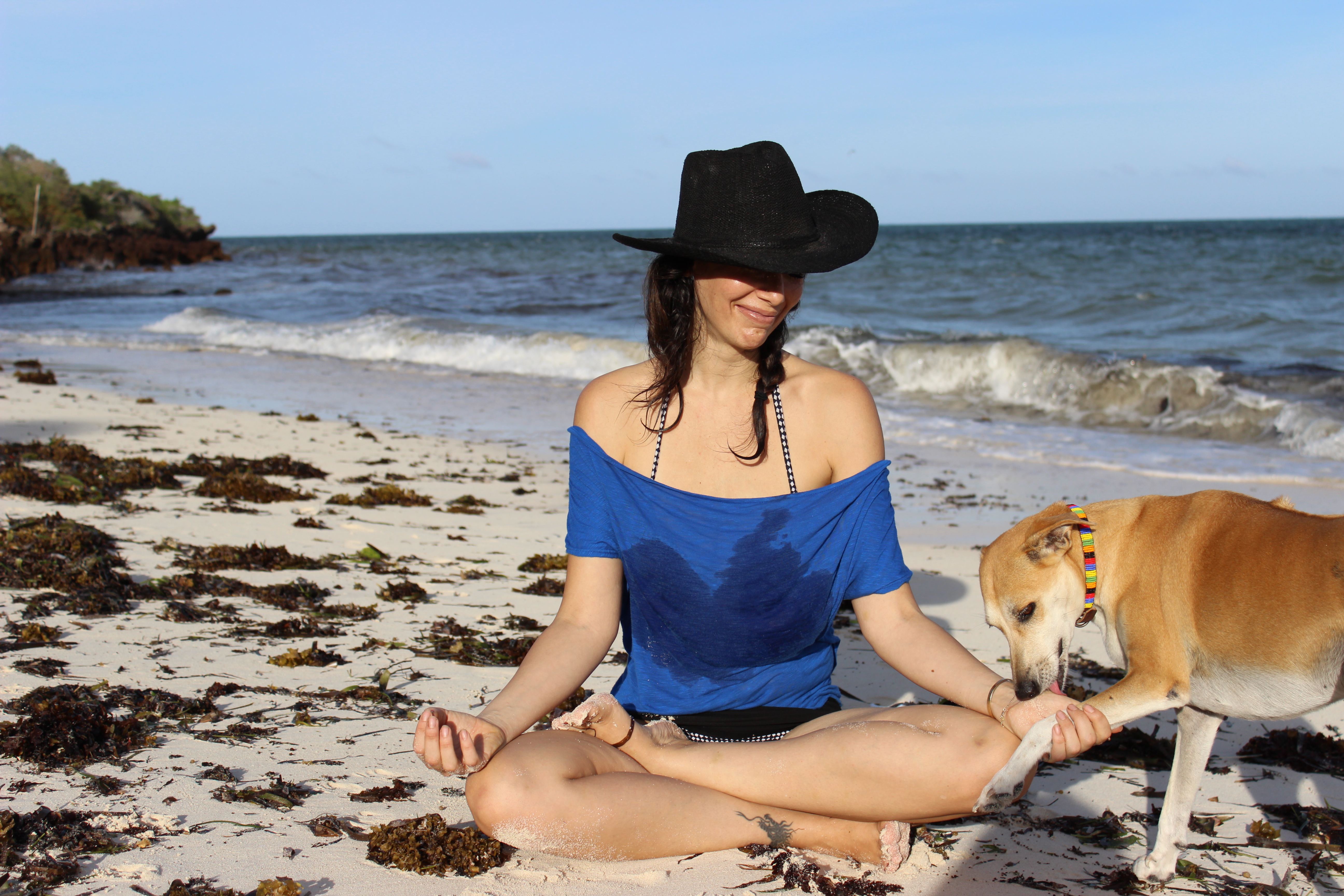
    Meditation doesn’t mean sitting alone in a room staring at a wall. Meditation can take place while washing dishes or eating – read this fabulous book for more How to Eat –  or even ironing (exercise caution in the latter!). I try to be aware, in the present moment and using my deep breathing/pranayama whenever I have a spare moment. Going on a week long meditation retreat changed my life. Meditation is the reason I have been able to add so many foods back to my life. It’s not a magic wand – lower stress and separating my fear of food from eating was key.

    This is a great book I read on getting started with pranayama breathing:

    The Yoga of Breath: A Step-by-Step Guide to Pranayama

    If you’d like to see how far I’ve come, check out this post “Once upon a time we all reacted to foods” where I share my old food diary 

    This is the template I generally stick to when eating at home – you can see several weekly examples of what I eat at home or on the road if you follow me on Instagram or Facebook. Even though usually eating quite high histamine when not at home, I am always eating high nutrient and including as many antihistamine and anti-inflammatory foods as possible. 

    Because I am no longer in the elimination phase you will see many higher histamine foods here, my books are geared to those who are eating far more limited diets than I. The recipes in my books are the recipes that helped me get to where I am now. Man Food has many options for those who can add higher histamine foods for themselves or their family.

    My week

    10am

    Wake up, remain in bed for 10-20 minutes doing pranayama breathing (yoga breathing)

    Answer emails, do some writing

    Lightly freshen up

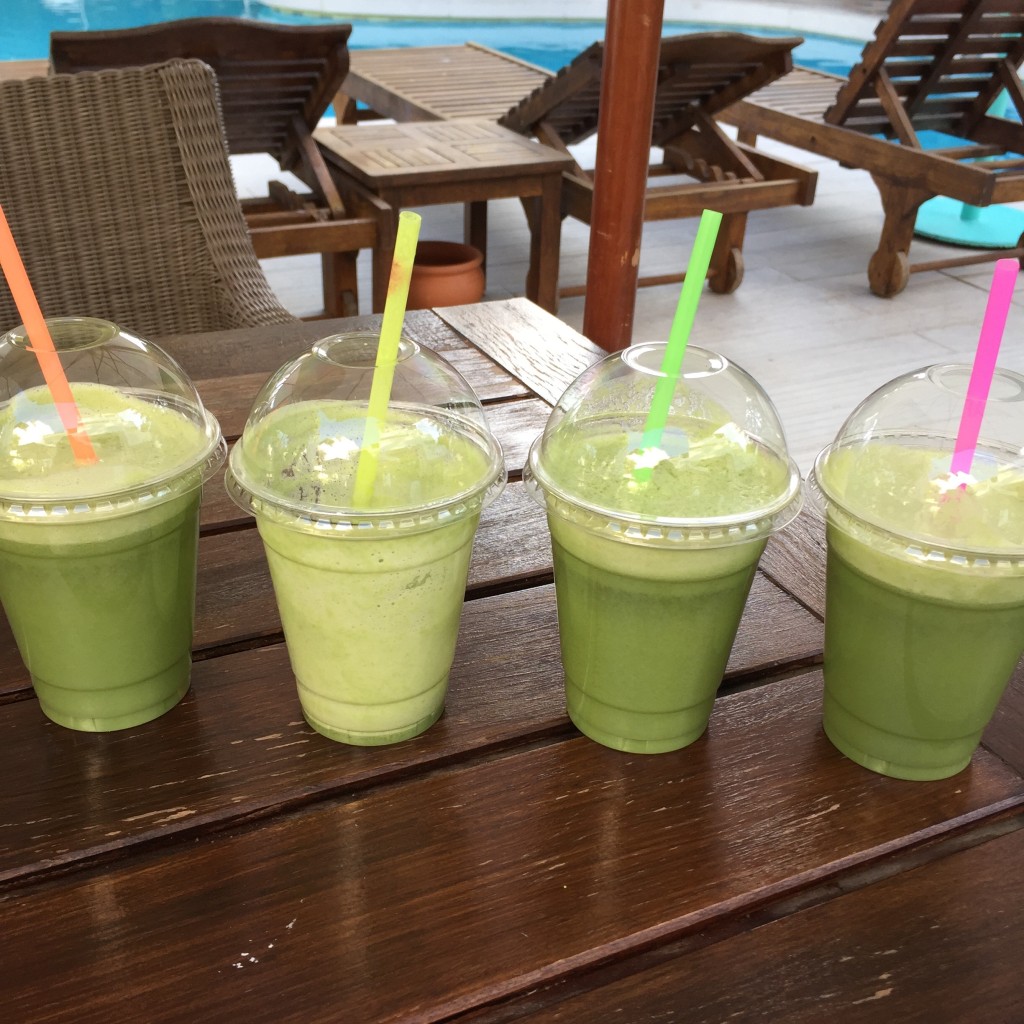
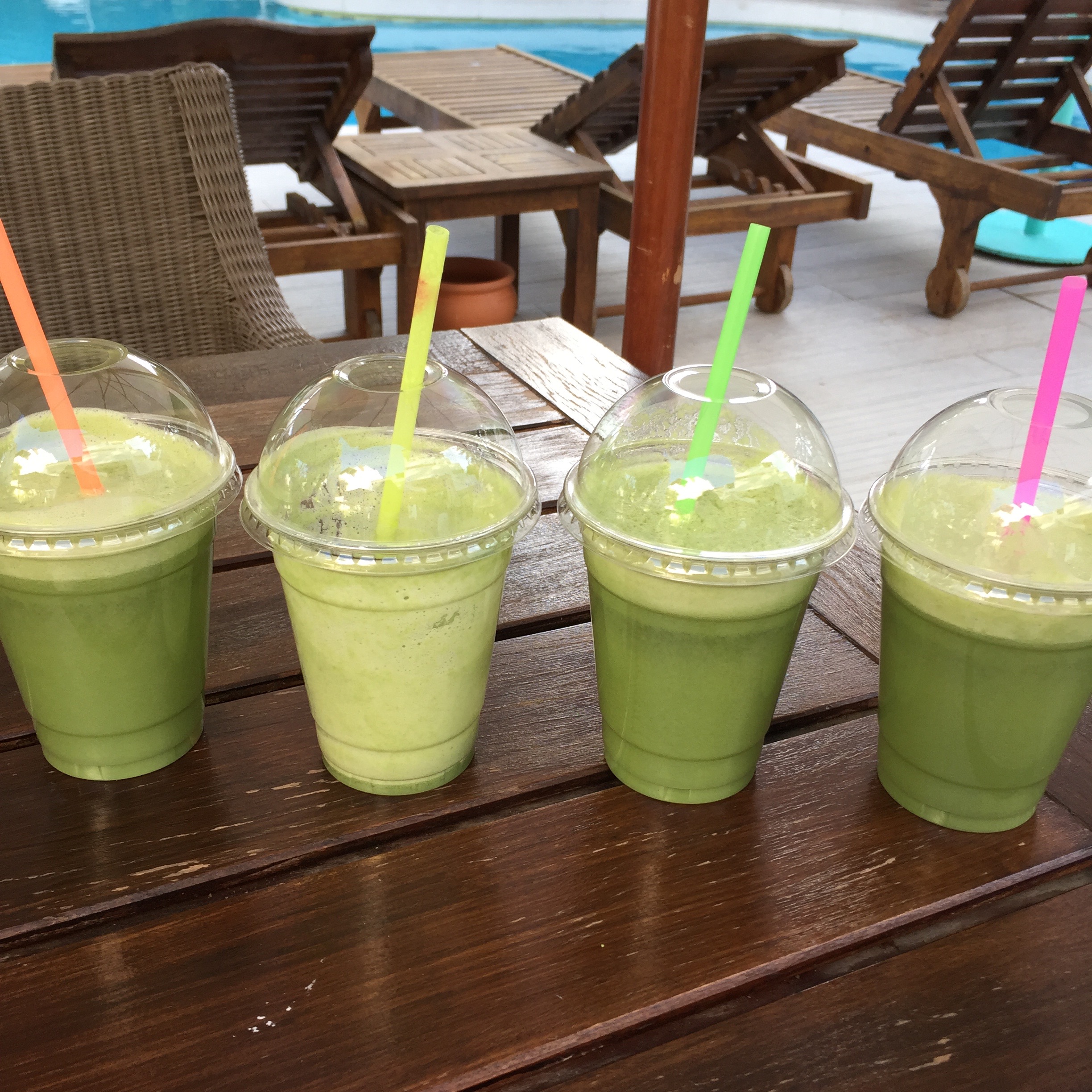
    antihistamine green juice

    11am

    Breakfast:

    Green juice/smoothie (ingredients change depending on the day) I use a Vitamix and a Samson juicer.

    1 part fruit, two parts vegetable, 2-4 cups low-medium oxalate greens, chlorella, spirulina, Vitamin B12, Dr. Fuhrman’s DHA+EPA Purityor something from the all-liquid Anti-Detox book. Usually a quart or more.

    once a week I will have:

    1-2 egg (preferably duck for the very high B12) omelette with 1/2 – 1 cup fresh antihistamine and anti-inflammatory herbs as outlined in the Anti-Cookbook.

    once every two weeks or so:

    The love of my life: healthy pancakes – many recipes like this one here you can find more by searching the site using the toolbar on the upper right hand corner of the site, just under the banner.

    Shower and light make up

    100 percent pure cucumber cleanser, 100 percent pure shampoo. (You can check them out here)

    RMS Beauty unconcealer in 33, various 100% pure products, Hemp organics lipstick  (if you use this code we’ll both get a nice discount on anything you buy on iherb GVW203)

    11:30am 

    Writing/meetings

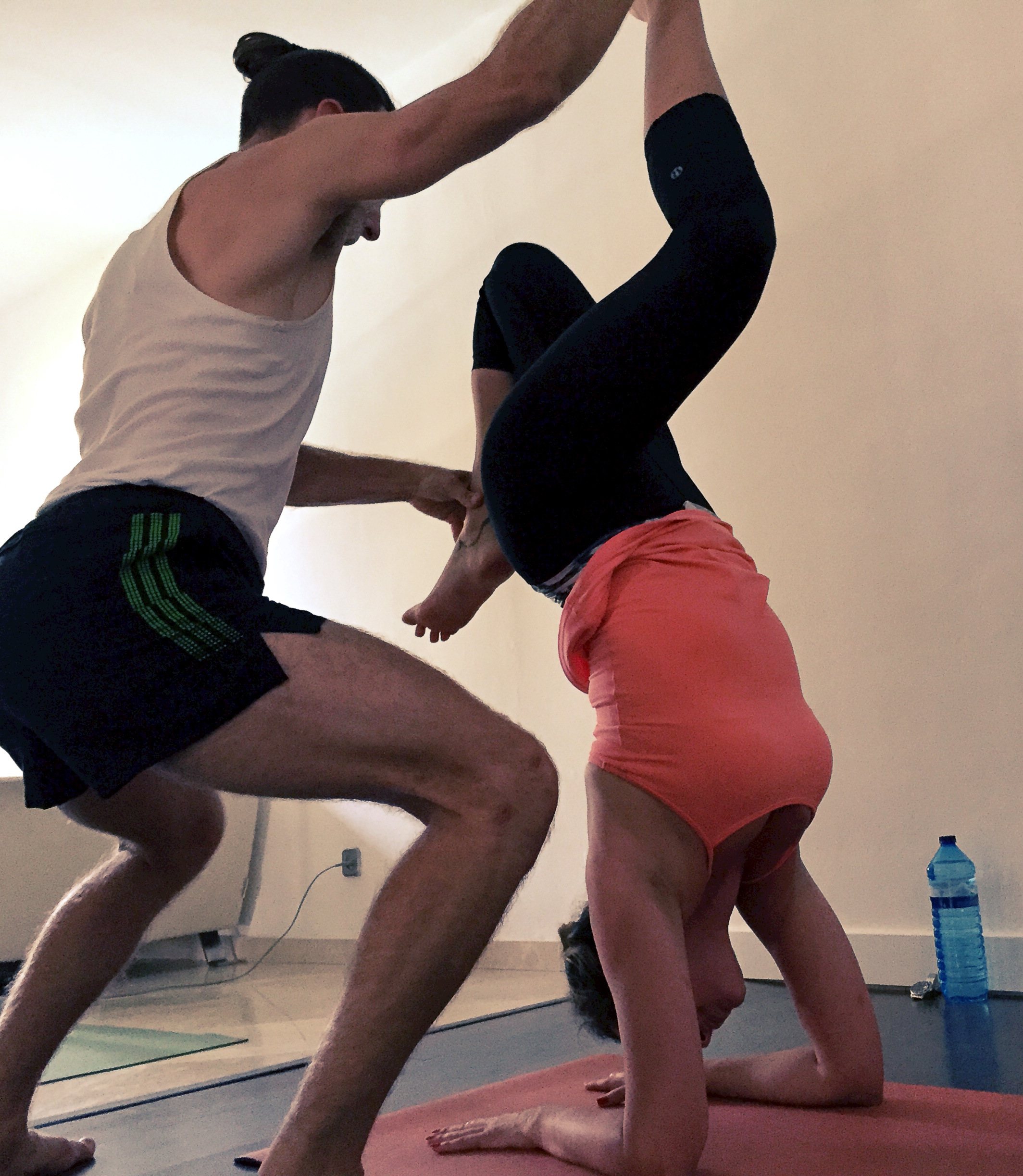
    getting a little help with my scorpion pincha

    2pm

    90 – 120 minutes rocket/ashtanga power yoga level 2-3 (that’s me getting a little help with my scorpion pincha from my teacher Tomas)

    10-15 minutes meditation/pranayama (if you’re new to meditation I recommend starting with one of Jon Kabat Zinn’s iTunes albums).

    3:45pm / 4pm 

    Shower

    4pm or so

    Lunch

    Salad: 2-4 cups mixed low – medium oxalate greens, mushrooms, cucumber, carrot, yellow tomato, avocado, shaved fennel, grilled veggies, chickpeas/lentils/low-medium oxalate beans, olive oil and lemon, or tahini with mustard, 1/2 – 1 cup chopped green herbs

    or

    Soup: vegetable with lentils or chickpeas, mushrooms, yellow or red tomato, and 1/2  – 1 cup fresh green antihistamine and anti-inflammatory herbs

    or

    Green juice/smoothie

    5pm – 9pm 

    Work/meetings/emails/writing

    Depending on workload…

    30  minutes – 1 hour meditation

    10-15 minutes playing around with handstands/headstands/other yoga inversions

    A few times a week 1-1.5 hour walk

    9pm 

    Dinner – I mostly make recipes from Man Food now but omit most of the animal protein.

    Pasta: spiralised zucchini with a creamy vegan sauce made from cauliflower/white bean/butternut squash – check out this one and there’s also a bunch in my Man Food book served with a large salad and at least 1/2 – 1 cup fresh herbs and often with another glass of green juice/smoothie.

    or

     Anti-inflammatory flat bread like this one, smeared with home made hummus and topped with roasted grilled veggies and 1/2 – 1 cup herbs.

    Once a week: salmon with spiralised veggie pasta and salad and tons of herbs. Here’s an early version of this recipe omit the pine nuts and almonds if you like and I now use veggies rather than rice pasta, or some ground beef sautéed with chickpeas, swiss chard and tons of herbs.

    Dessert

    Yes, I eat dessert! I tend to make myself a raw vegan bannofee pie from almonds (high oxalate but supposedly low histamine unless allergic), coconut nectar or Medjool dates and a little raw organic home made cacao sauce, or pecan/pistachio flour (I make that at home, just add them to other ingredients in a food processor) with coconut sugar, a couple spoons tapioca flour, raw organic vanilla and a couple of eggs or chickpea water for vegan days (here’s how to go egg free in baking and in life), or I’ll make a fresh young Thai coconut pudding, or a recipe from my dessert book. Mostly though I just love eating a nice large raw organic chocolate bar like OM or the Raw Chocolate Company Vannoffee Bar (neither of which are available in the states sorry or I’d link them!). Yeah, I know, but I’m human.

    10pm – midnight

    Work/emails/writing

    Read/movie

    Midnight

    Healing visualisation/self hypnosis

    Meditation or light yin yoga stretching

    Weekends are generally the same, but with more meditation, reading, seeing friends and whatnot, but no meetings. I usually do most of my writing writing then, but no emails.

    Remember, this is not a plan, just a little look at what I’m currently doing. This won’t be right for you – some won’t have to work this hard, others might have more intense manifestations of their histamine intolerance or mast cell activation and so diet and lifestyle changes won’t work as well for them.

    If you need a little inspiration…read my interview with mast cell expert Dr. Mariana Castells on the importance of lifestyle changes and her experiences with patients with very severe mastocytosis who have experienced remission and live without meds.

    You’ll find recipes full of foods with antihistamine and anti-inflammatory properties my books Anti-Recipes and The Anti-Cookbook

    Please remember, even antihistamine and anti-inflammatory foods can hurt us, please always exercise caution and consult a medical practitioner before adding new foods. 

  • Love in a time of sickness

    Love in a time of sickness

    Street

    It’s a question that came up when I first started dating, post diagnosis.

    What do I tell this new person in my life? How significant is what I’m going through? Will it define me and this potential relationship? Will he be grossed out and turned off by potentially having to shoulder this burden with me?

    When I first met my ex-man, I had just been diagnosed with histamine intolerance. I was riding high, convinced that my recovery was within sight. It was so close that I could taste it.

    Sadly, I was very wrong. It became all too clear that the only sweetness I would taste was the bitterness of the stevia stems I (unsuccessfully) attempted to integrate into my low histamine, gluten free baking.

    Previously to this, I had just ended a highly stressful relationship, where I was the sole earner, despite being so ill I could barely move from bed most days, and now I was ready to taste freedom. Life on my own finally, after back-to-back relationships since the age of 17. The thrill of being beholden to no one but myself was a joy in my mind. And yet eventually loneliness kicked in, and I began longing for a little one on one human contact.

    My first foray into the dating pool wasn’t too successful. I had, till then, played up my illness on dates as a way of letting down gently those I didn’t wish to pursue me, but I was flummoxed as to how to proceed with this wonderful film producer with soul mate potential. Sadly, in my mind, I was still the me of the past. The party girl whose friends owned the coolest clubs and restaurants, the girl who abandoned her luggage in Rome airport (no time to wait for it) so she could jump on an earlier flight half way around the world, arriving on her new man’s doorstep with a bottle of champagne just hours before his departure. The perfect night back then ended with us sipping the dregs of a tequila bottle on an alabaster sanded beach, with nothing more pressing than waterskiing on the agenda the next day.

    I was the woman who boldly boarded a flight to Baghdad, despite being terrified of flying, but barely ruffled by explosions. I had covered the Saddam Hussein trial, spurned the advances of terrifying middle eastern leaders with shocking human rights abuses under their belts, and yet here I was, worried this man would understand how ill I really was. Having initially shared that I was going through some “stuff”, he seemed not to care. But my own anxiety about not sharing the extent of my fears immediately drove a wedge between us, one that deepened as this stress prevented me from connecting on a human level. Soon it became apparent that the man I had so strongly attracted was encouraging me to cling to the past. I wasn’t that girl, or that woman anymore – he was dating a ghost. Things ended, badly, after a night out. I developed a five-day histamine fever – you know the one: migraine, wanting to crawl out of your skin, feeling strong waves of energy or contraction throughout. In the old days these led to seizures…

    I knew it had to end.

    CLICK HERE FOR A FOUR WEEK HISTAMINE RESET WITH MEAL PLANNERS, STRESS RELIEF STRATEGIES & MORE

    Just six months later, sure I had a handle on this illness, I dated the man I would fall deeply and madly in love with, spending the next three years of my life with. Poor one. He’ll never claim back the hours, days, weeks or years I spent detailing the minutiae of my illness, recovery and research. Every moment, event and theory, was logged, in great detail, aloud. As he pointed out, it often seemed that I was uninterested in his input, so why was I burdening him? From anaphylactic shock in Kenya, to explaining over and over to new friends, or his, the absurd rules I lived by, the ones I believed kept me alive, the stopping every 15 minutes to use a loo, taking hours to order in restaurants (and then being inevitably upset when our 3rd world waiter got it horribly wrong), the poor one suffered with me. In the end, unsurprisingly, things went horribly wrong between us, for which I shoulder an equal, if not greater, burden.

    Then something odd happened: once the stress of the relationship began dissipating, my recovery picked up steam. Surrounding myself once more with energetic, fun loving, life affirming friends and family shined a light so warm and healing deep within my soul, that I had no choice but to recover. I wanted this beautiful life. I needed to feel the rays of their non-judgemental love envelop me. I didn’t need anyone emotionally tied to my recovery in any way – I finally understood that I was stronger on my own two feet, and that no relationship would work until I was. The relationship I had held onto so tightly was based on my weakness: my fears of death, loneliness, of being shunned by my contemporaries for my weirdness, of needing someone strong enough to pick me up when I fell (literally). I wasn’t that person anymore.

    So now what? It’s a question many readers of this blog either are asking, or will have to at some point (and judging by the number of emails I get for my advice on this, many are already).

    It’s a great question, for which I have no concrete answer. I believe up front honesty is necessary with anyone you plan to date, but we must be clear about the extent of what we are going through. By that I mean I truly thought my world was collapsing in on me initially, and that I was so very horribly ill and would never recover. I was 10000000% wrong. But in presenting this image, I had potentially attracted a partner who was drawn to this reality.

    It’s a tricky balance. I really understand the whole Alcoholics Anonymous approach of not being in a relationship with anything other than a plant during your recovery. Relationships have the power to heal, but also to hurt. In either case, having a nursemaid or enabler isn’t going to work when you grow into your fabulous healed self and try to maintain some semblance of sanity with your partner when you completely turn their world upside down.

    Being left alone to heal can be daunting, leading us to fall into roles with people that are difficult to break free of, no matter how we try. Sometimes we may prefer not to break free of these roles – it’s just too lovely to have someone cater to your every need, to focus their entire being on your illness, of loving you through the hard times.

    It’s important to ask ourselves some tough questions, share them with friends and family, and be honest with them, our partner, psychologist and or shaman/healer, and ask for their uncensored view of the situation.

    In my case, I still believe it’s possible to have a balanced relationship when one of you is healing. It’s up to both partners to clearly define the parameters of the relationship, ie I’m happy to pick up the slack on days you’re down (cooking meals, doing the food shopping) but due to my own workload, can’t do it for more than X amount of time. And things like discussing whether having a family is truly an option you can manage when one of you is out of commission for days at a time. If you love each other, anything is possible.

    I wish you all the best, no matter which road you travel. xo

    Don’t miss my post on toxic relationships and healing.

    You’ll find recipes full of foods with antihistamine and anti-inflammatory properties my books Anti-Recipes and The Anti-Cookbook

    CLICK HERE FOR A FOUR WEEK HISTAMINE RESET WITH MEAL PLANNERS, STRESS RELIEF STRATEGIES & MORE

    Please don’t forget antihistamine, pain killing foods can still hurt us, so please always check with your doctor before adding new foods to your diet. 

  • 8 top tips for dealing with a histamine reaction

    8 top tips for dealing with a histamine reaction

    Sick Dog

    We’ve all been there: the world just won’t stop spinning, your heart is just about ready to jump out of your chest, your vision is going hella weird, a migraine’s brewing, and you’re worried another bite of food will end in an Exorcist style bout of projectile vomiting.

    What to do?

    I used to live in fear of moments like this. I’d clutch the toilet seat, head hung low into the bowl, waiting for the inevitable moment my stomach’s contents would emerge in a much less pleasant way than they went in.

    You know what though? None of it was inevitable.

    First off, I learned that eating a very high nutrient diet full of antihistamine and anti-inflammatory foods (more here) would kill my inflammation to the point that I no longer reacted in X-rated movie style fashion (I mean horror movies folks!). I also figured out that applying what I had learned in years of trying to deal with anxiety disorder, which I now know was actually caused by histamine, would get me through the worst.

    But there’s much much more…

    Yasmina’s top tips for dealing with a histamine reaction:

    1. Juice it

    There was a time that I felt that not eating after experiencing a bad reaction was the way to go. It’s not the worst idea, but once I found out that stress triggers mast cells to dump histamine and other inflammatory elements into the body, I had to reconsider. Starving myself, especially jumping into it suddenly, when I was really, really not well at all, with my body already under major stress, soon gave way to the gentler and more sensible juicing approach.

    I liken the water fasting vs juicing idea to the low histamine diet vs the antihistamine and anti-inflammatory diet I use to heal myself. While the low histamine diet employs elimination to remove something that is part of the reason we’re not feeling well, it doesn’t nourish or heal. On the contrary, it deprives the body and soul to the point of despair and disrepair.

    The antihistamine and anti-inflammatory diet adds beneficial nutrients back to the diet, thereby supporting the body, giving it the tools it needs to fight overall inflammation, rather than just dealing with histamine-induced inflammation. (Serotonin, prostaglandin’s and various genes cause inflammation too).

    I find that two days of juices and smoothies with not more than one or two pieces of fruit to every five to ten of green veggies pretty much mops up any excess inflammation I’ve managed to inflict upon myself.

    You’ll find one of my favourite antihistamine and anti-inflammatory histamine overload healing juices here, plus a bunch of wonderful recipes and a four week meal planner here.

    2. Be a lover

    I’m working on a post on this one – so I’ll keep this brief. The next time you’re feeling like something you scraped off the bottom of your shoe, go hug your beloved. Cuddle your child, your pup, your mailman. Ok the last one was a joke, but you get the point.

    There’s an incredible scientific reason for this that relates specifically to histamine intolerance, mast cell activation, mastocytosis and other inflammatory conditions. Till then you’ll just have to take my word for it that love is so powerful it can even save your life.

    801e37bc30f80b31881fc8f4078af527

    3. Sleep it off

    It’s not just the 12 hour fast aspect of sleep which leaves many of us feeling better. I personally feel INCREDIBLE after a solid eight hours. Back in the pre-recovery days, I would often stay in bed till the 4-6am cortisol dump (to help us wake up) would burn off.

    Turn out the lights as early as possible – this promotes the production of melatonin, a hormone which reduces inflammation and promotes sleep [1]. I found it much easier to sleep if I ate at least six hours before I hit the hay.

    Here’s a post on how to get a good night’s sleep.

    If the image above is yours, please contact me if you would like me to take it down. 

    CLICK HERE FOR A FOUR WEEK HISTAMINE RESET WITH MEAL PLANNERS, STRESS RELIEF STRATEGIES & MORE

    4. Meditation: nature’s antihistamine

    I recently wrote about my incredible experiences with meditation. I’ve been doing it on and off since the age of 18, but for some reason, it only recently clicked for me. Sitting still facing a wall for an hour while focusing inward on my body sensations did little else than highlight every single thing going wrong in there. Nowadays I’ve tailored the meditation to address my weaknesses and embrace my strengths, and it’s really working for me.

    I wrote about the incredible epigenetic, antihistamine and mast cell stabilising properties of meditation here, and you’ll find an example of one of my earliest efforts at killing a histamine reaction through meditation here.

    5. Let go and enjoy the ride

    Ok, so it really used to freak me out that passion fruit would send me on an LSD style trip for hours. And then I just learned to embrace it. Chocolate can keep me up for hours –  so this new year’s eve I made sure to pack two small home made bars of super dark goodness in my purse and spent the night chattering and bobbing to the beat.

    Too much passion fruit can still send me away with the fairies, so I’ll have a couple when I’m on a beautiful tropical beach and sit back to enjoy a tangerine sunset.

    I just learned to stop fighting and let the current take me, to loosen my grip on the mind, my extreme type A personality need to control my environment and every cell within my body.

    I’m not talking about foods that caused major reactions – please always be safe, especially if you’re prone to anaphylaxis or have suffered severe reactions at any point). 

     6. Yoga it out

    Yoga has much in common with meditation. I mean really, it actually is just a long meditation with movement. Yoga lowers inflammation and fights the asthma symptoms many of us experience during severe reactions.

    Close your eyes and think of yoga – hippies twisted into pretzels or Madonna’s He-Man arms may spring to mind, but that’s not at all the way it has to be. A great way to start is to get yourself a beginner’s yoga for stress reduction DVD that’ll hopefully help dial down some of that inflammation we’ve racked up. Read more on my yoga adventures here.

    7. Natural antihistamine’s rule

    I recently covered my favourite mast cell stablising and histamine lowering antihistamines that I use in emergencies. I generally pop a quercetin/nigella combo if I know I’m going off track, and a couple more before I hit the sack.

    8. Apply anxiety protocols

    I was well equipped to deal with histamine reactions once I knew what they were, thanks to my years of anxiety disorder reading and behavioural therapy. Basically, I induced anxiety attacks in order to show myself that I was in control and that nothing horrible was going to happen. Just understanding that ultimately I hold the reigns freed me. I’m not suggesting you induce an attack, but rather take heart, and empower yourself to wrest control from your imagination.

    Now some of you might think you don’t have that same control – believe me, you do. You may not be able to control the mast cells dumping histamine into the body, or you may have no control over your dietary histamine intake (believe me, you can have it if you try hard enough), but you CAN control the intensity of them.

    Breathing, meditation, yoga, distraction, spending time with loved ones all help mediate histamine attacks.

    CLICK HERE FOR A FOUR WEEK HISTAMINE RESET WITH MEAL PLANNERS, STRESS RELIEF STRATEGIES & MORE

     ———–REFERENCES———-

    [1] http://www.psychologytoday.com/blog/mindful-sleep-mindful-dreams/201101/how-cool-is-your-sleep-0

  • Painkiller in a glass

    Painkiller in a glass

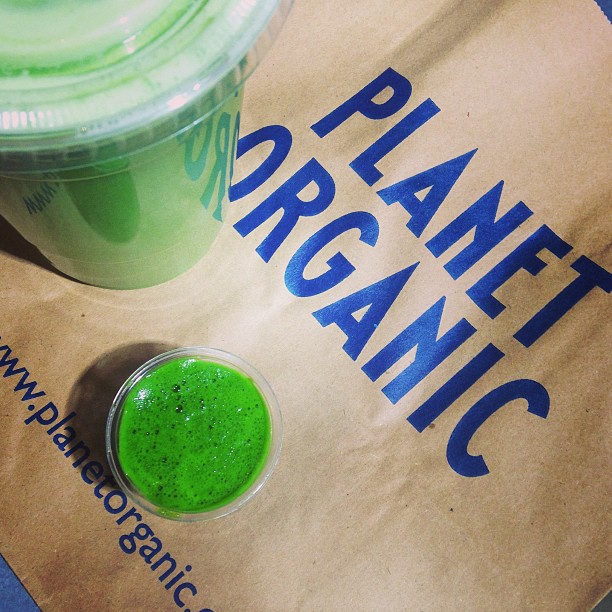
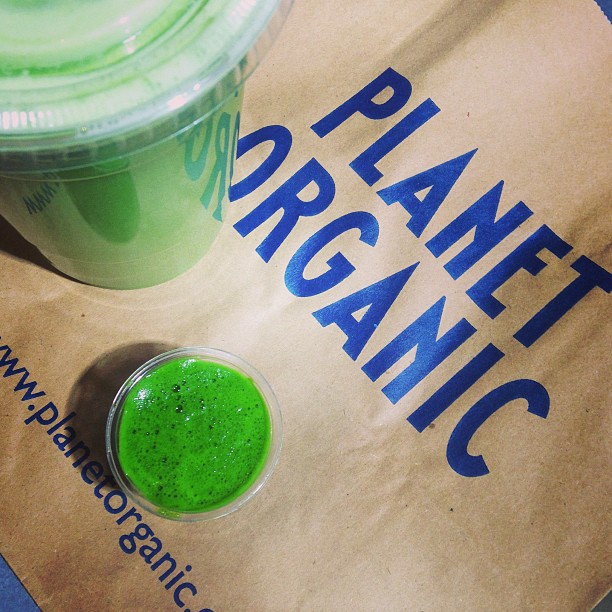
    antihistamine juice

    Ok, I’ll fess up.

    I caved in to my need for a painkiller today.

    In my defence, there are better starts to the day than smashing your foot into a cement wall.

    And yet I stumbled out onto the blistering cold London streets, somehow convinced this was a better plan than kicking back at home for the day.

    Maybe I’d had enough of kicking?

    It took me about five steps to realise my poor little pinky toe was irrevocably broken, but by then I was on the bus, and so committed to my journey.

    By the time I reached Notting Hill I was quite convinced I’d made a monumental mistake and needed to get some meds asap.

    In other words, painkillers were needed, post haste.

    Returning home wasn’t an option and so I hobbled towards my salvation – Planet Organic on Westbourne Grove.

    The lady who served me was sympathetic to the lost “American” –

    “You need a pain killer? Get yourself to Boots (a UK pharmacy).”

    I looked at her uncomprehendingly – she was new to the store, and therefore unaware that it’s my home away from home and as such, we weren’t on the same page here:

    “Uh, no, I need pain killing, pimped out, salicylate rich, inflammation busting vitamin K fennel, apple, cucumber, kale and broccoli juice.”

    “Four of ’em please!”

    Suddenly smiling, she hooked me up with four enormous painkillers in a glass.

    CLICK HERE TO CREATE YOUR OWN PERSONALISED HEALING HISTAMINE PLAN. 

    I’d like to say I had time to sit and luxuriate in my newfound juiciness – but truth be told, I was in so much pain that I would have shotgunned them down if I could. One after the other they went.

    Now, despite having written books on the healing properties of anti-inflammatory antihistamine foods, and yet I’m still happily, thankfully, a little surprised, each time I personally experience it on the spot! 

    I’m glad to say that soon I was able to get moving to my next port of call, in far less pain than before.

    Placebo?

    Maybe – but consider this research on the following foods (as outlined in the Anti-Cookbook):

    Fennel has been found to be as powerful a menstrual painkiller as common NSAIDs (pharmaceutical painkillers) [1].

    Cucumber is a powerful natural painkiller [2].

    Kale is high in inflammation busting vitamin K [3].

    Broccoli is such a powerful anti-inflammatory that it has now been proven to prevent osteoarthritis, something that could begin with a simple broken toe [4].

    Having been fed a diet rich in pain killers and fever reducers (shown to cause asthma in children), antibiotics, antihistamines, and so very many other meds that broke my body, I’m in no hurry to submit to them again.

    Don’t forget to sign up to my newsletter to be the first to know when registration opens up for webinars, histamine wellness retreats and workshops in Europe and the United States, to get great freebies like antihistamine and anti-inflammatory recipes and lifestyle tips. 

    The Anti-cookbook, while it doesn’t treat any conditions, due to its high nutrient, antihistamine and anti-inflammatory ingredients, has been instrumental in helping me feed myself on a limited diet. It features a six page list of antihistamine and anti-inflammatory foods. It comes in regular and Paleo. 

    The Low Oxalate Cookbook features antihistamine and anti-inflammatory rich recipes. 

    Don’t miss the Low Histamine Beauty Survival Guide for non-toxic beauty tips, the skinny on histamine releasing (mast cell degranulating) beauty ingredients, antihistamine and anti-inflammatory beauty alternatives and the top brands natural brands I’ve found.

    Take a peek at my other low histamine and antihistamine cookbooks for more high nutrient recipes.

    If you’ve found this information useful I’d appreciate your support (at no extra cost to you!) – please check out my online store for your health foods, supplements, kitchen items and beauty product purchases. Affiliate sales through my online store go towards maintaining the website, funding travel to interviews and purchasing all the lovely foods for my free online recipes. You’ll find these items in the “Shop with us” drop down menu on my homepage.  

    Please don’t forget antihistamine, pain killing foods can still hurt us, so please always check with your doctor before adding new foods to your diet. 

    —————–REFERENCES—————

    [1] http://www.greenmedinfo.com/blog/fennel-painful-periods-clinically-proven-drug-alternative

    [2] https://dev.healinghistamine.com/the-anti-cookbook-antihistamine-anti-inflammatory-recipes/

    [3] https://dev.healinghistamine.com/the-anti-cookbook-antihistamine-anti-inflammatory-recipes/

    [4] http://www.express.co.uk/news/health/425129/New-hope-for-arthritis-cure-Broccoli-key-to-beating-the-disease

  • The BEST histamine intolerance symptom tracking app

    The BEST histamine intolerance symptom tracking app

    unnamed copy

    Last year I found a food diary app that offered almost everything I needed to track my symptoms. I emailed the developer to ask if he had any plans for a version two that included the things I was looking for – at that time, the answer was no. The answer now is a resounding YES!

    As you can tell, I’m fairly excited about this app.

    It tracks:

    – Food, drink, meds and environmental factors.

    – Records symptoms in detail.

    – Energy, sleep and bowel movements (ick, but so necessary!).

    – Intensity of symptoms

    – It lets you export the diary!

    What really blew my mind though is that it overcomes a BIG problem with food diaries in general: that it can take up to 72 hours for symptoms to manifest. This great little app has an adjustable symptom time frame and even more incredibly – it analyses which of the foods is the most likely culprit! It basically provides you with a list of possible triggers (based on the info you feed it).

    You can purchase the app here!

GET STARTED HEALING HISTAMINE

WHAT YOU NEED TO KNOW ABOUT HISTAMINE DELIVERED TO YOUR INBOX