Category: Eating & Cooking

  • Getting Protein on a Low Histamine Diet

    Getting Protein on a Low Histamine Diet

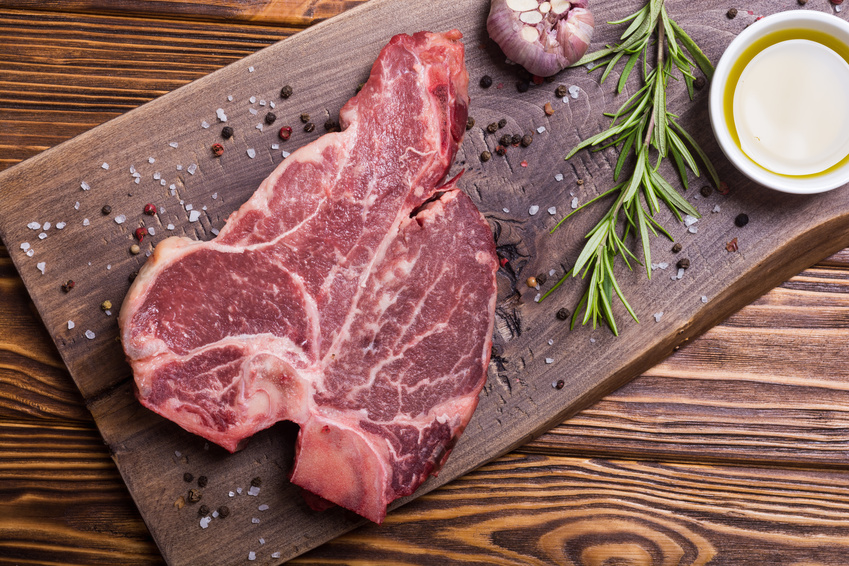
    Raw beef steak T bone with ingredient . Porterhouse on cutting board .

    Getting enough protein can be challenging in general, but even more so when you’re dealing with histamine intolerance. After all, we’ve got to be careful about our intake of biogenic amines from meat, aged and cured meats are out, and leftovers will just accumulate histamine. And then there’s the fact that meats can be inflammatory when we’re really trying to lower our inflammation levels. A nutrient-dense, plant-based diet can be really healing for us, but then protein may get neglected. Here are some ideas for getting your protein in while keeping histamine low.

    HIGH PROTEIN LEGUMES

    As I mentioned in my Beanz Meanz Antihistamines post, legumes, while categorized as high histamine on some lists, have been found to contain a histamine-inhibiting compound called sandosaponin. They also have fiber and anti-inflammatory properties which make me want to keep them in my diet, at least occasionally.

    Beans also just happen to be a great source of plant-based protein, with some of the best sources including soybeans, chickpeas, and lentils. Black soybeans are a great option, as they are rich in color, indicating the presence of important phytonutrients. Chickpeas and lentils are not only high protein, they’re also high in histamine-degrading diamine oxidase (DAO). For the most DAO, sprout the chickpeas and lentils before using. If you want a delicious way to get in some protein and increase your DAO to fight histamine, check out my Chickpea Blondies recipe. Or for a more savory snack, try these gluten-free lentil pita chips.

    SPIRULINA

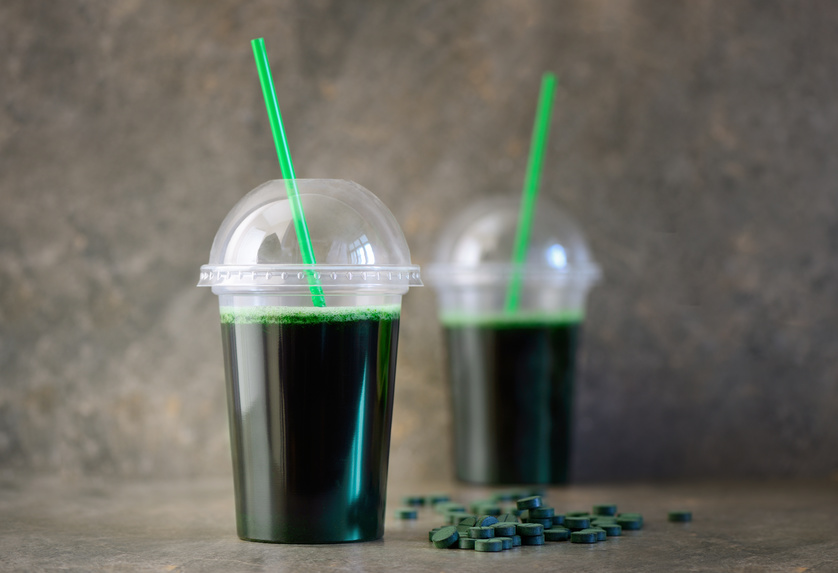
    Spirulina is a type of blue-green microalgae that has been a staple in the diet of the Aztec and Mayan people for thousands of years. That may be in part due to the fact that spirulina is one of the richest sources of plant proteins available. It’s 60-70% protein. Not only is spirulina a good source of plant-based protein, it’s also been found to prevent mast cells from releasing histamine. How cool is that? A plant-based protein that is also an antihistamine. It’s also rich in antioxidants,  anti-inflammatory compounds, vitamins and minerals, and important fatty acids. Studies on spirulina indicate that a pigment called phycocyanin may be the ingredient that provides the antihistamine effect. Read about phycocyanin here. Spirulina is easy to add to a juice or smoothie. Try my Green Apple Ginger smoothie with Spirulina.

    HEMP PROTEIN (OR SEEDS)

    It seems like hemp is being used for more purposes all the time. You can make fabric out of it, build with it, use it for fuel, eat the whole seeds, drink hemp milk, and the list goes on. There’s also hemp protein, which is made from grinding up the hemp seeds into a powder. A typical ¼ cup serving tends to contain about 15 grams of protein, which may vary slightly by brand. For those of us with compromised digestive systems, it’s good to know that hemp protein is highly digestible –at a rate of 91–98%. However, that changes with heat processing, which reduces the digestibility to only 10%. For that reason, it’s important to make sure your hemp protein powder comes from cold-pressed seeds. Add hemp protein to your favorite low histamine smoothie, or start using the seeds in other recipes. The hemp seeds (or hearts, as they are also called) are a great topping to a salad.

    FRESH & CLEAN MEATS AND FISH

    Of course, good old animal protein or fish is always an option, provided that it is fresh and cooked properly. After all, biogenic and other amines accumulate during food storage or decay. Learn about histamine, food storage, and packaging here. Otherwise, try to just buy fresh, and buy what you can eat — or freeze the rest. And don’t overeat protein. Studies show undigested protein in the gut can raise histamine levels, so it’s important not to eat more than the requirements for your size, age, and physical activity you can digest well.

    WONDERING HOW TO PREPARE THESE FOODS?

    No worries. I’ve put together a complete histamine reset for you. It’s got antihistamine, anti-inflammatory recipes that use healthy proteins and plenty of fresh produce. I also included some lifestyle strategies to help lower the stress, balance out histamine, and get your body on the path to healing. Check out my 28-Day Histamine Reset.

    ——- REFERENCES ——-

    House, J. D., Neufeld, J., Leson, G. (2010). Evaluating the quality of protein from hemp seed (Cannabis sativa L.) products through the use of the protein digestibility-corrected amino acid score method. Journal of Agriculture and Food Chemistry. 58(22), 11801-7. doi: 10.1021/jf102636b. Epub 2010 Oct 26.

    Masini, E., et al. (2007). “Pea seedling histaminase as a novel therapeutic approach to anaphylactic and inflammatory disorders.” The Scientific World Journal, 7, 888-902. Retrieved from: https://www.hindawi.com/journals/tswj/2007/408423/abs/

    Skypala, I. J., Williams, M., Reeves, L., Meyer, R., & Venter, C. (2015). Sensitivity to food additives, vaso-active amines and salicylates: a review of the evidence. Clinical and Translational Allergy, 5, 34. http://doi.org/10.1186/s13601-015-0078-3

    Windey, K., De Preter, V., Verbeke, K. (2012). Relevance of protein fermentation to gut health. Molecular Nutrition & Food Research, 56(1):184-96. doi: 10.1002/mnfr.201100542. Epub 2011 Nov 25.

    https://www.ncbi.nlm.nih.gov/pubmed/22121108

    WEBSITES:

    https://www.bobsredmill.com/hemp-protein-powder.html

  • Best Outdoor Finger Foods

    Best Outdoor Finger Foods

    There’s nothing like light-hearted summer get-togethers in the backyard or out on the deck fueled by delightful and delicious finger foods. For the histamine intolerant guest, chips and salsa are unfortunately a “no go” and just reading the ingredients lists on the various packaged snacks can make mast cells go bonkers. But who needs traditional chips and mini hotdogs when you can have cajun plantain chips and gourmet kebabs? I mean, seriously. If you’re stuck in a rut with raw cauliflower and a plain burger with salt, read on for some “foodie” summer inspiration.

    PLANTAIN CHIPS WITH (or without) “CAJUN” RUB

    Prep Time: 5 min | Cook Time: 10-20 min | Makes: many

    Plantains have always been one of my safe foods, but might not be for others. You could also try using thinly sliced butternut, yucca (cassava), or sweet potato. You have two kinds of plantains: the green, unripe ones, and the blackened, spoiled-looking ones. Though they appear to be spoiled, the blackened ones are usually quite fine on the inside. They’re a lot chewier and therefore my favourite. You can leave out any of the ingredients, the important ones are the salt, coconut sugar, and the herbs. These make an excellent snack– people love them at my get-togethers.

    INGREDIENTS

    Plantains

    Cajun rub, equal parts…

    Cayenne pepper Salt Coconut sugar Powdered turmeric Sumac or paprika

    With…

    1/2 cup chopped coriander 1/2 cup chopped chives

    PREPARATION

    Chop the plantains into any shape you like. I usually just chop them like bananas, into rounds. You then have a choice: either fry them in your favourite oil, or toss them in your best oil, then into the mix, and then bake at about 180C/350F for 10-20 minutes, depending on oven. You’ll need to flip them over once, halfway through.

    BENEFITS

    Antihistamine: turmeric, chives, coriander. Anti-inflammatory: turmeric, chives, coriander, coconut, sumac, paprika.

    MINT SAUCE BRAISED MINI LAMB KEBABS

    Prep Time: 10 min | Cook Time: 15-20 min | Makes: 8-12 skewers

    Not into lamb? This works well with any meat, or any vegetables for that matter. Try chunks of butternut, sweet potato, zucchini – you’re limited only by your imagination.

    INGREDIENTS

    2 cups cubed lamb steak

    16 shallots, cut into chunks

    2 bunches mint

    8 tbsp apple cider vinegar/tamarind (or omit)

    2 tbsp coconut sugar/nectar

    mini BBQ skewers

    PREPARATION You can either marinate the lamb in the sauce for a little while, then splash some into the pan while cooking the lamb chunks, or serve it on the side as a dip. Skewer alternating bites of lamb and shallot. Meanwhile, heat a little oil in a pan, or use a grill pan. Cook the lamb for about 10 minutes on each side, or till juices run dry when the flesh is pierced.

    BENEFITS Antihistamine: mint, shallots. Anti-inflammatory: mint, shallots, tamarind, coconut.

    LENTIL CRACKERS

    Prep Time: 10 min | Cook Time: 20 min

    These crackers are excellent on their own or with any kind of dip. They’re super nutritious to boot. My non-histamine friends really dig these – I bring them over for movies nights with the gals.

    INGREDIENTS

    2 cups lentil flour water (about 1/4 – 1/2 cup, depending on desired thickness)

    1/2 onion

    1 clove garlic

    4 tbsp olive oil

    6 tbsp thyme leaves (or to taste)

    handful finely chopped basil

    handful finely chopped coriander

    PREPARATION

    Pre-heat oven to 180C/250F. Add the flour, onion, garlic, olive oil, thyme, basil and coriander into a food processor, drizzle in some water and then work lightly till a ball of dough forms. If you have oxalate issues, pre-soak the lentil flour in the water for at least a few hours. This has been shown to lower oxalate levels.

    Spoon onto a pre-oiled baking tray and use a knife to score into triangles. If your mixture is too liquidy, don’t panic, just bake for at least 10 minutes, then score with a knife and return to the oven. Bake for about  15-20 minutes (depending on thickness) and then flip over for another 15-20. Remove from oven, break apart and serve with your choice of dip.

    BENEFITS Antihistamine: onion, garlic, thyme, basil, coriander. Anti-inflammatory: onion, garlic, thyme, basil, coriander, olive oil.

    SALMON BALLS W/SWEET CHILI SAUCE

    Prep Time: 10 min | Cook Time: 15-20 min | Makes: 8-12 balls depending on size

    This sauce contains vinegar, which I know many don’t tolerate or are scared to try. I now eat many kinds of vinegar with no problem. Alternatives tamarind paste, Indian sour mango powder (amchur), and of course lemon.

    INGREDIENTS

    Balls…

    1 lb salmon

    1/4 cup rice breadcrumbs/flakes

    1/2 cup finely chopped shallots

    1 egg

    lemon, squeezed

    1 clove garlic

    dill

    Sauce…

    4 garlic cloves

    1 red chili pepper (or to taste)

    1/4 cup apple cider vinegar/tamarind

    1/2 cup coconut sugar

    1/2 cup water

    1-2 tbsp kuzu starch (or your choice of starch)

    salt

    PREPARATION

    Add the salmon, eggs, shallots, dill, one clove of garlic and rice crumbs/lakes into a food processor. Don’t over process. Form into balls and bake on a lightly oiled tray for approximately 20 minutes at 350F/180C, depending on your oven. Meanwhile, blend the chili, 3 garlic cloves, vinegar (or your choice of acid), coconut sugar and water. Pour into a small saucepan, bring to the boil and then lower to a simmer. Add in the kuzu or your choice of starch to thicken the sauce. Serve with salmon balls.

    BENEFITS

    Antihistamine: shallots, garlic, dill, kuzu. Anti-inflammatory: shallots, garlic, dill, salmon, kuzu.

    NEED MORE FUN RECIPES?

    There’s a whole world of fun and nutritious recipes out there to try, but it can be a challenge finding ones that fit into a low histamine lifestyle. That’s why I put together a complete 28-Day Histamine Reset with gourmet low histamine recipes as well as histamine-lowering lifestyle strategies to get you on the path to healing.

  • Best Histamine Intolerance BBQ Foods

    Best Histamine Intolerance BBQ Foods

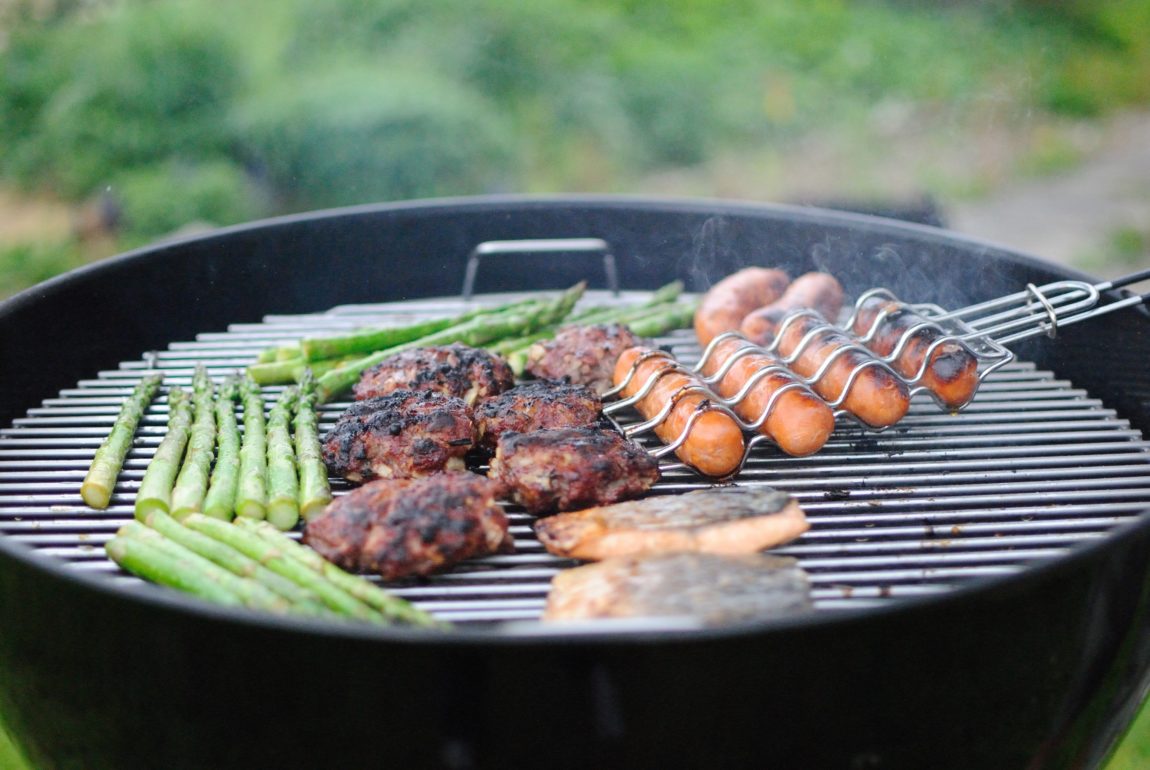
    Summertime is BBQ time. There’s nothing like the smell of hot food fresh from the grill and an al fresco meal with friends or family to wrap up a hot summer day. But “BBQ” conjures up images of tomato-based sauces that might make a histamine sufferer sigh. Not to worry. There are plenty of healthy, low histamine grill options to make your mouth water and your eyes sparkle. BBQ is off the menu no longer…

    HISTAMINE-FRIENDLY BARBEQUE COOKING

    Part of the issue with histamine issues and grilling is the chance of bacterial or other contamination from the grill. Again, no worries. You can easily BBQ without ever touching the grill. You can use things like parchment, foil, or a stainless steel basket to keep your food free of undesired critters and seasonings.

    And if you don’t tolerate the smells from either a charcoal or gas-fired grill, there are plenty of BBQ-inspired dishes that can be made from the comfort of your kitchen.

    LAMB IN PARCHMENT

    This is actually a popular way of preparing lamb in Greece. You can do this on the grill (additionally wrapped with aluminum foil) or in the oven. Get a leg of lamb or lamb shanks and rinse in cool water. Cut a piece of parchment to suit and grease with olive oil. Then add lamb, drizzled with additional olive oil and a squeeze of lemon, plenty of fresh or dried herbs (oregano, thyme, rosemary), sea salt to taste, and surrounded by tolerated vegetables — perhaps a few carrots, purple potatoes, and (quercetin-rich) onions. Fold up sides and secure with butcher’s twine. Bake in preheated oven at 350 degrees F for about 2 to 2 ½ hours, depending on the size and cut of the lamb. Then take out, open package, and put back in for another 15-20 minutes to brown. Or put on the grill on low heat for 2-3 hours. To find a more specific recipe, you can search for Lamb Kleftiko.

    SALMON IN FOIL

    Wild caught salmon is a wonderful summer BBQ meal that is easy to do on the grill or in the oven. My favorite trusted source is Vital Choice, which I happily get delivered right to my door — no grocery trip required. Drizzle some olive oil on a piece of aluminum foil, add the salmon, plus more oil. There are lots of directions you can take this. You can do an Asian version with antihistamine ginger, you can add basil or parsley pesto (chimichurri), you can do a cilantro pesto. Bake it for 15 minutes at 425 degrees F. Serve with some steamed vegetables and/or a fresh green salad.

    SAUCES

    Although on lists as high histamine, a good, clean mustard with only four ingredients (like Louis Malle Dijon that can be found at Whole Foods and online) has always been fine with me. It might be ok for you too on special occasions (always check with your doctor), and I love making a BBQ sauce from just a tablespoon of it mixed with some coconut sugar. It tastes so much like Teriyaki I promise!

    You’ll also find a recipe for my green tomato low histamine home made ketchup (though it  should really be called “lower histamine”) here. Go easy on the ginger otherwise it might get too spicy for you.

    SWEET POTATO TABLE MASH

    Sweet potatoes are an easy addition to any summer barbeque. Just steam them on the stovetop or grill them like baked potatoes (wrapped individually in foil and grilled for 40-60 minutes). Then just mash them with olive oil or coconut oil, adding a pinch or two of salt as desired. Easy peasy.

    PULLED LAMB

    Lamb is a selenium-rich alternative to traditional pulled pork. (Selenium can help inhibit histamine release).

    Preheat oven to 325 degrees F. Place a red onion in a roasting dish and set a leg of lamb on top. Make a pomegranate glaze: mix together ¼ cup pomegranate molasses, ⅛ cup olive oil, and the juice of one lemon. Pour the glaze over the lamb and then pour a cup of water around the lamb. Cover and place in the oven to roast for 3 1/2 hours. Remove the cover and continue cooking the lamb for an additional 30 minutes or until the meat is almost falling off the bone.

    Red onions are full of polyphenols and antihistamine quercetin, and pomegranate has been shown to be a mast cell stabiliser. Eat up.

    VEGGIE KEBABS

    Kebabs are wonderfully versatile. You can stick with vegetables or add meat if you like. Great low- or antihistamine vegetables to try include cauliflower, zucchini, garlic, mushrooms, a small amount of carrots or parsnips. Be sure to soak wood skewers ahead of time. Then thread the vegetables and meat, if using, on the skewers. Brush a mixture of olive oil, herbs, and salt and grill over medium heat – or roast in the oven (10-12 minutes at 400 degrees F). Great snack or side dish.  

    THE JUICE

    Lemonade is my absolute favourite, and I have it with no problem, but I know that’s not the case for most. If you have a soda stream or something similar you an experiment with cherry juice, mango passion fruit with basil. Even if you don’t, just take a look at the frozen fruit section at your supermarket and let your imagination run wild.

    STEWED FRUIT

    Stewed fruit is super easy and is a nice light finish to a summer meal. Some great low histamine fruits for stewing include apples, cherries (on some lists), peaches, and pears. Wash the fruit and peel it if you wish. Then simply slice or chop it into chunks, place in a saucepan with a bit of water, and cook on low to medium heat until tender. You can add just a little sweetener if you wish, and enjoy.

    BEYOND THE BBQ

    If your appetite is whet with these fun BBQ ideas, and you’re looking for more, check out my complete histamine reset with recipes and lifestyle strategies to balance histamine levels and get your body on the path to healing: 28-Day Histamine Reset.

    ———REFERENCES———

    Rasheed, Zafar, et al. (2009). Polyphenol-rich pomegranate fruit extract (POMx) suppresses PMACI-induced expression of pro-inflammatory cytokines by inhibiting the activation of MAP Kinases and NF-B in human KU812 cells. Journal of Inflammation, 6(1). doi:10.1186/1476-9255-6-1

    Safaralizadeh, R., Nourizadeh, M., Zare, A., Kardar, G.A., Pourpak, Z. (2013). Influence of selenium on mast cell mediator release. Biological Trace Element Research, 154(2): 299-303. doi: 10.1007/s12011-013-9712-x. Epub 2013 Jun 20.

  • 4 Top Gut Histamine Digestion Tips

    4 Top Gut Histamine Digestion Tips

    Histamine intolerance can bring with it plenty of digestive issues and diagnoses. Histamine can contribute to leaky gut as well as GERD, IBS, and Inflammatory Bowel Disease. While a change in diet is paramount, there are some other simple changes you can make to make eating enjoyable again. Here are a few tips for better digestion.

    DON’T EAT WHEN STRESSED

    This is probably one of the most important things you can do for histamine intolerance besides changing your diet and eliminating stress. The autonomic nervous system (ANS) is the body’s “automatic” side of the nervous system, as opposed to the somatic nervous system (SNS), which is what is activated when you consciously move your arms, legs, head, etc. There are two main states that your autonomic nervous system can be in: the sympathetic state and the parasympathetic state. The sympathetic state is known as the “fight or flight” mode and the parasympathetic state is known as the “Rest & Digest” mode.

    When you are in “fight or flight” your body is in the stress state. This is not a good time to be eating and digesting foods, as your body is focused on producing stress hormones and not focused on digestion and repair. When the body is stressed, stomach acid secretion goes down, movement of food through the digestive system slows, the lining is more vulnerable (leaky gut), and there’s less blood flow to the gut. All of these changes lead to poor digestion of food and increased risk of health problems, like IBS, opportunistic infections, malabsorption, GERD, food intolerances, and autoimmune disease.

    Mast cells are some of the main actors in the stress-gut connection. They respond to stress signals by calling for the release of all kinds of neurotransmitters and proinflammatory cytokines. This inflammatory response can actually injure the digestive system and cause all kinds of downstream effects.

    INCLUDE ANTIHISTAMINE PREBIOTICS & COLONIC FOODS

    There are a number of low histamine or antihistamine foods that have also been shown to help balance the microbiome/gut bacteria, promoting healthy digestion. Some of these foods include apple pectin, pomegranate husks, and green tea.

    Apple pectin is not only antihistamine; it is also a colonic food — utilized by bacteroides, bifidobacteria, eubacteria, and clostridia.

    Pomegranate husks — Increases bifidobacteria in the gut. Also decreases inflammation in the colon as well as throughout the entire body.

    Green tea catechins. 300 mg green tea catechins or the equivalent of 5-6 cups of green tea per day increased lactobacilli and bifidobacteria, decreased numbers of bacteroides, clostridia, and enterobacteria, decreased fecal pH, decreased ammonia, and increased the production of short chain fatty acids, which nourish the brain.

    SAVE CARBS FOR LATER

    All carbs aren’t evil. Antioxidant-delivering, anti-inflammatory polyphenols and carotenoids are found in higher carbohydrate foods. Berries and black rice, squashes and sweet potatoes are all full of colorful nutrients that are extremely beneficial for the histamine intolerant person.

    However, when a body is in an unstable condition, overreacting to harmless foods, scents, and other stimuli, there’s also a tendency for blood sugar to be unstable. That’s where carbs could be a problem. The up and down roller coaster of blood sugar imbalance can be both inflammatory and exhausting. Fortunately, there’s a simple solution: Save the carbs for later in the day. Eat your carbs with dinner, and instead of experiencing the ups and downs of blood sugar imbalance all day, you can just cause that spike once per day at dinnertime.

    DON’T EAT AFTER 6/7 PM

    Eating is a “Zeitgeber” — a time-giver– to the body. Your body adheres to a daily Circadian rhythm and there are certain daily activities that indicate to your body what time of the day it is. For instance, when your eyes are exposed to the blue/white light of the daytime hours (the sun), that is a zeitgeber that tells your body it’s daytime and it’s time to be active. Eating is another indicator that tells your body it’s time to be active. If you are planning to follow the daily rhythm of sleeping at night, eating is not a good thing to be doing as your body is supposed to be winding down. Eating is stimulating to the body, and stimulants are the last thing you want to reach for late in the evening.

    Digestion also requires all kinds of energy and resources that tend to dwindle in the evening, allowing the body to rest. If you eat late in the evening, you are putting food in your body when your digestive capacity is at its lowest, and food doesn’t digest as it should. Additionally, studies have linked late night eating to diabetes, heart disease, GERD, and memory problems. Since inflammatory conditions, brain fog, and GERD are already issues for those with histamine intolerance, eating at night could just make things worse.

    Stop eating by 6:00 or 7:00 pm, and you’ll improve both your digestion and your sleep.

    ——- REFERENCES ——-

    EFSA ANS Panel (EFSA Panel on Food Additives and Nutrient Sources added to Food), Younes M, Aggett P, Aguilar F, Crebelli R, Dusemund B, Filipič M, Frutos MJ, Galtier P, Gott D, Gundert‐Remy U, Lambré C, Leblanc J‐C, Lillegaard IT, Moldeus P, Mortensen A, Oskarsson A, Stankovic I, Waalkens‐Berendsen I, Woutersen RA, Andrade RJ, Fortes C, Mosesso P, Restani P, Arcella D, Pizzo F, Smeraldi C and Wright M, 2018. Scientific Opinion on the safety of green tea catechins. EFSA Journal 2018;16(4):5239, 89 pp. https://doi.org/10.2903/j.efsa.2018.5239

    Goto K, Kanaya S, Nishikawa T. The influence of tea catechins on faecal flora of elderly residents in long-term care facilities. Annals of Long-Term Care: Clinical Care and Aging. 1998;6:43–48.

    Howell, A. B., & D’Souza, D. H. (2013). The Pomegranate: Effects on Bacteria and Viruses That Influence Human Health. Evidence-Based Complementary and Alternative Medicine : eCAM, 2013, 606212. http://doi.org/10.1155/2013/606212

    Jiang, T., Gao, X., Wu, C., Tian, F., Lei, Q., Bi, J., … Wang, X. (2016). Apple-Derived Pectin Modulates Gut Microbiota, Improves Gut Barrier Function, and Attenuates Metabolic Endotoxemia in Rats with Diet-Induced Obesity. Nutrients, 8(3), 126. http://doi.org/10.3390/nu8030126

    Konturek, P.C. Brzozowski,T., Konturek, S. J. (2011). Stress and the gut: pathophysiology, clinical consequences, diagnostic approach, and treatment options. Journal of Physiology and Pharmacology, 62(6), 591-599. Retrieved from: http://www.jpp.krakow.pl/journal/archive/12_11/pdf/591_12_11_article.pdf

    Navigatore-Fonzo, L. S., Golini, R. L., Ponce, I. T., Delgado, S. M., Plateo, G., Gimenez, M. S., & Anzulovich, A. C. (2013). Retinoic acid receptors move in time to the clock in the hippocampus. Effect of a vitamin A-deficient diet. The Journal of Nutritional Biochemistry, 24(5), 859–867. http://doi.org/10.1016/j.jnutbio.2012.05.006

    Taylor, P. W., Hamilton-Miller, J. M. T., & Stapleton, P. D. (2005). Antimicrobial properties of green tea catechins. Food Science and Technology Bulletin, 2, 71–81.

    The Telegraph. (2017). Why you shouldn’t eat late at night, according to science. Retrieved from https://www.telegraph.co.uk/health-fitness/body/shouldnt-eat-late-night-according-science/

  • Surviving Social Situations With Histamine Intolerance

    Surviving Social Situations With Histamine Intolerance

    As the weather gets nicer, many of us will be traveling to visit friends and relatives, attending graduation parties, weddings, family reunions, and other events. How to we navigate the buffet or the potluck without setting off a histamine reaction, or without standing out as the “person who isn’t eating”? Here are a few helpful tips for enjoying parties and events, blending in, and remaining symptom-free.

    EAT BEFORE

    Since you won’t know for sure if there’s something you can eat at the party, simply plan to eat beforehand. Have a good, anti-inflammatory, low histamine meal with plenty of healthy fat (olive oil is great), and you won’t have to worry if there’s only a handful of options when you get there. Having a full stomach lessens the likelihood you will compromise on your diet and provoke your body beyond what it can handle. Then if you find some raw cauliflower or pistachios, you won’t overdo it on them, either.

    FILL UP ON THE VEGETABLE TRAY

    There’s almost always a vegetable tray. The nice thing about raw vegetables, as opposed to cooked, is that you know there’s nothing on them. No strange oils or seasonings to worry about. Grab some carrot sticks, red bell peppers, cucumbers slices, broccoli or cauliflower, a radish or two, and if there’s olive oil on the table, drizzle some over and enjoy. If there’s parsley for garnish, all the better. The olive oil and parsley will help combat histamine and lower inflammation.

    You could even sneak a little pot of home made hummus in to eat them with.

    ORDER A DRINK

    Order a drink that looks like a vodka soda, and you’ll blend right in. You can simply order seltzer or club soda and ask for a wedge of lemon or lime. No one will ever know whether it has alcohol or not, and you can socialize with drink in hand.

    If you do decide to indulge, vodka and gin are low histamine alcohol options. However, keep in mind that alcohol does not exactly have an overall health-promoting effect on the body.

    BBQs

    This one stumped me for a while because of the leftover meats stuck to the grill. But then I realised how easy it was to bring my own food and wrap it in foil and just stick it in there. While I don’t normally eat potatoes, I will make an exception at a BBQ and salmon with veggies in foil paper in the coal is mighty tasty. You can of course use any protein you like.

    BRING A SNACK

    Bring a snack in your bag. Some ideas include dried mangos, Japanese rice crackers, homemade apple chips or sweet potato chips, or an unsweetened plain applesauce cup with a spoon. With these, you don’t have to worry about refrigeration or inconveniencing the host about storage.

    BRING A DISH TO SHARE

    Depending on the event, consider bringing a dish to share. Then you know you’ll have something that you can eat. I used to make sure to make a beeline for the food as soon as it appeared and pretty much stand guard at my dish till I’d had my fill. 

    KEEP “EMERGENCY” FOOD IN THE CAR

    Keep a backup of food in your car. That way, if you run out of the food you brought with you, you won’t be as tempted to eat things that are going to cause you problems. Just knowing that you have “safe” food in the car outside can remove some of the anxiety around whether you’ll still be hungry later on in the evening.

    LOOK FOR FRUIT

    Look for fruit. More often than not, celebratory smorgasbords will include some type of fruit salad. Even if you have to take the full scoop, you can later pick out the fruit that you can eat, and leave what you can’t. Look for apples, blueberries, cherries, honeydew melon, watermelon, cantaloupe, peaches, mangos, and bartlett pears. Mangos and peaches even have some anti-histamine properties.

    SIMPLY EXPLAIN WHY NOT EATING

    If someone notices you aren’t filling up your plate, or not eating at all, simply explain. Stay positive about your restrictions and try not to drag out the conversation on the topic of health. Tell about your new culinary discoveries and invite the person to try the dish you brought if that is the case. They might learn to enjoy a new healthy food or recipe.

    Failing that, if I really can’t be bothered to get into it, I’ll just say I’m having s stomach issue and leave it to their imagination!

    To start addressing the problem at its root, try my Histamine Reset Program. The planning has been done for you: a complete reset with recipes and lifestyle strategies to balance histamine levels and get your body on the path to healing.

  • Phycocyanin for Histamine Intolerance

    Phycocyanin for Histamine Intolerance

    Supplements for histamine intolerance are always hit or miss. Just because a food or supplement shows certain properties in medical studies, does not mean they will translate to humans, and we can absolutely be allergic or reactive to them. But when they work, they’re amazing, and so I’ll keep sharing the latest studies on emerging or repurposed compounds.

    SPIRULINA

    Spirulina is a type of blue-green microalgae. It has been the center of more and more research as it is being considered for use in the pharmaceutical industry — it has that much potential. It is already being used as a dietary supplement and was a mainstay in the diet of the Aztec and Mayan people for thousands of years. It is one of the richest sources of plant proteins on the planet, as it contains 60-70% protein.

    Studies on spirulina have already found this superfood to be anti-cancer, anti-inflammatory, anti-diabetic, and to balance high blood pressure. It has also been found to be protective of the DNA and the liver and to help stimulate the immune system. Some of these properties are due to its high levels of antioxidants and anti-inflammatory molecules (including beta-carotene), vitamins and minerals, important fatty acids and other plant compounds.

    As I’ve mentioned before, spirulina has also been found to inhibit histamine release from mast cells, with one such study finding that its consumption “significantly” improved symptoms of allergic runny nose (allergic rhinitis) when compared to a placebo.  Further studies should be performed in order to clarify the mechanism of this effect. One of the main components of spirulina, phycocyanin, may be the secret ingredient that makes spirulina such a powerful superfood.

    And for those of us whose “aha” moment came with using curcumin rather and turmeric  I definitely felt a lightbulb go off with an extraction of spirulina.

    PHYCOCYANIN

    Phycocyanin is a pigment used for this algae to perform photosynthesis — using the energy from the sun to convert carbon dioxide and water into food.

    In an animal study of inflammation, rats that were already sensitive/allergic to egg white protein were given phycocyanin one hour before they were injected with a dose of egg white protein. (Think: 1 hour before meals). When the researchers checked the inflammatory and histamine response, it was clear that the phycocyanin reduced both inflammation and histamine release triggered by the allergenic food. In other studies, the results were the same, indicating that phycocyanin, a derivative of spirulina, is both anti-inflammatory and antihistamine.

    HOW TO CONSUME MORE SPIRULINA

    Spirulina does have a mild, slightly seaweed-y taste to it. For that reason, it’s great to add to a fruit smoothie with plenty of anti-histamine sweet fruits. Mangoes and peaches work really well, as do blueberries. Want a recipe to start including spirulina? Try my low oxalate Big Greenie jui-cie (juice/smoothie fusion) on this post.

    Spirulina also works wonderfully well as a coloring agent, if you are the creative chef type. If you are using coconut butter as a spread, add a little spirulina for color (it doesn’t take much). Spirulina lattes are another option. (All the cool kids are doing it). Mix ½ tsp of organic spirulina powder with a cup of your favorite low histamine, dairy-free milk, sweeten to taste and blend away.

    You can also add spirulina to your homemade salad dressings. Olive oil has antihistamine properties already. Add a squeeze of lemon, apple cider vinegar, or other “sour” of choice, add ¼ tsp spirulina (or to taste), season, and blend. Sure, it’s green, but it looks a bit herb infused. Speaking of herbs.. You could even sneak it in a homemade pesto of sorts, combining the antihistamine properties of olive oil, basil, spirulina, and your choice of nuts or seeds.

    So, if you tolerate it, go find or make a dairy-free Spirulina Blue Latte to chase your histamine blues away…

    ————REFERENCES—————

    Hyung-Min, Kim., Eun-Hee, Lee., Hye-Hyoung, Cho., Young-Hoe, Moon. (1998).

    Inhibitory Effect of Mast Cell-Mediated Immediate-Type Allergic Reactions in Rats by Spirulina. Biochemical Pharmacology, 55(7), 1071-1076. Retrieved from:

    http://www.sciencedirect.com/science/article/pii/S0006295297006783

    Remirez, D., Ledón, N., & González, R. (2002). Role of histamine in the inhibitory effects of phycocyanin in experimental models of allergic inflammatory response. Mediators of Inflammation, 11(2), 81–85. http://doi.org/10.1080/09629350220131926

  • 4 Things You Should Do Every Morning (When You Have Histamine Intolerance)

    4 Things You Should Do Every Morning (When You Have Histamine Intolerance)

    People often ask how to get started addressing their histamine intolerance. How you begin each day can make a huge difference in how you’ll feel the rest of the day. Start your day off right by following the suggestions below.

    DON’T RUSH TO BREAKFAST

    Unless you have a pre-existing condition or hypoglycemia, light fasting might be an excellent approach to fighting histamine inflammation. Research shows that up to forty percent of faulty white blood cells (including mast cells, where histamine lives in the body) can be regenerated in just five days of calorie restriction.

    Intermittent fasting has gained huge popularity in recent years. There are a number of variations, but prolonging the time between dinner and the next morning’s breakfast (break-fast) is a great way to incorporate fasting daily.

    There are many differing views on the ideal eating window, but don’t get extreme. Stress releases histamine after all…

    For example, you finish eating dinner by 8 pm and don’t eat breakfast until 8am (a nice gentle 12 hour fast).

    Or you could try extending the window one hour at a time till reaching your ideal window. 

    Of course, you can also stop eating earlier in the evening (by 6 pm, for example), and then eat earlier in the day (10 am or noon).

    To learn more about fasting’s effects on histamine, check out the following posts:

    START WITH AN ANTIHISTAMINE TEA

    Since you’re fasting in the morning and not taking in any calories, why not start with a therapeutic (and delicious) tea with antihistamine properties? Tea is a wonderfully relaxing way to start the day. In fact, studies have shown that just holding a warm mug in your hands tends to make you see the world in a more positive light.

    Holy Basil or “Tulsi” tea is a great one to start with. It is highly antihistamine and can be found in quite a number of different blends and flavours. Just be sure the herbs it’s blended with aren’t a problem for you (e.g. cinnamon and nutmeg in a tulsi chai).

    While black and green teas might be problematic for some people, white tea, made from the same plant (plus, lower in caffeine and not fermented), may be a good option. Or try the blossom of the tea plant. Read the post here.

    For some other ideas on antihistamine teas and tisanes (and a few recipes), read these posts:

    BRUSH YOUR TEETH

    This might seem a little obvious, but there’s been an interesting amount of research finding that people think it’s ok to brush just once a day. There’s a reason why dental infections have been linked to heart disease: Inflammation. And you know chronic inflammation is an issue when it comes to histamine intolerance. Oral infections lead to more histamine release, and that’s not good for us at all.

    Gingivitis, or inflammation of the gums, has been directly linked to mast cell activation and histamine release. So, brush your teeth; floss your teeth. Make sure you take good care of your oral microbiome by eating whole foods and avoiding sugar.

    Learn more about the connection between your oral health and histamine by checking out my interview with Dr. Steven Lin, bestselling author of the Dental Diet. 

    GET STRESS OUT OF THE WAY EARLY

    Don’t wait until the stresses of the day add up and cause symptoms or reactions to act. Remember the inflammation bucket concept. You want to start with an empty bucket at the beginning of the day so that as daily stressors, triggers, and exposures accumulate, you have plenty of leeway for into the evening.

    Don’t let your inflammation bucket fill up by noon. Instead, start your morning with yoga or some type of breathing, meditation or relaxation practice so that you lower your inflammation and histamine response right at the beginning of the day. You could even keep a daily gratitude journal that you write in while sipping your tea. This is a great way to keep your brain focused on positivity rather than in fear/stress mode.

    ———REFERENCES———

    Marinac, C. R., Sears, D. D., Natarajan, L., Gallo, L. C., Breen, C. I., & Patterson, R. E. (2015). Frequency and Circadian Timing of Eating May Influence Biomarkers of Inflammation and Insulin Resistance Associated with Breast Cancer Risk. PLoS ONE, 10(8), e0136240. http://doi.org/10.1371/journal.pone.0136240

    Williams, L. E., & Bargh, J. A. (2008). Experiencing Physical Warmth Promotes Interpersonal Warmth. Science (New York, N.Y.), 322(5901), 606–607. http://doi.org/10.1126/science.1162548

  • 5 Best Histamine Intolerance Teas

    5 Best Histamine Intolerance Teas

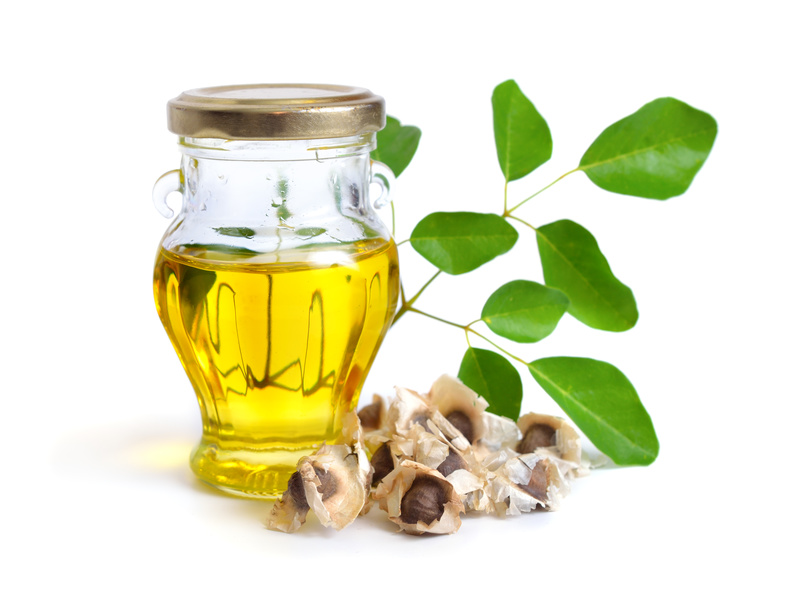
    moringa histamine intolerance

    There’s nothing like a hot cup of tea to warm the body and soothe the soul. And according to the late English actor, Arthur Wing Pinero, “Where there’s tea, there’s hope.” While the following are technically tisanes (herbal infusions) and not teas in the strictest sense of the word (Camellia sinensis), these hot beverages are tasty, good for the senses and soul. 

    MORINGA TEA

    Moringa has been shown to inhibit 72% of all histamines released, making it almost as effective as the antihistamine eye medication, Ketotifen. Moringa is also high in the bioflavonoid Kaempferol, which has been shown in studies to prevent histamine release from mast cells.

    Moringa tea often comes in the form of a powder from the ground leaves. It pairs well with green tea, lemongrass, lemon zest, and coconut milk. You can even make a Moringa Latte:

    INGREDIENTS

    • 1 Tbsp Moringa tea powder
    • 8-10 ounces dairy-free milk
    • Sweetener to taste

    INSTRUCTIONS

    1. Heat milk on the stove using a small saucepan.
    2. Heat to just steaming without boiling.
    3. Remove from heat and add Moringa powder.
    4. Whisk or use a milk frother until combined.
    5. Sweeten to taste and enjoy.

    TULSI (HOLY BASIL) TEA

    Tulsi is one of my very favorite teas for histamine balancing. As I’ve mentioned in previous posts, tulsi has antihistamine effects that are comparable to the antihistamine drug, Ranitidine (trade name Zantac).

    Tulsi tea is delicious on its own, but there are actually a number of tulsi-based blends of teas out there, like tulsi with green tea, tulsi with rose petal, lemon-ginger tulsi, peppermint tulsi, and even tulsi chai. So, if you’re not crazy about the plain tulsi flavor –or just want to mix it up once in a while — there are plenty of options out there. For one of my recipes involving tulsi, ginger, and nigella sativa, see this post.

    And if you want more details on all the benefits of tulsi, check out my post, Holy Basil! Anti-Inflammatory And Anti-Histamine Superstar.

    OLIVE LEAF TEA

    The olive leaf has long been associated with peace, and it just may make life more peaceful for you in your histamine balancing journey. Olive leaf tea has been shown to exhibit “significant mast cell stabilizing activity”.

    Olive leaf tea is mellow and pleasant to drink and can be thought of as a caffeine-free alternative to green tea. It is delicious with a slice of lemon, blended with green tea, or sweetened with stevia and topped off with a splash of dairy-free milk, like unsweetened almond milk or coconut milk.

    GINGER TEA

    Ginger is a well-known mast cell stabilizer. It is often used as an H2 histamine blocker for indigestion and excess stomach acid, so it is very soothing to the stomach. It is also anti-inflammatory and just plain delicious.

    Ginger tea is delicious with the juice of quarter to half a lemon, sweetened with honey or your choice of natural sweetener, and combined with other soothing herbs like chamomile.

    For ginger tea using the fresh ginger root, rather than ginger tea bags, try the following recipe:

    INGREDIENTS

    • 1-3 tsp freshly grated ginger root
    • 1 cup boiling water

    INSTRUCTIONS

    1. Place the grated ginger into a glass measure cup.
    2. Fill to the 1 cup line with boiling water.
    3. Steep 10 minutes.
    4. Strain into a mug, sweeten to taste and enjoy.

    PARSLEY TEA

    Parsley has both anti-inflammatory and antihistaminic properties. Studies show it inhibits histamine release from mast cells. Parsley also contains apigenin, a bioflavonoid that has been shown to prevent histamine release from basophil white blood cells.

    Parsley tea is easy to make with either the fresh leaf or the dried herb:

    INGREDIENTS

    • 30 grams of parsley leaves (fresh or dried)
    • 4 cups of water

    INSTRUCTIONS

    1. Remove fresh parsley leaves from the stems and measure out 30 grams. (Or measure out dried).
    2. Bring the water to a boil in a deep saucepan.
    3. Add the parsley leaves to the water for about 1 minute before taking the pan off the heat.
    4. Steep for approximately 10 minutes.
    5. Strain into a cup and add honey or lemon to taste, if desired.

    NEED MORE BEVERAGE IDEAS?

    Check out my E-Cookbook, The Anti-Detox, where you’ll find two juices/smoothies per day made with very high nutrient antihistamine and anti-inflammatory ingredients. This book is not a cleanse; you can simply work these recipes into your existing diet. (Vegan, Gluten Free, Dairy & Nut Free)

    Or even better, to do a complete reset with recipes and lifestyle strategies to balance histamine levels and get your body on the path to healing, I highly recommend my comprehensive 28-Day Histamine Reset.

    ———REFERENCES———

    Agrawal, M., Agrawal, A., and Agrawal, B. (2008). “Investigation into the mechanism of action of Moringa oleifera for its anti-asthmatic activity.” Oriental Pharmacy and Experimental Medicine, 8(1), 24-31. Retrieved from: http://www.moringanews.org/documents/asthma.pdf

    Byun, Dae-Seok. (2009). “Kaempferol Isolated from Nelumbo Nucifera Stamens Negatively Regulates FcεRI Expression in Human Basophilic KU812F Cells.” Journal of Microbiology and Biotechnology, 19(2), 155-60.

    Chen, Bing-Hung, et al. (2009). “Antiallergic potential on RBL-2H3 cells of some phenolic constituents of Zingiber Officinale (Ginger).” Journal of Natural Products 72(5), 950-953. Retrieved from: https://pubs.acs.org/doi/abs/10.1021/np800555y

    Chandak, R. Devdhe, S., and Changediya, V. (2009). “Evaluation of anti-histaminic activity of aqueous extract of ripe olives of olea-europea.” Journal of Pharmacy Research, 2(3), 416-420.

    Retrieved from: http://jprsolutions.info/files/final-file-5691ddee522e91.46302541.pdf

    Matsuda, H., Morikawa, T., Managi, H., Yoshikawa, M. (2003). “Antiallergic principles from Alpinia galanga: structural requirements of phenylpropanoids for inhibition of degranulation and release of TNF-alpha and IL-4 in RBL-2H3 cells.” Bioorganic & Medicinal Chemistry Letters, 13(19), 3197–3202. https://www.ncbi.nlm.nih.gov/pubmed/12951092

    Middleton, E., et al. (1984). “Flavonoid inhibition of human basophil histamine release stimulated by various agents.” Biochemical Pharmacology, 33(21), 3333-8. Retrieved from https://www.ncbi.nlm.nih.gov/m/pubmed/6208910/

  • 7 Powerful Antihistamine Foods at Your Supermarket

    7 Powerful Antihistamine Foods at Your Supermarket

    Finding whole food solutions to balancing histamine and stabilizing mast cells doesn’t have to mean ordering strange herbs and superfoods from the other side of the planet. Here are 7 great antihistamine foods you can find at the supermarket nearest you.

    APPLE SKINS

    The skin of the apple is where most of the nutrition is. Apple peel contains powerful polyphenols that have been shown in scientific studies to suppress inflammation and activate antioxidant release.

    Apple polyphenols have also been found to strongly prevent the release of histamine from mast cells in animal studies. So, they are a great component of an anti-inflammatory, antihistamine diet.

    If you can cut the apple so that you get a lot of peel and just a little of the white interior (give to a friend, family member, or pet), you’ll lower your fruit sugar intake and maximize your intake of health-promoting antioxidants.

    To read up on antioxidants and histamine, check out Antioxidants Fight Histamine Inflammation.

    ARTICHOKES

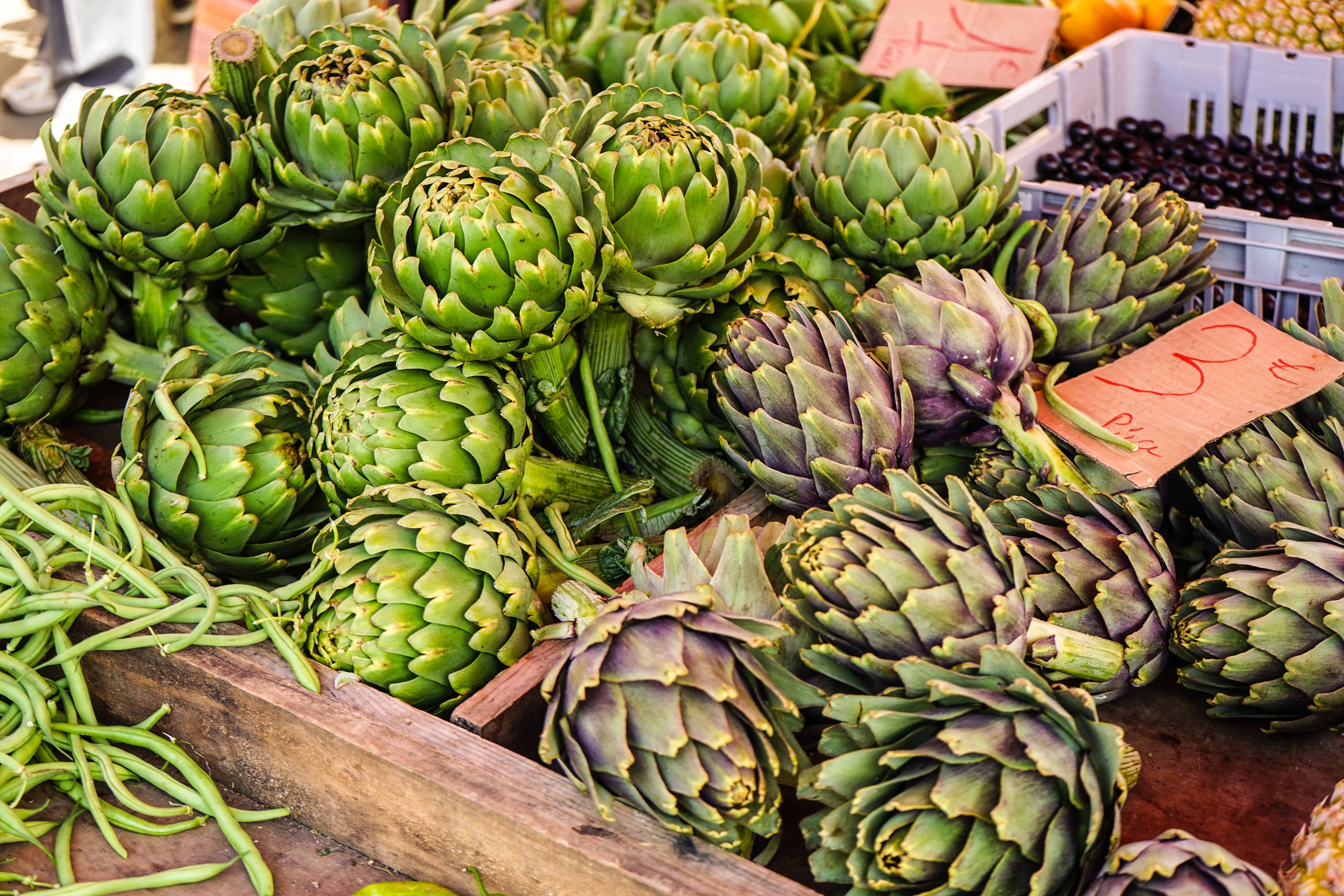
    Artichokes are rich in the bioflavonoid, luteolin, which has been shown to be very helpful for stabilizing mast cells. Read more about luteolin on my post: Luteolin for Mast cells, Histamine and Brain Fog?

    Again, it is the leaves of the artichokes that have the most antioxidant rich polyphenols. So, roast a whole artichoke and enjoy the leaves as an appetizer or snack. You may also enjoy my Antihistamine-Rich Artichoke Soup or my Creamy Anti-Inflammatory Artichoke Pasta W/Antihistamine Herbs.

    ARUGULA

    Arugula, also known as rocket, is a great peppery addition to salad, soup, pasta, wraps –even wilted in quiche or with seafood. It’s rich in vitamins and minerals and also seems to have some potent antihistamine properties.

    An extract of arugula was found to be protective against stomach ulcers, presumably by acting similar to a Protein Pump Inhibitor (PPI) — preventing histamine release in the stomach.

    CHAMOMILE TEA

    Relax… Chamomile has you covered. This wonderfully relaxing herbal tea ingredient has the ability to prevent histamine release from mast cells. The effect was dose-dependent, so if you tolerate chamomile, drink up.

    Keep in mind that chamomile is related to ragweed, so it could cause an allergic reaction in some sensitive people.

    GINGER ROOT

    Beyond being a great natural remedy for soothing nausea, ginger has long been used as an H2 histamine blocker for indigestion and excess stomach acid. It has now also been found to stabilize mast cells.

    Ginger is also just a great anti-inflammatory ingredient to have around for all kinds of delicious recipes. I use ginger in smoothies, juices, soups, grated into salad dressing and onto sautéed veggies. It’s especially great with noodles (I love black rice noodles), as it is a key ingredient in a lot of Asian dishes.

    POMEGRANATES

    This Mediterranean superfood is well known for its antioxidant effects. In fact, the antioxidant potential of pomegranate juice is more potent than both red wine and green tea. It’s also anti-inflammatory, and anti-cancer. These effects are primarily due to its high polyphenol content –especially ellagic acid. Pomegranate has also been shown to prevent inflammation from activated mast cells, acting as a mast cell stabilizer.

    Add pomegranate to your diet by sprinkling arils over salads, using pomegranate juice as a glaze (Check out my recipe for Pomegranate (or apple) Glazed Root Veggies on this post), or by using pomegranate molasses in salad dressing or on pancakes.

    RED ONIONS

    Sure, regular white or yellow onions are antihistamine too, but wouldn’t you rather get in a few more antioxidants? The rich red/purple color is indicative of extra health-promoting benefits. Besides, it adds a beautiful color to any dish.

    Onions have been shown in studies to prevent histamine release, stabilize mast cells, and lower histamine levels in the blood. They are rich in the antihistamine compound, quercetin. Enjoy raw or cooked, as tolerated, in a variety of dishes. For a great soup that includes red onion, try my Autumnal Garden Vegetable Soup.

    WANT MORE IDEAS?

    For delicious recipes including these and other foods with antihistamine and anti-inflammatory properties, check out my cookbooks: Anti-Recipes and The Anti-Cookbook. Or, if you want the Paleo version, there’s The Anti-Cookbook (Paleo).

    Or even better, to do a complete reset with recipes and lifestyle strategies to balance histamine levels and get your body on the path to healing, I highly recommend my comprehensive 28-Day Histamine Reset.

    ————REFERENCES—————

    Alqasoumi, S., Al-Sohaibani, M., Al-Howiriny, T., Al-Yahya, M., & Rafatullah, S. (2009). Rocket “Eruca sativa”: A salad herb with potential gastric anti-ulcer activity. World Journal of Gastroenterology : WJG, 15(16), 1958–1965. http://doi.org/10.3748/wjg.15.1958

    Boyer, J., & Liu, R. H. (2004). Apple phytochemicals and their health benefits. Nutrition Journal, 3(5). http://doi.org/10.1186/1475-2891-3-5

    Chandrashekhar, V. M., et al. (2011). “Anti-allergic activity of German chamomile (Matricaria recutita L.) in mast cell mediated allergy model.” Journal of ethnopharmacology 137(1), 336-340. Retrieved from: https://www.sciencedirect.com/science/article/pii/S0378874111003941

    Chen, Bing-Hung, et al. (2009). “Antiallergic potential on RBL-2H3 cells of some phenolic constituents of Zingiber Officinale (Ginger).” Journal of Natural Products 72(5), 950-953. Retrieved from: https://pubs.acs.org/doi/abs/10.1021/np800555y

    Kaiser, M.S. Youssouf, S.A. Tasduq, S. Singh, S.C. Sharma, G.D. Singh, V.K. Gupta, B.D. Gupta, and R.K. Johri, Anti-Allergic Effects of Herbal Product from Allium Cepa (Bulb), Journal of Medicinal Food. April 2009, 12(2): 374-382. Retrieved from: https://www.liebertpub.com/doi/abs/10.1089/jmf.2007.0642

    Negro. D. et al. (2012). “Polyphenol compounds in artichoke plant tissues and varieties.” Journal of Food Science. 77(2):C244-252. Retrieved from: https://www.ncbi.nlm.nih.gov/pubmed/22251096

    Siddaraju, M. N., Dharmesh, S. M. (2007). “Inhibition of gastric H+, K+-ATPase and Helicobacter pylori growth by phenolic antioxidants of Zingiber officinale.” Mol Nutr Food Res. 2007 Mar;51(3):324-32. Retrieved from: http://www.ncbi.nlm.nih.gov/pubmed/17295419

    Theoharides, T. C. (2009). “Luteolin as a therapeutic option for multiple sclerosis.” Journal of Neuroinflammation, 6(29). http://doi.org/10.1186/1742-2094-6-29

    Tomomasa KANDA, Hiroshi AKIYAMA, Akio YANAGIDA, Masayuki TANABE, Yukihiro GODA, Masatake TOYODA, Reiko TESHIMA & Yukio SAITO (2014) Inhibitory Effects of Apple Polyphenol on Induced Histamine Release from RBL-2H3 Cells and Rat Mast Cells, Bioscience, Biotechnology, and Biochemistry, 62:7, 1284-1289, DOI: 10.1271/bbb.62.1284

    Zarfeshany, A., Asgary, S., & Javanmard, S. H. (2014). Potent health effects of pomegranate. Advanced Biomedical Research, 3, 100. http://doi.org/10.4103/2277-9175.129371

  • Eating Out with Histamine Intolerance (How To Get What You Want)

    Eating Out with Histamine Intolerance (How To Get What You Want)

    frustrated waiter on white background

    Eating out might seem like a total fantasy when you’re starting out with histamine intolerance, but there’s many ways to get exactly what you want, without you, your waiter, or dinner companions, going nuclear. Here’s how to deal with histamine intolerance in a restaurant setting.

    I eat out a lot. Like really a lot. I have no choice. Friends, family, business, it all revolves around food. I’ve done the hermit thing, I found that the stress of being alone all the time and missing out on valuable human contact was more counter productive than biting the bullet and taking a chance on eating out. As my confidence in my ability to get exactly what I needed in restaurants grew, the paralysing stress that prevented me from leaving the house for many lonely years ebbed away.

    Let’s kick things off by working on the assumption that no matter how bad things might be now, they will get better, because they do.

    I personally believe that eating out and socialising is part of the healing process.

    ASSESS THE LAY OF THE LAND

    The key to successfully eating out is in first doing your research.

    Checking out restaurants online is an absolute must.

    Make a list of your top choices and identify what you can eat on the menu.

    BEST BETS

    These are only suggestions please double check your order and make sure to ask your waiter for a full list of ingredients no matter what I say below…

    Soy free vegan restaurants: lots of nice rice dishes, rice noodles, veggies. They’re also used to dealing with fussy eaters.

    “From scratch” steak houses: in a pinch a baked potato with steak/chicken/grilled salmon, side order of broccoli/market vegetable.

    Mexican: corn tortilla, black beans, fajita veggies, rice.

    Lebanese: falafel, grape leaves (hit or miss), hummus served with chopped cucumber and carrots, kafta, lamb chops, mixed greens, rice. Avoid the shish tawook or skewered chicken, it’s usually left to marinate overnight.

    Thai (good quality): pad thai (ask if there’s preservatives in the tamarind sauce, hold the tamarind, peanuts and egg maybe), or just ask for plain rice noodles with veggies and no sauce (they’ll have sesame oil on them, make sure they’re not using soy oil).

    Italian: they usually have excellent side dishes of veggies and some will have gluten free pasta which I ask for with veggies. Also fresh fish or meats with veggies.

    TRY TO SWING THE VOTE

    It’s always easier if you manage to get people to the restaurant that you’ve already scoped out. Some of my friends know that when we meet up, we’re hanging out at the raw vegan place (not because I am one, just because it’s fresh and the desserts are great).

    FIND YOUR ALLIES

    Try to arrive before everyone else and find the host/manager to talk to.

    I used to go with something to the effect of: “So I have a stomach issue. My doctor asked me to stick with super fresh food for a little while. How about XXX on the menu, do you think that’ll work for me? Was it made from scratch today? Is there anything in this dish that’s not indicated in the menu description?”

    In particular I learned to ask them to please give me a run down of everything that’s in the dish that I’ve scoped out. You also learn that certain things are always paired with X, so try to learn on the fly, it’ll serve you well! (Pun intended).FRAME OF MIND

    There’s little point in going out to eat and socialise if all we psych ourselves out over it. I understand that it’s great having a sympathetic ear, but eventually people get fed up of hearing of how miserable life is (I know because I drove all my friends away doing it). While it might make us feel better to constantly unload on friends, let’s take a moment to consider that doing it isn’t just making them unhappy, it could be cementing our own thought process regarding the situation. There’s plenty of people out there who’ll take issue to this, but we’re not debating whether we’re sick, or that we should be allowed to share that we feel that way, it’s about trying to identify the good, what makes us happy, what makes life more bearable, and sharing that happiness with those around us. No one expects us to be “on” all the time, it’s not normal to be that happy! But training ourselves to see the good will increase quality of life.

    I speak from first hand experience.

    I spent years unloading my pain and fear regarding this condition on friends and family. Going out for dinner with them involved my ordering a glass of water or bowl of boiled rice after I deemed the restaurant to be “unclean” or “unhealthy” in some way.

    And then I’d complain I could smell the dishwashing liquid on the glass and chlorine in the water and proceed to lecture everyone on how chemicals are killing us.

    I wasn’t doing any of us a favour. Eventually I realised that the stress I brought to the table would affect my present state of mind, and how the food affected me. My unhappiness led to a very strained mood at the dinner, to the point that I was picking up on the stress and unhappiness of the others at dealing with me.

    While they certainly tried for years to break the spell, in the end I was the one who finally did it. I learned that the happiness I send out to them will come back in spades.

    TOOT YOUR OWN HORN

    It’s all very well to have a seemingly crazy diet that we expect those close to us to be ok with, but when they get the impression that we’re not feeling any better despite these changes, it’s pretty natural for them to think we’re losing it a little. I’ve found it easiest to deal with them by highlighting the benefits, like: increased energy, lost/gained weight, allergies are better, sleep is better. Even sharing the smallest wins, will have them more on side than continuing to list all the things that are wrong with us, and what we’re eating right then and there. By sharing these seemingly minute changes, I also programmed myself to look for the good. Your experience might be different, but I’m constantly looking for ways to re-wire my brain.

GET STARTED HEALING HISTAMINE

WHAT YOU NEED TO KNOW ABOUT HISTAMINE DELIVERED TO YOUR INBOX