
Category: Tips & Tricks

  • Getting The Family on Board With Healthy Eating

    Getting The Family on Board With Healthy Eating

    healthy family eating lifestyle. mom and daughter preparing vegetable salad.

    It’s one thing for us histamine warriors to overcome barriers and make the decision to pursue healthy eating. Our symptoms of histamine intolerance definitely keep us motivated. However, getting the family on board can be another challenge entirely. Children, in particular, may resist healthy changes — but a healthy diet doesn’t have to consist of plain lentils and raw broccoli. Need some ideas for selling your family on healthy eating? I’ve gotcha covered…

    HEALTHIFY OLD FAVORITES

    When you’re trying to switch your family over to healthier options, sometimes it’s best to start with what they already know and just tweak it a bit. For instance, if rice is a staple in your family’s favourite meals, try just switching to cauliflower rice with the same or similar seasonings. If pasta dishes are their thing, try zucchini noodles. There’s a healthy substitute for almost any favourite out there. Used to lots of baked goods? No problem — you just need to switch out a few ingredients. I’ve got a blueberry muffin recipe that the whole family will love. And here’s a recipe for gluten-free paleo pancakes with coconut cream. Need ideas for your regular pasta dinner? Try some Creamy Artichoke & Zucchini Pasta or Zucchini Pasta with Creamy Vegan Sauce.

    You can even just start with one healthier meal per day or one new healthy recipe per day. Get feedback from the fam, and the ones that get high ratings can get added to the recipe file. There are endless possibilities out there on the net, and paleo type cookbooks are often a good place to begin. I even have a few recipe books to choose from to get you started.

    COOK TOGETHER

    This is a great way to get kids on board. Bring them into the kitchen, put an oversized apron on them, and teach them about food. Somehow, when you’re personally invested in the meal prep you’re more likely to be interested in the final product. This goes for all ages, too, so get your man (or woman) in the kitchen and put them to work. In an age of so much technology, this is a great time to put down the phones and tablets and have fun together in the kitchen. You have to cook and eat anyway, right? You might as well make it an opportunity to spend time with those you love.

    START A GARDEN (EVEN A PLANTER)

    Healthy cooking becomes even more fun when you are eating foods you grew yourself. You don’t have to jump into an acre-sized garden. You can start by just growing some fresh herbs in pots on your patio or balcony. Maybe you start with just basil, rosemary, and parsley (all great for histamine intolerance). From there, add a planter or two, or a raised bed with fresh greens. It’s not an all or nothing deal — start small and literally GROW from there. This is also a great way to teach kids where food comes from, and maybe give them the added responsibility of watering the plants.

    ADD COLOUR & TEXTURE — COOKING’S AN ART

    It’s called the Culinary Arts for a reason — It’s a time to be creative and try different combinations of colours, flavors, and textures, just like anything in the creative arts. Fresh produce makes for beautiful meals. Try richly coloured low histamine produce like kale, purple cabbage, peaches, blueberries, pomegranate, black rice, purple or orange sweet potatoes… the list goes on. You can also use different cooking tools to create different shapes and textures. You can use a spiraliser, you can use cookie cutters (for more than cookies), you can rice the cauliflower, you can make coins, sticks, cubes, whatever you can think of. Then it’s time to plate the meal and arrange it beautifully. You can even take pictures on your smartphone and post them online to inspire others.  

    HAVE FUN AND GET STARTED

    Whatever you do, have fun with healthy cooking. Don’t make it a chore — it’s doesn’t have to be one at all. Put some fun music on when you’re in the kitchen. Have your family join you in the preparation. Host some dinner parties to share with friends and neighbors — Kids will be proud to show off their new knowledge of food and cooking skills. If you’re wanting to get started, but not sure where to begin, check out my Histamine Reset course. There, I give you family-friendly weekly recipes, plus wellness & supplement recommendations and stress-relief exercises. It’s easy to get started. Eat, drink, and be healthy.  
  • Heat is a Histamine Trigger, Stay Cool

    Heat is a Histamine Trigger, Stay Cool

    Whether you’re in the midst of the summer season, living closer to the Equator, or traveling to warm tropical places, you may notice that when the temperature spikes, so do your symptoms. For the histamine intolerant, heat can act as a trigger, setting off symptoms. And if you get too much sun or overdo certain foods, you may find yourself in trouble. One of the best things you can do in especially warm environments is to stay cool. Here some ideas –including some quite unconventional– for “taking the heat” and staying cool this summer.

    COOL BATHS OR SHOWERS

    A cool bath or shower will bring your temperature down fast. And it’s pretty inexpensive and effective fix –with side benefits. Ever heard of the “Ice Man” (the living one), Wim Hof? He swears by daily cold showers and science is now being to uncover the many benefits of cold water and cryotherapy for health. What’s especially helpful for histamine sufferers? Cool showers and other forms of cryotherapy (cold therapy) have been shown to bring down inflammation. Not only that, but cryotherapy has also been shown to raise your body’s levels of antioxidants (especially glutathione), helping you to fight damaging (and aging) free radicals. Why not try it? Cool baths or showers are a great way to address histamine inflammation and stay calm, cool, and collected this summer.

    A WRIST WATCH THAT COOLS YOU DOWN

    Say what? Yes, believe it or not, there is now a wristwatch you can wear to not only LOOK cool but to KEEP cool. Embr Labs, founded by MIT students, has come up with a wristwatch that works like an AC thermostat (or heater) for your body. The way it works is somewhat the way holding an ice-cold beverage in your hands makes you feel cool all over. It turns out, your wrist, in particular, has a bunch of heat-sensitive nerve endings. So a wristwatch sits in just the right place to have maximum impact. You can control the temp to your sense of comfort by using the temperature control bar on the watch. Then it works with those nerves endings in your wrist to trigger your body’s natural default to homeostasis, so that it cools the whole rest of your body. Pretty cool…

    AC IS ALSO A TRIGGER — TRY A DYSON FAN INSTEAD

    A lot of people deal with the rising temperatures by turning on the Air Conditioner. However, AC can also be a trigger for us, increasing symptoms rather than simply cooling us down. That’s because the AC can just circulate all kinds of allergens like pollen, animal dander, dust mites, and the like. Contaminants just build up in the HVAC system, particularly if there’s a lot of humidity, and then they just get spewed into your indoor air. Fans are of course an option, but having them turned up is so noisy that it can be a sound trigger and aggravate us in a different way.

    So what’s another alternative? I came across Dyson fans and was instantly intrigued. Not only are these fans super quiet, but they are also sleek and compact, and they are artistic in design. Most importantly, they can also act as air purifiers, capturing 99.97% of all allergens and pollutants — even as small as 0.3 microns, which would even cover mold and mold spores. So rather than building up contaminants and recirculating them, they actually filter them out and improve your air quality. They’re a bit of an investment, but well worth it, in my book.

    JUST A COOL SPLASH

    Of course, if you need a quick cool-down, nothing beats a cool splash of water on your face. Somehow that simple action just cools me down instantly and makes me feel refreshed. A quick step into the loo or a stop by a drinking fountain does the trick. You can even just keep some distilled water in a little spritzer to carry along. If you tolerate it, you can even add a drop or two of lavender essential oil for some extra calm.

    KEEP COOLING THE HISTAMINE INFLAMMATION

    If just keeping your body cool isn’t cutting it and you’re still suffering a myriad of wacky symptoms, you’ll likely need to do more. As you know, there are more contributors to histamine flares than just fluctuations in temperatures. Cooling inflammation and getting the body into healing mode is the most important change you can make. I know firsthand that it’s not easy. That’s why I’ve put together a guide to help get you there: the 28-Day Histamine Reset. Stay cool and get started healing histamine.

    ———REFERENCES———

    Gagnon DD, Gagnon SS, Rintamäki H, Törmäkangas T, Puukka K, et al. (2014) The Effects of Cold Exposure on Leukocytes, Hormones and Cytokines during Acute Exercise in Humans. PLOS ONE 9(10): e110774. https://doi.org/10.1371/journal.pone.0110774

    Malanga, G. A., Yan, N. & Stark, J. (2015) Mechanisms and efficacy of heat and cold therapies for musculoskeletal injury, Postgraduate Medicine, 127:1, 57-65, DOI: 10.1080/00325481.2015.992719

  • 6 Summer Histamine Challenges and Solutions

    6 Summer Histamine Challenges and Solutions

    Summertime is a wonderful time of being outside, taking in the sunshine, mowing the lawn, and enjoying cookouts with friends and family. However, for those of us dealing with histamine intolerance, summer has its share of additional histamine triggers to watch out for. Heat, sunburn, and bug bites can put us over the top. But just like almost everything nowadays, there’s a hack for that.

    SUN EXPOSURE

    Of course, we need the sunshine to replenish our vitamin D stores, but a little bit goes a long way. Overexposure to the sun causing inflammation (sunburn) leads to elevated histamine levels and conversely, higher histamine levels may make you more sensitive to the sun.

    HACKS: Umbrella, hat, and a beach cover-up are helpful for keeping your sun exposure to tolerable levels. For sunscreen, check out the brand 100% PURE. The best suggestion is to increase your intake of richly pigmented fruits and vegetables. Polyphenols can help to lower your overall inflammation levels and additionally protect your skin from the damaging effects of UVA and UVB rays. You can even try broccoli seed oil. If you’re not overly sensitive to smells, I’ve found dousing my clothing with bug spray a few hours before wearing them was effective (not to be tried in malaria zones please). 

    NOT ENOUGH WATER (DEHYDRATION)

    With the extra sweating that accompanies summer heat, it’s easy to get dehydrated if we’re not conscientious about our water intake. And dehydration is yet another stressor on the body which has been shown to raise histamine levels –particularly in the brain.

    HACKS: Always make sure you have a water bottle with you — particularly if you’ve noticed that bottled water triggers you in some way or that you don’t tolerate conventional city or well water. Listen carefully to your body and drink according to thirst.

    INSECT BITES

    Mosquitoes, gnats, deer flies, horse flies, ticks… Summer is full of them, and when you have elevated histamine, you may react more severely than the average person. I’ve found that mosquito bites can be a nightmare. 

    HACKS: I’ve found a great bug spray called “Incognito” at my favourite beauty store on earth. This stuff is basically citronella (and a few other essential oil-derived ingredients). You can just spray it on clothes or beach wear to get those bugs to bugger off. Did you know that Nigella sativa is not only an antihistamine but can work as a bug repellent? Not only that, but it is protective against the sun and anti-ageing. It’s a great all-around oil for the skin. (Again, please not in serious big zones). 

    MOWING THE LAWN/WEED WACKING (VIBRATION)

    When you’re mowing the lawn and tackling weeds with a weed wacker the handle tends to vibrate, sending that sensation into your hands and causing symptoms. Some people have even had their fingers swell up like sausages and turn red after mowing, and then begin to itch. The reason for this is that vibration causes mast cells to degranulate, releasing histamine into the body. I can attest to the vibration thing in particular. I had a free session on one of those vibra-exercise plate things. The experience wasn’t great. I could actually feel the histamine fizzing in my brain.

    HACKS: Be aware of your histamine bucket. Are you mowing in the heat? In the sun? Maybe keep some iced tulsi tea nearby. Some people may not tolerate the vibration from mowing at all, while others can handle it in short bouts. Take turns with a friend or family member, or volunteer for another task.

    SEASONAL (AND COMMON PARTY) FOODS

    Strawberries can be a histamine releaser.

    Hack: Opt for blueberries

    Lemonade can be a histamine releaser.

    Hack: Opt for iced tulsi tea (or water)

    Garden-fresh tomatoes are high histamine.

    Hack: Yellow tomatoes are lower histamine

    Pickles are high in histamine.

    Hack: Opt for fresh vegetable sticks

    Fresh spinach is high oxalate and high histamine

    Hack: Opt for fresh lettuce for salads

    Peanuts can be a histamine releaser.

    Hack: Opt for another nut, if tolerated

    Beer, wine, and other alcohol are pretty high histamine.

    Hack: Opt for pomegranate juice added to sparkling water and sweetened to taste — essentially a “Shirley Temple” cocktail)

    EXERCISE

    In the summer, our exercise tends to be outside in the heat. Not a good combination for keeping your histamine levels in check. Rollerblading (biking, skateboarding, etc) on black asphalt in the sun can be short-lived. Check out my post here to learn how exercise causes mast cell degranulation/histamine release. However, over the long term, exercise is anti-inflammatory and good for you, so don’t entirely forgo your summer exercise.

    HACKS: Try yoga on the beach rather than something that is high intensity, or do any tolerated cardio in an air-conditioned fitness center.

    HIT THE “RESET” BUTTON THIS SUMMER

    Summertime is the perfect time to do a whole body histamine detox. I’ve put together a four-week food plan, 7-day vegan meal plan, and a whole lot of other great histamine tools all in a 28-day program. It even comes with a 25-minute meditation audio you can take to the beach. Summer is a great time to take in all those extra fruits and vegetables –right from your garden or farmer’s market. Check out the program right here.

    ———REFERENCES———

    Bulugahapitiya, V. P. & Kirinde Arachchige, P. T. (2007). Mosquito Repellent Compounds from the Seeds of Nigella sativa L (Black cumin). Department of Chemistry, Faculty of Science, University of Ruhuna, Matara, Sri Lanka. Retrieved from: http://www.ruh.ac.lk/research/academic_sessions/2007_mergepdf/151-158.PDF

    Haas, H. L., Sergeeva, O. A., & Selbach, O. (2008). Histamine in the Nervous System. Physiological Reviews, 88:3, 1183-1241 Retrieved from https://www.physiology.org/action/showCitFormats?doi=10.1152%2Fphysrev.00043.2007

    Saric, S., & Sivamani, R. K. (2016). Polyphenols and Sunburn. International Journal of Molecular Sciences, 17(9), 1521. http://doi.org/10.3390/ijms17091521

    Sudhir SP, Deshmukh VO and Verma HN: Nigella Sativa Seed, a Novel Beauty Care Ingredient: A Review. Int J Pharm Sci Res 2016; 7(8): 3185-96.doi: 10.13040/IJPSR.0975-8232.7(8).3185-96.

  • Exercising with Histamine Intolerance

    Exercising with Histamine Intolerance

    We all know exercise is recommended for a healthy body in the long run. However, with histamine intolerance, you’re probably finding that exercise can make you sick. Unfortunately, exercise over the short term does tend to fill the histamine/inflammation bucket. However, over the long term, it’s highly anti-inflammatory, so don’t give up just yet. Here’s how to get exercise without the flare in symptoms.

    1) CHOOSE YOUR EXERCISE WISELY

    It’s important to choose an exercise based on your current fitness level. Any type of exercise could be strenuous for one person but relatively easy for another. If the exercise isn’t overly strenuous for you, it may take you a little while to tire, which can impact the amount of histamine depleted and released. Pick a way of exercising that doesn’t completely destroy you, but still gets you a good workout. I practice a style of ashtanga yoga – very strenuous, but it incorporates meditation (*Important –see below) and is naturally a type of interval training. Do the amount of exercise you can handle and gradually increase duration and intensity.

    2) GO WITH NON-DYNAMIC EXERCISE

    Studies show aerobic exercise, like running, cycling, or kickboxing can significantly raise histamine levels in the body. It’s only cardio that seems to do it, though – resistance training, like lifting weights (don’t overdo it), doesn’t appear to have that effect. At least in animals/people who don’t have a histamine intolerance or mast cell disorder. So, if you’re suffering from histamine intolerance, explore “non-dynamic” exercise options like weight training, pilates, or yoga.

    Speaking of which, did you know that one of the many studies on yoga showed that females who practiced yoga regularly had 41% lower stress markers than non-yogis? And significantly lower inflammation. That’s huge for us with histamine intolerance. Incorporate yoga if you can.

    Keep in mind that while cardio exercise releases histamine and other inflammation, the effect is only temporary (up to 72 hours). That also would be a reason to not over schedule yourself in the days that follow a good workout. But after the three days or so, exercise actually has an anti-inflammatory effect on the body, which is why it’s still included as a part of my healing histamine reset program.

    3) TAKE ENVIRONMENT INTO ACCOUNT

    Your environment can make a huge impact on your stress levels and your histamine. Pay particular attention to the environment in which you are exercising – is the studio too hot, is the teacher too shouty, the music too loud? Are there bright lights? Smells of rubber mats (gym) or incense (yoga studio)? All these things can fill up your histamine/inflammation bucket before you even begin exercising.

    If you can’t change the environment or mitigate the effects on you (sunglasses, earplugs, personal air purifier), it might be best to do your workouts on your own turf. You can buy a couple of weights invest in a yoga mat and an $18 subscription to Yogaglo online classes. I promise you won’t regret it.

    4) ADD QUERCETIN

    I take quercetin for its histamine-lowering effects, but it may also help us incorporate exercise more easily. An 8-week study on men’s badminton players found that this 1000 mg of this bioflavonoid (found in nearly all the foods on my 28-day histamine reset) delayed muscle exhaustion. So hey, it might be a good idea to include a quercetin supplement on a regular basis as well as including plenty of quercetin-rich foods in your diet.

    5) TRACK WITH AN APP

    Exercise can drive up our histamine levels pretty fast and we can overdo it before we know it. So sometimes it helps to be able to track how much stress the body is under before we take it too far. I invested $10 in the SweetBeat HRV app which measures your resting heart rate and then charts it for you, based on a composite of many measures. In the Financial Times article where I learned about the app, the creator is quoted as saying that the HRV number is “associated with the tone of the vagus nerve”. Apparently, research shows that the numbers are decreased by hard workouts and are affected by emotional stress.

    So basically, you test yourself in the morning and when the HRV number plummets, you know it’s time to chill your exercise routine because your body is a little stressed out.

    6) FOLLOW EXERCISE WITH MEDITATION

    Meditation is a natural DIY antihistamine, so it’s a great way to follow any type of workout. Beyond lowering histamine, it’s interesting that meditation can even help you recover faster. Researchers in a study published in the British Journal of Sports Medicine were able to lower blood lactate levels by employing post-exercise meditation. Lactate is the stuff that causes the burning sensation in your muscles and can be a big issue for runners — or even power walkers.

    7) DON’T FORGET ABOUT DIET

    How you eat before and after you exercise can make a big impact on how your body responds to exercise. And not just on gym day. Keeping your inflammation and histamine levels lower with an anti-inflammatory and antihistamine rich diet will help keep some room in your inflammation bucket so you can get the exercise you need. Go for clean proteins, polyphenol- and flavonoid-rich plant foods, and filtered water as needed.

    8) STAY POSITIVE

    Remember to stay positive and focus on what’s going well. Don’t give any attention to what you can’t do, how little you can lift, or your lack of stamina. This keeps you in a more inflammatory and stressed state and isn’t good for your histamine levels. Instead, focus on every little improvement you make; every stride; everything that is moving you toward your goals and toward healing.

    Need more guidance? Here’s an exact blueprint and four-week histamine reset to take the stress out of healing histamine.

    ——— REFERENCES ——–

    Barrett‐O’Keefe, Z. , Kaplon, R. E. and Halliwill, J. R. (2013), Sustained postexercise vasodilatation and histamine receptor activation following small muscle‐mass exercise in humans. Experimental Physiology, 98: 268-277. doi:10.1113/expphysiol.2012.066605

    Daneshvar, Pooya, et al. “Effect of Eight Weeks of Quercetin Supplementation on Exercise Performance, Muscle Damage and Body Muscle in Male Badminton Players.” International Journal of Preventive Medicine, Medknow Publications & Media Pvt Ltd, Apr. 2013, www.ncbi.nlm.nih.gov/pmc/articles/PMC3665027/.

    Solberg EE, Ingjer F, Holen A, et al. Stress reactivity to and recovery from a standardised exercise bout: a study of 31 runners practising relaxation techniques. British Journal of Sports Medicine 2000; 34:268-272.

    http://bjsm.bmj.com/content/34/4/268.short

    http://www.ft.com/cms/s/0/c6797ec4-682d-11e5-a57f-21b88f7d973f.html#axzz3nmikop7z

  • Top 7 Histamine Intolerance Symptoms Explained

    Top 7 Histamine Intolerance Symptoms Explained

    Very much sick dog laying in bed

    There are certain symptoms of histamine intolerance that come up time and time again. People want to know, “Is this related to histamine?” And “Why does histamine do that?” Well, here are some of the top symptoms of histamine intolerance, some potential reasons behind the symptoms, and a few basic fixes. 

    BRAIN FOG

    According to a paper by Dr. Theoharides at Tufts University, brain fog is a constellation of symptoms that include reduced cognition, inability to concentrate and multitask, as well as a loss of short and long term memory. Dr. Theoharides believes that brain fog may be due to inflammatory molecules (called cytokines) and histamine released from mast cells, causing brain inflammation.

    Fixes:

    • Luteolin: A powerful mast cell inhibitor flavonoid which prevents histamine release.
    • Quercetin: Another flavonoid that inhibits mast cells and prevents histamine release.
    • Quercetin and luteolin rich foods include broccoli, parsley, artichoke, butternut squash, and all the foods in my Histamine Reset program.
    • Brain exercise: Scientists suggest learning a new language, take a different route to work, brush your teeth with the non-dominant hand, anything to take the brain out of autopilot.

    DIZZINESS

    According to histamine expert, Janice Joneja, histamine can cause swelling of the small semicircular canals in the ear, which may also affect nearby nerves and impact the brain, causing dizziness.  

    Fixes:

    • Follow a low histamine diet.
    • Identify the triggers (food, environmental, emotional, and cut them out).

    BLOATING

    Histamine is also released during the digestive process, and can contribute to inflammation and bloating. A high nutrient, histamine-balanced quercetin, luteolin and rutin diet, quercetin supplement, positivity, and meditation all came together joyously (with a little whittling down of the very high oxalate foods) to bring back a flat stomach.

    Oxalate and FODMAPs sensitivity should also be ruled out. 

    Fixes:

    • Holy basil (Tulsi) tea to lower histamine.
    • Nigella sativa to help with digestion and lower histamine.
    • Intermittent Fasting — to give your digestive histamine a break, and because fasting lowers histamine.

    ITCHING

    Histamine is released from mast cells when triggered by allergens or histamine rich foods and behaviours, which then causes itching. But researchers have found it’s more complicated than that: pain generally will prevent itchiness, which has in recent years pointed to more than just histamine as the culprit.

    Fixes: 

    According to a study on itching, it can be relieved by mild cold. Perhaps a cool shower or lukewarm bath (I’ve always found a cool bath or dip in water totally relieves all my symptoms instantly. The study says to definitely stay away from heat of any kind.

    Menthol has been shown to help itchiness, but essential oils can be a histamine trigger. Perhaps fresh peppermint leaves?

    DEPRESSION & ANXIETY

    It’s been observed in a number of studies that people treated with medications that trigger inflammation (interferon for example), also develop depression during treatment. And that patients with arthritis treated with anti-inflammatories experience a remission in depression. Scientists are now planning to start medical trials on antidepressant non-responders, to try and alleviate their depression.

    It’s hardly news to us those of us with histamine intolerance and mast cell activation that inflammation can cause symptoms of anxiety. Now though, the research has finally caught up, with scientists identifying altered pro and anti-inflammatory profiles in patients with Generalised Anxiety Disorder (GAD). One of the inflammatory agents is monitored in the study can also be released by mast cells (which can also trigger histamine).

    This study provides the first evidence that Generalized Anxiety Disorder (GAD) is associated with an imbalance between interferon (IFN-y), interleukin (IL-10), and tumor necrosis factor (TNF-a), which is released by mast cells. The authors found that patients with GAD had high levels of pro-inflammatory IFN-y and TNF-a, but low levels of the anti-inflammatory IL-10, compared to healthy control subjects. 

    Fixes:

    A UK study recently came to the conclusion that for a possible third of depressed patients, an anti-inflammatory might be a more effective treatment. In my experience of a lifetime of horrific anxiety that culminated in agoraphobia (the fear of being outdoors), an anti-inflammatory diet helps. In particular I’ve found what really works are fruits like cherries (read how they’re as good as aspirin here) as well as inflammation fighting cucumber, and even butternut squash which actually has documented anti-depressant effects.

    • Identify the triggers (food, environmental, emotional, and cut them out).
    • Meditation and stress relief techniques have also been invaluable.

    Need help navigating the Histamine Jungle? I teach you how to do all this and more in the 28 day reset.

    SLEEPINESS/INSOMNIA

    Researchers have found that mast cells play a major role in running our internal clock. There are histamine receptors in the brain that allow histamine to act as a neurotransmitter and interact with serotonin (precursor to melatonin) and GABA. The histaminergic system is located in the hypothalamus and exerts its effects on all the major regions of the central nervous system. Using antihistamines working on the H1 receptor promotes sleep, while medications that max out the histamine signal at the H1 receptor keeps us awake (or jacked up as I used to call it). Similarly manipulating the H3 receptor can either promote sleep or wakefulness.

    Histamine neurons stop keeping us awake and vigilant once we drift off into both non-REM and REM sleep (makes sense right?). Lack of the brain chemical GABA, which acts as a kind of dampener on central nervous system hyperexcitability, can trigger symptoms of mania and sleeplessness.

    Mice lacking GABA slept just sixty-five percent the normal amount of non-REM sleep. Researchers noted that mice losing that much sleep would sleep longer the next time they were allowed to, but these mice kept up a hyperactive state for the next sixteen hours. They appeared to need no recovery sleep at all.

    Fixes:

    • Go amber: Switch off your regular blue/white lights at night. Switch to amber bulbs and install F.lux on your computer. Because of staying in the chronic stress/inflammatory state, your HPA axis and circadian rhythm may be more sensitive to light stimulation. It’s an easy fix.
    • King – Prince – Pauper. Ever heard of this concept? Eat like a king at breakfast, a prince at lunch, and a pauper/beggar at dinner. Don’t go to bed super hungry, but try to avoid eating after 7 pm. This will also help with the acid reflux tendency.
    • Embrace natural antihistamines: Whether you’re currently taking pharmaceutical antihistamines or not, adding some natural antihistamines and anti-inflammatories could help. I often make myself an emergency antihistamine juice for dinner.

    GERD/ACID REFLUX

    Histamine release by cells in the mucous lining of the stomach promotes the production of stomach acid by binding with histamine H2 receptors. That’s why H2 antagonists, like Proton Pump Inhibitors (PPIs) work to block stomach acid production. It’s possible that the increased histamine is causing increased stomach acid, but the inflammation and oxidative stress may also be making tissue inside the more susceptible to injury. Research has shown that increasing your antioxidant intake helps.

    Fixes:

    • Higher antioxidant intake:  whole foods like blueberries,  pomegranate, kale, red cabbage, sweet potatoes, etc.
    • Slippery Elm Powder: Try 1 Tbsp in water
    • Marshmallow root tea: Enjoy after meals
    • Curcumin: Try 2 grams per day of the extract or enjoy golden milk tea (with turmeric) when symptoms arise

    *Curcumin may affect diamine oxidase (DAO) the histamine degrading enzyme

    • Nigella sativa to lower histamine and improve digestion. You can read more about Nigella here

    ———-REFERENCES———

    http://journal.frontiersin.org/article/10.3389/fnins.2015.00225/full

    “Depression, a disease of the mind? Actually our immune system could be the culprit.” Spectator Health, 19 May 2017, health.spectator.co.uk/depression-a-disease-of-the-mind-actually-our-immune-system-could-be-the-culprit/. Accessed 14 Sept. 2017.

    “GABA and Histamine Work Together to Control Wakefulness « Hypersomnia Foundation.” Hypersomnia Foundation. N.p., n.d. Web. 04 June 2017.

    Hou, R., Garner, M., Holmes, C., Osmond, C., Teeling, J., Lau, L., & Baldwin, D. S. (2017). Peripheral inflammatory cytokines and immune balance in Generalised Anxiety Disorder: case-controlled study. Brain, Behavior, and Immunity, 62, 212–218. http://doi.org/10.1016/j.bbi.2017.01.021

    Shim, W.-S., & Oh, U. (2008). Histamine-induced itch and its relationship with pain. Molecular Pain, 4, 29. http://doi.org/10.1186/1744-8069-4-29

    Theoharides, T. C. (2009). Luteolin as a therapeutic option for multiple sclerosis. Journal of Neuroinflammation, 6, 29. http://doi.org/10.1186/1742-2094-6-29

  • Fight Histamine Inflammation in 6 Quick Steps

    Fight Histamine Inflammation in 6 Quick Steps

    Sometimes we’re inflamed or have a histamine reaction and we just don’t know why. We haven’t been eating sauerkraut or drinking wine, we haven’t been using any chemicals, we’re trying to address the stress… and yet the histamine inflammation remains. Here are some reasons and remedies to help.

    REMOVE THE WRONG SUPPLEMENTS

    Everyone is different. What causes me issues may be fine for you. And vice versa. This is where the art and science of “biohacking” comes in. You have to figure out the right supplements for YOU. How do you know if you’re taking something that’s not working? A few clues you’re taking something wrong are… brain fog, tiredness followed by insomnia a few days later, heart racing, and instantly needing to evacuate bowels. Your body is telling you that whatever you’re taking is currently causing you more harm than good. Try giving yourself a break from all supplements (use caution and check with your health practitioner) and then add them back, one at a time — kind of like a food elimination diet and follow up challenge. When you add back a supplement and find it gives you symptoms, give it a break for a month or two, and then try it again. You may find that you can now tolerate it, or not.

    TRY SODIUM BICARBONATE (CAREFULLY)

    Now I hesitated to include this one because I personally haven’t had great experience with it, but a study just came out confirming the anti-inflammatory effects of this digestive remedy (and baking addition). Apparently sodium bicarb encourages the spleen to promote an anti-inflammatory environment and tells the body that there’s no need to launch a full on protective immune response.

    I have often compared my immune system to Arnold Schwarzenegger blasting away with a bazooka at anything that enters my stomach…

    According to study author Dr. Paul O’Connor at August University, the sodium bicarb basically tells the body that what the immune system is seeing is most likely a hamburger, not a bacterial infection.

    That’s a pretty useful distinction in my book.

    Dr. Janice Joneja (read this excellent interview with her here) has long championed a mixture of sodium and potassium bicarbonate for a reaction (but not daily use).

    GO LIQUID

    While it’s great to eat a lot of fruits and vegetables, sometimes the fiber in plant foods can put us over the top. Fiber certainly does provide more work for the digestive system, which is mostly a good thing as it feeds all those beneficial bacteria, but sometimes that extra work is just more than we can handle when we’re already inflamed. And in fact, an inflamed gut has a lot more trouble extracting nutrients from foods. The solution? Go liquid. It’s easier on the gut, and can even be easier in the kitchen. Try a diet of smoothies, juices, and teas for a little while (even a day or half a day) to give your gut a break and easily get some anti-inflammatory nutrition into your cells with little effort.

    You can pick up some great antihistamine, anti-inflammatory smoothie ideas here, or some tea ideas here. Or if you want a plan with two juices/smoothies/juicies per day, in addition to very high nutrient antihistamine and anti-inflammatory ingredients, check out my ebook, The Anti-Detox. Even though it’s called the Anti-Detox, it’s not really a cleanse program. You can easily just work these recipes into your existing diet.

    DON’T EAT LEFTOVERS

    Histamine is produced by bacteria. Do you know what’s on your leftover food in the fridge? A great source of histamine! If you find that you’re eating an anti-inflammatory diet that’s high in antihistamine foods but you’re still having issues, leftovers may be to blame. You can read more about that in this post.

    Don’t want to throw out good food? Freeze it. Freezing inhibits the growth of bacteria. Not everything freezes well, but enough does. You can freeze most soups, stir-fries, and vegetable dishes and even smoothies. And otherwise, you can compost it and start your own garden or planters.  

    AVOID SENSORY OVERLOAD  

    Our histamine or inflammation bucket can only handle so much stimulation. When you already have chronic inflammation going and you’ve recently put additional stress on your system via the wrong food or supplement, work or family stress, excess sunshine, etc., the bucket can overflow –causing a myriad of symptoms. At that point, the brain begins to say, “no more.” You may notice that you become more sensitive to any kind of extra stimulation, like noise, light, movement within your peripheral vision, and smells.

    To avoid sensory overload, there are a number of easy solutions. Noise canceling headphones are an absolute necessity. You don’t even have to play anything; you can just switch them on and shut out the world. Opt for the ones that go over the ear –they seem to work best and are also usually the least expensive. Then if someone is slamming doors, chewing loudly, or tapping their foot, you are completely oblivious. You’re in your own little silent, peaceful world.

    While you might look a little odd, sunglasses, even indoors, are great for managing sensory overload. If you have red or orange ones to block out blue light at night, you can even just use those. You can alternatively wear a baseball cap, hoodie, or another hat to lessen the light streaming in and create a comforting cocoon effect.

    ADD MEDITATION

    Meditation is great for getting your brain out of inflammation and the “fight-or-flight” state, and it can be done anytime, anyplace –especially if you have those noise-canceling headphones. There are many ways you can practice meditation or visualisation. To get started, I suggest the headspace app as a great overall introduction or Jon Kabat Zinn’s iTunes meditation album. To learn about how meditation works as a mast cell stabiliser and antihistamine, check out my posts, Meditation: Nature’s Antihistamine and Histamine Reaction Busting Meditation.  

    ————- REFERENCES ————

    “Drinking Baking Soda Could Be an Inexpensive, Safe Way to Combat Autoimmune Disease.” ScienceDaily, ScienceDaily, 25 Apr. 2018, www.sciencedaily.com/releases/2018/04/180425093745.htm.

  • Histamine Intolerance GERD Solutions

    Histamine Intolerance GERD Solutions

    GERD (Gastroesophageal Reflux Disease) or “acid reflux” is a common complaint among those with mast cell or histamine disorders. Many people think the only answer is a pharmaceutical drug –usually a histamine H2 blocker or a Proton Pump Inhibitor (PPI). While this approach may be necessary for some, I like to look at natural solutions first.

    WHAT IS GERD?

    Gastroesophageal Reflux Disease–GERD for short–is a condition in which stomach acid backs up into the esophagus, causing a wide range of symptoms. Some of the ways that GERD can show up include heartburn, a chronic cough and/or laryngitis, bad breath, and even erosion of the teeth.

    One cause of GERD may be issues with the sphincter that separates the stomach from the esophagus. If this Lower esophageal sphincter (LES) has lower resting pressure, so it doesn’t close all the way when it should, or a tendency to randomly relax, that can cause stomach contents (including acid) to leak through this valve –back into the esophagus. This can be caused by a hiatal hernia and other factors.

    Another cause is the poor movement of food through the digestive tract, including the stomach, increasing the likelihood of partially digested food ending up back in the esophagus or causing distention of the stomach and opening up the LES valve.

    A key cause for histamine sufferers is oxidative stress and food intolerances. We already know chronic inflammation is part of our challenge with histamine intolerance and clearly, some foods are also aggravating. Gluten is one of the main intolerances/allergies that has come up in studies as being significantly associated with GERD symptoms. So if you’re still eating gluten, here’s your sign that it’s time to say “Sayonara.”  

    WHAT’S THE CONNECTION WITH HISTAMINE?

    Histamine release by cells in the mucous lining of the stomach promotes the production of stomach acid by binding with histamine H2 receptors. That’s why H2 antagonists, like Proton Pump Inhibitors (PPIs) work to block stomach acid production. It’s possible that the increased histamine is causing increased stomach acid, but the inflammation and oxidative stress may also be making tissue inside the more susceptible to injury. Research has shown that increasing your antioxidant intake helps.

    WHAT TO AVOID IF YOU HAVE ISSUES WITH GERD

    There are certain foods and substances that can possibly be aggravating if you have issues with GERD. A lot of these we are already avoiding due to high histamine levels, but they are generally said to be alcohol, tomatoes, citrus, chocolate, caffeine, fatty foods (including nuts and seeds) and spices. However, Norman Robillard, a microbiologist who wrote the book, Fast Tract Digestion, has written that these foods as GERD provokers has largely been debunked in studies. He suggests that it is actually fermentable carbohydrates that are the problem, as the gas produced by their fermentation causes the LES to remain open. And in fact, research has shown that a low carb diet helps relieve GERD.

    SOME HISTAMINE FRIENDLY SOLUTIONS

    Slippery Elm

    There are some natural herbs that have been found to help lessen the heartburn associated with GERD episodes. These are known as demulcents. Demulcents can provide heartburn relief within minutes. They are great to take after meals or just before bed. One of these herbs is Slippery Elm. Slippery Elm is soothing to the tissues and is a good source of antioxidants to help address the oxidative stress/chronic inflammation. Add a tablespoon of Slippery Elm bark powder to water or a cup of tea. The powder has been shown to be more effective for GERD than the capsules or lozenges.

    Marshmallow root

    Another one is marshmallow root. The root –not those white fluffy things you toast over campfires. Marshmallow root was shown in a 2015 animal study to be able to prevent histamine release, providing protection against stomach ulcers. Try marshmallow root tea to address GERD while at the same time preventing your body from releasing histamine. Now that’s a definite win-win.Curcumin

    Curcumin may be another solution. In a 2010 study of 14 people on proton-pump inhibitors (PPIs) or H2 receptor antagonists, 2 grams per day of curcumin was given. After 2 weeks, everyone came off their medication. Two months later, 11 out of 14 were completely without symptoms and no longer needed medication. The 3 who did not respond to the curcumin treatment needed a lower dose of PPI than before. Enjoy some turmeric/golden milk tea before bed, and see how you feel. 

    Curcumin may affect the diamine oxidase (DAO) histamine degrading enzyme. 

    Nigella Sativa 

    Nigella has been used for digestive issues, including GERD, traditionally throughout Asia. Multiple studies back its effectiveness as an H2 receptor antagonist (antihistamine). You can read more about nigella here.

    LIFESTYLE SUGGESTIONS FOR GERD

    Practice Mindful Eating

    Be deliberate about how and when you eat. Slow down when you eat and focus on chewing well –Digestion begins in the mouth. Let your saliva coat and start breaking down food, and don’t dilute your stomach acid by consuming fluids with meals. Stop eating when you are 80% full rather than to the point of feeling stuffed. Being overfull isn’t great for your LES, which is trying to keep the stomach contents in the stomach.

    Don’t Eat Close to Bedtime

    It’s also not good to lie down close after eating, so don’t eat close to bedtime. Instead, try some relaxing tea. Chamomile just happens to be a great relaxing herb, an antihistamine, and a soothing, healing herb for acid-damaged tissue in the esophagus.

    And as you get in bed, here’s another tip: studies have found that the side you sleep on matters. Sleep on your right side after eating a meal, and you’ll have worse GERD symptoms. Sleep on your left and your symptoms may improve. 

    ————REFERENCES—————

    Hawrelak JA. 2010. Gastro-oesophageal Reflux Disease. In: Sarris J. Wardle J. Clinical Naturopathy: An Evidence-based Guide to Practice. Churchill Livingstone. Sydney.  

    Pointer, S. D., Rickstrew, J. , Slaughter, J. C., Vaezi, M. F. and Silver, H. J. (2016), Dietary carbohydrate intake, insulin resistance and gastro‐oesophageal reflux disease: a pilot study in European‐ and African‐American obese women. Aliment Pharmacol Ther, 44: 976-988. doi:10.1111/apt.13784

    Ramsay, D. B., Stephen, S., Borum, M., Voltaggio, L., & Doman, D. B. (2010). Mast Cells in Gastrointestinal Disease. Gastroenterology & Hepatology, 6(12), 772–777.

    Robillard, N. (2014, September 18). GERD diet that works without drugs. Retrieved from: https://digestivehealthinstitute.org/2014/09/18/gerd-diet/

    Yarnell E. & Abascal, K. (2010). Herbs for Gastroesophageal Reflux Disease

    Alternative and Complementary Therapies, 16(6), 344-346.

    Zaghlool, S. S., Shehata, B. A., Abo-Seif, A. A., & Abd El-Latif, H. A. (2015). Protective effects of ginger and marshmallow extracts on indomethacin-induced peptic ulcer in rats. Journal of Natural Science, Biology, and Medicine, 6(2), 421–428. http://doi.org/10.4103/0976-9668.160026

  • 4 Top Gut Histamine Digestion Tips

    4 Top Gut Histamine Digestion Tips

    Histamine intolerance can bring with it plenty of digestive issues and diagnoses. Histamine can contribute to leaky gut as well as GERD, IBS, and Inflammatory Bowel Disease. While a change in diet is paramount, there are some other simple changes you can make to make eating enjoyable again. Here are a few tips for better digestion.

    DON’T EAT WHEN STRESSED

    This is probably one of the most important things you can do for histamine intolerance besides changing your diet and eliminating stress. The autonomic nervous system (ANS) is the body’s “automatic” side of the nervous system, as opposed to the somatic nervous system (SNS), which is what is activated when you consciously move your arms, legs, head, etc. There are two main states that your autonomic nervous system can be in: the sympathetic state and the parasympathetic state. The sympathetic state is known as the “fight or flight” mode and the parasympathetic state is known as the “Rest & Digest” mode.

    When you are in “fight or flight” your body is in the stress state. This is not a good time to be eating and digesting foods, as your body is focused on producing stress hormones and not focused on digestion and repair. When the body is stressed, stomach acid secretion goes down, movement of food through the digestive system slows, the lining is more vulnerable (leaky gut), and there’s less blood flow to the gut. All of these changes lead to poor digestion of food and increased risk of health problems, like IBS, opportunistic infections, malabsorption, GERD, food intolerances, and autoimmune disease.

    Mast cells are some of the main actors in the stress-gut connection. They respond to stress signals by calling for the release of all kinds of neurotransmitters and proinflammatory cytokines. This inflammatory response can actually injure the digestive system and cause all kinds of downstream effects.

    INCLUDE ANTIHISTAMINE PREBIOTICS & COLONIC FOODS

    There are a number of low histamine or antihistamine foods that have also been shown to help balance the microbiome/gut bacteria, promoting healthy digestion. Some of these foods include apple pectin, pomegranate husks, and green tea.

    Apple pectin is not only antihistamine; it is also a colonic food — utilized by bacteroides, bifidobacteria, eubacteria, and clostridia.

    Pomegranate husks — Increases bifidobacteria in the gut. Also decreases inflammation in the colon as well as throughout the entire body.

    Green tea catechins. 300 mg green tea catechins or the equivalent of 5-6 cups of green tea per day increased lactobacilli and bifidobacteria, decreased numbers of bacteroides, clostridia, and enterobacteria, decreased fecal pH, decreased ammonia, and increased the production of short chain fatty acids, which nourish the brain.

    SAVE CARBS FOR LATER

    All carbs aren’t evil. Antioxidant-delivering, anti-inflammatory polyphenols and carotenoids are found in higher carbohydrate foods. Berries and black rice, squashes and sweet potatoes are all full of colorful nutrients that are extremely beneficial for the histamine intolerant person.

    However, when a body is in an unstable condition, overreacting to harmless foods, scents, and other stimuli, there’s also a tendency for blood sugar to be unstable. That’s where carbs could be a problem. The up and down roller coaster of blood sugar imbalance can be both inflammatory and exhausting. Fortunately, there’s a simple solution: Save the carbs for later in the day. Eat your carbs with dinner, and instead of experiencing the ups and downs of blood sugar imbalance all day, you can just cause that spike once per day at dinnertime.

    DON’T EAT AFTER 6/7 PM

    Eating is a “Zeitgeber” — a time-giver– to the body. Your body adheres to a daily Circadian rhythm and there are certain daily activities that indicate to your body what time of the day it is. For instance, when your eyes are exposed to the blue/white light of the daytime hours (the sun), that is a zeitgeber that tells your body it’s daytime and it’s time to be active. Eating is another indicator that tells your body it’s time to be active. If you are planning to follow the daily rhythm of sleeping at night, eating is not a good thing to be doing as your body is supposed to be winding down. Eating is stimulating to the body, and stimulants are the last thing you want to reach for late in the evening.

    Digestion also requires all kinds of energy and resources that tend to dwindle in the evening, allowing the body to rest. If you eat late in the evening, you are putting food in your body when your digestive capacity is at its lowest, and food doesn’t digest as it should. Additionally, studies have linked late night eating to diabetes, heart disease, GERD, and memory problems. Since inflammatory conditions, brain fog, and GERD are already issues for those with histamine intolerance, eating at night could just make things worse.

    Stop eating by 6:00 or 7:00 pm, and you’ll improve both your digestion and your sleep.

    ——- REFERENCES ——-

    EFSA ANS Panel (EFSA Panel on Food Additives and Nutrient Sources added to Food), Younes M, Aggett P, Aguilar F, Crebelli R, Dusemund B, Filipič M, Frutos MJ, Galtier P, Gott D, Gundert‐Remy U, Lambré C, Leblanc J‐C, Lillegaard IT, Moldeus P, Mortensen A, Oskarsson A, Stankovic I, Waalkens‐Berendsen I, Woutersen RA, Andrade RJ, Fortes C, Mosesso P, Restani P, Arcella D, Pizzo F, Smeraldi C and Wright M, 2018. Scientific Opinion on the safety of green tea catechins. EFSA Journal 2018;16(4):5239, 89 pp. https://doi.org/10.2903/j.efsa.2018.5239

    Goto K, Kanaya S, Nishikawa T. The influence of tea catechins on faecal flora of elderly residents in long-term care facilities. Annals of Long-Term Care: Clinical Care and Aging. 1998;6:43–48.

    Howell, A. B., & D’Souza, D. H. (2013). The Pomegranate: Effects on Bacteria and Viruses That Influence Human Health. Evidence-Based Complementary and Alternative Medicine : eCAM, 2013, 606212. http://doi.org/10.1155/2013/606212

    Jiang, T., Gao, X., Wu, C., Tian, F., Lei, Q., Bi, J., … Wang, X. (2016). Apple-Derived Pectin Modulates Gut Microbiota, Improves Gut Barrier Function, and Attenuates Metabolic Endotoxemia in Rats with Diet-Induced Obesity. Nutrients, 8(3), 126. http://doi.org/10.3390/nu8030126

    Konturek, P.C. Brzozowski,T., Konturek, S. J. (2011). Stress and the gut: pathophysiology, clinical consequences, diagnostic approach, and treatment options. Journal of Physiology and Pharmacology, 62(6), 591-599. Retrieved from: http://www.jpp.krakow.pl/journal/archive/12_11/pdf/591_12_11_article.pdf

    Navigatore-Fonzo, L. S., Golini, R. L., Ponce, I. T., Delgado, S. M., Plateo, G., Gimenez, M. S., & Anzulovich, A. C. (2013). Retinoic acid receptors move in time to the clock in the hippocampus. Effect of a vitamin A-deficient diet. The Journal of Nutritional Biochemistry, 24(5), 859–867. http://doi.org/10.1016/j.jnutbio.2012.05.006

    Taylor, P. W., Hamilton-Miller, J. M. T., & Stapleton, P. D. (2005). Antimicrobial properties of green tea catechins. Food Science and Technology Bulletin, 2, 71–81.

    The Telegraph. (2017). Why you shouldn’t eat late at night, according to science. Retrieved from https://www.telegraph.co.uk/health-fitness/body/shouldnt-eat-late-night-according-science/

  • Histamine Intolerance Must Have: Broccoli Oil

    Histamine Intolerance Must Have: Broccoli Oil

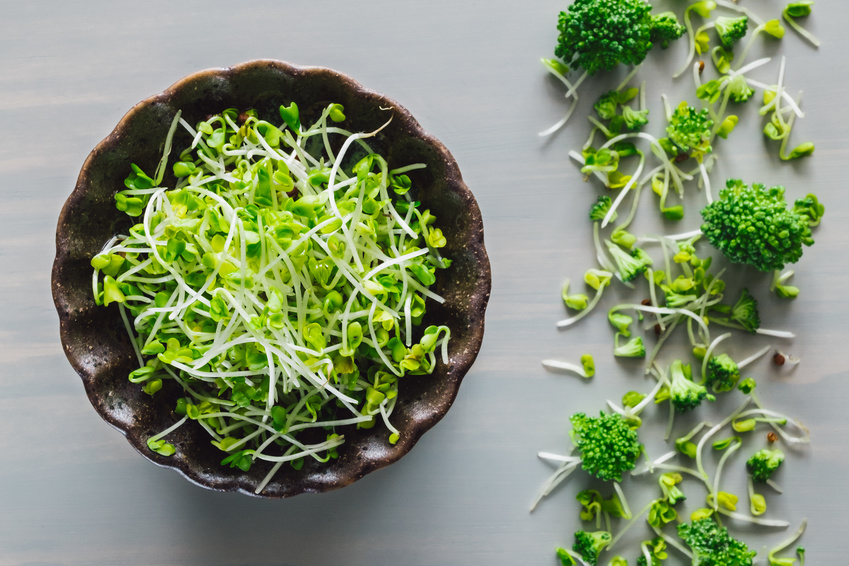
    Oil derived from sprouted broccoli seeds is rich in sulforaphane, a compound known to be highly protective of the skin, but also a natural anti-inflammatory agent that may be helpful for those of us who are healing histamine intolerance and accompanying signs and symptoms like inflammation and sunlight sensitivity.

    BROCCOLI FOR HISTAMINE

    I already loved whole broccoli for its high Vitamin C content, antioxidants, hormone-balancing capabilities (via the compound indole-3-carbinol), fiber, and versatility in cooking. When I learned more about the compound, sulforaphane, present in broccoli and other cruciferous vegetables (and highest in broccoli sprouts) I loved it even more.

    The Vitamin C in broccoli already makes it a great antihistamine vegetable to include in your healing histamine diet. But the sulforaphane takes it up to the next level. Not only does sulforaphane act as an antihistamine, but it also has evidence of helping with neurodegenerative diseases, cancer, cardiovascular diseases, inflammatory conditions, and more. It is a powerful compound to include on a regular basis. And if you want to get the most bang for your buck, broccoli sprouts are the way to go. After all, each sprouted seed has all the nutrients and information needed for the growth of an entire broccoli plant. You’d have to eat a lot of broccoli to keep up with the sulforaphane you’d get from just a small handful of sprouts.

    And an oil from the sprouted broccoli seeds makes sulforaphane even easier to include on a regular basis.

    A SULFORAPHANE-RICH OIL

    Broccoli seed oil has been found to be rich in sulforaphane. We already know this compound is highly beneficial to the body — but how do we get it in? The nice thing about having a sulforaphane-rich oil rather than just the whole broccoli or broccoli sprouts is that the oil can be applied topically, as well as ingested. Studies have shown that sulforaphane does indeed enter the body transdermally — right through the skin cells and into the bloodstream. And not only can we get it into our bloodstream via the skin — It actually protects the skin.

    Broccoli oil has been shown to protect the skin from damaging UV rays –not by acting as a sunblock or sunscreen, but by increasing protective enzymes in the skin, helping the skin cells protect themselves. This means it doesn’t matter if it washes off. The effects last for several days, rather than a few hours. And the protection remains even after the broccoli oil is no longer on the skin.

    Additionally, its high linoleic acid content helps promote the production of ceramides in the skin. Translation: this oil is also anti-ageing.

    OTHER BENEFITS OF BROCCOLI OIL

    Broccoli oil has long been my go-to hair styling product. Usually, someone with very curly hair, as I have, would rely on silicone based hair styling oils to tame the frizz. While silicones aren’t particularly hazardous to health, they are kind of like putting plastic wrap on your hair and skin. –They don’t let you “breathe.” They can also tend to trap bacteria and oils in when you probably don’t want them there. And since silicones aren’t biodegradable, the cumulative use of these products isn’t great for the environment, either. I had read years ago that this oil mimics silicone when applied to hair, and yup, it totally works on frizz and does it better than the silicone products it replaces.

    So, it’s an anti-ageing skin oil, a hair taming oil, and a topical source of sulforaphane for antihistamine, anti-inflammatory effects. What more could a girl want?

    HOW TO USE BROCCOLI SEED OIL

    I’ve already talked about a few great uses for broccoli oil, but here are some specifics. Definitely keep it in by your bathroom mirror so it’s handy for hairstyling in the morning and to add to your moisturising skin routine at night. You can include the broccoli oil along with one or two of these other great antihistamine & anti-ageing oils.

    If you want beautiful, silky smooth hair without any extra effort, you can add a few drops of broccoli seed oil to your favorite conditioner. Then leave the conditioner in your hair a few minutes while in the shower, and you’ll have a shine-enhancing, deep conditioning treatment that rivals a high-end salon or spa.

    If you want to easily add some sulforaphane to your diet, add a few drops to your morning juice or smoothie. You can also easily add a couple drops to your histamine-fighting olive oil-based salad dressing. You can even just add the drops on an entire bottle of extra virgin olive oil so that without thinking about it you automatically have sulforaphane-infused oil for your salads.

    PRECAUTIONS

    Keep in mind that if you have allergic or other reactions to broccoli or thiols, you may also react to broccoli seed oil.

    ——-REFERENCES——

    Akhlaghi, M. & Bandy, B. (2010). Dietary broccoli sprouts protect against myocardial oxidative damage and cell death during ischemia-reperfusion. Plant Foods for Human Nutrition, 65(3):193-9. doi: 10.1007/s11130-010-0182-4.

    Bahadoran, Z., Mirmiran, P., & Azizi, F. (2013). Potential efficacy of broccoli sprouts as a unique supplement for management of type 2 diabetes and its complications. Journal of Medicinal Food, 16(5), 375-82. doi: 10.1089/jmf.2012.2559. Epub 2013 Apr 30.

    Johns Hopkins Medical Institutions. (2007, October 23). Broccoli Sprout-derived Extract Protects Against Ultraviolet Radiation. ScienceDaily. Retrieved May 20, 2018 from www.sciencedaily.com/releases/2007/10/071022171929.htm

    Price, Annie. “Broccoli Seed Oil: The Next ‘It’ Oil for Anti-Aging?” Dr. Axe, 5 Sept. 2017, draxe.com/broccoli-seed-oil/. Accessed 20 May 2018.

    Royston, K. J., & Tollefsbol, T. O. (2015). The Epigenetic Impact of Cruciferous Vegetables on Cancer Prevention. Current Pharmacology Reports, 1(1), 46–51. http://doi.org/10.1007/s40495-014-0003-9

    Sikdar, S., Papadopoulou, M., & Dubois, J. (2016). What do we know about sulforaphane protection against photoaging? Journal of cosmetic dermatology, 15 1, 72-7.

    Tarozzi, A., Angeloni, C., Malaguti, M., Morroni, F., Hrelia, S., & Hrelia, P. (2013). Sulforaphane as a Potential Protective Phytochemical against Neurodegenerative Diseases. Oxidative Medicine and Cellular Longevity, 2013, 415078. http://doi.org/10.1155/2013/415078

  • Healing Histamine on a Budget

    Healing Histamine on a Budget

    Addressing histamine intolerance and mast cell disorders doesn’t have to cost an arm and a leg. Much can be accomplished simply by eating anti-inflammatory, antihistamine whole foods. You have to eat, anyway. And there are plenty of lifestyle choices that can help lower your histamine levels and promote healing. Here are some simple, lost-cost ways to get you on the right path to healing.

    SHOP WISELY

    Buy in bulk– especially for the freezer. You can buy frozen kale, collard greens,  broccoli, cauliflower, asparagus, green beans, sweet potatoes… all kinds of produce… in the freezer section. Frozen vegetables are generally picked and frozen at peak ripeness, so they may even be better tasting than what you can get fresh. They can also be less expensive. Watch for sales and stock up.

    Fresh herbs can be added to olive oil in an ice cube tray, then frozen, and added to a Ziploc bag in the freezer. You can even make your own dairy-free basil pesto and freeze it. Then you have an easy, antihistamine addition to soups and sautees.

    Some inexpensive histamine-lowering superstars include Holy Basil/Tulsi tea, red onions, apples, ginger, and parsley.   

    ALWAYS GO IN WITH A PLAN

    The biggest mistake I made for years was going into the supermarket without a shopping list. With no plan I’d wander the aisles aimlessly wondering if maybe this time X food would actually work for me and I wouldn’t end up eating two bites and then tossing it in the trash. If you’re trying to re-introduce foods, then buying something, having a bit and then freezing the rest (till you’re ready for it), is a good money saving strategy.

    OR, SHOP ONLINE

    Online shopping has been an absolute blessing. More so when I lived in London and we didn’t have to tip the grocery delivery people.

    But Amazon’s recent acquisition of Whole Foods has brought affordable online shopping to the US finally. I have my shopping list and just re-purchase everything I bought last time. No stress, tons of time and money saved.

    CHOOSE A MOSTLY PLANT-BASED DIET

    For plenty of inflammation-lowering compounds, antihistamine flavonoids like quercetin, and plenty of healing antioxidants, your best bet is a diet that is rich in certain plant foods. As long as you are buying whole plant foods and not prepared or processed foods your food budget will go a lot farther than one based on animal protein.

    Make green salads a major part of your diet. Almost everyone agrees that more green leafy vegetables in the diet is a good thing. With plenty of DAO-inducing olive oil and complex foods like rice or lentils or a few nuts, you’ll be replete with anti-inflammatory foods that keep hunger at bay.

    Some inexpensive, satiating, anti-inflammatory and/or low histamine foods include boiled red lentils, chickpeas, winter squash (Kabocha and spaghetti squash are lower carb), and white rice.

    LEARN TO LOVE YOUR KITCHEN

    Buying prepared foods, whether at a restaurant or at a deli, adds up quickly. The best thing you can do for your budget, as well as your health, is to learn to love your kitchen. To do that, make sure it’s well stocked with antihistamine herbs and spices, condiments, canned goods, frozen produce, and of course, basic cooking utensils.

    Keep up with dishes and putting things away so that it is an orderly, inviting place to spend time. Some fresh herbs in pots (basil, parsley, cilantro, rosemary, thyme) beautify your kitchen and provide access to taste- and antioxidant- enhancing ingredients to add to your dishes.

    ELIMINATE WASTE

    If you make a big batch of soup, freeze it in individual servings so that you don’t have leftovers for the fridge… which just accumulate histamine-raising bacteria over the span of a day or two. And then you have to throw it out. Label your freezer containers with contents and dates so that you know what to use first.

    The same thing goes for cooking up red lentils or low histamine grains in bulk. Don’t spend long hours in the kitchen day after day; instead, pick a day or two a week to do some “batch cooking.” Then freeze in single servings, and you’ll have just the right amount with no leftovers to worry about. Who actually likes leftovers, anyway?

    EMBRACE FREE, HISTAMINE-LOWERING LIFESTYLE CHANGES

    While food is a major component in the pursuit of health and vitality, it’s not everything. Lifestyle choices can make or break an otherwise healthy diet. If you’re eating a perfect diet, but are under a lot of stress and exposing yourself to toxic chemicals, it’s going to be difficult to keep your histamine levels in check.

    While formal classes and massage appointments are great, there are other ways to keep your histamine bucket from overflowing. Technology has given us access to so many free resources it’s mind-boggling. You can go on YouTube and find guided meditations, restorative yoga sessions, calming Classical or spa music, and even something called Emotional Freedom Technique (EFT). All of these things can help bring down stress levels which helps you get inflammation and histamine levels in check.

    If you want to “unplug” to heal histamine, all the better. Go for a walk out in nature. Listen to the birds. Go sit on the beach and listen to the waves come in. Sit by a waterfall. Just take in some sunshine and fresh air — however you can. Take a nap. Take a break. Do something that you love — something that brings you happiness. Anything that raises those “feel good” chemicals in your body is going to help in the healing process. Do what you love and the healing with follow. Cheers.

GET STARTED HEALING HISTAMINE

WHAT YOU NEED TO KNOW ABOUT HISTAMINE DELIVERED TO YOUR INBOX