Category: Interviews

  • Dr Janice Joneja Histamine Intolerance interview pt2

    Dr Janice Joneja Histamine Intolerance interview pt2

    histamine

    In the second part of our interview Dr Janice Joneja explains:

    – How antihistamines are driving up your histamine level

    – Which hidden food additives are torpedoing your recovery

    – Why you shouldn’t worry about going too low histamine

    – The biggest danger you’ll face on the low histamine diet

    – Her approach to salicylate intolerance

    – Brain fog

    – How excess histamine is causing anxiety disorders

    – Why histamine makes you crazy!

    – The five most important steps in histamine intolerance recovery

    You’ll find part one of the interview here.

    http://youtu.be/MQt9wfbgodA

    Here’s the full interview transcript:

    Dr Janice Joneja histamine intolerance interview part 2

    Dr Joneja, I personally don’y take antihistamines because I found that they made things worse for me. Could you please share with us your opinion on antihistamines and their proper usage?

    Some people, especially those who have the so-called idiopathic urticaria, angioedema – where we know we’re dealing with excess histamine – they’re usually prescribed by their physicians to take antihistamines. Now, antihistamines may help during crisis situations where you have excess histamine released rapidly in an allergic response. However, if they are taken prophylactically to try to reduce the effects of histamine on a chronic basis, the reverse situation can happen. Let’s look at antihistamines – how do they work? What they do is they block the receptor on cells that normally histamine would couple to. So in order for histamine to do its work it has to couple with the receptor on a cell and turn on the process. Now, an antihistamine is a mimic of histamine. It couples to that receptor and thereby blocks histamine and doesn’t allow histamine to get to that cell and turn on that process. However, it does not reduce the production of histamine – there is just as much histamine being produced. So it doesn’t stop the production of histamine, it just stops thew histamine from getting to the cell. Over time, the body is going to recognise that it is making histamine, but it is not doing its job. Which is information or allergy symptoms or whatever it might be – but it is protection. So histamine is not doing its job. Uh-oh, I better make more histamine.. We have a rebound effect. And so if antihistamines are taken regularly or even prophylactically, we going to end up with the situation where the body makes even more [histamine], because the body senses that it is not making enough.

    So we have to be very, very careful about using antihistamines – they may be what we might say is a rescue remedy for an acute reaction, but only occasionally and only as needed, because otherwise we are going to have this rebound effect where the body is saying “okay – better make more [histamine]”. And that is what happens. I would be very, very cautious about that.

    Absolutely. My actual healing began when I quit antihistamines. I went through a rough patch for a while but then I definitely felt much, much better.. That’s very good to know.

    You are exemplifying exactly what my research has indicated, that you have to be absolutely cognisant of the process that you are dealing with and the processes that you are trying to intervene in, because you can intervene and make things a heck of a lot worse if you don’t understand the process. That, unfortunately, is what a lot of the information on the web is doing. Which is potentially making things worse, as a result of not understanding the process. The process is so important. And on that topic which I didn’t address when we were going through the foods to avoid – are the important additives that are going to release histamine on their own. So they’re the ones that one has to understand the process in order to know why to avoid them. For example, sulphites, benzoates, and tartrazine (a food dye, a synthesized dye). These are the ones we know, from the sparse research that we do have, that they can release histamine. And so these are the ones that we have to be careful about as well, because we do have this effect – that may be a rebound effect as well because of the way that these additives interact in the body.

    Do natural antihistamines such as quercetin, rutin and luteolin and other bioflavinoids also cause a rebound effect?

    I honestly can’t answer that question because I don’t know of any research which is specifically showing us the process. Now, I need to know the process in order to answer the question because if in any way it actually interferes with the histamine balance in the body, if it basically influences how much histamine is being produced, we have to be careful because as the body senses that there is insufficient [histamine] for protection – it will up the levels. One has to be careful about that. I’m never a very big supporter of additives or supplements if I don’t know how they function. Because otherwise we may be making things worse rather than improving. So although bioflavinoids are theoretically going to be very beneficial, there is still a body of research that indicates that even antioxidants and so on and so forth, can have a negative effect if we are dealing with a rebound response in the body. There’s a paper on that very topic where supplements may in fact be very detrimental as a result of this interfering with a natural process in any excessive way that interferes with the balance – and that I’m always very cautious about.

    Is there any danger or any possibility of going too low-histamine diet-wise?

    No, no – no, because we don’t depend on excess histamine whatsoever. That does not in any way interfere or in most cases supplement the natural histamine in our bodies. We need the histamine and the body makes adequate amounts for what it needs to function, and does not depend on extra histamine coming from outside. No, no – that wouldn’t be a problem. The only danger would, of course, be if the foods are restricted and not substituted or supplemented with those of an equivalent nutritional value. That’s the danger – the lack of nutrients. That’s the big danger.

    Something that Dr Fuhrman told me, I don’t know if you’re familiar with him – he’s a doctor in the United States who promotes what he calls a “nutritarian” lifestyle, using high nutrient foods to help our bodies heal naturally – he told me that he treats people through primarily through diet for histamine issues, to try and rebuild the body nutritionally (a lot of which sounds very similar to your approach). People with salicylate intiolerance (to go off topic just for a second) often tell me they are worried that they won’t be able to recover because they have to eliminate so many of the foods that are highly nutritious. Is there a work around for them? Should they continue to attempt to reintroduce foods under the supervision of someone such as yourself?

    What one needs to do is to make sure that all natural nutrients are available as much as possible in the diet. And in order to make this very simple for my patients – and some of them just want to have a nice, simple way of approaching this – I do this with a lot of my diets that are eliminating specific foods as a result of allergy, intolerance, whatever it might be. I break it down into three major categories: protein, grain and starch and fruit and vegetables. Three simple categories. I give them a list of all the protein foods, all the grain and starch foods and all the fruit and vegetable foods that are allowed on their particular restricted diet. And then I instruct them that they must have at least one, if not more, from each category at each meal and every snack. And then I work out a meal plan for them based on all the foods that are allowed on their particular restricted diet. And this works very, very effectively – the people are usually very busy people who don’t want a lot of fuss with individual foods and individual supplements, individual vitamins and minerals, whatever it might be. I could be much more specific because I’ve also got charts that show all the micronutrients as well – but all a person really needs is to make sure that they are getting at least one food from each category at each meal and snack from their allowed foods: it works beautifully in making sure they are getting all the nutrients they require. And really – bottom line: that’s all they really need.

    Brilliant! I’m definitely going to sign up for a consult!

    I don’t think you need it! I think you’re doing extremely well on your own! I applaud what you’ve done – I think it’s remarkable. You must have done an enormous amount of research.

    🙂

    Something many of us suffer from is brain-fog. How do you explain it and do you have any tips for dealing with it?

    The most important thing about histamine is that it’s a neurotransmitter, so if you’re upsetting your balance of histamine then you’re upsetting your brain function, bottom line, you can’t avoid it. In fact, I have people – quite dramatically – who lose consciousness, for a couple of seconds, not any great deficit, but definitely get very light-headed, brain fog all the time, feeling fatigue – fatigue is a big one, very much so. And this is all to do with the fact that histamine is a neurotransmitter – so if you upset the balance there, you’re into the central nervous system functions, definitely, it’s a big factor and the other thing that I’ve found is very important in histamine are panic attacks. I did not recognise this as a symptom until in my practice I’d had three, four maybe five people in a row who came to me because of allergies, we found they were histamine intolerant – I’d got a full medical history as applied to their allergies, and their symptoms of allergies, sent to me by their physicians and so on – and put them on a low histamine diet and they came back and said “my panic attacks have gone away”. I said, “What? You didn’t even tell me you had panic attacks!” And so I looked into this and it is very, very clear what happens. Histamine has many functions in the body. One of the functions it performs is that it is a vasodilator, which means it widens blood vessels. With the widening of the blood vessel, what happens then is that there is less resistance to the heart pumping blood through the body – it’s like widening a hose and you get less resistance to the water as it’s pumped through, so the heart speeds up in order to get the same volume of blood through these widened channels. So you get a tachycardia, but first of all you get a drop in blood pressure, so that’s first in the histamine response, a drop in blood pressure, increase in heart rate, and then as the blood courses through the body, you get flushing and a rise in body heat and so on and so forth, reddening, and, of course, this triggers that panic attack feeling in a person and I’ve had people go to the emergency room thinking they are having an anaphylactic reaction, thinking they’re having a heart attack – all sorts of things. And actually, it’s excess histamine because of the widening of the blood vessels and the increase in the heart rate – and on a low histamine diet, the panic attacks have gone away.

    So I approached psychologists or psychiatrists (whoever was interested) and said “would you please do a research study with me on this?” And, well, it didn’t happen because of funding – and , oh dear, it never happens! But I just say to people if they’re feeling high anxiety – “yes, that’s what’s happening, because your blood vessels widen, your blood pressure drops and your get tachycardia and – yup, you’re into what appears to be a full-blown panic attack.”

    Absolutely, I was prescribed multiple medications over decade for “generalised anxiety disorder” that didn’t exist..

    Right, that’s it, that’s it– the anxiety disorder. It’s the way that histamine excess affects the whole body system. Not just because of it being a neurotransmitter but because of it being a vasodilator.

    I’ve noticed at times that when I’m feeling quite high histamine the veins in my hand pop out and enlarge..

    Oh, yes. Yes, indeed. The capillaries widen and what happens – this is particularly true of hives, urticaria and angioedema, is that the blood vessels not only widen but they become more permeable. So fluid builds from inside the blood vessels and causes swelling. So you get the swelling, and the reddening that’s due to the fluid moving in and excess blood getting to the site. The other symptom of excess histamine is itching. People have itching all over the place because this is another factor that histamine always does, and that’s itching. You can have hives, they’re a little swollen, there’s reddening, there’s itching – it’s all histamine.

     A study actually came out a few days ago that I found very interesting. It was regarding a researchers in Finland having success in treating people with schizophrenia with high doses of H2-blockers, histamine receptor 2 blockers. I found it very interesting so I posted just the list of symptoms from that article: irritable or tense feeling, trouble concentrating, trouble sleeping.. as the illness continues the person may have problems thinking, emotions and behaviour including: isolation, reduced emotion, problems paying attention, strongly held beliefs that are not real, thoughts that jump between topic, hearing or seeing things that aren’t there.. And I posted these symptoms in various groups that I’m a member of, and I was quite surprised that I’m not the only person who has had all of those symptoms when in the midst of a high histamine attack..

    Yes, yes – that’s right, my patients do report all of those.

    It’s good to know we’re not alone!

    It may be that histamine excess is a part of a lot of different conditions that we have not yet recognised. And that by reducing histamine from extrinsic sources, at least to the level that we can, we may be reducing the severity if not the trigger of the symptoms in conditions that we have not yet recognised [histamine to be a part of]. I’m quite convinced that is going to happen.

    What do consider to be the five most important steps in the histamine intolerance recovery process?

    Recovery. Now, the situation is that if a person is histamine intolerant as a result of diamine oxidase deficiency, their recovery is going to be limited to controlling the level of histamine that their bodies have to cope with. We know that they are going to require a certain level of histamine for health – they’ve got to have it for brain function, digestive function and protection, so that’s a given – they’ve got to have histamine. What they have to do is come to terms with the fact that because they have a threshold of tolerance that is below what (in terms of quotations) would be considered normal, they have to live within their own limits. That means, first of all, recognising that they do have this problem and that is difficult at the moment because there isn’t a definitive diagnosis for them that they can go with a piece of paper in their hands and say “this is my test result, and therefore I know I have low diamine oxidase and high histamine and therefore I am histamine intolerant.” Sorry, we don’t have that at the moment. You’ve got to come to terms with the fact that, yes, this is your problem and if you have to convince people around you that this is your problem then – it’s their ignorance, put it down to that fact that you have work within that environment. Probably from your own position too, depending on where you are situated. So that’s number one – recognising the problem. Number two is coming to terms with the fact that we really don’t have any remedies apart from [people] taking control of their diet and environment. Environment will include reducing their exposure to allergens if they are experiencing allergy and the allergy could be to airborne allergens or it could be to food allergens – these have to be recognised as contributing to the problem and controlled. So, first of all we’ve got recognition; second is looking at triggers; thirdly is to get adequate advice as to a way of coping which will be a diet that is nutritionally complete and avoids all the histamine-releasing and histamine-associated foods and coming to terms with the fact that they have to live within those restrictions. And, of course, making their life as stress-free as possible – so this is another level of quality of life issue, which is to take control of their lifestyle as well as their diet and their environment. So it’s environment, diet and lifestyle. And the fifth one that may or may not help is looking at the possibility that supplementing their own diamine oxidase with a possible supplement – but that has got to be the last one because the others are more important. The diamine oxidase is only going to be a little bit of a help – it’s not going to be their remedy. Those are the five important points in my approach.

    The most important thing is that anyone dealing with this condition should be cautious. And by being cautious, I mean do not go to the point of restricting all your foods because you don’t know what to eat. Make sure that you are getting good advice, from someone like yourself, to make sure that they are getting a nutritional repletion from anything that they may have to avoid. I think it’s sort of a lifestyle approach that must be tempered with common sense. Don’t run around the web taking every diet that you see and avoiding everything on every list. Make sure you’re getting good advice, you’re actually avoiding the things that are going to add to the problem, and do not keep running for every supplement that you read may help the situation because in most cases – in many cases – it can make things worse, just as we’ve discussed.

    Absolutely. I’m just really excited to have had this conversation with you. It’s been incredible.

    I’m so happy to have the opportunity because I feel for so many years that I’ve been this little voice in the wilderness – and, you know, I’m not terribly popular with certain clinicians as a result of them feeling that is “alternative medicine”! And it isn’t! I’m an absolutely traditional scientist – I couldn’t be more traditional! You know, everything has to have evidence-based research – everything I do!

    That’s why I love your work!
  • Dr Janice Joneja Histamine Intolerance Interview Transcript

    Dr Janice Joneja Histamine Intolerance Interview Transcript

    more

    Don’t forget to sign up to my newsletter to make sure you don’t miss the second part of this interview.

    Dr Joneja and I cover:

    – How antihistamines are driving up your histamine level

    – Which hidden food additives are torpedoing your recovery

    – Why you shouldn’t worry about going too low histamine

    – The biggest danger you’ll face on the low histamine diet

    – Dr Joneja’s approach to salicylate intolerance

    – Brain fog

    – How excess histamine is causing anxiety disorders

    – Why histamine makes you crazy!

    Dr Joneja interview part 1 transcript:

    Dr Joneja thanks for joining us today. I’d like to start off with an explanation of how allergies are different to histamine intolerance.

    An allergy is quite different, we now see histamine – we should say either histamine excess, histamine sensitivity and histamine intolerance are all used rather loosely but they all actually mean the same thing, which is that the body is trying to cope with an excess of histamine and this is separate and distinct from an allergy. Now, an allergy always involves the release of histamine so obviously we are going to have very similar symptoms from either the histamine released in an allergy – which, of course, will be an excess (that’s what’s responsible for the symptoms) – or we have the same symptoms from histamine which is rising in the body as a result of several other events, separate and distinct from allergy; however, the two can exist together which means that the excess histamine, of course, can be coming from an allergy in addition to other things that are happening in the body. Now, having said that, histamine sensitivity or intolerance, can occur without a person having allergy at all. So they go for allergy tests, which involves detection of allergen-specific IGE, which is the antibody responsible for allergy – and the tests come back negative, and yet all the symptoms seem to indicate that an allergic reaction is occurring. So what we have here is a situation where you have an allergy with the typical symptoms of either respiratory distress, digestive tract distress, symptoms in the skin – all of which can be mediated by the histamine released in the allergic reaction. But with histamine intolerance or sensitivity, that histamine is in excess and therefore the symptoms are going to be the same

    Do you believe it’s possible to lessen allergic reactions by lowering our overall histamine level?

    That’s a very good question and the evidence seems to be pointing to the fact that – yes, this can happen. But we have to look at the reasons for histamine excess in the first place. Very often this seems to be associated with a low level of the enzyme systems called Diamine Oxidase, which break down excess histamine. Now when the histamine in the body reaches a level that the enzyme can not cope with, then we’re into the excess situation. Now, if a person has an allergy and in addition, for example, has a low level of the enzyme that breaks down the excess, we then need to lower the level of histamine overall, so that the body can cope as little better. Now, what I’m referring to here is research that indicates that people who are prone to having anaphylaxis as a result of an allergic reaction, which in some cases can be life threatening, may also have a low level of the Diamine Oxidase, which means that the histamine being released in the allergic reaction is not being broken down as rapidly as in another person, and this can reach a level where that anaphylactic reaction can be so severe it is life threatening. So in those situations, most definitely, one can reduce the effects of the allergy by reducing the histamine. Now, that is supported by research. Wether one can actually reduce the severity of an allergic reaction in people who have a normal level of the enzyme has yet to be proven by research but it would be logical to assume that perhaps one could.

    Could you please give us an idea of how histamine intolerance, mast cell activation and mastocytosis are different; if in fact they are?

    Well, actually, it’s all the same thing, because histamine is made, synthesized and stored within mast cells – so the mast cells are the focus of where the histamine comes from. So if, for example in a condition such as mastocytosis, we have an excess of mast cells, which, of course, means we have an excess of stored histamine. So anything that is going to trigger the release of that histamine, is going to lead to an excess of histamine; it’s not an allergic reaction – it is mast cells that are in excess, therefore histamine is going to be in excess, and anything that could reduce that histamine is going to be effective to a certain degree in reducing the symptoms that result from the release of histamine from the mast cells. So that’s the important factor in mastocytosis and similar conditions where there’s just too much histamine stored and then when it’s released, of course we have far too much of it so that is definitely a histamine associated condition which we could call histamine excess –  not really histamine sensitivity in its sense of being due to an enzyme deficiency, but it’s definitely an excess of histamine.

    I was initially diagnosed with histamine intolerance in 2010 by a histamine plasma and diamine oxidase test. It was only just a few months ago I found out that I actually have mast cell activation disorder – which makes sense in terms of the very severe symptoms I experienced; including anaphylaxis. What advise do you have people who believe they have a histamine disorder and are looking for diagnosis?

    Now, you have brought up a very important point here – and that is that we do not have any definitive tests either for DAO function or histamine levels. What I mean here is that histamine fluctuates in the body constantly. We require histamine for brain function, it’s a neurotransmitter. We require histamine for digestion because it’s the trigger for the release of gastric acid, which is always released when we start to eat – it’s the first stage of breakdown of protein in the stomach, for example –  and we require it constantly for protection because histamine is one of the ways the body fights infection or any adverse event in the body because these events will result in inflammation as the result of histamine release. So, histamine fluctuates in the body constantly, and so a normal level would be different when, for example, a plasma sample is taken at different times during the day – different events during the day – and then in addition we might be able to measure DAO in blood, but it does not translate – never will translate – until we’ve got far better research into what is the importance of that level in clinical outcome. For example, you could say – ok, a plasma level of DAO of such and such will mean that you are going to have a histamine excess. Well, that really  is not the case. Diamine Oxidase is at different levels in different organs throughout the body and we have it in the digestive tract, we’ve got it in the kidneys, we’ve got it throughout different organs at different levels and so how these function in controlling the level of histamine and how that translates into histamine excess symptoms is totally unknown. So this, unfortunately, although it’s actually very fashionable to take these tests (laboratories are making a lot of money from these tests), they really don’t tell us very much at all. So, there we are in the beginning of this being recognised as a separate entity from allergy, but the research does not tell us exactly what this is going to translate to in a particular individual.

    Very interesting you say that because it’s something I’ve suspected that for a long time.

    You are correct – a lot of people are suspecting this now as they realise that the research does not support this. And does not support the way..  you know, we’re so used to medical tests – that’s our problem – so used to being told that we have to have a test for every condition that we see.  The test results will then determine the diagnosis, the diagnosis determines therapy and so on and so forth.. That’s what we call the medical paradigm. And, unfortunately it can not be applied either to histamine sensitivity or to allergy, if we really take it to its extreme – but we’re talking about histamine sensitivity, so we really don’t want to go into the complexities of allergy at this point. But I just want to emphasise that – no, it does not apply at the level that our research is at the moment.

    So if someone suspects they have a histamine condition, how would you advise they go about confirming it?

    Well, as a result of my own research and the articles that I have written, I have as very large practise in this particular condition because so many people have the situation where they suspect they have an allergy and often their general practitioner might also, because of the symptoms, send them for allergy tests – they’re negative – and so they start looking for answers. And of course on the web now we’ve got a lot of references to histamine intolerance – many of which are totally and completely wrong, but there we go! The idea is then planted and then they will go to look for tests, because that’s our medical paradigm. The tests will then either confirm – and often do confirm, because these tests are often indicative of fluctuating histamine levels, which can be high in certain situations and so on, and maybe low Diamine Oxidase although we can not specify what low Diamine Oxidase is because we don’t have an normal level to compare it with.. And so, they end up saying “what do I do now?” When they come to me, after having had many different routes around, what I do is to look at their history – that’s very, very important – so I need their medical history, I need all the results of every test they’ve had and then if the indications are (oh, and they always keep a seven day food and symptom record very carefully, I give the instructions and the recording chart) then, based on that, if it is clear, and often it is very clear, because I suppose I’ve been doing this for almost twenty years now, so one sees this pattern very clearly, or not.. And then I start a low histamine diet – very important. Then, as a result of that, which I developed over the years based on my research, then we can tell very quickly whether they have a histamine sensitivity problem because the results are quite dramatic. And then after that we can then perhaps introduce the idea of supplementing Diamine Oxidase as see if that will then help the problem. But in most cases if it is histamine sensitivity, we’ll reduce the external forces of histamine – and that’s all we can do. Then, in itself, it becomes both a diagnosis and a therapy.

    The results of the diet are indeed dramatic, I went from thinking I was on my death bed to being pretty much fully functional in a matter of months. It was amazing.

    Yes – actually, I’ve had people improve within a few days of reducing it, particularly if they are already following a high histamine diet, as many people do – unknown to themselves.

    Absolutely – they’re thinking they’re being good to themselves by eating all the foods they’re told are healthy – avocados, tomato, fish, shellfish.

    Yes indeed..

    That brings me to the question I am definitely most asked – which foods are safe. My response is that it varies from person to person, aside from the ones that are agreed upon by most lists: soy, shellfish, fermented foods etc.

    Absolutely, I think that is the most important question and I’m very happy to be able to answer it for you because there is so much misunderstanding about the condition and how to manage it because people don’t understand the process – and that’s what I’ve been researching: I always go to the cause, to the process – what is happening, before throwing around different lists and so on. Now, the most important thing about histamine intolerance is that – and this is the biggest difference between histamine intolerance and allergy –  histamine intolerance is a dose related condition, which means that when you exceed your own limited tolerance, then you are going to show symptoms. So, to make this very simple, I give the analogy of filling up a bucket with water. We start at the bottom of the bucket with essential histamine – that will be histamine that our body makes for brain function, digestive function, protection – so we’ve always got a little bit of water in the bucket to begin with. Now if a person has an allergy, for example during the pollen season, so there are respiratory allergies, such as hay fever, they’re releasing more histamine, so that adds more water to the bucket. And then they may be consuming – well, they may even have an allergy to cats or dogs or something, so animal dander can add a bit more to the bucket. Then, they may be eating a high histamine diet: tomatoes -for example, cheese, a glass of wine, a pizza with pepperoni – each of these are adding on to the water that is already in the bucket. Some of these are already quite high and adding more and more and more – when that total level reaches the top of the bucket, it overflows – that’s when symptoms occur, because that’s exceeded the enzymes in the body’s ability to break down the excess and excrete it through the kidneys. So then we see the symptoms – so you can visualise the top of the bucket being that particular person’s limit of tolerance and they’ve filled up the bucket and it’s overflowed and that’s their symptom trigger. So, what we’re dealing with is: each of the different events that are going to add to the water in that bucket. That was your question – where are these things coming from? Multiple sources, but as long as we understand each of the sources, we can control it. What we’re doing is reducing that level that is above the level in the bucket that we require. So anything on top of that  – especially in the diet – we’re going to bring down that level in the bucket. So, let’s look at where this histamine is coming from outside the body. This is what we call extrinsic histamine. So, as you said, we’ve got a variety of different foods – let’s look at the food themselves: where is the histamine coming from? Well, in fish, for example, you buy fresh fish, freshly caught and gutted, frozen fish: fish don’t have any histamine. But, if they are not processed adequately, if they are not frozen immediately after they are caught and gutted, then the bacteria in the gut of the fish start to break down protein. The protein of the flesh contains many amino acids, the most important of which (in our discussion) is histadine. Histadine is converted to histamine by histadine decarboxylase which is a specific enzyme which these bacteria make. This enzyme converts the histadine into histamine and the longer the fish is hanging around unprocessed and un-gutted – the level of the histamine rises and bacteria multiply every twenty minutes. So that histamine could rise pretty rapidly. So there’s the source from the fish. We can eat fish if we have an excess of histamine but it has to be freshly caught, gutted immediately or frozen immediately.

    People often question my use of salmon, tuna and other high omega 3 fatty acid darker fleshed fish. I personally haven’t noticed any difference in my reaction to white or darker fleshed fish. Is dark fish higher histamine?

    No – it makes no difference whatsoever. It’s the bacteria in the gut. Now, talking about canned fish, in North America, I’m pretty sure it would be true in the UK too, we have very stringent regulations regarding caught fish. It’s usually frozen on board ship. That’s fine, because the bacteria don’t have a chance to multiply and act on the flesh. But, a lot of the fish that is canned in countries where the regulations are not as stringent can be from fish which does contain histamine as a result of the processing. So anything that is coming from sources that we don’t know have been processed adequately, avoid – because there is a chance of the fish having already been broken down – the  histadine and the histamine has risen. The other caveat with canned fish – some of it is sulphited, as sulphites release histamine (by a different process) – anything sulphited must be avoided because  that will release histamine. Shellfish, we don’t gut – so obviously, the shellfish are out because the bacteria in the gut of the shellfish do a similar thing – converting histadine to histamine and that’s always a potential source of histamine, so avoid shellfish – that’s the simplest thing. Now, as far as going through other protein foods – anything that is fermented or processed is going to contain histamine. We’re looking at things like pepperoni, salami, baloni, bologna – all of the processed and fermented meats are actually aiming to give flavour to the foods so this is completely out because of the high level of histamine. So, as far as meats on the histamine-restricted diet, only the fresh meat itself – for example, a roast or roasted poultry or things like that, which is not processed and not fermented – so those are okay. Then we go to other protein foods such as eggs – in themselves don’t contain histamine, but egg whites are known to be a histamine-releaser. So anything with excess egg whites – mouse, or merengue or baked alaska, for example, where the egg whites are predominant, are not a good food for histamine. A small amount of egg in a baked product doesn’t seem to be a problem at all.

    How about fermented foods – don’t we need some of those?

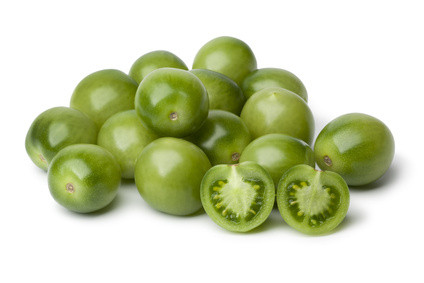
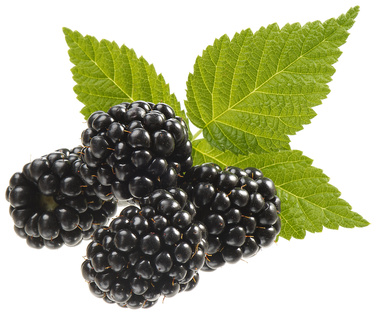
    The fermentation process is going to release a certain amount of histamine, so that’s where probiotics – which are in milk, fermented milk, are not a good idea – but the other protein food which is very important is milk. Now milk, in itself, is perfectly okay, as it doesn’t contain histamine, but fermented milk products, of course, do – because there we’ve got the microbial fermentation and histamine being a product as result of histadine breakdown, histadine conversion. So, cheese, for example, anything that has a microbial culture, including yoghurt, buttermilk, keffir – any of the fermented milk products are likely to contain histamine, whereas milk or cream, including ice cream (as long as it doesn’t have another ingredient that is histamine releasing) and butter, are perfectly okay: it’s the fermented milk products that are a problem. And then we get to the fruits and vegetables. Now some of the fruits and vegetable do have a high level of histamine or may release histamine. I found a very interesting article, years ago actually, in a rather obscure agricultural paper, very interesting, and I was looking into that a little bit further, and it seems that some fruits (particularly) need histamine for ripening. Particularly the red ones. So things like tomatoes, cherries even red beans, for some obscure reason that I can’t find in the research literature, but I’m hoping someone will look at this more closely, they need histamine for the ripening process. So, for example, people who have histamine intolerance, they can probably eat – well, I’ve found this – green tomatoes. And there is a species of tomato that does not ripen. And the histamine level in that is very low, or non-existent. Berries – now this is different source of histamine. Berries tend to be high in benzoates. Natural benzoates. Benzoates release histamine. And so certain berries are higher in benzoates and so release more histamine. And the berries that I see that are really problematic tend to be strawberries, raspberries, cranberries – cranberries are a great, sort of, health food, but for a person who has histamine intolerance they can be a problem. So berries and the benzoates, rather than the ripening process. So, looking at all of these I have made up a list as a result of looking at the ones that are high in histamine, from laboratories that have done histamine level tests, as well as those that are likely to release histamine as a result of the benzoate level. So my lists include the vegetables and the fruits that are associated with histamine levels and histamine release. And then we come to the herbs and spices – and again, looking at these, what are we looking at? Well, in cinnamon, it has a very high level of benzoates – so again we’ve got this factor where histamine is released as a result of the benzoates in the cinnamon. And cinnamon in any spice mixture such as curry spice mixture, chilli spice mixture – and then there are certain herbs which release histamine. Thyme, for example, releases histamine.

    Thyme – well there’s one I certainly wasn’t expecting to hear! I eat thyme with almost every meal and it never fails to make me feel better – it’s in most of my recipes…   

    Well, maybe you don’t have this problem with the benzoate release…

    Ah, that does make sense because I have no problem whatsoever with berries…

    Most of the herbs are okay – it’s the spices which are problematic. Cinnamon, cloves, anise and nutmeg. Thyme is one of those that may or may not be a problem. And I suppose it depends on the species too. We don’t have that research to tell us – it’s the only herb, actually, that is associated with a possibility of the benzoate [process]. . The other group that I haven’t mentioned are the legumes, and the two which are very problematic are soy and red beans.

    How about chickpeas and lentils? A lot of people seem to have the idea that they’re high histamine.

    No, no they’re not. Not really.

    Great! Because I certainly don’t feel that they are…

    That leads me to the thyme information that you just gave me…this is something that I find interesting. A lot of foods that appear on high histamine lists also have positive attributes including some anti-inflammatory, mast cell stablising or antihistaminic properties – such as some varieties of mangos, peaches and cacao. Do you feel that lists adequately address this and how should we weigh up the anti-inflammatory/antihistaminic properties of foods in relation to their appearance as a “no” on these lists.

    Yes, it is a matter of risk-benefit balance. Always a factor when we’re looking at therapies, whatever they may be – dietry, drugs, whatever we’re looking at, really. It’s a risk-benefit balance that we are looking for, where we have more benefits than we do risks. Of the lists that you gave me, mangoes are okay on any histamine list. There’s no reason to avoid mango. Blueberries: these are berries, some of them will have benzoates, some of them don’t – it depends on the species, the ripeness and all sorts of things. Blueberries are low on the berries list, but all berries do have certain level of benzoate that we do have to be a little bit cautious about. So these are usually perfectly okay – the level, the association with histamine is not really significant. Of the list you gave me – cacao: that is a problem with histamine, that one I wouldn’t include. You see the problem is that it’s very difficult to associate a reaction with a specific food. You can do it with allergy, of course, because you eat the food – you have an allergy [reaction], there it is, clear and simple. But if you are on a low histamine diet already, the level of the water in your bucket is pretty low, it’s below your limit of tolerance. And so you can eat certain histamine related foods – particularly if they’re not very high in histamine or benzoate, you’re not filling up your bucket with water, so in this situation you can consume these more beneficial foods and still not fill up your bucket with water. As long as you are not consuming a lot of other high histamine foods. And that’s the beauty of histamine intolerance without allergy is that you do have this more liberal type of diet because until you reach and exceed your own limit of tolerance you are safe.

    (You’ll find six pages of antihistamine & anti-inflammatory low histamine foods in the Anti-Cookbook: High Nutrient Antihistamine & Anti-inflammatory Recipes for Health.)

    Absolutely, that is the foundation of my approach.

    Oh, I’m so glad to hear that because it is the only approach that makes any sense or has any value in histamine intolerance management, it truly is. But then, we should discuss other sources of histamine that people may like to know about other than foods. I mean, yes, we control it through food, but there are other factors, for example, this is what brings us to the probiotic question. And that is, many people who have histamine intolerance have a situation where the bacteria in their own digestive tract are converting undigested proteins that go into the colon – these bacteria convert the histadine into histamine so the body itself can be a source of excess histamine. That is important because the same bacteria in the gut of the fish that convert histadine into histamine are in the microbial flora of the colon and these people are, in fact, are the ones who are likely to have excess histamine as a result of it coming from their own microflora.

    Is this where we would consider treating with probiotics?

    Well, let me say that this is the research that – years ago I came to England to do a sabbatical – and I wanted to work on that very topic, because I have a list of the microorganisms that convert histadine into histamine because they make histamine dexycarbolayse. I also have a list of microorganisms that synthesize Diamine Oxidase, which means that these microorganisms will actually break down the histamine that may be produced by these microflora constituents. What I wanted to do was to develop a probiotic that would introduce these DAO producing bacteria and displace those that were converting histadine to histamine: we do not have targeted probiotics at the moment. We do not have probiotics available to us that will make Diamine Oxidase and that will colonise the microflora of the gut and displace the others, so all that we do at the moment is put in random species of bacteria and hope that will help. But we do not have the research that would allow us to specifically target this particular problem – that would be what we really require, is a probiotic that is targeted. I suppose that is what we’d call third generation probiotics. Specifically targeting an enzyme system to displace one and replace it with the one we want.

    DAO producing bacteria, I’m sure that’s something a lot of people have dreamed of!

    Oh, I know the species – I know exactly which organisms to use – the only thing is that we have to go through all the trials to make sure that they are fit for the human body – we couldn’t possibly just randomly throw them at people – and that’s the research that hasn’t been done.

    Well that’s too bad. Hopefully there’ll be some funding in the future because I’m sure we’d all make use of it!

    Just going bac to diet quickly. I wanted to ask your opinion. My personal dietary approach has been to remove high histamine foods, but as I go to replace them with high nutrient, lower histamine foods. But now I’ve actually graduated to the point where I’ve been able to re-introduce higher histamine high nutrient foods. I’m very concerned about the people who write to me telling me that they’ve been reduced to four or five foods. Could you please tell us how we can get past this? 

    That is the thing that I come up against so often and I think that whoever has advised them, if that’s where it’s come from, that’s really malpractice because whatever foods I take out of someone’s diet, I always insist that it is replaced by food of equivalent nutritional value. It’s the most important part of dietary practice, to ensure that the person is adequately nourished – whatever diet the person is on they should never be given a list of foods to avoid without a subsequent list of foods to substitute them with.

    Absolutely! Which brings me to the question: a lot of people who are down to a few foods – what’s the possibility – without saying that – and it used to upset me greatly when people would say it’s all in my head – it’s all in your head don’t worry eat it you’ll be fine!

     I’ve heard that same argument.. That’s just pure ignorance!

    What I am wondering though is, is there a possibility that our brain has become sensitized to a negative experience with food, or more than one food, that has caused a negative experience and that’s now colouring our experience with food. 

    A very big possibility and that I’ve seen through allergy practice through the years – because my practice is all food allergies and intolerances as well as histamine. I think people become food-phobic. They’re convinced that a food is going to make them ill or might even kill them. It is anorexia nervosa, in the true term, which means that the brain is literally starving the body as a result of fear of food – it is a fear, it is a phobic situation, most definitely. My worst experience of a patient with that was a young boy, actually he wasn’t that young – he was fourteen. He came in with his parents to me, referred to me by his doctor and he was fourteen and when I first saw him I would have said he was no older than nine, he was fragile, tiny, very thin hair, wore a baseball cap all the time because his hair was so sparse. And the history was that his mother had taken him for allergy testing when he was six months old and the allergist had done skin testing, which is never something that I would recommend ever, but there you go – six months old, skin testing and he’d come out with so many positive reactions that he was only left with about six or eight foods. And his mother diligently avoided all of the other foods – she’d been told by the allergist that the reactions were severe so he was at risk, so until the age of fourteen he had only eaten these six or eight foods. So he was literally starving, from the nutritional point of view, I mean – he wasn’t starving because he was eating adequate amounts but he was nutritionally very very undernourished. And so the first order of business was to reintroduce foods and I developed a programme that he would start with small quantities and we would slowly reintroduce foods and monitor his reactions to make sure he wasn’t reacting to the foods – so the parents now had this programme to start introducing new foods to his diet in a very controlled fashion. We set up an appointment two weeks later for them to report back what had happened and this time the mother came back only with the son. I asked them what the situation was and how they had got on and they  she said “hmm, we didn’t do it”. I said “oh, why?” And she said that the day before they were going to start the first test, the boy was so anxious that he was vomiting continuously, he couldn’t sleep – he was absolutely in a panic mode because he had been told from the beginning that the other foods he had to avoid because he would die as a result [of eating them]. So he was convinced that the beginning of his testing would mean that he was going to die. And so that was an extreme case of food-phobia to the point that the child couldn’t cope with the idea of starting these foods. I know that’s extreme but there are all degrees of that phobia that I see.

    It’s not that extreme; I come across it every day.

    Oh, you do?

    Yes, every day.

    When you come across a situation like that – personally I was given an elimination list and pretty much little else and struggled with it for a few years, not understanding why I was getting sicker. I eventually realised that I needed to add foods back to heal, but by this point I had become fearful of food because no matter what I ate I was still reacting – to everything. Because I also didn’t understand that digestion releases histamine or that histamine is required for digestion.

    That’s right exactly – you put food in your mouth and your releasing histamine.

    I learned to manage it and get over my fear of food by approaching it as, for lack of a better way of putting it, as a partner in healing.

    Wonderful. Wonderful, yes. That’s how I try to approach my patients and how to make friends with food, if you like – to use a psychological approach, I suppose, I use that a lot. But I also employ the small dose continuous exposure [idea] and I actually talk to my patients and explain what’s going on – that we have to start re-feeding as if they were babies. And as a baby they were given food – in fact, they were first exposed to food in their mother’s breast milk – that’s where we start tolerance, and I explain about tolerance and how we do the same process and give a tiny amount in increasing quantities and literally re-educating the body that this is safe, it’s going to be integrated into your body and we are going to make it part of the process of healing. That’s how I approach my patients while in that situation.

    It’s amazing to hear you say that because that’s exactly what I did for myself, with a hefty dose of meditation on the side. Meditating while prepping food, eating. Is there some kind of stress relief or meditation that you recommend to your patients?

    Well, I’m glad you brought up the topic of stress, because that is very important – in fact, I’ve got this in another of my books ‘Digestion, Diet and Disease’, where I have discussed that whole problem of stress, and give a flow chart showing that stress actually results in the release of histamine as part of the hypothalamic pituitary adrenal access process. So stress in itself, that phobic stress, around food can release more of the problematic chemicals, if you like, to put it simply. So the process itself is contributing to the problem. So anything that is going to reduce stress is very beneficial, because that is not in your head, well, it is in your head but it’s a biochemical process in your head, it’s not something you can control, it’s a biochemical process – a metabolic pathway. And that is something that I explain to my patients as well. That this is part of what’s going on and we have to gently intervene and divert to a positive rather than a negative response.

    Visit Dr Janice Joneja’s site for information on how to book a consultation.

    Listen to part two of our interview here.

    We cover:

    – How antihistamines are driving up your histamine level

    – Which hidden food additives are torpedoing your recovery

    – Why you shouldn’t worry about going too low histamine

    – The biggest danger you’ll face on the low histamine diet

    – Her approach to salicylate intolerance

    – Brain fog

    – How excess histamine is causing anxiety disorders

    – Why histamine makes you crazy!

    – The five most important steps in histamine intolerance recovery

  • Dr Joneja interview: histamine intolerance & mast cells

    Dr Joneja interview: histamine intolerance & mast cells

    tomatoes

    It lives! I haven’t managed to finish the transcription – having not transcribed anything longer than five minutes since my days at CNN, I totally forgot how much of a bugger it is. Yes I know, that’s what outsourcing is all about, but I wanted to extract all the good stuff for us to enjoy – quickly. Dr Joneja was kind enough to offer me 90 minutes of her time so the interview has been spilt into two. Part 1 is below and part two will be posted this time next week.

    For those of you not familiar with her work (do you live on Mars perchance?), Dr Janice Joneja is a pioneering histamine and allergy researcher, immunologist and dietician. Here’s a little interview taster:

    – Why you may still be able to eat tomatoes

    – How lowering your histamine level can help minimise allergies (if you’re histamine intolerant or lacking the histamine-lowering diamine oxidase enzyme)

    – Why elimination is counterproductive (wait, haven’t I been saying that too?)

    – How to figure out whether you have histamine intolerance (not what you’d expect a doctor to tell you!)

    – Why high histamine food lists vary

    – The answer to why some low histamine foods still bother you (starts with a B!)

    – Why some foods with antihistaminic properties still appear on high histamine lists

    – 3rd generation probiotics that poop out histamine lowering diamine oxidase

    – How your brain is tripping up recovery

    Since it’s not clear in the interview, I thought I should share what it is that shocked me about the interview: Dr Joneja’s approach to treating histamine intolerance is pretty much step by step how I healed myself. More than anything, hearing that I am on the same track as a doctor who has made a difference in so many people’s lives was truly wonderful. Yes, I know I have physical proof (medical tests), but knowing that people out there are watching my recovery and cooking up the recipes that took me from my “deathbed” (so it seemed for a long while) to the incredible health I now enjoy, is a responsibility. I’m overwhelmed to see I’m on the right track, but a little sad that I didn’t meet Dr Joneja a few years ago.

    So here it is, the Dr Janice Joneja interview on the role of diet and nutrition in histamine intolerance, mast cell activation and mastocytosis:

    Then don’t forget to isten to part two of our interview here.

    We cover:

    – How antihistamines are driving up your histamine level

    – Which hidden food additives are torpedoing your recovery

    – Why you shouldn’t worry about going too low histamine

    – The biggest danger you’ll face on the low histamine diet

    – Her approach to salicylate intolerance

    – Brain fog

    – How excess histamine is causing anxiety disorders

    – Why histamine makes you crazy!

    – The five most important steps in histamine intolerance recovery

    About Dr Joneja

    Dr. Joneja is a researcher, educator, author, and clinical counsellor with thirty years of experience in the area of biochemical and immunological reactions involved in food allergy and intolerance. She holds a Ph.D. in medical microbiology and immunology, and has been a member of the academic faculty of the University of British Columbia and other universities. Currently, she is an adjunct professor in the Faculty of Agricultural Sciences at the University of British Columbia, and an Honorary Research Fellow in the School of Biosciences at the University of Birmingham in England. Dr. Joneja is also a dietitian (RD), registered in the College of Dietitians of British Columbia, a member of Dietitians of Canada, and the American Dietetic Association. For 12 years she was head of the Allergy Nutrition Program at the Vancouver Hospital and Health Sciences Centre. She is the author of five books and a dietetic practice manual on food allergy, and her work has been published in peer-reviewed scientific and medical journals, as well as in popular magazines. Dr. Joneja is a respected lecturer at universities, colleges and hospitals internationally, and regularly appears on television and radio call-in shows as an expert in her field.

    It’s finally here! Man Food – a high nutrient antihistamine and anti-inflammatory ingredient filled book geared towards guys, women who love to work out, yoga like they mean it, or just load up on healing nutrients. Features my personal shopping list of antihistamine and anti-inflammatory foods. 

    The Anti-cookbook and all liquid Anti-Detox Book, don’t treat any conditions, but feature a plethora of the high nutrient antihistamine and anti-inflammatory ingredients that have been instrumental in helping me feed myself on a limited diet. The Anti-cookbook features a six page list of antihistamine and anti-inflammatory foods and comes in regular and Paleo. 

    The Low Oxalate Cookbook features antihistamine and anti-inflammatory rich recipes. 

    Don’t miss the Low Histamine Beauty Survival Guide for non-toxic beauty tips, the skinny on histamine releasing (mast cell degranulating) beauty ingredients, antihistamine and anti-inflammatory beauty alternatives and the top brands natural brands I’ve found.

    Take a peek at my other low histamine and antihistamine cookbooks for more high nutrient recipes and sign up to my mailing list for freebies. 

    Please remember, even antihistamine and anti-inflammatory foods can hurt us, please always exercise caution and consult a medical practitioner before adding new foods. 

  • INTERVIEW: HIPPOCRATES INSTITUTE DIRECTOR DR BRIAN CLEMENT

    Last weekend, thanks to Gina S. and Jill Swyers of the Fresh Network and Hippocrates Institute, I was incredibly privileged to be granted an interview with the director of what I consider to be the world’s most prestigious natural health institute. As much as I’ve changed my diet over the years, speaking with Dr Brian Clement left me feeling like a slacker.

    His top ten healing foods for allergies, histamine intolerance and mast cell disorders was especially eye opening.

    Always ready to try new approaches, or intensify existing ones, I’m now redoubling my antihistamine and anti-inflammatory diet efforts thanks to my new masticating juice and dehydrator. Expect some fun pictures in the near future! I’m having nothing but green juice with sprouts for breakfast and lunch this week and feeling pretty incredible as a result.

    I’m trying to get on the ball video-wise – this should be the first of many. I’ll be posting some thoughts/analysis on the Clement interview and how it’s driving my nutritional transition as well as an interview with Hippocrates Institute nutritionist  Jill Swyer.

    And now an apology – this video was supposed to be shot by my cameraman, but he wasn’t able to make it. I was planning to be in the frame with Dr Clement, so that we could have a conversation rather than soundbites, but I had to shoot this at the last minute on my DSLR (not tried it before) and the tricky focus got the better of me. Many apologies for that. They’ll be much better in the future…

    You’ll find the transcript of the video below.

    My questions to Dr Brian Clement are in italic bold.

    How does the Hippocrates Institute treat allergies, histamine intolerance and mast cell disorders?

    Nourishment is a key component in doing this and most people are completely misguided when it comes to nutrition. They’re told things like meat is a good source of protein, there’s no meat involved, including fish or chicken. They’re told, as an example, that dairy products are good for you, there’s no dairy products involved in this – it’s all plant based organic so that we don’t confuse the body’s hormonal system with pesticides, fungicides and herbicides. Of course we intervene with a lot of cutting edge medicine (non invasive therapies):  electromagnetic cold laser, H wave treatment, cyber scan – the list goes on and on. And when you get a person who’s willing to change his or her life, we see these people bring about recovery for themselves.

    How important or counter productive is food elimination in the early stages of allergy/histamine/mast cell treatment?

    What one has to do is understand is that nutrition is paramount in keeping the immune system strong.  Avoidance of certain foods is a given, but its about the inclusion of healthy foods and so you don’t give up everything and eat junk or eat nothing. What you do is that when you give up bad you replace it with good. You can read in my books, if not come to the institute, ‘Living Food for Optimum Health’ and ‘Life Force’; we portray what we’ve learned over the decades.

    Salicylate intolerance, how will these people heal if they can’t eat the very foods that are richest in nutrients?

    Well number one you have to recognise that when you avoid particular things, even in healthy foods, it’s not permanent and there’s such a wide array and a full spectrum of nutrients that it’s not as if you’re going to lack anything. So if we’re not going to eat grains because they have active ingredients in them that the body’s not responding to well, you replace that. There are other forms and other things we can use, other grains that you may be able to use. The world is big and wide and we’ve explored and pioneered it forever, and we don’t have problems with these issues. When you have problems is when you don’t have the knowledge and wisdom or are being counselled by someone who doesn’t have the knowledge and wisdom.

    Is histamine intolerance caused by a gut in disrepair/leaky gut? How do we heal that if we can’t have fermented products?

    Well I’m not really sure that the gut’s in disrepair in one hundred percent of histamine issues. I think it’s sort of an over reaction – sort of like a guy who comes back from the war and when he hears an explosion he falls to the ground. I think it’s a biochemical confusion that occurs, and yes the intestinal tract may have something to do with it but it’s more hormonal than it is directly an organ system. So what we do is adjust and balance the hormones with hormonal testing, and see what we can do to increase or decrease particular hormones in the body.

    When you say hormones, are we talking (sorry I’m always focused on the female perspective!) About estrogen/progestorone?

    No, it could be a wide variety. Estols, estrogen, progesterones, testosterone, and some of the nuance hormones.

    A key component of mast cell instability appears to be chemical exposure, how do we deal with that in the 21st century?

    Yes – it  ’s just unbelievable, everyone is being affected by chemical and heavy metal exposure – the numbers are staggering. I mean back in 1983, only 30 years ago from when we’re speaking, it was one out of ten thousand people who had autism. Today it’s one out of 50, and that is definitely chemical and heavy metal exposure. Other people endure cellular concerns with this – but what you do is detoxify the body, with infrared saunas, there’s certain methodologies, nutrients, that we use, certainly eating a very pure and natural diet, drinking adequate amounts of pure fluid, water and green juices etc, not high sugar, no fruit etc.

    And then what we do is use a whole methodology of lymphatic drainage, neuromuscular work, and this expedites the process by two to three times, along with the saunas.

    Could you please touch on the role of meditation and stress relief?

    When a person focuses, contemplates, meditates, prays etc, the immune system goes up one hundred percent of the time. So when you’re trying to get the immune system to activate, strengthen and have muscle on it, contemplation, prayer, meditation, is as important as eating a good diet and exercise.

    Jucing vs smoothies?

    Number 1, when you blend a food, it’s ninety percent dead within 90 seconds. So it’s really not that nutritive. The last thing you want to do is drink roughage. If you notice, the major advocates of blending are either obese or emaciated. Because you can’t take roughage and pour it down your throat and not chew it and expect it to do anything but ferment. Juicing on the other hand, with proper juices and immediately consumed, anyone can digest. So people with any allergic reaction, any kind of histamine problem, this is not an activator, just the opposite, it actually tames.

    My emergency antihistamine is a green juice – what would be in your ideal antihistamine juice?

    Sprouts, sunflower sprouts, pea green sprouts, these high protein, complete protein foods. If I had certain kinds of disorders I might put a little onion sprouts, and garlic sprouts in there, because that’s actually a remedy for you too. Mung bean sprouts if you have other kinds of disorders, aduki beans sprouts. Then there’s the rest can be things like, depending on who you are and what your problem is, celery, cucumber, parsley, watercress.

    You’ll find my emergency green juice and other antihistamine and anti-inflammatory foods in the new Anti-Cookbook: High Nutrient Antihistamine and Anti-inflammatory Recipes for Health. 

  • DR ALEJANDRO JUNGER CAN HELP YOU ‘CLEAN’ UP ALLERGIES

    I’m beside myself with excitement that Dr Junger was gracious enough to take some time out of his busy schedule (check out his recent appearance on the Dr Oz Show) to share how hisClean program can benefit those of us with food intolerances or allergies. As an aside, he’s Gwyneth Paltrow’s doc, and as those of you signed up to her Goop newsletter no doubt are aware, Gwynnie is the reigning celebrity detox queen!

    Clean came into my life as I was struggling to feed myself. Newly diagnosed with histamine intolerance (now clarified as mast cell activaion disorder), I was bewildered as to what to eat. Thankfully someone was good enough to save my life by creating the Kindle, and I was able to download a copy of his book while living (if you can call it that) in Bangkok. Much to my incredible relief, the list of foods to avoid while on this cleanse were almost word for word the list I had been given when diagnosed! Unable to believe my luck, I began the three week cleanse that helped me understand that nutrition was the key to recovery.

    A recent Clean tune up was just what the doctor ordered! I felt energised, even though I cooked most of my evening soups. You’ll find my take on Dr Junger’s Clean detox mint soup just under the interview below.

    Dr Junger, please tell us how the Clean program benefit those with food intolerances/allergies? 

    Let’s first be clear that food allergies are different from food intolerances. Think of them both on a continuum from “no reaction” to “very strong allergic reaction” ( an anaphylactic reaction). Food sensitivities and strong food allergies can fall anywhere on this continuum of reaction. The issue is complex because many of these foods can cause reactions and sensitivities based on the quantity eaten and in combination with other foods (i.e. when grains are eaten with animal protein).

    We call these foods, Toxic Triggers, or foods that cause indigestion, inflammation, bloating, fatigue, and, if consumed over long periods of time, minor sicknesses, full-blown diseases, and major health challenges.

    The most common toxic triggers are gluten, dairy, sugar, coffee, alcohol, and nightshades (tomatoes, peppers, eggplant, potato).

    The Cleanse helps people with food sensitivities in three ways:

    1. It removes the majors foods that cause sensitivities and helps you identify which foods were causing you problems.

    2. It rests the gut from the toxic triggers listed above, so that it can begin to repair itself .

    3. You take specific supplements to replenish gut flora (probiotic) and reduce pathogenic bacteria (Berberine formula). The good flora helps digest food better and absorb nutrients. The berberine formula reduces the pathogenic bacteria that are partially to blame for bloating and digestive upset.

    Reintroduction 

    When you have finished your 21 days of the program, you enter the reintroduction phase. This is when you reintroduce many of the toxic trigger foods like dairy and gluten to see how they affect you. Because you have removed them for 21 days, your body acts as a good barometer for how the foods actually affect you. When you eat trigger foods all the time, it’s difficult to see how they affect you, we often just think our body’s response to, for example, gluten, is part of normal digestion. It’s revolutionary to think that you can eat food without any after meal fatigue, gas, bloating or indigestion!

    TakeAway

    When your program is finished you have reduced toxins in the body, helped support the body’s natural ability to repair itself, and figured out which foods work best for you. This knowledge, if you take it seriously, can go a long way in developing your own way of eating that keeps you well and strong and clear of food sensitivities.

     
    Check out the Clean program today!
     
     
    About Dr Junger

    Founder of the Clean Program, Dr.Junger was born in Uruguay. He graduated from medical school there in 1990 and moved to New York City for his postgraduate training. He completed three years of training in Internal Medicine at NYU Downtown Hospital and three more years of fellowship in Cardiovascular Diseases at Lenox Hill Hospital.

    The drastic change in lifestyle and diet resulting from his move to New York City soon showed up as irritable bowel syndrome and depression. Becoming a patient of the system he was practicing was such a shock, that it started his journey in search of an alternative solution to his health problems.

    His findings are the subject of his first book, Clean: The Revolutionary Program To Restore the Body’s Natural Ability to Heal Itself, where Dr. Junger describes how he became aware of the toxicity of our planet. He also explains how detoxification and cleansing have been around for thousands of years, but the knowledge has been lost, and right now it’s more important than ever to reclaim this information. Most importantly, Clean is a manual for readers to learn how to turn on and work with their own detoxification systems to restore and maintain optimal health.

    CLEAN DETOX MINTY SOUP

    Prep Time: 5 | Cook Time: 0 | Servings: 1 – 2 | Difficulty: Easy Peasy!

    Ingredients:

    2 (refrigerated) cucumbers
    1/4 cup mint
    1/4 cup almonds
    1/2 – 1 tbsp olive or nigella sativa oil
    Optional: a few cubes of ice

    Directions:

    Blend and enjoy!

    Benefits:

    Anti-inflammatory: cucumber, mint, almonds, nigella sativa, olive oil

    Antihistaminic: nigella sativa oil, mint.

  • INTERVIEW: ‘HOW YOUR MIND CAN HEAL YOUR BODY’ AUTHOR DAVID R. HAMILTON

    INTERVIEW: ‘HOW YOUR MIND CAN HEAL YOUR BODY’ AUTHOR DAVID R. HAMILTON

    I recently blogged about my success in stopping my mast cell mediated histamine itch (see bottom of post) through a visualisation I came up with after reading Hay House bestselling author and Huffington Post contributor David R. Hamilton’s ‘How Your Mind Can Heal Your Body‘. He was kind enough to answer some questions about stress and histamine as he flitted between workshops in various countries.

    About David Hamilton 

    After completing a PhD in organic chemistry, David Hamilton spent 4 years in the pharmaceutical industry developing drugs for cardiovascular disease and cancer. Now, author of 7 books published by Hay House, he travels the world giving talks and leading workshops that people to understand the link between their minds, their health, and their life.

    THE INTERVIEW

    The Chef – Now without discounting that people are suffering from a very real condition that is not psychosomatic – as most of us who have been through the psychiatric sausage factory approach to healing have been told – is it possible that stress is a contributing factor in the destabilisation of mast cells or inflammatory changes?

    Hamilton – Yes, I would say so. Exactly how it works, I’m not sure has been nailed yet, but I’d hazard a guess that stress is a contributory factor. Stress can play a negative role in almost all serious diseases. Inflammation also plays a negative role in disease and a lot of inflammation is linked with stress. For example, the main protagonists in the genesis of cardiovascular disease are inflammation and free radicals. Stress raises levels of both. So we know that stress impacts inflammation.

    The Chef – In your opinion, how do our expectations of the outcome of eating a certain food, applying a perceived toxic substance (perfume/bath product) to the skin, or the fear of anaphylaxis affect us – and can something as deadly as the most extreme allergic reaction (anaphylaxis) be a result of a negative thought chain/hyper stimulation of the amygdala? Studies have shown mast cell degranulation/histamine release/IgE response can be induced in a Pavlovian manner – by exposure to an allergen under certain conditions (lighting/music/smell). The reaction can then be triggered by staging the non-allergenic trigger of lighting/music/smell in the absence of the allergen.

    Hamilton – This is an area I have always found fascinating. Yes, our expectations definitely have an effect. It’s called the ‘nocebo’ effect, which is the opposite of the placebo effect. Where the placebo effect can heal, the nocebo effect can harm. Some people can have allergic reactions out of fear or expectation, as some research has shown. I actually know of someone who did have a severe allergic reaction that was brought about by extreme fear, anxiety, and then expectation once he noticed symptoms begin, which would involve hyper stimulation of the amygdala. With him, it also resulted in a tipping point, presumably by upsetting brain chemistry, that resulted in 2 years of severe depression (depersonalization).

    The positive side of all this is that if fear, anxiety, negative expectation can have such a harmful effect, then positivity, calmness, and positive expectation can have a positive effect. Inflammation, for instance, has been shown to reduce through a ‘loving kindness meditation’, which involves the cultivation of kindness and compassion. And compassion has also been linked with activity of the vagus nerve, which is the primary brake on inflammation, so here we can see a link between the cultivation of compassion and the reduction of inflammation via vagus nerve stimulation. The marker used in that particular study was Interleukin-6, but I’d hazard a guess that compassion would be impacting many more inflammatory cytokines. On a side-note, electrical stimulation of the vagus nerve has been shown experimentally to result in massive reductions in inflammation. I’m wondering if there’s any scope for researchers applying the technique to mast cell conditions, if it hasn’t already been done, that it. Worth checking out!

    The Chef  – What impact, if any, could mirroring have on mast cell conditions? ie the expectation that because a fellow sufferer has certain symptoms/reactions, you will have them too. If any, then what can we do about it?

    Hamilton – Interesting question. It is very true that we unconsciously mirror people’s facial expressions and other muscle movements. It’s facilitated by the ‘Mirror Neuron System’ (MNS) in the brain. This feeds back into the brain so that we actually ‘catch’ the emotions of other people. It’s called ’emotional contagion’. It’s why we feel happy around happy people and anxious around those who are anxious. I’m not sure what effect this would have on mast cell conditions, to be honest. However, in the broader sense, if it’s expectation we’re talking about, seeing someone with symptoms/reactions and developing them too through mirroring, then the resulting expectations could, in theory, bring about allergic reactions in a nocebo effect fashion. Awareness is the key to stopping it. Being aware of your own thoughts, fears, and actions, being aware that you might just be mirroring, gives you a little more control because you realise that the changes are the result of your thinking. Awareness, at this point, lets you control your thinking.

    The Chef – Beyond meditation, is there any merit to distraction? What’s the best way not to focus on how ill you feel when literally every inch of your body is in (perceived) distress?

    Hamilton – A great way to distract that I recommend to people in a variety of different situations is ‘victory dancing’. It’s where you do a silly dance (to the best of your movement ability) that makes you smile and laugh. What’s happening is that instead of brain resources going towards the amygdala they move to the prefrontal cortex and other happy brain centres instead. This generates positive feelings and a greater sense that you can be in control of things. In time, with plenty of ‘dance’ practice, the brain will rewire and resources will ‘learn’ to go to ‘happy’ brain centres instead of towards the amygdala.

    The Chef – Let’s say we’ve accepted that stress is a contributing factor, or just that we’re ready to use our mind to heal the body – where do we start?

    Hamilton – First, find a practice that helps you relax a little. Some people find classical meditation works well, others find it hard to concentrate. I often recommend the ‘Loving-Kindness’ meditation because it also helps us cultivate relaxed, positive feelings and also neutralises a lot of the stress associated with other people. Basically, it involves cultivating a sense of love, kindness and compassion towards ourselves, loved ones, people who are neutral to us, and then to people who cause, or have caused us, stress or emotional pain. If you Google it you can find more precise instructions.

    As well as this, people can use visualization techniques. The key here is to create an internal image (you don’t need to be a good visualizer and see in HD. We all imagine in our own ways) of the conditions. Ten people will come up with ten different images so there’s not actually a right or wrong way to do it. It’s an image or set of images that feel true for you, perhaps based on how you feel, intuition, or a description that a medical person has given you. This is your picture of ‘illness’. Then you convert it in your imagination to a picture of ‘wellness’. The secret is simply changing from illness into wellness. You can do it in any way you want, using tools, energy, light, just imagining forms changing….whatever you want, really, so long as you convert illness into wellness. And you do it over and over and over again, like every day, preferably a couple of times a day.

    I highly recommend reading Dr. Hamilton’s book…it confirmed that I do play a part in my illness, but more importantly, in my recovery.

    Please don’t forget antihistamine, pain killing foods can still hurt us, so please always check with your doctor before adding new foods to your diet. 

GET STARTED HEALING HISTAMINE

WHAT YOU NEED TO KNOW ABOUT HISTAMINE DELIVERED TO YOUR INBOX