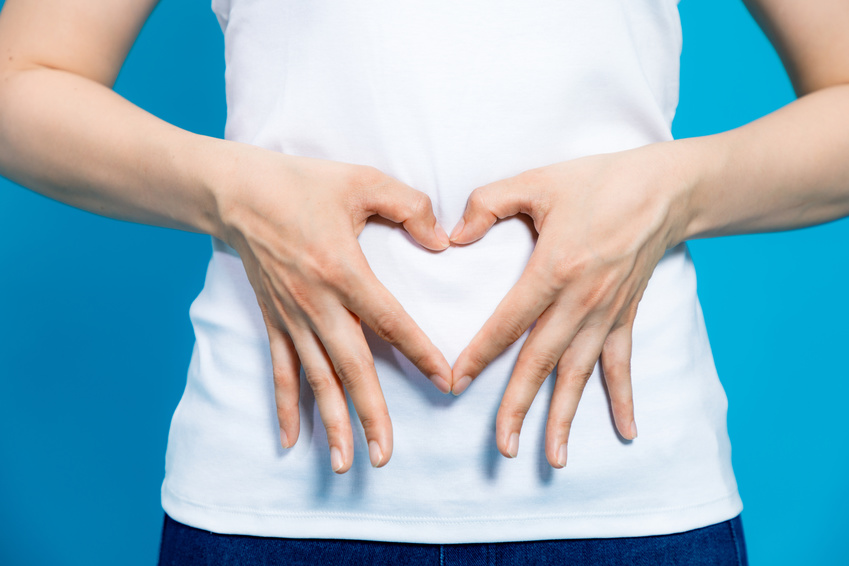
Most of us know that our gut plays an important role in our immune response. The levels of different species and strains of bacteria in the gut, and especially which bugs predominate, impacts our body’s responses to internal and external stressors and pathogens. As those of us with mast cell disorders and histamine intolerance know, keeping a balanced immune response is critical — and yet also challenging. So, how can we boost the good guys in our gut (especially when we’re avoiding a lot of bacteria)? There are ways… Read on.
EXERCISE
Did you know exercise can help balance your microbiome? Research in both animals and humans indicates it can. In the human study conducted atthe University of Illinois at Urbana-Champaign, 32 previously sedentary men and women (18 lean, 14 obese) were given a 6-week exercise program followed by 6 weeks of no exercise. Samples were taken from their poo before the exercise program, immediately after the exercise program, and then again after the 6-week “washout period” of continued sedentary behavior. The samples were then evaluated to see how the gut bacteria changed from before exercise, after exercise, and after 6 weeks of returning to sedentary behavior.
While the changes in the gut bacteria over this time period were different for each individual, there were some patterns. The main point of interest is that the exercise increased the numbers of (beneficial) microbes that produce short-chain fatty acids (SCFA). This is a big deal because SCFAs have been found to lower inflammation in the gut AND in the rest of the body.
You’ve gotta stick with it, though. The beneficial changes in the gut microbiome reversed after the people returned to couch potato status. (Exercise is a mixed bag when it comes to histamine intolerance. See this post to learn how to make it work for you).
PREBIOTICS
Prebiotics are food ingredients that preferentially feed the beneficial bacteria in the gut, such as bifidobacteria and lactobacilli. There are a number of low- or antihistamine foods that are high in prebiotics such as inulin or Fructooligosaccharides (FOS) or Galactooligosaccharides (GOS). Some low histamine prebiotic foods include:
Artichokes (FOS)
Asparagus (FOS)
Cauliflower (GOS)
Chickpeas (GOS)
Jerusalem artichoke (FOS)
Jicama (FOS)
Lentils (GOS)
Red onion (FOS — also high in antihistamine quercetin and polyphenols)
You can also take prebiotic powders and add them to low histamine smoothies. Recommended ones include Bimuno GOS powder and partially hydrolyzed guar gum (technically a colonic food, rather than prebiotic). FOS/inulin is another option, but GOS is tolerated better in those with digestive issues.POLYPHENOLS
Polyphenols are colorful plant compounds that are known for their anti-inflammatory and antioxidant effects. Studies show they may also help protect the gut microbiome by inhibiting the growth of bad bugs and encouraging the growth of good bugs like firmicutes. Good sources of polyphenols include:
Almonds (high oxalate)
Black rice bran (histamine inhibitor)
Blueberries
Broccoli
Ginger (mast cell stabiliser)
Green tea (histamine inhibitor)
Pomegranate (mast cell stabiliser)
Red cabbage
Red onions (also high in antihistamine quercetin)
Sweet potatoes (high in histamine-lowering quercetin and rutin)
Turmeric
One interesting side note is that you might want to hang on to the husk when you peel your pomegranate. Pomegranate husk works as an antimicrobial against bad bugs, parasites, and candida while also promoting the growth of the beneficial species, bifidobacteria.
DON’T TAKE THESE
Avoid yogurt, kefir, kombucha, sauerkraut, kimchi, or other ferments recommended online or by misinformed practitioners. These ferments tend to be high in histamine and will just set off symptoms. However, there may be a way to do histamine safe ferments. Check out this post to find out. You may even want to look into rice-based kefir for low histamine, probiotic benefits. You can learn more about probiotic strains for histamine intolerance here.
I should add that probiotic supplements and fermented foods are literally just passing through. Unfortunately, you cannot recolonise the gut with probiotics if you have completely wiped out whole species with antibiotics. This is a popular misconception. The only way to recolonise annihilated gut bacteria is through a fecal transplant. Otherwise, if you have just reduced certain species to really low levels, you can bring them back to higher levels with the use of prebiotics. Prebiotics can be really powerful in bringing balance back to your gut microbiome.
You can learn which bugs you have left and which ones are high or low through a test like uBiome or Viome.
NEED SOME FUN IDEAS FOR FOOD + FITNESS?
Check out my complete histamine reset with recipes and lifestyle strategies to balance histamine levels and get your body on the path to healing: 28-Day Histamine Reset.
———REFERENCES———
Allen, J. M., Mailing, L. J., Niemiro, G. M., Moore, R., Cook, M. D., White, B. A., … Woods, J. A. (2018). Exercise Alters Gut Microbiota Composition and Function in Lean and Obese Humans. Medicine and Science in Sports and Exercise,
Bialonska D, Ramnani P, Kasimsetty SG, Muntha KR, Gibson GR, Ferreira D. (2010). The influence of pomegranate by-product and punicalagins on selected groups of human intestinal microbiota. International Journal of Food Microbiology. 2010;140(2-3):175–182.
Duda-Chodak, A., Tarko, T., Satora, P., & Sroka, P. (2015). Interaction of dietary compounds, especially polyphenols, with the intestinal microbiota: a review. European Journal of Nutrition, 54(3), 325–341. http://doi.org/10.1007/s00394-015-0852-y
Kristensen, N. B., Bryrup, T., Allin, K. H., Nielsen, T., Hansen, T. H., & Pedersen, O. (2016). Alterations in fecal microbiota composition by probiotic supplementation in healthy adults: a systematic review of randomized controlled trials. Genome Medicine, 8:52, https://doi.org/10.1186/s13073-016-0300-5
Neyrinck A.M., Van Hée V.F., Bindels L.B., De Backer F., Cani P.D., Delzenne N.M. Polyphenol-rich extract of pomegranate peel alleviates tissue inflammation and hypercholesterolaemia in high-fat diet-induced obese mice: Potential implication of the gut microbiota. Br. J. Nutr. 2013;109:802–809. doi: 10.1017/S0007114512002206.
Pandey, K. B., & Rizvi, S. I. (2009). Plant polyphenols as dietary antioxidants in human health and disease. Oxidative Medicine and Cellular Longevity, 2(5), 270–278.
We all know exercise is recommended for a healthy body in the long run. However, with histamine intolerance, you’re probably finding that exercise can make you sick. Unfortunately, exercise over the short term does tend to fill the histamine/inflammation bucket. However, over the long term, it’s highly anti-inflammatory, so don’t give up just yet. Here’s how to get exercise without the flare in symptoms.
1) CHOOSE YOUR EXERCISE WISELY
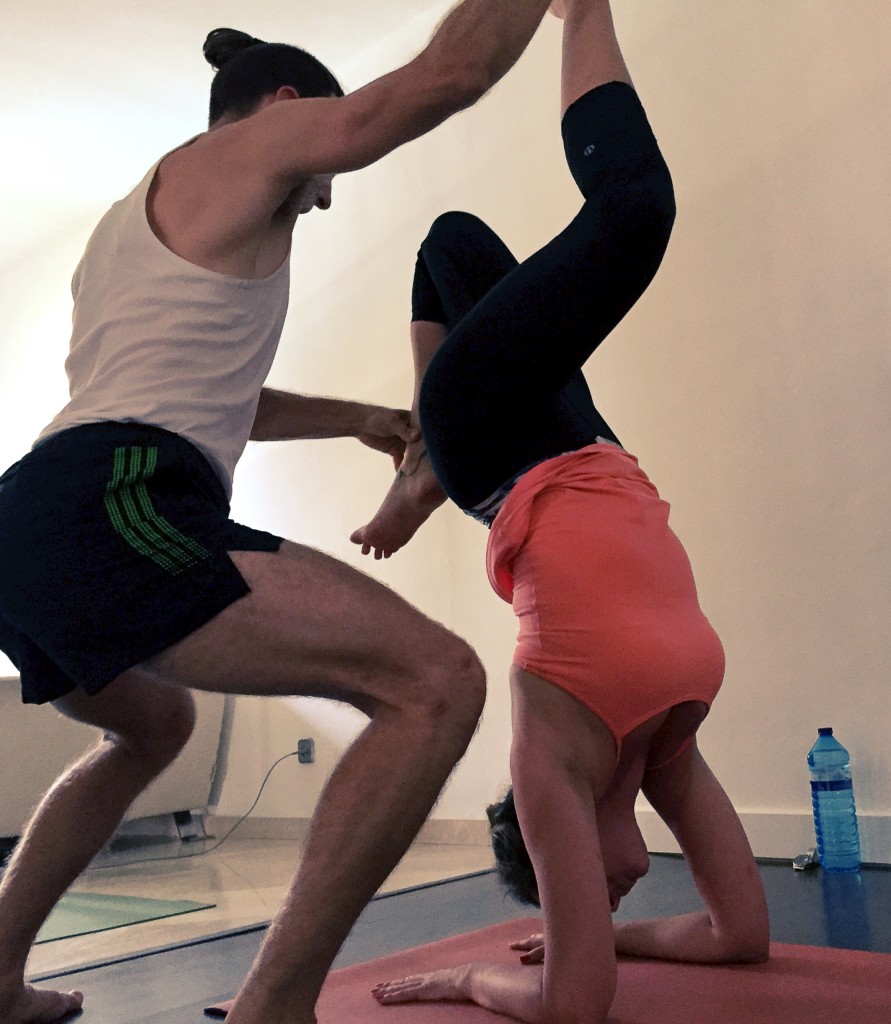
It’s important to choose an exercise based on your current fitness level. Any type of exercise could be strenuous for one person but relatively easy for another. If the exercise isn’t overly strenuous for you, it may take you a little while to tire, which can impact the amount of histamine depleted and released. Pick a way of exercising that doesn’t completely destroy you, but still gets you a good workout. I practice a style of ashtanga yoga – very strenuous, but it incorporates meditation (*Important –see below) and is naturally a type of interval training. Do the amount of exercise you can handle and gradually increase duration and intensity.
2) GO WITH NON-DYNAMIC EXERCISE
Studies show aerobic exercise, like running, cycling, or kickboxing can significantly raise histamine levels in the body. It’s only cardio that seems to do it, though – resistance training, like lifting weights (don’t overdo it), doesn’t appear to have that effect. At least in animals/people who don’t have a histamine intolerance or mast cell disorder. So, if you’re suffering from histamine intolerance, explore “non-dynamic” exercise options like weight training, pilates, or yoga.
Speaking of which, did you know that one of the manystudieson yoga showed that females who practiced yoga regularly had 41% lower stress markers than non-yogis? And significantly lower inflammation. That’s huge for us with histamine intolerance. Incorporate yoga if you can.
Keep in mind that while cardio exercise releases histamine and other inflammation, the effect is only temporary (up to 72 hours). That also would be a reason to not over schedule yourself in the days that follow a good workout. But after the three days or so, exercise actually has an anti-inflammatory effect on the body, which is why it’s still included as a part of my healing histamine reset program.
3) TAKE ENVIRONMENT INTO ACCOUNT
Your environment can make a huge impact on your stress levels and your histamine. Pay particular attention to the environment in which you are exercising – is the studio too hot, is the teacher too shouty, the music too loud? Are there bright lights? Smells of rubber mats (gym) or incense (yoga studio)? All these things can fill up your histamine/inflammation bucket before you even begin exercising.
If you can’t change the environment or mitigate the effects on you (sunglasses, earplugs, personal air purifier), it might be best to do your workouts on your own turf. You can buy a couple of weights invest in a yoga mat and an $18 subscription toYogagloonline classes. I promise you won’t regret it.
4) ADD QUERCETIN
I take quercetin for its histamine-lowering effects, but it may also help us incorporate exercise more easily. An 8-week study on men’s badminton players found that this 1000 mg of this bioflavonoid (found in nearly all the foods on my28-day histamine reset) delayed muscle exhaustion. So hey, it might be a good idea to include a quercetin supplement on a regular basis as well as including plenty of quercetin-rich foods in your diet.
5) TRACK WITH AN APP
Exercise can drive up our histamine levels pretty fast and we can overdo it before we know it. So sometimes it helps to be able to track how much stress the body is under before we take it too far. I invested $10 in the SweetBeat HRV app which measures your resting heart rate and then charts it for you, based on a composite of many measures. In the Financial Times article where I learned about the app, the creator is quoted as saying that the HRV number is “associated with the tone of the vagus nerve”. Apparently, research shows that the numbers are decreased by hard workouts and are affected by emotional stress.
So basically, you test yourself in the morning and when the HRV number plummets, you know it’s time to chill your exercise routine because your body is a little stressed out.
6) FOLLOW EXERCISE WITH MEDITATION
Meditation is a natural DIY antihistamine, so it’s a great way to follow any type of workout. Beyond lowering histamine, it’s interesting that meditation can even help you recover faster. Researchers in a study published in the British Journal of Sports Medicine were able to lower blood lactate levels by employing post-exercise meditation. Lactate is the stuff that causes the burning sensation in your muscles and can be a big issue for runners — or even power walkers.
7) DON’T FORGET ABOUT DIET
How you eat before and after you exercise can make a big impact on how your body responds to exercise. And not just on gym day. Keeping your inflammation and histamine levels lower with an anti-inflammatory and antihistamine rich diet will help keep some room in your inflammation bucket so you can get the exercise you need. Go for clean proteins, polyphenol- and flavonoid-rich plant foods, and filtered water as needed.
8) STAY POSITIVE
Remember to stay positive and focus on what’s going well. Don’t give any attention to what you can’t do, how little you can lift, or your lack of stamina. This keeps you in a more inflammatory and stressed state and isn’t good for your histamine levels. Instead, focus on every little improvement you make; every stride; everything that is moving you toward your goals and toward healing.
Barrett‐O’Keefe, Z. , Kaplon, R. E. and Halliwill, J. R. (2013), Sustained postexercise vasodilatation and histamine receptor activation following small muscle‐mass exercise in humans. Experimental Physiology, 98: 268-277. doi:10.1113/expphysiol.2012.066605
Daneshvar, Pooya, et al. “Effect of Eight Weeks of Quercetin Supplementation on Exercise Performance, Muscle Damage and Body Muscle in Male Badminton Players.” International Journal of Preventive Medicine, Medknow Publications & Media Pvt Ltd, Apr. 2013,www.ncbi.nlm.nih.gov/pmc/articles/PMC3665027/.
Solberg EE, Ingjer F, Holen A, et al. Stress reactivity to and recovery from a standardised exercise bout: a study of 31 runners practising relaxation techniques. British Journal of Sports Medicine 2000; 34:268-272.
Exercise is often problematic for those with histamine intolerance, mast cell activation or mastocytosis, mostly because cardiovascular exercise has been shown to:
Drive up histamine levels and aggravate allergies in animal studies
Stress of any kind can cause mast cells to dump unnecessary inflammation into the body
Exercise can damage muscles, prompting inflammation release to help heal them (this is not abnormal)
Histamine is created and released during prolonged exercise to prevent fatigue and increase endurance (but thankfully isn’t stored in the body afterwards)
You’ll find all the references for these as well as an explanation of the research I did and wrong avenues I pursued in trying to get my body healthy again in my post on histamine intolerance and exercisewhere I share research showing that exercise where we use our own weight like pilates or yoga, or lifting weights slowly, are probably our best bet, at least when starting out.
“In terms of systemic mastocytosis, and some with cutaneous mastocytosis, the most important things is to think about changing the lifestyle and the two most important pieces of the lifestyle are the exercise and the diet – interchangeably I mean, not one over the other,” Dr Castells.
Please don’t think I’m saying mastocytosis and histamine intolerance are the same thing, but they share many symptoms and characteristics.
You’ll find recipes full of foods with antihistamine and anti-inflammatory properties my books Anti-Recipes and The Anti-Cookbook
I am able to exercise again, really do so, like hiking up mountains in 35C/95F heat, doing 1.5 hours of seriously hardcore ashtanga power yoga 5-6 times weekly, as well as finally being able to run and kickbox again. But sometimes we need to exercise a little common sense in our exercise routine and so I was excited to find a great app that helps me measure how much stress my body is under. While you could do all this with a calculator, pen, paper and some elbow grease, I’m saving up my precious minutes to devote to yoga and all the other great stuff that keeps me healthy like meditation (if you’re not meditating yet – you should be, it’s a great way to potentially lower inflammation and histamine levels), so I invested $10 in the SweetBeat HRV app and fished through my storage for the old chest strap I used in my faint-on-the-treadmill-and-scare-the-heck-out-of-the-gym-dude days. Yep, it’s the same one he insisted I get because he was sure I was going to drop dead of a heart attack right there in front of him.
The app basically measures your resting heart rate and then charts it for you, based on a composite of many measures. In the FT article [1] where I learned about the app, the creator is quoted as saying that the HRV number is “associated with the tone of the vagus nerve”. Apparently research shows that the numbers are decreased by hard workouts and are affected by emotional stress.
So basically, you test yourself in the morning and when the HRV number plummets, you know it’s time to chill your exercise routine, because you’re body is a little stressed out.
In my case, that means going for a much gentler yoga practice, or taking a lovely relaxed long walk instead. I was super happy though to find studies showing that meditation can help speed up the athletic recovery process. One in particular that stood out, published in the British Journal of Sports Medicine [2],researchers were able to lower blood lactate levels by employing post exercise meditation. Lactate is the stuff that causes the burning sensation in your muscles and can be a big issue for runners.
No matter which exercise you choose, please remember to be kind to yourselves and go slow.
You’ll find recipes full of foods with antihistamine and anti-inflammatory properties my books Anti-Recipes and The Anti-Cookbook
Please remember, even antihistamine and anti-inflammatory foods can hurt us, please always exercise caution and consult a medical practitioner before adding new foods.
A lot of you have been telling me that any kind of exercise, for as little as five minutes, has you feeling dizzy, sick, or just generally hisamine-y. There’s a couple of reasons for that, which I’ll cover just below. In my case, when trying to get back into shape in 2008, my trainer refused to continue working with me because of my significant heart rate increase which was scaring him. Not just that, but I would break out in a head to toe rash at every session, in retrospect most likely caused by the daily pineapple (entire pineapple!) I was eating while on the totally nutso 80/10/10 fruit diet. Plus, there was that time I passed out on the treadmill…it was the weirdest thing, I would get light headed, my hands would go totally numb or tingly, and my libido would shoot through the roof all of a sudden (something I now know is linked to excess histamine) and then I’d start to black out. Since then I’ve tried getting into shape by playing tennis (horrible rosacea like breakouts all over my body), kickboxing (great but made my anxiety and aggression levels shoot up immensely), and then yoga (wonderful but I would tremble too hard and come crashing down to the floor in my chaturanga/plank pose). Tracy Anderson was a total write off – way too stress inducing. I kept starting up and stopping for over a decade. I became convinced I’d never be able to exercise and get back what I feel is “my” body – the one I rocked in my late teens/early 20s when I was a gym bunny and kung fu addict. Now I’m doing two – three hour power yoga sessions in 42C/108F heat (not by choice – it’s just crazy hot here) with no problem (but my regular schedule is 1.5 hrs ashtanga/power vinyasa five – six times weekly).
Below you’ll find the information that helped me make informed decisions on how to exercise, an idea of how I worked my way up to my current exercise regime, and a little more on the upcoming yoga course. I recommend printing out the studies for your medical practitioner or getting some kind of professional input before embarking on an exercise program. Any of you lucky enough to have Dr. Mariana Castells treating you for a mast cell issue should ask for her views on it – she believes that people with mast cell disorders should exercise regularly, which contradicts many of the histamine/mast cell docs out there, who only point out that it can cause anaphylaxis. Check out my interview with Dr. Castells here – we cover her views on how lifestyle changes can help in mast cell disorders.Please remember, I’m neither a doctor nor a scientist. The following is based on a layman’s interpretation of studies, information that I used to develop my own strategy for getting back into physical shape. It’s been an uphill battle for sure, and I’m certainly not there yet, but I’m working on it. Exercise is serious business for mast cell/histamine intolerance folks and shouldn’t be jumped into willy nilly.
Cardiovascular exercise has been shown to drive up histamine levels and aggravate allergies in some animal studies [1]
It’s only cardio that seems to do it though – resistance training, like lifting weights, doesn’t appear to have that effect. At least in animals/people who don’t have a histamine intolerance/mast cell disorder.
What this means for us:
After exploring many, many different exercise styles, I settled on power yoga. It’s kind of resistance exercise, if you count using your body as a weight, which some people do. Yoga has many anti-inflammatory benefits, in particular a recent study showed it lowers inflammation in cancer patients [2]. You may also find that either weight lifting, something like the TRX trainer (uses your own body weight), or pilates may work better than cardio.
Stress can cause mast cells to dump unnecessary inflammation into the body [3]
If you haven’t exercised in years, this can stress the body. Likewise if you’re stressed about the exercising itself, because you’re worried about its negative impact on you, or you’re worried about anaphylaxis, that’s likely to cause mast cells to freak out. I’m not saying the fear isn’t justified, I’m saying that there should be a difference between a justified concern and causing a total meltdown because you’re unable to control your brain’s anxiety response to the thoughts.
Something that significantly drove up my stress levels was the insanely annoying ear drum smashingly heart palpitation inducing dance music they play in exercise classes. Raises my heart rate just thinking about it, which is of course the point for those who don’t have to deal with all this mast cell/histamine intolerance and exercise stuff.
What this means for us:
Practicing mindfulness meditation and addressing fears through cognitive hypnotherapy (read about my hypnotherapy experiences here)may be beneficial, as it was for me. I found that practicing my pranayama breathing techniques while playing intense games of squash was very calming and helped prevent the usual exercise induced dizziness I was now used to.
If the music is an issue; earplugs work great.
Exercise can damage muscles, prompting inflammation release to help heal them [4]
Most exercise causes some muscle damage. A recent study in the Journal of Strength and Conditioning outlined the process: exercise causes a temporary increase in inflammation because the muscles break down during intensive sessions and then need to repair themselves. Inflammation’s job in the body is to heal. It can take a few days for this to happen. In my case it’s a maximum of two – three days, at least judging by my muscle soreness, which correlates to what studies tell us – that it takes up to 72 hours for inflammation markers to return to normal.
The journal study also found that participants also experienced an increase in neutrophils. These appeared within three hours and were gone within a day. An article on this body building website seemed to think this might indicate that is a good window to get a massage to help keep blood flow high to help move along the neutrophils. The study showed another inflammatory event of interest – a temporary jump in lymphocyte count lasting up to 72 hours.
What this means for us:
In order to allow the inflammation time to resolve, according to these studies, leaving up to three days between exercise sessions may be beneficial, at least in the beginning. I personally learned the hard way that in my case, it was definitely best to exercise once every three days. I also really wish I had known about the neutrophils and lymphocytes because doctors really freaked me out over my very high counts back when I decided to suddenly hit the gym after years of sickness and immobility. Exercise was never mentioned as a possible cause.
Histamine is created and released during prolonged exercise to prevent fatigue and increase endurance, but is not stored in the body afterwards [5]
Histamine is found in the body in mast cells (and others), outside the body in foods, and can also be formed “via the induction of histidine decarboxylase (HDC) in response to an appropriate stimulus”. In this study mice were forced to walked on a treadmill/cylindrical cage until their bodies began producing histamine, in order to protect against exercise induced fatigue or exhaustion. I would also think that the poor little clueless mice were also quite stressed by being made to run till exhaustion for no apparent reason.
What this means for us:
Well, let’s hope that what’s true for mice is also true for us histamine folks. Aside from the obvious differences in physiology – like, um, they’re mice for example, there’s no guarantee that histamine isn’t going to linger in the bodies of folks with impaired histamine-degrading enzyme function (DAO and HNMT for example). In my case it was certainly obvious that the longer I exercised, the more aggravated I became. Short bursts seemed ok, but after a while of that, say 20 minutes, even the spurts seemed to really bother me.
The good news
No matter the temporary inflammation, exercise in the long term is highly anti-inflammatory. Many studies show this but just for the citation I’ll point you to one that outlines how interleukin antagonists released by exercise fight low grade inflammation [6]. As mentioned before, yoga in particular exerts and anti-inflammatory action, potentially without causing any histamine release in the process. This might not be the case, we just might not have those particular studies. I can however tell you from experience, that if yoga is done in the right conditions, for me and many others I’ve spoken with online, seem to do great with it. There are however a few caveats…
Lessons learned on my get fit odyssey
1. Go slow – Rome wasn’t built in a day and neither was any body worth having
Sit down with an excel spreadsheet, or in a pinch, a paper tablecloth and a box of crayons, and put together a schedule. Even if back in the day you were a spinning class fiend, a decathlon superstar rivalling the newly minted Caitlyn Jenner’s former self, or a vegan sausage fuelled ashtangi determined to execute the perfect secondary series in 60 minutes flat, believe me, starting slow and steady is the way forward when your mast cells have gone on a bender. I found yogaglo.com to be great for finding short videos, but I still started with just 5 minutes for the first week, then increasing to 10 minutes and so on. When starting so very painfully slowly, I realised I no longer needed to wait days in between “sessions”, but it was also incredibly frustrating.
I worked my way up to 30 minutes at home, all the way up to an hour and a half, till I was able to make it without significant trembling or anxiety symptoms. Once that was achieved, I went to a yoga class.
2. Control your environment for as long as you can
And this is the toughie. Not being able to control my environment was really hard for me, but it turned out to be a good thing in the long run. It brought me face to face with the realisation that I am just a total control freak and it used to really upset me to have to submit to the will of others (which was how I saw it). I felt that the teacher should immediately snuff out the offensive incense and fling open all the windows after the hot yoga class, though my class mates preferred the heat. Once, when I couldn’t get my usual spot right by the window, which I could crack open happily till someone complained, I huffily picked up my yoga mat and headed out the window and onto the roof to do my class out there. Totally nuts I know, but at the time I was heat crazed and couldn’t find my words. I could have just reasoned with the lady beside me, but I was already so stressed at being in a non-Yasmina-controlled space that I just lost the plot. Naturally I couldn’t hear a thing from outside and had to slink back through, yoga mat and tail between my legs, to what I imaged was a sea of snickering yoginis.
The moral here is that staying at home and using either yogaglo or gaiam.com for general exercise videos online, is a great idea till you’re on a more even keel (you can get some of those stretchy rubber bands to exercise with also). Mast cells generally wreak havoc on our emotions (read more about mast cells and mood here) and so throw overheating, exercise and feeling judged if you can’t keep up with the class into the mix, and you’re heading for a very un-zen meltdown.
3. Be realistic and honest with your goals
I kept telling myself that all I wanted was for my body to reflect the general wonderful state of health I was suddenly in possession of. But I was lying to myself. As I became more and more obsessed with exercise, kickboxing to the absolute limits of my nervous system (my body could take it but my mind was buckling from the stress), I realised that my brain was up to old tricks. I wanted to be the best. Suddenly I was talking about working towards competing and buying more exercise gear than I could afford. I went to class 5 days a week for an hour and a half at a time and then scheduled an extra private session a week.
I’m now ok with that, but there was a lot of conflict within myself as I pretended to myself and those around me that wasn’t why I was into it. Now, I’m frank with myself. I spent decades rocking a basketball stomach thanks to an insane amount of inflammation. I spent far too long overweight because of multiple medications like antihistamines and psych meds for misdiagnosed bipolar, unipolar and borderline personality disorders. I want the body that sickness robbed me of. Maybe I’m nuts to think it’s possible. Hell, let’s call a spade a spade, I’m 40 in just over a month, but I’m convinced that I can have THE best body I’ve had since that golden era of my late teens/early 20s, one that’ll send 30 year old women running to renew their Equinox memberships, and I’m not ashamed to admit it. Now, in this new era of my life, I’ve understood that starvation is not the key to feeling sexy. Feeling strong, powerful and chiselled is.
I recall Dr. Castells telling me that mast cells need to be trained, just like our muscles do. I agree. I should also add that just like our mast cells and our muscles, the brain needs it too. I’ve spent far too many years scared of exercise, scared that controlling my calories means I’m falling down the rabbit hole of orthorexia again. This time around, thanks to hypnotherapy, a more balanced but determined me, a wonderful nurturing relationship with someone who takes great care of his (chiselled) physique, mind and soul, I’m now finally ready to step into the new me.
Yes dear friends, the diet and lifestyle changes I’ve made in the last year are certainly working. Otherwise there’s no way I could have completed my first 90minute, level 2-3 (out of 3) ashtanga yoga class in over two years just last week. It might not sound like much, but when you consider my last experience…
To quote Dirty Dancing: “spaghetti arms”. Not ideal really when they’re the only thing keeping your face from smashing into the festively tinted puce yoga mat just inches from your nose. Bravely, or so I thought anyway, I had persevered through the level two ashtanga yoga class – migraine mounting, noodle like limbs attempting to keep me vertical through tree pose and side angle as I listed wildly from side to side, a tiny boat tossed about in a sea of misbehaving mast cells.
It all crashed to a halt, not with a swan dive into the artfully polished “reclaimed wood” yoga studio floor, but rather when the teacher kindly whispered in my ear: “there’s no shame in child’s pose”.
Was she talking to me??
Me, need a break in yoga class?
Me, the decade long practitioner?
Me, the first in my social circle to embrace the punishing, Madonna-as-Arnold-Schwarzenegger-in-Pumping-Iron-musculature-building ashtanga yoga style?
What???
I lunged wildly for my yoga mat, cheeks burning, eyes tingling in anticipation of letting loose; the largest organ in my body threatening to pound through its skull encasement as I fled the class, trying hard not to trip over the bronzed hardbodies (ok a bit of an exageration as I was in London), blessed enough not to be dealing with my horrible affliction.
“Damn them,” I thought as I sniffled my way past.
There was just SO much wrong with the way I approached exercise post-histamine intolerance/mast cell activation diagnosis. A ton of research eventually revealed that the kind of exercise you do affects your histamine level.
So I thought I’d share some of my roadblocks and how I overcame them.
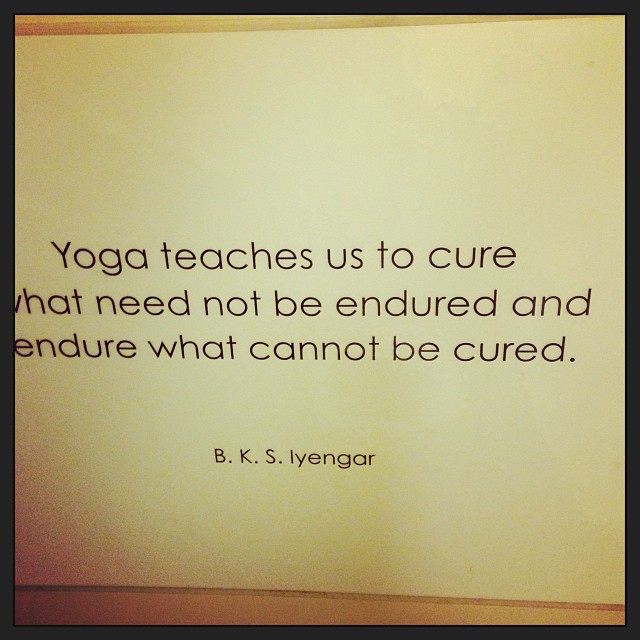
I took this picture in the yoga studio. Really hit home for me…
A “woe is me” attitude.
A biggie.
“Oh my goodness” (that’s the cleaned up version!) I thought, “I’m never going to exercise again. I’m going to become a ginormous canibalistic couch potato, devouring an endless supply of tasty bags of ‘tater chips ferried to me by online shopping services and emergency service workers wading through piles of McDonalds coupons and mice droppings.”
Ok, yes, always a possibility. That’s why I’ve spent the last year fighting to bring down my histamine level, stabilise my mast cells and bring down overall inflammation. So you can exercise (I hear you gasp)? Indeed – exercise has been on my mind throughout. It’s one of the most important pieces of this puzzle. Our bodies are made to move. I believe the hormones and chemicals released through exercise are necessary for me to heal.
I now understand that my body is healing. I know my limits – but more importantly I know when my brain is what’s standing in my way. It took time, but it comes. I recommend reading Dr David Hamilton’s excellent ‘How Your Mind Can Heal Your Body’ for more – you’ll find my interview with the bestselling author here.
Unwilling to deal with (temporary) exercise induced histamine increase.
(The Twinkie Defence)
Uh yeah. Ok, so at some point it just became silly that I was willing to hurt myself with a dessert rather than deal with some temporary spike in histamine due to exercise. The Twinkie isn’t doing a dammned thing for me, other than give me 30 seconds of pleasure. I will enjoy my muscles, increased bone mass, feel good chemicals, heart health, dementia free brain and toned abs in a bikini for decades to come. I mean really, I can’t say that exercise has ever made me feel worse than anything nasty I’ve eating.
And so I experimented – a little at a time. 10 minutes of light yoga. How do I feel? 20 minutes. 10 minutes in a hot room. 60 minutes in a cool room. Once I had a baseline of how I felt under ideal conditions, I was able to break free of my shackles and fear.
Copping out
(exercise makes me uncomfortable so I’m just not gonna do it).
Really? Just how uncomfortable was it making me? More so than watching a terrifying 3D movie? No.
More than allowing myself to have a nervous breakdown because the only shampoo I can use is sold out, again, in the UK? No.
More than letting work make me want to bang my head against a brick wall till I sprout a cartoon-like bump? No.
If I had answered yes to any of those questions I would have simply figured out a better way to exercise.
Pushing myself too hard (all at once).
Comparing myself to others.
Comparing myself to my pre-diagnosis performance.
(Take your pick).
I am an overacheiving, type AAAAA++++ type personality. I mean really. I don’t understand the meaning of “no”. If I did, I doubt I would have found it easy to be a journalist.
One of the many things I owe a debt of gratitude to this diagnosis for, is teaching me not to be so hard on myself. That I can still acheive great things, but that it’s not the end of the world if I don’t.
Psyching myself out.
When I see the halogen heaters blasting a few inches away from my face in the yoga studio where I practice, it makes me feel really hot and flustered, picturing how my mast cells are reacting (hint, they hate heat). Maybe because it’s hot right? And I’m doing yoga in the heat (more histamine release).
Here’s the rub though – my apt isn’t hotter than the yoga studio. But – my heaters at home don’t cast a neon glow reminicsent of a rising sun in Africa (or a thermonuclear mushroom cloud) onto my face as I struggle to pull off what must be my zillionth chattaranga dandasana. (That’s plank position to those of you not lucky enough to have a teacher speaking nothing but Sanskrit in class!).
Yes, it’s been a joy to identify all the irrational triggers relating not only to exercise but my life in general, but it’s getting easier.
Not focusing on the positives.
Yoga benefits: prevents asthma attacks [1], lowers histamine [2], lowers inflammation [3], boosts GABA in the brain making you less stressed/anxious [4], boosts cortisol levels (helping us stay calm – also great for those with fibromyalgia) [5], teaches you endurance.
Most of all? Yoga is an hour/hour and a half long meditation. No joke! In the same way my make up concealer is also a moisturiser (because it’s totally 100% pure cacao, coconut, argan and moringa oil), yoga is my two ‘fer.
So, you ask, what if yoga’s not my thing?
My recent interview with world renowned mast cell expert Dr Castells revealed that she believes that exercise (in addition to diet and stress management) are important.
“30-45 minutes of exercise a day like brisk walking, not running but jogging, swimming, and even dancing,” she said in my recent interview with her. “These (diet and exercise) are lifestyle changes that a patient with systemic mastocytosis needs to make in order to improve their quality of life.”
She even has patients who Zumba!
(For those unfamiliar with SM, it’s a type of histamine/mast cell disorder related to histamine intolerance and mast cell activation – check out my FAQ.)
Too exhausted to exercise?
Who isn’t?! I mean holy crap, some of us work two jobs, raise kids, look after the men in our lives (and yet they STILL refuse to lower the toilet seat), deal with a life altering affliction and still have the will to exercise. Tell you what, even when confined to a bed there’s a way to exercise.
Please, before you fire off an email to me stating why there’s no way that some people can exercise – because they’re exhausted, because they’re dizzy, because they go into shock just getting up from a chair, please watch a paraplegic basketball game, the para-Olympics, or travel to Lahore or Bangkok to watch the half body people on skateboards or check out Nick Vujicic, born without arms and legs but travels the world giving motivational speeches. I’m not saying illness isn’t tough – I’m saying it’s sometimes as tough as you make it.
Where there’s a will there’s a way. We’re just often not honest enough with ourselves about lacking the will to wrestle our doughy bodies out of the sofa.
“Fatigue doesn’t respond well to the medications we use, even the more sophisticated ones – fatigue responds to changes you make to your tissues through exercising or changes you make to your intestinal absorption by changing what you eat,” says Dr Castells. Click here to read the whole interview.