
Author: Betsy Schroeder

  • 4 Things You Should Do Every Morning (When You Have Histamine Intolerance)

    4 Things You Should Do Every Morning (When You Have Histamine Intolerance)

    People often ask how to get started addressing their histamine intolerance. How you begin each day can make a huge difference in how you’ll feel the rest of the day. Start your day off right by following the suggestions below.

    DON’T RUSH TO BREAKFAST

    Unless you have a pre-existing condition or hypoglycemia, light fasting might be an excellent approach to fighting histamine inflammation. Research shows that up to forty percent of faulty white blood cells (including mast cells, where histamine lives in the body) can be regenerated in just five days of calorie restriction.

    Intermittent fasting has gained huge popularity in recent years. There are a number of variations, but prolonging the time between dinner and the next morning’s breakfast (break-fast) is a great way to incorporate fasting daily.

    There are many differing views on the ideal eating window, but don’t get extreme. Stress releases histamine after all…

    For example, you finish eating dinner by 8 pm and don’t eat breakfast until 8am (a nice gentle 12 hour fast).

    Or you could try extending the window one hour at a time till reaching your ideal window. 

    Of course, you can also stop eating earlier in the evening (by 6 pm, for example), and then eat earlier in the day (10 am or noon).

    To learn more about fasting’s effects on histamine, check out the following posts:

    START WITH AN ANTIHISTAMINE TEA

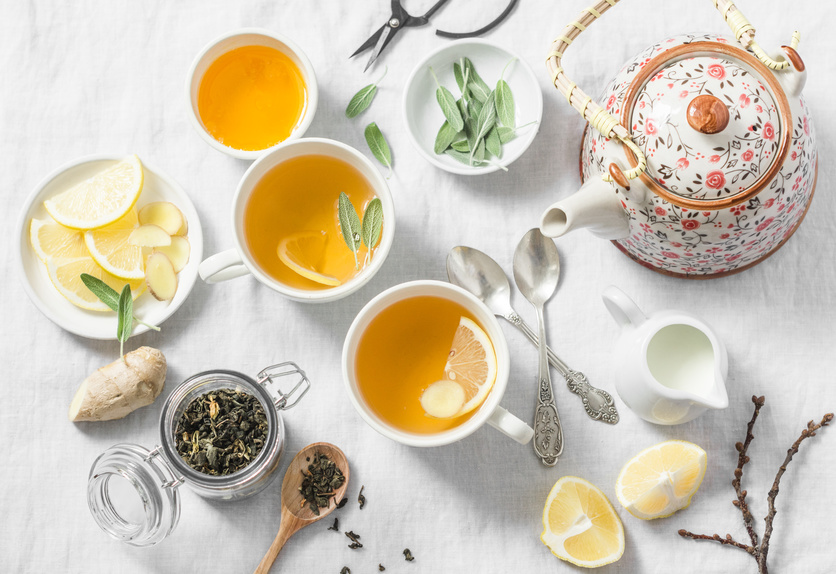
    Since you’re fasting in the morning and not taking in any calories, why not start with a therapeutic (and delicious) tea with antihistamine properties? Tea is a wonderfully relaxing way to start the day. In fact, studies have shown that just holding a warm mug in your hands tends to make you see the world in a more positive light.

    Holy Basil or “Tulsi” tea is a great one to start with. It is highly antihistamine and can be found in quite a number of different blends and flavours. Just be sure the herbs it’s blended with aren’t a problem for you (e.g. cinnamon and nutmeg in a tulsi chai).

    While black and green teas might be problematic for some people, white tea, made from the same plant (plus, lower in caffeine and not fermented), may be a good option. Or try the blossom of the tea plant. Read the post here.

    For some other ideas on antihistamine teas and tisanes (and a few recipes), read these posts:

    BRUSH YOUR TEETH

    This might seem a little obvious, but there’s been an interesting amount of research finding that people think it’s ok to brush just once a day. There’s a reason why dental infections have been linked to heart disease: Inflammation. And you know chronic inflammation is an issue when it comes to histamine intolerance. Oral infections lead to more histamine release, and that’s not good for us at all.

    Gingivitis, or inflammation of the gums, has been directly linked to mast cell activation and histamine release. So, brush your teeth; floss your teeth. Make sure you take good care of your oral microbiome by eating whole foods and avoiding sugar.

    Learn more about the connection between your oral health and histamine by checking out my interview with Dr. Steven Lin, bestselling author of the Dental Diet. 
    GET STRESS OUT OF THE WAY EARLY

    Don’t wait until the stresses of the day add up and cause symptoms or reactions to act. Remember the inflammation bucket concept. You want to start with an empty bucket at the beginning of the day so that as daily stressors, triggers, and exposures accumulate, you have plenty of leeway for into the evening.

    Don’t let your inflammation bucket fill up by noon. Instead, start your morning with yoga or some type of breathing, meditation or relaxation practice so that you lower your inflammation and histamine response right at the beginning of the day. You could even keep a daily gratitude journal that you write in while sipping your tea. This is a great way to keep your brain focused on positivity rather than in fear/stress mode.

    ———REFERENCES———

    Marinac, C. R., Sears, D. D., Natarajan, L., Gallo, L. C., Breen, C. I., & Patterson, R. E. (2015). Frequency and Circadian Timing of Eating May Influence Biomarkers of Inflammation and Insulin Resistance Associated with Breast Cancer Risk. PLoS ONE, 10(8), e0136240. http://doi.org/10.1371/journal.pone.0136240

    Williams, L. E., & Bargh, J. A. (2008). Experiencing Physical Warmth Promotes Interpersonal Warmth. Science (New York, N.Y.), 322(5901), 606–607. http://doi.org/10.1126/science.1162548
  • Histamine, Metabolism & Weight

    Histamine, Metabolism & Weight

    One of the most frustrating histamine-related symptoms for a lot of people is the associated weight problems. And this can be either an inability to lose weight OR and inability to gain weight. If this is an issue for you, don’t despair. Certain whole foods may help.

    HOW HISTAMINE IMPACTS METABOLISM

    Metabolism is controlled by the brain, particularly in a region of the brain called the hypothalamus. When histamine enters the hypothalamus, it activates several receptors — as though turning switches on or off. Some of those switches have to do with body heat, energy output, and feelings of either hunger or satiety.

    Depending on a number of other factors, including genetics, level of inflammation in the body, and other coexisting conditions, elevated histamine can lead to weight problems. This can come in the form of excess weight or in difficulty keeping weight on.

    In general, histamine promotes weight loss. This is due to the stimulation of histamine 1 receptors in the brain which have also been shown to suppress food intake. Animal studies have shown that low levels of histamine in the brain are associated with obesity. So, histamine can help keep us thin.

    On the other hand, high levels of inflammation (very common with histamine intolerance) can contribute to weight gain. There are a number of different biological pathways in the body by which inflammation leads to weight gain. A couple of these include increased Corticotropin Releasing Hormone (CRH — a stress hormone) and increased glutamate (a stimulatory neurotransmitter in the brain).

    CRH causes mast cells to release more histamine, and the cycle continues. Glutamate (which also comes as the food additive, Monosodium Glutamate = MSG) stimulates the appetite and causes weight gain. And there are many other pathways in the body that link inflammation to weight gain.

    For more of my thoughts (and experiences) regarding the histamine, inflammation, and weight connection, read my posts, Mast Cells, Histamine, Inflammation And Obesity and Histamine’s Upside: I Lost 35kg (77 lbs) In 6 Months!

    WHAT CAN WE DO ABOUT IT?

    When the body is in balance, we maintain a healthy weight easily. Since inflammation and histamine levels are major reasons for the histamine intolerant person’s imbalance, these two things are a good place to start.

    To address inflammation, switch to a whole foods, nutrient-dense, anti-inflammatory diet and do what you need to do to get your stress under control. For me, the stress component was just as important as the food component. To learn how I addressed stress and got my brain to work in my favour, check out my Online Workshop: Healing the Brain to Heal the Body.HISTAMINE-FRIENDLY-ISH FOODS THAT MAY HELP

    Here are some low histamine and/or antihistamine foods that have been shown to have a positive effect on metabolism (particularly for weight loss):

    LOW HISTAMINE FOODS

    Apple Cider Vinegar – Apple cider vinegar can help reduce weight gain.

    Coconut oil – Coconut oil is “thermogenic” and as such, increases metabolism and leads to fat loss.

    Lemon – Animal studies indicate lemon polyphenols help to suppress weight gain and the accumulation of body fat.

    Seaweed – Alginate in seaweed has been shown to help reduce body fat when used in conjunction with dietary therapy.

    ANTIHISTAMINE FOODS

    Ginger – Ginger is a potent antihistamine, soothing to the stomach, and it’s both anti-inflammatory and anti-obesity.

    Nigella sativa – Nigella sativa is extremely antihistamine, anti-inflammatory, and has been found to have anti-obesity effects. You can read more about it here.

    Olive oil – Olive oil is anti-inflammatory, has anti-obesity effects, and promotes production of diamine oxidase (DAO), an enzyme that helps break down histamine.

    ————REFERENCES—————

    Dulloo, A. G., Fathi, M., Mensi, N., Girardier, L. (1996). Twenty-four-hour energy expenditure and urinary catecholamines of humans consuming low-to-moderate amounts of medium-chain triglycerides: a dose-response study in a human respiratory chamber. European Journal of Clinical Nutrition, 50(3), 152-8. Retrieved from: https://www.ncbi.nlm.nih.gov/pubmed/8654328

    Fukuchi, Y., Hiramitsu, M., Okada, M., Hayashi, S., Nabeno, Y., Osawa, T., & Naito, M. (2008). Lemon Polyphenols Suppress Diet-induced Obesity by Up-Regulation of mRNA Levels of the Enzymes Involved in β-Oxidation in Mouse White Adipose Tissue. Journal of Clinical Biochemistry and Nutrition, 43(3), 201–209. http://doi.org/10.3164/jcbn.2008066

    Georg-Jensen, M., Kristensen, M., Astrup, A. (2012). Effect of alginate supplementation on weight loss in obese subjects completing a 12-wk energy-restricted diet: a randomized controlled trial. American Journal of Clinical Nutrition, 96(1), 5-13. doi: 10.3945/ajcn.111.025312. Epub 2012 May 30.

    Hasani-Ranjbar , S., Jouyandeh, Z., & Abdollahi, M. (2013). A systematic review of anti-obesity medicinal plants – an update. Journal of Diabetes and Metabolic Disorders, 12, 28. http://doi.org/10.1186/2251-6581-12-28

    Hermanussen, M., García, A. P., Sunder, M., Voigt, M., Salazar, V., Tresguerres, J. A. (2006). Obesity, voracity, and short stature: the impact of glutamate on the regulation of appetite. European Journal of Clinical Nutrition, 60(1), 25-31. Retrieved from: https://www.ncbi.nlm.nih.gov/pubmed/16132059

    Hough, L. B. (1999). Histamine Actions in the Central Nervous System. Retrieved from: https://www.ncbi.nlm.nih.gov/books/NBK28245/

    Janssens, P. L. H. R., Hursel, R., Martens, E. A. P., & Westerterp-Plantenga, M. S. (2013). Acute Effects of Capsaicin on Energy Expenditure and Fat Oxidation in Negative Energy Balance. PLoS ONE, 8(7), e67786. http://doi.org/10.1371/journal.pone.0067786

    Mohamed, el-O. A., Mohamed, S. M., Mohamed, K. A. (2001). The effect of cider vinegar on some nutritional and physiological parameters in mice. Journal of the Egyptian Public Health Association, 76(1-2), 17-36. Retrieved from: https://www.ncbi.nlm.nih.gov/pubmed/17216979

    Mahmoud, R. H., Elnour, W. A. (2013). Comparative evaluation of the efficacy of ginger and orlistat on obesity management, pancreatic lipase and liver peroxisomal catalase enzyme in male albino rats. European Review for Medical Pharmacological Sciences, 17(1), 75-83. Retrieved from: https://www.ncbi.nlm.nih.gov/pubmed/23329526

    Tabarean, J. (2016). Histamine receptor signaling in energy homeostasis. Neuropharmacology, 106, 13-19. Retrieved from:

    Webster, E. L., Torpy, D. J., Elenkov, I. J., Chrousos, G. P. (1998). Corticotropin-releasing hormone and inflammation. Annals of the New York Academy of Sciences, 840, 21-32. Retrieved from: https://www.ncbi.nlm.nih.gov/pubmed/9629233

    Wollin, A., Wang, X. and Tso, P. (1998). Nutrients regulate diamine oxidase release from intestinal mucosa. American Journal of Physiology-Regulatory, Integrative and Comparative Physiology 275(4), R969-R975. Retrieved from: https://www.ncbi.nlm.nih.gov/pubmed/9756524

  • 5 Best Histamine Intolerance Teas

    5 Best Histamine Intolerance Teas

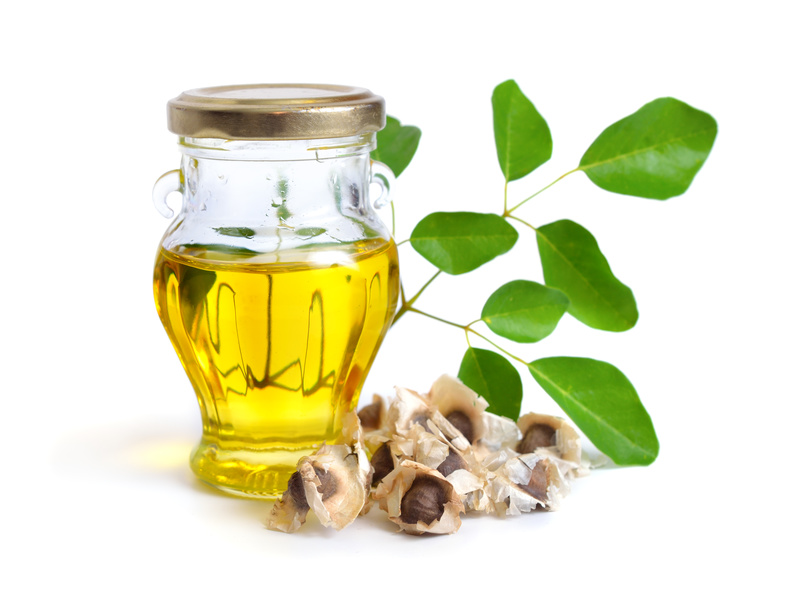
    moringa histamine intolerance

    There’s nothing like a hot cup of tea to warm the body and soothe the soul. And according to the late English actor, Arthur Wing Pinero, “Where there’s tea, there’s hope.” While the following are technically tisanes (herbal infusions) and not teas in the strictest sense of the word (Camellia sinensis), these hot beverages are tasty, good for the senses and soul. 

    MORINGA TEA

    Moringa has been shown to inhibit 72% of all histamines released, making it almost as effective as the antihistamine eye medication, Ketotifen. Moringa is also high in the bioflavonoid Kaempferol, which has been shown in studies to prevent histamine release from mast cells.

    Moringa tea often comes in the form of a powder from the ground leaves. It pairs well with green tea, lemongrass, lemon zest, and coconut milk. You can even make a Moringa Latte:

    INGREDIENTS

    • 1 Tbsp Moringa tea powder
    • 8-10 ounces dairy-free milk
    • Sweetener to taste

    INSTRUCTIONS

    1. Heat milk on the stove using a small saucepan.
    2. Heat to just steaming without boiling.
    3. Remove from heat and add Moringa powder.
    4. Whisk or use a milk frother until combined.
    5. Sweeten to taste and enjoy.

    TULSI (HOLY BASIL) TEA

    Tulsi is one of my very favorite teas for histamine balancing. As I’ve mentioned in previous posts, tulsi has antihistamine effects that are comparable to the antihistamine drug, Ranitidine (trade name Zantac).

    Tulsi tea is delicious on its own, but there are actually a number of tulsi-based blends of teas out there, like tulsi with green tea, tulsi with rose petal, lemon-ginger tulsi, peppermint tulsi, and even tulsi chai. So, if you’re not crazy about the plain tulsi flavor –or just want to mix it up once in a while — there are plenty of options out there. For one of my recipes involving tulsi, ginger, and nigella sativa, see this post.

    And if you want more details on all the benefits of tulsi, check out my post, Holy Basil! Anti-Inflammatory And Anti-Histamine Superstar.

    OLIVE LEAF TEA

    The olive leaf has long been associated with peace, and it just may make life more peaceful for you in your histamine balancing journey. Olive leaf tea has been shown to exhibit “significant mast cell stabilizing activity”.

    Olive leaf tea is mellow and pleasant to drink and can be thought of as a caffeine-free alternative to green tea. It is delicious with a slice of lemon, blended with green tea, or sweetened with stevia and topped off with a splash of dairy-free milk, like unsweetened almond milk or coconut milk.

    GINGER TEA

    Ginger is a well-known mast cell stabilizer. It is often used as an H2 histamine blocker for indigestion and excess stomach acid, so it is very soothing to the stomach. It is also anti-inflammatory and just plain delicious.

    Ginger tea is delicious with the juice of quarter to half a lemon, sweetened with honey or your choice of natural sweetener, and combined with other soothing herbs like chamomile.

    For ginger tea using the fresh ginger root, rather than ginger tea bags, try the following recipe:

    INGREDIENTS

    • 1-3 tsp freshly grated ginger root
    • 1 cup boiling water

    INSTRUCTIONS

    1. Place the grated ginger into a glass measure cup.
    2. Fill to the 1 cup line with boiling water.
    3. Steep 10 minutes.
    4. Strain into a mug, sweeten to taste and enjoy.

    PARSLEY TEA

    Parsley has both anti-inflammatory and antihistaminic properties. Studies show it inhibits histamine release from mast cells. Parsley also contains apigenin, a bioflavonoid that has been shown to prevent histamine release from basophil white blood cells.

    Parsley tea is easy to make with either the fresh leaf or the dried herb:

    INGREDIENTS

    • 30 grams of parsley leaves (fresh or dried)
    • 4 cups of water

    INSTRUCTIONS

    1. Remove fresh parsley leaves from the stems and measure out 30 grams. (Or measure out dried).
    2. Bring the water to a boil in a deep saucepan.
    3. Add the parsley leaves to the water for about 1 minute before taking the pan off the heat.
    4. Steep for approximately 10 minutes.
    5. Strain into a cup and add honey or lemon to taste, if desired.

    NEED MORE BEVERAGE IDEAS?

    Check out my E-Cookbook, The Anti-Detox, where you’ll find two juices/smoothies per day made with very high nutrient antihistamine and anti-inflammatory ingredients. This book is not a cleanse; you can simply work these recipes into your existing diet. (Vegan, Gluten Free, Dairy & Nut Free)

    Or even better, to do a complete reset with recipes and lifestyle strategies to balance histamine levels and get your body on the path to healing, I highly recommend my comprehensive 28-Day Histamine Reset.

    ———REFERENCES———

    Agrawal, M., Agrawal, A., and Agrawal, B. (2008). “Investigation into the mechanism of action of Moringa oleifera for its anti-asthmatic activity.” Oriental Pharmacy and Experimental Medicine, 8(1), 24-31. Retrieved from: http://www.moringanews.org/documents/asthma.pdf

    Byun, Dae-Seok. (2009). “Kaempferol Isolated from Nelumbo Nucifera Stamens Negatively Regulates FcεRI Expression in Human Basophilic KU812F Cells.” Journal of Microbiology and Biotechnology, 19(2), 155-60.

    Chen, Bing-Hung, et al. (2009). “Antiallergic potential on RBL-2H3 cells of some phenolic constituents of Zingiber Officinale (Ginger).” Journal of Natural Products 72(5), 950-953. Retrieved from: https://pubs.acs.org/doi/abs/10.1021/np800555y

    Chandak, R. Devdhe, S., and Changediya, V. (2009). “Evaluation of anti-histaminic activity of aqueous extract of ripe olives of olea-europea.” Journal of Pharmacy Research, 2(3), 416-420.

    Retrieved from: http://jprsolutions.info/files/final-file-5691ddee522e91.46302541.pdf

    Matsuda, H., Morikawa, T., Managi, H., Yoshikawa, M. (2003). “Antiallergic principles from Alpinia galanga: structural requirements of phenylpropanoids for inhibition of degranulation and release of TNF-alpha and IL-4 in RBL-2H3 cells.” Bioorganic & Medicinal Chemistry Letters, 13(19), 3197–3202. https://www.ncbi.nlm.nih.gov/pubmed/12951092

    Middleton, E., et al. (1984). “Flavonoid inhibition of human basophil histamine release stimulated by various agents.” Biochemical Pharmacology, 33(21), 3333-8. Retrieved from https://www.ncbi.nlm.nih.gov/m/pubmed/6208910/

  • 5 Smoothies for Histamine Intolerance

    5 Smoothies for Histamine Intolerance

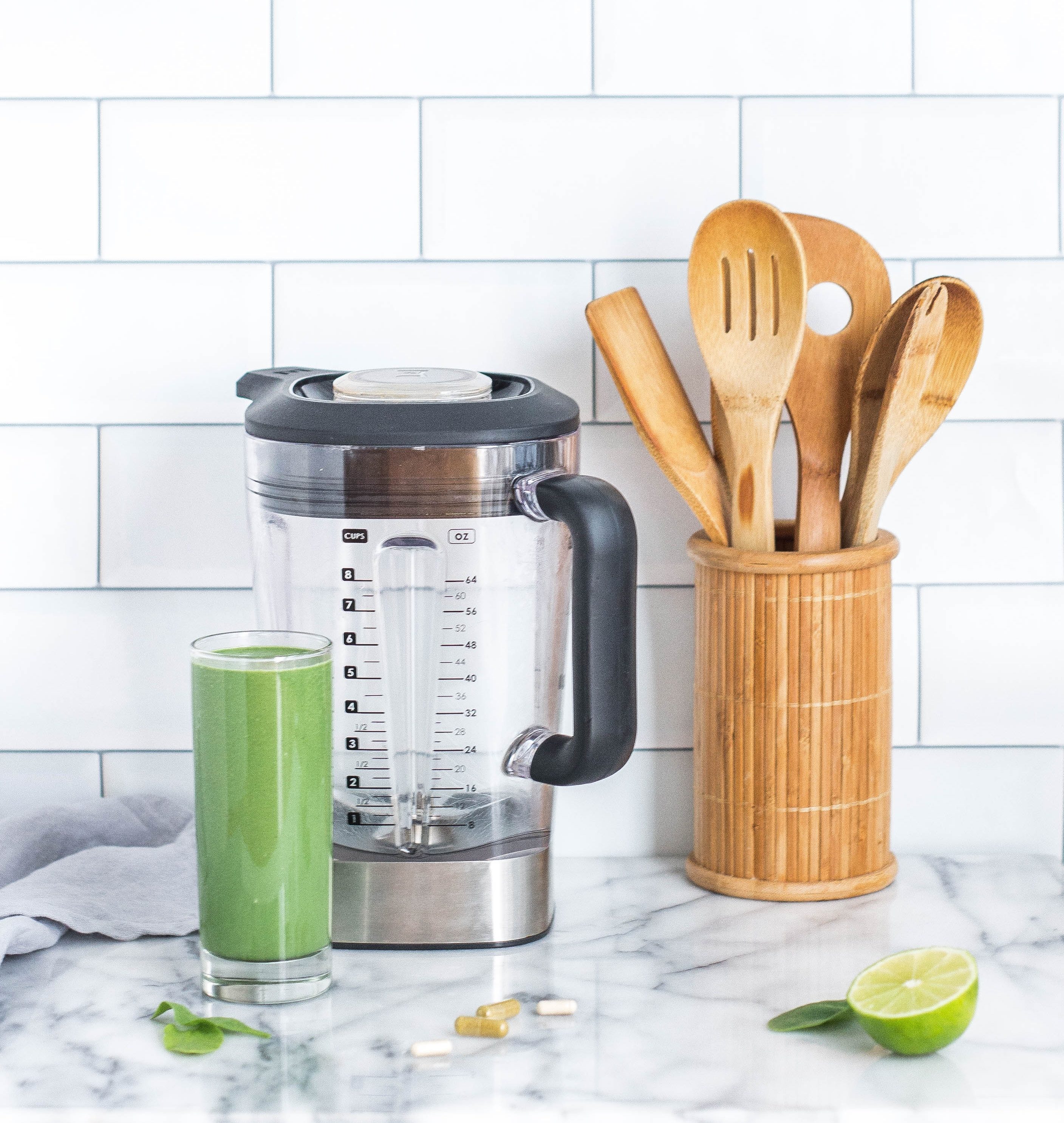
    Smoothies are such an easy, healthy option for those with histamine intolerance. They work for breakfast, lunch, or anytime you want something both filling and refreshing. Unfortunately, a lot of fruits can be problematic for histamine issues. Here are 5 great smoothies for on-the-go nutrition.

    ANTIHISTAMINE SMOOTHIES

    All of the following smoothies are not only low histamine but also contain antihistamine and anti-inflammatory foods. They are also beautiful with their vibrant phytonutrient colors. Adjust flavors, make substitutions according to your tolerances and preferences, and enjoy.

    GREEN APPLE GINGER

    The peel of the apple is where some of its best antihistamine components are. Buy organic and keep the peel. Ginger stabilizes mast cells, so it’s a great spice to include regularly.

    INGREDIENTS
    • 1 apple (not peeled)
    • 1/2 cup coconut milk (or any tolerated dairy free milk) 
    • 1-2 cups arugula or flat leaf kale (lower oxalate)
    • ½ tbsp fresh ginger root, grated (all ingredients are optional…there’s dozens to choose from on my 28 day plan)
    • dash of spirulina or chlorella (some find them too immune stimulating but they can also have mast cell stablising properties)
    INSTRUCTIONS
    1. Place all ingredients in a high-speed blender and process until smooth.
    2. Taste and adjust the sweetness and spice, if necessary.
    3. Enjoy!

    POMEGRANATE Cucumber

    Pomegranate is a wonderful source of antioxidants as well as a mast cell stabilizer. Banana adds natural sweetness and creaminess. If you choose to add ginger, there’s another mast cell stabilizer acting in your favour.

    Cucumber has antihistamine and prostaglandin inhibiting properties. Prostaglandin is an inflammatory agent released from mast cells along with histamine. High prostaglandin can augment the inflammatory effects of histamine on the body.

    INGREDIENTS
    • 1 pomegranate, seeds collected in a cup
    • 1 cucumber
    • Freshly grated ginger root, if desired
    INSTRUCTIONS
    1. Place all ingredients in a blender and process until smooth.
    2. Enjoy!

    MANGO ROCKET

    Mango is a wonderful tropical fruit that has both antihistamine and anti-inflammatory properties. Arugula is another antihistamine ingredient which comes from the cruciferous family of vegetables. It is anti-inflammatory and has loads of vitamins and minerals.

    INGREDIENTS
    • 1 mango, peeled
    • A handful of fresh arugula (rocket)
    • 1 cucumber
    • ½ cup water
    INSTRUCTIONS
    1. Place all ingredients in a blender and process until smooth.
    2. Taste and adjust the sweetness and amount of water, if necessary.
    3. Enjoy!

    For another Green Mango Smoothie, check out my post, Histamine, the Good Guy?

    PURPLE SWEET POTATO SMOOTHIE

    Sweet potato is high in histamine lowering rutin and quercetin, but please bear in mind it is very high oxalate if that’s something you’re watching. The purple variety has more of the antioxidant anthocyanin, which is also the phytonutrient in blueberries and red cabbage. Ginger adds mast cell stabilization power. 

    INGREDIENTS
    • 1 cup cubed purple sweet potato (cooked and then refrigerated)
    • 1 cup unsweetened and thinned coconut milk
    • ½ Tbsp fresh ginger root, grated
    INSTRUCTIONS
    1. Place all ingredients in a blender and process until smooth.
    2. Enjoy!

    BLUEBERRY BASIL

    Pterostilbene is a potent natural antihistamine found in plant foods — including blueberries. Basil is a well-known antihistamine herb that pairs well with the blueberries.

    INGREDIENTS
    • 1 cup frozen organic blueberries
    • ½ – 1 cup water
    • 2-3 leaves fresh basil
    • 1 Tbsp coconut milk
    • 1 Tbsp almond butter or other nut/seed butter

    INSTRUCTIONS

    1. Place all ingredients in a blender and process until smooth.
    2. Taste and adjust the sweetness and spice, if necessary.
    3. Enjoy!

    Or even better, to do a complete reset with recipes and lifestyle strategies to balance histamine levels and get your body on the path to healing, I highly recommend my comprehensive 28-Day Histamine Reset.

  • Histamine & Caffeine Addiction

    Histamine & Caffeine Addiction

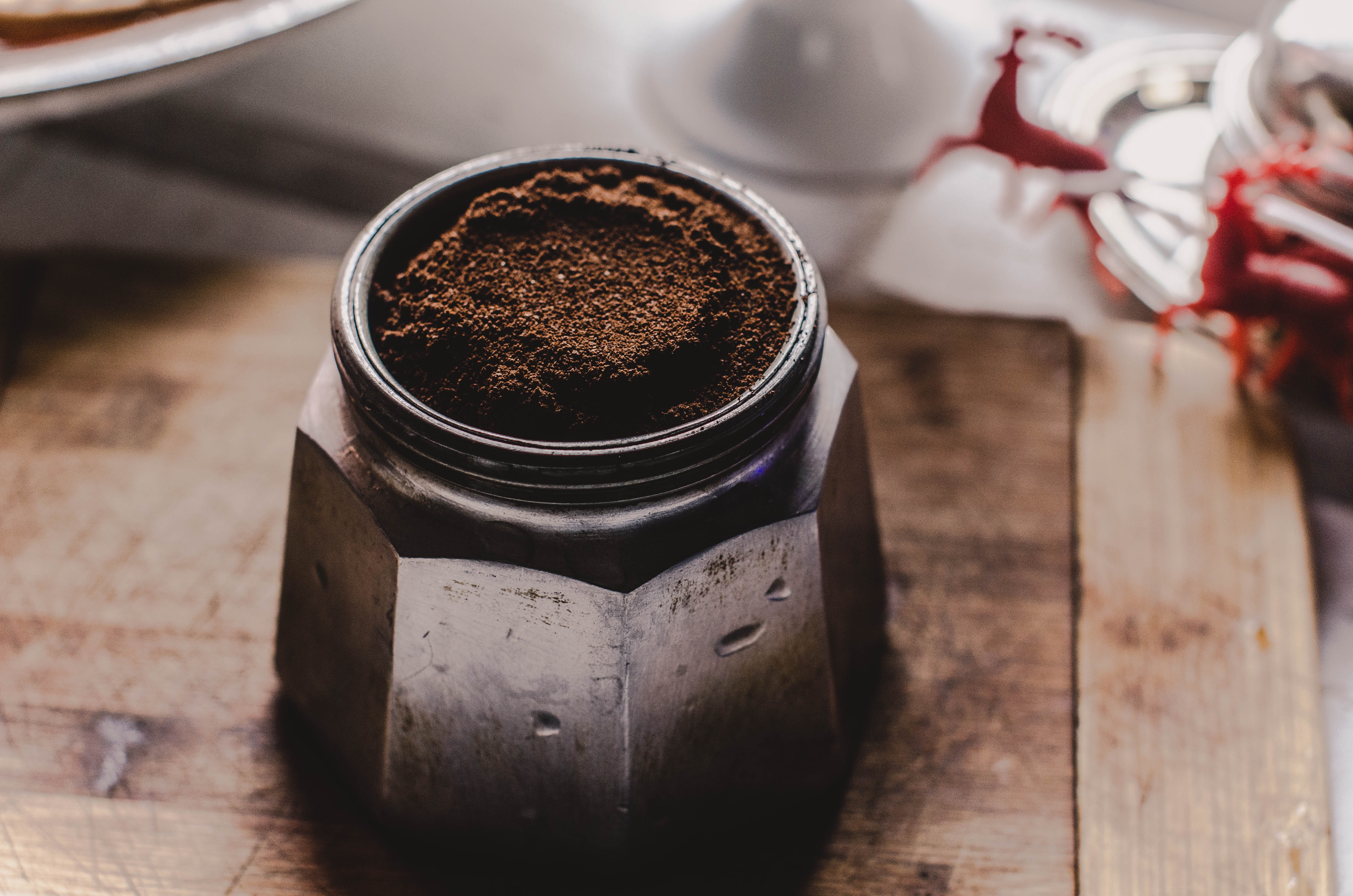
    Did just looking at the above photo make your body quiver in anticipation?  Do you need coffee to make it through the day, but still react to it? Unfortunately, histamine may mess with your ability to tolerate caffeine, while brain fog and addictive tendencies make you constantly crave it. It’s not all in your head. Here’s the link between histamine, caffeine and 

    HISTAMINE in ADDICTION

    As I’ve highlighted in many posts before, histamine has a strong impact on the brain:

    Brain Fog

    Anxiety

    Depression

    Alzheimer’s

    Psychiatric Disorders

    In addiction? Yes, that too.

    It’s common knowledge amongst researchers that the abuse of drugs or alcohol can raise brain dopamine levels, leading to long-term changes in brain chemistry. The feel-good dopamine makes the subject want to engage in behaviors that raise dopamine over and over again — leading to addiction.

    Now it’s apparent that histamine has a complex interaction with dopamine and also plays a role in addiction.

    If you want to read more about dopamine, how it’s linked to addictions, and how to raise it naturally without the addictive behaviors, check out my post: Histamine-Dopamine Interaction Linked To Addiction, Compulsive Behaviour.

    A number of studies have shown rats that liked their alcohol had higher brain histamine levels compared to controls. Blocking the H3 receptor (in effect, lowering the histamine) caused the rats to reduce their alcohol consumption. Animal studies also tell us that both cocaine and methamphetamines significantly raised brain histamine levels, particularly in the amygdala –the emotional center of the brain.

    HISTAMINE & CAFFEINE

    In animal studies, histamine, via the histamine 1 receptor (H1) has been shown to make the effects of caffeine on the body more pronounced. This may be due to the fact that caffeine increases the release of glutamate in the hypothalamus, which then activates histamine neurons and enhances caffeine-induced alertness.

    So, histamine already sets up the brain for a tendency toward addictions, which may include an addiction to caffeine. Then the high histamine levels enhance what caffeine does to the body –particularly the musculoskeletal system — and so may potentially act as a trigger for a histamine reaction.

    And if that’s not enough, caffeine may also block diamine oxidase (DAO).

    CAFFEINE & DAO

    Caffeine is a methylxanthine, which is related to the asthma drugs, theophylline and aminophylline. Theophylline can block the effect of the histamine degrading enzyme, diamine oxidase (DAO), and that may also be the case for caffeine.

    Because caffeine may block DAO, potentially limiting your ability to break down histamine, I would recommend cutting back, if not totally eliminating it from your diet until your histamine levels are back in check.

    Look at this as an opportunity to mix things up and try something new. Some nice alternatives to look into are Tasty Antihistamine Hot Beverages, like Green/White tea, Guava Leaf tea, or Tulsi tea (otherwise known as Holy Basil tea).

    START WITH DIET

    If you want caffeine back in your life at some point, start out by lowering your histamine levels through a change in diet. You’ll want to not only avoid high histamine and histamine releasing foods, but also include plenty of antihistamine and anti-inflammatory foods to give your body the nutrients it needs to heal.

    If you need some guidance in that area, you’ll find recipes full of antihistamine and anti-inflammatory foods in my books Anti-Recipes and

    ADDRESS THE BRAIN

    Beyond diet, there are also some brain training therapies and exercises that can be done to lessen the brain fog, anxiety, and addictive tendencies that accompany histamine –rather than reaching for the caffeine.

    You really can use your brain to help heal your body. Taking your body out of the chronic fight-or-flight state and moving it into a state of rest and repair is critical for supporting your health. As long as your brain determines you are still in danger, little will be done to calm inflammation, repair tissues, or make new neural connections for a positive emotional state.

    Meditation, hypnosis, yoga, and positivity, and amygdala retraining have gone a long way in helping me regain my health. Read the linked posts to learn how brain-based therapies can help you to quell the histamine storm and move your body back into a state of growth and repair.

    ——— REFERENCES ————

    Ellenbroek, B. A. (2013). “Histamine H3 receptors, the complex interaction with dopamine and its implications for addiction.” British Journal of Pharmacology 170.1 46-57. Retrieved from: https://www.ncbi.nlm.nih.gov/pmc/articles/PMC3764848/

    Fritzsche, D.  GU Kompass Nahrungsmittel Intoleranzen, Laktose, Fruktose, Histamin, Gräfe und Unzer Verlag, 1. Auflage 2009.

    “Histamine Affects Alcohol-related Behavior.” ScienceDaily. ScienceDaily, 29 June 2009. Web. 16 June 2017.

    Ito, C., Onodera, K. Sakurai, E. Sato, M. & Watanabe, T. (2002). “Effect of Cocaine on the Histaminergic Neuron System in the Rat Brain.” Journal of Neurochemistry, 69(2), 875-78. Retrieved from: https://www.ncbi.nlm.nih.gov/pubmed/9231750

    John, J., Kodama, T., & Siegel, J. M. (2014). Caffeine promotes glutamate and histamine release in the posterior hypothalamus. American Journal of Physiology – Regulatory, Integrative and Comparative Physiology, 307(6), R704–R710. http://doi.org/10.1152/ajpregu.00114.2014

    Kumar, S., Verma, L., & Jain, N. S. (2018).

    “Role of histamine H1 receptor in caffeine induced locomotor sensitization.” Neuroscience Letters, 668, 60-66. https://doi.org/10.1016/j.neulet.2018.01.002

    White, T. (1966). “Histamine in the Brain.” Histamine and Anti-Histaminics. 789-96. Retrieved from: https://link.springer.com/chapter/10.1007/978-3-662-12016-3_30

  • 7 Powerful Antihistamine Foods at Your Supermarket

    7 Powerful Antihistamine Foods at Your Supermarket

    Finding whole food solutions to balancing histamine and stabilizing mast cells doesn’t have to mean ordering strange herbs and superfoods from the other side of the planet. Here are 7 great antihistamine foods you can find at the supermarket nearest you.

    APPLE SKINS

    The skin of the apple is where most of the nutrition is. Apple peel contains powerful polyphenols that have been shown in scientific studies to suppress inflammation and activate antioxidant release.

    Apple polyphenols have also been found to strongly prevent the release of histamine from mast cells in animal studies. So, they are a great component of an anti-inflammatory, antihistamine diet.

    If you can cut the apple so that you get a lot of peel and just a little of the white interior (give to a friend, family member, or pet), you’ll lower your fruit sugar intake and maximize your intake of health-promoting antioxidants.

    To read up on antioxidants and histamine, check out Antioxidants Fight Histamine Inflammation.

    ARTICHOKES

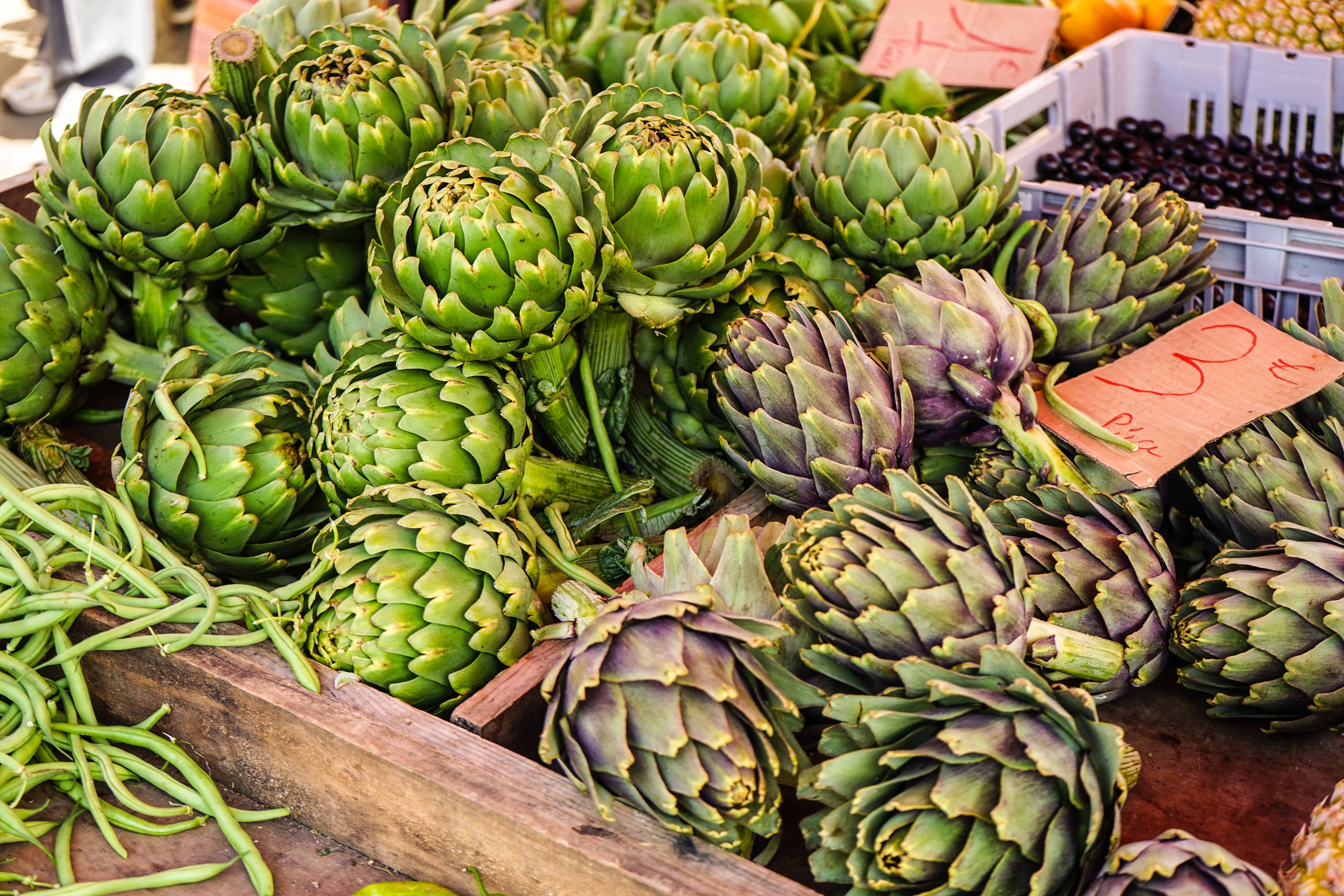
    Artichokes are rich in the bioflavonoid, luteolin, which has been shown to be very helpful for stabilizing mast cells. Read more about luteolin on my post: Luteolin for Mast cells, Histamine and Brain Fog?

    Again, it is the leaves of the artichokes that have the most antioxidant rich polyphenols. So, roast a whole artichoke and enjoy the leaves as an appetizer or snack. You may also enjoy my Antihistamine-Rich Artichoke Soup or my Creamy Anti-Inflammatory Artichoke Pasta W/Antihistamine Herbs.

    ARUGULA

    Arugula, also known as rocket, is a great peppery addition to salad, soup, pasta, wraps –even wilted in quiche or with seafood. It’s rich in vitamins and minerals and also seems to have some potent antihistamine properties.

    An extract of arugula was found to be protective against stomach ulcers, presumably by acting similar to a Protein Pump Inhibitor (PPI) — preventing histamine release in the stomach.

    CHAMOMILE TEA

    Relax… Chamomile has you covered. This wonderfully relaxing herbal tea ingredient has the ability to prevent histamine release from mast cells. The effect was dose-dependent, so if you tolerate chamomile, drink up.

    Keep in mind that chamomile is related to ragweed, so it could cause an allergic reaction in some sensitive people.

    GINGER ROOT

    Beyond being a great natural remedy for soothing nausea, ginger has long been used as an H2 histamine blocker for indigestion and excess stomach acid. It has now also been found to stabilize mast cells.

    Ginger is also just a great anti-inflammatory ingredient to have around for all kinds of delicious recipes. I use ginger in smoothies, juices, soups, grated into salad dressing and onto sautéed veggies. It’s especially great with noodles (I love black rice noodles), as it is a key ingredient in a lot of Asian dishes.

    POMEGRANATES

    This Mediterranean superfood is well known for its antioxidant effects. In fact, the antioxidant potential of pomegranate juice is more potent than both red wine and green tea. It’s also anti-inflammatory, and anti-cancer. These effects are primarily due to its high polyphenol content –especially ellagic acid. Pomegranate has also been shown to prevent inflammation from activated mast cells, acting as a mast cell stabilizer.

    Add pomegranate to your diet by sprinkling arils over salads, using pomegranate juice as a glaze (Check out my recipe for Pomegranate (or apple) Glazed Root Veggies on this post), or by using pomegranate molasses in salad dressing or on pancakes.

    RED ONIONS

    Sure, regular white or yellow onions are antihistamine too, but wouldn’t you rather get in a few more antioxidants? The rich red/purple color is indicative of extra health-promoting benefits. Besides, it adds a beautiful color to any dish.

    Onions have been shown in studies to prevent histamine release, stabilize mast cells, and lower histamine levels in the blood. They are rich in the antihistamine compound, quercetin. Enjoy raw or cooked, as tolerated, in a variety of dishes. For a great soup that includes red onion, try my Autumnal Garden Vegetable Soup.

    WANT MORE IDEAS?

    For delicious recipes including these and other foods with antihistamine and anti-inflammatory properties, check out my cookbooks: Anti-Recipes and The Anti-Cookbook. Or, if you want the Paleo version, there’s The Anti-Cookbook (Paleo).

    Or even better, to do a complete reset with recipes and lifestyle strategies to balance histamine levels and get your body on the path to healing, I highly recommend my comprehensive 28-Day Histamine Reset.

    ————REFERENCES—————

    Alqasoumi, S., Al-Sohaibani, M., Al-Howiriny, T., Al-Yahya, M., & Rafatullah, S. (2009). Rocket “Eruca sativa”: A salad herb with potential gastric anti-ulcer activity. World Journal of Gastroenterology : WJG, 15(16), 1958–1965. http://doi.org/10.3748/wjg.15.1958

    Boyer, J., & Liu, R. H. (2004). Apple phytochemicals and their health benefits. Nutrition Journal, 3(5). http://doi.org/10.1186/1475-2891-3-5

    Chandrashekhar, V. M., et al. (2011). “Anti-allergic activity of German chamomile (Matricaria recutita L.) in mast cell mediated allergy model.” Journal of ethnopharmacology 137(1), 336-340. Retrieved from: https://www.sciencedirect.com/science/article/pii/S0378874111003941

    Chen, Bing-Hung, et al. (2009). “Antiallergic potential on RBL-2H3 cells of some phenolic constituents of Zingiber Officinale (Ginger).” Journal of Natural Products 72(5), 950-953. Retrieved from: https://pubs.acs.org/doi/abs/10.1021/np800555y

    Kaiser, M.S. Youssouf, S.A. Tasduq, S. Singh, S.C. Sharma, G.D. Singh, V.K. Gupta, B.D. Gupta, and R.K. Johri, Anti-Allergic Effects of Herbal Product from Allium Cepa (Bulb), Journal of Medicinal Food. April 2009, 12(2): 374-382. Retrieved from: https://www.liebertpub.com/doi/abs/10.1089/jmf.2007.0642

    Negro. D. et al. (2012). “Polyphenol compounds in artichoke plant tissues and varieties.” Journal of Food Science. 77(2):C244-252. Retrieved from: https://www.ncbi.nlm.nih.gov/pubmed/22251096

    Siddaraju, M. N., Dharmesh, S. M. (2007). “Inhibition of gastric H+, K+-ATPase and Helicobacter pylori growth by phenolic antioxidants of Zingiber officinale.” Mol Nutr Food Res. 2007 Mar;51(3):324-32. Retrieved from: http://www.ncbi.nlm.nih.gov/pubmed/17295419

    Theoharides, T. C. (2009). “Luteolin as a therapeutic option for multiple sclerosis.” Journal of Neuroinflammation, 6(29). http://doi.org/10.1186/1742-2094-6-29

    Tomomasa KANDA, Hiroshi AKIYAMA, Akio YANAGIDA, Masayuki TANABE, Yukihiro GODA, Masatake TOYODA, Reiko TESHIMA & Yukio SAITO (2014) Inhibitory Effects of Apple Polyphenol on Induced Histamine Release from RBL-2H3 Cells and Rat Mast Cells, Bioscience, Biotechnology, and Biochemistry, 62:7, 1284-1289, DOI: 10.1271/bbb.62.1284

    Zarfeshany, A., Asgary, S., & Javanmard, S. H. (2014). Potent health effects of pomegranate. Advanced Biomedical Research, 3, 100. http://doi.org/10.4103/2277-9175.129371

  • Anti-Inflammatory Tea for Acid Reflux

    Anti-Inflammatory Tea for Acid Reflux

    Along with histamine issues can come a lot of digestive distress, including acid reflux. Recent research revealed that histamine and acid reflux are linked, and that diet works better than medications at resolving it (read the post here). Seems like a great time to share my favourite “nip acid reflux in the bud” tea made up of some wonderful ingredients that you can easily find online or at your local organic grocery store. 

    ANTIHISTAMINE & ACID REFLUX FIGHTING TEA

    Please bear in mind that a cup of tea is unlikely to resolve acid reflux. What’s needed are real diet changes and a commitment to nutrition, as well as identifying possible repeat triggers. And remember, we can react to anything, so please check with someone before adding anything new to your diet if you’ve had moderate to severe reactions in the past.

    This tisane (herbal tea) is made up of:

    1) Pukka Herbs’ “Three Tulsi Tea.” This herbal blend is made up of Green Rama Tulsi Leaf (45%), Purple Krishna Tulsi Leaf (45%), and Lemon Vana Tulsi Leaf (10%). While other brands will certainly do, I’ve found this one to be the best tasting and so I scoop up massive quantities of it when I travel to London. You can order it online, but Organic India in the US make a very decent tea. 

    2) Fresh ginger root slices (to taste)

    3) Nigella sativa whole seeds

    BENEFITS OF TULSI TEA

    I’ve talked about tulsi (otherwise known as holy basil) in previous posts as one of my favorite go-to anti-inflammatory and antihistamine herbs: Holy Basil! Anti-inflammatory and Antihistamine Superstar. I love using the fresh herb in cooking but the dried herb as a tea is equally delicious and restorative.

    Beyond being a potent antihistamine that has been shown to be comparable to the antihistamine drug, Ranitidine (trade name Zantac), this “Queen of Herbs” also has powerful antioxidant and anti-inflammatory effects. The essential oil distilled from tulsi showed strong antioxidant effects in studies due to its high eugenol content — the same constituent that is high in clove bud essential oil.

    Other compounds found in tulsi were found to be super anti-inflammatory substances. In fact, depending on the dosage, tulsi is comparable to the Non-Steroidal Anti-Inflammatory Drugs (NSAIDs), Ibuprofen, Naproxen, and Aspirin. And while aspirin can cause stomach ulcers, tulsi can prevent them. I like the side benefits of tulsi much better than the side effects of those drugs. And besides all that, it’s absolutely delicious — a great addition to a nutrient-rich, whole foods diet.

    BENEFITS OF GINGER

    Ginger is another wonderful natural anti-inflammatory food to include on a regular basis. Studies indicated ginger is as effective as the NSAID, Diclofenac sodium (trade name, Voltaren), for pain. Not only does ginger not have the digestive discomfort that Diclofenac can cause, it’s actually soothing to the digestive system. 

    Ginger is a well-known natural remedy for nausea and stomach upset. It has also been shown in scientific studies to be effective for acid reflux. While some people may choose to eat ginger chews, I don’t need the extra sugar. I love the spiciness it adds to the tulsi in this blend.BENEFITS OF NIGELLA SATIVA SEEDS

    Nigella sativa is one of my favorite culinary solutions to histamine intolerance. These little seeds pack a powerful punch of anti-inflammatory, antihistamine constituents.

    Nigella sativa, or black cumin seed, has been used in Middle Eastern folk medicine for over 2000 years as the “cure for every disease except death.” 

    A short list of its properties includes: balancing blood sugar, as an anti-cancer agent, balancing the immune system, pain control, anti-microbial, anti-inflammatory, antioxidant, relief of spasms, increasing airflow to the lungs, liver support, kidney support, and stomach support.

    In fact, studies show that a high dose of thymoquinone (TQ), a major active chemical constituent of nigella sativa essential oil, had comparable effects to the acid reflux medication, omeprazole (trade names include Prilosec and Zegerid). Not bad! That’s why these seeds are an important component to this tea blend.

    You can read more about the many benefits of nigella sativa on these previous blog posts:

    Nigella Sativa Seeds Treat Nasal Allergies Better Than Steroid Spray

    Nigella Sativa For Allergies, Osteoporosis And Flatulence

    RECIPE

    Anti-Reflux Tulsi Ginger Tea  

    1 bag Three Tulsi Pukka Tea

    2 Tbsp sliced ginger

    1/2 tsp nigella sativa seeds

    Place all ingredients in a cup and pour freshly boiled water over the top. Steep for 15 minutes. Strain and enjoy!

    For more delicious recipes with antihistamine and anti-inflammatory properties check out my cookbooks: Anti-Recipes and The Anti-Cookbook. 

    Or even better, to do a complete reset with recipes and lifestyle strategies to balance histamine levels and get your body on the path to healing, I highly recommend my comprehensive 28-Day Histamine Reset.

    ————REFERENCES—————

    Ahmad, A., Husain, A., Mujeeb, M., Khan, S. A., Najmi, A. K., Siddique, N. A., … Anwar, F. (2013). A review on therapeutic potential of Nigella sativa: A miracle herb. Asian Pacific Journal of Tropical Biomedicine, 3(5), 337–352. http://doi.org/10.1016/S2221-1691(13)60075-1

    Chaieb, K., Kouidhi, B., Jrah, H., Mahdouani, K., & Bakhrouf, A. (2011). Antibacterial activity of Thymoquinone, an active principle of Nigella sativa and its potency to prevent bacterial biofilm formation. BMC Complementary and Alternative Medicine, 11, 29. http://doi.org/10.1186/1472-6882-11-29

    Drozdov, V. N., Kim, V. A., Tkachenko, E.V., & Varvanina, G. G. (2012). “Influence of a specific ginger combination on gastropathy conditions in patients with osteoarthritis of the knee or hip.” Journal of Alternative & Complementary Medicine, 18(6):583-588. Retrieved from: https://www.ncbi.nlm.nih.gov/pubmed/22784345

    Kath, R. & Gupta, R. (2012). “Comparison Of Efficacy Of Ocimum Sanctum Against Gastric And Duodenal Ulcers In Animals.” The Internet Journal of Gastroenterology, 11(1).

    Retrieved from: http://ispub.com/IJGE/11/1/14310

    Kelm, M. A., Nair, M. G., Strasburg, G. M., DeWitt, D. L. (2000). “Antioxidant and cyclooxygenase inhibitory phenolic compounds from Ocimum sanctum Linn.”

    Phytomedicine, 7(1), 7-13. Retrieved from: https://www.ncbi.nlm.nih.gov/pubmed/10782484

    Sridevi, G., Gopkumar, P., Ashok, S., & Shastry, C. (2008). “Pharmacological Basis For Antianaphylactic, Antihistaminic And Mast Cell Stabilization Activity Of Ocimum Sanctum.” The Internet Journal of Pharmacology, 7(1).

    Retrieved from: http://ispub.com/IJPHARM/7/1/6038

    Trevisan, M. T., Vasconcelos-Silva, M. G., Pfundstein, B., Spiegelhalder, B., Owen, R. W. (2006). Characterization of the volatile pattern and antioxidant capacity of essential oils from different species of the genus Ocimum.

    Journal of Agricultural & Food Chemistry. 54(12), 4378-4382.

    Retrieved from: https://www.ncbi.nlm.nih.gov/pubmed/16756370

    Yeh, A. M., & Golianu, B. (2014). Integrative Treatment of Reflux and Functional Dyspepsia in Children. Children, 1(2), 119–133. http://doi.org/10.3390/children1020119

  • A Gluten-Free Diet to Eliminate Nerve Pain?

    A Gluten-Free Diet to Eliminate Nerve Pain?

    Back Pain. Closeup Of Beautiful Woman Having Spinal Or Kidney Pain, Backache. Female Suffering From Painful Feeling, Muscle Or Nerve Pain, Holding Hands On Body. histamine and nerve pain

    Can food choices really impact how you feel? A new study says, “absolutely.”  Those of us with histamine intolerance often have intolerances to other foods and food components, such as gluten. Could gluten be behind your chronic pain condition?

    STUDY LINKS GLUTEN INTOLERANCE TO NERVE PAIN

    While neuropathy or “nerve pain” is usually associated with complications of diabetes (nerve damage due to high blood sugar levels), researchers out of the University of Sheffield in the UK found that gluten sensitivity could also predict a “gluten neuropathy.”

    Peripheral Neuropathy is a condition of the nerves that results in weakness, numbness, and pain outside the Central Nervous System –particularly in the hands and feet. That’s why there are “diabetic shoes” out there — with extra cushion to ease the nerve pain and loose enough to promote optimal circulation. They are even sometimes called “Sugar Shoes”!

    A 2015 study found that nearly one-third of people with peripheral neuropathy had gluten sensitivity. And that 9 times out of 10, following a strict gluten-free diet essentially eliminated the pain. In other words, continuing to consume gluten when you are sensitive to it causes nerve damage. Not good!

    If your chronic inflammation is accompanied by chronic pain, it might be worth giving a strict gluten-free diet a try for a few months. There are certainly options! You can use gluten-free grains like rice or grain-like seeds like buckwheat. Some of these even have healing properties.

    In fact, you’ll find recipes full of these foods and others with antihistamine and anti-inflammatory properties my books Anti-Recipes and The Anti-Cookbook.

    However, you may find that even gluten-free grains don’t agree with you. If this is that case, please check out my posts on oxalic acid (high in grains) and how they raise histamine levels.

    CLICK HERE FOR A FOUR WEEK HISTAMINE RESET WITH MEAL PLANNERS, STRESS RELIEF STRATEGIES & MORE

    I suffered from decades of nerve pain in my stomach. Most days it didn’t matter what food went it, anything bothered my stomach. I remember the day I finally linked it to nerve damage was when even putting water in it caused electric-zapping-like feelings in my stomach. That’s when I realised that being super low histamine was less important than doing whatever I could to try and repair my frayed nerves.

    POPULAR NATURAL NERVE REPAIR REMEDIES MAY RAISE HISTAMINE

    One popular food or supplement for nerve regeneration is Lion’s Mane Mushroom (Hericium Erinaceus). While animal studies have shown potential for nerve regeneration (and there are dietary supplements for humans on the market), it may be dangerous to use if you have histamine intolerance.

    Lion’s Mane works by raising Nerve Growth Factor (NGF), which unfortunately also raises histamine levels by causing mast cell degranulation. And mast cells themselves actually create, store, and release NGF. So, while Lion’s Mane does have some good evidence of repairing damaged nerves, it may also worsen inflammation and symptoms associated with histamine intolerance.

    ALTERNATIVE NATURAL SOLUTIONS FOR NERVE REPAIR

    Yogic Breathing/Pranayama

    A study of 20 individuals doing yogic breathing (otherwise known as Pranayama) showed a significant increase in NGF which is conducive to nerve repair. Additionally, Yogic (Pranayama) Breathing Lowers Histamine levels.

    Quercetin

    Quercetin has come up on my site numerous times, as it is one of the top nutrients for lowering histamine. It is actually more effective than the mast cell-stabilizing drug, sodium cromolyn, in blocking cytokine release (histamine is a cytokine).Turns out that it also has been shown to be able to regenerate peripheral nerves. There you go! Kill two birds with one stone. Enjoy quercetin in apples and onions. I love red onions especially, for their rich color and added antioxidants.

    Luteolin

    Luteolin is another flavonoid that I talk about a lot. It is an important ingredient in a supplement I take –NeuroProtek. An animal model of diabetes showed that it, too, can help with peripheral neuropathy and nerve repair. Get some luteolin in your diet by eating plenty of celery, green peppers, thyme, and chamomile tea.

    Anti-inflammatory Diet

    In general, a nutrient-dense, anti-inflammatory, antihistamine diet is going to go a long way toward healing every aspect of the body –including the nerves. Removing gluten may be a missing piece in lowering inflammation and moving the body from a state of emergency to a state of rest and repair.

    If you feel like you need to press the “Reset” button on your health and give your body a fresh start, check out my Plant-Powered 28 Day Histamine Reset. Both quercetin and luteolin are found throughout the Reset recipes. These nutrients, among many others, will help you get your body on track toward optimal health and energy.

    ——— REFERENCES ————

    Aloe, L., Skaper, S. D., Leon, A., & Levi-Montalcini, R. (1994). “Nerve growth factor and autoimmune diseases.” Autoimmunity, 19(2):141-150. Retrieved from: https://www.ncbi.nlm.nih.gov/pubmed/7772704

    Leon, A., Buriani, A., Dal Toso, R., Fabris, M., Romanello, S., Aloe, L., & Levi-Montalcini, R. (1994). Mast cells synthesize, store, and release nerve growth factor. Proceedings of the National Academy of Sciences of the United States of America, 91(9), 3739–3743. Retrieved from: https://www.ncbi.nlm.nih.gov/pubmed/8170980

    Li, M., Li, Q., Zhao, Q., Zhang, J., & Lin, J. (2015). Luteolin improves the impaired nerve functions in diabetic neuropathy: behavioral and biochemical evidences. International Journal of Clinical and Experimental Pathology, 8(9), 10112–10120. Retrieved from: https://www.ncbi.nlm.nih.gov/pmc/articles/PMC4637533/

    Park, Y. S., Lee, H. S., Won, M. H., Lee, J. H., Lee, S. Y., & Lee, H. Y. (2002). Effect of an exopolysaccharide from the culture broth of Hericium erinaceus on enhancement of growth and differentiation of rat adrenal nerve cells. Cytotechnology, 39(3), 155–162. http://doi.org/10.1023/A:1023963509393

    Samberkar S., Gandhi S., Naidu, M., Wong, K. H., Raman, J., Sabaratnam, V. (2015). “Lion’s Mane, Hericium erinaceus and Tiger Milk, Lignosus rhinocerotis (Higher Basidiomycetes) Medicinal Mushrooms Stimulate Neurite Outgrowth in Dissociated Cells of Brain, Spinal Cord, and Retina: An In Vitro Study.” International Journal of Medicinal Mushrooms, 17(11), 1047-1054. Retrieved from: https://www.ncbi.nlm.nih.gov/pubmed/26853959

    Tal, M. & Liberman, R. (1997). “Local injection of nerve growth factor (NGF) triggers degranulation of mast cells in rat paw.” Neuroscience Letters. 221(2-3), 129-32. Retrieved from: https://www.ncbi.nlm.nih.gov/pubmed/9121681/

    Wang, W., Huang, C. Y., Tsai, F. J., Tsai, C. C., Yao, C. H., & Chen, Y. S. (2011). “Growth-promoting effects of quercetin on peripheral nerves in rats.”

    The International Journal of Artificial Organs, 34(11):1095-1105. Retrieved from: https://www.ncbi.nlm.nih.gov/pubmed/22183523

    Wong, K. H., Naidu, M., David R. P., Bakar, R. M., & Sabaratnam, V. (2012). “Neuroregenerative potential of lion’s mane mushroom, Hericium erinaceus (Bull.: Fr.) Pers. (higher Basidiomycetes), in the treatment of peripheral nerve injury (review). International Journal of Medicinal Mushrooms,

    14(5):427-446. Retrieved from: https://www.ncbi.nlm.nih.gov/pubmed/23510212

  • Histamine & Vacuum Packing: Why Eat Fresh?

    Histamine & Vacuum Packing: Why Eat Fresh?

    raw meat vacuum-packed, two steaks on a wooden board

    We know when it comes to avoiding histamine in foods, fresh is best. But how do we make sure food is still fresh when it comes to us — especially when trying to get our anti-inflammatory omega-3s through fresh fish?

    HISTAMINE & PRESERVATION

    Histamine poisoning is often to blame when it comes to foodborne illness. The contaminating bacteria that grows due to improper food handling and storage may be producers of biogenic amines, including histamine. The traditional way these bacteria have been limited in growth is through proper temperature control — either by cooling or freezing — which has been shown to inhibit proliferation.

    As a side note, histamine is heat-stable, so cooking will not lower the already formed histamines in the food. It will, however, eliminate the histamine-producing bacteria before they can raise the histamine level of the food.

    Histamine can come either from an initial low-quality source of food (already contaminated), or develop during the processing of the food if there is not strict adherence to a “cold chain” –uninterrupted refrigeration below a certain temperature.

    When it comes to preservation of fish, quick cooling followed by other measures, such as hydrostatic pressure, irradiation, controlled or modified atmosphere packaging (O2 vs CO2), or food additives has been the approach. The addition of amine oxidizing enzymes or starter cultures has also been used.

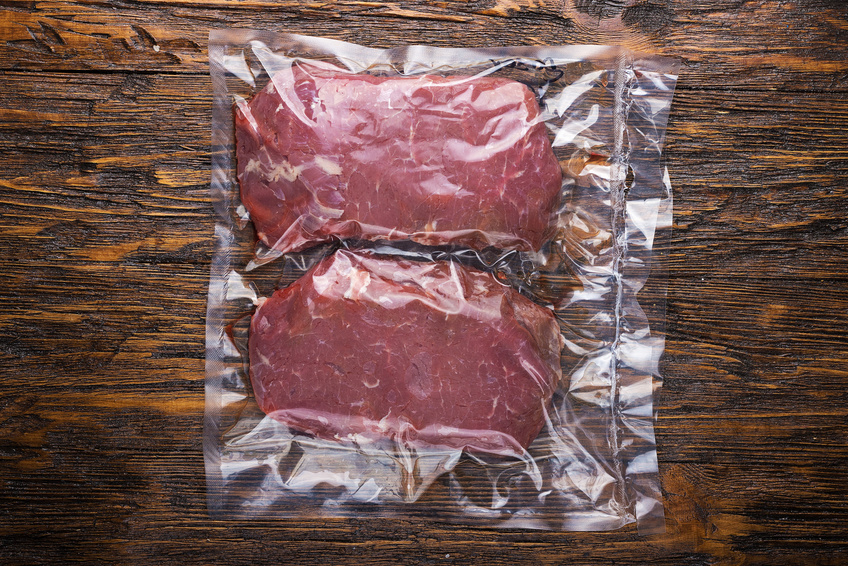
    Vacuum packaging is a type of controlled atmosphere packaging, which removes the oxygen surrounding the food, increasing its “shelf life”. It also reduces freezer burn!

    DOES PACKAGING MATTER?

    In September of 2014, foodborne illness broke out in Tainan City in southern Taiwan due to histamine-producing bacteria on milkfish sticks. After testing leftovers from the victims’ homes as well as raw fish sticks from the grocery stores, it was determined that ten different histamine-producing bacteria strains were to blame. Histamine levels were measured in both the leftover fried fish samples and in samples of raw fish from the grocery stores. Results from a good portion of the samples were well over the potential hazard action level for illness and over the U.S. FDA guidelines for scombroid fish.

    According to an article published in the Canadian Medical Association Journal,

    “Scombroid poisoning occurs after the ingestion of fresh, canned or smoked fish with high histamine levels due to improper processing or storage. First described in conjunction with fish in the suborder Scombroidea (e.g., tuna and mackerel), it has since been described with other dark-fleshed fish (e.g., sardines and anchovies). Scombroid poisoning is one of the most common causes of morbidity associated with fish intake.”

    To learn more about scombroid poisoning and histamine, read my post Histamine In Fish Safety Margin Not High Enough Says The WHO

    A follow up 2017 study out of Taiwan examined the effects of vacuum packaging versus polyethylene packaging (in air) on milkfish sticks. While storing the fish at a temperature below 15 degrees C lowered the histamine levels in both the polyethylene packaging and the vacuum packaging, the vacuum packaged fish had significantly lower histamine than the polyethylene packaging.

    And when the fish sticks that had been stored for 2 months in the freezer (-20 C) and then brought to room temperature (25 C) the vacuum packaged fish had a slower increase in histamine levels compared to the polyethylene packaged fish.

    The moral of the story is… If you’re going to add fish to your diet, definitely seek out vacuum packaged to lower your histamine risk.

    WHY FRESH IS BEST

    Fresh food is always best when it comes to avoiding histamine flares, but it is especially important when it comes to eating fish. And it’s not always that easy to find good sources of fresh fish.

    After doing a good amount of research, I have found a supplier of wild-caught fish that is really and truly fresh and safe. Check out my post, Safer Fish For Histamine Intolerance to read or listen to my interview with Randy Hartnell, who spent 20 years working as a fisherman in Alaska before joining Vital Choice Wild Seafood.

    If you want to totally forgo all fish for a while and reset your health with a plant-based, low histamine, high antioxidant diet, check out my 28-Day Histamine Reset program.

    GARCINIA CAMBOGIA AS INSURANCE?

    In Sri Lanka and India, the solution to reducing histamine-producing bacteria in fish has been the addition of garcinia cambogia extract to the fish. This practice lowers the pH and prevents histamine formation.

    While there are certainly garcinia cambogia extracts and supplements and teas out there (mostly for weight loss!), I wouldn’t rely on taking them to offset questionable fish. There’s no evidence to show that would actually work. And please only eat fish from reputable sources that are prepared and packaged properly.

    ——— REFERENCES ————

    Kung HF, et al. (2017). “The effect of vacuum packaging on histamine changes of milkfish sticks at various storage temperatures.” Journal of Food and Drug Analysis, 25(4),812-818. Retrieved from: https://www.ncbi.nlm.nih.gov/pubmed/28987357

    Lee, YC et al. (2016). “Determination of histamine in milkfish stick implicated in food-borne poisoning.” Journal of Food and Drug Analysis, 24(1), 63-71.

    Retrieved from: https://www.ncbi.nlm.nih.gov/pubmed/28911410

    Naila, A., Flint, S., Fletcher, G., Bremer, P., & Meerdink, G. (2010). Control of Biogenic Amines in Food—Existing and Emerging Approaches. Journal of Food Science, 75(7), R139–R150. http://doi.org/10.1111/j.1750-3841.2010.01774.x

    Stratta, P., & Badino, G. (2012). Scombroid poisoning. CMAJ : Canadian Medical Association Journal, 184(6), 674. http://doi.org/10.1503/cmaj.111031

    Thadhani VM1, Jansz ER, Peiris H. (2002). “Effect of exogenous histidine and Garcinia cambogia on histamine formation in skipjack (Katsuwonus pelamis) homogenates.” International Journal of Food Sciences and Nutrition, 53(1), 29-34. Retrieved from: https://www.ncbi.nlm.nih.gov/pubmed/11820094

  • Central Nervous System (CNS) Histamine

    Central Nervous System (CNS) Histamine

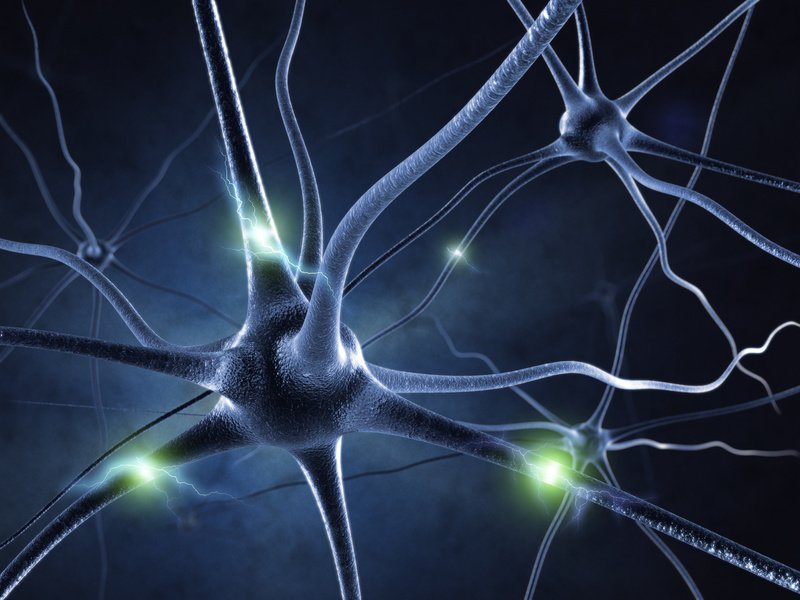
    active nerve cell in human neural system

    Histamine’s role and impact on brain function and chemistry have been the focus of a fair amount of research in recent years — particularly with regard to CNS disorders and degenerative diseases. Manipulating histamine’s ability to bind to receptors, whether through drugs or diet & lifestyle changes may lessen one’s susceptibility to these diseases and disorders.

    HISTAMINE & THE BRAIN

    Histamine is known to act as a neurotransmitter in the brain, interacting with and altering levels of other neurotransmitters, such as dopamine, acetylcholine, and serotonin, for example. It has even been said to be a “regulator of whole brain activity,” as it regulates the sleep-wake cycle, hunger and thirst mechanisms, body temperature, blood pressure, pain levels, and even learning and memory. I don’t know about you, but I can relate to issues with a lot of those.

    But beyond brain fog, pain, and insomnia, histamine is also being extensively studied for its potential role in more complex CNS disorders and diseases — both psychiatric and neurodegenerative.

    HISTAMINE & CENTRAL NERVOUS SYSTEM DISORDERS

    Even though past studies never found a direct cause and effect link between histamine and any particular CNS disorder, the fact that the histamine 3 receptor is entirely restricted to the CNS and that histamine has such an effect on other neurotransmitters in the brain led to studies looking for a connection.

    And indeed, recent scientific studies indicate that histamine does ultimately play an important role in several CNS disorders. These include sleep disorders such as insomnia and narcolepsy, neurodegenerative diseases such as Parkinson’s disease and Alzheimer’s disease, schizophrenia, and even physical disorders like cerebral ischemia (insufficient blood flow to the brain). Blocking histamine in the brain then has been the focus for a potential remedy.

    HISTAMINE RECEPTOR BLOCKERS AS TREATMENT

    Histamine in the brain comes only from neurons located within the tuberomammillary nuclei (TMN) in the posterior part of the hypothalamus. These nuclei are involved in arousal and sleep, learning and memory, and energy balance. 

    So far, pharmaceutical blockers of the histamine 3 receptor have shown potential for treating these disorders of the CNS: Alzheimer’s disease (AD), attention-deficit hyperactivity syndrome (ADHD), schizophrenia, obesity, pain disorders, epilepsy, narcolepsy, and substance abuse/addictions.

    These drugs haven’t hit the market yet. And even when they do, I don’t know about you, but I’d rather do what I can to lower inflammation and histamine naturally, with side benefits rather than side effects.

    DIET & LIFESTYLE ALTERNATIVES OR COMPLEMENTARY THERAPIES

    It stands to reason that if the blockage of histamine receptors in the brain (simulating the lowering of brain histamine levels) leads to a general improvement in multiple disorders of the Central Nervous System, a natural and holistic approach would be to do whatever is necessary to lower one’s overall  histamine levels through antihistamine diet and lifestyle choices.

    Many dietary strategies for lowering histamine are mentioned on this website, including both what not to eat as well as specific foods, herbs, and nutrients to focus on eating for lowering one’s overall histamine and inflammatory load.

    You’ll find recipes full of foods with antihistamine and anti-inflammatory properties my books Anti-Recipes and The Anti-Cookbook. And there’s even a Paleo version here. But if you’re struggling to find foods you can eat, or dealing with multiple sensitivities, you’re probably better off putting together your own healing plan.

    CLICK HERE TO CREATE YOUR OWN PERSONALISED HEALING HISTAMINE PLAN.

    SUPPLEMENTS TO CONSIDER

    Additionally, Dr. Theoharides at Tufts University has done huge amounts of research on the connection between mast cells and brain inflammation. Certain supplements, such as the flavonoid Luteolin can help lower brain inflammation, leading to an improvement in cognitive functioning.

    Another supplement to consider is called bacopa monnieri. It comes from the Ayurvedic tradition and has been found to be neuroprotective, with memory-enhancing, histamine-lowering, inflammation-balancing effects.

    DON’T OVERLOOK STRESS

    And don’t forget the negative effects of stress on the brain. There are plenty of anti-stress practices like meditation, visualization, and yoga to mitigate the effects of stress on the Central Nervous System and subsequently throughout the entire body.

    ——— REFERENCES ————

    Hough, LB. Histamine Actions in the Central Nervous System. In: Siegel GJ, Agranoff BW, Albers RW, et al., editors. Basic Neurochemistry: Molecular, Cellular and Medical Aspects. 6th edition. Philadelphia: Lippincott-Raven; 1999. Available from: https://www.ncbi.nlm.nih.gov/books/NBK28245/

    Hu, W., & Chen, Z. (2017). “The roles of histamine and its receptor ligands in central nervous system disorders: An update.” Pharmacology & Therapeutics, 175, 116-132. Retrieved from: https://www.sciencedirect.com/science/article/pii/S0163725817300633

    Passani, M. B., et al. “Histamine receptors in the CNS as targets for therapeutic intervention.” Trends in Pharmacological Sciences, 32(4), 242-249. Retrieved from: http://www.cell.com/trends/pharmacological-sciences/fulltext/S0165-6147(11)00004-6

    Theoharides, T. C., Stewart, J. M., Hatziagelaki, E., & Kolaitis, G. (2015). “Brain ‘fog,’ inflammation and obesity: key aspects of neuropsychiatric disorders improved by luteolin.” Frontiers in Neuroscience, 9, 225. http://doi.org/10.3389/fnins.2015.00225

GET STARTED HEALING HISTAMINE

WHAT YOU NEED TO KNOW ABOUT HISTAMINE DELIVERED TO YOUR INBOX