Author: Betsy Schroeder

  • Histamine Involved In Diabetes & Kidney Disease

    Histamine Involved In Diabetes & Kidney Disease

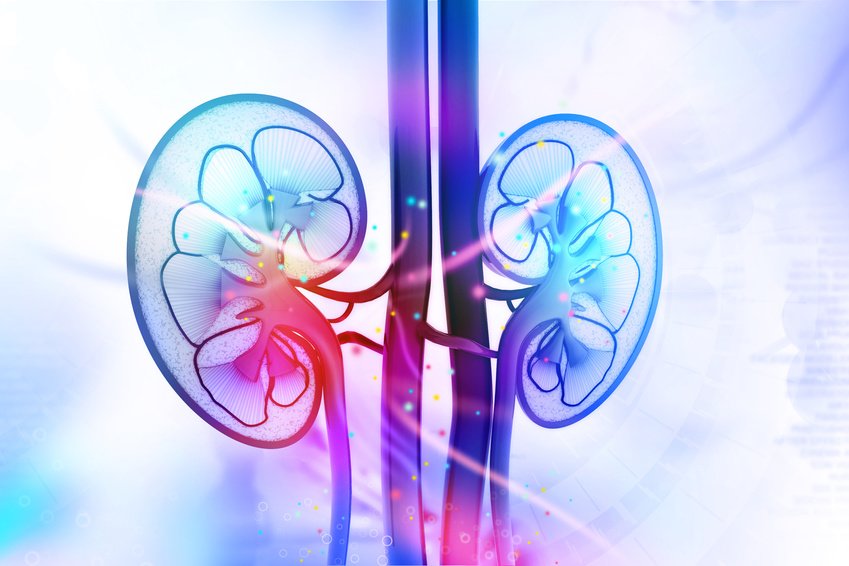
    cross section of kidney's depicting kidneys diabetes and histamine

    We already know diabetes and histamine are linked. And along with diabetes often comes diabetic nephropathy, the kidney damage that often occurs as a side effect of chronically elevated blood sugar. While searching for solutions, scientists came across the histamine H3 and H4 receptors as potential targets for therapies.

    HOW DIABETES IS LINKED TO HISTAMINE

    In both human and animal studies, diabetics have higher levels of histamine in the blood and tissues. In animal studies, diabetes has been shown to cause a decrease in the histamine-degrading enzyme diamine oxidase (DAO), resulting in increased histamine levels.

    Because the histamine 3 receptor is expressed in key areas of the central nervous system (CNS), scientists have been seeking out blockers for this receptor that may be able to treat cognitive disorders, sleep disorders, and manifestations of metabolic syndrome, like obesity and diabetes.

    In fact, blocking the histamine 3 receptor (H3) was shown to reduce blood sugar levels in diabetic patients.

    The histamine 4 receptor is primarily expressed in the cells and tissues of the immune system, which indicates a potential for blockers that help with immune-related disorders, such as allergies and asthma.  

    While a histamine 4 receptor blocker did not affect blood sugar levels in studies, it was protective against diabetic nephropathy by way of its positive effects on kidney function directly and on the immune system.

    HOW TO MEDIATE HISTAMINE’S EFFECT

    To lessen the effect of histamine on a diabetic patient, it would be wise to go at it from both directions: address the histamine intolerance by lowering histamine levels and address the diabetes by balancing out blood glucose levels.

    Beyond following a low histamine diet, as outlined on this site, it would also be prudent to increase levels of diamine oxidase (DAO) to help lower histamine. To learn how to do so through food and nutrients, read my post How To Naturally Boost Production Of The Histamine Degrading DAO Enzyme.

    Additionally, you might want to ask your doctor about a nutrient-dense, lower carbohydrate diet. This means being highly aware of the (even natural) sugars in your diet — perhaps even leaving the carbs for later in the day, like for dinner, to avoid the constant blood sugar peaks and valleys throughout the day.

    At a loss for what to make for dinner? (Or breakfast or lunch, for that matter?) Check out one of my Anti-Cooks (regular or Paleo) for some great recipe ideas.

    There are also specific antihistamine foods that also help balance out blood sugar levels. Some great options are listed below.

    BENEFICIAL FOODS WITH ANTIHISTAMINE PROPERTIES

    These foods, herbs, and spices not only have anti-inflammatory and/or anti-histamine properties, but are also blood sugar balancing.

    Apple cider vinegar (the only acceptable vinegar for histamine intolerance; helps balance blood sugar)

    Bitter melon

    Cherries (especially tart cherries)

    Fenugreek

    Ginseng

    Garlic

    Ginger

    Oregano

    Prickly Pear/Nopales cactus (which is also highly anti-inflammatory and antihistamine)

    Sage

    Additionally, check out the flavonoids found in all of my recipes in the 28-day histamine reset.

    WHAT DOES PRE-DIABETES LOOK LIKE?

    Prediabetes is what you’re diagnosed with when you’re on your way toward diabetes, but not there yet.

    Prediabetes is determined by blood glucose or A1C levels—which reflect average blood glucose levels over the last 3 months—which are higher than normal but not high enough for a diagnosis of diabetes. There may not be other signs or symptoms. However, some risk factors for the condition include being overweight, having high blood pressure, and an HDL cholesterol level below 35 mg/dL or a triglyceride level above 250 mg/dL.

    A diagnosis of pre-diabetes means it’s time to get serious about your diet and lifestyle. There’s still hope for turning things around!

    PREVENTING DIABETES

    It’s certainly possible to prevent diabetes (unless, of course, you were born with it). Diet is paramount. A disease of blood sugar imbalance certainly calls for a diet that supports balanced blood glucose levels.

    A systematic review study published in 2013 in the American Journal of Clinical Nutrition analyzed several diets used as a therapy for diabetes. After assessing the data from 20 Randomized Controlled Trials, the authors concluded that Low-carbohydrate, Low-Glycemic Index, Mediterranean, and High-Protein diets were all effective in lowering risk factors in diabetics and recommended following one of these diets to help control diabetes.

    Exercise and weight loss also go a long way in helping to improve insulin sensitivity and lower your risk of developing diabetes.

    So! Get outside and get some exercise AND get in the kitchen and embrace your inner Julia Child (or Jacques Pepin). Both histamine and diabetes can be addressed at once, starting in the produce section of your local grocery store.

    To help you kick off your new healthy lifestyle, I’ve created my Histamine Reset, with a kitchen detox, food ideas, recipes, and anti-stress meditation ideas. Start lowering your inflammation bucket and improving your health and energy levels today. Your body will breathe a sigh of relief!

    ——— REFERENCES ————

    Fogel, W. A., Chmielecki, C., Grałek, M., & Maslinski, C. (1990). Histamine metabolism in diabetic rats. Agents & Actions, 30(1-2), 243–246. Retrieved from: https://link.springer.com/article/10.1007/BF01969050

    Gill, D. S., Barradas, M. A., Fonseca, V. A., Dandona, P. (1989). Plasma histamine concentrations are elevated in patients with diabetes mellitus and peripheral vascular disease. Metabolism, 38(3), 243-247. Retrieved from: https://www.ncbi.nlm.nih.gov/pubmed/2918844

    Paoli, A., Rubini, A., Volek, J. S., & Grimaldi, K. A. (2013). Beyond weight loss: a review of the therapeutic uses of very-low-carbohydrate (ketogenic) diets. European Journal of Clinical Nutrition, 67(8), 789–796. http://doi.org/10.1038/ejcn.2013.116

    Pini, A. et. al. (2018). Histamine H4 receptor antagonism prevents the progression of diabetic nephropathy in male DBA2/J mice. Pharmacological Research, 128, 18-28. https://doi.org/10.1016/j.phrs.2018.01.002

    Rao, A. U., Shao, N., Aslanian, R. G., Chan, T.-Y., Degrado, S. J., Wang, L., … Palani, A. (2012). Discovery of a Potent Thiadiazole Class of Histamine H3 Receptor Antagonist for the Treatment of Diabetes. ACS Medicinal Chemistry Letters, 3(3), 198–202. http://doi.org/10.1021/ml200250t

  • Histamine, Wakefulness, & Sleep

    Histamine, Wakefulness, & Sleep

    histamine sleep shows a sea lion asleep on a bench

    Ever reach for Benadryl during a sleepless night? Ever wonder why an antihistamine works so well? Let’s take a closer look at the link between histamine and sleep, and strategies to help you drift off peacefully.

    HOW HISTAMINE AFFECTS SLEEP

    Histamine receptors are located throughout the body, including the brain. These receptors are the reason histamine affects the sleep-wake cycle. The brain’s histamine system is located in the hypothalamus, which is the main regulator of homeostasis (keeping things balanced and running smooth) in the body.

    For instance, the hypothalamus controls temperature, hunger & thirst, in addition to sleep-wake cycles.

    Histamine, acting on the H1 and/or H3 receptor in the hypothalamus largely determines sleep and wakefulness. Having elevated histamine or taking medications that stimulate the H1 receptor will cause a feeling of wakefulness while taking medications that block the H1 receptor promotes sleep. Activating the H3 receptor decreases histamine release and promotes sleep while blocking the H3 receptor promotes wakefulness.

    Narcolepsy as an Example

    In a study published in the journal, SLEEP, those with narcolepsy, a condition that causes excessive sleepiness, were found to have a greater number of histamine-producing neurons than is normal. This may be a compensation for their severe loss in orexin-producing neurons, which would otherwise serve to promote wakefulness. In other words, the histamine is there to help support a certain level of alertness.

    Circadian Rhythm of Histamine

    In animal studies (rats and mice), the production, release, and breakdown of histamine in the body followed a circadian rhythm, with highest levels occurring during the human equivalent of height of the day and lowest levels during the human equivalent of nighttime (for rats and mice are nocturnal creatures).

    Some may swing between insomnia and sleeping way too much. They’re both signs of histamine inflammation. I used to welcome being so exhausted that I couldn’t wait to get to bed, but I eventually realised that histamine could make me absolutely exhausted. There was always a nice lull in symptoms as the manic energetic and insomniac phase was replaced by extreme tiredness. There would be a few days crossover where I’d feel completely normal.

    HOW SLEEP AFFECTS HISTAMINE

    Getting into that Rapid Eye Movement (REM) sleep has been shown to lower histamine, as this stage of sleep shuts down the release of histamine and other neurotransmitters to paralyze our muscles during this time of rest and dreaming.

    It might sound a little scary but it’s a good thing.

    DIETARY SLEEP STRATEGIES

    Since we know that histamine is stimulating and suppresses sleep, one main sleep strategy for those with histamine intolerance is obviously to avoid high histamine foods and histamine-releasing foods –especially close to bedtime.

    Another diet-related sleep strategy involves the timing of our macronutrients — that is, proteins, fats, and carbohydrates. Saving your carb intake for later in the day is helpful for promoting sleep in many people. The reason for this is that a higher glycemic meal actually makes tryptophan more available to the brain. Carb Coma is REAL! Take advantage of it. 🙂

    Healthy, low histamine, higher carb foods include fruits, starches, and natural sweeteners. Check out this low histamine carb options for dinner or a bedtime snack:

    • Applesauce
    • Brown rice
    • Chickpeas
    • Lentils
    • Peaches
    • Pears
    • Mangoes
    • Squash
    • Water chestnuts (and flour)
    • White Rice (especially Jasmine rice)
    • Wild Rice

    For delicious ways to enjoy these low histamine, high carb foods for dinner, dessert, or bedtime snack, check out my cookbooks: The Anti-Cookbook OR The Anti-Cookbook (Paleo) and definitely The Low Histamine Dessert Book

    GENERAL SLEEP STRATEGIES

    Dr. Michael Breus is my go-to sleep doctor when I find it impossible to hit the hay. 

    Here are some of his top sleep tips, with my comments:

    1. Know your bedtime and stick to one sleep schedule. — To find your ideal bedtime, determine what time you need to arise in the morning and subtract back 7 ½ hours.
    2. Eliminate all caffeine starting at 2 pm. — Caffeine can stick around in your body for hours. Give it the time it needs to break down and be removed from the body.
    3. No alcohol within 3 hours of bedtime. — For us, no alcohol at all is best, since it is not only high histamine but also blocks the enzyme, DAO, which is important for breaking down histamine.
    4. Stop exercising 4 hours before bed — Exercise earlier in the day to help promote healthy sleep at night. Choose your exercise wisely to avoid triggering histamine release.
    5. Get 15 minutes of morning sunlight — This helps with circadian rhythm entrainment so that you are sleeping when it’s nighttime and awake and alert when it’s daytime. For more about histamine and circadian rhythms, check out this post.

    ——— REFERENCES ————

    American Academy of Sleep Medicine. (2013, June 3). Narcolepsy study finds surprising increase in neurons that produce histamine. ScienceDaily. Retrieved February 18, 2018, from www.sciencedaily.com/releases/2013/06/130603114144.htm

    Herrera, C. P. (2011). High-glycemic index and -glycaemic load meals increase the availability of tryptophan in healthy volunteers.

    British Journal of Nutrition, 105(11), 1601-6. Retrieved from: https://www.ncbi.nlm.nih.gov/pubmed/21349213

    Morin, C. M., Koetter, U., Bastien, C., Ware, J. C., & Wooten, V. (2005).

    Valerian-hops combination and diphenhydramine for treating insomnia: a randomized placebo-controlled clinical trial. Sleep, 28(11),1465-71. Retrieved from: https://www.ncbi.nlm.nih.gov/pubmed/16335333

    Thakkar, M. M. (2011). Histamine in the regulation of wakefulness. Sleep Medicine Reviews, 15(1), 65–74. http://doi.org/10.1016/j.smrv.2010.06.004

  • The Genetics of Histamine Intolerance

    The Genetics of Histamine Intolerance

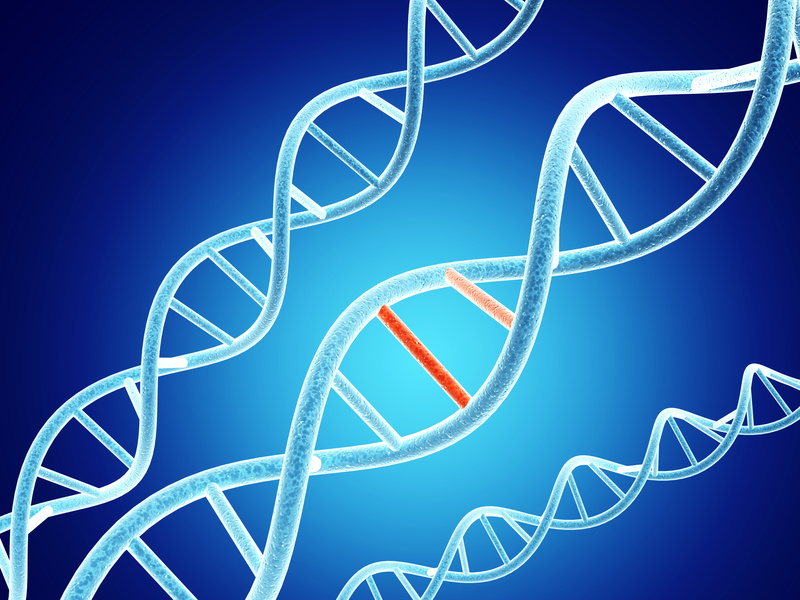
    Digital models of DNA structure with problem element on abstract blue background. 3d render genetics of histamine intolerance

    Are genetics involved in histamine intolerance? The research says, “yes.” However, genes aren’t the be all and end all when it comes to this state or condition. There are many things we can do to turn off the effects of genes and live with good health and vitality. This post will be most useful to those who have done genetic testing through 23 and Me or another service. Be sure to postmark this information otherwise. 

    GENETIC MUTATIONS (SNPs) & HISTAMINE INTOLERANCE

    There are certain variations of DNA building blocks that can set you up for histamine issues. These Single Nucleotide Polymorphisms, or SNPs (pronounced “snips”), have been the subject of much research in recent years as we try to understand what makes one person react to particular drug, environmental exposure, food, et cetera, and another not to react. It’s what makes us all unique, biologically.

    Histamine is a regular part of our immune response as well as our nervous systems –acting as a neurotransmitter. It becomes a problem when it doesn’t get broken down, and high levels accumulate in the body. There are two enzymes that control the breakdown of histamine in the body: HNMT (histamine N-methyltransferase) and DAO (diamine oxidase).

    If there are genetic mutations (SNPs) in these genes, histamine may not be broken down properly, leading to a build-up and the resulting unpleasant symptoms.

    SNPs IN THE HNMT GENE

    Histamine levels are regulated in part by the enzyme, Histamine N-methyltransferase (HNMT). The HNMT activity is encoded in the gene called C939T. Having the variation AA causes increased histamine levels in the body.

    SNPs IN AOC1 (DIAMINE OXIDASE) GENE

    Diamine Oxidase (DAO), as I have spoken of before, is the enzyme that helps break down histamine. An allele is an alternative form of a gene that comes from a mutation. Each “T” allele that you have within the AOC1 gene indicates reduced DAO activity.

    Even if you find out you’re TT for AOC1 and have severely reduced DAO enzymes, you can boost it to an extent, with food. I learned through my research that there are certain foods that naturally boost DAO levels, and so I created recipes around those foods which you’ll find in my 28 Histamine Reset and cookbooks. 

    SNPs IN THE HDC GENE

    The HDC gene encodes for the enzyme, histidine decarboxylase (also HDC), which produces histamine from the amino acid, histidine. SNPs in this gene could change how easily histamine in produced from histidine. In two separate studies, allergic rhinitis was more common in individuals with a SNP in this gene.

    SNPs IN THE MAO GENE

    Monoamine Oxidase (MAO) is an enzyme that breaks down N-methylhistamine to N-methylimidazole acetic acid. SNPs in the gene that encodes for this enzyme can cause histamine levels to stay high rather than be degraded.

    SNPs IN THE MTHFR GENE

    This widely discussed gene is vital for regulating methylation, an important process in the body which is involved in detoxification, the immune response, inflammation, brain chemistry, energy production, and repair. The MTHFR gene encodes an enzyme by the same name, Methylenetetrahydrofolate reductase (MTHFR). This enzyme is also needed to reduce histamine in the body.

    The A1298 mutation in the MTHFR enzyme lessens the conversion of BH2 to BH4.  Less BH4 lowers nitric oxide (NO) formation, which may result in increased mast cell degranulation and histamine flares.

    GENES AREN’T EVERYTHING

    Keep in mind, though, that while there are certain genetic SNPs that can predispose you to histamine intolerance or any number of other diseases, illnesses, syndromes, or intolerances, there are other factors involved.

    While genes may load the gun, environmental factors pull the trigger. Epigenetics has been a major subject of interest in recent years. Epigenetics is the study of how external factors affect the ways genes function –turning them on or off. Nutrigenomics refers specifically to the effect of food on our genes. There are a lot of things that we can do about our environmental (diet and lifestyle) factors that can help to offset our genetic susceptibilities.

    Chances are, you’ve removed toxic personal care and cleaning products from your life already. Discovering which foods are helpful or harmful is the next step. Reducing histamine producing foods and adding in those that are anti-inflammatory or raise your levels of DAO can go a long way toward swinging your environment more in the direction of healing.

    For a comprehensive and step-by-step guide on how to use your dietary and lifestyle choices to offset your genes and heal from histamine intolerance, including supplement recommendations, check out my 28-Day Histamine Reset.

    For an excellent overview of genetics I highly recommend Dr. Ben Lynch’s ‘Dirty Genes’ book now for sale on Amazon.

    ———- REFERENCES ————

    Haenisch, B., Nöthen, M. M., & Molderings, G. J. (2012). Systemic mast cell activation disease: the role of molecular genetic alterations in pathogenesis, heritability and diagnostics. Immunology, 137(3), 197–205. http://doi.org/10.1111/j.1365-2567.2012.03627.x

    Maintz, L. et al. (2011). Association of single nucleotide polymorphisms in the diamine oxidase gene with diamine oxidase serum activities. Allergy, 66(7), 893-902. Retrieved from: https://www.ncbi.nlm.nih.gov/pubmed/21488903

    Smolinska, S. Jutel M, Crameri R, O’Mahony L. Histamine and gut mucosal immune regulation. Allergy 2014; 69: 273–281. Retrieved from: http://onlinelibrary.wiley.com/doi/10.1111/all.12330/full

    Smuda, C., & Bryce, P. J. (2011). New Developments in the Use of Histamine and Histamine Receptors. Current Allergy and Asthma Reports, 11(2), 94–100. http://doi.org/10.1007/s11882-010-0163-6

  • Best & Worst Diets For Histamine Intolerance

    Best & Worst Diets For Histamine Intolerance

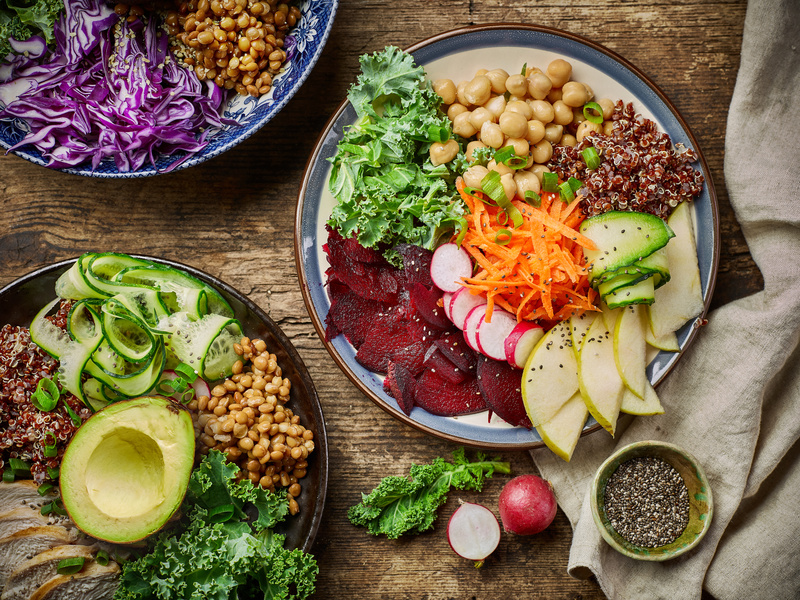
    histamine diet Breakfast power bowls for healthy eating on wooden kitchen table, top view

    When searching for an ideal healing diet, those with histamine issues may have difficulties with a lot of the popular gut- and immune- supporting diets out there. I spent years barking up the wrong fad diets (frutarian, raw vegan, low carb, ketogenic, paleo, macrobiotic, candida, SIBO, and those below), only to come out the other side completely battered and far worse off than before. Here are the pitfalls and upsides of popular nutritional approaches in terms of histamine. 

    GAPS

    This diet, the Gut And Psychology Syndrome (GAPS) diet by Dr. Natasha Campbell-McBride, is a spin off of the Specific Carbohydrate Diet (SCD), originally developed by Dr. Sidney Valentine Haas in the 1920s, and then expanded upon by Elaine Gottschall in the 1980s. It eliminates specific carbohydrate groups, including certain fruits and vegetables, all grains, and all sugars except for honey. While the SCD might have been an “okay” dietary approach for those with histamine intolerance, the GAPS diet is completely disastrous. It emphasizes adding plenty of fermented foods and bone broths to the diet — both of which are high in histamine.

    The “PROs” of the GAPS diet for those with histamine intolerance would simply be the emphasis on a whole foods diet, elimination of all sugar, and cooking at home.

    The “CONs” are that it will put histamine sufferers into a full blown flare with all of those fermented vegetables, 24 hour yogurt, bone broth, kefir, and kombucha. A histamine nightmare. Another CON is the amount of nuts and nut flours that may be relied upon in this diet. If you have been reading my blog for a while, you know that nuts, particularly almonds, are high oxalate. And oxalates have been shown to increase histamine. Other foods that are allowed on a GAPS diet may also be high in salicylates or be higher histamine or histamine-producing, themselves, such as cheeses, tomatoes, and citrus fruits.

    The Bottom Line: The GAPS diet is the WORST diet for those with histamine intolerance!

    AUTOIMMUNE PALEO

    The Autoimmune Paleo (AIP) protocol is a food elimination diet that goes beyond the traditional Paleo diet and removes most potentially allergenic or inflammatory foods, including grains and legumes, dairy and eggs, nuts and seeds, nightshades, coffee, and chocolate.

    The “PROs” of the Autoimmune Paleo diet for those with histamine intolerance include the removal of a great number of high histamine and high oxalate foods. It is also overall a very anti-inflammatory diet that is based on a whole foods approach and also includes a high amount of fresh organic produce.

    The “CONs” are that it is not inherently low histamine. Additional restrictions will have to be added to an already restricted diet, including the avoidance of foods like avocado, citrus, canned sardines, beef jerky, etc. It may also be too high in natural sugars, ultimately leading to inflammation and symptoms.

    The Bottom Line: The Autoimmune Paleo diet may be a beneficial diet for those with histamine intolerance.

    LOW FODMAP FOR HISTAMINE INTOLERANCE

    The Low FODMAP diet was developed for the treatment of Irritable Bowel Syndrome (IBS). FODMAP is an acronym for Fermentable Oligosaccharides, Disaccharides, Monosaccharides And Polyols.

    The “PROs” of the Low FODMAP diet for those with histamine intolerance is that it may eliminate some uncomfortable digestive symptoms, including bloating. Additionally, researchers have found that a low FODMAP diet significantly lowers histamine.

    The “CONs” is that combining a Low FODMAP diet with a low histamine diet may just be too extreme to follow. Read more about it in my post, Low FODMAPs Diet May Help Histamine Intolerance And IBS.

    The Bottom Line: The Low FODMAP diet when moderately followed alongside a low histamine diet may be helpful for those with histamine intolerance.

    KETOGENIC DIET

    The “PROs” of the Keto diet for those with histamine intolerance are that it tends to shut down the hunger response, making it easier to follow a restricted, histamine-sensitive diet. It is also an anti-inflammatory diet, leading to an overall lower level of inflammation throughout the entire body. This alone can help lessen symptoms by enlarging the histamine bucket.

    The “CONs” are that a ketogenic diet is not necessarily low histamine. Aged cheeses, heavy cream, high oxalate nuts, avocados, and coconut milk are all common ingredients for a ketogenic diet; however, most of those are going to be problematic for histamine sufferers, depending on their individual sensitivities. 

    The Bottom Line: The ketogenic diet may be a beneficial diet for those with histamine intolerance. Getting enough calories when dairy free may be difficult, and nearly impossible while on a plant based diet. The long term effects of a ketogenic diet are unknown. 

    FASTING

    The “PROs” of fasting diet for those with histamine intolerance include the fact that fasting in and of itself is good for lowering the histamine response. You can read more about Fasting’s Antihistamine Properties here.

    The “CONs” are that histamine sufferers are also putting stress on their bodies by restricting intake of food. For some, that may potentially cause some fatigue and increased symptoms, just due to the added stress on the body. However, for most people, with a doctor’s approval, fasting may help with histamine flares. 

    The Bottom Line: Fasting may be a useful adjunct to healing histamine, but long term or frequent fasting may contribute to underlying nutritional deficiencies or eating disorders. 

    WHERE TO START?

    After failing diet after diet and starving myself nutritionally and emotionally, I finally tossed out the rule book and embraced a less dogmatic view. I encourage you not to box yourself in with labels you may quickly outgrow. Eat what works for you no matter what list it’s on, and engage in activities like meditation, stress relief and light exercise.

    The 28 program the Histamine Reset features:

    A four week meal planner with animal protein

    A four week totally plant based meal planner

    A 7 day quick start ultra low histamine vegan meal planner

    A 7 day quick start ultra low histamine and salicylate planner

    The week long planners are perfect for the occasional reset and/or to make a switch to a histamine-friendly, healing diet. It’s all about keeping the inflammation bucket under control and making sure we put enough healing foods in there, combined with stress relief, meditation, and meal planning, to prevent it from spilling over. The Histamine Reset was created with with a whole lifestyle approach in mind.

    ———- REFERENCES ————

    McIntosh K, et al. (2016). Low FODMAP diet may significantly improve IBS symptoms. Gut, doi:10.1136/gutjnl-2015-311339.

  • Deuterium in Histamine Intolerance

    Deuterium in Histamine Intolerance

    deuterium histamine

    Deuterium found in our water supply and plant foods can be toxic to the immune system and cause the release of histamine and other inflammatory mediator mast cells. Here’s what it is, how to avoid it, and an interesting possible way to prevent mast cells from triggering histamine.

    WHAT IS DEUTERIUM?

    Heavy water (D₂O rather than H₂O) is water that contains a larger percentage of deuterium (heavy hydrogen) than normally occurs. It is toxic to plants and animals but is friendly to bacteria. It’s not as toxic to humans due to the high water content of the human body. However, once it reaches a certain level, it can contribute to the development of chronic and degenerative diseases.

    As a side note, heavy water, when made into ice, sinks, rather than floats. 

    Light water, or Deuterium-Depleted Water (DDW), then, is water that contains a smaller percentage of deuterium than normal. DDW has been used as a therapy for cancers (breast, lung, and melanoma), for metabolic syndrome, for chronic fatigue syndrome, and for its anti-aging effects, as it has been shown to slow the rapid growth and deterioration of cells.

    HOW DOES DEUTERIUM AFFECT HISTAMINE?

    According to animal studies, deuterium causes increased histamine release from mast cells.

    We want to deplete deuterium in the body, and take in foods and water that are already deuterium-depleted.

    It is actually possible to have your deuterium levels tested, and they should be under 130.

    HOW DEUTERIUM ENTERS THE FOOD SUPPLY CHAIN

    The way deuterium enters the food supply is through photosynthesis, as plants produce energy from carbon dioxide and water. As we know from grade school science class, animals then eat the plants, and we eat the animals (or plants), and that is how deuterium gets passed on to us through food.

    The deuterium concentration in water varies. While ocean water is especially high at 156 ppm, the water from rivers, lakes, and streams is also deuterium-rich. Polar oceans have a much lower concentration of deuterium.

    FOODS HIGHEST IN DEUTERIUM 

    Potatoes & Other Starchy Tubers– The highest deuterium food is potatoes. Plants get rid of their deuterium by storing it as sugar or starch. Therefore, high carbohydrate foods like fruits, root vegetables, and grains are high in deuterium.

    Grains & Legumes – Including corn and peanuts.

    Fruits – High in deuterium. Eat seasonally in moderation, rather than year round.

    Meats from grain-fed animals, as grain is high in deuterium.

    Processed Food – Especially if GMO

    Older food – As plants and animals age and grow, they become less able to deplete deuterium. Eat younger plants (new growth) and younger animals (rather than the old hen) when you can.

    Sugar – High-sugar diets interfere with mitochondrial health and the depleting action of deuterium in cells, leading to DNA instability, unlimited cell growth, hydrogen bond breaks, and abnormal numbers of chromosomes in cancer cells.

    Take the hassle out of meal planning and healing histamine with this four week meal planner and stress relieving program. 

    FOODS LOWEST IN DEUTERIUM / DEUTERIUM-DEPLETED

    • Lard – The lowest deuterium food is pork fat (lard), but it’s inflammatory. We need to pick our battles…

    Animal Fats from Grass-Fed Sources – Fat, whether from plants (olives, avocado, coconut) or from grass-fed animals is the most deuterium depleted source of calories. 

    Healthy Plant-Based Fats – Avocado (high histamine), coconut, olive, nut oils.

    Green Leafy Vegetables – Green plants deplete deuterium, and green leafy vegetables and other low carbohydrate vegetables are deuterium depleted.

    Nuts – Nuts are full of fat and protein, rather than sugar and starches. Most nuts are deuterium depleted.  

    Deuterium-depleted water – Commercially available as Preventa or Qlarivia. 

    FASTING & KETOGENIC DIET FOR DEPLETING DEUTERIUM

    A ketogenic diet (Low carb, high fat, moderate protein) forces the body to burn fats, instead of carbohydrates, and produce ketones, instead of simply glucose.

    It turns out that ketones are a deuterium-depleted source of energy for mitochondria, which are the energy powerhouses of our cells.

    The tricarboxylic acid cycle, otherwise known as the Krebs Cycle, is enhanced by following a ketogenic diet. Aside from helping to produce ATP, the energy currency of the cell, the Krebs Cycle helps to produce water molecules that didn’t come from water intake. This cycle makes water that is naturally deuterium-depleted and delivers it to the tissues of the body.

    It’s interesting to note that because the body produces 1.1 kilograms of (deuterium-depleted) water from every kilogram of fat consumed, eating a high fat will result in less thirst.

    IN CONCLUSION

    Alongside an overall healthy lifestyle with good sleep and moderate exercise, (also conducive to depleting dangerous deuterium levels), the above strategies can help you to lower deuterium, potentially improving histamine-related symptoms, and maybe with some anti-aging side benefits. 

    CLICK HERE FOR A FOUR WEEK HISTAMINE RESET WITH MEAL PLANNERS, STRESS RELIEF STRATEGIES & MORE

    ———- REFERENCES ————

    Artsybasheva, O., Barysheva, E., Shashkov, D., Vlasov, R., & Tekutskaya, E. (2014). Changes of oxidation during use the food diet with deuterium depleted water in laboratory animals with purulent inflammation. Russian Open Medical Journal, 3:0201. Retrieved from: http://www.romj.org/2014-0201

    Basov, A. A., Bykov, I. M., Baryshev, M. G., Dzhimak, S. S., & Bykov, M.I. (2014). [Determination of deuterium concentration in foods and influence of water with modified isotopic composition on oxidation parameters and heavy hydrogen isotopes content in experimental animals]. Voprosy pitaniia,

    83(5), 43-50. Retrieved from: https://www.ncbi.nlm.nih.gov/pubmed/25816625

    [Article in Russian]

    Boros, L. G., D’Agostino, D. P., Katz, H. E., Roth, J. P., Meuillet, E. J., & Somlyai, G. (2016). Submolecular regulation of cell transformation by deuterium depleting water exchange reactions in the tricarboxylic acid substrate cycle. Medical Hypotheses, 87, 69–74. http://doi.org/10.1016/j.mehy.2015.11.016

    Gillespie, E., Levine, R. J. & Malawista, S. E. (1968). Histamine release from rat peritoneal mast cells: inhibition by colchicine and potentiation by deuterium oxide. Journal of Pharmacology and Experimental Therapeutics, 164(1), 158-165. Retrieved from: http://jpet.aspetjournals.org/content/164/1/158.short

    Gillespie, E., & Lichtenstein, L. M. (1972). Histamine release from human leukocytes: studies with deuterium oxide, colchicine, and cytochalasin B. Journal of Clinical Investigation, 51(11), 2941–2947. Retrieved from: https://www.ncbi.nlm.nih.gov/pmc/articles/PMC292444/

    Gyöngyi, Z., Budán, F., Szabó, I., Ember, I., Kiss, I., Krempels, K., … Somlyai, G. (2013). Deuterium Depleted Water Effects on Survival of Lung Cancer Patients and Expression of Kras, Bcl2, and Myc Genes in Mouse Lung. Nutrition and Cancer, 65(2), 240–246. http://doi.org/10.1080/01635581.2013.756533

GET STARTED HEALING HISTAMINE

WHAT YOU NEED TO KNOW ABOUT HISTAMINE DELIVERED TO YOUR INBOX