I’ve been exploring the catch-22 of probiotic supplementation for some time now. The dilemma? Probiotics are necessary for proper intestinal function – the histamine lowering enzymes diamine oxidase and monoamine oxidase live there, so fixing up our poop tube seems like a good idea right?
Not so simple.
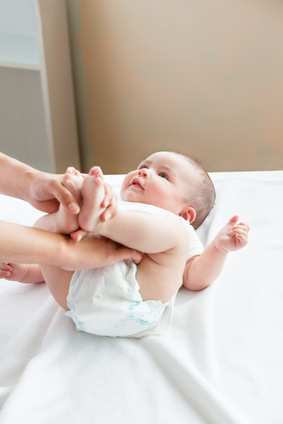
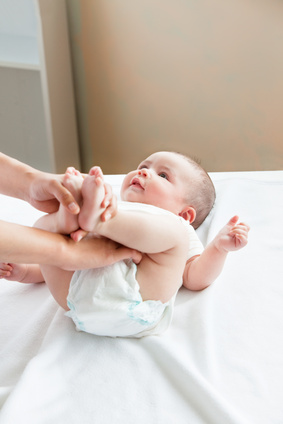
Probiotic supplements are fermented (a no go for histamine intolerance/histamine related disorders) and some strains actually raise histamine and tyramine in the body. The good news is that strains commonly found in babies can actually lower histamine, helping us fight allergies and lower our overall histamine burden.
Lactobacillus casei (TISTR 389) andLactobacillus delbrueckii subsp. bulgaricus (TISTR 895) were found to produce BA (biogenic amines). The highest levels of histamine (1820.9 ± 3.5 mg L−1) and tyramine (5486.99 ± 47.6 mg L−1) formation were observed for the TISTR 389 strain, while TISTR 895 produced only histamine (459.1 ± 0.63 mg L−1) in the decarboxylase broth. Biogenic amine potential was not observed for the Lactobacillus acidophilus,Lactobacillus lactis subsp. lactis, Lactococcus lactis subsp. lactis, and Lactobacillus plantarum strains studied. This study confirmed that BA formation is strain dependent and not related to the species. Read the full study here.
English translation…
The BAD
Lactobacillus casei was shown to produce histamine and tyramine, while Lactobacillus Bulgaricus increased histamine alone.
The NEUTRAL
Lactobacillus acidophilus, Lactobacillus Lactis, Lactococcus Lactis, and Lactobacillus plant arum did not have any effect on biogenic amines like histamine and tyramine.
And now for…The GOOD
One of the perks of being the member of a highly educated online community who are incredibly proactive in their own healthcare, is that they often help fill in the missing links. Today I was reminded of studies I found last year which talked about the histamine-lowering effects of two strains of probiotic bacteria, Bifidobacterium infants, Bifidobacterium longum, commonly found in infant intestines. The studies also noted that the longum species had significant IgE mediation action. This means it could prove helpful to those with allergies. Read the full study here.
Does this mean you can cure your histamine intolerance/histaminosis/mastocytosis with a histamine-lowering probiotic? Doubtful. Could it be helpful? Possibly. Why the cautious optimism? Because I have experienced a variety of reactions to supplements over the years. But if you’re going to try probitic supplementation, this might be a good place to start.
I would not recommend starting this, or any supplement, without consulting your doctor. If you do try, please go slowly. If you prefer to go the nutritional route, a diet low in histamine is a good place to start – check out my post on pre-bioitic foods here.
‘Tis the season to head to warmer climes and enjoy a little dining…but eating out is no picnic when you have histamine intolerance/histaminosis/mast cell activation/mastocytosis. And yet this has never stopped me from trying (and succeeding).
My top tip for surviving restaurants is PREPARE!
1. I have a couple of restaurants who have my allergies/preferences in the system or know me by now. That’s where I take my clients so I don’t have to get into it with them! I’ve never had anyone be rude or dismissive. Restaurants nowadays take these things very seriously because they don’t want a lawsuit on their hands. I’m also always super nice and leave a big tip so they remember me.
2. If I have no control over where I’m going, I’ll peruse the menu online and call ahead and make my order. If I can’t find anything on the menu, I’ll just explain that I have a number of allergies, that I need to come in for a business meeting, and I ask if they would be so kind as to prepare me an omelette (even if it’s not on the menu). They ALWAYS oblige.
3. ALWAYS order dressing/sauce on the side. This is where most restaurants slip up.
4. Tell them outright, you MUST have the freshest food on the menu, so ask for their help in choosing it. I’m always very tactful on this one. Restaurants never admit their food was not cooked from scratch daily and yet (having worked with a number of restaurants over the years) I know this is not the case. Very few restaurants in the world are from scratch, daily.You could copy and paste this text into a word doc, then add your foods, (don’t forget nuts!), and either laminate (my choice) or print it off and keep in your wallet. I suggest multiple copies as these will inevitably be lost along the way…
5. I have the text below printed on a two sided card to be presented upon arrival.
That depends on which list you follow. Histamine in foods varies depending on: the country grown in, whether pesticides were used, climate, transportation, ripeness when picked, how long on the supermarket shelf, bacterial contamination. In particular the level varies in flesh. The reason for which is that bacteria release histamine (and other amines) as the flesh decomposes. The freezing and thawing and re-freezing in particular that occurs in the typical farm to supermarket cycle leads to high histamine levels in food. For fish: how long since it was fished, how it was handled, if it was frozen and then thawed at any point, if it’s contaminated etc. Beef is generally hung for at least two weeks to tenderize the meat. This accounts for the high levels of histamine in the flesh. Some methods of slaughter, including halal (Muslim), do not involve long hanging times, and as such may be fresher.
I have a list I was given by my practitioner (now retired). For legal reasons I am not allowed to share it, but all my recipe books are based on this list.
And finally – your reaction to a food may vary from day to day depending on how high your histamine is that day. Some days just adding a smidge of histamine into an almost overflowing bucket can tip you over the edge.
I’m not just going for a catchy headline here – turns out that valerian root is not only a powerful anxiolytic (natural chill out pill) overall, it’s also an antihistamine which helps with menstrual cramps. I mean seriously, the study is actually called:
Relaxing effects of Valeriana officinalis extracts on isolated human non-pregnant uterine muscle.
Valerian extracts may have direct inhibitory effects on the contractility of the human uterus and this justifies the traditional use of this plant in the treatment of uterine cramping associated with dysmenorrhoea….Valerian extract reduced the maximal contractile response induced by acetylcholine, phenylephrine and histamine…Read the full study here.
Told ya I wasn’t making it up! When I was high histamine it was literally impossible to sleep. I would be up for days at a time. Very handy when I was a journalist working in war zones, but not so great when I have a 9am meeting to go through someone’s digital strategy. Generally when people tell me they’re very low histamine I ask how their sleep is. It’s a great indicator of how you’re doing diet-wise. I’m not discounting stress, but we know that also causes mast cell degranulation too!
Now while the studies I read on valerian took great pains to stress that it’s not a hypnotic which knocks you into sleep, it’s an anxiolytic that reduces stress, helping you drop off. Ever wondered why antihistamines make you sleepy? There are a number of reasons – among them is that histamine controls your cicadian rythm/wakefulness hormones, so taking an anti-histamine would naturally make you fall asleep. Given that we know antihistamines make us fat and can cause toxicity syndrome, exploring natural antihistamine herbs could help lull you to sleep.
Please do remember that many of us with histamine issues don’t do great with herbs and that they thin the blood, but I still find these herbs a great substitute for my once ubiquitous nightly glass of red wine. I brew mine into a tea and try a sip. If my nose doesn’t stuff up then I go for it. I’ll be posting my findings over the next few days as I round up the rest of my research. I find that the best way to get a good night’s sleep is to stay low histamine and not eat too late. The not eating late thing is pretty obvious – I like to let the histamine unleash its worst before I’m getting ready for bed. I also try to do a little (very) light relaxation yoga where I pretty much just hang out upside down for about 30 minutes…
If you’re looking for low histamine inspiration, don’t forget to check out my low histamine recipe books.
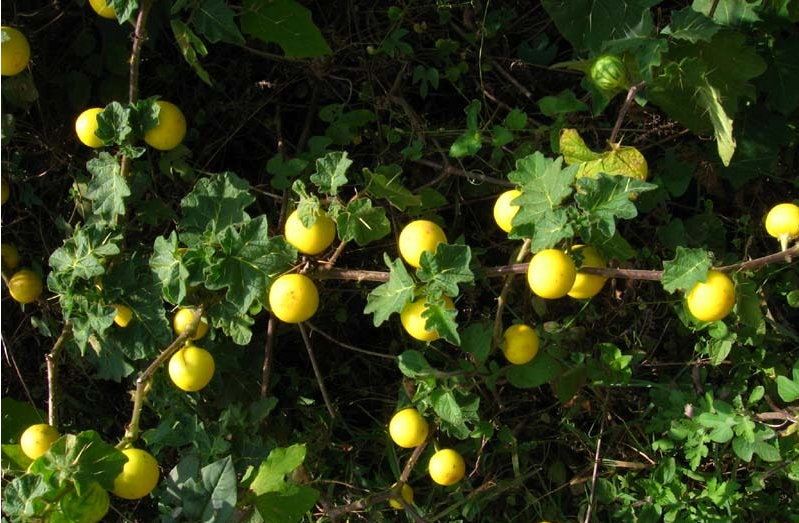
Here’s an interesting headline for you: nightshade flower as effective a mast cell stabiliser as commonly prescribed sodium cromoglycate. This definitely brought a smile to my face, given that most of us in the allergic world only have to hear the word nightshade to run a mile in the opposite direction. It also confirmed that some foods we’re told are bad for histamine related conditions, may have benefits that far outweigh the modest amount of histamine they release. Unless you’re allergic to them!
AS EFFECTIVE AS COMMONLY PRESCRIBED MAST CELL STABILISER/ANTIHISTAMINE
A lot of people ask me how I’ve got from total histamine intolerance breakdown to where I am. While I do believe my recovery is still a work in progress, I thought I’d share how a combination of militant food planning, 30 minutes of inflammation fighting yoga and daily chanting (OM!) have allowed me to reach a far better place than I have ever been.
Thanks to my years studying nutrition (unofficially) through the teachings of Drs Fuhrman, Weil, Oz and others, I was well aware my new low histamine diet had the potential to be unhealthy and counter-productive, if applied strictly, and blindly.
To acknowledge something and to implement it are two very different things. It took me a while to get my sea legs. I floundered around for some time, terrified to add new foods or even entertain the idea of being proactive in my recovery. But I knew I had to take action when I began to approach meal time with fear and hatred, focusing on the food rather than the state of my broken body and mind. I was now eating the same five foods every single day, usually in large amounts, not understanding why I wasn’t “recovering”.
UPDATE: there is a ton of misinformation flying around on the internet. I’m constantly flummoxed by how people will attribute feeling awful to chickpeas or a banana rather than the taco bell, potato chips or chocolate they also had. I have yet to see any scientific study showing high histamine content in chickpeas. On the contrary, sprouted chickpeas are high in DAO, the histamine degrading enzyme. Even a high histamine food can lower or raise histamine, because different parts of the plant have varying properties. Raspberry fruit for example is listed as high histamine, but it also contains antihistamine quercetin. Raspberry leaves meanwhile are scientifically proven to have antihistamine properties.
I have over the last few years called a number of labs to ask how histamine testing is done, and trying to get an accurate list made. But I haven’t been able to.
You know why?
Because according to the labs I have spoken with, it is impossible to measure histamine accurately in vegetables and fruits, because the level is too LOW for the tests to pick it up correctly. Most of the lists you find on the internet were put together by polling readers on what they feel is high histamine, or just copied from other incorrect sources.
So here’s a tip, please stop worrying about whether chickpeas are high histamine, and a little more effort into avoiding processed foods full of gut damaging emulsifiers, stop roasting foods because this oxidising cooking method causes histamine release, and definitely do not go gunning after healthy foods while you’re still indulging in potato chips. Fixing a histamine problem is all about fixing the body as a whole, and eating junk food and worrying about the histamine status of vegetables, beans and pulses isn’t going to get us anywhere.
All scientific references to the statements I just made can be found in this post.
I spend a lot (a LOT) of time on the net chatting with people who are in various stages of eliminating high histamine foods. While going low histamine does mean binning a number of high histamine foods, eliminate too many and you could end up worse off in the long run. I know because I spent a number of years doing it myself. Cut cut cut was all I did, but I soon became reactive to the “safe” foods and I just wasn’t getting any better overall.
A little dabbling in supplements showed me they’re (mostly) out. I just don’t tolerate them. So I eat them instead. I’m quite convinced that their magical qualities, in balance with other nutrients, renders them effective, thought I do realise I’d have to wear a trough around my neck to ingest a therapeutic dose (100mg per kilo??) of some herbs.
Why this emphasis on nutrition rather than antihistamines? Well, antihistamines only work on one or two of the four (known) histamine receptors. Is that bad? Depends – do you enjoy eating obsessively till obesity? How about suffering from chronic infections, liver damage, heart failure or antihistamine toxicity? I personally don’t. Also, my experience on them was, ok, I can eat more – well – I don’t have a choice really – I’m desperate to fill every minute of my day stuffing my face (read is your anti-histamine making you fat). Oddly, if you eat enough, you’ll need more antihistamines! It’s a vicious cycle of filling your bucket, then instead of emptying it, fooling your body into thinking it’s ok to fill it even more.
OREGANO contains polyphenols with antihistamine properties.
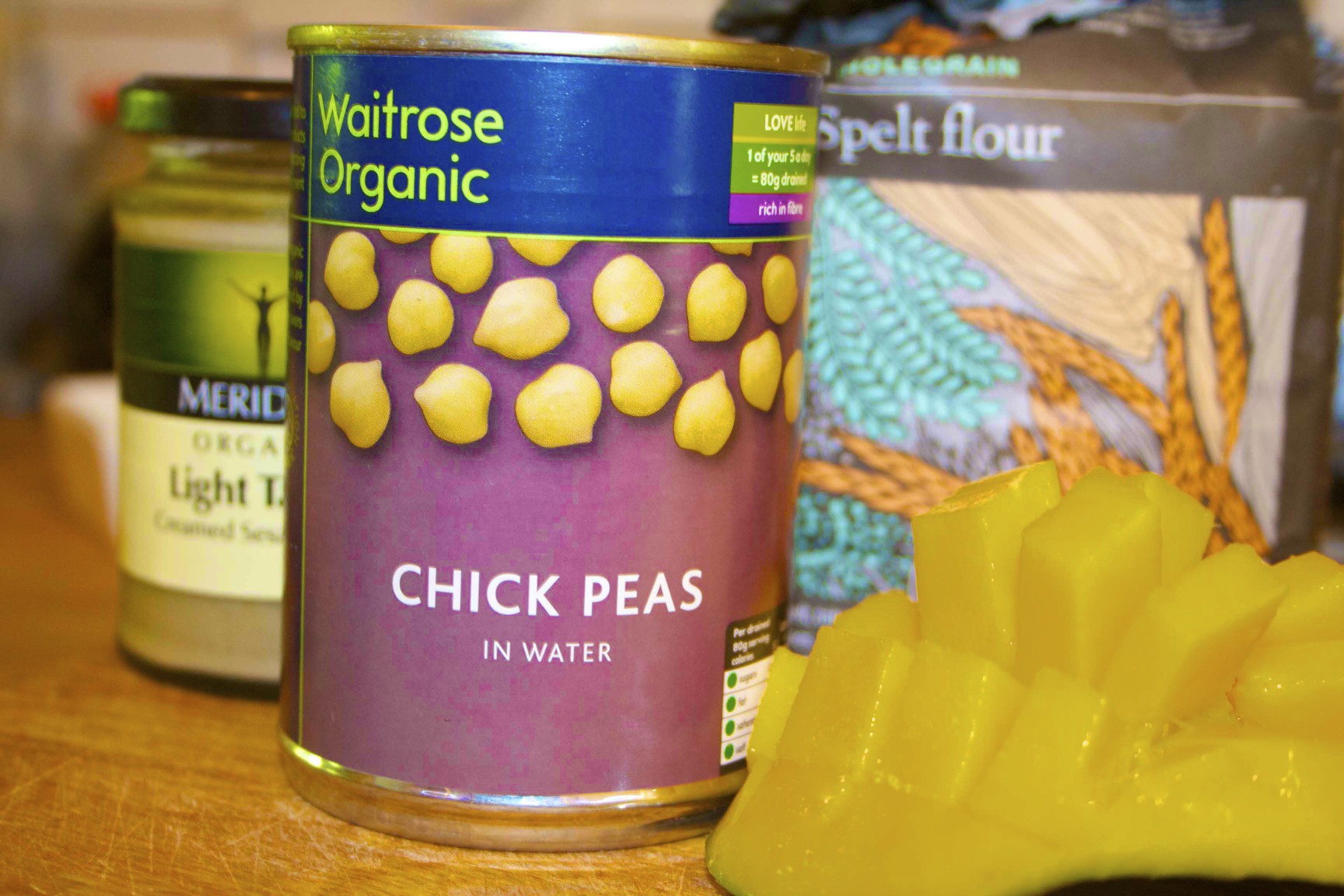
CHICKPEAS…amongst their many nutritional benefits, they’re a particularly good source of plant-based diamine oxidase (DAO – this is the histamine degrading enzyme)
Recently, it has been found that DAO from pea seedlings shows higher activity compared to commercial porcine kidney diamine oxidase (PKAO). Read the full study here.
I suffered daily migraines for many years. At some point I finally came to the conclusion that my headaches, which made me bang my head against the wall on occasion, had something to do with my diet. I was vindicated by the person who diagnosed me with histamine intolerance in London, and now by the growing number of studies clearly spelling out the allergy/histamine migraine link.
I cannot even begin to properly thank my lucky stars for curing me of this blight. I was about six weeks into the low histamine diet when I was able to trash the 600mg ibuprofen that I had been scarfing daily by the handful for most of my adult life. Not to mention the migraine injections. Youch! You truly haven’t experienced hell till you’ve had a constant migraine for six months.
Interestingly, in Spain (and France), it’s commonly acknowledged that migraines are caused by a lack of the histamine-lowering enzyme diamine oxidase (DAO). Seems that the US and UK are way behind the curve on this one.
But histamine can also cause migraine in “healthy” people:
Headache can be induced dose-dependently by histamine in healthy persons as well as in patients with migraine (53, 61). Histamine-induced headache is a vascular headache caused mainly by nitrate monoxide (62). Histamine releases endothelial nitrate monoxide upon stimulation of H1R, which is also expressed in the large intracranial arteries (63). In migraine patients, plasma histamine concentrations have been shown to be elevated both during headache attacks and during symptom-free periods. An increase in the number of brain mast cells is associated with pathologic conditions such as migraine, cluster headache, and multiple sclerosis (64). Many migraine patients have histamine intolerance evidenced by reduced DAO activity, triggering of headache by food rich in histamine (eg, long-ripened cheese or wine), and the alleviation of headache (ie, disappearance of symptoms) under a histamine-free diet (57, 65) and therapy with antihistamines (66). Maintz and Novak.
Meanwhile, for those of us presenting with histamine intolerance, histaminosis, mastocytosis or mast cell disorders…
This study colludes that: “Thus, the avoidance of allergic conditions in migraine patients may be a simple, helpful way for prophylaxis or their treatment.”
Although migraine affects about 15% of population and many studies have been performed to find the mechanism and a successful management, the physiopathology of migraine is still largely unknown. The possibility of an immunoglobulin E (IgE)-mediated allergic mechanism and the role of histamine remain controversial. The aim of the present study was to evaluate serum total IgE and histamine levels in migraine patients and the influence of allergy on them. Seventy patients (18-58 years) with migraine without aura were divided into two groups according to their history of allergy (60% with and 40% without allergy). Serum samples were collected during fasting without allowing any premedication during the two periods of attack and remission. There was a control group containing 45 healthy volunteers. Serum total IgE and histamine levels were measured by enzyme-linked immunosorbent assay and fluorimetric methods, respectively. Mean and standard errors of serum histamine (ng/ml) and total IgE (IU/ml) levels were found in the control group to be 48.16 +/- 2.70 and 38.31 +/- 3.20, in the migraine with allergy group 159.11 +/- 4.60 and 303.30 +/- 42.50 and in the migraine without allergy group 105.01 +/- 8.50 and 79.07 +/- 2.70, respectively. Total IgE levels in migraine with allergy group were found to be significantly (P < 0.0001) above that in the control and another group, suggesting an influence of an IgE-mediated mechanism on migraine. Although the plasma histamine levels, which were significantly elevated (P < 0.0001) in patients with migraine, both during headache and symptom-free periods, when compared with the control group, indicate that there is an increased susceptibility to histamine in allergic conditions, this molecule has also an unrelated role in migraine. The relationship between allergy and migraine can be based, in part, on an IgE-mediated mechanism, and histamine release plays an important role. Thus, the avoidance of allergic conditions in migraine patients may be a simple, helpful way for prophylaxis or their treatment.
Has a low histamine or tyramine diet helped your migraines? As always, I’d love to hear from you and don’t forget to check out my diamine oxidase boosting recipes.
You’ll find a collection of all liquid high nutrient antihistamine and anti-inflammatory rich recipes for days when my histamine bucket overflowed in the new Anti-Detox book.
The Anti-cookbook, while it doesn’t treat any conditions, due to its high nutrient, antihistamine and anti-inflammatory ingredients, has been instrumental in helping me feed myself on a limited diet. It features a six page list of antihistamine and anti-inflammatory foods. It comes in regular and Paleo.
The Low Oxalate Cookbook features antihistamine and anti-inflammatory rich recipes.
Don’t miss the Low Histamine Beauty Survival Guide for non-toxic beauty tips, the skinny on histamine releasing (mast cell degranulating) beauty ingredients, antihistamine and anti-inflammatory beauty alternatives and the top brands natural brands I’ve found.
If you’ve found this information useful I’d appreciate your support (at no extra cost to you!) – please check out my online store for your health foods, supplements, kitchen items and beauty product purchases. Affiliate sales through my online store go towards maintaining the website, funding travel to interviews and purchasing all the lovely foods for my free online recipes. You’ll find these items in the “Shop with us” drop down menu on my homepage.
Please don’t forget antihistamine, pain killing foods can still hurt us, so please always check with your doctor before adding new foods to your diet.
Tired of your man attributing every nuance of behavior to your menstrual cycle? Well, he could have a point, but you’d die before admitting it (yup that’s me I’m talking about).
Well here’s a little nugget to wave under his nose. It’s not the menstrual cycle, it’s the histamine stupid!
Japanese researchers have (re)confirmed that the histamine lowering diamine oxidase enzyme (DAO) is influenced by the menstrual cycle.
“Serum DAO levels were influenced by the menstrual cycle. Furthermore, our findings suggest that serum DAO levels should be interpreted cautiously in premenopausal women.”
This could explain why an allergy to food or environment seems to affect you differently each time, depending on where you are in your cycle and how much histamine-lowering diamine oxidase is available to you.
We know from Maintz and Novak’s seminal histamine study, that DAO is at its highest during pregnancy (500% – 1000% higher) so it’s a not unreasonable to conclude that lower hormones = lower diamine oxidase? BUT, that’s not right…
“estrogen can influence histamine action. A significant increase in weal and flare size in response to histamine has been observed to correspond to ovulation and peak estrogen concentrations (118).” Maintz and Novak.
This would seem to point to diamine oxidase being lower during ovulation – though we’re now not taking the potential involvement of monoamine oxidase and HNMT (the other enzymes involved in histamine metabolism) into account. Phew, I’ve confused myself. What is certain is that high histamine mimics the symptoms of anxiety so if you have a histamine-related disorder, certain times of the month are going to be tougher than others.
So, where does this leave your average diamine oxidase impaired lass?
In last week’s post “Histamine’s upside: I lost 35kgs in 6 months” I mentioned the role of histamine in appetite suppression. I recently had a conversation with a friend whose family member suffers from anorexia nervosa. I felt compelled to share that in my teens I too was thought to be anorexic. Food was hurting me so badly that I was starving myself to make it stop. It was more than just a physical reaction, because as we know, histamine is a neurotransmitter and as such affects mood. Food made me crazy, depressed, anxious and manic but I had no clue what was causing it all, despite my raging allergy symptoms.I’ve spent the last few days doing some more research into what’s behind my suddenly stable weight these last two years:H1 receptor antagonists like loratidine (claritin) and cetirizine (zyrtec) make you fat. It’s just a fact. It’s in the medical inserts of both and my own personal hellish experience on them confirms it. At my worst, when I was taking one and a half to two pills daily, I became obsessive about food – to the point of dreaming about eating. I would get up several times a night to rummage through the fridge and spend almost the entire day absolutely ravenous. I would graze all day long. The most incredible benefit of having stopped them is the relief from my food fantasies. I can now easily go half a day without once thinking about food. Is that abnormal? Seems I have H3 receptor stimulation to thank for it. Studies show that H3 receptor agonists (the opposite of antagonists like Claritin and Zyrtec) suppress appetite.
The H3 receptor is a pre-synaptic autoreceptor that inhibits the synthesis and release of histamine, and a heteroreceptor that inhibits other neurotransmitters such as serotonin (5-HT), noradrenaline (NA) and acetylcholine (ACh), which are also implicated in the regulation of food intake. Thus, the H3 receptor is in a prime position to regulate food intake, both through its control of histamine and its influence on other feeding pathways.Study
Translated into English: as a neurotransmitter, histamine affects the brain chemicals that control hunger!
Not just that, but the studies go on to say that histamine’s H3 receptor plays a part in how our body burns fat and what temperature your body runs at. I know from experience that my body runs very very hot when I’m in histamine overload. Interestingly I did some research into a diet pill I looked into in my teens – it worked by raising your body temperature.
Nowadays I don’t take any antihistamines, choosing instead to control my histamine level through diet (check out my low fat high nutrient low histamine DAO Support Cookbook) and a great quercetin supplement called Neuroprotek.
Next step would be finding out if certain foods affect just one of the histamine receptors, H3 in particular, in order to lose weight. Don’t worry, I’m on the case. Sign up to my newsletter for more info on this subject and others.