I find it a little bizarre that not many out there are talking about the impact of cosmetics. Even when following a low histamine and tyramine diet to the letter (almost impossible but can be done for short periods) I still suffered symptom flare ups. My attitude at the time was: “hey, I’m suffering so I may as well pig out”. Wrong. Oh so very wrong.
Then I read this great book ‘No More Dirty Looks’. It got me thinking. If 60% of what we put onto our bodies is absorbed into our bloodstream (I still can’t find the science behind this claim),then why aren’t I concerned about what it could be doing to my histamine, tyramine or other amine levels?
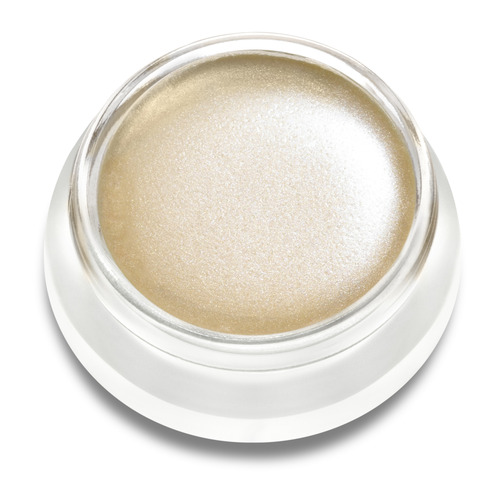
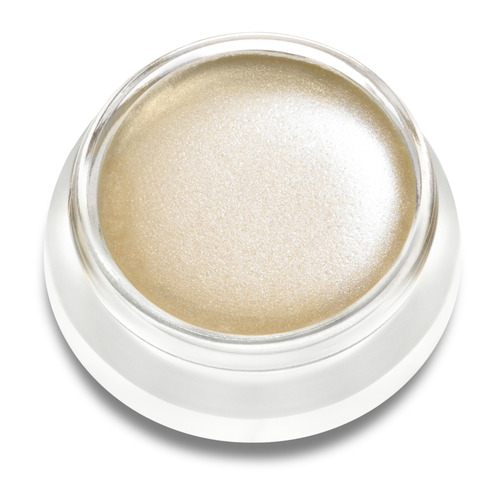
FEB 2016 UPDATE: More importantly, research soon revealed that chemicals and additives commonly found in most cosmetics and bath products (even the supposedly natural/organic ones) have been shown to trigger histamine release, mast cell activation and cause other immune and endocrine dysfunction. Thankfully I’m now ok with most truly organic and raw beauty products (like the RMS beauty product pictured above), as long as they’re not heavily perfumed.
Here’s a few steps to detox your beauty routine…there’s a video where I share my favourite products in a little beauty make over.
FEB 2016 UPDATE: I’ve started dipping my toothbrush in non corn xylitol which is wonderful at preventing tooth decay.
5. Embrace natural brands.
Rose Marie Swift (RMS Beauty) is my hero! A trailblazing make up artist to the world’s supermodels (including Giselle Bundchen) who sufferers from chemical sensitivity. Her make up has 4-6 ingredients, mostly raw organic. They double up as moisturiser and make up. Does not raise my histamine or drive my immune system into a frenzy. I do have to stick to the light/nude colours which I love anyway. Reds (carmine) make my lips and eyes swell horribly. I also love my latest discovery Mineral Fusion for eyeliner and Hemp Organics for lipstick. You can find both of those brands at any Whole Foods in the States but not in the UK.
Dr. Oz calls inflammation an “invisible civil war raging in your body. Undetected it can cause heart attacks, stroke and cancer.” According to him, the problem begins when inflammation does not resolve following its role in healing an injury, causing your immune system to go haywire, turning your best friend into your worst enemy. This ties in to all my reading of this last year. Yes, inflammation is a serious concern when it unnecessarily stokes the immune system into over reacting to everything. Inflammation isn’t just dangerous to those of us with inflammation-induding histamine related disorders like histamine intolerance, histaminosis, mastocytosis and mast cell activation, it’s relevant to anyone with an interest in minimising their cancer, stroke and heart attack risk.
PRE-ECLAMPSIA – excessive maternal inflammatory response to pregnancy…(here’s a study on histamine in pregnancy)
And that’s where the low histamine diet comes in, at least for me. Histamine causes inflammation. Controlling its intake, especially when already dealing with a histamine-related issue, is a good first step, as is adding more anti-inflammatory foods to the diet. A word of caution here: just because something is anti-inflammatory doesn’t mean that you might not have a histamine reaction to it. We’re talking a straight up classic histamine/IgE mediate allergy or food intolerance here.
So, now you’re aware of why you need to be fighting inflammation, but what’s the best way to do it? I take a three pronged approach: diet (check out my low histamine cookbooks for recipes), supplements and lifestyle.
Vitamin K status, as measured by plasma phylloquinone and phylloquinone intake, was significantly inversely associated with the overall inflammation index, which represented the sum of the normalized deviates of the individual markers. Secondary analyses of the individual markers demonstrated significant (p<0.01) associations with 5 of the 14 markers. A two-fold higher plasma phylloquinone concentration was associated with 15 percent lower CD40 ligand, three percent lower intracellular adhesion molecule-1, eight percent lower interleukin-6, four percent lower serum osteoprotegerin, and four percent lower tumor necrosis factor receptor-2 concentrations in multivariable-adjusted analyses. Usual dietary phylloquinone intake was also significantly (p=0.01) inversely associated with C-reactive protein, fibrinogen, interleukin-6, lipoprotein phospholipase A2 mass, myeloperoxidase, osteoprotegerin, and urinary isoprostanes.
Histamine release inhibitors in watercress (Nasturtium officinale) were isolated using a monitoring system with antigen-stimulated RBL-2H3 cells. Of the 15 compounds isolated, flavonols and megastigmanes significantly inhibited histamine release. Two flavonols, 3-O-sophorosides of rhamnetin and rhamnazin, were new compounds. To investigate the inhibitory mechanism, the effects of rhamnetin, rhamnetin 3-O-sophoroside and an isolated megastigmane glucoside on the increase in the intracellular free calcium concentration were examined at a concentration providing 60% inhibition of histamine release. The results suggest that these compounds did not affect the calcium influx at that concentration. The structure-activity relationships of the megastigmanes on histamine release were also investigated.
We examined the effect of a crude hot-water extract (HW) of quince (Cydonia oblonga Miller) fruit on type I allergy in vivo and in vitro. The oral administration of the quince HW-added diet to NC/Nga mice for 63 d showed a significant decrease in the development of atopic dermatitis-like skin lesions under conventional conditions. The concentration of IgE in the serum collected from mice fed with quince HW was also lowered in a dose-dependent manner. Moreover, we found that quince HW inhibited the release of beta-hexosaminidase from rat basophilic leukemia cell line RBL-2H3 after a 24-h treatment. The quince HW fraction of less than 3 kDa reduced the mRNA expression of the high-affinity IgE receptor (FcepsilonRI) gamma subunit. These results suggest that quince HW had an inhibitory effect on type I allergy by suppressing IgE production and IgE-mediated degranulation.
The human body is made of some 250 different cell types. From them, only a small subset of cell types is able to produce histamine. They include some neurons, enterochromaffin-like cells, gastrin-containing cells, mast cells, basophils, and monocytes/macrophages, among others. In spite of the reduced number of these histamine-producing cell types, they are involved in very different physiological processes. Their deregulation is related with many highly prevalent, as well as emergent and rare diseases, mainly those described as inflammation-dependent pathologies, including mastocytosis, basophilic leukemia, gastric ulcer, Crohn disease, and other inflammatory bowel diseases. Furthermore, oncogenic transformation switches some non-histamine-producing cells to a histamine producing phenotype. This is the case of melanoma, small cell lung carcinoma, and several types of neuroendocrine tumors. The bioactive compound epigallocatechin-3-gallate (EGCG), a major component of green tea, has been shown to target histamine-producing cells producing great alterations in their behavior, with relevant effects on their proliferative potential, as well as their adhesion, migration, and invasion potentials. In fact, EGCG has been shown to have potent anti-inflammatory, anti-tumoral, and anti-angiogenic effects and to be a potent inhibitor of the histamine-producing enzyme, histidine decarboxylase. Herein, we review the many specific effects of EGCG on concrete molecular targets of histamine-producing cells and discuss the relevance of these data to support the potential therapeutic interest of this compound to treat inflammation-dependent diseases.
Ethanolic extract of fruits of Coriandrum sativum, leaves of Datura stramonium and Azadirachta indica showed a significant (p<0.01) inhibition of carrageenan induced rat paw edema and the results are presented in table -2. The extract of C. sativum, D. stramonium and A. indica showed 40.81%, 39.43% and 46.47% edema inhibition respectively after third hour at 200 mg/kg dose. Maximum activity was found at 3.0 hr intervals with each dose. Among these plant Azadirachta indica showed maximum anti-inflammatory activity every hour. The inflammation induced by carrageenan is biphasic in nature. The initial phase of edema has been attributed to the release of histamine and serotonin; the edema maintaining during the plateaue phase, attribute to kinin like substances and the second accelerating phase of swelling is attributed to the release of prostaglandin [12, 13]. Since the extract of C. sativum, D. stramonium and A. indica inhibited the carrageenan induced edema that involves release of histamine and serotonin in the first phase; hence the inhibitory effect of the extracts could be partly due to inhibition of mast cell mediator release.
Dr. Theoharides’ Neuroprotek quercetin supplement is not only the cleanest, but also the most effective that I have come across in years. I will soon be selling it through my site, in the meantime please visit my good friend’s website to order.
I’m usually on the fence about homeopathic remedies. I’d love to believe they work, but have yet to see the studies backing up their claims. Today however I found a study showing that a homeopathic remedy, Rhus Toxicodendron, “significantly reduces” carrageenan induced inflammation in rats. As I mentioned in another post, carrageenan (irish moss) is a seaweed derived food additive that is also frequently used in raw food desserts . 2016 update: sorry I should say that irish moss is used in raw foods, not carrageenan. Carrageenan is however found in many organic and natural foods as well as toothpaste.
The study authors note: “We found significant reductions compared to control in carrageenan-induced paw oedema, vascular permeability, writhing induced by intraperitoneal acetic acid and stress induced gastric lesions. Rhus tox in homeopathic dilution appears to interfere with inflammatory processes involving histamine, prostaglandins and other inflammatory mediators.” But that doesn’t mean upping the dose will get you more inflammation relief, on the contrary…”Administration of a single dose of Rhus tox 1h prior to injection of Carrageenan significantly reduced the paw inflammation in a dose dependent manner. Administration of multiple doses of Rhus tox increased the intensity of inflammation induced by Carrageenan, but this was not statistically significant. [1]
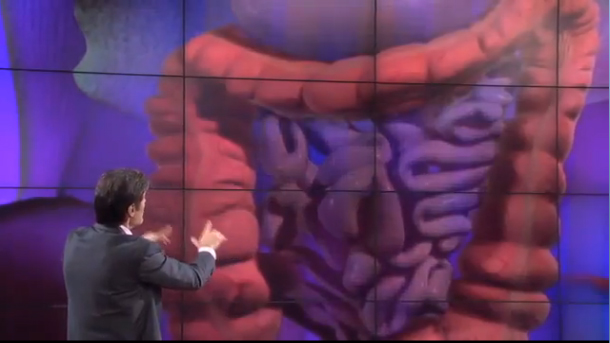
Ok here’s one I totally relate to. Dr. Mehmet Oz, on his show, recently explained how hidden food allergies can make you gain up to 30lbs (20kg) a YEAR.
food allergies make you fat!
Here’s Dr. Oz on his show explaining how, when faced with an undiagnosed allergy whereby the good bacteria cannot process the food (I think maybe he’s referring to the histamine degrading enzymes diamine oxidase, monoamine oxdase and HNMT) the body responds with inflammation that quickly distends the bowels, stomach and surrounding areas, adding up to 30 pounds (20 kilos) of weight EVERY YEAR.
“Gulp”. Yes, I have experienced that first hand. I finally lost 35 kilos (77 lbs) over two years ago, as a result of going on a low histamine diet. I lost the equivalent of a small person!
I attribute some of the weight loss to stopping the anti-histamines which were making me eat like a football player. A football player who has been wandering the dessert without food for two weeks, with only a bag of ganja to sustain him. Yeah, I was obsessed with food, allergenic food that was causing inflammation thanks to a lack of histamine-degrading diamine oxidase, monoamine oxidase and others. But even before then, my friends were always as baffled as I by my weight gain. Was I eating in secret? Was I sleep eating? These were valid questions but I wasn’t.
I can’t say I haven’t become healthier overall since going low histamine, because I definitely have, but my calories aren’t that much lower now. I even eat more dessert now than I used to, which brings me back to how to pig out without gaining weight. Can you guess?? Yup, my first dessert book is finally out! The Low Histamine Dessert Book is gluten-free, milk-free and refined sugar free. All low histamine desserts have been tested out on my non-amine challenged friends…this is the good stuff that I break out for tea, after dinner treats and kiddie birthday parties! The moist chocolate (make it with carob or cacao, there are instructions for both) is perfect for birthdays, and no one has no come back for seconds of the delicious almond butter cupcakes. Though you can frost them with anything…
You can download the low histamine dessert book here. If you’re dealing with histamine-induced weight gain from anti-histamines, histamine intolerance, histaminosis or mastocytosis, you might want to check out my Low Histamine Diamine Oxidase Support Cookbook first!
Diagnosed with histamine intolerance/histaminosis, mast cell activation or mastocytosis? Looking for a tasty treat but have no clue where to start? My first dessert book – the Low Histamine Dessert book – is gluten free, milk free, and refined sugar free, perfect for those necessary indulgences, without the histamine hangover.
I’ve always been a healthy dessert person, mainly because sugar just makes my stomach turn inside out.
The Low Histamine Dessert Book features a number of pages of substitutions but please feel free to contact me through the forum, or by email, if you have any questions.
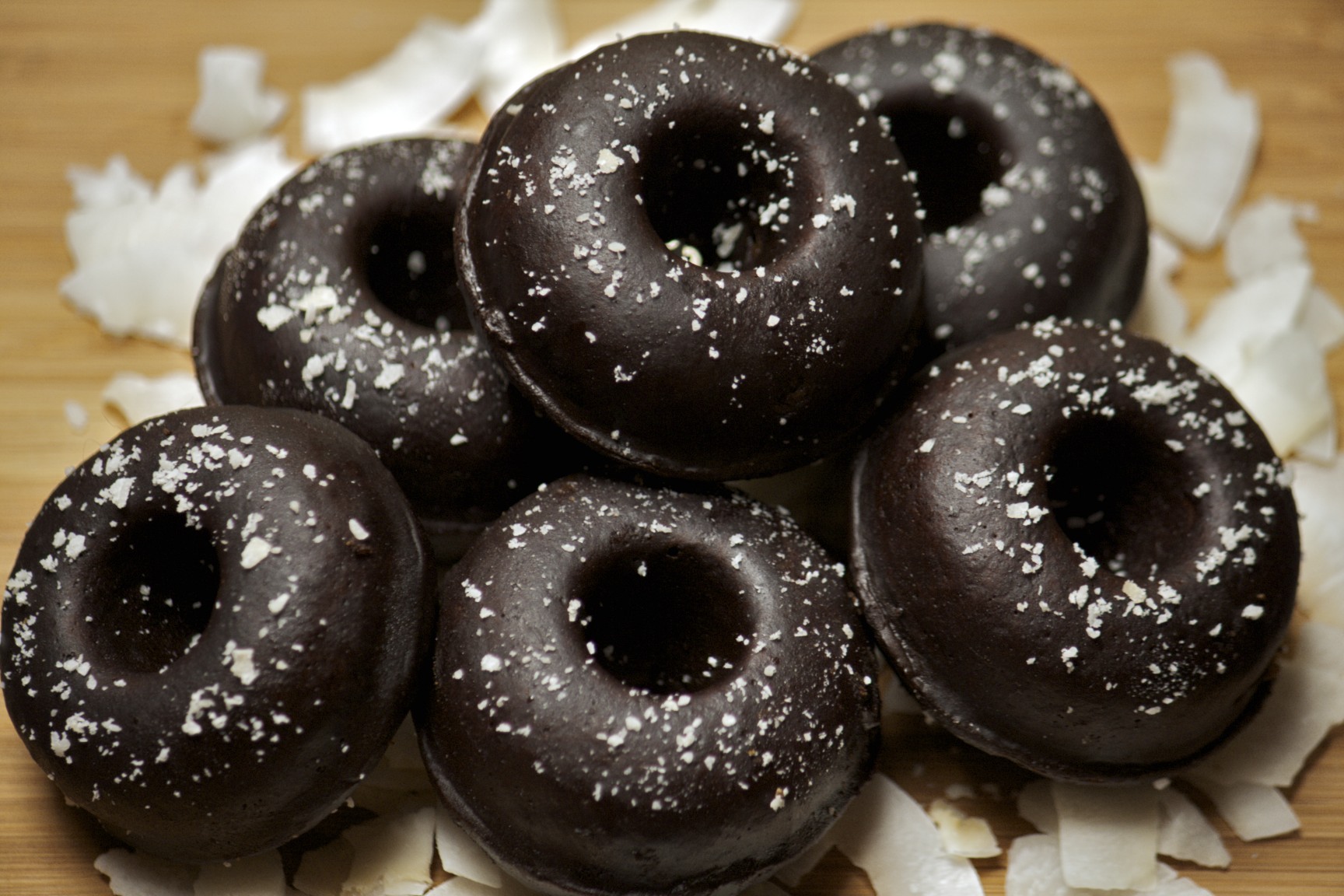
And don’t worry…this book does feature my anti-inflammatory donut recipe! You can download the Low Histamine Dessert Book here.
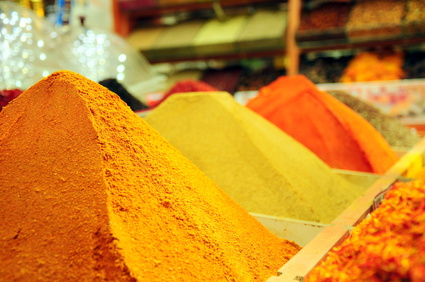
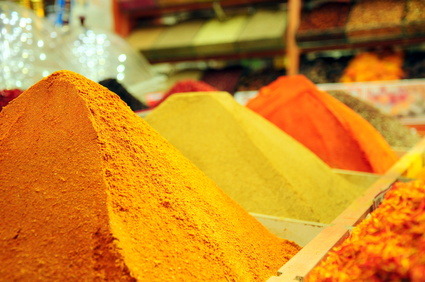
Middle Eastern & Indian spices lower histamine in foods!
More reasons to go natural – here’s a study showing that the addition of Middle Eastern spice sumac to Turkish sausage lowers the biogenic amines tyramine and putrsecine in foods more effectively than BHT (butylated hydroxytoluene).
Unfortunately Sumac did not show the same effect on histamine.
For that we have to travel half way across the world to Sri Lanka and India where people have been using Garcinia Cambogia (mangosteen family) leaves to prevent histamine contamination in fish for centuries. Whether or not they actually knew that’s why they were doing it is another story.
Histamine consumed with food gives rise to allergic reactions. Dark muscle fish, for example skipjack (Katsuwonus pelamis) has been shown to contain histamine. Addition of the spice Garcinia cambogia (extracts 0.2 g ml-1) known as ‘goraka’ in Sri Lanka (sinhala) and ‘kukum’ in India (hindhi), to fresh skipjack incubates prevents histamine formation as a result of lowering pH to 3.2-3.6.Read the full study here.
This naturally makes me wonder if Garcinia Cambogia has the same effect in the human body, at least for those of us with histamine related disorders (histaminosis/histamine intolerance/mastocytosis). Anecdotal evidence put forward by natural supplement pushers would have us believe it does. Garcinia is currently touted as a cure all for allergies, food intolerances, and hay fever. I’ll wait for the solid research to back it. Or at least till the box of garcinia tea I ordered arrives. Your intrepid reporter will keep you posted on her results.
In the meantime, I’d love to know why we in the west haven’t adopted this natural herb for the prevention of unacceptable histamine levels in fish. After all, it’s not just those of us with histamine intolerance, histaminosis, mastocytosis and mast cell activation disorders who are adversely affected by high histamine levels in foods. Government bodies now freely admit histamine in foods is a growing concern to “healthy” people, not just those of us with histamine disorders.
Children lacking the HNMT gene responsible (along with Diamine Oxidase) for degrading histamine in the body, are likely to suffer an increase in adverse reactions to food additives and colorings, which may exacerbate existing ADHD [1]. I have a feeling we’ll be seeing many more studies making a stronger case for food additives and colorings being implicated in all kinds of behavioral disorders in children.
Dr. Emily Deans on her blog Evolutionary Psychiatry had this to say about the study: “Overall, the three year-olds had significant reactions to the hyper juice (more Mix A than Mix B) if they lacked certain alleles of the histamine N-methyltransferase (HNMT) gene. There seemed to be no differences in the reactions depending on the dopamine or other checked genotypes. In the 8/9 year-olds, the results were quite similar. Not too much difference when dopamine may be off, but a significant difference depending on the HNMT gene allele.”This is not only the first study I have seen definitively making a link between behavioral problems in children and food additives, but also the first one linking histamine to it. Though it wasn’t a huge sample (less than 300 kids) and was not a long term study, I’m sure we’ll be hearing a lot more in the near future.
As someone who can attest to the mania inducing effects of food additives and colouring, I sincerely hope that parents around the world will pay more attention to what they put in their children’s bodies, whether influenced by histamine or not. My uncle had a very simple rule with his kids in the supermarket. You can have it if you can pronounce every word on the food label! His kids were well into their teens before getting their first taste of nasty foods. By that time their taste buds were well formed enough to know that it was poison. They’re two of the healthiest eaters I know (other than their parents!).
I’d love to hear from you if this study correlates with your own experiences and if you’ve had success treating your child through a low histamine, low amine, or dye/preservative free diet.
It’s finally here! Man Food – a high nutrient antihistamine and anti-inflammatory ingredient filled book geared towards guys, women who love to work out, yoga like they mean it, or just load up on healing nutrients. Features my personal shopping list of antihistamine and anti-inflammatory foods.
The Anti-cookbook and all liquid Anti-Detox Book, don’t treat any conditions, but feature a plethora of the high nutrient antihistamine and anti-inflammatory ingredients that have been instrumental in helping me feed myself on a limited diet. The Anti-cookbook features a six page list of antihistamine and anti-inflammatory foods and comes in regular and Paleo.
The Low Oxalate Cookbook features antihistamine and anti-inflammatory rich recipes.
Don’t miss the Low Histamine Beauty Survival Guide for non-toxic beauty tips, the skinny on histamine releasing (mast cell degranulating) beauty ingredients, antihistamine and anti-inflammatory beauty alternatives and the top brands natural brands I’ve found.
So the theme emerging the last few days has been that people are being told that the histaminosis/histamine intolerance is all in their head. The usual. Only rather than doctors, it’s friends and family telling them.
It’s only since my recovery that people have stopped trying to convince me I’m nuts. In a way it’s understandable. I have come up with a million reasons for my illnesses over the years. Many were the fault of doctors. I collected diagnoses like dogs acquire fleas. They were just about as useful as fleas…
Please, the next time someone tries to tell you that your palpitations are just “anxiety,” first, ask yourself if you are anxious about something.
If not, next time you see your friend, quote this:
Sometimes (ruling out heart conditions) the reason people with histamine issues have palpitations after foods (used to happen to me particularly with chocolate and strawberries) is that histamine is vasoactive.
Since this post I have found that oxalic acid found in plants is quite possibly far more of an issue than histamine/mast cells in my bladder issue. Moderating oxalate combined with my histamine balanced diet has completely cleared up my life long bladder pain and frequency. Read the post here.You can buy the low oxalate cookbook here.
I’m busy compiling a doctor “wish-list” for exploring my histamine-related disorder. So far, at the very top of it is Dr. Theoharides of Tufts University in Boston. I’ve been taking his high dose quercetin supplement, Neuroprotek for just over a week now and it seems to be making a big difference in my histamine intolerance/histaminosis/mast cell activation symptoms. While perusing the swathes of research (that he has conducted) on his site – one on Interstitial Cystitis caught my attention. Having been misdiagnosed with UTI, despite negative culture, I once again wondered why none of my doctors were aware of this research.
Here’s an excerpt from a talk with doctor Theoharides. You can read the full text here.
Moderator: Jill Osborne, M.A. President & Founder Interstitial Cystitis Network, Santa Rosa, CA USA http://www.ic-network.com
REDUCING INFLAMMATION AND RESTORING BLADDER MUCUS The Role of Quercetin, Glucosamine & Chondroitin
“In either case, we believe that a central cell for the initiation of the inflammation, whether it’s from the bladder in, or the inside is the MAST CELL. Let’s give an example of what happens if there is an insult from the bladder. Let’s call it… X…. will damage the GAG layer and get to the urothelial cells. The urothelial cells are not supposed to deal with any triggers. Once they feel the trigger, they send the message on to the SUBMUCOSA, the layer right behind the urothelial cell and very rich in nerves and mast cells.
In the submucosa, mast cells will immediately be activated and will release three sets of molecules that are very important in inflammation:
1 – Histamine will make the blood vessels leaky. This will allow circulating white blood cells to come out of the vessel and into the tissue to take care of the offending molecule. This process makes the blood vessels swell up and create openings where the white blood cells can come out and enter the bladder to take care of the trigger. When you see inside the bladder with a cystoscope in many IC patients, the urologists see what are described as glomerulations, which are microhemorrhages. In other words, the dilation of the blood vessels (and through the blood vessels) both white cells and blood emerge thus creating the petechial hemorrhages that your doctor may see.
2 – Cytokines that make the wall of the blood vessels product “docking” areas (called vascular adhesion molecules) to which the circulating white blood cells attach and exit.
3 – Chemoattractants that draw circulating white blood cells to bladder tissues.”
Have you been diagnosed with IC or recurrent UTI and now suspect it could in fact be related to your histamine issues?
It’s finally here! Man Food – a high nutrient antihistamine and anti-inflammatory ingredient filled book geared towards guys, women who love to work out, yoga like they mean it, or just load up on healing nutrients. Features my personal shopping list of antihistamine and anti-inflammatory foods.
The Anti-cookbook and all liquid Anti-Detox Book, don’t treat any conditions, but feature a plethora of the high nutrient antihistamine and anti-inflammatory ingredients that have been instrumental in helping me feed myself on a limited diet. The Anti-cookbook features a six page list of antihistamine and anti-inflammatory foods and comes in regular and Paleo.
The Low Oxalate Cookbook features antihistamine and anti-inflammatory rich recipes.
Don’t miss the Low Histamine Beauty Survival Guide for non-toxic beauty tips, the skinny on histamine releasing (mast cell degranulating) beauty ingredients, antihistamine and anti-inflammatory beauty alternatives and the top brands natural brands I’ve found.