
Fox News is the first major player to cover histamine intolerance (histaminosis).
Interestingly the link between histamine disorders and mood/depression are mentioned in the report.
Check out the full story here.
Fox News is the first major player to cover histamine intolerance (histaminosis).
Interestingly the link between histamine disorders and mood/depression are mentioned in the report.
Check out the full story here.
Children lacking the HNMT gene responsible (along with Diamine Oxidase) for degrading histamine in the body, are likely to suffer an increase in adverse reactions to food additives and colorings, which may exacerbate existing ADHD [1]. I have a feeling we’ll be seeing many more studies making a stronger case for food additives and colorings being implicated in all kinds of behavioral disorders in children.
Dr. Emily Deans on her blog Evolutionary Psychiatry had this to say about the study: “Overall, the three year-olds had significant reactions to the hyper juice (more Mix A than Mix B) if they lacked certain alleles of the histamine N-methyltransferase (HNMT) gene. There seemed to be no differences in the reactions depending on the dopamine or other checked genotypes. In the 8/9 year-olds, the results were quite similar. Not too much difference when dopamine may be off, but a significant difference depending on the HNMT gene allele.”This is not only the first study I have seen definitively making a link between behavioral problems in children and food additives, but also the first one linking histamine to it. Though it wasn’t a huge sample (less than 300 kids) and was not a long term study, I’m sure we’ll be hearing a lot more in the near future.
As someone who can attest to the mania inducing effects of food additives and colouring, I sincerely hope that parents around the world will pay more attention to what they put in their children’s bodies, whether influenced by histamine or not. My uncle had a very simple rule with his kids in the supermarket. You can have it if you can pronounce every word on the food label! His kids were well into their teens before getting their first taste of nasty foods. By that time their taste buds were well formed enough to know that it was poison. They’re two of the healthiest eaters I know (other than their parents!).
I’d love to hear from you if this study correlates with your own experiences and if you’ve had success treating your child through a low histamine, low amine, or dye/preservative free diet.
It’s finally here! Man Food – a high nutrient antihistamine and anti-inflammatory ingredient filled book geared towards guys, women who love to work out, yoga like they mean it, or just load up on healing nutrients. Features my personal shopping list of antihistamine and anti-inflammatory foods.
The Anti-cookbook and all liquid Anti-Detox Book, don’t treat any conditions, but feature a plethora of the high nutrient antihistamine and anti-inflammatory ingredients that have been instrumental in helping me feed myself on a limited diet. The Anti-cookbook features a six page list of antihistamine and anti-inflammatory foods and comes in regular and Paleo.
The Low Oxalate Cookbook features antihistamine and anti-inflammatory rich recipes.
Don’t miss the Low Histamine Beauty Survival Guide for non-toxic beauty tips, the skinny on histamine releasing (mast cell degranulating) beauty ingredients, antihistamine and anti-inflammatory beauty alternatives and the top brands natural brands I’ve found.
Take a peek at my other low histamine and antihistamine cookbooks for more high nutrient recipes
———-REFERENCES———-
[1] http://www.ncbi.nlm.nih.gov/pubmed/20551163


So the theme emerging the last few days has been that people are being told that the histaminosis/histamine intolerance is all in their head. The usual. Only rather than doctors, it’s friends and family telling them.
It’s only since my recovery that people have stopped trying to convince me I’m nuts. In a way it’s understandable. I have come up with a million reasons for my illnesses over the years. Many were the fault of doctors. I collected diagnoses like dogs acquire fleas. They were just about as useful as fleas…
Please, the next time someone tries to tell you that your palpitations are just “anxiety,” first, ask yourself if you are anxious about something.
If not, next time you see your friend, quote this:
Sometimes (ruling out heart conditions) the reason people with histamine issues have palpitations after foods (used to happen to me particularly with chocolate and strawberries) is that histamine is vasoactive.
Histamine is….a hydrophilic vasoactive amine. (Wikipedia)
A vasoactive is a pharmaceutical agent that has the effect of either increasing or decreasing blood pressure and/or heart rate. (Wikipedia)
This means that histamine can affect your heart rate. Fluctuations in heart rate can cause feelings of anxiety and palpitations.
I spent years thinking that my palpitations were caused by anxiety. I still get them if I eat chocolate!
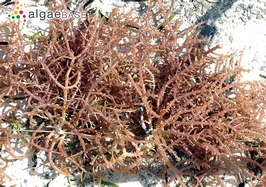
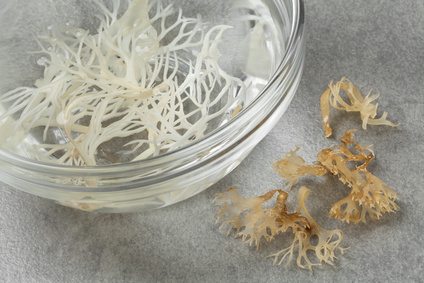
UPDATE: I have edited this post to reflect that carrageenan is an adulterated derivative of Irish Moss.
CLICK HERE TO CREATE YOUR OWN PERSONALISED HEALING HISTAMINE PLAN.
It’s finally here! Man Food – a high nutrient antihistamine and anti-inflammatory ingredient filled book geared towards guys, women who love to work out, yoga like they mean it, or just load up on healing nutrients. Features my personal shopping list of antihistamine and anti-inflammatory foods.
The Anti-cookbook and all liquid Anti-Detox Book, don’t treat any conditions, but feature a plethora of the high nutrient antihistamine and anti-inflammatory ingredients that have been instrumental in helping me feed myself on a limited diet. The Anti-cookbook features a six page list of antihistamine and anti-inflammatory foods and comes in regular and Paleo.
The Low Oxalate Cookbook features antihistamine and anti-inflammatory rich recipes.
Don’t miss the Low Histamine Beauty Survival Guide for non-toxic beauty tips, the skinny on histamine releasing (mast cell degranulating) beauty ingredients, antihistamine and anti-inflammatory beauty alternatives and the top brands natural brands I’ve found.
Take a peek at my other low histamine and antihistamine cookbooks for more high nutrient recipes
——– REFERENCES———
[1] http://www.ncbi.nlm.nih.gov/pubmed/21639869
[2] http://www.tufts.edu/~ttheoh01/cam-theoharides.pdf
[3] http://www.ncbi.nlm.nih.gov/pubmed/6852108
[4] http://www.drweil.com/drw/u/QAA401181/Is-Carrageenan-Safe.html

UPDATE 2016:
Since this post I have found that oxalic acid found in plants is quite possibly far more of an issue than histamine/mast cells in my bladder issue. Moderating oxalate combined with my histamine balanced diet has completely cleared up my life long bladder pain and frequency. Read the post here. You can buy the low oxalate cookbook here.
I’m busy compiling a doctor “wish-list” for exploring my histamine-related disorder. So far, at the very top of it is Dr. Theoharides of Tufts University in Boston. I’ve been taking his high dose quercetin supplement, Neuroprotek for just over a week now and it seems to be making a big difference in my histamine intolerance/histaminosis/mast cell activation symptoms. While perusing the swathes of research (that he has conducted) on his site – one on Interstitial Cystitis caught my attention. Having been misdiagnosed with UTI, despite negative culture, I once again wondered why none of my doctors were aware of this research.
Here’s an excerpt from a talk with doctor Theoharides. You can read the full text here.
Moderator: Jill Osborne, M.A. President & Founder
Interstitial Cystitis Network, Santa Rosa, CA USA
http://www.ic-network.com
REDUCING INFLAMMATION AND RESTORING BLADDER MUCUS
The Role of Quercetin, Glucosamine & Chondroitin
“In either case, we believe that a central cell for the initiation of the inflammation, whether it’s from the bladder in, or the inside is the MAST CELL. Let’s give an example of what happens if there is an insult from the bladder. Let’s call it… X…. will damage the GAG layer and get to the urothelial cells. The urothelial cells are not supposed to deal with any triggers. Once they feel the trigger, they send the message on to the SUBMUCOSA, the layer right behind the urothelial cell and very rich in nerves and mast cells.
In the submucosa, mast cells will immediately be activated and will release three sets of molecules that are very important in inflammation:
1 – Histamine will make the blood vessels leaky. This will allow circulating white blood cells to come out of the vessel and into the tissue to take care of the offending molecule. This process makes the blood vessels swell up and create openings where the white blood cells can come out and enter the bladder to take care of the trigger. When you see inside the bladder with a cystoscope in many IC patients, the urologists see what are described as glomerulations, which are microhemorrhages. In other words, the dilation of the blood vessels (and through the blood vessels) both white cells and blood emerge thus creating the petechial hemorrhages that your doctor may see.
2 – Cytokines that make the wall of the blood vessels product “docking” areas (called vascular adhesion molecules) to which the circulating white blood cells attach and exit.
3 – Chemoattractants that draw circulating white blood cells to bladder tissues.”
Have you been diagnosed with IC or recurrent UTI and now suspect it could in fact be related to your histamine issues?
It’s finally here! Man Food – a high nutrient antihistamine and anti-inflammatory ingredient filled book geared towards guys, women who love to work out, yoga like they mean it, or just load up on healing nutrients. Features my personal shopping list of antihistamine and anti-inflammatory foods.
The Anti-cookbook and all liquid Anti-Detox Book, don’t treat any conditions, but feature a plethora of the high nutrient antihistamine and anti-inflammatory ingredients that have been instrumental in helping me feed myself on a limited diet. The Anti-cookbook features a six page list of antihistamine and anti-inflammatory foods and comes in regular and Paleo.
The Low Oxalate Cookbook features antihistamine and anti-inflammatory rich recipes.
Don’t miss the Low Histamine Beauty Survival Guide for non-toxic beauty tips, the skinny on histamine releasing (mast cell degranulating) beauty ingredients, antihistamine and anti-inflammatory beauty alternatives and the top brands natural brands I’ve found.
Take a peek at my other low histamine and antihistamine cookbooks for more high nutrient recipes

Estrogen can cause major histamine release in the body. Now why would you want that? Because histamine makes you um, randy, and your biological imperative is to procreate. We shouldn’t really complain though,estrogen makes us more attractive to the opposite sex…but back to my point.
Studies on female rats show that estrogen supplementation, or natural fluctuations in cycle near ovulation, cause libido boosting histamine release. Didn’t know that histamine affects your sex drive? You’re welcome! Please explain to your significant other that spiking your meals with cashews isn’t necessary thank you very much. It’s one of the many perks/crosses to bear with our histaminosis/histamine intolerance diagnosis.
Estrogen is important in female precopulatory behaviors in 3 m ways: 1) estrogen increases a female’s willingness to approach a male to induce solicitatious behaviors, 2) estrogen can enhance the “attractivity” of the female: estrogen priming can induce the production of stimuli that make her more attractive to the male (odors or pheromones, vocalizations), and 3) estrogen ‘primes’ for progesterone.
So…
(more…)
Is pain “down there” ruining your life? You’re not alone. Chronic “lady pains” were a hot topic at the hista-sista kvetch-sesh in Notting Hill yesterday. The abundantly histamine blessed ladies and I compared notes. The term “chronic pelvic inflammation” of idiopathic origin and vulvodynia came up quite a bit, as did its disastrous effect on mental health and intimacy with our partners.
I went home and did some research. Obviously, there was a link. It’s something that almost every single woman with histamine issues (that I’ve been brave enough to ask) has complained of.
Here’s what I found:
“Our data suggest that women with a history of urticaria, seasonal allergies or reaction to insect stings appear to be more prone to later development of vulvodynia than women with no history of these allergic reactions. We also showed that this association was largely confined to exposures that occurred before the first onset of vulvar pain, suggesting that allergenic exposures could be involved as, or a marker of, factors involved in the development of vulvodynia. We also observed that a history of other skin conditions, not as strongly related to an immune response, generally were not associated with the risk of vulvodynia. [1]”
And…
“Vulvodynia is a complex disorder and described as discomfort or intense burning pain in the vulvar area. Such chronic pain affects 5 to 15% of women and many suffer of misdiagnosis. For sure the aetiology is multifactorial. Through few studies we consider the inflammatory response plays a major role. There is a genetic profile of women suffering of vulvodynia, especially genetic polymorphisms from genes coding for cytokines, Interleukin-1 receptor antagonist and Interleukin-1 beta, and gene coding for mannose-binding lectin (MBL). These polymorphisms result in a stronger inflammatory response and lay these women in a susceptibility situation. Histological analysis showed a chronic non specific inflammation. We have also demonstrated that these patients present in normal state or under infectious induction an inadequate inflammatory response. But there is still a variety of mechanisms which can interact with the inflammatory response. Management of such vulvar pain syndrome could be very frustrating, but the first step for improvement is to get the right diagnosis [2].”
What I found particularly healing was cutting down on high oxalic acid foods like curly kale and most grains. That cleared up much of my bloating, interstitial cystitis and general sense of malaise. It took a while, but was worth it. I hadn’t realised initially that oxalates were as big an issue for me as histamine. I highly recommend getting tested if you feel this is your issue. You can check out my oxalate post here.
Click here to learn how to create your own healing histamine diet.
All the more reason to look after your health/diet and be good to yourself (lady parts included). I’m off to make a very low histamine anti-inflammatory dinner – you’ll find plenty of recipes in my Man Food book there’s also lots of information and low oxalate recipes in my Low Oxalate Cookbook.
It’s finally here! Man Food – a high nutrient antihistamine and anti-inflammatory ingredient filled book geared towards guys, women who love to work out, yoga like they mean it, or just load up on healing nutrients. Features my personal shopping list of antihistamine and anti-inflammatory foods.
The Anti-cookbook and all liquid Anti-Detox Book, don’t treat any conditions, but feature a plethora of the high nutrient antihistamine and anti-inflammatory ingredients that have been instrumental in helping me feed myself on a limited diet. The Anti-cookbook features a six page list of antihistamine and anti-inflammatory foods and comes in regular and Paleo.
The Low Oxalate Cookbook features antihistamine and anti-inflammatory rich recipes.
Don’t miss the Low Histamine Beauty Survival Guide for non-toxic beauty tips, the skinny on histamine releasing (mast cell degranulating) beauty ingredients, antihistamine and anti-inflammatory beauty alternatives and the top brands natural brands I’ve found.
Take a peek at my other low histamine and antihistamine cookbooks for more high nutrient recipes.


THE LOW HISTAMINE CHEF MAILBAG
I found this particular email very interesting given that I’ve been misdiagnosed with thyroid issues twice in my life before being finally diagnosed with a histamine related disorder (high histamine/histamine intolerance/histaminosis). I refused meds the first time but gave in on the second. What a weird, crazy ride Levothyroxine sent me on. We’re talking severe mania here. Awake for days on end, racing thoughts, very productive behaviour till the crash. And boy was it spectacular!
Medicine has sent me on so many Alice in Wonderland trips that I didn’t necessarily think there was a link when I began my investigations, but a little research turned up that not only do thyroid meds (synthetic thyroxine) raise histamine levels, they also lower diamine oxidase and monoamine oxidase, the enzymes responsible for metabolising histamine and tyramine (respectively).
Circulating levels of 5-hydroxytryptamine (5HT), histamine, monoamine oxidase (MAO), histaminase, tri-iodothyronine (T3) and thyroxine (T4) were studied in L-thyroxine and carbimazole treated rats. Increased concentrations of 5-HT, histamine, glutamate, T3 and T4 were recorded in L-thyroxine-treated rats while plasma gamma-aminobutyric acid (GABA), MAO and histaminase levels were significantly decreased. The findings suggest that alterations in the metabolism of thyroid hormones may have a link with the altered metabolism of biogenic amines. Read the full study here.
And another that mentions cardiac involvement:
Thyroxine-induced supersensitivity to histamine and norepinephrine activation of cardiac phosphorylasea. The results indicate that thyroid hormone can enhance both histamine and norepinephrine-induced activation of cardiac phosphorylasea. Possible mechanisms of this interaction are discussed. Read the full study here.
Thyroxin induced supersensitivity. Yes, that’s one way of referring to the hell that I went through on these meds. The next endocrinologist I consulted with called it “a sub clinical diagnosis” that should never have been tampered with. He did not in any way attribute my anxiety/mania symptoms to it. I asked. Sheesh. I’ve seen a lot of silly docs over the years. This might be something to keep in mind if you’ve been diagnosed with a histamine related disorder.
Please consult your doc before even thinking about messing with your meds!

Fermented foods are so off the menu for me histamine-wise that I don’t recognise them as food anymore. My last attempt, store bought coconut yoghurt (lactose free), bought me a whole lotta face-down pillow time as it worked it’s magic on my digestive tract.
Ok, enough of the dirty talk.
So what’s a histamine-challened gal to do? I ♥ my beneficial bacteria big time but am in no way willing to risk that kind of down time again. Others might not be so sensitive, it’s one of the, um, perks, of not taking any anti-histamine/allergy meds.
It’s frustrating because beneficial bacteria does help lower histamine! But this study showed that the strains with the antihistaminic action are only found in human infant bowels. Not something I’d like for lunch really.
So I examined the alternatives…a little research on my day’s menu not only turned up that buckwheat may be an anti-allergenic food for some due to its rutin bioflavonoid content, more so the leaves and the dark flour than noodles [1], that it inhibits cancer spread (read more here), but also that it’s a pre-biotic.
UPDATED POST:
Unfortunately with two confirmed cases of buckwheat anaphylaxis and a rising number in other European countries as well as the “home” of buckwheat, Japan, where it’s actually becoming a serious problem [2], it seems that chronic exposure to buckwheat may pose a risk to those pre-disposed to allergies. I have in recent years cut back my buckwheat because of its extremely high oxalic acid content. You can read all about oxalates here.
I’m leaving all the information here for you and your doctor to decide together. Read on for alternative prebiotic foods…
Click here to learn how to create your own histamine balanced diet and healing plan.

Sorry, couldn’t resist sticking in a Little Rascal’s Picture of “Buckwheat”!
This buckwheat…
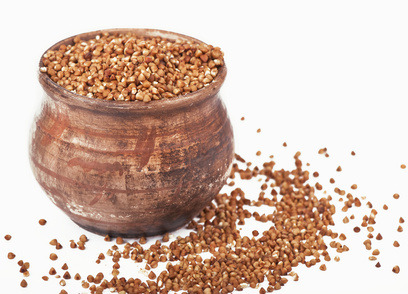
shows particular increases in Lactobacillus plantarum, Bifidobacterium spp and Bifidobacterium lactis.
A prebiotic was first defined as (1) “a nondigestible food ingredient that beneficially affects the host by selectively stimulating the growth and/or activity of one or a limited number of bacteria in the colon, and thus improves host health.” Read the full study here.
They then touch on my favourite topic, moderation with supplements, when the stress that quantity is not predictive of success…
The daily dose of the prebiotic is not a determinant of the prebiotic effect… The major factor that quantitatively controls the prebiotic effect is the number of bifidobacteria per gram of feces the volunteers have before supplementation of the diet with the prebiotic begins.The “dose argument” (often used for marketing some prebiotics) is thus not supported by the scientific data; it is misleading for the consumer.”
Here’s a chart of the top prebiotic foods – according to the US Dept of Agriculture.
(more…)