Wondering what I eat? You’re not alone. It’s the question I’m most often asked. My recipe books are an accurate reflection of what I eat, when I take the time to make something for myself. Nowadays though, I’m constantly trying new recipes and seeing how far I can get by focusing on filling my plate with nutrition, rather than filling up my belly for the sake of it. I’ll be sending out some food diary samples to my mailing list in the coming weeks.
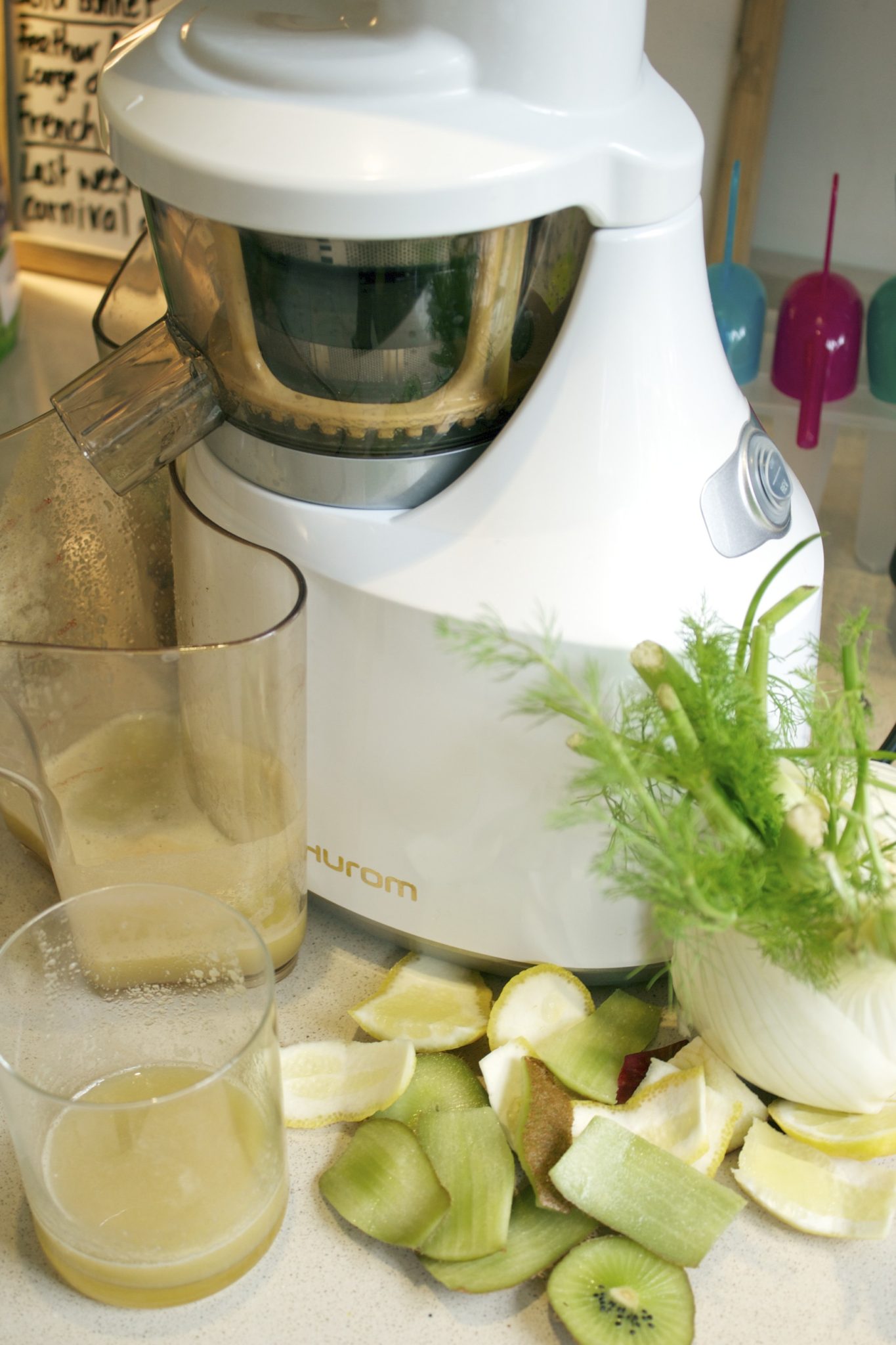
On that note, I’m so grateful that I took the time to do something good for my body before embarking on a grueling 26 hour London – Kenya adventure that took me via Addis Abbaba (Ethiopia) and Kilamanjaro. My “Farewell London” breakfast juice – a collaboration between myself and one of my closest friends/emotional guru/soul sister P, was no doubt of great use to me as I pounded through Heathrow airport, about to miss my flight. Forced to jettison my prepared foods (they were slowing me down), I spent the next 24 hours on an enforced fast, till the lovely ladies on Ethiopian Airways managed to procure three shiny apples for me.
Sure, I could have eaten the chemical laden, histamine nightmare/poison the airlines call “food”, I’m sure that would have made my 26 hour journey more pleasant? Tromping through airports, dizzy, incapable of staying awake, weak as a kitten, confused, emotional. That’s my old life. Thanks to Dr Fuhrman’s teachings I now know how long I can manage without food and recognise that the shaking and dizziness that occur four hours after not eating are nothing to do with blood sugar, but rather that the body is beginning to detoxify.
As for the juice…
Fennel: anti inflammatory, anti histamine analgesic and antioxidant.
Apple: inhibit the development of allergies. Rich in histamine lowering quercetin.
Cucumber: analgesic (pain killer), antioxidant that prevents the synthesis of the inflammatory compound prostaglandin.
Need an anti bacterial, anti inflammatory, antihistamine and anti anaphylactic pick me up that’s commonly used in the pharmaceutical industry? Well, even if you don’t, it still tastes incredible on everything from zucchini to pasta to eggs. Today I’m speaking of Thyme.
Not only is thyme amazing on foods, but thanks to its bacterial action, I’ve also been experimenting with it as a deodorant. All you need is a pestle and mortar, a little coconut oil and a big old handful of thyme!
Thyme’s antibacterial activity is so strong that it can be used to reduce bacterial resistance to penicillin and other drugs. That raised an interesting point for me. Though I had a lifetime of them prior to diagnosis, I took a seven year break from antibiotics (I needed them post surgically after freezing my eggs in 2017). Might not seem like long but I was on them monthly for most of my life for sinusitis, fever, acne, urinary tract infections. The problem? I didn’t actually have any of them. Mast cell disorders (including histamine intolerance) mimic many illnesses. So nowadays I insist on a swab and a culture before even entertaining the notion of taking anything. So far I haven’t needed to.
And there’s a bonus, thymol (the active ingredient in thyme) is a fungicide, particularly against the candida that most of our histamine disorder community seems to have chronic issues with. Throw in a little anti tumor activity and you’ve got me hooked! And that I certainly am. I put thyme and oregano (which also has the same active ingredients) on almost everything.
You want some even better news? Thymol “significantly” increases the percentage of healthy omega 3 fats in the body, particularly in the brain, kidney and heart cell membranes.
I found all of this info in one Wikipedia entry! Amazing what you can turn up when you’re in the market to heal yourself. Those with benzoate sensitivity may react to thyme though.
Now adding rutin, luteolin and quercetin rich herbs like thyme and oregano doesn’t have to be a painstaking process requiring tons of research and kitchen hours. I’ve done the research for you, now just get into the kitchen and whip up the quickest healthiest tasty dish you can. I pretty much guarantee that a bunch of fresh thyme is sure to enhance it.
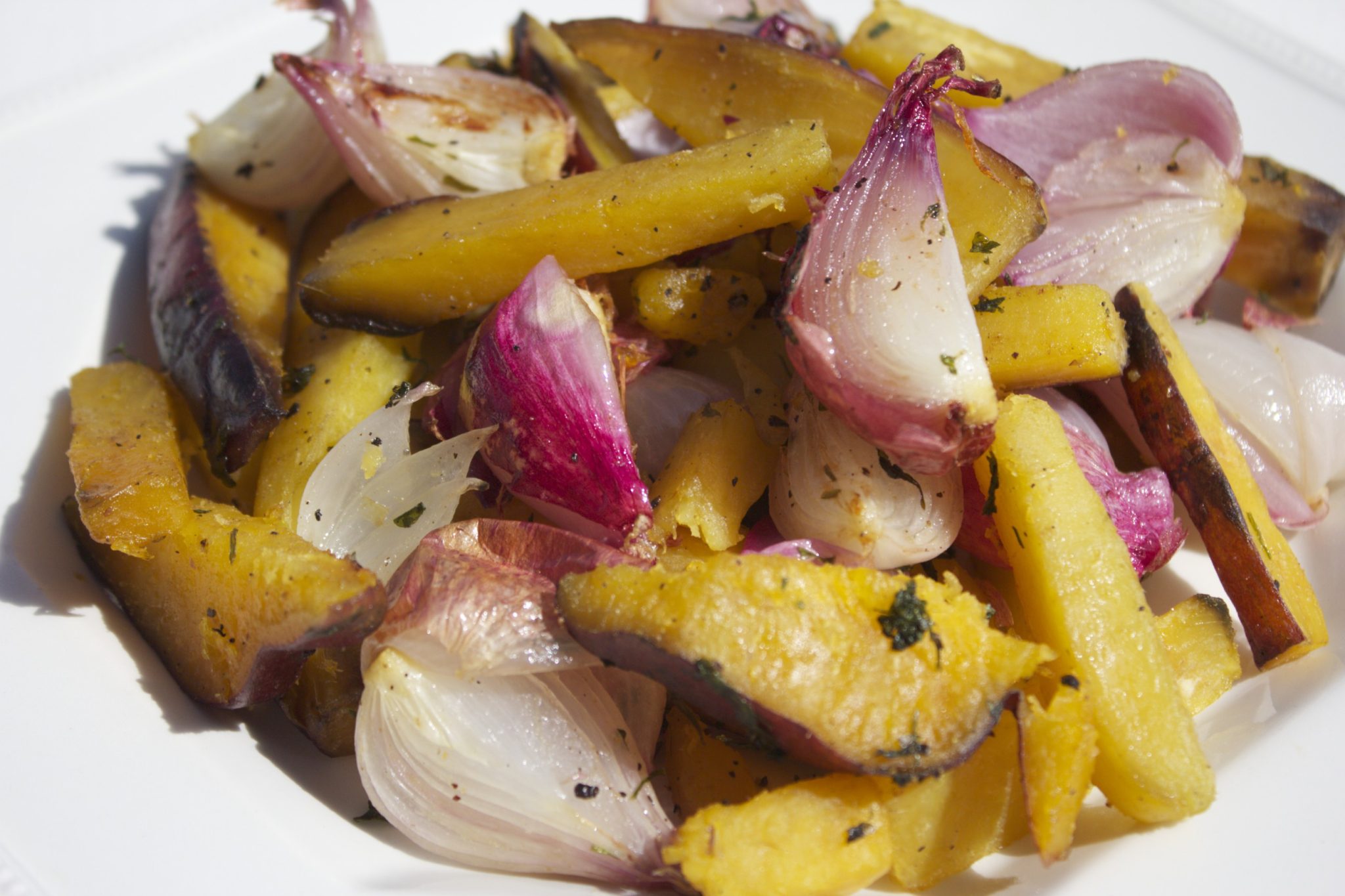
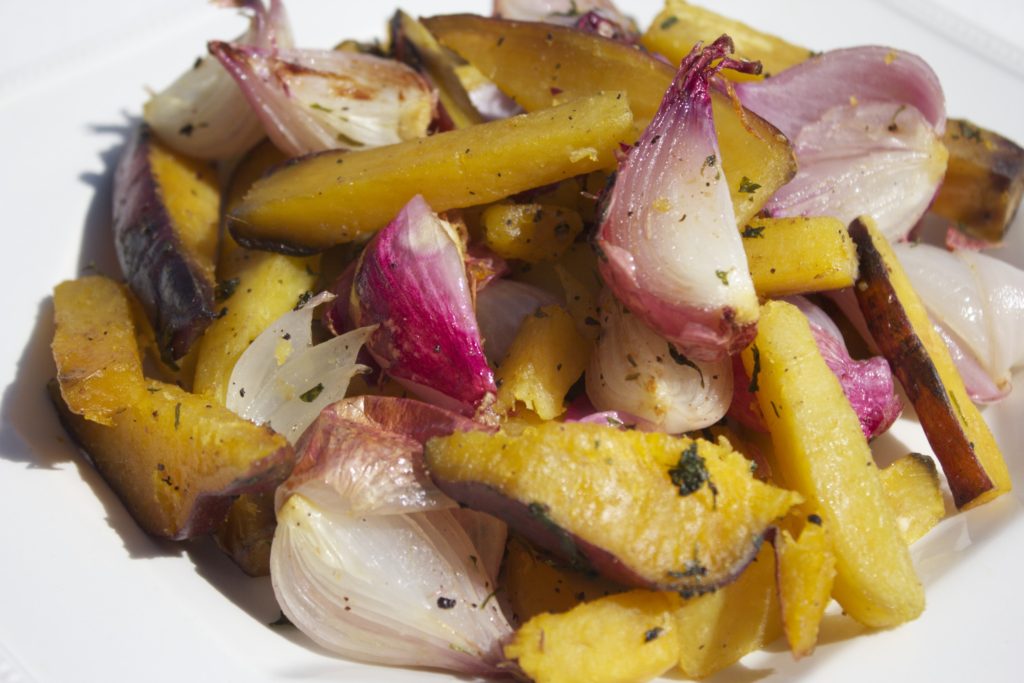
Here’s just one example: I threw together this roast in about five minutes and then left it to cook for 20 minutes while I went off to start this post.
Nutritional breakdown:
Thyme: histamine lowering/mast cell stabilising quercetin, luteolin and rutin.
Sweet potato: also packed with histamine lowering rutin and quercetin. Also possesses significant anti inflammatory and anti ulcerogenic properties.
Red onion: stupidly high in histamine lowering quercetin. Those of you in the states might also want to check out white savannah onions – they’re the highest in quercetin, with all varieties of red onion coming in a little lower.
Olive oil (just a quick spray from a diffuser): the key ingredient to the anti inflammatory Mediterranean diet, virgin olive oil is rich in oleocanthal – a compound that possess anti inflammatory properties similar to ibuprofen.
Please don’t forget antihistamine, pain killing foods can still hurt us, so please always check with your doctor before adding new foods to your diet
The Anti-cookbookand all liquid Anti-Detox Book, don’t treat any conditions, but are high in the high nutrient antihistamine and anti-inflammatory ingredients that have been instrumental in helping me feed myself on a limited diet. The Anti-cookbook features a six page list of antihistamine and anti-inflammatory foods and comes in regular and Paleo.
The Low Oxalate Cookbook features antihistamine and anti-inflammatory rich recipes.
Don’t miss the Low Histamine Beauty Survival Guide for non-toxic beauty tips, the skinny on histamine releasing (mast cell degranulating) beauty ingredients, antihistamine and anti-inflammatory beauty alternatives and the top brands natural brands I’ve found.
It’s time to expand on the “not all histamine is bad” comments I’ve been making in my posts and the support groups I frequent. I get a lot of emails asking why my books include this or that food – after all, don’t I realise it’s high histamine? We’re usually speaking of chickpeas, bananas, sunflower seeds or blueberries, rather than burgers, spaghetti, whatever. That’s because in my cookbooks you will never, ever, find junk food or any medium/high histamine food that’s nutritionally null.
Interestingly I am often asked this question by people who still feel it’s ok for them to indulge in pizza (no tomato though!), or the “infrequent” Taco Bell; those who still drink coffee or black tea (with just one spoon of sugar!), or who restrain themselves to “only licking off the frosting” when baking cupcakes for the family. Present them with the idea of eating a banana though, and they run a mile.
Then there’s those who absolutely cannot part with their scented hair products, formaldehyde rich nail polish and commercial make up brands (all histamine triggers – read more here), who constantly question how I can eat the odd tomato or macadamia nut. I live on raw/natural foods. No bath products touch my skin. I have five pieces of make up made from hemp and flax seed oil. I do not use commercial nail polish. I do not eat anything from a packet. That may be why I am able to tolerate (high nutrient) higher histamine foods. At the end of the day, not enough is known about the delicate histamine balance in the body to prevent me from gaining essential nutrients from higher histamine foods. But that doesn’t mean you’ll find them in my books!
My primary answer is that lists vary according to the ripeness of the fruit when picked, whether pesticides were used, method of testing, bacterial contamination, mode of transport, variety of fruit/veg and more. Add in that reactions vary depending on how overloaded you are that day, what other intolerances you may have, whether the food has any other benefits (antihistamine, anti inflammatory, high in nutrients). Not to mention that the very act of digestion itself causes histamine release,which pretty much explains why sometimes I react to everything I eat. There’s just too many variables. I was given a list, years ago, and (eventually) followed it like gospel. But I kept ignoring the advice that if left unchallenged my immune system would stage a revolt against the low histamine foods too (true dat!). What I did follow blindly, was the “allowed” list, to the point of ignoring my body’s pleas to make it stop. Eventually I understood that there wasn’t a one-fits-all list and that the only way I was going to get better was by making my own list of high nutrient antihistamine foods (more on that in my upcoming cookbook).
The list I was given mostly agrees with the one used by people with an extreme form of histamine disorder called mastocytosis. It’s a serious condition that causes anaphylaxis if high histamine foods (amongst other triggers) are ingested. I mostly use their list, as created by allergy expert Dr. Janice Joneja, and featured on the Mastocytosis Society of Canada‘s website. I vary in that I eat mango and other pitted fruit like peaches (but not plums and apricots). My personal diet is based on a list given to patients of my nutritional role model, Dr. Fuhrman.
My more personal answer is that it shouldn’t really matter whether chickpeas have double the histamine of an apple. What matters more is your reaction to it, and what other good the nutrients in that food do for you. Your food diary is indispensable for this reason. This is of course contraindicated when you have a history of anaphylaxis and really can’t afford to eat now and ask questions later.
While we’re on the subject, I don’t know how many of you are aware of histamine’s role in the body? Histamine helps get digestion going, controls appetite and metabolism, is a neurotransmitter, keeps us awake and acts as an immune system trigger. One of histamine’s most important functions is to help white blood cells fight pathogens in infected tissue. If you had too little of it, you’d find it hard to fight infection. It’s at this point that I’m told: “but we have too MUCH histamine”. Yes, we do. But histamine has four receptors. At a recent Mastocytosis conference I’m told that mast cell expert Dr. Theoharides shared that the H3 receptor actually helps regulate the others. So in effect, histamine lowers histamine. This is one of my many arguments for not taking antihistamines.
Here’s the interesting part, did you know that some foods/supplements lower inflammation by raising histamine? I reported that Lactobacillus reuteri causes histidine to convert to histamine, but this particular histamine raises cAMP (this is good), and kills inflammation. Once again, more proof that histamine is not all bad. In a similar vein, did you also know that researchers are experimenting with histamine as a way of shrinking cancer tumors? I found an amazing study that finds histamine, (once again) specifically histamine metabolised from the amino acid histidine which is created by our bodies (mostly with the help of alimentary sources like egg white, rice, sesame seeds, nuts and beef) lowers inflammation, thereby restricting tumor growth. (Read the full study here.) That’s the plan. Unfortunately some of us are let down when our bodies don’t do what they’re supposed to!
To summarise, going low histamine while still eating a standard diet doesn’t necessarily kill inflammation. It just deprives the body of nutrition. Anti inflammatory foods, the kinds that stop cancer, are often also antihistamine and therefore may be better for us than nutritionally average foods with little benefit.
So who’s to say that completely cutting out all higher histamine foods is a good thing? Maybe our body needs a fresh supply of high nutrient foods to help it keep the negative effects of histamine in check. I really need more information on that but there is enough for me to justify trying to keep introducing high nutrient higher histamine foods. Not junk.
In my next post (one that you won’t want to miss), I’ll be talking about low histamine vs. anti inflammatory foods. Don’t miss it – sign up to my newsletter for that, and this month’s low histamine recipe.
In the meantime, I leave you with today’s breakfast.
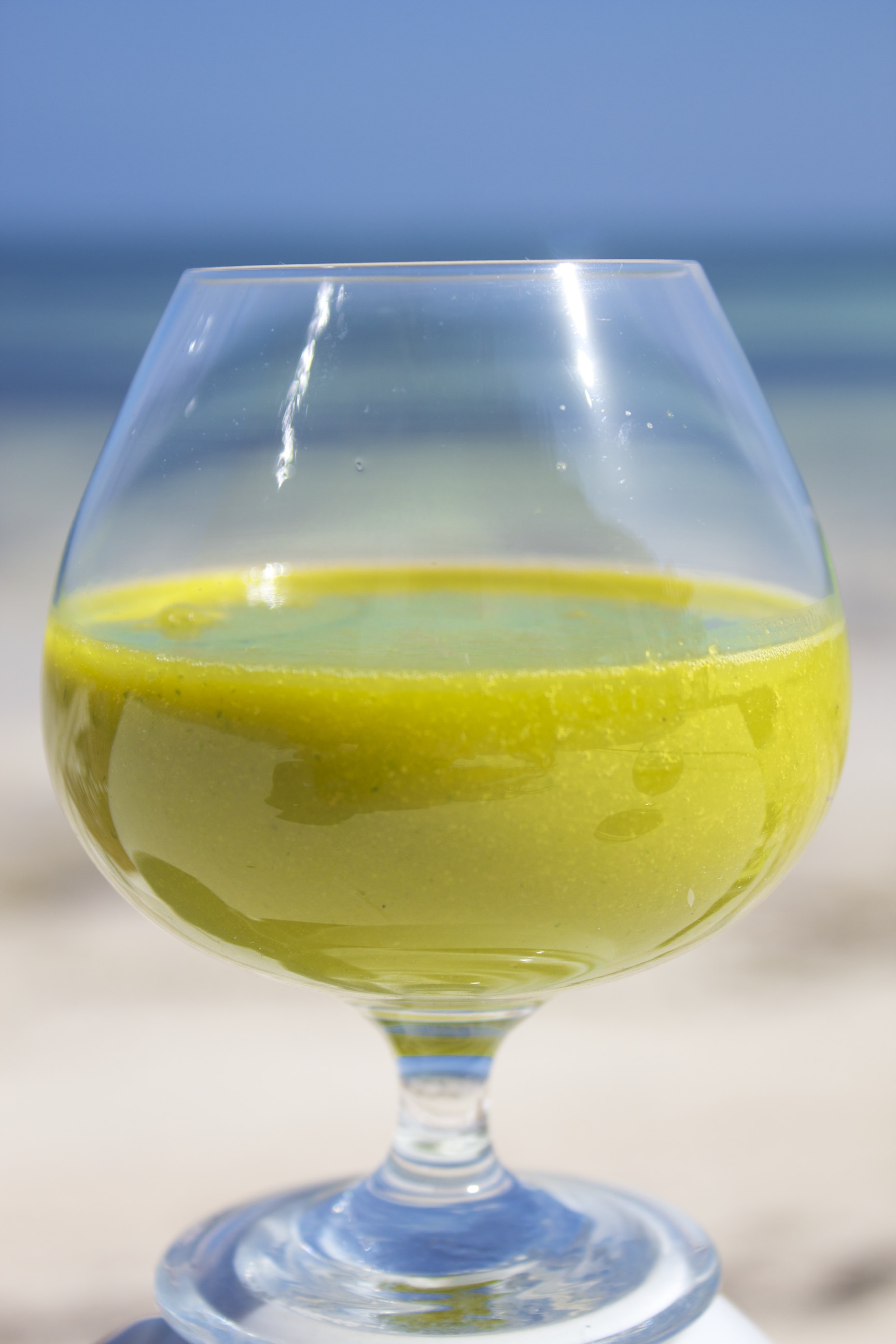
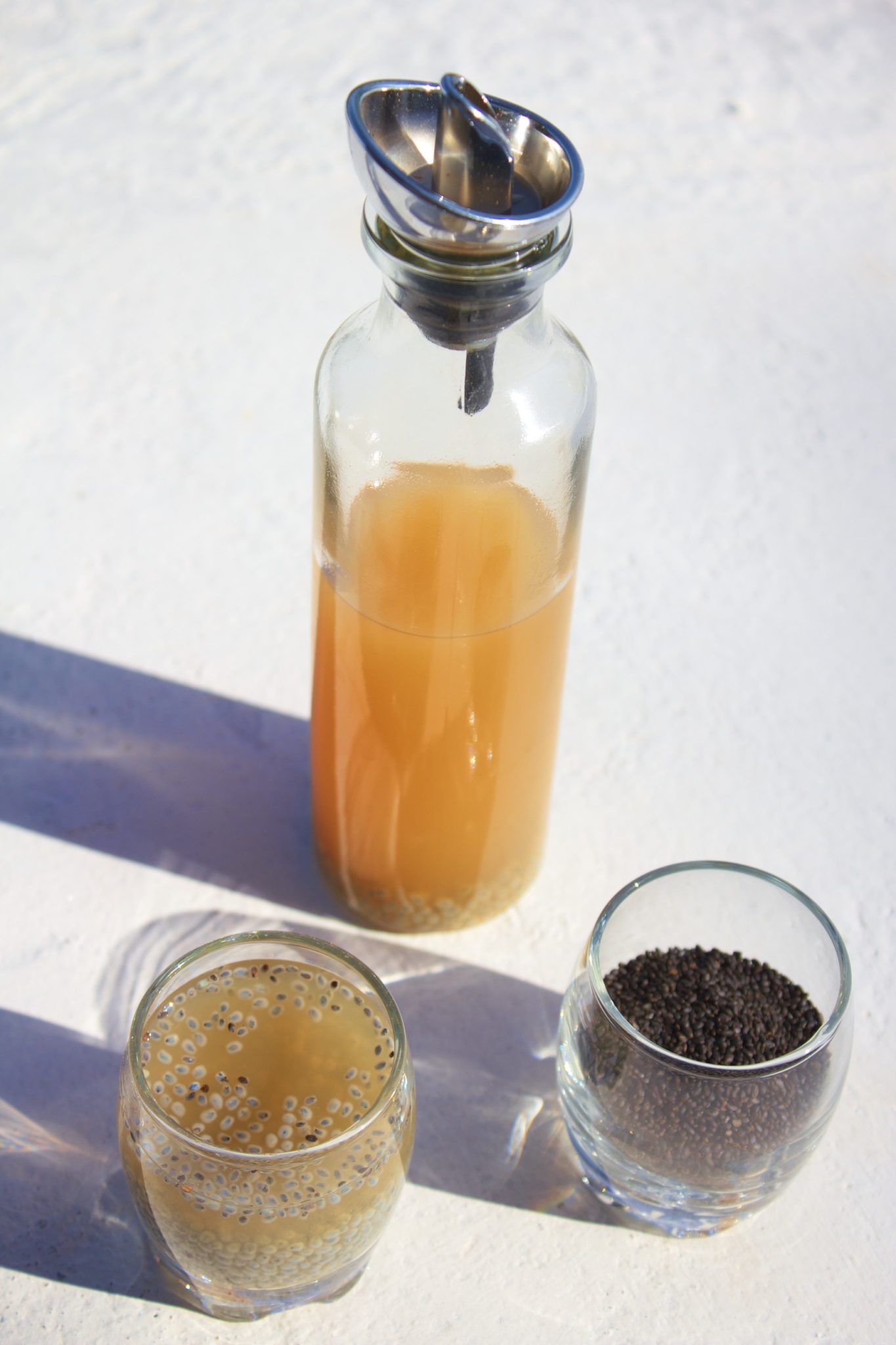
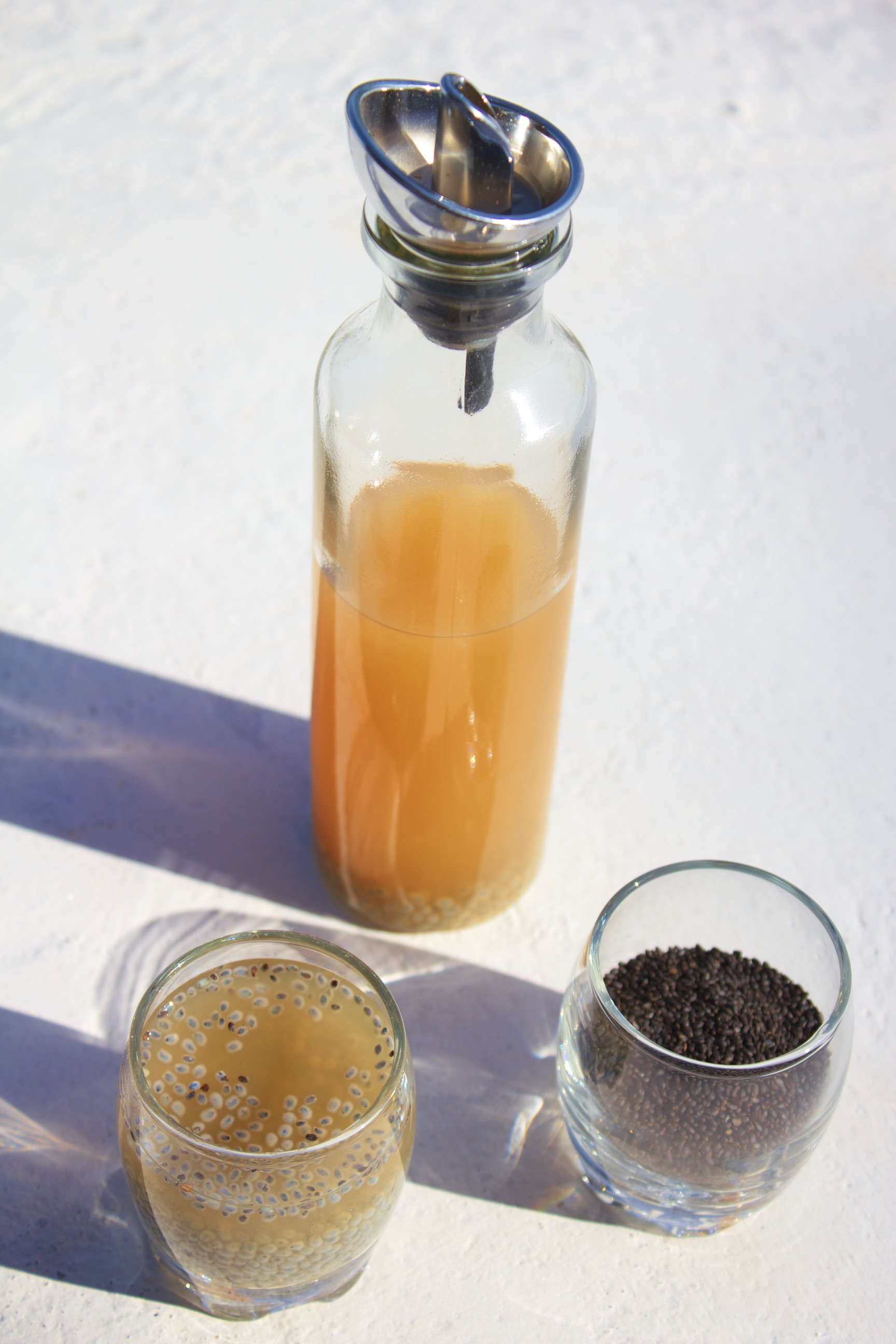
An antihistamine shot of a different kind! In Spain (where I grew up), we call them chupitos…
I came up with this antihistamine shot as a part of my 101 uses for holy basil series a way to combine a couple of powerful histamine-induced inflammation fighting ingredients:
Passion fruit is an anti inflammatory, antihistamine, super tasty fruit. In studies the peel has been shown to have anti asthmatic properties. For those of you into lists; passion fruit is listed as low histamine on Janice Joneja’s list (which is also the Mastocytosis Society Canada’s) as well as being relatively low salicylate (depending on which list you follow!).
Holy basil: as an anti inflammatory it’s as powerful as the pharmaceutical industry standard Diclofenac and it also has mast cell stabilising properties – meaning that it stops histamine from being released from the mast cells. Read all about holy basil’s properties.
White tea: the gallic acid in these prevents IgE allergic reactions and stabilises mast cells as effectively as the commonly prescribed mastocytosis medicine sodium cromoglycate.
Don’t forget to sign up to my mailing list for more recipes, histamine related news and more.
Antihistamine shots
INGREDIENTS:
1 cup white tea
1 passion fruit, strained to remove the pips
1 tbsp holy basil seed
PREPARATION:
Use a nut milk bag or strainer to remove the pips from the passionfruit. Mix with the tea.
Top with holy basil seeds. They’ll become very squidgy in about 10 minutes. You can drink them right down without chewing!
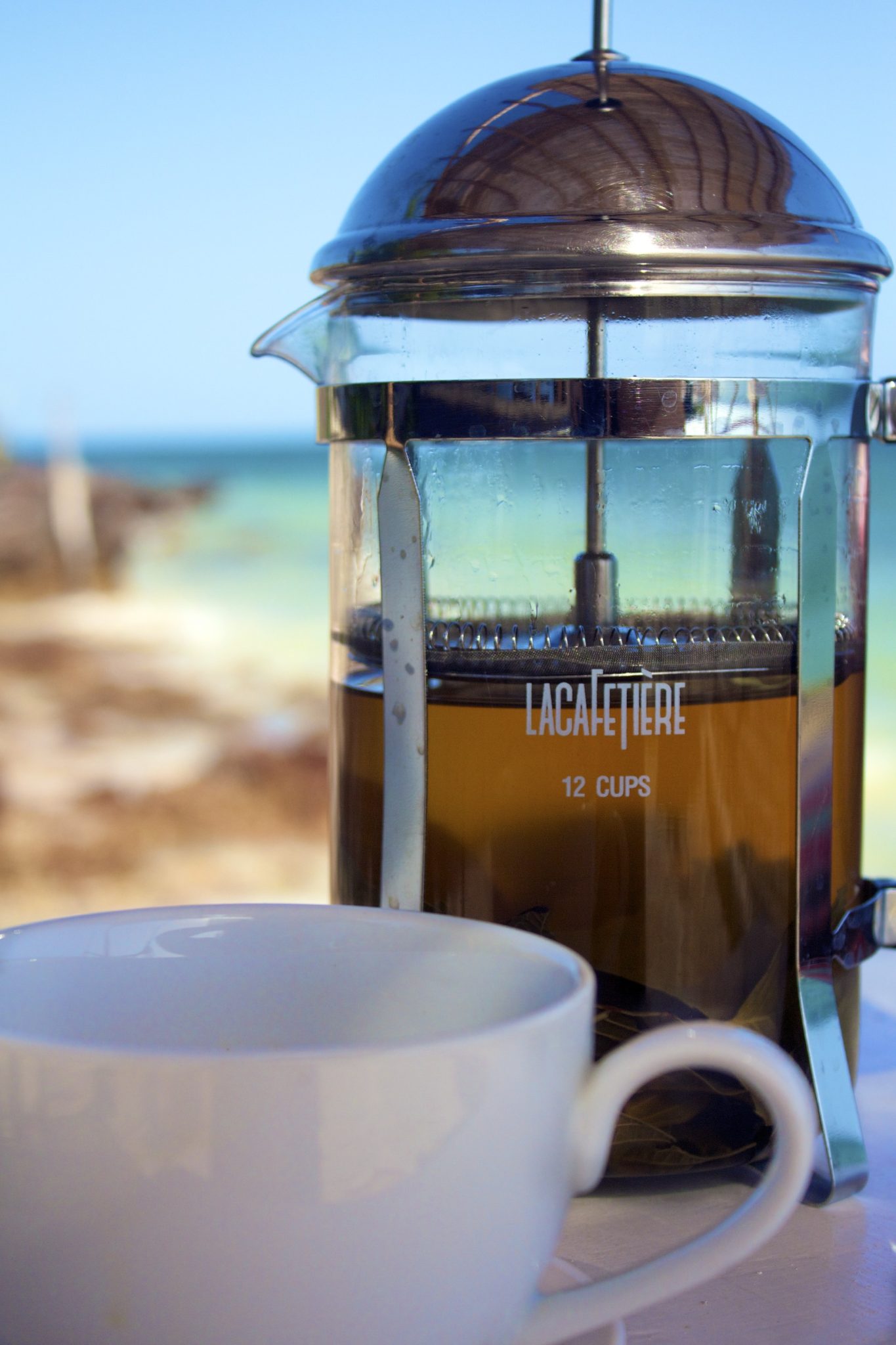
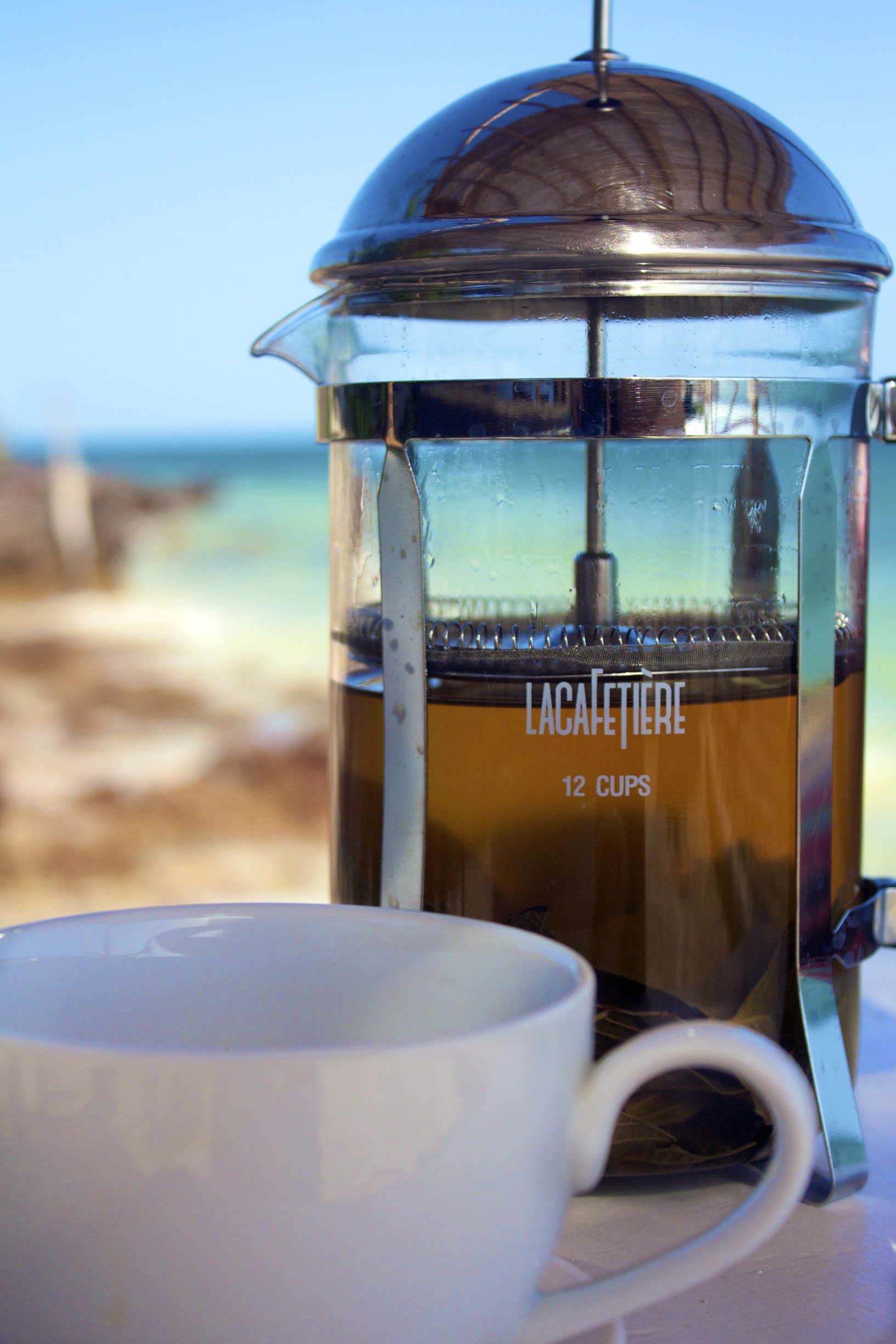
There’s something internally cooling about cup of tea on a hot day. But if a hot antihistamine beverage doesn’t appeal, just add a little ice and serve with a wedge of lemon. I enjoyed this antihistamine in a glass by the beach yesterday here in Kenya. My project has been extended, again, which is giving me some much needed time to continue exploring all the natural antihistamines this country has to offer. Yesterday’s discovery was the guava tree in the garden. No fruit this time of year, but, much to the amusement of my masai (warrior) companion, I began jabbering about needing to score some leaves. I barely heeded calls to watch out for snakes; stupidly, given that we had found a 6ft poisonous snake making its way to the living room just the day before, before denuding a quarter of the tree.
Why the excitement? Guava leaf inhibits histamine release from mast cells. In English: it’s an antihistamine! I choose to treat my histamine condition naturally, so I’m always on the lookout for anything to add to my natural antihistamine arsenal. I supplemented guava’s antihistamine and anti inflammatory properties by dunking a mast cell stabilising, gallic acid rich white tea bag a few times and topping everything off with a chunk of gastric acid killing ginger. As you may have heard, this natural H2 receptor antagonist (ginger) is as effective as Zantac (Ranitidine), without causing any of the nasty side effects. I eat with my eyes. If that makes sense? So I put all this good stuff into this funky cafetière to serve it.
You’ll find other tasty antihistamine and anti inflammatory recipes in my upcoming books. Don’t forget to sign up to my mailing list for more recipes.
Here’s what went into my tasty antihistamine beverage:
Beach House Antihistamine Tea
1/2 cup fresh guava leaves, chopped
1 white tea bag, quickly dunked
1 tbsp sized chunk of fresh ginger
1 squeeze of fresh lemon juice (omit if sensitive)
It’s finally here! Man Food – a high nutrient antihistamine and anti-inflammatory ingredient filled book geared towards guys, women who love to work out, yoga like they mean it, or just load up on healing nutrients. Features my personal shopping list of antihistamine and anti-inflammatory foods.
The Anti-cookbook and all liquid Anti-Detox Book, don’t treat any conditions, but feature a plethora of the high nutrient antihistamine and anti-inflammatory ingredients that have been instrumental in helping me feed myself on a limited diet. The Anti-cookbook features a six page list of antihistamine and anti-inflammatory foods and comes in regular and Paleo.
The Low Oxalate Cookbook features antihistamine and anti-inflammatory rich recipes.
Don’t miss the Low Histamine Beauty Survival Guide for non-toxic beauty tips, the skinny on histamine releasing (mast cell degranulating) beauty ingredients, antihistamine and anti-inflammatory beauty alternatives and the top brands natural brands I’ve found.
Please remember, even antihistamine and anti-inflammatory foods can hurt us, please always exercise caution and consult a medical practitioner before adding new foods.
And we’re back baby. My designer has been taking so long to redevelop the site that I finally caved and put it back up for the meantime. It’s been tough not sharing all that I’ve found these last few weeks – but rest assured I have a BUMPER crop of information that’s going to rock your world.
I’m going to space it out a little, so let’s start with my most exciting positive discovery of my Kenya trip (believe me, there have been many!):
Amaranth greens are tasty, packed with anti inflammatory vitamin k AND they posses such strong antihistamine action that they’ve been shown to prevent anaphylactic shock. Now this doesn’t mean that you won’t be allergic to them, so please (as always) proceed with caution.
Before I get into my first amaranth greens experience, I’d just like to add a little note about histamine. I talk over and over again about the importance of diet in managing histamine conditions like histamine intolerance, mast cell activation and mastocytosis, but I haven’t yet shared my treasure trove of information on all the conditions that are affected/caused or aggravated by histamine. It’s coming; I’m just organising it all. A lot of this info is out there in the public domain; I’m not creating new research, just gathering it all. And you would be shocked by what I’ve found. I’m wondering how many thousands of people out there aren’t aware that histamine disorders either mimic or aggravate various conditions. Sign up to my mailing list to make sure you don’t miss this bombshell…
Anyway, that’s coming up soon. But in the meantime…ta dah! I present my amaranth greens experience.
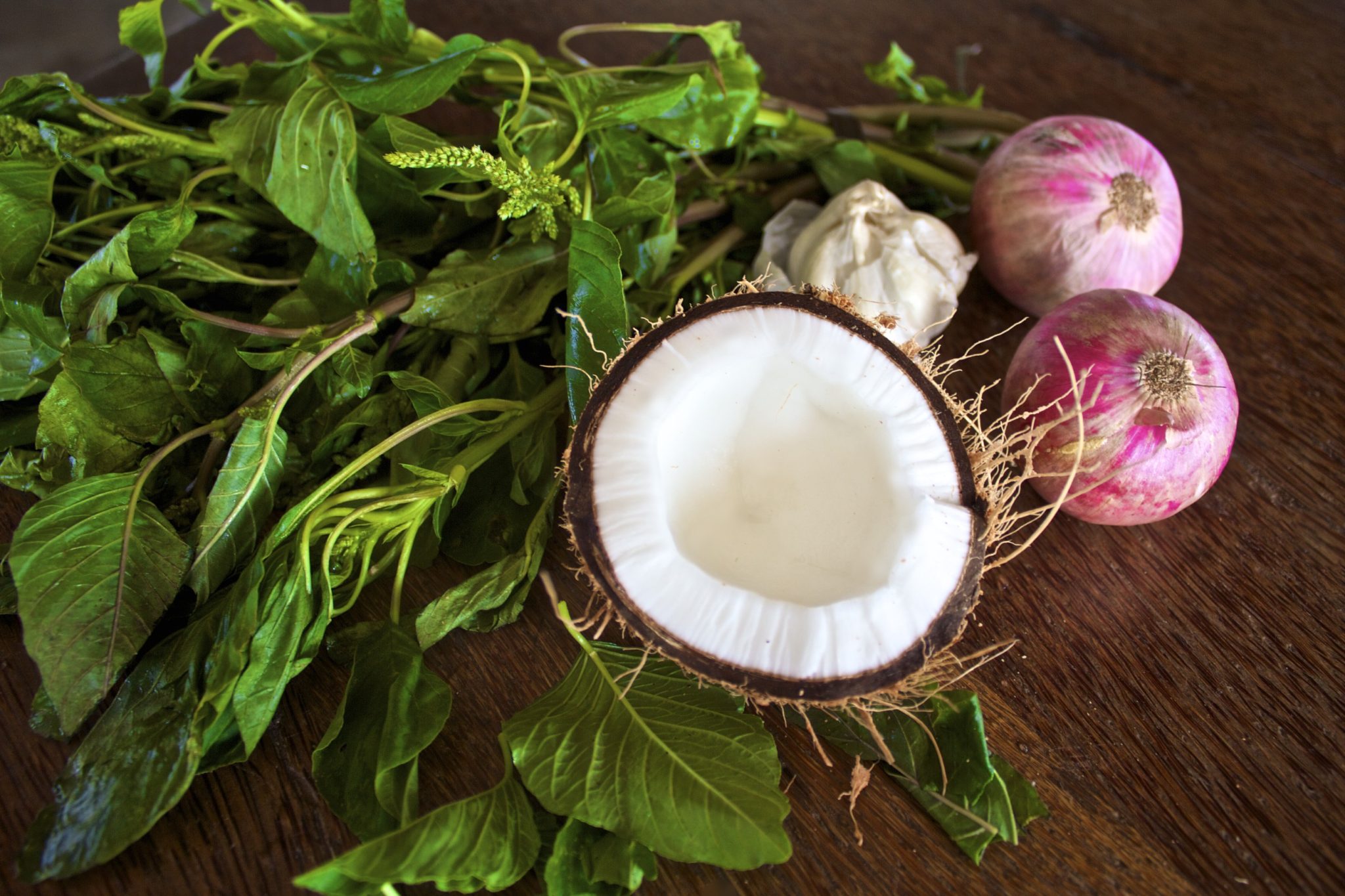
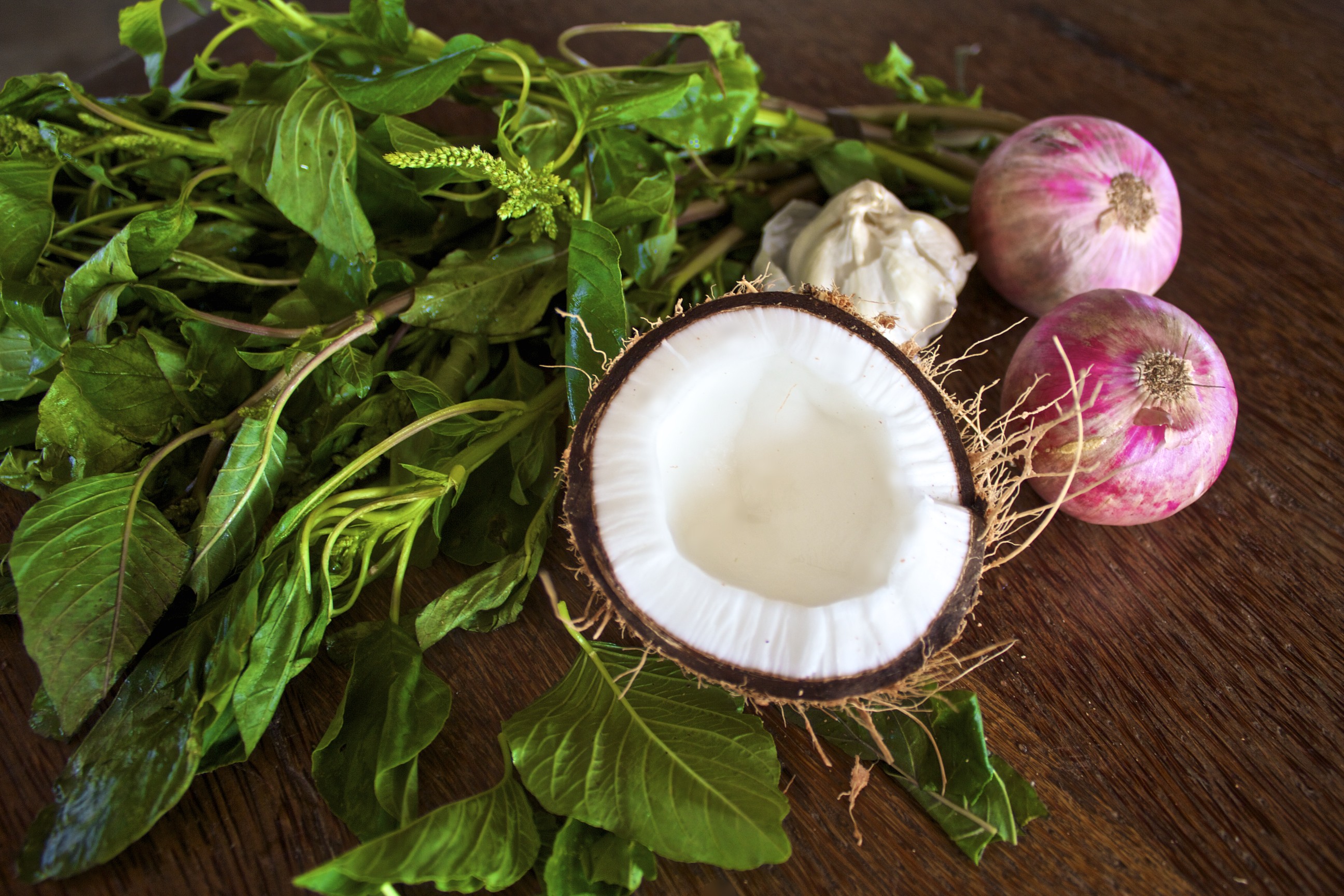
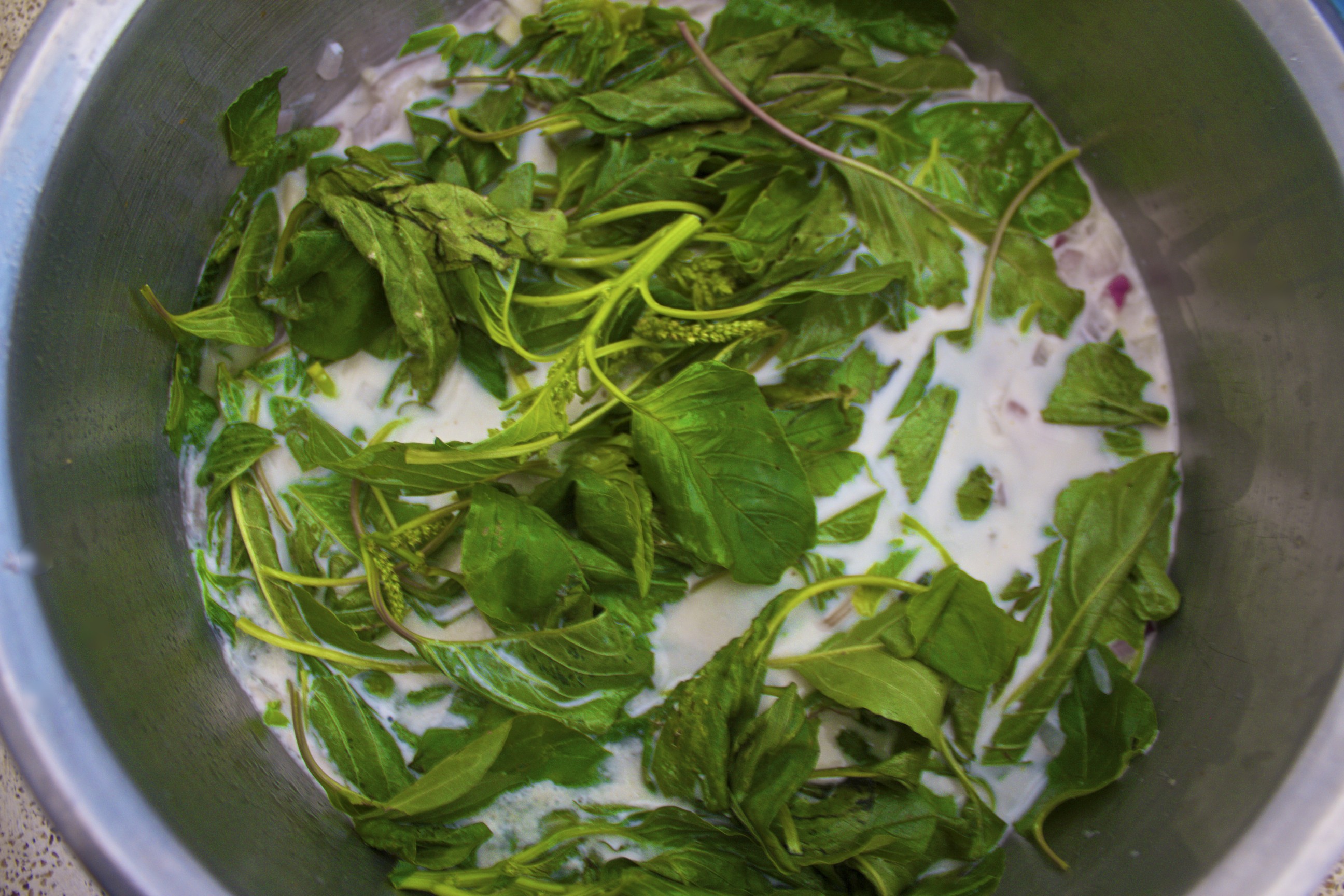
Yesterday the lovely Rehema, our friend’s housekeeper at the stunning beachfront villa we’re staying at here in Kenya, knowing that I have a fixation with all things veggie, presented me with armfuls of greenery. Having furnished me with the local name (managu/mchicha), Google came back with a name that truly excited me: amaranth greens. Having searched for them in vain all over London (probably just out of season), I pretty much bolted back to the kitchen in search of what I could throw together to make a palatable meal. The problem? My man was hungry too – and as sweet and as understanding as he is of my bizarro feeding habits, I needed to feed him something substantial rather than my usual “food is medicine” approach. And so into a large pot went some antihistamine quercetin rich red onions, immune system supporting garlic, anti anaphylactic/mast cell stabilising amaranth greens and anti inflammatory freshly made coconut milk for its fat content.
For my man I debated adding a little actual curry (you’ll notice this curry is oddly curry free!), but we didn’t have any fresh leaves on hand. I cooked up a bowl of wheat polenta for him, and waited for the taste verdict – i.e. did it need enhancing with the powdered curry we did have. But it was deemed to be delicious as is. I waited for a few hours with baited breath, wondering (as always) what this would actually do for me. Either the placebo effect was in full swing, or the amaranth greens did the job, and my slightly swollen tummy and face suddenly deflated. I slept like a baby and woke up as bouncy as a newborn pup. But hey, did I mention the placebo effect? I’m a big believer in it, and I’d totally hyped up the greens these last few months.
Either way, it was a tasty, nutritionally balanced, antihistamine lunch!
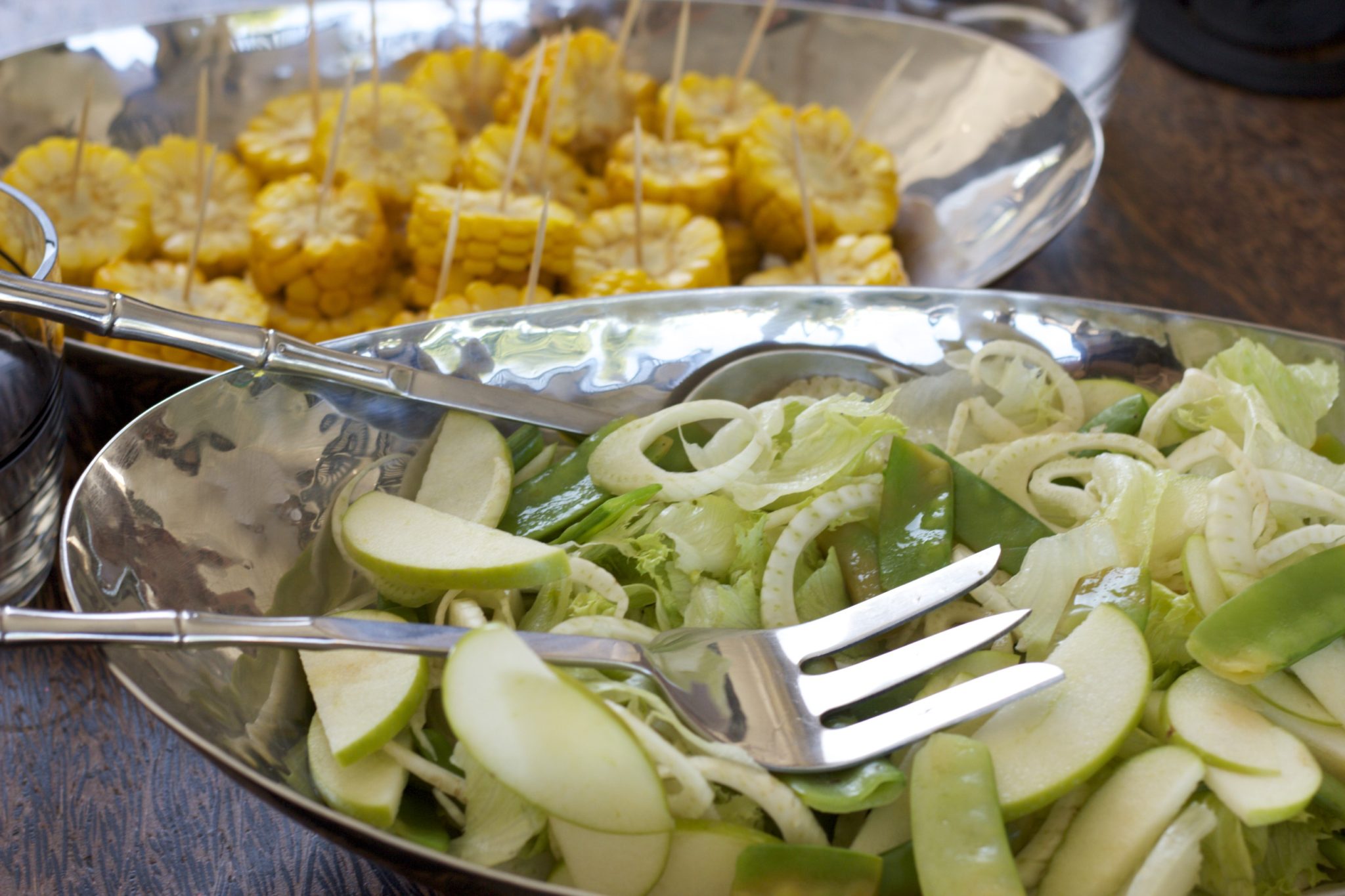
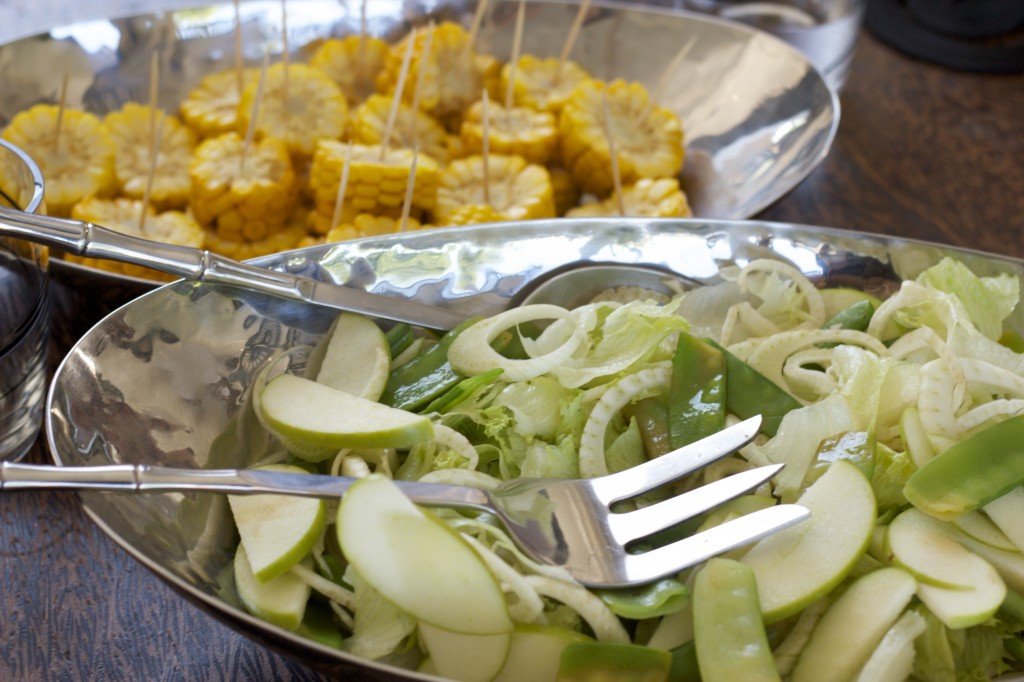
Today we got down to business here in Kenya. Meetings, strategy, and all that good stuff. Despite being pressed for time, lunch still had to be nutritious, so I whipped up this quick antihistamine and anti inflammatory salad. Some have issues with green beans, so I omitted them from the recipe.
The Skinny
In studies, fennel exhibits “inhibitory effects against acute and subacute inflammatory diseases and type IV allergic reactions and showed a central analgesic effect.” Read the study here.
Russian studies (the only ones I could access for free on the net) show that tarragon shows “highlight potential anti-inflammatory, hepatoprotective, and anti hyperglycemic effects”. Read the full study here.
3 tablespoons olive oil 1 1/2 tablespoons coarsely chopped fresh tarragon 2-4 teaspoons fresh lemon juice 4 tablespoons apple juice (fresh) 3 celery stalks, thinly sliced 2 small fennel bulbs, thinly sliced 1 apple, julienned
Directions: Whisk first the olive oil, tarragon, and apple juice.
Add the lemon, or you could also use 2 tbsp lemon juice plus 2 tbsp apple cider vinegar, which is the lowest histamine of vinegars. I personally don’t.
Add the celery, thinly sliced fennel and apple; toss in the dressing Season to taste with salt and pepper.
If you’re looking for a more “authentic” coleslaw, whip up a serving of home made mayo.
You’ll find other low histamine and antihistamine recipes in the On the Go cookbook (as well as the home made mayo recipe).
I’m waiting for tax papers in the US to go through before I can sell the books on Amazon. So in the meantime I’ve been trying to figure out the best way to let folks take a peek inside the book. So here it is…
And here’s the blurb to go with it!
Do you spend hours roaming the supermarket in search of a quick meal? Are you bored with eating the same five foods over and over? Would you like to whip up nutritious, low histamine recipes in 20 minutes (or less)? Then make sure you’re signed up to my newsletter for an exclusive 10% discount on the 60+ page Low Histamine ‘On the Go’ Cookbook!
The Low Histamine ‘On the Go’ Cookbook takes you on a whirlwind tour of Vietnam, Lebanon, Italy and India, via the good ol’ US of A. Eating healthy’s NEVER tasted so good, or this easy.
The fridge and fields are my medicine cabinet. I’ve managed to withdraw from all pharmaceuticals including: anti-histamines, anti-anxiety meds, antidepressants, migraine, nausea, and dizziness meds. I’m now the happiest and healthiest I’ve ever been. I’ve learned to harness the positives that high histamine bestows (appetite suppression, higher metabolism, energy) and make them work for me!
Who the hell am I to give dietary advice? My cookbooks reflect the incredible amount of research into histamine and other biogenic amines in food that I’ve obsessively collected over the last two years since my histamine intolerance diagnosis. As a former journalist with over 10 years research and international news production experience for 60 Minutes, CNN and the BBC, I know how important the facts are. Not only do I back up each claim on my site with numerous studies, I’ve even used myself as a guinea pig, taking myself from washed up medical mystery to successful 21st century businesswoman.
I’ve also kindly been given permission by Dirk Budka, the practitioner who diagnosed me (now retired), to use his low histamine food list for my low histamine recipes. Other than that, I’ve cross referenced lists on the net, using the ingredients most agree on, as well as taking into account the histamine in foods list recognised by the Spanish Diamine Oxidase Society.
But, here’s a promise: if you can’t tolerate a recipe or ingredient, please just contact me and I’ll replace it, but rest assured, all recipes have gluten and gluten free options!
Diagnosed with histamine intolerance/histaminosis, mast cell activation or mastocytosis? Looking for a tasty treat but have no clue where to start? My first dessert book – the Low Histamine Dessert book – is gluten free, milk free, and refined sugar free, perfect for those necessary indulgences, without the histamine hangover.
I’ve always been a healthy dessert person, mainly because sugar just makes my stomach turn inside out.
The Low Histamine Dessert Book features a number of pages of substitutions but please feel free to contact me through the forum, or by email, if you have any questions.
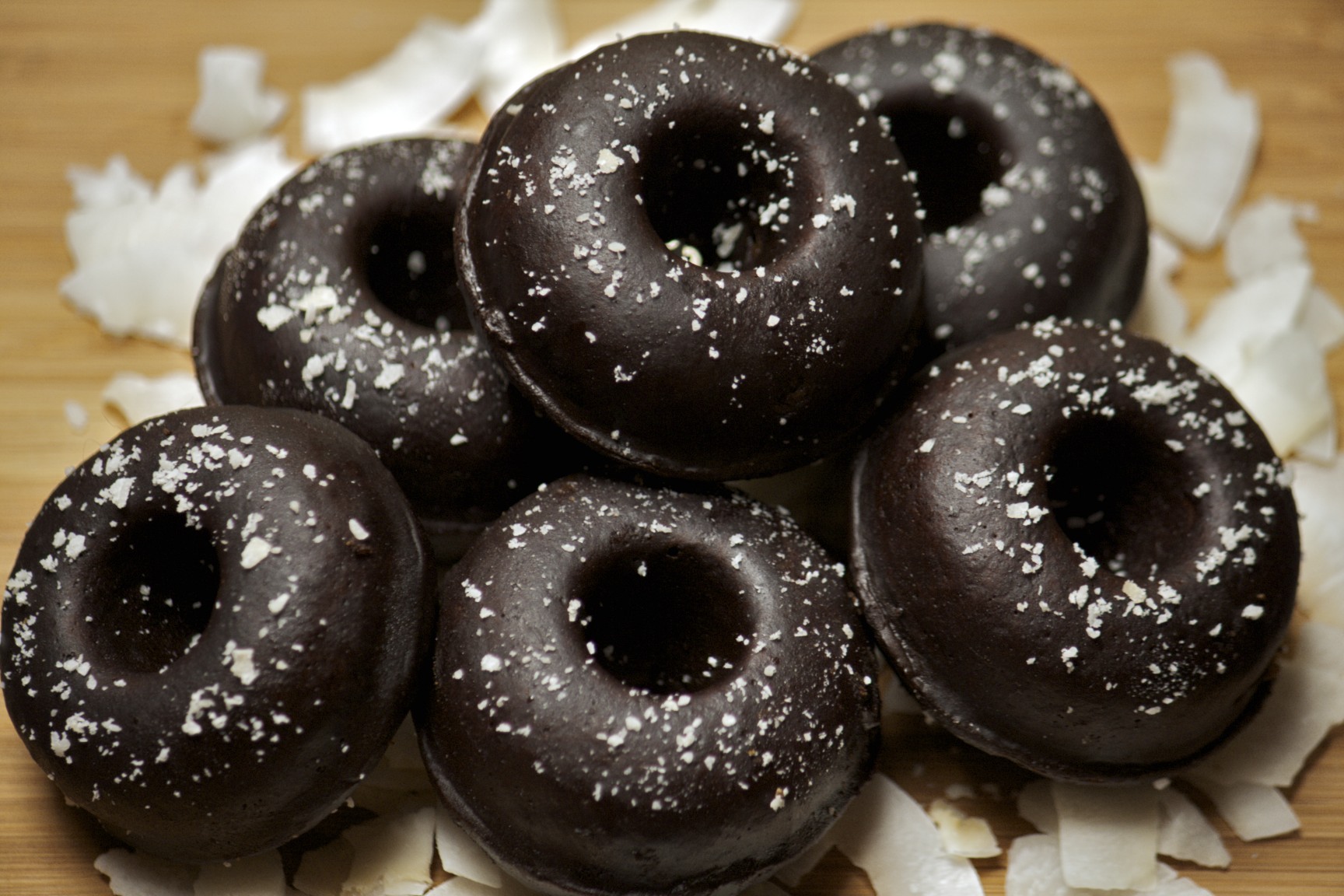
And don’t worry…this book does feature my anti-inflammatory donut recipe! You can download the Low Histamine Dessert Book here.
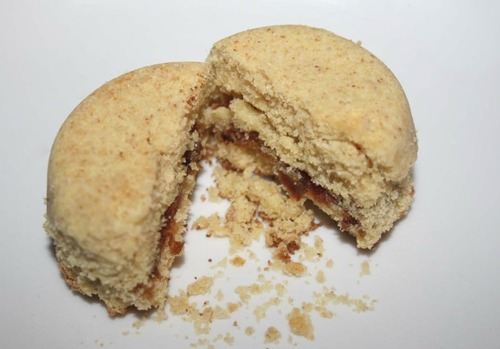
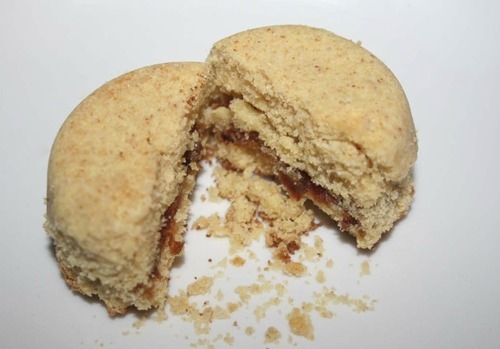
Here’s a recipe that may or may not make it into the low histamine non-gluten free dessert recipe book. To be made correctly it really needs some butter. You could use vegetable shortening, but I’m not really in love with either health-wise. My results with oil weren’t as good. I would only make these once in a very blue moon because of the wheat and butter. I’m also on the fence about the dates. I can eat them, but generally not with other higher histamine ingredients. Having said all that, they’re really delicious, but please be aware that they are not as low histamine as my other recipes. Omit the agave or sub with a little apple juice for a lower histamine dessert.
It’s such a challenge finding low histamine desserts suitable for those of us with histamine related disorders and I sometimes wonder if I’m being too militant in what I classify to be low histamine. There’s no way you’d find anything lower histamine dessert-wise than my recipes in a store, but I would never buy a dessert from a store anyway! Please leave me a comment to let me know if you think this recipe is low histamine enough to make it into a non-gluten free low histamine dessert recipe book.